Caring for someone with multiple long-term health conditions can be both rewarding and challenging. More people than ever are living with conditions like diabetes, asthma, arthritis, or hypertension and these health challenges often affect minoritised ethnic communities disproportionately.
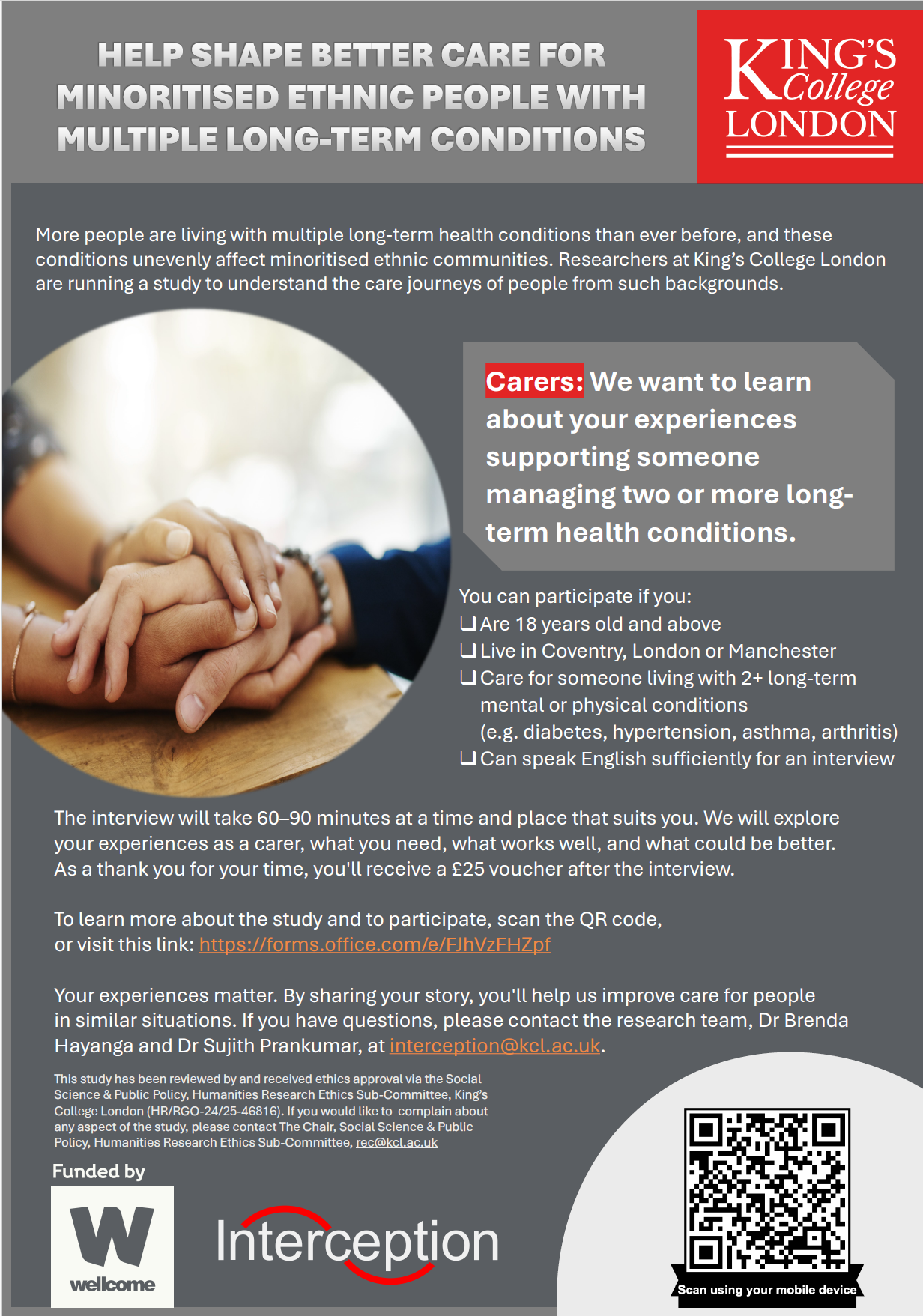
King’s College London is running the INTERCEPTION study to better understand the experiences of carers like you and the people you support. The goal is to improve how community leaders, healthcare professionals, and policymakers perceive and support those living with multiple conditions.
Your Voice Matters
Your experiences as a carer provide invaluable insights into what works, what could be better, and what support is most needed. By sharing your story, you help shape the future of care for people in similar situations, both locally and nationally.
Who Can Take Part
You can join the study if you:
Are 18 years old or above
Live in Coventry, London, or Manchester
Care for someone with two or more long-term physical or mental health conditions
Can communicate in English for an interview
What Participation Involves
The study involves a one-to-one interview lasting 60–90 minutes at a time and place that suits you. Everything you share will be kept confidential. As a thank you for your time, participants receive a £25 voucher.
How to Get Involved
To learn more or sign up, scan the QR code on the flyer or visit this link . If you have any questions, you can contact the research team, Dr Brenda Hayanga and Dr Sujith Prankumar, at interception@kcl.ac.uk.
Your experiences truly matter. By participating, you help researchers understand what carers need and influence better care for minoritised ethnic communities living with multiple long-term conditions.
By Matthew McKenzie, Co-Facilitator – SW London Carers Forum
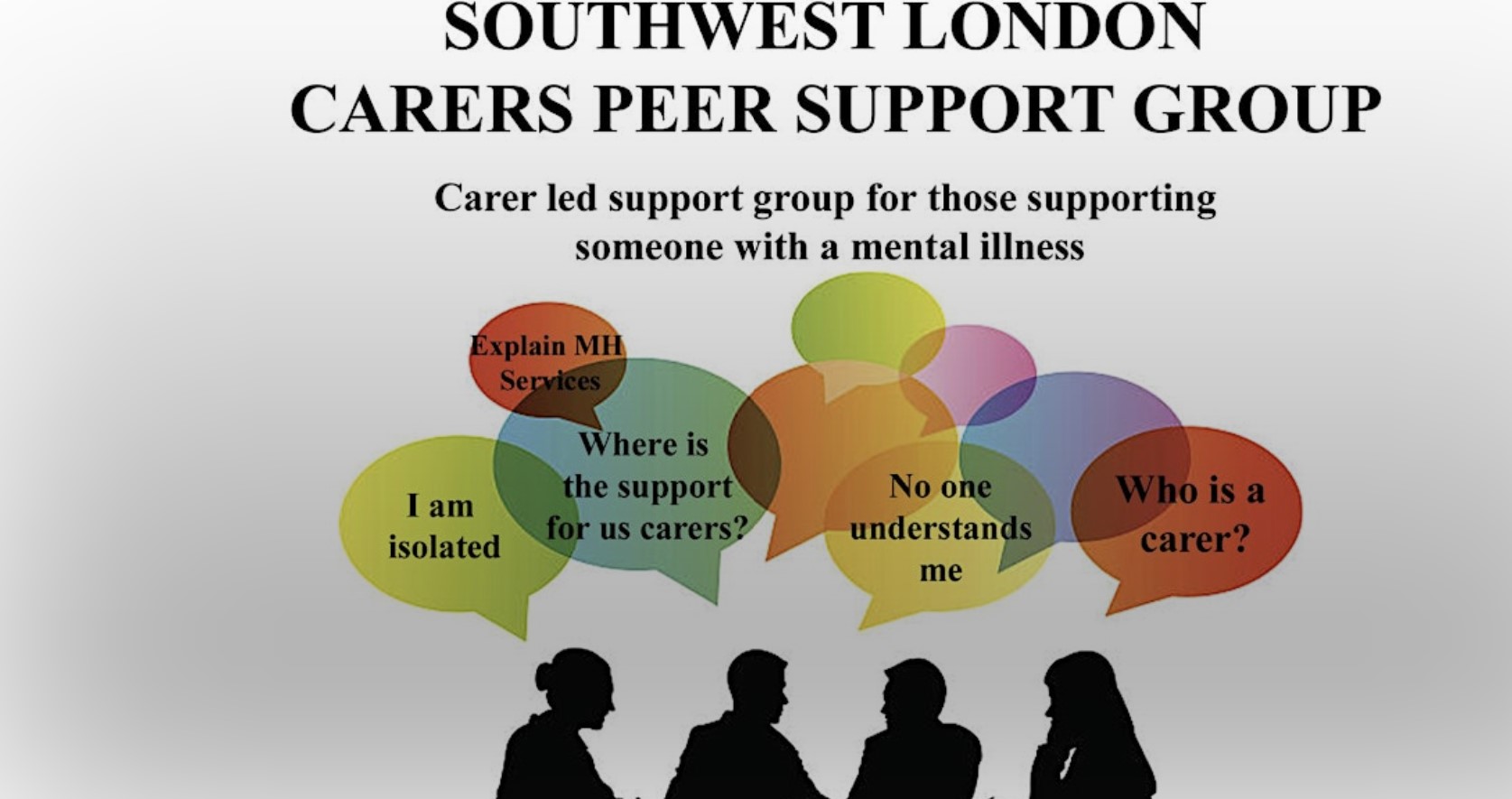
About the South West London Carers Group
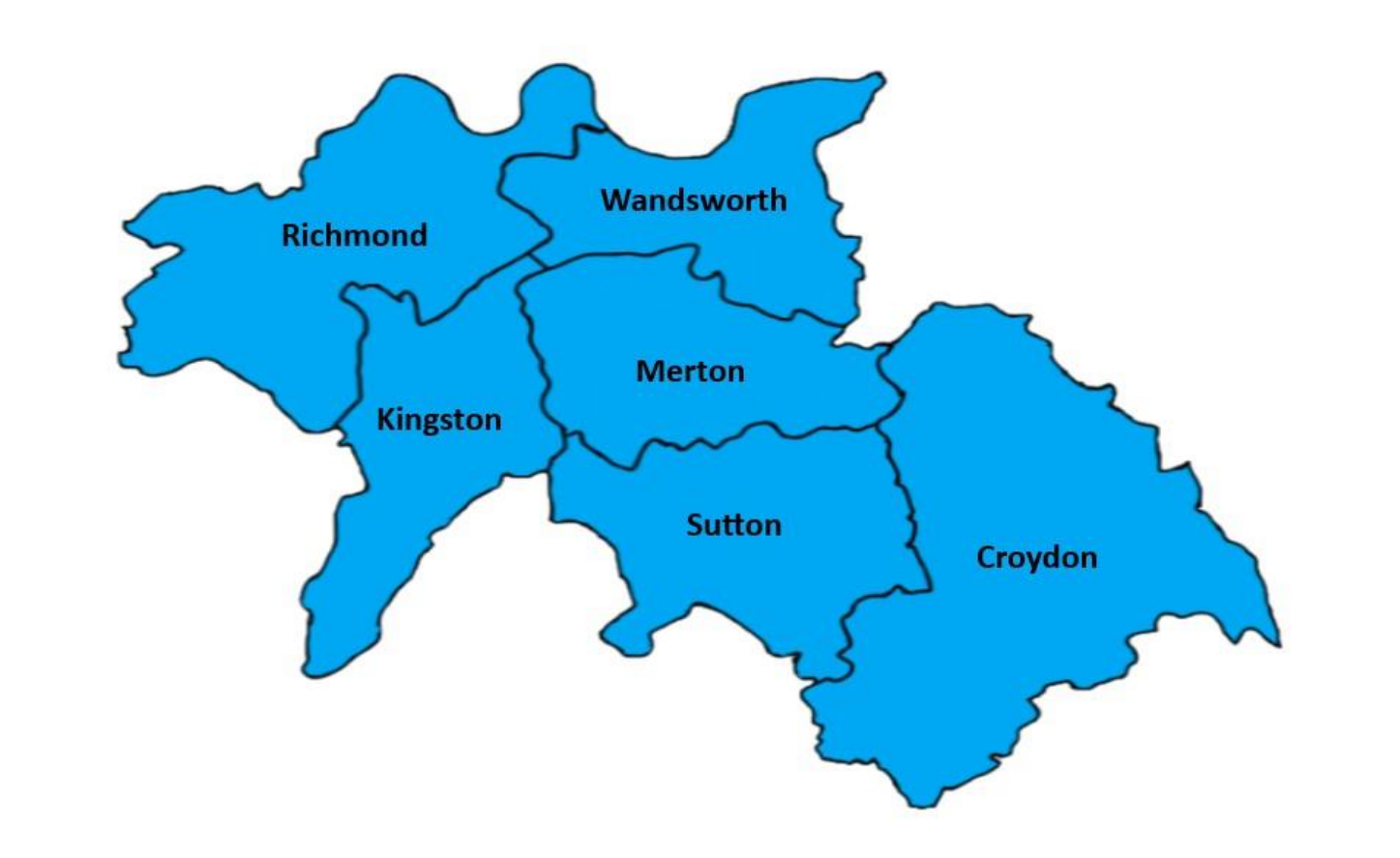
The South West London Carers Group brings together unpaid mental health carers from across the boroughs of Sutton, Merton, Wandsworth, Richmond and Kingston, to share experiences, gain peer support, and stay informed about local health and social care developments.
The group provides a safe and welcoming space where carers can discuss the challenges of supporting loved ones particularly those with long-term conditions or mental health needs while also learning from guest speakers, professionals, and each other. Co-facilitated by myself, the forum plays an important role in making carers’ voices heard and strengthening connections between carers and local NHS, mental health, and community services.
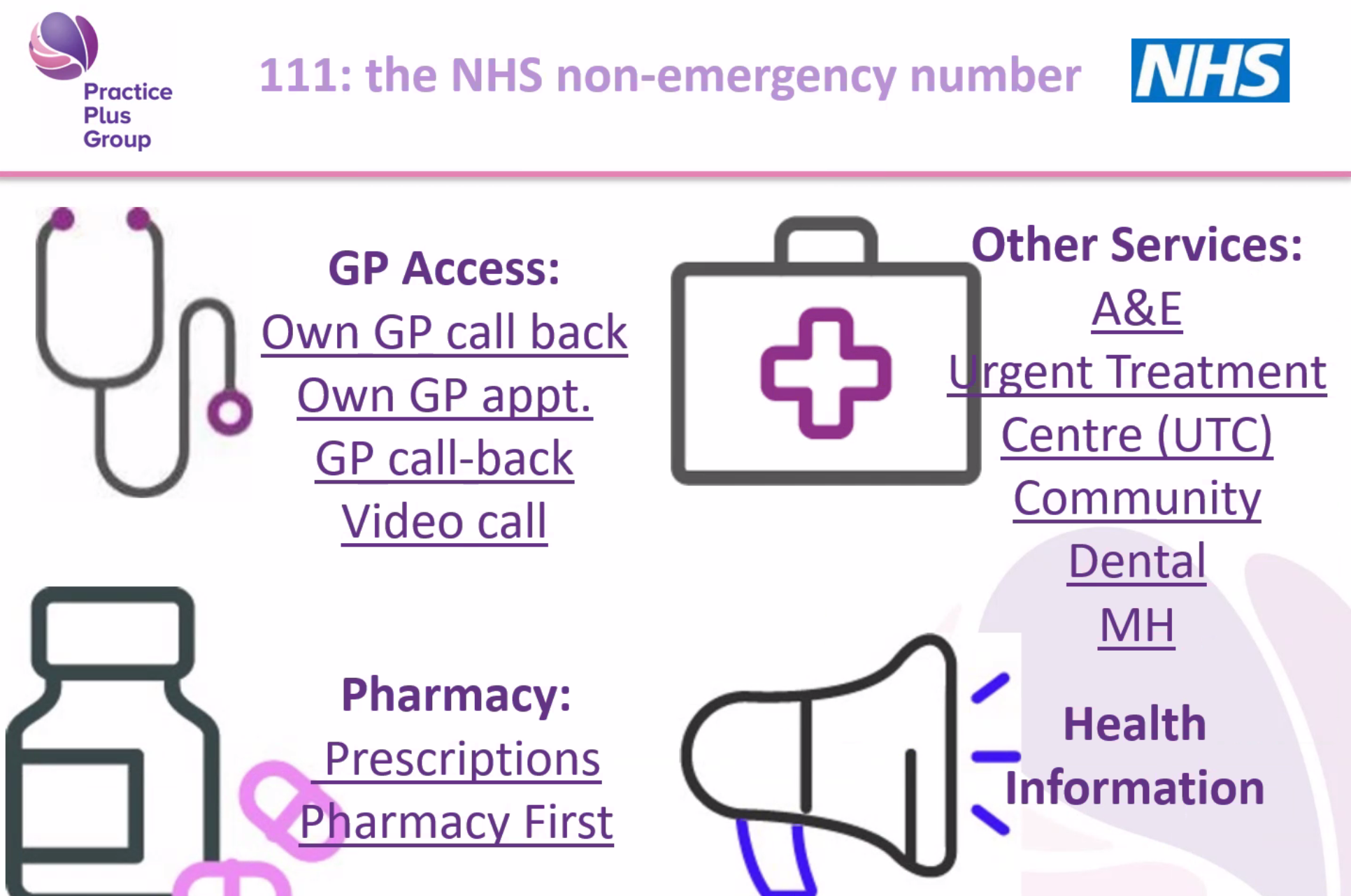
Our November South West London Carers Group meeting brought one of the most informative sessions we’ve had all year. We were joined by Dalvinder, the Patient Experience Lead for NHS 111, who provided a thorough and eye-opening look at how the 111 urgent care service really works, what carers can expect, and how the system is evolving.
Dal’s role involves reviewing patient feedback, monitoring the quality of calls, and ensuring that the service remains compassionate, safe, and responsive. He also regularly meets with community groups, like ours to raise awareness of what 111 can offer.
24/7 Telephone Assessments
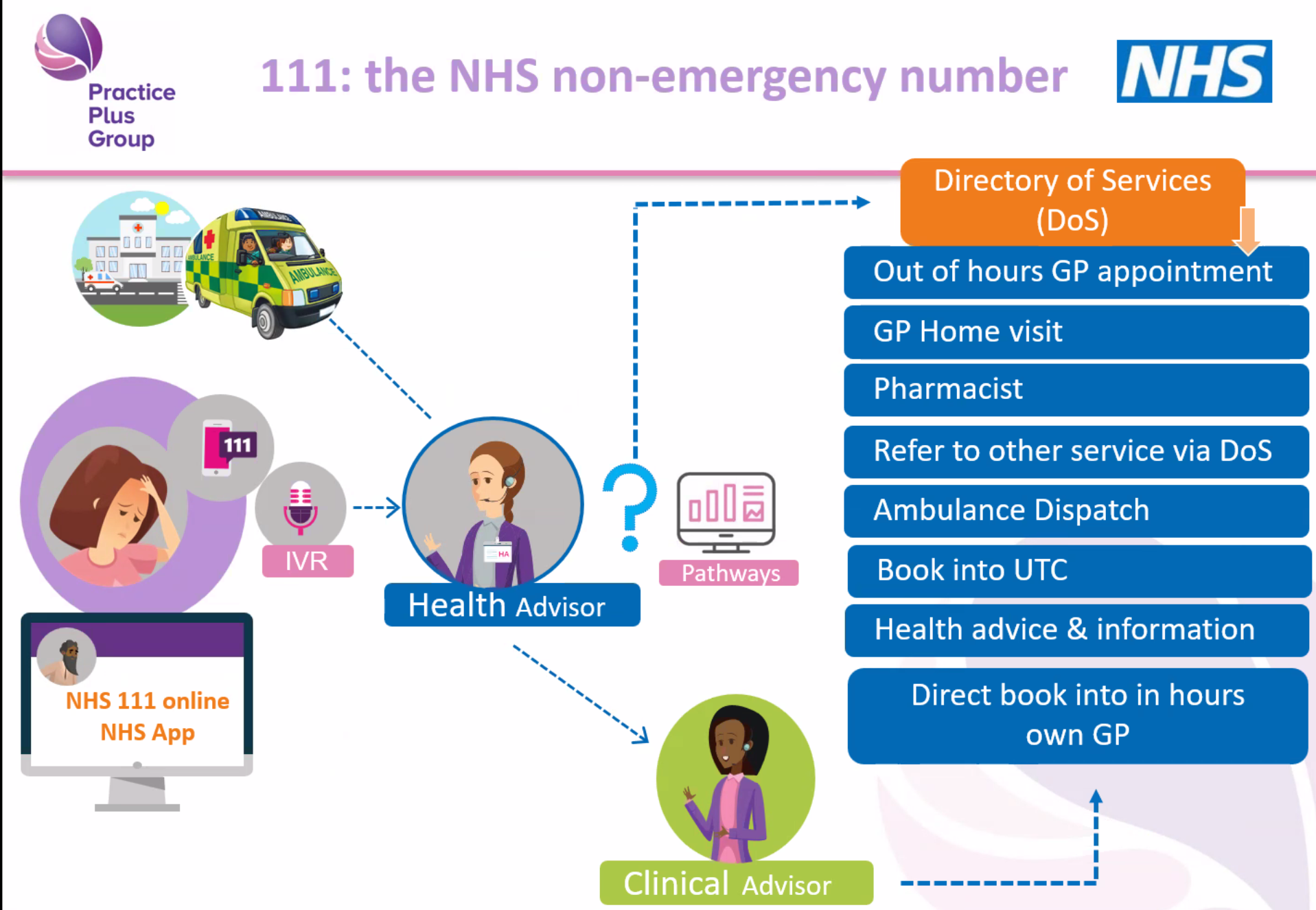
Dal opened by reminding us that NHS 111 operates 24 hours a day, 365 days a year, and never closes. The telephone assessment is often the first point of contact, and callers speak to a trained health advisor who uses the NHS Pathways system to ask structured questions. This ensures the call handler can rule out serious issues and direct the caller to the right service quickly. Dal emphasised that while questions can feel detailed or repetitive, each answer opens or closes clinical “pathways,” helping the system determine the safest next step.
GP Home Visiting (Evenings, Overnights, Weekends)
One of the biggest surprises for many carers was learning that NHS 111 has a GP home visiting service, specifically for times when GP surgeries are closed weekday evenings, overnight, weekends, and bank holidays. This service is intended for people who cannot safely travel, including those with mobility issues, caring responsibilities, or urgent health needs that don’t require hospital care. If a home visit is determined to be appropriate, a GP working for 111 can visit in a dedicated GP car and may provide medication on the spot or issue prescriptions if needed.
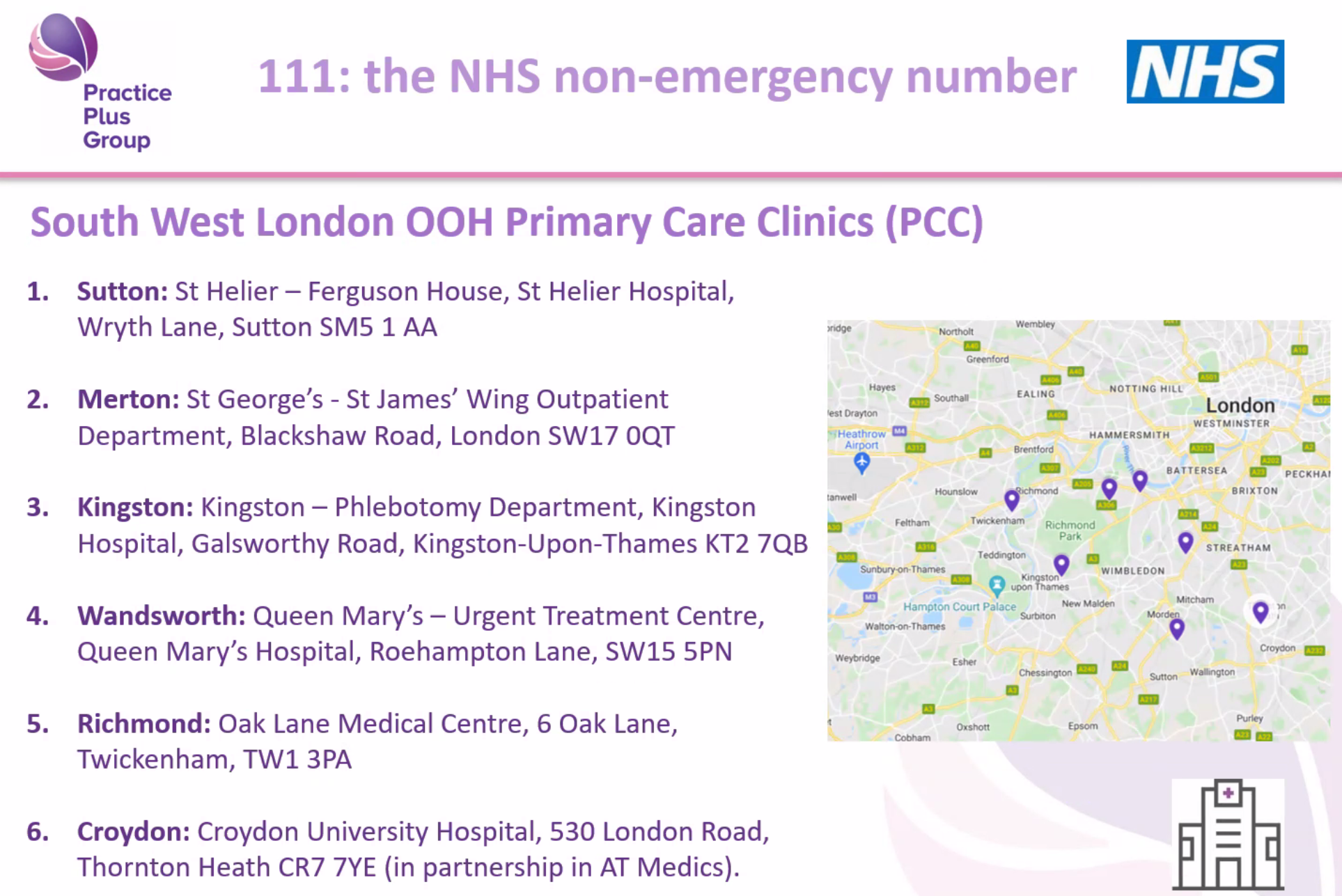
Primary Care Clinics (PCCs) – Same-Day Appointments via 111
Dal also explained the role of Primary Care Clinics (PCCs) located across South West London. These clinics operate outside normal GP hours and can see patients the same day—but crucially, access is by 111 referral only. If 111 decides that someone needs to see a GP face-to-face and can travel, they may be booked into a PCC appointment. Carers learned that you cannot walk into these clinics directly; 111 must assess the situation and confirm the appointment. This helps manage demand and ensures that appointments go to those who need them most urgently.
The Expanding Role of Pharmacies and “Pharmacy First”
Another major theme was the evolving role of pharmacies in urgent care. Dal explained that pharmacists are highly trained professionals—more trained than many realise—and 111 can now direct callers to pharmacists for assessments, repeat prescriptions, and urgent medication needs. The Pharmacy First scheme allows some pharmacies to provide consultations and treatment in private rooms for a range of minor illnesses. 111 can also arrange emergency prescription access if someone runs out of routine medication while travelling, provided the medication is part of their regular treatment.
Arranging Call-Backs From Your Own GP
In certain situations, NHS 111 can request that your own GP practice contacts you, especially for non-face-to-face issues such as renewal of regular medication, questions about paperwork, or administrative needs. While GP appointment slots reserved for 111 are limited and fill quickly, the service can still send urgent notifications to GP surgeries when clinically necessary. Dal encouraged carers to mention when the need is time-sensitive so the system can prioritise appropriately.
Mental Health Support via 111 Option 2
One of the most important updates for mental health carers was the introduction of 111 Option 2, currently being trialled across London. When callers choose this option, the call is diverted away from standard 111 and straight to local specialist mental health teams, who can assess issues such as relapse, agitation, distress, changes in behaviour, or crises at home. Dal emphasised that while 111 is not a specialist mental health service, Option 2 ensures that people with mental health needs receive expert support. Data from the pilot is expected next year, and Dal offered to return to share the outcomes.
What We Learned About NHS 111
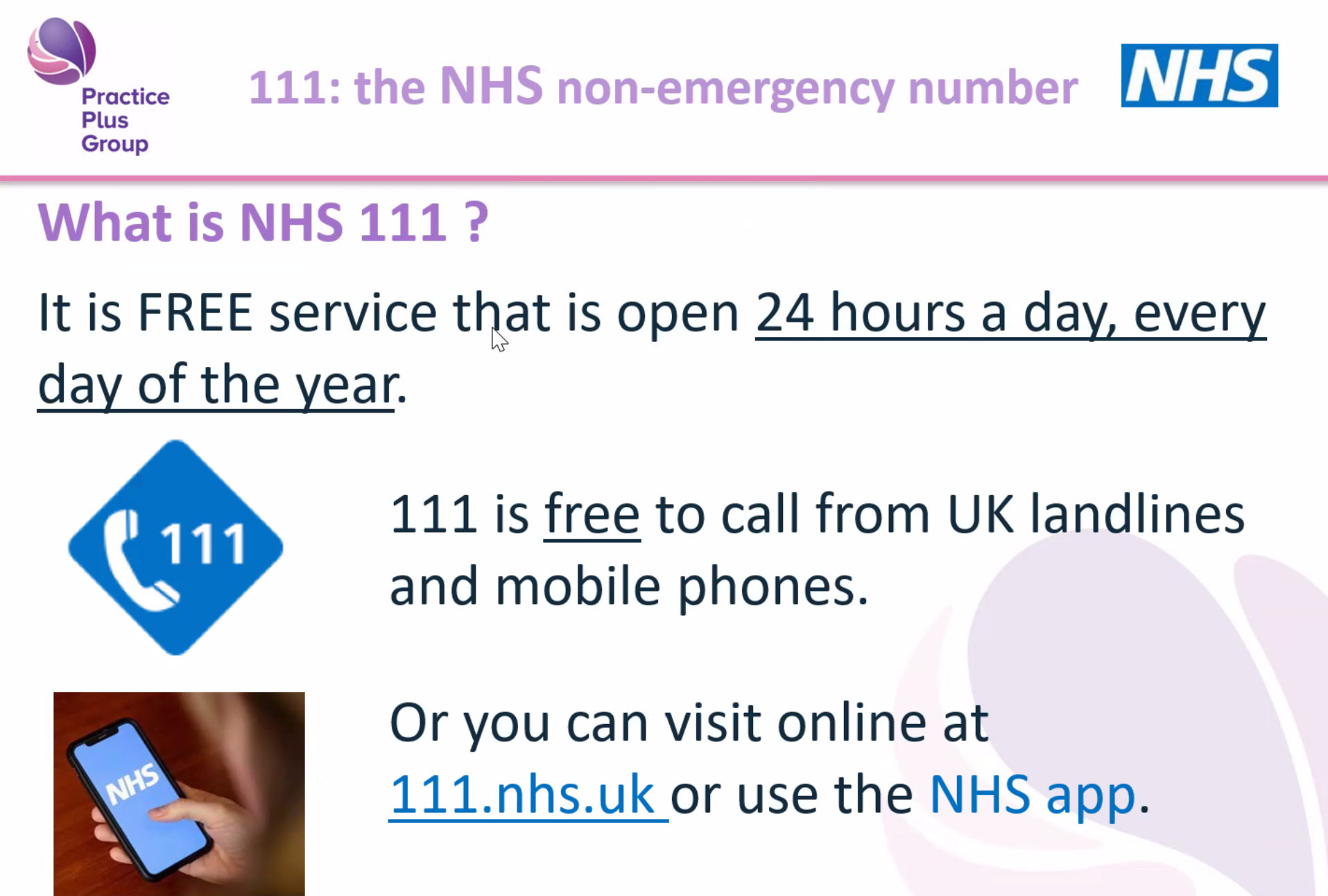
Many carers know the NHS 111 number exists, but few realise the range of services behind it. Dal explained that 111 is a free, 24/7 service (including weekends and holidays) designed for urgent health concerns that are not life-threatening.
Many carers commented that they had no idea 111 provided such a broad range of services.
Questions From Carers
Carers asked many thoughtful and practical questions during the session, including:
1. Mental Health Crises
A carer asked how 111 responds to mental health emergencies, particularly when someone becomes distressed, unwell, or difficult to support at home.
Dal explained that 111 itself is a generic urgent care service, but Option 2 sends callers straight to trained mental health professionals, who can triage cases such as relapse, agitation, or risk concerns in a more specialist way.
2. Access to Medical Records
A question was raised about whether 111’s clinicians can view a patient’s medical history.
Dal clarified that clinicians have access to the Summary Care Record, containing essential medical information, medications, conditions, and recent interactions—if the caller gives consent.
3. Home Visiting Times and Coverage
Carers asked about response times and geographical limits.
Dal explained that SW London is fully covered, though travel times vary depending on the area and how busy the service is. Home visiting is evenings, nights, and weekends only.
4. Staffing Levels and Training
One question focused on whether call handlers are medically trained.
Dal shared that 111 employs 180 health advisors in SW London—non-clinical staff who have completed an intensive six-week training program. They follow the NHS Pathways system and are supported by clinical advisors (GPs, nurses, paramedics) who can join or take over calls when needed.
5. Using 111 When Travelling
A carer asked about getting medication while away from home.
Dal explained that 111 can arrange for prescription collections at pharmacies in another part of England, which has helped many travellers who forget medication.
6. Hearing Impairment and Accessibility
There was interest in support for people who cannot make phone calls.
Dal confirmed services such as text relay, online 111, and the NHS App, all of which improve accessibility for carers and patients with additional needs.
Carer Reflections and Experiences
Several carers shared personal experiences both positive and challenging. One described how 111 triage was vital when they urgently needed treatment for a severe infection, while another discussed difficulties when GP surgeries didn’t always respond quickly to reports sent by 111. These real stories helped emphasise how important it is for carers to know when and how to use the service, and how essential accurate information is during triage.
Key Tips Dal Shared for Carers
Give as much information as possible, including social factors such as caring responsibilities, mobility challenges, or inability to travel.
Stay with the person you’re calling about, as the call handler will ask you to check symptoms in real time.
Tell 111 if symptoms change—this can alter the urgency and outcome.
Always keep your phone nearby when waiting for a callback; 111 will try only three times.
Don’t hesitate to call again if you’re unsure or worried.
Closing Thoughts
The session was incredibly well-received. Many carers said they learned things they never knew, even though they had used 111 before. Dal’s openness and honesty—both about what the service can do and what its limitations are—made his presentation especially valuable.
As co-facilitator, I (Matthew McKenzie) will continue to share information like this to help carers navigate local health services more confidently. We hope to invite Dal back once the evaluation of 111 Option 2 (mental health) is published, we also have a keen interest on what the ICB is doing especially regarding carer involvement.
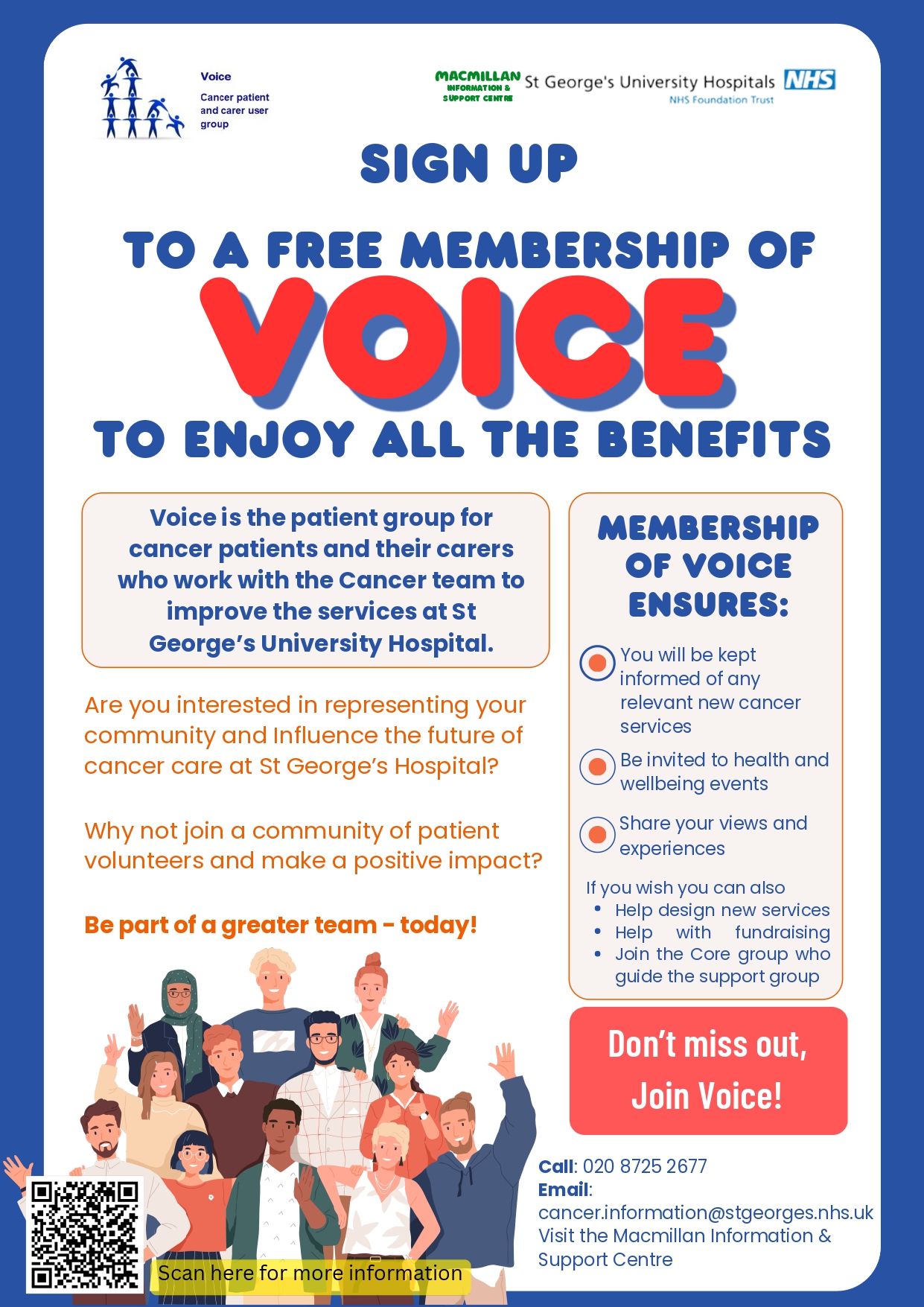
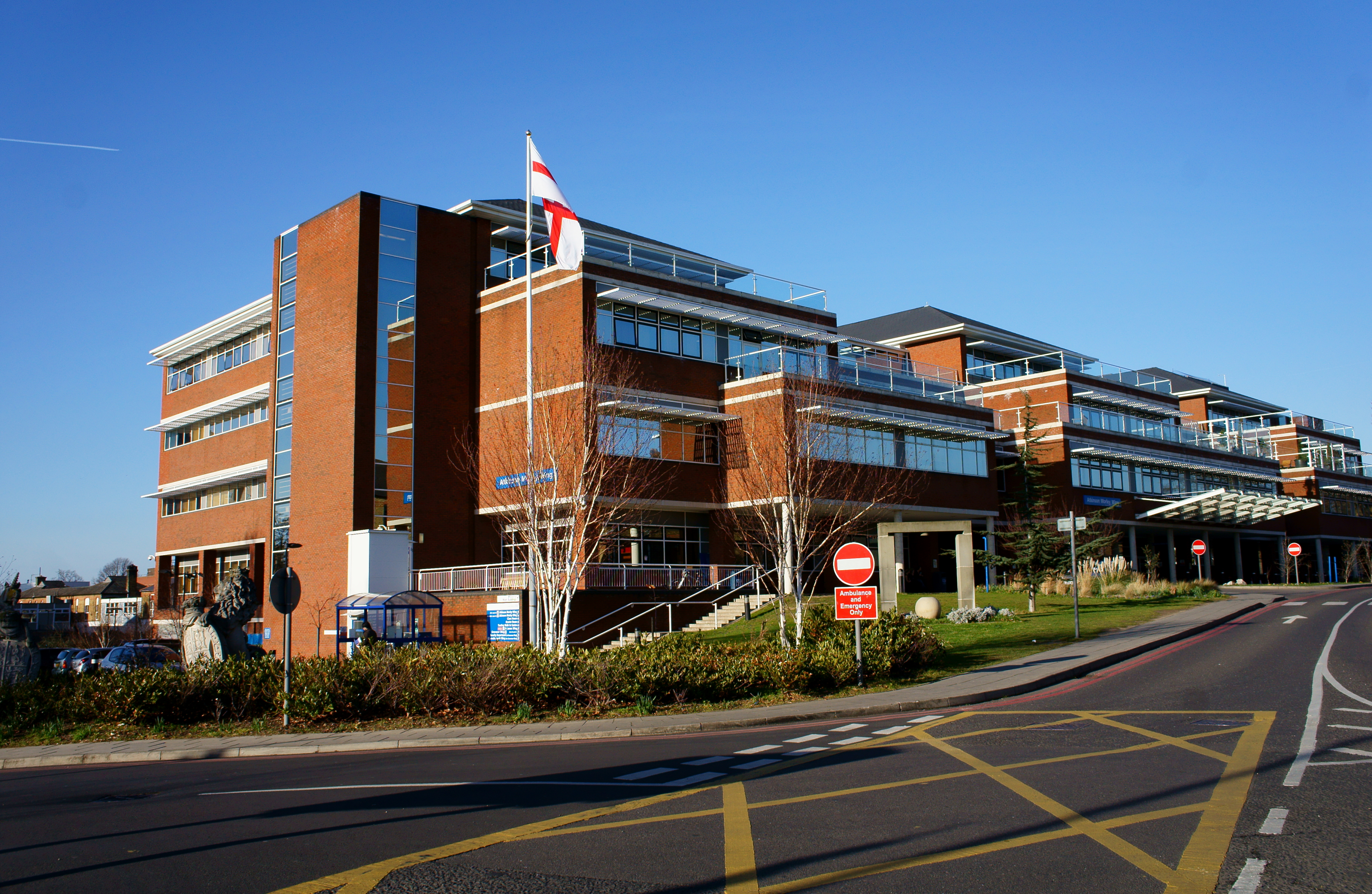
At St George’s University Hospitals NHS Foundation Trust, people affected by cancer are placed at the heart of everything they do. Whether you’re a patient receiving treatment, a family member, a carer, or part of a local cancer support group, your experiences and insights are invaluable in shaping the way the hospital cancer services are delivered.
Voice is a dedicated patient and carer group that works closely with the Cancer Team at St George’s. It provides a vital forum for sharing experiences, ideas, and suggestions that directly influence how services are planned, developed, and improved.
By joining Voice, you’ll:
Represent the perspectives of patients and carers.
Share what works well in cancer pathways and highlight areas for improvement.
Help identify priorities for local cancer services.
Be kept informed of new cancer services and projects.
Take part in health and wellbeing events.
Have the chance to help design new services or join the core group guiding the support group.
Why carers are especially needed
Carers play a unique and vital role in the cancer journey. Their insights into the challenges and realities of supporting a loved one through treatment provide perspectives that professionals and even patients themselves may not always see.
Right now, Voice is especially looking for more carers to join, ensuring their voices are fully represented in shaping services.
How to get involved
Becoming a member of Voice is free. By joining, you’ll be part of a welcoming community committed to making cancer care better for everyone.
To find out more or sign up, contact the Macmillan Information and Support Centre:
Post By Matthew McKenzie – National Cancer Carer forum
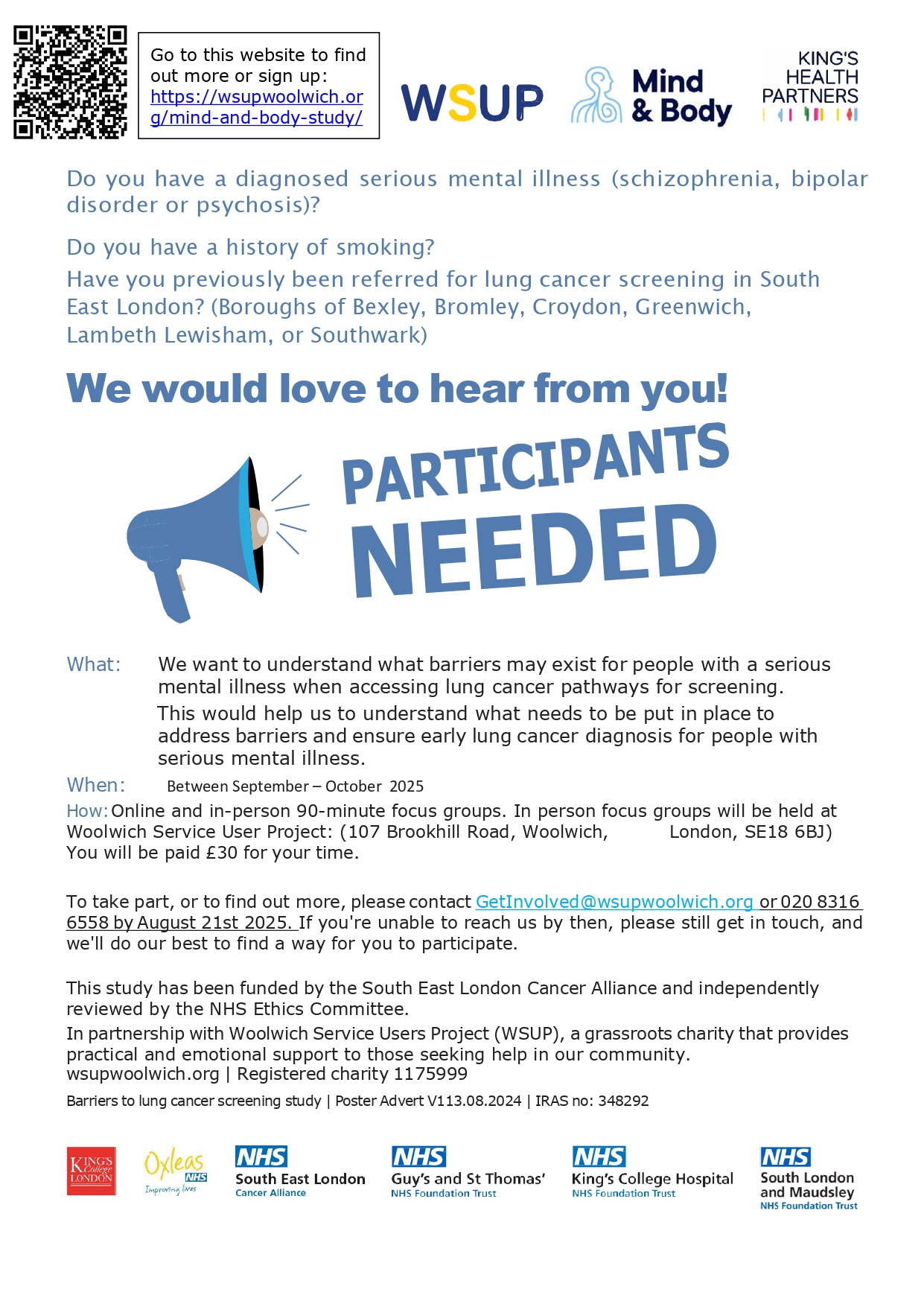
For people living with a serious mental illness (SMI) such as schizophrenia, bipolar disorder, or psychosis, cancer remains one of the leading causes of premature death. In South East London, lung cancer is particularly devastating, with mortality rates highest among this group.
But there’s good news: projects are now underway to change this. Click on poster for more details
Why this matters
Early detection can make all the difference in lung cancer outcomes. Yet too often, people with SMI face additional challenges in accessing screening, diagnosis, and treatment pathways. These barriers can delay care, reduce treatment effectiveness, and ultimately cost lives.
That’s why the South East London Cancer Alliance has partnered with the Woolwich Service Users Project (WSUP) to hear directly from service users about their experiences. The aim is simple but powerful: understand what stands in the way and build solutions that ensure fair and timely cancer care for everyone.
How you can get involved
If you:
Are over 18,
Have a diagnosed serious mental illness,
Have a history of smoking,
Live in South East London (Bexley, Bromley, Croydon, Greenwich, Lambeth, Lewisham, or Southwark),
then your voice could make a real difference.
You may have been referred for lung cancer screening, diagnosed with lung cancer, or spoken to your GP about persistent symptoms like a cough or shortness of breath. Whatever your experience, sharing it can help shape future services.
What to expect
Focus groups (online or in-person in Woolwich) lasting about 90 minutes.
A safe, supportive space to share your experiences with up to five other participants.
Reimbursement for your time (£20–£30 depending on the session) plus refreshments at in-person events.
Confidentiality and anonymity are guaranteed.
When and where
Focus groups will run September – October 2025.
Online via Microsoft Teams.
In person at Woolwich Service Users Project, 107 Brookhill Road, SE18 6BJ.
Deadline to register: 10th October 2025 (but get in touch even if you miss it—support is flexible).
Together we can change the story
Every voice matters. By sharing your experiences, you can help break down barriers to early lung cancer diagnosis and ensure better care for people with serious mental illness.
Because when it comes to cancer care, no one should be left behind.
Would you like me to make this blog more community-facing (warm, story-driven, with lived-experience language) or more professional-facing (for healthcare partners and stakeholders)?