Welcome to the update for May’s South West London carers forum. As with all my carer groups and forums, this is aimed at unpaid mental health carers. That being families who are caring for someone with a mental illness or mental health needs.
We were visted by Diane White who is the CEO kingston carers. This was one of the carer centre leads to engage with carers the past 3 months as Richmond, Sutton and others have been talking to carer members about each borough’s carer strategies. Not all London borough’s have carer strategies, but when they do have strategies or a focus on carers, then it means carers get a chance to see if it has made a difference in their lives. A carer strategy is also a good way to hold boroughs on their promise and committment to unpaid carers.
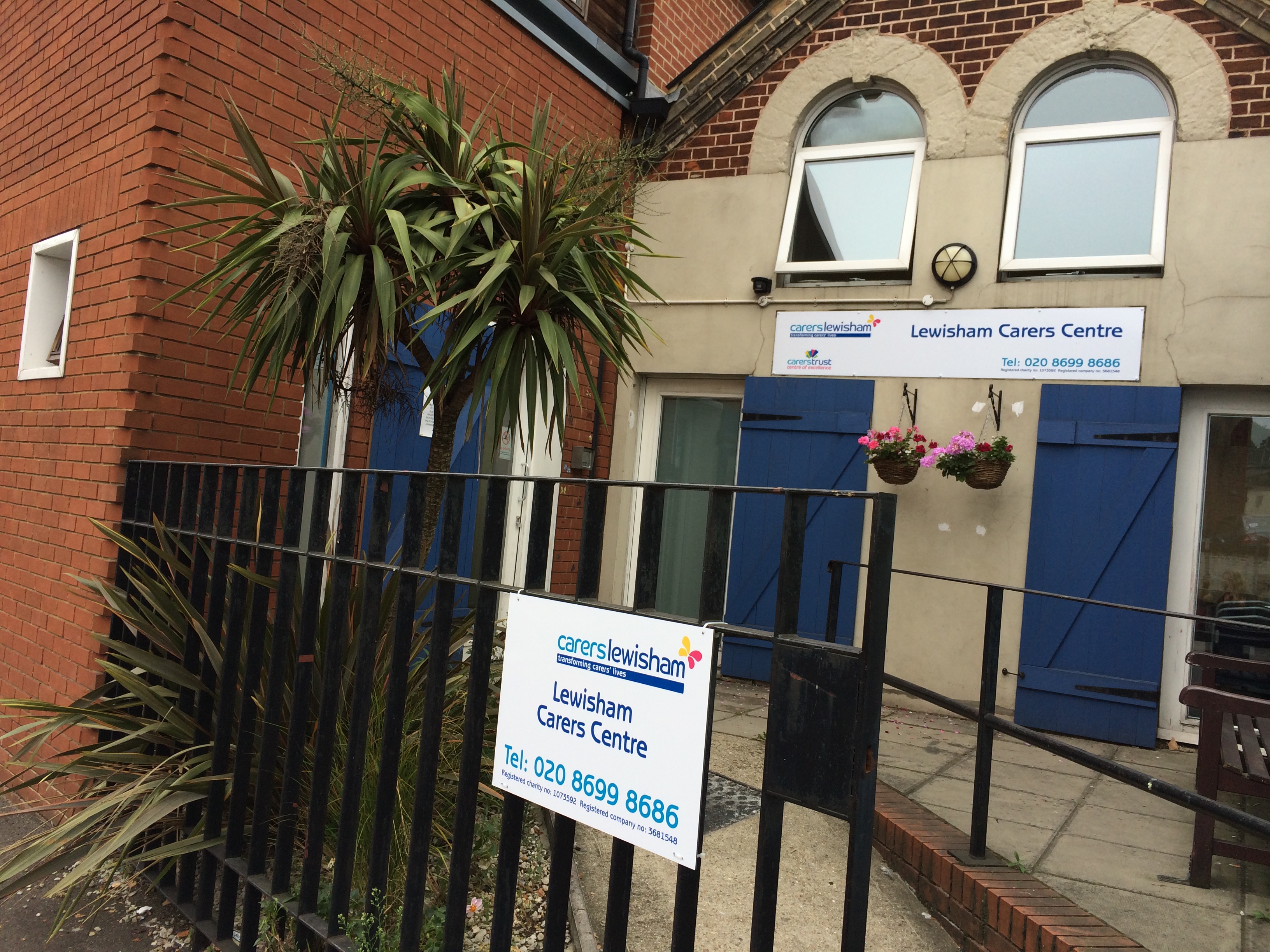
Diane White did not speak much regarding carer strategies since the borough of Kingston is developing their carer’s strategy as of present. Diane spoke about the support Kingston carer’s centre provides for unpaid carers. She also mentioned the challenges they have considering covid-19 and budget restrictions.
The second half of the forum was focused on important questions a carer would need to ask if the person they were looking after starts using mental health services. Most of these questions should be asked at ward rounds, care planning approaches, tribunals or carer assessments. The idea I talked to the group about such questions if for empowerment purposes, besdies such questions are provided by the Royal College Of Psychiatrists.
Patients, service users or mental health survivors should try examining such questions in preparation to ask them.
About the illness
- What is the diagnosis or problem?
- If a diagnosis has not yet been made, what are the possibilities?
- Why has this happened to them?
- Will they recover?
Why ask these questions as a carer?
When I started out as a carer, I did not understand what I was caring for. All mental health conditions affect the person differently, as someone with an eating disorder will behave differently from a person who self harms. It is very important to understand and educate what conditions you are caring for.
- If a diagnosis has been made
- What symptoms suggest this diagnosis/illness?
- What is known about the causes of this disorder/illness?
- What is likely to happen in the future? Will it get better or worse?
- Where can I get written information about this disorder?
- Why ask these questions as a carer?
Now that you might know the diagnosis, there is a chance it can help with further questions. The questions above are very good and you might not be able to ask such questions in one sitting, thats impossible, but you later on down the line you will have a chance to ask them. Out of all the questions on this blog, these ones should be the most accessible since there should be leaflets and booklets on the ward about mental health conditions. It does help if the doctor or psychiatrist explains things in more detail, especially the severity of the condition.
2 About the assessment
- What assessments have already been done?
- Are there any other assessments that might be needed?
- Are there any physical problems that have been discovered? If so, what will need to be done?
- Have culture and background been considered?
Why ask these questions as a carer?
These questions are tricky and usually not asked straight away, I think this could be due to challenge to diagnosis or to seek a second opinion. Nevertheless they are important questions, wrong assessments do happen and can ruin the life of a patient and their family. Notice one of the questions focuses on BAME aspects.
3 Care Programme Approach (CPA)
- What is the CPA?
- What does the CPA mean?
- Is the person on the CPA? If not, why not?
- Will I be involved in the CPA?
- Looking for a counsellor?
Why ask these questions as a carer?
Vital to ask these questions, there are situations CPAs are pushed back or do not even occur. If you are lucky enough to be included in a CPA, it is a good chance to ask about them and there format. CPA’s are quite long important meetings and usually done once a year. Preparing for them is a must and certainly make sure your loved one gets a copy of their care plan otherwise there is no plan for recovery of living with the condition. If you are unlucky not to be involved in a CPA, perhaps ask if your loved one take a advocate to the meeting. The reason for this is if the person you are caring for is still quite unwell, then important questions at the CPA might be unresolved or misunderstood by the patient.
4 About care and treatment
- What are the aims of the care and treatment?
- What is a care co-ordinator?
- What part will the care co-ordinator play in the person’s care?
- Who else will be involved in the treatment?
- What is your plan for treatment?
- For how long will they need treatment?
- Would talking treatments (eg, cognitive behavioural therapy, family therapy) be helpful? If so, are they available locally?
- What happens if they refuse treatment?
Why ask these questions as a carer?
Some of these questions can actually or should be asked within a CPA metting or can be aimed at the social worker or care-coordinatator. Take note that plans for care can change down the line, so be prepared to repeat these questions in the future. Why would care and treatments change? because the condition of your loved one will change, unfortunately be prepared for worsening conditions, but it helps to be flexible even if we hope for recovery. Do also focus on physical health treatments rather than always on mental health because both are related.
5 Sharing of information
- Have you asked them about how much information they are happy to share with me?
- Will I be informed about important meetings concerning their care and treatment?
- Can I see you on my own?
- Would you like to ask me for any other information about them or the family?
- Can I tell you things that will not be shared with the person or other members of staff?
- Are their views on confidentiality clearly marked in their notes?
Why ask these questions as a carer?
Out of all the questions off this blog, these are the most important and if the answers are recorded then it will help you later on down the line. If the relationship with your loved one suffers “probably due to the condition” then its highly likely they do not want you involved, but it MUST be recorded why, plus mental health system need to be flexible to involve the family and carer enough or the pressure is back on services to admit the patient again and again. Please also notice mental health services MUST understand carer confidentiality since that is one of the mistakes that can cause patient to turn against their family.
6 Care and treatment
- What can I do to help?
- Are there any local self-help or carers’ groups that can help me understand the illness?
- How can I get advice and training in the day-to-day management of the illness?
- Are there any local groups that can provide support?
Why ask these questions as a carer?
If there is anything that I stand for, it is for carer networking, peer support, empowerment and carer connections. The golden rule of caring is do not cope by yourself. So it is important to link up with other carers and carer advocacy and support. Mental health services should identify you and refer to their own carer groups and others.
7 Getting help
- How can I get in touch with you?
- How do I arrange to see you?
- Who do I contact if I’m worried about their behaviour?
- What do I do if I’m worried that they are becoming ill again?
- Who do I contact in an emergency? What help might be available?
- How can I get a second opinion?
Why ask these questions as a carer?
These questions are useful for emergencies as well, as with a triangle it is important carers do not get locked out of contact, one of the many criticisms of mental health services is lack of communication and lack of contact, especially when things begin to fall apart. Get the answers and record them down or you will be lost.
8 Carers
- What is the difference between a carer, a nearest relative and a nominated person?
- I understand that, as a carer, I am entitled to an assessment and care plan of my own. Who should I speak to?
- If I have specific needs of my own, who should I ask?
- If I need help, to whom should I turn?
Why ask these questions as a carer?
When I started out caring, I did not even know I was a carer, nothing wrong in that, except you lose out on carer support. Many people are not fond of the word carer and will prefer supporter, friend or other named definitions, but as it stands there are laws to protect unpaid carers like the “Care Act 2014”. It is unwise to avoid asking such questions because looking at the page of questions alone will leave you lost. Get that carer’s assessment, because it will record your circumstances and protect your rights if things go wrong, do not think you obligated to care, but certainly protect your rights as a carer.
9 Medication
- What medication is to be used, and how?
- Is the lowest effective dose being prescribed?
- Can a low dose be taken at first and increased if necessary?
- How often will the medication be reviewed?
- Will I be involved in future discussions about the dose or type of medication?
- What should the benefits of this medication be?
- In the short term.
- In the long term.
- What are the possible side-effects of this medication?
- In the short term.
- In the long term.
Why ask these questions as a carer?
I think these questions are the ‘elephant in the room’ so much boils down to how medication helps with recovery or the ability to cope. The wrong medication and mess up your loved ones life and I will cover this later, even with good medication certainly expect side effects. Ask about side effects now, so you know what to look for and do not expect your loved one to suss out what is always going on.
10 Managing the medication
- Why have you chosen this particular medication?
- How long will the medication have to be taken for?
- Are there any other medications that could be used if this one does not work?
- What symptoms might mean that the dose should be changed?
- What should I do if they experience unpleasant side-effects?
- What will happen if they stop taking the medication?
- Do you have any written information about this medication to give me?
Why ask these questions as a carer?
Not all medications are alike in ability and quality. It is your right as a carer to challenge medication if you suspect they are going to cause more problems than the condition itself. Certainly explain to your loved one the importance of understanding medication, but there will be times you might have to take a step back and ask services to help out or explain about medication. These questions should hold them to account on their decisions.
11 Hospital treatment
- Do they need to be admitted to hospital? If so, for how long?
- If they have to go into hospital, which one will it be?
- Will they be on a locked ward?
- If they get short-term leave from hospital, when and how will I be informed?
- How often will I be able to see them?
Why ask these questions as a carer?
These questions might come after an assessment, especially if the family insisted on a mental health assessment. There is nothing worse than having a loved one admitted and not knowning what is going on. Please ask these questions if the person you care for is due to be admitted.
12 Discharge from hospital
- What arrangements will be made for their care and monitoring after discharge from hospital?
- If I am not able to look after the person when they are discharged, what will happen?
- Am I expected to help with anything, especially medication?
- Do you know of any self-help techniques that will help their recovery?
Why ask these questions as a carer?
What is worse than being admitted without much notice is when a loved one is discharged and you do not know about it, especially if they are still quite unwell. So asking such questions should involve you in discharge so they dont end up on the ward in a hurry again.