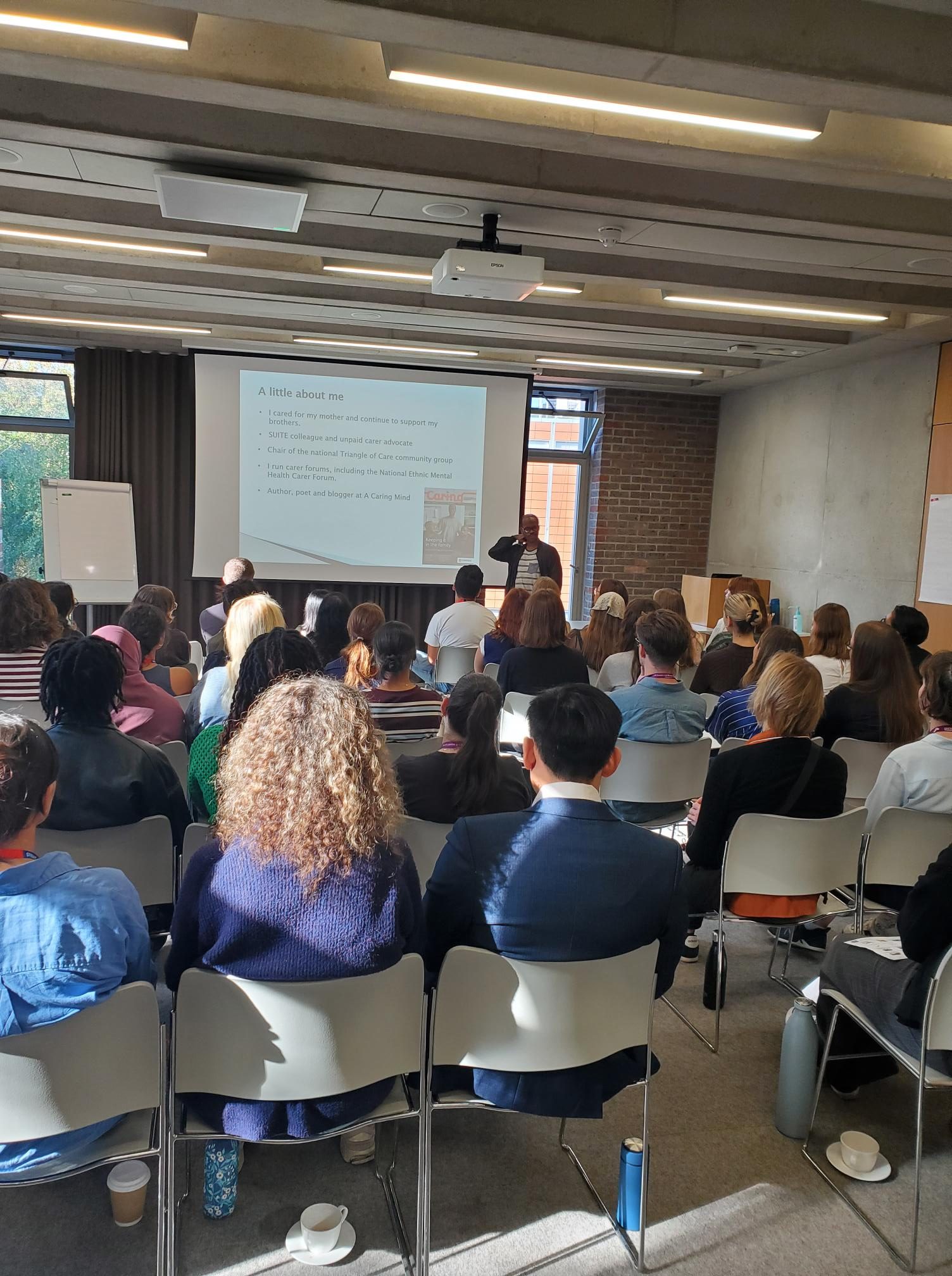
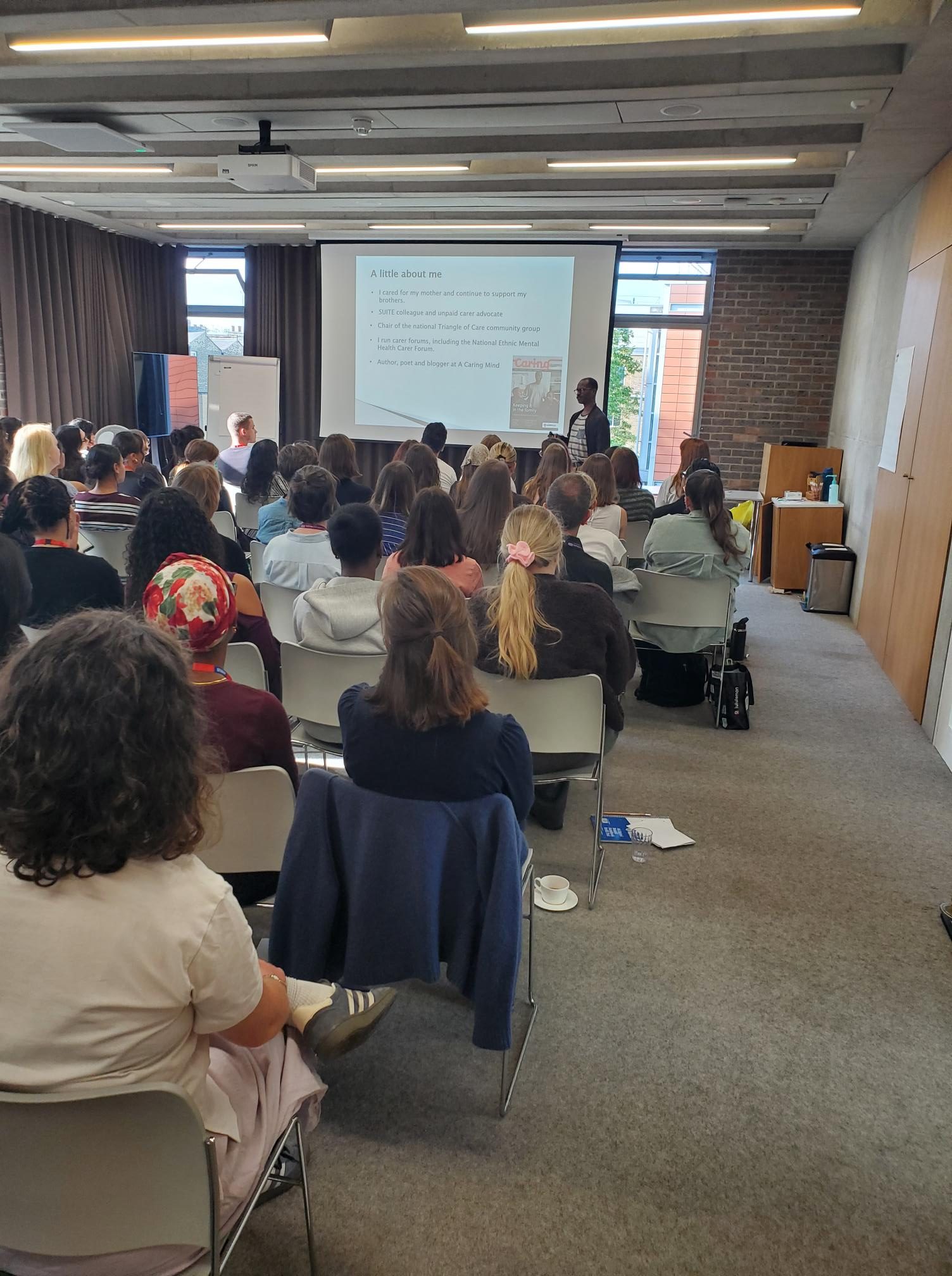
On Monday 5 October 2026 at the ORTUS, I shared my carer story at South London and Maudsley NHS Foundation Trust’s staff induction. I attended as a carer member of SUITE — Service User and Carer Involvement in Training and Education, managed by Angela Mitchell. The presentation was warmly received, and I was particularly pleased that my poetry video connected with staff.
I spoke about caring for my mother, who lived with schizophrenia, and my continuing role supporting my brothers. I reflected on the uncertainty of becoming a carer, the responsibilities that followed, and the difference it made when someone listened, explained things and recognised my own support needs. My message to staff was simple: carers bring knowledge, relationships and experience that deserve to be heard.
I also presented my award-winning photograph, “The Carer They Didn’t See,” which received a DUALITY photography award in 2026. The image shows my mother’s coat and shawl on a chair, while my own chair sits partly outside the frame. It reflects how unpaid carers can be constantly present in someone’s care, yet remain almost invisible to services.
Alongside the photograph, I shared my poetry video of the same name:
Watch “The Carer They Didn’t See” on YouTube
For me, staff induction is an important place for these conversations. It is where new colleagues begin learning about a trust’s values and how those values should shape everyday practice. Hearing directly from service users and carers brings a human perspective to that learning: what it feels like to receive care, support someone through distress, or struggle to be included.
Service users and carers offer distinct perspectives, and both deserve space. Their stories can encourage staff to reflect on how they listen, communicate and involve people from their very first day.
Thank you to Angela and the SUITE team for making room for my contribution. I hope the photograph, story and poem leave staff with one question to carry into their work: What could I do to help someone feel seen, heard and included?
Matthew McKenzie — Carers UK ambassador, author and poet
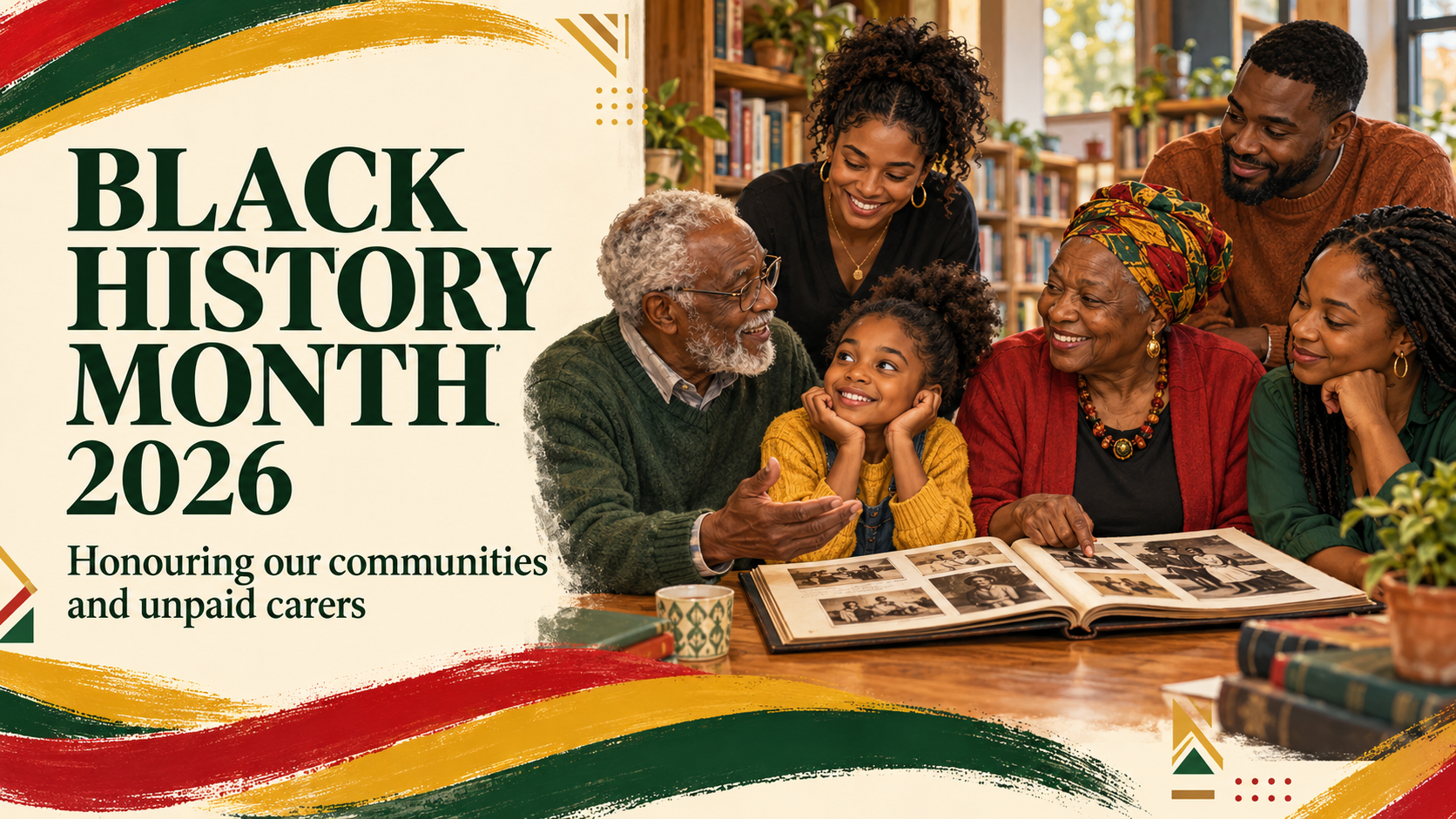
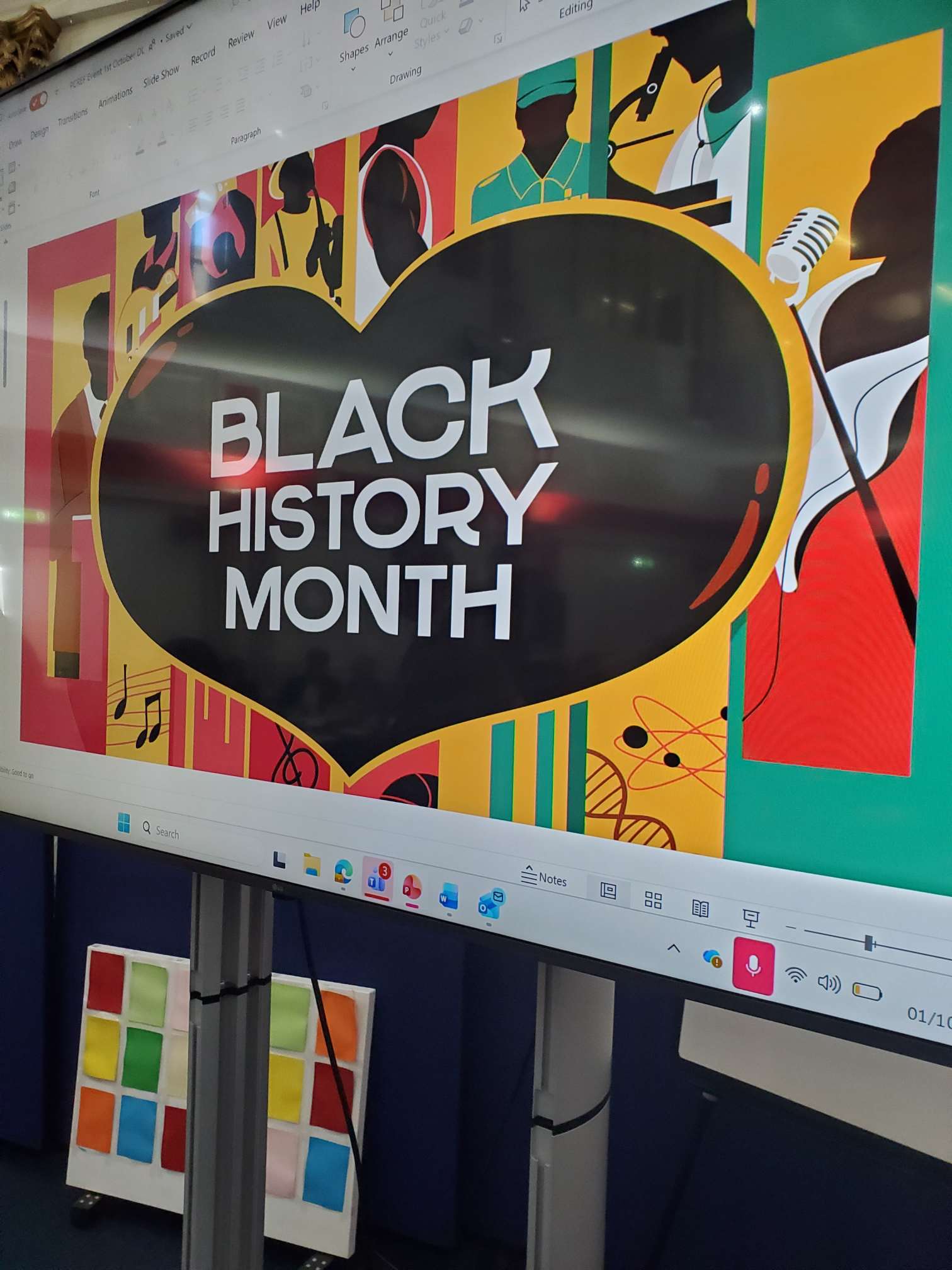
October is a time to celebrate Black history, culture and achievements, and to reflect on the people whose contributions have shaped Britain. As an unpaid carer and carer activist, I also see Black History Month as an opportunity to recognise the care taking place within our families and communities.
My new video, “Black History Month 2026: Honouring Our Communities and Unpaid Carers,” explores these connections, from celebrating Black British achievements to recognising carers whose work often receives little attention.
Recognising the care within our communities
Althouth History is shaped by more than famous names. It is also shaped by people who support relatives, neighbours and friends through illness, disability, mental health difficulties and older age.
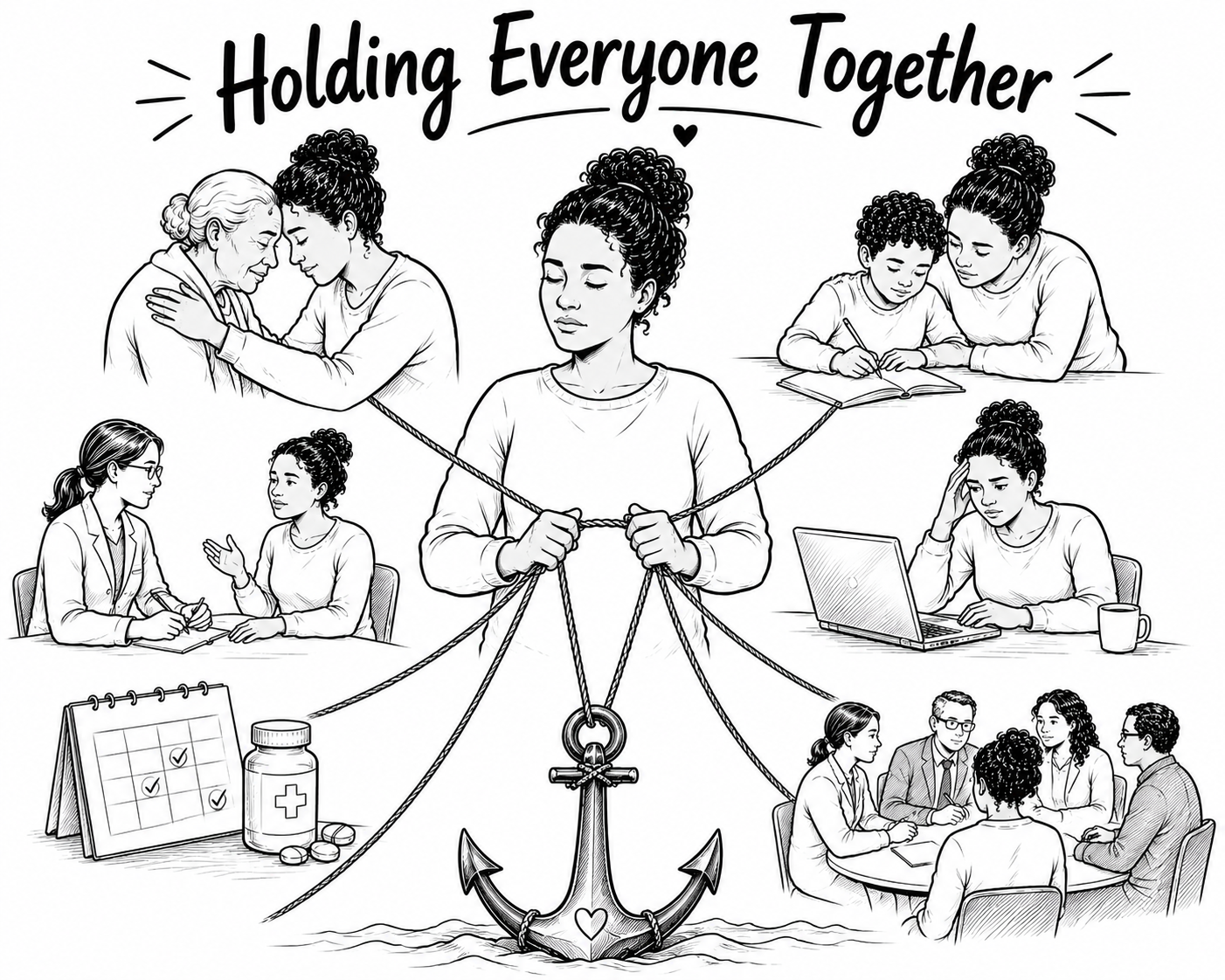
Unpaid carers help hold families and communities together. They may organise appointments, provide emotional support, help with everyday tasks and speak up when someone struggles to be heard. Much of this happens quietly, alongside employment, family responsibilities and concerns about their own wellbeing.
Black History Month provides an opportunity to bring these experiences into the conversation. Celebrating our communities should include recognising the people who care within them.
Listening to Black carers
Black carers’ experiences are diverse. Culture, faith, language, family relationships and experiences of racism can affect how someone understands their caring role and how they encounters services.
Some people see themselves primarily as a son, daughter, partner or sibling rather than an unpaid carer. That can make it harder to recognise that support is available for them too.
Services need to listen carefully, avoid assumptions and understand what matters to each family. Recognising carers should lead to practical support and meaningful opportunities to influence the services they use.
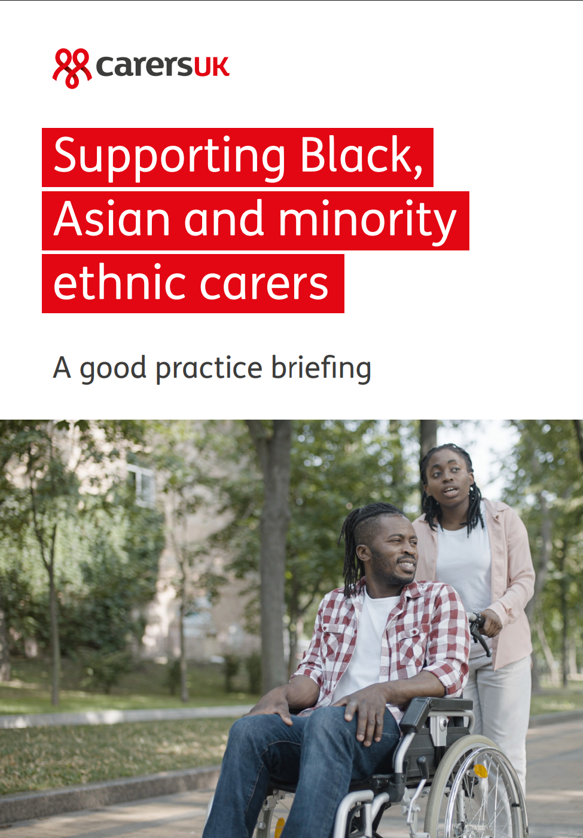
Carers UK’s work has included research into the experiences of Black, Asian and minority ethnic carers through Making Carers Count, in partnership with Carers Trust. Its 2023 good practice briefing also explored how organisations can provide more culturally sensitive support.
Join the Carers UK Black History Month event
I will be joining Jacqui Darlington for a Carers UK Share and Learn online panel discussion:
Black History Month: Caring, volunteering and community Friday 23 October 2026 2–3pm UK time Online — aimed at unpaid carers
We will share our experiences of caring and volunteering, the challenges we have faced and what we have learned from our communities.
Jacqui is a carer for her son and a campaigner for unpaid carers and adults with additional needs. I will bring my own experiences of caring, community involvement and the issues explored in my book, Race, Caring and Mental Health.
Find the session “Black History Month: Caring, volunteering and community” on Friday 23 October 2026, then follow the booking instructions on the event listing.
Please book through Carers UK so you receive the joining information. Carer centres, hospitals and community organisations can also help by sharing the event details with unpaid carers.
Taking part beyond the event
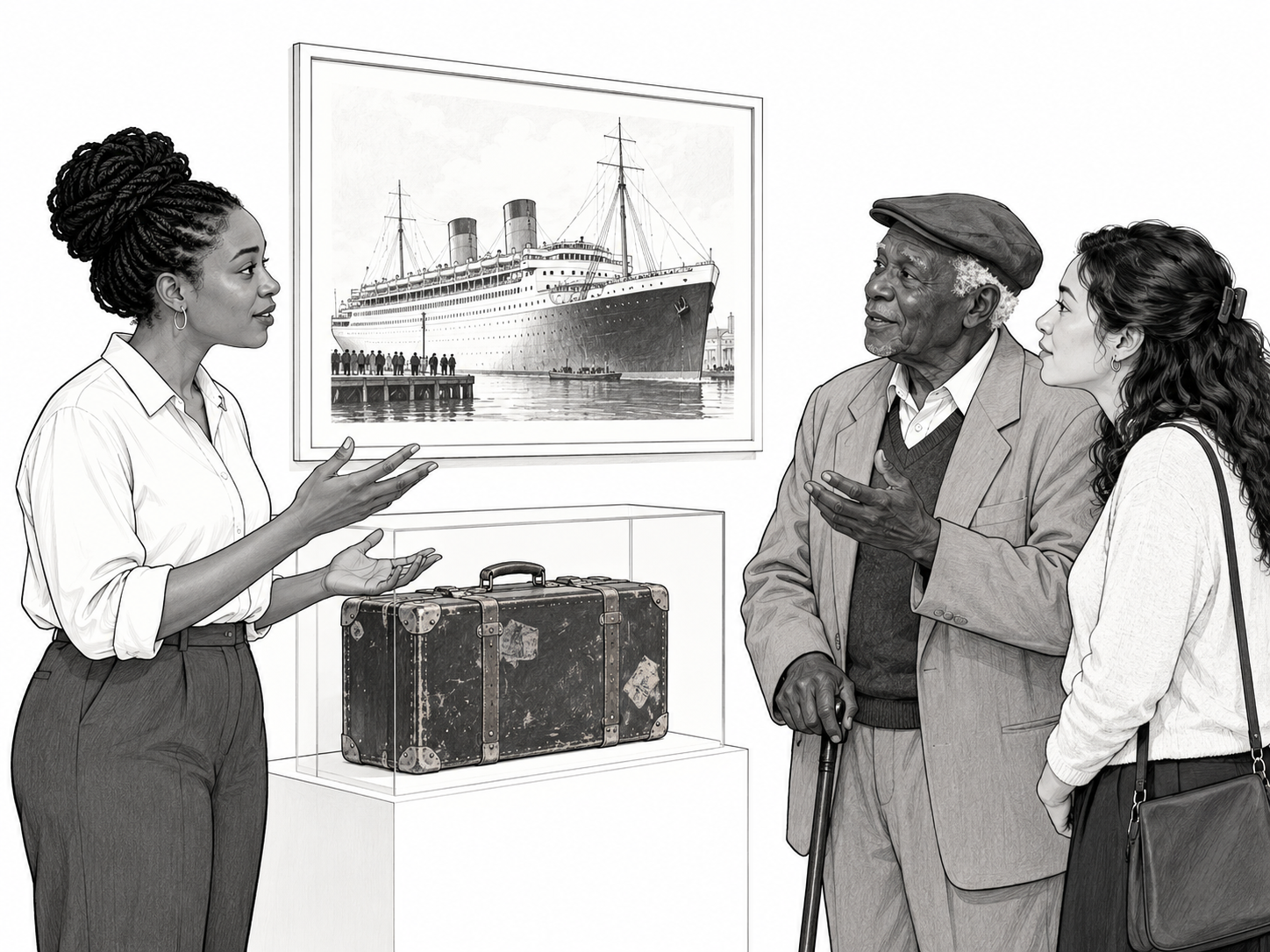
There are many ways to take part in Black History Month: attend a local talk or exhibition, read Black authors, explore African and Caribbean heritage, or share family stories across generations.
For me, honouring our communities also means listening to unpaid carers and recognising their knowledge, relationships and contributions throughout the year.
What does honouring your community mean to you and how can we make unpaid carers more visible within that story?
By Matthew McKenzie, Cygnet PCREF Carer Lead and Carer Ambassador
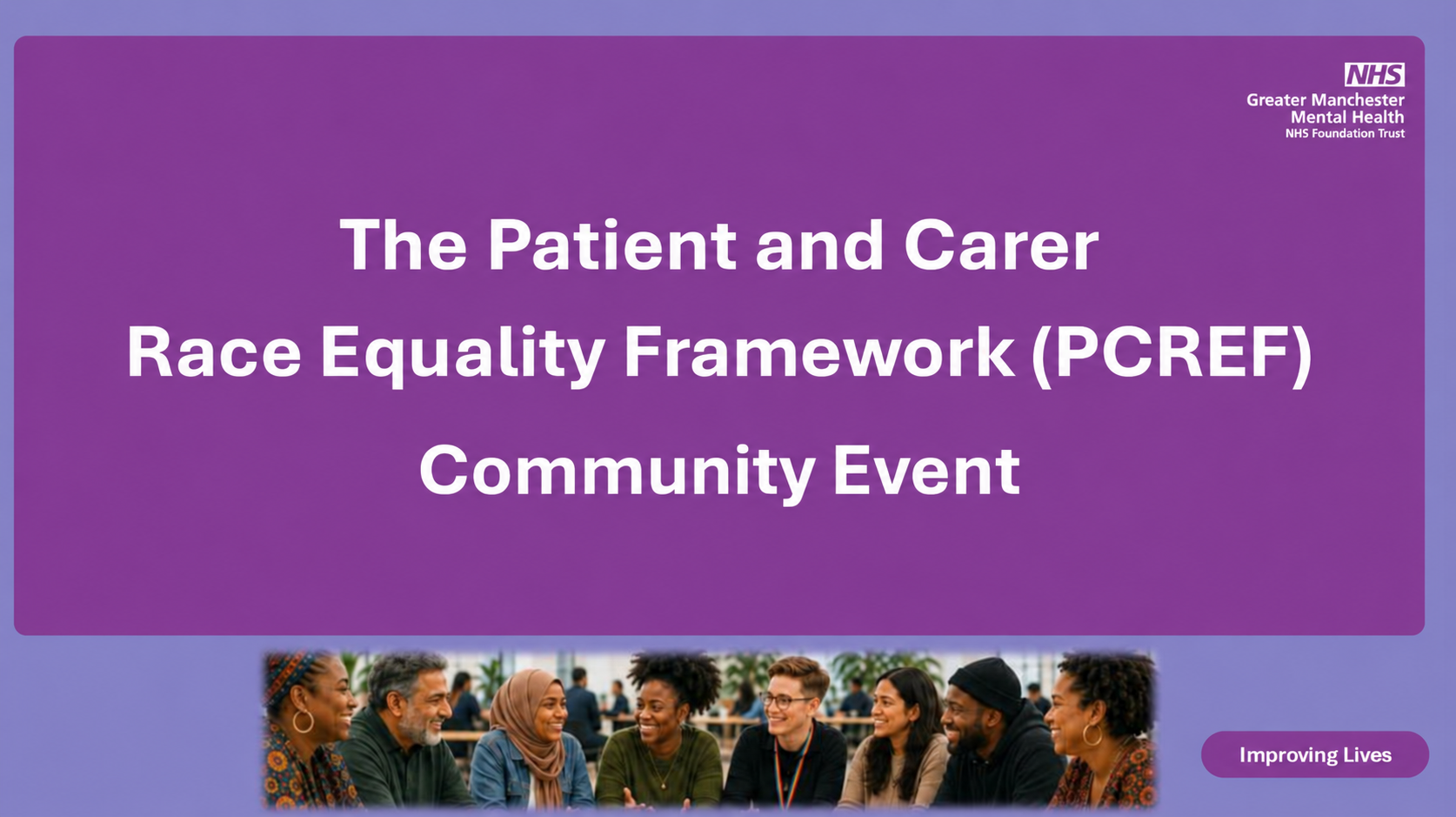
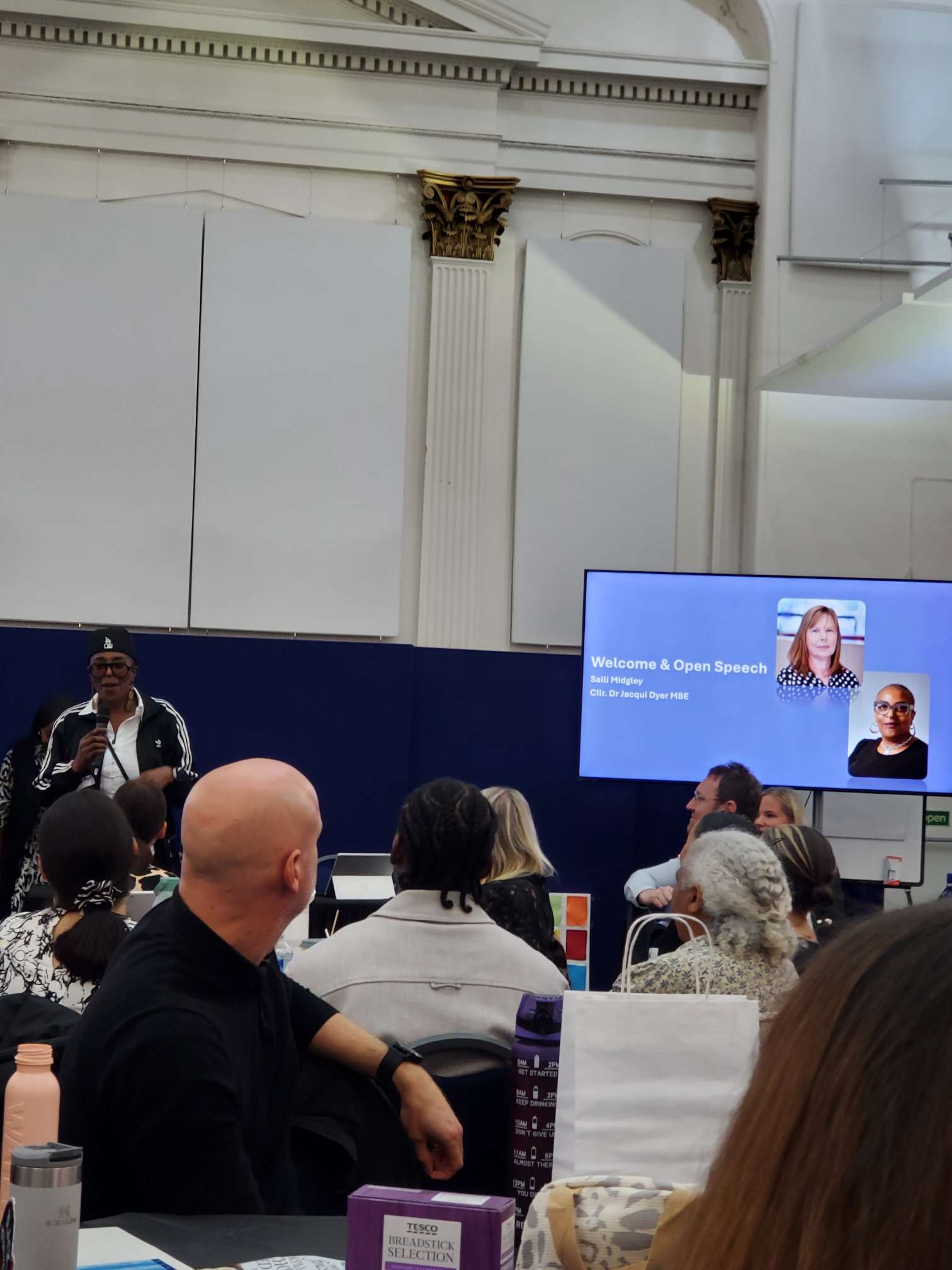
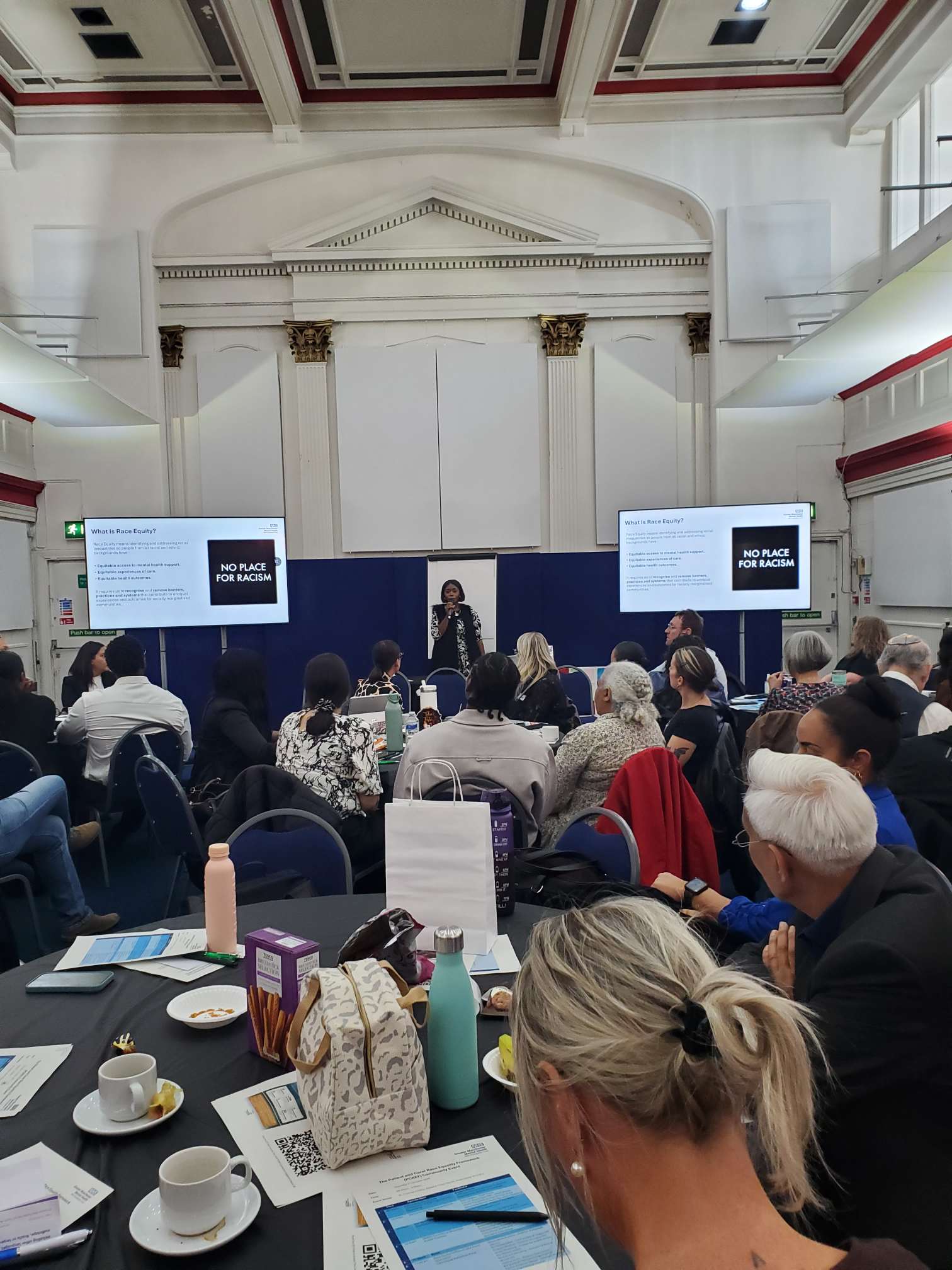
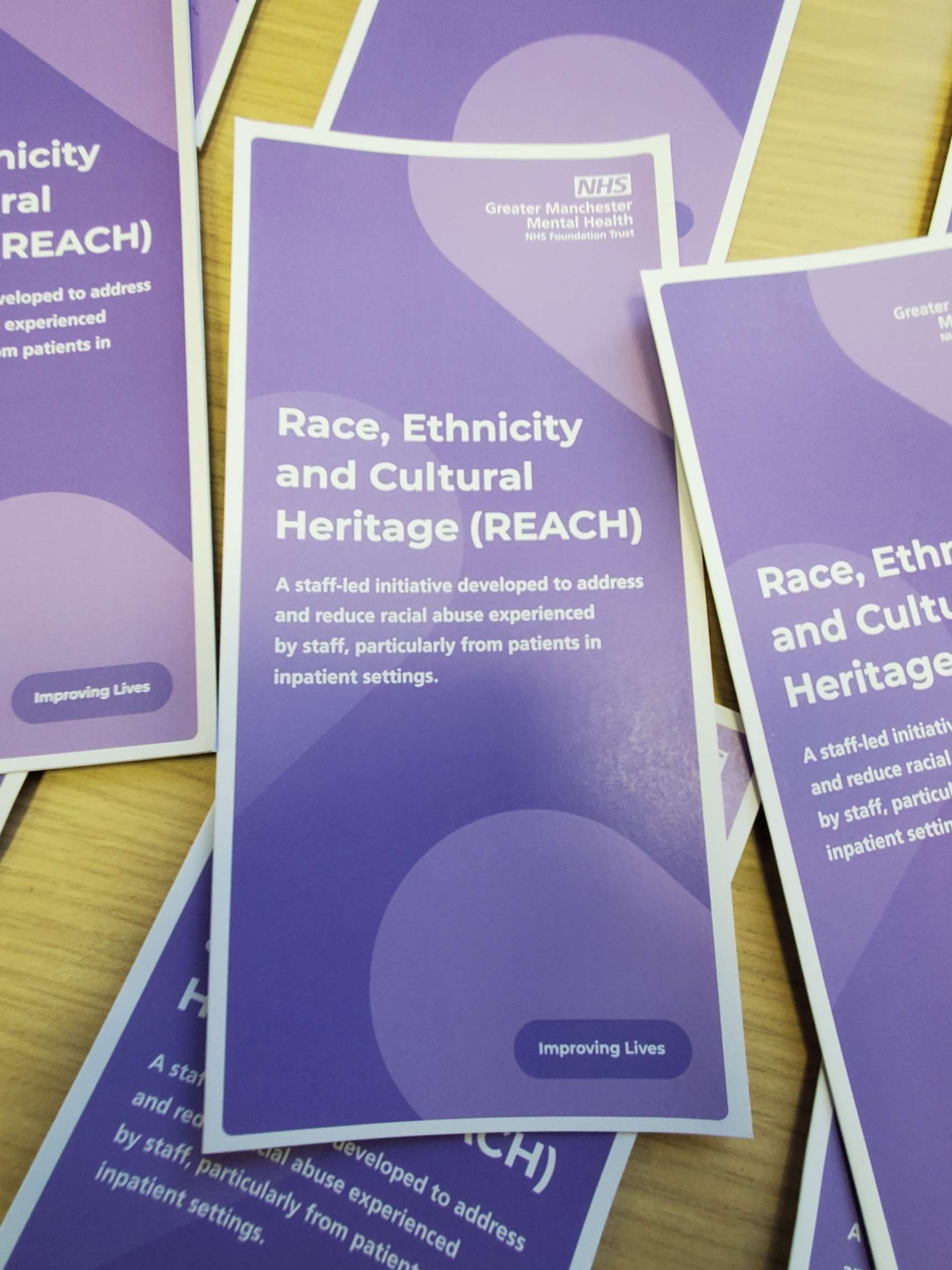
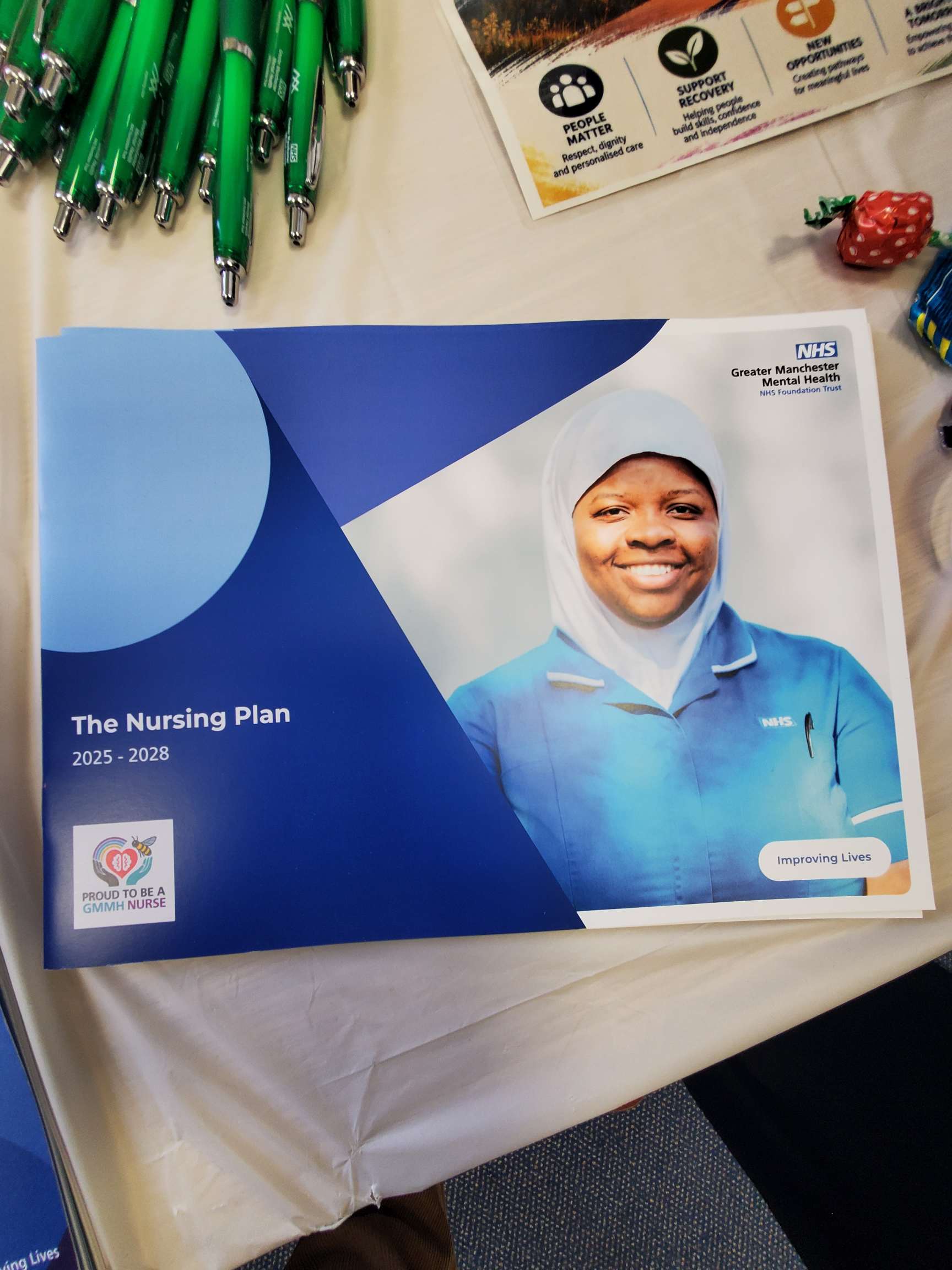
On 1 October 2026, I attended Greater Manchester Mental Health NHS Foundation Trust’s Patient and Carer Race Equality Framework (PCREF) Community Event at St Thomas Centre in Manchester.
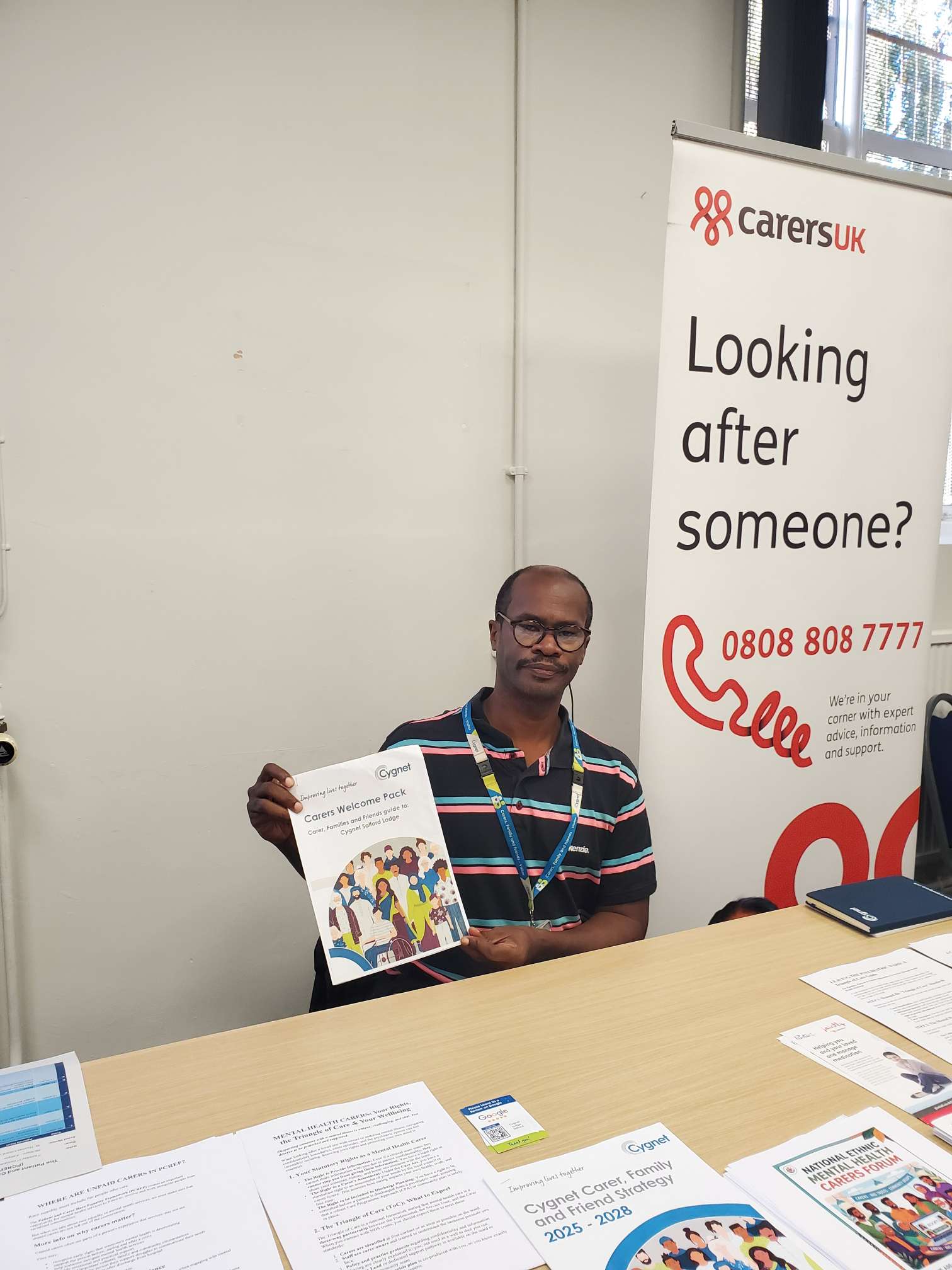
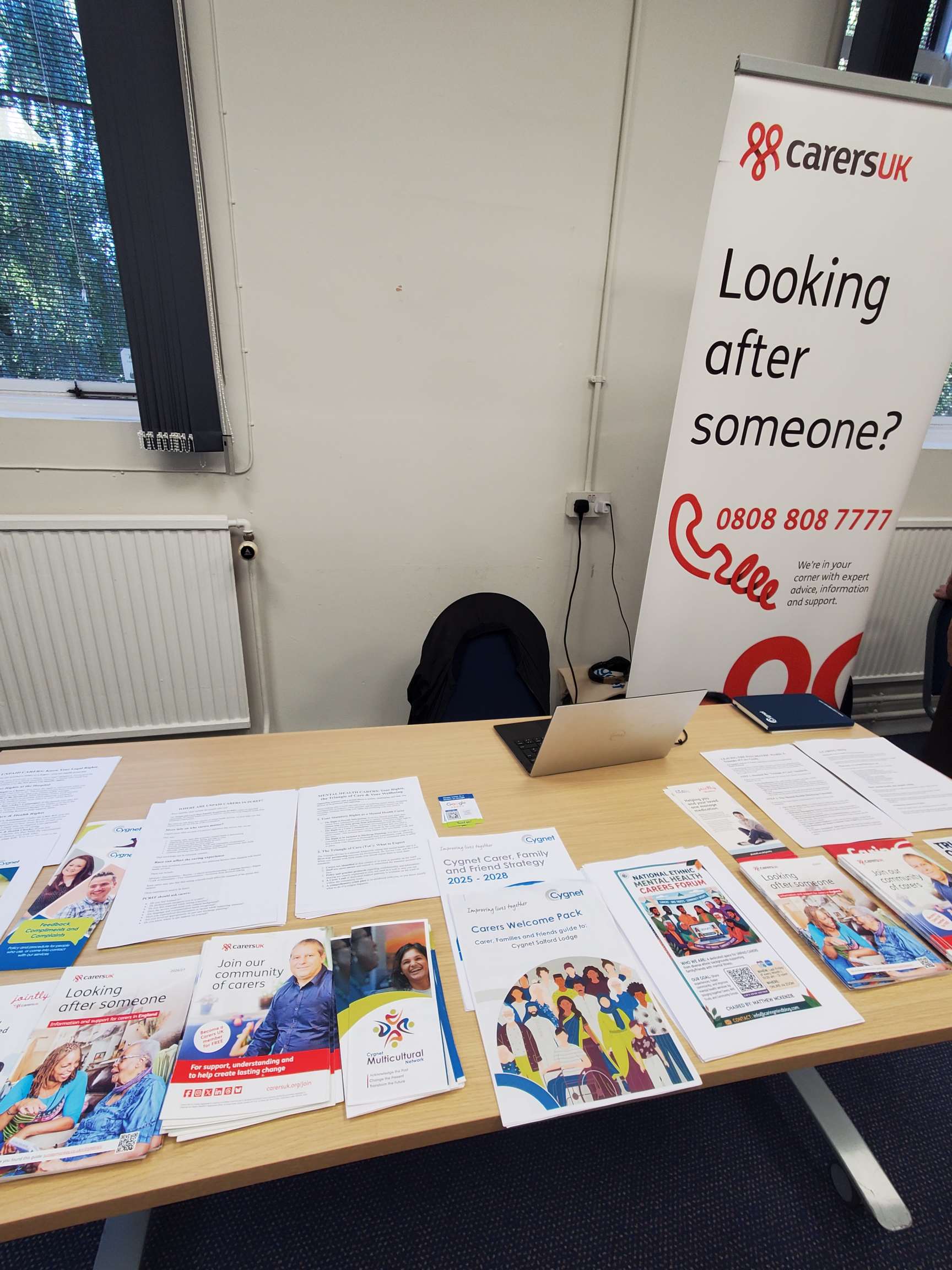
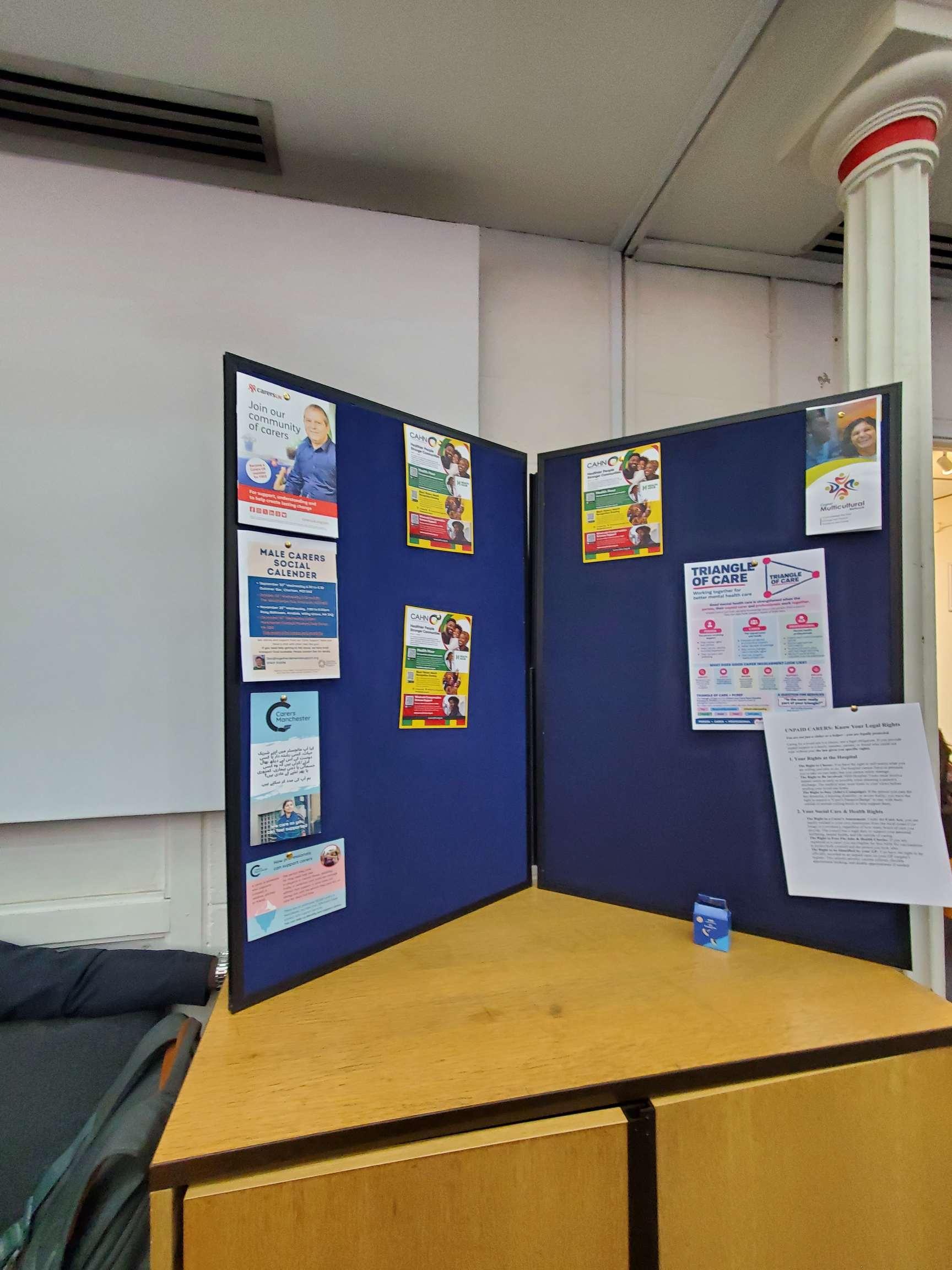
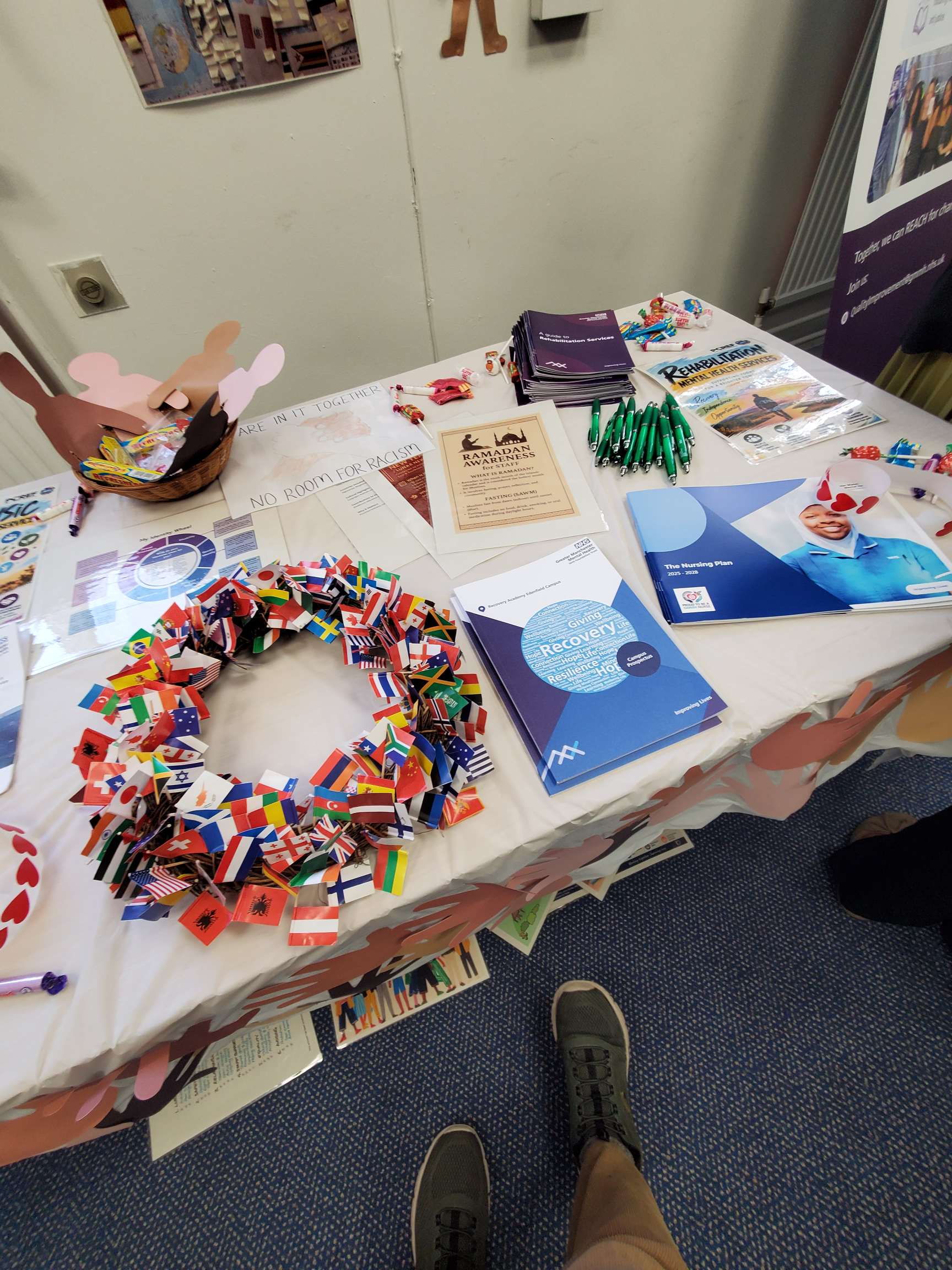
I attended in my role as Cygnet’s PCREF Carer Lead and Carer Ambassador, sharing Cygnet carer information alongside wider resources on the Triangle of Care and carer voices. I wanted to build relationships, learn from the discussions and keep the experiences of unpaid carers visible within conversations about racial inequality in mental health care, although at times i will support events as Triangle of Care ambassador.
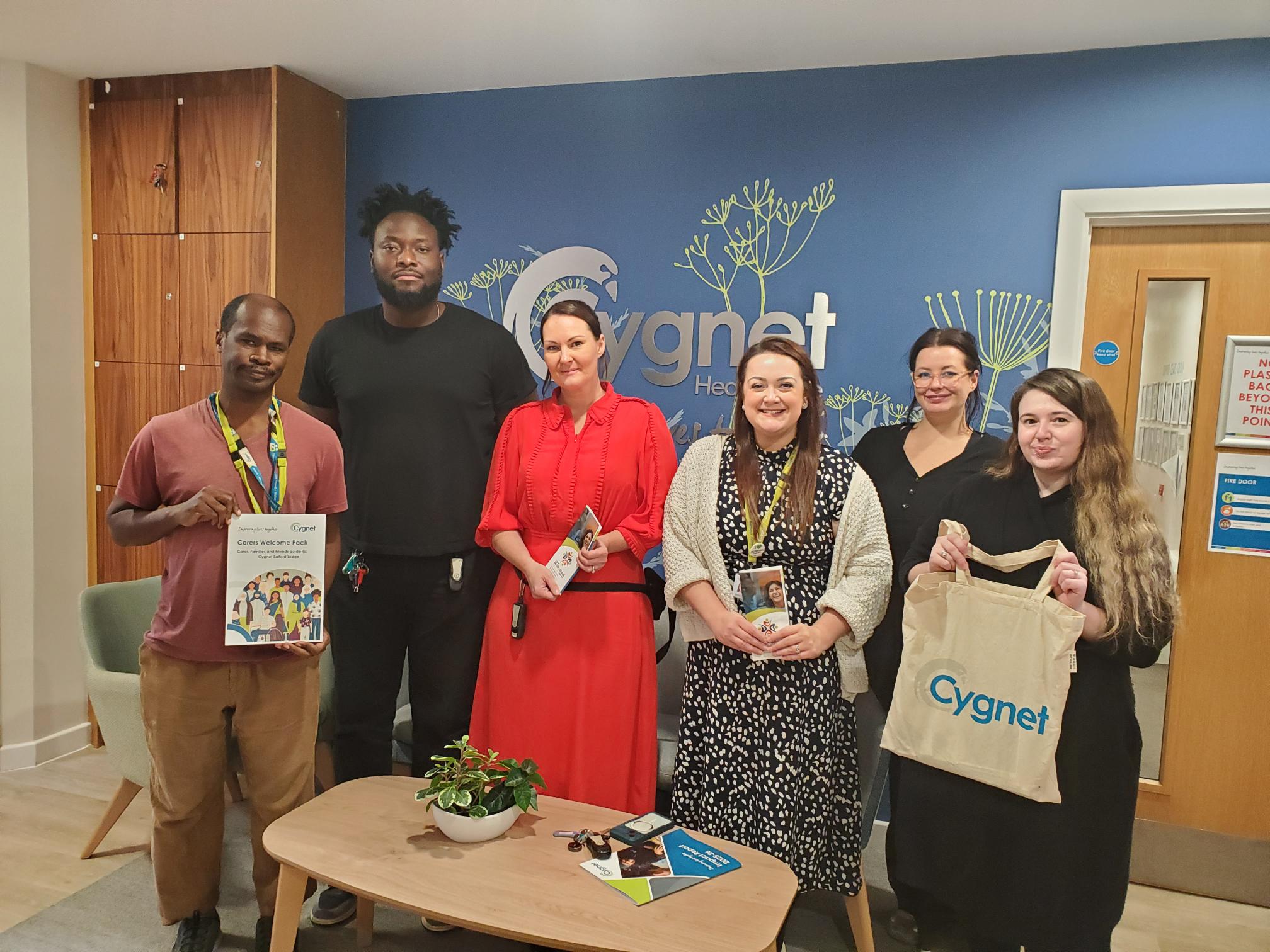
The event followed my visit to Cygnet Lodge Salford the previous day, where I met staff and discussed carer involvement, PCREF and the support I could offer through lived experience and training. Together, these opportunities connected conversations within a service with the wider work of engaging communities.
I came away from the GMMH event recognising its importance, but also feeling that there is unfinished business. That reflection comes from my perspective as a lived experience carer lead: someone who wants PCREF to make a difference to families’ everyday experiences of mental health services.
Why I was there
My caring experience shapes how I approach these events. Having supported my mother, who lived with schizophrenia, I know that families can carry considerable knowledge, responsibility and worry while struggling to have their voices heard.
For carers from racialised communities, those experiences may also involve discrimination, assumptions about culture or faith, language barriers and mistrust shaped by previous encounters with services.
These are some of the reasons why I see the carer element of PCREF as essential. Families need opportunities to influence how services work, explain what has happened to them and help judge whether care is improving.
Representing Cygnet gave me an opportunity to bring that perspective into a wider discussion. It also allowed me to share resources, hear how another organisation is approaching PCREF and consider what learning could be brought back into our own work.
Making carer information visible
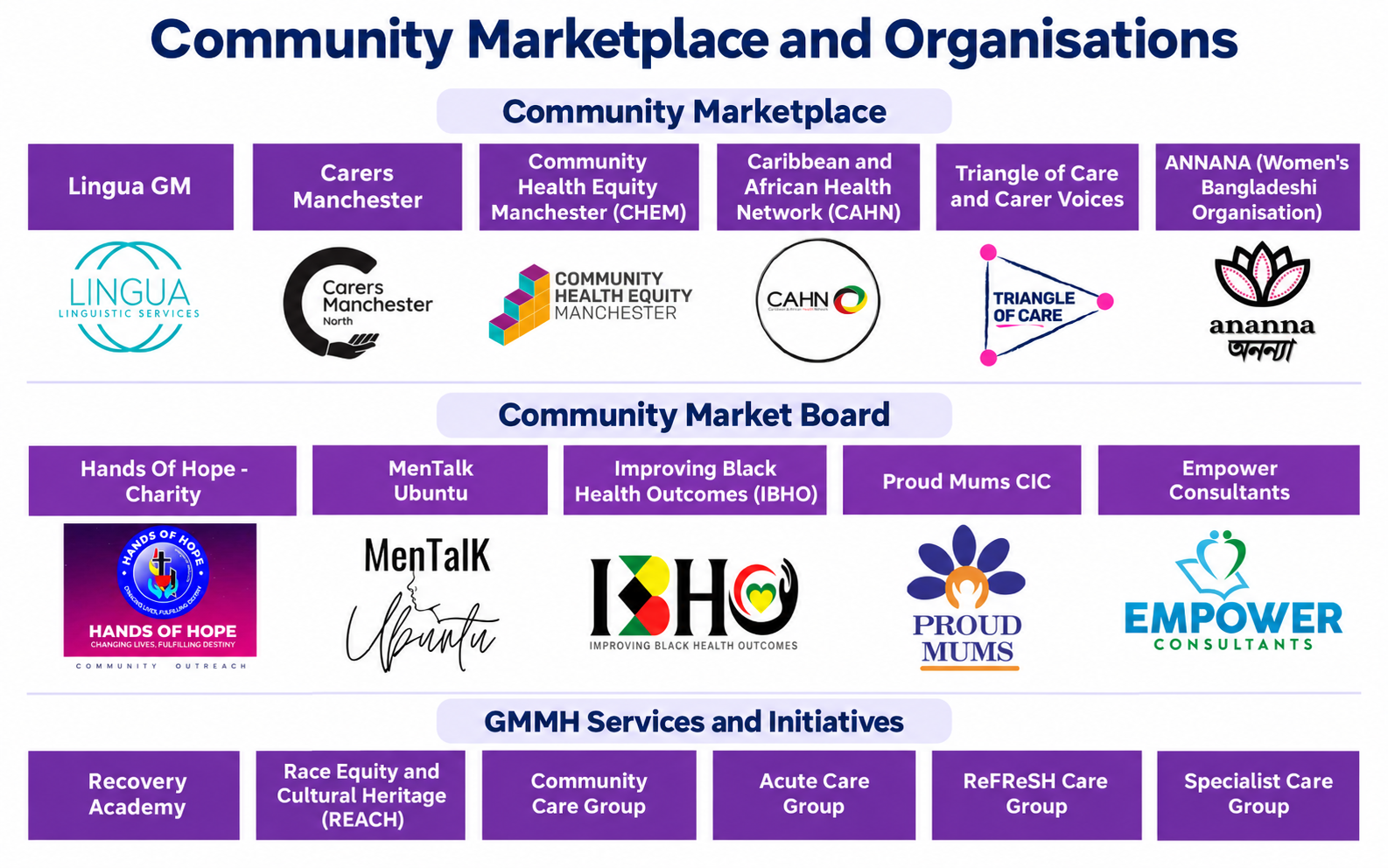
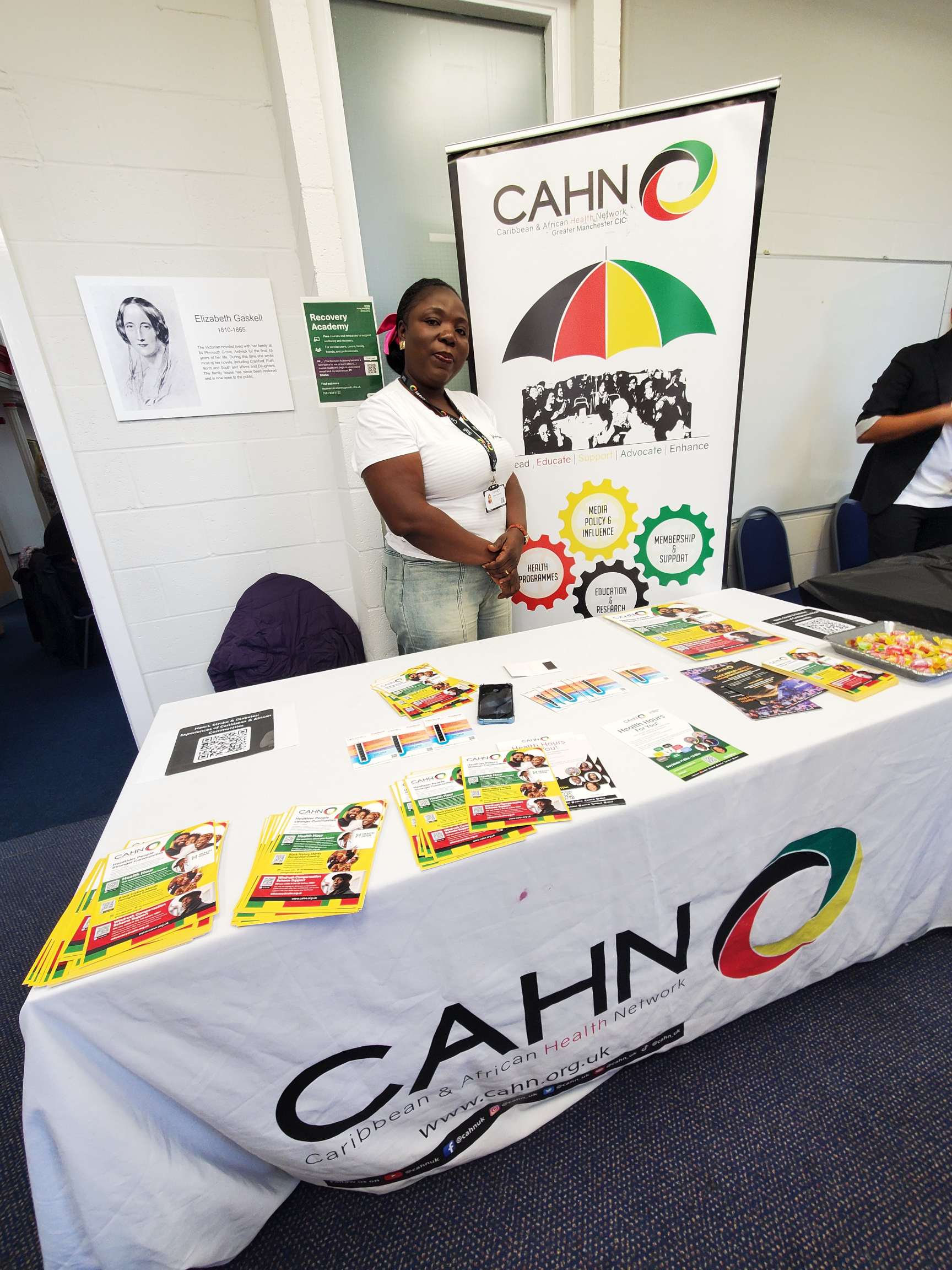
The Community Marketplace brought together organisations working across mental health, race equality, language support and community wellbeing.
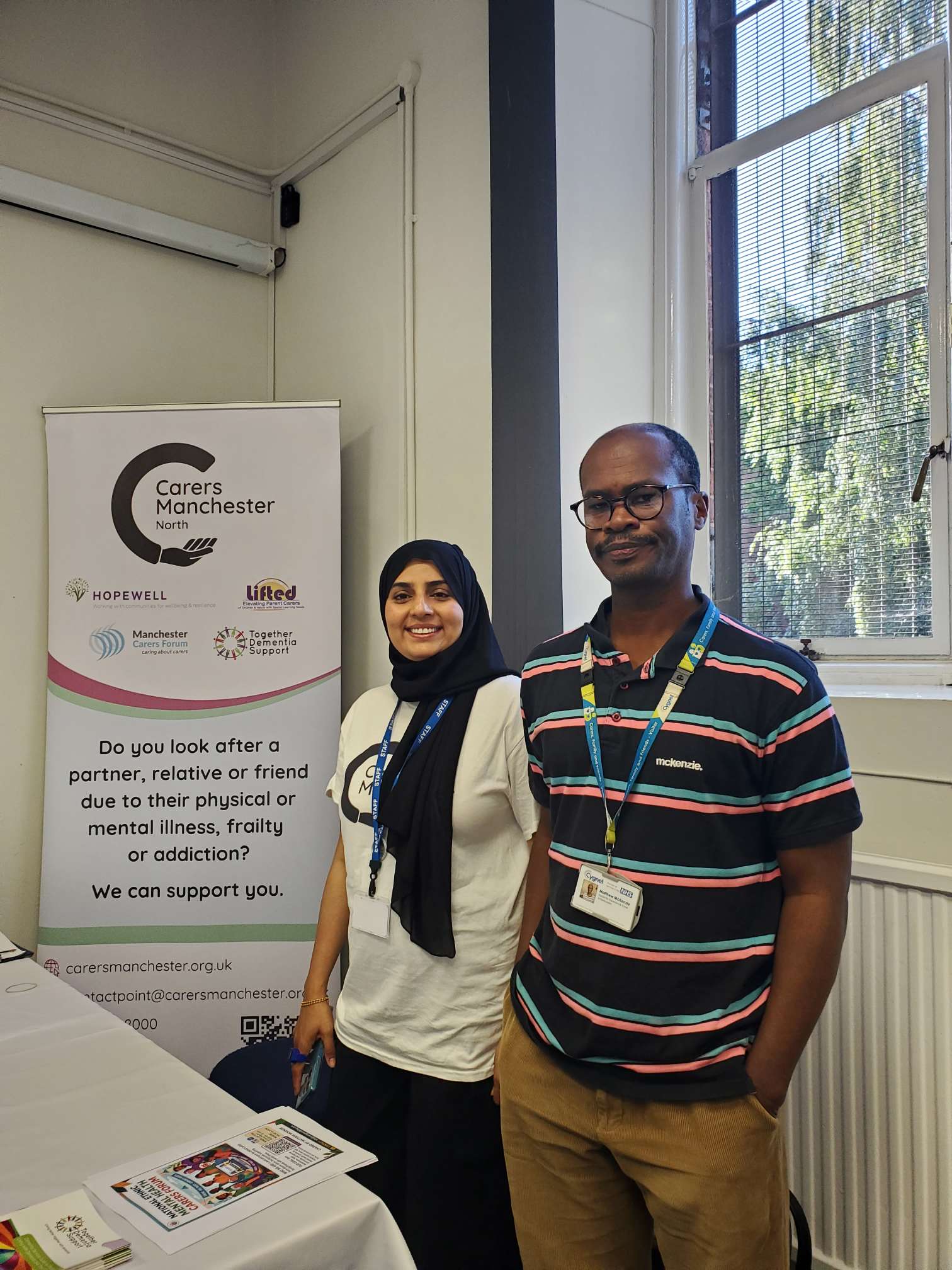
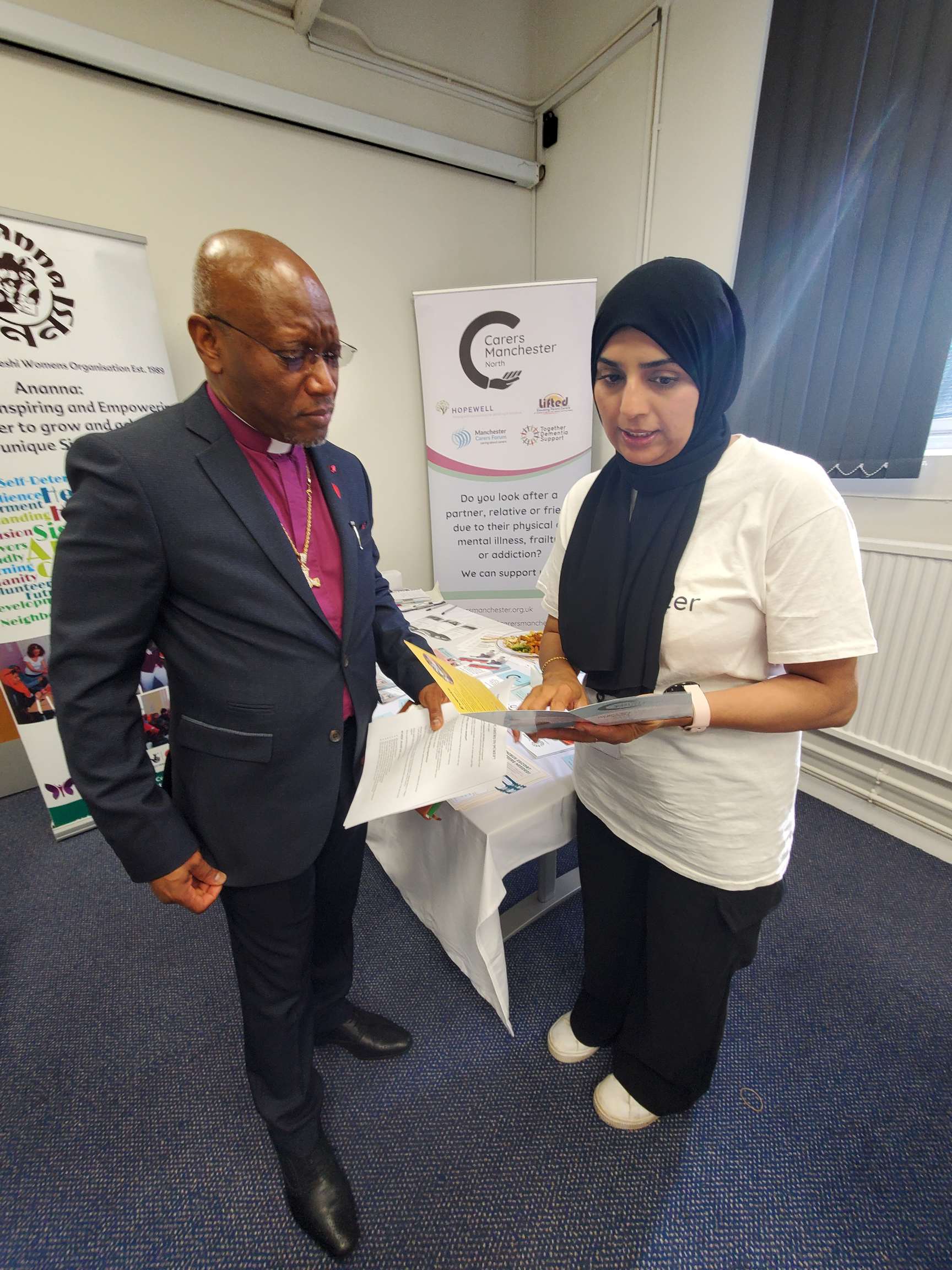
My space was listed in the programme as “Triangle of Care and Carer Voices”. I shared Cygnet carer information alongside the wider carer resources I had brought. Carers Manchester North was positioned next to me, providing another visible connection to support for unpaid carers.
This mattered because a discussion about race equality in mental health needs to connect with the people supporting relatives and friends outside services. Information on a stall can provide an opening for those conversations, particularly for people who may not describe themselves as carers or know what support is available.
I also made a connection with Zaib from Carers Manchester North, who expressed interest in my work and the groups I facilitate. That is a relationship I hope to develop through sharing information about my carer forums and opportunities for engagement.
For me, building relationships is an ongoing part of the role. It involves following up, understanding what others do and finding useful ways to support each other.
A clear message about implementation
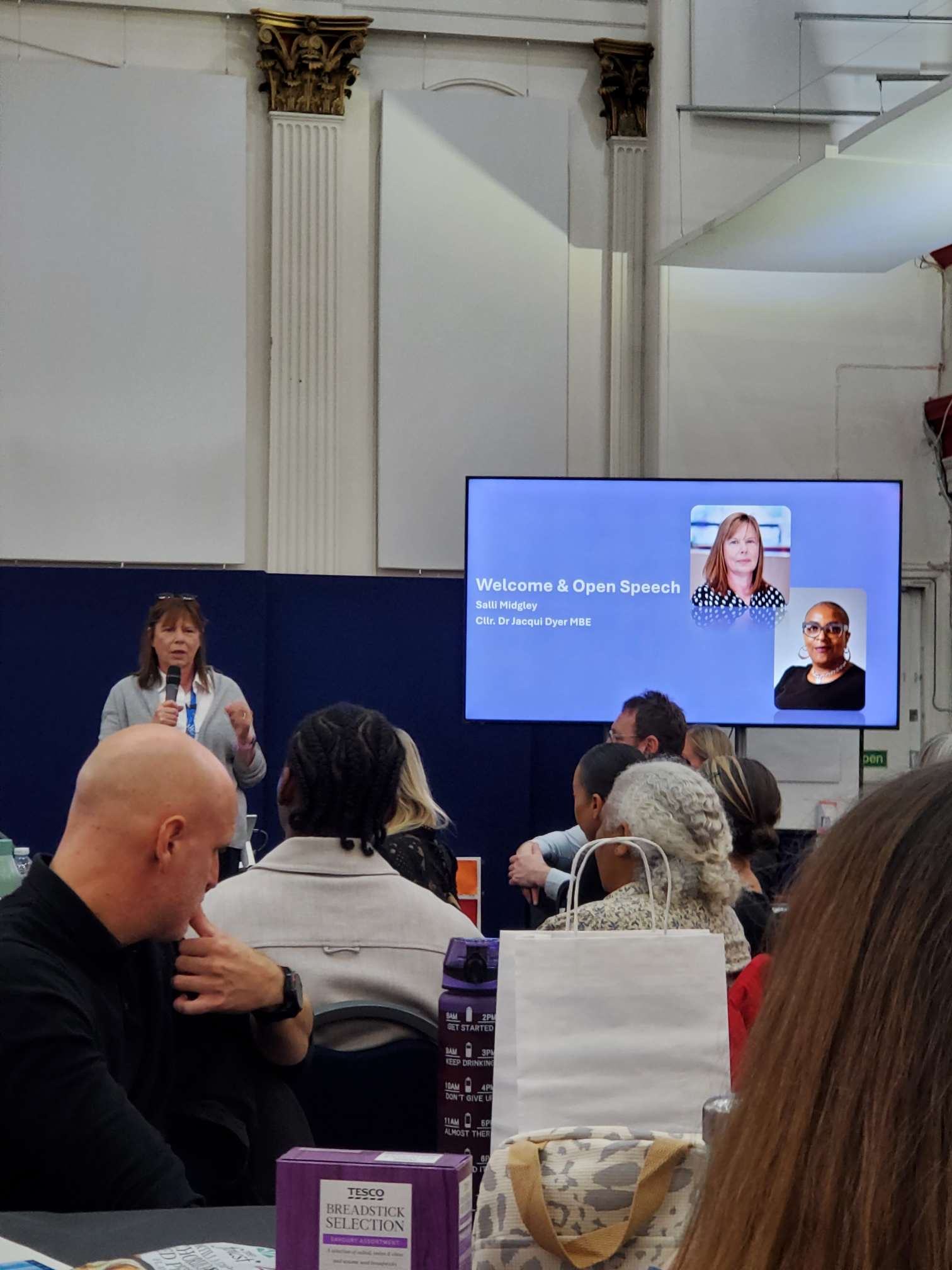
The opening contributions from Salli Midgley and Cllr Dr Jacqui Dyer MBE set out why this work matters.
One message that stayed with me was “the need to move beyond awareness and activity towards implementation and impact“. Events, training and plans have value, but the question remains: what difference are they making to people’s access to support, experiences of care and health outcomes?
That is a question carers can help answer.
A family may not know the name of a framework, but they know whether someone listened when they raised a concern. They know whether information was understandable, whether their relative’s cultural needs were considered and whether they felt involved in planning the next stage of care.
That is where PCREF needs to become visible.
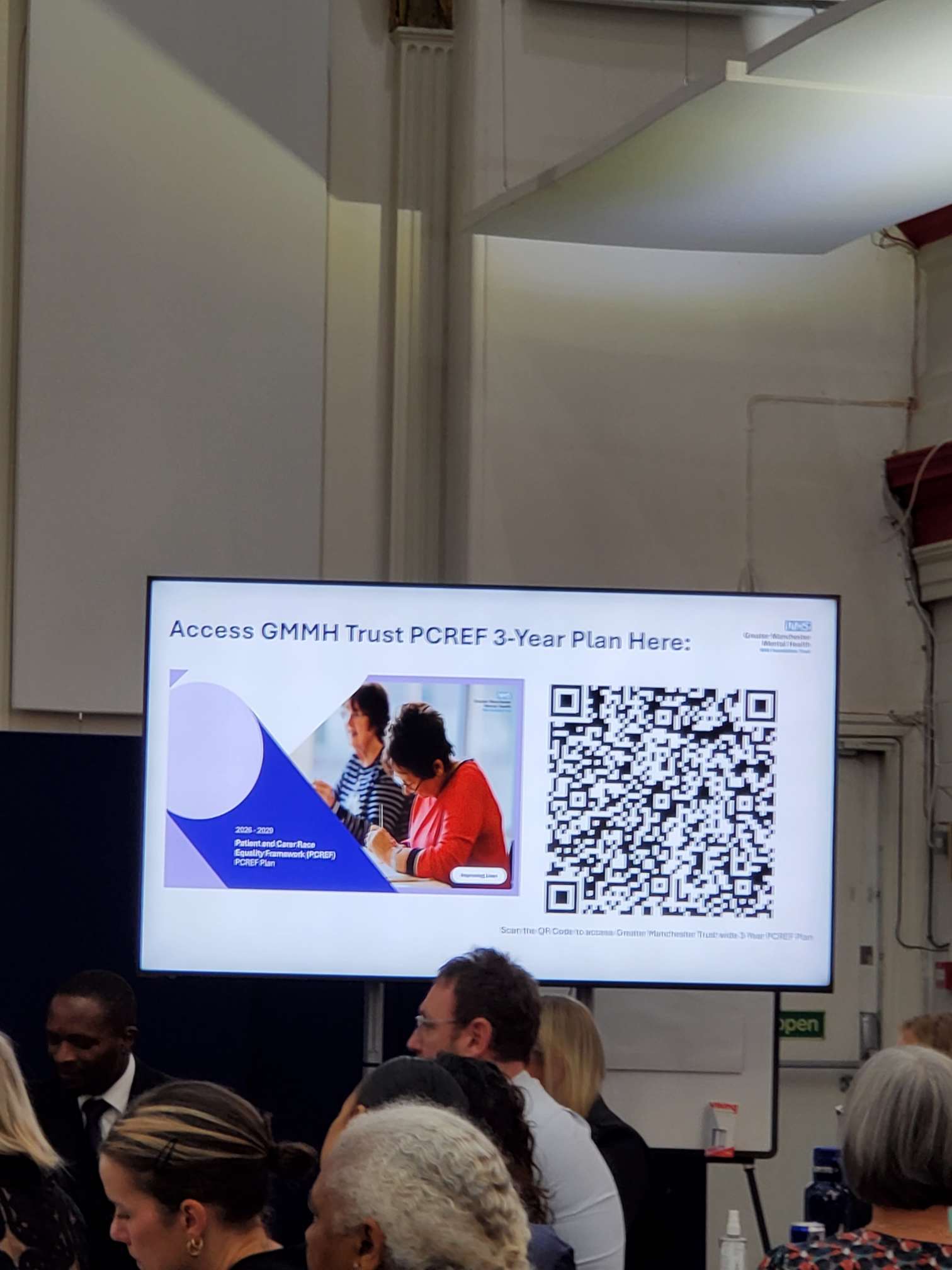
Hearing about GMMH’s three-year plan
Honey Ogunleye, GMMH’s PCREF Lead, and Charles Kwaku-Odoi, Chief Executive of the Caribbean and African Health Network, discussed the community engagement that informed the Trust’s board-approved three-year PCREF plan.
I welcomed the emphasis on returning to communities and showing how their contributions had shaped priorities. Asking people to share difficult experiences creates a responsibility to explain what happens afterwards.
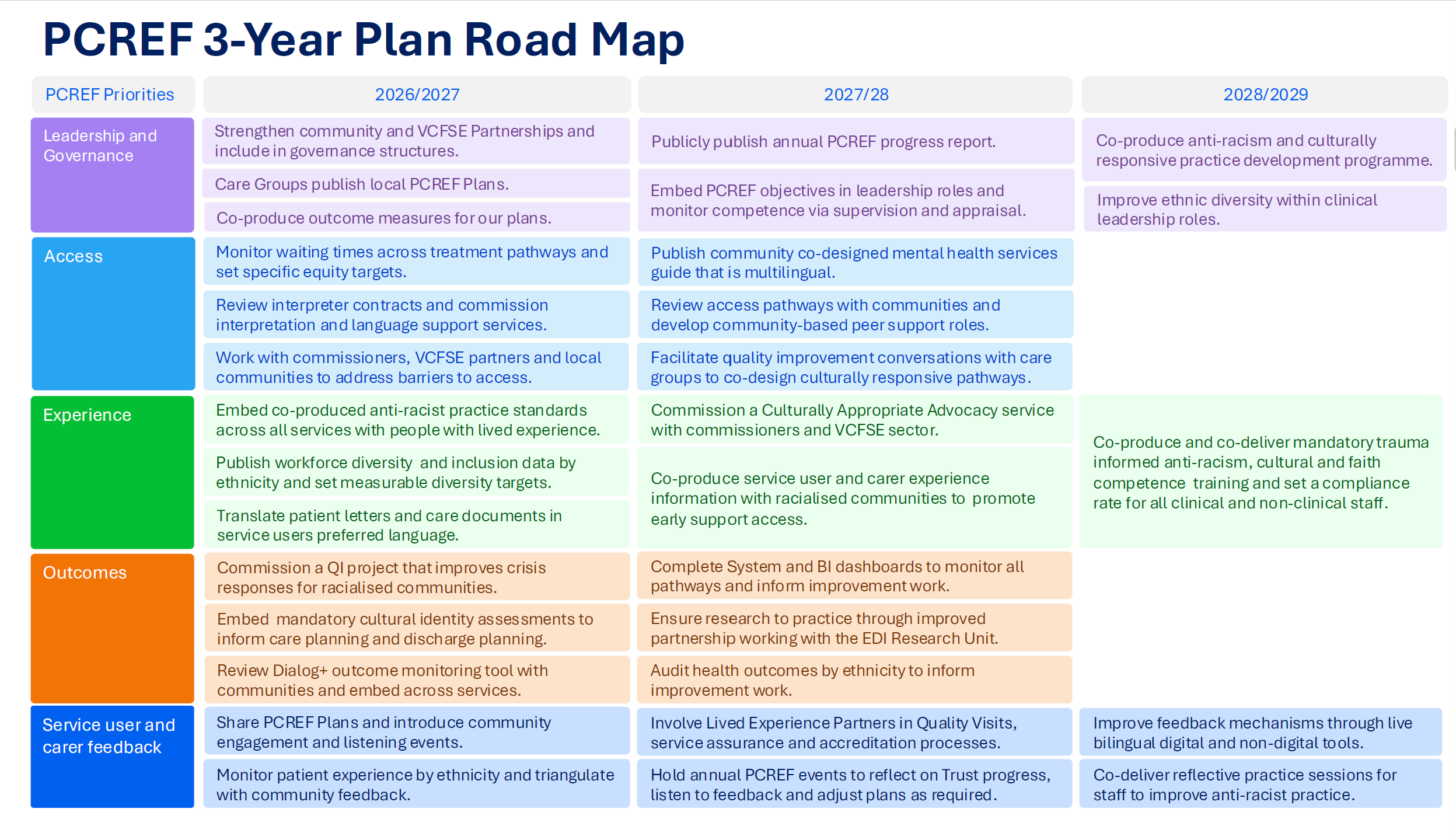
The presentation included priorities around reviewing interpretation and language support, monitoring waiting times, developing anti-racist practice standards and incorporating cultural identity into care and discharge planning.
It also described plans to strengthen community involvement in governance and develop measures of progress.
These are important areas. From a carer perspective, language support and culturally responsive communication can affect whether families understand what is happening and feel able to participate. Care and discharge planning are also points where families need clear information and opportunities to raise questions.
However, a published plan is a starting point. Its value will become clearer as commitments are delivered and people can describe what has changed.
Community challenge was a strength
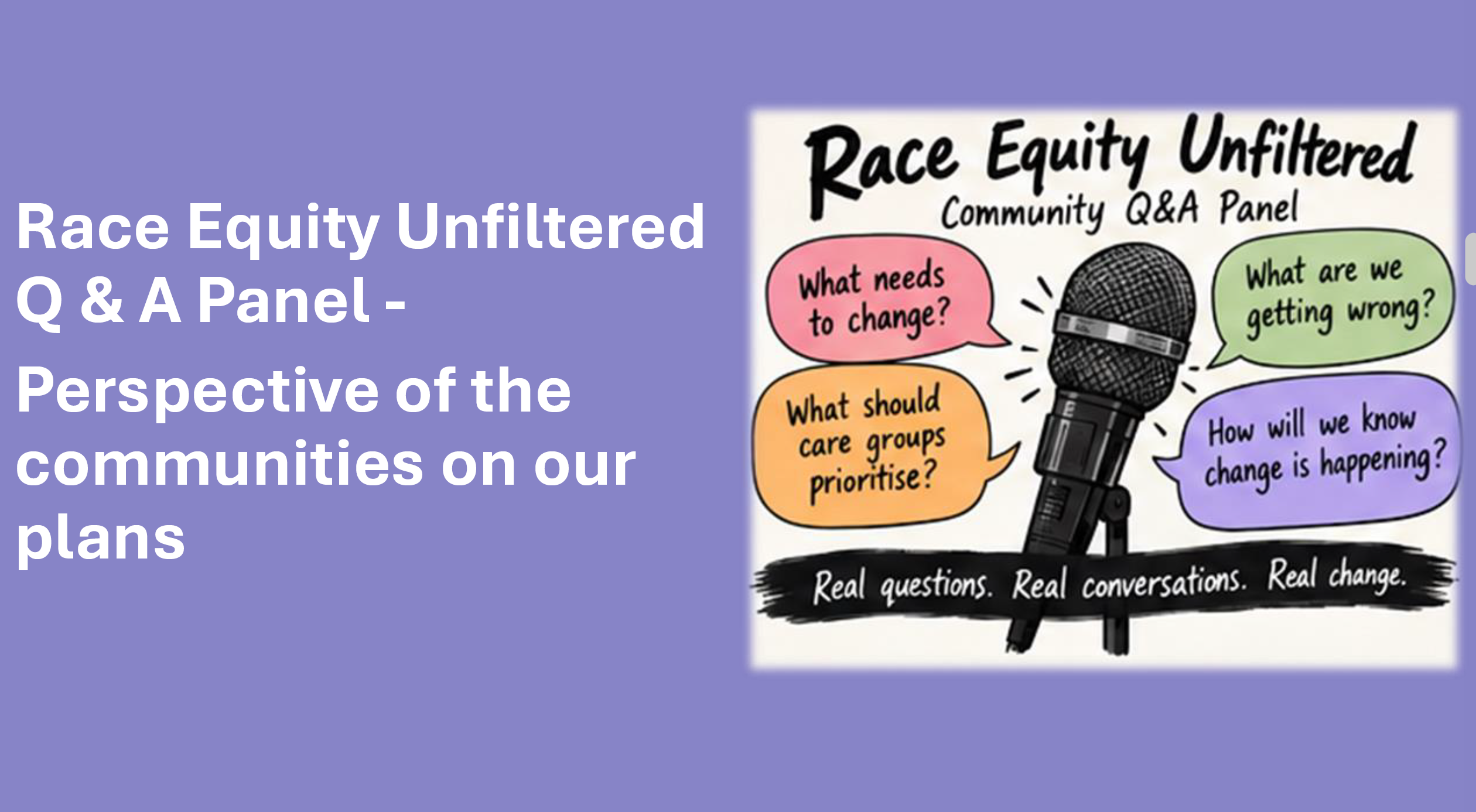
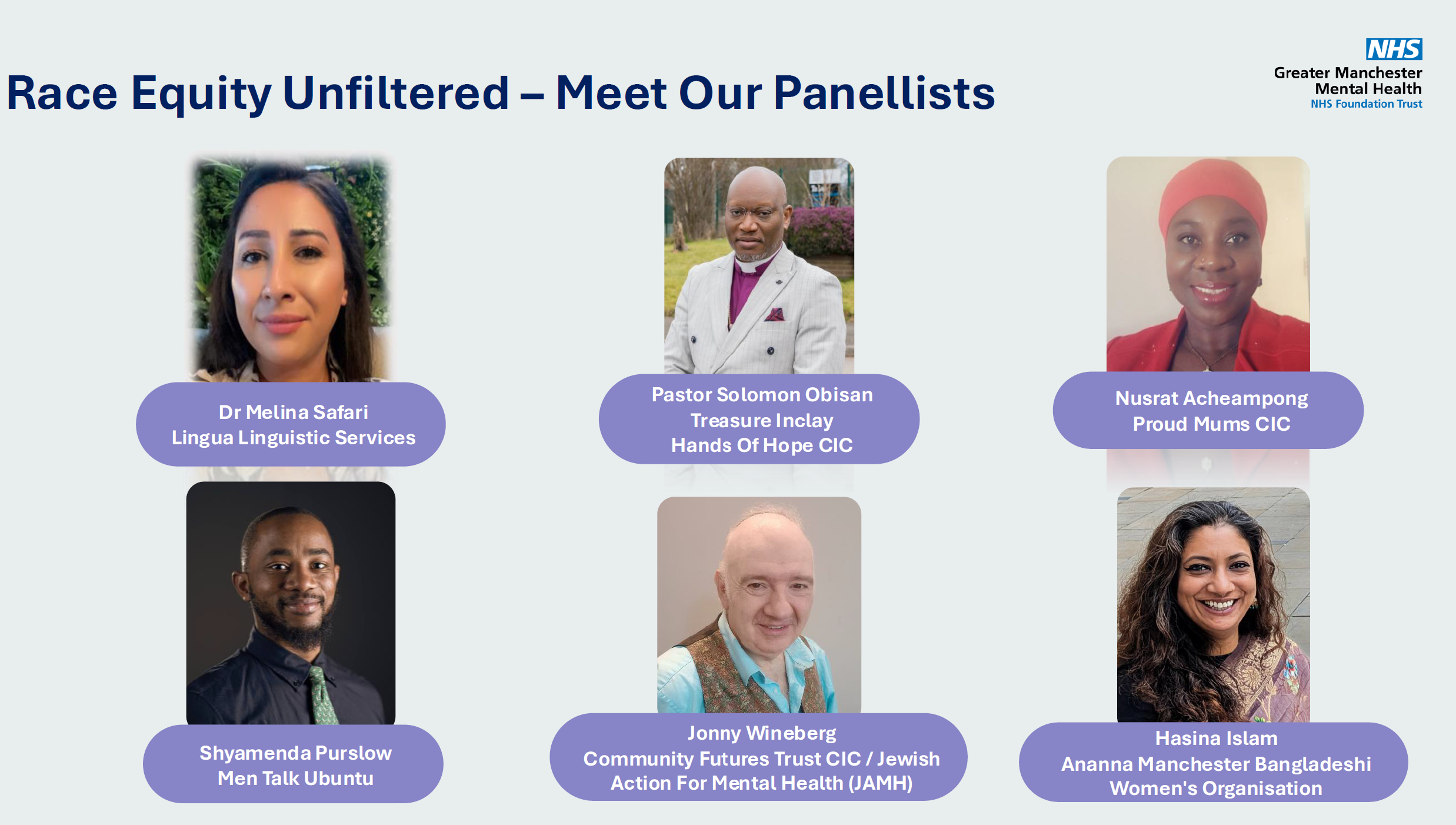
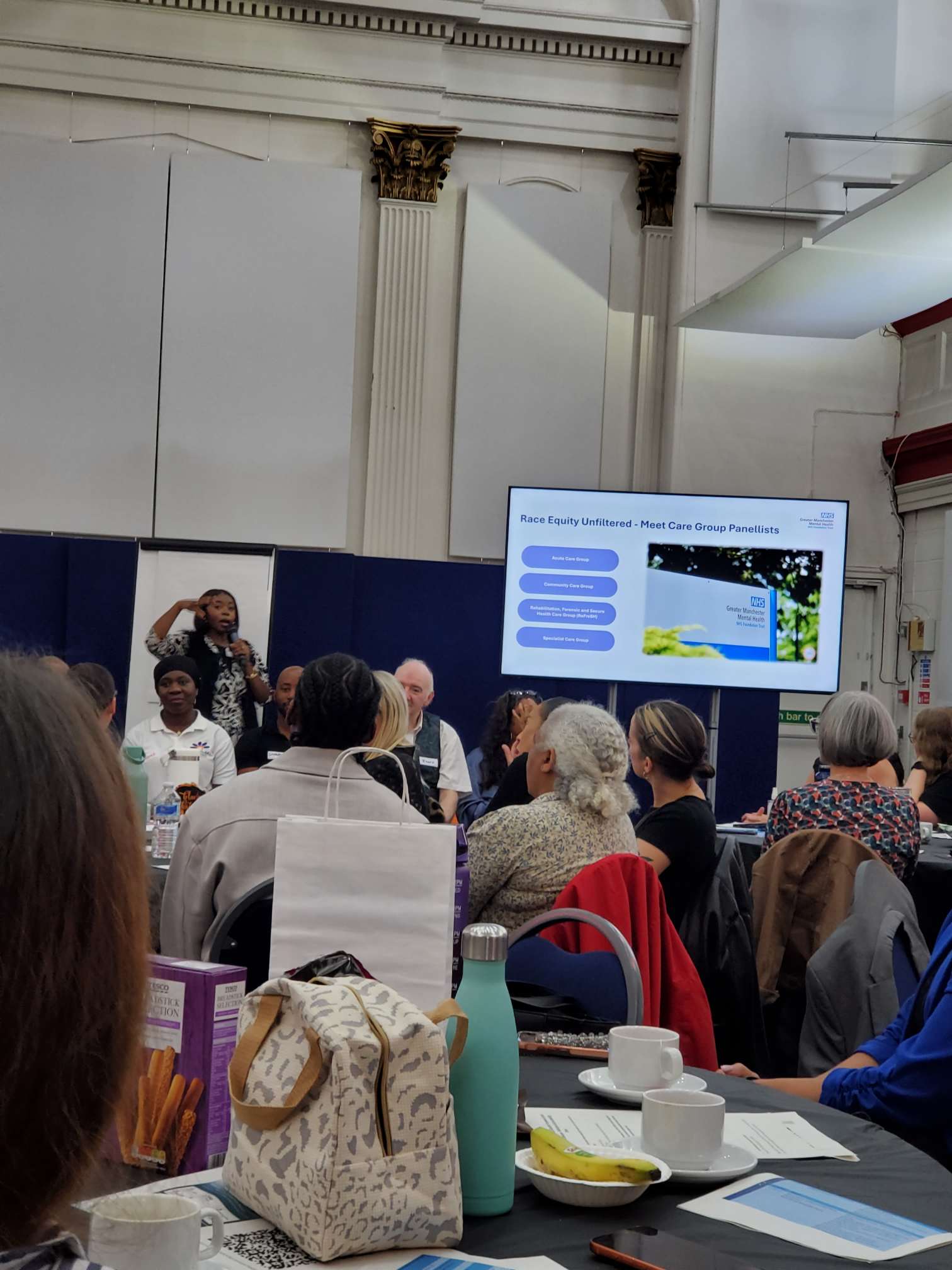
The care-group showcases and Race Equity Unfiltered panel created opportunities to question local priorities and discuss what meaningful progress should look like.
There was challenge around bureaucracy, workforce diversity, the role of community organisations and whether further training alone would be enough to change practice.
Another concern was familiar to anyone who has contributed to consultation: people give feedback, but do they hear what happens because of it?
I appreciated that these questions were raised openly. Community engagement needs room for disagreement and scrutiny. People should be able to question an organisation’s approach without being treated as an obstacle to progress.
I also recognised the willingness of staff to acknowledge that more needed to be done. Honest discussion about gaps is useful when it leads to a clear response.
The next step is to connect that openness with action: what will change, who will take responsibility and how will communities hear about progress?
My experience of the day
Although community partners were present and contributed, I found parts of the day intensive. There was a great deal to listen to and consider, including care-group structures, governance arrangements, data systems and implementation priorities.
Those subjects matter, but at times the event felt closer to an NHS working session than a gathering shaped around the experiences of unpaid carers.
I say this as a reflection on how the day felt to me. I could see the effort behind the event and the importance of bringing staff and communities together. I also think it is worth asking how the format could make participation easier for someone attending while managing the pressures of caring.
Clear language, manageable activities and time to discuss everyday experiences can help people connect organisational plans with their own lives.
Where were carers’ voices?
Carers were included in the presentation, the marketplace and the purpose of the lived experience listening space. I want to recognise that.
However, I did not feel that unpaid carers’ own accounts had a sufficiently visible place in the main discussions, maybe that might come at another GMM PCREF event?
This distinction matters. Carer organisations can provide support and valuable insight, while carers themselves bring knowledge of what it feels like to support someone through crisis, admission, rehabilitation and discharge.
I would have welcomed more explicit discussion of how racial inequality affects that caring role. For example, what happens when a family’s concerns are dismissed? How do language barriers affect communication with carers? How are cultural or faith needs understood? What support is offered to a carer whose own wellbeing is suffering?
These questions need to be part of how progress is assessed.
The event’s lived experience listening space was a valuable part of the programme. My hope is that future work will build on it with a clearer and sustained place for unpaid carers, including those who are less confident speaking in a large room.
Data needs to connect with experience
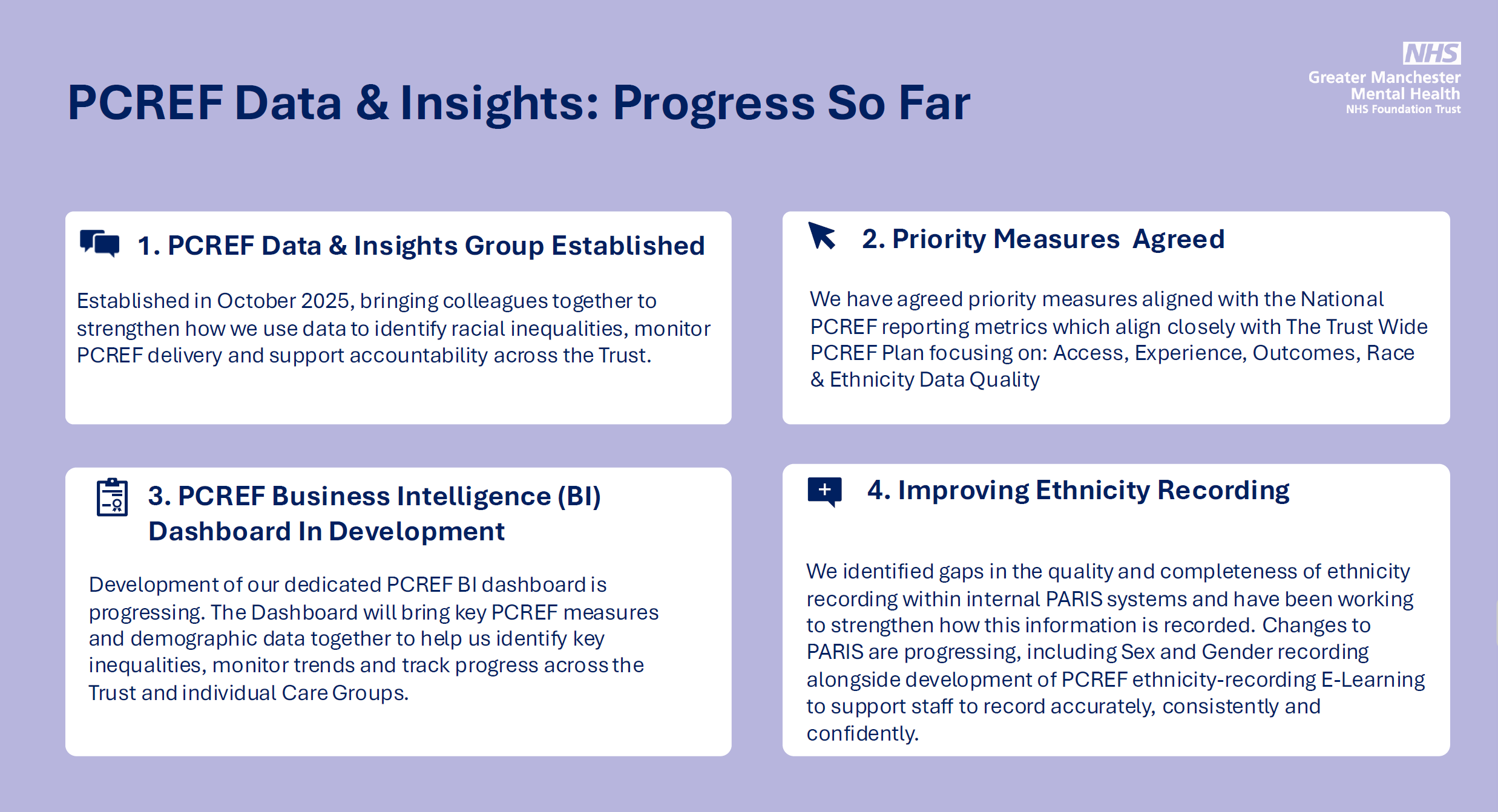
The afternoon’s focus on data explained work to improve ethnicity recording and develop a PCREF dashboard.
I understood why this matters. Missing or inaccurate information makes it harder to identify inequalities and assess whether services are improving. The co-produced video, BSL provision and easy-read material also showed attention to making information more accessible.
From my perspective, the next question is how that information connects with lived experience.
Recording someone’s ethnicity more consistently is useful, but it does not by itself tell us whether they felt respected or whether their family was listened to. Measures of access and outcomes need to sit alongside people’s accounts of care.
For carers, I would want that learning to include communication, involvement in decisions, responses to concerns and support during discharge. We need to understand what the figures mean in people’s lives.
Community influence must continue after the event
The presentation described an opportunity for community involvement in a PCREF Oversight and Delivery Group. It also asked practical questions about representation, influence, escalation, accessibility and reporting back.
I was pleased to see payment and adjustments included in those questions. Meaningful participation depends on whether people can realistically take part.
Carers may need flexible meeting times, remote access or support with replacement care. They may also need time to understand papers and confidence that speaking honestly will lead to a respectful response.
For me, community involvement needs a clear route into decisions. People should know how their recommendations are considered, how they can raise concerns when progress stalls and how the organisation will explain its response.
I expect NHS organisations to engage with the communities they serve. That engagement needs to continue between events, particularly with people whose trust has been damaged or whose voices are often overlooked.
What I will take back into my Cygnet work
The event gave me useful points to reflect on in my role as Cygnet’s PCREF Carer Lead and Carer Ambassador.
The first is the importance of keeping carer information visible alongside wider race equality work. The stall helped me do that, but information also needs to lead to opportunities for conversation and involvement.
The second is to make the link between PCREF and everyday caring experiences clearer. Through my site visits, masterclasses and discussions with staff, I can continue asking how families experience communication, cultural understanding and involvement in care.
The third is to keep building relationships with carer organisations and community partners. Those connections can help us hear perspectives beyond our own services and learn where support is needed.
Finally, I want to keep asking what happens after feedback is received. Carers need to know that their time and experiences have contributed to something tangible.
These are questions I bring to Cygnet as well as to NHS services. My role gives me a responsibility to listen, share learning and offer constructive challenge.
Important work, with unfinished business
I am glad I attended the GMMH PCREF Community Event. It brought people together, made space for challenge and showed work being developed around race equality, community relationships and accountability.
I also left with questions about how unpaid carers can become more visible and influential within that work.
Calling this unfinished business reflects the purpose of PCREF. It asks organisations to examine inequalities, listen to people and keep improving. A successful event can open conversations; sustained work afterwards is what will give those conversations meaning.
Thank you to the organisers, community partners and everyone who contributed. I hope the next stage brings clearer feedback, visible progress and more opportunities for unpaid carers to shape what happens.
As a lived experience carer lead, I want families to be able to recognise the difference in their own encounters with services and to have a voice when that difference has yet to reach them.