The Urgent Need for Digital Skills Among Unpaid Carers
Unpaid carers who provide support to family members, friends, or neighbors with long-term health conditions are the backbone of many communities. Their work is often invisible, yet it is essential for the well-being of countless individuals. As healthcare systems rapidly digitize, the landscape of caregiving is undergoing a profound transformation. Unpaid carers now face the challenge of adapting to new technologies, digital platforms, and online resources that are becoming integral to the delivery of care.
This blog explores why technical and digital skills are no longer just optional for unpaid carers. The blog is also a transcript of matthew’s video below.
Drawing on insights from matthew’s experience as an unpaid carer & IT professional and advocate for carers, we delve into the practical reasons behind this shift, the opportunities and challenges it presents, and the future trends that will shape caregiving in the years to come.
The Changing Face of Caregiving
Digitization in Healthcare
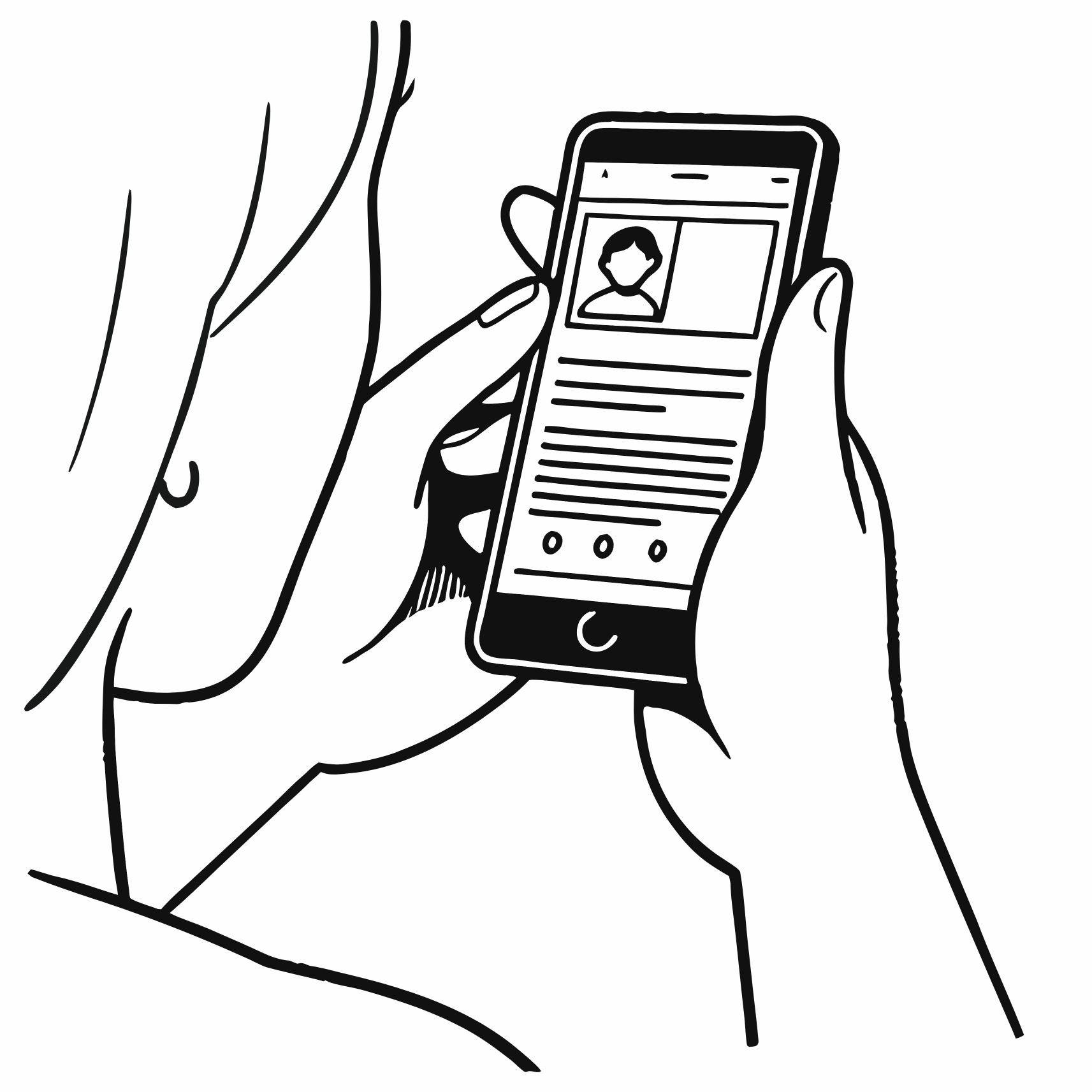
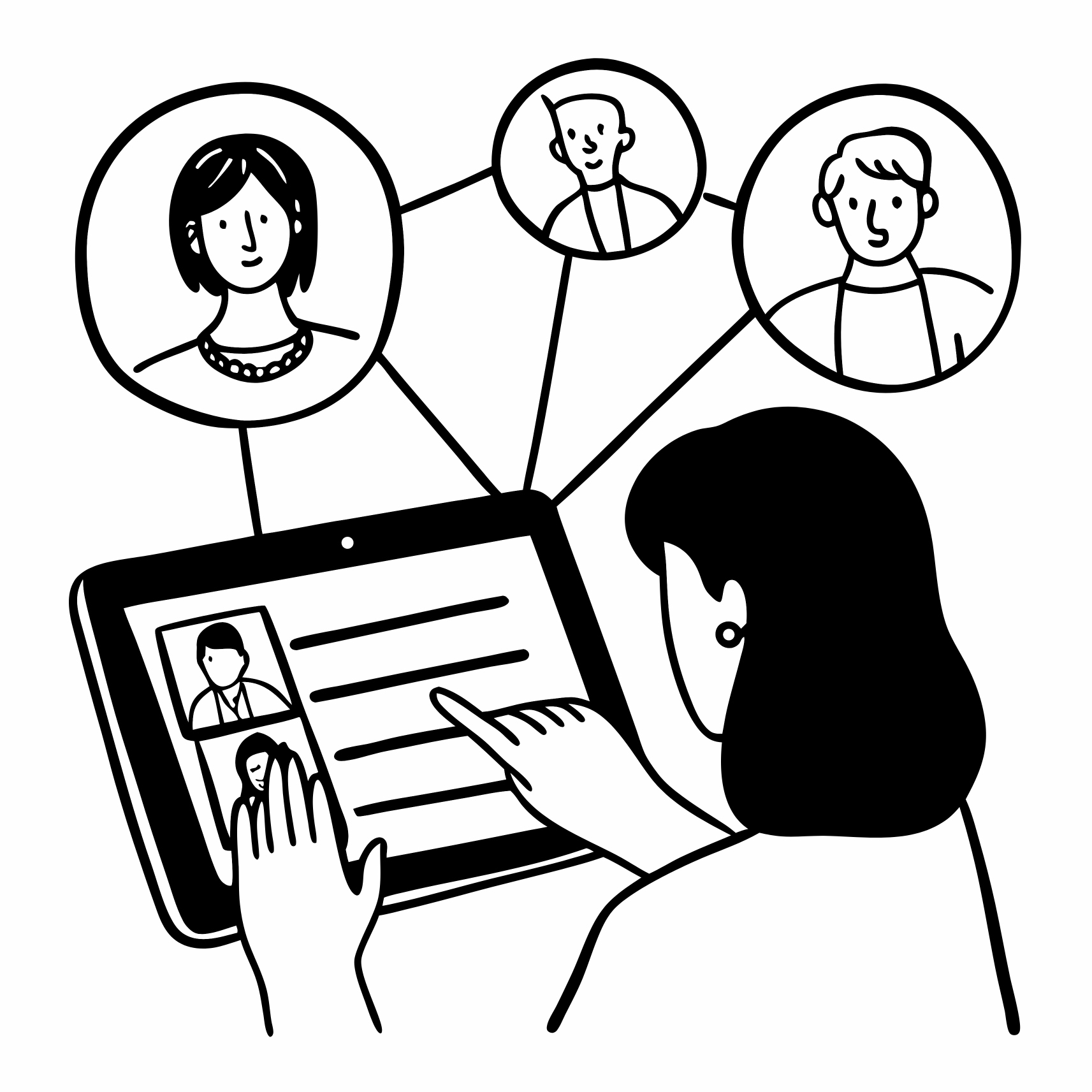
Healthcare is moving online at an unprecedented pace. Electronic health records, telehealth platforms, wearable health devices, and digital prescriptions are becoming the norm. The reasons are clear: digitization streamlines processes, reduces costs, and enables real-time access to critical health data. For unpaid carers, this means that many aspects of their role now require interaction with digital tools.
The Role of Carer Centers
Local carer centers have traditionally been the first point of contact for those seeking support. As these centers will play a crucial role in helping carers acquire the skills needed to navigate the new landscape. Online training, virtual support groups, and digital resource libraries are just some of the ways carer centers are evolving.
Overcoming Barriers to Digital Inclusion
Challenges Faced by Carers
Not all carers are comfortable with digital environments. Some may lack the means to access technology, while others face disabilities that make using digital platforms difficult. For example, visual impairments can pose significant challenges. It’s important for carer centers and support organizations to recognize these barriers and provide alternative solutions where possible.
The NHS 10-Year Plan
Digitization is at the heart of the NHS’s long-term strategy. Unfortunately, unpaid Carers who fail to meet the demand for digital skills may find themselves excluded from essential services and support. Embracing technology is not just about keeping up, it’s about empowering carers to meet the needs of those they support with confidence and efficiency.
Conclusion
The digitization of healthcare is transforming the role of unpaid carers. Technical and digital skills are now essential for accessing resources, coordinating care, and advocating for loved ones. While the transition may be challenging, it offers opportunities for greater efficiency, independence, and empowerment.
If you are an unpaid carer, now is the time to invest in your digital skills. Seek out training, connect with support networks, and take advantage of the tools available. Your role is vital, and with technology on your side, you can continue to make a difference in the lives of those you care for.
Are you currently juggling the responsibility of caring for both a child and a care-dependent adult? If so, you may be what we call a “sandwich carer”—someone who provides care for loved ones across different generations.
At UCL’s Center for Transport Studies, They are conducting an important research study exploring the travel experiences of sandwich carers, and we want to hear from you.
Why Participate?
Sandwich carers play a critical role in our society, often balancing work, caregiving, and personal needs—all while navigating complex travel routines. However, little is known about how this group manages their daily transportation. Your input can help inform future transport policies and support systems to make travel more accessible and manageable for carers like you.
Who Can Take Part?
You are eligible if:
You are a carer for at least one child and one care-dependent adult,
And you currently live in England.
How to Participate
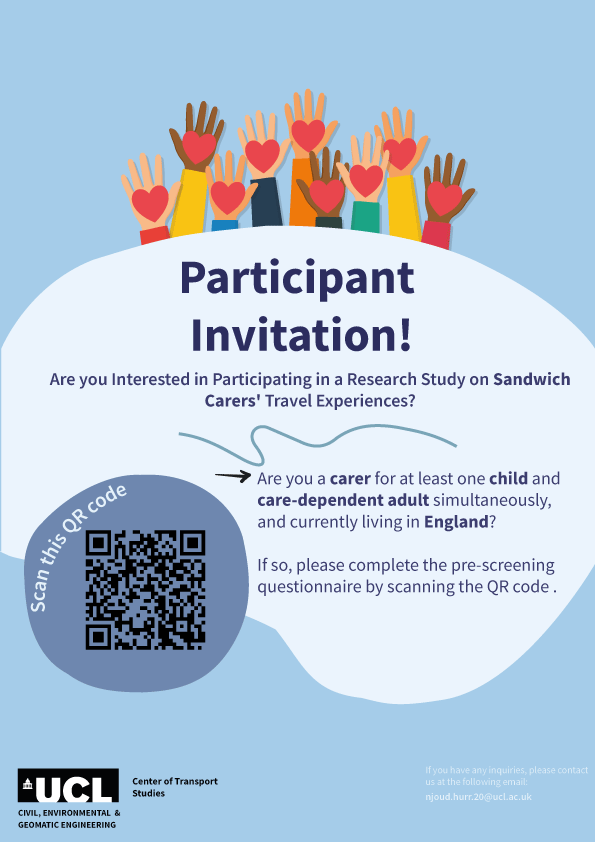
Simply scan the QR code in the flyer (see below) to complete a short pre-screening questionnaire. It only takes a few minutes and is the first step to being part of this valuable study.
Get Involved Today
Your voice matters. By participating, you’ll be contributing to research that could lead to meaningful change for thousands of carers across the country.
For any questions or more information, feel free to contact us at: 📧 njoud.hurr.20@ucl.ac.uk
Thank you for considering taking part in this important work. Please share this invitation with others who might qualify.
Understanding Over-Involvement as a Mental Health Carer
Welcome to another lecture taken off my YouTube channel. If you want to watch the lecture please see the video below.
Caring for a loved one with long-term mental ill health is a profound act of compassion, resilience, and often necessity. For countless unpaid carers, the daily reality involves advocating, supporting, and filling in the ever-widening gaps left by under-resourced mental health systems. But amid this dedication, a challenging reality emerges: what happens when you become “too involved” as a mental health carer?
Navigating the boundary between healthy support and over-involvement is fraught with emotional, social, and systemic complexities. For many carers, especially those without significant backup or support from services, over-involvement isn’t a deliberate choice. Rather, it’s a reaction to anxiety, lack of resources, unavailable respite, or a deep sense of responsibility, factors often compounded by the failures of the very systems meant to help.
This article explores the nuanced challenges of over-involvement, the psychological and social fallout for carers, the systemic pitfalls that fuel this cycle, and constructive pathways forward.
What Does It Mean to Be “Too Involved”?
Over-involvement as a mental health carer doesn’t refer to love or dedication, but to a state where healthy boundaries are blurred. It can look like:
Constantly monitoring or managing every decision or behavior: Driven by anxiety, the carer feels compelled to oversee every aspect of their loved one’s life.
Neglecting one’s own needs and identity: Support shifts from helping to living solely for the cared-for person, with carers sidelining their own health and well-being.
Becoming the sole or primary source of support with little to no backup: In the absence of adequate services, carers take on overwhelming responsibility.
Feeling unable to step away—even when necessary: Carers may feel there’s simply no option to rest, leading to chronic exhaustion.
While not every carer will experience all of these, most will likely encounter at least some, especially during crises or prolonged periods of under-resourcing.
The Emotional and Social Toll of Over-Involvement
Burnout and Fatigue
The most immediate impact of over-involvement is caregiver burnout. Continual vigilance, lack of sleep, and emotional strain take a heavy toll. Fatigue accumulates until carers can no longer function effectively, putting their own mental health at risk.
Guilt, Anxiety, and Isolation
Carers often wrestle with overwhelming guilt—fearful of not doing enough, or of something going wrong in their absence. Anxiety about possible crises or relapses becomes a constant presence. Over time, this anxiety, coupled with a lack of support, leads to profound isolation: friends, hobbies, and social ties erode under the relentless demands of caring.
Loss of Identity
Many carers experience a blurring, or even a loss, of their personal identity. They become “the carer,” subsuming roles as a partner, parent, sibling, or friend. The world shrinks to the immediate needs of the cared-for person, often at the expense of the carer’s own aspirations and selfhood.
Depression and Hopelessness
Without respite or validation, carers can slip into depression. Hopelessness stems from the sense that there is no help available and nobody understands the unrelenting emotional labor.
Neglect of Personal Health and Finances
Skipping one’s own medical appointments, neglecting health, and losing the ability to work full or even part-time are all too common. The financial strain can be devastating, adding yet another layer of stress.
Social Withdrawal and Relationship Strain
Over-involvement is a key driver of relationship breakdowns—not just with friends and work, but with the cared-for person. Overreliance on the carer can breed resentment on both sides, fueling conflicts, codependency, and, on the part of the cared-for person, a diminished sense of autonomy and independence.
Systemic Failures: Why Carers Become Over-Involved
Underfunded and Overstretched Services
The reality for many mental health carers is that the system simply doesn’t provide for the needs of those with mental health conditions—let alone their carers. Cuts to services, lack of staff, and waiting lists mean that carers are left to fill the gaps. They become, by necessity, the constant support, regardless of personal capacity.
Lack of Communication and Training
Poor communication from health or social services leaves carers in the dark. With no clear guidance or explanation of the cared-for person’s needs, diagnosis, or care plan, carers are left to guess, manage, and advocate alone. Often, vital training around role limitations or healthy boundaries is missing entirely.
Delayed or Insufficient Care Provision
When care is delayed or inadequate, carers are expected to step up, often without assessment or recognition. Insufficient professional support forces carers to take on roles they may not feel prepared for.
Weak Support and Community Networks
With respite care and carer centers decreasing in number and capacity, finding relief or support is increasingly difficult. Carers are isolated, unable to share experiences, access information, or receive the validation needed to carry on effectively.
The Double-Edged Sword of Professional Involvement
When Professionals Flag “Over-Involvement”
Health professionals may at times flag a carer as being “too involved” and, in some cases, limit or block their involvement in treatment or information sharing. While, in theory, this is a safeguard to protect the autonomy and recovery of the person with mental health needs, in practice it often plays out as a means of gatekeeping, especially in overburdened services.
Confidentiality laws may be invoked, sometimes rightly, sometimes in a blanket manner—leaving carers excluded from vital care discussions. “Gatekeeping” behaviors can include:
Restricting carers from meetings, updates, or ward visits
Using complex jargon to confuse or minimize a carer’s role
Citing a carer’s emotional state as evidence they may be a hindrance, thereby weaponizing carer fatigue
The Controversy: Persistence vs. Over-Involvement
A difficult question arises: when does persistence and advocacy for a loved one become “over-involvement”? Too often, carers asking difficult questions or pushing for better care are labeled obstructive or overbearing, sometimes as a way for professionals to deflect accountability for insufficient services or to reduce pressure on their own overstretched roles.
Yet, the very qualities needed in good carers—advocacy, persistence, commitment to high standards of care—may be used against them. Without structure, dialogue, and mutual respect, the risk is that carers are shut out, leaving both carer and cared-for at greater risk.
The Vicious Cycle: Carer Fatigue as a Reason for Exclusion
Systemic failure has a way of compounding itself. Carers are forced to step in because services are lacking. This necessary over-involvement leads to fatigue, stress, and sometimes mistakes or emotional responses. Professionals then point to this fatigue as a reason to exclude the carer or question their suitability—without offering alternatives or meaningful support. The end result: everyone loses, most of all the person in crisis.
Best Practices: Constructive Solutions and Support Strategies
Respite and Connection: The Need for Rest and Support Networks
Respite care, though increasingly scarce—is essential. Time off to rest, reset, and re-engage with passions outside the caring role is not a luxury but a lifeline.
Equally vital are carer support groups and centers, whether formal (hospital, community organizations) or informal (peer-organized). These provide:
Connection and reduced isolation
Information about navigating the mental health system
Validation and shared experience
Opportunities to strengthen one’s own identity
Many carers find that meeting others, even infrequently, offers practical ideas and emotional relief.
Learning to Set Healthy Boundaries
Establishing boundaries is crucial, but incredibly hard—especially when no backup options exist. Carers benefit greatly from structured education about:
The scope and limits of their role
When to step back, and how to do so without guilt
How to communicate their boundaries to professionals and family
Such education is often, unfortunately, lacking. Professional services have a duty to provide training and guidance, both for the carer’s health and for the relationship with the cared-for person.
Professional Education and Constructive Inclusion
Mental health professionals need ongoing training—not just on mental health conditions, but on carer engagement and support. Constructive inclusion means:
Sharing appropriate (non-confidential) information with carers
Involving carers in care planning and discussions
Recognizing their unique insights, without over-relying on them
Actively supporting carers to take breaks or step back as needed
Shared Responsibility, Not Transferred Responsibility
Mental health systems must prioritize shared responsibility. Carers should neither be left to do everything (“just get on with it”) nor shut out completely. Effective service provision means:
Joint care planning that integrates professionals, patients, and carers
Policies that match available resources—rather than just shifting risk onto families
Building a culture of respect and inclusion, not suspicion or blame
Carers’ Right to Step Back
Carers should feel empowered to step back from their role, even temporarily, without fear of catastrophe or overwhelming guilt. This is only possible in systems that provide meaningful support and backup—not merely moral encouragement.
Final Reflections: Moving Forward with Awareness and Compassion
The challenges of over-involvement as a mental health carer are not a sign of personal failure. More often, they reflect the shortcomings of a fragmented, under-resourced system that expects too much while providing too little.
No approach will be perfect. Sometimes, even with the best intentions, carers will cross the line into over-involvement. What’s essential is recognizing these moments not as failures, but as signals to seek connection, education, respite, or professional guidance.
For professionals, the task is to move beyond gatekeeping and work with carers as partners, acknowledging both their knowledge and their limits. For families, building peer support networks and for carers individually, permission to step back—are keys to sustainability.
Ultimately, meaningful mental health care must be rooted in shared responsibility, communal support, and flexible, compassionate boundaries. Only then can carers continue to support their loved ones not just out of necessity, but out of a place of balance, health, and hope.
Resources for Mental Health Carers
Carers UK: Offers a wide range of advice and community forums for carers.
Mind: Provides specific support on mental health caring, advocacy, and rights.
Rethink Mental Illness: Campaigning and advice for families and carers.
Local Carer Centers: Contact your local authority or NHS Trust for groups and training.
Peer Support Networks: Consider informal groups or online forums for shared experience and validation.
If you are a carer, professional, or someone with lived experience: remember, caring is both a gift and a challenge. Prioritize your own well-being as part of the journey. The health of the whole community depends on supporting you too.
Understanding Unpaid Carers and the Vital Role of Carer Centers
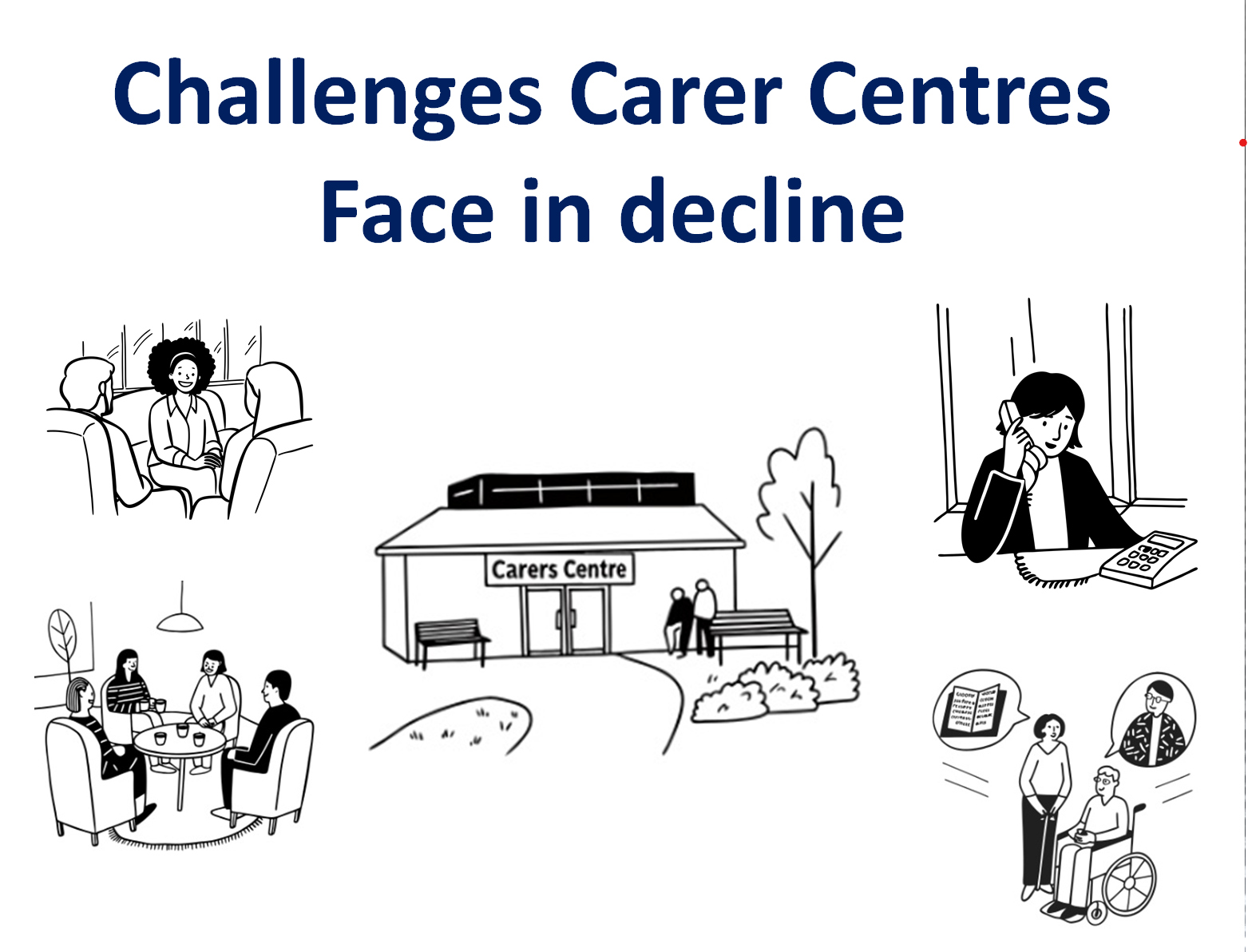
This blog is by carer activist Matthew McKenzie. In the UK, millions of people, often unnoticed and unappreciated, dedicate their lives to caring for family members with long-term physical or mental health conditions. These unpaid carers are the backbone of the caregiving system, yet they face numerous challenges daily. Here, we delve into the crucial role of carer centers, the obstacles they encounter, and potential solutions to sustain and enhance their vital services.





 A Caring Mind