Tag Archives: NHS

Poem Time – Carers and co-production

Welcome to another blog post by carer rep, author and poet Matthew McKenzie. I have just released another poem called “Being Part of it”. As an unpaid carer I was involved in many co-production and involvement meetings, especially to help shape Health & Social care services.

Having unpaid carers and service users become involved in shaping services will help provide services that have such stakeholders in mind. There has often been criticism of where professionals design services and those services do not work out well because the patients or families and carers were not involved in such design.

At those involvement meetings, I often thought how could I express my experiences to other unpaid carers and with this poem, I now have the method to share my experiences.

To view my poem please watch the video below.

January Carer News Updates 2022

Did you know that I run a monthly online carers newsletter? Although most of my focus is on mental health carers, the newsletter focuses on all unpaid carers. The rest of the carer news focuses on Mental health updates, ethnic mental health news and items relating to NHS and national organisations responsible for health & social care.

mind word cloud gradient blue sky background only

For January update we have the following news items

To view the whole newsletter click here

‘As a young carer, I worry a lot about my little brother. Rainbow Trust allows me to let out my emotions’

Free online training course for dementia carers

Get Your Mind Plan – NHS England

Ethnic minorities face widening inequalities in access to mental health support – Kings College London

Click here to sign up to newsletter

Lewisham Mental Health Carers forum September 2021

Welcome to the September update of my Lewisham mental health carer forum 2021. As a note, the carer’s forum is an engagement group aimed at those caring for someone who suffer’s mental ill health.

Since the carer’s forum focuses on carer’s from Lewisham, we tend to get engagement from mental health services of South London & Maudsley NHS foundation trust. I am grateful for the support our local NHS trust gives to families and carers. It is important that families, friends and carers remain that strong link in coping and recovery.

The speaker’s for September were

  • Leonie Down – Lewisham Head of Occupational Therapy and Partnerships Lead from South London & Maudsley
  • Ros King – Regional carer lead for London from NHS England
  • Charles Malcolm-Smith – People & Provider Development Lead from NHS South East London CCG (Lewisham)

Leonie Down presents on the importance of Occupational Therapy

As mentioned earlier, South London & maudsley prides itself on the engagement and involvement of those who use it’s services and those who care for patients. It was great to have Leonie engage with our carer group on the importance of Occupational therapy.

Leonie stated her talk on how occuptional therapy can help people manage their routines at home, and also occuptional therapy helps look at the physical health component and ways for people to adapt to disability. Leonie presented an example from The World Federation of occupational therapists (WFOT).

“Occupational therapy is a client-centred health profession concerned with promoting health and well being through occupation. The primary goal of occupational therapy is to enable people to participate in the activities of everyday life. Occupational therapists achieve this outcome by working with people and communities to enhance their ability to engage in the occupations they want to, need to, or are expected to do, or by modifying the occupation or the environment to better support their occupational engagement” (WFOT 2012)

Leonie admitted the defination was a bit wordy, but it does encompass the fact that it’s about activity and occupation and that’s the medium through which Maudsley NHS deliver their interventions.

Leonie has worked as an OT for around 30 years, a lot of people ask her, what’s an OT do? So she often responds that it’s about supporting people to do the things that makes them feel better. So it’s very much about what people spend their time doing, what people feel, what activities that make people feel feel better, make them stronger in themselves, plus setting their direction towards recovery. As an OT, it’s a degree that they have three years in training as an occupational therapist, which ultimately equips them to be able to understand the needs of each individual. These could be what strength and barriers might be around the person or being able to access activities that make me feel better, and that could be multifaceted.

Leonie then presented on the following, where how can service users benefit from OT. The following points were explained.

How OT promotes self-expression, creativity and the development of hobbie

Where OT can improve / develop

  • feelings of self-esteem and confidence
  • level of self-awareness, understanding and insight
  • ability to manage health conditions and ADLs
  • social interaction and communication skills
  • coping strategies and self-management techniques

How OT supports the development of roles, responsibilities and routine, as well as identifying and working towards goals

Promotes healthier lifestyle choices and greater levels of physical activity

Increases the chances of an earlier discharge and the likelihood of them being able to remain safe and independent in the community

Improves the patient experience and wellbeing.

Leonie then moved on to present the work being done in Lewisham regarding OT, where they are trying to work with as many social inclusion partners as possible. So one half is Lewisham community connections, where people are helping those using the services navigate through to something that they can be doing to help their health.

The other aspect of OT in Lewisham, is very much about trying to co-produce and co-deliver a program of groups. Which is for people that that may benefit from the environment that involves other people. This is because other people, from the same environment can learn or hear different insights, which can lead us to start making sense of our own experiences and possibly develop tools to become self reliant.

There was then a Q&A session from carer members of the Lewisham MH carer forum.

Ros King from NHS England speaks about ICS changes

Ros King kindly engages with my carer groups when she can, so today she was invited to speak about the important of Integrated Care Systems. Ros started explaining about NHS England and how it is a huge organization and can be very complicated. Ros mentioned how NHS England is basically the body that sets health policy with the department of health and social care. Such policy helps plan for what the health service will be focusing on where It also holds allocated budgets. The budgets are then allocated down to CCGs where Ros explained that there has been quite a few changes.

It was explained that a couple of years ago, the responsibility was around Clinical Commissioning Groups, and NHS improvement was concerned with providers, so acute trusts and some changes were implemented which led to a merger to become NHS England & Improvement.

Ros then explained a bit about The national teams and the regional teams. Where there are seven regions across England. As in other countries just NHS England we have Wales, Scotland, Northern Ireland, which have different arrangements.

Ros talked about the London region and what sits within the London region, where there are five integrated care systems. These being Southwest London, southeast London, North Central London, northeast London and northwest London. Ros joked that she really hopes nobody has any questions around which CCGs sit within such ICS because that would take some time. Ros talked about how the CCGs have merged to cover such regions around London.

Ros moved on to talk about how NHS England & Improvement would demand lots of information, especially very complicated information about how the CCGs and providing trusts were performing in all sorts of areas. Such requests for information could be at a very short notice because those at NHS England & Improvement have to feed this info back to the organisation.

Ros felt there has been a lot of changes as to whilst regions do still have accountability, So if an acute provider in Lewisham, has really serious concerns and risks about performance of the quality of the services they’re providing, then it is still very much NHS England regional team responsibility to manage and try and work with the provider to improve.

The idea is rather than an acute provider struggling with performancing issues, they should learn from other providers and network together. Still, NHS England has commissioned a lot of things, but now only comission small amount of services which are specialist services. These will be transferred out into ICS.

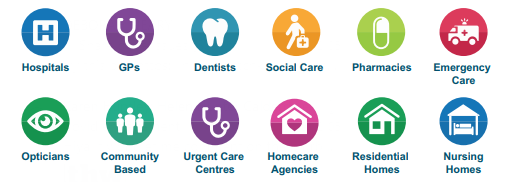
Ros then talked about how they manage complaints around a primary care service. So GPS, dentist, ophthalmologists, pharmacists and so on. Such complaints would come in to NHS England depending on the complaint e.g. if you have a complaint about any of those services, it would come through to NHS England, or if you had a complaint about a service that was commissioned by your ICS, or your CCG, that would go into the CCG or directly to the organization that’s providing the service.

Charles Malcolm-Smith presents on ICS at a local level.

I had a lot of support from engagement representatives of NHS South East London CCG where Greenwich, Southwark and Lewisham CCGs had organised what to present to carers and also who can support Ros Spink’s presentation.

In the end Charles who is the people & Provider Development Lead from NHS South East London CCG (Lewisham) continued the presentation.

Charles talked about what integrated care system changes that are in the pipeline and how they are designed to work together better. With all the talk about health and social care needing to work better with physical and mental health services, community acute services and primary care, it’s all about the different parts of the system working together and this is about structural change.

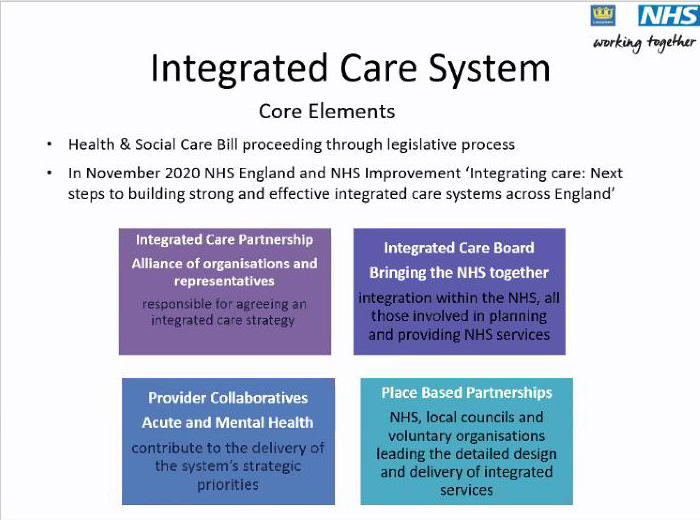
It was explained that we have had integrated care systems for a while, but their status had changed from the sustainability and transformation partnerships, where they became ICS even though it is still a partnership status, with the health and social care bill now making ICS statutory organisations. Charles explained that there will be four building blocks to do an ICS. So the ICS for southeast London will have an integrated care partnership board and this is the alliance of organizations that represent across southeast London. These will include the NHS organisations, local authorities and made up of the chairs of the trust.

Elected representatives and elected leadership from each of the local authorities as well as the representative director from Adult Social Care, children, young people services, Healthwatch and voluntary and community sector organizations. Charles reassured us that in southeast London, there aren’t any private sector organizations involved in the partnership since there were a lot of questions from members about privatisation creeping in.

Charles talked about how the Integrated Care board brings the NHS together so it brings commissioners and providers around the table. Charles mentioned it was an important development because the last couple of decades, it has always been a commissioner and provider that were split causing queries with contracts. although there will still be commissioning and providing but the approach to it will be about joint planning. So there will be working together more closely than before.

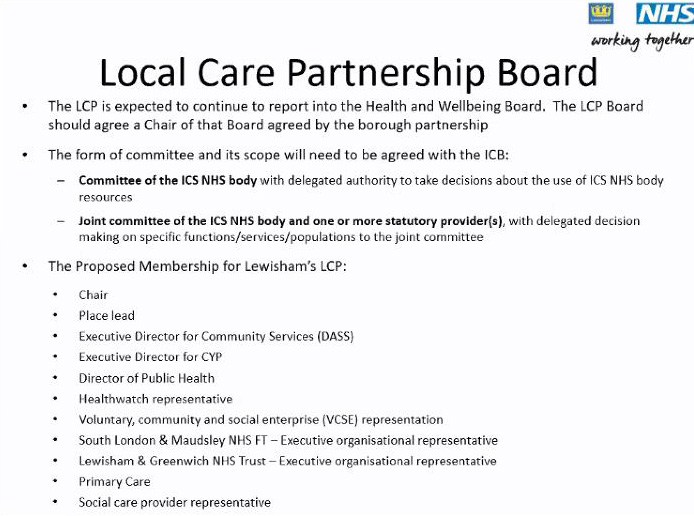
There were many questions from carer members on if the Local Care Partnership board will debate the importance of unpaid carers and include them in their decisions.

This concludes the brief update of my Lewisham mental health carer forum for September

Bromley, Greenwich & Lewisham BAME Carer Forum July 2021

Welcome to a brief update of my BAME carers forum for the boroughs of Bromley, Lewisham and Greenwich. The focus is one of the 6 carer forums that focuses on discussions, awareness and campaigns regarding unpaid carers from an ethnic background specifically caring for a ‘loved one’ suffering mental ill health. Forum members do not have to have someone using the services, it could be they are caring for someone who might not be using the services of South London & Maudsley NHS Foundation trust or Oxleas NHS trust.

The BAME mental health carer forum update for July had the following speakers to engage with carers, although not in order.

  • Lola Jaye (psychothearapist, author, speaker) – Why race matters when it comes to mental health
  • Emma Wakeman (St Andrew’s Healthcare)- on The Missing Voices: Carers’ Experiences of Section 17 Leave (Mental Health Act 1983)
  • Kuldip Kaur Kang (West midlands trust) – on Religious and cultural needs of BAME mental health inpatients request
  • Rachel Nethercott – Carers UK focus on diversity unpaid carers
  • Leonie Down (SLaM Lewisham Head of Occupational Therapy and Partnerships Lead ) – Update on Patient Carer Race Equality framework
  • Dominic Parsons – Bromley, Lewisham & Greenwich Mind on their diversity initiatives.
  • Professor Shirin Rai from Warwick University – On the Impact of covid-19 on bame carers

Judging by the speakers, you can see the BAME carers forum is held online and is also attended by mental health NHS trust staff working to understand the issues that affect ethnic unpaid carers and patients.

Continue reading →

Lewisham Mental Health Carers forum July 2021

Welcome to the July 2021 update of my Lewisham mental health carers forum. The forum focuses on engagement for families and unpaid carers who care for someone suffering mental ill health. The ‘cared for’ does not actually have to be using mental health services, but it is important there is a platform for unpaid carers to learn about mental health support, understanding mental health and what is available for carers themselves.

Speakers for my July carers forum were:

Phoebe Averill – PHd Student at Kings College
Polly Pascoe – Lewisham CCG
Carla Fourie – SL&M director of social care

  • Phoebe Averill presents on her latest study.

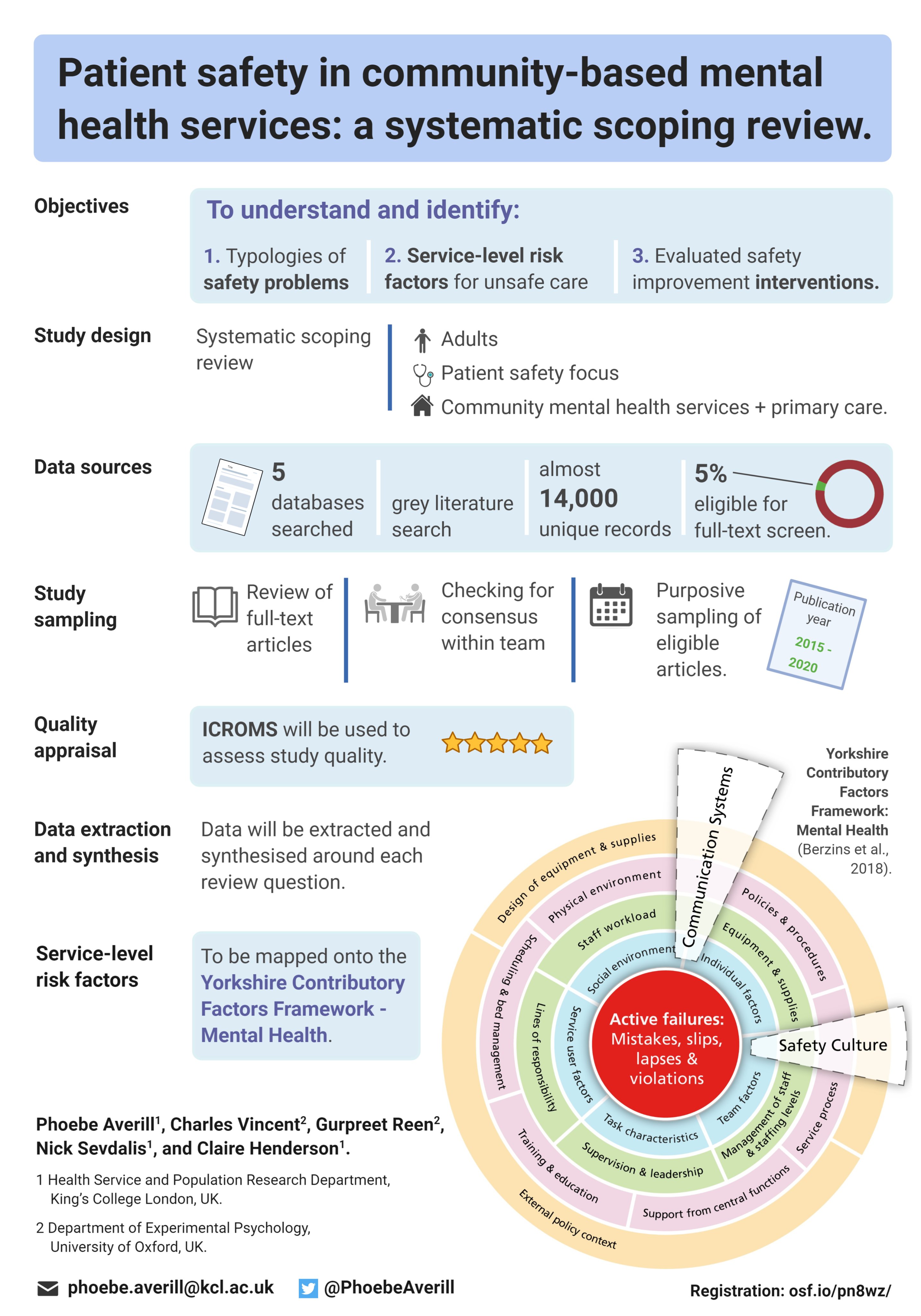
First to speak was Phoebe Averill who is a PhD student at King’s College. She is working with South London & Maudsley NHS Trust (SL&M) on a research study and she wants to hear carer member’s thoughts and also invite anyone that might be interested in taking part in the research study. She is looking at safety of care in the community mental health services. Phoebe gave my forum a bit of background information about what the problem is. Basically safety in general hasn’t really been given much attention in mental health services. Historically, when you compare it to kind of physical health care services, where we’ve now got quite a good idea about how we can make care safer, what types of interventions and strategies might be needed. Still, there is a small kind of body of research and interventions coming out more recently. These are mainly focused on inpatient mental health services and unfortunately community mental health services have been a little bit left behind, even though that’s where the majority of people who are actually receiving care.

In recent figures, people were using community mental health services rather than inpatient services. So it’s really important that safety is kind of better understood in the community context, so that strategies can be developed to make the services safer. And that’s what she is trying to get started with this research research. Pheobe is currently trying to speak to family members and carers of adults who are using community based mental health services, to find out a bit about what they think about what safe and unsafe care means in this context, because it’s not really well understood. This is due to the types of safety issues that the carer is worried about in relation to the person that they support.

The way the study works involves speaking to her in a either a one to one interview or group discussion with other carers if there was interest from several people in taking part. And there aren’t really any right or wrong answers. It’s really just about hearing carer’s point of view. Carers have so much knowledge about the person that they support and their experiences of care. And it’s just really important that their views are incorporated into any efforts to, to make services safer.

  • Questions from carer members.

One question was focused on the issues of patient’s age. The carer felt that a 75 year old patient does not have the same issues you’d have with a 25 year old and they were curious to know, what Pheobe would be doing for older adults when it comes to community work? Especially for the carer because there’s a lot of issues with older carries with physical issues. How will the research be monitoring those patients or those carers?

Pheobe responded that unfortunately for this study, we’re only looking at sort of general adult services. So we’re Other than older adult services, like you mentioned, it’s not because it’s any less important. It’s just that at the moment, there’s the most kind of research knowledge in adult in adult safety. so future studies would be needed to look at older adults, because there’s like you mentioned, there’s lots of really important safety problems there.

  • Statement from myself

After some debate I mentioned that one thing in regards to research is that whatever is found out could lead to recommendations, usually, most research initiatives tend to recommend some findings that will have this influence services. A lot of people feel research is done for either funding on does not solve service issues, but I pointed out researchers are not in charge of mental health services.

  • Polly Pascoe – Lewisham CCG Presents

Polly spoke about her work within Lewisham Borough Council and southeast London CCG. Her role is it was called integrated Commissioner for mental health pathways. In essence, one of her key roles is getting us to use future systems across mental health care, while it’s occurring across healthcare in general, her focus is on mental health especially within Lewisham. This is kind of where we’re hoping to head moving forwards. The previous system, that being health and social care worked separately regarding statutory and voluntary. Such as Provider sectors were working separately and sometimes even competitively where age groups were handled separately, and such services provided different levels of focus and funding. Conditions were often handled separately, and there was a strong focus on outputs as in numbers, rather than changes necessarily. So there used to be a strong focus on reaching particular targets, on how many people were seen and how many people were funded by CCG.

Now Lewisham CCG have made some definite headway in Lewisham to becoming much more integrated in the way we do things. Of course it’s a journey. So we’re certainly not there yet. Still, Polly was sure a lot of people will have experienced a number of different frustrations around how the system’s working. She feels we are becoming a more integrated health and social care system. Where we are working much more closely with our sector providers. It’s not just the big players e.g. (SL&M), Lewisham CCG is also connecting into our community organizations and age groups do remain relatively distinct. Often the way we do things will mirror that which isn’t always appropriate until the impacts of concurrent issues are understood. So we do have a clearer idea of how different conditions work with each other, but they are still seen often as separate conditions.

At Lewisham CCG they are certainly moving towards a focus on improving outcomes, but they do still have quite a heavy target focus. Those targets are becoming more appropriate as Lewisham CCG move forward. What they are heading towards is a future system where health and social care workers one, and Lewisham CCG are focused on the individual rather than on our kind of organizational boundaries, let’s say, Lewisham CCG want to move between statutory and voluntary services. So between the NHS Trust’s and then any services working in community to be visible, Lewisham CCG don’t necessarily want people to feel they’re being handed off to different places all the time. And they want people to have their personalised journey where movements between that journey feels very seamless. They also want to move to an all age approach where the CCG see the individual as experiencing certain things throughout their lifetime.

So this is also moving beyond comorbidity, not just recognizing people’s potential health issues, but understanding wellness, and looking at their life, and how the CCG can ensure that the way of living and that the way people around them, treat them and work with them ensures optimum wellness, rather than just the absence of ill health, which is one of Polly’s key findings on commissioning and delivery. So this is the way that the CCG design and make services happen. Lewisham CCG deliver those services to people where it is outcomes based and focused. So we want to move away from numbers of people, and move towards the difference we make to people. So that’s the kind of very much that future system Lewisham CCG is working towards. Polly admits she has one very small part to play in a really huge system. And, in essence, this is kind of where she sits in and amongst everything else. Her area is primarily adults and older adults. So she continues to do look at these two areas, predominantly for herself and her team.

  • Carla Fourie – SL&M director of social care presents

Carla started off talking a bit about herself and when she was appointed in February this 2021, although some people will say that they sure they saw her prior prior to this year and that’s true. She started on secondment with the trust last year literally just a few weeks before the initial lockdown. Eventually the role was made permanent, and she applied for it. She was then formally appointed in a full time role in February this year. Carla looked at putting the slides together and thinking about how she could describe what her role is at the trust, she decided, looking at kind of the role to group it into four key categories. As the most senior social worker in the trust, she works closely with NHS trust board and she works closely with SL&M senior managers, to bring a social work perspective, to the NHS trust. So when we look at our multi professionals within the trust, we’ve got our doctors or nurses and OTS, etc.

In the end Carla’s role is to bring the social worker perspective at a the senior level, she has also the responsibility to work across the trust with the different local authorities, and to ensure that SL&M avoids working in silos, so there is partnership working, and to ensure that the Social Work offer is provided to people with mental health needs, and to help people become in terms of prevention. Her other role is also that trust wide responsibility for safeguarding so the heads of adult and children’s safeguarding reports to her including the areas for domestic violence and abuse, prevention agenda. She also has a trust wide responsibility for the mental health laws that include areas such as mental health capacity, Human Rights Act, etc. In terms of just tying back to the social work, leadership role, apart from working closely with a board, she also has the responsibility to ensure that our social work workforce, social workers that’s directly employed by the trust, are also professionally well supported.

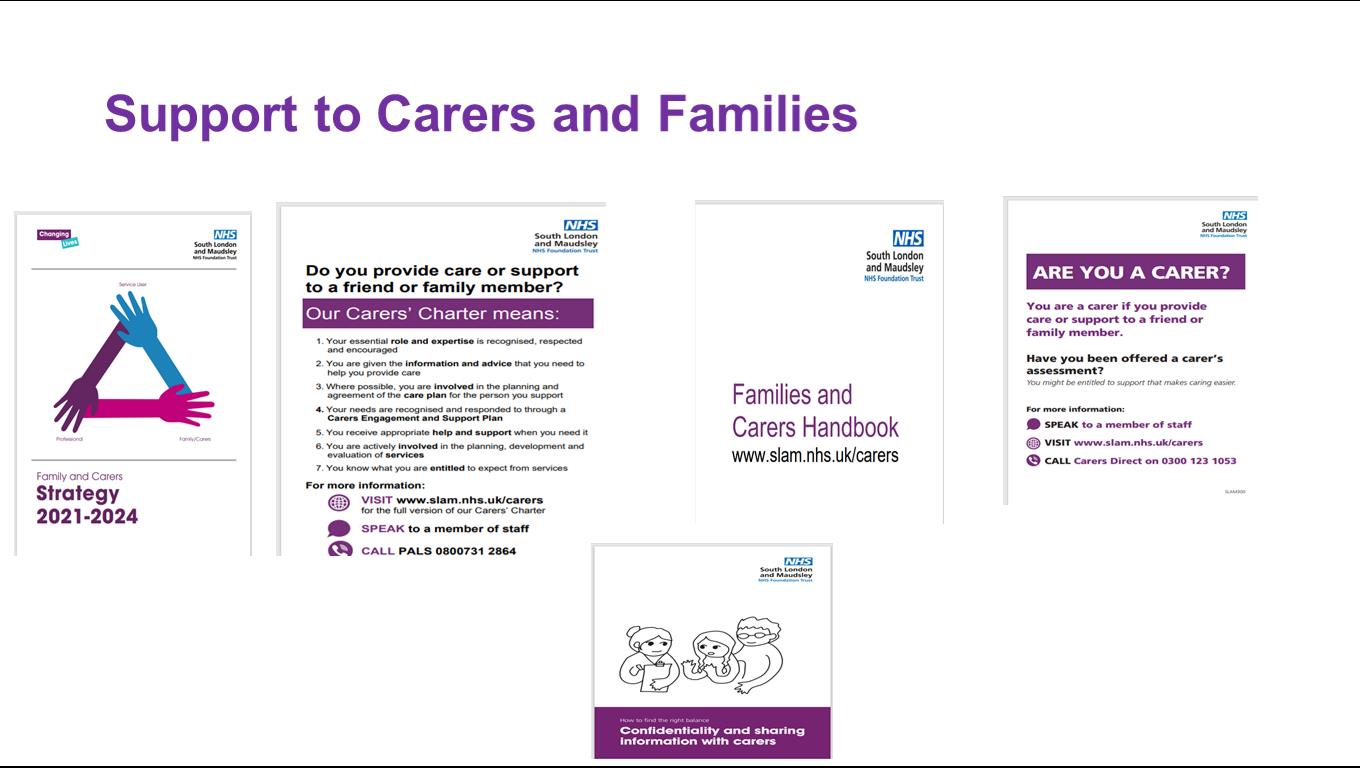
Carla spoke in terms of support to carers and families, where she thought, were important just to highlight again, on a slide where the work at that the trust is doing overall, in terms of manpower strategy, and that’s very much also founded on the triangle of care, where SL&M sees the carer very much as a partner in the care that SL&M provide. There’s a lot of information that SL&M has developed as a trust and under the leadership of Gabriel Richards, who leads strategically on the carer’s agenda. SL&M has got a carer’s charter that is highlighted. SL&M also provides information in their families and carers Handbook, and also information leaflets, posters shown in the blog regarding carers rights under the care rights, writing, carers assessment. SL&M also has information about confidentiality and sharing of information.

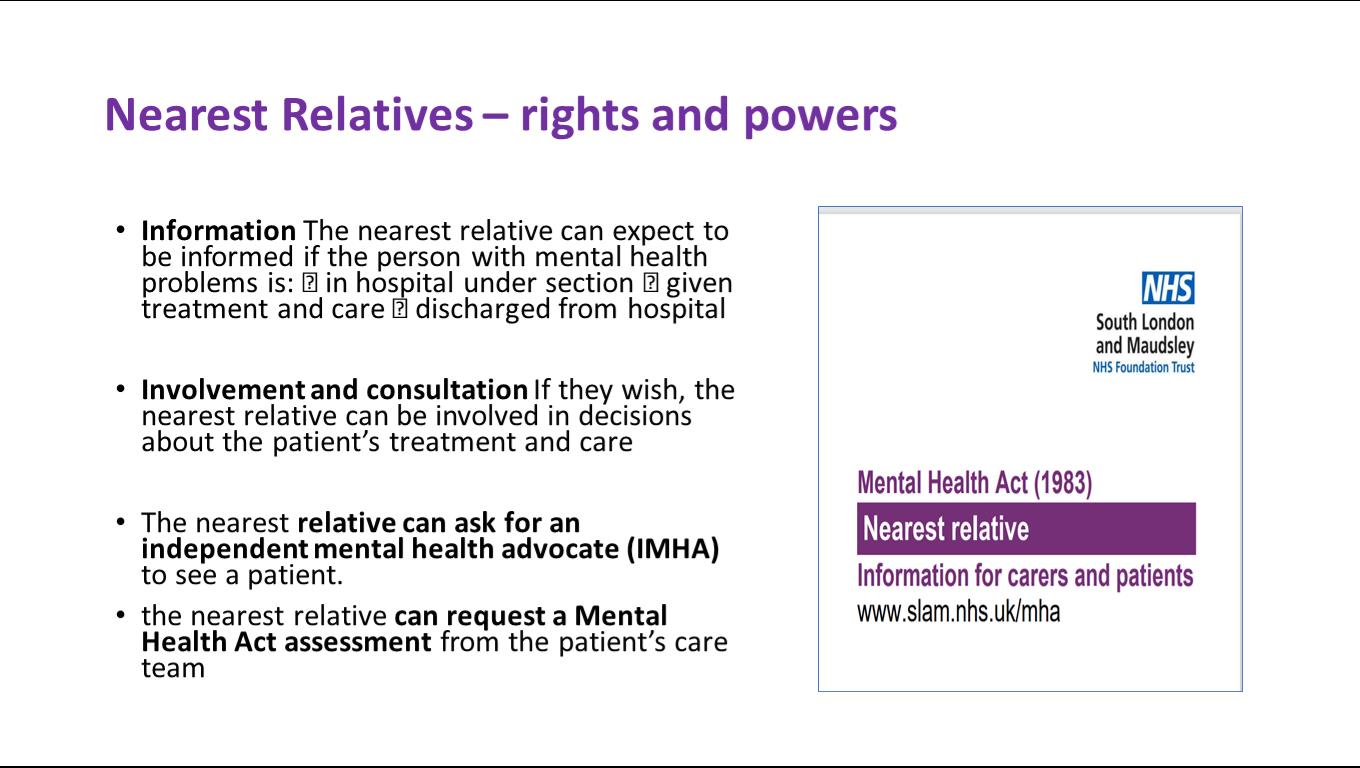
SL&M also provide information to nearest relative where we have useful nearest relative leaflets as well on what is provided to carers. One of SL&Ms duties is to try To ensure that ‘cared for’s relatives are informed and consulted with, particularly when there was a Mental Health Act assessment under Section two of the mental health act. The approved mental health professional has a duty to inform the nearest relative under Section three, where the relative has the power to object to someone being detained to a loved one being detained under the Mental Health Act. The nearest relative can also ask for an IMHA, which is an independent mental health advocate to see the patient and the nearest relative can request a mental health assessment, which she thinks sometimes nearest relatives not everyone is aware of that in certain circumstances where it’s been really difficult or challenging to access for whatever reason. So whilst the local authority is to consider the assessment under the Mental Health Act, or the rights and powers of a nearest relative. The nearest relative can write to the associate hospital managers to request for discharge. Sometimes that’s out here too, but in circumstances where they’re responsible clinician disagrees from a clinical point of view, they can roll that request up to the hospital managers who will review that decision as well.

An nearest relative can also appeal to mental health health tribunal, and they’ll set up some circumstances where nearest relative feel that they are not able to take on this role, because it does have a lot of power and responsibility with it. And sometimes some families feel that if someone that’s been identified as a narrows relative that may impact on relationships with their loved one.

This concludes our Lewisham MH carers update for July 2021

SW London MH Carer Forum June 2021

Hello fellow unpaid carers. This blog site is geared towards those who support or look after someone suffering mental ill health. I run a number of carer-led expert by experience forums, which focus on unpaid carers regarding engagement from services. Most forums tend to have speakers to engage members regarding mental health system changes or discussing carer awareness.

For the South West London carers forum the following speakers were

NHS South West London CCG – Understanding health Commissioning for carers
Dolly Sen – Mental Health Patient/Carer champion
Matthew Mckenzie (myself) – The importance of carer peer support

As you might be aware, clinical commissioning groups are merging in their own region as part of NHS England’s long term plan, because my group covers a large area, it made sense for the comissioners to speak to carers from different boroughs in South West London.

South West London CCG presentation

First to speak was Caroline O’Neill who is the Lead Engagement Manager and covers Kingston & Richmond from NHS South West London CCG, we also had John Atherton in attendance who is the Director of Mental Health Transformation for SW London CCG.

John started off the conversation on what the plans are for the rest of the year and going forward. John explained how the 6 CCGs formed in five commissioning groups in South west London. They are responsible for planning, commissioning and buying most of the NHS services in the south west london area. That means hospital care, GP surgeries, rehabilitation clinics, mental health support, learning disabilities and many others.

The boroughs they cover are

Croydon
Kingston
Merton
Richmond
Sutton
Wandsworth

The CCGs have a healthcare budgets of over £2.3 billion, although carers who attended the June’s meeting were interested in the CCGs mental health pathways and how they were going to include families and carers.

John explained the importance of health checks as those with mental ill health often struggle to get physical health checks and support. John mentioned what happened in the past is people were encouraged by their GP go get a physical health check each year. It is important the CCGs continue to push this forward because there are some service users who had not had a good experience in the past, or they don’t believe in health issues, so they are encouraging people to check at their practice.

A carer reminded the CCG representatives about how difficult it is for people have mental health difficulties to travel especially using public transport. They wondered how this will affect people accessing mental and physical health services for check ups.

I also asked a question to the CCGs regarding is there a simple view of the commissioning structure? Because we have got CCGs doing stuff in 6 boroughs, and then you’ve got merged CCG? So how do people sort of feed into each other on what is going on? The representatives spoke about their governing body and who is on it.

Another carer was concerned about those with learning difficulties with poor health accessing recovery colleges and wondered what the South West London commissioners were going to do about it.

The representatives were pleased to hear SW London and St Georges were promoting the carers forum, but the CCGs also wanted to include our group on developments of mental health services, as the group stressed the carers should be consulted and involved when it comes to service provision. All too often CCGs struggle to get a good number of carers interested in what they do. It could be an added benefit that carers poke their noses into what is being comissioned and why. This is because carers have a vested interest in the health of who they care for, plus carers do actually use some CCG services which could be Increasing Access to Psychological Therapies. A carer member of the group was concerned about the number of carers not being identified and referred to carer services and groups.

An interesting point of the discussion was finding out who were the mental health leads from each of the 6 boroughs, although there is a lot of work needed in developing primary care networks, because some members feel some GP surgeries could learn a lot from other GP practicies.

Dolly Sen presents

It was requested by carer members for Dolly Sen to talk with us at the forum. Dolly Sen is a service user survivor and a carer and has been fighting 20 years for human rights. Dolly mentioned that over the years while trying to keep mentally well, she has been using energies to focus on art, film, performance and even talking about her experiences at other events.

Dolly Sen

You can find more of Dolly’s work below.

https://www.youtube.com/user/dozzyangel/videos

A large part of Dolly’s activism is around the treatment of mental health users, especially around the problems with benefit payments or DWP. She is quite busy working to improve the mental health system in another area where she has moved to. Dolly admitts there are times when nothing can be done on someone’s health and situation, she feels sometimes it is best to be a witness.

A number of questions from members at the forum were interested in how their mental health trust is working to involve more carers in their involvement register. They queried with Dolly about involvement and activism.

Lewisham Mental Health Carers forum June 2021

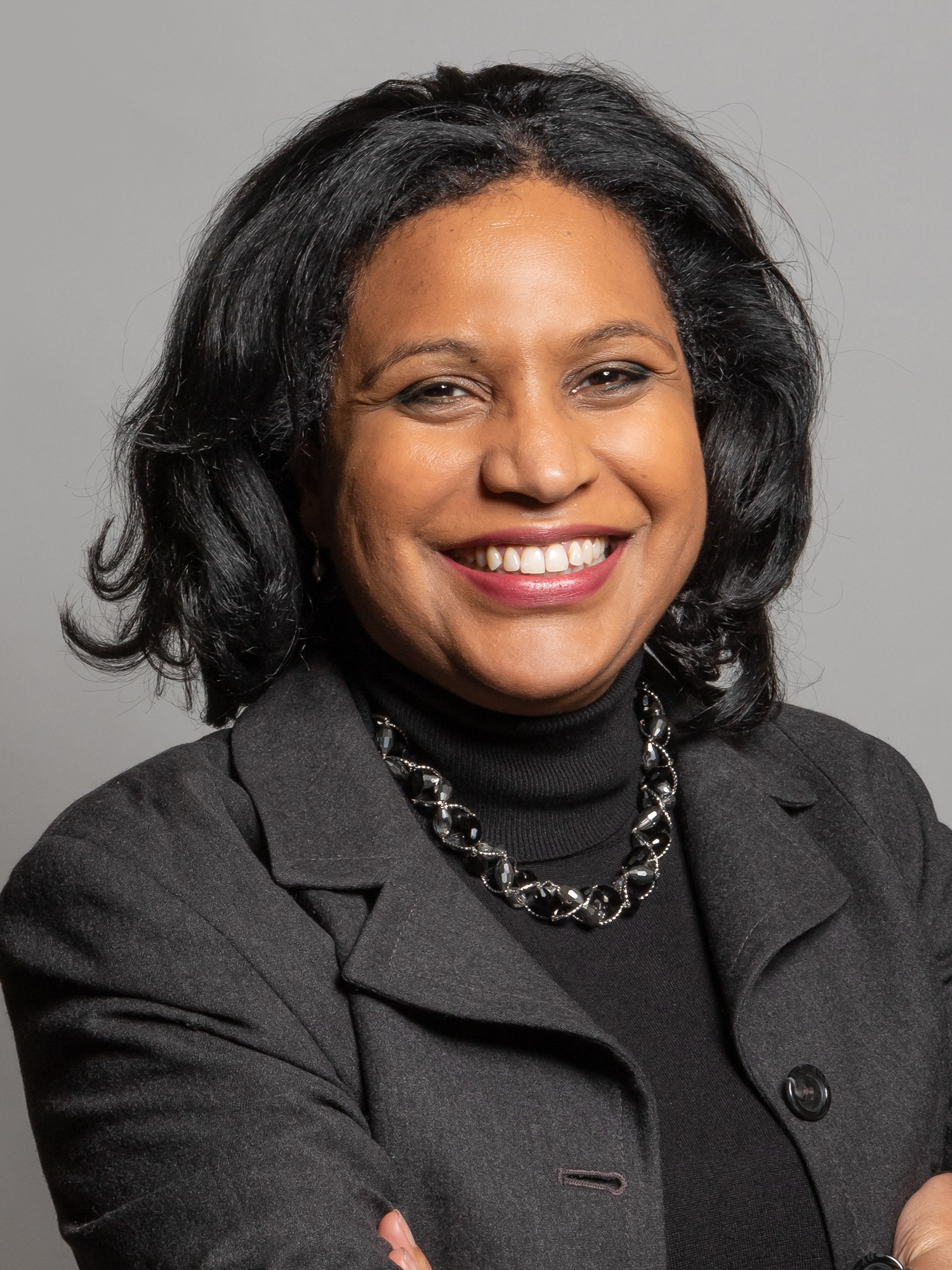
Welcome to the June update of my Lewisham mental health carers forum. For the month of June my MP Janet Daby who attended to speak to unpaid carers and update us on what Lewisham has been doing for unpaid carers since carers week 2021.

Also in attendance was Jo Power who is the Liaison Officer for the Parliamentary and Health Service Ombudsman.

Cath Collins – Carer support worker presents on her role.

Before Janet spoke about unpaid carers, I felt it important that Cath Collins had a chance to speak about her role and her passion to support mental health carers. Cath Collins used to work for SL&M as a carers support officer, but is now employed by Lewisham council, but in a similar role.

Cath spoke about what she is employed to do and what she has been doing. Her remit is with the adult community mental health team. So she does not work with CAMHs, the children, adolescent teams, the older adults. She spoke about how we have primary mental health care teams in Lewisham, which is part of a new transformation of services, that should be aligned to GP practices.

Cath also spoke about having community teams where people have a longer period of support who suffer from serious long term mental health conditions. She mentioend we also have specialist teams in between, which are Early intervention services, which is for people in the first episode of psychosis, regardless of what age they are SL&M also have a personality disorder service.

Cath’s remit is to work with the teams to look at several things where one of them is to look at the information that they give to families and carers. These being are they getting the national up to date information? Other things focus on is such info good information about diagnosis? how to care for someone with a specific diagnosis? being involved in discussions around the care? If not, then why not? and how we could work on it?

With advice and information service, Cath reminded that they have got a group tonight, which is a mental health care support group where people can attend and speakers will go through important topics.

Janet Daby section.

I consider it very important MPs and those who lead on social care engage with those who are vulnerable in the community, especially if the group is grassroots and self-led. I am sure there are reasons why representatives would not want to speak to vulnerable groups, but those reasons are very few and far between.

It is also a two way thing, not only is it important for MPs to link with unpaid carers, but also unpaid carers understand the importance of forming relations. Too often I hear from unpaid carers that they are in an urgent situation and wish for counsel, which is fair. However I wonder in the back of my mind if something could have been done before things got out of control. It might be usually up to carers to keep their ears to the ground and find out what is really in store for them, even if they have the unpleasant task of trying to hold health and social care leaders to account.

Janet mentioned that Carers Week, which took place this year from 7 – 13 June, is an important opportunity to recognise, value and support unpaid carers. She felt that the Government must properly fund respite breaks so carers can put their own needs first, and ensure they can continue to provide vital, life-saving care and support. She knows that this is something that both Carers UK and the Association of Directors of Adult Social Services have been calling for.

Janet remains concerned that until there is long-term investment in social care, unpaid carers will continue to be overwhelmed. After a decade of cuts to local government, £8 billion has been lost from adult social care budgets and too many families have been left to cope without the support they need.

The Government first promised to publish its plans to reform social care over four years ago. Despite repeated promises, Ministers have still not brought forward any legislation, new funding, details, or timescales for reform. The recent Queen’s Speech, setting out the legislative agenda for the year ahead, was absent of any detailed plans.

Janet continued speaking to our group about being happy to attend and meet with us even if it was more than once a year. She spoke about her plans and concerns about the SL&M’s Ladywell unit and her plans to raise queries and questions with the chair of SL&M. I asked questions about Lewisham’s focus for carers and how those who lead on social care could engage with our group where Janet mentioned a few people. As a group we have been struggling to get engagement from those who lead on social care, but in other areas of London it seems easier to get that engagement, other carers have mentioned it is not worth the hassle, but I feel it is important to get such engagement even if they respond with bad news. Nothing is worse than being ignored and left to try and support others going through isolation, exhausting and feeling they are not being heard.

Jo Power Ombudsman presentation

Jo spoke about The Parliamentary and Health Service Ombudsman and the focus was on Who they are, what they do. Jo spoke about how the Ombudsman works and makes it’s decisions. Basically the PHSO was set up by Parliament to provide an independent and free complaint handling service. It is the final stage for complaints about the NHS in England.

The PHSO staff considers on the following.
– can they investigate?
– should they investigate?
Other factors include
Suitable complainant
Time limit
Legal remedy
Another organisation that could be involved.

Jo also spoke about how the PHSO gave’s evidence in the form of.
– Hearing from both sides
– opportunity to tell the PHSO what lay behind clinical decision making
– clinical records
– CCTV, phone records
– witness statements/visits/interviews

There was also an explanation about how the PHSO investigate complaints. As they look to see if what happened was in keeping with relevant regulations, standards, policies and guidance or established good practice. If it wasn’t, the PHSO look to see how significant the shortfall is and the impact that it has had and, if it has caused hardship or injustice, if that has that already been remedied by the organisation.

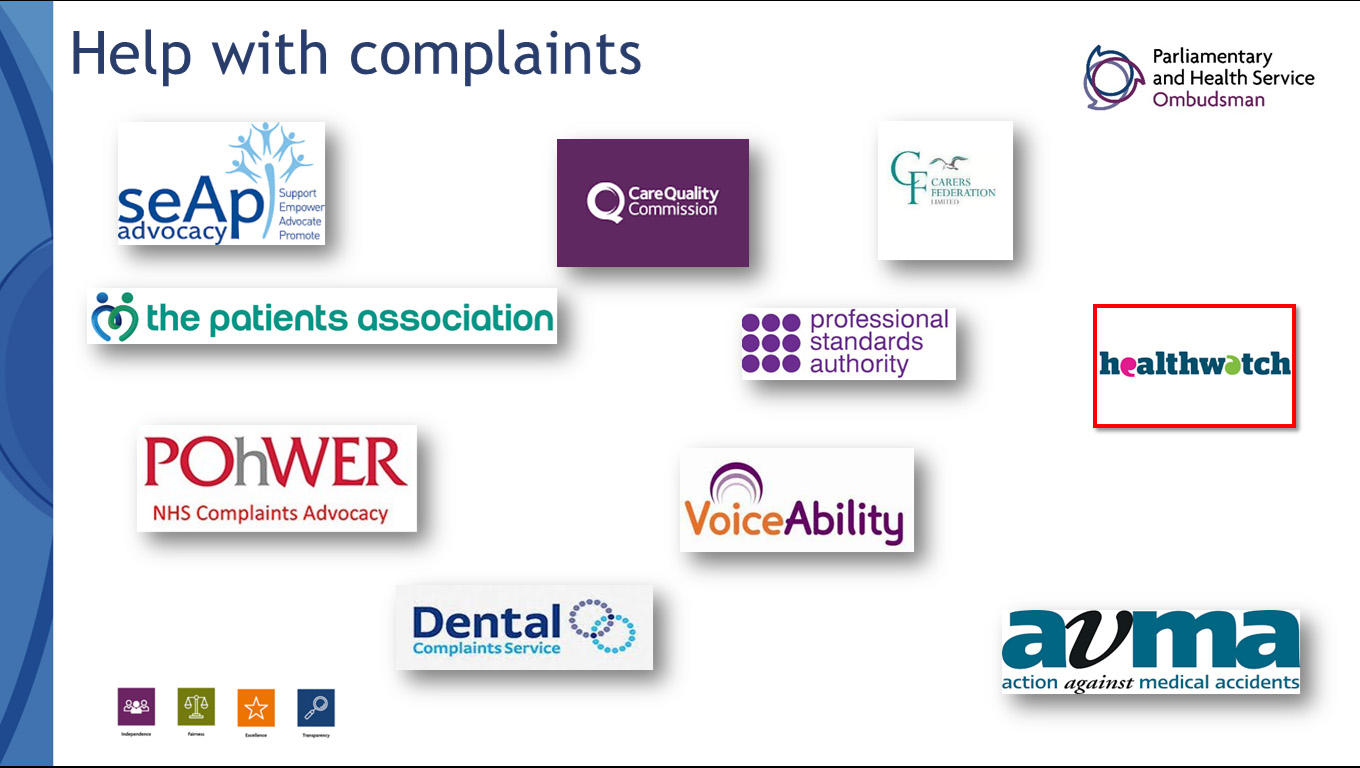
The PHSO also work with the following organisations.

Stats and figures were given for the carers group to digest from 2018/19

112,262 enquiries received
82,998 enquiries resolved through advice or re-direction

28,841 complaints handled by casework teams
24,183 complaints were not ready for us
5,658 decisions were made including:
746 investigations upheld
871 investigations not upheld
3,597 assessment decisions
444 resolutions

The PHSO also updated us on what they have been doing recently. As from last year they ran a public consultation to get people’s views on the draft NHS Complaint Standards. The consultation generated a lot of interest and feedback. On 24 March 2021 they published a report that set out the responses they received and explained what they did and the changes they made in response to the feedback.

There was a long Q&A session regarding the PHSO’s work and how the focus can be influenced by unpaid carers. This was the short update for my Lewisham’s mental health carers forum for June.

Lewisham BAME MH Carer Forum September 2020

Welcome to the brief update of my Lewisham BAME Mental Health carer forum which is aimed at minorities caring for someone with a mental illness in the borough of Lewisham. The September forum looked at engagement from South London & Maudsley’s IAPT service (Ellen Heralall) and also engagement from the SLaM QI Peer Project Worker (Richard Mortan).

We were joined by the regular carer members and also newer members including some from my other carer group in Greenwich. There were also some members from community groups including African Advocacy Foundation, Bromley, Greenwich & Lewisham Mind’s community wellbeing group and others.

We were also joined by the comms rep from Birmingham Community Healthcare NHS Trust who was interested on BAME developments in the area. We were also joined by Leonie Down from SLaM who is developing partnerships across Lewisham as part of the transformation of mental health services. Part of her role is to bring together a community strategy for service users, staff and carers within slam.

Ellen explained more about the IAPTs service which means Increasing Access to Psychological Therapy. The IAPTs service has just been running over a decade. They are based in primary care. So they operate very closely with the GPs and operations within GP surgeries. The IAPTs is also now part of the national framework, which is provided by NICE (National Institute of Care and Excellence) which recommend treatments. The aim is to provide easy access for the community to receive psychological therapies for depression and anxiety primarily, but not complex mental health conditions.

The referrals would come up from the GP and people can refer online to go through the triage process. Then they’re offered either step two treatment, which is a Guided Self Help well-being option via online CBT and psycho-education.

Ellen explained that the therapy will usually last generally from six to eight weeks. She mentioned that as with a lot of NHS services, they are fully aware of the discrepancy in the quality of services for the BAME community, accessing IAPT services. Plus when they do access our services, we are also aware of the inequality of their experience and their outcome in poor experiences.

So SLaM have been working on their objectives, but they are resourcing and working hard to look at improving the access of IAPTs to the BAME community,

SLaM are working with our community partners. Which is the big drive for SLaM at the moment to work with community groups, especially with ones attending such forums e.g. community groups, wellbeing groups and fitness garden projects that already exist in the borough. SLaM are partnering up with such groups and seeing how they can work together to bring psychological therapy and mental health awareness treatment to the community in a way that is relevant for them.

Ellen reported that SLaM are also reaching out to step outside of the box and make themselves more accessible to provide such psychological treatments, but also to build more relevant services where to a greater racial understanding of how racism, and discrimination and inequality affects mental health. This helps in raising the awareness of triggers in such experiences. Racism is a trigger and discrimination can also be a trigger to mental health. It is important such forums like the BAME carer forum exist so these things can be talked about in safe spaces.

Ellen mentioned that it’s good to be at the carers forum to talk and network about how how we can continue to become a more accessible and more relevant service.

IAPTs will work with those from culturally sensitive support groups. So there’s lots of different projects IAPTs is involved in. They have become a sort of a broader service that is probably in excess of 100 staff on IAPTs alone.

Ellen felt it was time to open up to questions from the members and attendees from the Lewisham BAME carers forum.

Question and answer session at the forum

The first question was on working with grassroots practictioners on issues with racism, discrimination and some data triggers that effect on mental health.

They wondered how IAPTs is mainly dealing with practitioners and the community within that kind of setting and how does it actually work? Especially with the aim to raise awareness and to deal with the issues of the experience of racism in the community.

Ellen mentioned that there was someone who had been running these groups already. She runs the groups in culturally sensitive emotional support groups aimed at the black and African African Caribbean community, which were 12 weeks. Ellen quoted that the groups were safe spaces to talk about mental health and a convient way to develop emotional wellbeing.

Other questions were on staff and how many were from the BAME community. Ellen did not have the figures to hand, but is bound to bring them at a later date, although she did mentioned about 50% to be vague. Ellen actually leads on the counseling team and because they come through a different sort of training and different routes they tend to get a very diverse range of counselors.

The psychological well being of practitioner to practitioners are now become more increasingly diversity, Ellen might have to get back to exactly the figures, but SLaM are certainly visibly increasing numbers of young BAME psychologists coming into that work stream, where the mental health service have the biggest problem is in in high intensity CBT.

Although BAME therapists certainly are increasing, Ellen felt we’re not there yet. The service is still actively recruiting BAME therapists.

The impact of COVID and technology

Another question arised regarding COVID-19. The carer member queried about lockdowns going on for another six months, he felt carers will come to the organization in six months time, with the community suffering with depression, anxiety and stress. The carer was wondering how they’re going to cope with the extra load BAME carers who have suffered.

Ellen responded on why she is glad to be at the forum. She would like to speak with the group to be able to plan resources. She admitted it would be a difficult task. Within the Lewisham IAPTs she mentioned they have got two priority streams. One of the streams they call priority pathways where One of them is NHS and social care and the priority stream can be tailored to support BAME carers who have been hit hard by the COVID-19 impact.

The carer member responded back stating supporting BAME carers through the crisis is only part of the problem. He felt how can black people know what IAPTs is doing? Especially for COVID-19. So they feel they can come to you when they have a mental health issue and not waiting till they’re in a crisis.

Even the internet can be a problem in itself. If you haven’t got the internet, how do you get on onto a website? So I’m just looking about what IAPTs is doing?

Ellen did completely agree that they are also concerned about people who don’t have access to the Internet and digital services. The services are hoping to open up one of our sites, so that they can do face to face work for people who can’t access digital treatment. They even do telephone treatment which works quite. There is still a lot of work to do.

Other carer members were interest in the size of the Lewisham IAPTs team and how the core element works in diversity. The carer member was interested in how IAPTs is reaching the community. Other members gave some ideas regarding churches, supermarkets and leaflets. Some members mentioned there is a problem with GP referrals and there was criticism on social perscribing in where people just get endlessly referred and not supported.

One other question I felt was interesting was from another carer interested in if there is a body? Which has overarching responsibility for your services in terms of any mental health? This then led to another question from another carer regarding when IAPTs signposts people to the other services, social services and so on. Is there an effort made to check with how that signposting is working? How did they actually make a good connection? How long? How long does it take for that person to get an appointment.

Presentation from SLaM QI Peer Project Worker

Next up to speak to the BAME carer forum was Richard Merton whose role at South London & Maudsly NHS Foundation trust is to try and improve service user and carer voices into MH services. Richard started about how they had an event in July, where the aim was to talk about people’s experiences of meaningful contact during COVID and the sort of things that might help going forward.

From that event they took that away some themes and feedbacks. One of the themes or discussions that was touched upon in that event was of how the trust can support BAME carers. So Richard reminder us that there is another event on the 8th of October and it would be great if anybody wanted to come along to that. A lot of the things that was also discussed at the last event in July was around technology and access to technology, plus some of the things that the forum had been talking about.

Question and answer session regarding Quality Improvement

One carer member was interested in the speed of action from meetings as in how long when they have decided what the outcomes are of these meetings? The carer member continued stating how will Richard or the NHS Trust be able to really take to put decisions into practice? Because he does not want us to say, yeah, we’re going to do this and We’re going to do that. And then this time next year, we’re still working for the outcomes of these, because of the situation we are were under a moment.

The response from Richard was on how things are going to take some more of a structural change. However the event is kind of a listening event based on what communities asked initially. Richard suggested that he thinks it’s always important to come back to someone and annouce what could or could not be done based on what was requested.

Another carer member issued a request stating that if Richard be sure to send information about the October event through the involvement register. Plus to make sure to use ways and other means of sending the information out and spread it as widely as possible to the community.

Another member of the forum mentioned the situation with local government and the impact on BAME carers. She felt that people are not looking at financial aspect of that being at home and having to be connected digitally. Its like having to use the internet and there is no compensation because BAME carers are having to make sure they have to stay online, to be able to be in contact with all the things that are going on in the community, but the bills are going up.

The community support member continued to mention that she has lots of clients who are actually in financial problems. As in losing money in which they can’t have the internet, they can’t be able to be involved. So what aspects are they going to help people like that, she thinks this needs to be looked at the long term due to the high risk of people losing their jobs.

Richard mentioned that NHS England, have got a branch called NHS-X, which looks at technology. And so that’s slightly will take a bit longer, but they’re looking at questions like the community support member raised. Richard also raised the point that at the trust they had a response to COVID. They have a few what they call workstreams going on and one of them is remote consultations and how we can do that across the trust.

Another carer repeated the question saying this problem with technology and paying for broadband and so on, has been going on even before COVID-19. She had to support someone and still supporting that person after she had spiralled down into severe depression. It seems that one of the causes was the person she is supporting was in serious debt, partly because of phone bill.

One of the newer carer members pointed out that the financial issues have always been an issue. And it’s a mental issue. And it’s just the way it is, and it’s never gonna change any time soon. But the question really is how you change that. And when you use the word inclusion, or what we use when we talk about community, there was a way of taking that deficit and turning it into a positive. This is what is needed to be involved in a community. So if there’s a way of paying it back then it is a sort of benefit. Because then you’re giving help to that person who then learns as if it’s an education. I have no idea why this is not happening, but all businesses should have a social responsibility

Richard mentioned how there was support from Charity especially regarding the purchase of mobile phones to help mental health staff connect more with their patients. Richard admitted charity cannot be the complete answer. Richard also wanted to say that a few of people at the forum came to an event in June, which was a big broadcast, where SLaM plan on developing work streams linking the leaders of the council’s together, and and looking at some of these social issues.

Some of the members of the forum are also members of the Lewisham BME Network, one member of the group mentioned an initative from Microsoft that is currently investing in BAME communities. She felt that it is really significant if Microsoft is connecting with some of the groups, and maybe other providers are doing the same like Virgin, or one of those. She felt that perhaps we could ask them on what they do for charities. So there’s probably things we could do in the community that would impact the way we take on the digital platform.

Other carer member raised an important point on that there are many strands to what needs to be done within the community. But if we’re talking about the individuals, within the community, black and white who are experiencing poverty and no access to the internet and phones. He thinks there’s more of a structural in political resolution to this and not just community based solutions. So maybe talking to MPs and putting pressure on them in that sphere, to look at the whole wide community as a whole, not just particularized issues that we’re raising today.

This concludes the brief update of the September Lewisham BAME carer forum.

Top 10 reasons for carers to give views on healthcare

me_edited-1Welcome to another blog post by Matthew Mckenzie, a former carer and carer activist from South London. I usually focus on carers who care for someone with a mental illness, but at times I delve into health and mental health.

Never before has the healthcare system in the UK been under a spotlight due to the COVID-19 pandemic.

There are many organisations that request unpaid carers to share their opinions on healthcare. One of them being healthwatch.

download

You as a carer can experience what healthcare is like, when the person you care for receives that care from health or mental health services. If the patient’s care is poor from those services, then unpaid carers are forced to step in. If health services do well, then the burden on carers is lifted.

To watch a video blog of this post, click the video below.

It is so important carers of those using the health care system come together and submit their views on healthcare.

Top 10 reasons to put your views on healthcare as a carer

1. To provide feedback to improve health services.

– At Healthwatch engagement meetings, Healthwatch usually ask questions to participants on how do they think health services are doing? It is the best time for carers to report or feedback how services are affecting the person they care for. These views can go back to improving health and social carer services.

2. A fulfillment of changing something

– Although carers can get fed up of stating the obvious when health services continue to struggle. It can be a fulfilling experience to use the power of your voice to institute change.

Not many people have time for unpaid carers along with the ‘cared for’ to try and change things for the better. As a carer its a chance to change things, which is better than no chance at all.

3. A great way to network with like minded people

– At times, there might be other carers attending Healthwatch events or groups interested in how health and social care is affecting carers and their ‘loved ones’. The more you attend health engagement events, the more you can network with like minded people. It is in carer’s interests to network and understand the pressures on health systems.

4. Getting information on health services

– It is not always feeding back your opinion on health and social care. At Healthwatch events, there are often reports and updates to the community. As a carer you can get the chance to find out how services are doing.

You can even ask questions requesting reports and updates for particular services, it is your right to know and you should exercise that right.

5. Being part of the ‘health’ community

Without good health or good healthcare services then the community suffers. There are local and national drives to improve health for everyone and get people to understand the importance of health services. A community that is interested on how health services is performing is able to inspire others. It takes time, but it is worth it.

images

6. Making a change for the better

People can either wait around for health services to change or continue to complain. Carer’s can try to see the overall picture of what things could be like if they feedback on healthcare experiences.

Carers cannot always expect the person they are caring for to do this all the time, so carers must want to change things for the better. A better healthcare system supports everyone, health professional, patients and their carers.

7. The reward is greater than the risk

The risk of healthcare failing or not getting responses can be catastrophic for everyone. The more feedback a healthcare system gets, the more information that can be tailored to improve health services. If people do nothing then their is always that risk. The risk can cause health systems to not perform, causing more patients to be unwell and not get a good experience of care.

8. Know who is responsible for what

When attending Healthwatch meetings and engagement events, notice who also turns up. There might be health commissioners who are responsible for purchasing health services. There also might be those who run those health services. Just knowing who those people are can be a way of holding them to account on services. It is possible at these events to even ask them questions or queries.

Healthwatch

9. Meeting the challenges

The health and social care system is under increasing pressure. If it was not for increasing budget problems to services, then the COVID-19 crisis has increased the strain on services. All these are challenges for the 21st century and carers should try and rise to meet those challenges.

10. Helping other carers in your field

Information, reports and surveys from Healthwatch should not just stop at the carer attending such events. Carers can take the lead and spread information to other carers, especially at carer support groups or carer forums. Not every carer can be everywhere at once, so veteran unpaid carer can help others become more aware on how services are doing.

Lewisham MH Carers forum July 2020

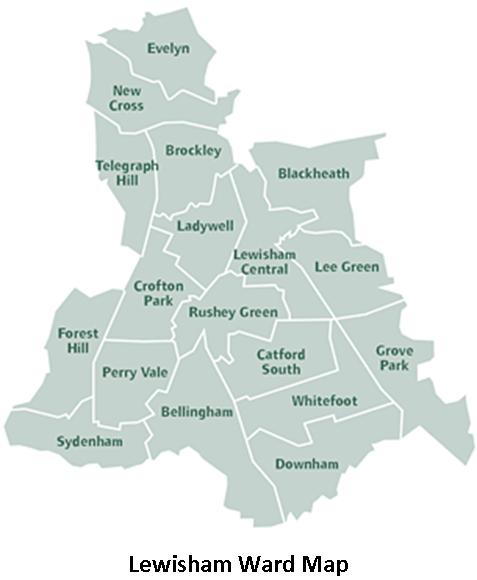
Lewisham Ward MapWelcome to the July edition of the Lewisham Mental Health carers forum. This is one of the carer forums I run in order to help families and carers understand, engage and query mental health services. This can help services become more carer aware and aides in a working relationship with carer’s.

For the Lewisham MH carers forum we were joined by regular carer members, plus Damian Larkin a nurse working on clinical systems. The forum was also joined by Karen Machin a carer peer network campaigner and researcher, plus the communications rep from mental health organisation SANE, Public Health in Lewisham, Maudsley’s complaints department manager Edith Adijobi.

Also in attendance was Beth Brown who is SLaM’s Patient Experience and Quality Manager. We were also joined mental health lead of the Lewishmam & Greenwich hospital trust and lastly the involvement lead for Lewisham & Croydon from maudsley NHS trust.

The Lewisham carers forum runs every last Tuesday of the month and is usually run from Carers Lewisham, but due to the covid-19 outbreak the forum has been running online.

Public Health Lewisham research

First to speak and update carers in Lewisham was Lisa Fannon from Public health in Lewisham. Lisa gave us a brief update on the work that she talked about at another forum I run. Lewisham council is undertaking in a research partnership with Birmingham City Council where they are going to look into health inequalities faced by black, African and Caribbean communities within the borough. Public health Lewisham are part of this process and will be looking at the evidence which have been some of the key issues affecting the community.

Their intention is that they will provide some solution focused approaches which will enable us to tackle such health inequality issues wherever possible. Lisa also wanted to let us know that they are this week opening applications to people within the community to support an advisory board. Lisa mentioned it’s a unique volunteering opportunity to be part of a groundbreaking piece of research that will inform the work that Public health are doing within the local community.

Carer Peer Support

Next to present was on carer peer support networks. Karen who is a peer network speaker spoke about her personal experience of being a carer. She also spoke about the challenges she found on the mental health system and felt being able to sort of stand back and reflect on things.

She did value the networks that she had made when experiencing mental health systems be it locally, regionally and nationally, she had some networks where she could share them with people and hear about what other people have been up to. Karen found those networks really helpful.

wordle

The last 10 years or so, her interest has been around recovery and peer support in a way of focusing on healing and discovery. She mentioned that she doesn’t really like the word ‘recovery’ when compared to carers. Even though it is a word that everybody uses, but she is still interested in recovery because it’s always about the people that we support.

She felt that the focus on recovery is always about the person who’s using mental health services. It’s not necessarily about carers. So she did a write up some years ago about it, but she still think it’s a topic that signals whenever there’s recovery then it might not be for carers and everything could be patient focused.

Karen wants carers to query things by asking about the nature of carer support.  Questions like ‘What is it?’ What does that look like for carers? And how do we get current skills involved in that? Her main interest is around peer support, and that’s about people supporting each other.

Family

She feels that even with all these new initiatives around peer support, that carers sometimes still get ignored.  Around 20 years ago, we were asking for what would now be called a carer peer support worker. Unfortunately she does not see many carer support workers, although there’s lots of initiatives and resources and money going into developing peer support workers which are roles within mental health trusts and voluntary sector organisations.

This is not the same issue around carers. She always wanted to hear from somebody who’d been in a similar position when she was caring, who could kind of use their own lived experience to the listen and support carers. Perhaps somebody who was actually paid in such a role and also was valued and supported themselves.

It’s not just about peer support, it isn’t just about volunteers. It’s also about the resources going into paid roles. We in a situation today that we are trying to avoid the new pandemic. She feels that it has created a really abrupt change. It’s been a very serious and traumatic time for many of us carers. That means everybody even those not accessing mental health services. For the whole population it has been very difficult time. The pandemic certainly has highlighted places where there’s been poor services or poor access to services. Karen felt some criticism at the NHS, but she is usually very supportive of it, which has really highlighted some of the challenges in service provision within mental health.

download

Karen also wondered about bereavement services and support for carers among such services. She felt that people have looked for access and support, but Karen mentioned that people have also had to look to communities for support.

She does not think they’ve looked particularly to the NHS and because it has been so overwhelmed with other issues. So people have had to look for that mutual aid into communities.

She included in her talk the use of remote access on how communities now can be national and international, and that is certainly a community that she wants to be  involved with. She recently managed to speak to participants from around the world and heard from a lot of peer support groups where they’ve been questioned whether people can join them. There have been lots of people from the States and from Australia so networks and communities are getting bigger because of the opportunities of remote and virtual platforms coming from avoiding COVID-19.

Embed from Getty Images

Karen stated to the carers forum that perhaps maybe this is an opportunity to do things differently. She knows that commissioners and providers are all asking us those questions of how we’re going to provide things going forward. When she talked to them she keep repeating herself and saying we have to listen to people with lived experience and their carers. Karen felt that’s something that’s been high on the agenda for the last 10 to 20 years anyway and felt providers and commissioners know that they have to listen to communities, they know there’s a gap between what they commission and what people experience.

Lastly Karen spoke about how our communities can help us to get heard and questioned how do we build those communities? She felt it needs to go beyond local. She mentioned that those at the forum are in a great position in London because we have got opportunities that go beyond just our own Mental Health NHS trust into other mental health trusts. We have a chance to hear about how others are providing services and the different teams that are available.

She does wonder how we can expand this nationally because there aren’t any national networks of carers in the UK. She would like to hope in the future a way to develop national carer peer networks and once COVID-19 is over, then we can start to develop those networks ourselves.

Questions from the carer members

The carer members from the forum were inspired to ask questions to Karen. One member asked what was she doing for older carers in the role she is in at the moment, especially with ethnic minority cares? The forum member wanted to know who at the moment could explain the situation of suffering in silence because of stigma?

Karen mentioned that she has not got the expertise around older carers in her local area, But she has heard of lots of other organizations, not here, but around the country, where carers and communities are coming together to provide that support themselves. She understands about those worries about what happens if a loved one goes into a care home? And what’s that going to mean for us? And so people, it’s about, it’s what she has been hearing, it’s about communities doing that work. And that really worries her in many ways, partly because the sustainability of that, how do those local just groups of neighbors basically, and how do they sustain that effort? And how do we scale that up? How do you make sure that that continues?

Another question raised was from a carer who had read in The Guardian newspaper that Boris Johnson is considering amalgamating social care into the NHS. She felt in principle, I think it’s a good idea. But what what concerns her is that does that mean that’s another group getting that is going to push mental health out of the way? Because Health services has made mental health services a Cinderella service and now social care will make it even more irrelevant.

Karen responded that we got to keep an eye on such things and she felt it’s through networks and making sure that we’re all connected within that we can keep an eye on. Karen did agree with the carer and felt perhaps the change could potentially be fine. It could have potential. Still she thinks many will be worried about that gap between health care and social care.

SANE new campaign and project

Next we heard from Emma who is the media and communications officer at the mental health charities SANE. They are a national mental health charity. Emma felt it was a real privilege to hear from carers and to learn from us as well. She thanked us for having her in this space.

sane

Emma introduced herself as the media and communications officer for SANE and they are working on some exciting projects although she could not go into detail at this moment in time because it’s still in the planning stage. The campaign will be launched around autumn time and they are looking to collaborate and work with caregivers, mental health caregivers who care for someone with serious depression.

Emma continued that supporting mental health care givers is also a core campaigning area for the charity and she knows it’s something which SANE’s CEO Margie Wallace is really passionate about. So if there’s anything that SANE can do to support us or if we know if anyone’s interested in reaching out and working with SANE then please do get in contact.

Patient Experience and Quality Manager presentation

Next to speak at the forum was Beth Brown who is SLaM’s Patient Experience and Quality Manager thanked me for inviting her. She was here to talk a little bit about what she does as patient experience and Quality Manager. She then talked a little bit about one of her work streams, which is the patient and carer feedback surveys. She mentioned her role has kind of two main aspects to it. The first one is around patient experience, so she manages the trust wide patient care experience survey program, which some of the group might have heard of which is called PEDIC. Beth also look after the Trust’s participation in any national surveys which are run by the Care Quality Commission. So that’s the means that they participate regularly each year is the National Community Mental Health Survey.

It is her role to look at the themes that come out from all of these places and, and try and kind of track trust wide themes. And that can help inform our services, and to kind of look at their local improvement because the whole point of it is that we can improve services.

Beth moved on to talk about how she manages clinical audits and the effectiveness team. They look after a program called perfect Ward, which is a way of tracking clinical audits throughout the trust, which includes things around clinical safety, medicines, infection prevention control. They also have an audit around patient experience and staff experience. Plus they also have someone in the team look after NICE guidelines, so you can have best practice for trusts and national clinical audits which are run by the Royal College of psychiatrists.

Collecting data

At this moment Beth’s team are just preparing for a upcoming National Audit on early intervention in psychosis. Beth started showing the forum presentations from her slides. Where she showed how centrally important that audit team works with the patient and public involvement leads and on complaints.

Beth tends to have a large spread of different people to work with, she went on to why a patient care experience feedback is important, because so they can see what we’re doing well and what we need to do better so that we can improve the services and deliver the as possible care. Plus they need to collect feedback in a lot of ways.

They have kind of lots of more systematic and structured ways of collecting feedback, where Beth showed the data the team  collect it from a trust wide level right down to individual team level. From on the Ward and the NHS friends and family tests, through to kind of trust, consultations and engagement. The team also work through complaints, PALs, service formal and informal effective compliments, a kind of like individual project based feedback.

As Beth showed us her graph and she explained top left graph which is around on the friends and family test score in Lewisham. There was also the national indicator for patient experience. The aim of the graph is what extends as and so what this chart is it tracking the number of positive responses to that to the people that say they’re extremely likely or likely to recommend the service they’ve received.

And there’s tracking over time from April 2017. And you can see from around January 18, to may 2020, if you put a line through it, it’s a very gentle increase in performance. And that reflects trust wide performance. However there has been a significant change, due to this massive dip in June 2020. That is the impact of COVID-19 on our data collection. They had two of our data collection methods suspended due to infection infection control. And now got two out of three open and but we had a massive drop in response rate. So it’s the two that means that the fewer responses you have, the more the data is influenced by extreme responses.

So the forum was shown data for Lewisham over the past year and the members were told that the team had overwhelmingly positive responses, and those numbers of 1169 and 21015, their response rate, so that’s the proportion of positive in comparison. Beth reminded the forum that I was interested in hearing about the FFT school, by ethnicity and by ethnic group. So at the end of our PEDIC surveys, they asked a number of demographic questions and the purpose being that they could see whether any particular groups are reporting different experiences. And that can help inform different work streams.

So for example, there’s just been a piece of work that we found in Lambeth where LGBT patients were reporting poorer experiences. there’s also a trust wide quality reports, which you can get on SLaM site website, which talks about FFT scores.

A piece of work that Beth is doing at the moment, is to allow her to look at positive and negative test results by ethnic group over around 25,000 participants so that they can make more data and say something more about the database quickly to see what it is telling them.

Questions from the carers forum

One carer who is often interested on where mental health services get delivered queried the actual number of people accessing treatment. If it’s a positive outcome, obviously, it’s very good. But that doesn’t necessarily mean that mental health services are delivering good services. The carer felt that SLaM are missing delivering service to the people who struggle to access services via their GP. because sometimes there’s subjectivity as to who goes through and who doesn’t. And as we all know, there’s also financial constraints. And also people who, who don’t feel comfortable with a GPS, therefore can’t get a referral, even with their carer is trying to get their relative to access services.

Another carer agreed and felt it was one of the most stressful things that they found as a carer and that they belonged to several carers groups noticed several people have said this, that it’s it’s especially with children anyway, as well. It’s not so much having the child or the person with the mental illness.

Beth responded on member’s experience of their loved one’s difficulty accessing services and the impact that has been. She continued to mention that they are hearing about that in our patient surveys.

So even the people that are accessing our services are talking about the difficulty that they’ve had to get it and the impact that’s had on them. That is kind of growing in prominence as the you might have seen over the past couple of years. It is an issue and it’s it’s an issue that the trust is aware of, and there are lots of workstreams and programs going on across the trust to tackle access to services, not least Since COVID, so since since before that as well.

BETH application presentation for service user and carer input

Next speaker at the Mental Health carers forum was Damien who spoke about the revamped online patient system called BETH. BETH is an online app and what it does is connect patients or service users peers and staff, they can communicate, they can collaborate. And it’s not an app because it works through a web browser.

Still BETH does it look and behave like an app what’s known as a web app. To access BETH the address is beth.slam.nhs.uk . Since this is a new digital online platform it connects us and it supports the service user’s the treatment that SLaM provide. Damien mentioned that because of COVID-19 that we all have to try just try and communicate in different ways not because it just hasn’t been possible to do what we have done previously, its just BETH really supports this.
BETH-1

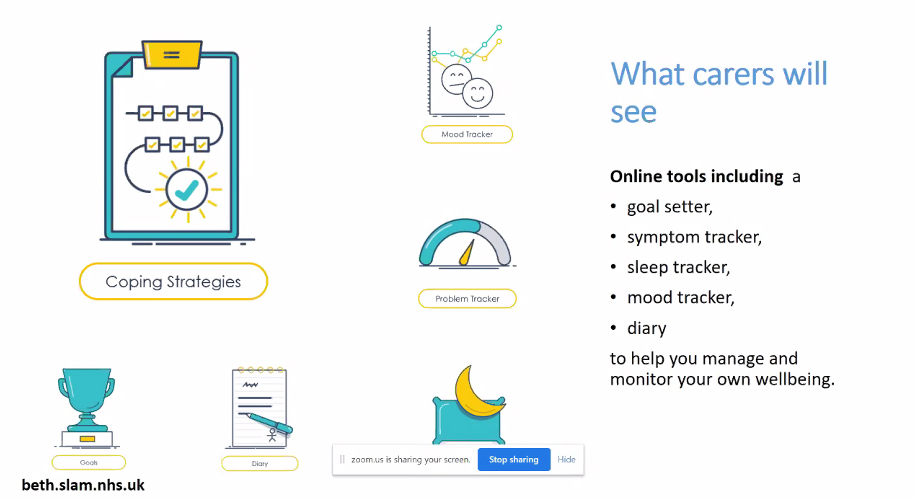
BETH takes its name from bethlem and which is the Bethlam hospital that SLaM have in new Beckenham and also the museum of the mind. SLaM’s vision is that BETH will support the care treatment that people receive. Damien then showed the forum some presentation slides of BETH in action. Damien showed the carers how it looks like on a mobile phone. BEETH can be used on a mobile phone, it can use on a tablet and it can used on any kind of device like a laptop, or a desktop.

Damien also showed how service users or patients signup to BETH and how they can securely message the care team, they can also get access to their care plan or consider upcoming appointments. Patients can keep track of mood and sleep and they can use the free online resources that SLaM have included in the BETH online system.

BETH-2

Service users can choose to use certain functions and also carers can choose other BETH functions. There’s more in there for patients at the moment although SLaM want to do obviously develop on this. Damien then showed us how to register for the BETH system in instructing on where to sign in if your patient of services by you putting your first and last name as it appears on SLaMs records.

You would then just put in your email address and you create a password and that becomes your login details for everything. But then in the middle you see that red box there’s two tick boxes, one to indicate if you’re patient one to indicate if your carer, family or friend.

if you’re a patient, the two other boxes appear saying asking for date of birth and NHS number and then they accept the terms and conditions all of that and you get access. If you click on the second box there to be a carer or friend. Once you hit on create account, it’ll ask you if you want to connect the care team of the person that you care for. And you just need to put in the person’s name full name as It appears.
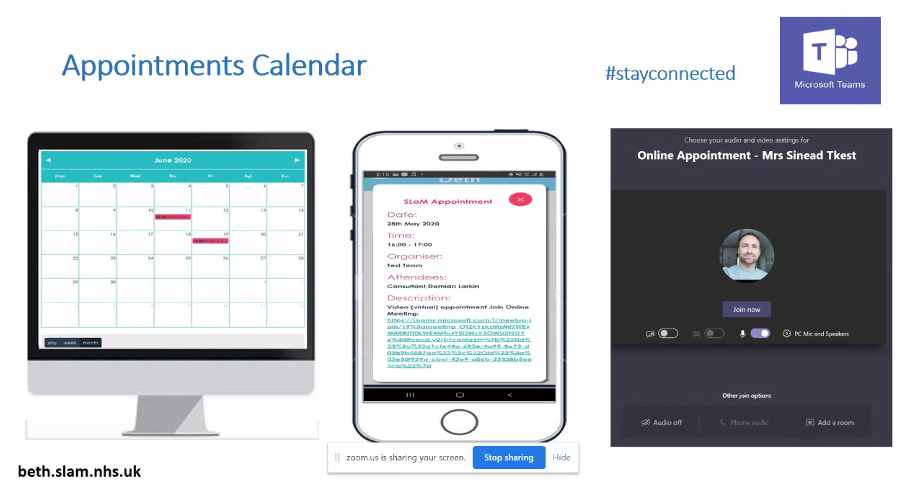
BETH-3
Complaints department Presentation

Next we had Edith Adijobi who is SLaM’s complaints manager to engage with carer members at the forum. When you think of complaint’s carers tend to grit their teeth, but I noticed the members were happy to get engagement from complaints because people feel complaints tend to hide away and defend services. Edith opened up her talk by stating that she genuinely love complaints. I noticed one or two carer’s laugh about this, but then they warmed to Edith.

Edith mentioned that she has been working in the field of complaints, panels, patient experience and bereavement services in the NHS for about 21 years. She is very passionate about complaints. So in the trust people sort of have to stop her talking. Edith mentioned that she is also known in the trust for a lot of pushback, because one of the things that frustrates her deeply is if she ever hears somebody say there’s nothing they can do, then Edith feels that carers have to complain.

Edith feels that people shouldn’t ever have to complain to feel heard, she feels people shouldn’t ever have to complain to feel that services are going to do something about something they flag to SLaM. That doesn’t mean services stop people complaining. But if we’re telling people that the only way we’ll hear their voice is if they complain then something’s gone very wrong, and that really frustrates Edith.

Edith does staff training on complaints, So one of the things when she does on training their staff is she is officially their worst nightmare at times. She mentions that officially she acts as a worst nightmare as a patient. Edith then took us through some brief data. She talked a little bit about why we take complaints as a trust and the approach that she finds

She feels it’s about really encouraging and supporting ourselves to think about doing the right thing at the right time, really reflecting on on the information we get. And how do we learn from mistakes, because she thinks the moment you say the C word, as she says complaints, people get their backs up, people get quite anxious. How about we split it into a concern and a complaint? what is actually happening there? What are people trying to tell us? And these are some of the ways in which we get information.

Edith talked to carers about the different organisations that are interested in the types of complaints the NHS Trust gets.  So they get reports from the Care Quality Commission, quite a lot of our patients will go direct to the CQC and to then pass them to us. We also get views from Health watches, SLaM’s CCG commissioners, we even get people tell us first What do we do and how do we did Last year.
complaints presentation -1

Edith spoke more about the charts on the presentation and showed how these are the complaints they got as a trust. Although in one month the figure obviously dropped really sharply because of COVID. Edith showed us a closer look at Lewisham complaint figures and noted if we could see my mouse just scrolling under the Lewisham accounted for 88 out of 558 complaints pulled up through the Directorate.

She then looked at complaint, which was commissioned by Lewisham. So that will go across SLaM’s oldest adults and their CAMHs service, but this was just to give us a trust wide look. Looking across the trust, if you have a look at the Reds or the complaints and the blues are compliments.

Edith moved on to mention that they have tried a new system since last October. They are encouraging people to record directly so that we can actually capture information. So just that was an April to make a March this year. This is this quarter, and you’ll see that a bit had a real impact on just SLaM’s organizational numbers they receive.

Edith mentioned that sometimes it’s just somebody picking up the phone and not being able to get hold of a doctor, not being able to get hold of a nurse, or, in some cases, people wanting access to a service. But the commissioners haven’t actually commissioned us to provide that service. So how do we as an organization feedback to the CCGs or how do we actually tell somebody that what they want is what we Provide that’s not being provided by a third sector partner, or the CCG has different arrangements.

Edith concluded that sometimes we’ve got those type of issues going on and sometimes someone is to blame. Sometimes when something is wrong, it is because of there is a reason. So one of the things maybe we want to look into is culture of the trust. Is it that we’re blaming that member of staff, and that member staff is the one who’s accountable because an appointment failed to be booked? Is that staff member under too much pressure or not supported? What is the cause?

complaints presentation -2

Carers from the forum were surprised, but happy to have a presentation from the complaints manager since the forum has existed for many years and the subject of complaints is often raised.