By Matthew McKenzie – Founder of A Caring Mind, unpaid carer, and advocate for ethnic minority carers
This October 2025, I had the privilege of joining Carers Support West Sussex to speak during their Black History Month celebrations under the theme “Standing Firm in Power and Pride.”
Carers Support West Sussex provides advice, emotional support, and practical help to unpaid carers across the county of West Sussex, ensuring they are recognised, valued, and empowered in their caring roles. Their work helps thousands of carers connect with the right information, resources, and community networks when it matters most.
As a Black, unpaid carer of lived experience, I spoke about Race, Inequality, and Carer Voices exploring how racism and structural inequality continue to shape the experiences of carers from ethnic minority backgrounds.
On May 1st, 2025, Cygnet Health Care hosted its landmark Co-Production in Commissioning Conference at the iconic Villa Park, Birmingham. More than just a professional gathering, the event was a manifesto for a more inclusive, compassionate, and equitable model of care, driven by people with lived experience, carers, clinicians, and commissioners alike.
Packed with powerful keynotes, practical models, and heartfelt stories, the day was as emotionally resonant as it was strategically focused.
Welcome back to another blog post from carer activist Matthew McKenzie. This time I am going to talk about building resilience as a carer. To watch the indepth video of the topic. Please click below. The video is split timestamps, so you can skip to a section.
Understanding Resilience in Unpaid Caregiving
Caring for a loved one, friend, or neighbor with a long-term illness can be an incredibly rewarding experience. It allows you to form deep emotional bonds and fulfill a duty of love and support. However, this role also comes with its own set of challenges which can be emotionally, mentally, and physically draining. Building resilience is crucial for unpaid caregivers to successfully navigate these challenges and continue providing the best care possible.
What is Resilience?
Resilience is the ability to bounce back from hard times and adapt to challenging situations. It is about finding ways to cope with difficult circumstances without being worn down by them. For unpaid caregivers, resilience is essential to remain effective in their roles and take care of their own well-being.
Why is Resilience Needed?
Unpaid caregivers often face emotional strain, unpredictability, social isolation, and problem-solving challenges. Let’s look at why resilience is necessary to combat these issues:
Emotional Strain
Caregiving can lead to emotional strain, especially when things don’t go as planned. The person being cared for might face a downturn in their health, causing feelings of depression, anger, or anxiety in the caregiver. Emotional resilience helps caregivers manage these sentiments and prevents burnout.
Unpredictability
Caring for someone with a long-term illness can be unpredictable. Health conditions can change rapidly, and unexpected challenges can arise at any moment. Resilience equips caregivers with the ability to adapt to these changes without being overwhelmed.
Social Isolation
Unpaid caregiving can lead to social isolation because the role often requires long hours and constant vigilance. This isolation can be detrimental to the caregiver’s mental health. Building resilience can help mitigate the effects of isolation and keep caregivers more engaged with their social circles.
Problem-Solving
Unpaid caregivers often need to be excellent problem-solvers. They must find solutions to daily challenges, sometimes under pressure. Resilience enhances problem-solving skills, allowing caregivers to face hurdles more effectively.
Steps to Building Resilience
Building resilience involves developing various skills and adopting certain practices. Here are steps that can help unpaid caregivers build resilience:
Develop Problem-Solving Skills
Planning ahead is crucial. While it’s impossible to foresee every challenge, preparing for potential issues can reduce the stress of facing them. Different caregivers may find different problem-solving strategies more effective, so it’s essential to find what works best for you.
Educate Yourself
Knowledge is power. Understanding the illness you’re dealing with can make caregiving more manageable. Resources like online sites, charities, and support organizations can provide valuable insights. For example, National carer charities like Carers UK and Carers Trust offer extensive information on unpaid caregiving and specific illnesses.
Celebrate Small Wins
Recognize and celebrate small victories. Did you manage to pick up medication successfully? Did your loved one start talking to you more openly? These small wins can boost your morale and strengthen your resilience. Make it a routine to acknowledge and be thankful for these moments.
Join Support Groups or Networks
Participating in support groups or caregiver networks can provide emotional support and practical advice. You don’t always have to share your problems; sometimes, simply listening and learning from others’ experiences can be incredibly beneficial. Building a network of caregivers can also help reduce social isolation.
Establish Boundaries
Setting boundaries is essential for maintaining your own well-being. Know when to step back and take time for self-care. It’s crucial not to overextend yourself to the point of exhaustion.
Practice Mindfulness
Mindfulness practices, such as deep breathing exercises, walking, or journaling, can help reduce stress and improve mental clarity. These activities can make challenges more manageable by promoting a positive mindset.
Stay Connected
Maintaining connections with friends and family can provide emotional support. While not all family dynamics are the same, having someone to talk to can help combat feelings of isolation. Building resilience sometimes involves depending on others, which can be tricky but rewarding.
Prioritize Self-Care
Taking care of yourself is fundamentally linked to being able to take care of others. This includes eating well, exercising, journaling, and taking breaks when needed. Self-care is a vital part of building resilience and should not be overlooked.
Conclusion
Building resilience is not a one-time task but an ongoing process that requires consistent effort. The rewards, however, are substantial. Resilient caregivers are better equipped to handle the challenges of their role, provide high-quality care, and maintain their own well-being.
Unpaid caregiving is both a demanding and fulfilling role. By building resilience, caregivers can ensure they are prepared to meet the challenges they face, reduce emotional and physical strain, and continue to provide compassionate, effective care.
Remember, it’s essential to educate yourself continually, celebrate your achievements, and take care of your well-being. The more resilient you are, the more capable you’ll be in your caregiving role.
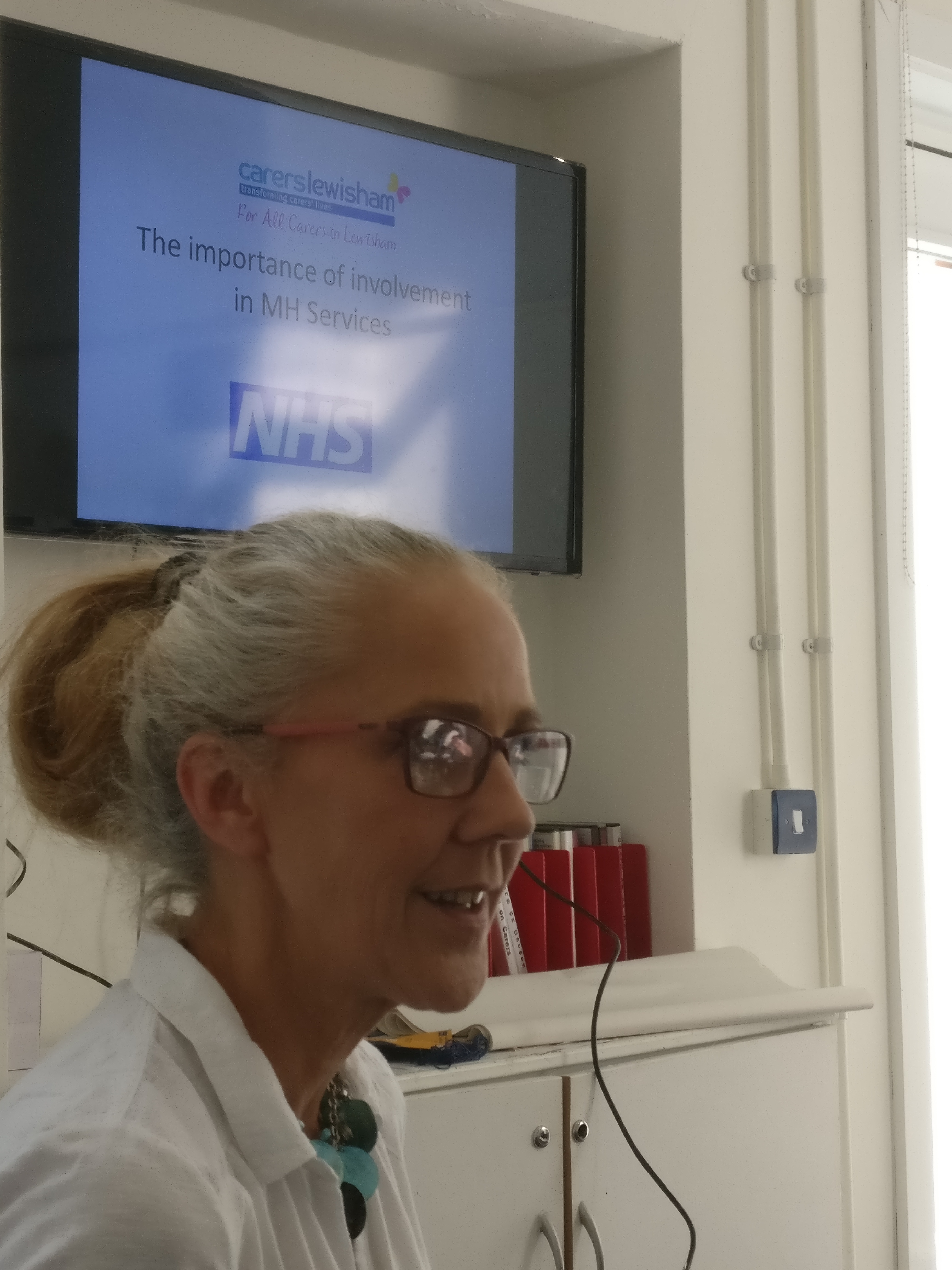
Here is the update for the Lewisham Mental Health Carers forum for September 2017. This forum took place on the 26th of September, 1:00 pm at the Carers Lewisham centre.
If you wish to see the video version, please click below
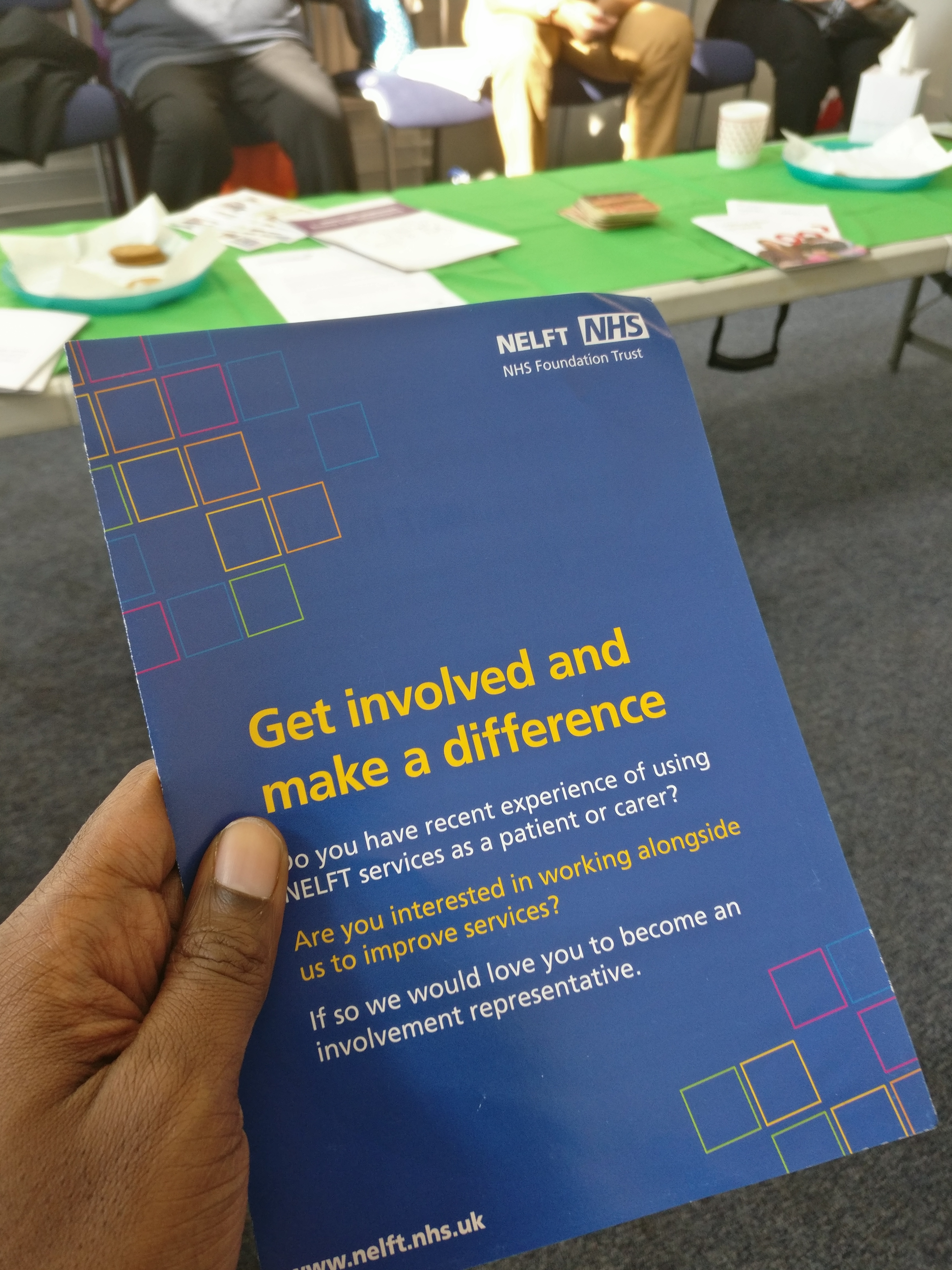
The topic for that day was the importance of involvement in mental health services. While some of the carers are involved at South London and Maudsley foundation trust, which provides the bulk of mental health services in Lewisham, Croydon, Southwark and Lambeth. I was fortunate enough to have Debbie who is an involvement representative over at North East London Foundation Trust.
When I talk about foundation trusts and mental health services. Usually foundation trusts are a coalition of large hospitals and community teams providing mental health services. As far as I know every mental health trust has some form of involvement and some trusts do this well, while at other trusts there still is a lot to learn.
North east London Foundation trust provides services in several london boroughs being Barking, Dagenham, Brentwood, Havering, Kent, Basildon and more. Debbie spoke about what she does over north east london and the importance of involvement.
The forum discussed what was good about involvement and services, what was difficult or bad and what we would like to change. We also discussed how involvement within our local mental health trusts can empower us, but it is also a duty to speak up for injustice and protect those who are vulnerable. Debbie mentioned that SLaM was held in high regard, but I pointed out that over at SLaM we speak highly of NELFT.
During the discussion, I found ex service user Debbie to be extremely knowledgeable about getting involved in the mental health services. I also noticed her leadership skills while presenting to carers.
I was hoping to present a bit about involvement myself while charing the forum, but we ran out of time since a lot of carer issues where raised, plus Debbie had to attend the NELFT annual meeting.
Also at the forum we had another special guest that being the Carer Engagement Project Coordinator from Oxleas Foundation Trust. Oxleas provides services in Greenwich, Bromley and Bexley. We were greatful to have engagement from hard working prople from two different trusts, but the main aim was to learn from each other, which will be an ongoing relationship.
Welcome back to another blog from fellow mental health carer from South London. I thought to do another video regarding carer empowerment.
The video can be quite controversial because there will be others who feel that the NHS is trying as hard as it can to accommodate carers and their loved ones, but unfortunately this is not always the case, so it is up to mental health carers like ourselves to be empowered to speak up.











 A Caring Mind