Written by: Matthew McKenzie – WLHT co-facilitator of ethnic carer group and Triangle of Care Community Chair
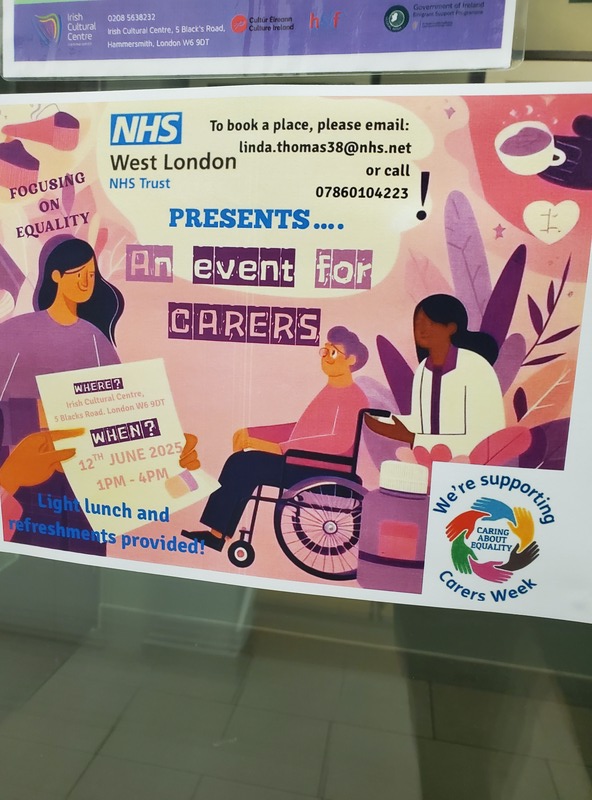
The Irish Cultural Centre in Hammersmith was filled with warmth and purpose on June 12th, as carers, professionals, and community leaders came together for the West London NHS Trust’s Carers Event in support of Carers Week 2025.
As Chair of the Triangle of Care Community and an involved carer for West London NHS Trust, I was interested in the carers conversations, and sense of solidarity among all those present.
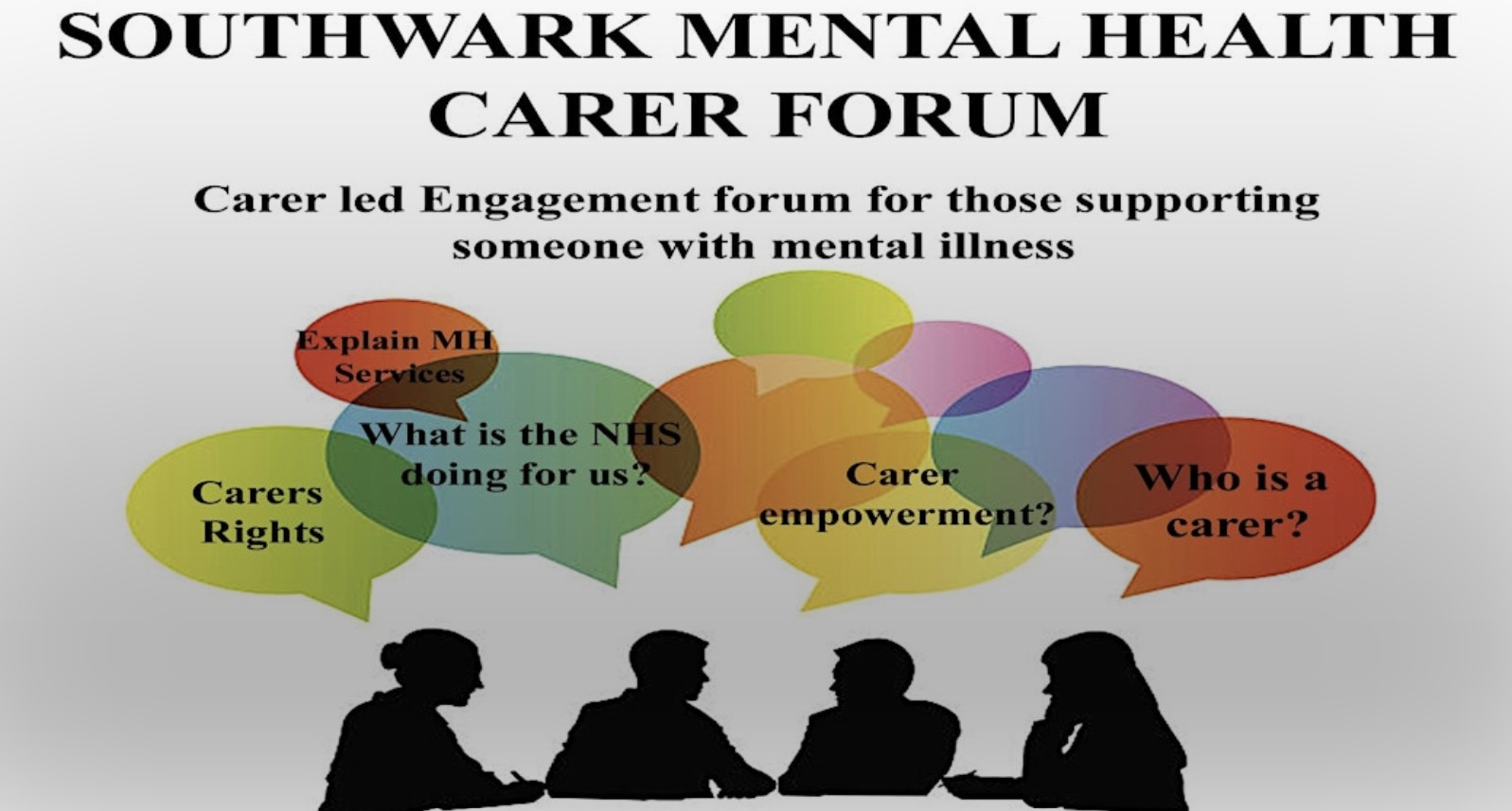
Here is a brief update of the joint Southwark & Lambeth mental health carers forum I run the last monday of the month. The forum is a space for those caring for someone with mental ill health to connect and get updates from service providers.
As facilitator Matthew McKenzie emphasized the importance of managing guilt as a mental health carer, challenging unrealistic expectations, and setting boundaries for one’s own well-being. Matthew also stressed the need for self-care, seeking professional guidance, and advocating for respite care. The conversation ended with discussions on the concept of guilt, the challenges of being a carer, and strategies for holding care coordinators and social workers accountable.
Welcome to carer activist matthew mckenzies post to raise awareness of Stress Awareness day. I will eventually do a blog and video on how stress affects caregivers, but for now, I want to focus on Stress awareness day 2024 and provide some top tips on beating and managing stress.
To watch the short promotional video, please click below.
Understanding Stress Awareness Day
Stress Awareness Day is observed on the first Wednesday of November each year. Established in 1998 by the International Stress Management Association, its purpose is to bring attention to the significant impact stress can have on both physical and mental health. Stress is often a contributing factor to various health issues, including heart disease, anxiety, and depression. Recognizing this, Stress Awareness Day aims to encourage individuals and organizations to take proactive steps in managing and reducing stress.
Why Stress Awareness Matters
Stress is an unavoidable part of life, but its management is crucial for maintaining a balanced and healthy lifestyle. When left unchecked, stress can lead to serious health complications. By acknowledging stress as a genuine issue, we can better equip ourselves with the tools and strategies necessary to mitigate its effects.
The Role of Workplaces
Work environments play a significant role in an individual’s stress levels. Stress Awareness Day serves as a crucial reminder for organizations to foster environments that prioritize mental health and well-being. Open discussions about mental health and providing resources for stress management can create a supportive atmosphere for employees.
Practical Tips for Observing Stress Awareness Day
There are numerous ways to participate in Stress Awareness Day that can have a lasting impact on your well-being. Here are some practical tips to consider:
Practice Self Care
Taking time for self-care is essential in managing stress. Engage in activities that help you relax and unwind, such as reading, exercising, or practicing mindfulness. Making self-care a regular part of your routine can make a significant difference in how you handle stress.
Learn About Stress Management Techniques
There are various techniques available that can quickly reduce stress levels. Methods like deep breathing, meditation, and progressive muscle relaxation are effective tools that can be incorporated into daily life. By learning these techniques, you can better manage stress whenever it arises.
Connect With Others
Talking about your feelings with friends, family, or a mental health professional can provide immense relief. Communication is a powerful way to process stress and gain support. Don’t hesitate to reach out when you need to talk about what’s on your mind.
Get Involved in Workplace Initiatives
Many organizations use Stress Awareness Day to promote mental health through seminars, workshops, or meditation sessions. Participating in these events can offer valuable insights and techniques for managing stress. It also helps to contribute to a culture of well-being within the workplace.
Reflect on Stress Triggers
Taking time to identify what causes stress in your life can lead to changes that help manage those stressors more effectively. Understanding your triggers is the first step towards making necessary adjustments to reduce stress. This reflection can be helpful in both personal and professional settings.
Daily Habits to Reduce Stress
Incorporating certain habits into your daily routine can significantly reduce stress and improve overall well-being. Here are some recommendations:
Stay Physically Active
Exercise is one of the most effective ways to manage stress. Regular physical activity helps to reduce tension, elevate mood, and improve overall health. Find an exercise routine that you enjoy, whether it’s walking, swimming, or yoga, and make it a regular part of your life.
Get Adequate Sleep
Quality sleep is essential for resetting the body and mind. Ensuring you get enough rest helps to handle daily challenges more effectively. Create a conducive sleep environment and establish a regular sleep schedule to improve your sleep quality.
Eat Balanced Meals
Nutrition plays a vital role in overall well-being and can impact stress levels. Consuming a balanced diet with plenty of fruits, vegetables, and whole grains provides the necessary nutrients to support your body in managing stress.
Set Boundaries
Especially relevant in maintaining work-life balance, setting boundaries can prevent burnout and reduce stress. Learn to say no when necessary and prioritize tasks that are most important to you. This can help to keep workload manageable and maintain a healthy balance between personal and professional life.
Practice Mindfulness
Engaging in mindfulness practices, even for a few minutes each day, can significantly improve how you handle stress. Techniques such as mindful breathing or meditation can help you stay grounded and present, reducing the overall impact of stress on your life.
Conclusion
Making small changes to prioritize mental health daily is an excellent way to honor Stress Awareness Day and promote a less stressed, healthier lifestyle year-round. By taking proactive steps such as practicing self-care, learning stress management techniques, connecting with others, engaging in workplace initiatives, and reflecting on stress triggers, you can significantly reduce stress and improve your overall well-being. Remember, managing stress is not just about handling challenges as they come but also about creating a lifestyle that supports mental health and resilience.
Stress Awareness Day serves as a valuable reminder of the importance of stress management and the resources available to help us lead healthier lives. By observing this day and incorporating stress reduction strategies into our daily routines, we can take significant steps toward achieving a balanced and fulfilling life.
It is mental health awareness week as of the writing of this blog post. Mental Health Awareness week, which runs from 11th to the 17th May is run by the Mental Health Foundation. The Mental Health Foundation is a Charity that helps to improve the lives of those with mental health problems or learning disabilities. The Mental Health Foundation is involved in research, service development and providing information on mental health.
If you wish to see the video. Below is the video version of this blog post
I feel Mental Health Awareness week is important for quite a few reasons, the first reason is obviously raising the awareness of mental health and it does not have to be on mental ill health. I once had a discussion with mental health campaigner Fiona Art who specified that mental health does not have to centre itself around those who are unfortunately mentally unwell or those with live experience.













 A Caring Mind