Matthew McKenzie FRSA BEM – Unpaid carer, author, poet and carer campaigner

On 11 November 2026, I attended South London and Maudsley’s carers listening event at ORTUS. The event brought carers and staff together to share experiences, hear about ongoing work and discuss what meaningful involvement should look like.
As an unpaid carer, author, poet and campaigner, I welcomed the opportunity to contribute through poetry, discussions and my carer information stall. There was warmth in the room, alongside a willingness to ask difficult questions about how services communicate with families and respond to their concerns.
Recognising the person behind the caring role
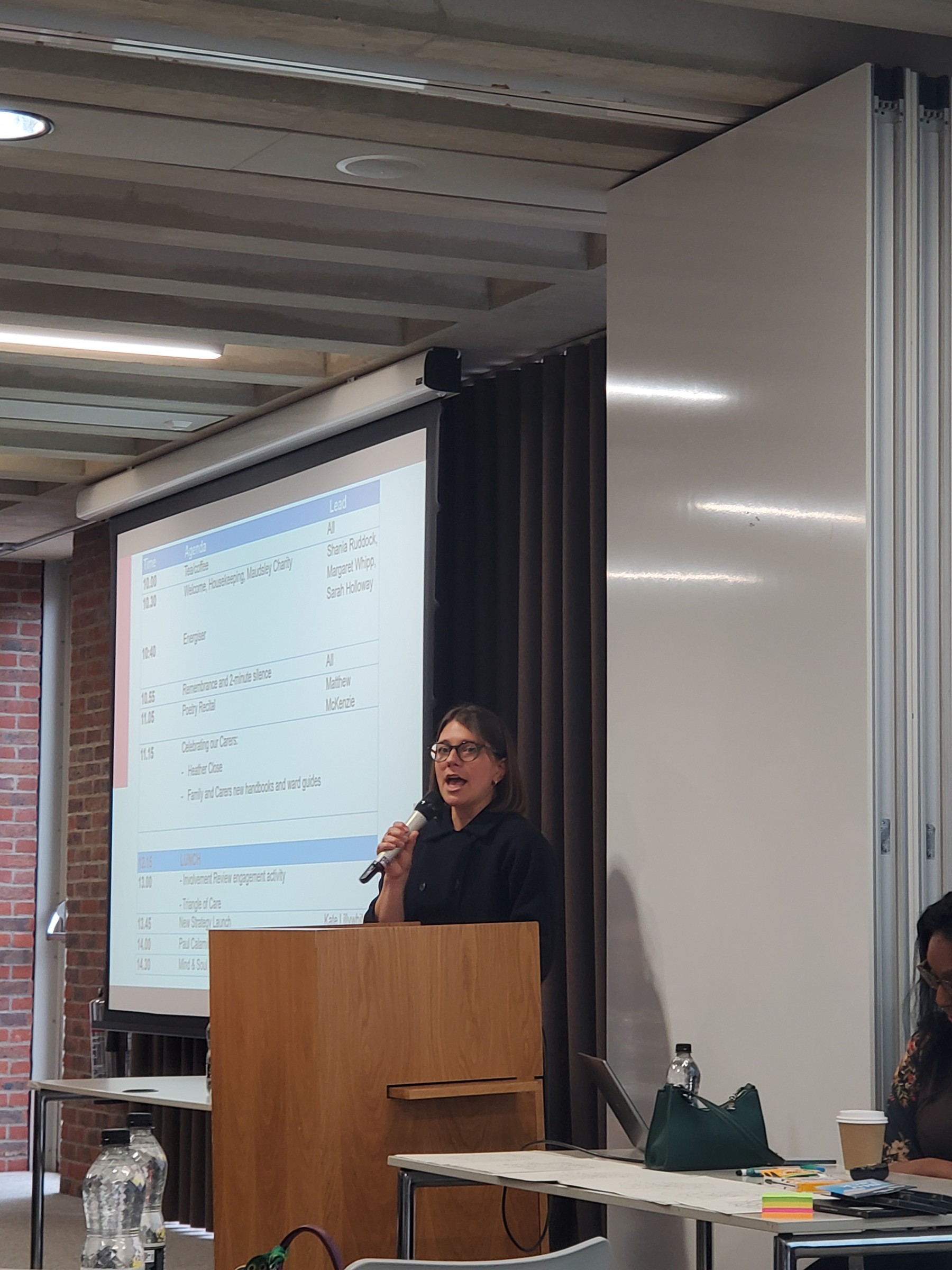
The opening conversations reminded us that carers bring knowledge, experience and skills that can make a real difference to someone’s care. They also highlighted that carers have their own physical and mental health needs.
One concern raised was that even carers who feel confident speaking up can struggle to get services to listen. This raises an important question: what happens to those who are less confident, unfamiliar with services or facing language barriers?
The welcome recognised the partnership between staff, service users and carers, alongside the support of Maudsley Charity in making the event possible.
We also took part in an introductory activity using the letters of our names to describe positive qualities. This offered a chance to meet one another as people and recognise the strengths we bring into the room.
At 11am, we observed the two-minute silence for Remembrance Day.
Giving carers a voice through poetry
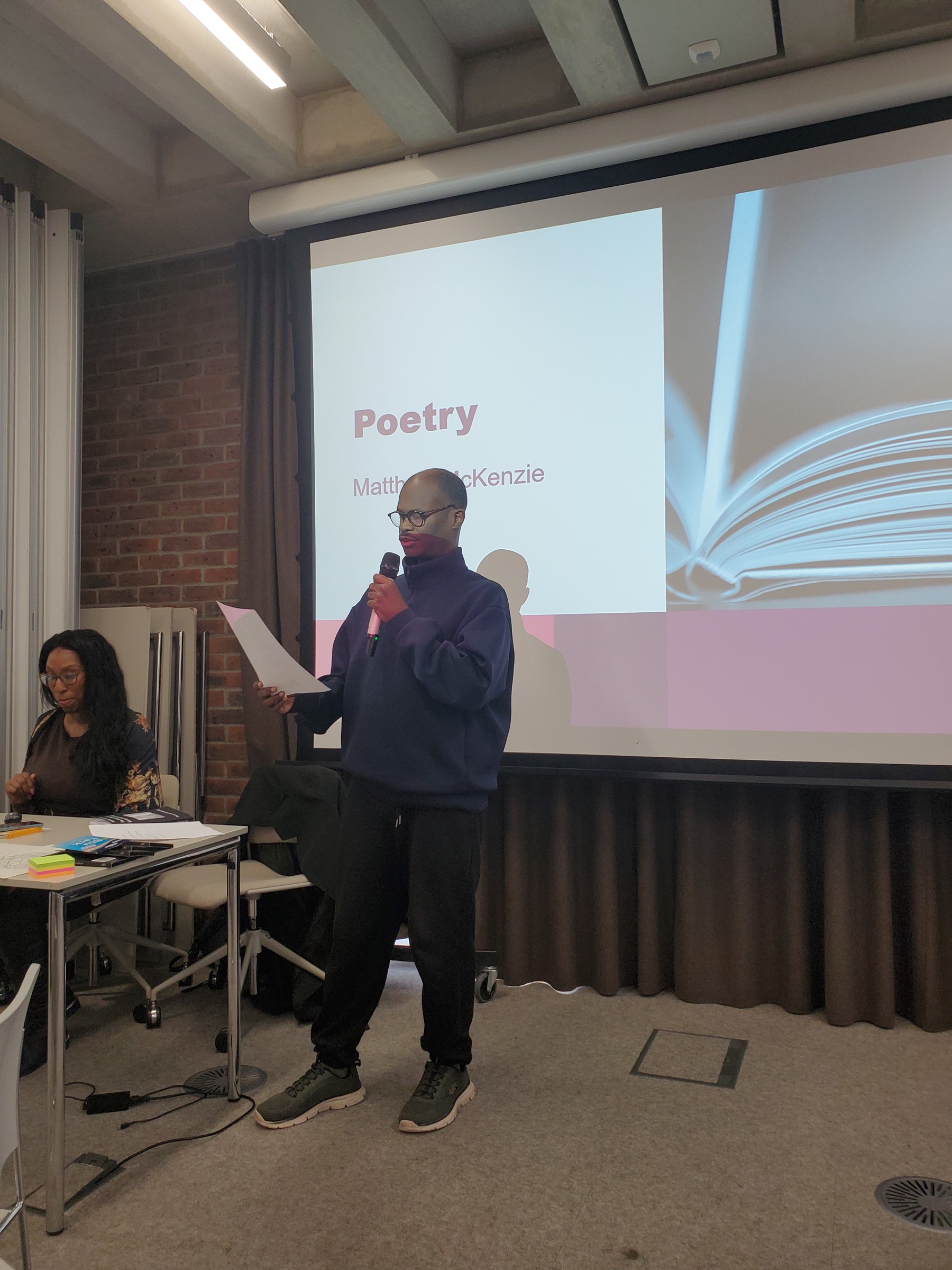
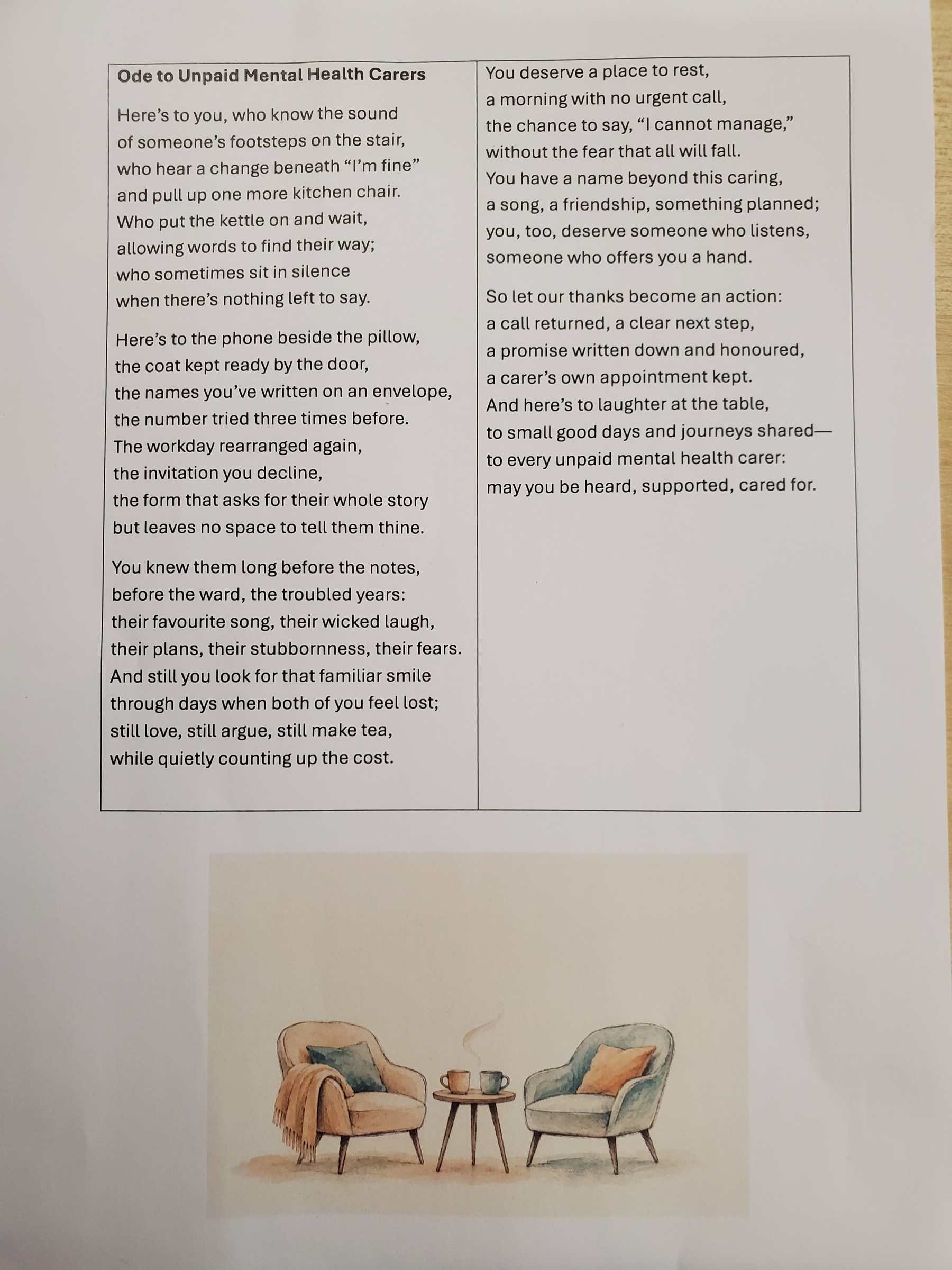
My contribution included “Ode to Unpaid Mental Health Carers”, reflecting on the everyday experiences that can remain unseen: the phone beside the pillow, the plans rearranged and the knowledge of a loved one that existed long before their clinical notes.
Poetry can make space for experiences that are difficult to express in a formal meeting. It can acknowledge the love, frustration, uncertainty and hope that often exist together within caring.
I invited the audience to join in recognising carers and asked which lines stayed with them. Their responses returned to an important theme: carers are individuals with identities, feelings and needs of their own.
When caring becomes all-consuming, other parts of a person’s life can gradually disappear from view. We need opportunities to recognise those experiences and ask how the carer is managing.
I also shared a poem thanking NHS staff who listen, explain and treat carers as partners. Those relationships matter. Recognising the pressures on staff can sit alongside asking for better communication and support for families.
Information that carers can actually use
A major part of the event focused on the Families and Carers Information Project.
We heard about work to develop and improve ward guides, community team guides, borough information, webpages and shorter fact sheets covering topics carers have prioritised.
These resources respond to questions that many families will recognise:
- Who is looking after my relative?
- How do I contact the right person?
- What does this service do?
- What support is available to me?
- Where can I raise a concern?
Presenters described extensive carer involvement in developing the resources. Some guides were being piloted, with further development and feedback still to come.
What stood out was the discussion about accessibility. Participants raised the needs of carers with hidden disabilities, neurodivergent carers, people facing language or literacy barriers, and those who cannot easily access information online.
These contributions showed why accessibility needs to be considered throughout the development process. Carers themselves need to help test whether the information works.
For me, the practical test is whether someone can find, understand and use the information when they are worried, exhausted or facing a crisis.
Learning from Heather Close
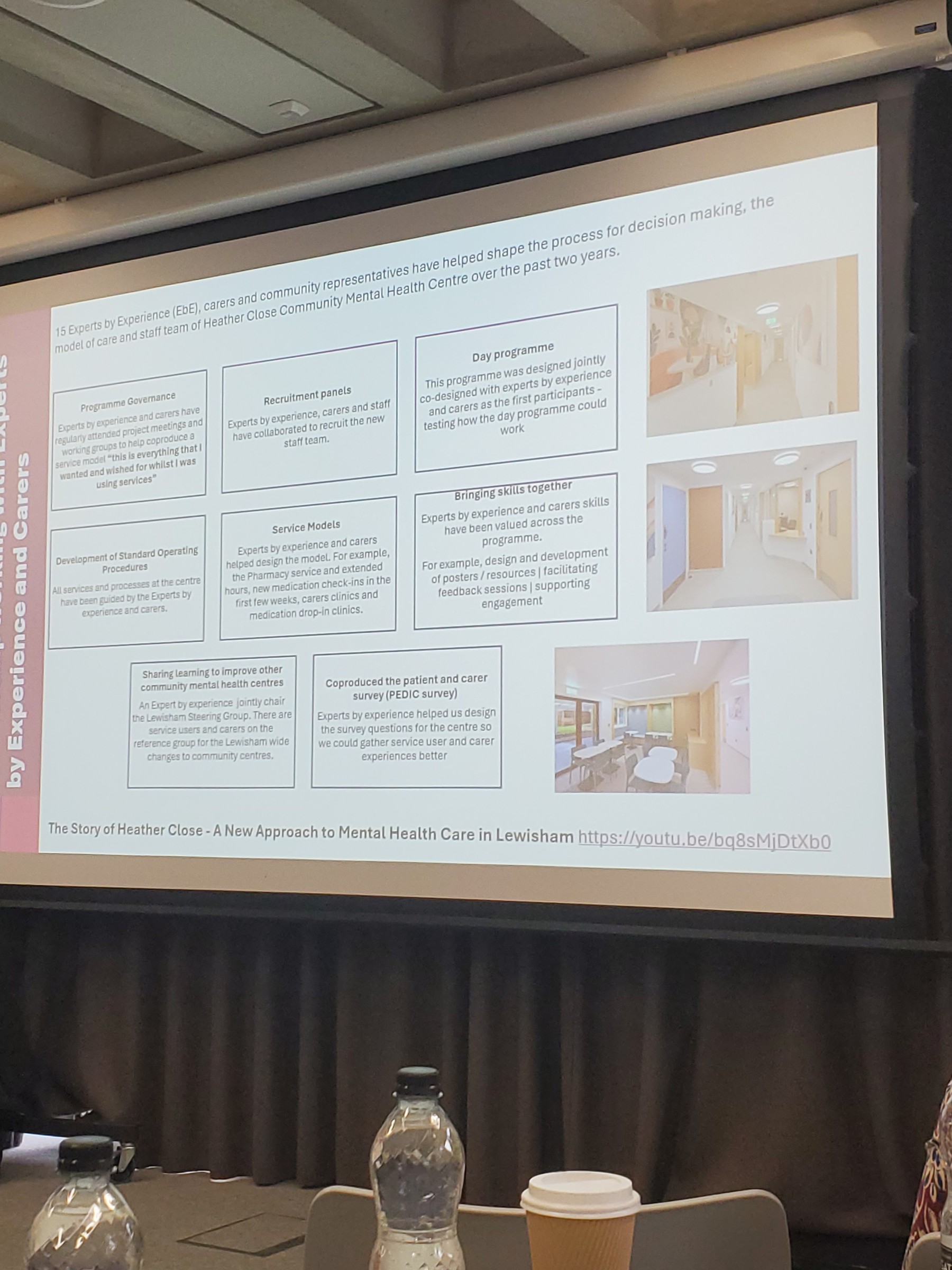
The Heather Close session offered examples of carers and service users helping to shape a service. This included involvement in the environment, information and staff recruitment.
We also heard about the developing carer support group. Topics emerging from the group included communication, medication information, understanding staff roles and managing difficult situations.
An encouraging example was the process of taking carers’ feedback into team discussions and bringing responses back to the group.
That continuing conversation matters. When carers give their time and share personal experiences, they need to know where their feedback goes, who considers it and what happens afterwards.
The session also highlighted the value of peer support. Carers may have very different circumstances, yet still recognise common experiences and offer one another understanding.
What does meaningful involvement look like?
The afternoon discussions gave participants space to explore what meaningful involvement means in practice.
Themes included feeling valued, equality with staff, regular contact, peer support, clear information and opportunities to influence change.
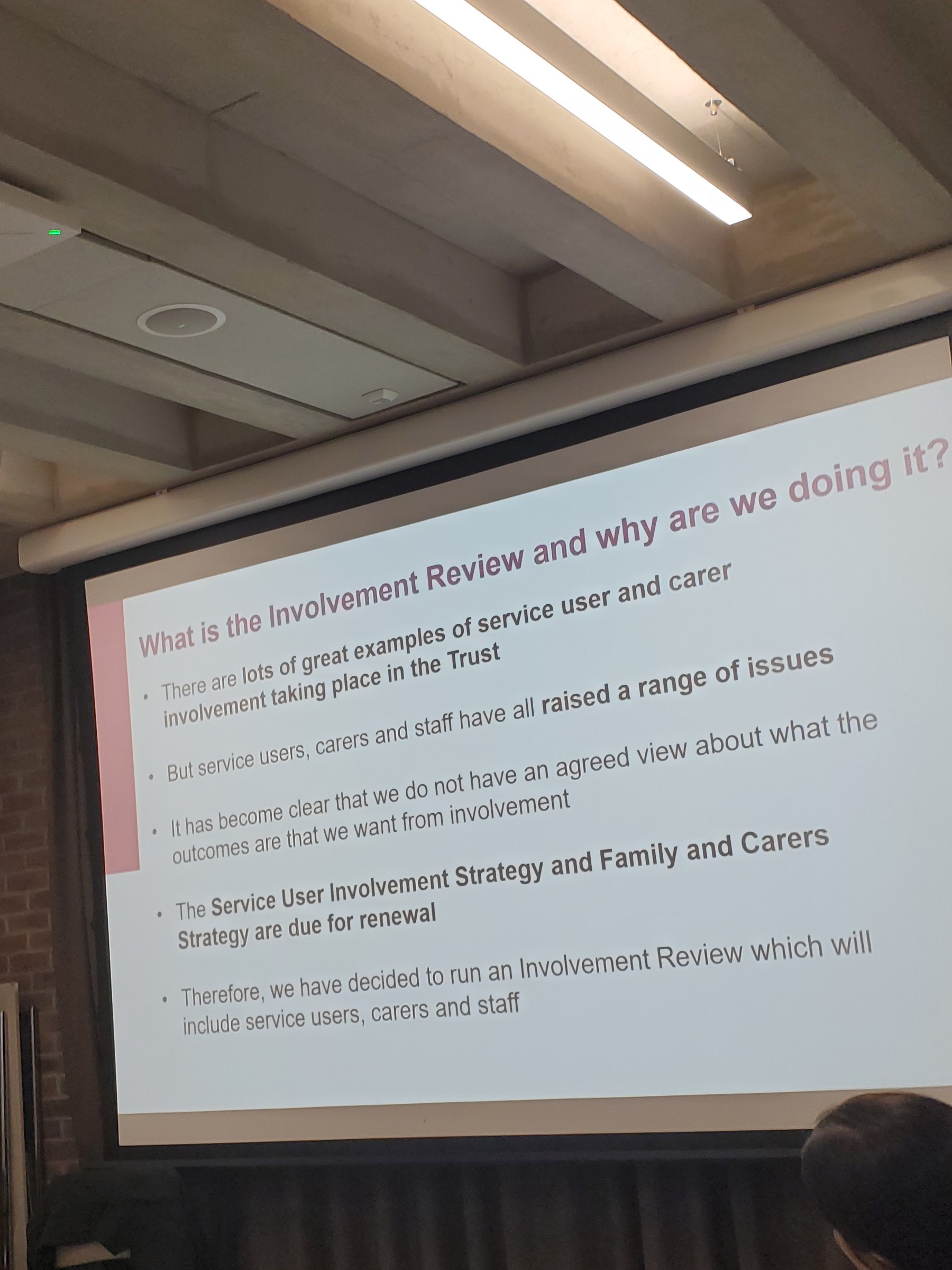
A useful distinction emerged between involvement in a loved one’s care and involvement in improving services.
Both matter. Families may need support to participate in care discussions, while also having knowledge that can help improve the wider service. Clear explanations are needed about the opportunities available, alongside sensitivity to what a carer is managing at the time.
Participants also raised diversity, racial equality and inclusion. Involvement needs to reach beyond those already familiar with meetings and NHS structures. We need to understand whose voices are missing and what would help them participate.
There was a clear emphasis on understanding impact. Carers want to see how their contributions influence decisions and whether improvements make a difference to people’s experiences.
Connecting the Triangle of Care and PCREF
There was also discussion about connecting the Triangle of Care with the Patient and Carer Race Equality Framework, known as PCREF, with further information and opportunities for involvement to follow.
This is an area close to my heart. Through my work with carers, I continue to hear how culture, language, racism and previous experiences of services can affect trust and involvement.
For me, bringing these approaches together offers an opportunity to ask more specific questions about who is being included, whose knowledge is being recognised and how services respond to different families.
The value will be seen in carers’ everyday experiences of contact, communication and support.
My reflections on the day
Alongside taking part in the sessions, I valued the opportunity to share my books and carer information, reconnect with others and hear both encouraging examples and honest concerns.

The event created space for carers to speak about what helps, what remains difficult and what they would like to see change.
My hope is that this learning becomes visible in everyday practice: clearer information, more consistent communication and feedback that leads to improvements carers can recognise.
Listening takes commitment beyond the event itself. It means returning to the people who contributed and showing them what has happened because they spoke.
Thank you to the organisers, Maudsley Charity, the staff who contributed and every carer who made time to share their experience.

