Tag Archives: caregiver support

Top 20 Essential Resources for Mental Health Carers

By Matthew McKenzie FRSA BEM – Carer Activist

Caring for a loved one with a mental illness is a demanding, often under-recognized role. Many unpaid carers find themselves thrust into complex scenarios, navigating mental health crises, advocating for proper support, balancing their own wellbeing, and, too often, facing these challenges in isolation. While every carer’s journey is unique, a core set of resources can make a dramatic difference between feeling overwhelmed and finding sustainable ways to cope and thrive.

This article and video unpacks those essential resources through the lens of an experienced carer activist and carer, offering both a practical hierarchy of importance and actionable insights. Using a “tier list” as a framework, we’ll explore which resources are most urgent and why, how they fit together, and tips for navigating the labyrinth of mental health care.

To watch which resources are essential for mental health carers, watch the video below.


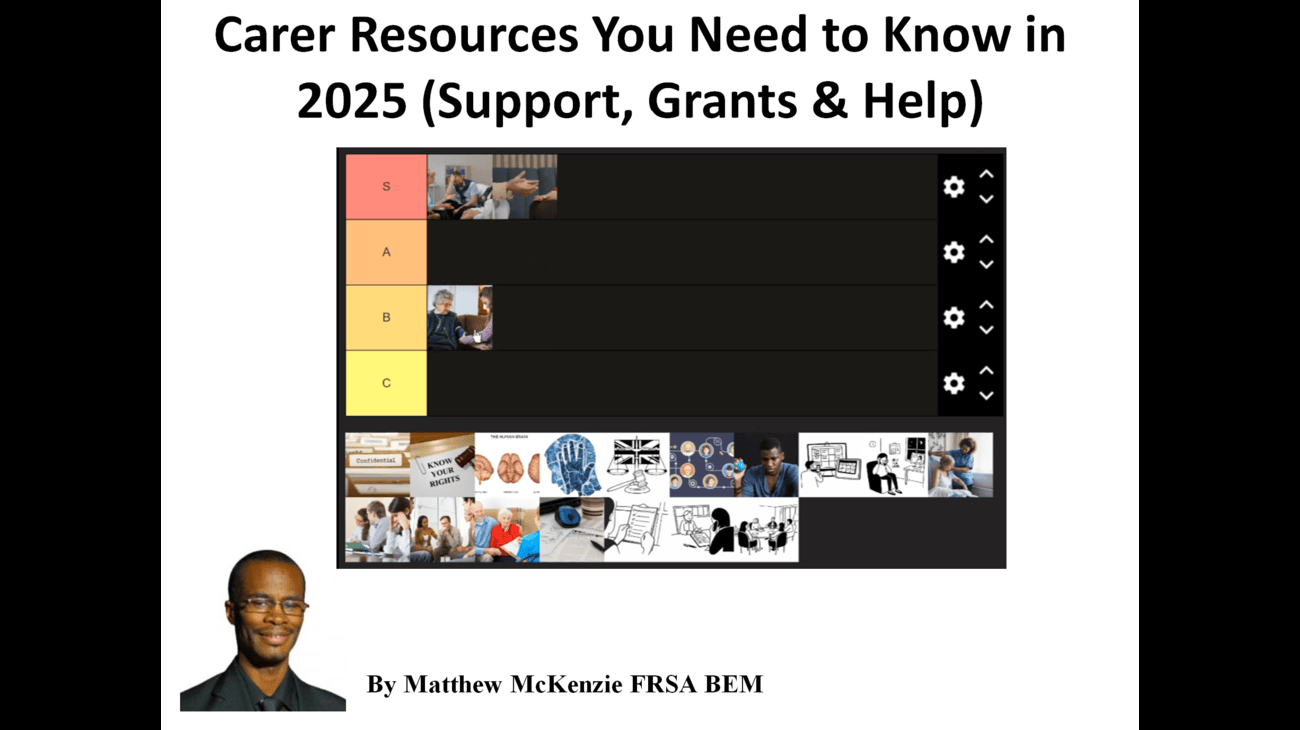
The Tiered Approach: Prioritizing Carers’ Needs

Resources for mental health carers can be overwhelming in scope from legal advice and crisis hotlines to financial support and practical training. To create clarity, resources are placed into four tiers:

  • S Tier (Essential): Survival-level supports; absolutely critical for continued caring and crisis management.
  • A Tier (Sustaining): Highly valuable resources that keep your caring role tenable in the long run.
  • B Tier (Enhancing): Important support systems that reduce daily strain and improve quality of life but aren’t as immediately pressing.
  • C Tier (Auxiliary): Long-term stability and planning; often overlooked but still necessary.

Let’s break down what falls into each tier and how you can access and leverage these resources effectively.

Carers: Unsung Heroes, Essential Supports

Mental health carers are the invisible backbone of the support system—shouldering enormous responsibility, often without recognition or adequate support. By focusing on these critical resources and prioritizing self-care as well as advocacy, carers can find greater resilience, confidence, and sustainability.

Remember, you are not alone. Whether you access support online, through local groups, or formal agencies, reach out, ask questions, and don’t accept “no” as the final answer when it comes to your rights and wellbeing. With the right resources and support system, caring for a loved one with mental illness can be not just a challenge to survive—but a journey where you both can thrive.

World Lung Cancer Day 2025: Honoring Unpaid Carers & Fostering Compassion

By Matthew McKenzie

On this World Lung Cancer Day (1st of August), we spotlight not only the impact of lung cancer itself, but also theose behind the scenes the unpaid family members, friends, and carers who provide unwavering love, support, and strength.

In this 8-minute video, hosted by myself from A Caring Mind, I explore:

  • The profound emotional and physical toll of caring for someone with cancer
  • The critical need for early detection, expanded research funding, and global health equity
  • The indispensable role of families and unpaid carers—whose contributions often go unrecognized

I also introduce major organizations leading the lung cancer fight:

  • European Respiratory Society (ERS) – promoting lung health through education, early diagnosis, policy advocacy, and improved treatment pathways
  • Forum of International Respiratory Societies (FIRS) – uniting global respiratory health organizations to advocate for prevention, clean air, and equitable access to care
  • Lung Cancer Foundation of America (LCFA) – funding innovative lung cancer research and amplifying the voices of patients and survivors to raise awareness and reduce stigma
  • Lung Cancer Research Foundation (LCRF) – accelerating research, supporting affected individuals, and organizing global awareness initiatives like World Lung Cancer Day

In the video I remind that behind the tragic statistic of over 1.6 million annual deaths worldwide, are stories of resilience and compassion: nights spent advocating in hospitals, hands held during chemotherapy, and hope sustained in the darkest moments.

What You Can Do:

  • Share the video to raise awareness
  • Support carers through mental health resources and recognition
  • Advocate for policies that include carers in healthcare support systems
  • Approach lung cancer conversations with empathy—not stigma

Today, we honor not just the patients, but those who stand beside them—quietly, persistently, lovingly.

“Caring Feels Like a Poem”: Inside Ealing Carers’ Monthly Online Poetry Workshop

“Caring feels like towels.”
“Smells like sweat.”
“Sounds like silence.”
These are not lines from a published anthology, but heartfelt expressions from unpaid carers who meet every month in a quiet online space to write, reflect, and reconnect—through poetry.

Welcome to the Ealing Carers Poetry Workshop, an online community gathering for carers, hosted on the last Friday of each month at 6 PM. It’s free, friendly, and, for many, deeply healing.

Why Poetry? Why Now?

For unpaid carers, life is often consumed by routines, responsibilities, and quiet sacrifices. There’s little time to stop and process the emotional weight of the role, let alone articulate it. That’s where poetry comes in.

Poetry doesn’t demand polished grammar or clever rhymes. It simply asks:
What do you feel?
And from that question, remarkable truths begin to emerge.

In a recent session, one carer described how “caring tastes like sweet and sour”—a vivid metaphor for the moments of tenderness mixed with exhaustion, patience, and the daily challenge of giving so much of oneself.

Another shared, “Caring feels like a balloon… slowly inflating until it might burst.”
The group nodded. They understood. No further explanation needed.

More Than Words

Each workshop is a gentle hour of guided prompts, group sharing (if you feel like it), and poetic reflection. Some come to listen. Some come to write. All leave feeling a little more grounded, and a little less alone.

Here’s what you can expect:

  • Creative prompts to help spark inspiration
  • No pressure to share if you’re not ready
  • A safe, confidential space led with empathy
  • A supportive community that “gets” the highs and lows of caring
  • Gentle encouragement to save and revisit your poetry as a personal record

One participant put it perfectly:

“You don’t have to be a poet. You just need to be willing to put words to what you feel.”

Healing Through Expression

We often talk about self-care for carers, poetry is one powerful, practical form. It’s a creative release that helps untangle emotions that don’t have easy answers. It can reflect joy, grief, humour, fatigue, hope. It can be messy. It can be raw. But above all, it’s yours.

As the facilitator beautifully says,

“Poetry holds up a mirror. What you see in it is up to you.”

For many carers, this monthly workshop has become a lifeline. A moment of peace. A reminder that their experiences matter.


If you are an unpaid carer, then Join Us – You Are Welcome

Whether you’re new to writing or simply curious, we invite you to take an hour for yourself.

🗓️ When: Last Friday of every month
🕕 Time: 6:00 PM (UK time)
🌐 Where: Online – attend from the comfort of your own home
🎟️ Reserve your free place here:
👉 Ealing Carers Poetry Workshop – Eventbrite

Grab a notebook. Pour a cup of tea. Come write with us.

Balancing Faith and Care: Navigating Mental Health Challenges for Black Carers

Understanding the Role of Faith and Spirituality in Caregiving

Caregiving is often seen as an act of love and dedication, where individuals selflessly care for loved ones dealing with long-term physical or mental health issues. For many, the journey of caregiving can be particularly challenging, filled with emotional, physical, and psychological hurdles. However, one essential aspect often intertwined in this journey, especially for black carers, is faith and spirituality.

To watch the video lecture by Matthew McKenzie, click the video below

The Intersection of Faith, Spirituality, and Caregiving

Faith and spirituality can significantly influence those who are unpaid carers or caregivers, particularly within minority communities. Whether through organized religious beliefs, church communities, or personal spirituality, faith can provide strength, resilience, and coping mechanisms essential for caregivers.

Continue reading

Unpaid Carers: Understanding Rights and Advocacy for Mental Health Support

Introduction to Unpaid Carers and Their Rights

Here is another blog post aimed at those caring for a loved one living with mental illness. If you want to see the video lecture of “Advocacy & Mental Health Care Top Questions Every Carer Should Ask”. Click on the video below.

Caring for someone with a long-term mental illness is both a noble and challenging task. In today’s society, unpaid carers, often family members or close friends, play a crucial role in supporting individuals with mental health needs. Despite their importance, unpaid carers frequently navigate a complex and overwhelming landscape of rights, services, and support systems.

Continue reading

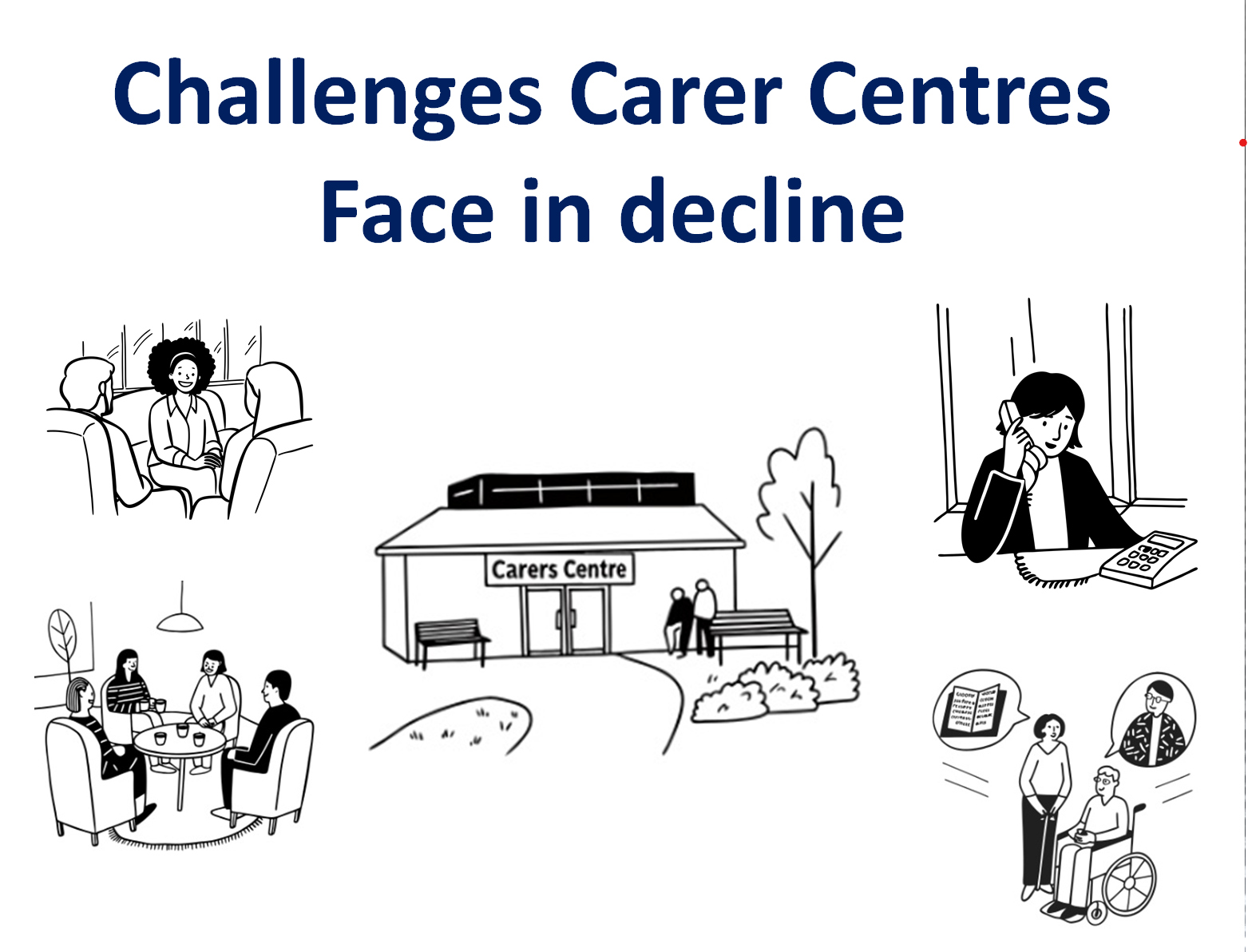
Challenges Carer Centres face

Understanding Unpaid Carers and the Vital Role of Carer Centers

This blog is by carer activist Matthew McKenzie. In the UK, millions of people, often unnoticed and unappreciated, dedicate their lives to caring for family members with long-term physical or mental health conditions. These unpaid carers are the backbone of the caregiving system, yet they face numerous challenges daily. Here, we delve into the crucial role of carer centers, the obstacles they encounter, and potential solutions to sustain and enhance their vital services.

What is a Carer Center?

Continue reading