By Matthew McKenzie BEM FRSA – Unpaid Carer, Author, Poet and Mental Health Carer Advocate
Introduction – Bringing Mental Health Nurses, Carers and Lived Experience Together
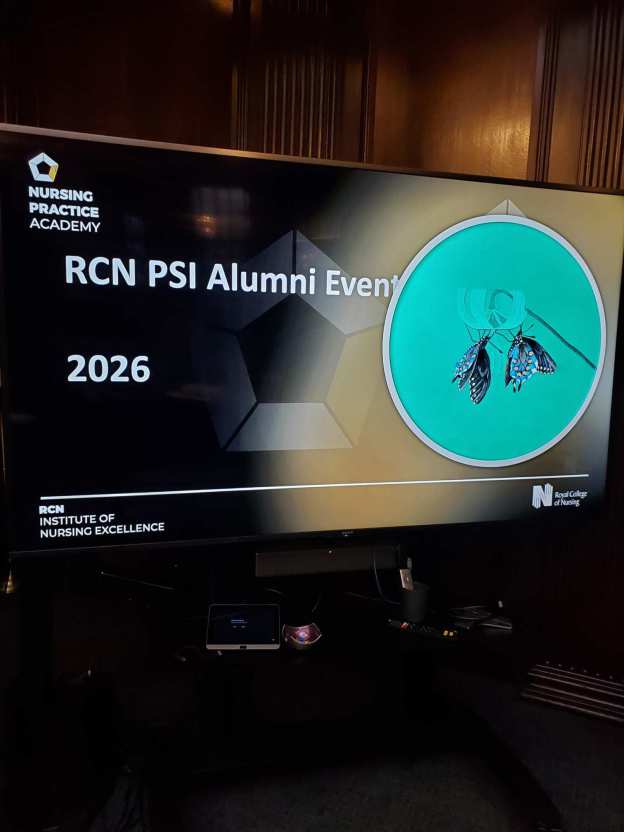
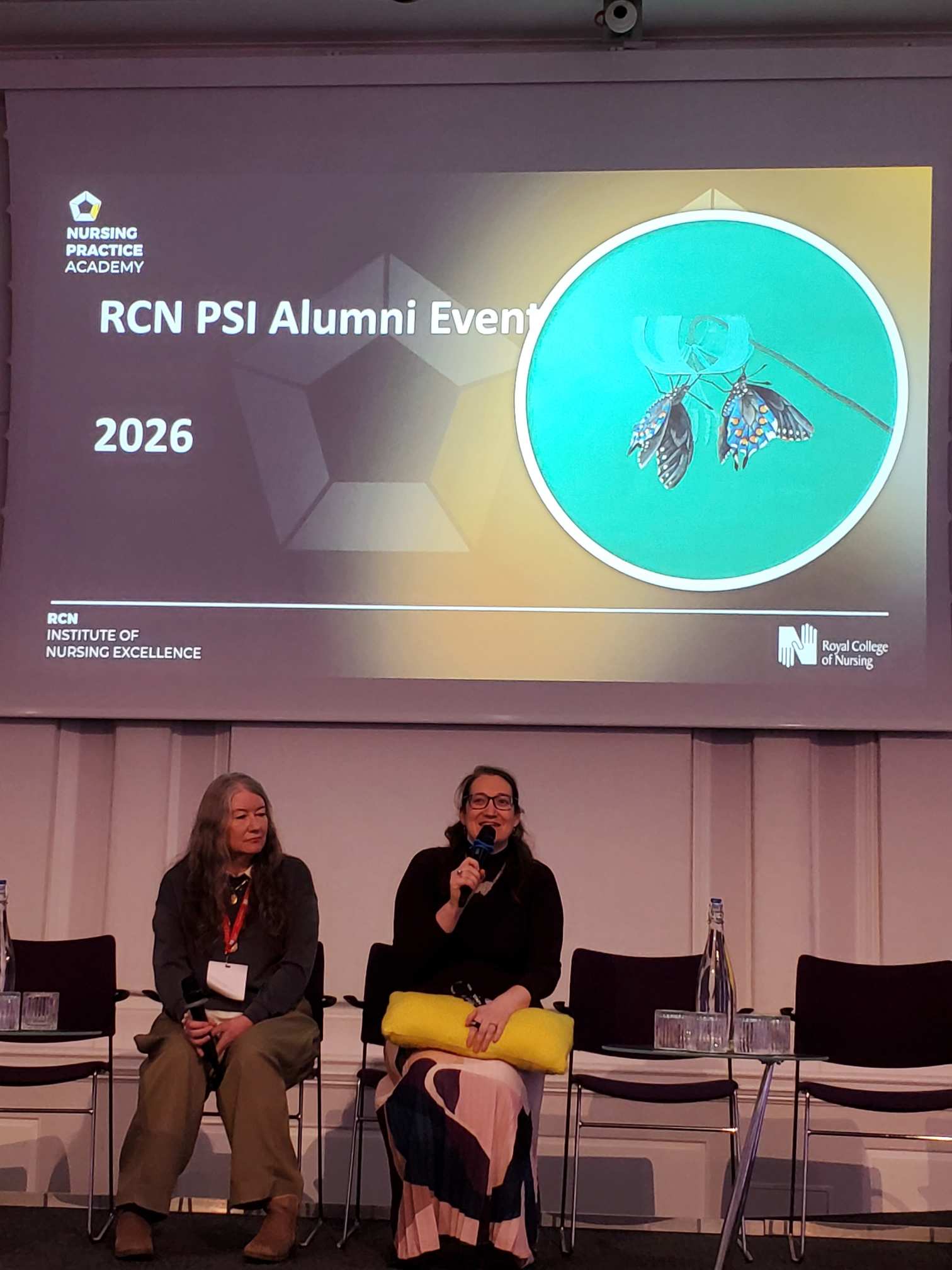
On Monday 2 November 2026, I had the pleasure of attending and contributing to the Royal College of Nursing (RCN) Psychosocial Interventions (PSI) Alumni Conference.

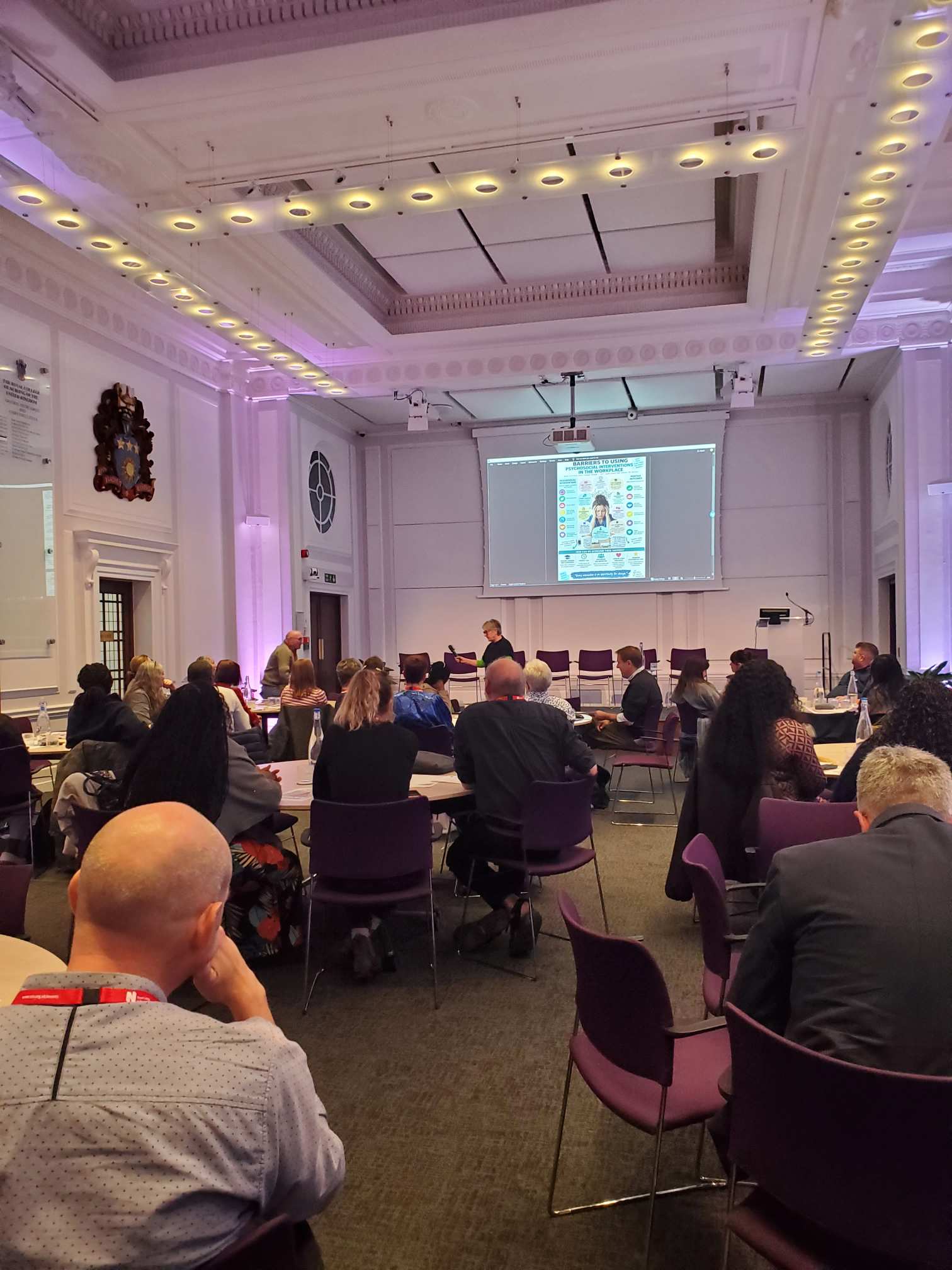
The conference brought together mental health nurses, PSI course alumni, educators, researchers, facilitators, people with lived experience and unpaid carers from different parts of the country.
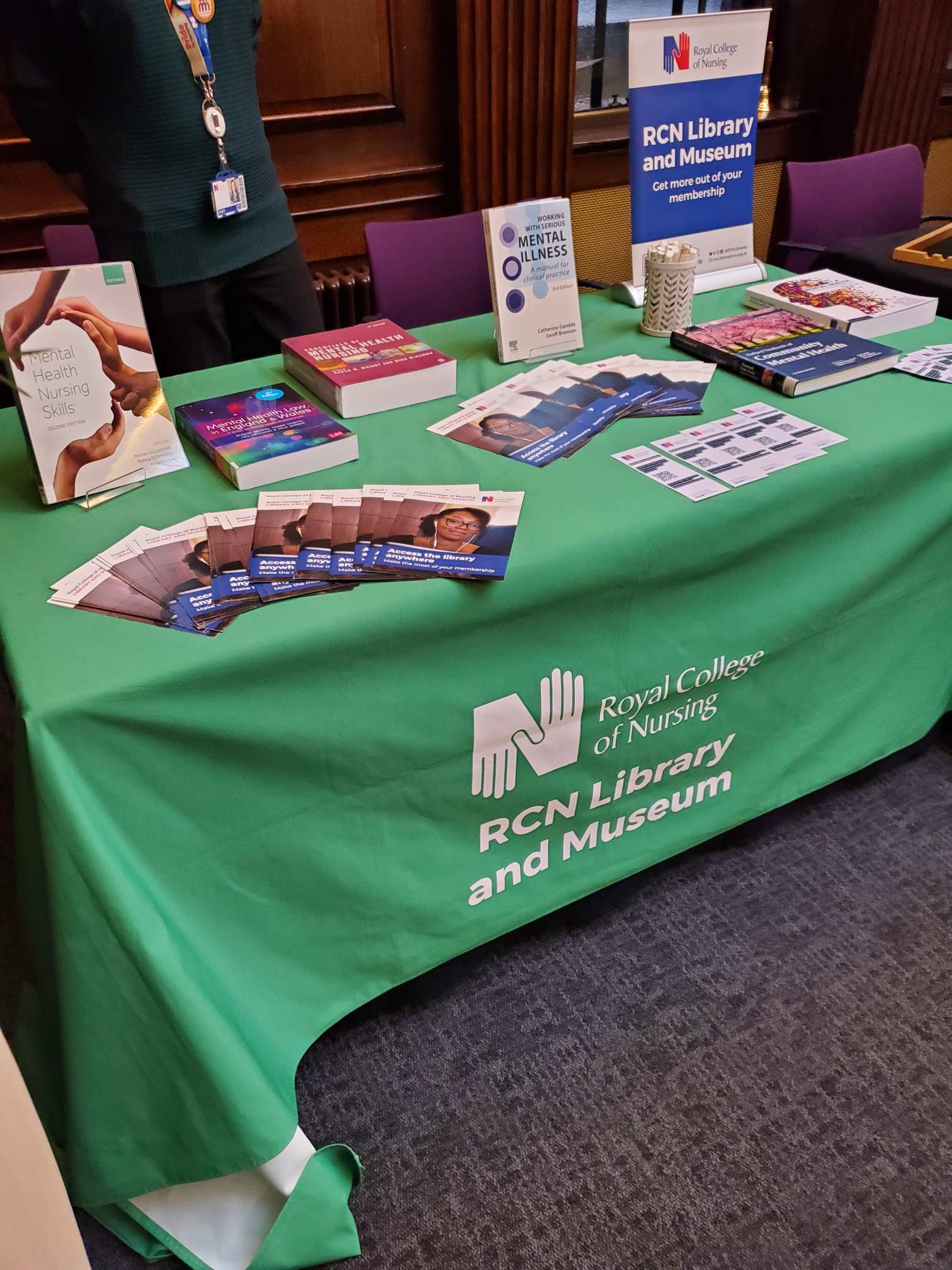
For me, it was another valuable opportunity to contribute the experiences of unpaid carers and families to the development of mental health nursing.
Having spent many years supporting my mother through her experiences of schizophrenia, alongside my responsibilities involving my two autistic brothers, I understand how important compassionate, skilled and knowledgeable mental health professionals can be to families.
I was particularly pleased to participate in the conference’s lived-experience co-production panel, where we explored how working relationships develop between professionals, patients and carers, and why meaningful involvement must extend beyond simply inviting people to share their stories.
Throughout the day, I was reminded that mental health nursing is not only about clinical interventions, assessments or medication. It is also about understanding the person, their relationships, their cultural background and the people supporting them outside services.
Understanding Psychosocial Interventions and Their Importance
Psychosocial interventions provide mental health nurses with approaches and skills to understand and support people experiencing mental health difficulties.
These approaches encourage practitioners to think beyond symptoms and diagnoses, considering the psychological, social, emotional and environmental circumstances affecting an individual’s wellbeing.
The RCN PSI programme is a nine-month professional development course designed to strengthen registered mental health nurses’ therapeutic skills and evidence-informed practice.
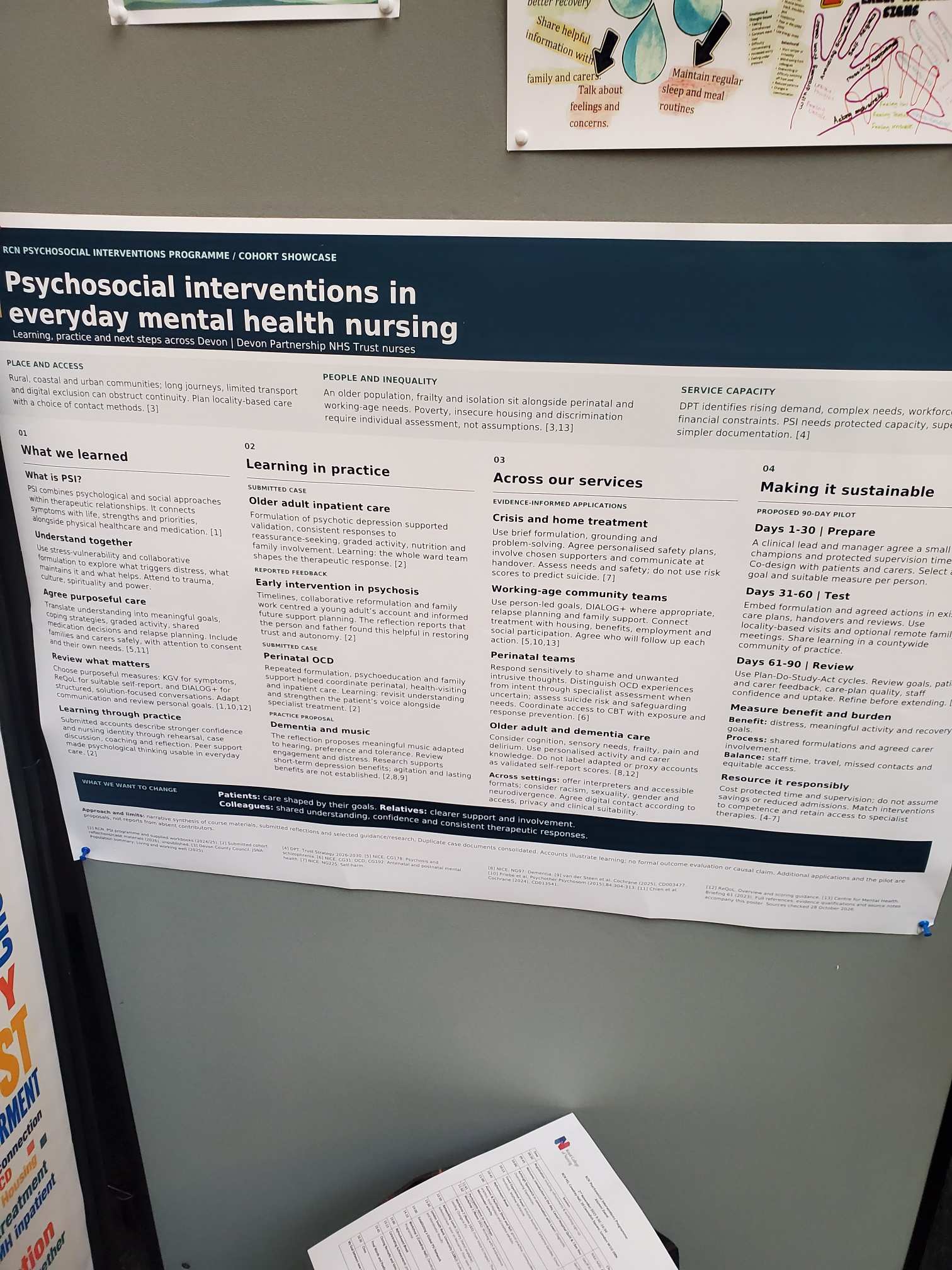
An important message throughout the conference was that nurses should have the confidence and skills to develop therapeutic relationships, recognise trauma, engage families and help individuals participate in decisions about their care.
This particularly interests me as a carer advocate.
Families may spend years supporting someone through periods of crisis, admission, discharge and recovery. Yet their knowledge and observations are not always fully recognised within services.
PSI offers an opportunity to strengthen that relationship between the person receiving care, their family and the professionals supporting them.
I was encouraged by the number of nurses attending who were passionate about improving their practice and sharing what they had learned with colleagues.
Opening Reflections – Listening to Lived Experience
The opening session placed lived experience at the centre of the conference.
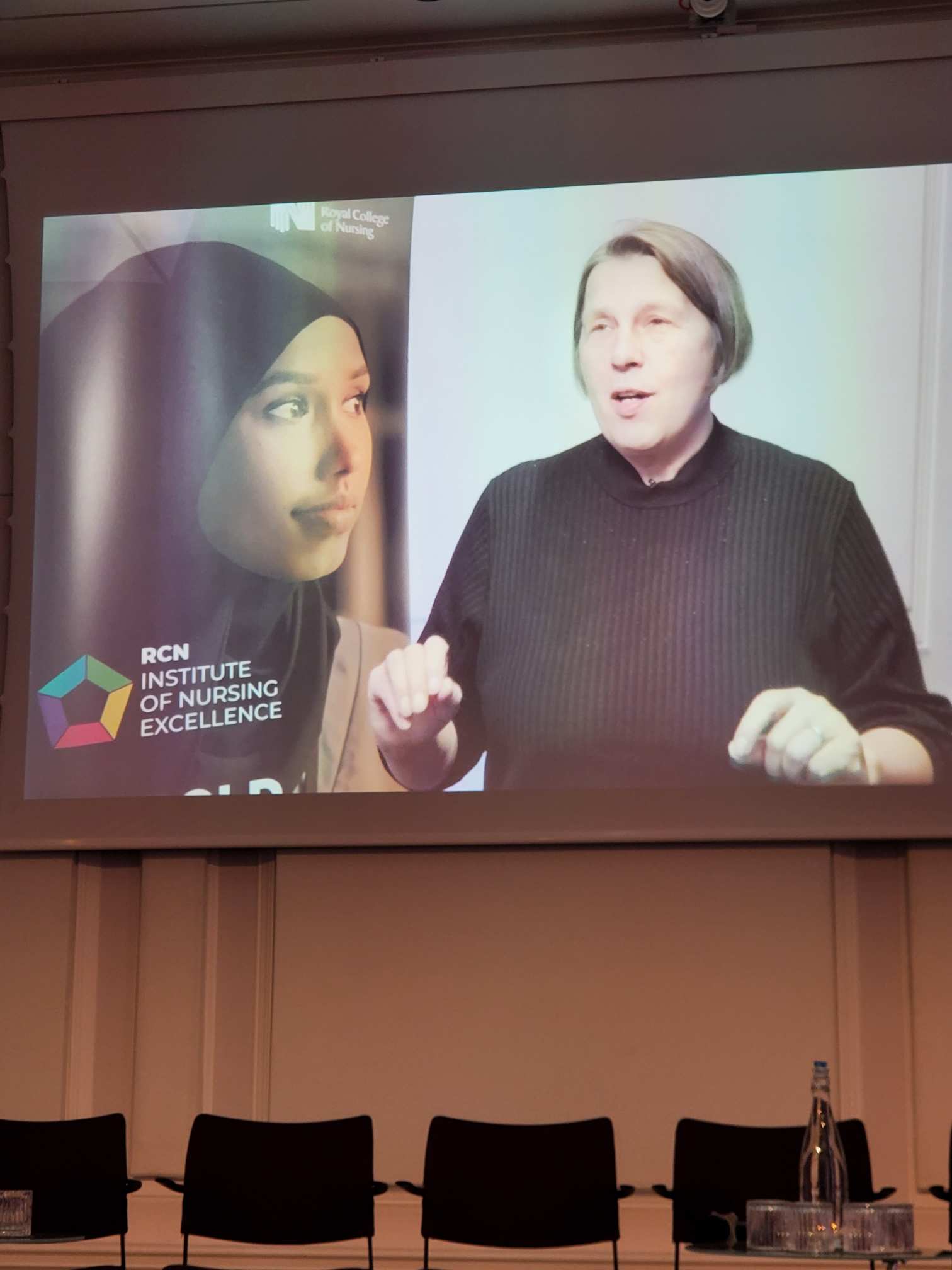
Hannah Cadogan reflected on her involvement in lived-experience work and the importance of psychosocial approaches in understanding experiences that people may struggle to communicate.
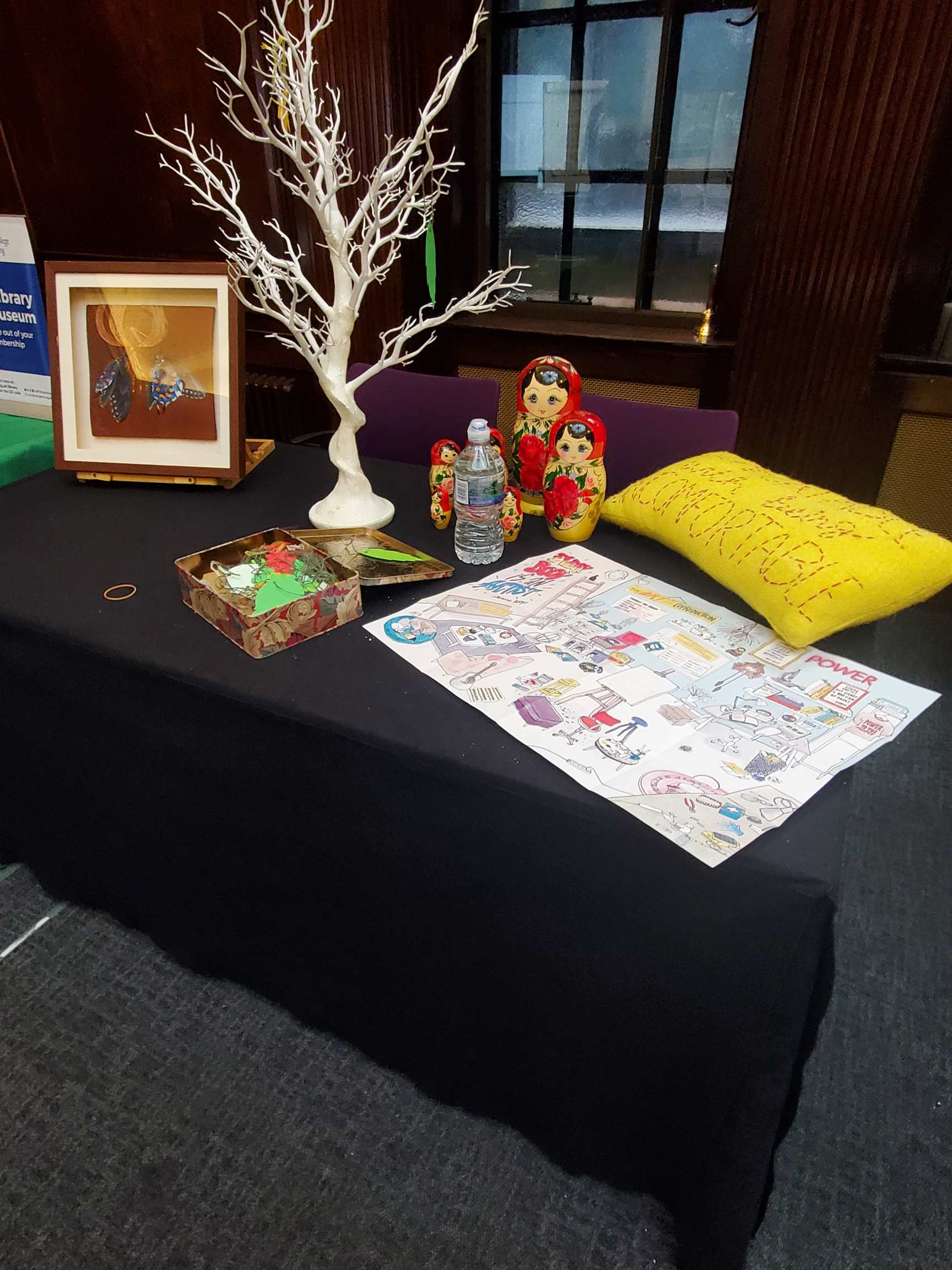
She discussed a collaborative quilt created through the involvement of patients, staff and carers associated with Castle Hospital.
The quilt provided a powerful example of how creativity can bring different people together.
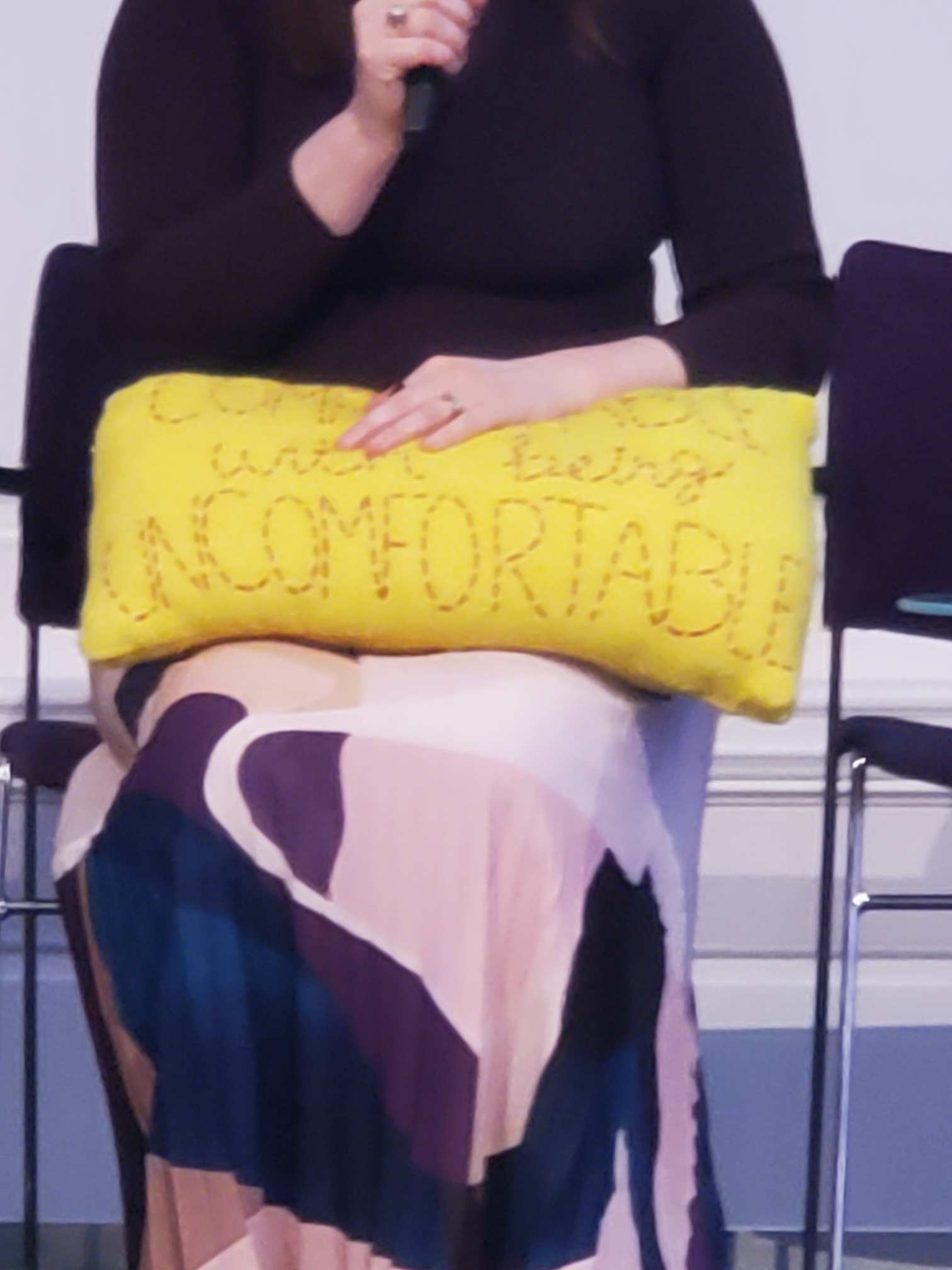
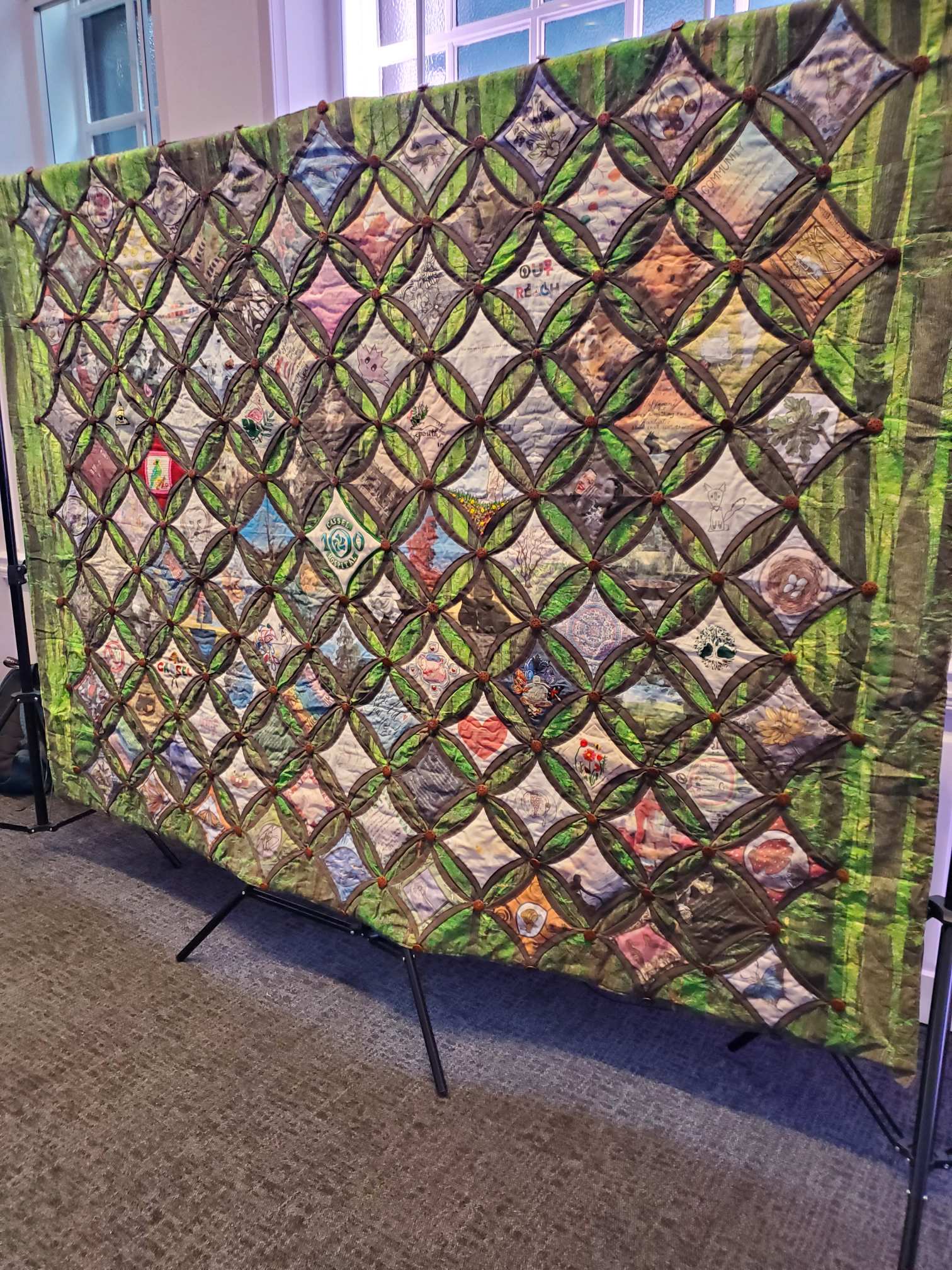
It also demonstrated that people do not always communicate their experiences through conversation alone. Sometimes art, creative expression and shared activities provide different opportunities for people to explain what they are feeling.
This particularly resonated with my own interests in poetry and creative wellbeing.
Through the poetry groups I facilitate for unpaid carers, I have seen how creative expression can help people communicate emotions that may otherwise remain hidden.
Another opening contribution came from Sinead, a bereaved parent who spoke movingly about her daughter and the importance of services understanding the different aspects of a person’s life.
She highlighted the value of bringing together families, communities and professionals who each hold different knowledge about an individual.
Her contribution was a reminder that no single professional, service or family member necessarily understands every aspect of someone’s experiences.
It is through listening and collaboration that a fuller picture can emerge.
For me, this reinforced the importance of meaningful co-production and involving families before difficulties escalate.
Learning From a Personal Recovery Journey
Ashley Knight, a PSI alumnus, shared the experiences of patient whose journey involved neurocysticercosis, neurological complications and a period of severe psychosis that resulted in psychiatric hospital treatment.
The presentation explored how physical and mental health problems can overlap, and why assumptions about someone’s condition can have serious consequences.
What particularly interested me was Lowri’s reflections on what had helped her recovery.
She valued professionals who made time to sit with her, listened to her concerns and recognised who she had been before becoming unwell.
She also highlighted the importance of honest communication, avoiding premature conclusions and including her family in discussions, particularly when she was unable to participate fully herself.
This was a significant learning point.
Sometimes carers and families are given limited information or find themselves excluded from discussions, even when they have been supporting someone for many years.
While confidentiality remains important, services must also consider how they can communicate effectively and appropriately with families.
Listening, compassion and taking time to understand someone’s circumstances should never be underestimated.
My Contribution to the Lived-Experience Co-production Panel
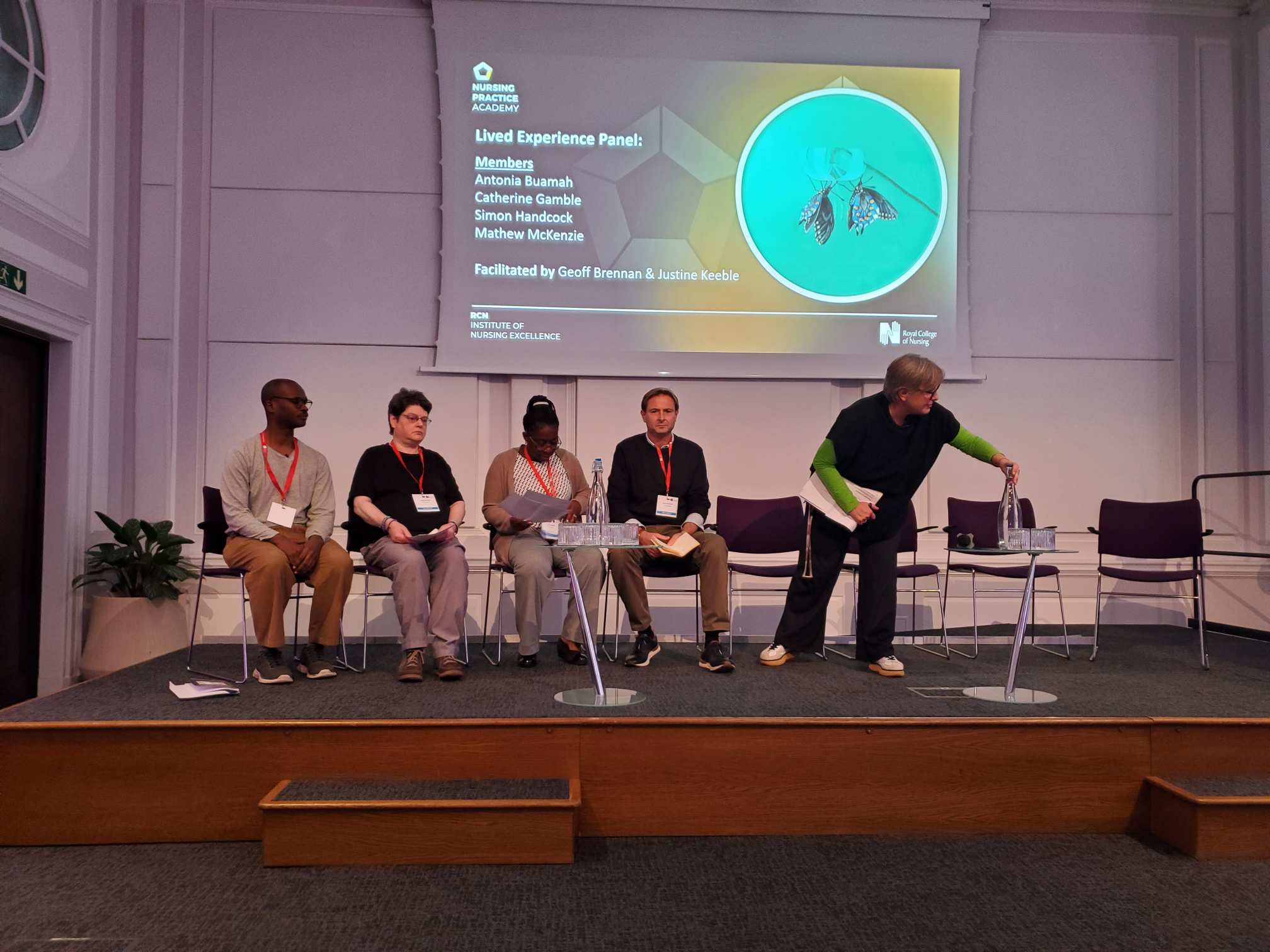
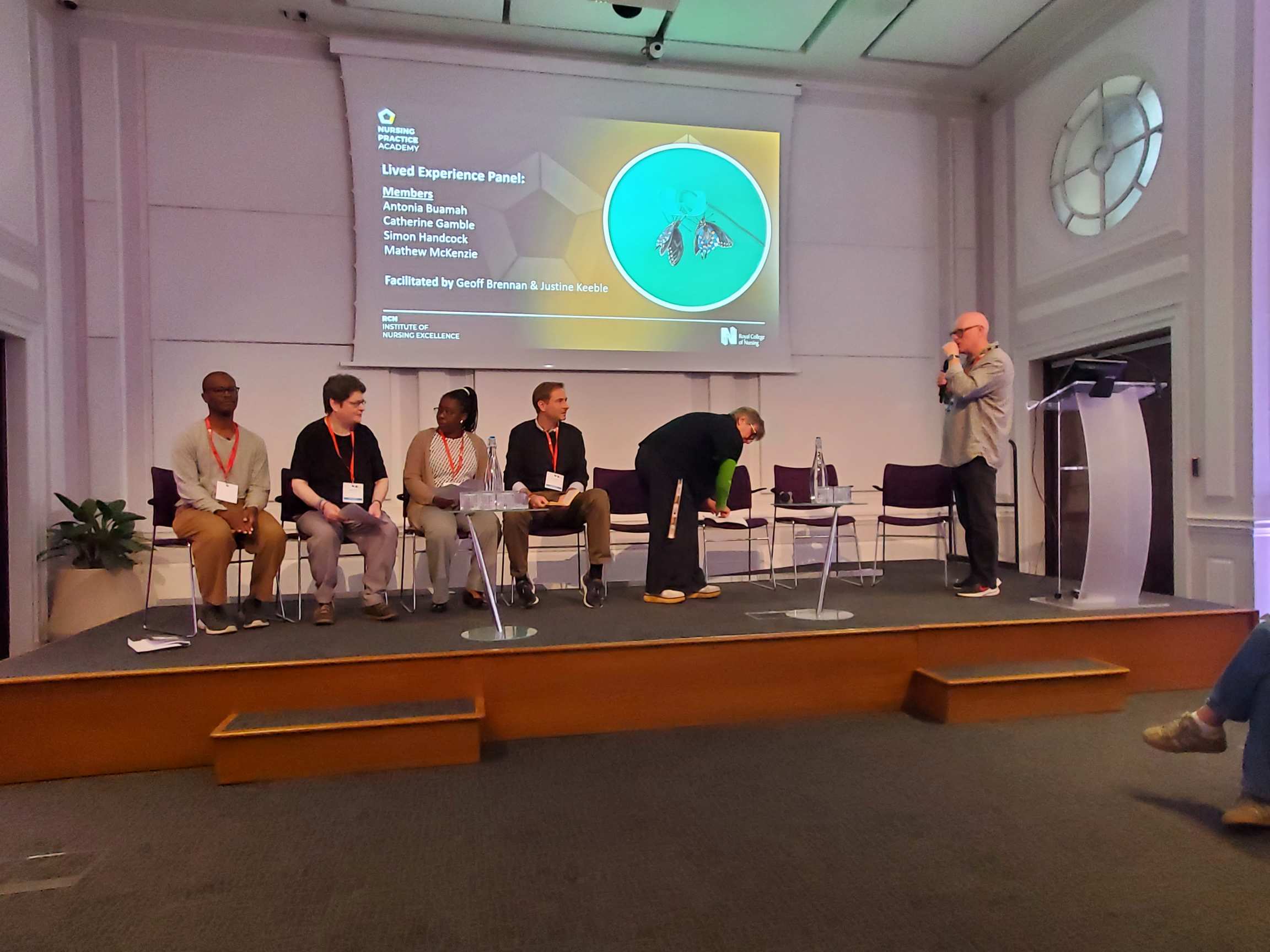
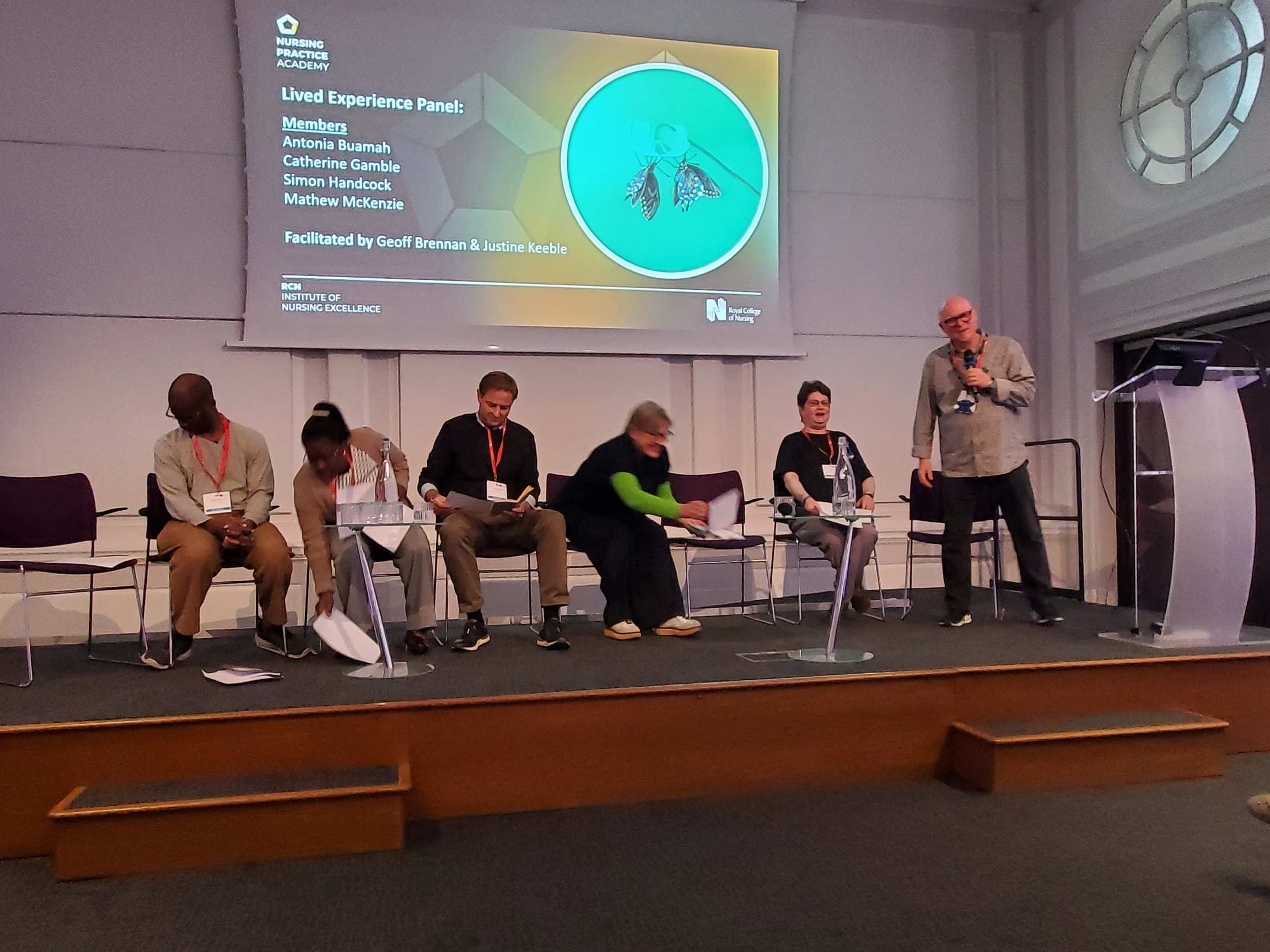
One of the most meaningful parts of the conference for me was participating in the co-production panel alongside other lived-experience contributors, including Simon and Antonia, with Catherine helping guide the discussion.
The panel explored how partnerships develop, what builds trust and how involvement contributes to both personal and professional growth.
I spoke from my experiences of being an unpaid carer and from my wider involvement in mental health carer forums, service development and training.
For many years, I have witnessed the pressures experienced by families supporting relatives with complex mental health needs.
I have also recognised the considerable pressures experienced by mental health nurses, particularly during periods of increasing service demand and limited resources.
My message was that carers and professionals need opportunities to learn from one another.
Nurses bring clinical expertise, therapeutic skills and professional knowledge.
Carers bring observations and experiences gained from supporting relatives in everyday life, often over many years.
Both forms of knowledge are important.
Building trust through involvement
During the panel, we discussed the importance of developing relationships beyond traditional professional boundaries.
Trust cannot simply be expected because someone holds a professional role.
It develops when people are listened to, treated with respect and given opportunities to contribute.
For carers, this may mean being invited into discussions about care planning, participating in service improvement or contributing to the training of mental health professionals.
I explained that being involved in organisations and learning from professionals has contributed greatly to my own understanding of mental health services.
I am continually learning about the challenges nurses face, the approaches they use and the developments taking place within mental health care.
In turn, I try to share that knowledge with other families and unpaid carers through my forums, presentations, blogs and wider advocacy work.
Supporting professional growth through shared learning
Another question explored how involvement had supported recovery or professional growth.
I reflected on the value of learning from others and being part of organisations that are helping shape mental health services.
Although my experiences as a carer have involved considerable challenges, they have also given me opportunities to contribute to training, service development and national discussions.
I believe that meaningful involvement can encourage other carers to recognise that their experiences are valuable.
When people with lived experience see others contributing to conferences, workshops and professional education, it can demonstrate that their voices matter.
This should not be about providing a personal story and then being forgotten.
It should be about developing continuing partnerships in which carers and people with lived experience can influence how services operate.
What Makes Co-production Successful?
An audience member asked the panel for advice about establishing groups and encouraging people to participate.
This was a question I found particularly interesting because I facilitate several mental health carer forums and understand the difficulties involved in building participation.
I explained that it is important to listen to carers who are passionate about change and encourage those who wish to work constructively with others.
People often come to forums carrying years of frustration or disappointment about services.
Their experiences should be recognised, but there must also be opportunities to turn concerns into learning and practical improvements.
I also reflected on the importance of persistence.
A group may begin with only a handful of participants. Over time, as people hear about the work being undertaken and begin to see its value, further involvement can develop.
Other panel members highlighted the importance of psychological safety, recognising people’s vulnerability and ensuring that nobody’s contribution is treated as less important than another’s.
There was also an important reminder that success should not simply be measured by attendance numbers.
A small group of committed participants can still make a meaningful difference.
Another valuable suggestion was to involve carers or people with lived experience as co-facilitators rather than expecting one professional to lead every aspect of a group alone.
For me, this reflects the fundamental principle of co-production.
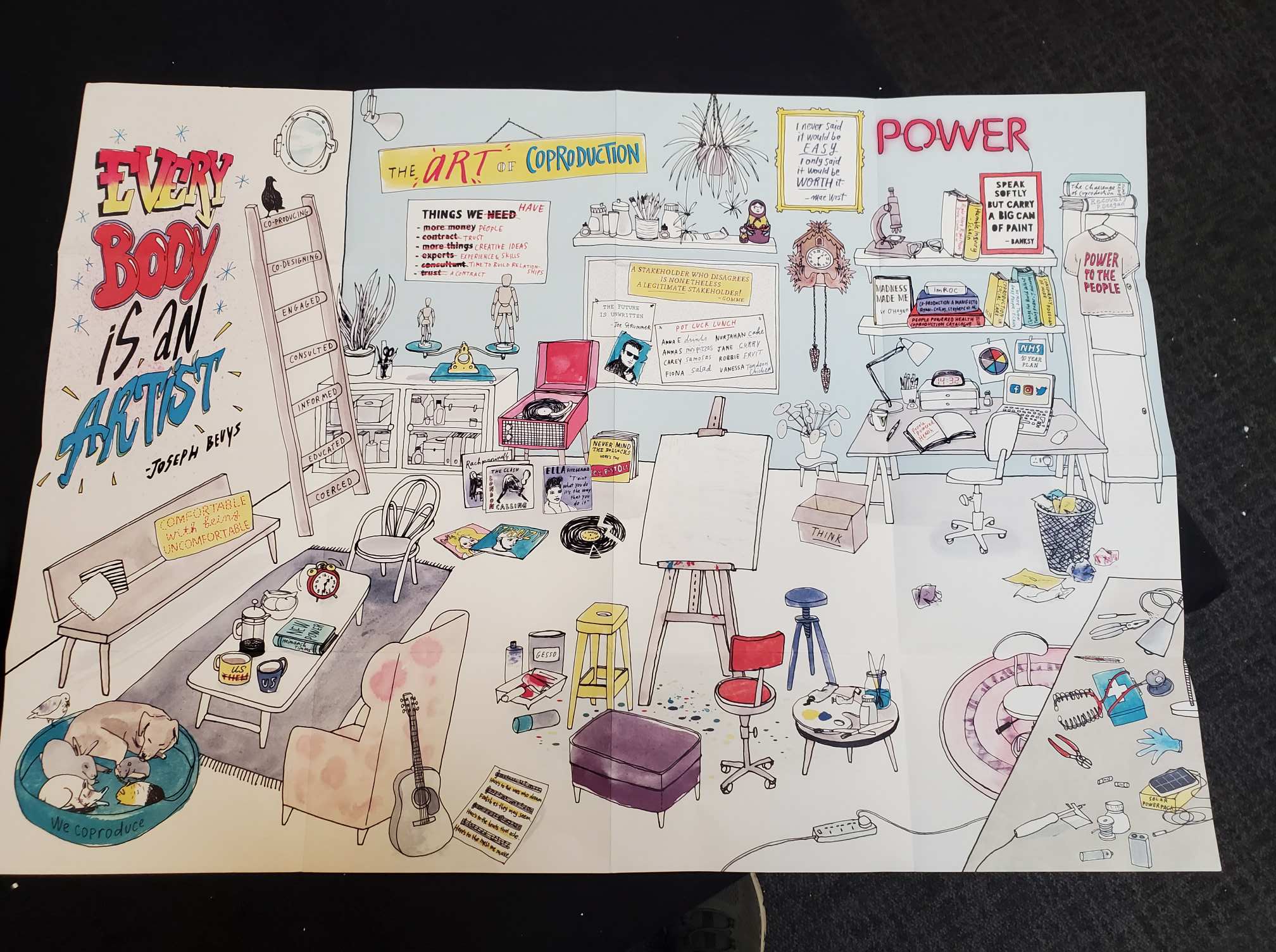
Co-production is not simply asking people for their opinions. It is about sharing responsibility, recognising different forms of expertise and working together towards meaningful change.
Networking With Mental Health Nurses and Sharing Carer Resources
Following the panel, I had opportunities to speak individually with several conference participants.
One particularly valuable conversation was with Hazel, a mental health nurse and PSI facilitator involved in teaching about working with families.
We discussed how her educational work had developed through contributions from parents and carers.
Rather than limiting participation to personal testimonies, she described how carers had helped design learning activities, provide feedback to students and contribute to reviewing the teaching module.
I was particularly encouraged by this approach.
I explained that one of the next stages of meaningful involvement should be enabling carers to contribute not only their stories but also to teaching, evaluating learning and shaping how courses develop.
This gives carers a stronger role in professional education.
Moving beyond telling a story
Sharing lived experience can be powerful, but there is a risk that organisations become too dependent on asking carers to repeatedly describe difficult experiences.
I believe there are further opportunities for carers to contribute through:
- Co-designing learning materials and training sessions.
- Participating in role-play and simulated assessments.
- Giving structured feedback to professionals.
- Reviewing educational programmes and service developments.
- Supporting evaluation and identifying areas for improvement.
Our conversation reinforced how valuable this approach can be.
I also shared information about my Caring Mind Blog, my books, poetry and videos, including my work on the Patient and Carer Race Equality Framework (PCREF).
We discussed my recent involvement in the Sussex PSI event and how blogging can help promote good practice, share learning and encourage other organisations to become involved.
It was encouraging to hear about further conference activity being developed and the possibility of continuing these conversations.
From Voice to Impact – Addressing Inequality in PSI Training
One of the workshops I attended was titled From Voice to Impact, facilitated by Cheryl Mbando and colleagues.
This session explored representation and the barriers affecting participation in PSI professional development, particularly among nurses from Black and minority ethnic and Global Majority backgrounds.
The discussion was particularly relevant to my work around PCREF and tackling racial inequalities in mental health services.
The workshop explored why some groups of staff may have fewer opportunities to participate in professional development, despite the value that training can bring to both staff and patients.
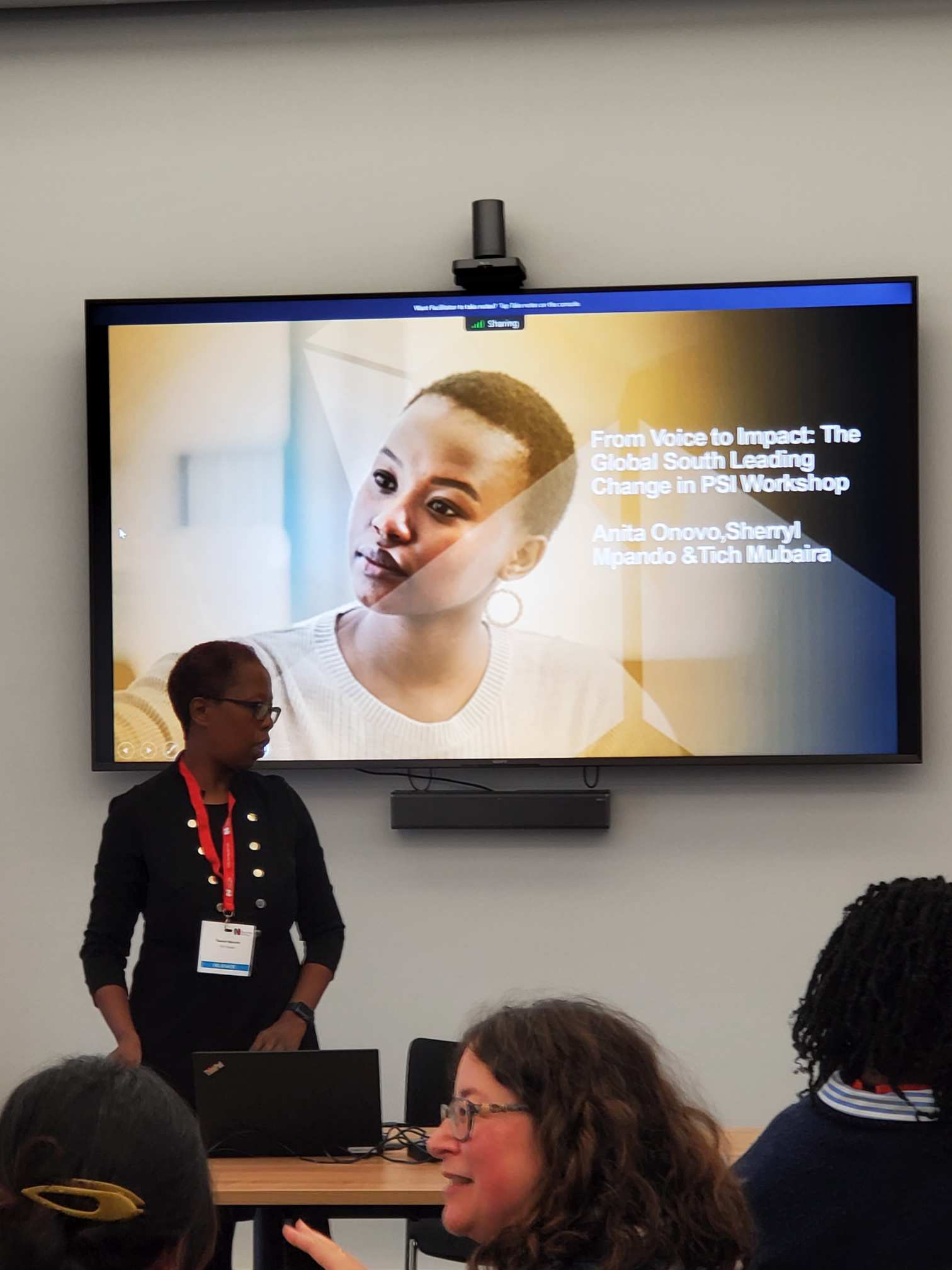
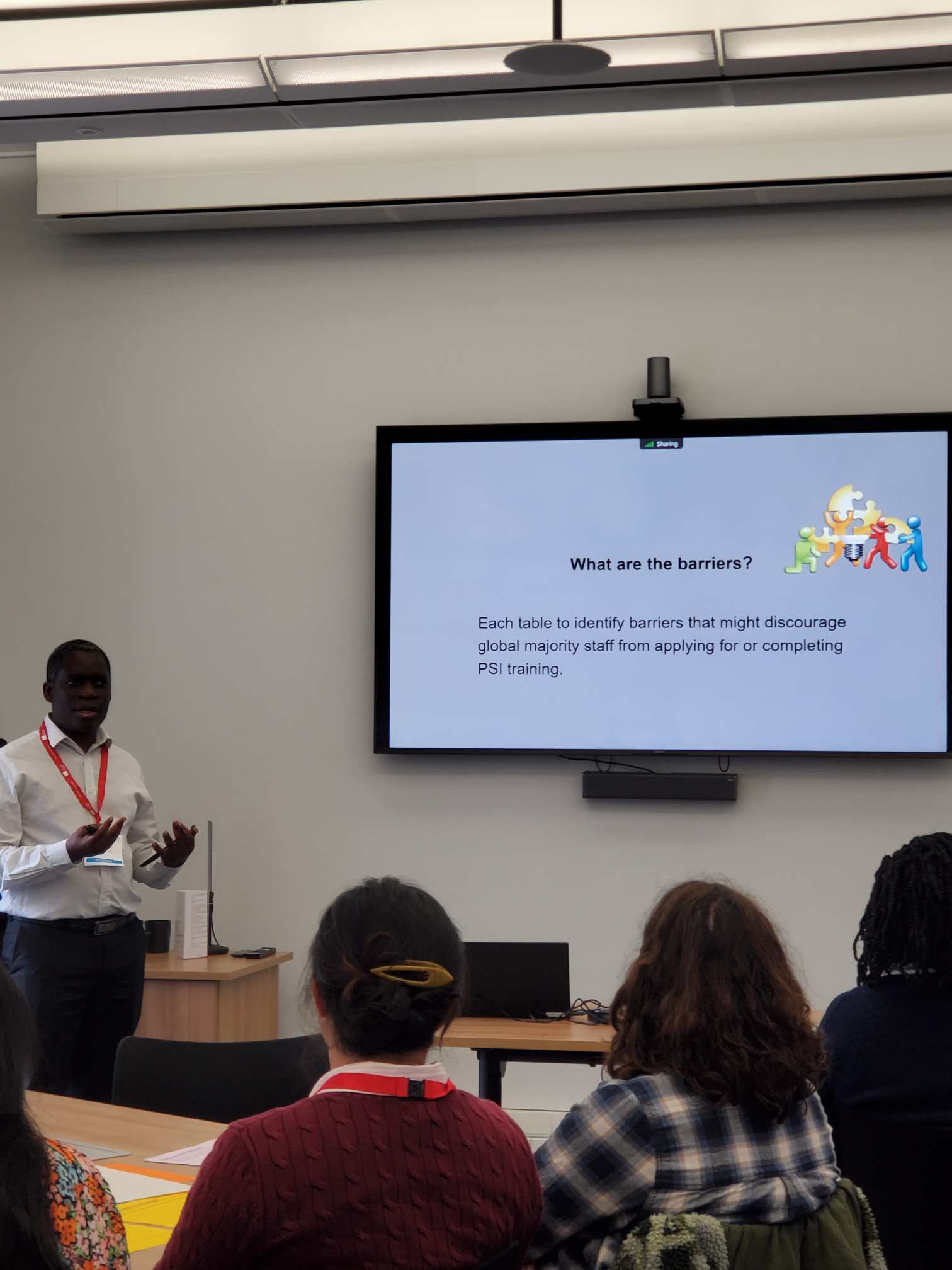
Participants discussed several potential barriers, including limited awareness of courses, unequal access to training opportunities, lack of support from managers, staffing pressures, unclear information about benefits and insufficient representation in senior or mentoring roles.
It was interesting to hear participants share how some had discovered PSI training almost by chance, rather than through a consistent process of encouraging professional development.
The workshop also explored how organisational cultures and assumptions can influence who is supported to undertake additional training.
Moving towards practical solutions
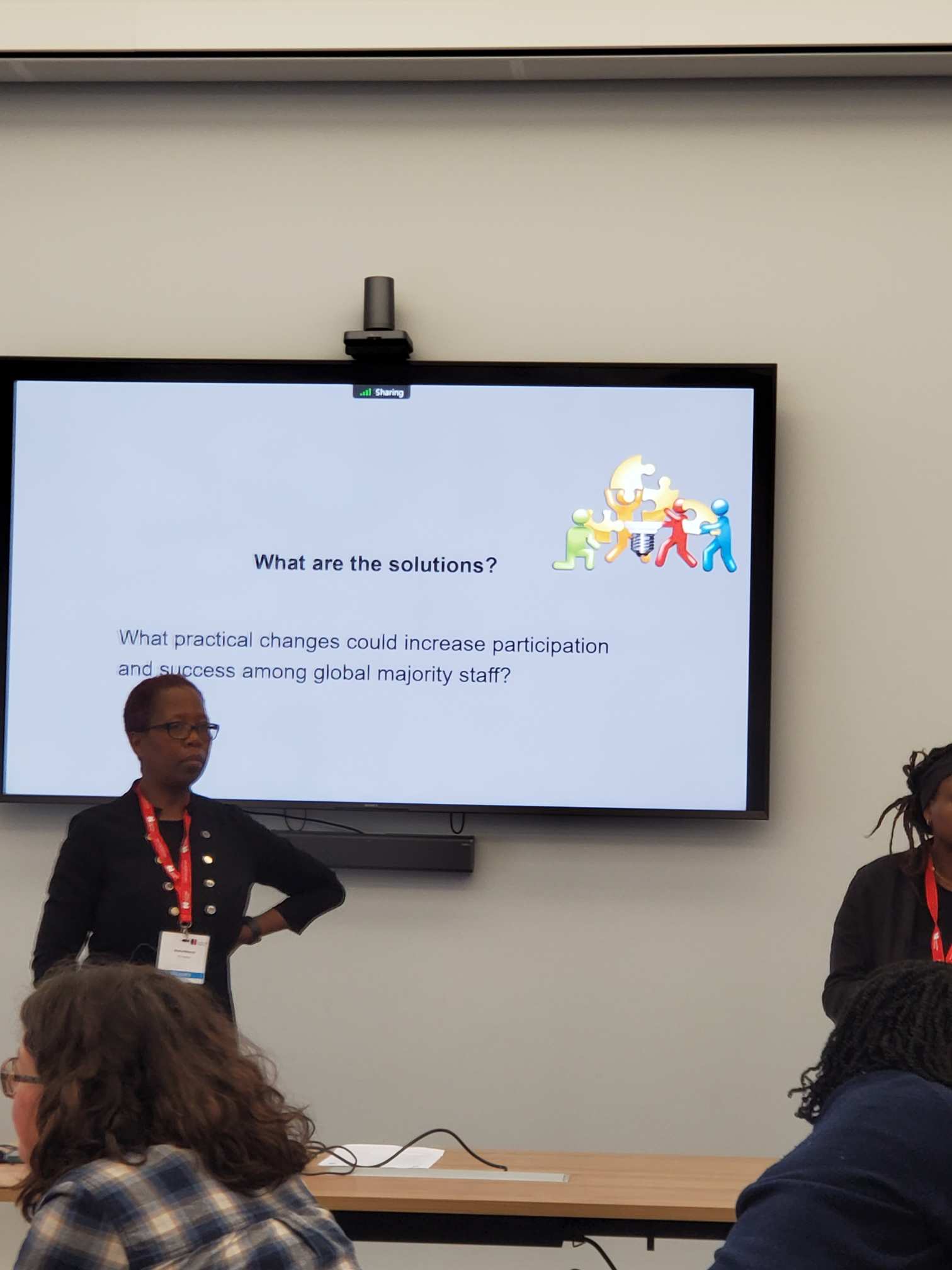
Rather than simply identifying barriers, participants were encouraged to consider what individuals, teams and organisations could do differently.
Suggestions included clearer communication about training opportunities, better support for staff undertaking courses, stronger leadership commitment and sharing learning across teams.
Another important suggestion was embedding PSI knowledge and competencies into organisational structures, rather than treating the training as an isolated opportunity.
I was particularly interested in the discussion about representation.
When organisations want to improve culturally responsive mental health services, they must also consider whether development opportunities are accessible and equitable for the workforce.
A diverse workforce needs equitable opportunities to progress, develop and influence professional practice.
There is also an important connection with PCREF.
Improving racial equity in mental health care requires attention not only to the experiences of patients and carers, but also to how staff are supported, trained and valued.
What Does the PSI Evaluation Tell Us?
Another significant session focused on an independent evaluation of the RCN PSI programme.
The presentation explored how the course had influenced nurses’ confidence, professional identity, attitudes towards evidence-based practice and experiences of learning.
The evaluation included survey responses from 82 participants, alongside a smaller number of qualitative interviews.
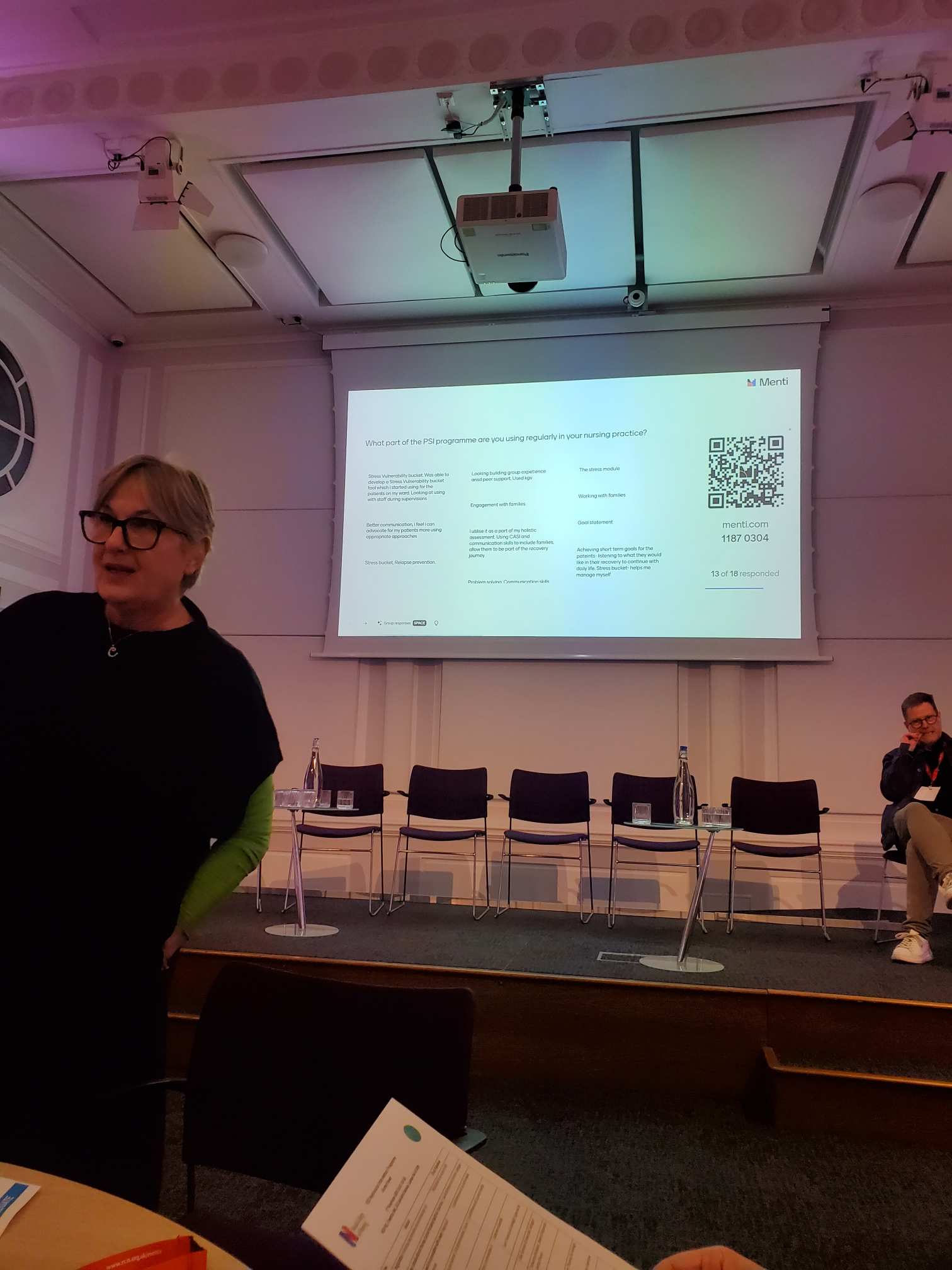
The findings presented were encouraging.
Participants reported high levels of satisfaction with their learning and confidence in the skills developed through the course.
The evaluation also identified an important relationship between openness to evidence-based practice and reported confidence.
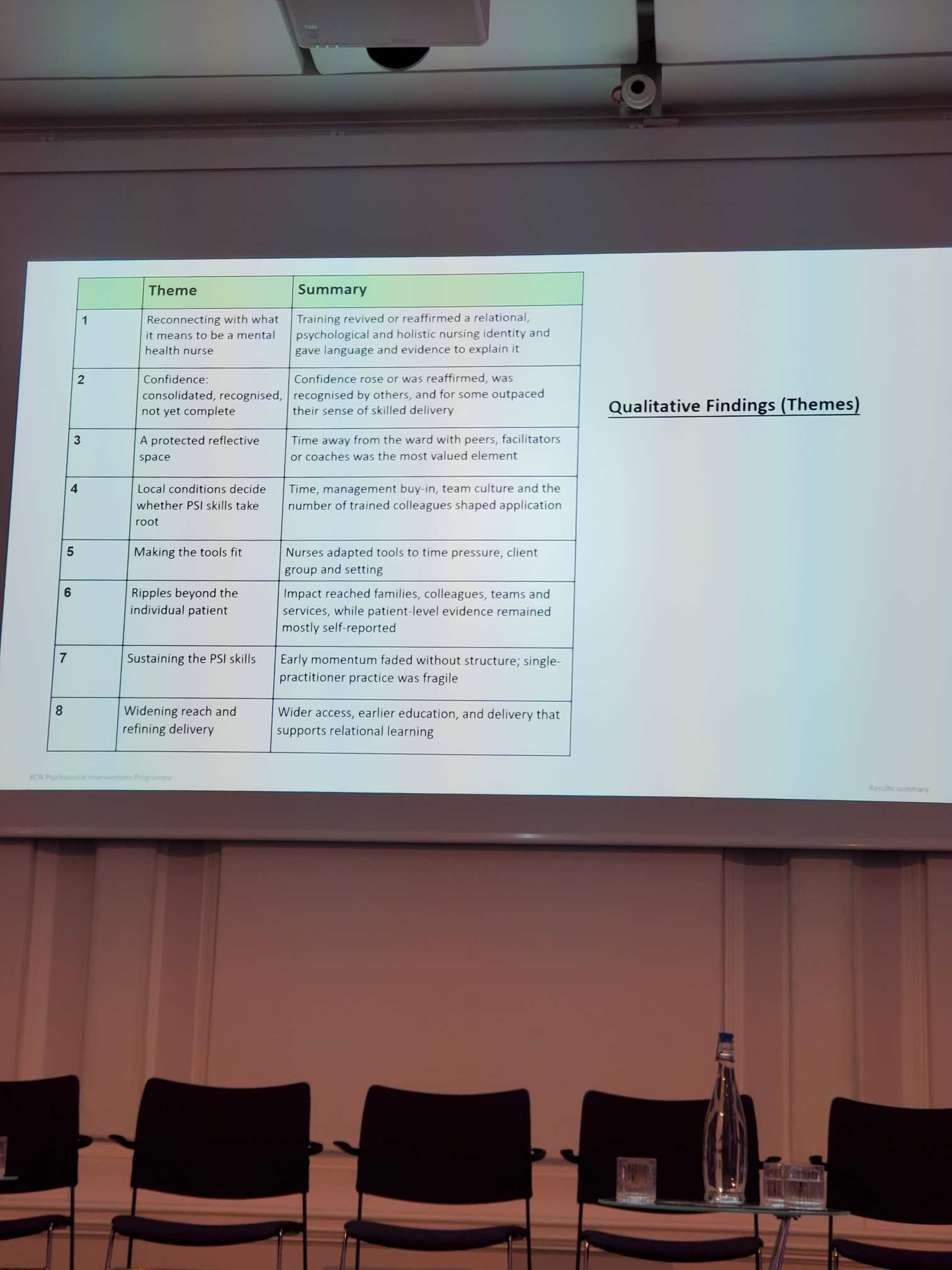
Qualitative feedback suggested that the course helped some nurses reconnect with their professional identity and reminded them of the value of therapeutic relationships and psychologically informed care.
However, the presentation also highlighted limitations.
The findings relied partly on self-reported experiences and did not establish long-term improvements in patient outcomes.
Participants also raised concerns about whether newly developed skills could be sustained without appropriate organisational support.
This is an important distinction.
Training can strengthen knowledge and confidence, but professionals also need opportunities to apply what they have learned.
From a carer’s perspective, I would welcome future evaluation that also explores what patients and families notice when nurses receive PSI training.
Are families more involved?
Do carers feel listened to?
Are patients better supported to understand their treatment and recovery?
Do services provide more opportunities for therapeutic conversations?
These are some of the questions I believe would help demonstrate the wider impact of PSI.
Making Psychosocial Interventions Sustainable
Further conference discussions examined how PSI could become embedded within everyday mental health services.
Participants explored the responsibilities of individual professionals, clinical teams and organisations.
Examples from Berkshire Healthcare demonstrated approaches to integrating PSI skills into clinical pathways, supervision, mentoring, competencies and staff development.
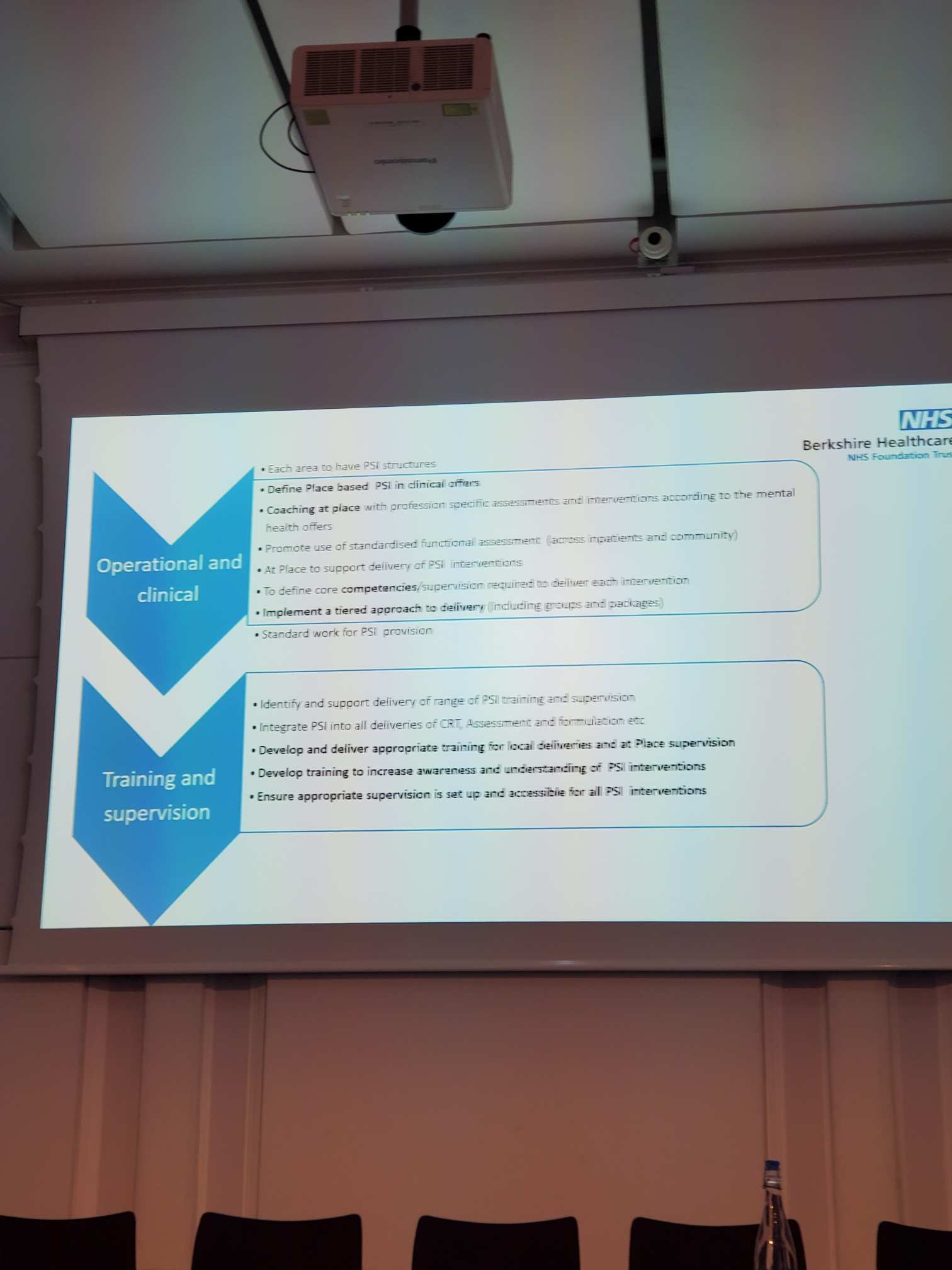
There was particular discussion about supporting nurses to maintain their skills after completing training.
This included protected time, opportunities to practise therapeutic approaches, clinical supervision and support from senior leaders.
Participants also discussed the value of tailoring training to different services, including inpatient wards, crisis teams and community mental health settings.
I found this particularly important.
The pressures experienced by a nurse working on an inpatient ward may differ from those experienced by someone working in community services.
Similarly, the needs of families can differ depending on the circumstances of their relatives and the support available.
A flexible approach is therefore important, while maintaining the quality of evidence-informed interventions.
The wider message was that responsibility for maintaining PSI skills should be shared.
Nurses must continue developing their practice, but organisations must provide the conditions that make good practice possible.
Looking Beyond the UK – Opportunities for International Collaboration
The conference also considered opportunities to strengthen international connections around psychosocial interventions.
Martin Jones discussed work involving an international psychosocial interventions research network and the potential for greater collaboration between practitioners, academics and other stakeholders.
This was an interesting reminder that many of the challenges affecting mental health services are not unique to the United Kingdom.
Developing relationships between countries may create opportunities to share research, professional learning and examples of effective practice.
It also raises important questions about how psychosocial approaches can be adapted to different cultural and service contexts.
For me, this links to the importance of cultural competency and recognising that people interpret mental health, illness, family responsibility and recovery in different ways.
Mental health practice should always consider those differences rather than assuming that one approach will be appropriate for everyone.
Celebrating Learning, Creativity and the PSI Community
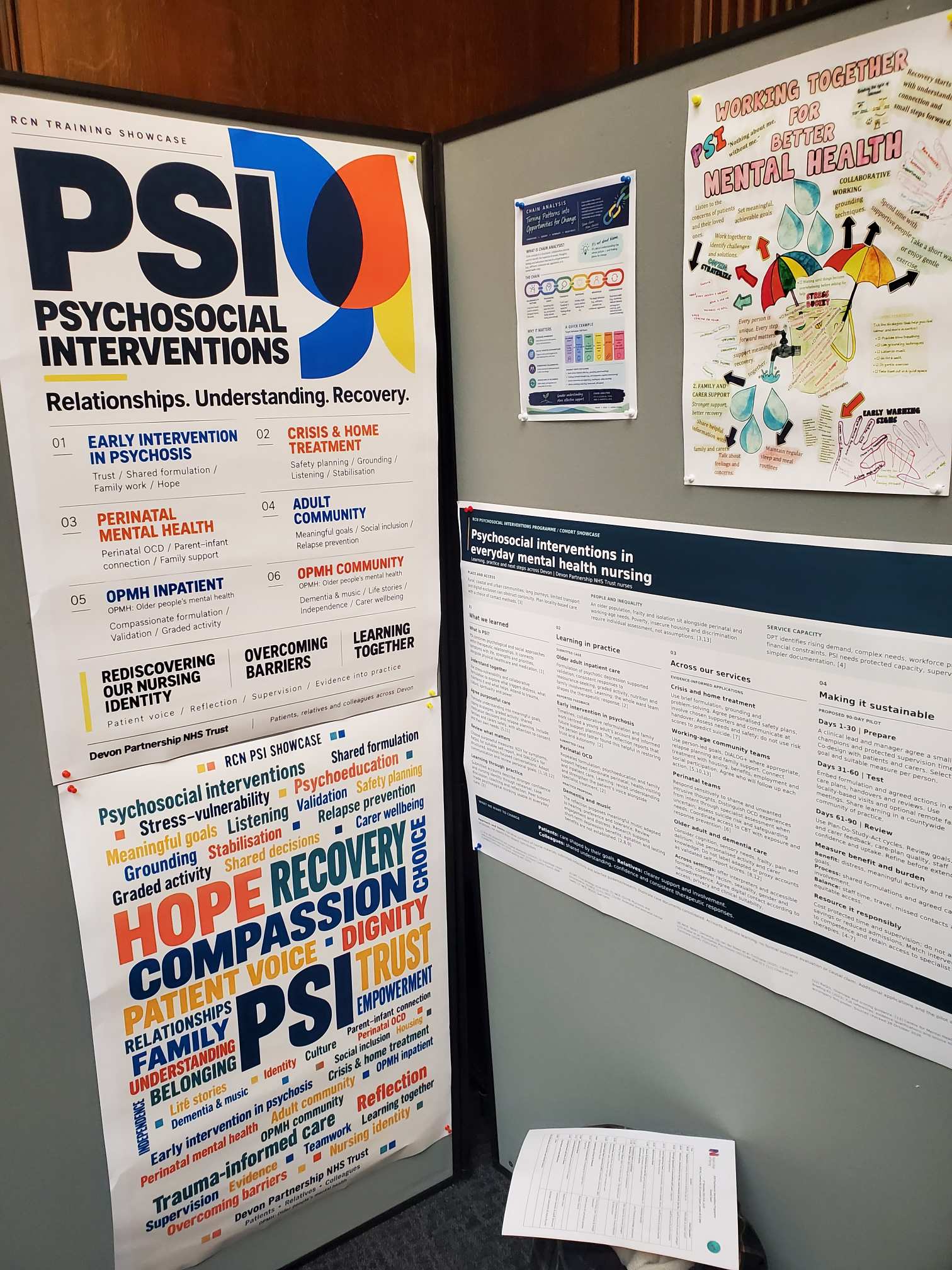
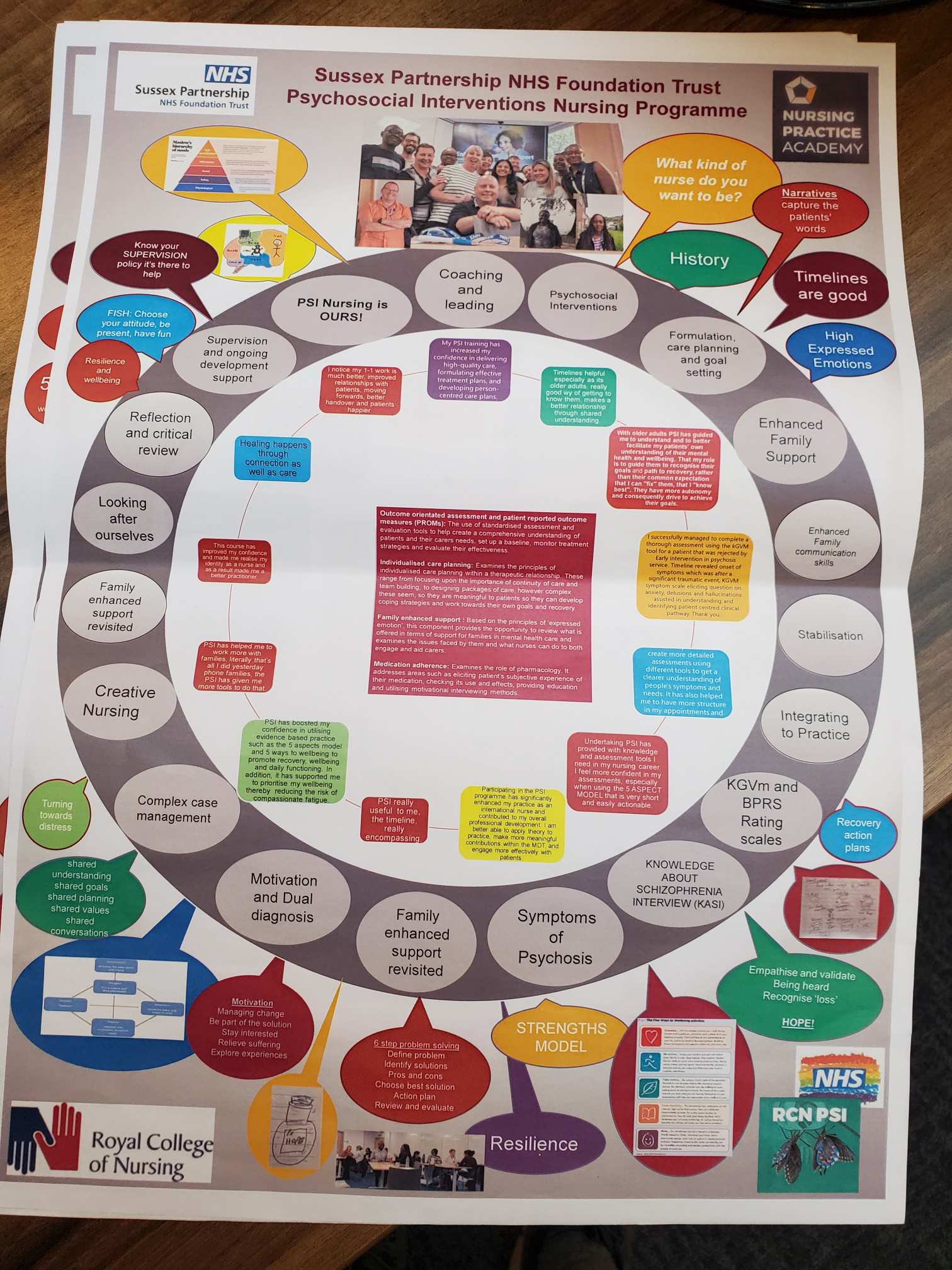
The conference also provided opportunities for participants to share posters, resources and learning from different PSI cohorts.
The networking and exhibition sessions offered space to discuss practice, ask questions and learn about developments taking place across mental health services.
It was encouraging to see how people were sharing their experiences and celebrating the work undertaken through PSI training.
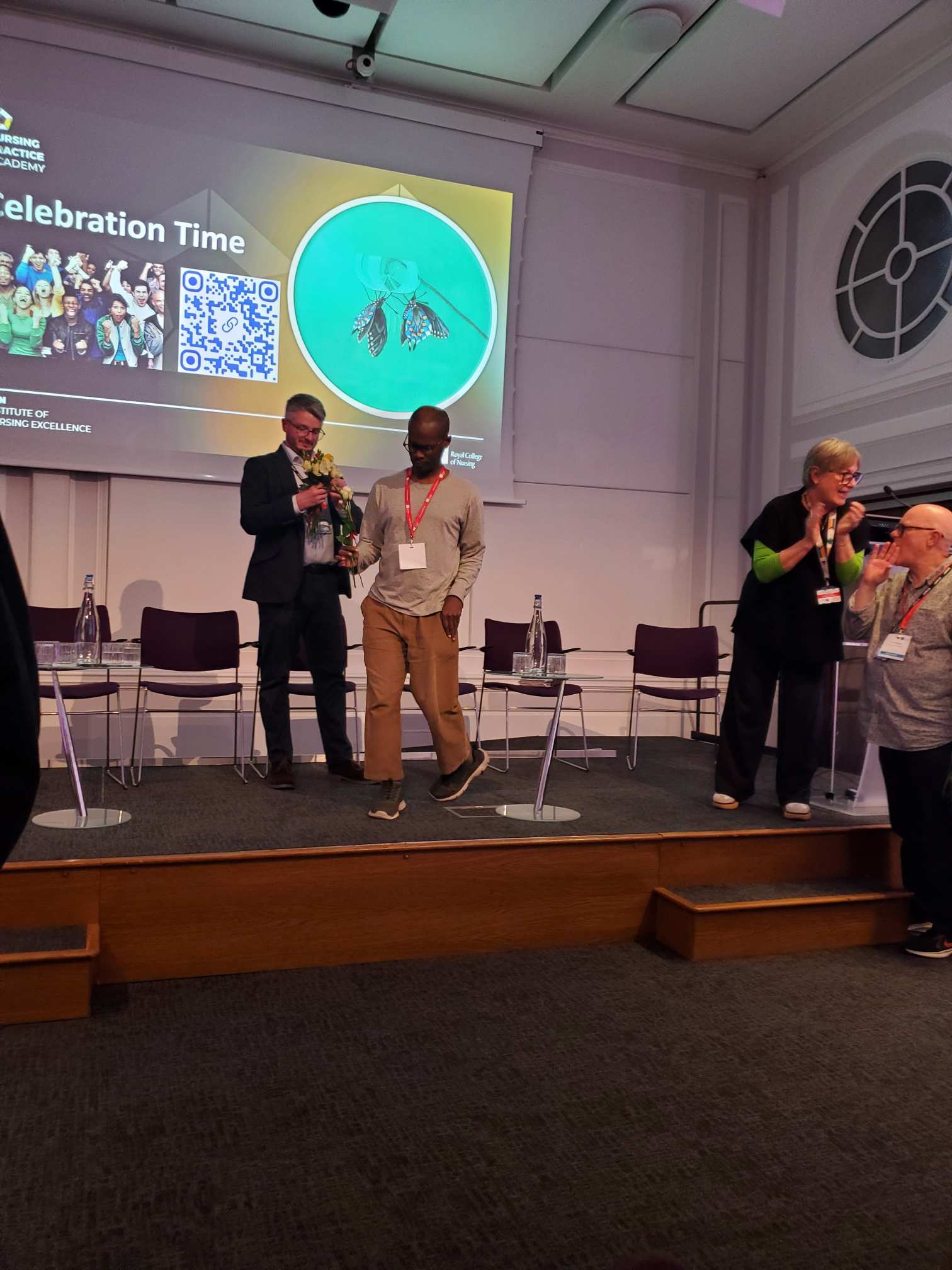
Towards the end of the conference, participants and organisers were recognised for their contributions.
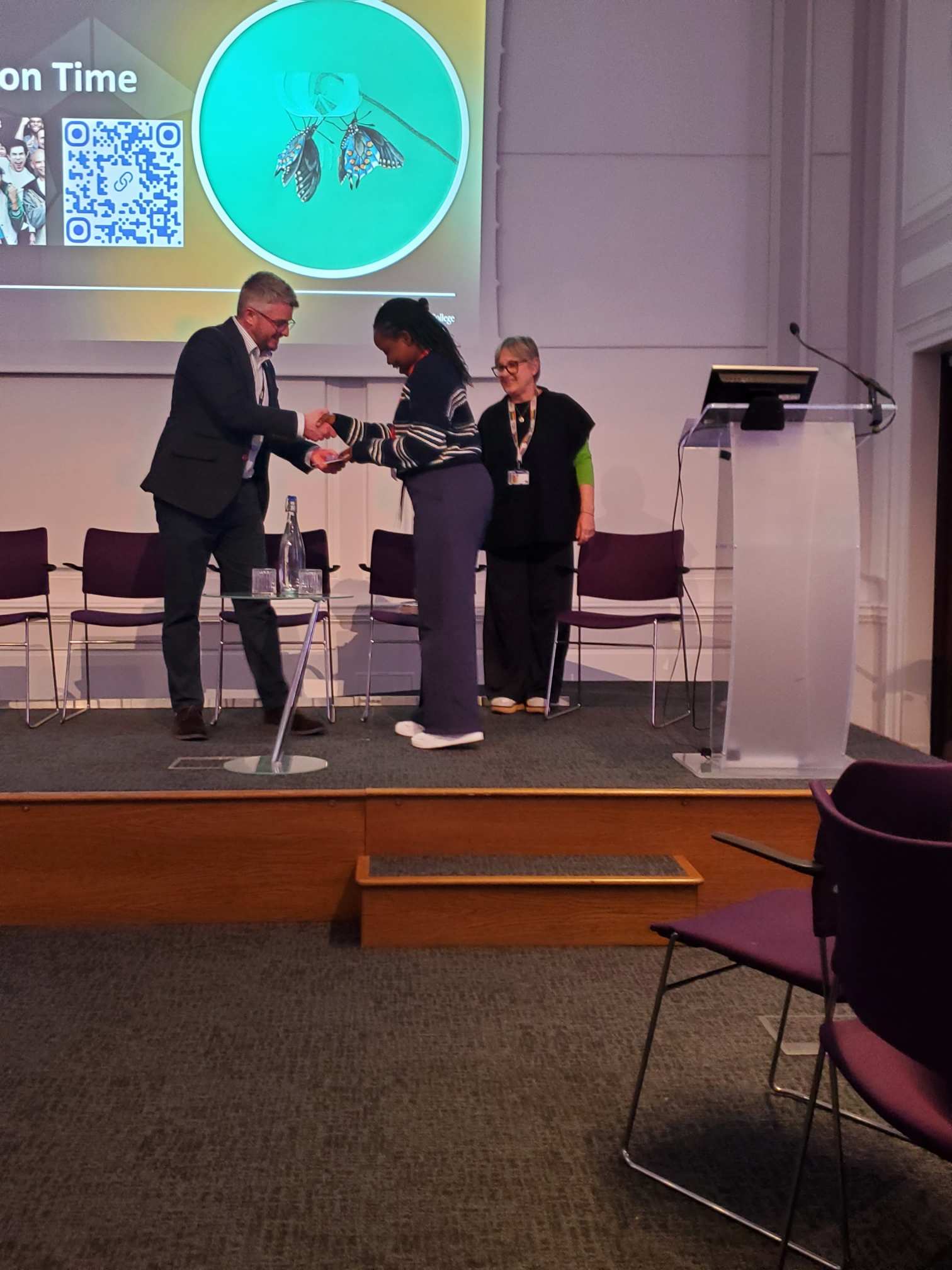
The closing session also brought creativity back into focus through poetry.
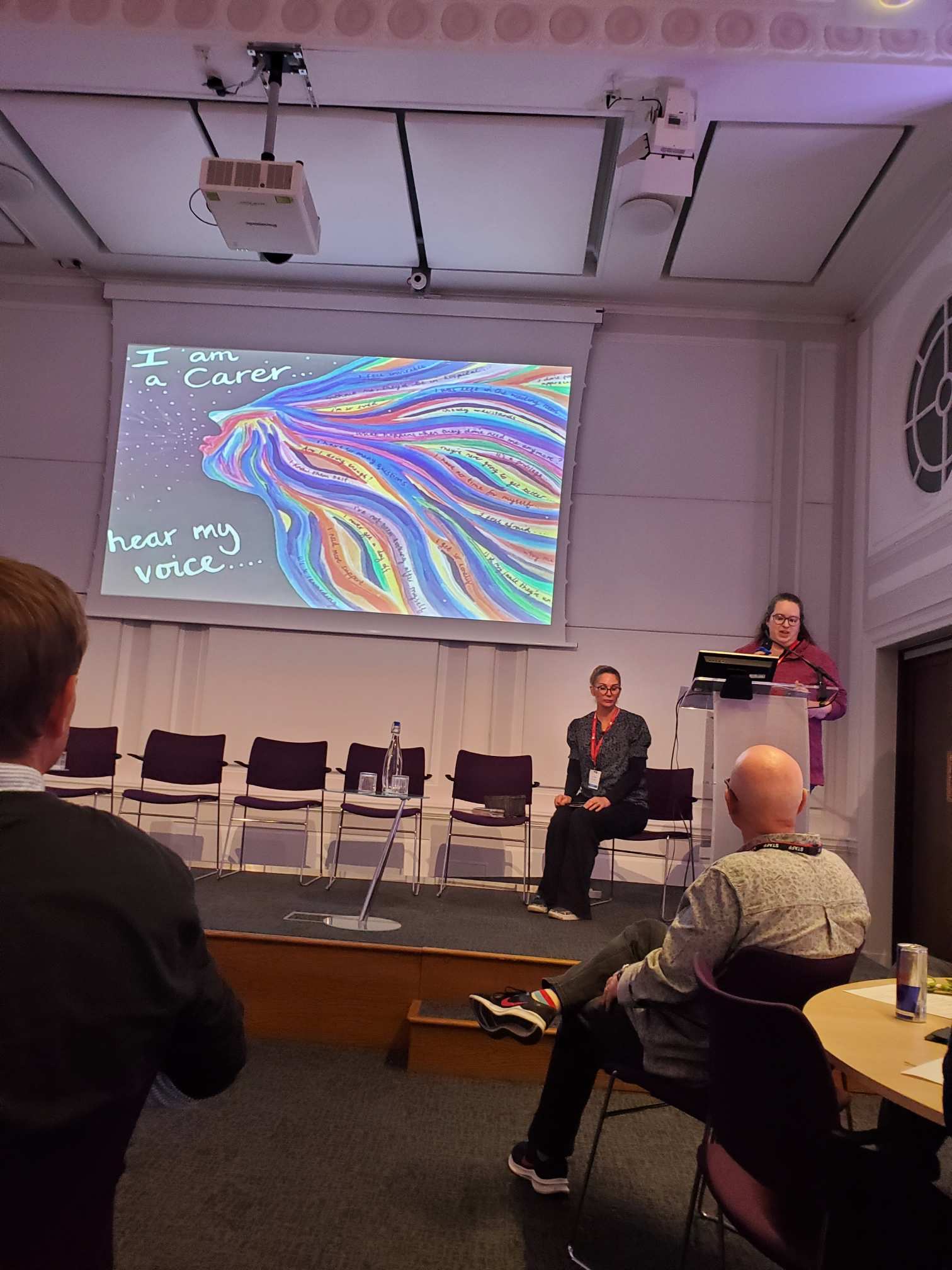
One poem explored the experiences of unpaid carers, including the emotional pressures of caring and the importance of nurses recognising carers as individuals with their own needs.
I Am a Carer, Hear My Voice

Poem shared by a carer at the RCN PSI Alumni Conference, 2 November 2026
Am I doing too much? Am I not doing enough?
Am I the only one who finds this so tough?
They ask me how they are but forget about me,
As the cracks start to show, I’ve forgotten how to be.
The sleepless nights, the endless fear,
I wonder what would happen if I wasn’t here.
I know they really need me, there’s too much at stake,
But what I’d give for just five minutes, what I’d give for a break.
Here we are again in that waiting room,
Hoping that recovery may come soon.
I’m left here alone as they whisk them away,
To get them some help. It’s Groundhog Day.
Why does no one ask? Can’t they see my pain?
Can I keep them safe? They ask me again.
So off we go home, tears fall in my eyes,
I try to be positive but it feels like lies.
We return the next day but something’s new,
As a nurse kindly asks, how are you?
I finally feel seen, it suddenly seems fairer,
That finally I was more than somebody’s carer.
The nurse looked into my eyes and with a reassuring smile,
Encouraged me to chat about me for a while.
The tears came soon after and the truth began to flow,
I feel trapped and helpless with nowhere to go.
They listened with understanding, respected my point of view,
They could see the wider picture of what us carers do.
So all of you nurses in all walks of life,
Please look for those carers, they’re hiding their strife.
They need your compassion as much as patients do,
Their job is 24-7, please acknowledge what they do.
There’s such power in a smile and hope with a listening ear,
Don’t make them invisible. Say we see you. We’re here.
Reproduced with the poet’s permission.
Another reflected on mental health nursing and how PSI learning could strengthen compassion, professional identity and therapeutic relationships.
To Nurse With My Heart

Poem shared by a mental health nurse at the RCN PSI Alumni Conference, 2 November 2026
Between the high-pressure shifts and the ticking clock,
Both brain lights can fracture and double doors lock.
I hold fast to a promise I swore from the start,
To lead with my mind but to nurse with my heart.
For every soul walking in from the rain
Was once someone’s child, now in crisis or pain.
I measure my care by a simple clear line:
How will I want you to treat what is mine?
PSI learning has opened the door
To evidence tools and the science of more.
Psychosocial pathways that listen and guide,
Where the person, not the diagnosis, sits by my side.
It validated all that I felt in my bones,
That healing takes power and no one’s alone.
It gave language to empathy, structure to grace,
And a framework of hope in a chaotic place.
The service goes on, the resources are thin,
We get ready for battle before we begin.
Yet despite every barrier, shortage and strain,
The human connection is what will remain.
So I’ll carry these skills as a shield and a light,
To stand in the gap and to advocate right.
With compassionate hands and a practice made whole,
I will honour the person, the family, the soul.
Reproduced with the poet’s permission.
I found it especially fitting that poetry formed part of the closing reflections.
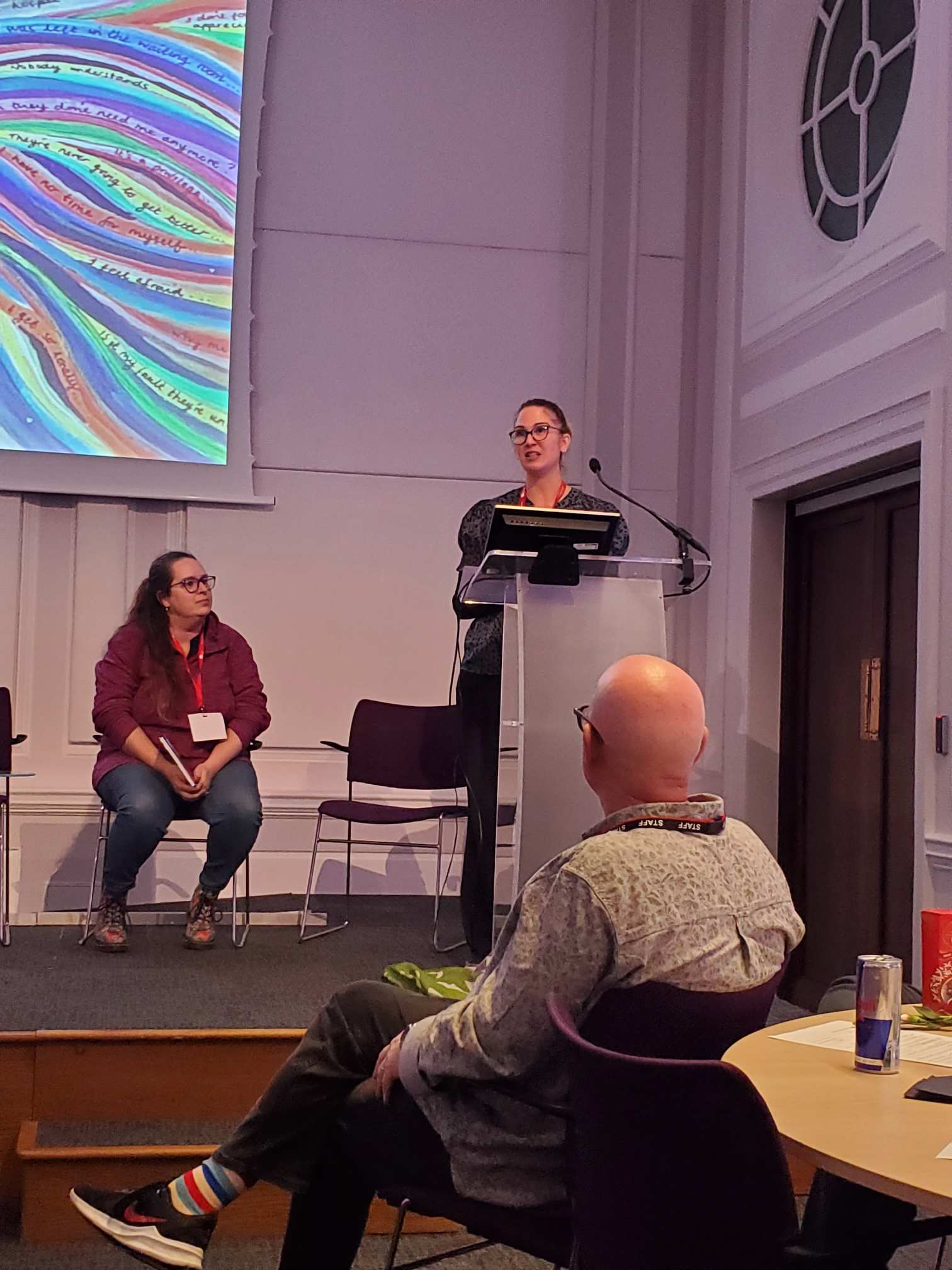
As someone who uses poetry to raise awareness of mental health caring, inequality and lived experience, I strongly believe creative approaches can provide an important way of communicating messages that might otherwise be difficult to express.
The closing contributions reminded us that compassion, listening and human connection remain essential elements of mental health care.
My Reflections – What Does This Mean for Unpaid Carers?
Leaving the RCN PSI Alumni Conference, I reflected on how far mental health nursing has developed and how important it is that carers continue to be involved in shaping that development.
The conference demonstrated that many nurses are committed to improving the way they work with patients and families.
I also came away with a greater appreciation of the challenges they face.
Staffing pressures, competing responsibilities, limited development opportunities and organisational demands can all affect the time available for therapeutic work.
For families, however, the experience of mental health services often depends on the quality of individual interactions.
A nurse taking time to explain what is happening can reduce anxiety.
A professional listening to a carer’s observations can help build trust.
A family being appropriately involved in discussions can contribute knowledge that might otherwise be overlooked.
And a service that recognises culture, identity and lived experience may be better placed to understand the people it supports.
This is why I believe psychosocial interventions and co-production complement one another.
They both encourage us to see people in the wider context of their lives and relationships.
Conclusion – Learning Together to Make Mental Health Care Better
The RCN PSI Alumni Conference 2026 provided an important opportunity for mental health professionals, carers and people with lived experience to learn from one another.
It demonstrated the value of psychosocial interventions, meaningful co-production, professional development and the importance of maintaining compassionate relationships within mental health care.
I was grateful for the opportunity to contribute to the co-production panel and to hear directly from nurses about their experiences of PSI training.
I was also encouraged by the conversations around inclusion, professional identity, family involvement and the practical challenges of maintaining therapeutic skills within services.
For me, the message is clear.
We need skilled and supported mental health nurses. We need patients and families whose experiences are respected. And we need organisations willing to bring these different forms of expertise together.
When carers and professionals learn from one another, we create opportunities to improve understanding, strengthen relationships and ultimately deliver better mental health care.
My thanks go to the RCN, the PSI organisers and facilitators, fellow lived-experience contributors, mental health nurses, researchers and everyone who made the conference possible.
I look forward to continuing these important conversations and sharing what I have learned with the unpaid carers and mental health networks I work alongside.

