Tag Archives: mental health inequalities

Strengthening Mental Health Nursing Through Lived Experience, Co-production and Psychosocial Interventions – 2nd RCN PSI Alumni Conference 2026

By Matthew McKenzie BEM FRSA – Unpaid Carer, Author, Poet and Mental Health Carer Advocate

Introduction – Bringing Mental Health Nurses, Carers and Lived Experience Together

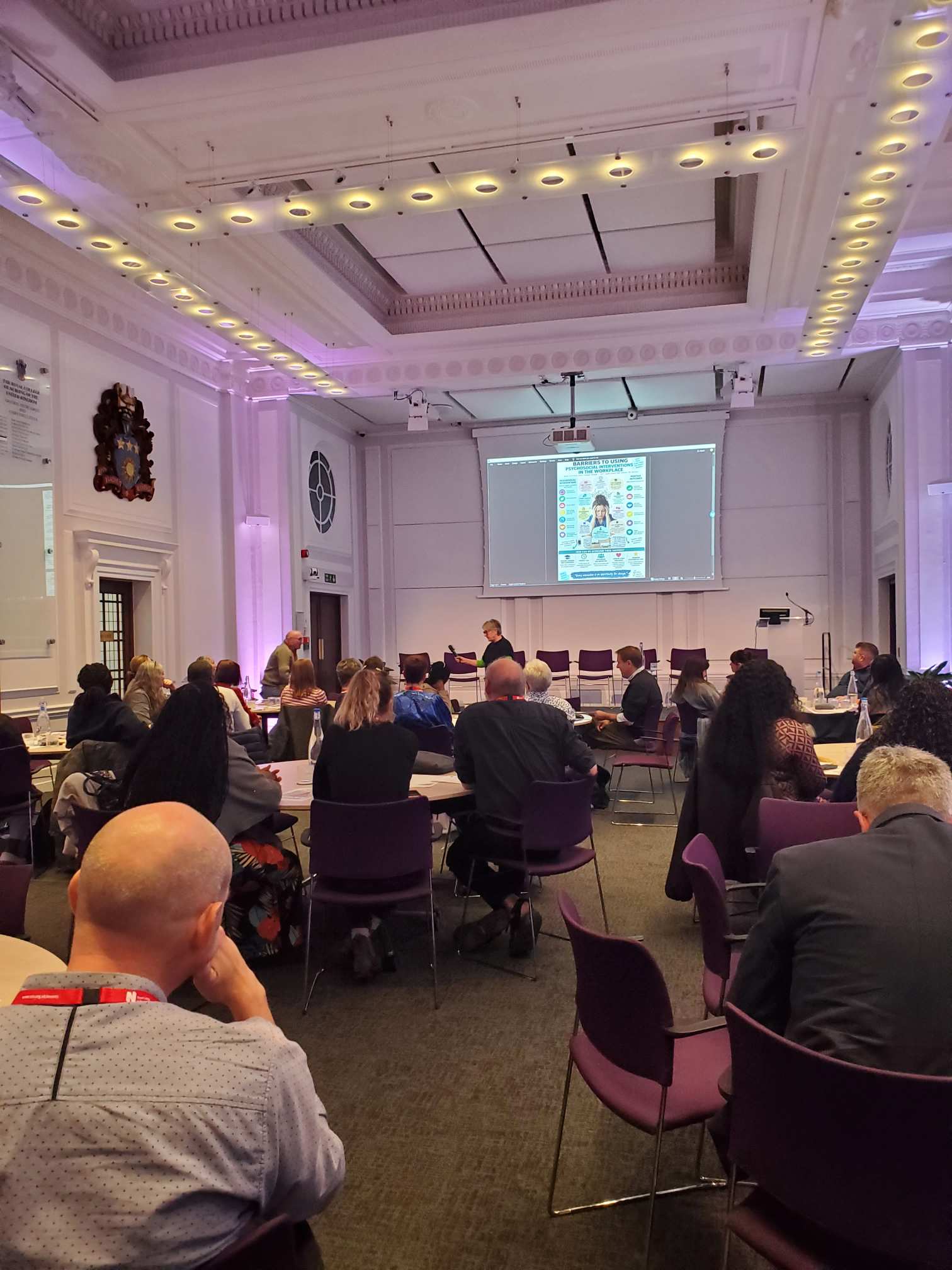
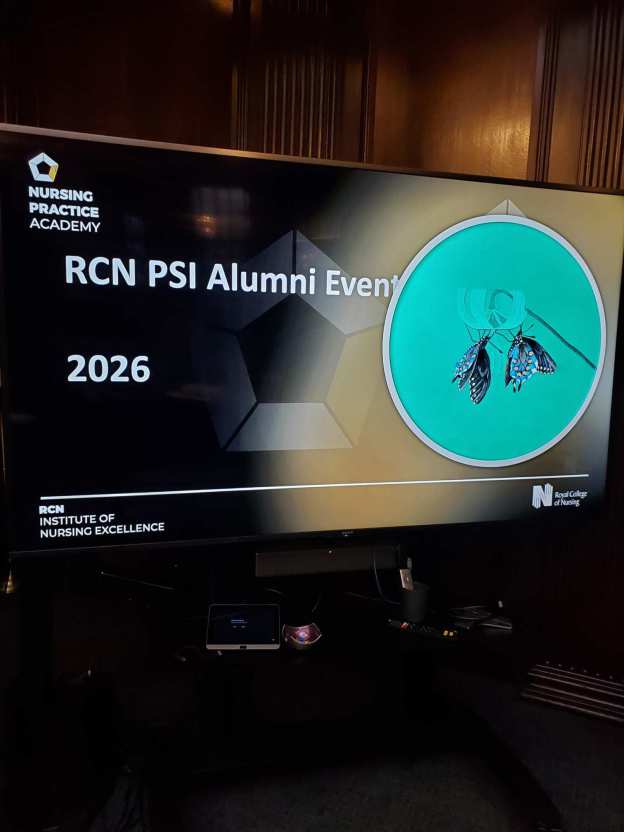
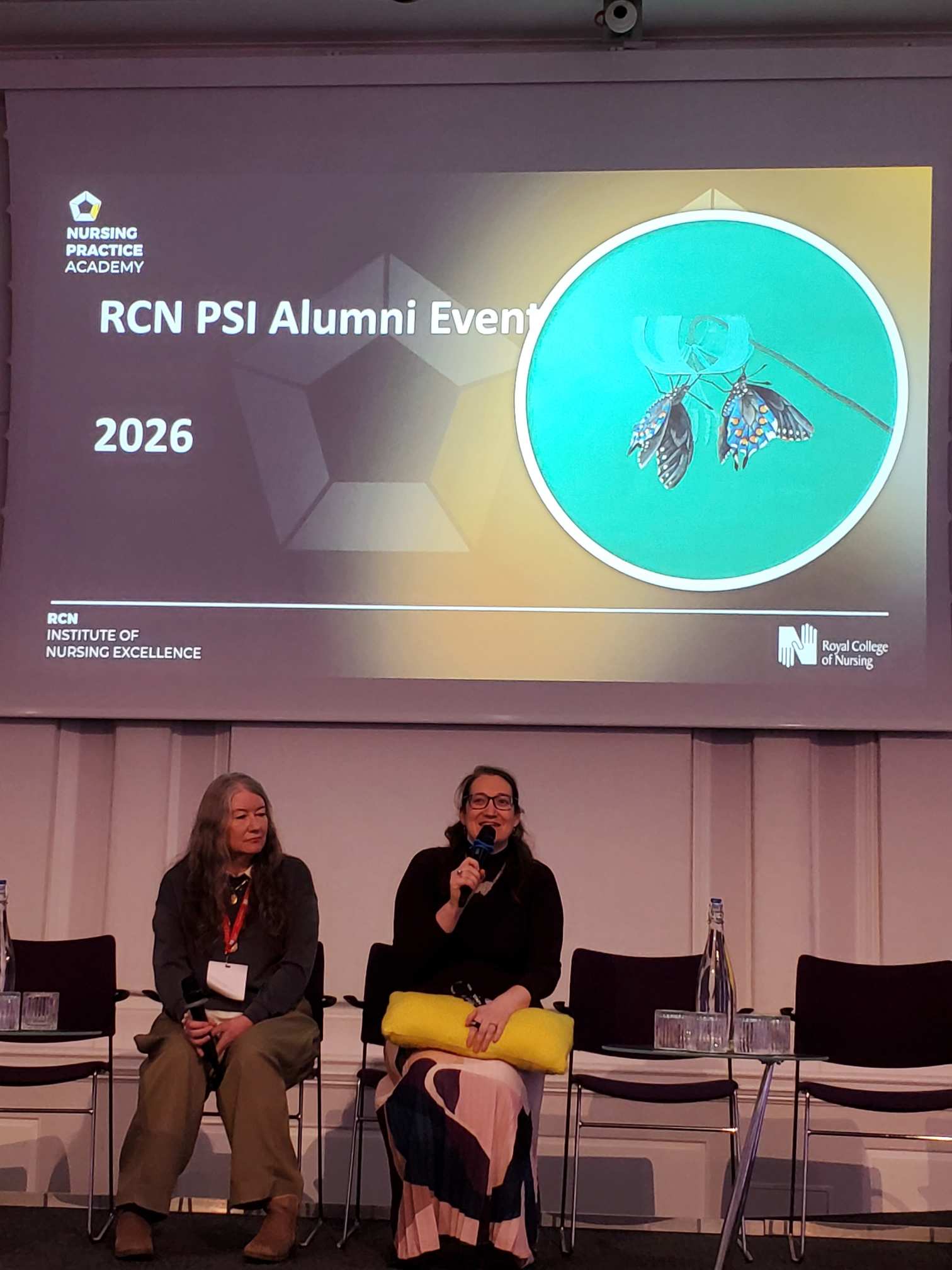
On Monday 2 November 2026, I had the pleasure of attending and contributing to the Royal College of Nursing (RCN) Psychosocial Interventions (PSI) Alumni Conference.

The conference brought together mental health nurses, PSI course alumni, educators, researchers, facilitators, people with lived experience and unpaid carers from different parts of the country.
For me, it was another valuable opportunity to contribute the experiences of unpaid carers and families to the development of mental health nursing.

Having spent many years supporting my mother through her experiences of schizophrenia, alongside my responsibilities involving my two autistic brothers, I understand how important compassionate, skilled and knowledgeable mental health professionals can be to families.

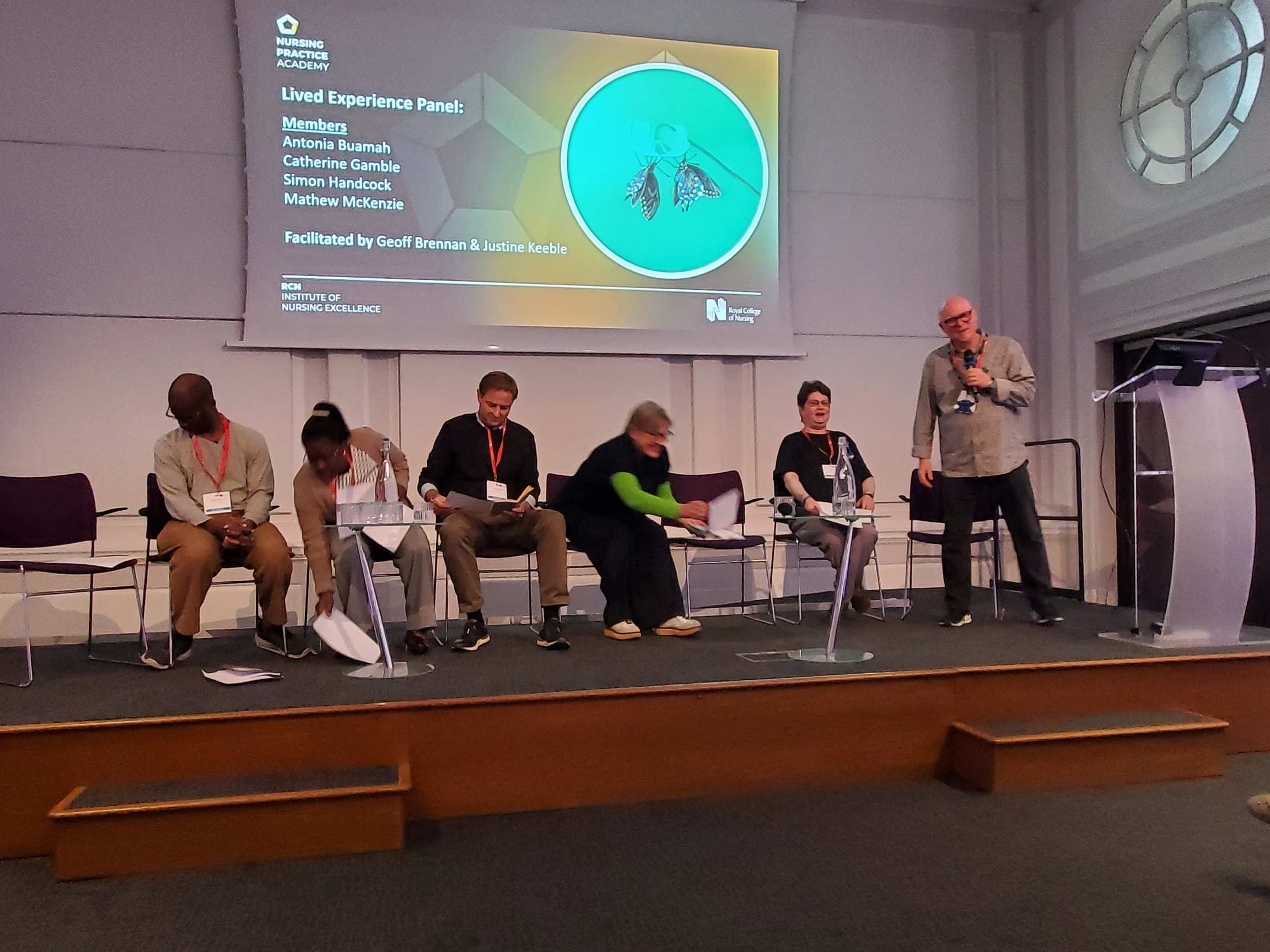
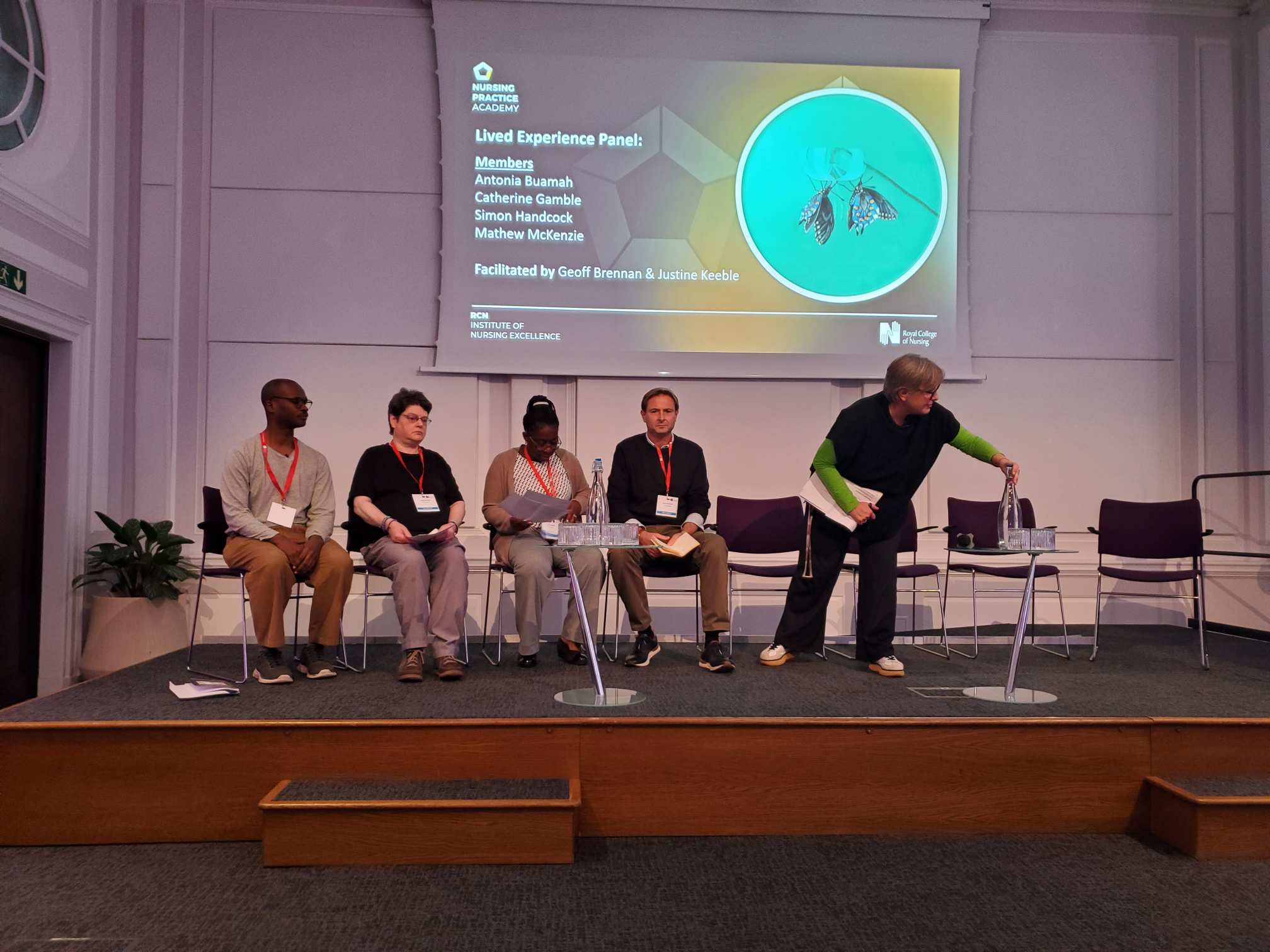
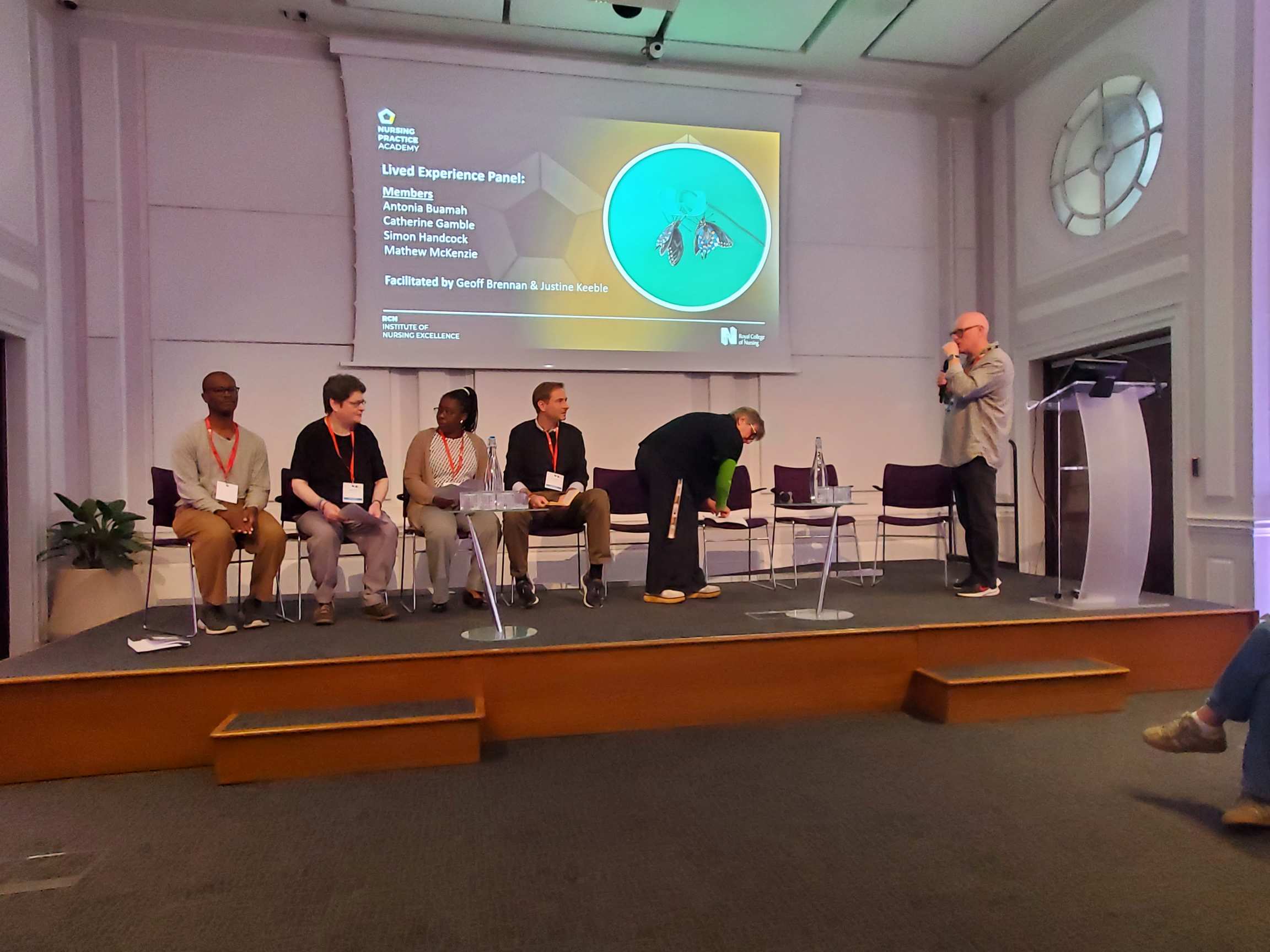
I was particularly pleased to participate in the conference’s lived-experience co-production panel, where we explored how working relationships develop between professionals, patients and carers, and why meaningful involvement must extend beyond simply inviting people to share their stories.

Throughout the day, I was reminded that mental health nursing is not only about clinical interventions, assessments or medication. It is also about understanding the person, their relationships, their cultural background and the people supporting them outside services.
Understanding Psychosocial Interventions and Their Importance

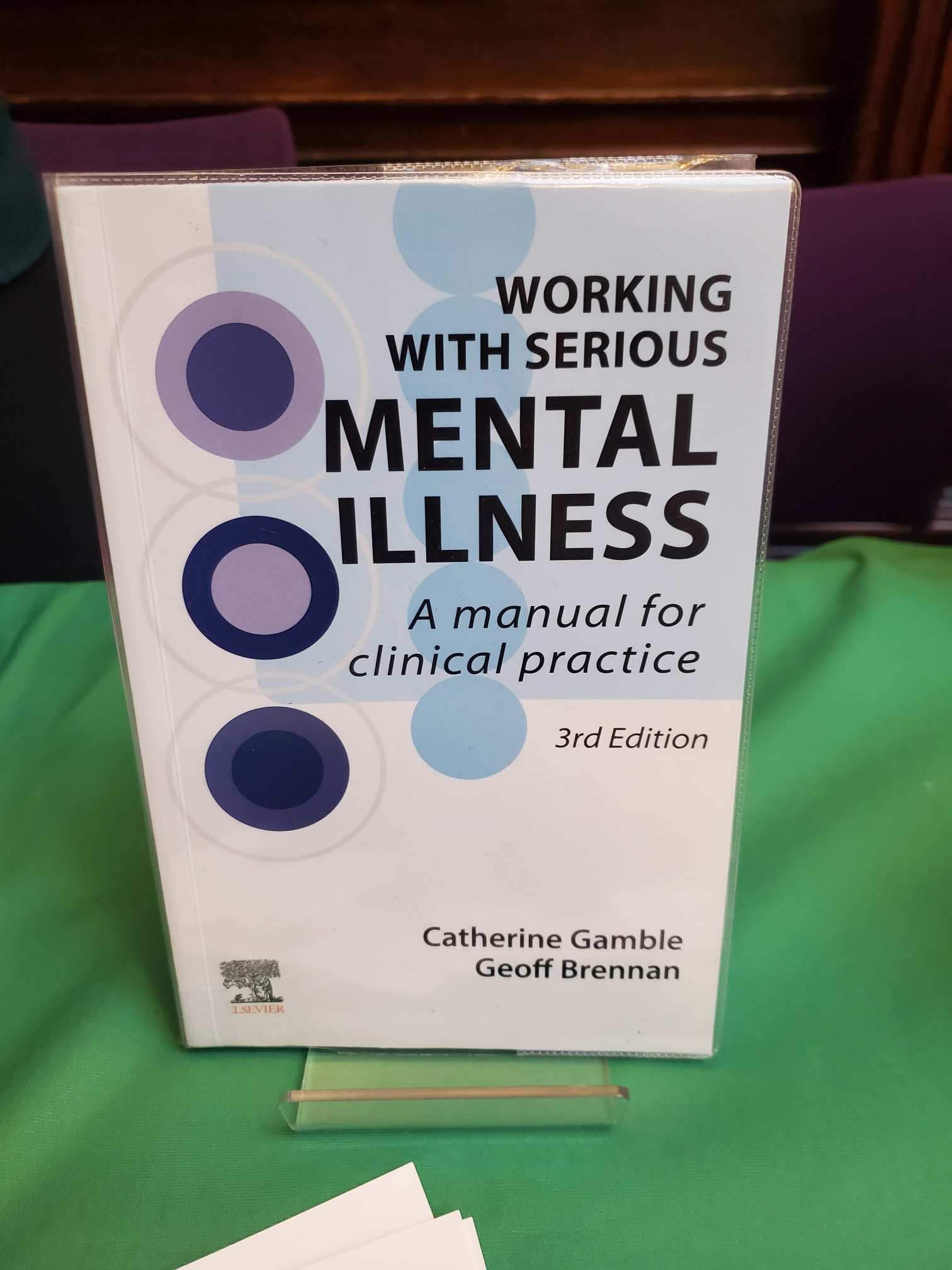
Psychosocial interventions provide mental health nurses with approaches and skills to understand and support people experiencing mental health difficulties.

These approaches encourage practitioners to think beyond symptoms and diagnoses, considering the psychological, social, emotional and environmental circumstances affecting an individual’s wellbeing.

The RCN PSI programme is a nine-month professional development course designed to strengthen registered mental health nurses’ therapeutic skills and evidence-informed practice.
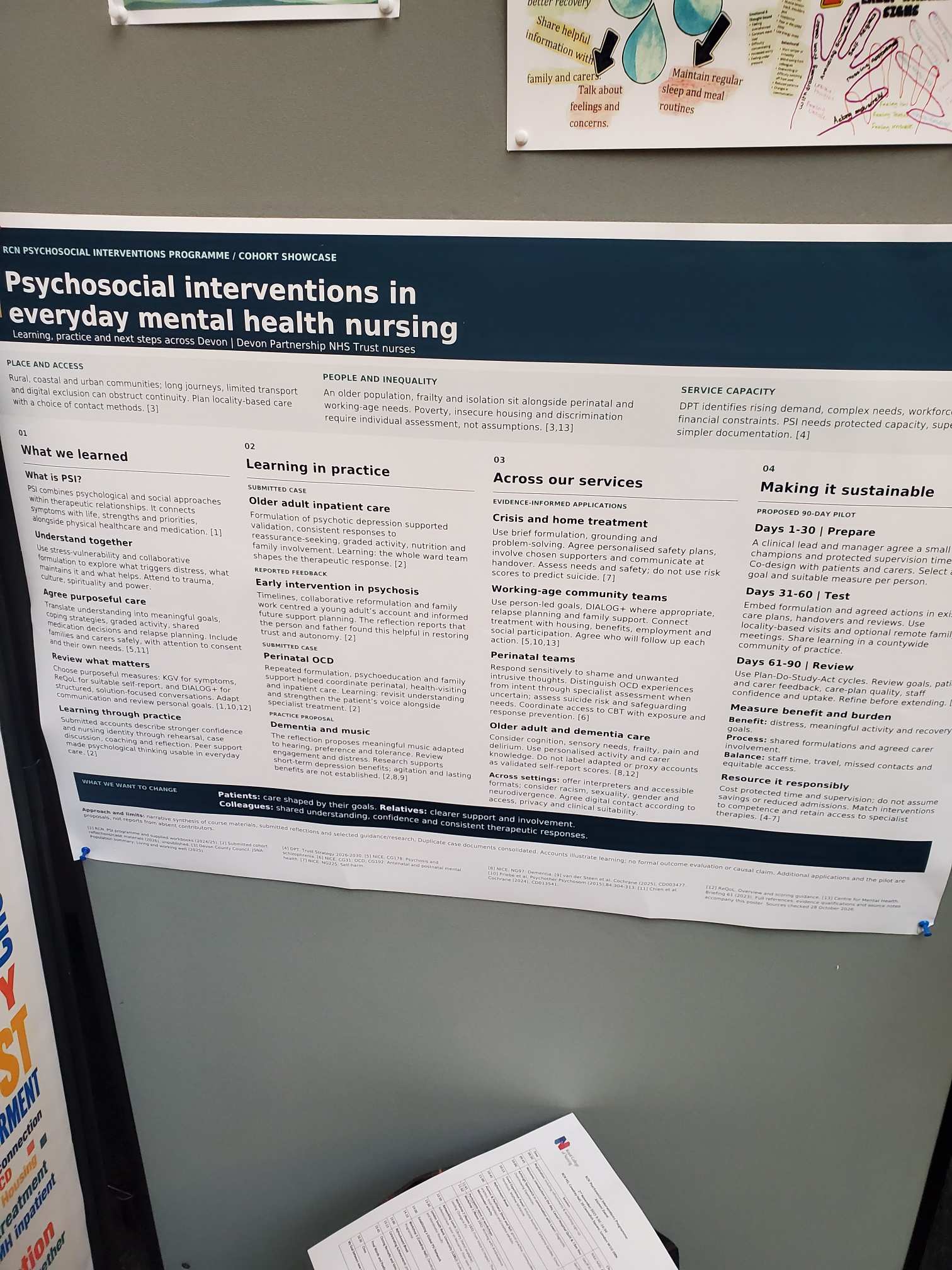
An important message throughout the conference was that nurses should have the confidence and skills to develop therapeutic relationships, recognise trauma, engage families and help individuals participate in decisions about their care.

This particularly interests me as a carer advocate.

Families may spend years supporting someone through periods of crisis, admission, discharge and recovery. Yet their knowledge and observations are not always fully recognised within services.

PSI offers an opportunity to strengthen that relationship between the person receiving care, their family and the professionals supporting them.

I was encouraged by the number of nurses attending who were passionate about improving their practice and sharing what they had learned with colleagues.

Opening Reflections – Listening to Lived Experience

The opening session placed lived experience at the centre of the conference.

Hannah Cadogan reflected on her involvement in lived-experience work and the importance of psychosocial approaches in understanding experiences that people may struggle to communicate.

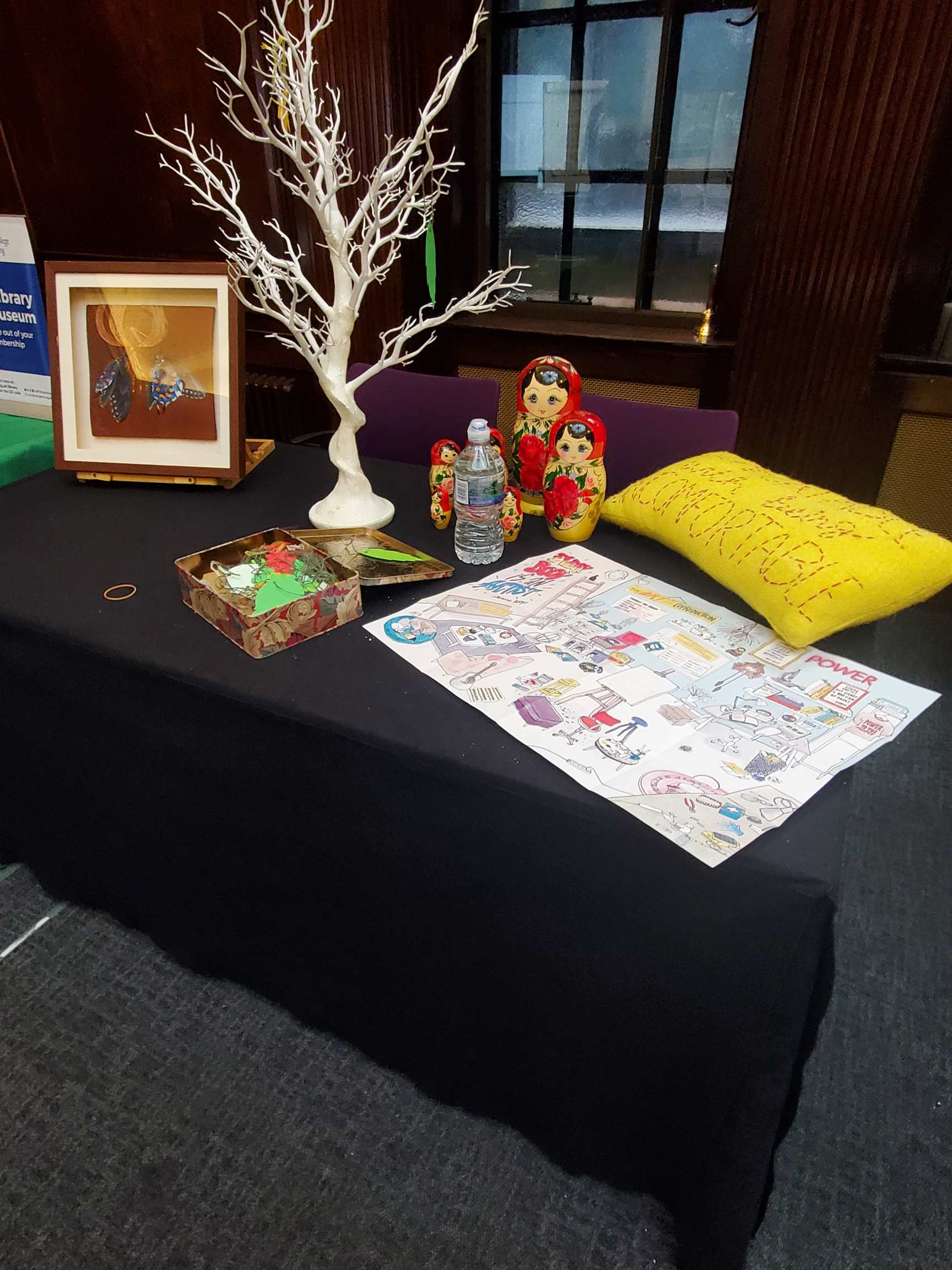
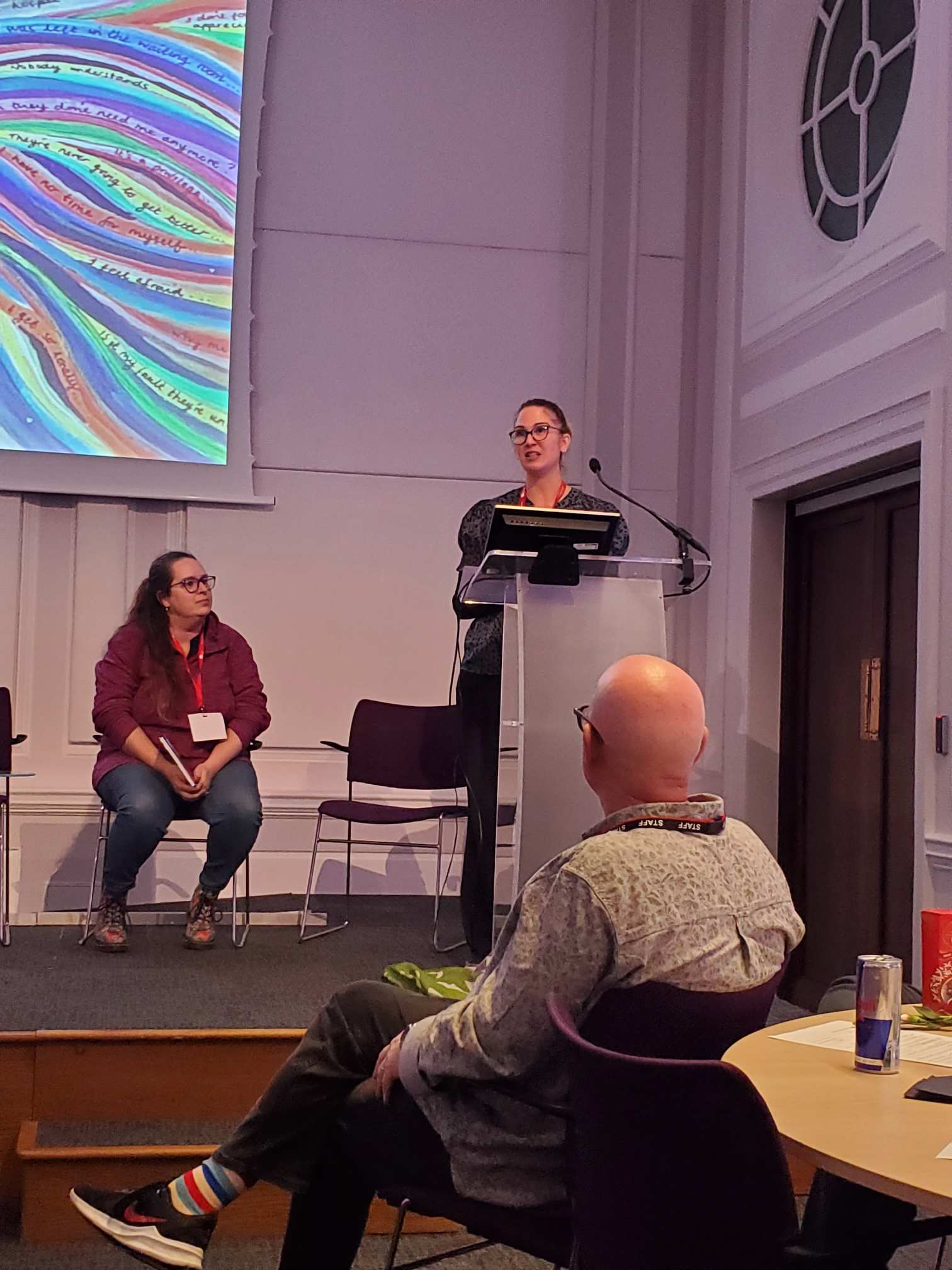
She discussed a collaborative quilt created through the involvement of patients, staff and carers associated with Castle Hospital.

The quilt provided a powerful example of how creativity can bring different people together.
It also demonstrated that people do not always communicate their experiences through conversation alone. Sometimes art, creative expression and shared activities provide different opportunities for people to explain what they are feeling.

This particularly resonated with my own interests in poetry and creative wellbeing.

Through the poetry groups I facilitate for unpaid carers, I have seen how creative expression can help people communicate emotions that may otherwise remain hidden.

Another opening contribution came from Sinead, a bereaved parent who spoke movingly about her daughter and the importance of services understanding the different aspects of a person’s life.

She highlighted the value of bringing together families, communities and professionals who each hold different knowledge about an individual.

Her contribution was a reminder that no single professional, service or family member necessarily understands every aspect of someone’s experiences.

It is through listening and collaboration that a fuller picture can emerge.

For me, this reinforced the importance of meaningful co-production and involving families before difficulties escalate.

Learning From a Personal Recovery Journey

Ashley Knight, a PSI alumnus, shared the experiences of patient whose journey involved neurocysticercosis, neurological complications and a period of severe psychosis that resulted in psychiatric hospital treatment.

The presentation explored how physical and mental health problems can overlap, and why assumptions about someone’s condition can have serious consequences.

What particularly interested me was Lowri’s reflections on what had helped her recovery.

She valued professionals who made time to sit with her, listened to her concerns and recognised who she had been before becoming unwell.

She also highlighted the importance of honest communication, avoiding premature conclusions and including her family in discussions, particularly when she was unable to participate fully herself.

This was a significant learning point.

Sometimes carers and families are given limited information or find themselves excluded from discussions, even when they have been supporting someone for many years.

While confidentiality remains important, services must also consider how they can communicate effectively and appropriately with families.

Listening, compassion and taking time to understand someone’s circumstances should never be underestimated.

My Contribution to the Lived-Experience Co-production Panel

One of the most meaningful parts of the conference for me was participating in the co-production panel alongside other lived-experience contributors, including Simon and Antonia, with Catherine helping guide the discussion.

The panel explored how partnerships develop, what builds trust and how involvement contributes to both personal and professional growth.

I spoke from my experiences of being an unpaid carer and from my wider involvement in mental health carer forums, service development and training.
For many years, I have witnessed the pressures experienced by families supporting relatives with complex mental health needs.

I have also recognised the considerable pressures experienced by mental health nurses, particularly during periods of increasing service demand and limited resources.

My message was that carers and professionals need opportunities to learn from one another.

Nurses bring clinical expertise, therapeutic skills and professional knowledge.

Carers bring observations and experiences gained from supporting relatives in everyday life, often over many years.

Both forms of knowledge are important.

Building trust through involvement

During the panel, we discussed the importance of developing relationships beyond traditional professional boundaries.

Trust cannot simply be expected because someone holds a professional role.

It develops when people are listened to, treated with respect and given opportunities to contribute.

For carers, this may mean being invited into discussions about care planning, participating in service improvement or contributing to the training of mental health professionals.

I explained that being involved in organisations and learning from professionals has contributed greatly to my own understanding of mental health services.

I am continually learning about the challenges nurses face, the approaches they use and the developments taking place within mental health care.

In turn, I try to share that knowledge with other families and unpaid carers through my forums, presentations, blogs and wider advocacy work.

Supporting professional growth through shared learning

Another question explored how involvement had supported recovery or professional growth.

I reflected on the value of learning from others and being part of organisations that are helping shape mental health services.

Although my experiences as a carer have involved considerable challenges, they have also given me opportunities to contribute to training, service development and national discussions.

I believe that meaningful involvement can encourage other carers to recognise that their experiences are valuable.

When people with lived experience see others contributing to conferences, workshops and professional education, it can demonstrate that their voices matter.

This should not be about providing a personal story and then being forgotten.

It should be about developing continuing partnerships in which carers and people with lived experience can influence how services operate.

What Makes Co-production Successful?

An audience member asked the panel for advice about establishing groups and encouraging people to participate.

This was a question I found particularly interesting because I facilitate several mental health carer forums and understand the difficulties involved in building participation.

I explained that it is important to listen to carers who are passionate about change and encourage those who wish to work constructively with others.
People often come to forums carrying years of frustration or disappointment about services.

Their experiences should be recognised, but there must also be opportunities to turn concerns into learning and practical improvements.

I also reflected on the importance of persistence.

A group may begin with only a handful of participants. Over time, as people hear about the work being undertaken and begin to see its value, further involvement can develop.

Other panel members highlighted the importance of psychological safety, recognising people’s vulnerability and ensuring that nobody’s contribution is treated as less important than another’s.

There was also an important reminder that success should not simply be measured by attendance numbers.

A small group of committed participants can still make a meaningful difference.

Another valuable suggestion was to involve carers or people with lived experience as co-facilitators rather than expecting one professional to lead every aspect of a group alone.

For me, this reflects the fundamental principle of co-production.

Co-production is not simply asking people for their opinions. It is about sharing responsibility, recognising different forms of expertise and working together towards meaningful change.

Networking With Mental Health Nurses and Sharing Carer Resources

Following the panel, I had opportunities to speak individually with several conference participants.

One particularly valuable conversation was with Hazel, a mental health nurse and PSI facilitator involved in teaching about working with families.

We discussed how her educational work had developed through contributions from parents and carers.

Rather than limiting participation to personal testimonies, she described how carers had helped design learning activities, provide feedback to students and contribute to reviewing the teaching module.

I was particularly encouraged by this approach.
I explained that one of the next stages of meaningful involvement should be enabling carers to contribute not only their stories but also to teaching, evaluating learning and shaping how courses develop.

This gives carers a stronger role in professional education.

Moving beyond telling a story

Sharing lived experience can be powerful, but there is a risk that organisations become too dependent on asking carers to repeatedly describe difficult experiences.

I believe there are further opportunities for carers to contribute through:

  • Co-designing learning materials and training sessions.
  • Participating in role-play and simulated assessments.
  • Giving structured feedback to professionals.
  • Reviewing educational programmes and service developments.
  • Supporting evaluation and identifying areas for improvement.

Our conversation reinforced how valuable this approach can be.

I also shared information about my Caring Mind Blog, my books, poetry and videos, including my work on the Patient and Carer Race Equality Framework (PCREF).

We discussed my recent involvement in the Sussex PSI event and how blogging can help promote good practice, share learning and encourage other organisations to become involved.

It was encouraging to hear about further conference activity being developed and the possibility of continuing these conversations.

From Voice to Impact – Addressing Inequality in PSI Training

One of the workshops I attended was titled From Voice to Impact, facilitated by Cheryl Mbando and colleagues.

This session explored representation and the barriers affecting participation in PSI professional development, particularly among nurses from Black and minority ethnic and Global Majority backgrounds.

The discussion was particularly relevant to my work around PCREF and tackling racial inequalities in mental health services.

The workshop explored why some groups of staff may have fewer opportunities to participate in professional development, despite the value that training can bring to both staff and patients.
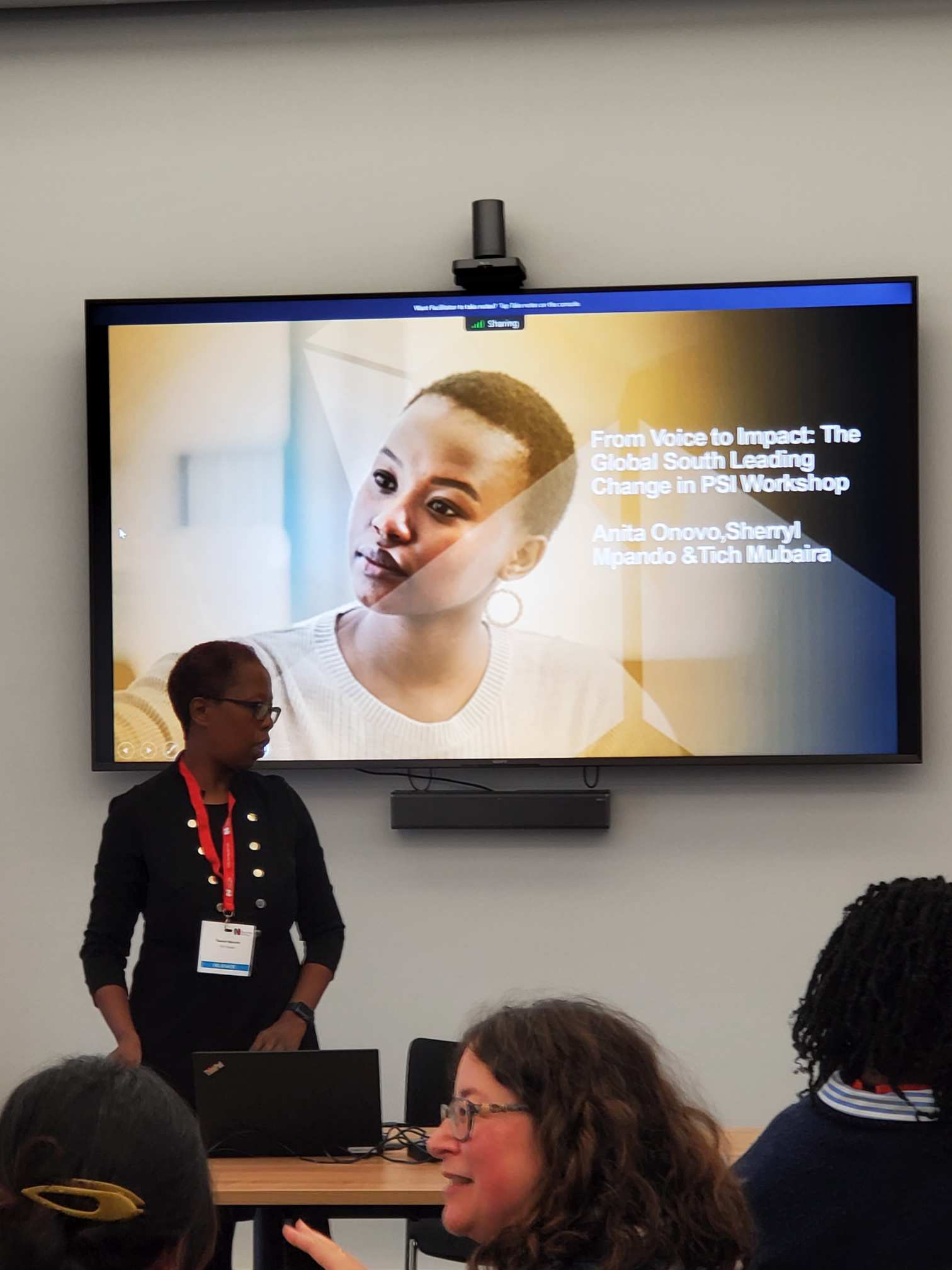
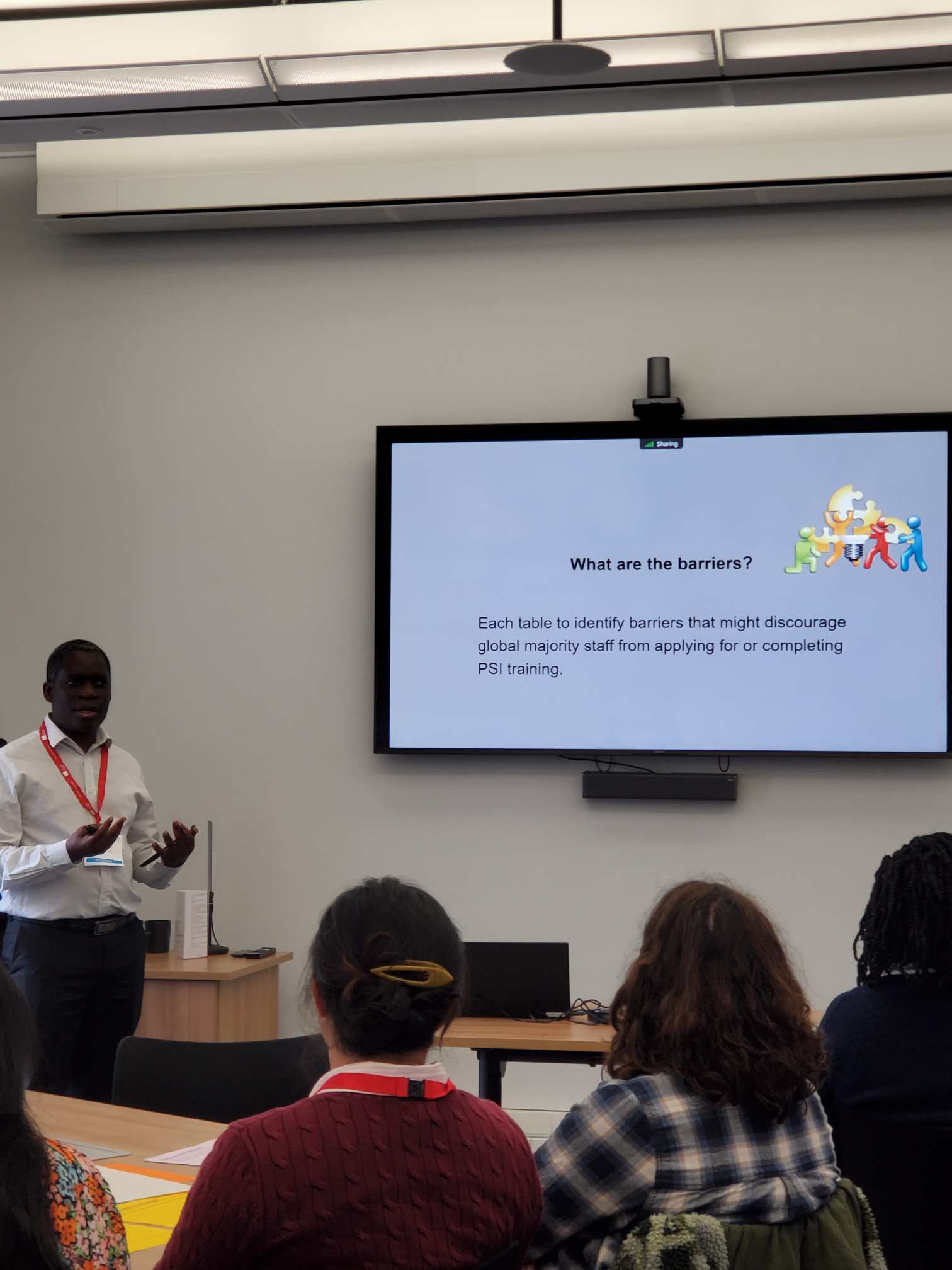
Participants discussed several potential barriers, including limited awareness of courses, unequal access to training opportunities, lack of support from managers, staffing pressures, unclear information about benefits and insufficient representation in senior or mentoring roles.

It was interesting to hear participants share how some had discovered PSI training almost by chance, rather than through a consistent process of encouraging professional development.

The workshop also explored how organisational cultures and assumptions can influence who is supported to undertake additional training.

Moving towards practical solutions

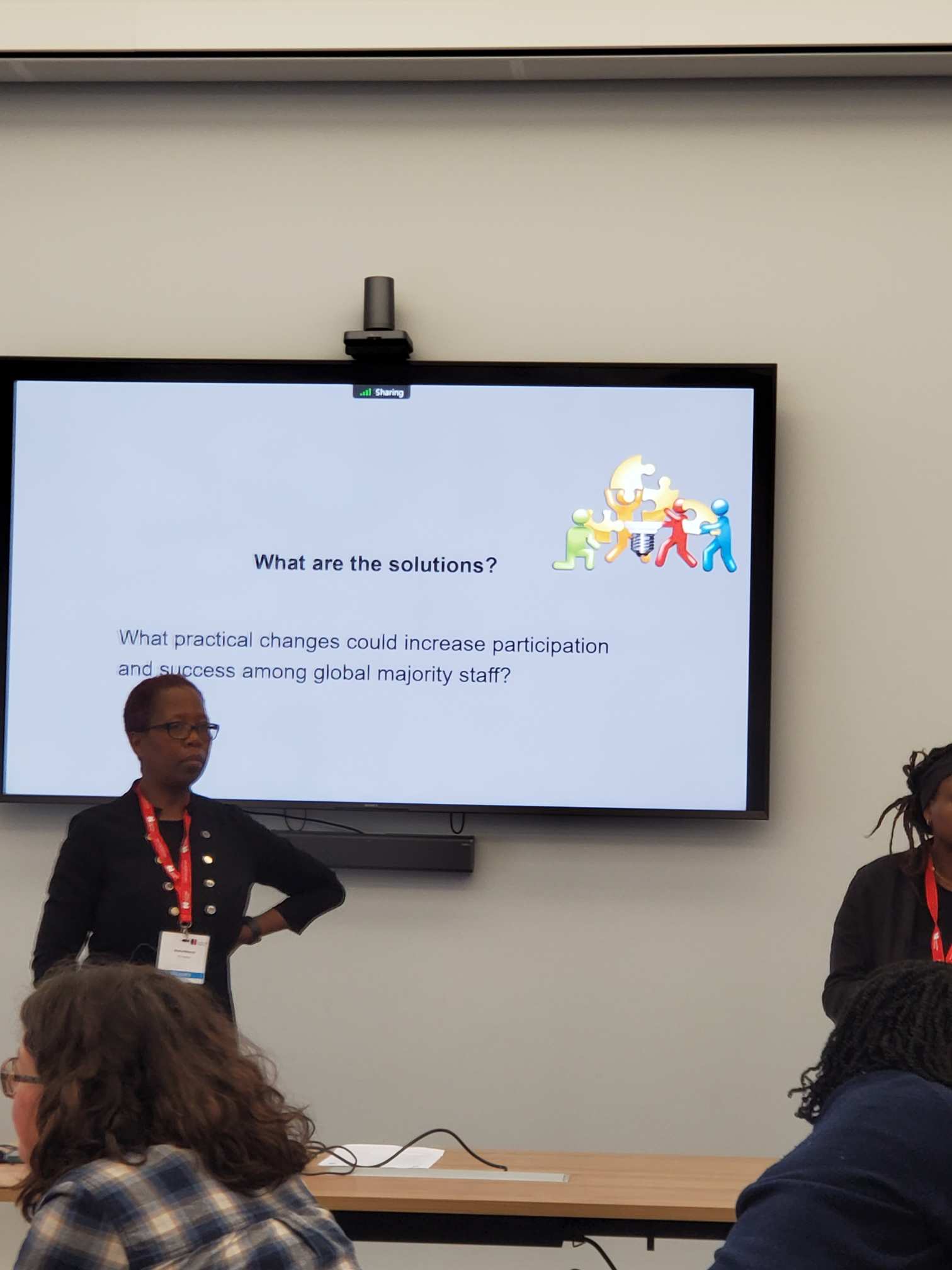
Rather than simply identifying barriers, participants were encouraged to consider what individuals, teams and organisations could do differently.

Suggestions included clearer communication about training opportunities, better support for staff undertaking courses, stronger leadership commitment and sharing learning across teams.

Another important suggestion was embedding PSI knowledge and competencies into organisational structures, rather than treating the training as an isolated opportunity.
I was particularly interested in the discussion about representation.

When organisations want to improve culturally responsive mental health services, they must also consider whether development opportunities are accessible and equitable for the workforce.

A diverse workforce needs equitable opportunities to progress, develop and influence professional practice.

There is also an important connection with PCREF.

Improving racial equity in mental health care requires attention not only to the experiences of patients and carers, but also to how staff are supported, trained and valued.
What Does the PSI Evaluation Tell Us?

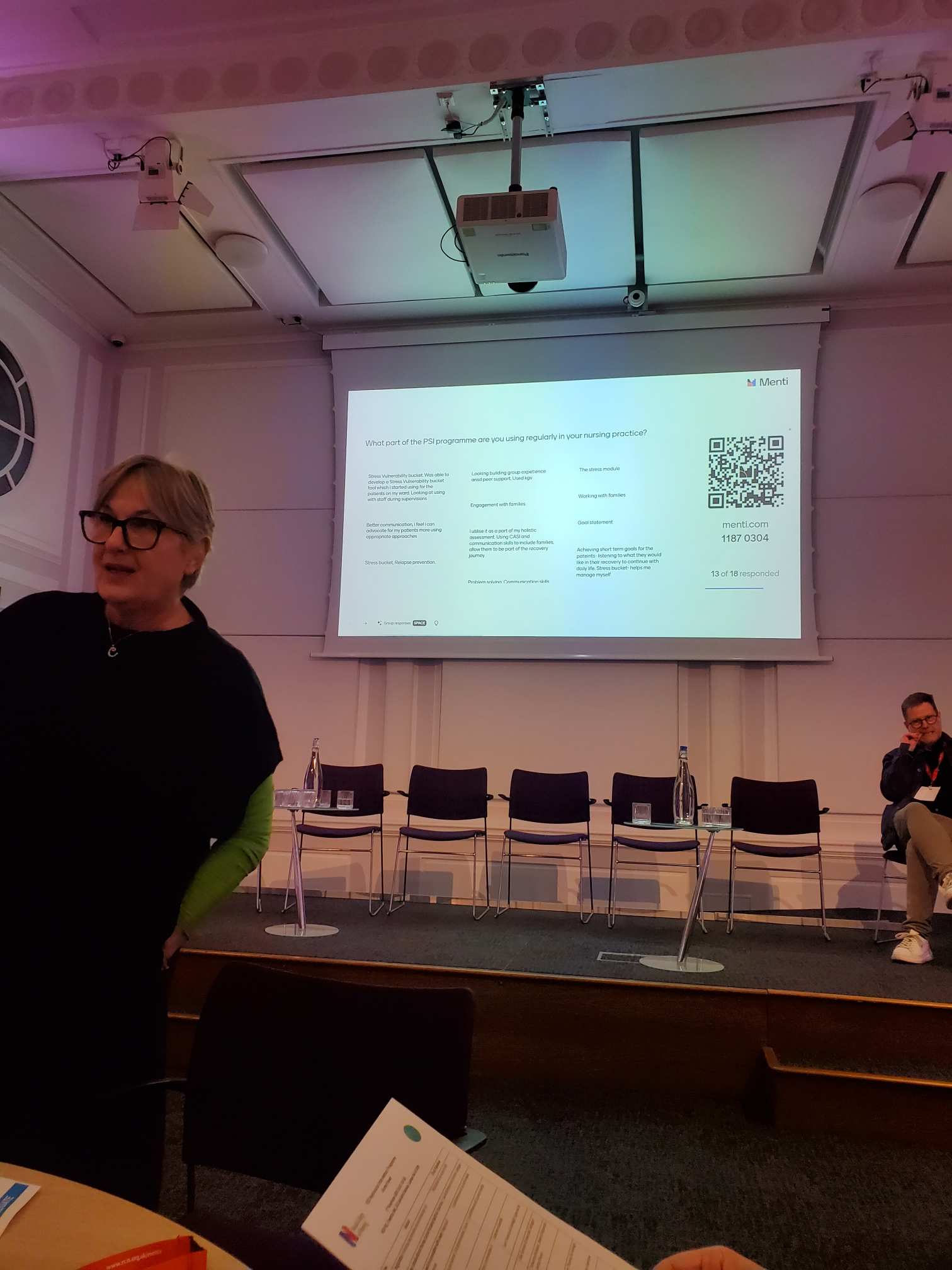
Another significant session focused on an independent evaluation of the RCN PSI programme.

The presentation explored how the course had influenced nurses’ confidence, professional identity, attitudes towards evidence-based practice and experiences of learning.

The evaluation included survey responses from 82 participants, alongside a smaller number of qualitative interviews.
The findings presented were encouraging.

Participants reported high levels of satisfaction with their learning and confidence in the skills developed through the course.

The evaluation also identified an important relationship between openness to evidence-based practice and reported confidence.

Qualitative feedback suggested that the course helped some nurses reconnect with their professional identity and reminded them of the value of therapeutic relationships and psychologically informed care.

However, the presentation also highlighted limitations.

The findings relied partly on self-reported experiences and did not establish long-term improvements in patient outcomes.

Participants also raised concerns about whether newly developed skills could be sustained without appropriate organisational support.

This is an important distinction.
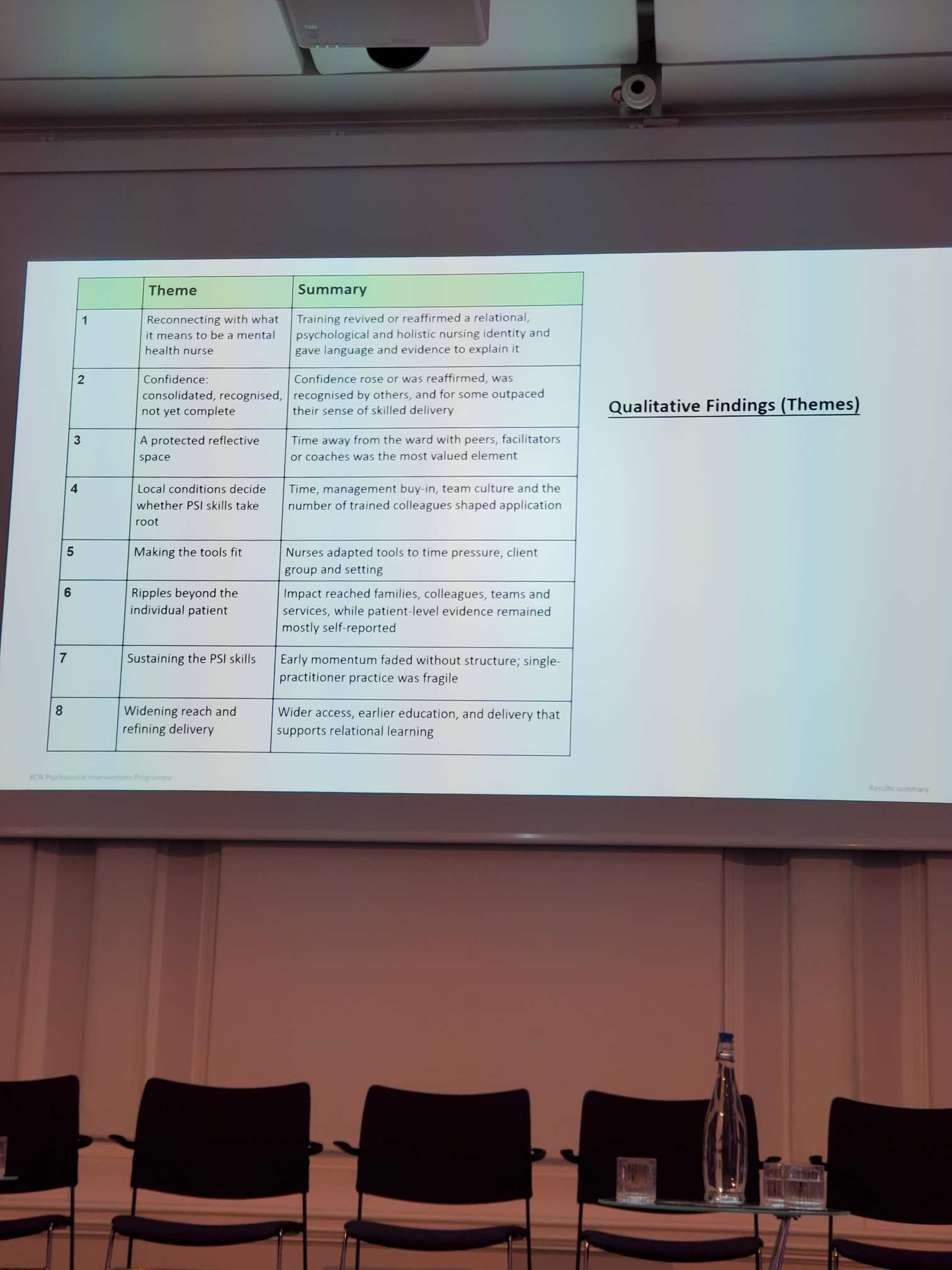
Training can strengthen knowledge and confidence, but professionals also need opportunities to apply what they have learned.

From a carer’s perspective, I would welcome future evaluation that also explores what patients and families notice when nurses receive PSI training.

Are families more involved?

Do carers feel listened to?

Are patients better supported to understand their treatment and recovery?

Do services provide more opportunities for therapeutic conversations?

These are some of the questions I believe would help demonstrate the wider impact of PSI.

Making Psychosocial Interventions Sustainable

Further conference discussions examined how PSI could become embedded within everyday mental health services.

Participants explored the responsibilities of individual professionals, clinical teams and organisations.

Examples from Berkshire Healthcare demonstrated approaches to integrating PSI skills into clinical pathways, supervision, mentoring, competencies and staff development.
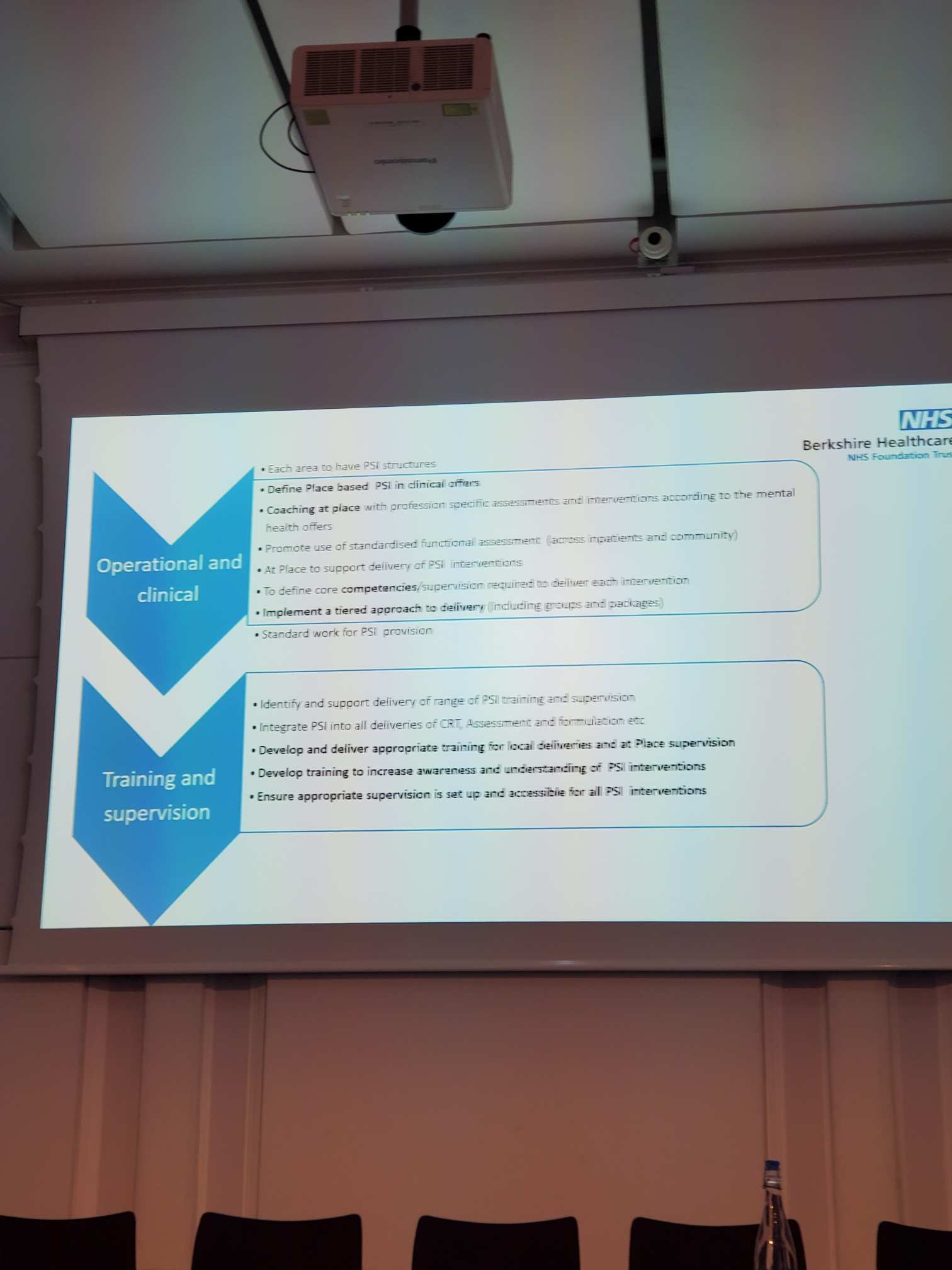
There was particular discussion about supporting nurses to maintain their skills after completing training.

This included protected time, opportunities to practise therapeutic approaches, clinical supervision and support from senior leaders.

Participants also discussed the value of tailoring training to different services, including inpatient wards, crisis teams and community mental health settings.

I found this particularly important.

The pressures experienced by a nurse working on an inpatient ward may differ from those experienced by someone working in community services.

Similarly, the needs of families can differ depending on the circumstances of their relatives and the support available.

A flexible approach is therefore important, while maintaining the quality of evidence-informed interventions.

The wider message was that responsibility for maintaining PSI skills should be shared.

Nurses must continue developing their practice, but organisations must provide the conditions that make good practice possible.

Looking Beyond the UK – Opportunities for International Collaboration

The conference also considered opportunities to strengthen international connections around psychosocial interventions.

Martin Jones discussed work involving an international psychosocial interventions research network and the potential for greater collaboration between practitioners, academics and other stakeholders.

This was an interesting reminder that many of the challenges affecting mental health services are not unique to the United Kingdom.

Developing relationships between countries may create opportunities to share research, professional learning and examples of effective practice.

It also raises important questions about how psychosocial approaches can be adapted to different cultural and service contexts.

For me, this links to the importance of cultural competency and recognising that people interpret mental health, illness, family responsibility and recovery in different ways.

Mental health practice should always consider those differences rather than assuming that one approach will be appropriate for everyone.

Celebrating Learning, Creativity and the PSI Community

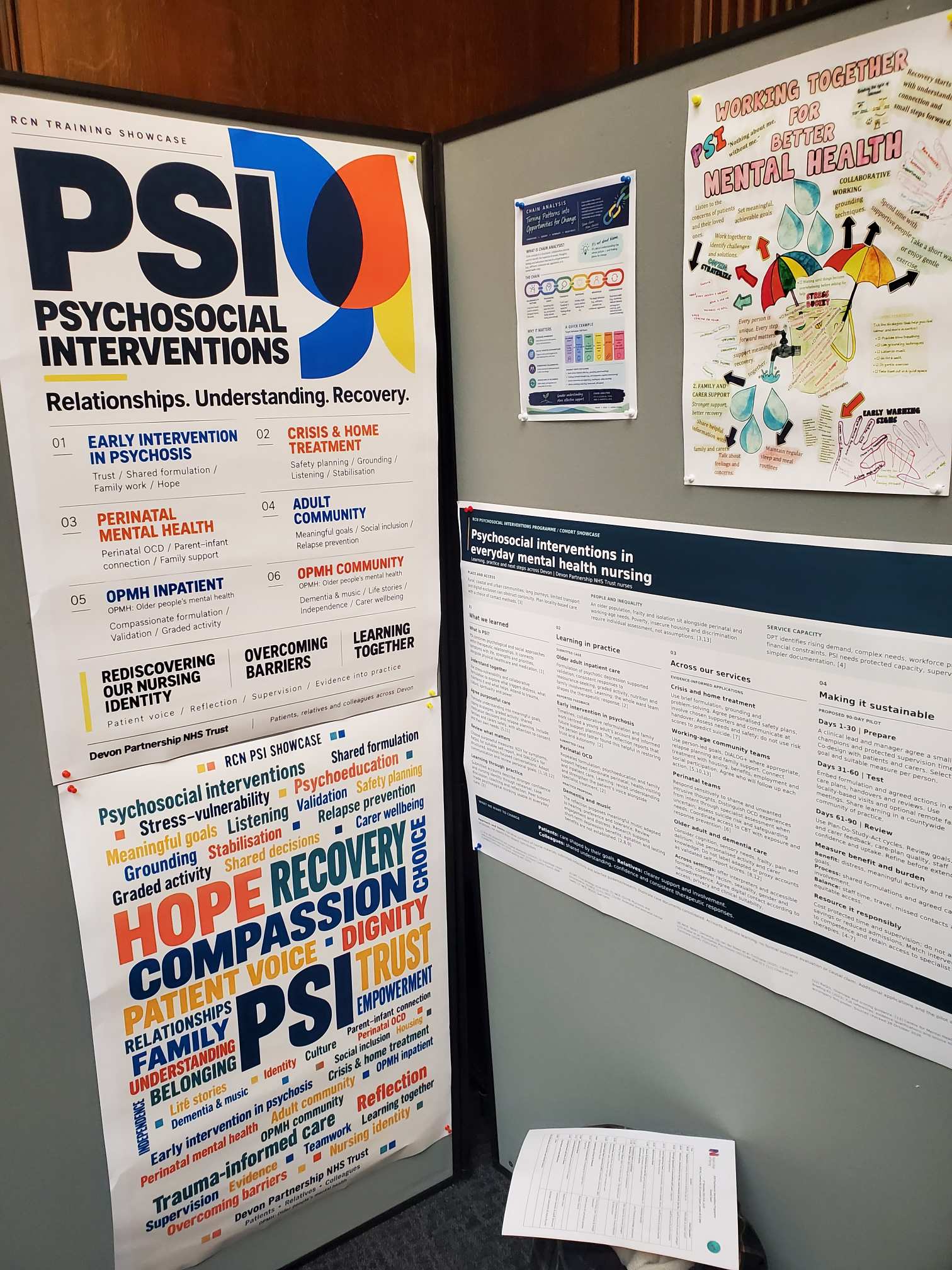
The conference also provided opportunities for participants to share posters, resources and learning from different PSI cohorts.

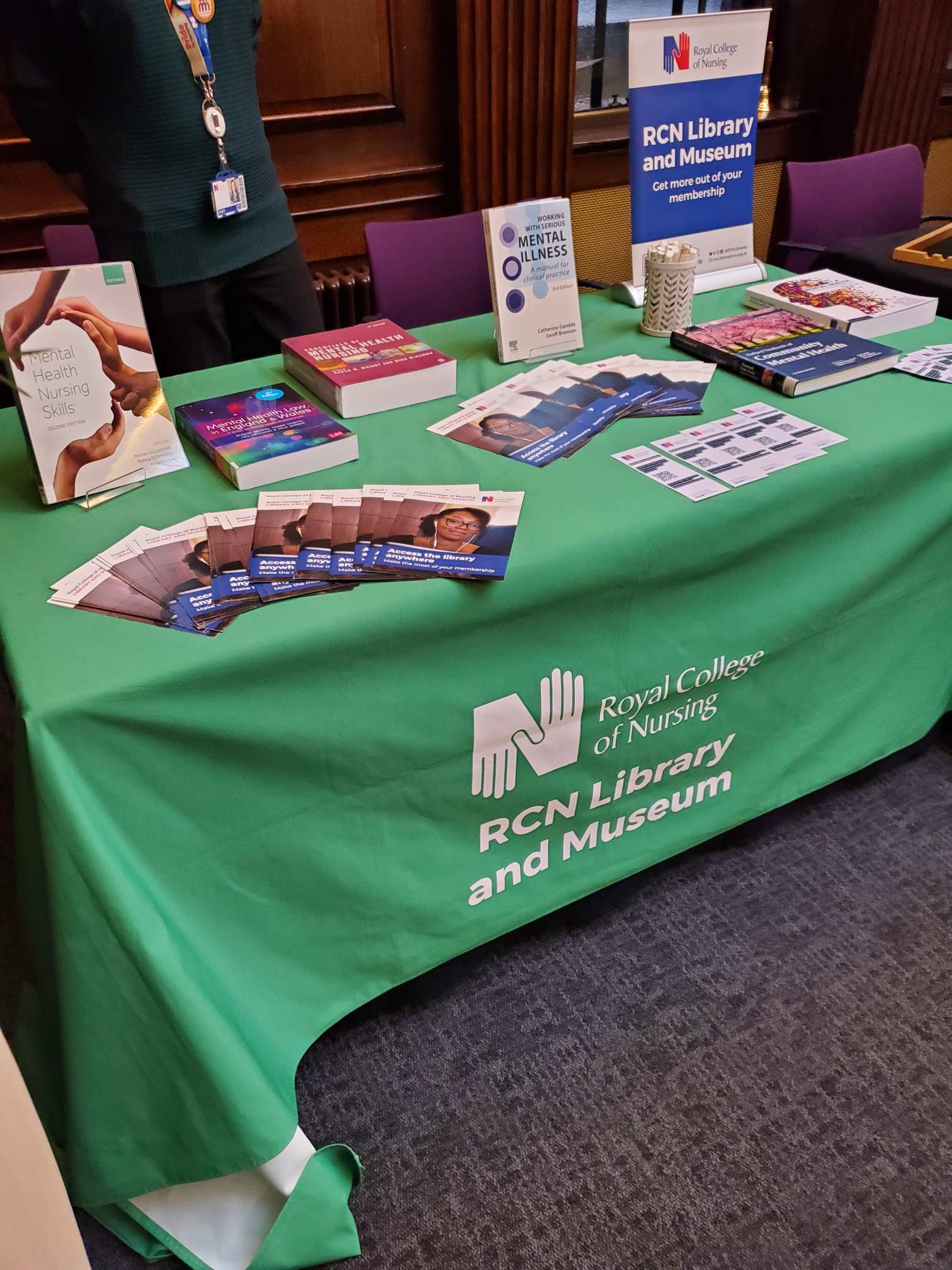
The networking and exhibition sessions offered space to discuss practice, ask questions and learn about developments taking place across mental health services.

It was encouraging to see how people were sharing their experiences and celebrating the work undertaken through PSI training.

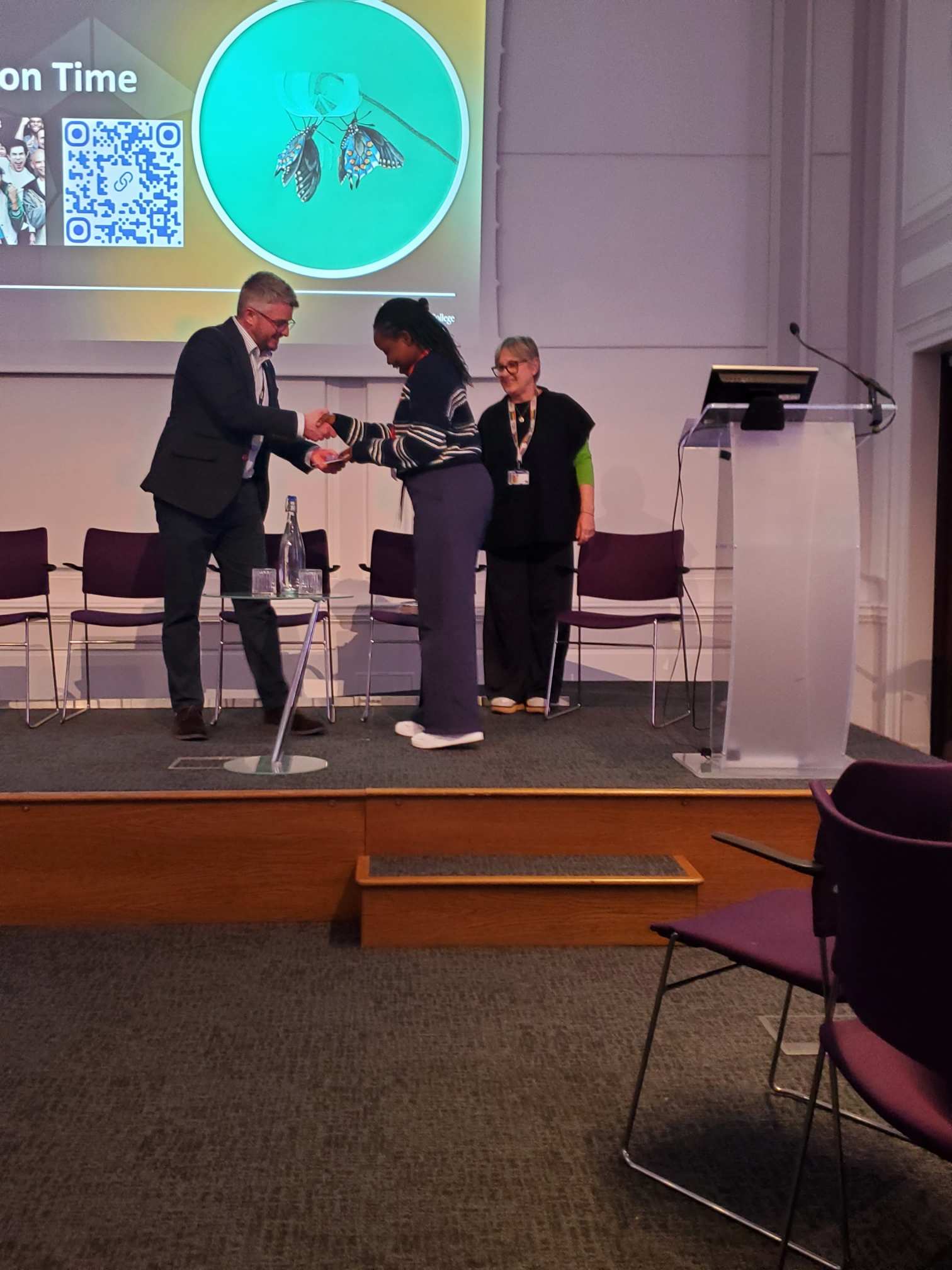
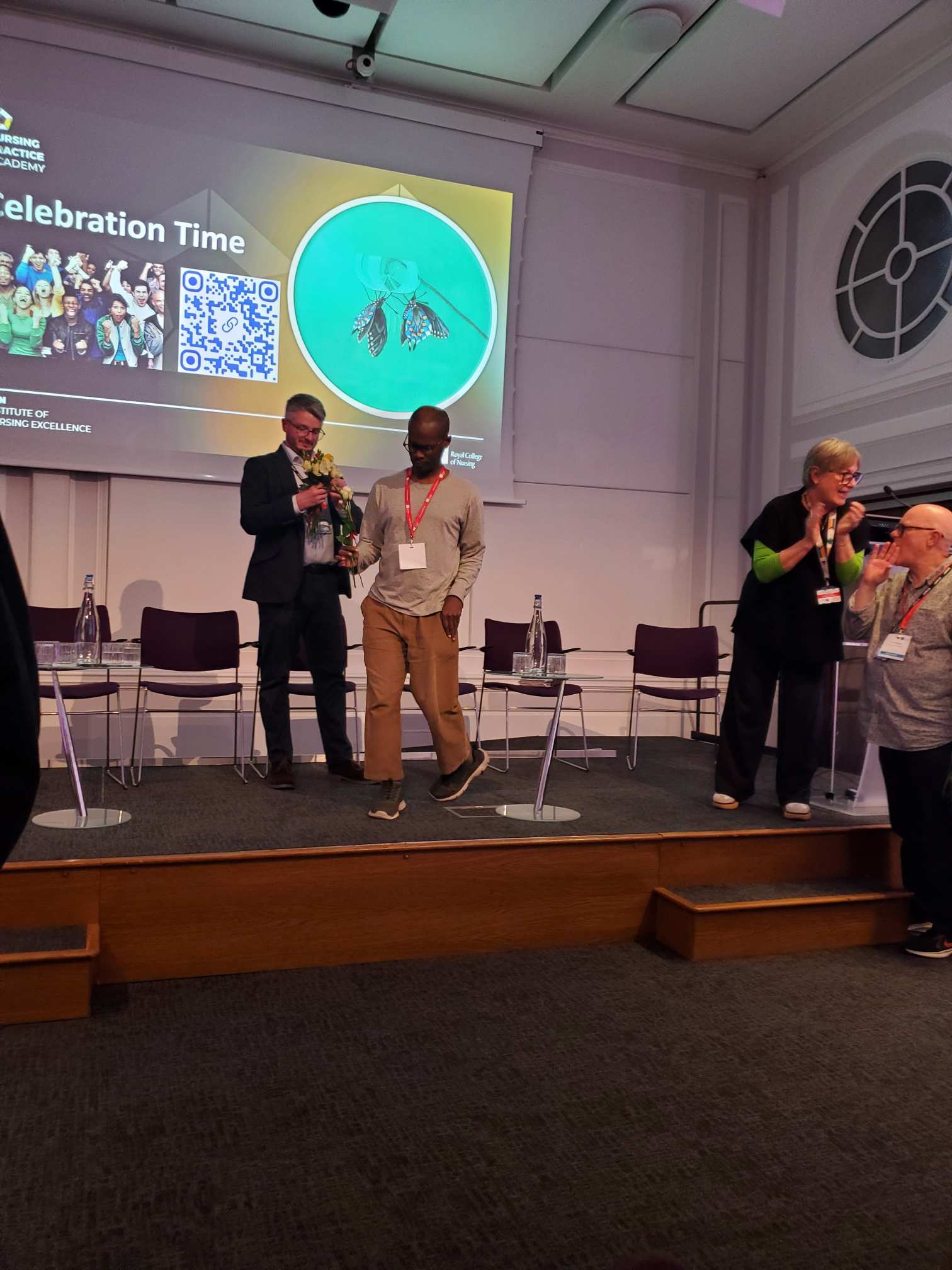
Towards the end of the conference, participants and organisers were recognised for their contributions.
The closing session also brought creativity back into focus through poetry.
One poem explored the experiences of unpaid carers, including the emotional pressures of caring and the importance of nurses recognising carers as individuals with their own needs.

I Am a Carer, Hear My Voice

Poem shared by a carer at the RCN PSI Alumni Conference, 2 November 2026

Am I doing too much? Am I not doing enough?
Am I the only one who finds this so tough?
They ask me how they are but forget about me,
As the cracks start to show, I’ve forgotten how to be.

The sleepless nights, the endless fear,
I wonder what would happen if I wasn’t here.
I know they really need me, there’s too much at stake,
But what I’d give for just five minutes, what I’d give for a break.

Here we are again in that waiting room,
Hoping that recovery may come soon.
I’m left here alone as they whisk them away,
To get them some help. It’s Groundhog Day.

Why does no one ask? Can’t they see my pain?
Can I keep them safe? They ask me again.
So off we go home, tears fall in my eyes,
I try to be positive but it feels like lies.

We return the next day but something’s new,
As a nurse kindly asks, how are you?
I finally feel seen, it suddenly seems fairer,
That finally I was more than somebody’s carer.

The nurse looked into my eyes and with a reassuring smile,
Encouraged me to chat about me for a while.
The tears came soon after and the truth began to flow,
I feel trapped and helpless with nowhere to go.

They listened with understanding, respected my point of view,
They could see the wider picture of what us carers do.
So all of you nurses in all walks of life,
Please look for those carers, they’re hiding their strife.

They need your compassion as much as patients do,
Their job is 24-7, please acknowledge what they do.
There’s such power in a smile and hope with a listening ear,
Don’t make them invisible. Say we see you. We’re here.

Reproduced with the poet’s permission.

Another reflected on mental health nursing and how PSI learning could strengthen compassion, professional identity and therapeutic relationships.

To Nurse With My Heart

Poem shared by a mental health nurse at the RCN PSI Alumni Conference, 2 November 2026

Between the high-pressure shifts and the ticking clock,
Both brain lights can fracture and double doors lock.
I hold fast to a promise I swore from the start,
To lead with my mind but to nurse with my heart.

For every soul walking in from the rain
Was once someone’s child, now in crisis or pain.
I measure my care by a simple clear line:
How will I want you to treat what is mine?

PSI learning has opened the door
To evidence tools and the science of more.
Psychosocial pathways that listen and guide,
Where the person, not the diagnosis, sits by my side.

It validated all that I felt in my bones,
That healing takes power and no one’s alone.
It gave language to empathy, structure to grace,
And a framework of hope in a chaotic place.

The service goes on, the resources are thin,
We get ready for battle before we begin.
Yet despite every barrier, shortage and strain,
The human connection is what will remain.

So I’ll carry these skills as a shield and a light,
To stand in the gap and to advocate right.
With compassionate hands and a practice made whole,
I will honour the person, the family, the soul.

Reproduced with the poet’s permission.

I found it especially fitting that poetry formed part of the closing reflections.
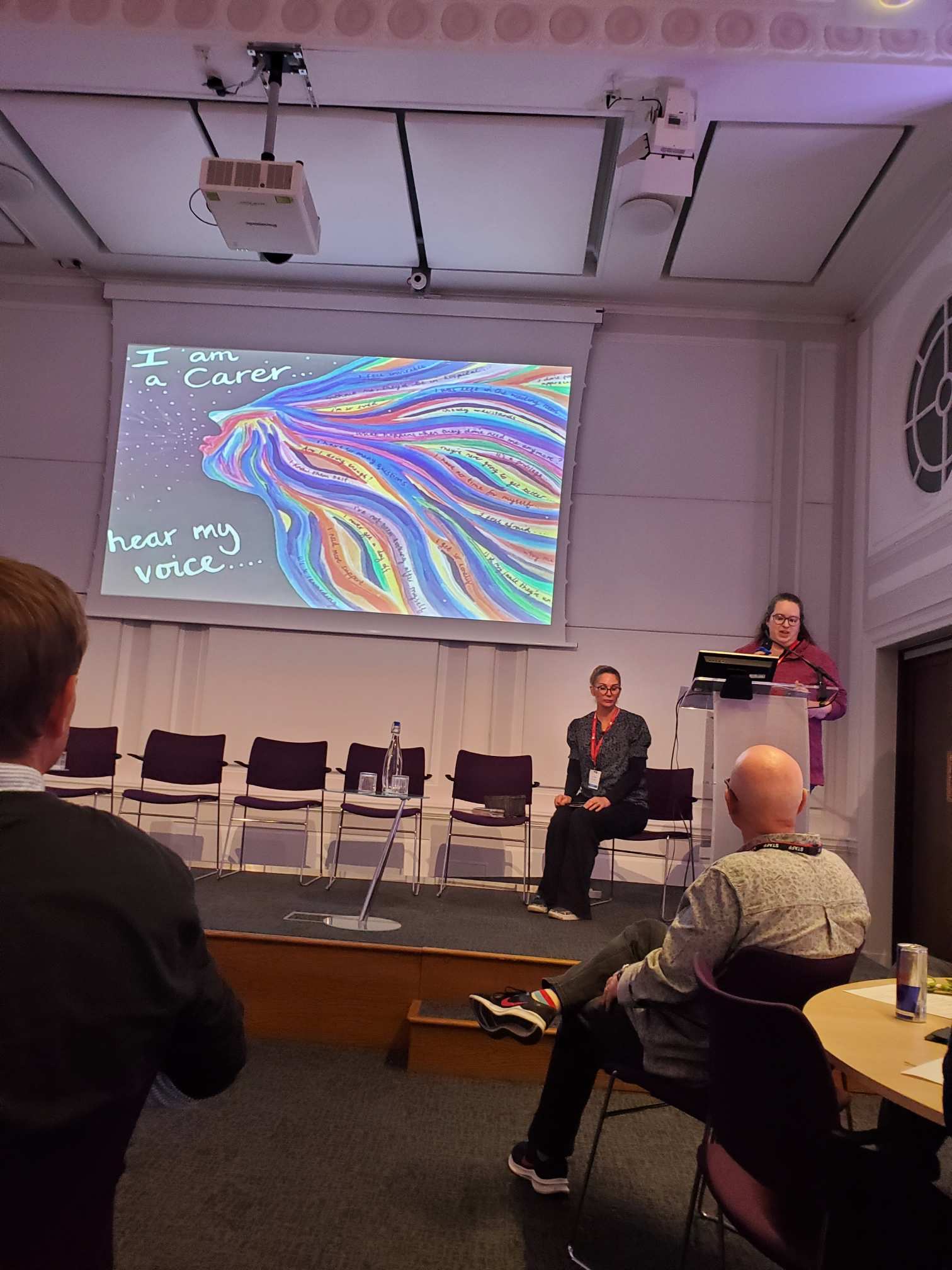
As someone who uses poetry to raise awareness of mental health caring, inequality and lived experience, I strongly believe creative approaches can provide an important way of communicating messages that might otherwise be difficult to express.

The closing contributions reminded us that compassion, listening and human connection remain essential elements of mental health care.

My Reflections – What Does This Mean for Unpaid Carers?

Leaving the RCN PSI Alumni Conference, I reflected on how far mental health nursing has developed and how important it is that carers continue to be involved in shaping that development.

The conference demonstrated that many nurses are committed to improving the way they work with patients and families.
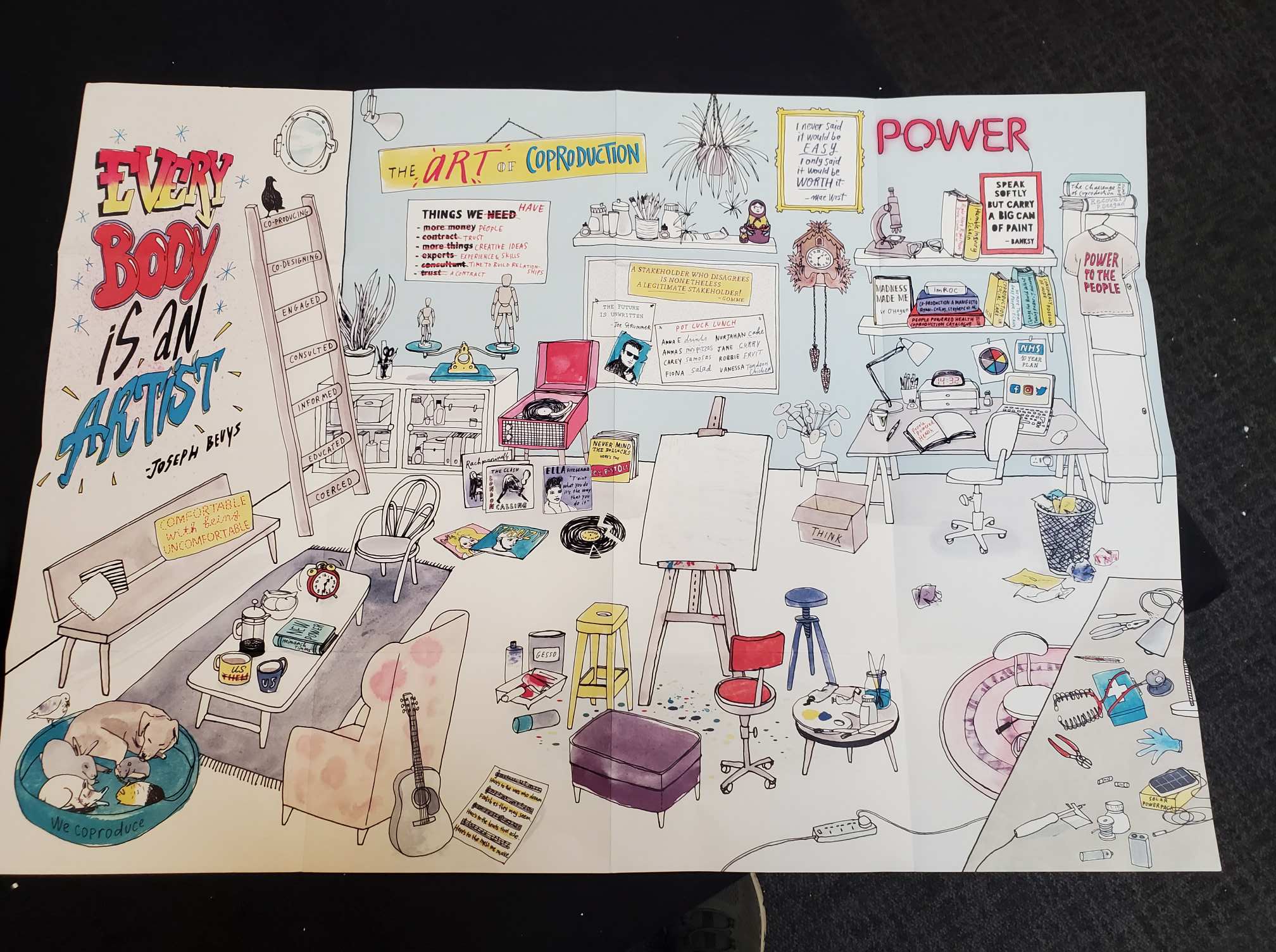
I also came away with a greater appreciation of the challenges they face.

Staffing pressures, competing responsibilities, limited development opportunities and organisational demands can all affect the time available for therapeutic work.

For families, however, the experience of mental health services often depends on the quality of individual interactions.

A nurse taking time to explain what is happening can reduce anxiety.

A professional listening to a carer’s observations can help build trust.

A family being appropriately involved in discussions can contribute knowledge that might otherwise be overlooked.

And a service that recognises culture, identity and lived experience may be better placed to understand the people it supports.

This is why I believe psychosocial interventions and co-production complement one another.

They both encourage us to see people in the wider context of their lives and relationships.

Conclusion – Learning Together to Make Mental Health Care Better

The RCN PSI Alumni Conference 2026 provided an important opportunity for mental health professionals, carers and people with lived experience to learn from one another.

It demonstrated the value of psychosocial interventions, meaningful co-production, professional development and the importance of maintaining compassionate relationships within mental health care.
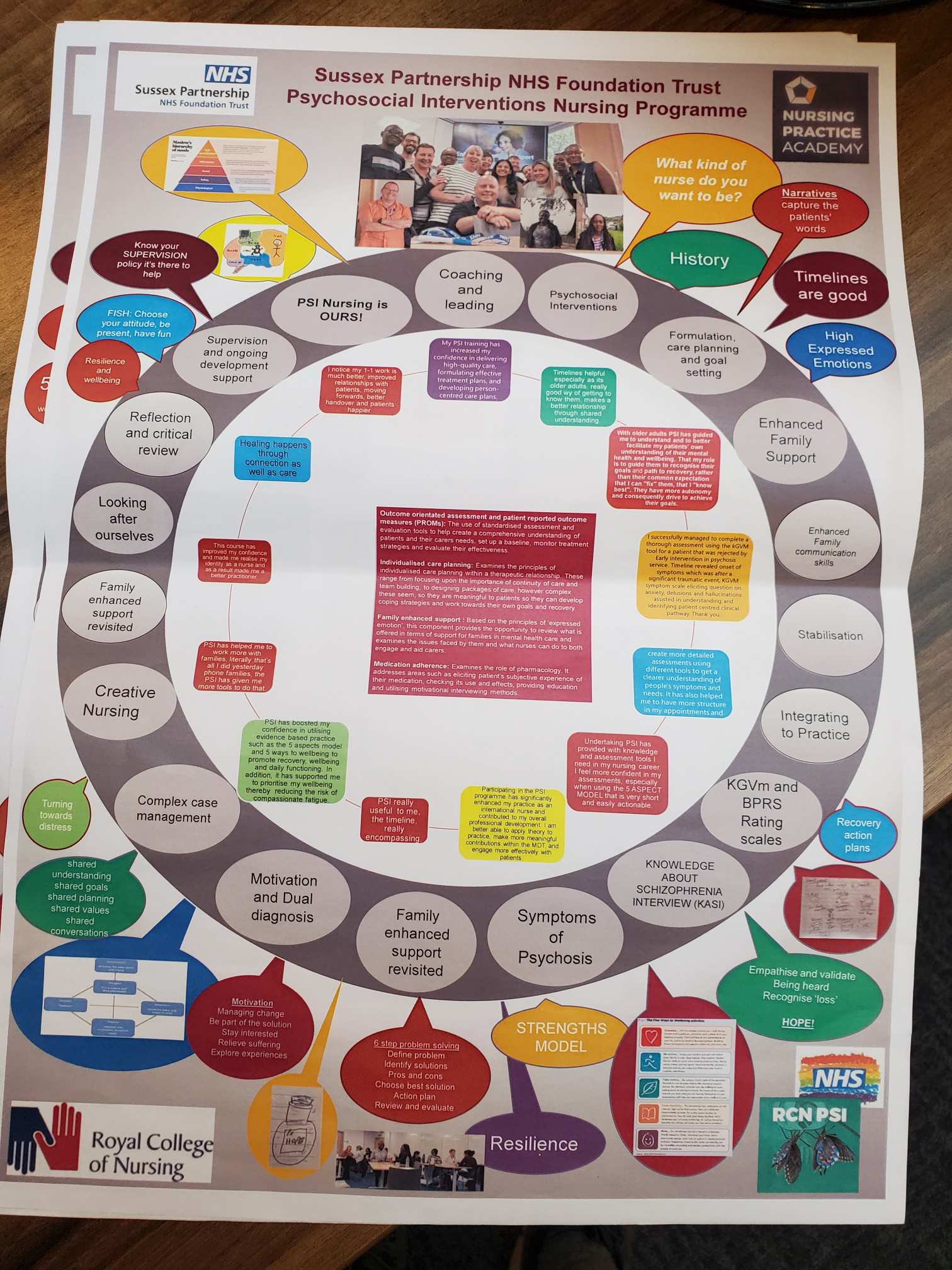
I was grateful for the opportunity to contribute to the co-production panel and to hear directly from nurses about their experiences of PSI training.

I was also encouraged by the conversations around inclusion, professional identity, family involvement and the practical challenges of maintaining therapeutic skills within services.

For me, the message is clear.

We need skilled and supported mental health nurses. We need patients and families whose experiences are respected. And we need organisations willing to bring these different forms of expertise together.

When carers and professionals learn from one another, we create opportunities to improve understanding, strengthen relationships and ultimately deliver better mental health care.

My thanks go to the RCN, the PSI organisers and facilitators, fellow lived-experience contributors, mental health nurses, researchers and everyone who made the conference possible.

I look forward to continuing these important conversations and sharing what I have learned with the unpaid carers and mental health networks I work alongside.
National Ethnic Mental Health Carer Forum: October Update 2026

By Matthew McKenzie – Chair, National Ethnic Mental Health Carers Forum

Welcome to my October update from the National Ethnic Mental Health Carers Forum. I am Matthew McKenzie, and I chair this forum to give unpaid mental health carers from ethnic minority communities a space to share experiences, question services and connect with people working to improve care.

Our meeting on Friday 30 October brought together presentations and discussion about racial inequalities, the wellbeing of unpaid carers, and the difficulties families face when trying to secure appropriate mental health support.

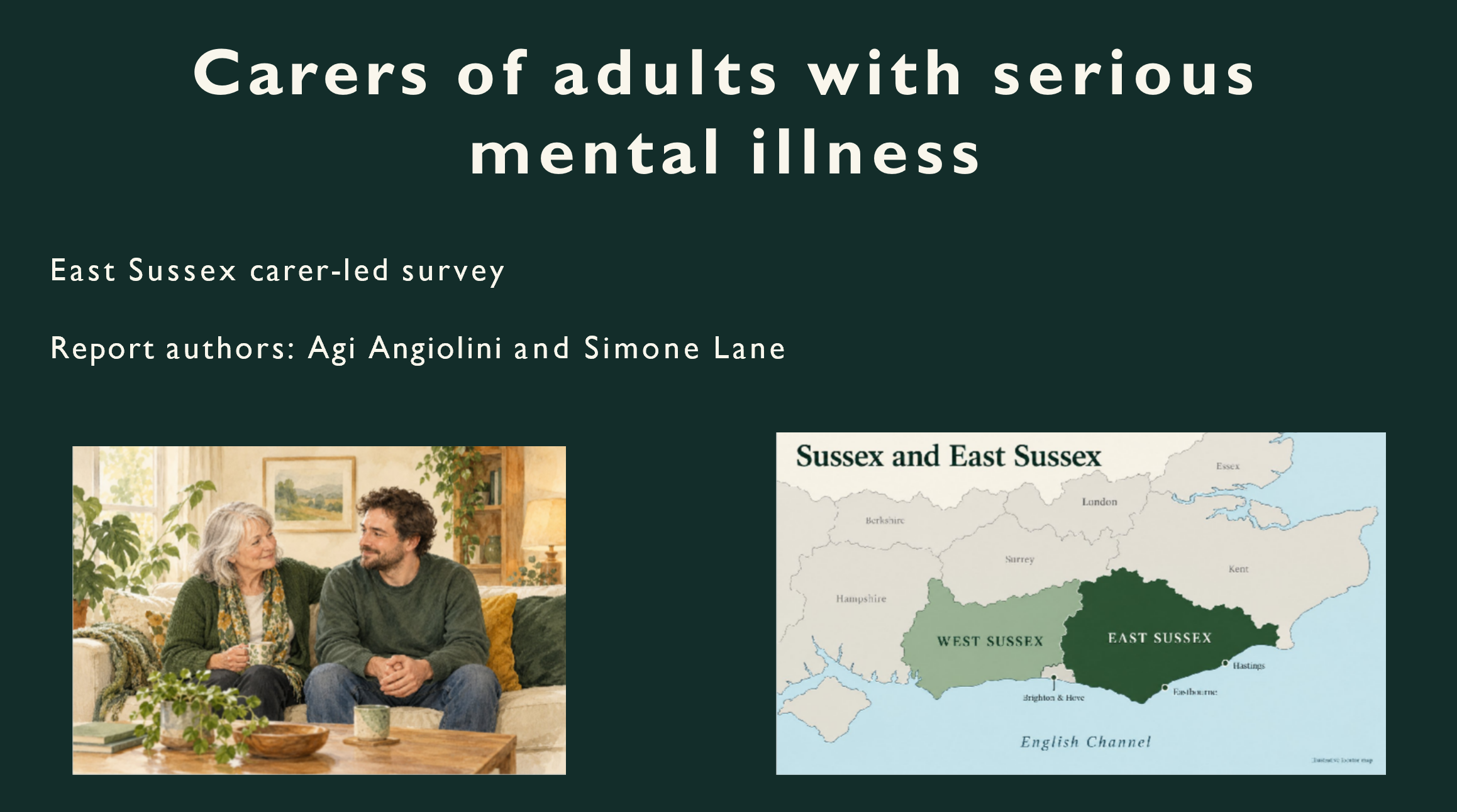
We heard from Tracy Bignall from the Race Equality Foundation and carer campaigner Agi, who presented findings from a substantial piece of work with carers in East Sussex. Their presentations approached change from different directions: challenging structural racism across institutions, and gathering carers’ experiences to press for improvements within local services.

Throughout the meeting, a shared concern emerged. Carers are often expected to hold care together, yet their knowledge, health and support needs can receive too little attention.

Tracy Bignall – Race Equality, Unpaid Caring and Mental Wellbeing

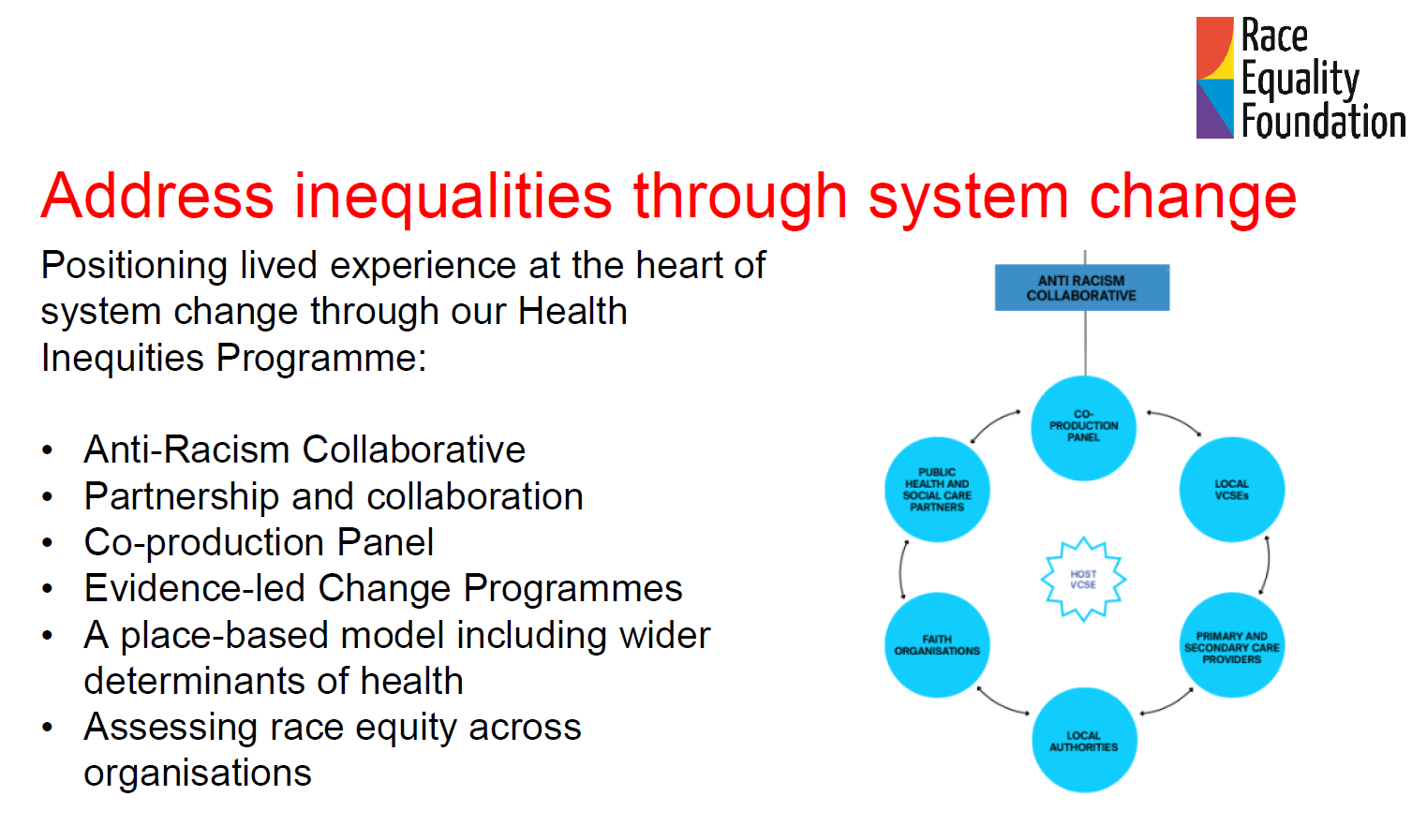
Tracy Bignall, Director of Policy Engagement at the Race Equality Foundation, introduced the organisation’s work to improve experiences and outcomes for Black, Asian and minority ethnic communities.

She explained that the Foundation works through research, evidence, practical interventions and partnerships to challenge discrimination and disadvantage. Its work extends across health inequalities, family support and other areas affecting people’s lives.

For this forum, Tracy focused on the relationship between unpaid caring, ethnicity and mental wellbeing. She highlighted the pressures caring can place on employment, household finances, physical health and emotional wellbeing. These pressures can become particularly demanding for people balancing caring with paid work, raising children or supporting ageing parents.

Recognising yourself as a carer

An important part of Tracy’s presentation concerned who identifies with the word “carer”.

For some families, supporting a relative is understood primarily as a family responsibility. People may describe themselves as a parent, partner, sibling or adult child without recognising that they are also providing unpaid care.

Language and cultural expectations can influence this recognition. The term “carer” may not translate easily into someone’s understanding of their role, and seeking help may feel unfamiliar or uncomfortable.

This matters because people who do not identify as carers may miss information, assessments, peer support or other assistance. Services need to explain what caring means in ways that connect with people’s everyday lives.

Racism, financial pressure and trust in services

Tracy explained that carers’ wellbeing must be understood within the wider circumstances of their lives.

Financial pressure can reduce opportunities to meet friends, enjoy hobbies or take part in activities that support mental wellbeing. For someone already carrying substantial caring responsibilities, losing those opportunities can deepen isolation.

She also discussed the cumulative impact of racism and discrimination across education, employment, healthcare and later life. These experiences can affect mental wellbeing and influence whether people feel safe approaching services.

Where communities have experienced discriminatory treatment, encouraging people to seek support requires more than providing information. Services must address the experiences that have damaged trust.

Moving towards structural change

Tracy described the Foundation’s work through the London Anti-Racism Collaboration for Health programme, which I had previously contributed to.

The programme brought together partners from the NHS, public health, local government, social care, voluntary organisations and communities. Its purpose was to help institutions take an active anti-racist approach to health inequalities, including examining policies, commissioning and workforce practices.

She also discussed work developing recommendations on structural racism and the wider determinants of health. Housing, the environment and other conditions shape people’s wellbeing, so improving health requires action beyond healthcare appointments.

Tracy then introduced a five-year programme developing anti-racist collaboratives in selected areas. A central feature is the involvement of people with lived experience in identifying priorities and shaping decisions.

The programme creates opportunities for communities and organisations to use evidence, test approaches and share learning. Support for unpaid carers could become a focus where communities identify it as a local priority.

Discussion Following Tracy’s Presentation – Accessibility, Culture and Meaningful Co-production

The discussion brought Tracy’s presentation into contact with the practical concerns carers encounter.

Older carers and isolation

Members raised the needs of older carers who are managing their own health conditions or mobility difficulties while supporting someone else.

There was particular concern about isolation during winter and about support that assumes everyone can travel or participate online.

Tracy clarified that the Foundation primarily works through research, policy, partnerships and support for organisations, rather than providing a general frontline carers service. She described previous work supporting organisations assisting older people and families affected by dementia, including efforts to help smaller community organisations access funding.

The exchange highlighted the importance of sustaining trusted local organisations that already have relationships with carers.

Accessible information requires more than translation

Members questioned whether written translations are enough to make information accessible.

Speaking a language does not necessarily mean someone can comfortably read it. Equally, speaking conversational English does not mean someone can understand a complex letter about care.

The discussion identified a need for different formats, including:

  • Plain language and Easy Read information.
  • Pictures and visual explanations.
  • Spoken information and short videos.
  • British Sign Language and appropriate interpreting support.
  • Clear explanations of available services and how to access them.

Tracy described the Foundation’s use of different formats and work developing information about access to interpreting support within the NHS.

A recurring concern was that people cannot use support they have never been told exists. Accessibility therefore includes how services explain and promote what is available.

Cultural needs and disabled parent carers

Members described situations in which carers felt their cultural needs were poorly understood or dismissed.

Concerns included preferences around intimate personal care, assumptions about family responsibilities, and the experiences of disabled people who also care for someone else.

The discussion challenged the idea that receiving support for your own disability prevents you from being a carer. People can occupy both roles, and services need to understand the whole family situation.

Tracy acknowledged the difficulties and emphasised the importance of personalised care, informed challenge and working through trusted community organisations.

Co-production must influence decisions

Another important question concerned how to make co-production work in practice.

Tracy described an anti-racist co-production resource being developed with partners. She also highlighted a familiar tension: communities may explain clearly how information should be presented, only for institutions to favour their established wording and processes.

The discussion reinforced that asking people to contribute is only part of co-production. Organisations must be willing to give those contributions weight and change their approach.

For carers, this means being able to see how their involvement has affected decisions, communication or care.

Agi – Turning East Sussex Carers’ Experiences into Evidence for Change

Agi presented findings from a report developed through the experiences of unpaid carers supporting adults with serious mental illness in East Sussex.

She spoke about her own long experience of caring and how attending a carers group helped her recognise that role. Through those meetings, she repeatedly heard similar concerns about communication, crisis support, exclusion and difficulties navigating services.

The report grew from a desire to bring those experiences together and present them to the local mental health trust as evidence requiring a response.

The work used a questionnaire containing 15 rated questions and two open-ended questions exploring carers’ concerns and suggestions. Agi described contributions from 71 carers supporting around 80 people.

These were findings from a particular group of respondents. However, many of the issues strongly resonated with those attending our national forum.

Long-term caring and complex responsibilities

Agi described a respondent group containing many women, older carers and people who had been caring for more than 15 years. Many supported adult children.

The report also highlighted complex needs, multiple diagnoses and the additional demands placed on people caring for more than one person.

These findings raised questions about how services assess the scale of someone’s caring responsibilities. Supporting one relative can already involve substantial work; caring for several people can leave very little space for the carer’s own health and wellbeing.

Responsibility without sufficient involvement

A central finding was that carers often felt they carried excessive responsibility while receiving limited professional support.

Respondents described having to advocate repeatedly to secure care, while not always feeling listened to or respected.

This is a serious tension within mental health care. Families may be relied upon to notice deterioration, manage difficulties at home and support recovery, yet struggle to be included when decisions are made.

Agi’s recommendations called for stronger partnership with carers, including practical implementation of the Triangle of Care.

Communication and information sharing

Communication emerged as a major area of concern.

Agi reported that 86% of respondents said they were informed about decisions, meetings or services only sometimes or not at all.

Carers wanted clearer, more consistent communication between teams and with families. They also wanted timely responses, accessible information and less jargon.

Poor communication places additional work on carers. They may have to chase updates, repeat information and work out which service is responsible, while also supporting someone who is unwell.

Consent and confidentiality

The report highlighted the stress created when consent and confidentiality are applied rigidly, particularly during crises or inpatient care.

Agi called for better staff training and clearer communication about what can be shared and how carers can contribute.

An important point in her presentation was that restrictions on disclosing information should not prevent staff from listening to information carers need to provide.

Families may hold essential knowledge about changes in behaviour, previous treatment, medication difficulties or emerging risks. A meaningful partnership needs a reliable route for that information to reach the care team.

Continuity and the importance of care coordination

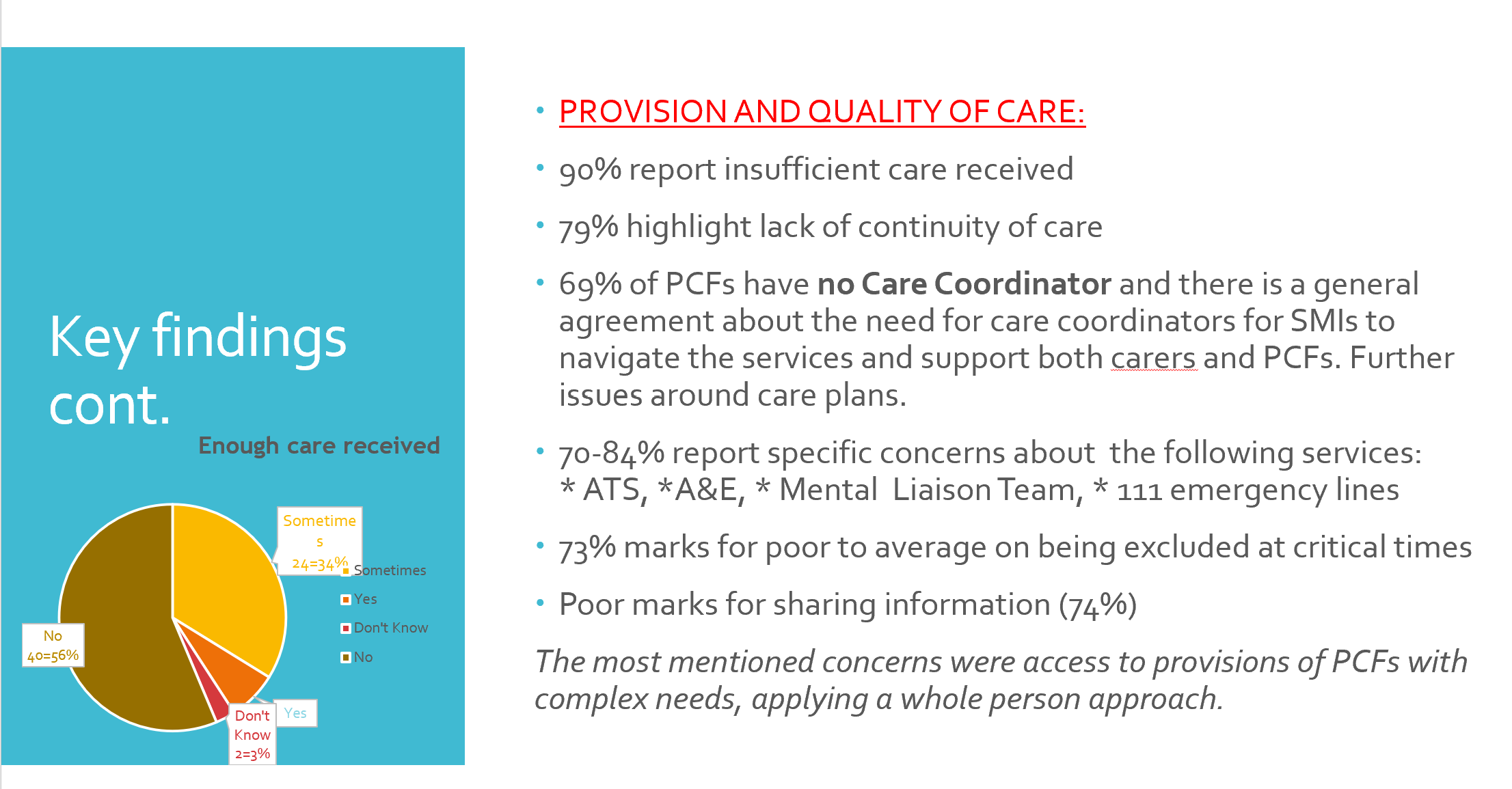
Agi reported that 90% of respondents felt the person they supported had received insufficient care, while 69% said the person had no care coordinator.

She described continuity as one of the report’s strongest themes. Carers whose relatives had a care coordinator reported better experiences, and the report called for stronger coordination across services.

The value of a coordinator was explained in practical terms: someone who knows the person, understands the family context, follows up concerns and helps connect different parts of the system.

For people who find it difficult to engage with unfamiliar professionals, a trusted and consistent relationship can be particularly important.

Crisis support when families need it most

Agi described concerns about reaching crisis services, lengthy waits and the suitability of busy emergency departments for people experiencing severe mental distress.

Carers wanted responsive support outside normal working hours, clearer routes to help and more home-based interventions where appropriate.

The report also raised concerns about suicide prevention, aftercare and whether plans developed within services were reaching families in a useful form.

The question running through this section was straightforward: when a family reaches crisis point, can they obtain timely help that responds to the situation they are facing?

A broader approach to care and recovery

The report called for more individualised, therapeutic and holistic care.

Carers wanted greater attention to family work, psychological support, housing, financial advice, meaningful activities and complex or neurodiverse needs.

Agi also explained that the existence of a community activity or service does not guarantee that someone can use it. A person may need sustained support and a trusting relationship before they feel able to participate.

Recommendations therefore need to address the steps between offering a service and enabling someone to benefit from it.

Taking the findings to decision-makers

Agi described presenting the report to senior leaders and developing further conversations with the trust, including its Patient Advice and Liaison Service.

She acknowledged that learning how to work with institutional structures and constraints takes time. Her aim remained to secure practical improvements that carers and the people they support could experience.

The report offered a way to move repeated concerns from individual conversations into a collective account that services could examine and respond to.

Discussion Following Agi’s Presentation – Racial Trauma, Diagnosis and Advocacy

Members recognised many of the report’s findings and explored where further attention was needed.

Racial trauma must be explicitly recognised

The discussion raised the importance of trauma-informed care that recognises racism and racial trauma.

Members described how racial inequality, Islamophobia, disability-related barriers and gender could interact with the difficulties already identified in the report.

Agi acknowledged that the largely White respondent group meant racial inequalities had not emerged as a major distinct theme. She explained that trauma-informed support featured in the report, while recognising the need to give racial experiences greater attention.

For our forum, this was an important distinction. A general account of poor care may capture some shared experiences while still missing the specific barriers faced by ethnic minority families.

Late diagnosis and lack of diagnosis

Members also raised concerns about late diagnosis and situations where people remain without a diagnosis despite substantial difficulties.

Families can spend long periods providing support while struggling to secure assessment, recognition or an appropriate response.

The discussion highlighted the uncertainty and exhaustion this creates. Caring responsibilities continue even when a clear pathway into services has not been established.

Agi recognised this as an issue requiring further attention, although it had not been fully captured by the questionnaire.

The role of advocacy

An advocacy contribution to the discussion explored how independent support can help people understand options, raise concerns and challenge decisions.

Members considered advocacy in relation to hospital care, community services, assessments and complaints. There was also interest in further information or training so carers could better understand different forms of advocacy.

The discussion showed that awareness alone is insufficient. People need to know which service is relevant, how to contact it and what support it can provide in their circumstances.

There was particular concern that carers’ perspectives should remain visible in conversations about advocacy and mental health reform.

Planning ahead and recording preferences

Advance choice statements and planning during periods when someone feels able to participate were also discussed.

Examples included recording preferences about family involvement, treatment concerns and cultural needs. Hair care, food and personal care were raised as practical aspects of dignity that can easily be overlooked.

However, members also explained why planning ahead can be difficult. Someone experiencing persistent or recurring distress may have limited opportunities to engage with paperwork or unfamiliar professionals.

This brought the conversation back to continuity. Families may need help from a trusted professional to make planning possible and revisit it over time.

Trust connects people to support

One of the strongest points in the discussion was that numerous available services can still feel inaccessible.

A person experiencing psychosis or severe distress may find it difficult to trust new professionals or engage with another referral. Carers may then be expected to bridge every gap.

Members described the need for consistent relationships that help connect the person, family and different services.

Advocacy, care coordination and community support can each contribute. Their usefulness depends partly on whether the person can access them and whether someone helps make those connections.

Matthew McKenzie – Reflections on Partnership, Consent and Carers’ Relationships

As chair, I was struck by how closely the two presentations connected.

Tracy’s presentation asked us to consider the structures that produce and sustain racial inequalities. Agi’s presentation showed how carers can gather evidence of everyday service difficulties and use it to seek change.

Both made clear that listening needs to lead somewhere.

During the closing discussion, I reflected on the pressure that consent difficulties can place on the relationship between a carer and the person they support.

A carer may be trying to obtain urgent help while also preserving a relationship built over many years. Repeatedly having to intervene can create strain, particularly if the person experiences the carer as part of an unwanted service response.

Services need to recognise that relationship as an essential part of the situation. Carers should receive clear information about available support, opportunities for planning and how concerns can be communicated. These conversations also need revisiting as circumstances change.

There was considerable interest in returning to consent, confidentiality, advocacy and advance planning at a future forum.

The depth of discussion meant that we ran beyond our planned time and could not hear all the scheduled contributions. I am grateful to our speakers and everyone who contributed their experience, questions and ideas.

Continuing the Work

October’s forum reinforced the need for racial equality work and carer involvement to remain closely connected.

Carers need accessible information, culturally responsive support, reliable communication and recognition of their own wellbeing. People receiving care need relationships and services that recognise their individual circumstances, preferences and aspirations.

The meeting also demonstrated the value of bringing national policy work and local carer evidence into the same space. Each can strengthen the other, helping us ask more precise questions about what needs to change and how progress will be recognised.

Thank you to Tracy Bignall and Agi for sharing their work, and to everyone who helped make this such a thoughtful discussion.

I will continue using the National Ethnic Mental Health Carers Forum to bring these experiences together, encourage challenge and keep attention on the changes that matter to carers and their families.

Gatekeeping Care – PCREF Poetry on Minority Ethnic Mental Health Carers

By Matthew McKenzie

My latest poetry video, “Gatekeeping Care,” explores the barriers minority ethnic unpaid carers can face when trying to navigate mental health services.

This is where unwritten rules, complicated medical language and unexplained carer rights can leave people struggling to understand how to obtain support.

Unpaid carers can also have their concerns not taken seriously.

The poem also reflects on what it feels like when decisions are made without carers and their cultural or religious beliefs are overlooked.

Through this poem, I want to raise awareness of why the Patient and Carer Race Equality Framework (PCREF) matters to carers and families.

I feel mental health services must listen to carers, communicate clearly and recognise them as equal partners rather than leaving them feeling judged, invisible or powerless.

National Ethnic mental health Carer Forum : November Update 2025

Chaired by Matthew McKenzie, Lived-Experience Carer

The latest meeting of the National Ethnic Mental Health Carer Forum brought together unpaid minority carers, community partners and four NHS mental Trusts (Avon & Whiltshire were kind enough to be included to update) to explore progress toward the Patient & Carer Race Equality Framework (PCREF), share challenges, and elevate lived-experience voices. As always, I ensured the space remained honest, fast-paced and rooted in what truly matters to ethnic minority carers: being heard, understood and included.

My latest blog for the November forum captures key highlights from each Trust, along with questions raised by attendees, reflecting the critical concerns and lived realities that continue to shape PCREF work across the country.


1. Avon & Wiltshire Mental Health Partnership Trust (AWP)

Focus: Triangle of Care, PCREF oversight, carer champion roles.

Avon & Wiltshire outlined how their PCREF programme is being driven through a clear governance structure, including a central Oversight Group and locality-based meetings. These layers ensure that learning from communities and staff filters upward and influences whole-trust priorities. Their collaboration with Nilaari (I think that is what their called), a long-standing community organisation supporting racially marginalised groups, has been key in grounding their PCREF work in authentic community voice.

A central pillar of their presentation was the strengthening of the Triangle of Care and carer-related PCREF oversight. They recognised that carer involvement cannot rely on goodwill or isolated champions; it requires structurally defined roles, written responsibilities, and consistent organisational expectations. The Trust is working on ensuring that every team and ward embeds a carer champion, whose purpose is not to “do everything for carers”, but to support cultural change within the workforce so that carers are recognised as equal partners.

They emphasised the importance of building staff capacity in cultural humility and safe conversations about race. AWP acknowledged that staff often feel unprepared to discuss ethnicity, discrimination or identity with carers. To address this, the Trust has created psychologically safe internal spaces, particularly for racially marginalised staff—to process experiences and explore how structural and interpersonal inequalities impact both staff wellbeing and patient care. This cultural environment is foundational to PCREF implementation because it shapes how confidently staff engage with diverse carers.

Key Points:

  • Carer champions must support, not replace, teams in working with carers.
  • Emphasis on psychological safety for racially marginalised staff and carers.
  • Encouraging honest conversations around race, trauma, and culture across staff teams.

Questions raised by attendees:

  1. How do you embed cultural awareness within staff teams, not just for carers?
    – Concern that staff dynamics and cultural differences must be addressed to create consistent culturally responsive care.
  2. How do staff and leaders hold ‘difficult conversations’ about race and safety?
    – Attendees wanted clarity on how psychological safety is practiced and how managers are supported.

🌟 2. Birmingham & Solihull Mental Health NHS FT

(Children & Young People’s Division – “Co-STARS” programme)

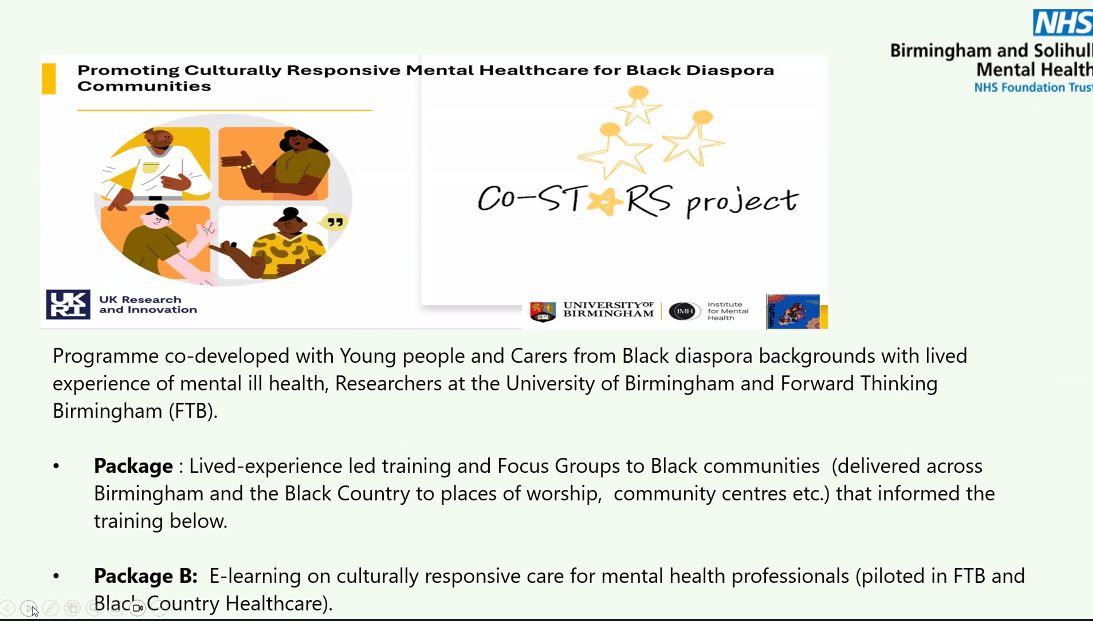
Birmingham & Solihull (CYP) presented one of the most detailed and emotionally grounded PCREF programmes, shaped heavily by lived-experience research with Black diaspora families. Their PCREF priorities, knowing our communities, transforming with communities, and delivering care that works reflect a commitment to embedding cultural responsiveness at every step. Their partnership with the University of Birmingham and Forward Thinking Birmingham has produced the Co-STARS project, a blend of lived-experience-led community work and staff training modules.

A major part of their PCREF advancement comes from working intensively with families to capture how racialised parents feel when using services. The Trust shared powerful testimonies from Black carers who described needing to “emotionally self-regulate” in meetings to avoid being labelled angry, unstable or cold. Parents also highlighted the emotional labour of protecting their children from stereotypes such as the “angry Black boy”, as well as fears of being adultified or dismissed. These insights have directly reshaped responses from clinical teams and informed the development of carers’ passports and safe spaces.

Birmingham & Solihull also emphasised building structures to ensure that their care pathways become culturally competent and adaptive. They are embedding PCREF champions across all clinical pathways, from eating disorders to psychosis and autism, ensuring diversity and inclusion principles shape every aspect of assessment, treatment and review. The Trust is also developing e-learning on culturally responsive practice, and expanding identity-specific support spaces (e.g., Black Carers Groups and new plans for Asian carers’ spaces). This multi-layered approach reflects a commitment to PCREF that is both structural and deeply relational.

Key Points:

  • Embedding culturally competent conversations within CYP teams.
  • Developing a Black Carers Group and safe spaces for racialised parent groups.
  • New e-learning on culturally responsive practice (from Co-STARS package).
  • Use of carer passports to ensure carers feel like equal partners.
  • Strong focus on how ethnic minority parents feel judged or misread by services (e.g., “angry Black woman,” “cold mother”) – themes drawn directly from carer focus groups.
  • Recognising adultification, stereotyping, and the emotional labour families perform.

Questions raised by attendees:

  1. What about older adult Black communities?
    – Carers questioned how older Black adults, shaped by decades of racism, would be included in PCREF work.
  2. Are you working with the police on cultural awareness?
    – Concerns around disproportionate use of Section 136 and stereotypes (e.g., assuming someone is “aggressive” because they speak loudly or gesture).
  3. How will parent–carer voices shape service pathways and outcomes across all diagnoses (e.g., autism, psychosis)?

3. Sussex Partnership NHS Foundation Trust

Sussex Partnership presented PCREF as a three-pillared programme: data, co-production & engagement, and workforce development. Their first priority is improving ethnicity and protected characteristics data, which they acknowledged has historically been inconsistent. Sussex is launching a behavioural-change campaign that involves interviewing service users from minority backgrounds about why they may decline to share ethnicity, alongside staff interviews to understand documentation issues. Their goal is a transparent baseline from which meaningful PCREF action can be driven.

The Trust also described significant investment in a new data infrastructure via Power BI dashboards. These tools will pull together real-time information on areas such as restraint, Section 132 rights, and involuntary detention by ethnicity. The Trust stressed that PCREF cannot function without high-quality data because inequalities must be clearly visible and accessible to teams at every level—from ward managers to executive boards. Their future ambition is to enable quicker identification of disparities and faster interventions that prevent harm.

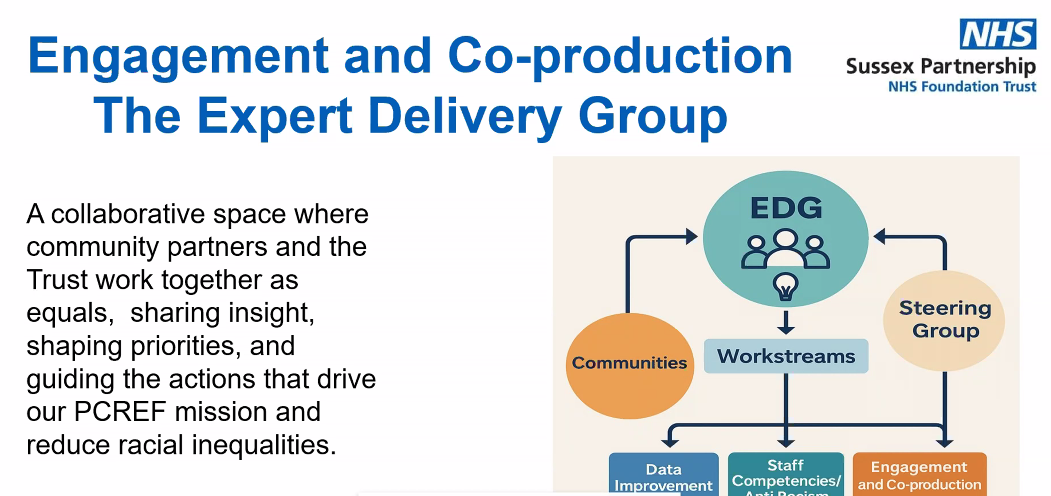
Sussex’s strongest focus was on building genuine co-production through their Expert Delivery Group (EDG). Unlike past approaches where community partners were only consulted, the EDG is designed as a collaborative decision-making space. Sussex acknowledged up front that phase 1 of PCREF planning did not fully embody equal partnership, and committed to ensuring that phase 2 will be co-produced from the ground up. The EDG will define what co-production means, co-design PCREF implementation plans, and shape updates that reflect community priorities, trust recovery, and anti-racist aspirations.

Key Points:

  • A behavioural-change campaign to improve ethnicity data recording (currently 65% compliance).
  • Development of Power BI dashboards for rapid inequality analysis.
  • Defining anti-racist and cultural competency skills for staff, tied to new EDI training.
  • Creation of the Expert Delivery Group (EDG) as a collaborative community–trust space.

Questions raised by attendees:

  1. Is this “real” co-production or consultation?
    – Attendees challenged Sussex on whether the initial plan was created with the community or presented to them.
  2. How will service users and carers hold equal power within co-production?
  3. How will your anti-racism ambitions be demonstrated externally to communities?
    – Attendees expressed concerns that staff training alone does not reassure communities.
  4. How will carers’ needs be embedded in PCREF (Triangle of Care)?

🌟 4. Kent & Medway Mental Health NHS Trust

Presenter: Kamellia (with contribution from Harriet – Lived Experience)

Kent & Medway showcased a comprehensive and governance-driven PCREF structure supported by their Equity for All Assurance Group. The Trust has embedded health inequalities into its broader strategy and is working to ensure that PCREF, protected characteristics data and health equity are woven into everyday practice. With the Trust’s newly updated name and identity, PCREF sits at the centre of a renewed commitment to equitable access, outcomes and patient experience across Kent and Medway.

Their PCREF progress includes delivering cultural competence training to 259 senior leaders, a significant investment in shifting leadership behaviour and expectations. They have also identified major data disparities in areas such as complaints, where ethnicity recording is only around 30%. To address this, they are rolling out the About Me form across their clinical system (Rio), which streamlines demographic and protected characteristics documentation for both carers and patients. This step is being supported by staff training designed to build confidence in discussing sensitive identity-related topics.

Kent & Medway also highlighted the expansion of their new Involvement & Engagement Team, which links directly with communities across East, West and North Kent. They are testing a Health Inequalities Toolkit, improving carer experience data collection, and creating new Family, Friends & Carers forms that capture protected characteristics, communication needs, and whether a carers pack was offered. The Trust’s approach is detailed, structural and long-term, aiming to embed PCREF as part of “business as usual” rather than a separate initiative.

Key Points:

  • 259 senior leaders trained in cultural competence.
  • New About Me demographic/protected characteristics form launching trust-wide.
  • Major data gaps identified (e.g., only 30% ethnicity data for complaints).
  • New Involvement & Engagement Team connecting with community groups.
  • Testing the Health Inequalities Toolkit .
  • New Family, Friends & Carers Information Form including carer-pack tracking.

Questions raised by attendees:

  1. Do you provide information in languages other than English?
    – Carers stressed that if translations don’t exist, PCREF is inaccessible from the start.
  2. How will carers be supported to attend meetings given their unpredictable caring responsibilities?
  3. How will you gather demographic data for carers when many do not have Rio records?
  4. How will minority groups be reached in areas where the Trust’s population is overwhelmingly White British?

5. Carer Support Organisation (Kent & Medway Carers Support)

Presenter: Donna Green (involve Kent)

Key Points:

  • They run trust-wide carer experience groups and targeted workshops.
  • Emphasised difficulty for carers to attend meetings due to constant demands.
  • Highlighted the need for multiple approaches, including creative well-being sessions.

Closing Reflections from the Forum

I wrapped up the session acknowledging:

  • The strong desire across Trusts to improve PCREF delivery.
  • The pressure to progress quickly without losing sight of lived experience leadership.
  • The need to bring CQC into future meetings for transparency around expectations.
  • The importance of ethnic minority carers having a forum that values honesty over polished presentations.

Final Thoughts

This month’s forum demonstrated that while progress continues nationally, there remain shared challenges across NHS Mental HealthTrusts:

  • Recording ethnicity and protected characteristics meaningfully
  • Embedding anti-racism beyond training modules
  • Meeting the needs of Black, Asian and other racialised carers
  • Co-production that is real, not rhetorical
  • Involving carers whose time and emotional capacity are already stretched
  • Ensuring safety, trust and humanity in every interaction.

Above all, the session showed that ethnic minority carers are not passive observers they’re leading, questioning, shaping and insisting on accountability at every step.