Hi everyone, it’s Matthew McKenzie here, and as you know, my focus is usually on raising awareness about unpaid carers, those who care for someone living with long-term ill health, whether it be mental health or physical health. Today, we’re shifting our attention slightly to discuss strategies for dealing with depression. This issue doesn’t just affect the individuals you’re caring for; it can also impact unpaid carers themselves. I’ve been through it, and it’s something that creeps up on you unexpectedly. Even while doing your best in your caregiving role, external factors and the nature of who you’re caring for can significantly affect your mental well-being.
To watch the video, please see below.
Strategies for Combating Depression
Let’s dive into these 20 or so strategies that carers, or anyone for that matter, can use to deal with depression.
Welcome to another blog and awareness video by carer activist Matthew McKenzie FRSA BEM. If you wish to see the awareness below, please click below.
Raising Awareness: The Unseen Heroes of Parkinson’s Disease
Parkinson’s Disease, a progressive neurological condition predominantly affecting movement and coordination, often evokes the imagery of tremors and physical discomfort. Yet, beyond these visible symptoms lies an intricate complexity that reshapes daily life for both those diagnosed and the caregivers – the unsung heroes standing resiliently behind them.
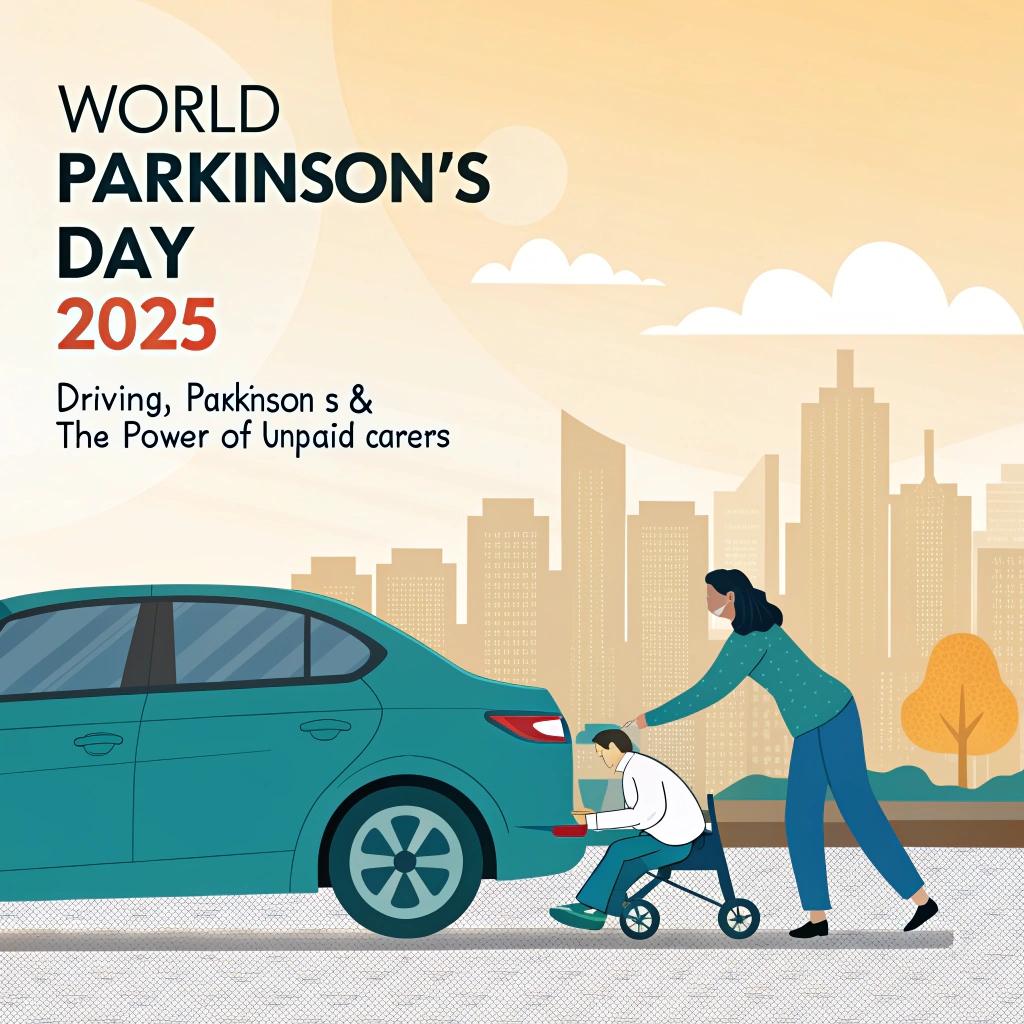
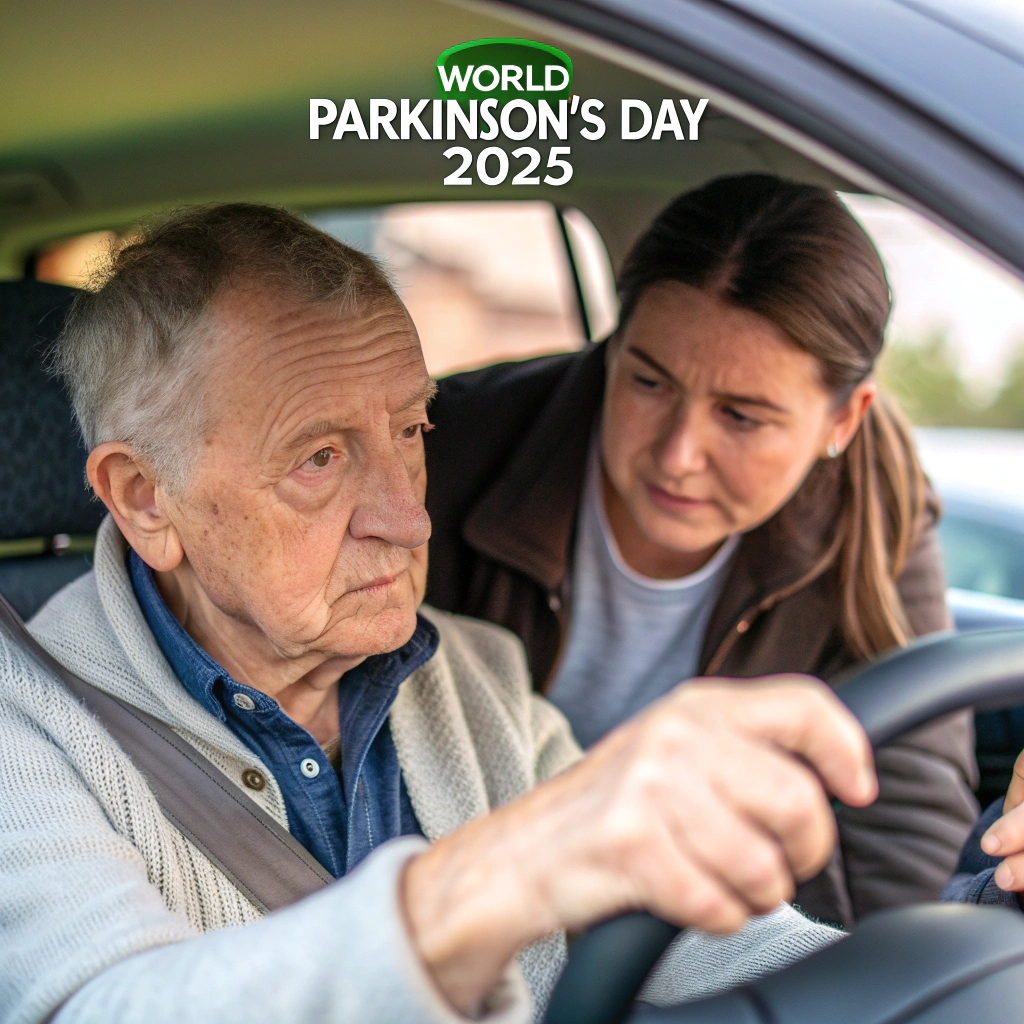
As we mark World Parkinson’s Day 2025, it is imperative to delve deep into the unseen facets of this journey, particularly focusing on driving and the often-overlooked unpaid carers who tirelessly offer support, love, and patience against formidable odds.
Understanding Parkinson’s Disease: A Complex Condition
Parkinson’s Disease is more than an ailment of tremors. This progressive neurological disorder brings with it a range of symptoms that affect mobility, movement, and coordination, making daily tasks increasingly challenging. However, that’s merely the surface. The true complexity of Parkinson’s lies in its unpredictable nature, no two journeys are the same. Each individual experiences a unique set of challenges, and by extension, so do their families and carers.
The Impact on Mobility and Beyond
While the loss of coordinated movement is a significant indicator, Parkinson’s Disease affects much more than the physical. It impacts daily activities, altering how individuals interact with their environment and the people around them. This transformation extends beyond the individual, touching families and communities and reshaping relationships in profound ways.
The Role of Unpaid Carers: Strength and Resilience in Silence
For every person diagnosed with Parkinson’s Disease, there usually stands an unpaid carer – a partner, child, friend, or close companion who navigates this journey alongside them. These carers exhibit an unwavering commitment marked by strength and resilience, often facing their own set of challenges including emotional, physical, and financial strains. It is crucial to acknowledge their dedication and raise awareness about the indispensable role they play.
Life Beyond Diagnosis: A New Normal
Carers find their lives dramatically altered as they take on responsibilities that extend far beyond regular caregiving duties. There’s no clocking out, no salary, and hardly any spotlight. Carers prioritize the needs of the person with Parkinson’s above their own, often dealing with the emotional toll of the disease. They embody strength – the kind needed to wake up each day and face unknown variables, to push forward despite physical and emotional exhaustion.
The Intersection of Parkinson’s and Driving: Independence and Freedom
Driving symbolizes independence, connection, and freedom – aspects that those living with Parkinson’s struggle to hold on to. For many, driving is more than a convenience; it is a crucial part of their identity and autonomy. However, the progression of Parkinson’s can compromise these abilities, bringing about new challenges and fears.
The New Role of Carers in Mobility
Carers play a significant role in helping to navigate this new reality. They advocate, co-pilot, and sometimes take over the wheel in both a literal and emotional sense. Their support becomes an anchor for the person with Parkinson’s, helping them maintain some semblance of independence and connection with the world.
The Collective Effort: Parkinson’s UK and Global Initiatives
World Parkinson’s Day is spearheaded by a global alliance comprising approximately 80 Parkinson’s organizations, unified in their mission to raise awareness and advocate for those affected. Parkinson’s UK stands at the forefront of this initiative, leading the fight for better care, support, and services. They emphasize the importance of community, providing expert guidance and an invaluable support network for both patients and carers.
Advocacy and Community Support
These organizations work tirelessly to promote awareness, engage in advocacy efforts, and foster a sense of community. They provide a platform for those affected by Parkinson’s to share their experiences, find support, and fight for a better quality of life. Through these collective efforts, the aim is to ensure that no one faces this journey alone.
A Call to Action: Recognizing and Supporting Carers
As we commemorate World Parkinson’s Day, it is essential to recognize the people standing behind those with Parkinson’s. These carers often carry a significant portion of the burden, usually unnoticed and unacknowledged. Raising awareness about their contributions is vital to ensure they do not have to bear this weight in silence.
Driving Forward Together
The road ahead requires a collective effort to drive forward, not just physically but in terms of societal understanding and support. It’s about creating a world that truly acknowledges the challenges of living with Parkinson’s and equally the dedication of those who love and care through its trials. Together, by sharing this mission, we can make a meaningful difference in the lives of individuals with Parkinson’s and their carers.
Thank you for taking the time to read and understand the multifaceted journey of Parkinson’s Disease on this World Parkinson’s Day 2025. Let’s continue to support, advocate, and drive forward towards a better world for those living with and caring for Parkinson’s Disease.
Embracing Stress Awareness Month by Matthew McKenzie
Stress Awareness Month, observed every April, serves as a powerful reminder to pause, reflect, and take charge of our well-being.
To watch the awareness video, click below.
In 2025, the theme for Stress Awareness Month is “Lead with Love,” which encourages us to approach both ourselves and others with kindness, compassion, and acceptance. This movement is orchestrated by the Stress Management Society, a nonprofit organization founded in 2003 dedicated to helping individuals and organizations manage stress, improve well-being, and build resilience.
Supporting a loved one with mental illness can be challenging and demanding, especially for unpaid carers. Understanding the intricacies of care plans can make a significant difference in ensuring the well-being of both the carer and the person being cared for. In this article, we will delve into the essential elements of an effective mental health care plan, providing valuable guidance for carers.
To watch the lecture where the blog describes, see video below.
Understanding the Care Plan
A mental health care plan is a comprehensive document outlining specific strategies, treatments, and support systems to help manage the mental health of an individual.
The Importance of Ethnic Minority Mental Health Carer Voices: Empowering Unpaid Carers from the Global Majority by Matthew McKenzie
In today’s world, the voices of ethnic minority carers in mental health services must be heard and valued. The National Ethnic Mental Health Carers Forum meeting, held on March 28, 2025, underscored the vital role that co-production and lived experience play in shaping better services for those who care for loved ones with mental health needs.
Celebrating Mental Health Carers: Building Stronger Connections in Southwest London
By Matthew McKenzie | April 2025
Mental health carers play a vital, often unseen role in supporting loved ones through some of life’s most difficult challenges. At the SW London Mental Health Carer’s Group, we’re creating a space where carers can connect, learn, and feel empowered.
The forum is faciliated by Matthew McKenzie and Ava, although members of the group are encouraged to facilitate to develop carer empowerment.






 A Caring Mind