IT Officer for London School of Osteopathy and a Carer representative for Maudsley. As you can see, I have many interests shown off my blog. I hope to keep it updated with posts and more things to come soon.
Hello everyone, it’s Matthew McKenzie here with another lecture aimed at unpaid carers. As you can see from the title, I’m in carer activist mode, which is basically what I am. And when I say carer, I’m talking about unpaid carers, those that care for someone living with a long-term illness. In this lecture, we will focus on effective ways for carers to lobby the government and create change.
To see the video lecture, see below.
Why Lobby Now?
Urgent Issues
You might be thinking, why am I making this sort of video now? The NHS is due to undergo significant changes, which will cause a lot of problems and challenges, especially for carers.
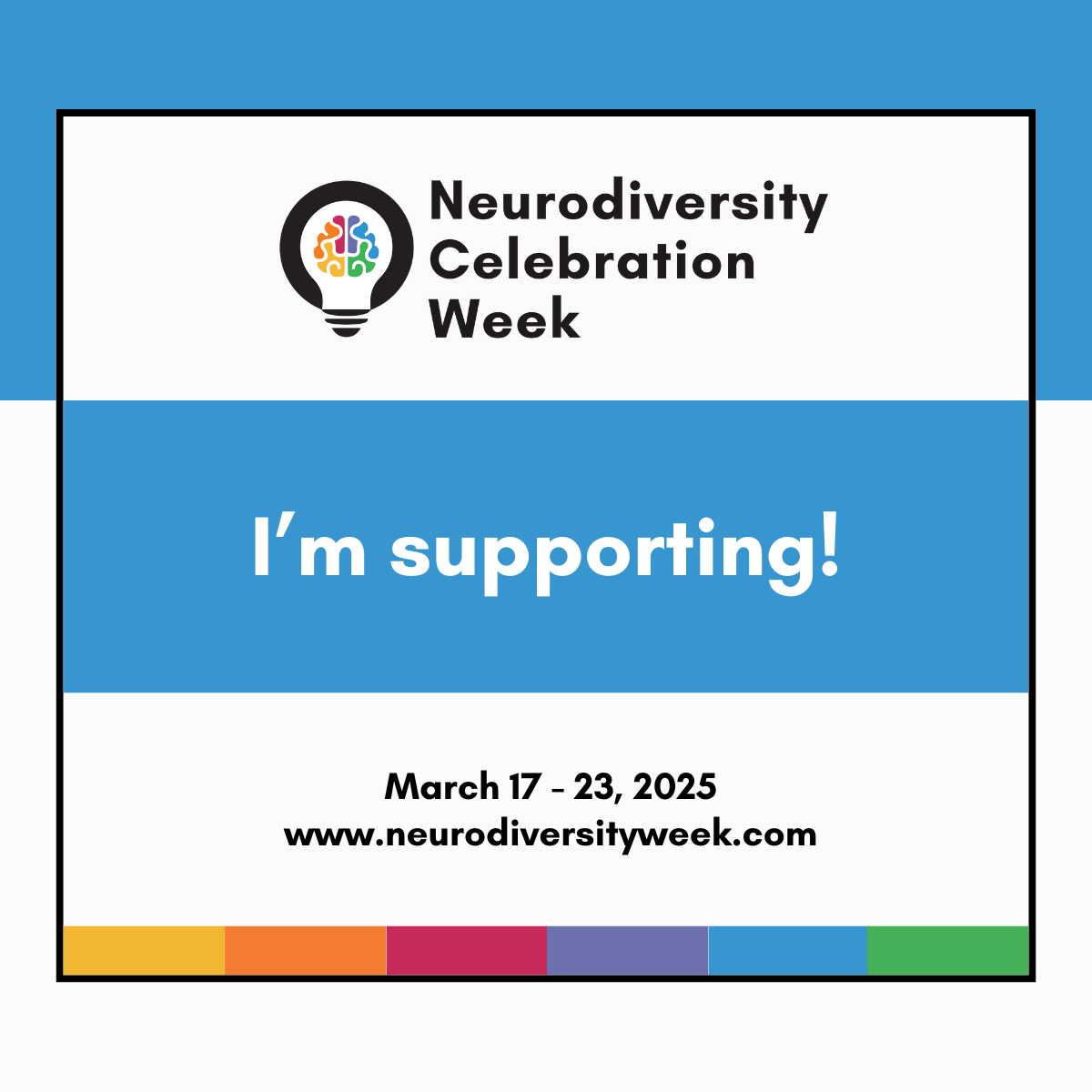
Welcome to my blog to help raise awareness for Neurodiversity Celebration Week 2025. If you dont know already, I raise awareness of those who care for someone. This could be mental ill health, cancer or other needs of support.
If you want to see the 5 minute awareness video, click below.
I am now doing my bit to help raise awareness on neurodiversity. Consider this! Imagine a world where every mind is valued, where differences are not just accepted but celebrated. Welcome to Neurodiversity Celebration Week 2025, a time to recognize the unique strengths and perspectives of neurodivergent individuals—those with autism, ADHD, dyslexia, dyspraxia, and other cognitive variations.
So from From March 17th to March 23rd, 2025, people across the UK are coming together to celebrate the power of different minds. This is a time to embrace neurodiversity, challenge stereotypes, and recognize the incredible talents that neurodivergent individuals bring to our world.
Unfortunately, despite these strengths, many neurodivergent individuals still face challenges, misunderstandings, exclusion, and barriers in education and the workplace. That’s why this week is so important. It’s about breaking down stereotypes, fostering inclusion, and building environments where every mind can thrive.
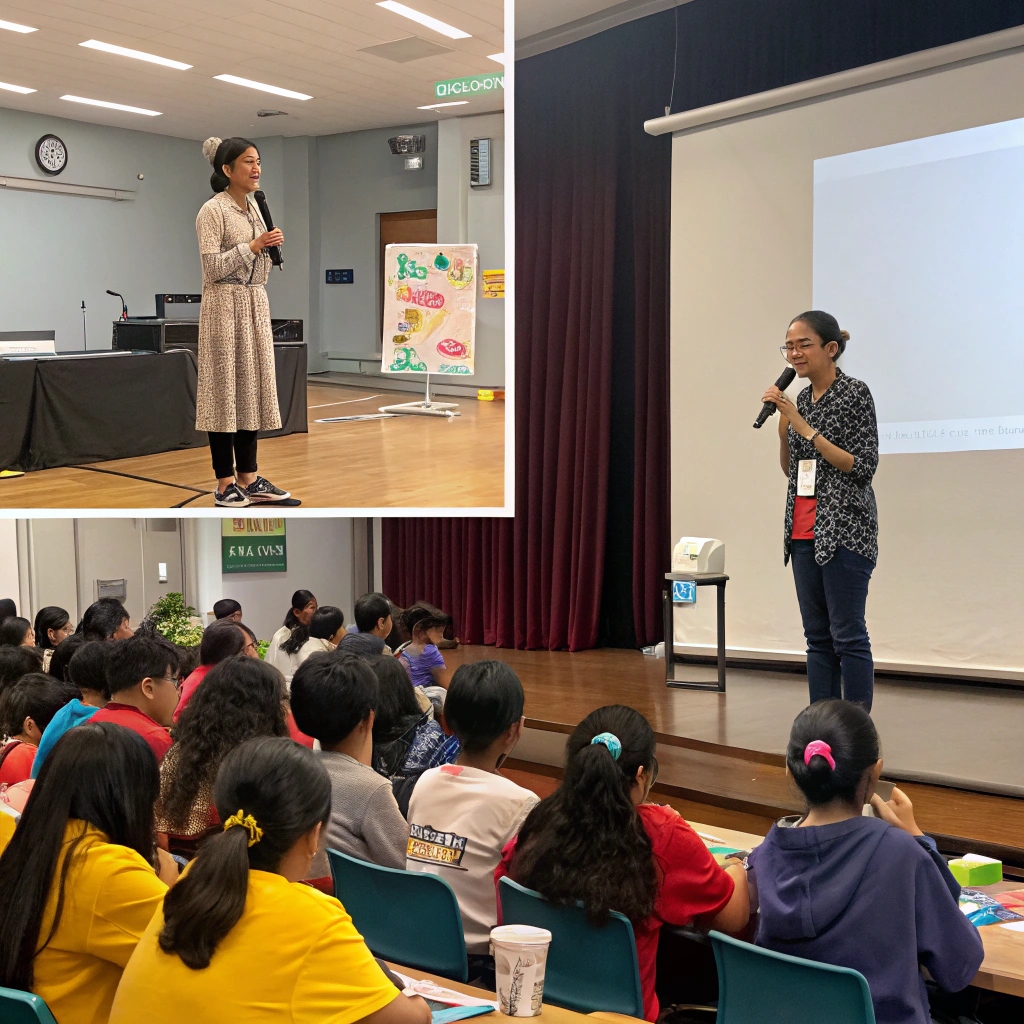
So this year, thousands of educational facilities are taking part in activities to raise awareness and celebrate neurodivergence. From interactive workshops to inspiring talks, students and teachers are learning how to create a more inclusive world.
One question you might be asking yourself is how can we make a step towards change and support?
Here are some tips below.
✨ Education – Ensuring that learning spaces are inclusive, supportive, and adaptive for all students. ✨ Workplace Inclusion – Encouraging businesses to embrace diverse thinking, because innovation flourishes when different minds come together. ✨ Community and Advocacy – Raising awareness and celebrating the voices of neurodivergent individuals.
The responsibility does not only rest upon institutions and organisations, we all can play a part.
Expand Your Understanding – Take the time to learn about neurodiversity and share what you discover with friends, family, and colleagues.
Encourage Inclusive Initiatives – Schools and workplaces can host events, discussions, or workshops to educate and celebrate neurodivergent perspectives.
Be an Ally – Listen to neurodivergent voices, advocate for their needs, and support policies that promote inclusivity.
Amplify Awareness Online – Just like I am doing with my blog and video. Use social media and campaign hashtags to spread awareness and show solidarity with the neurodiverse community.
Thank you for stopping by and happy Neurodiversity Celebration Week 2025
Welcome to this blog by Cygnet Carer Ambassador Matthew McKenzie. As a carer ambassador, I strongly believe that those in similar roles who representing families and carers within healthcare and mental health services, should have maximum visibility and reach. This ensures that not only service users but also their carers receive the support and information they need.
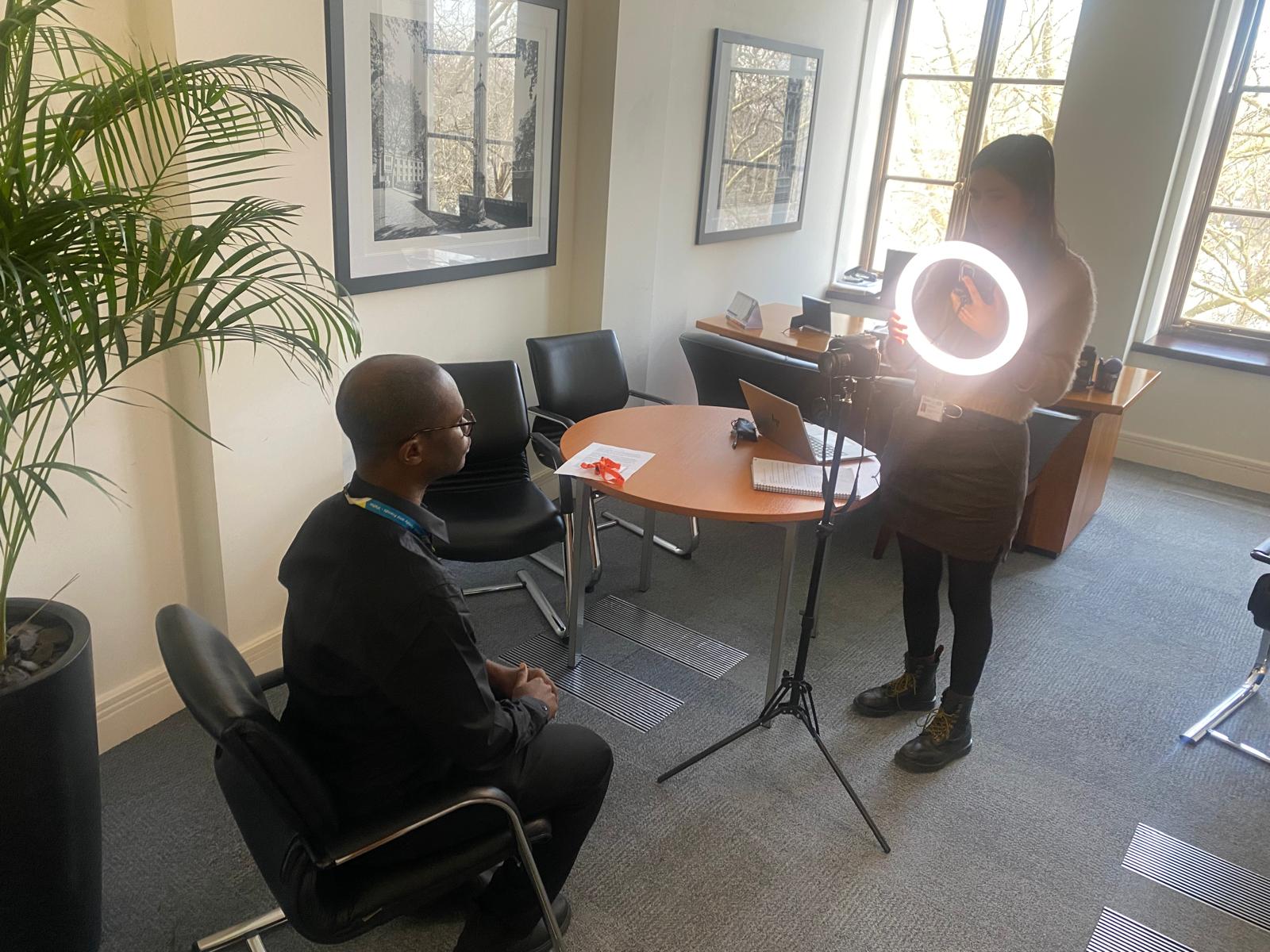
On the 19th of March, I had the opportunity to visit Cygnet Millbank for a filming session where I shared my thoughts and messages aimed at families and carers with loved ones using Cygnet’s services. This initiative followed Cygnet’s Patient Carer Race Equality Framework event launch, a commendable effort to enhance outcomes for individuals from diverse communities.
During the filming, I was joined by fellow Carer Ambassador Julian de Takets. Together, we explored ways to strengthen the connection between families and carers and the services supporting their loved ones.
In my segment, I spoke about my role in representing, supporting, and advocating for carers. My work involves ensuring that carers’ voices are heard, offering guidance, and contributing to the development of inclusive, culturally competent services that genuinely address carers’ needs.
However, to make a real impact, it is vital that these messages reach the right audiences. Without effective promotion and engagement, our efforts as carer network ambassadors risk being limited in influence.
Families and carers play a fundamental role in supporting their loved ones’ recovery journeys, yet many feel overlooked or uncertain about how to navigate the mental health system. This is why mental health providers must actively promote and support the work of carer ambassadors. By amplifying our reach, healthcare organizations like Cygnet can ensure that carers feel seen, heard, and valued as equal partners in care.
As an ambassador, I see my role as a bridge between carers and mental health services, offering guidance and ensuring they have access to the right resources and support networks.
I look forward to seeing the completed videos off Cygnet’s website and hope that they serve as a valuable resource for families and carers. More broadly, I urge mental health services to not only establish ambassador programs but also to actively promote them, ensuring that Expert by Experience voices are at the heart of shaping and improving care services.
Carers and families deserve recognition, support, and inclusion in the mental health care process. By championing ambassadors and giving them a wider platform, we can create a more informed, connected, and supportive community for all involved.
As you might know, unpaid carers play a vital yet often overlooked role in supporting individuals with mental health needs. Their contributions provide essential support and advocacy, yet they frequently encounter significant challenges due to limited training, insufficient resources, and time constraints. This blog and video explores key strategies for holding mental health trusts accountable while empowering carers to influence and improve mental health services. The blog is aimed at carers who are involved at their local mental health NHS trust. This means that they help shape services.
The Importance of Holding Mental Health Trusts Accountable
Ensuring accountability within mental health trusts is crucial. Carers have the right to expect high-quality, effective care for their loved ones. By holding such NHS trusts to these standards, both patients and carers benefit. Accountability encompasses various aspects, including access to timely and appropriate care, the quality of treatment plans, and the consistency of care. Without these measures in place, there is a risk of declining service quality, ultimately affecting the well-being of both carers and patients. Holding Mental Health NHS trusts to account is never an easy thing, you will have to learn from carer peers and to be honest, all you have is your carer lived experience to feedback your view of services.
If you want to watch the in-depth video of this lecture, please see below.
The Role of Carers in Mental Health
Carers offer valuable insights into the needs of those they support. Their experiences are instrumental in shaping effective mental health services.
Understanding the Role of Empathy in Reducing Racism
Welcome to about blog and video lecture from carer advocate Matthew McKenzie. This time I want to promote the importance of how empathy serves as a powerful tool in addressing and reducing racism within society. To watch my video lecture on reducing racism, see the video below.
When it comes to reducing Racism, it requires individuals to step into another person’s shoes, acknowledging their lived experiences and how the impact of racial discrimination affects them.
Imagine carrying the weight of responsibility far beyond your years. Imagine balancing school, friendships, and your own well-being while caring for a loved one. This is the reality for thousands of young carers across the country.
What is Young Carers Action Day?
Young Carers Action Day is an annual event held in mid-March, organized and led by Carers Trust.
Today, on March 8, 2025, we come together to celebrate International Women’s Day under the theme: 📢 “For ALL Women and Girls: Rights. Equality. Empowerment.”
This theme serves as a powerful reminder that true equality isn’t just about acknowledging progress—it’s about taking real action to break down barriers, create opportunities, and ensure that no one is left behind.
To watch my video on Womens Rights Day 2025, click below.
On March 7, 2025, The Foundry in London became the epicenter of a powerful movement towards racial equity in healthcare.
The London Anti-Racism Collaboration for Health (LARCH), Health Innovation Network and Race Equality Foundation hosted their Annual Conference and Learning Event, bringing together thought leaders, policymakers, and community advocates dedicated to dismantling systemic racism in health and social care.
Setting the Stage: A Call for Change
The event was chaired by Dame Marie Gabriel, a pioneering advocate for equity in the NHS. Kicking off with opening remarks from Dr. Debbie Weekes-Bernard, Deputy Mayor for Communities & Social Justice, the conference established a clear message: structural racism in healthcare is a pressing issue that demands systemic solutions.
Caring for someone with a mental illness is an emotional, often isolating experience. Unpaid carers—whether they are family members, friends, or loved ones—carry immense responsibility, yet their voices can feel unheard, especially within the healthcare system.
One of my poem’s “On Being Heard” taken from my book The Poetry Book of Mental Health Caring, captures this struggle with raw honesty.
Understanding the Role of Faith and Spirituality in Caregiving
Caregiving is often seen as an act of love and dedication, where individuals selflessly care for loved ones dealing with long-term physical or mental health issues. For many, the journey of caregiving can be particularly challenging, filled with emotional, physical, and psychological hurdles. However, one essential aspect often intertwined in this journey, especially for black carers, is faith and spirituality.
To watch the video lecture by Matthew McKenzie, click the video below
The Intersection of Faith, Spirituality, and Caregiving
Faith and spirituality can significantly influence those who are unpaid carers or caregivers, particularly within minority communities. Whether through organized religious beliefs, church communities, or personal spirituality, faith can provide strength, resilience, and coping mechanisms essential for caregivers.






 A Caring Mind