By Matthew Mckenzie – facilitator of national ethnic mental health carers forum
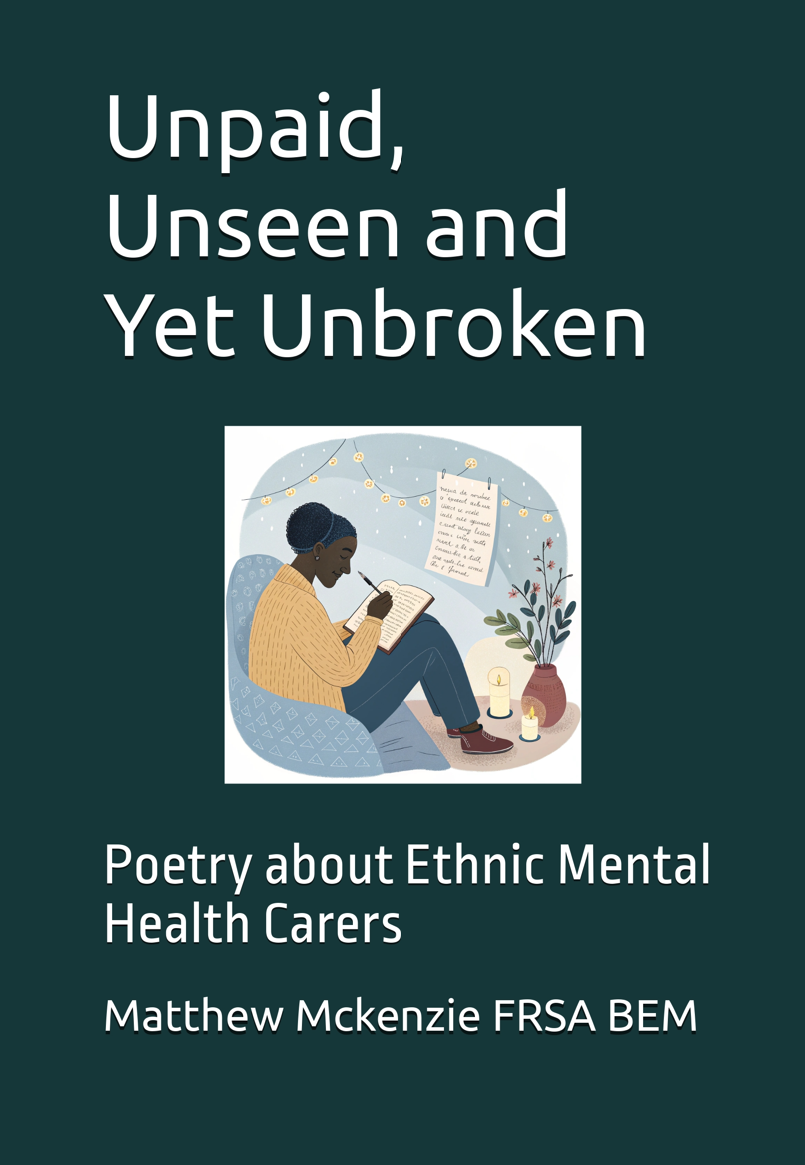
I’m pleased to share “Unpaid, Unseen and Yet Unbroken”, a spoken word poetry video that marks the first poem released from my forthcoming poetry collection of the same name.
This first poem speaks from within the lived reality of unpaid mental health carers, particularly those from ethnic and marginalised communities whose labour is often overlooked, misunderstood, or taken for granted. It reflects moments many carers will recognise: waiting rooms, misrecognition, quiet endurance, and the strength it takes to keep showing up without acknowledgement.
🎥 Watch the spoken word video here:
The wider collection I am currently working on brings together poems shaped by care, fatigue, love, resilience, and survival. It is a body of work rooted in lived experience and community voices, offering poetry not only as expression, but as witness and affirmation.
This first poem sets the tone for what is to come, promoting honest, reflective, and unapologetic in its call for carers to be seen, heard, and respected.
This work is part of my ongoing commitment through my A Caring Mind youtube channel to use creativity as a way to challenge stigma, amplify unheard voices, and centre care as a vital social contribution.
More poems from this collection will be shared in the coming months.
By Matthew McKenzie facilitator of National ethnic carer forum and Chair of Triangle of Care Community Group
Racism is not a distant or abstract concept it is a lived reality for many individuals and families, particularly those from Black, Asian, and other minority ethnic backgrounds. Its effects are pervasive, touching every aspect of life, from education and employment to housing, healthcare, and policing.
This article is a transcript of the video below.
In the UK and beyond, the consequences of racism are especially pronounced in the realm of mental health, where both direct and indirect forms of discrimination create barriers to wellbeing and access to care.
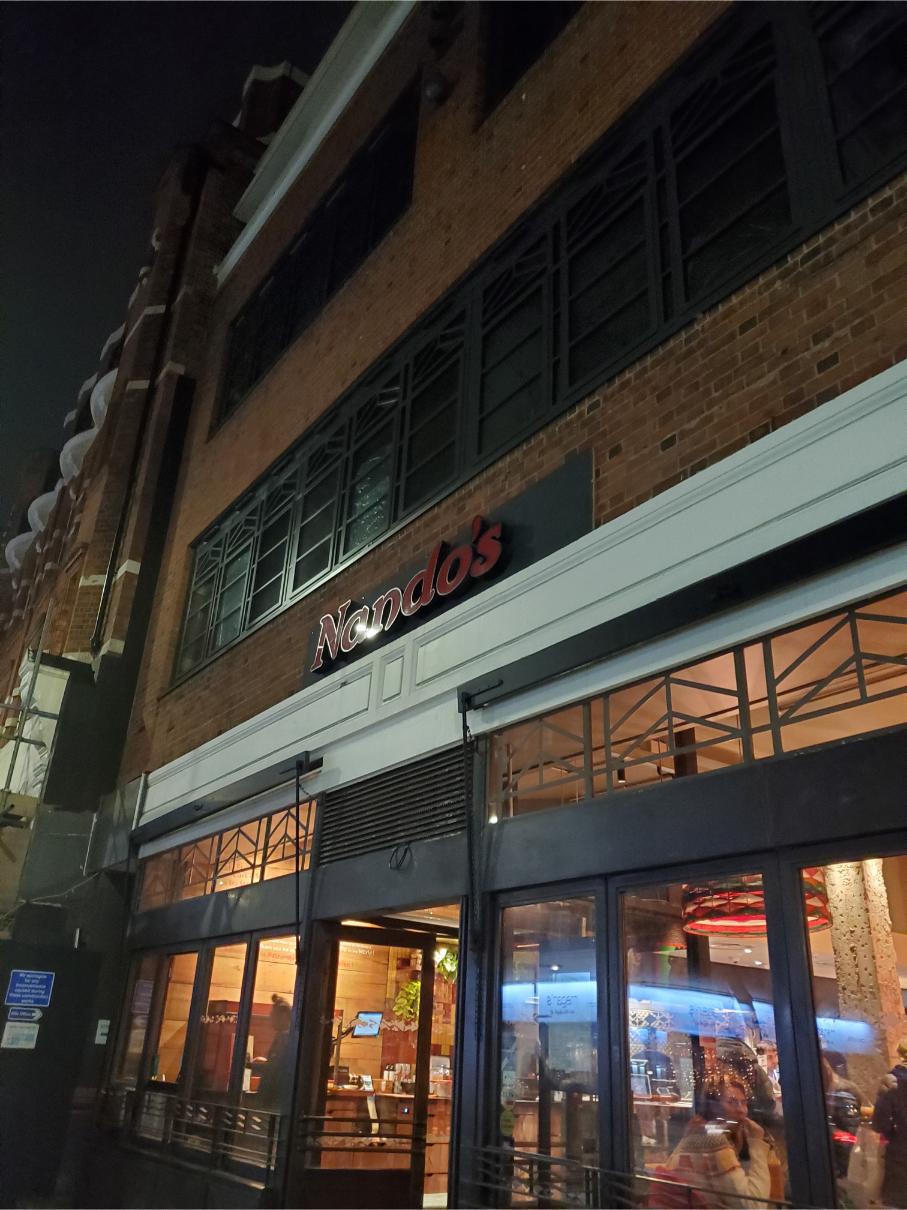
By Matthew McKenzie – Carer activist with Think Tenacity Academy CIC at Nando’s High Street Kensington (Event held during Black History Month 2025)
A Warm Welcome and a Powerful Beginning
On Tuesday 28 October 2025 at Nando’s, 229 Kensington High Street.
As soon as I entered, the scent of grilled peri-peri wings mixed with the buzz of conversation. The event Making Time for Black Mental Health was hosted by Think Tenacity Academy CIC, led by founder Bella Rareworld.
By Matthew McKenzie, carer activist Date: May 24, 2025
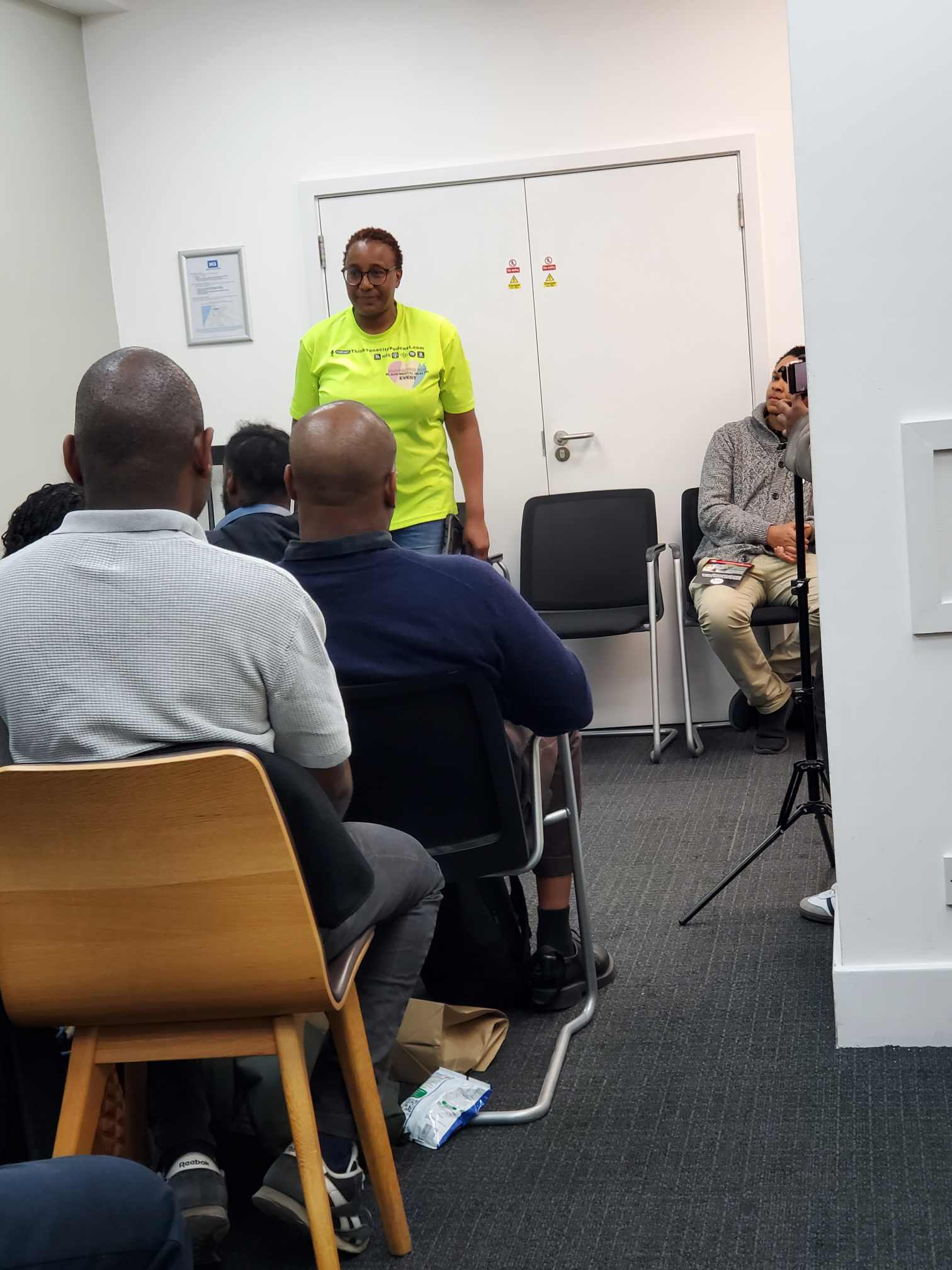
In an evening charged with truth, courage, and community spirit, Think Tenacity Academy CIC hosted one of the most impactful events of Mental Health Awareness Week 2025. Held at Think Tenacity HQ in Vauxhall and themed #BlackStorytellingCommunity, the gathering was more than a panel or workshop, it was a safe space for healing through shared experience.
The event was led by Bella Rareworld, Think Tenacity’s CEO and a mental health advocate living with bipolar disorder, the event was built on a legacy of ancestral wisdom: “Before slavery, social media, or podcasts, we passed on strength and knowledge through storytelling,” she reminded the audience. “Tonight, we reclaim that legacy not just to speak, but to heal, empower, and connect.”
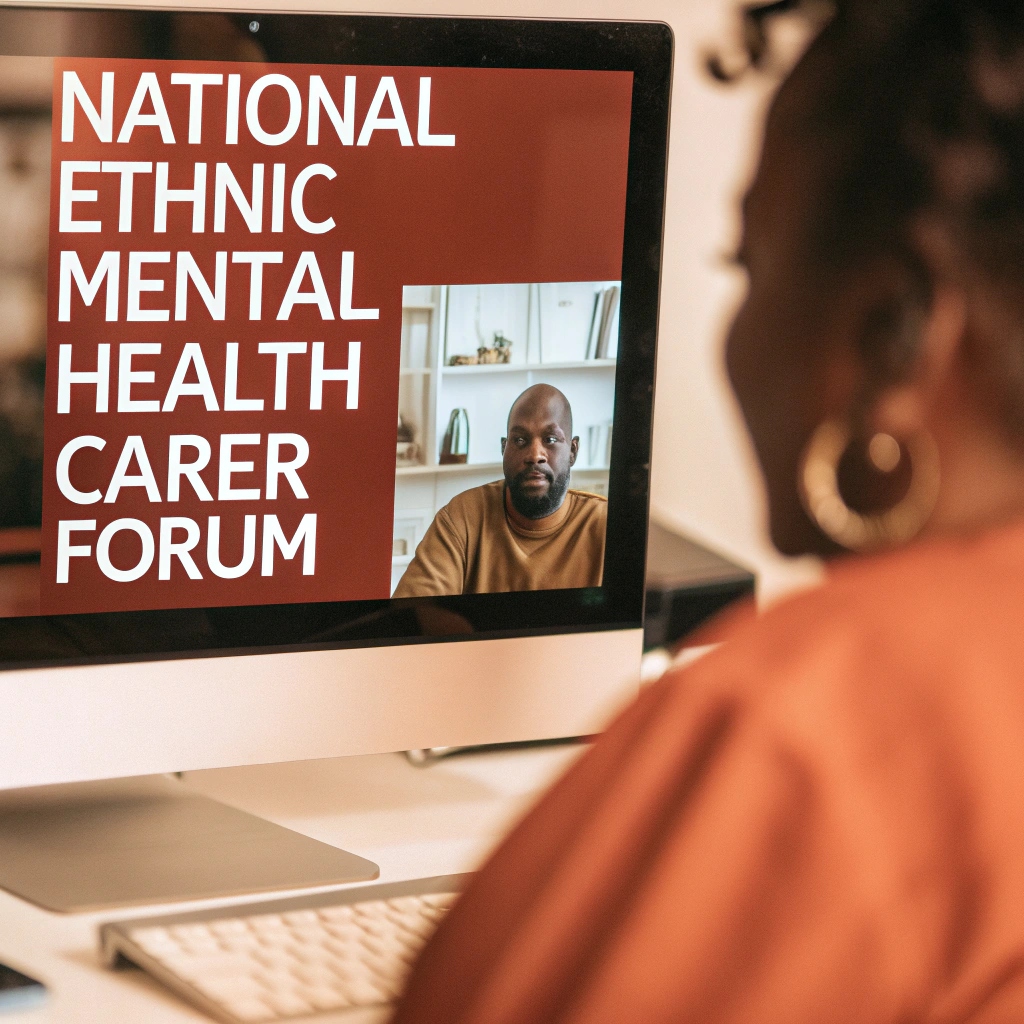
The National Ethnic Mental Health Carer Forum convened to discuss the ongoing challenges faced by minority carers in accessing mental health services. The meeting focused on strategies to improve cultural competence, equitable treatment, and accessibility within mental health care systems. A key topic was the Patient and Carer Race Equality Framework (PCREF), with organizations sharing their experiences and plans for implementation. Additionally, the discussion covered language barriers, education initiatives, and the role of co-production in fostering inclusive care.
Mental Health act research
Dr Judy, a researcher from the University of Bristol, discussed her ongoing project on the nearest relative provision in the Mental Health Act and the need for co-produced resources to support those in this role. She also mentioned the support from charitable organizations like Mind and Rethink.
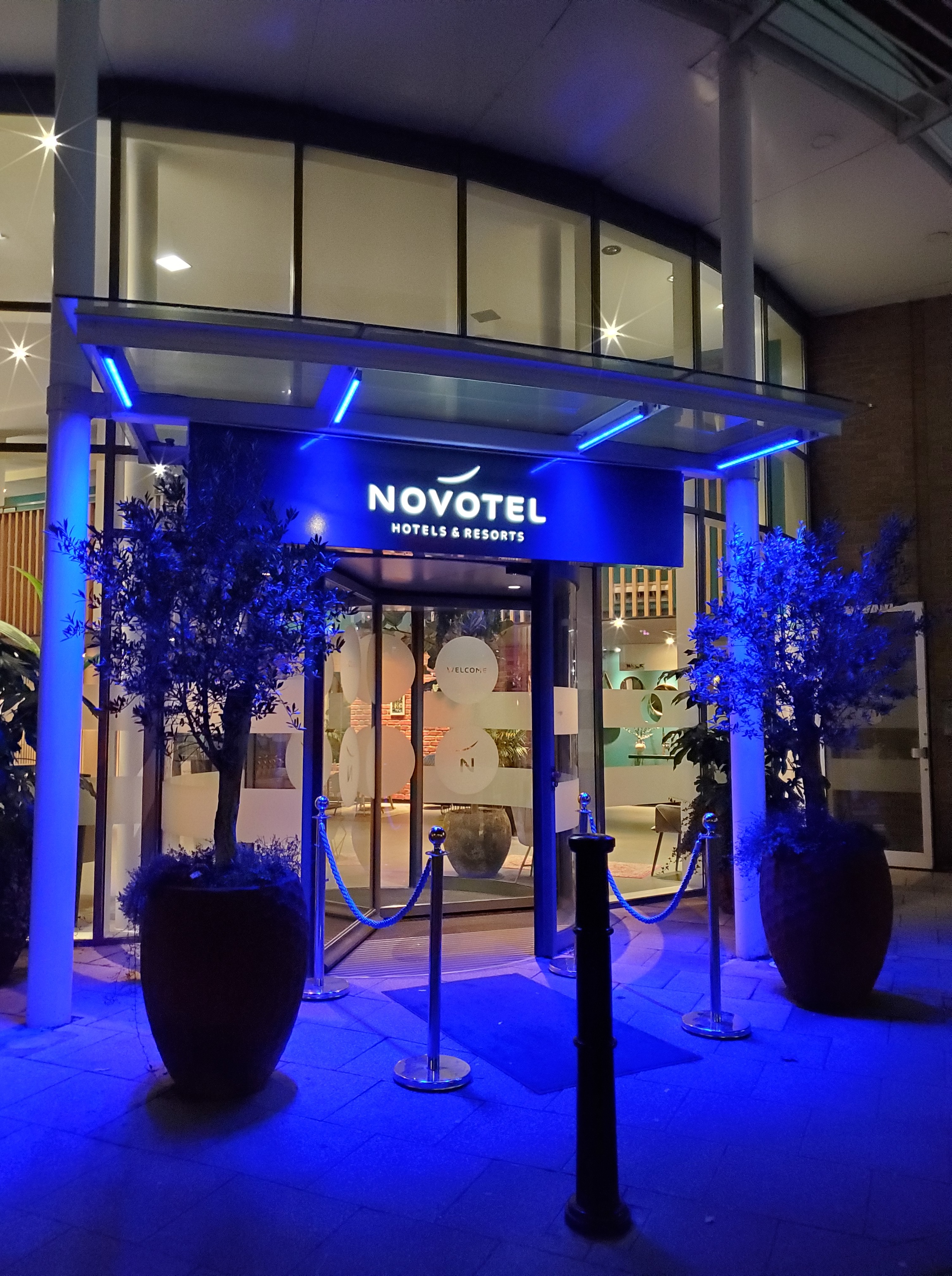
On Thursday, 27th February, an impactful event titled “Making Time for Black Mental Health” took place at the Novotel Hotel in Greenwich.
The event aimed to provide a safe space for open discussions about black mental health, offering insights from experts, personal stories, and highlighting available support resources.
This event brought together professionals, community members, and individuals with lived experiences to share their thoughts on mental health in the black community, providing guidance on seeking help and breaking the stigma around mental well-being.
Welcome to my latest unpaid carers blog for May 2021. As you might already know, this website focuses heavily on mental health unpaid carers. What I mean is the focus is on families and friends caring/supporting someone who suffers from mental illness.
I run many peer support groups and forums that bring unpaid carers together. The groups are carer led, but try to work with the mental health and social care services. This helps to give unpaid carers a voice and also a chance to understand the complex mental health, health and social care system.
As we all know service users or lived experienced have a range of avenues to express their voice and I guess that is important because they need to, after all they are using the mental health services and the quality of their lives and wellbeing is often tested. All I ask is that friends, families and those emotionally tied to mental health survivors should not be forgotten.
Unfortunately this needs to not only extend to mental health unpaid carers, but those from ethnic communities. Drill down deeper and you will find different levels of quality amongst ethnic unpaid carers. Usually black unpaid carers tend to struggle as their loved ones fair worse off in regards to mental health services.
Below is just some key factors.
Black men were more likely than their White counterparts to experience a psychotic disorder.
Large numbers of black people more likely than average to use high end mental health services.
Detention rates under the Mental Health Act higher for people in the ‘Black’ or ‘Black British’ group than those in the ‘White’ group.
Even with higher detention rates, the outcomes for black service users are still overwhelmingly poor.
Suicide rates are higher among young men of Black African, Black Caribbean origin, possibly due to other complex factors being :-
Racism
Access to quality services
Opportunities
Mental health stigma
Inequalities
With all the above mentioned, it does not take long to see the impact filter down to black families and unpaid mental carers. The strain is increasing and black unpaid mental health carers tend to just shrug their shoulders and cope with it all, as they have been trying to cope with complex inequalities while pushing back to avoid the outcomes their loved ones experience. It does not take long for a BAME mental health carer to cross that line to BAME mental health survivor….if they survive that long.
As an unpaid carer, I have experienced the hard road many BAME carers have faced and this is why formed and pushed for connections with many other BAME carers, they do not have to be black as other ethnic carers can find solidarity and identitfy unpaid mental health carers face.
There is still stigma, predjudice, discrimination and inequalities in society, a lot of things have changed and some things have improved, but it would be foolish to ignore the impact of race and mental health.
The candle needs to burn at both ends as BAME mental health carers need to come together and share their experience with the mental health, health and social care services on what is working and what needs to work.
If you are a BAME mental health carer, check out my online BAME carer groups below.
Welcome to the first January Lewisham BAME carer forum for 2021. The BAME carer forum is one of the 6 carer forums I run once a month. The carer forum runs online to adhere to covid-19 restrictions and allows members to attend a lot more easily.
The BAME Mental Health carer forum is aimed at BAME carers who are caring for someone with a mental illness, especially for someone using the services of South London & Maudsley, although I am not super strict who attends the forum since carers from other forums and boroughs often attend.
On the January agenda were the following.
NHS England presenting on their National Patient Carer Race Equality Framework (PCREF)
SLaM presenting on their Local drives for PCREF
SLaM older adults diversity drive
We were joined by Staff from Oxleas as well as Manchester NHS Trust who are also seeking to engage and improve services for the BAME community.





 A Caring Mind