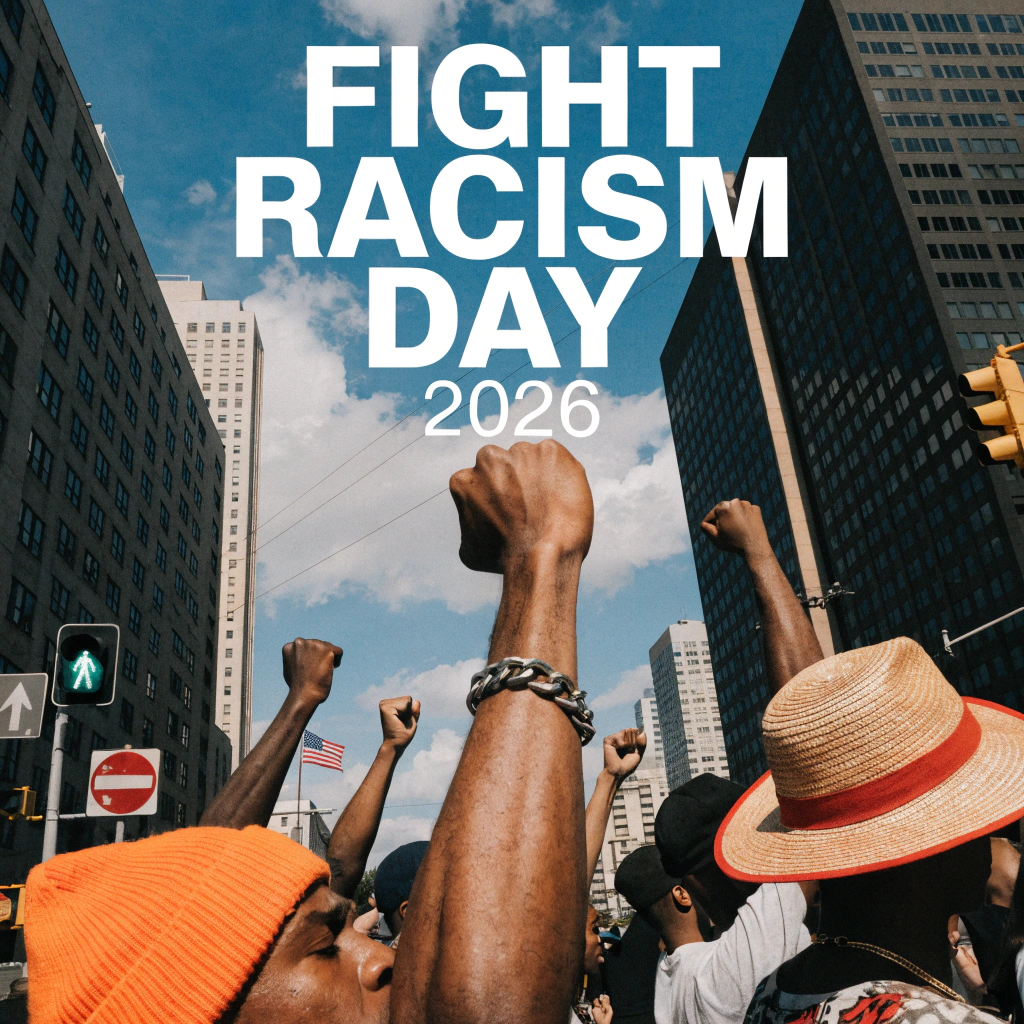
March 21 marks the International Day for the Elimination of Racial Discrimination, which is a day recognised across the world to remember, reflect, and take action.
This day was established following the tragic events of the Sharpeville Massacre in South Africa in 1960, where peaceful protestors lost their lives while standing against injustice. It is a reminder of how far we have come, but also how far we still need to go.
Racism is not just something we read about in history. It continues to exist in our societies, often in ways that are subtle, systemic, and deeply embedded. It can affect people’s opportunities, their confidence, and their sense of belonging.
As a carer activist, I see the impact of this in mental health and support systems. When people feel unheard, misunderstood, or treated unfairly, it can have lasting effects on their wellbeing. Care should be equal, compassionate, and inclusive for everyone.
This day is not only about raising awareness, but about encouraging action. Each of us has a role to play in challenging discrimination and promoting understanding.
That might mean listening more carefully to others’ experiences, educating ourselves, speaking up when something isn’t right, or simply showing empathy in our everyday interactions.
Change doesn’t always come from big gestures. It often starts with small, consistent actions.
March 21 is a reminder, but I think the responsibility is ongoing.
The question is: what will you do to stand against racism?
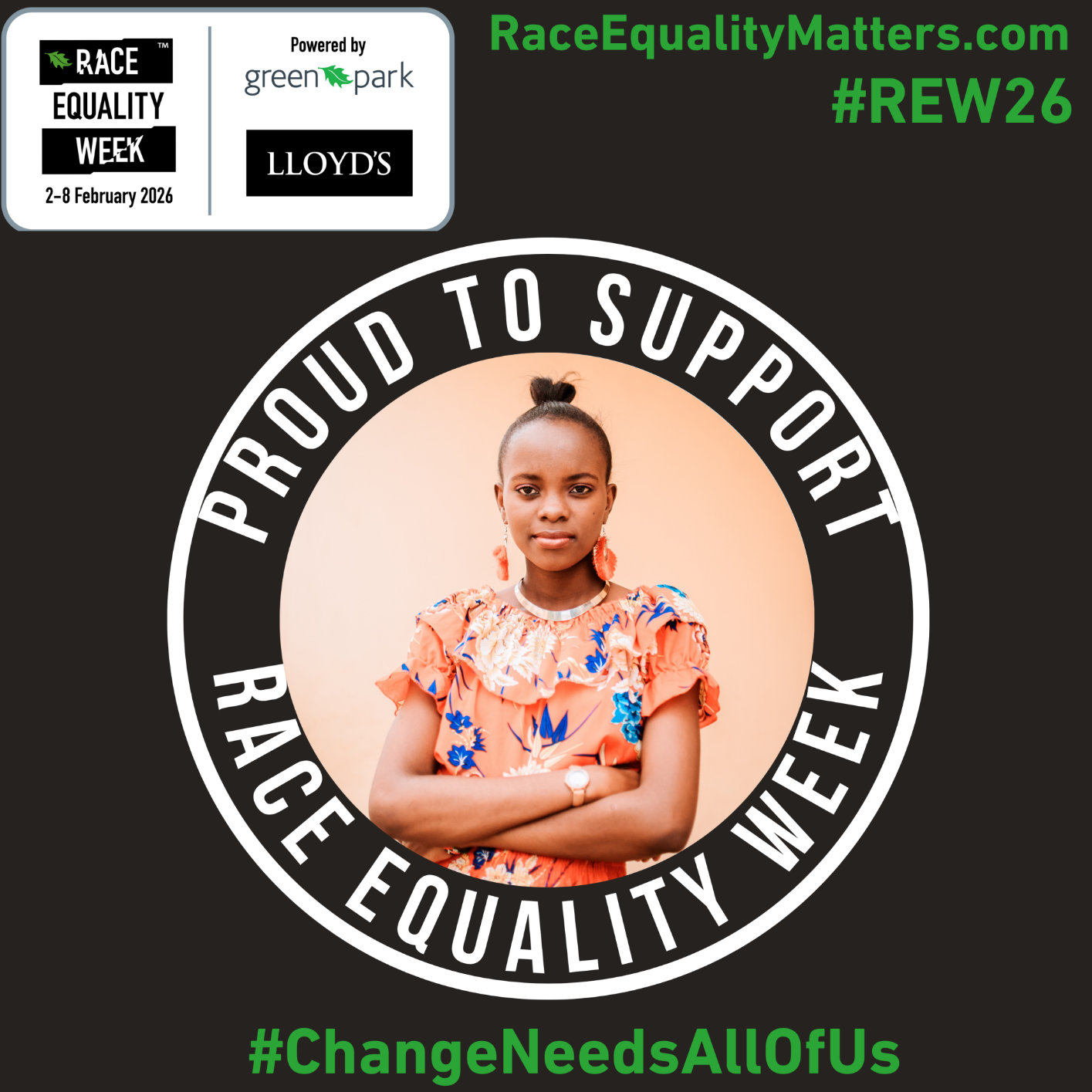
Race Equality Week 2026 and Black History Month 2026 (US) is at a time when conversations about inclusion feel more important and more urgent than ever.
I have created a short video to explore why this week matters, what this year’s theme #ChangeNeedsAllOfUs represents, and how each of us can play a role in building fairer workplaces and communities. Rather than focusing on awareness alone, the aim is to encourage honest reflection and meaningful action that lasts beyond a single week.
Recent events have reminded us why race equality cannot be taken for granted. Incidents circulating online including a widely criticised video that portrayed the Obamas using racist imagery highlight how harmful stereotypes and dehumanising narratives still appear in public discourse. Moments like this reinforce why challenging racism, promoting respectful representation, and standing up for equality remain essential.
Race equality is not about blame or division. It’s about recognising lived experiences, understanding that fairness is not the same as sameness, and ensuring everyone feels valued, respected, and safe.
Real change doesn’t happen because of one campaign or one voice. It happens when many people take small, consistent steps listening more closely, questioning assumptions, and choosing inclusion in everyday decisions.
Because progress must be driven by all of us doing something, not just the few.
By Matthew McKenzie – Mental Health Carer Activist
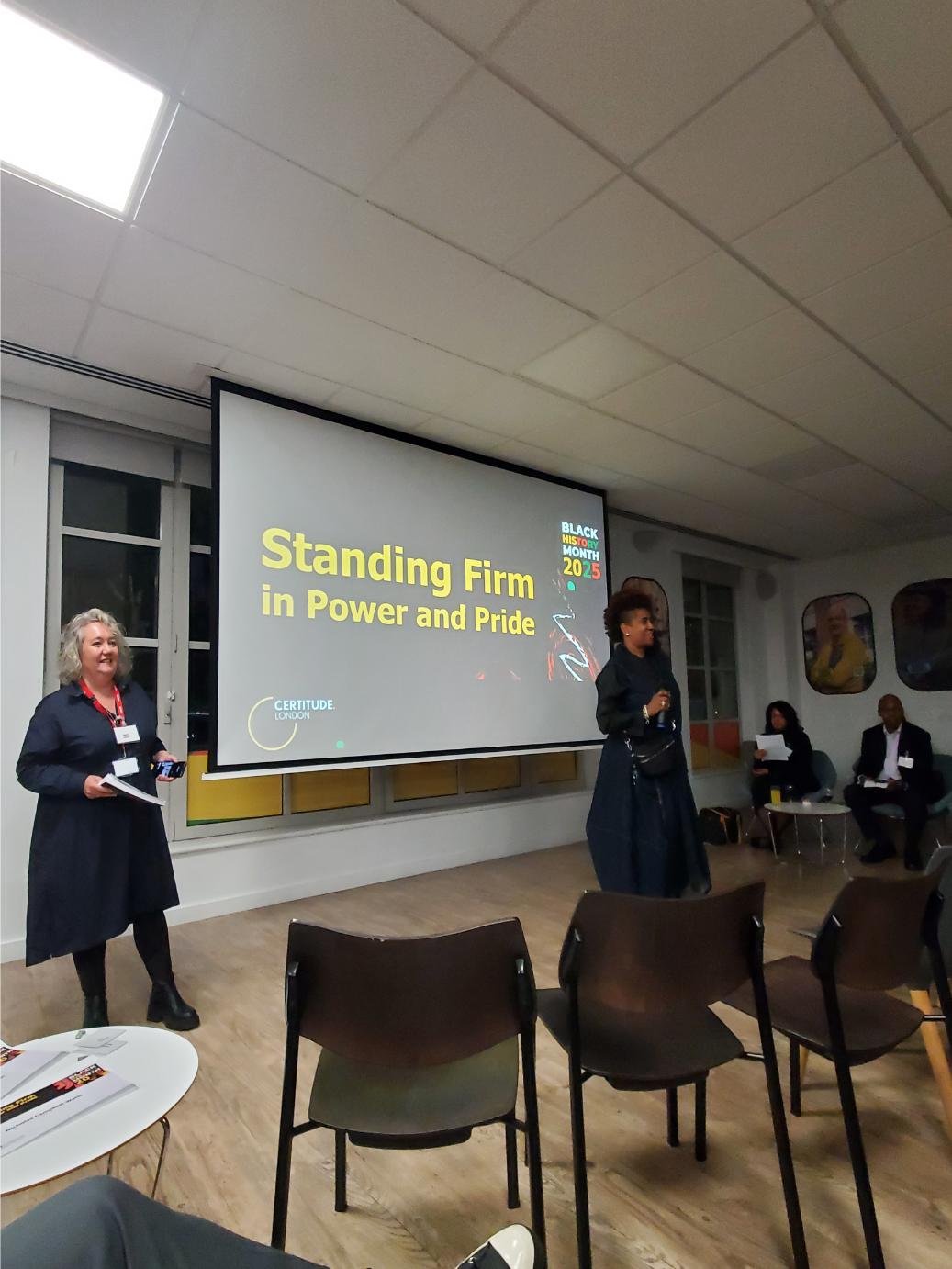
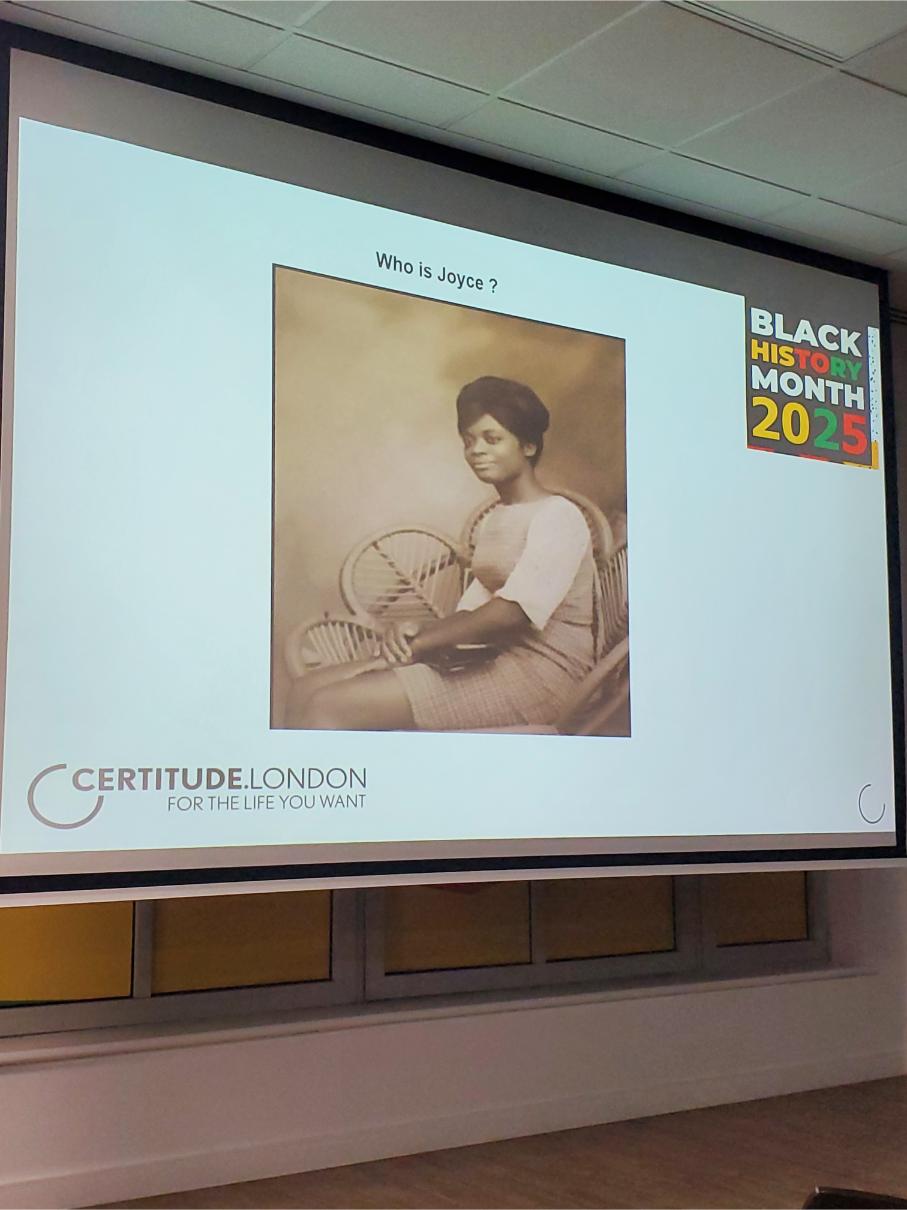
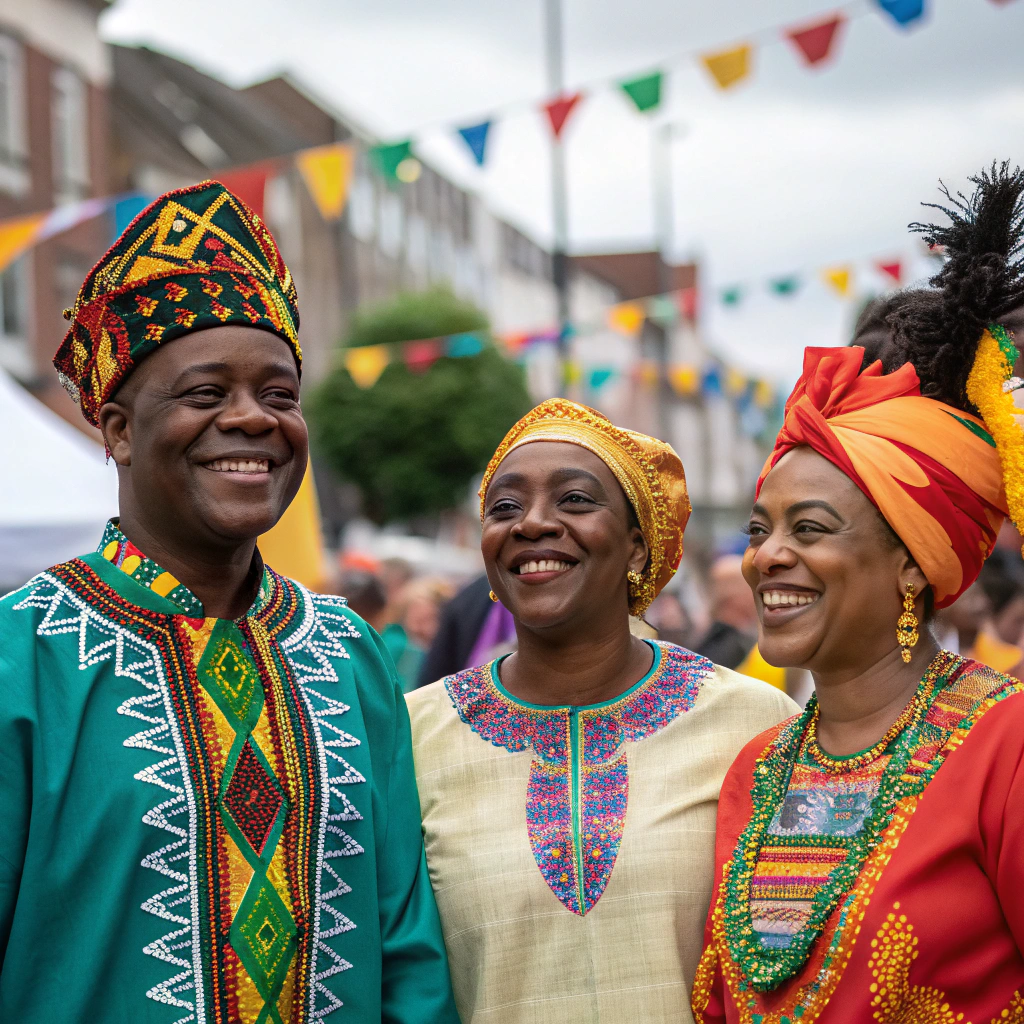
As a carer and mental health advocate, I often see how culture, identity, and lived experience shape the stories we tell and the way we support one another. Recently, I attended a remarkable Black History Month event hosted by Certitude, although I could not stay long, I left feeling inspired, proud, and deeply reflective about the intersections between culture, community, and care.
The Black History Month event was held at Bruce Kenrick House on the 16th of October 2025
About Certitude
Certitude is one of London’s leading social care providers, supporting people with learning disabilities, autism, and mental health needs to live fulfilled and independent lives. What makes Certitude special is its person-centred approach celebrating individuality, empowering self-expression, and ensuring that everyone, regardless of background, has the opportunity to thrive.
By Matthew McKenzie – Facilitator of national ethnic carer forum
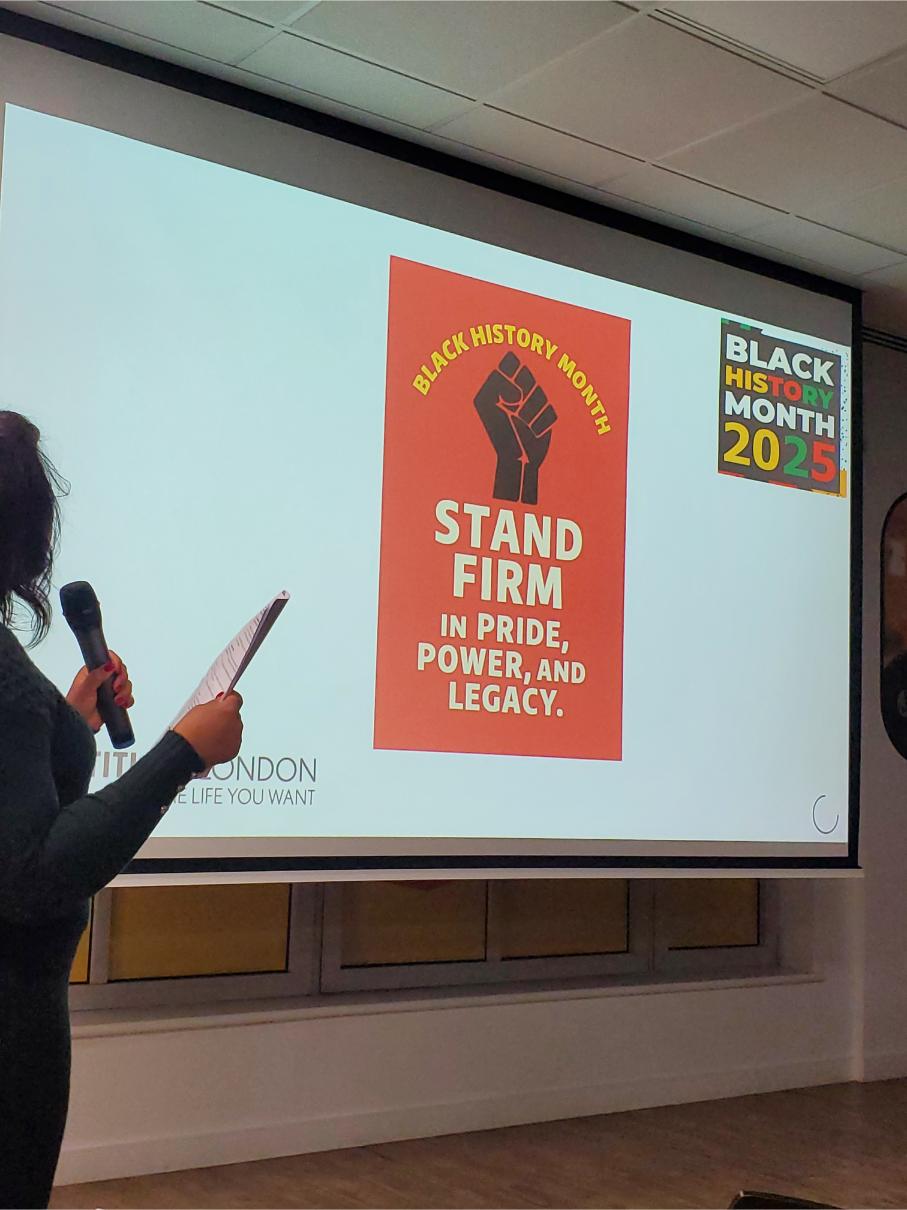
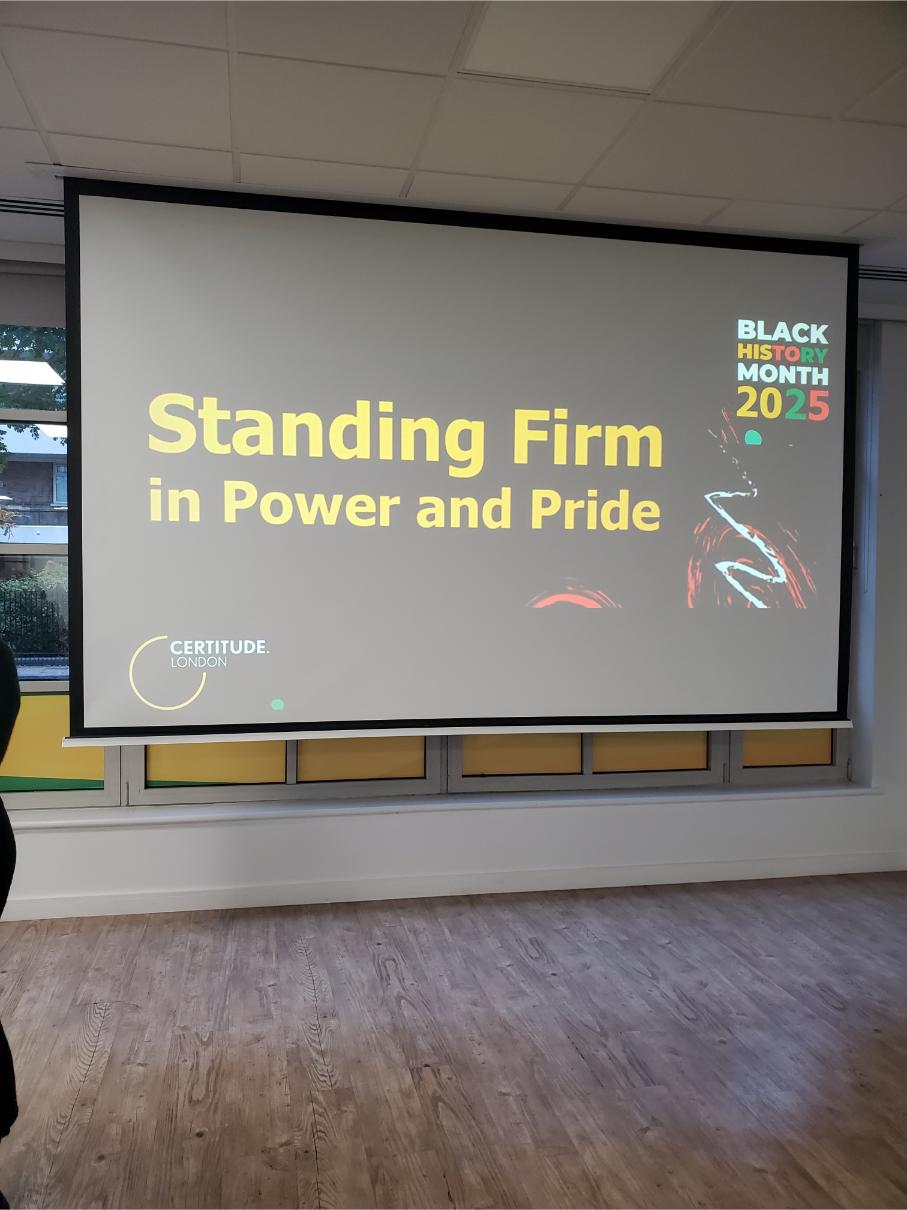
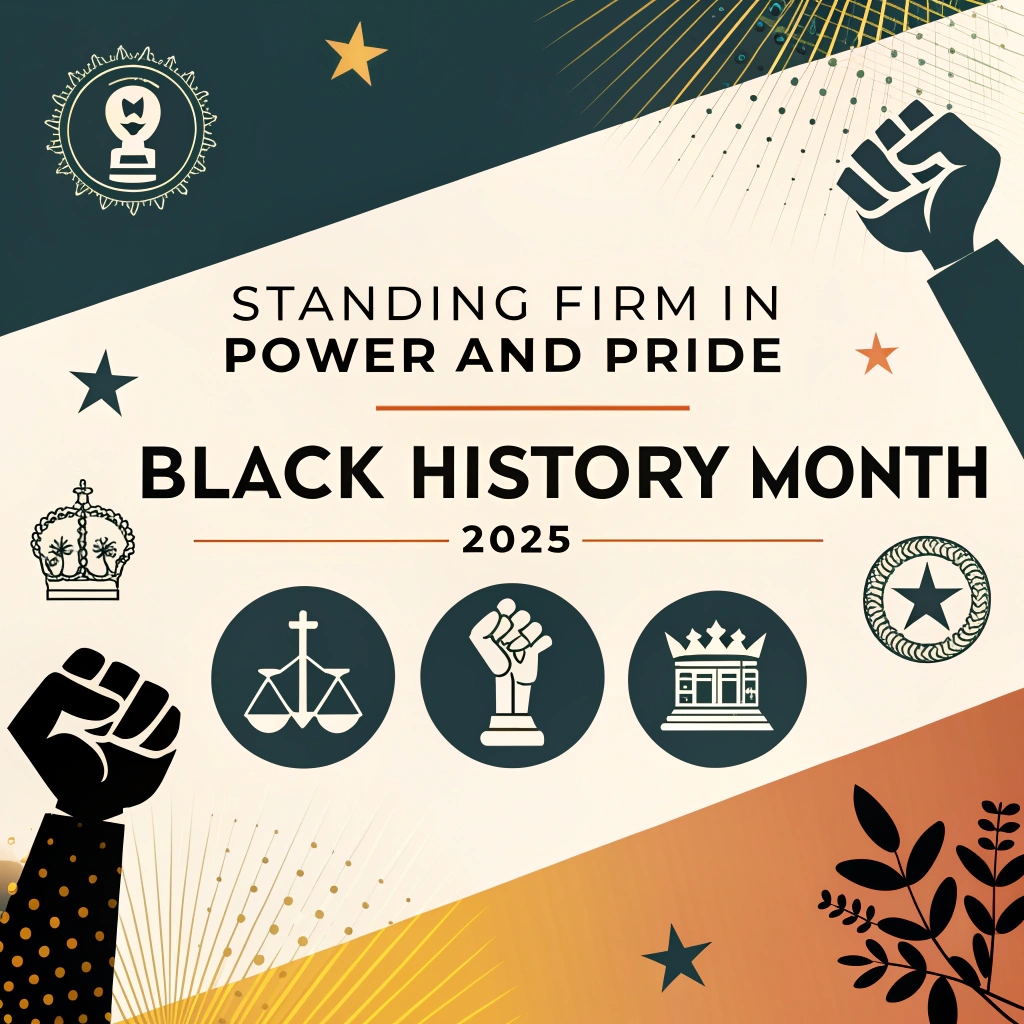
Black History Month 2025 is not far behind, this blog celebrates the spirit of “Standing Firm in Power and Pride.” The video. hosted by Matthew McKenzie, founder of the National Ethnic Mental Health Carer Forum invites viewers on a reflective and inspiring journey through history, identity, and purpose.
Unpacking the Theme: Power and Pride
“Power” in Black History Month isn’t about titles, it’s about leadership that uplifts communities, resistance that shapes policy, and vision that transcends obstacles. From political trailblazers to artists and educators, Black leaders have transformed the narrative of equity.
“Pride” stands for cultural identity, heritage, and the vibrant legacy of Black excellence across generations. It pulses through art, storytelling, music, and traditions that echo forward. This month invites us to embrace that heritage without reservation or apology.
Call to Action: Watch, Reflect, and Share
We invite you to watch the video, reflect on its message, and share it widely. Encourage your community. friends, family, colleagues to stand firm in their own power and pride. Let’s amplify these voices and build bridges toward an inclusive future.
Commemorating Groundbreaking Milestones
This year holds special significance:
The 60th Anniversary of the Race Relations Act — a pivotal moment in Britain’s legislative effort to combat racial inequality.
Remembering Malcolm X — whose courage and conviction continue to inspire global movements for justice.
The 80th Anniversary of the Fifth Pan-African Congress — where visionaries like W. E. B. Du Bois, Kwame Nkrumah, and Amy Ashwood Garvey united to confront colonial oppression.
Honouring Paul Stephenson OBE — leader of the 1963 Bristol Bus Boycott.
Honouring Lord Herman Ouseley — instrumental in advancing Britain’s approach to institutional equality.
Their legacies reinforce that our present progress is rooted in collective courage and unwavering solidarity.
Why This Matters for Mental Health and Carers
At the core of the National Ethnic Mental Health Carer Forum’s mission is the recognition that cultural heritage and identity are integral to wellness and caregiving. It’s a call to action. It urges us to:
Break down barriers that impact mental health support.
Cultivate environments where cultural pride is part of healing.
Celebrate carers, families, and communities who carry resilience forward every day.
I hope the month brings us together, brings communities together to celebrate black history. Thanks for reading.
by Matthew McKenzie – National Ethnic Mental Health Carer Forum Chair
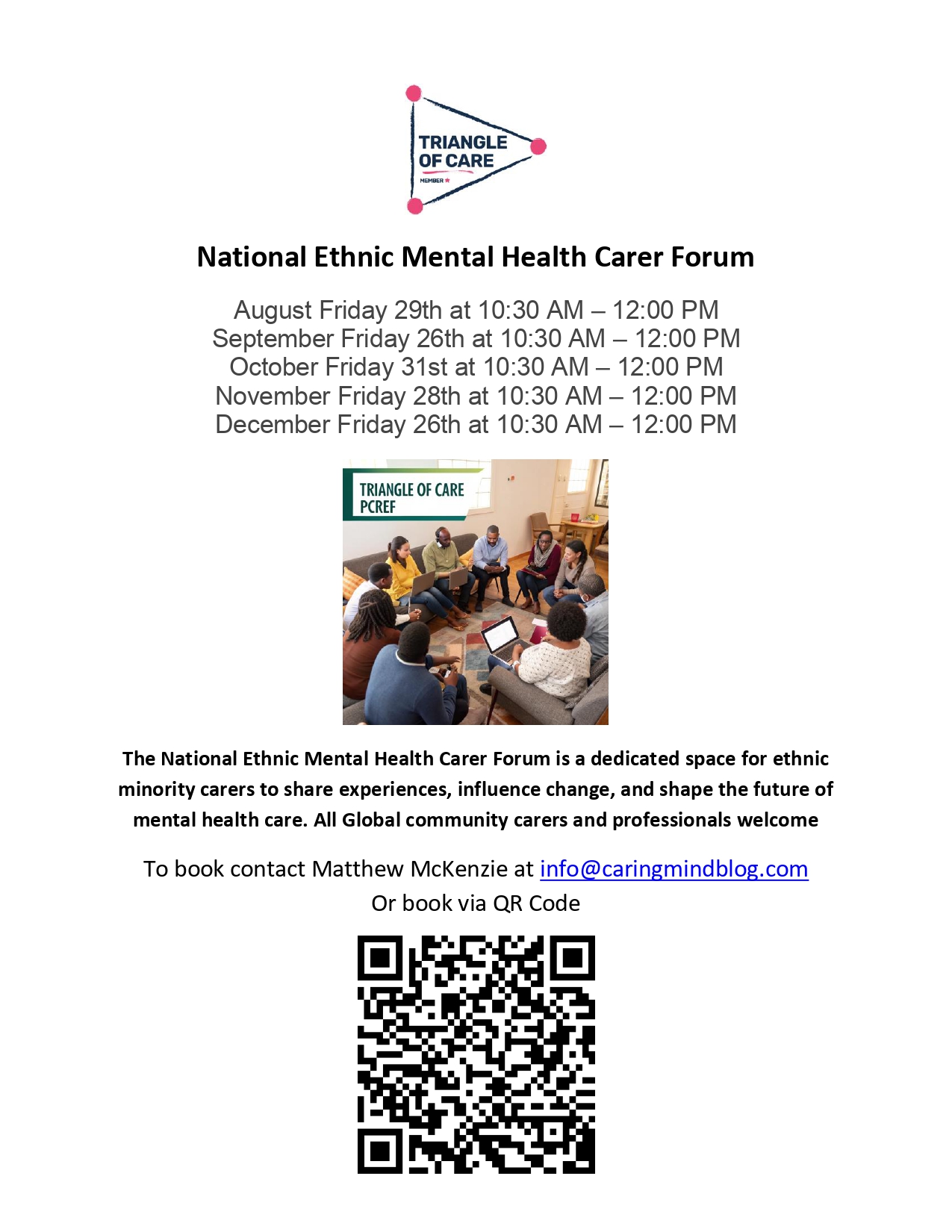
In August, the online National Ethnic Mental Health Carer Forum came together once again to confront difficult but necessary conversations about systemic racism, discrimination, and the experiences of ethnic minority carers within health and social care. The forum, hosted by Matthew McKenzie, provided a platform for carers, professionals, and researchers to share insights, frustrations, and plans for change.
Focus on Racism and Discrimination
This month’s forum was unflinching in its focus: racism in health and mental health systems. Attendees shared powerful testimonies of racial abuse and discrimination, highlighting how these experiences undermine trust in services and affect both carers and those they support. There was a clear call for honesty – participants stressed the importance of naming racism directly, rather than disguising it behind euphemisms.
The group also discussed the overrepresentation of Black and brown people in prisons, the lack of tailored initiatives for older Black carers, and the persistent inequalities faced by ethnic minority families trying to navigate mental health and social care support.
Research and Evidence from Carers Trust
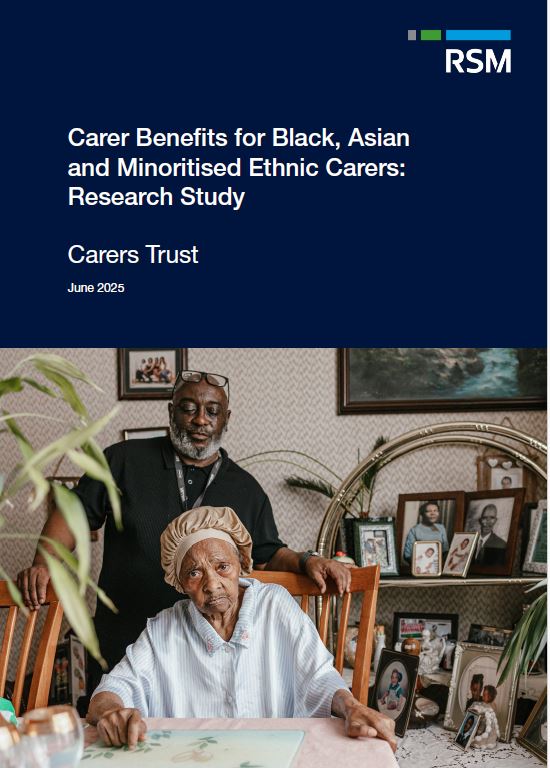
A key presentation came from Andrew of Carers Trust, who shared research into the barriers faced by Black, Asian, and minoritised ethnic carers. The findings highlighted widespread issues: discrimination, language barriers, lack of cultural competence, and difficulties in accessing benefits. Andrew emphasised the need for culturally inclusive services and stronger outreach strategies, while acknowledging feedback from the forum that research and advocacy must be explicit about racism rather than avoiding the term.
Andrew expanded on the importance of equity in benefit advice, pointing out that many carers miss out on their entitlements because information is inaccessible, overly complex, or not communicated in culturally relevant ways. He called for dedicated advice services that are not only multilingual but also sensitive to carers who may not self-identify as such.
He also spoke about the impact of social isolation on carers from ethnic minority backgrounds, who often have fewer support networks and face stigma within their own communities. Addressing this requires building trust with local organisations and ensuring carer support is visible in spaces where communities already gather, such as faith centres or community hubs.
Finally, Andrew outlined the Carers Trust’s national strategy, which involves working more closely with local carer organisations, producing research that amplifies marginalised voices, and lobbying for systemic reforms. He highlighted how this forum’s feedback directly shapes their advocacy, showing a real commitment to partnership.
Questions raised during Carers Trust’s presentation:
How can Carers Trust ensure its research explicitly names racism rather than using softer language?
What specific support can be offered to carers who do not self-identify as carers and miss out on benefits?
How can Carers Trust improve its complaints handling processes, particularly for carers facing racism and discrimination?
What role can MPs and lobbying groups play in supporting Carers Trust’s advocacy for ethnic minority carers?
How will Carers Trust ensure its multilingual materials are distributed widely enough to reach isolated communities?
Hampshire & Isle of Wight NHS Anti-Racism Initiatives
Usually NHS Mental Health trust representatives update on anti-racism initiatives at the forum. This time Hampshire and Isle of Wight engaged with minority carers.
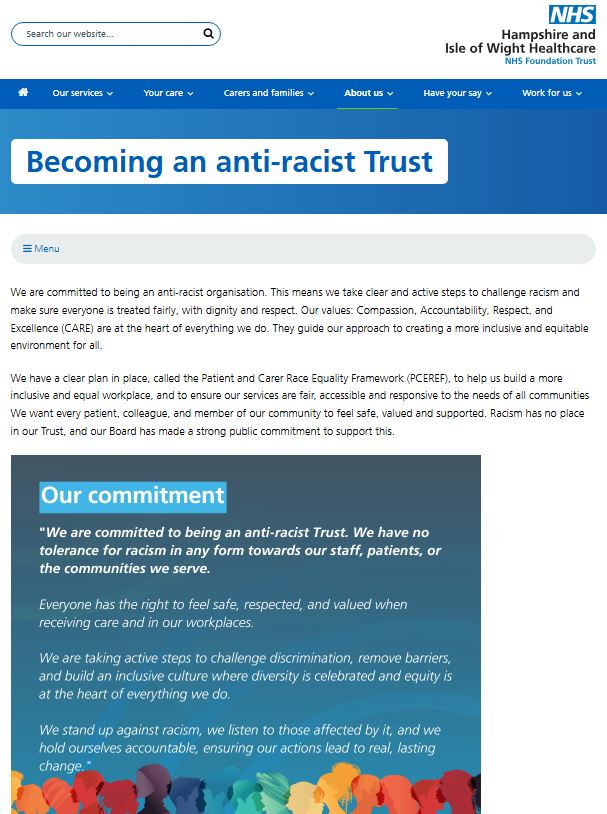
Elton who is the Diversity and Inclusion Partner from Hampshire and Isle of Wight NHS Trust provided an update on their anti-racist programmes, including the rollout of the Patient and Carer Race Equality Framework (PCREF). The trust has begun implementing cultural competence training, engaging with local communities, and embedding anti-racism into its wider mental health services. While early in its journey, the trust is already seeing changes in communication and engagement across different wards and services.
Elton shared that the trust is actively developing training modules on implicit bias, with the aim of reaching every staff member across its services. This training is intended not as a one-off exercise but as part of a sustained culture change programme. Early feedback from staff has been encouraging, with more frontline workers recognising how unconscious bias can influence treatment decisions.
He also described the trust’s efforts to engage directly with service users and carers, ensuring that their lived experiences feed into decision-making. Listening events, surveys, and advisory panels are being used to capture diverse perspectives, with a particular focus on groups who historically felt excluded from consultation.
In addition, Elton emphasised the need for transparency and accountability. The trust will publish regular updates on its PCREF action plan, allowing communities and stakeholders to scrutinise progress. He acknowledged that this is just the beginning, but stressed that embedding anti-racism into healthcare systems requires openness, humility, and sustained commitment.
Participants raised questions about how these initiatives address specific groups, such as older Black carers and prisoners’ families, as well as concerns about public misconceptions of anti-racism work. Elton acknowledged these challenges and committed to following up with colleagues on gaps raised during the discussion.
Questions raised during NHS Trust’s presentation:
How will PCREF specifically address the needs of older Black adults who often feel invisible in services?
What is being done to support the mental health of prisoners (e.g. Albany and Parkhurst prisons) and their families within this anti-racist framework?
How will the trust prevent the public misconception that PCREF “excludes” white people?
What mechanisms are in place to ensure transparency and accountability in publishing progress updates?
How will the trust measure the long-term impact of cultural competence and implicit bias training?
Academic Research Contributions
The forum also heard from Shylet, a PhD researcher from University of Glasgow, who is focusing on learning disabilities. She presented her work on the lived experiences of Black African families caring for adults with learning disabilities, and invited participants to take part in interviews. Their contributions highlighted the importance of academic research in documenting and amplifying carers’ lived realities.
Another important theme was the financial challenges facing carers. The group discussed the complexity of benefits like Carer’s Allowance and how misinformation or fear of losing other entitlements often deters carers from claiming support. A carer expressed reluctance to claim due to concerns about how it might affect their relative’s benefits, while another highlighted the importance of valuing one’s own contribution and recognising caring work. There was frustration with bureaucratic systems that seem designed to exclude, particularly when layered with the additional barriers of language, culture, and discrimination.
Carers also highlighted the immense value of unpaid care, with estimates placing its worth at over £180 billion per year if it were to be paid for by the NHS. This figure underscored the urgent need for better recognition and support of carers’ contributions.
Strengthening Complaints and Accountability
There was a debate around how carers can raise complaints when faced with racism or poor treatment. Many participants expressed a lack of trust in formal systems like the CQC or Ombudsman, feeling that complaints disappear into bureaucracy without change. Suggestions included working with MPs, lobbying groups, or the media to ensure voices are heard.
Final Reflections
The August forum showed once again how necessary it is to hold these difficult conversations. Carers spoke bravely about racism and exclusion, professionals shared updates on anti-racist strategies, and researchers sought to bring lived experience into policy. Yet the message was clear: systemic change requires more than frameworks and research reports. It requires honesty, collaboration, and persistence.
As host, I was encouraged by the passion and determination in the room. The forum continues to grow as a national voice for ethnic minority carers, and our commitment to addressing racism head-on remains at the heart of this work.
On March 7, 2025, The Foundry in London became the epicenter of a powerful movement towards racial equity in healthcare.
The London Anti-Racism Collaboration for Health (LARCH), Health Innovation Network and Race Equality Foundation hosted their Annual Conference and Learning Event, bringing together thought leaders, policymakers, and community advocates dedicated to dismantling systemic racism in health and social care.
Setting the Stage: A Call for Change
The event was chaired by Dame Marie Gabriel, a pioneering advocate for equity in the NHS. Kicking off with opening remarks from Dr. Debbie Weekes-Bernard, Deputy Mayor for Communities & Social Justice, the conference established a clear message: structural racism in healthcare is a pressing issue that demands systemic solutions.
In this blog, you can explore the significance of Race Equality Week 2025 and how every action counts in challenging racial disparities and promoting lasting change in workplaces, communities, and society as a whole.
Introduction
Welcome! This blog is inspired by a moving and compelling speech given by Matthew McKenzie, aimed at raising awareness on anti-racism, advocating for unpaid carers, and highlighting mental health issues. Matthew’s message resonates deeply, especially as it concludes Race Equality Week 2025, which was held from February 3rd to the 9th. The theme for this year is “Every Action Counts,” emphasizing that even the smallest actions can contribute to fostering a fairer and more inclusive society.



 A Caring Mind