By Matthew McKenzie – Carer, Author, Poet and Host of the Carers UK Information Stall
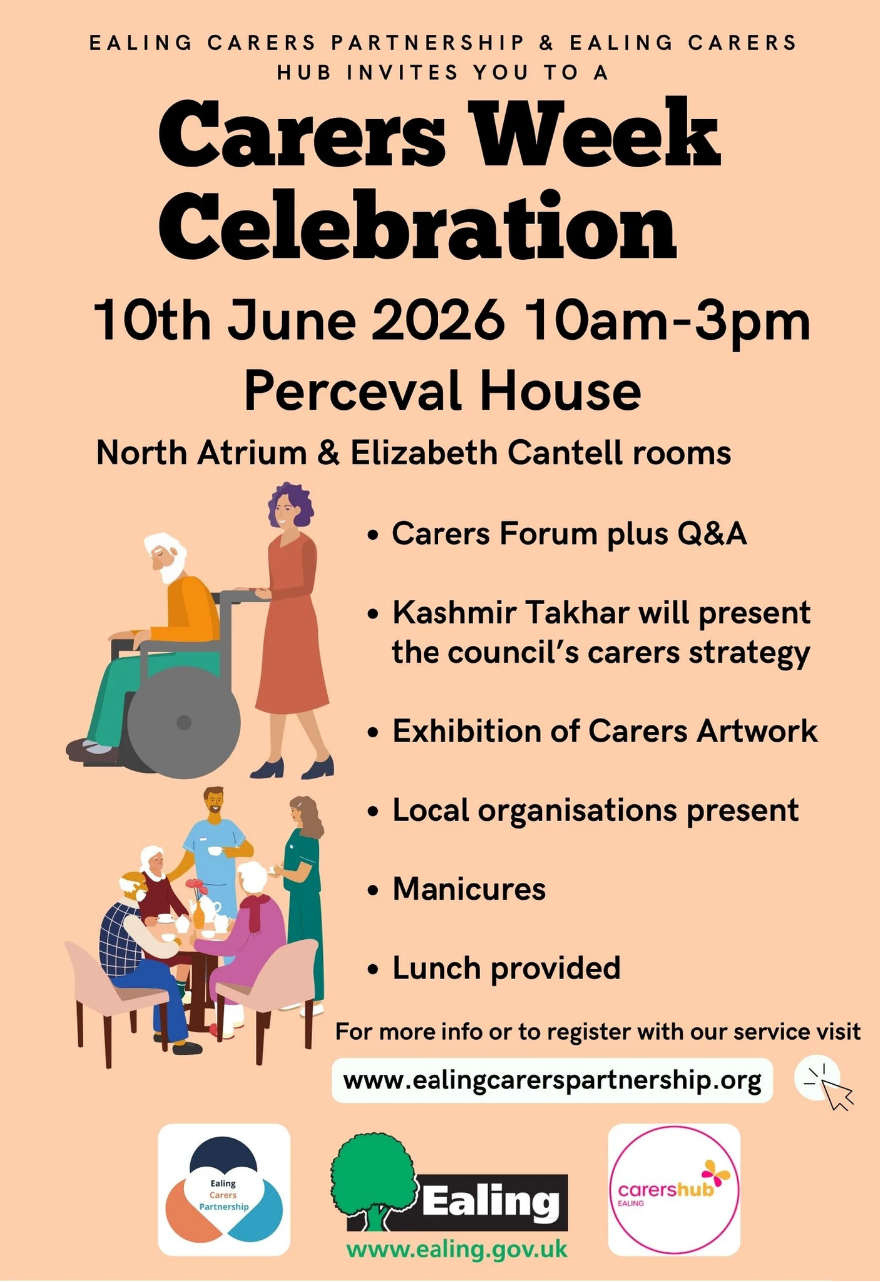
10 June 2026, Perceval House, Ealing
As a carer myself, supporting both of my brothers, I understand that caring is often a role we never planned for, yet one we embrace out of love, duty and commitment. It can be rewarding, but it can also be isolating, exhausting and overwhelming. That is why events such as the Carers Week Celebration 2026, organised by Ealing Carers Partnership, Ealing Carers Hub and Ealing Council, are so important.
I think it reminds us that carers matter, that our voices are heard and that we are not alone.
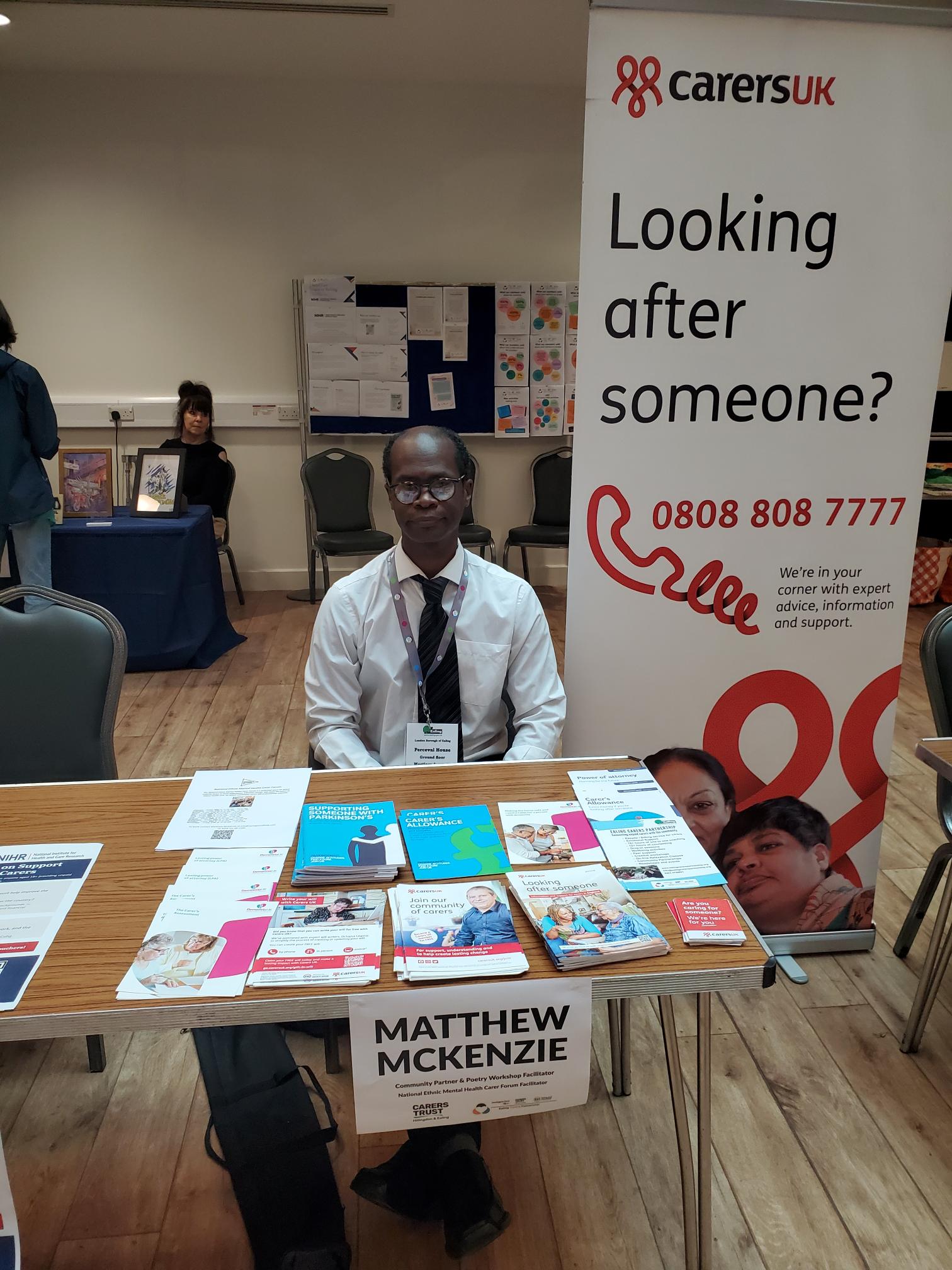
Having the privilege of hosting the Carers UK information stall, while also attending as a carer, poet and author, I witnessed first-hand the incredible sense of community that filled Perceval House throughout the day.
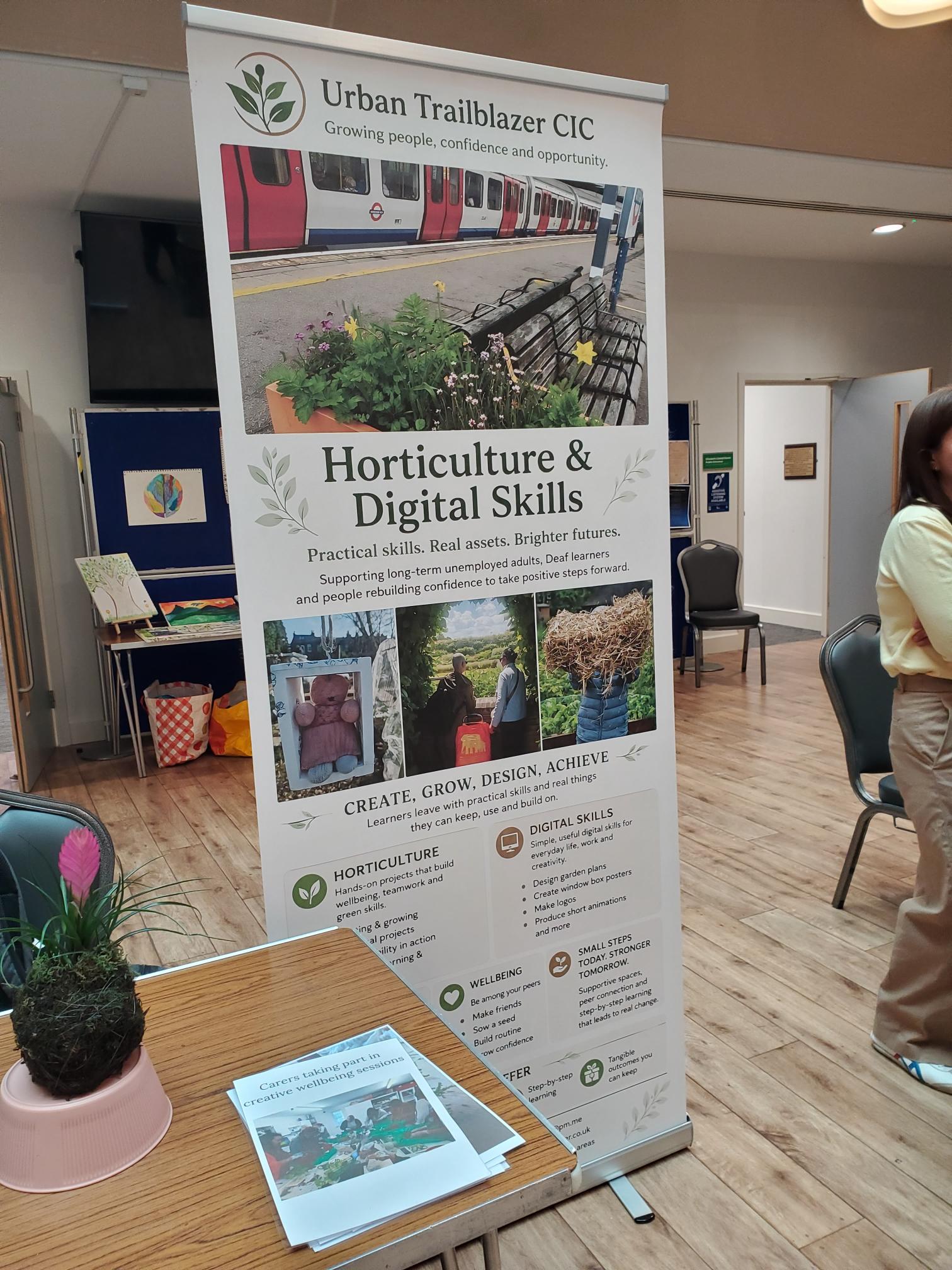
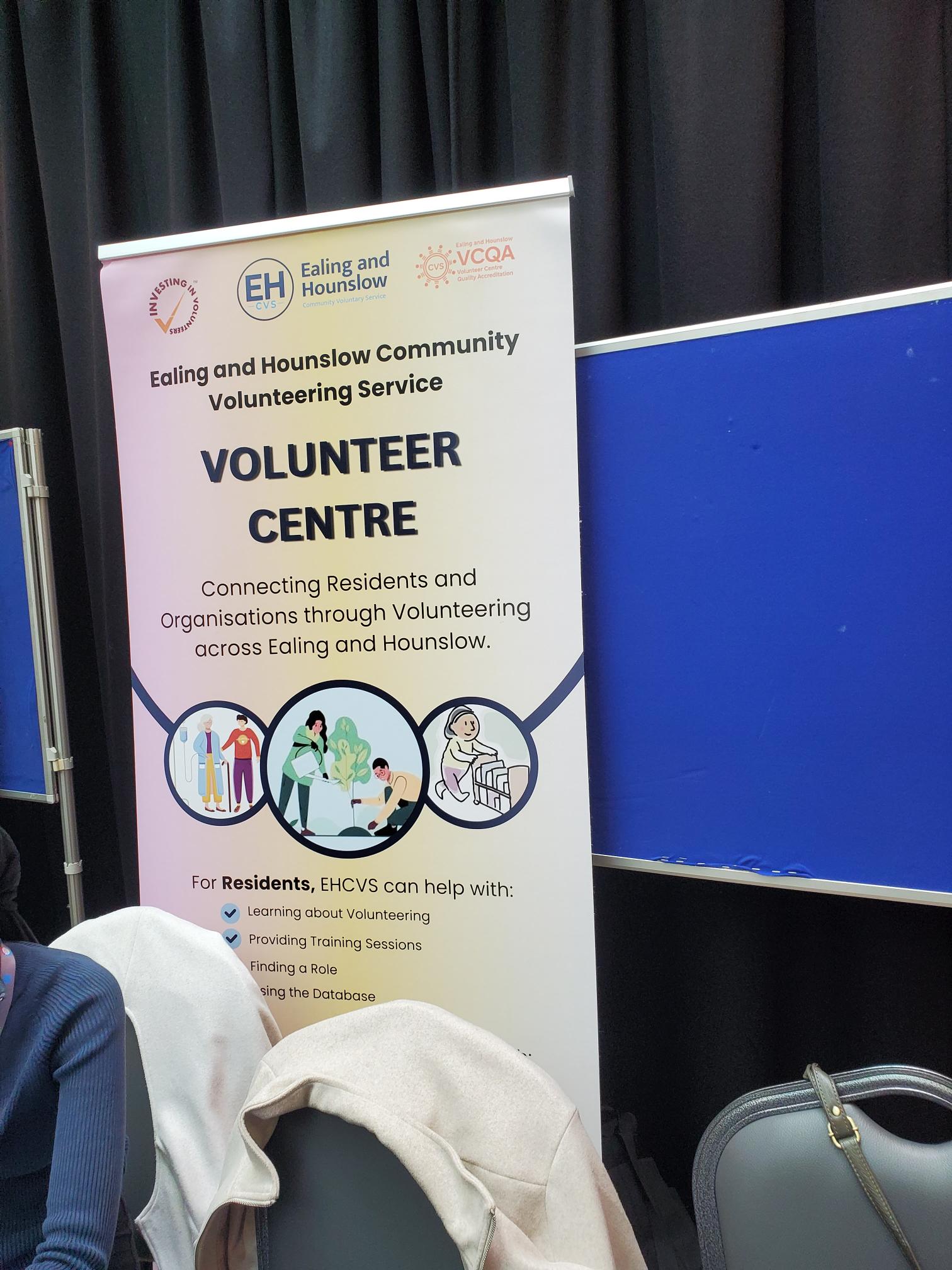
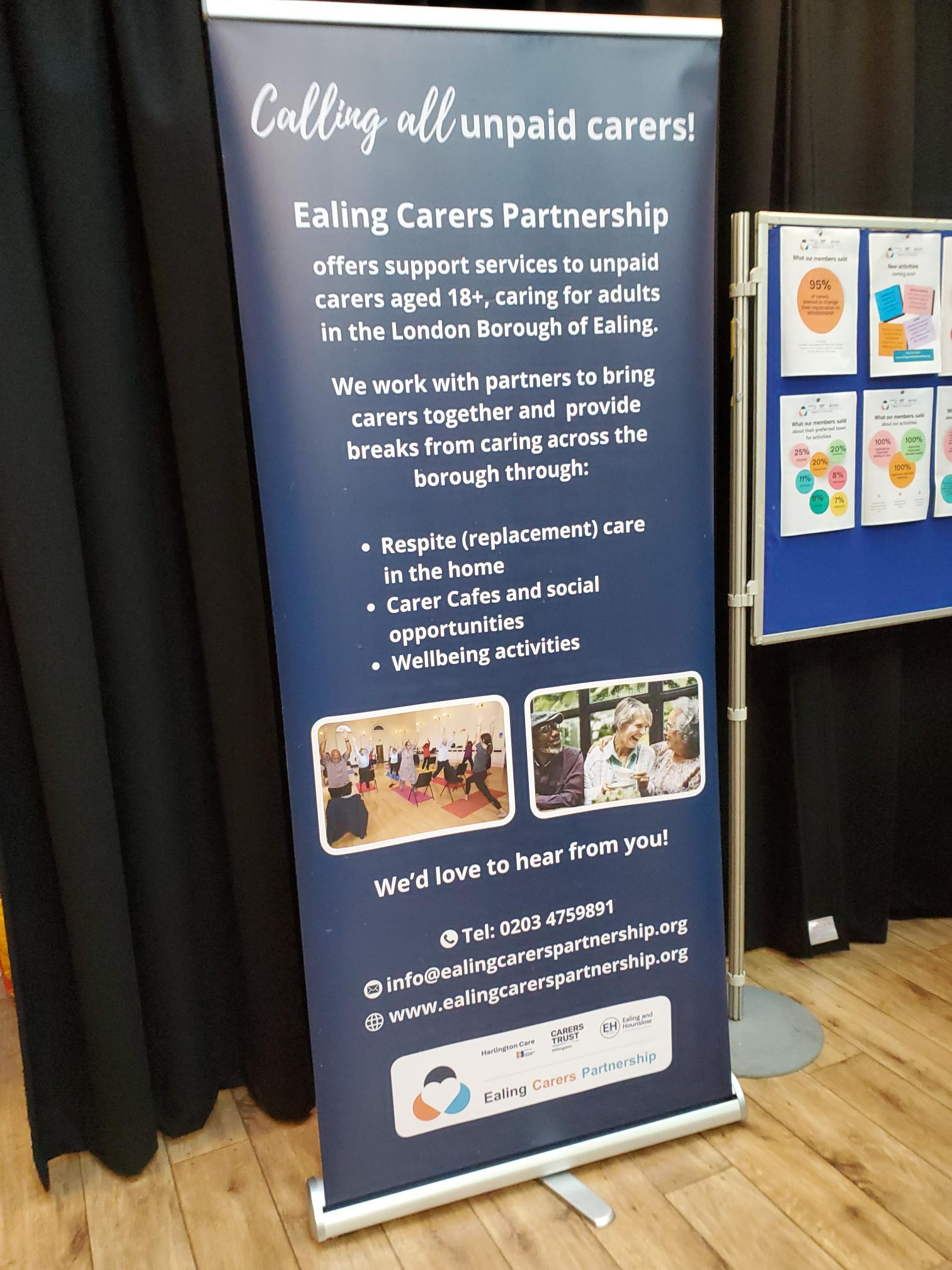
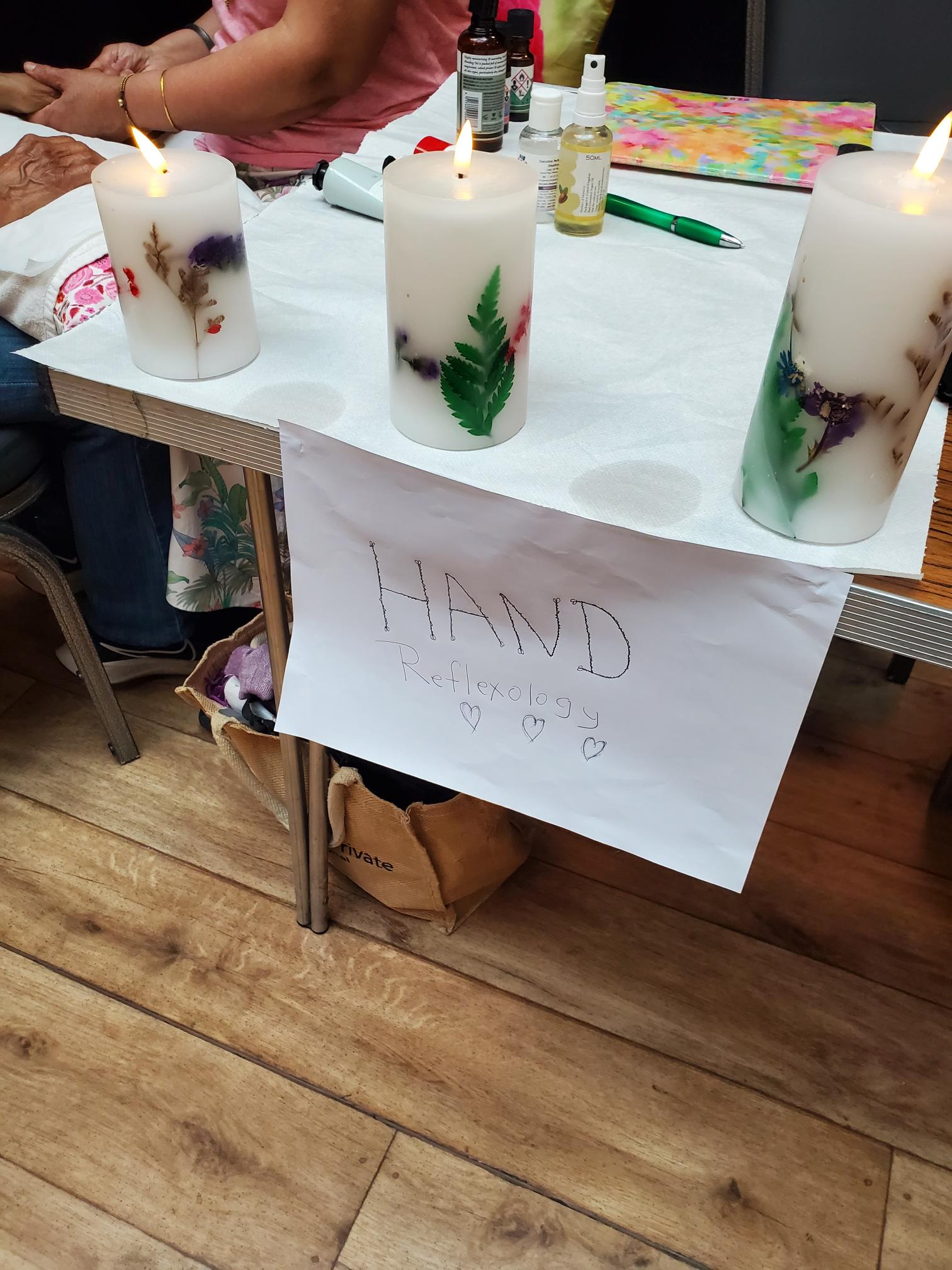
The event brought together carers, professionals, charities, community organisations and council representatives for a celebration that was both informative and inspiring. Alongside the opportunity to gather information and advice, carers enjoyed complimentary refreshments, free manicures from students of Uxbridge College, artwork exhibitions and the chance to connect with others who truly understand the caring journey.
Carer Stalls of Support and Opportunities
One of the highlights of the day was the large exhibition area, where carers could meet a wide range of organisations offering support, guidance and practical services.
The information stalls represented the breadth of support available across Ealing and North West London. Throughout the day carers visited displays from organisations including:
- Carers UK
- Ealing Carers Partnership
- Ealing Carers Hub
- Mind
- RISE
- Ealing Advice Service
- Harlington Hospice / Harlington Care
- Independent Mental Health Advocacy Services
- Volunteer Centre Ealing
- Eating Disorders Support Services
- Community wellbeing organisations
- Health and social care providers
- Local voluntary sector groups
- Arts and creativity projects for carers
- Community engagement and peer support groups
Many stalls offered practical information about carers’ rights, benefits, wellbeing support, mental health services, respite opportunities, advocacy and volunteering. Others showcased creative projects and community activities designed to reduce isolation and improve wellbeing.
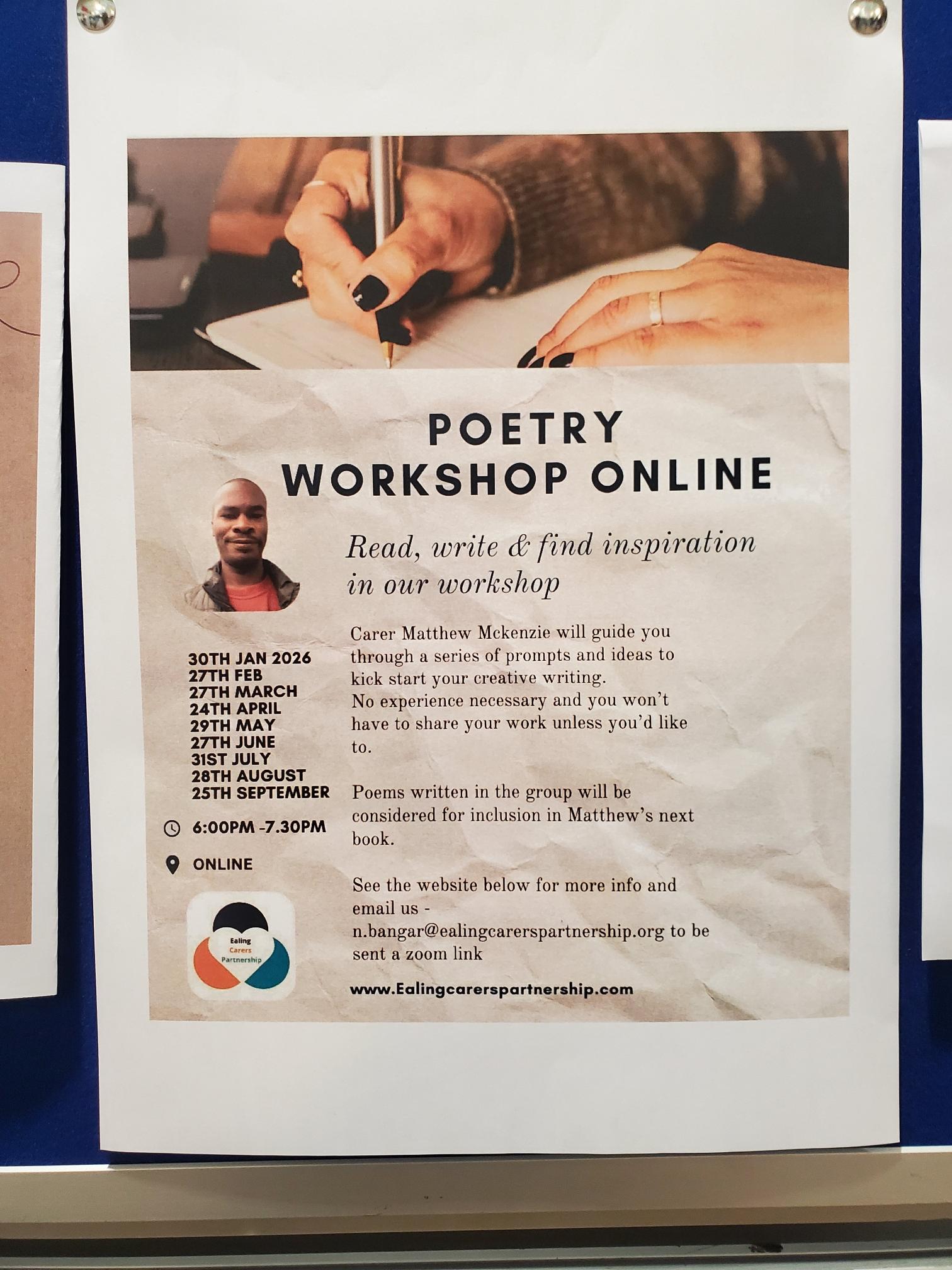
It was also great to see Carer Poetry displayed including the Carer Poetry group I run with Ealing Carers.
At the Carers UK stall, I had numerous conversations with carers who were seeking information about financial support, carers’ assessments, employment rights and how to balance caring responsibilities with their own health and wellbeing. What struck me most was how many carers were attending such an event for the first time and discovering services they never knew existed.
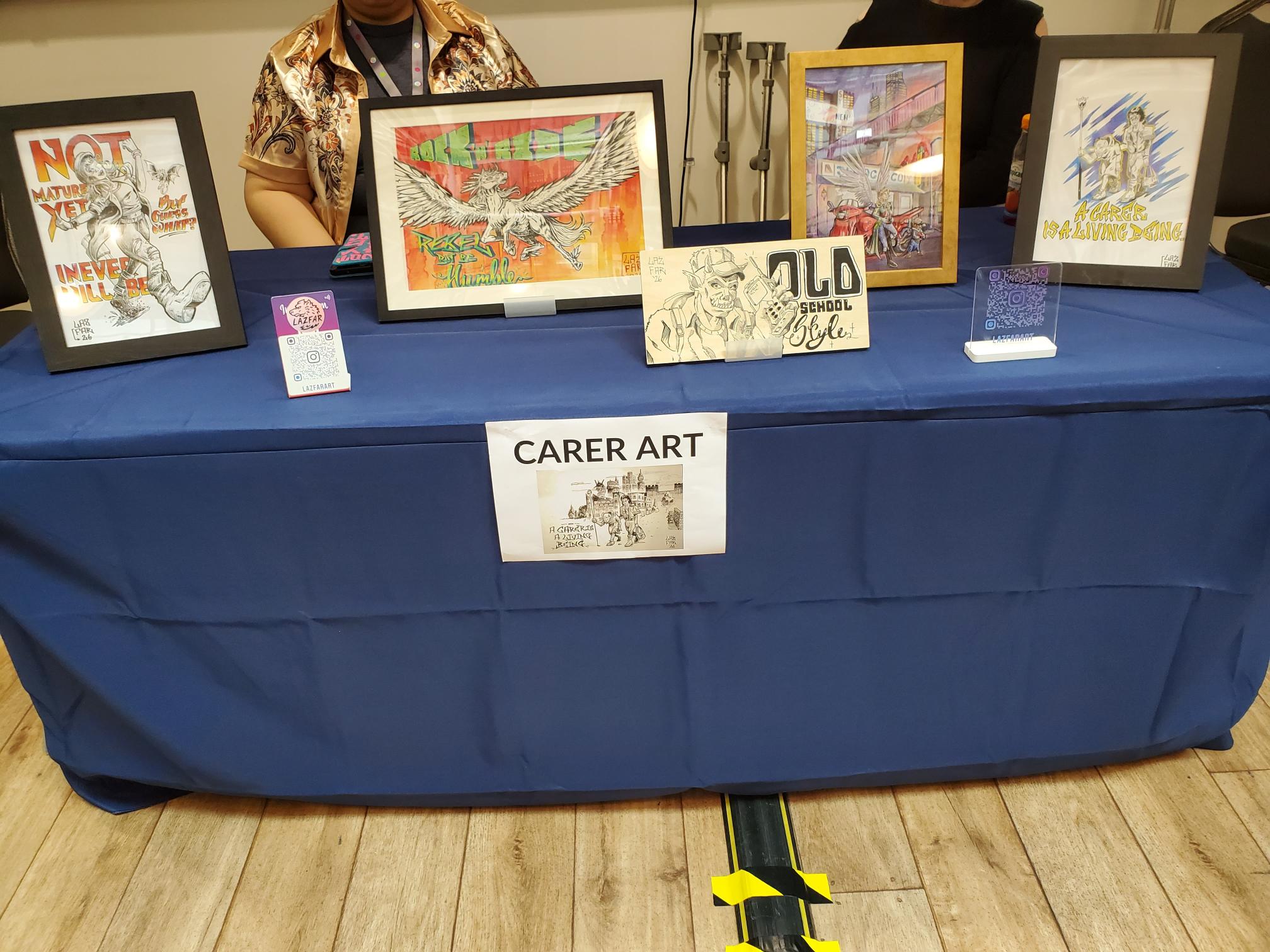
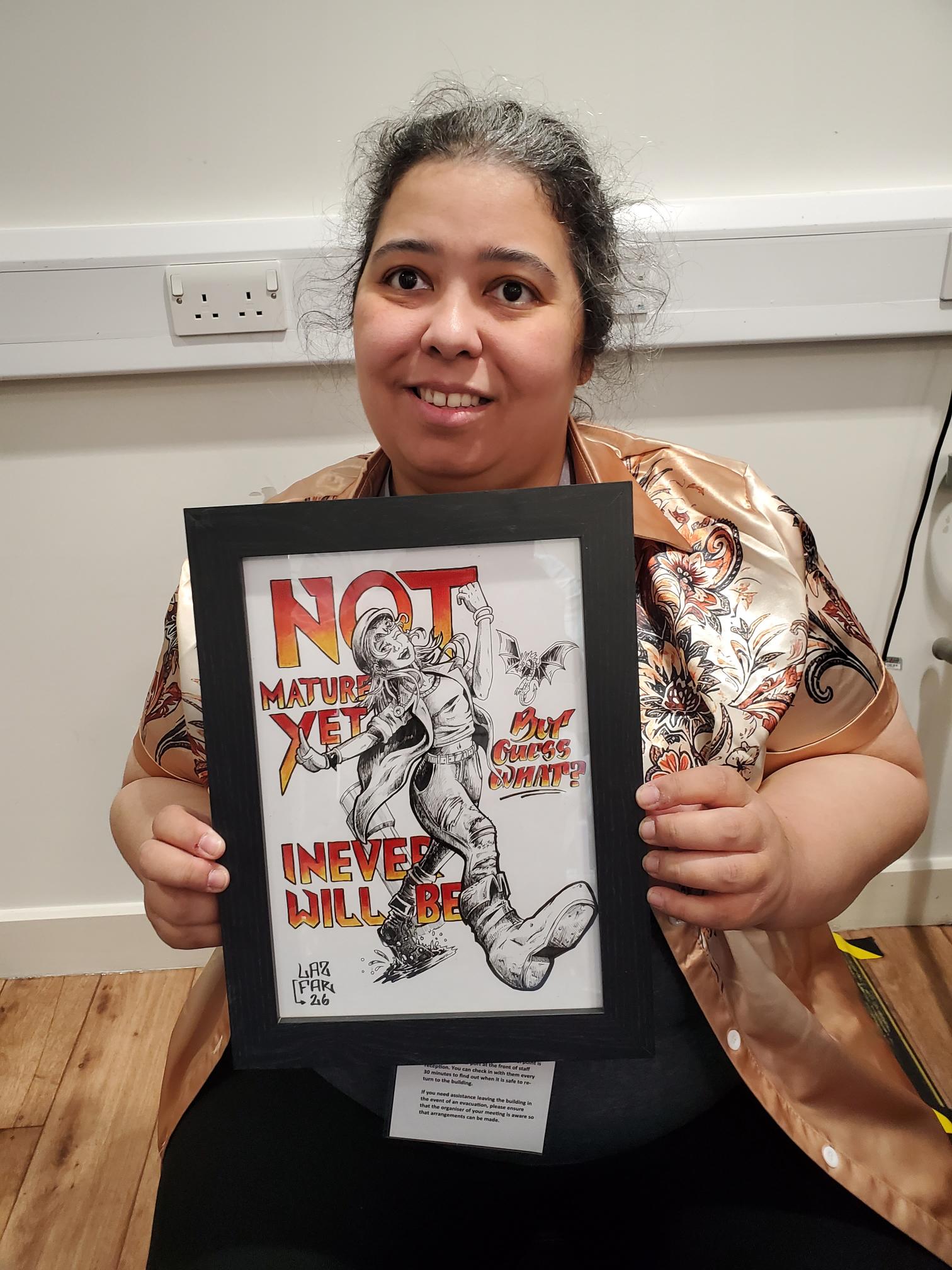
The exhibition also featured the moving “A Carer Is…” artwork display, where carers expressed their experiences through art. The exhibition provided a powerful reminder that caring is not simply a task—it is an emotional journey filled with love, sacrifice, resilience and hope.
Listening to Carers: The Ealing Carers Forum and Council Presentations
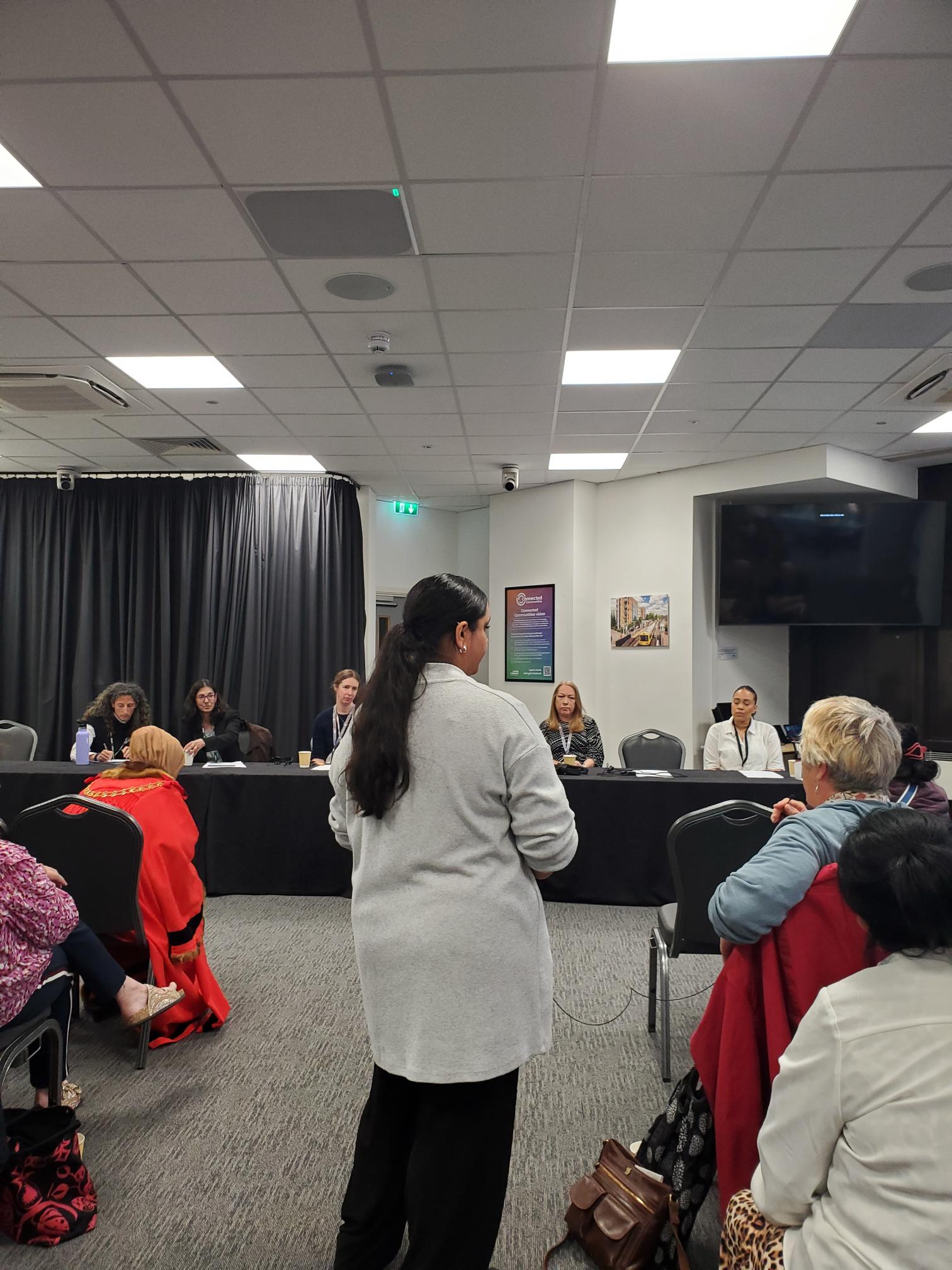
A major focus of the day was the Carers Forum and Question & Answer Session, where carers had the opportunity to hear directly from council leaders and ask questions about services, support and future plans.
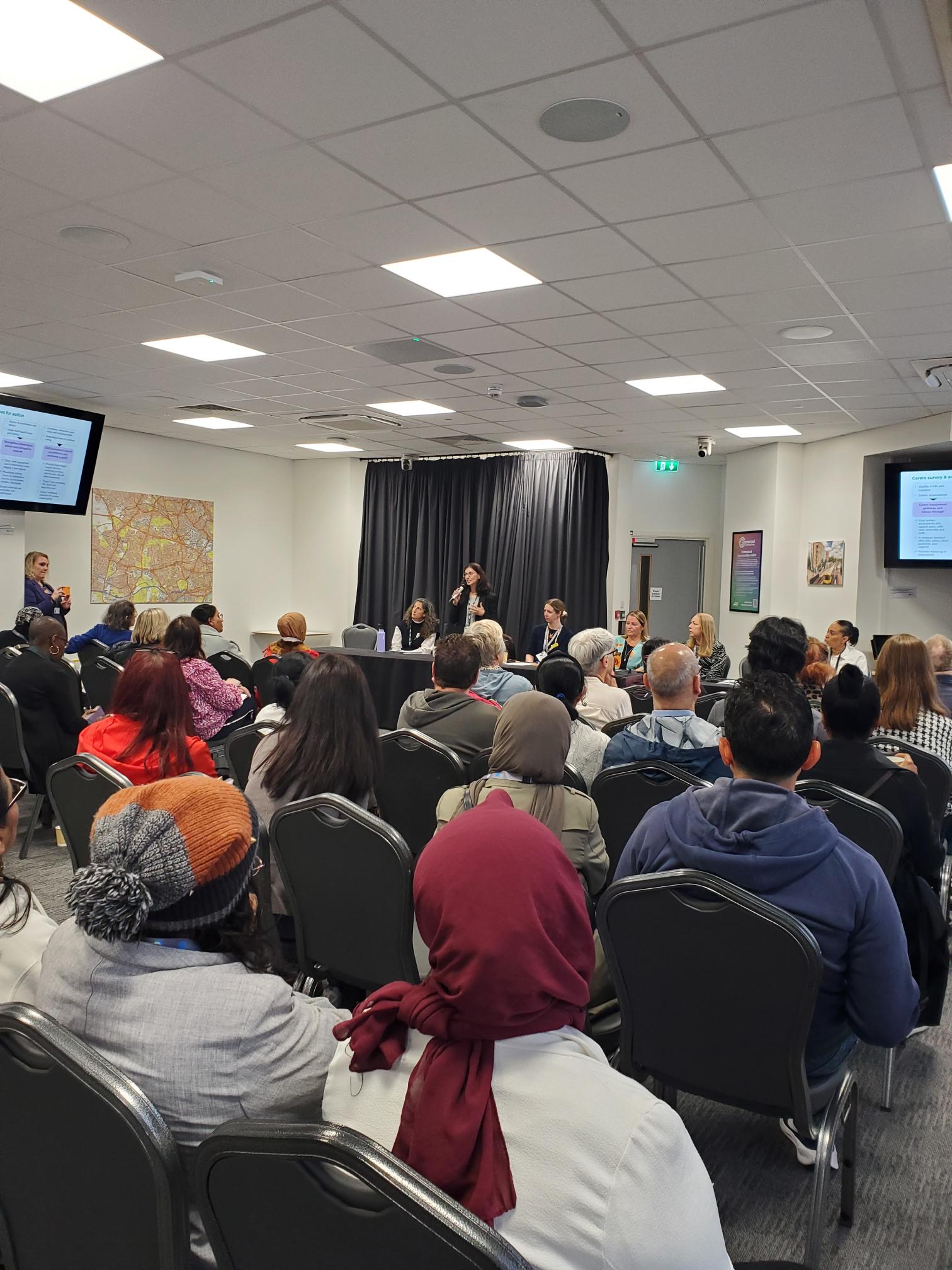
The event was opened by senior representatives who acknowledged the enormous contribution carers make every day.
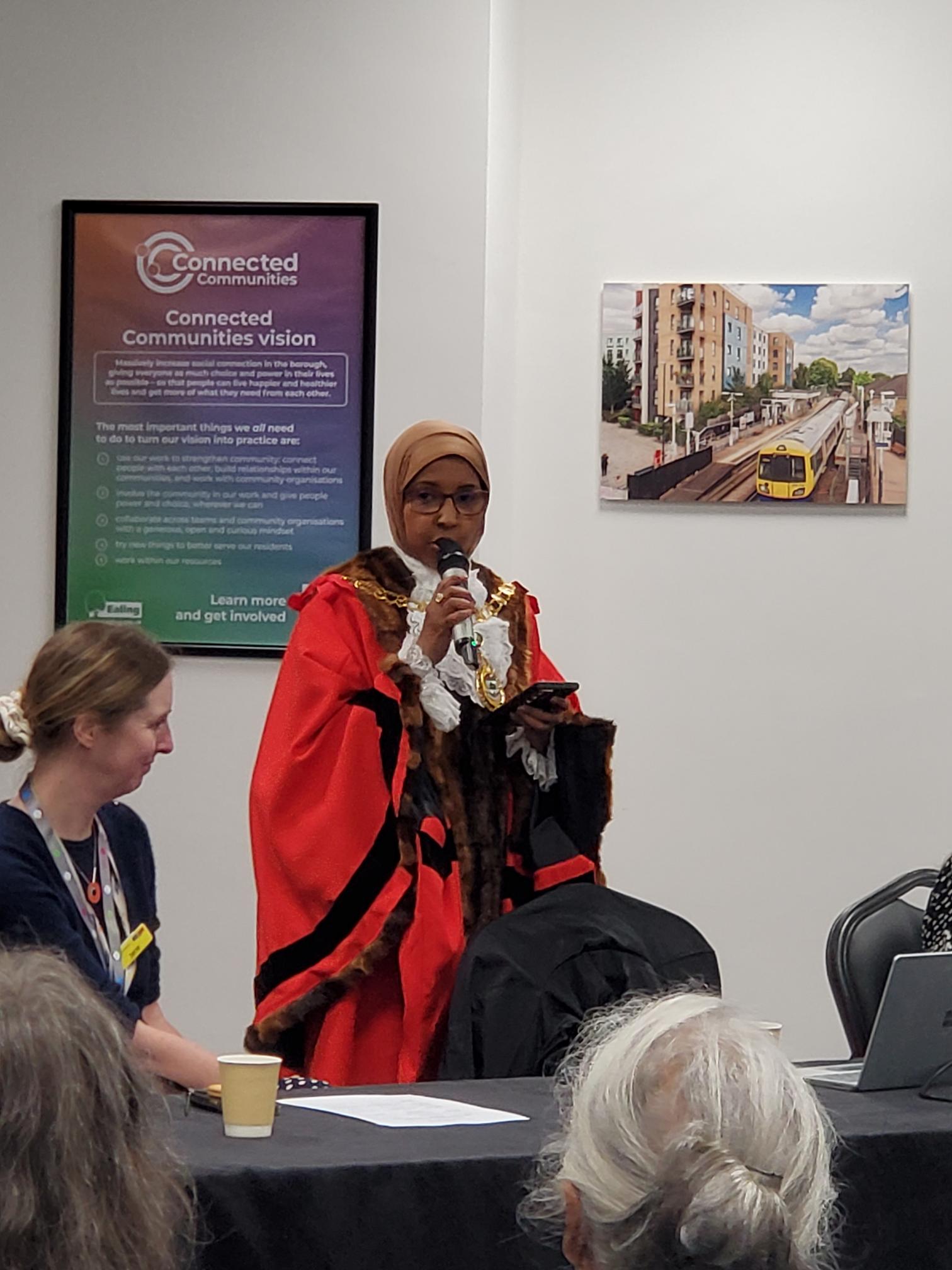
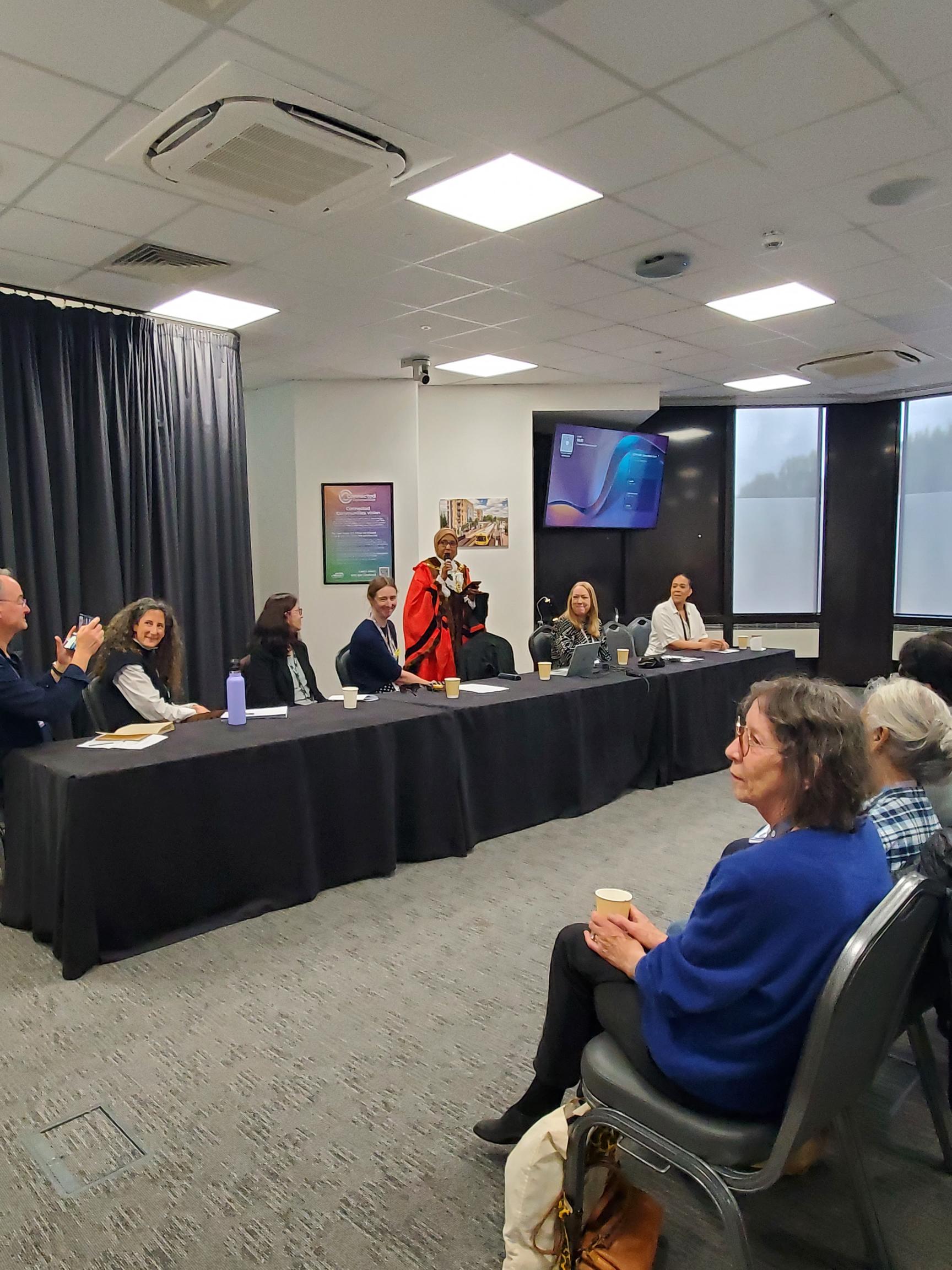
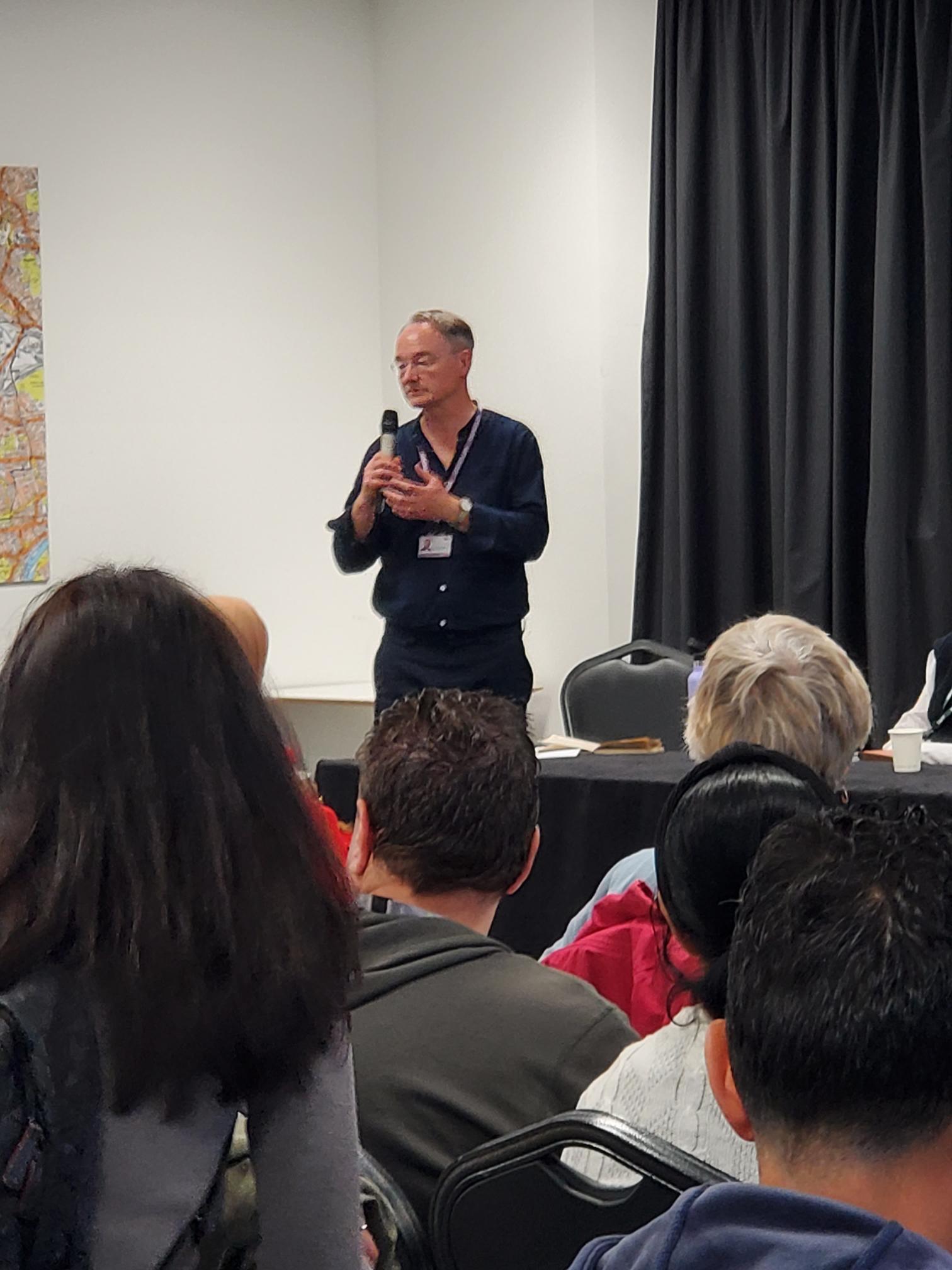
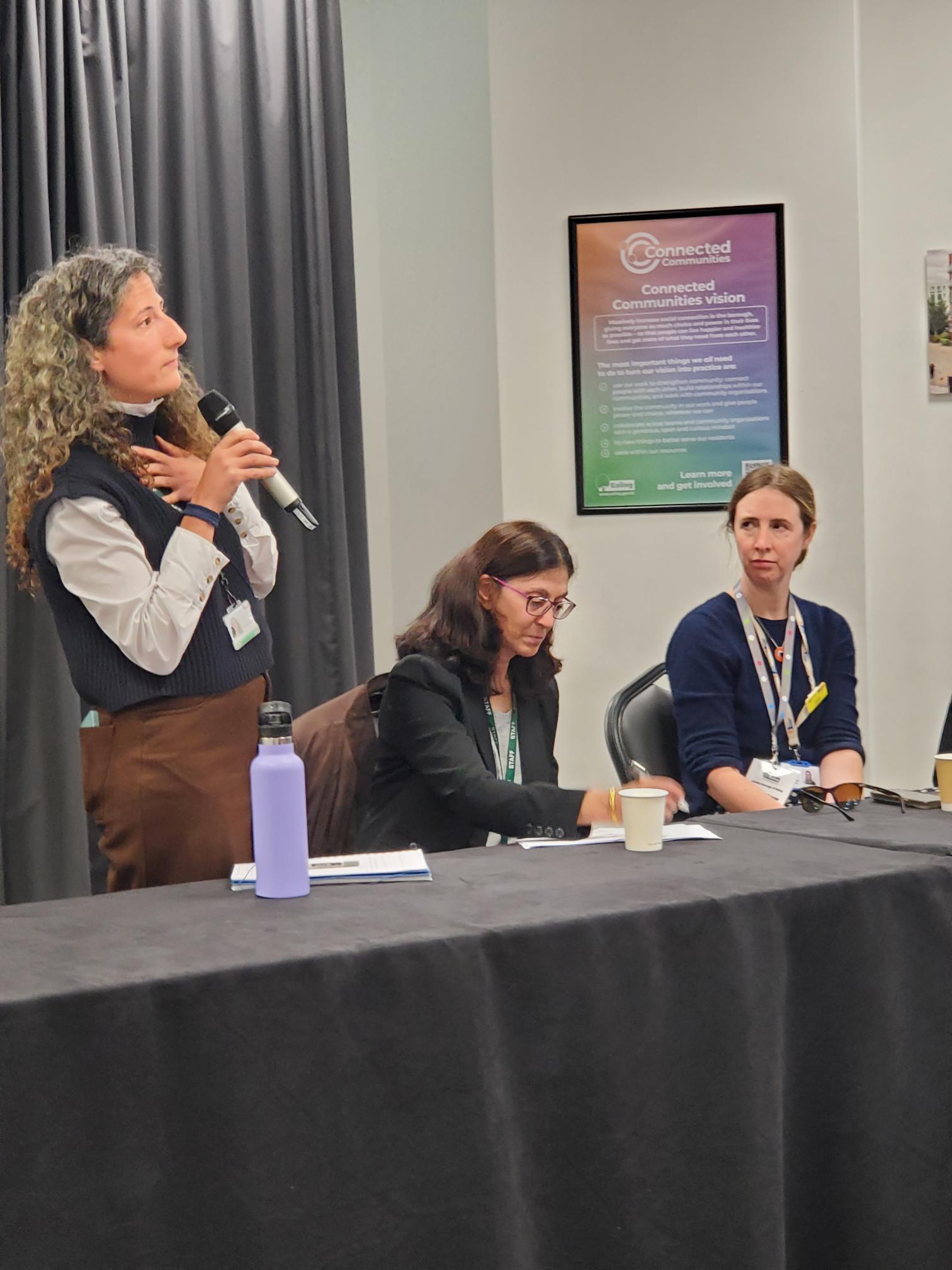
Among the key speakers were:
- Paul Driscoll, Cabinet Member for Healthy Equal Lives, Ealing Council
- Kashmir Takhar, Ealing’s Carers Commissioner
- Senior representatives from Adult Social Care
- Sophie (Assistant Director, Adult Social Care)
- Representatives from Ealing Carers Partnership
- Representatives from Ealing Carers Hub
- Jane Wheeler, Chief Executive of Harlington Hospice
Paul Driscoll spoke about his commitment to understanding carers’ experiences and ensuring that Ealing’s Carers Strategy becomes a meaningful reality rather than simply another policy document. He emphasised the importance of recognition, support and partnership working with carers.
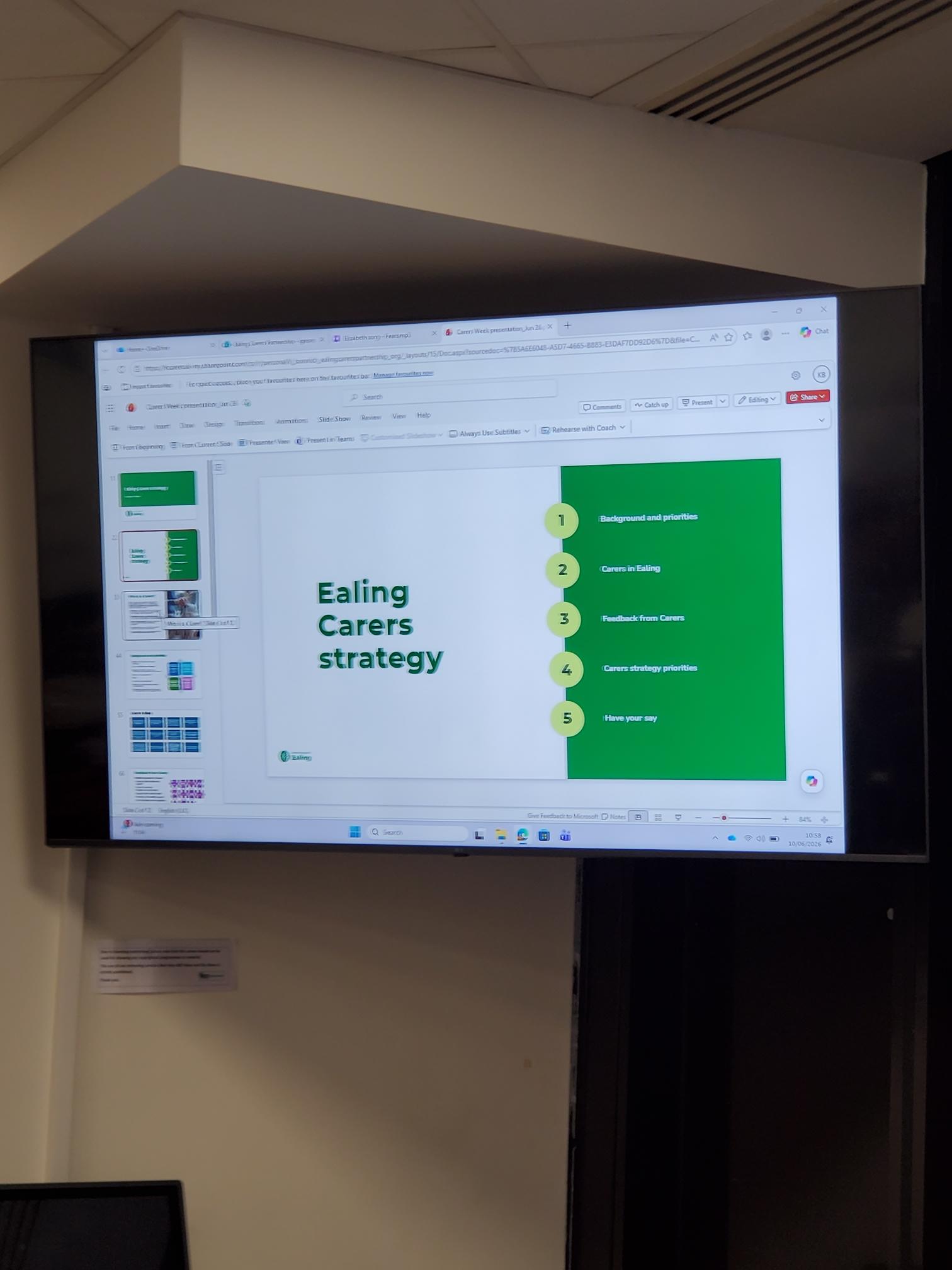
The presentation by Kashmir Takhar focused on Ealing’s Carers Strategy, a joint strategy developed in partnership with carers, health services, social care and voluntary sector organisations. The strategy highlights four key priorities:
- Identifying carers early in their caring journey.
- Helping carers maintain family and community life.
- Supporting carers’ physical and mental wellbeing.
- Helping carers maximise income and achieve their potential.
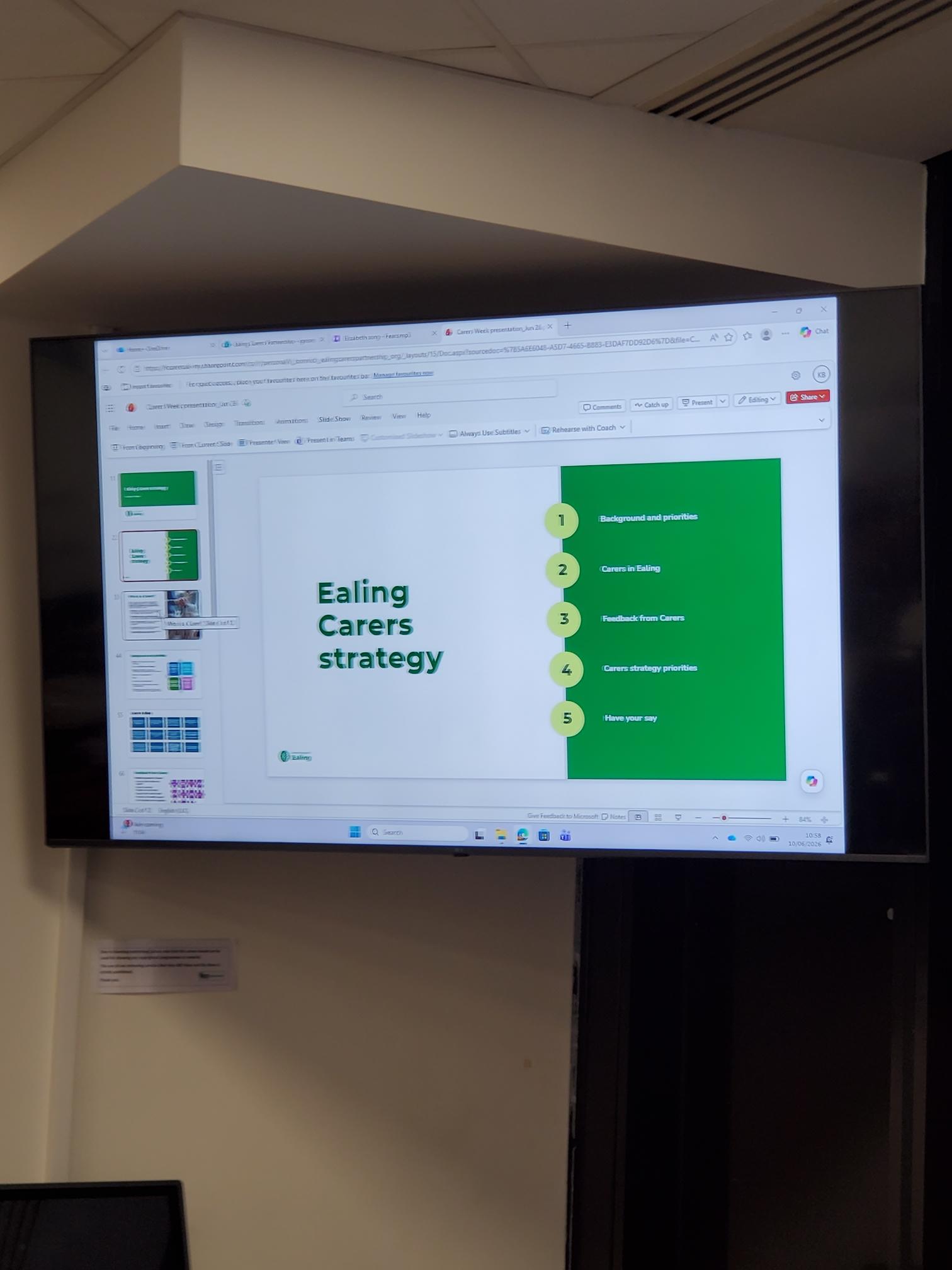
The presentation revealed that there are approximately 24,000 carers in Ealing, although many remain hidden and do not identify themselves as carers. It also highlighted the growing challenges carers face around mental health, financial pressures, access to services, respite care and social isolation.
Particularly encouraging was hearing about plans to improve access to information, increase wellbeing activities, strengthen respite opportunities and expand support for young carers and working carers.
The Power of Carers’ Voices
One of the most important aspects of the forum was the open discussion session.
Carers shared their personal experiences, raising concerns about respite services, communication between council departments, transport arrangements and the challenges of navigating complex systems while already carrying significant caring responsibilities.
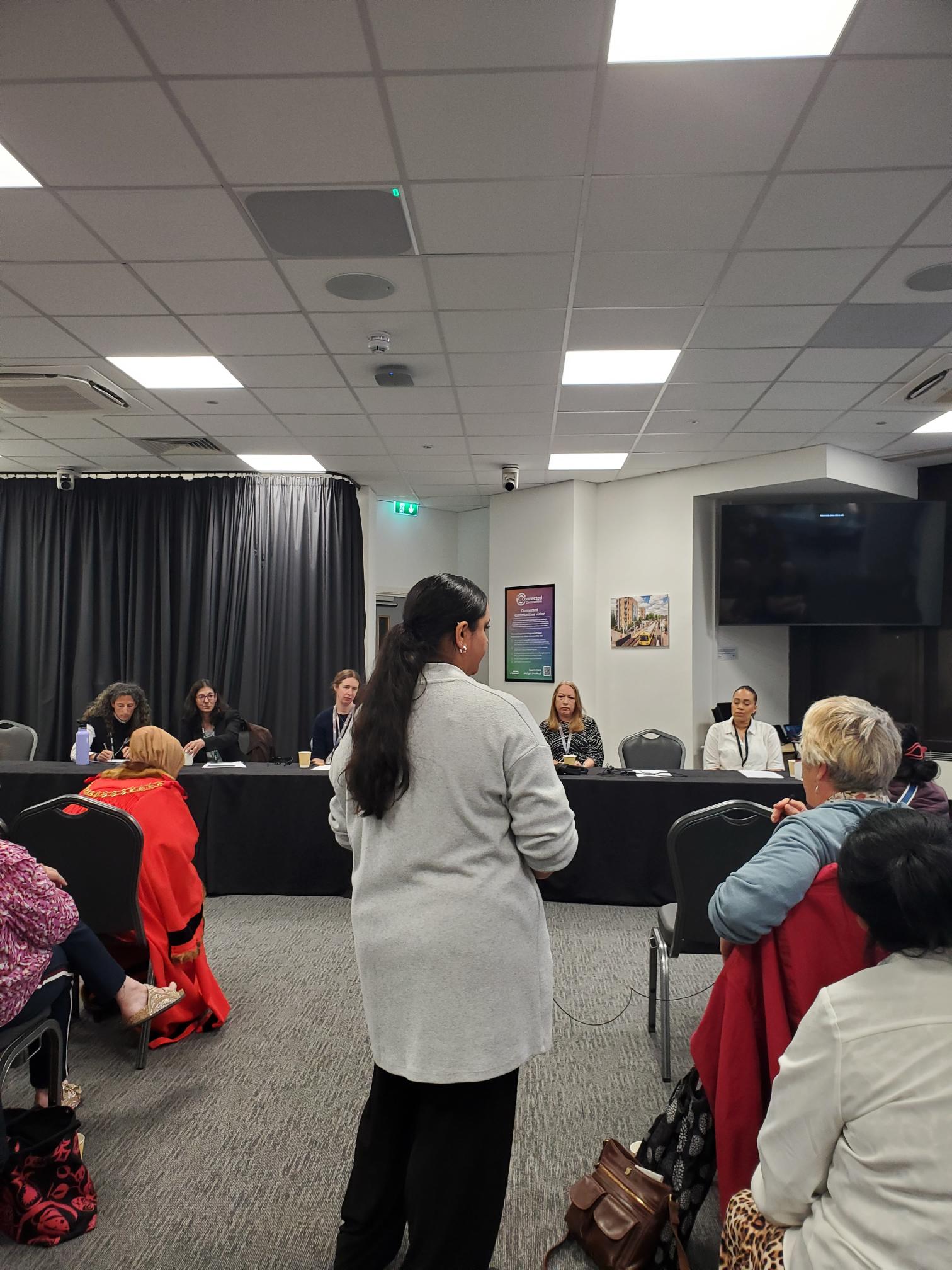
A particularly powerful contribution came from a carer who described how difficult it had been to arrange respite care due to poor coordination between services. The honesty and emotion behind this contribution resonated with many people in the room because it reflected experiences that carers often face but rarely have opportunities to discuss publicly.
Council representatives acknowledged these concerns and committed to improving communication, responsiveness and coordination across services. Assistant Director Sophie openly recognised that carers deserve better experiences and welcomed continued feedback to help shape future improvements.
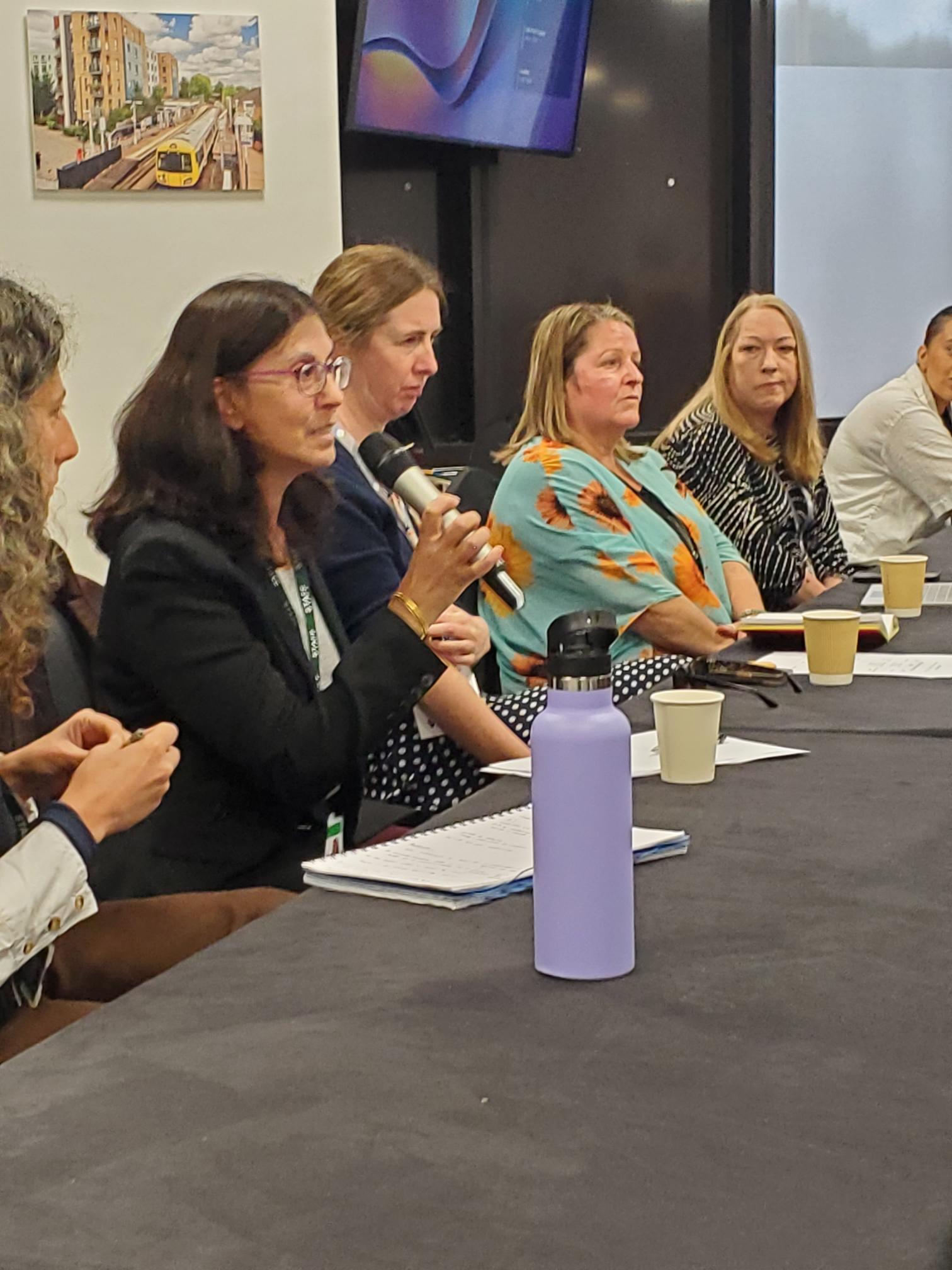
Representatives from frontline organisations, including Ealing Advice Service, also highlighted recurring issues encountered by carers and stressed the importance of joined-up working between agencies.
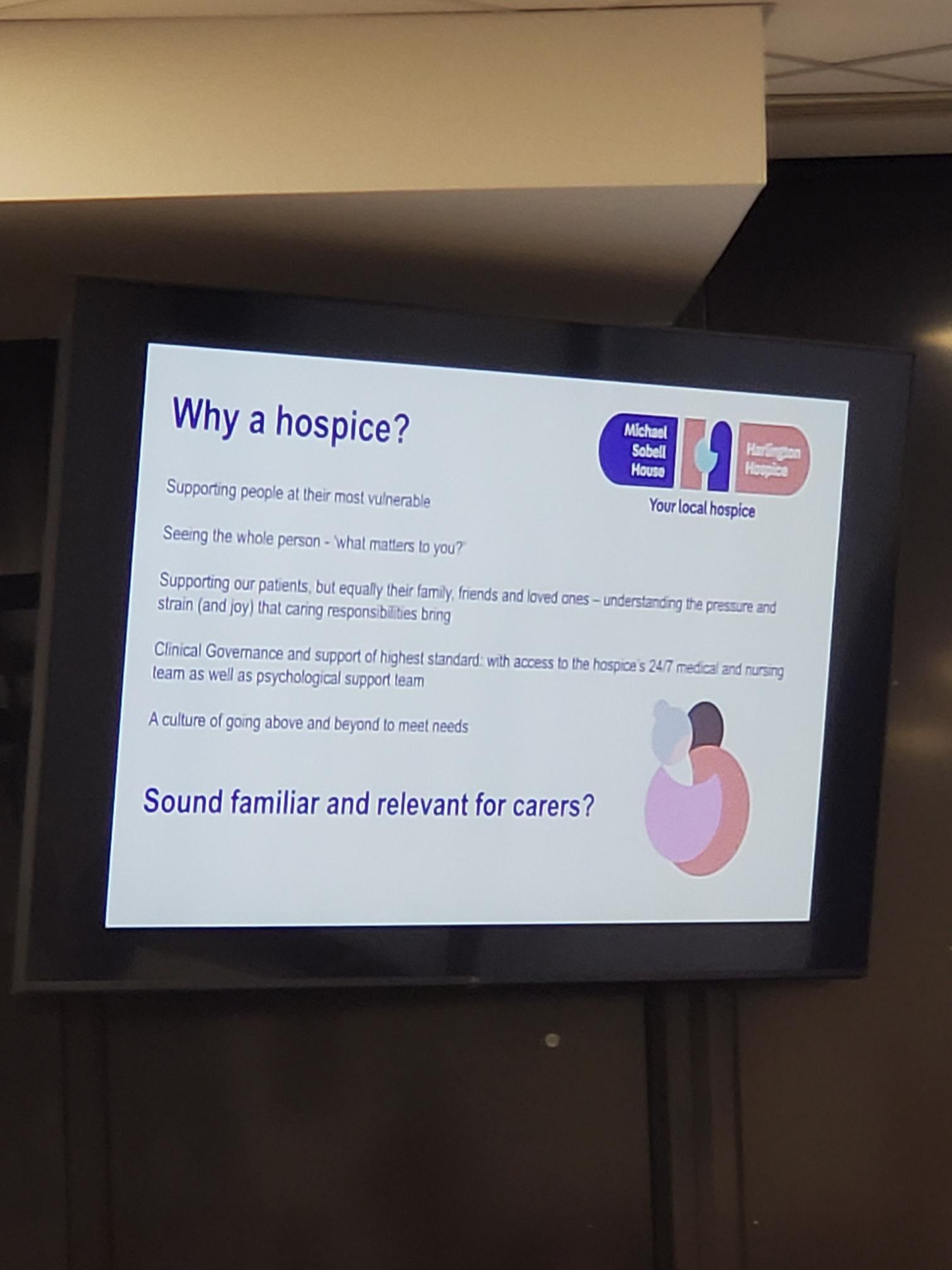
Later in the session, Jane Wheeler from Harlington Hospice explained how the organisation’s carers’ short break service supports carers through home-based respite, community outings and specialist support. Her presentation reinforced the message that carers themselves need care, support and opportunities to recharge.
It was more than just a Carers Event
As the day came to a close, what remained was a sense of connection.
For many carers, simply being in a room full of people who understood their experiences was invaluable. There was laughter, conversation, shared stories and moments of reflection. New friendships were formed, information was exchanged and carers left knowing that support is available.
From my own perspective, hosting the Carers UK stall and speaking with so many dedicated carers reinforced why events like this matter. Caring can often feel invisible. The hours spent supporting loved ones frequently go unnoticed by wider society. Yet carers are the backbone of our communities and health systems.
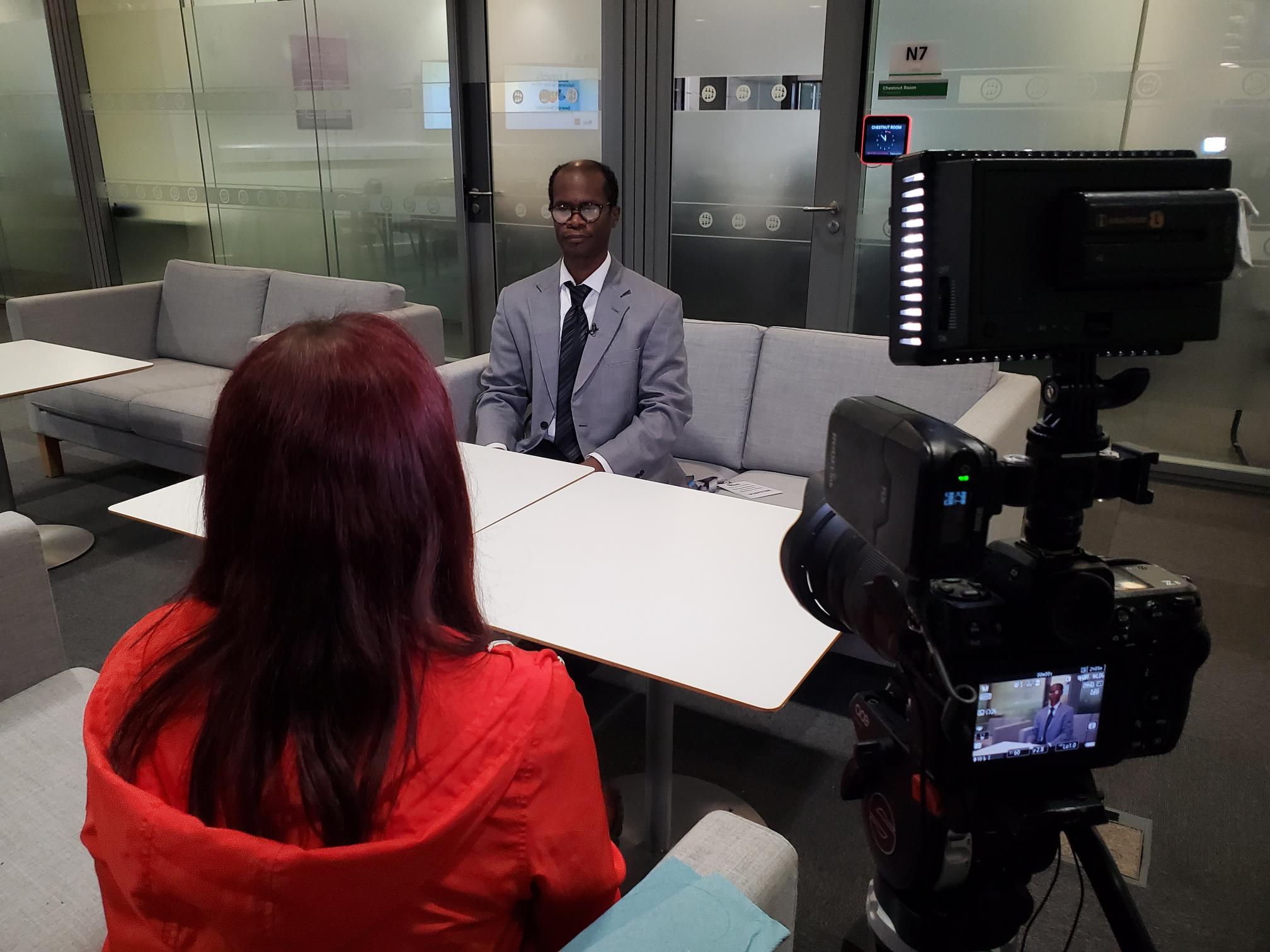
The Carers Week Celebration reminded us that carers deserve recognition not just during one week each year but every day.
To everyone who organised the event, staffed a stall, delivered a presentation, volunteered their time or simply attended and shared their story, I thank you.
Most importantly, to every unpaid carer reading this: thank you for everything you do.
 A Caring Mind