Tag Archives: hidden carers

Carers Week Celebration 2026: A Day of Recognition, Reflection and Resilience

By Matthew McKenzie – Carer, Author, Poet and Host of the Carers UK Information Stall
10 June 2026, Perceval House, Ealing

As a carer myself, supporting both of my brothers, I understand that caring is often a role we never planned for, yet one we embrace out of love, duty and commitment. It can be rewarding, but it can also be isolating, exhausting and overwhelming. That is why events such as the Carers Week Celebration 2026, organised by Ealing Carers Partnership, Ealing Carers Hub and Ealing Council, are so important.

I think it reminds us that carers matter, that our voices are heard and that we are not alone.
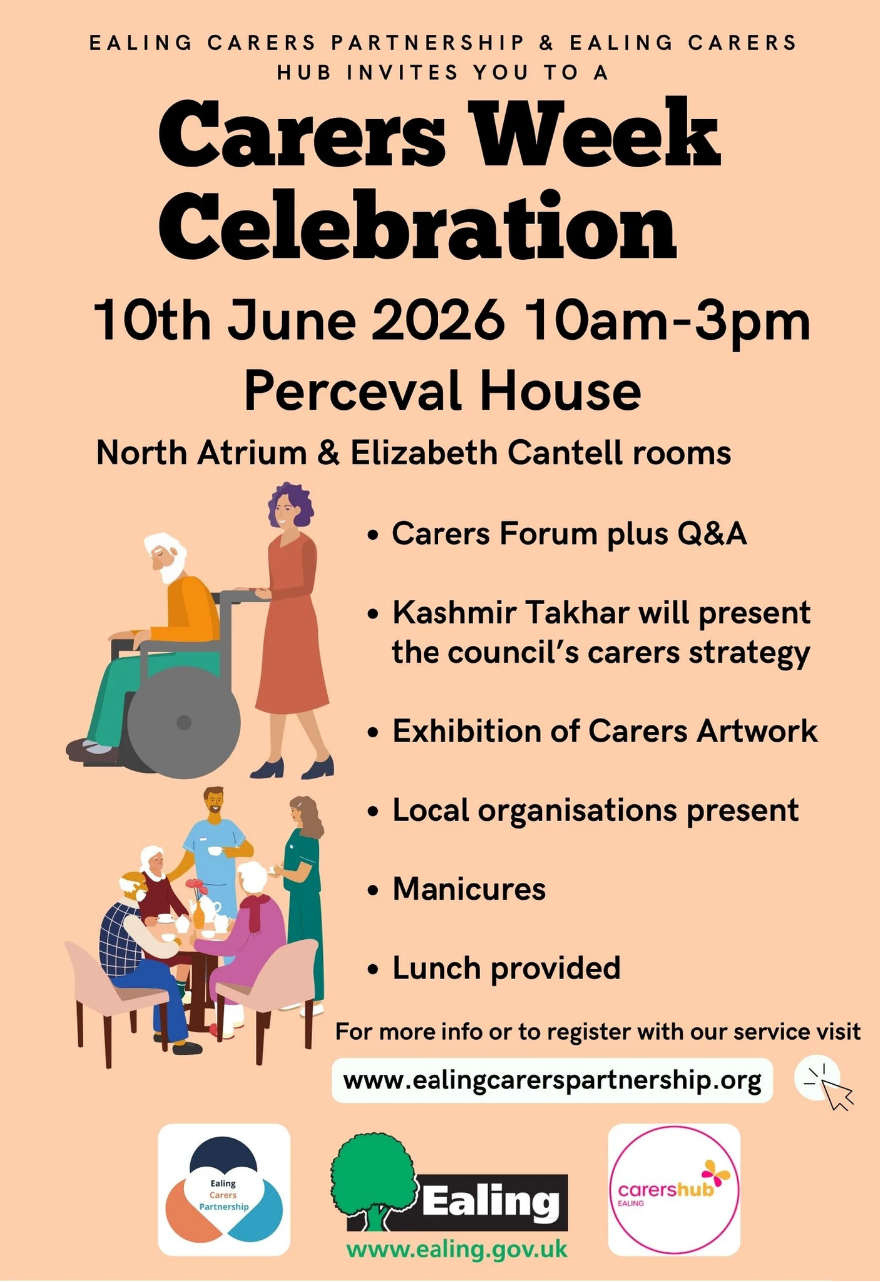
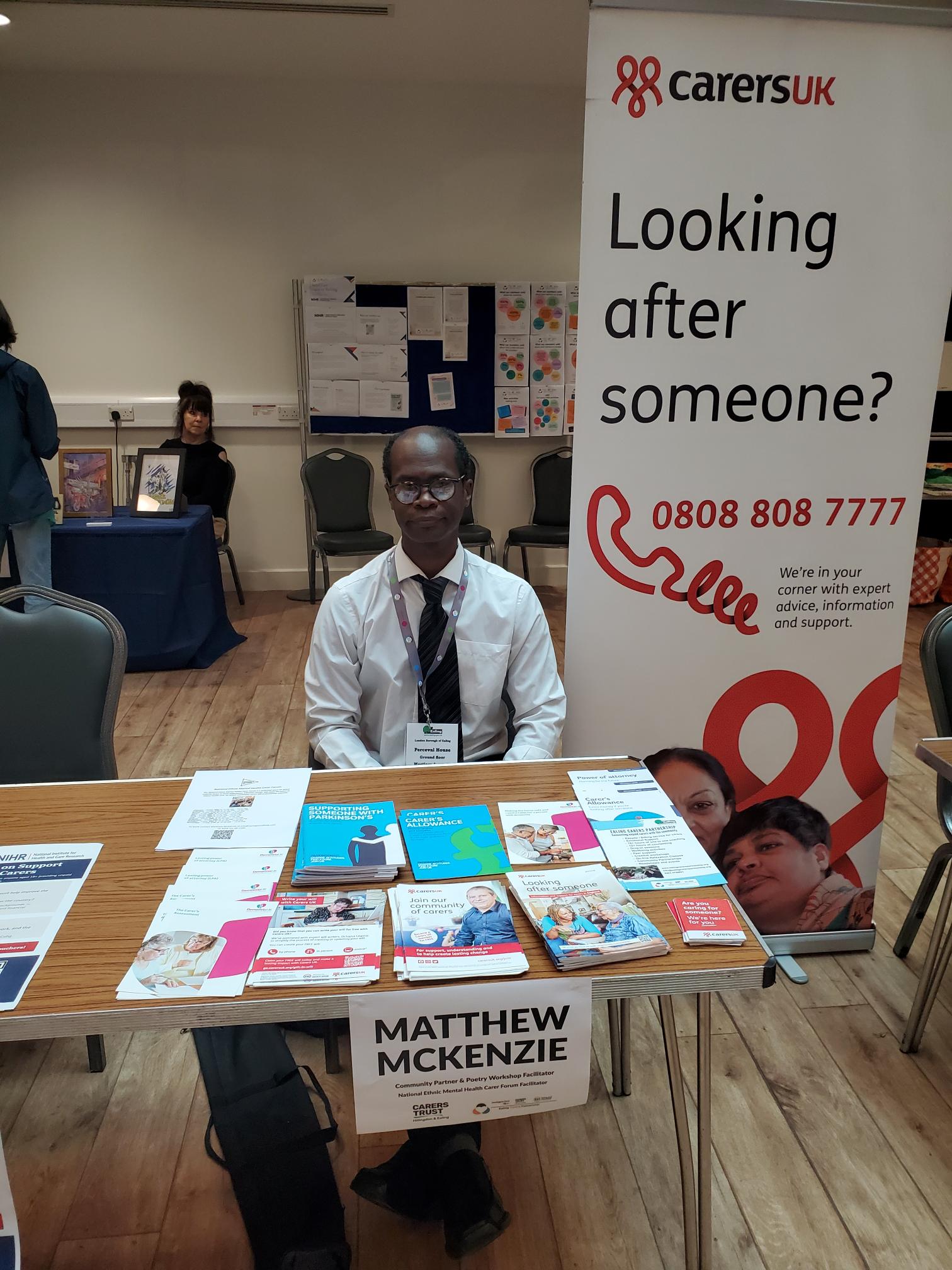
Having the privilege of hosting the Carers UK information stall, while also attending as a carer, poet and author, I witnessed first-hand the incredible sense of community that filled Perceval House throughout the day.
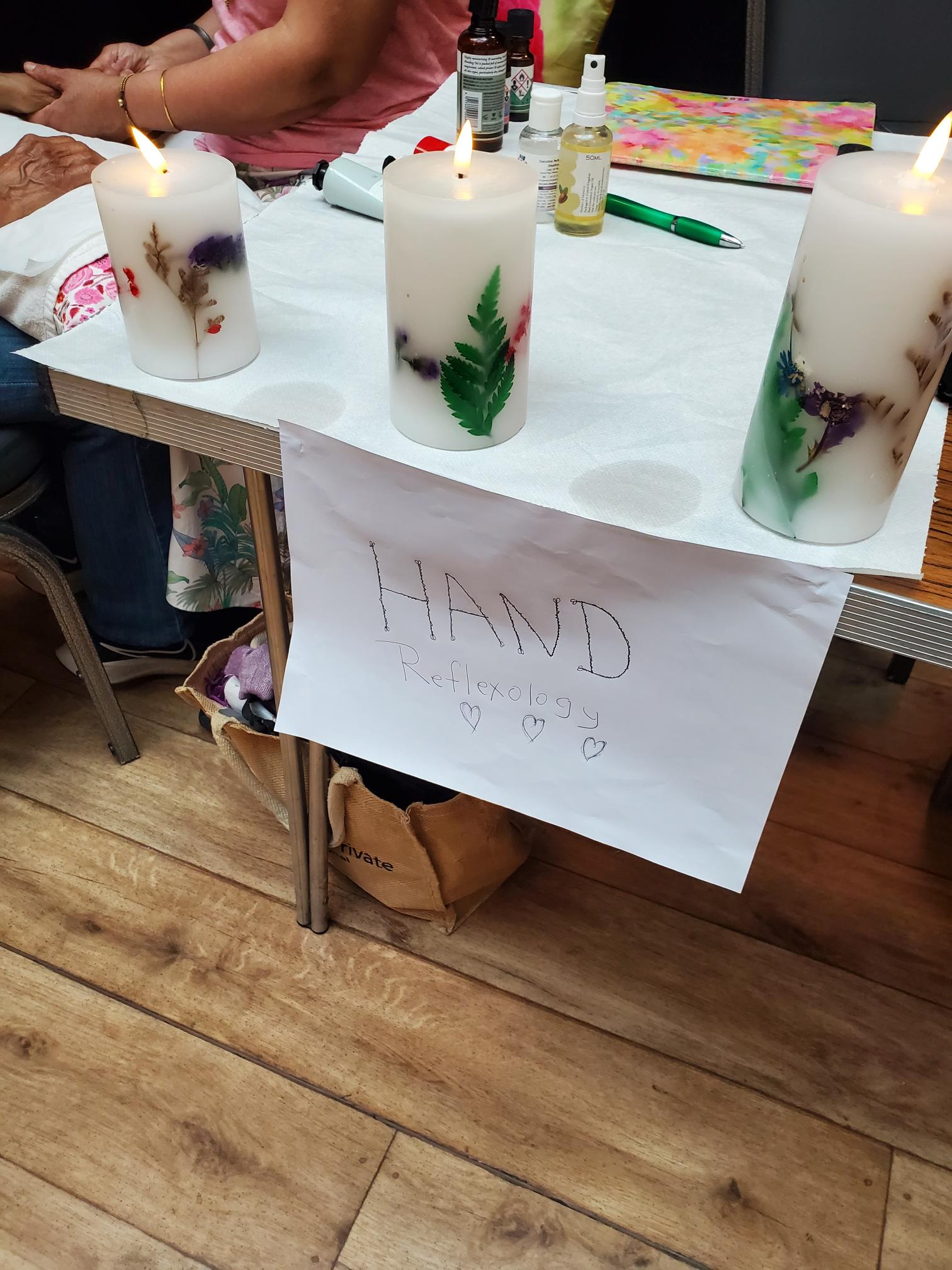
The event brought together carers, professionals, charities, community organisations and council representatives for a celebration that was both informative and inspiring. Alongside the opportunity to gather information and advice, carers enjoyed complimentary refreshments, free manicures from students of Uxbridge College, artwork exhibitions and the chance to connect with others who truly understand the caring journey.


Carer Stalls of Support and Opportunities

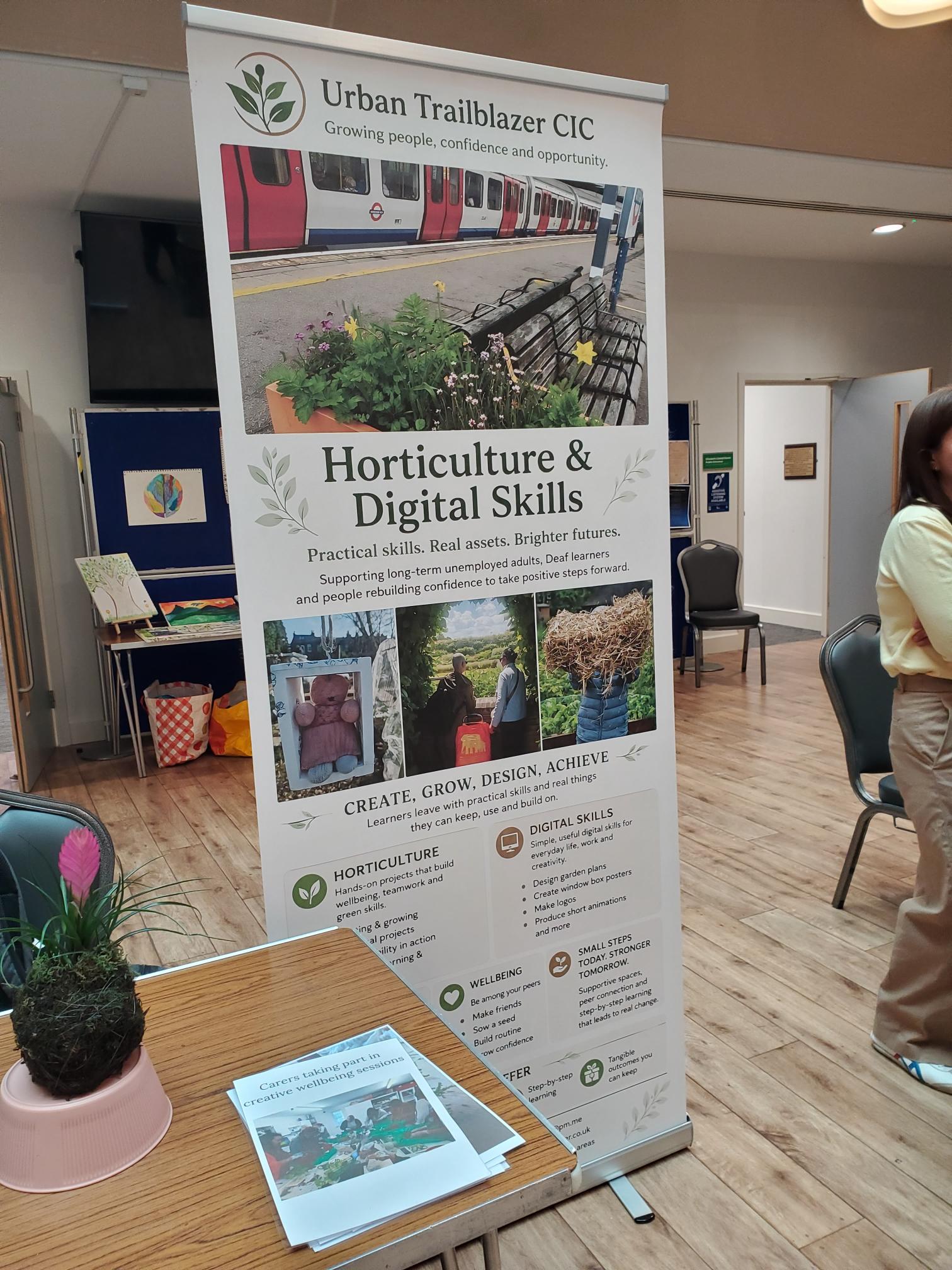
One of the highlights of the day was the large exhibition area, where carers could meet a wide range of organisations offering support, guidance and practical services.

The information stalls represented the breadth of support available across Ealing and North West London. Throughout the day carers visited displays from organisations including:

  • Carers UK
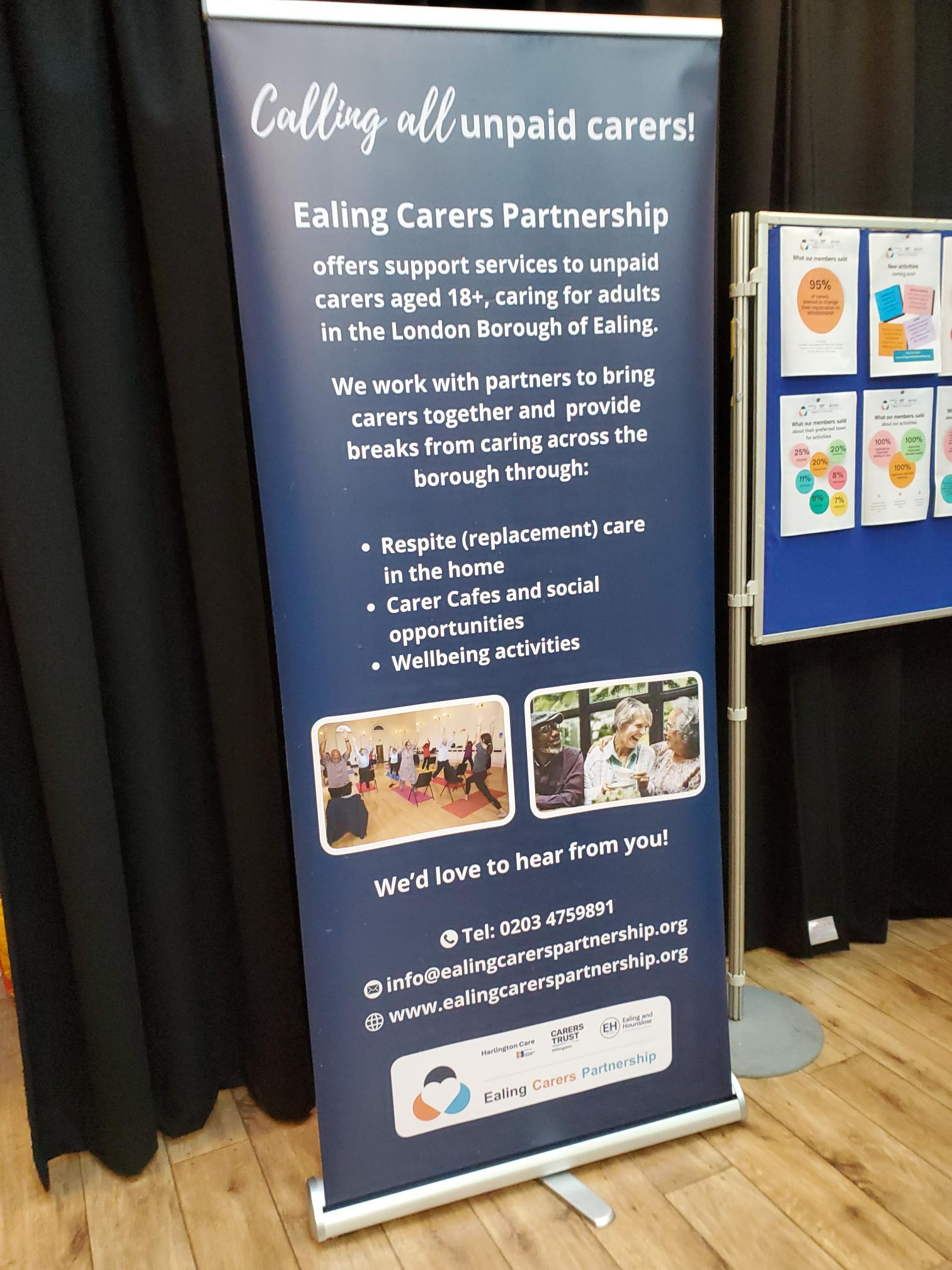
  • Ealing Carers Partnership
  • Ealing Carers Hub
  • Mind
  • RISE
  • Ealing Advice Service
  • Harlington Hospice / Harlington Care
  • Independent Mental Health Advocacy Services
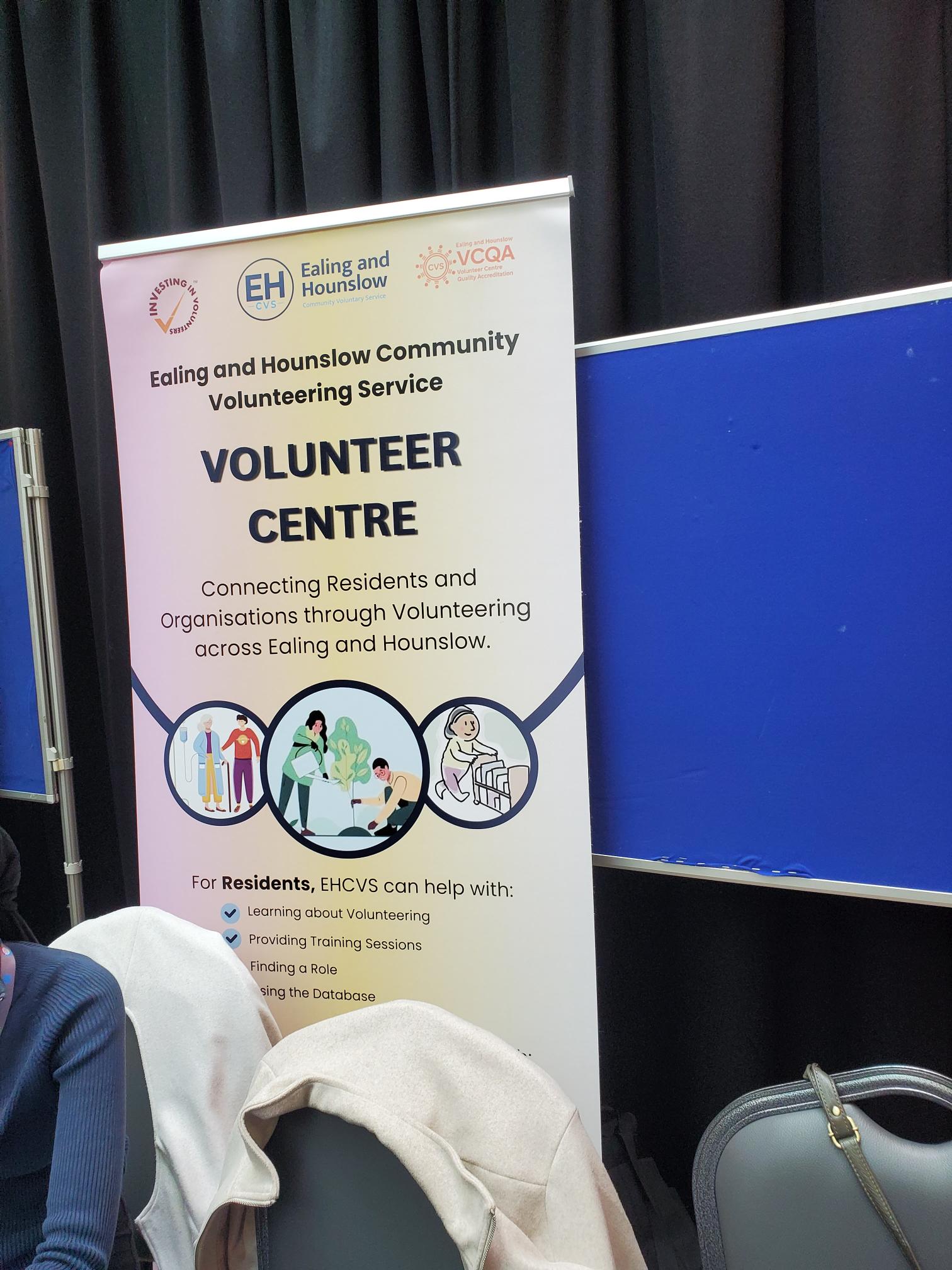
  • Volunteer Centre Ealing
  • Eating Disorders Support Services
  • Community wellbeing organisations
  • Health and social care providers
  • Local voluntary sector groups
  • Arts and creativity projects for carers
  • Community engagement and peer support groups

Many stalls offered practical information about carers’ rights, benefits, wellbeing support, mental health services, respite opportunities, advocacy and volunteering. Others showcased creative projects and community activities designed to reduce isolation and improve wellbeing.

It was also great to see Carer Poetry displayed including the Carer Poetry group I run with Ealing Carers.
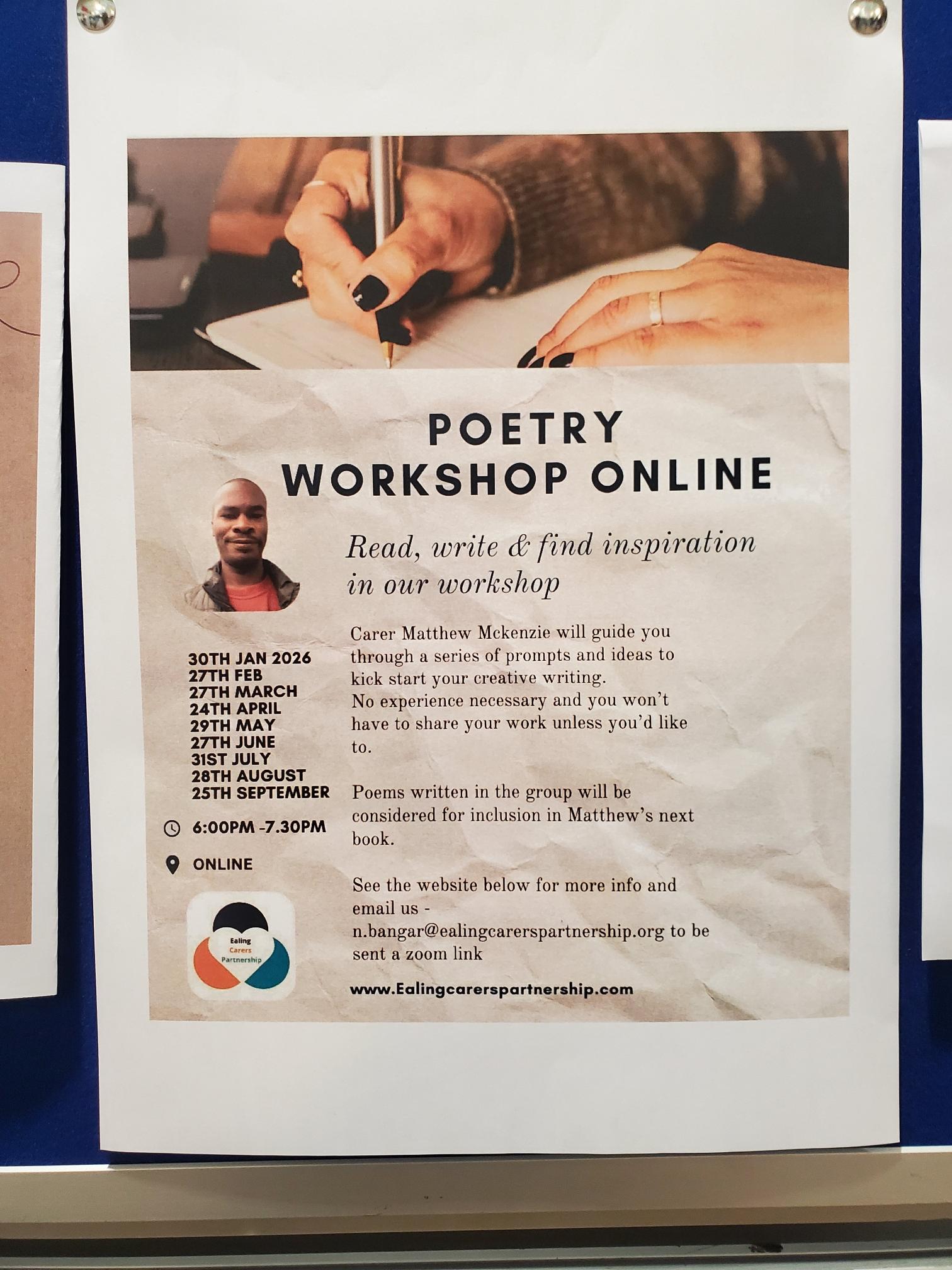
At the Carers UK stall, I had numerous conversations with carers who were seeking information about financial support, carers’ assessments, employment rights and how to balance caring responsibilities with their own health and wellbeing. What struck me most was how many carers were attending such an event for the first time and discovering services they never knew existed.
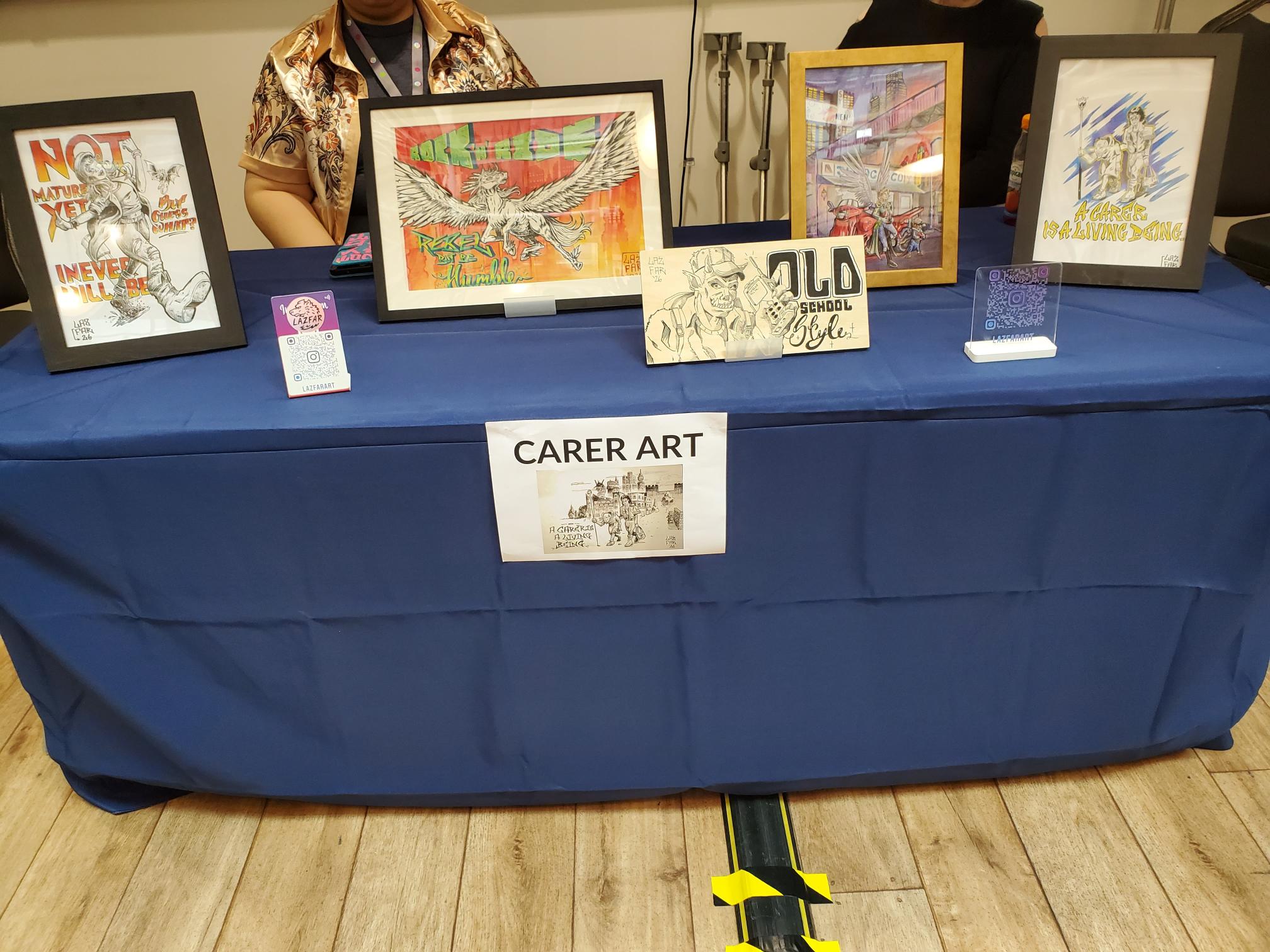
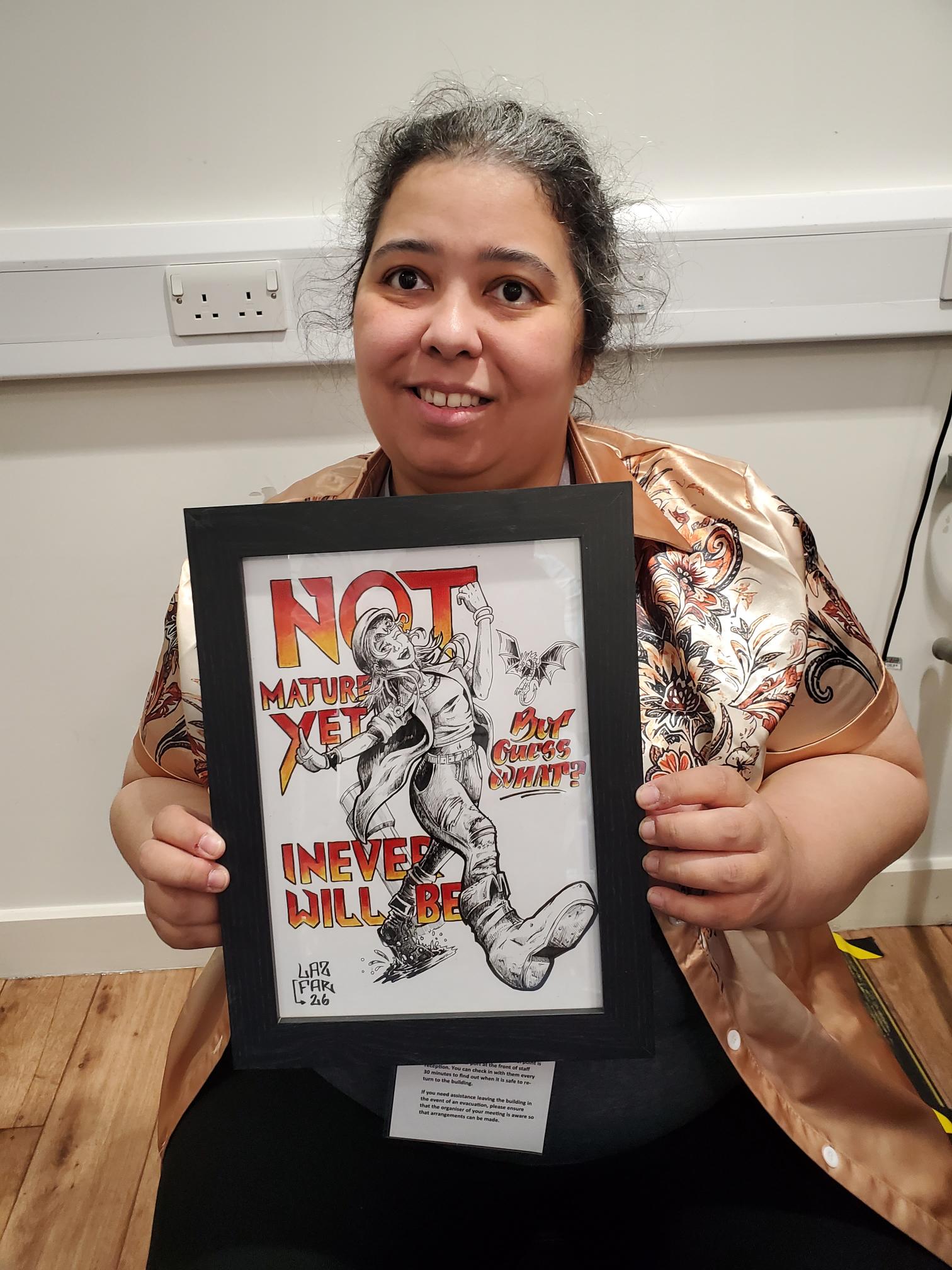
The exhibition also featured the moving “A Carer Is…” artwork display, where carers expressed their experiences through art. The exhibition provided a powerful reminder that caring is not simply a task—it is an emotional journey filled with love, sacrifice, resilience and hope.

Listening to Carers: The Ealing Carers Forum and Council Presentations

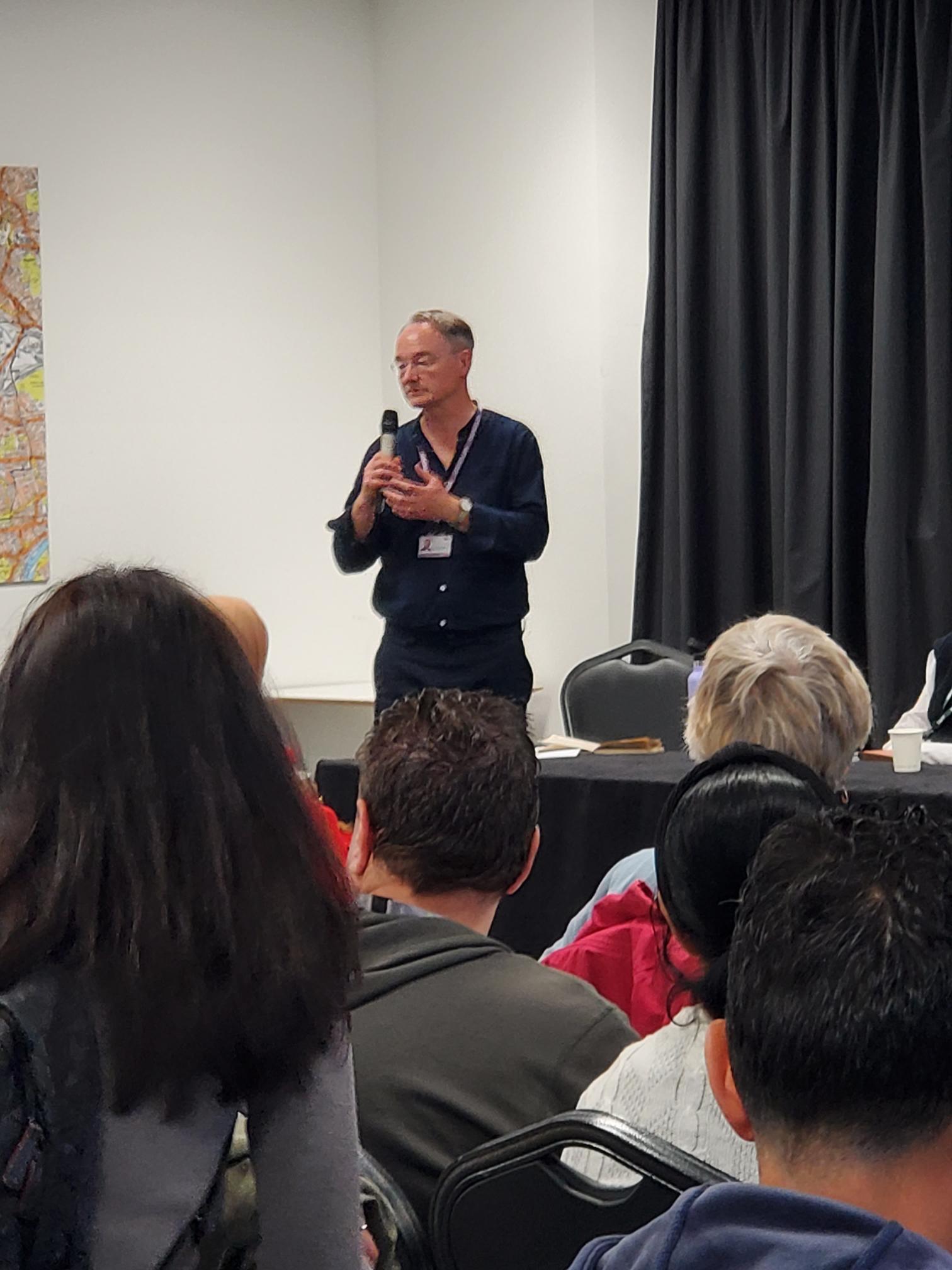
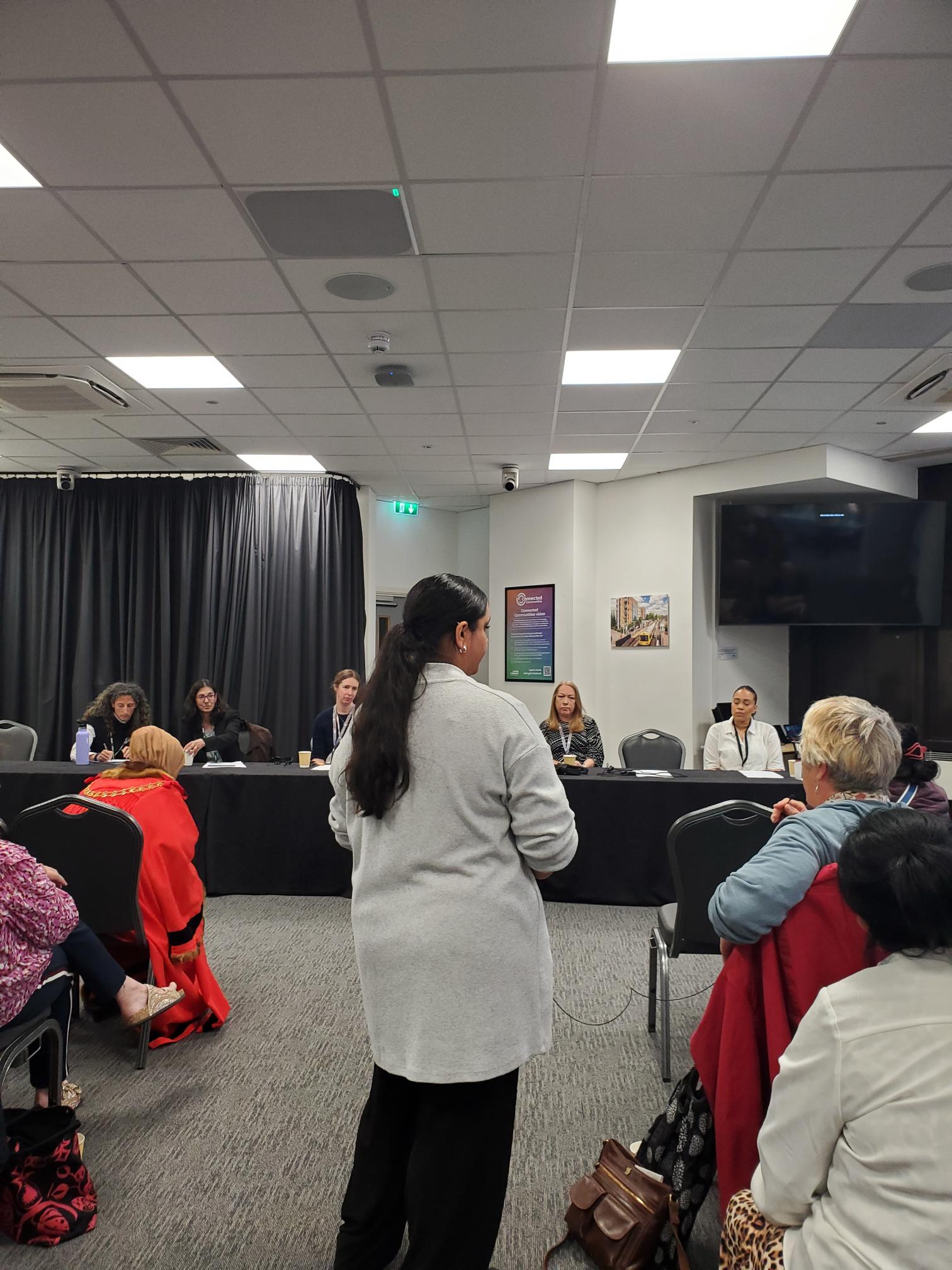
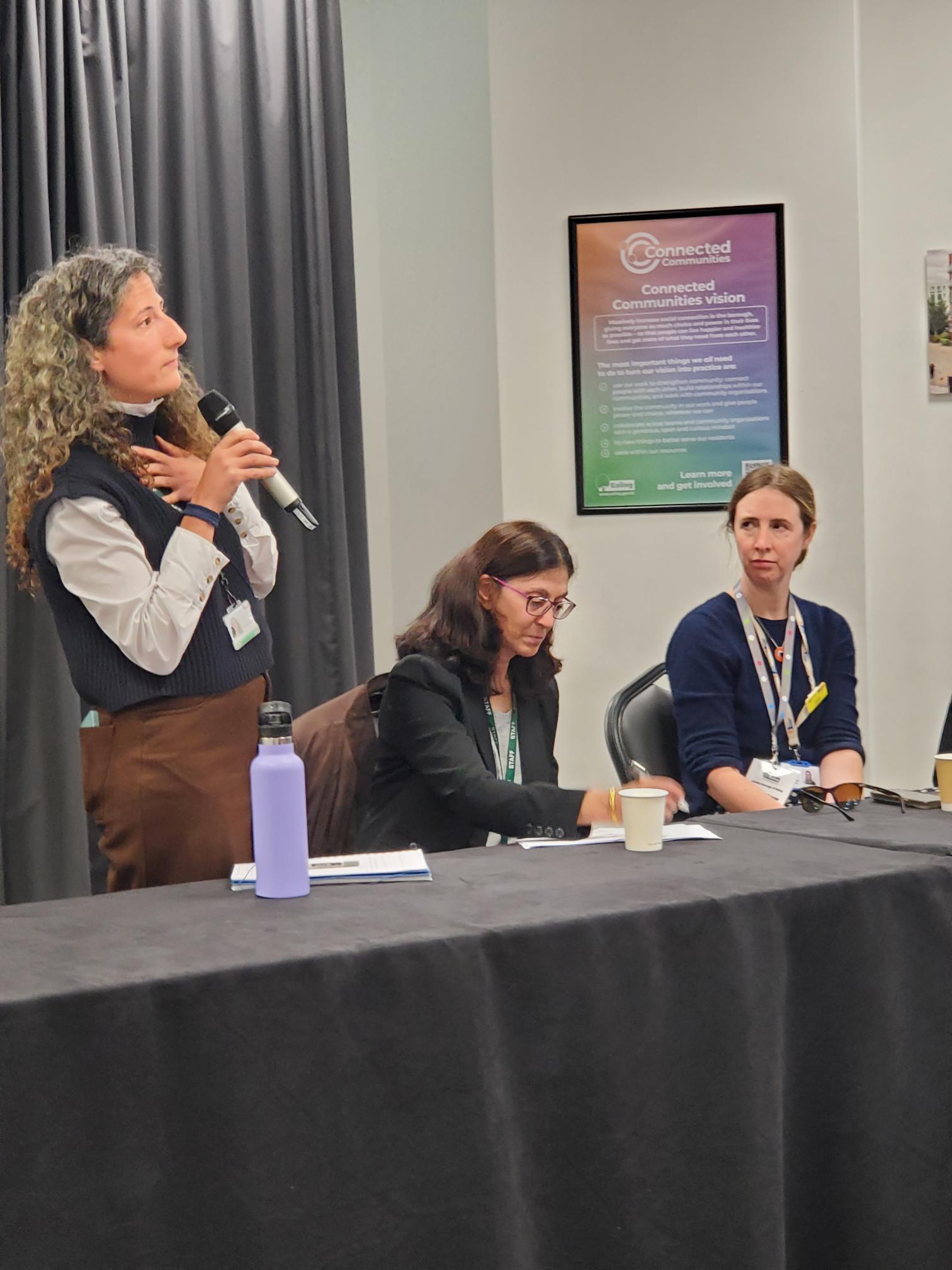
A major focus of the day was the Carers Forum and Question & Answer Session, where carers had the opportunity to hear directly from council leaders and ask questions about services, support and future plans.
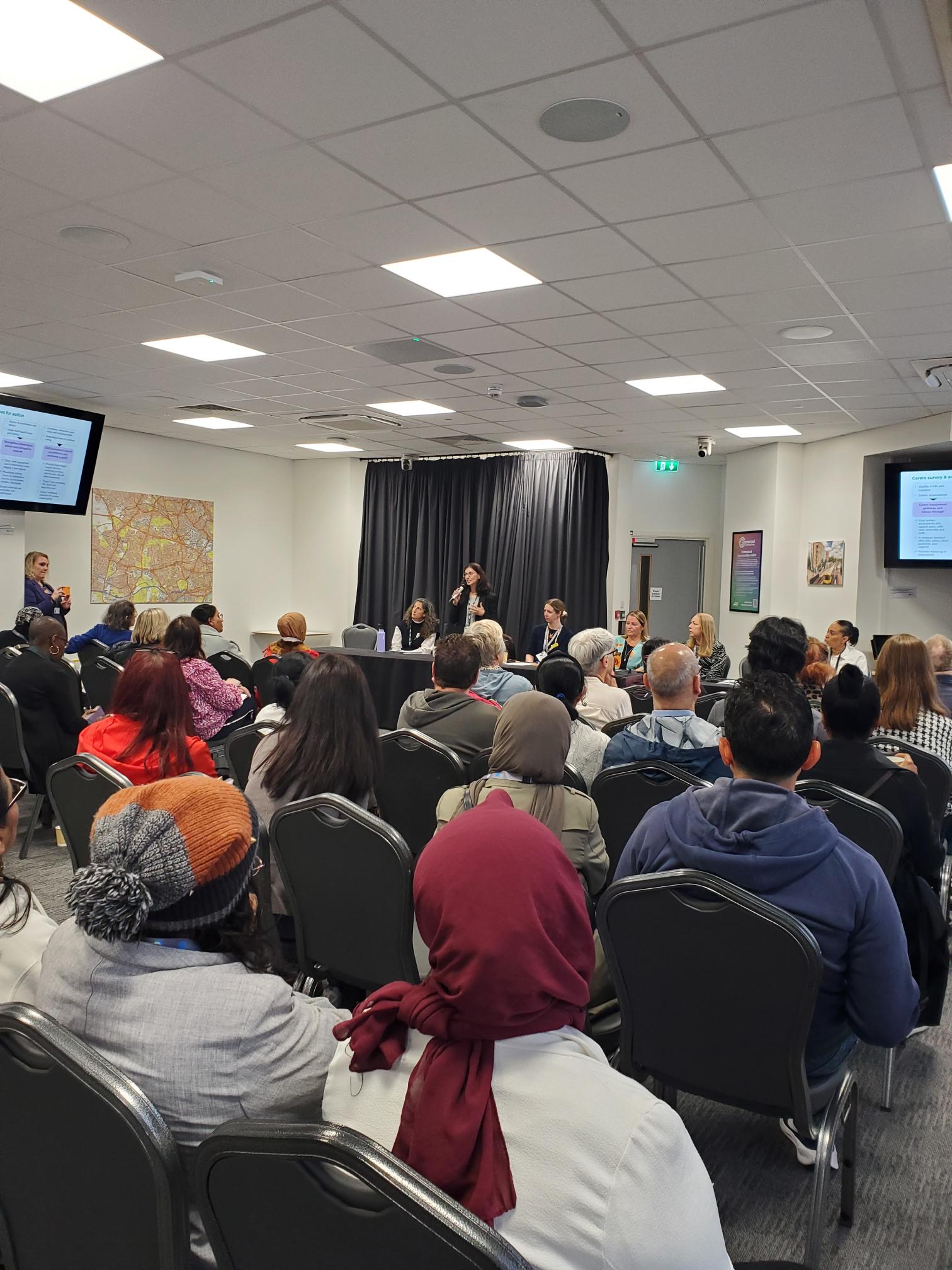
The event was opened by senior representatives who acknowledged the enormous contribution carers make every day.
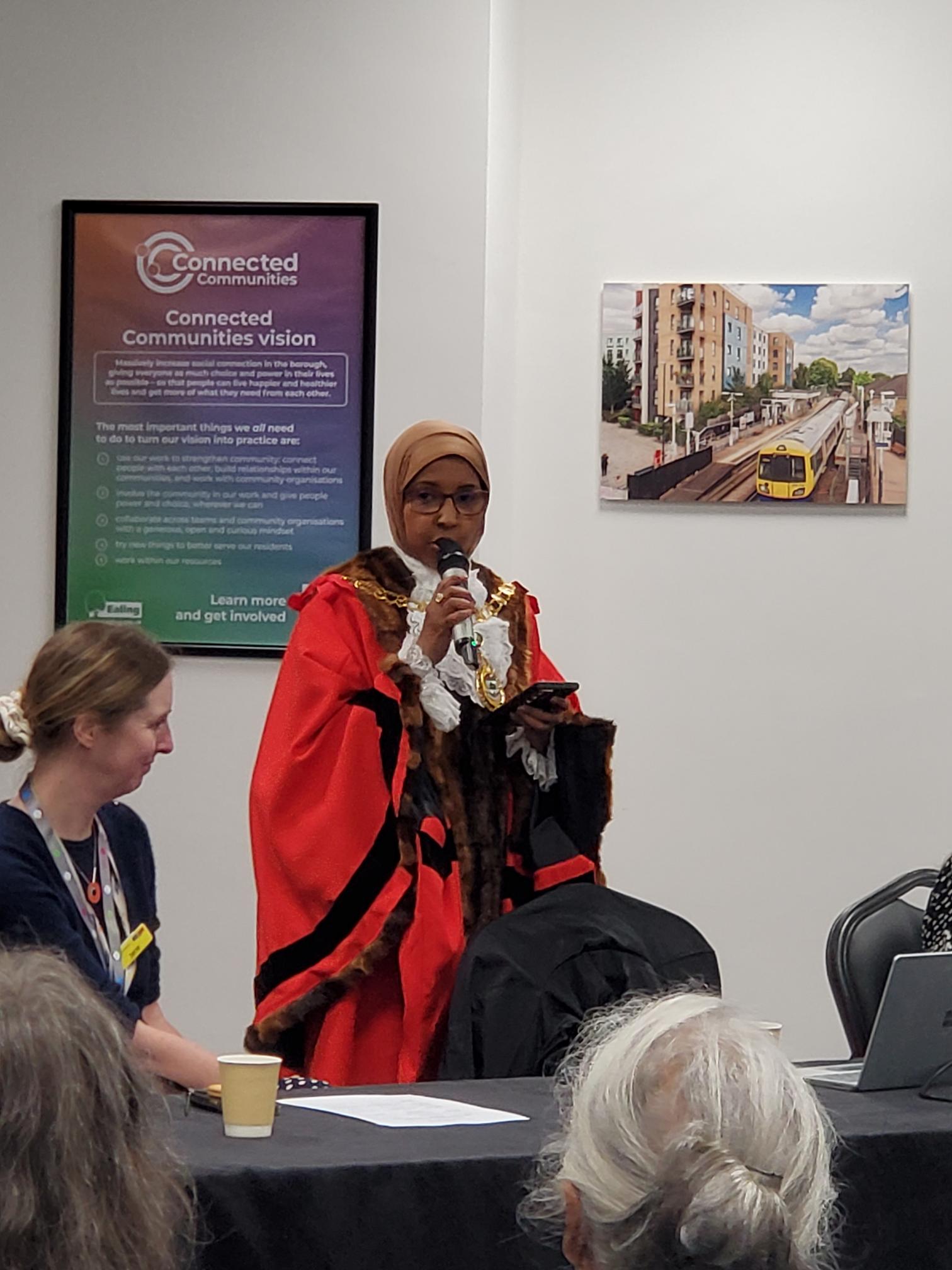
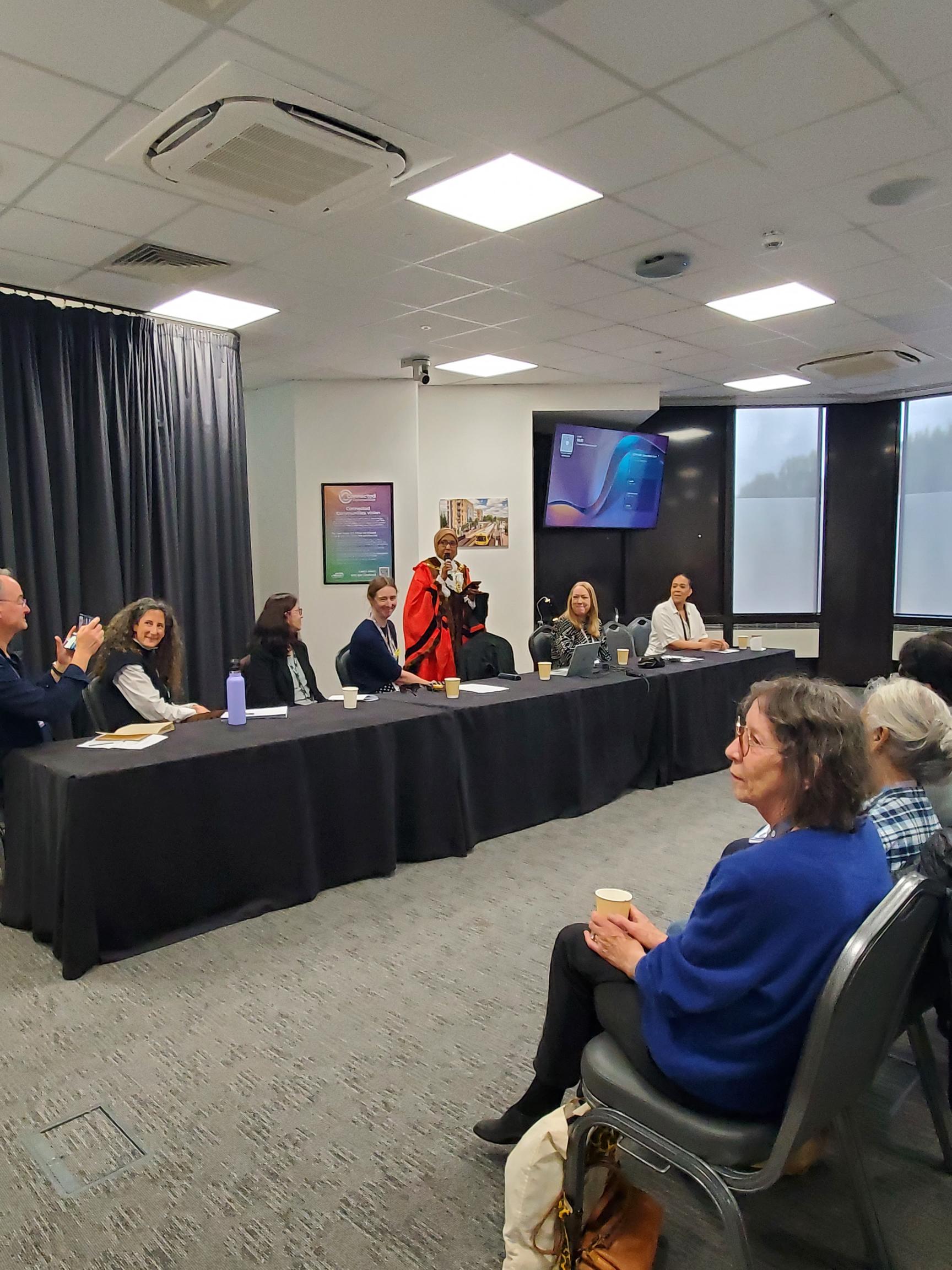
Among the key speakers were:

  • Paul Driscoll, Cabinet Member for Healthy Equal Lives, Ealing Council
  • Kashmir Takhar, Ealing’s Carers Commissioner
  • Senior representatives from Adult Social Care
  • Sophie (Assistant Director, Adult Social Care)
  • Representatives from Ealing Carers Partnership
  • Representatives from Ealing Carers Hub
  • Jane Wheeler, Chief Executive of Harlington Hospice

Paul Driscoll spoke about his commitment to understanding carers’ experiences and ensuring that Ealing’s Carers Strategy becomes a meaningful reality rather than simply another policy document. He emphasised the importance of recognition, support and partnership working with carers.

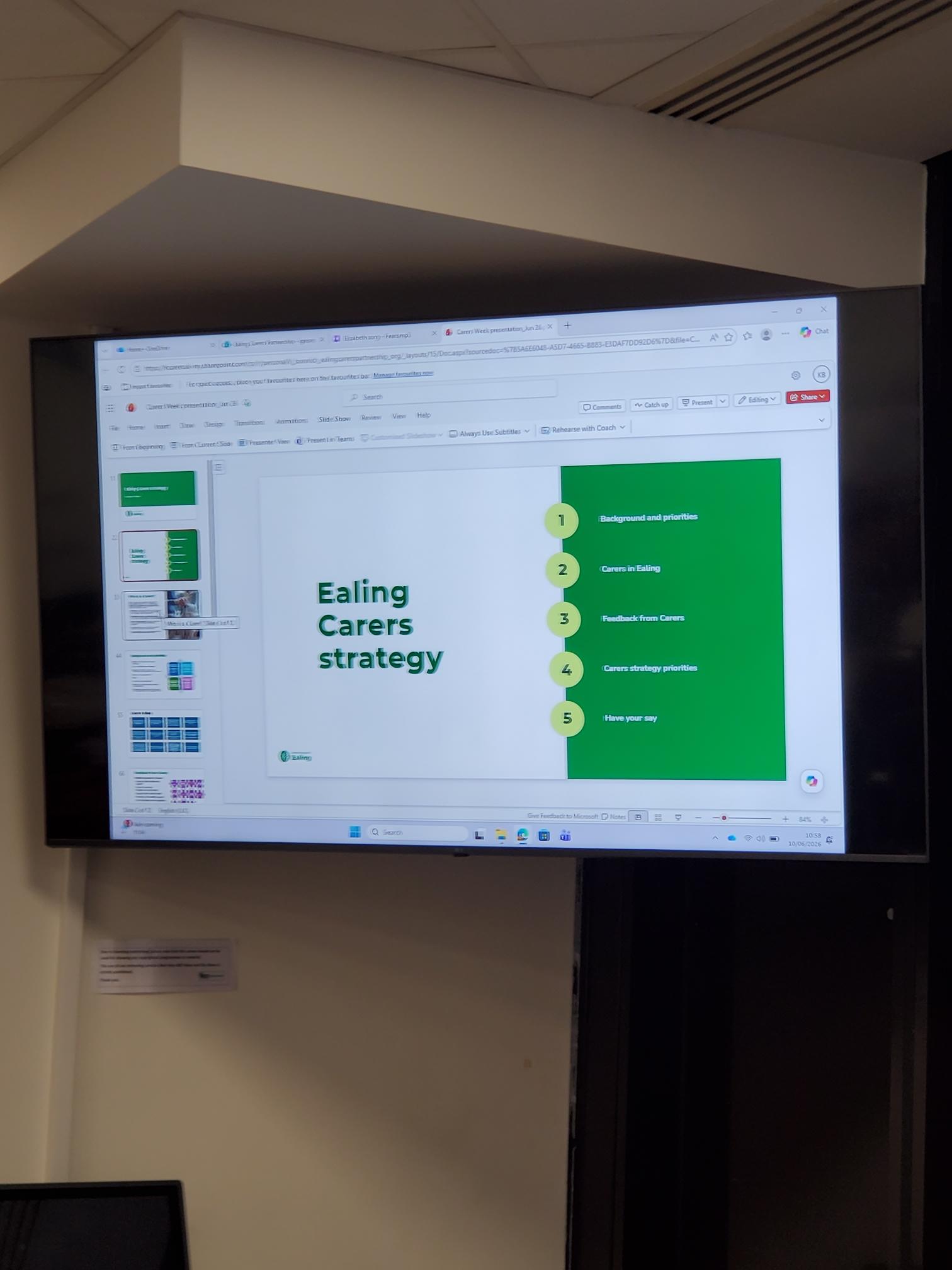
The presentation by Kashmir Takhar focused on Ealing’s Carers Strategy, a joint strategy developed in partnership with carers, health services, social care and voluntary sector organisations. The strategy highlights four key priorities:

  1. Identifying carers early in their caring journey.
  2. Helping carers maintain family and community life.
  3. Supporting carers’ physical and mental wellbeing.
  4. Helping carers maximise income and achieve their potential.
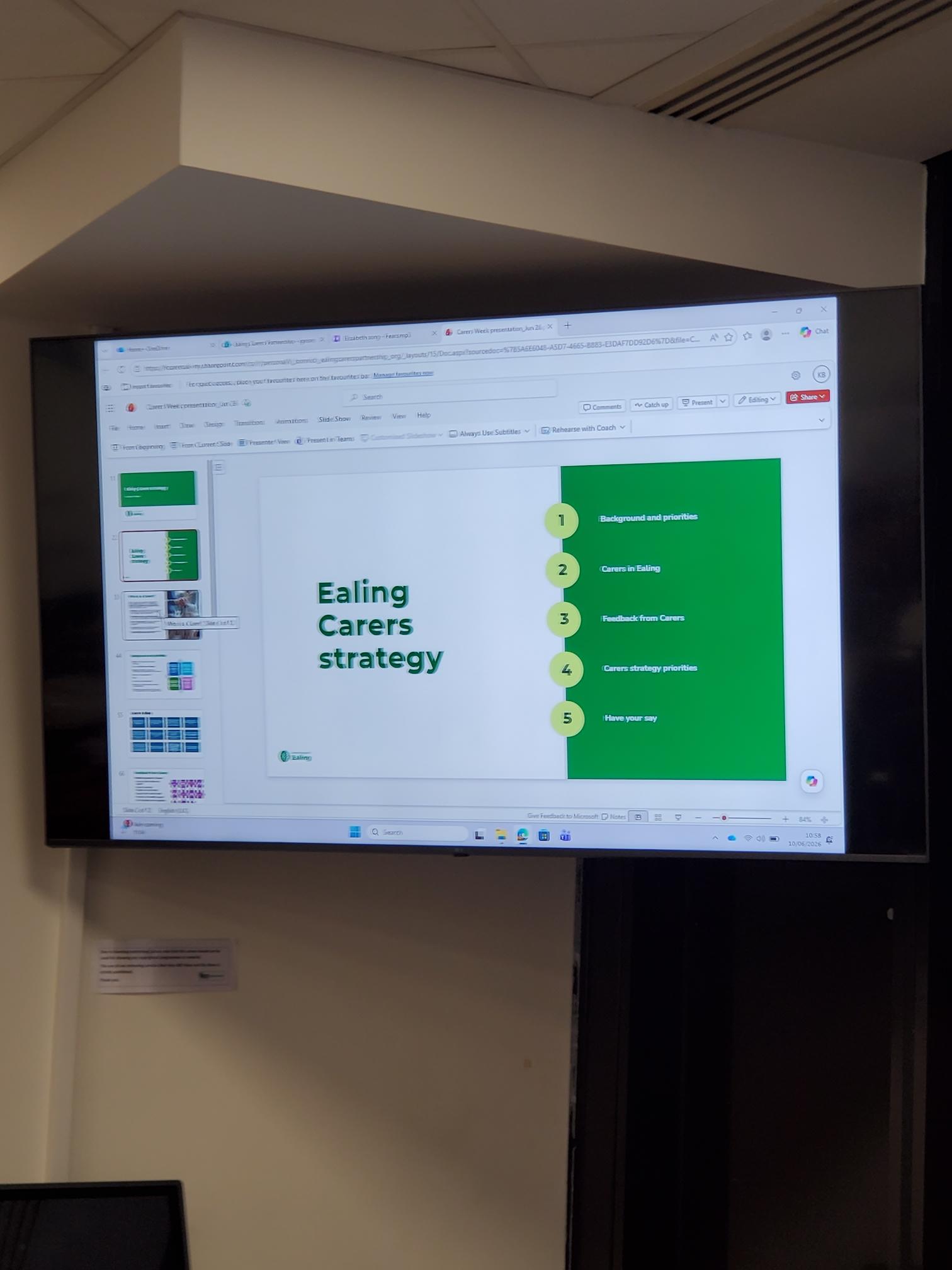
The presentation revealed that there are approximately 24,000 carers in Ealing, although many remain hidden and do not identify themselves as carers. It also highlighted the growing challenges carers face around mental health, financial pressures, access to services, respite care and social isolation.

Particularly encouraging was hearing about plans to improve access to information, increase wellbeing activities, strengthen respite opportunities and expand support for young carers and working carers.


The Power of Carers’ Voices

One of the most important aspects of the forum was the open discussion session.

Carers shared their personal experiences, raising concerns about respite services, communication between council departments, transport arrangements and the challenges of navigating complex systems while already carrying significant caring responsibilities.
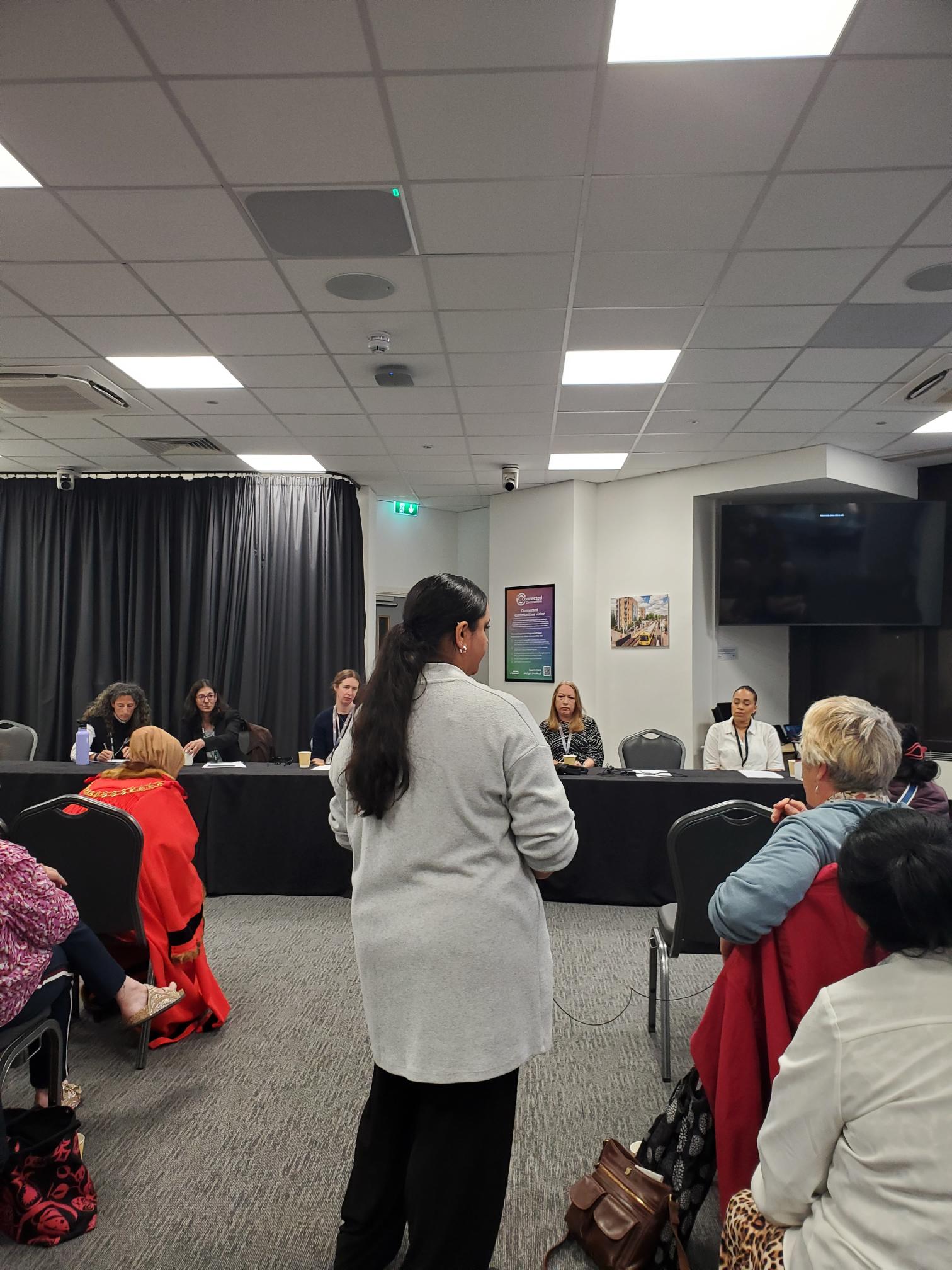
A particularly powerful contribution came from a carer who described how difficult it had been to arrange respite care due to poor coordination between services. The honesty and emotion behind this contribution resonated with many people in the room because it reflected experiences that carers often face but rarely have opportunities to discuss publicly.

Council representatives acknowledged these concerns and committed to improving communication, responsiveness and coordination across services. Assistant Director Sophie openly recognised that carers deserve better experiences and welcomed continued feedback to help shape future improvements.
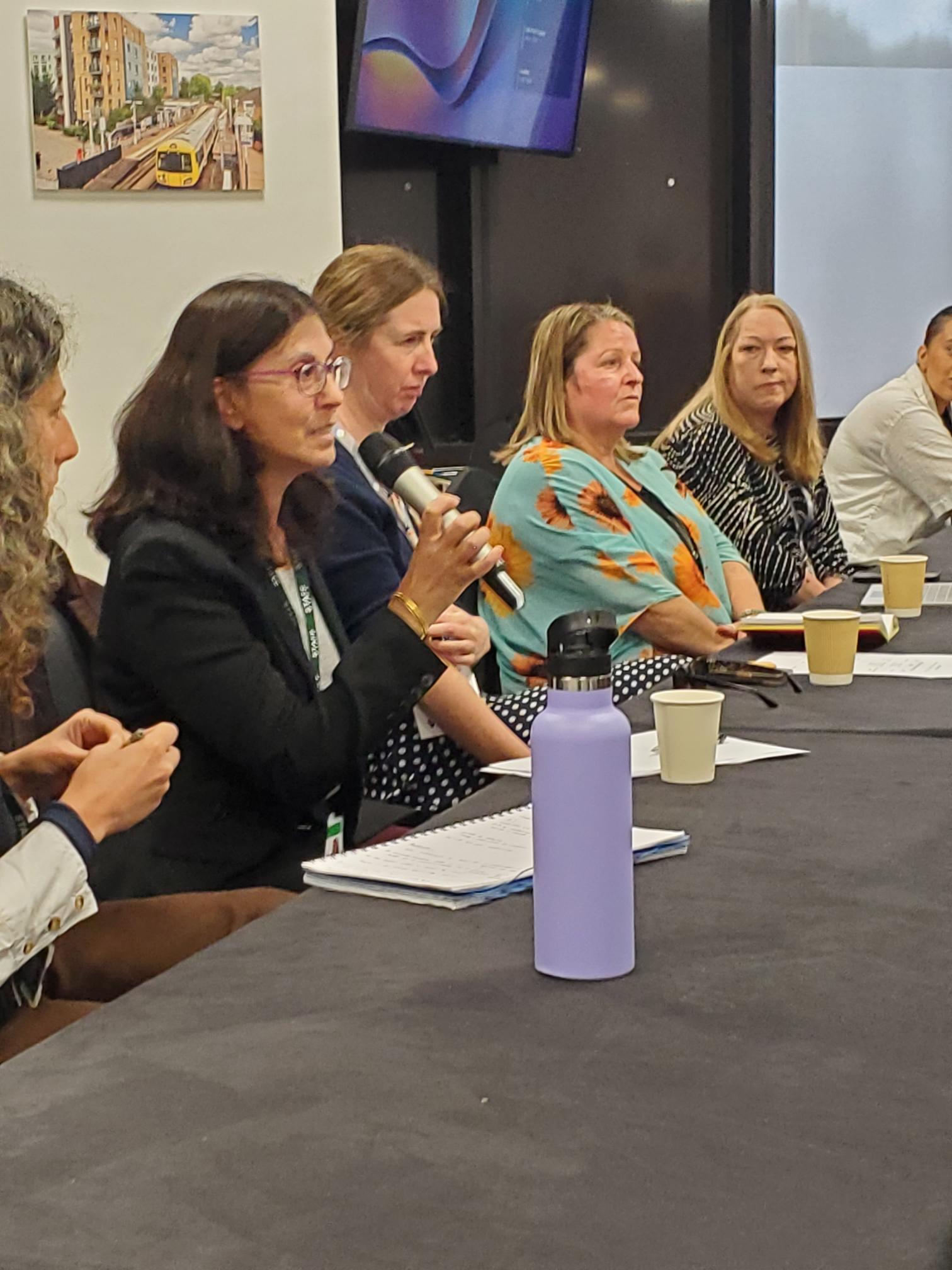
Representatives from frontline organisations, including Ealing Advice Service, also highlighted recurring issues encountered by carers and stressed the importance of joined-up working between agencies.

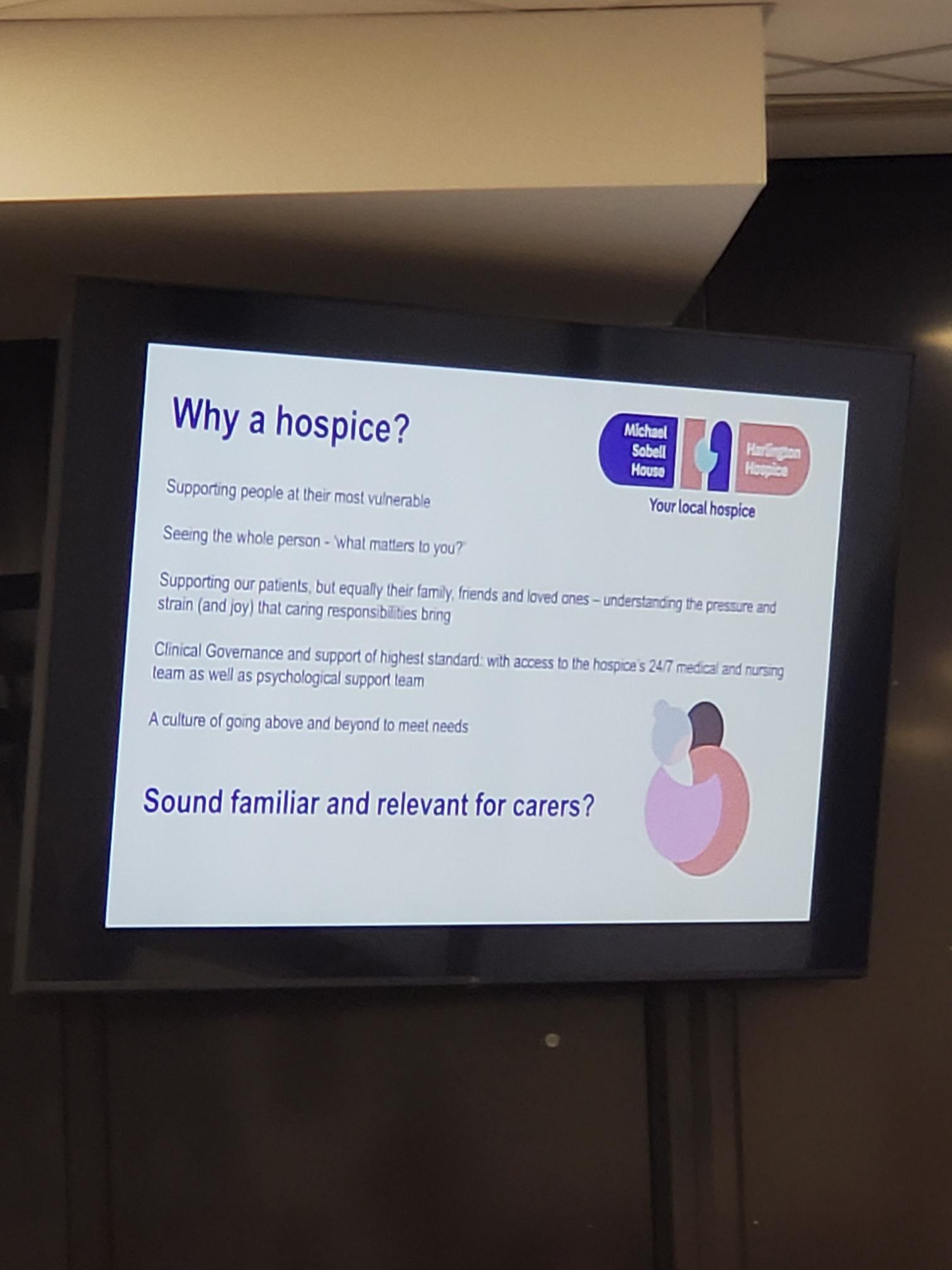
Later in the session, Jane Wheeler from Harlington Hospice explained how the organisation’s carers’ short break service supports carers through home-based respite, community outings and specialist support. Her presentation reinforced the message that carers themselves need care, support and opportunities to recharge.


It was more than just a Carers Event

As the day came to a close, what remained was a sense of connection.

For many carers, simply being in a room full of people who understood their experiences was invaluable. There was laughter, conversation, shared stories and moments of reflection. New friendships were formed, information was exchanged and carers left knowing that support is available.
From my own perspective, hosting the Carers UK stall and speaking with so many dedicated carers reinforced why events like this matter. Caring can often feel invisible. The hours spent supporting loved ones frequently go unnoticed by wider society. Yet carers are the backbone of our communities and health systems.
The Carers Week Celebration reminded us that carers deserve recognition not just during one week each year but every day.

To everyone who organised the event, staffed a stall, delivered a presentation, volunteered their time or simply attended and shared their story, I thank you.

Most importantly, to every unpaid carer reading this: thank you for everything you do.

What the new London Assembly carers report really means for unpaid carers

This week as of this blog post, the London Assembly published a major new report on unpaid carers: “London’s unpaid carers: Caring for the carers.”

I had the opportunity to contribute to this work as a carer and advocate, alongside others who shared their lived experience. Seeing those voices reflected in the final report is both encouraging and a reminder of how much still needs to change for unpaid carers in London.

👉 Read the full report:
https://www.london.gov.uk/who-we-are/what-london-assembly-does/london-assembly-work/london-assembly-publications/economy-culture-and-skills-report-londons-unpaid-carers

👉 Carers UK press release:
https://www.carersuk.org/news-and-campaigns/press-releases/new-report-from-the-london-assembly-economy-culture-and-skills-committee-calls-for-more-financial-support-for-londons-unpaid-carers/


The reality: carers are still “hidden”

One of the strongest messages in the report is that many unpaid carers are still not identified.

Too often, people caring for a partner, parent, or child don’t even realise they are classed as a “carer” which means they miss out on financial support, services, and basic recognition.

From my own experience, and what was shared at the Assembly, this is especially true for:

  • Mental health carers
  • Carers from ethnic minority backgrounds
  • Indentification of unpaid carers

If you’re not identified, I feel you don’t exist in the system.


Financial pressure is a major issue

The report possibly confirms what many carers already know:

  • Nearly 1 in 3 carers in London are living in poverty
  • Carer’s Allowance is not enough to live on
  • Many carers have to reduce work or leave employment entirely

There are positive recommendations here like reviewing Carer’s Allowance and reducing travel costs, but these need to turn into real change, not just policy discussions.


Support isn’t working as it should

Another issue raised in the report and something I spoke about is that support often feels like a “tick-box exercise”.

Carers go through assessments, but:

  • Support is limited
  • Funding is inconsistent
  • Real help (like respite care) is hard to access, especially for mental health carers, I mean what does respite actually mean for mental health unpaid carers?

Identification alone isn’t enough. I think It has to lead to meaningful, practical support.


So what needs to happen next?

The report makes some important recommendations:

  • Better identification of carers across London
  • More funding for local carer services
  • Changes to Carer’s Allowance
  • Improved workplace support
  • and a lot more, but you would have to go through the report.

But the key question now is: will this actually be implemented?

Carers don’t need more recognition alone we need action.


Final thoughts

Unpaid carers are holding up the health and social care system every single day.

This report is a very important step forward. But it should be the beginning of change not the end of the conversation.

If you are a carer, or know someone who is, I’d encourage you to read the report and share your experiences. The more visible carers are, the harder it is for the system to ignore us.

Carers Connect Southwark: Why Your Voice Matters More Than Ever

By Matthew McKenzie – A Caring Mind

If you’re an unpaid carer in Southwark, chances are you’re used to putting everyone else first. You support a loved one day in, day out, emotionally, practically, often invisibly. And too often, decisions about “support” for carers are made without carers truly being heard.

Southwark Council is developing its Unpaid Carers Strategy, and they are inviting unpaid carers to take part in upcoming focus groups to share real experiences, which are your lived reality.

As an unpaid carer myself, I know how rare and valuable this opportunity is.

Why having your say is important because

Policies and strategies shape:

  • What support is available
  • How easy (or hard) it is to access help
  • Whether carers feel recognised, supported, and understood

When carers don’t speak up, systems are built around us, not with us. When we do speak up, its a chance to make change becomes possible.

This isn’t about complaining.
It’s about being honest: what works, what doesn’t, and what would genuinely make life easier for carers in Southwark.

Your voice could help shape:

  • Better access to information and services
  • More flexible, carer-friendly support
  • A strategy that reflects the real pressures carers face

A safe, non-judgemental space

One of the most important things about these focus groups is that they are designed to be:

  • Non-judgemental
  • Inclusive
  • Open to carers with any level of responsibility

You don’t need to have all the answers.
You don’t need to be an “expert”.
You just need your experience.

Whether you care full-time, part-time, occasionally, or don’t even label yourself as a “carer” your perspective still counts.

Focus group dates and details

In-person focus groups
📅 24th February
11am – 1pm and 2pm – 4pm
📍 Harriet Hardy Community Centre
Harriet-Hardy Building, Aylesbury Estate, Albany Road, Walworth SE5 0AH

Online focus group
📅 25th February
7pm
💻 Virtual session via Microsoft Teams

How to get involved

You can:

Even attending one session can make a difference — not just for you, but for other carers now and in the future.

A personal note from me

As unpaid carers, we are often exhausted, overlooked, and expected to “just cope”. Opportunities like this don’t come around often.

Reflections on the West Sussex Community Brain Health & Carers Rights Day Event

By Matthew McKenzie – Carer & Carer Activist

On Thursday 20th November, I had the privilege of attending and speaking at the Memory, Wellbeing and Brain Health event hosted at Broadfield Community Centre in Crawley. Organised by Carers Support West Sussex, the event formed part of Carers Rights Day, bringing together carers, professionals, community teams, and people living with dementia for a day of learning, connection, and support.

Although I couldn’t stay for the full programme due to travelling to another Carers Rights Day engagement later that afternoon, I was grateful to take part in the early sessions and witness the energy and compassion that shaped the whole day.

Continue reading

Institutional Distrust Why Many Ethnic Carers Avoid Formal Services

Understanding the Hidden Struggles of Ethnic Minority Carers
Caring for a loved one with mental illness can come with challenges, but for many ethnic minority carers, the journey is made more challenging by cultural stigma, language barriers, and a deep-rooted mistrust of formal health systems.

These carers often carry immense responsibility behind closed doors, with little recognition or support. Despite their dedication, many avoid reaching out to mental health services—not because they don’t care, but because past experiences have taught them to be cautious, even fearful.

What Is Institutional Distrust and Why Does It Matter?
Institutional distrust refers to the lack of confidence in systems like healthcare, social care, or government services. For ethnic minority carers, this distrust is often grounded in real experiences of discrimination, cultural insensitivity, or the fear of losing control over a loved one’s care.

When services fail to understand or respect a carer’s background, the result is silence and isolation leaving carers to cope alone, without the help they may desperately need.

A Short Video Giving Voice to Unheard Stories
To shed light on this important issue, I’ve created a short video presentation:
“Institutional Distrust: Why Many Ethnic Carers Avoid Formal Services”


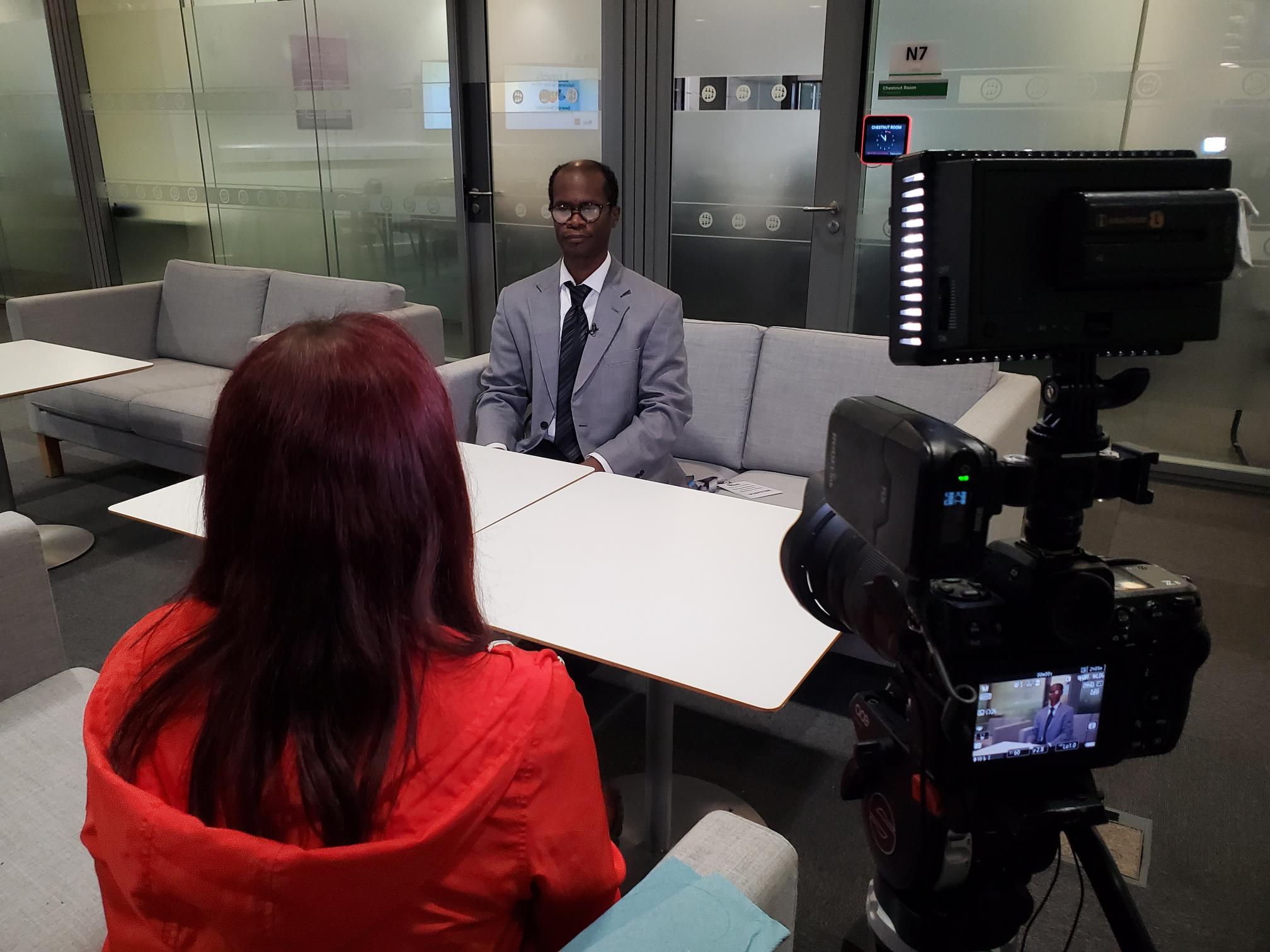
This video draws on the voices and lived experiences of unpaid carers, especially those from ethnic minority backgrounds. It explores the emotional weight they carry, the cultural barriers they navigate, and the urgent need for services to become more inclusive, respectful, and culturally aware.

Why Sharing These Stories Matters
If we truly want to support carers from all backgrounds, we must first listen and really listen to what they’re telling us. By naming institutional distrust and understanding its roots, we can begin to rebuild trust and create spaces where carers feel safe to seek help.

Please watch and share the video, and let’s continue the conversation about what real support looks like for ethnic minority carers in mental health.

Carers Week 2025: Supporting Unpaid Mental Health Carers

Help raise awareness for unpaid mental health carers during Carers Week 2025. Learn how to support and recognize their vital, often unseen role in society. To watch the video of this blog, click the video below

Recognizing the Unseen: The Vital Role of Unpaid Carers in Mental Health

Every year, Carers Week serves as a powerful reminder of the millions of individuals who dedicate their lives to supporting loved ones with health challenges often without recognition, compensation, or adequate support.

Continue reading