Embracing Stress Awareness Month by Matthew McKenzie
Stress Awareness Month, observed every April, serves as a powerful reminder to pause, reflect, and take charge of our well-being.
To watch the awareness video, click below.
In 2025, the theme for Stress Awareness Month is “Lead with Love,” which encourages us to approach both ourselves and others with kindness, compassion, and acceptance. This movement is orchestrated by the Stress Management Society, a nonprofit organization founded in 2003 dedicated to helping individuals and organizations manage stress, improve well-being, and build resilience.
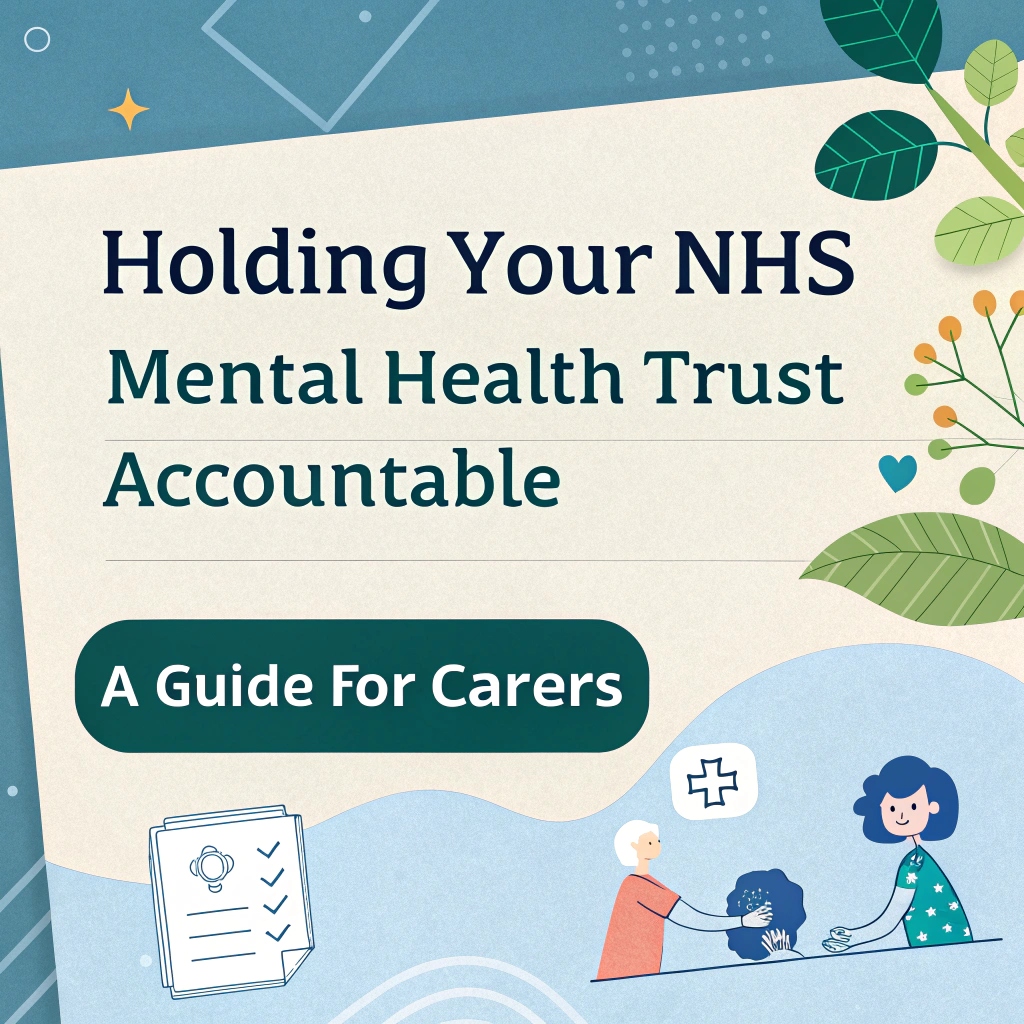
As you might know, unpaid carers play a vital yet often overlooked role in supporting individuals with mental health needs. Their contributions provide essential support and advocacy, yet they frequently encounter significant challenges due to limited training, insufficient resources, and time constraints. This blog and video explores key strategies for holding mental health trusts accountable while empowering carers to influence and improve mental health services. The blog is aimed at carers who are involved at their local mental health NHS trust. This means that they help shape services.
The Importance of Holding Mental Health Trusts Accountable
Ensuring accountability within mental health trusts is crucial. Carers have the right to expect high-quality, effective care for their loved ones. By holding such NHS trusts to these standards, both patients and carers benefit. Accountability encompasses various aspects, including access to timely and appropriate care, the quality of treatment plans, and the consistency of care. Without these measures in place, there is a risk of declining service quality, ultimately affecting the well-being of both carers and patients. Holding Mental Health NHS trusts to account is never an easy thing, you will have to learn from carer peers and to be honest, all you have is your carer lived experience to feedback your view of services.
If you want to watch the in-depth video of this lecture, please see below.
The Role of Carers in Mental Health
Carers offer valuable insights into the needs of those they support. Their experiences are instrumental in shaping effective mental health services.
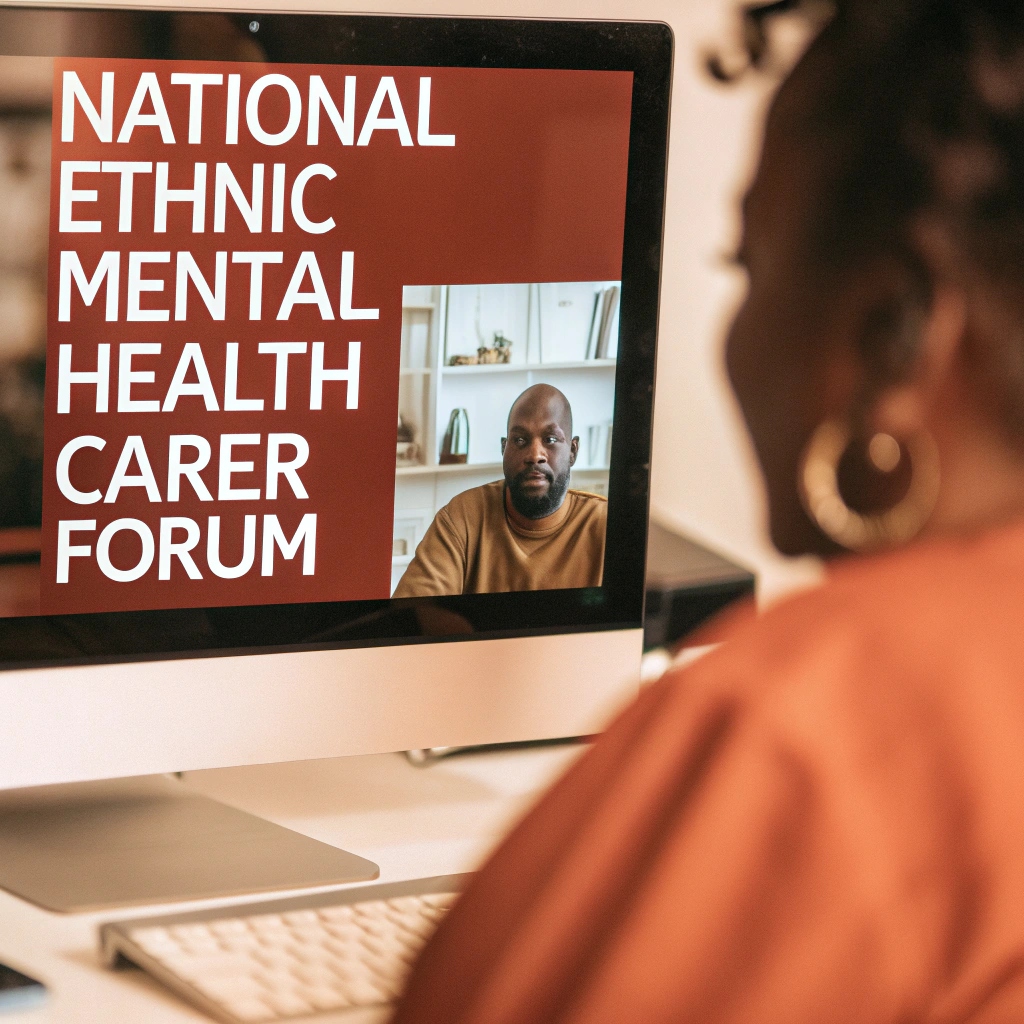
The National Ethnic Mental Health Carer Forum convened to discuss the ongoing challenges faced by minority carers in accessing mental health services. The meeting focused on strategies to improve cultural competence, equitable treatment, and accessibility within mental health care systems. A key topic was the Patient and Carer Race Equality Framework (PCREF), with organizations sharing their experiences and plans for implementation. Additionally, the discussion covered language barriers, education initiatives, and the role of co-production in fostering inclusive care.
Mental Health act research
Dr Judy, a researcher from the University of Bristol, discussed her ongoing project on the nearest relative provision in the Mental Health Act and the need for co-produced resources to support those in this role. She also mentioned the support from charitable organizations like Mind and Rethink.
Here is another blog post aimed at those caring for a loved one living with mental illness. If you want to see the video lecture of “Advocacy & Mental Health Care Top Questions Every Carer Should Ask”. Click on the video below.
Caring for someone with a long-term mental illness is both a noble and challenging task. In today’s society, unpaid carers, often family members or close friends, play a crucial role in supporting individuals with mental health needs. Despite their importance, unpaid carers frequently navigate a complex and overwhelming landscape of rights, services, and support systems.
Understanding Unpaid Carers and the Vital Role of Carer Centers
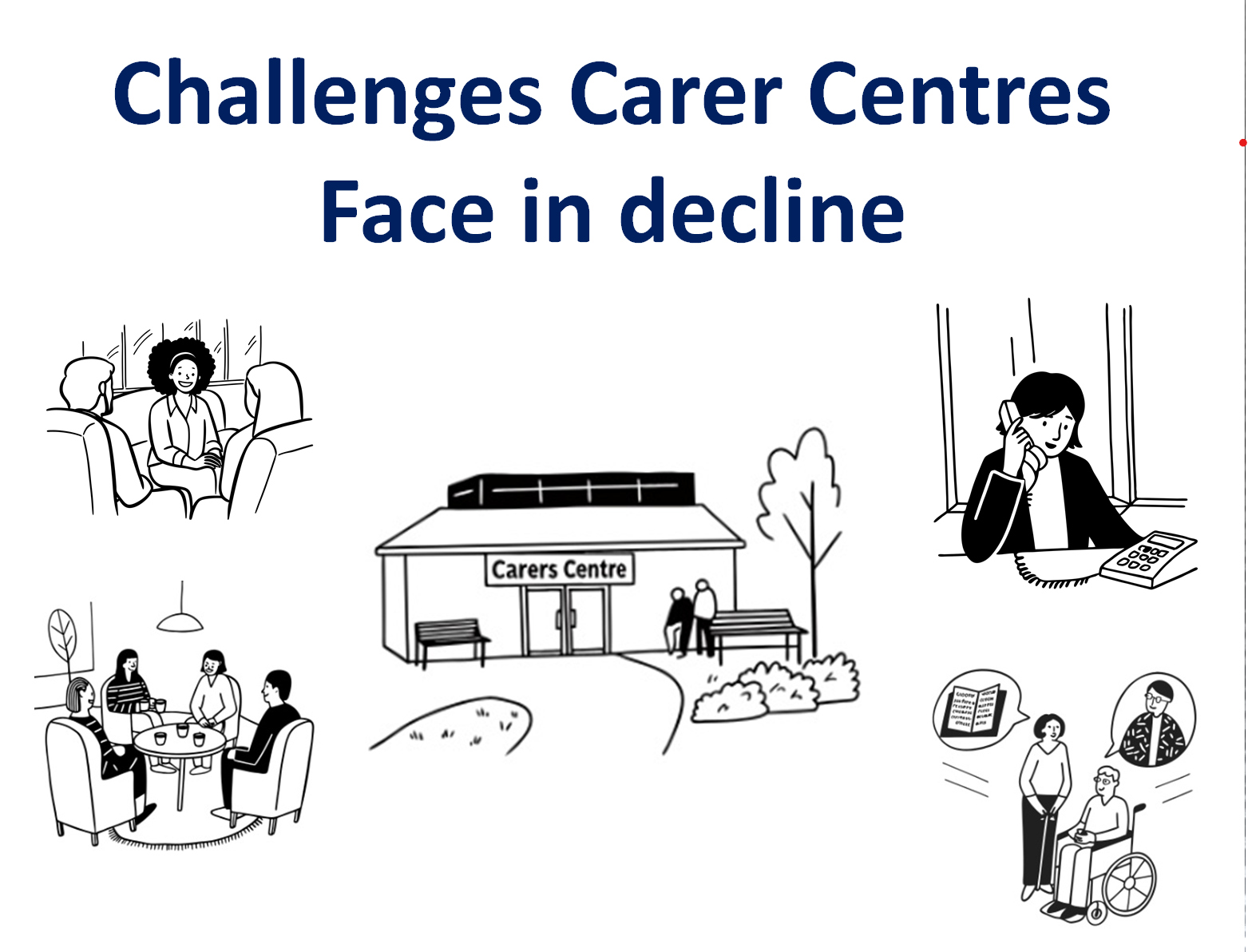
This blog is by carer activist Matthew McKenzie. In the UK, millions of people, often unnoticed and unappreciated, dedicate their lives to caring for family members with long-term physical or mental health conditions. These unpaid carers are the backbone of the caregiving system, yet they face numerous challenges daily. Here, we delve into the crucial role of carer centers, the obstacles they encounter, and potential solutions to sustain and enhance their vital services.


 A Caring Mind