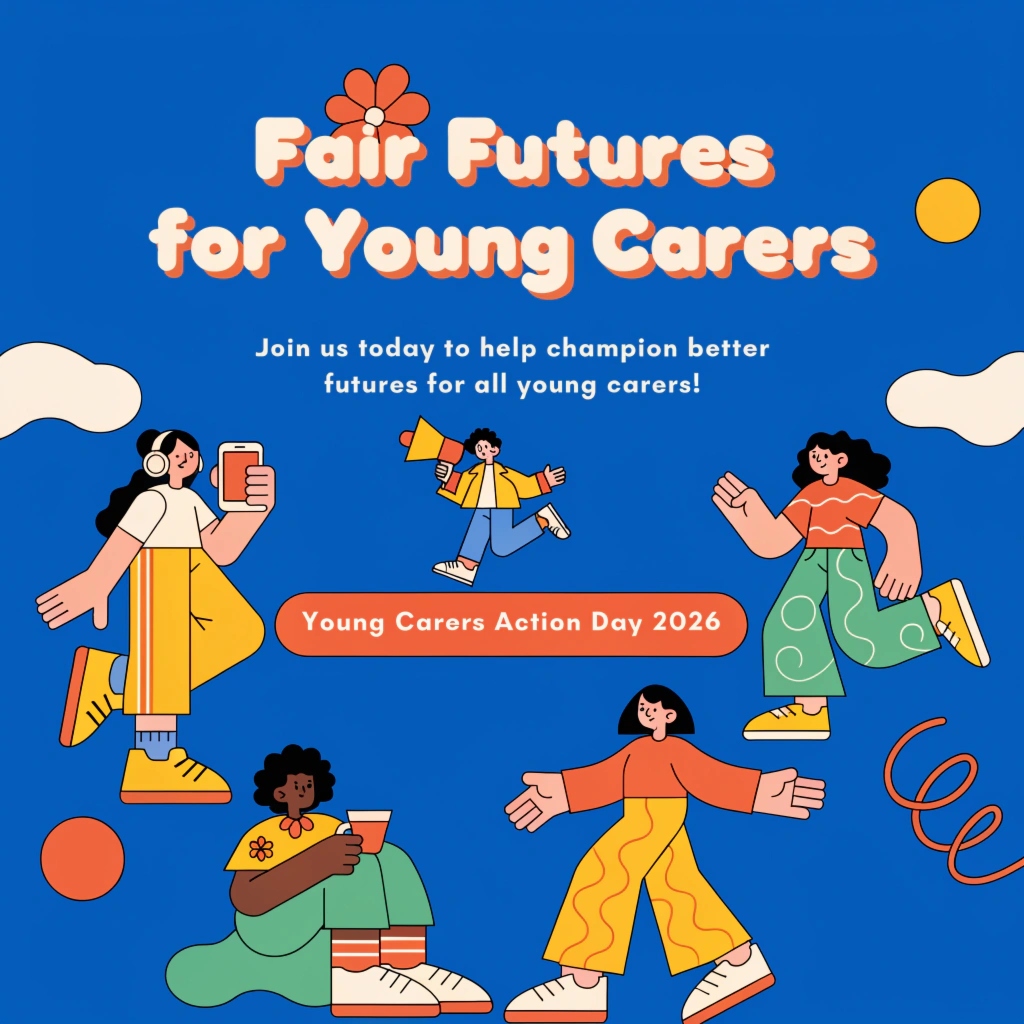
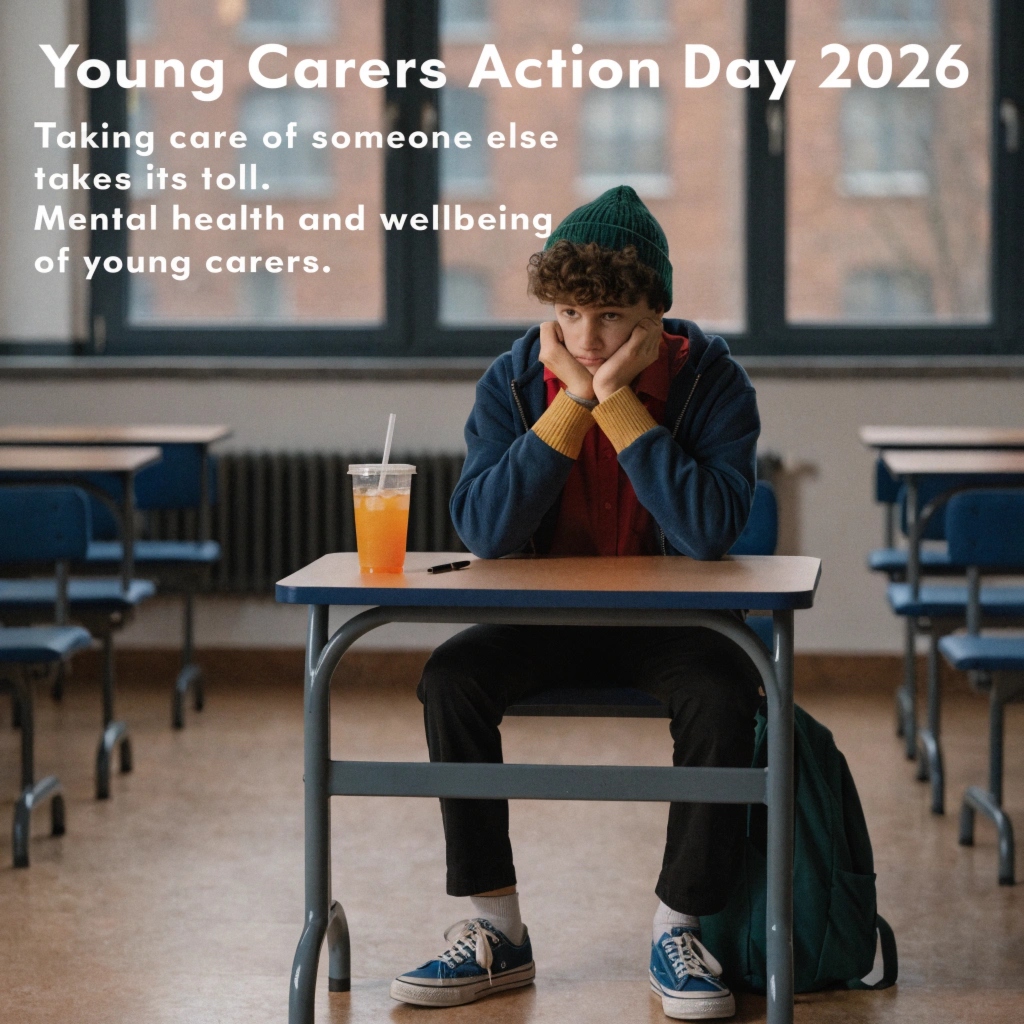
Today is Young Carers Action Day, a time to recognise the incredible strength and resilience of young people who care for others.
As someone who cared for my brother who has autism while growing up, I understand how caring can shape a young person’s life. It can build compassion and responsibility, but it can also bring challenges that many people don’t see especially when it comes to balancing school, friendships, and your own mental wellbeing.
To see my video promoting Young Carers Action day 2026, please view below.
This year’s theme, Fair Futures for Young Carers, is an important reminder that young carers deserve the same opportunities as everyone else to learn, to thrive, and to look after their own wellbeing too.
Young carers should never feel invisible. They deserve recognition, understanding, and the right support in their schools, communities, and workplaces.
Today as of this blog and video, I encourage everyone to take a moment to learn about young carers, listen to their stories, and help create a future where every young carer feels seen, supported, and valued.
I feel Unpaid carers play a vital role in supporting loved ones experiencing mental health challenges. Much of this caring happens quietly in homes, during sleepless nights, through appointments, advocacy, and everyday acts of protection and support.
For many carers from minority communities, this experiences also includes navigating the cultural understanding, language differences, and systems that sometimes do not always recognise or reflect communities. Despite the knowledge carers hold, I feel our voices can sometimes feel overlooked in those decisions about care.
I recently wrote and recorded a short spoken word poem titled “Nothing About Us Without Us.” This poem reflects a simple and important message: carers bring lived experience that should be included in conversations about mental health services.
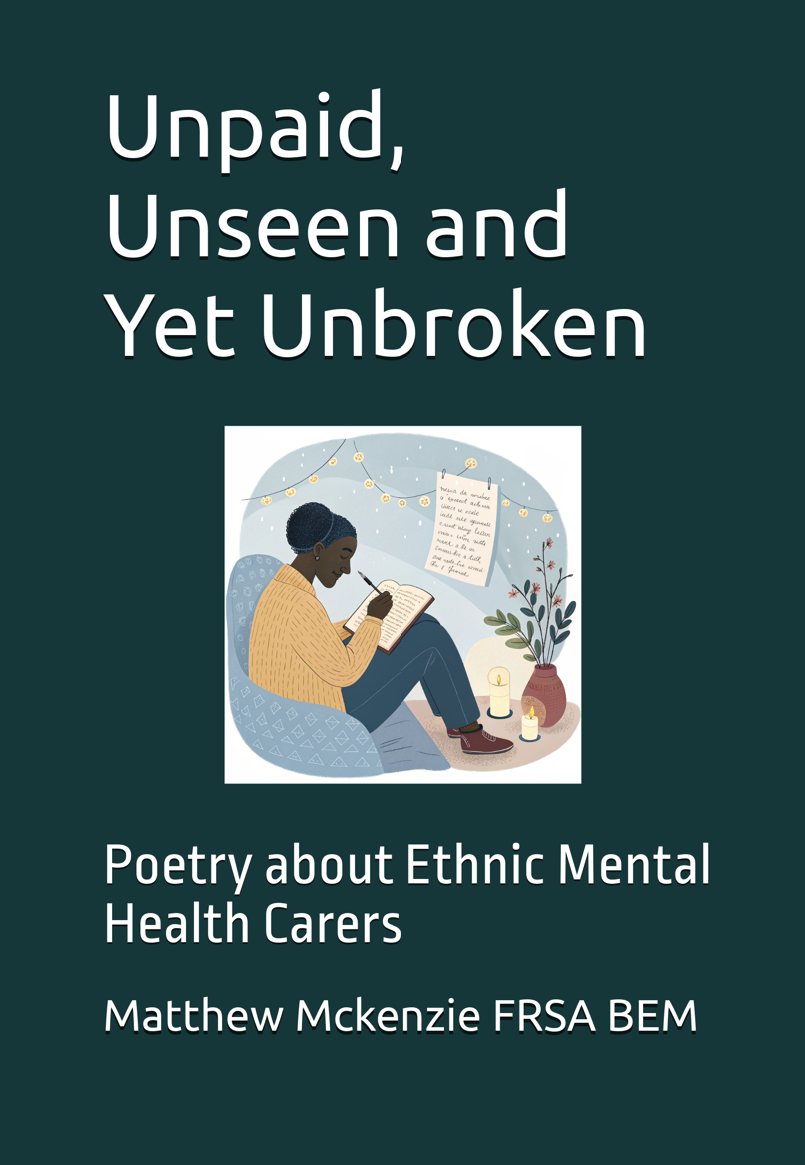
The poem is taken from the book I am developing called “Unpaid, Unseen and Yet Unbroken”
Carers are not just supporters in the background. Carers can carry knowledge shaped by lived reality by caring, advocating, and supporting our families through complex systems.
The poem also speaks to the importance of co-production. When carers, communities, and professionals work together, services can become more understanding and culturally responsive, and equitable.
I think this message is especially relevant to ongoing work around the Patient and Carer Race Equality Framework (PCREF), which encourages meaningful involvement of people with lived experience in shaping mental health services.
The poem is a small creative contribution to that conversation. It invites us to reflect on a few simple questions:
Are carers from different backgrounds being listened to?
Are those lived experiences shaping services?
Are decisions being made with carers, not about them?
Listening to carers is not just a gesture of inclusion it can lead to better understanding, stronger partnerships, and better care.
If you would like to watch the poem, you can find the video here:
I hope my poem encourages reflection and conversation about how we can continue building services with communities, and not just for them.
Chairing the recent Greenwich Mental Health Carers Forum reminded me yet again why these spaces are essential. This is because carers are carrying enormous pressure, often quietly, and if we don’t create structured spaces for them to speak, the system will simply move on without them.
I opened the forum by introducing myself through a lot of organisations via activism. I reminded everyone that while this is a Greenwich forum, it connects to national networks. The issues we raise locally are part of much bigger structural conversations.
But before policy, before strategy, before campaigning, we always start with lived experience.
When Carers Are Left Without Safety Nets
One carer shared something that should concern all of us: their mental health medication had been abruptly stopped pending a review. No advance warning. No contingency. No safeguarding plan despite them being a full-time carer and working as well.
That situation highlights a critical flaw in our systems: carers are often treated as separate from the care infrastructure, even when their own stability directly affects the person they support.
When a carer’s health is destabilised, the entire care structure is destabilised.
We discussed practical escalation routes suh as contacting care coordinators, speaking to mental health nurses at GP practices, ensuring issues are documented. But the bigger question remains: why do carers have to fight for continuity in the first place?
National Issues Carers Need to Be Aware Of
A significant part of the forum was focused on national developments. If carers don’t understand the wider policy landscape, it becomes harder to challenge decisions locally.
Carer’s Allowance and the Overpayment Scandal
Organisations like Carers UK continue to highlight two major issues:
Carer’s Allowance remains one of the lowest benefits of its kind.
The overpayment recovery system has been excessively punitive due to automated earnings thresholds.
The “cliff edge” earnings rule forces working carers to limit hours to avoid losing their allowance entirely. That is not a supportive system — that is a trap.
The Missing National Carers Strategy
The last national carers strategy was published in 2018. Since then, there has been no overarching cross-departmental framework.
That absence creates gaps between:
Department of Health and Social Care
Department for Work and Pensions
NHS England
Without coordination, carers fall between systems.
Groups such as Carers Trust and Age UK continue to push for renewed oversight, but until there is political will, carers remain structurally vulnerable.
NHS Pressures and Workforce Gaps
Research from The King’s Fund and Nuffield Trust continues to highlight workforce shortages and structural underfunding.
Carers feel this directly:
Delayed appointments
Limited respite
Reduced community follow-up
Poor continuity of care
When the NHS workforce is stretched, carers absorb the overflow.
The Economic Value of Carers
Unpaid carers save the country an estimated £160 billion annually effectively the equivalent of running a second NHS.
And yet, carers are still asked to “do more with less.”
That contradiction must be challenged.
Digital Transformation and AI in Healthcare
We also discussed the NHS push toward digitisation and artificial intelligence. Carers UK recently circulated consultation material on AI in healthcare.
Digital transformation can bring opportunities, but we must ask:
Are carers being consulted?
What about digital exclusion?
How will AI decision-making impact safeguarding?
Carers must not be the last to know when services change.
Mental Health Act Reform – A Major Change
The Mental Health Act has now received Royal Assent. One of the most significant changes concerns the introduction of a “nominated person.”
While intended to strengthen patient autonomy, it may in some circumstances sideline primary carers if relationships are strained or confidentiality is invoked.
This has serious implications:
Access to information
Involvement in care planning
Safeguarding
We will be inviting Mental Health Act leads to discuss this further. Carers need clarity before implementation impacts them.
Why I Continue to Chair These Forums
Some may wonder why I continue to run multiple carers forums local and national.
The answer is simple.
Because carers are often spoken about, but not spoken with.
If we do not build organised, informed, connected carer communities, systems will continue operating without meaningful accountability.
Every forum is an opportunity to:
Share escalation routes
Connect carers to national advocacy
Surface systemic gaps
Build confidence
Strengthen collective voice
Greenwich carers deserve to be informed, protected, and empowered, not reactive and firefighting.
As always, I will blog the full national updates separately so carers can reference them. The forum is not just a discussion space it is part of a wider campaign for recognition, reform, and respect.
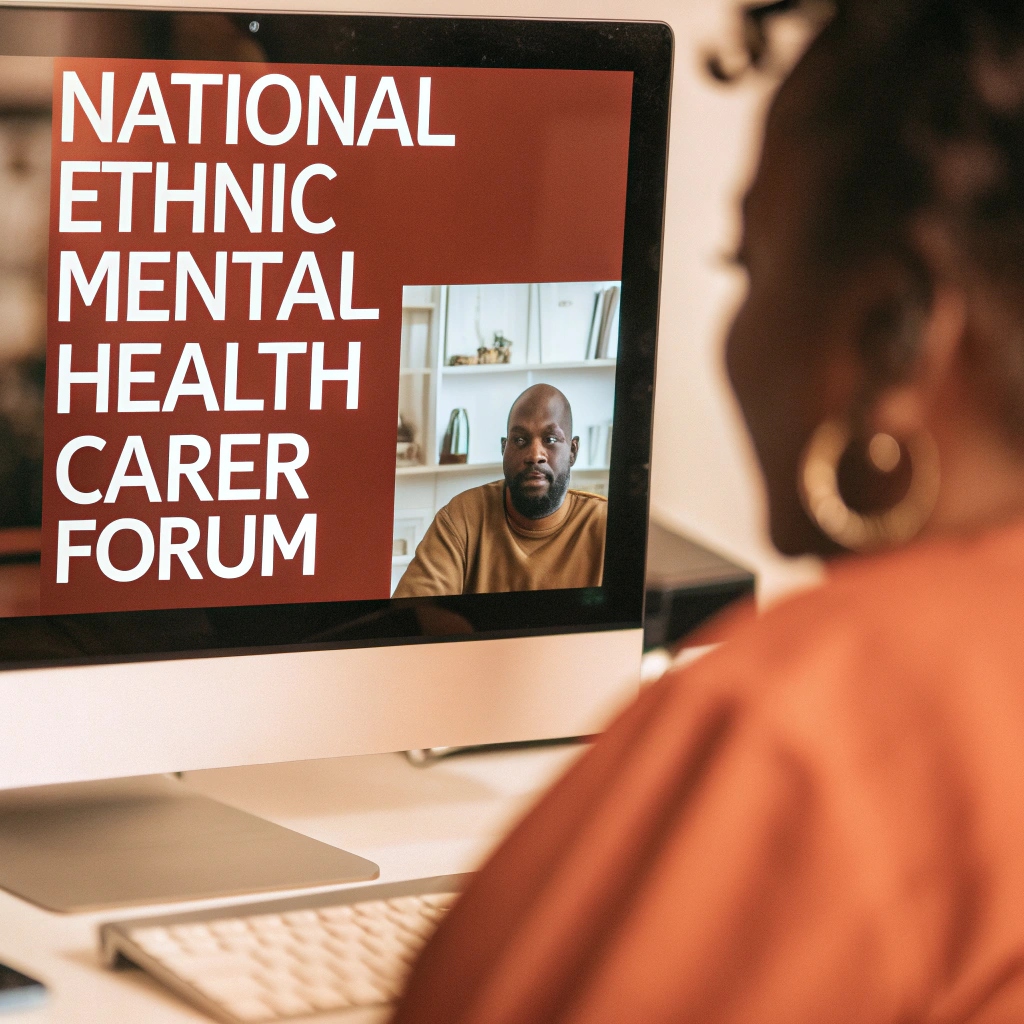
The National Ethnic Mental Health Carer Forum is a grassroots group that focuses on addressing the unique challenges ethnic minority carers face in the mental health care system. The forum brings together carers, professionals, and organizations to engage in discussions, share experiences, and advocate for the inclusion of carers’ voices, especially those from minority backgrounds, in mental health policy and practice.
The forum acknowledges the significant role carers play in supporting individuals with mental health issues, especially from ethnic minority communities. It also highlights the issues of systemic and structural racism within the mental health care system and how these issues affect not only patients but also their carers.
I began the discussion by focusing on the importance of anti-racism in the mental health care system, especially as it pertains to ethnic minority carers. I explained that the forum’s main aim was to address the challenges faced by ethnic minority carers in mental health, emphasizing how systemic racism continues to affect these carers and their loved ones.
I highlighted the following key points:
Racism as a Structural Issue:
Racism in mental health care is not just about individual prejudice, but it is deeply embedded in the structure of the system. This includes policies and practices that disproportionately affect ethnic minority communities.
I pointed out that ethnic minority carers face unique challenges in navigating the mental health care system, including being excluded from important discussions about their loved ones’ care. I stressed that carers those who know the patients best often feel their voices are undervalued or completely ignored by mental health professionals.
Racial inequalities manifest in various ways, from higher rates of detention under the Mental Health Act to the overuse of restraint and coercive care practices. These practices disproportionately affect ethnic minority communities, and the role of carers is often marginalized in these processes.
Importance of Carers’ Voices:
I made it clear that carers’ voices must be heard when it comes to anti-racism efforts in mental health services. Carers have the ability to provide crucial context about their loved ones’ needs, especially cultural needs, that clinicians may overlook or misinterpret.
It was crucial to stress that carers are not just supporters of the patient; they are knowledge holders with unique insights into the patient’s condition, behaviors, and needs. Without including them, mental health services risk misunderstanding cultural expressions of distress, leading to misdiagnosis or inappropriate treatment.
Requests for Future Presentations from Prof. Subodh Dave and Ruth:
Greater Focus on Mental Health Policy Reforms:
Attendees requested further discussions on the mental health policy reforms and the steps being taken to ensure that these changes address racial disparities. They expressed interest in hearing more about the impact of recent changes and how policy could be further improved to support ethnic minority communities.
Practical Examples of Anti-Racism Initiatives:
Participants asked for real-world examples of anti-racism initiatives being implemented within mental health services. They wanted to hear about successful case studies where changes have been made and how those changes have positively impacted carers and patients.
Integration of Carers in Mental Health Decision-Making:
There was a strong interest in exploring how carers can be better integrated into decision-making processes at a systemic level. Attendees wanted Prof. Dave and Ruth to discuss strategies to ensure that carers are not just involved in individual care but are included in the larger policy decisions that shape mental health services.
Cultural Competency Training for Professionals:
Attendees suggested that cultural competency training should be a central focus in future discussions. They wanted to understand how mental health professionals are being trained to understand the unique cultural contexts of ethnic minority communities and how this is being addressed through institutional change.
Long-term Strategy for Addressing Racial Disparities:
Attendees requested a long-term strategy for addressing racial disparities in mental health services. They were particularly interested in future initiatives, including how diversity in the workforce and access to care for ethnic minority communities would evolve over time.
Questions Asked During the Discussion:
How can we ensure that mental health professionals take racial disparities seriously?
What role can ethnic minority carers play in tackling systemic racism in mental health services?
What are the next steps in ensuring that ethnic minority carers are involved in mental health policy at every level?
Can you discuss the intersection of race and mental health legislation and how it specifically affects ethnic minority carers?
How can cultural competency training be integrated into everyday practice for mental health professionals?
Presentation by Dr. Patrick Nyikavaranda: Policy, Equity & Carer Engagement
Next up to speak was Dr. Patrick Nyikavaranda is a Senior Research Fellow and the Public Involvement and Engagement Lead at the NIHR Mental Health Policy Research Unit within the Division of Psychiatry at University College London (UCL). His work focuses on improving mental health policy through research that aims to address equity and inclusion in mental health services.
Dr. Nyikavaranda has a strong commitment to engaging carers and patients with lived experience in the research process, ensuring that their voices are central to shaping mental health care policies and creating more equitable services. He is particularly focused on addressing the systemic racial disparities in mental health care and promoting cultural competence among mental health professionals.
Key Points from Dr. Nyikavaranda’s Presentation:
Overview of the Policy Research Unit:
Dr. Nyikavaranda explained the work of the Policy Research Unit in Mental Health, which is focused on generating evidence to influence mental health policy and improve mental health services.
The unit works with a range of stakeholders, including carers, to produce evidence that informs the development of policy aimed at addressing racial disparities and improving care for ethnic minority communities in the mental health system.
Carer Engagement:
A central theme of Dr. Nyikavaranda’s presentation was the importance of involving carers in mental health research and policy. He emphasized that carers are essential partners in the mental health care process and their insights and lived experiences are crucial in shaping equitable services.
Carers’ lived experiences offer unique perspectives on the challenges faced by patients, especially those from ethnic minority backgrounds, and their input is invaluable in creating policies that are more inclusive and culturally competent.
Addressing Equity in Research and Policy:
Dr. Nyikavaranda spoke about the persistent inequities in mental health services, particularly for ethnic minority patients. He discussed the importance of research that focuses on equity, specifically how racial disparities impact access to services, diagnosis, treatment, and outcomes.
He highlighted the need for inclusive research that represents the voices of carers, especially those from underrepresented communities. Engaging carers in the research process ensures that the evidence produced reflects the real-world needs of patients and carers.
After Dr. Nyikavaranda’s presentation, the session continued with a discussion and Q&A where forum participants had the opportunity to ask questions and provide reflections on the topic of policy, equity, and carer engagement in mental health.
Updates from Norfolk and Suffolk Foundation Trust
During the forum representatives from Norfolk and Suffolk Foundation Trust (NSFT), provided updates on the progress made in involving carers, particularly those from ethnic minority backgrounds, in improving mental health services and addressing racial disparities.
The key updates from Norfolk and Suffolk Foundation Trust were as follows:
Carer Engagement:
Norfolk and Suffolk Foundation Trust has made significant strides in engaging carers in the mental health care process. They have created platforms that allow carers to voice their experiences and contribute to the care planning of their loved ones. This is part of a broader effort to embed carers’ perspectives in all levels of service delivery.
The Trust has developed a Carers Charter, which is based on the Triangle of Care framework, ensuring that carers are recognized as equal partners in the care process. This Charter outlines the six key standards for improving the quality of care, including the involvement of carers and recognition of their expertise.
Cultural Sensitivity and Support:
The Trust is working to ensure that mental health services are culturally sensitive and cater to the needs of ethnic minority communities. There is a focus on improving communication between health professionals and carers, particularly in regards to understanding the cultural needs of ethnic minority patients.
The Trust is looking to enhance its support for carers, particularly those from diverse backgrounds, by offering tailored resources and support structures. They are also aiming to create more inclusive spaces for carers to come together and share their experiences and challenges.
Co-Production with Carers:
Norfolk and Suffolk Foundation Trust is adopting a co-production approach, meaning that they are working collaboratively with carers and service users to design and deliver services. This approach allows carers to be actively involved in shaping policies, procedures, and the overall care framework.
Commitment to Tackling Racial Disparities:
The Trust is also committed to tackling racial inequalities in mental health care. They are working to ensure that ethnic minority patients and their carers have access to equitable services. This includes addressing issues such as disproportionate detention rates, increased use of restraint, and the underrepresentation of ethnic minorities in mental health research.
Feedback and Reflection:
Attendees were encouraged to provide feedback on the Trust’s progress, particularly on how well they felt carer voices are being integrated into mental health services. Jodie and Annie invited participants to share their thoughts and experiences to further improve services and strengthen the carer-professional relationship.
This section of the forum underscored the importance of collaborative engagement between mental health services and carers. The updates from Norfolk and Suffolk Foundation Trust highlighted how a carer-centered approach, especially one that includes the voices of ethnic minority carers, can lead to more inclusive, effective, and culturally competent care.
The next presentation was focused on Ethnic Carers and Poetry, with an emphasis on how poetry can be used as a form of expression for ethnic minority carers in mental health. The session was led by Matthew McKenzie, the facilitator of the forum.
Presentation: Ethnic Carers and Poetry
Presenter: Matthew McKenzie
In this presentation, I explored the therapeutic value of poetry in expressing the lived experiences of ethnic minority carers. I emphasized how poetry can serve as a tool to communicate the emotional burden, grief, and frustration that carers often face in mental health settings, particularly when dealing with the added complexities of racism and systemic barriers.
Key Points Covered:
Poetry as a Voice for the Unheard:
I discussed how ethnic minority carers, often feeling invisible within the mental health system, can use poetry to reclaim their voice and assert their lived experiences. Poetry provides a unique space for expression, where carers can share their struggles, advocate for their loved ones, and address the challenges they face in a system that may not always recognize their needs or contributions.
Cultural Expression through Poetry:
Poetry also allows carers to engage with their cultural heritage. For many ethnic minority carers, it serves as a means to reconnect with their traditions, cultural identity, and community. I emphasized that this form of expression can be a powerful way to resist silence and challenge marginalization within both the mental health system and society at large.
A Call for Carers to Share Their Stories:
I presented how important it is for carers to share their own experiences through poetry, noting that their personal stories could be transformative not just for them, but for others who face similar struggles. The opportunity to contribute their voices to the forum’s upcoming poetry collection titled “Unpaid, Unseen, Yet Unbroken” was presented as a way for carers to gain recognition and contribute to the ongoing dialogue on mental health and anti-racism.
Poetry as Protest and Healing:
Poetry was described as not just a form of personal expression, but also a form of protest against the invisibility and marginalization that ethnic minority carers often face in the mental health system. It was highlighted as a means to challenge institutionalized racism and raise awareness about the specific barriers faced by carers from ethnic minority backgrounds.
Invitation for Future Submissions:
As part of an ongoing initiative, I encouraged carers to submit their poems for inclusion in the collection. The goal was to amplify their voices, giving them an opportunity to be heard and to showcase the power of cultural expression in advocating for change.
This presentation marked an important moment in the forum, as it not only provided a space for reflection and emotional expression but also offered carers a creative outlet for advocacy and empowerment. By using poetry, carers could challenge the norms, raise awareness about the struggles they face, and ultimately drive systemic change within the mental health system.
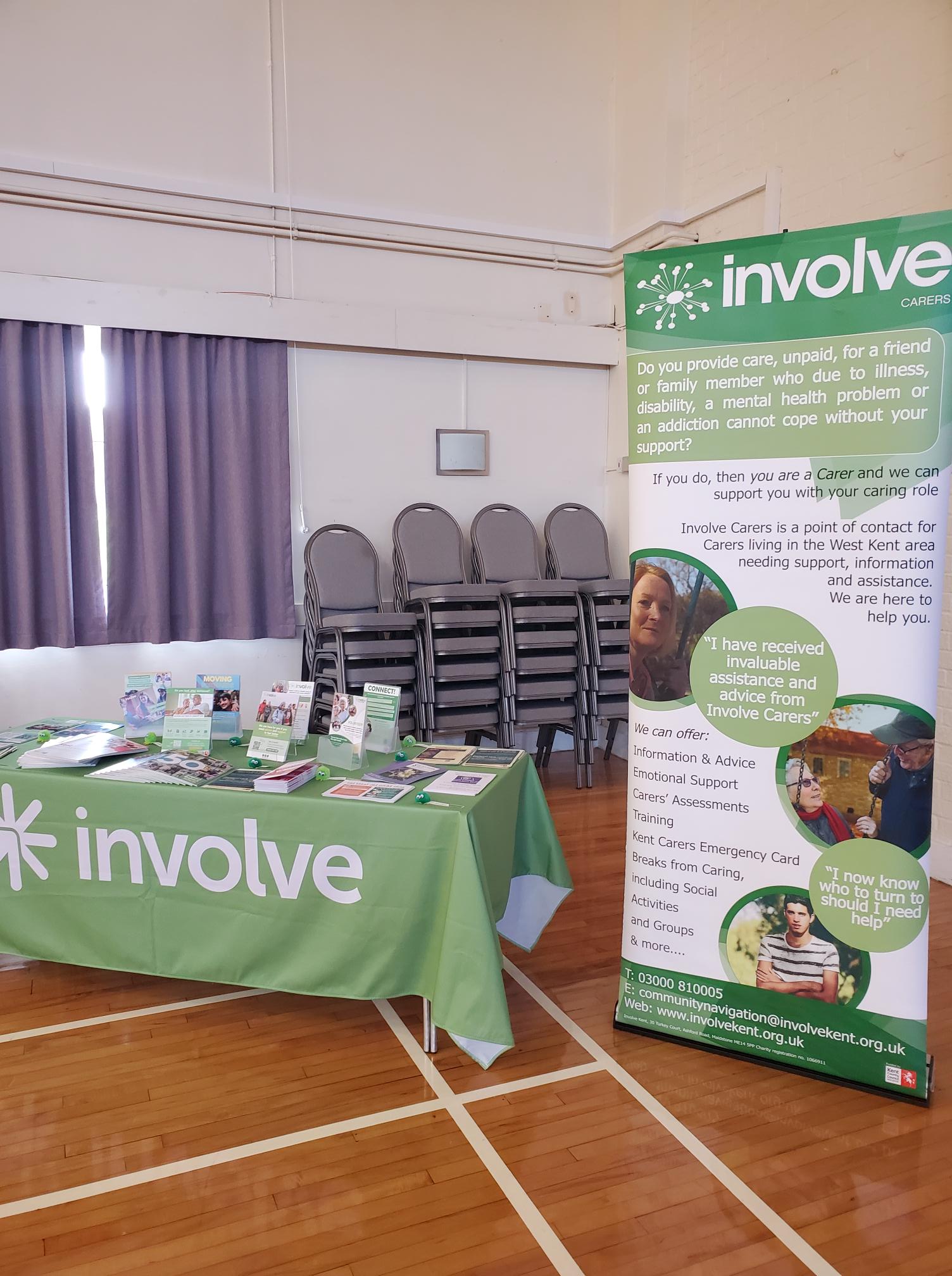
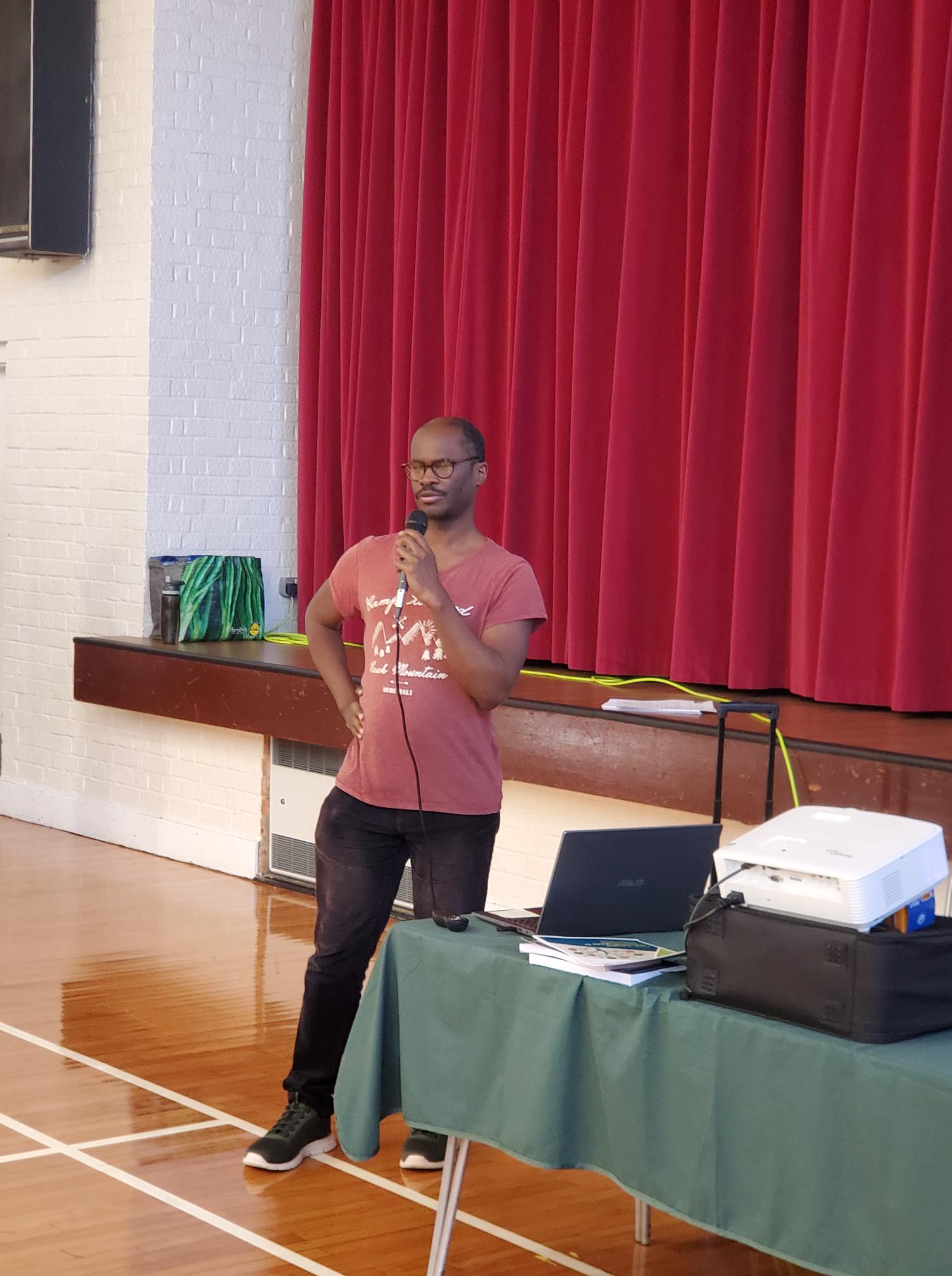
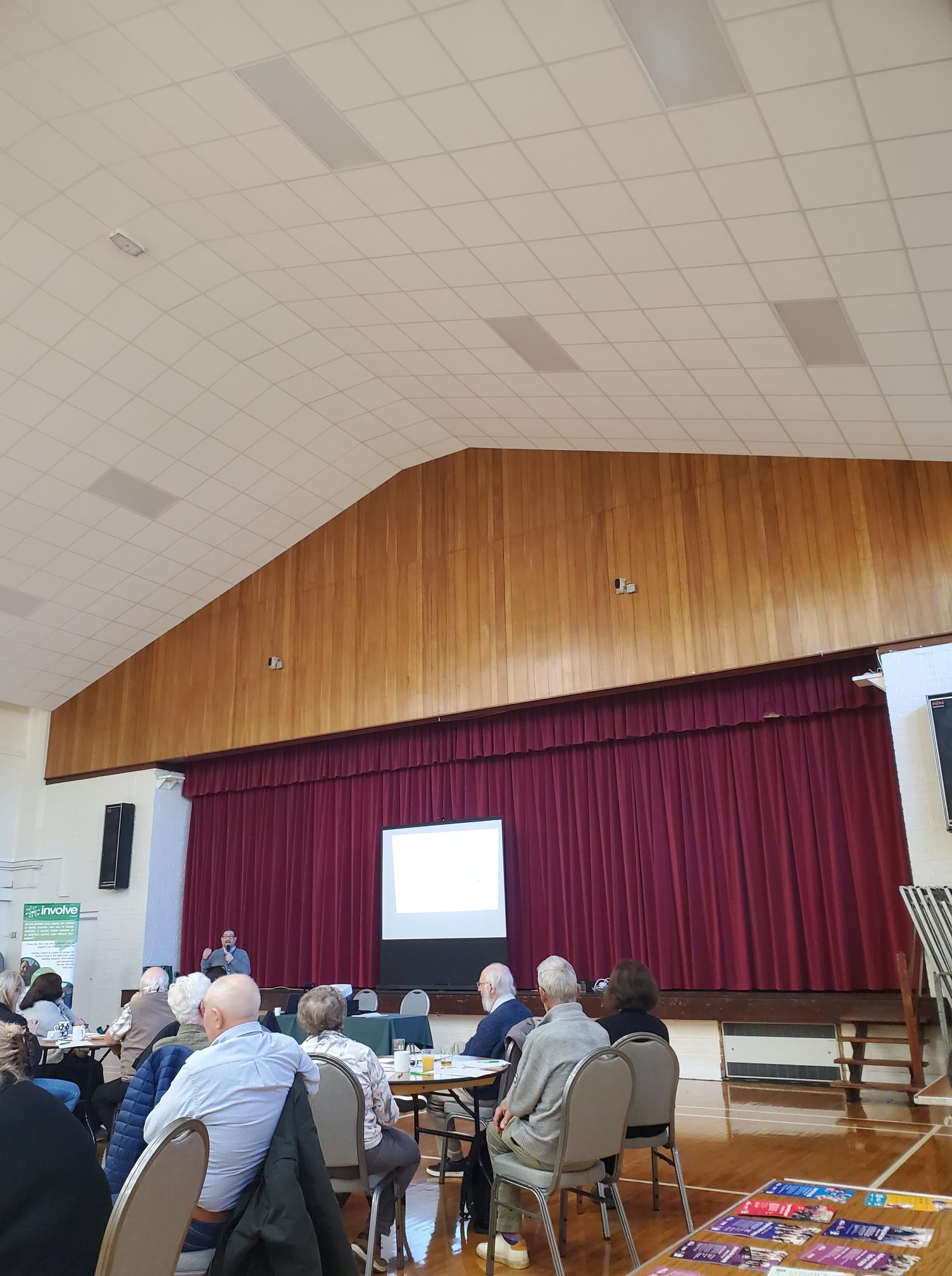
On 25th February 2026, I had the privilege of speaking at the Carers’ Forum hosted by Involve Kent.
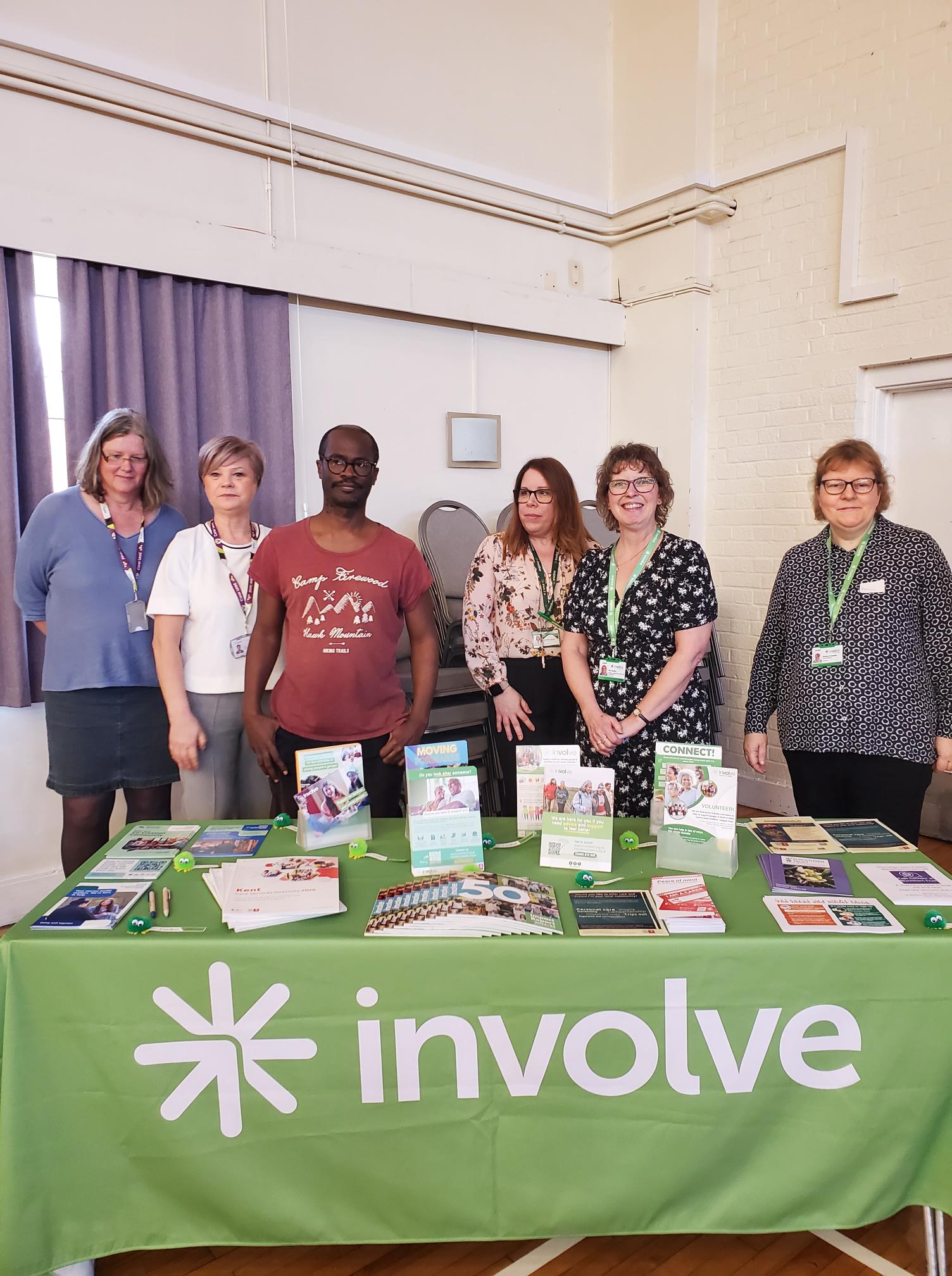
Involve is a voluntary sector infrastructure organisation in Kent that supports unpaid carers by providing information, advice and practical help to make caring more manageable.
They organise regular carers’ forums and events where carers can meet each other, access specialist support services, hear from guest speakers on issues like benefits, legal rights and wellbeing, and contribute their lived experience to local planning and decision-making. Involve also connects carers with tailored resources, signposts to relevant services across health, social care and community sectors, and advocates for carers’ voices to be heard by policymakers and service providers
The forum ran from 10:30am to 1:30pm and brought together unpaid carers from across Kent to connect, learn and have their voices heard.
It was my second time speaking at this forum, and once again I was struck by something powerful: the room was full. That might sound simple, but in the world of unpaid caring which can often feel isolating and invisible a full room means solidarity. It means people are choosing, despite exhaustion and competing demands, to show up for themselves and each other.
Arriving and the atmosphere
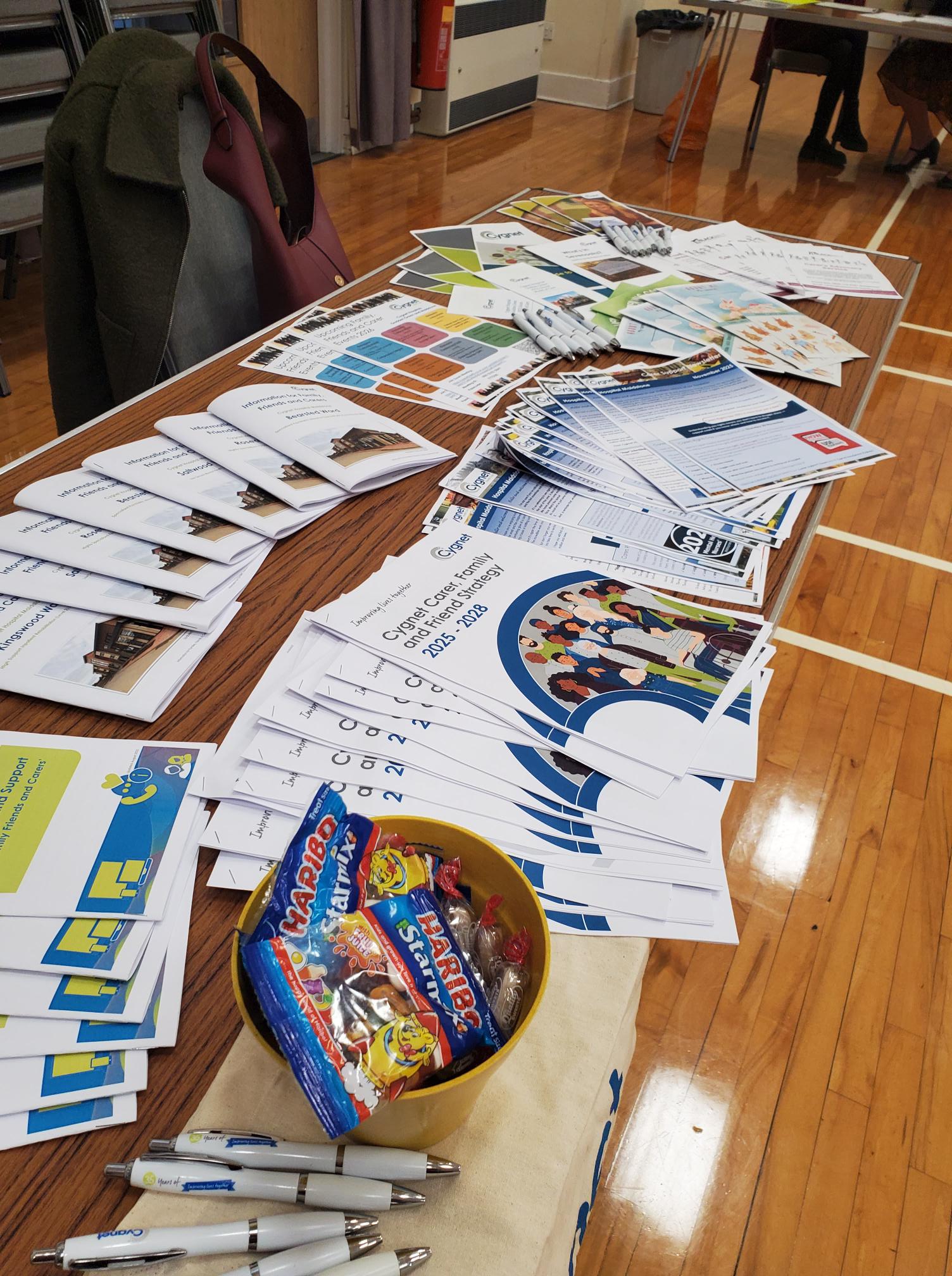
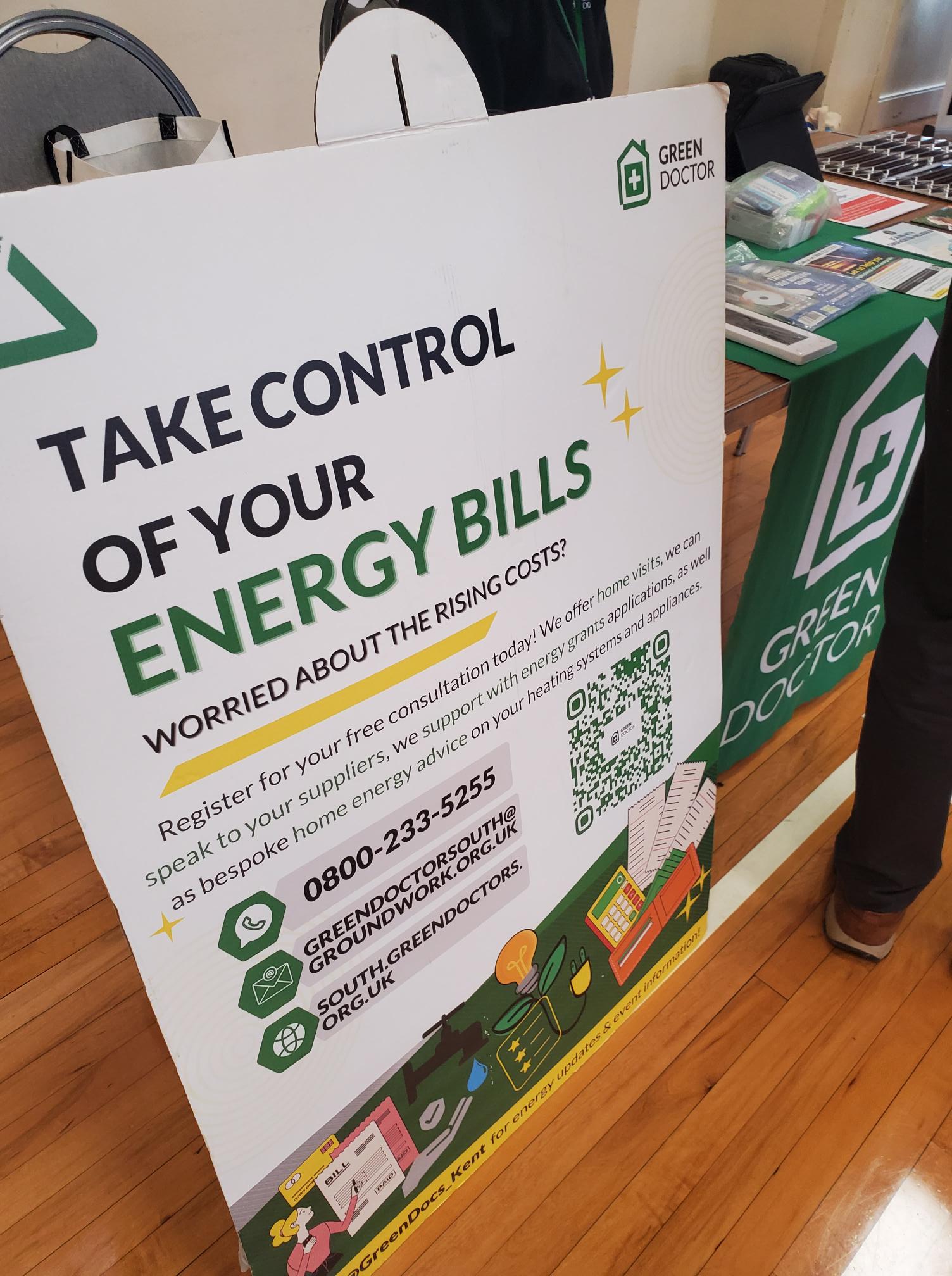
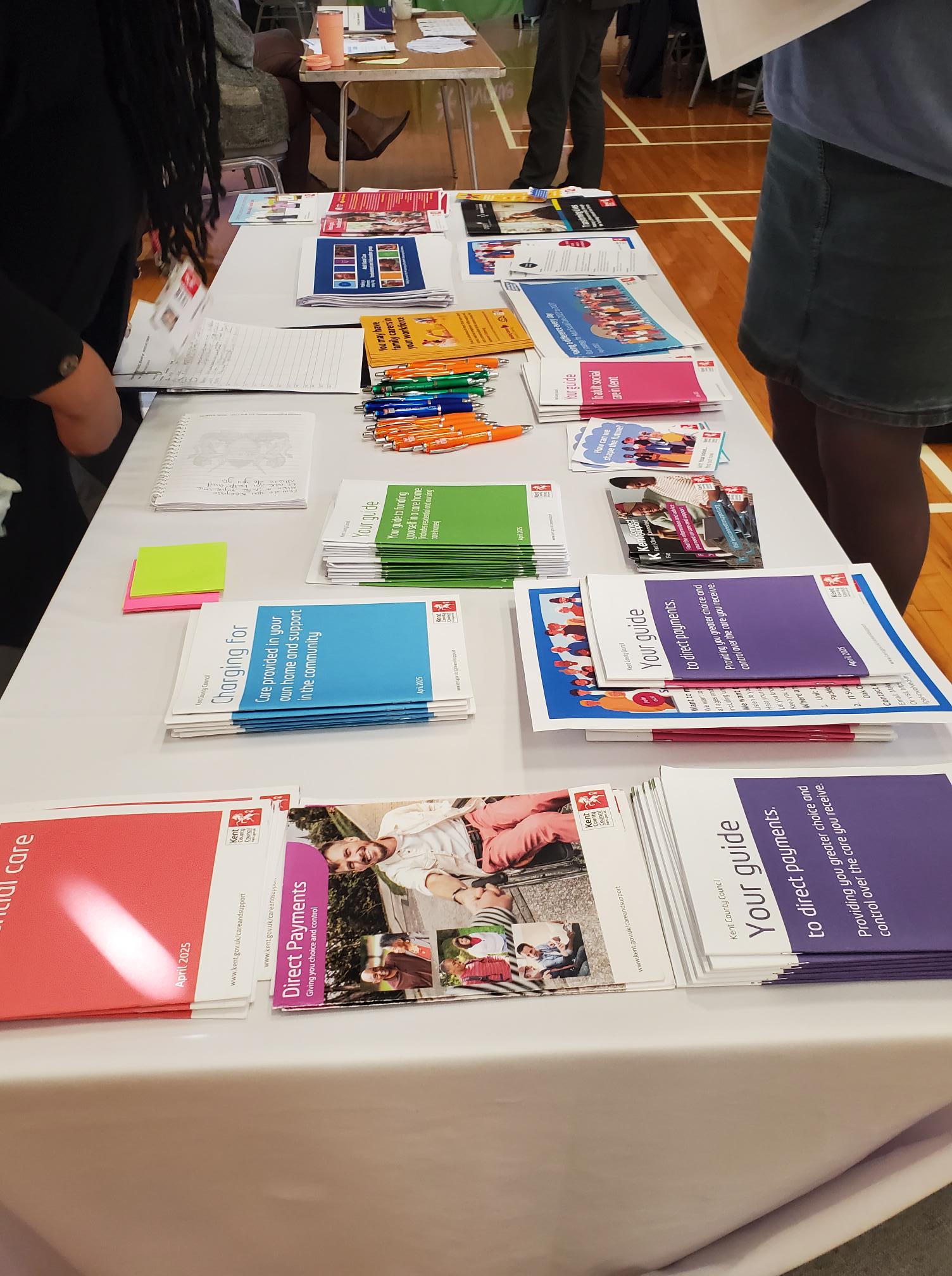
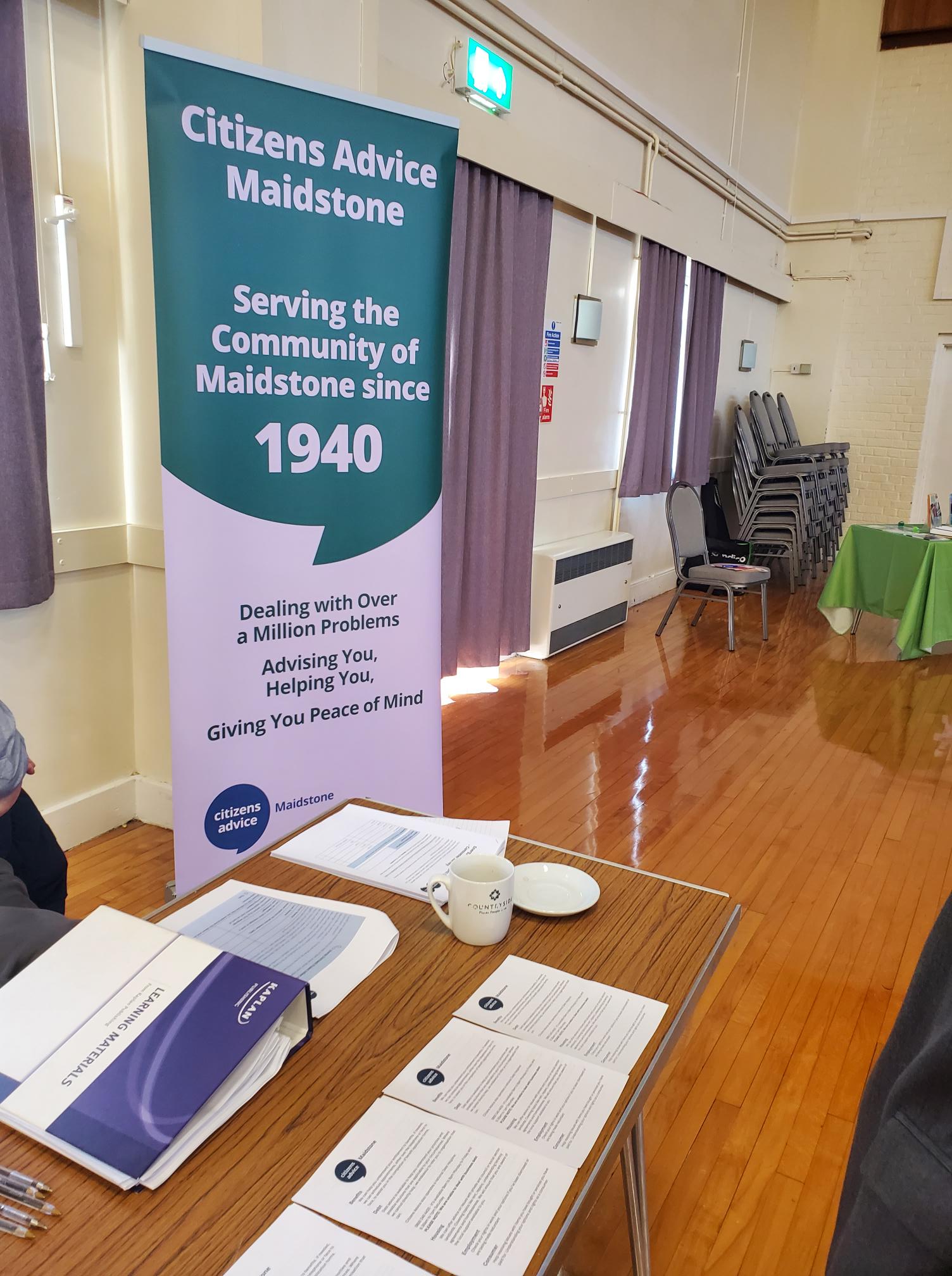
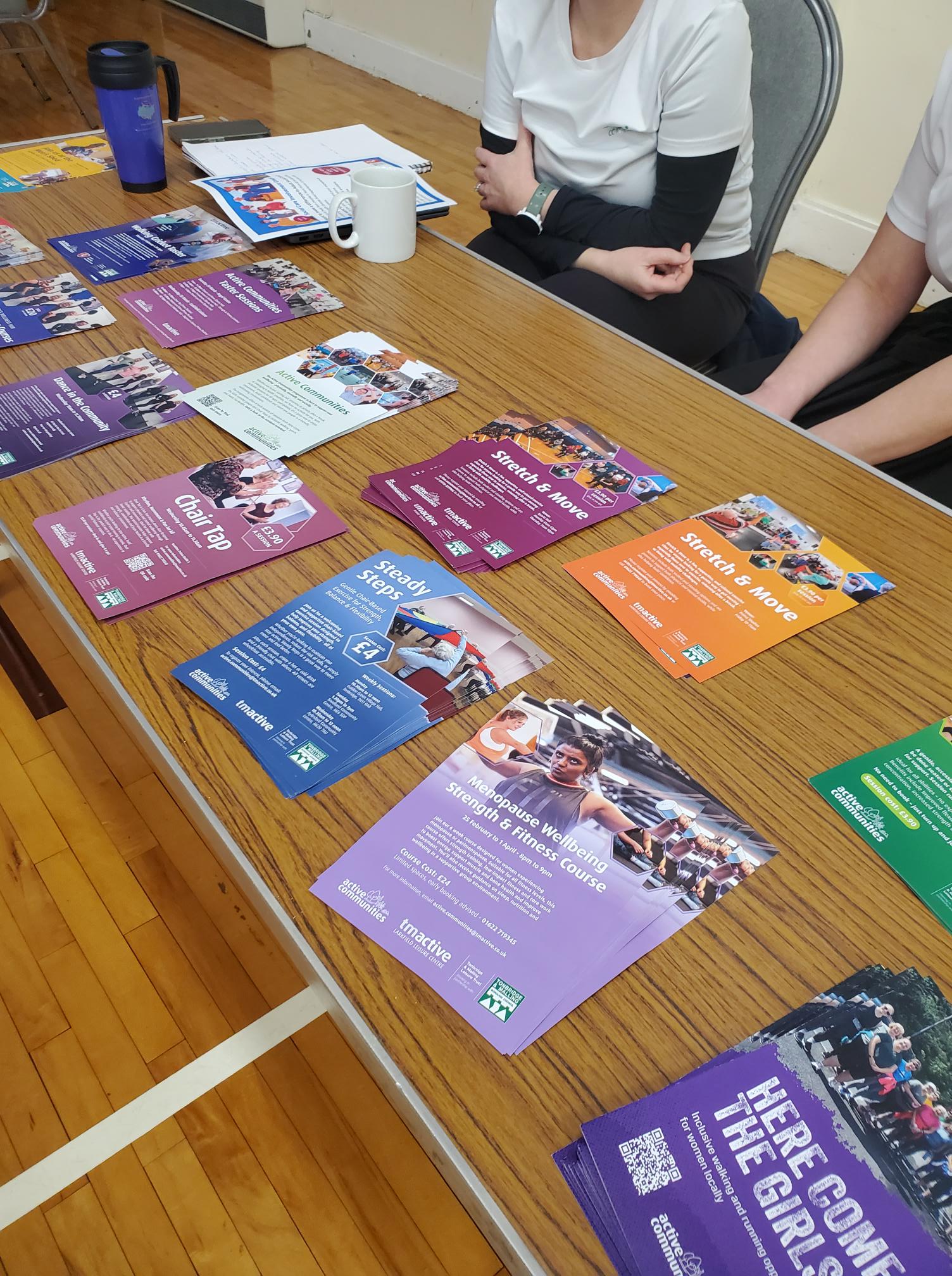
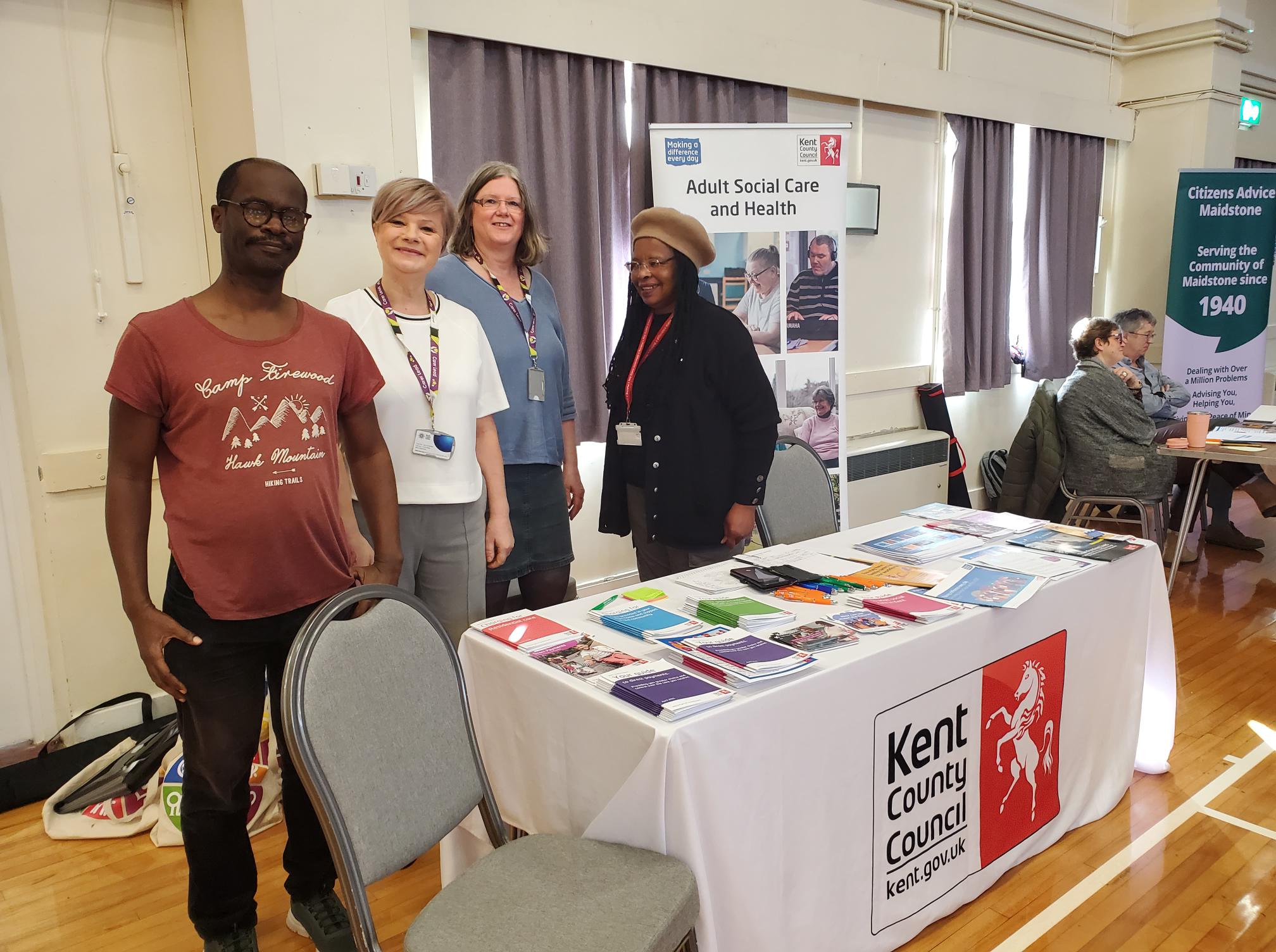
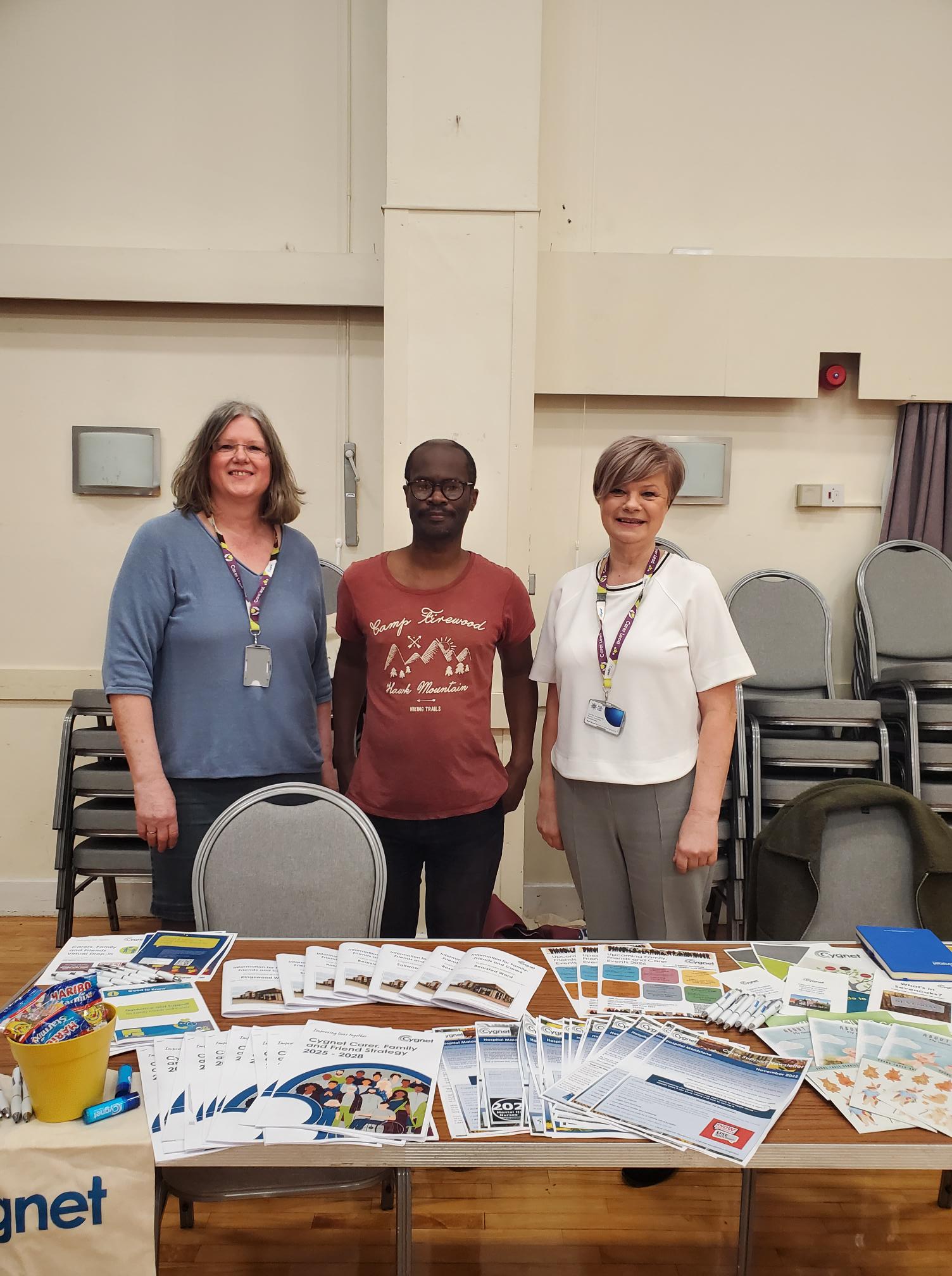
From the moment I walked in, there was a real sense of warmth. Information stands lined the hall Involve, Citizens Advice, mental health services, energy advice, leisure services and more. Tables were covered in leaflets, conversations were already flowing, and carers were reconnecting with familiar faces.
The purpose of the forum was clear:
To enable those caring unpaid for an adult family member, partner or friend to meet, gain information about services in their community and have their voices heard .
That last part to have their voices heard is what resonated most with me.
It was also good to see Carer leads from Cygnet Maidstone engaging with carers in the community of Kent.
My talk: Caring for someone with a mental health diagnosis
I spoke about caring for someone with a mental health diagnosis and the Patient and Carer Race Equality Framework .
As many know, I cared for my mother who lived with schizophrenia, and I now support a close friend who lives with personality disorder and addiction challenges. I don’t speak as a clinician. I spoke as someone who has sat in GP waiting rooms, on inpatient wards, in crisis meetings, and at home during those “screaming silences” that carers know too well.
I shared:
The confusion I felt when I didn’t even realise I was a “carer”
The frustration of confidentiality barriers
The loneliness of not being listened to
The emotional exhaustion that comes from constantly firefighting crises
I then shared a poem to promote carers rights
But I also shared something equally important: growth, advocacy and solidarity.
I encouraged carers to:
Educate themselves about the condition they are supporting
Learn the difference between symptoms and personality
Understand triggers
Forgive themselves for mistakes
And most importantly, look after their own wellbeing
One message I always return to was – You cannot pour from an empty cup.
I also spoke about The Patient Carer Race Equality Framework
It exists because there is clear evidence of:
Disproportionate detentions under the Mental Health Act
Poorer outcomes for Black and minority ethnic patients
Higher levels of distrust between communities and services
Carers feeling unheard or excluded
I spoke about how minority carers can face:
Cultural misunderstandings
Language barriers
Stigma around mental health within communities
Fear of services due to past discrimination
A lack of culturally appropriate support
Discussion tables: Carers influencing change
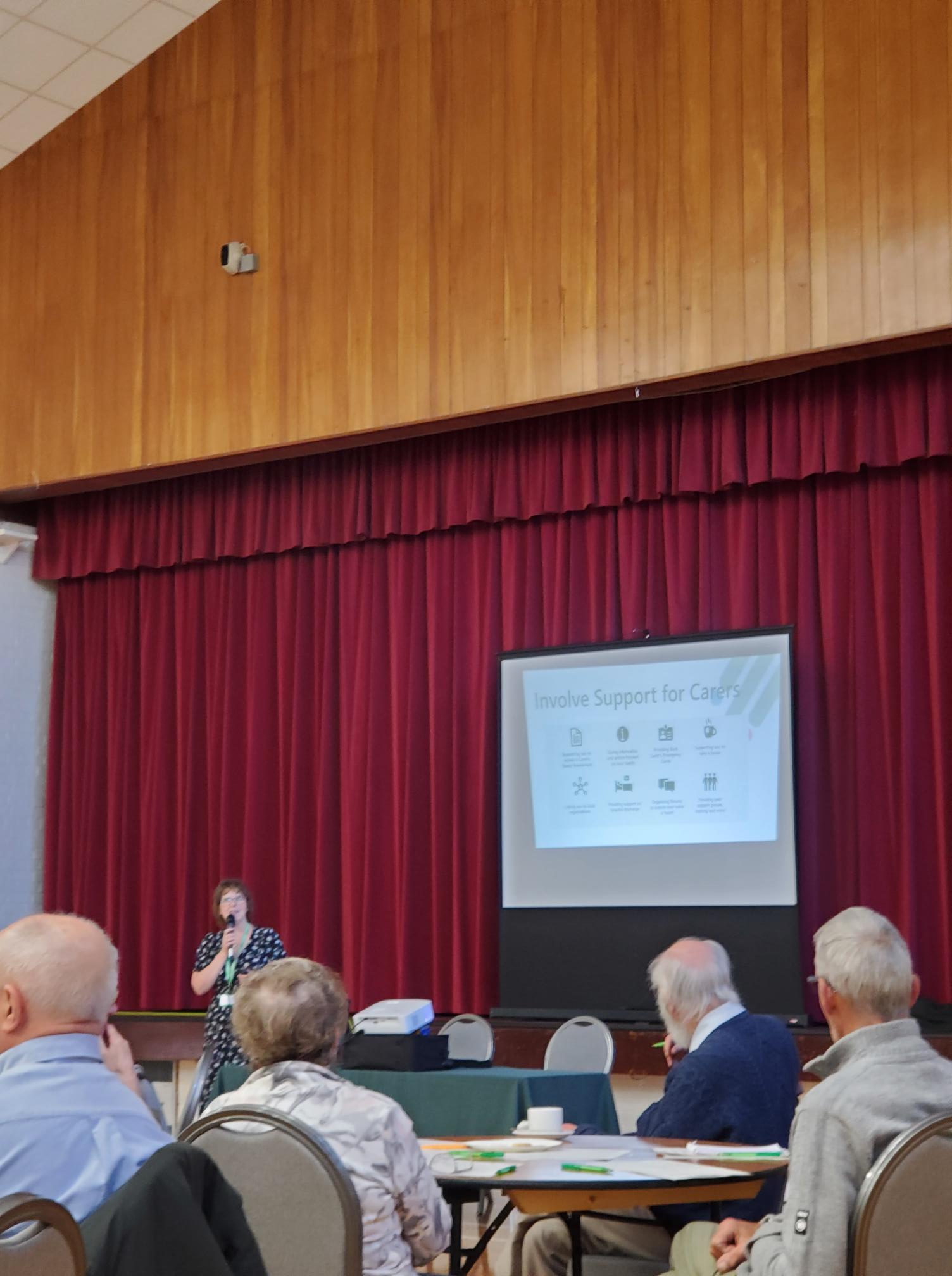
After my talk, Clara from Involve led discussions feeding into Kent’s Health Needs Assessment for carers. Carers were asked:
How do you recognise when it’s time to ask for help?
What causes burnout?
What would a carer-friendly community look like?
These wete not token questions. Staff took notes (without identifying details) so carers’ lived experiences could directly inform local planning .
I moved around the room speaking with carers. Some were open and vocal. Others were quieter, but their listening was just as powerful. Not everyone wants to speak publicly and that’s okay. Being present is also participation too.
Power of Attorney – protecting your voice
Later in the morning, Glen Miles spoke about the Mental Capacity Act and Lasting Power of Attorney .
As carers, we often assume we will automatically be consulted in crises. The reality is different. Without legal authority, our ability to advocate can be limited.
One key takeaway:
Don’t delay in arranging Lasting Powers of Attorney.
If you want your voice – or your loved one’s voice – to be heard, formalise it.
For carers who have experienced being excluded from decisions, this was a particularly important session.
Citizens Advice & practical support
Ian from Citizens Advice spoke before lunch about benefits, debt, housing and confidential support .
With the cost of living crisis, carers are under immense financial pressure. Many reduce employment hours or leave work entirely. The session was a reminder that:
Advice is free
It is confidential
You can attend anonymously
You are not judged
Lunch followed – catered by Fusion – and honestly, some of the most meaningful conversations happen over sandwiches. Carers swapping stories. Sharing phone numbers. Recommending services. That peer-to-peer support is priceless.
What stayed with me
What stayed with me most wasn’t just the agenda or the presentations.
It was:
The older carer quietly nodding as I spoke about emotional exhaustion.
The new carer asking, “Is it normal to feel this angry sometimes?”
The male carers who stayed behind to speak to me privately.
The carers from minority backgrounds who spoke about cultural barriers and stigma.
These forums matter because carers matter.
Unpaid carers save the system billions. But beyond economics, we hold families together. We absorb crises. We advocate in rooms where we’re not always welcomed.
This month’s Mental Health Carers Forum brought together carers, local authority representatives, and carers’ organisations across Southwark, Lambeth and Lewisham. The main focus of the session was the development of Southwark’s new Unpaid Carers Strategy, alongside wider discussions about safeguarding, service gaps, hospital pathways, and national pressures affecting carers.
The discussion reflected both strategic planning and powerful lived experiences.
1. Development of the New Unpaid Carers Strategy (Southwark)
The Strategy and Policy Lead for Adult Social Care outlined plans to develop a new Unpaid Carers Strategy, due to launch in October 2026, alongside the new Carers Hub (currently going through procurement).
Why a New Strategy?
The council has reviewed its Joint Strategic Needs Assessment (JSNA), which estimates that there are between:
18,000 and 37,000 unpaid carers in the borough
Around 2,000 carers currently known to Adult Social Care
This gap highlights the scale of “hidden carers” who may not be registered, identified, or receiving support.
Importantly, the council acknowledged that strategy priorities should not simply be based on data analysis alone. Instead, they are aiming for genuine co-production — asking carers directly what matters most.
2. Engagement Plan
The strategy is currently in Phase One: Listening and Engagement.
Engagement methods include:
Two in-person focus groups
One online evening session (to accommodate working carers)
A borough-wide survey (in development)
One-to-one carer story interviews
A draft strategy consultation phase
The council hopes to produce a draft strategy by June, followed by further consultation before final sign-off.
Attendance Challenges
While engagement sessions were organised, numbers were lower than hoped:
~16 signed up for morning session
~11 for afternoon
~18 for virtual session
This led to discussion about why engagement can be difficult.
3. Why Engagement Is Difficult
Several themes emerged:
Carers often feel over-consulted but under-informed about outcomes
Carers are extremely time-poor and emotionally stretched
Communication may not be filtering through GP surgeries, mental health services, or hospitals effectively
Some carers do not self-identify as carers
Many want to see tangible change before engaging again
There was also discussion about compensation for carers’ time. While payment isn’t possible, vouchers are being offered to recognise contributions.
A broader issue remains: How do we reach the thousands of carers who are currently unknown to services?
4. Safeguarding and Social Work Concerns
One of the most powerful parts of the session came from carers sharing lived experiences.
Concerns raised included:
Lack of trauma-informed practice
Social workers not understanding autism, ADHD, or PTSD
Carers feeling triggered or retraumatised by professional behaviour
Repeated changes of social worker
Safeguarding flags raised but no follow-up
Carers left to “self-safeguard”
There was frustration that safeguarding processes sometimes feel procedural rather than protective particularly when no one follows up after concerns are logged.
While individual cases cannot be addressed within a strategy meeting, the recurring themes of:
Training
Empathy
Communication
Accountability
Follow-through
will be fed into the strategy consultation.
5. Hospital Pathways & Carer Identification
Discussion also focused on the hospital experience.
Key questions raised:
Are carers being identified at admission?
Are they being referred to carers centres?
Is there a clear pathway from hospital discharge to community support?
Are hospitals promoting local carer engagement events?
It was noted that discharge teams do significant work, particularly around bereavement support, but carers want clearer and more consistent pathways.
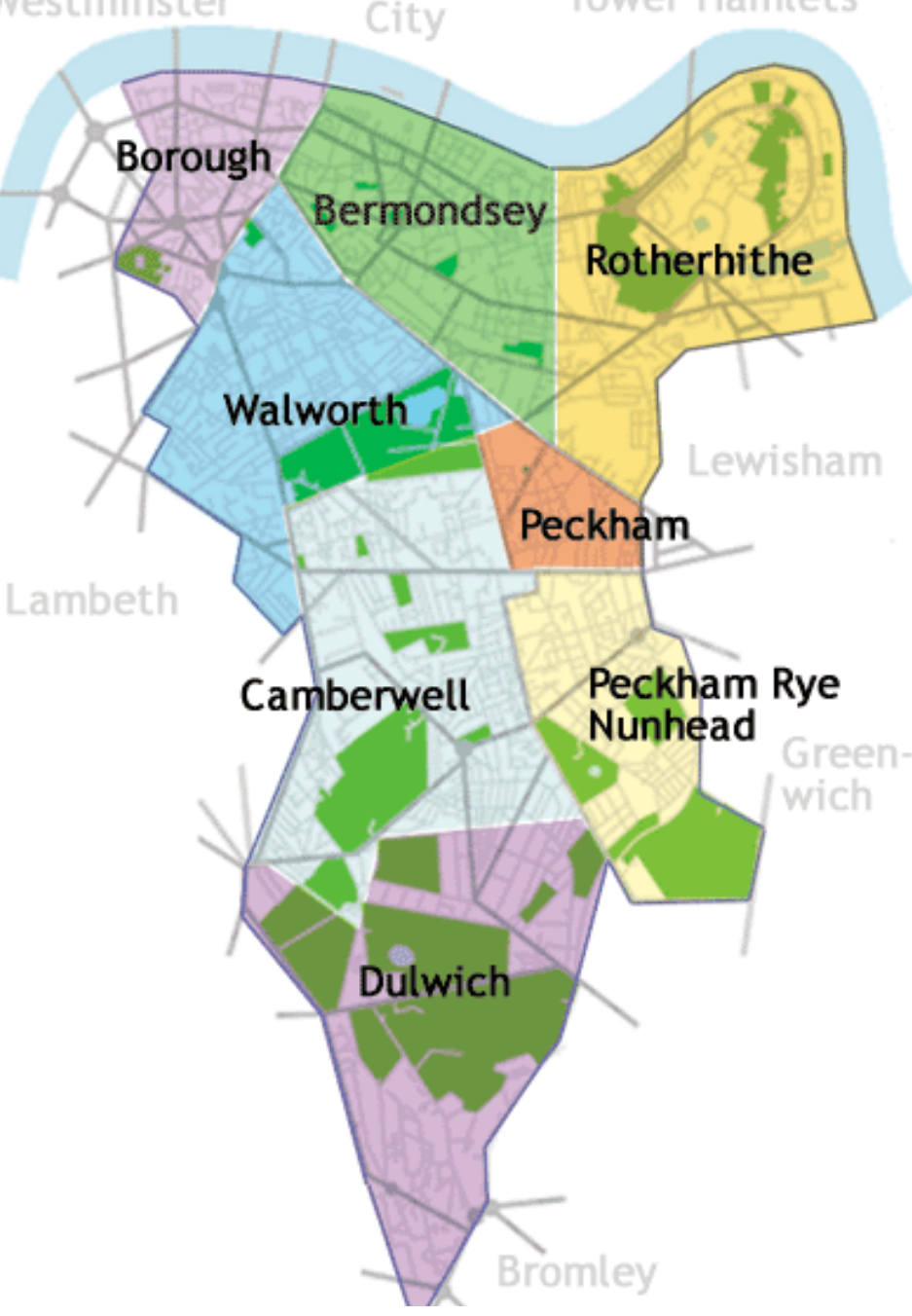
There was also discussion about cross-borough complexity especially for carers living near boundaries (e.g. Southwark/Lambeth), where services can feel fragmented.
The need for joined-up working across boroughs and hospital trusts was emphasised.
6. Inclusion & Underrepresented Groups
Several groups were identified as needing more targeted engagement:
Mental health carers
Ethnic minority carers
Male carers (who are often underrepresented)
Young carers
Working carers
There was a clear call to ensure the strategy does not become “one-size-fits-all.”
In particular:
Cultural expectations can prevent some carers from seeking support.
Male carers may be less likely to self-identify.
Working carers face employment pressures despite recent legislation.
7. National Pressures on Unpaid Carers
A short presentation was delivered by Matthew McKenzie on national developments affecting carers.
Financial Pressures
Carer’s Allowance remains one of the lowest benefits of its kind.
Ongoing overpayment recovery cases have caused distress for many carers.
Cost-of-living pressures are increasing hardship.
Many carers are limiting working hours to avoid breaching earnings thresholds.
Service Pressures
NHS workforce shortages.
Increasing waiting lists for mental health services.
Limited psychological support tailored specifically for carers.
Strain on carers centres due to funding pressures.
Policy Gaps
No current overarching national carers strategy.
Low awareness of carers’ rights under the Care Act 2014.
Postcode variation in support.
Inconsistent carer involvement in service design.
It was highlighted that unpaid care is estimated nationally at around £160 billion annually demonstrating the enormous economic value of carers’ contribution.
8. Key Strategic Themes Emerging
Across all discussions, several recurring themes emerged:
Carers must see outcomes from engagement.
Safeguarding must involve follow-up and accountability.
Training for social workers must include trauma-informed and neurodiversity awareness.
Hospital discharge pathways need clarity and consistency.
Carers need better communication and joined-up systems.
Underrepresented groups require targeted inclusion.
Engagement must move beyond consultation into meaningful co-production.
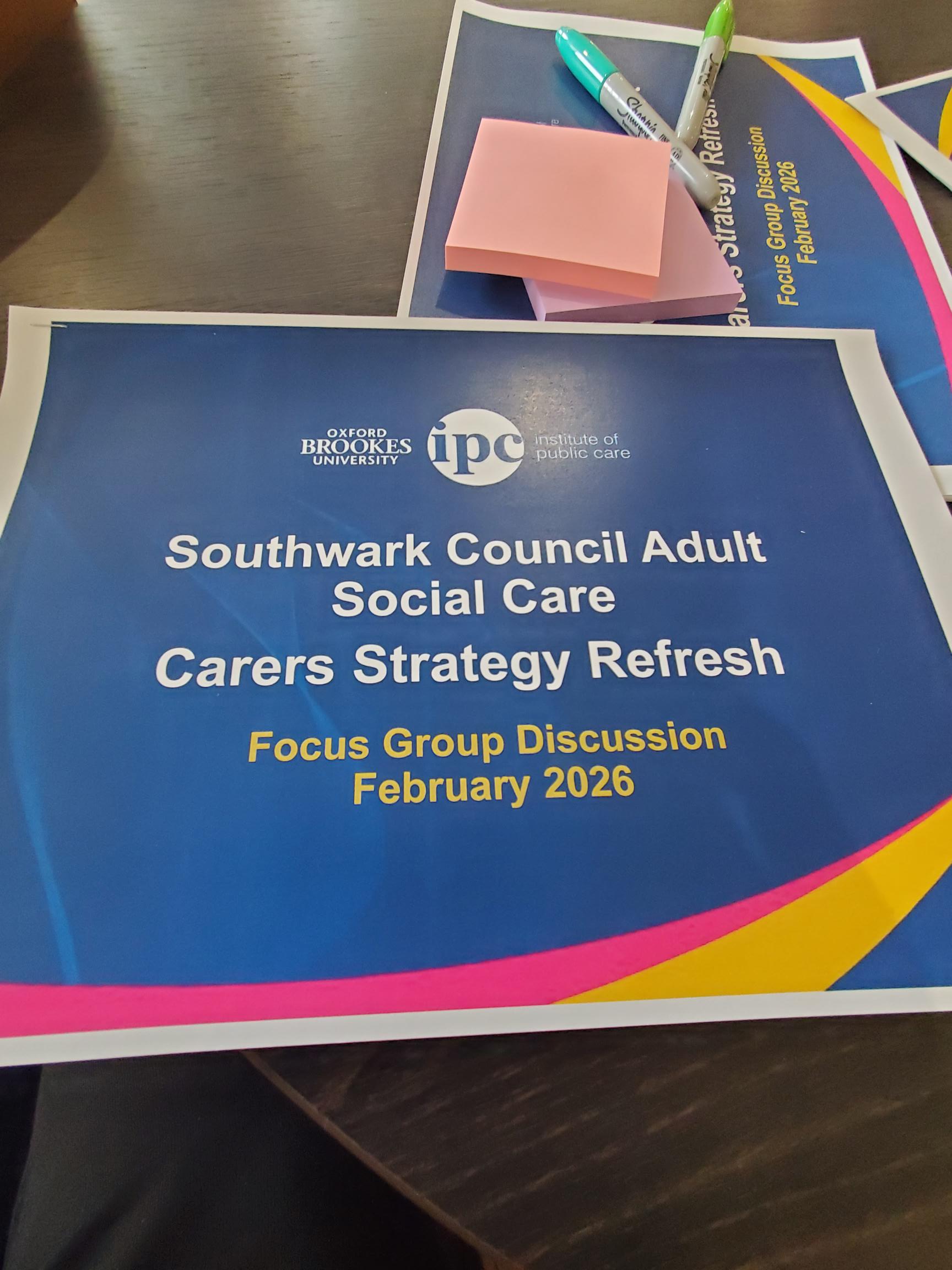
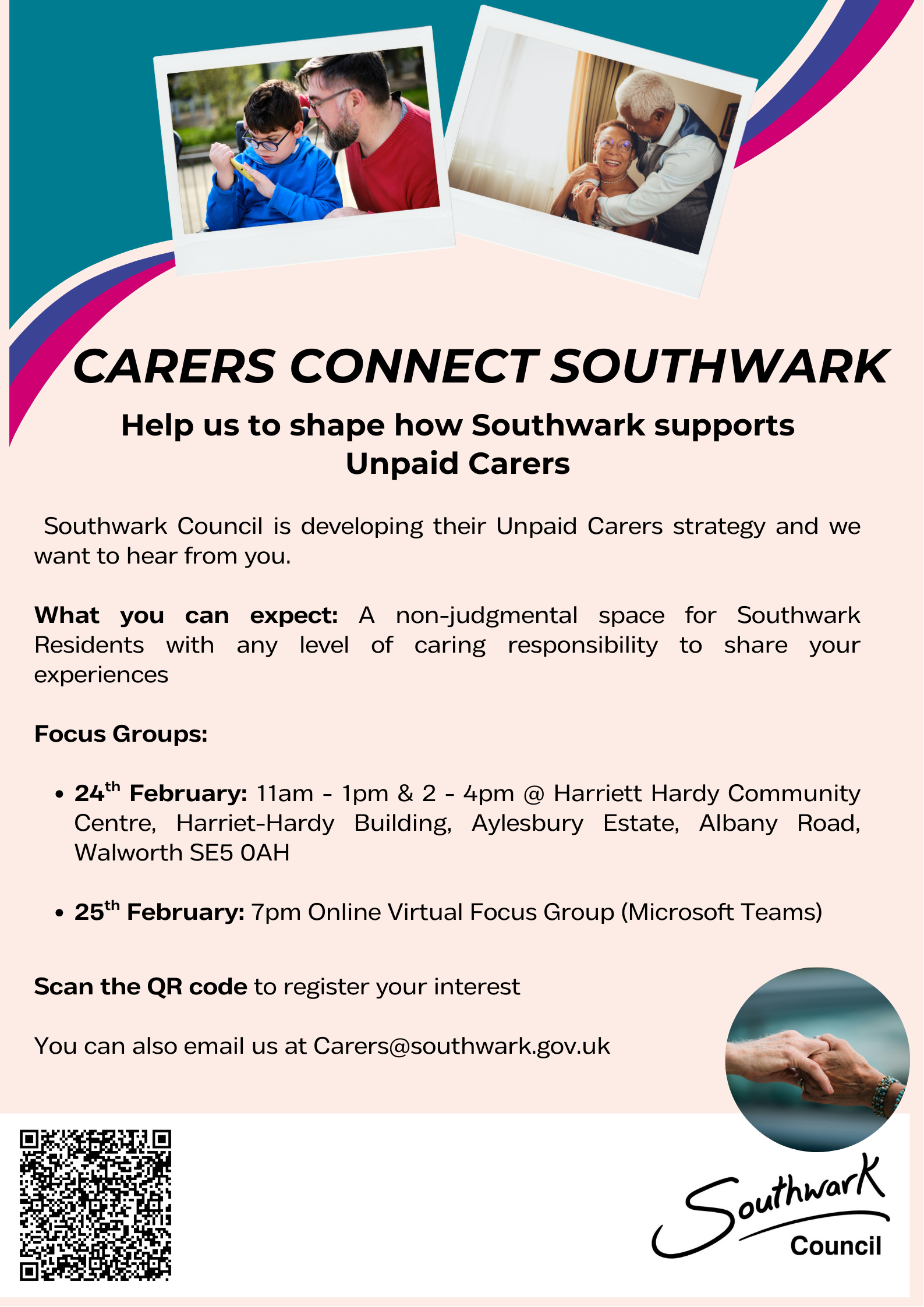
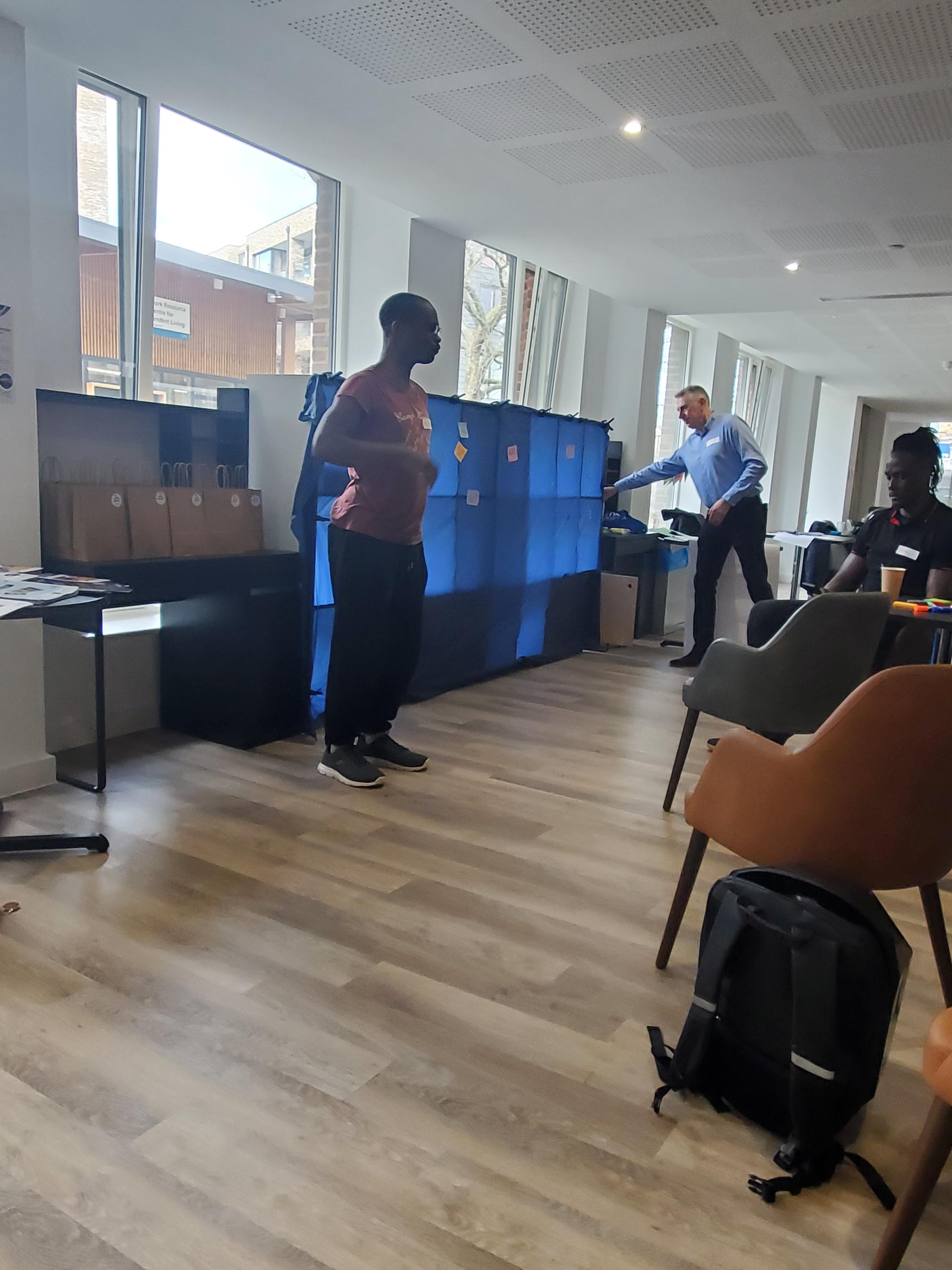
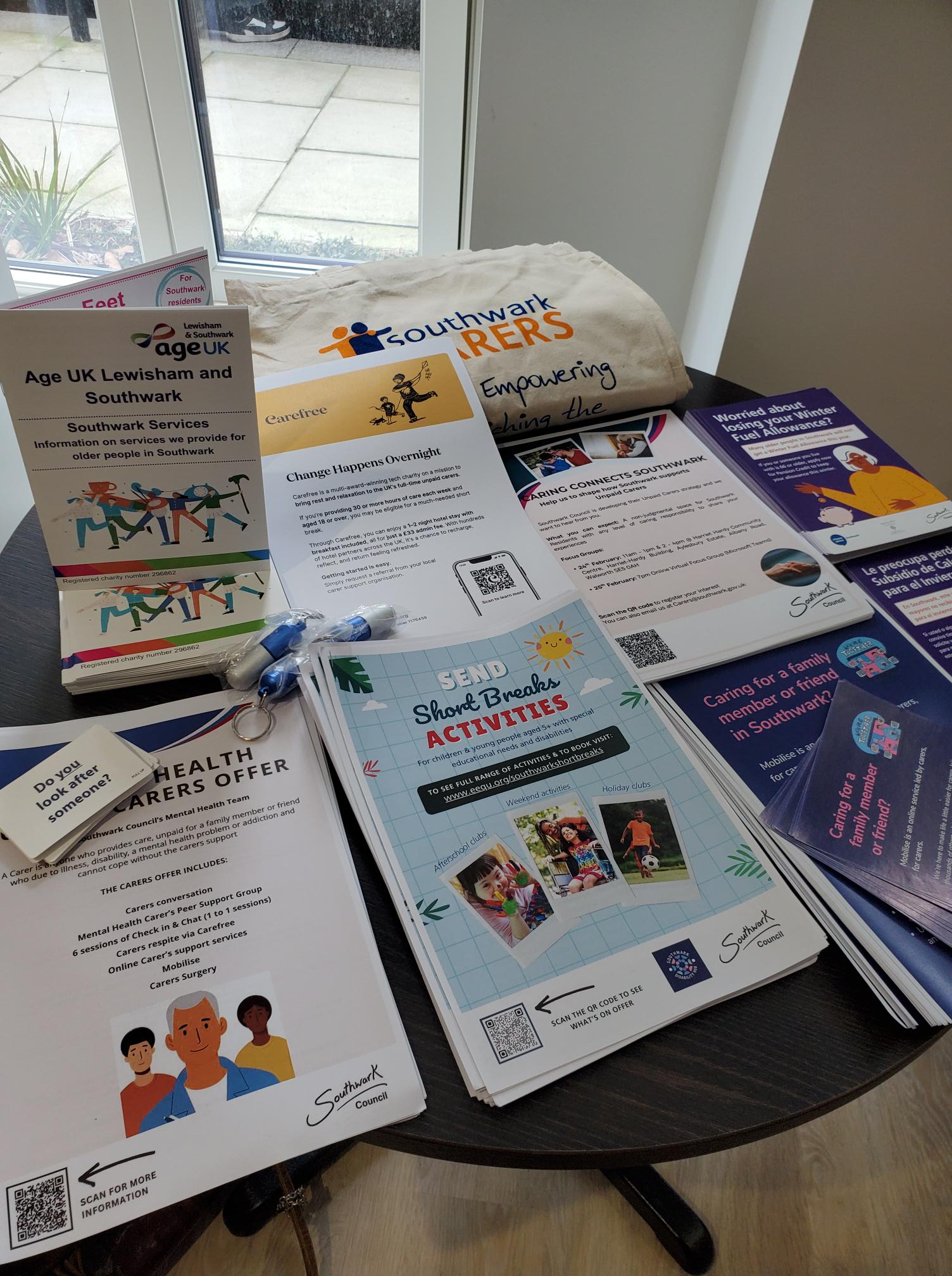
Today I had the privilege of speaking at Carers Connect Southwark, part of the engagement programme shaping the new Southwark Adult Social Care Carers Strategy 2026. The room was filled with unpaid carers people supporting loved ones, friends and family members every single day, often quietly, often invisibly, and too often without recognition.
I was invited to encourage carers to use their voice. Because this strategy refresh isn’t just a document it is the unpaid carers strategy for Southwark. And if carers do not shape it, it will not truly reflect their lives.
Why This Event Matters
Southwark Council is developing a new carers strategy that will set out the vision for universal and statutory support in the borough for people caring for loved ones and friends .
The engagement process – supported by the Institute of Public Care (IPC) – is designed to:
Understand carers’ real experiences
Identify gaps in services and resources
Raise awareness of existing support
Encourage people to identify themselves as carers and seek help
This isn’t consultation for consultation’s sake. This is about influence.
Speaking From Experience
As someone who has cared and continues to work alongside carers through my mental health carers group for Southwark, Lambeth & Lewisham, I know first-hand how isolating caring can be. Many carers don’t even identify as carers they see themselves as “just a mum”, “just a son”, “just a partner”.
But caring changes your life. It affects:
Your physical and mental health
Your employment and finances
Your relationships
Your identity
When I spoke today, my message was simple: Your experience is expertise.
Professionals bring policy knowledge. Councils bring structure and statutory responsibility. But carers bring lived reality.
Without that reality, strategies risk becoming well-meaning but disconnected from daily life.
The Power of Co-Production
Co-production means designing services with people, not for them.
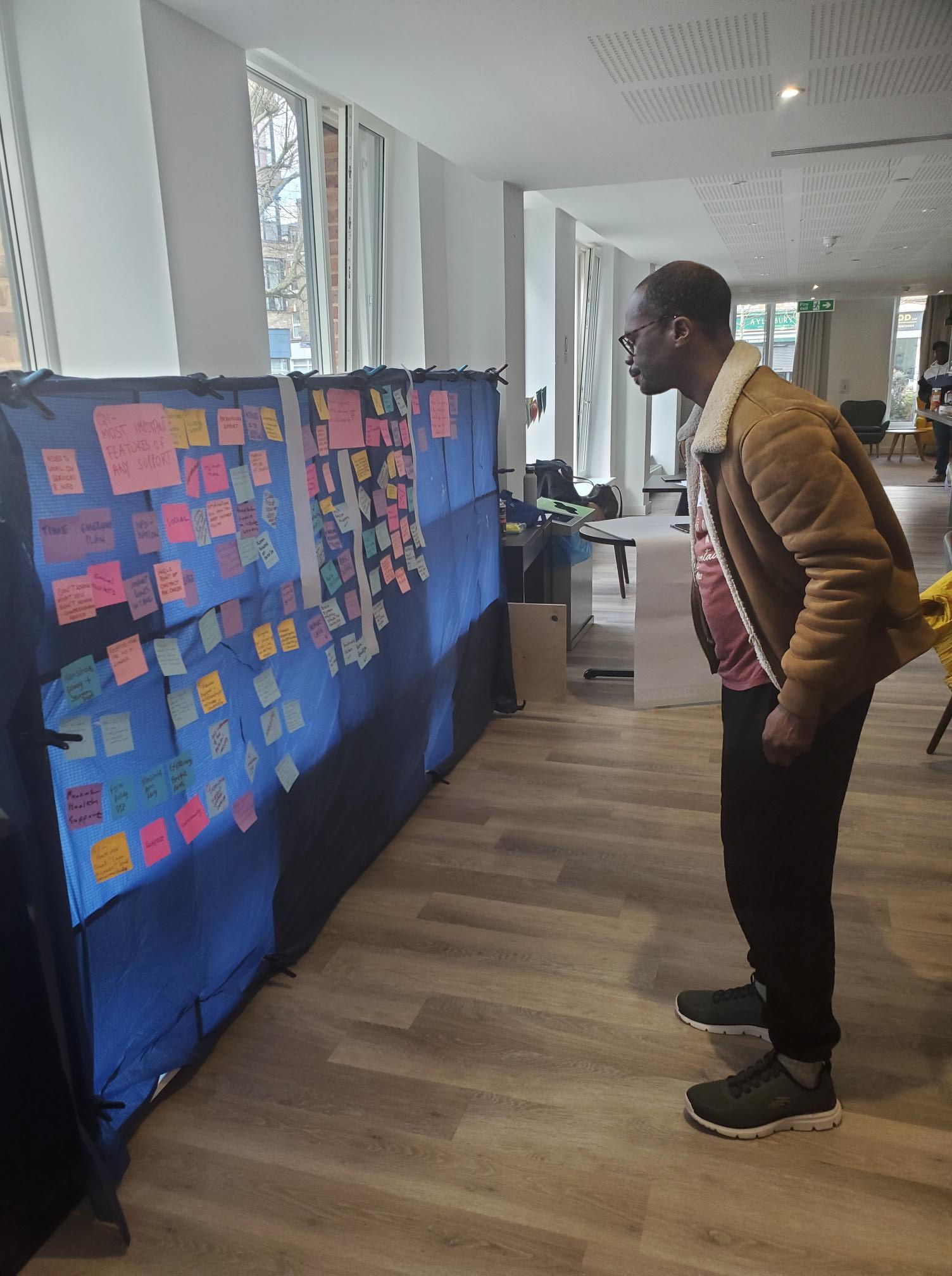
In the focus groups, carers were asked about:
What support works well
What doesn’t
What matters most
What priorities should shape the future strategy
That is very powerful.
When carers speak honestly about navigating assessments, accessing respite, struggling with mental health, or juggling work and care, they are not complaining – they are building a better system.
True co-production shifts the balance:
From passive recipients to active partners
From assumption to lived evidence
From policy written about carers to policy written with carers
Why Feedback Is Not Optional, It Is Essential
Too often carers are exhausted. After a long day of caring, attending a focus group can feel like another task. I acknowledged that today.
But I also said this: If carers do not feed back, decisions will still be made.
The difference is whether those decisions are informed by reality or by assumption.
The Southwark carers strategy will influence:
Funding priorities
Service design
Eligibility awareness
Communication approaches
Long-term vision for carer support
That makes these conversations crucial.
A Call to Carers
If you are an unpaid carer in Southwark and you see opportunities like this – attend. Speak. Share.
Your feedback:
Shapes policy
Influences services
Challenges blind spots
Creates accountability
Most importantly, it ensures that future support reflects real lives, not theoretical ones.
Final Reflections
Leaving the event, I felt hopeful.
Hopeful because carers showed up. Hopeful because they spoke honestly. Hopeful because the strategy refresh process appears to be genuinely seeking lived experience.
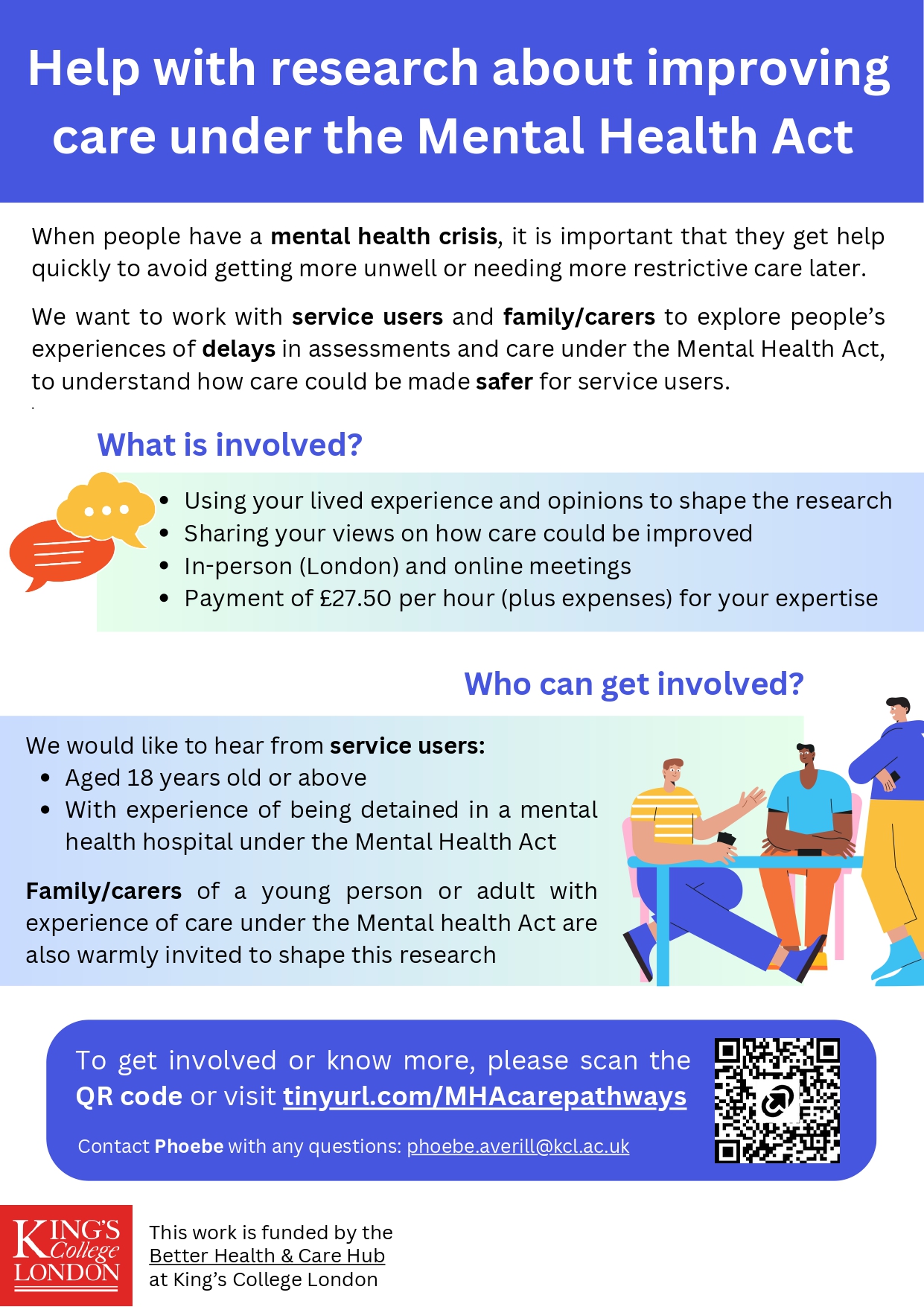
When someone you care about experiences a mental health crisis, the system needs to work quickly, safely and compassionately. But for many families and carers, the reality can involve delays, uncertainty, and distress especially when assessments or admissions happen under the Mental Health Act.
Now, there is a meaningful opportunity for carers to use their lived experience to shape research that aims to improve this care.
The importance of the Research
In times of crisis, timely support can prevent someone from becoming more unwell or needing more restrictive interventions later. Researchers at King’s College London want to better understand:
Experiences of delays in Mental Health Act assessments
What happens during admissions to hospital
How care pathways could be made safer and more responsive
Crucially, they want carers and service users at the heart of this work.
A Paid Opportunity to Share Your Expertise
Family members and carers of young people or adults who have received care under the Mental Health Act are warmly invited to join a Lived Experience Advisory Board.
As a carer, your insight is invaluable. You will help:
Shape the direction of the research
Share your views on how care could be improved
Ensure the work reflects real-life experiences
Meetings will take place both online and in person (London), making it accessible to a wide range of participants.
Participants will receive £27.50 per hour (plus expenses) in recognition of their time and expertise.
Who Can Get Involved?
The research team would like to hear from:
Adults aged 18+ with experience of detention under the Mental Health Act
Family members and carers of young people or adults with experience of care under the Mental Health Act
If you have supported someone through assessment, admission, or crisis care, your perspective could directly influence how future services are designed and delivered.
Be Part of Making Care Safer
This work is funded by the Better Health & Care Hub at King’s College London and is focused on improving safety and outcomes for people in crisis.
Your lived experience can help ensure future families face fewer delays, clearer communication, and safer care pathways.
To get involved or find out more, visit: tinyurl.com/MHAcarepathways
Eating Disorders Awareness Week 2026 has begun, and this year’s theme is Community a reminder that no one should face an eating disorder alone.
Eating disorders are serious mental health conditions that affect people of all ages, genders, ethnicities and body sizes. They include anorexia, bulimia, binge eating disorder (BED) and other specified feeding and eating disorders. Despite how common they are, stigma and misunderstanding still prevent many people from seeking help early.
Community plays a vital role in changing that.
In recognition of Eating Disorders Awareness Week 2026, I have shared a video raising awareness about:
You can watch the full awareness video here:
Recovery is not something most people achieve in isolation. It happens through connection through families, friends, carers, clinicians, workplaces, schools and peer networks coming together to provide support, understanding and hope.
Supporting someone with an eating disorder can be emotionally exhausting and overwhelming. Unpaid carers, parents, partners and loved ones often carry an invisible weight. This week is also about recognising their role and ensuring they, too, have access to support and community.
If you or someone you know is struggling, please remember: help is available, and recovery is possible.
This Eating Disorders Awareness Week, let’s strengthen our communities, challenge stigma, and ensure no one struggles alone.
Beat Eating Disorders UK’s leading eating disorder charity. Helpline, youthline, online support groups and carer support. 📞 Helpline: 0808 801 0677 🌐 https://www.beateatingdisorders.org.uk
BAATN (Black, African & Asian Therapy Network) Directory of qualified therapists of Black, African, Asian and Caribbean heritage. 🌐 https://www.baatn.org.uk
Muslim Youth Helpline Faith-sensitive support for young Muslims. 📞 0808 808 2008 🌐 https://www.myh.org.uk
Switchboard LGBT+ Helpline Support for LGBTQ+ individuals. 📞 0300 330 0630 🌐 https://switchboard.lgbt
The Patient and Carer Race Equality Framework (PCREF) is a landmark policy designed to improve racial equity in NHS mental health care. But if it’s going to deliver meaningful change, one key voice must be placed at its centre: the carer.
Watch the video
Putting the “C” (Carer) into PCREF
In this vlog, I explore why unpaid ethnic minority carers — who are often the backbone of support for people with mental health needs — are still too often excluded from decision-making, planning, and implementation in services designed to support both them and their loved ones
A Shared Movement
Integrating PCREF and Triangle of Care is a commitment to transforming relationships in mental health care.
Carers are not just an add-on. They are central to safe, equitable, and culturally competent services.
Watch the video above, share your thoughts, and join the conversation.






 A Caring Mind