By Matthew McKenzie – Carer Activist and Carer Advocate
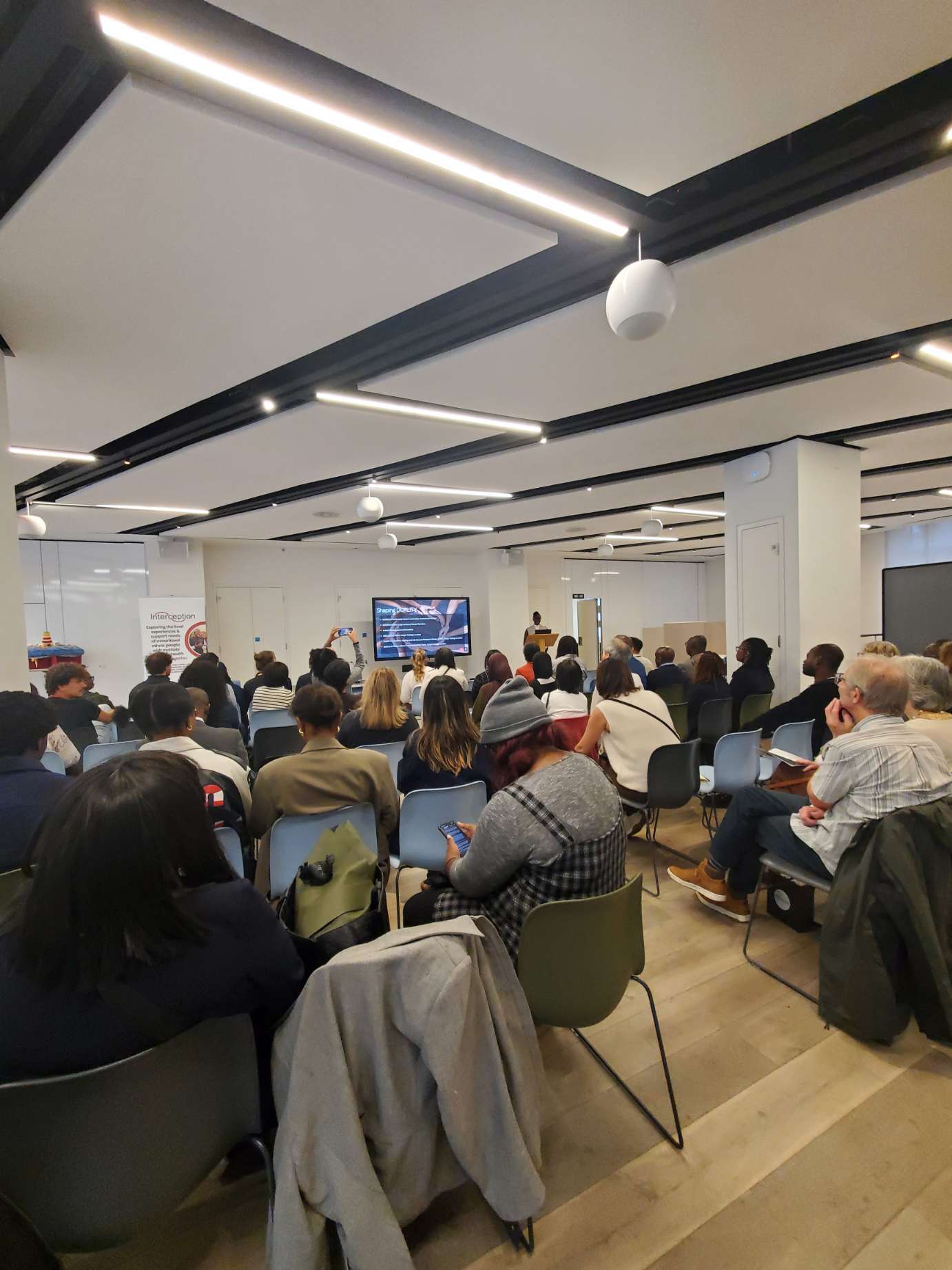
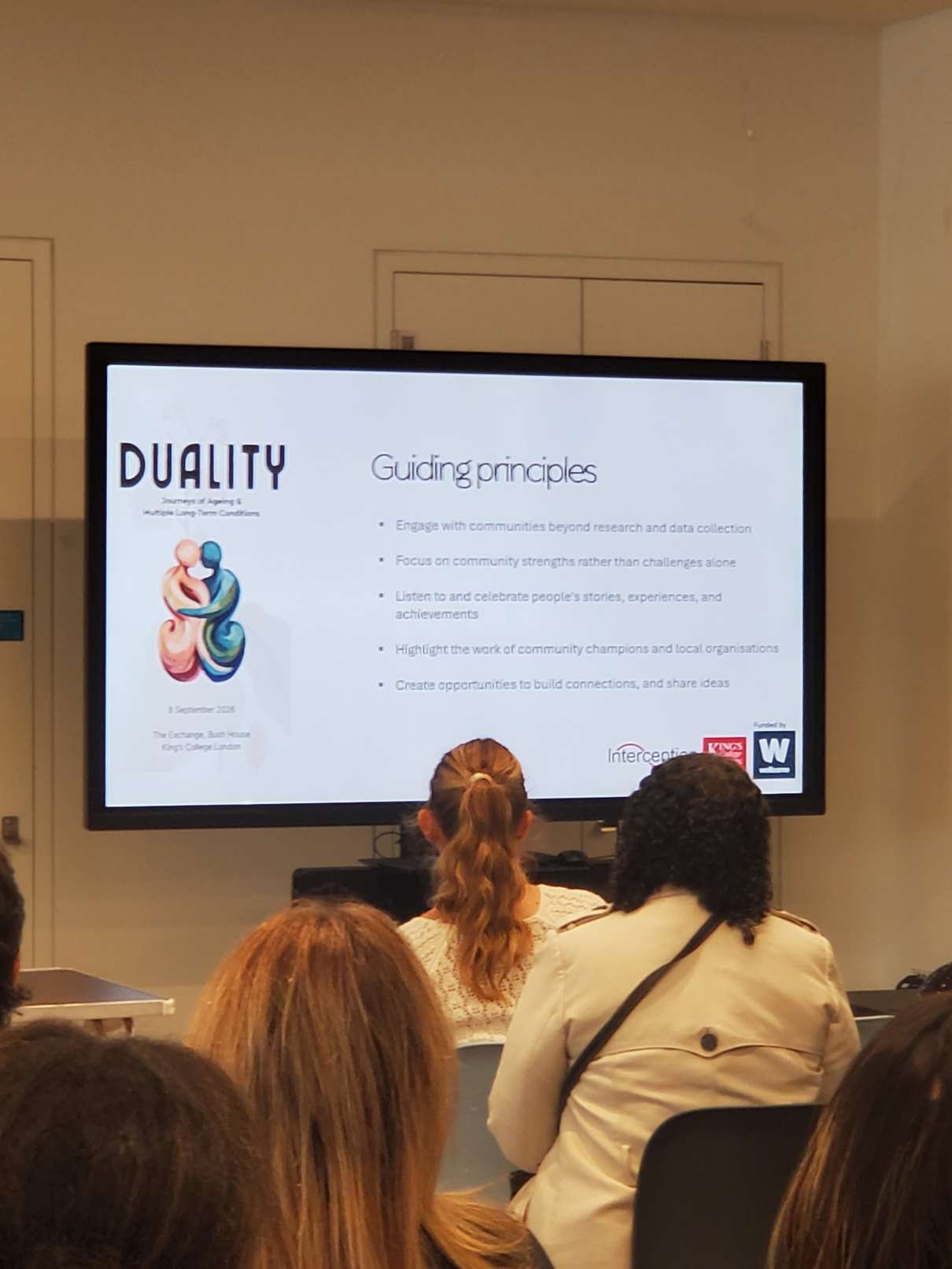
On 8 September 2026, I had the honour of attending the DUALITY event at King’s College London, held at Bush House.
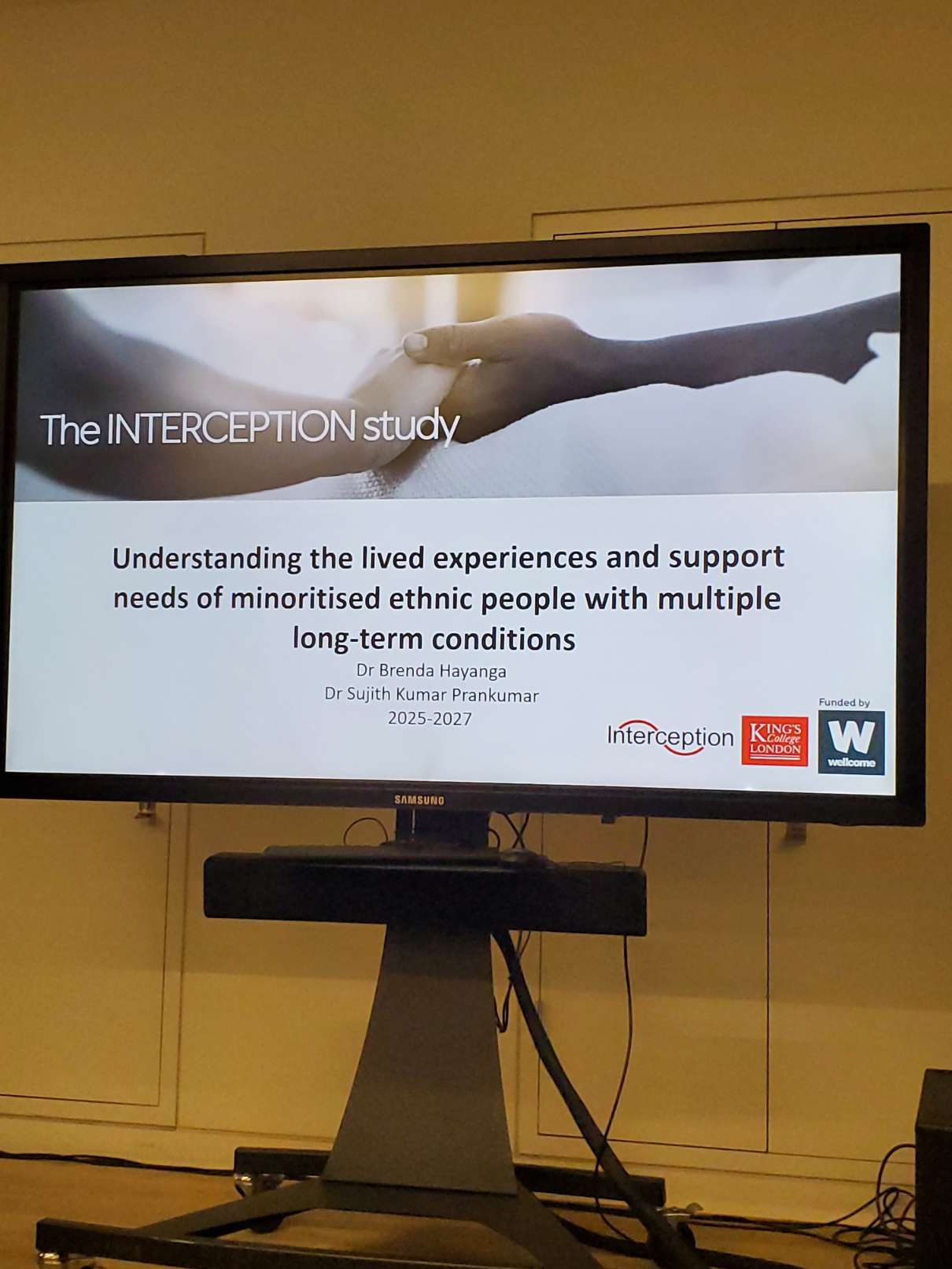
The event was a research and public/community engagement event connected to the INTERCEPTION study, based in King’s Department of Global Health & Social Medicine, within the School of Global Affairs / Faculty of Social Science & Public Policy.
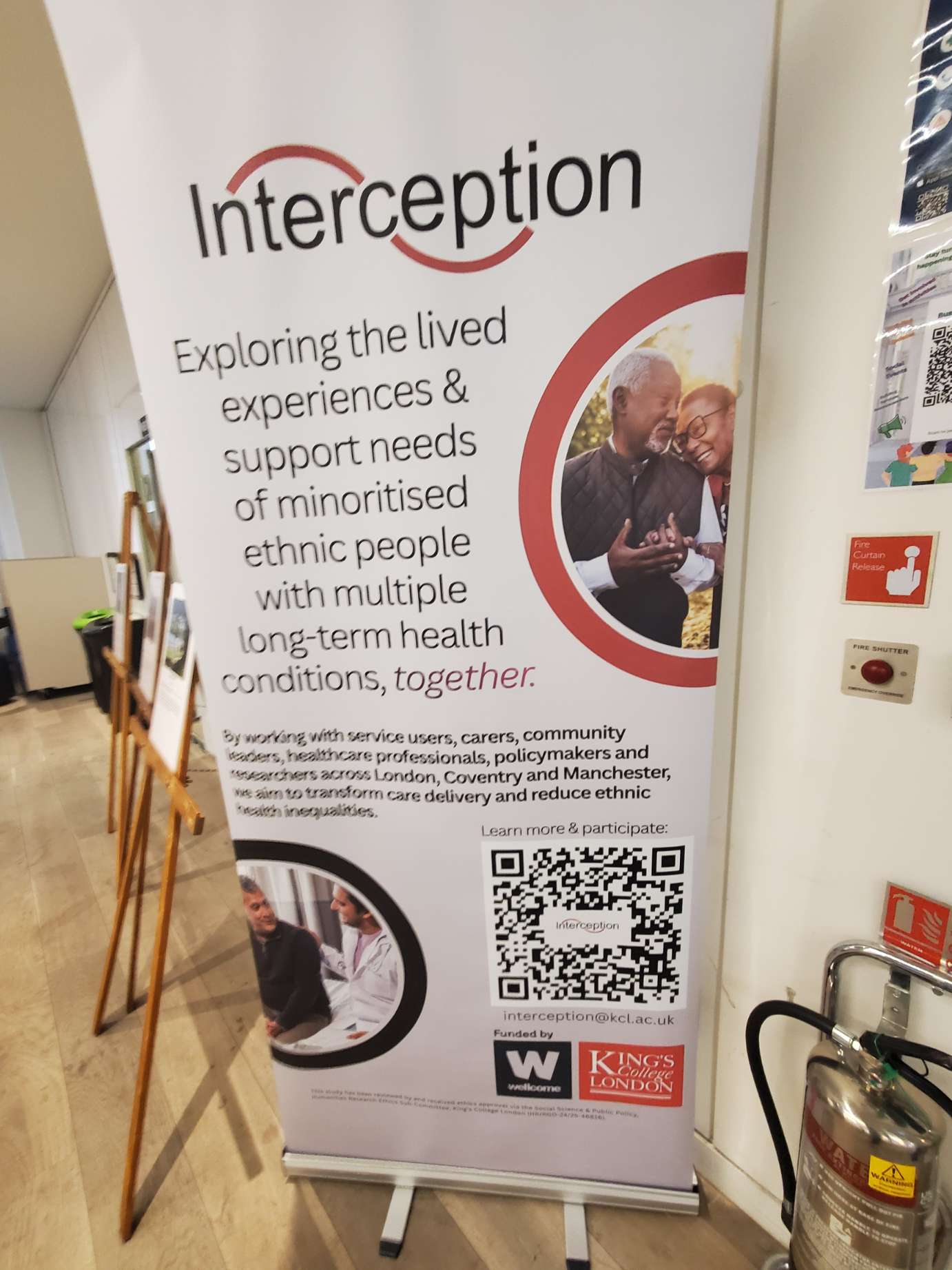
There was a packed agenda, which I have shown below.
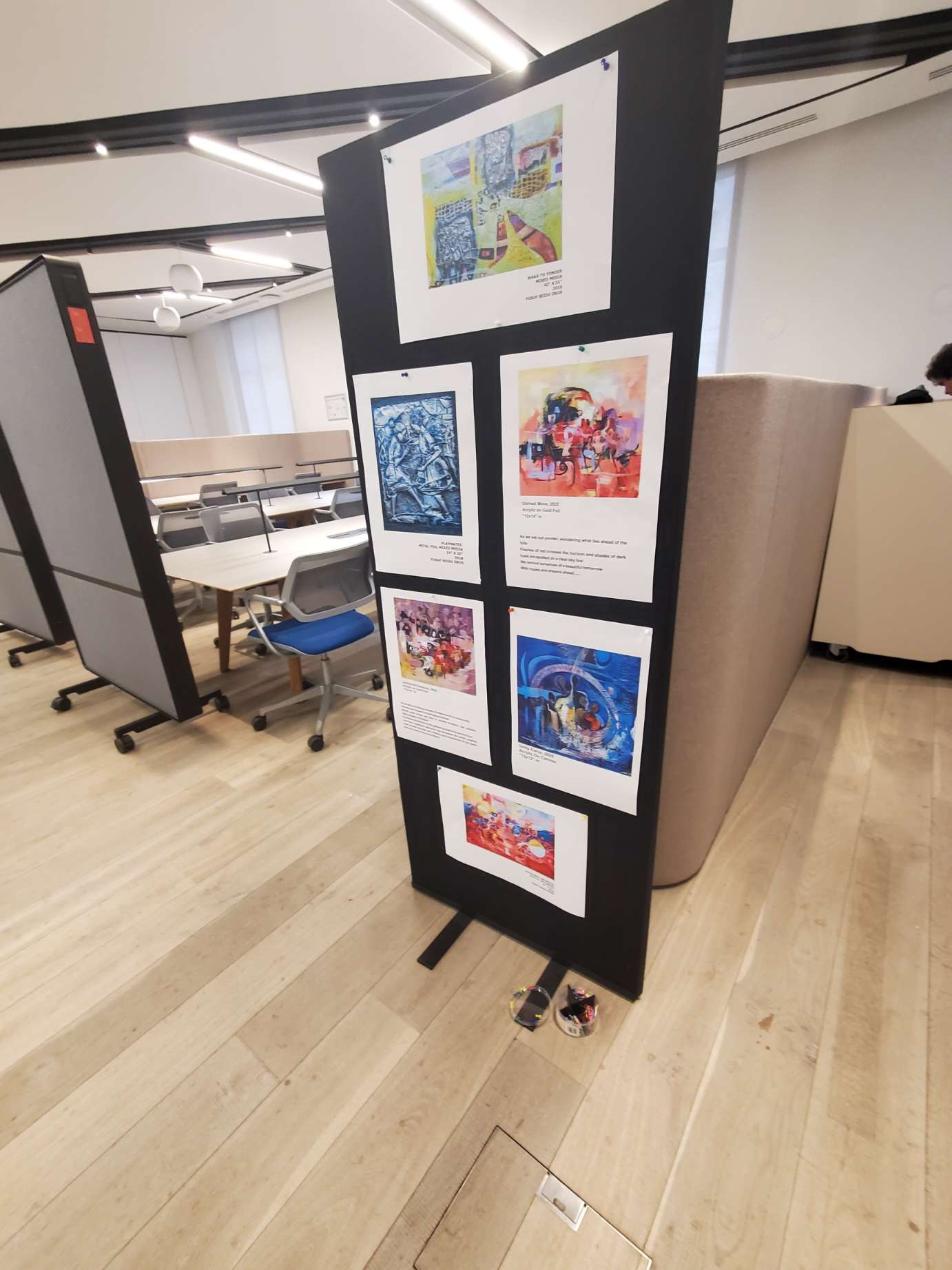
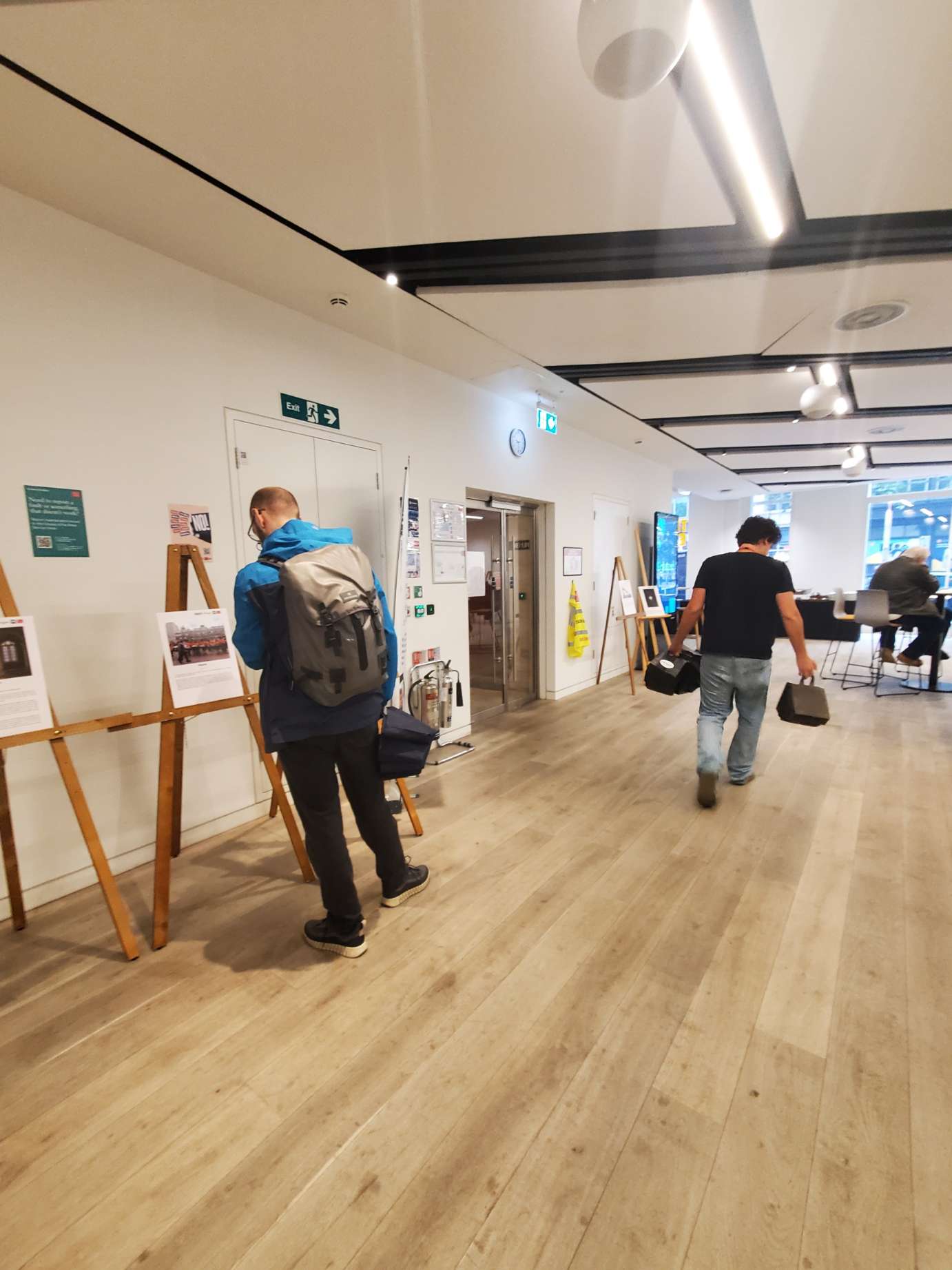
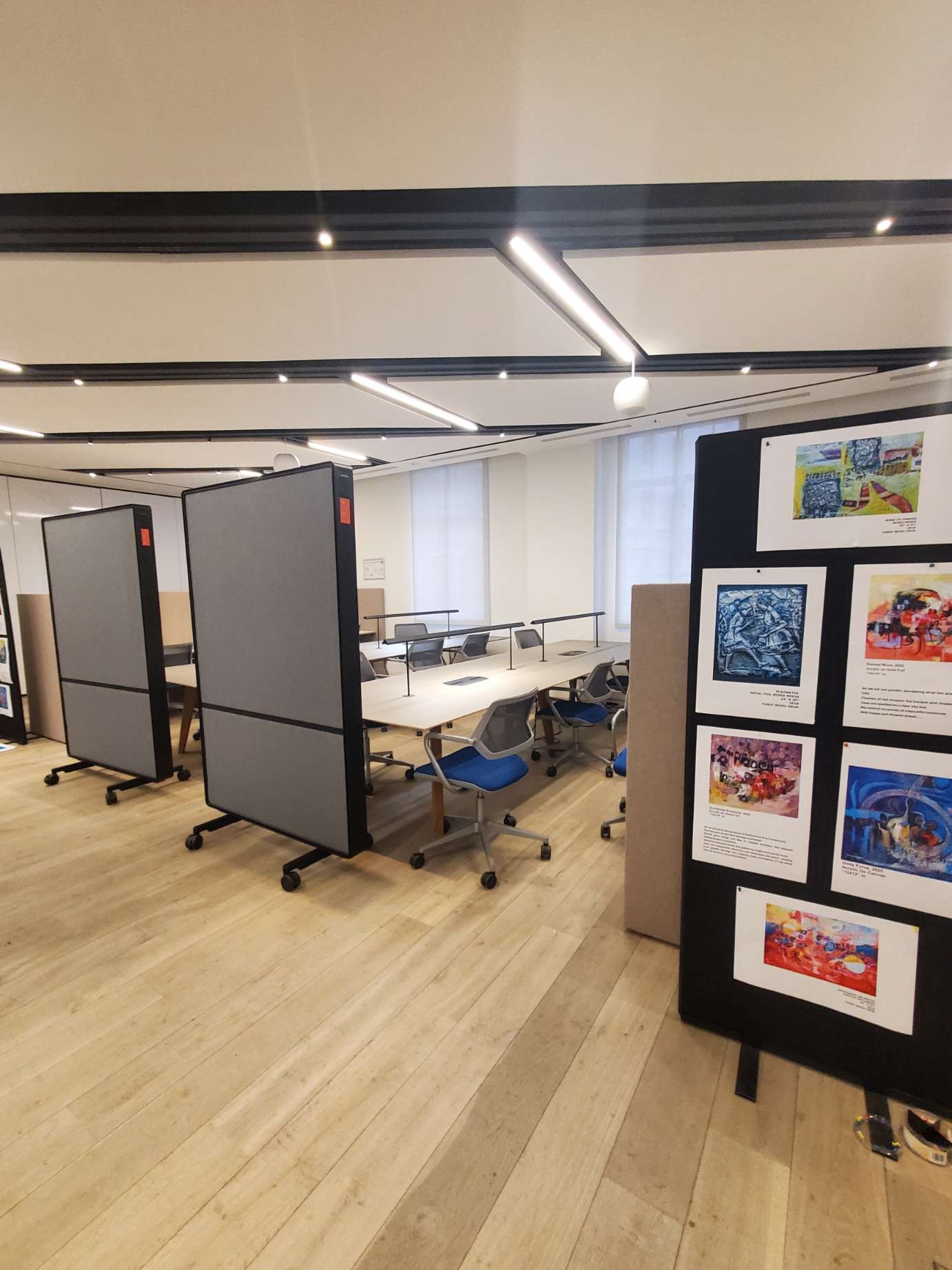
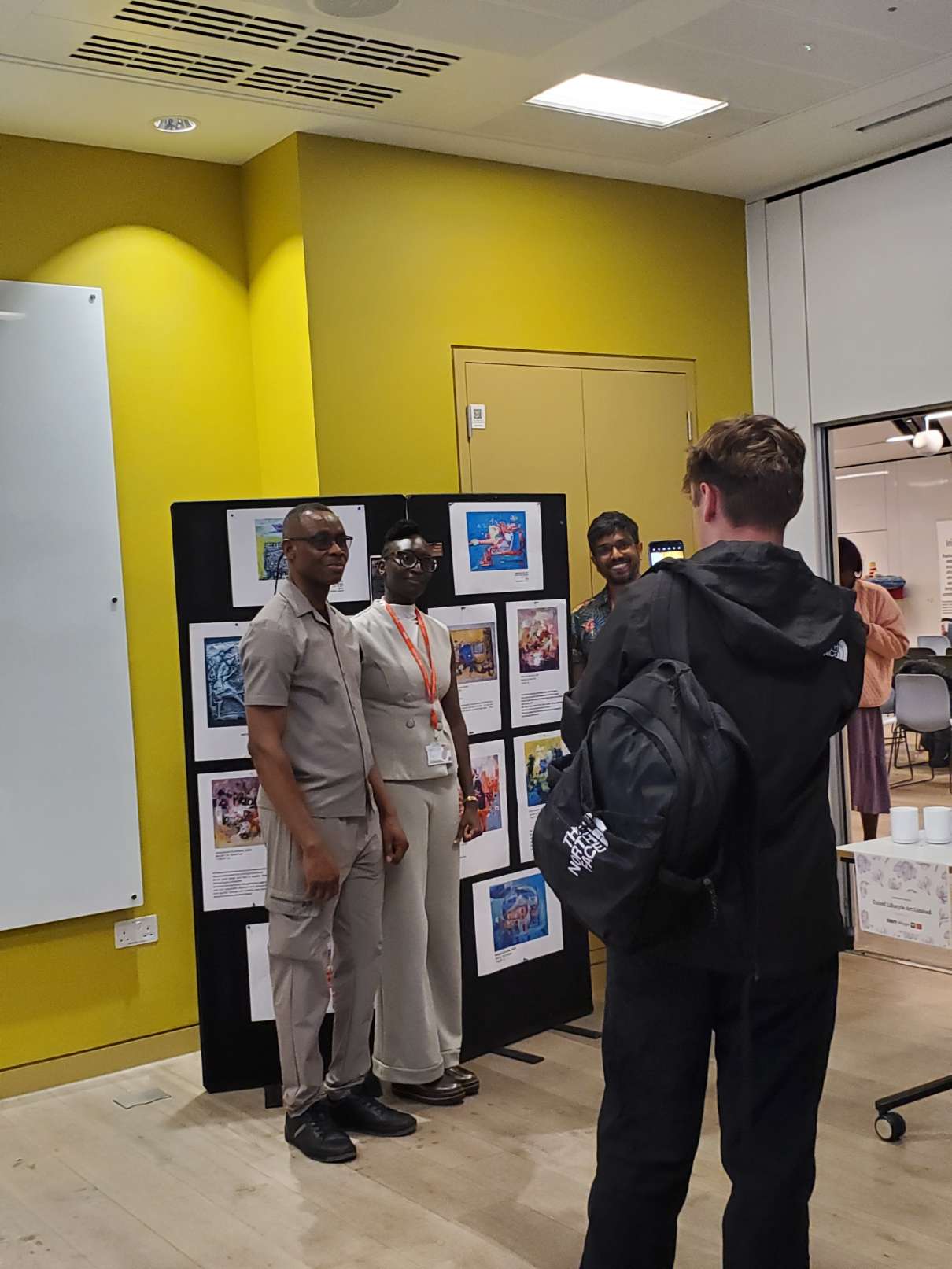
- Registration, refreshments and photo exhibition — Attendees arrived, had refreshments and had an opportunity to look around the community photography exhibition.
- Welcome and introduction to DUALITY — The organisers introduced the event and its focus on ageing, ethnicity, health and experiences of living with multiple long-term conditions.
- Research Panel: Ethnicity, Ageing and Health — Researchers discussed work exploring inequalities and experiences at the intersection of ethnicity, ageing, health and multiple long-term conditions.
- King’s Sport & Wellness energiser — Attendees were invited to take part in accessible seated stretches and movement exercises.
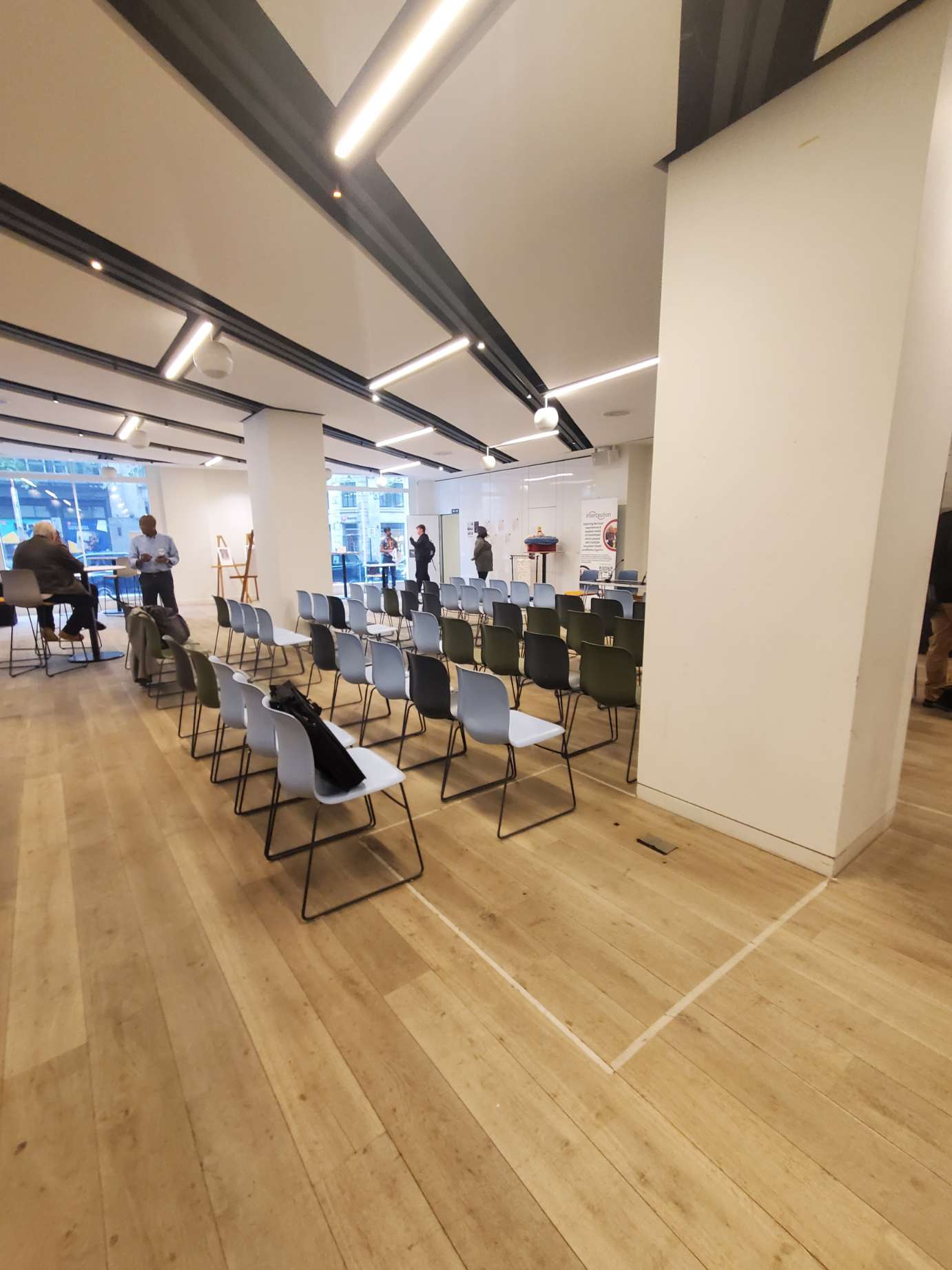
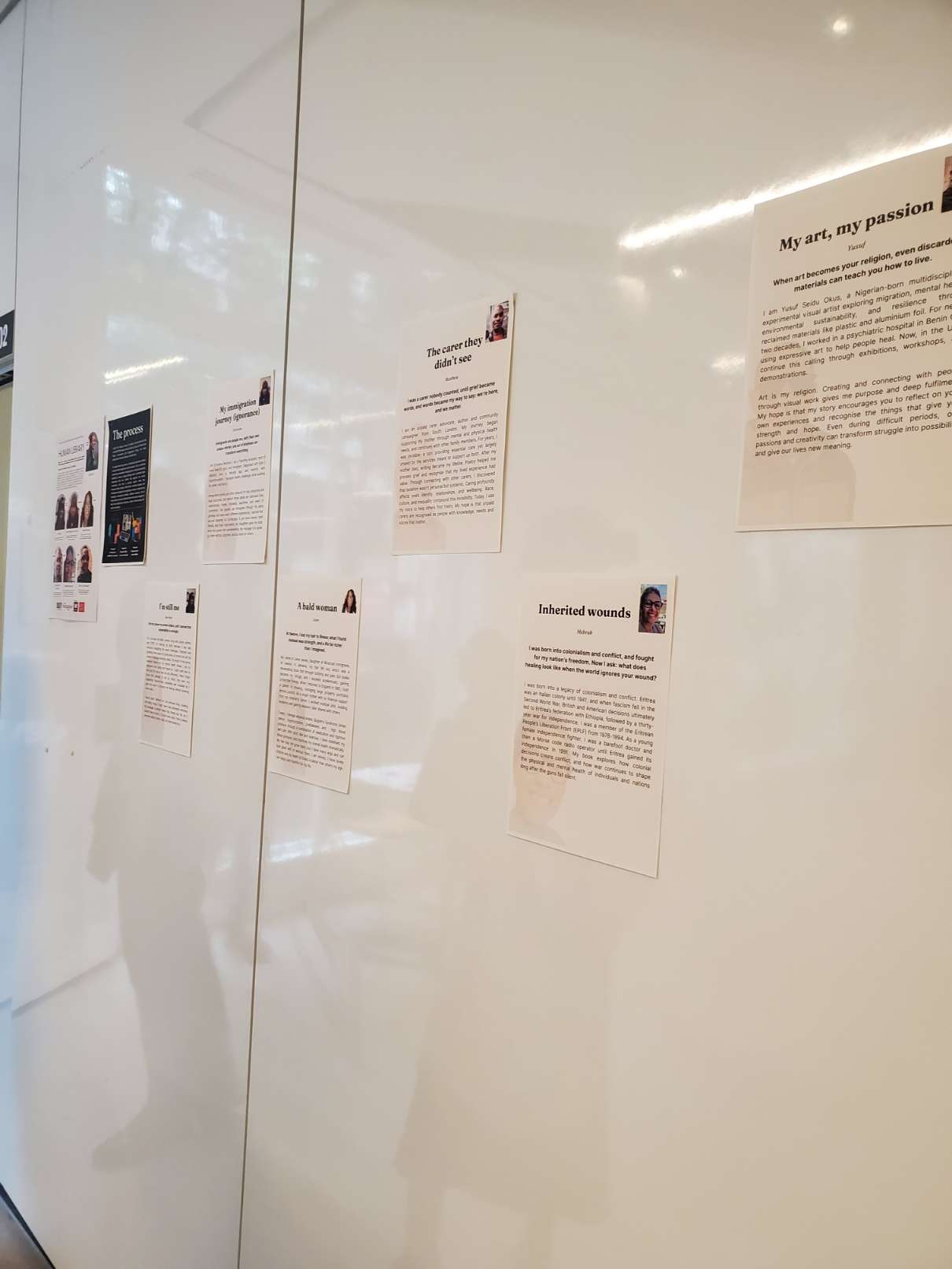
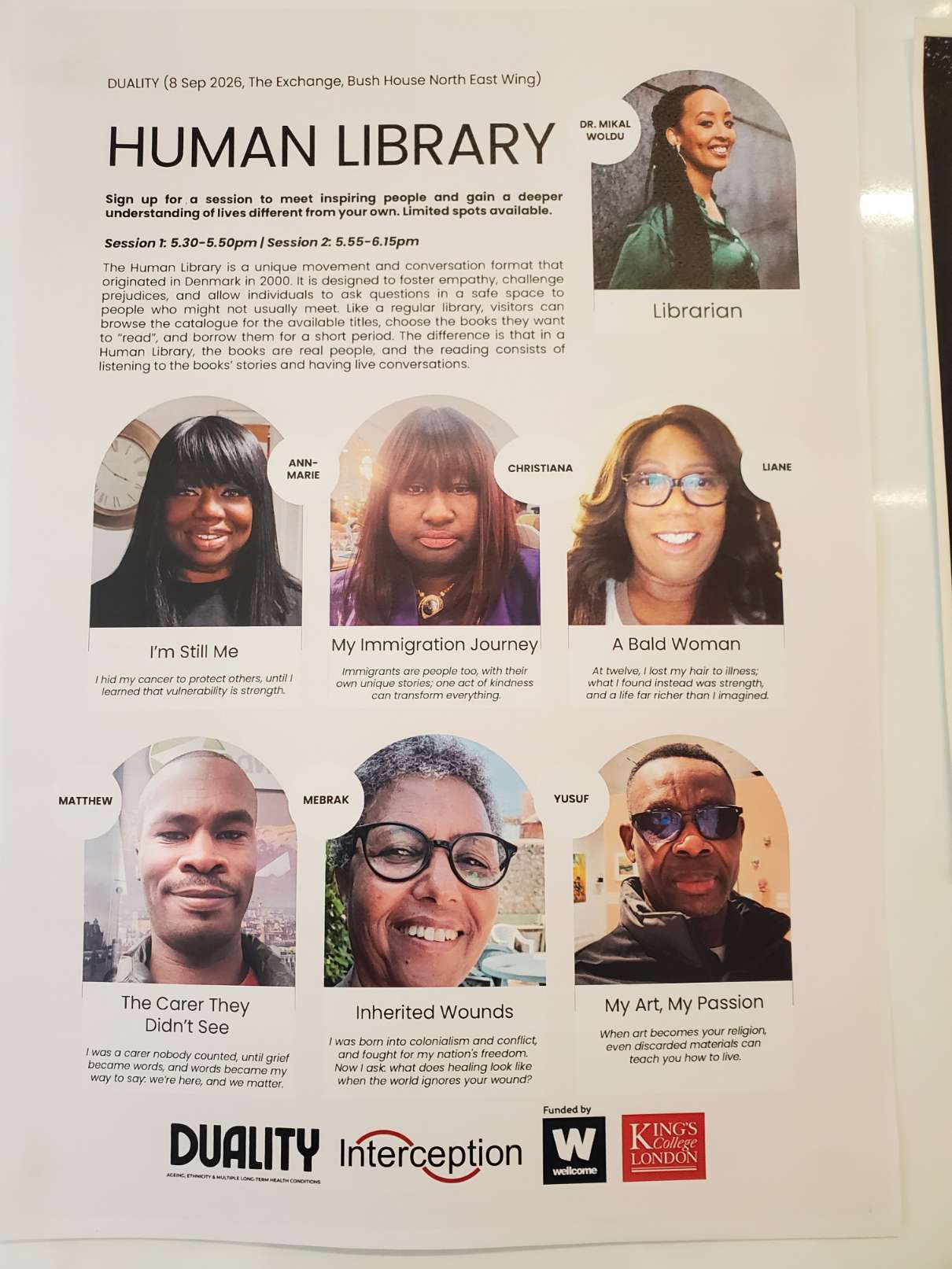
- Human Library — Attendees could “borrow” Living Books for short conversations, hearing personal stories intended to build understanding, foster empathy and challenge assumptions. My Living Book was “The Carer They Didn’t See.”
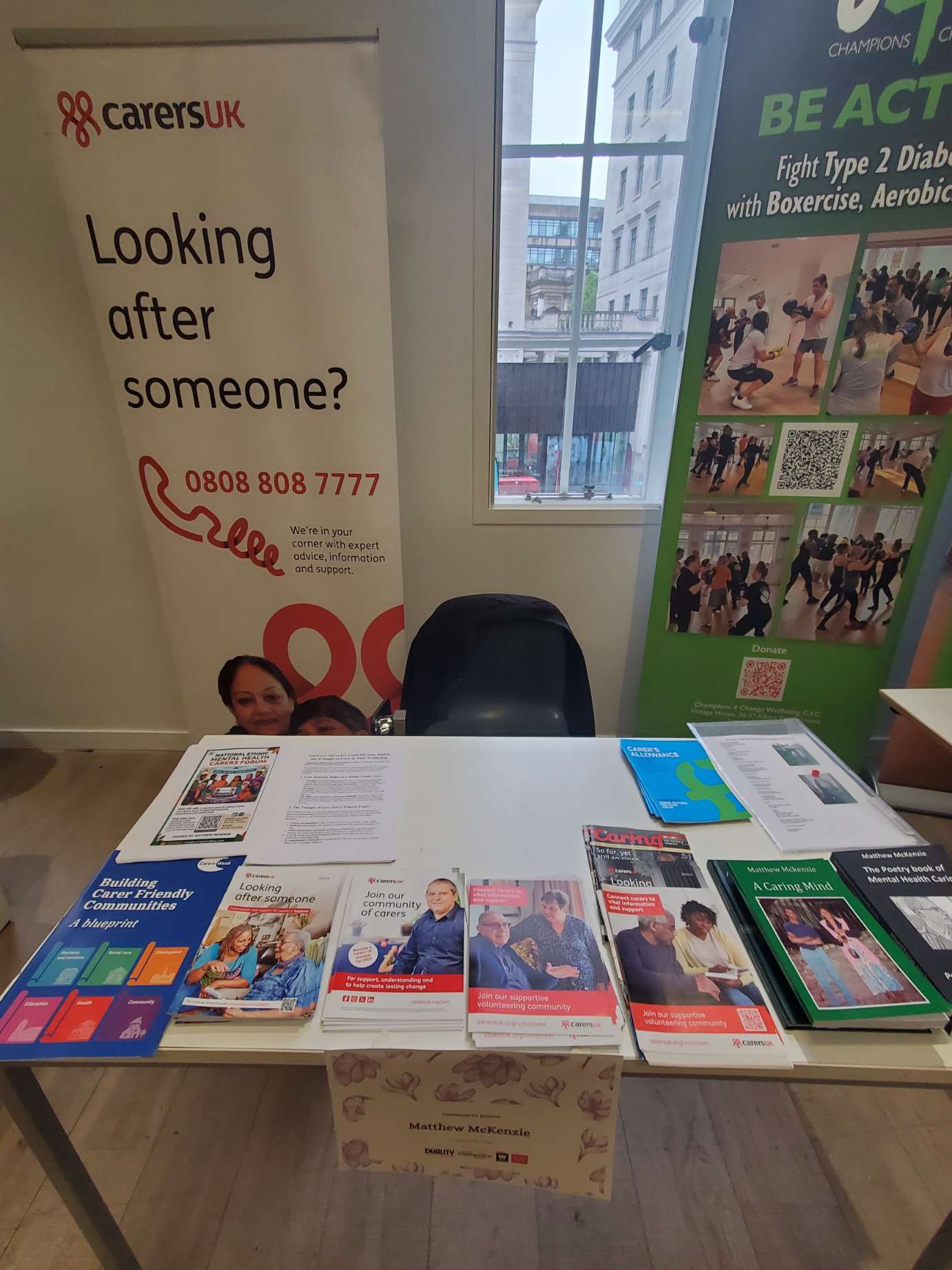
- Community information booths — Organisations and community representatives provided information and resources. This was also where I supported the Carers UK stall.
- DUALITY Photography Exhibition — Photographs used visual storytelling to explore support, health, ageing and lived experience. My photograph “The Carer They Didn’t See” was included in the exhibition.
- Photography Competition Awards — Winners of the DUALITY Photography Competition were announced, with “The Carer They Didn’t See” selected as one of the winning entries.
- Creative performance — The programme included a creative lived-experience performance exploring identity, Caribbean heritage, racism, family, memory and culture.
- Keeping Fit with Multiple Long-Term Conditions — This discussion brought professional and lived-experience perspectives together to explore chronic conditions, exercise, confidence and wellbeing.
- Dinner and networking — The evening concluded with food and an opportunity for attendees, researchers, community groups and people with lived experience to connect.
This was quite a different event for me. I have attended many conferences, workshops and involvement events over the years as an unpaid carer, carer advocate and speaker. This time, however, I wasn’t simply attending or presenting.
I became a book.
More specifically, I became a Living Book as part of the event’s Human Library.
My title was:
The Carer They Didn’t See
And by the end of the evening, that title would take on another meaning I hadn’t expected.
What was the DUALITY event?
DUALITY brought together research, lived experience, creativity, photography, health and conversations about ageing and multiple long-term conditions.
What I particularly appreciated was the emphasis on people’s experiences rather than simply presenting research about people.
Throughout the event there were presentations, discussions, creative displays and opportunities for people to connect with one another.
I also ran the Carers UK Stall along with other things I use to raise unpaid carer awareness
Photography was also an important part of the project. Participants from different parts of the world had taken part in workshops exploring photography as a way of capturing support, people’s inner and outer worlds, ageing and multiple long-term conditions.
But one of the most interesting parts for me was the Human Library.
When people become books
The Human Library turns the idea of a conventional library on its head.
Instead of borrowing a book from a shelf, you borrow a person.
The organisers explained that the Human Library is intended to foster empathy, challenge prejudice and provide a safe space in which people can ask questions of someone they might not ordinarily meet. Visitors browse the available titles and then spend a short period listening to that person’s story and having a conversation with them.
There were several Living Books available, each representing very different experiences.
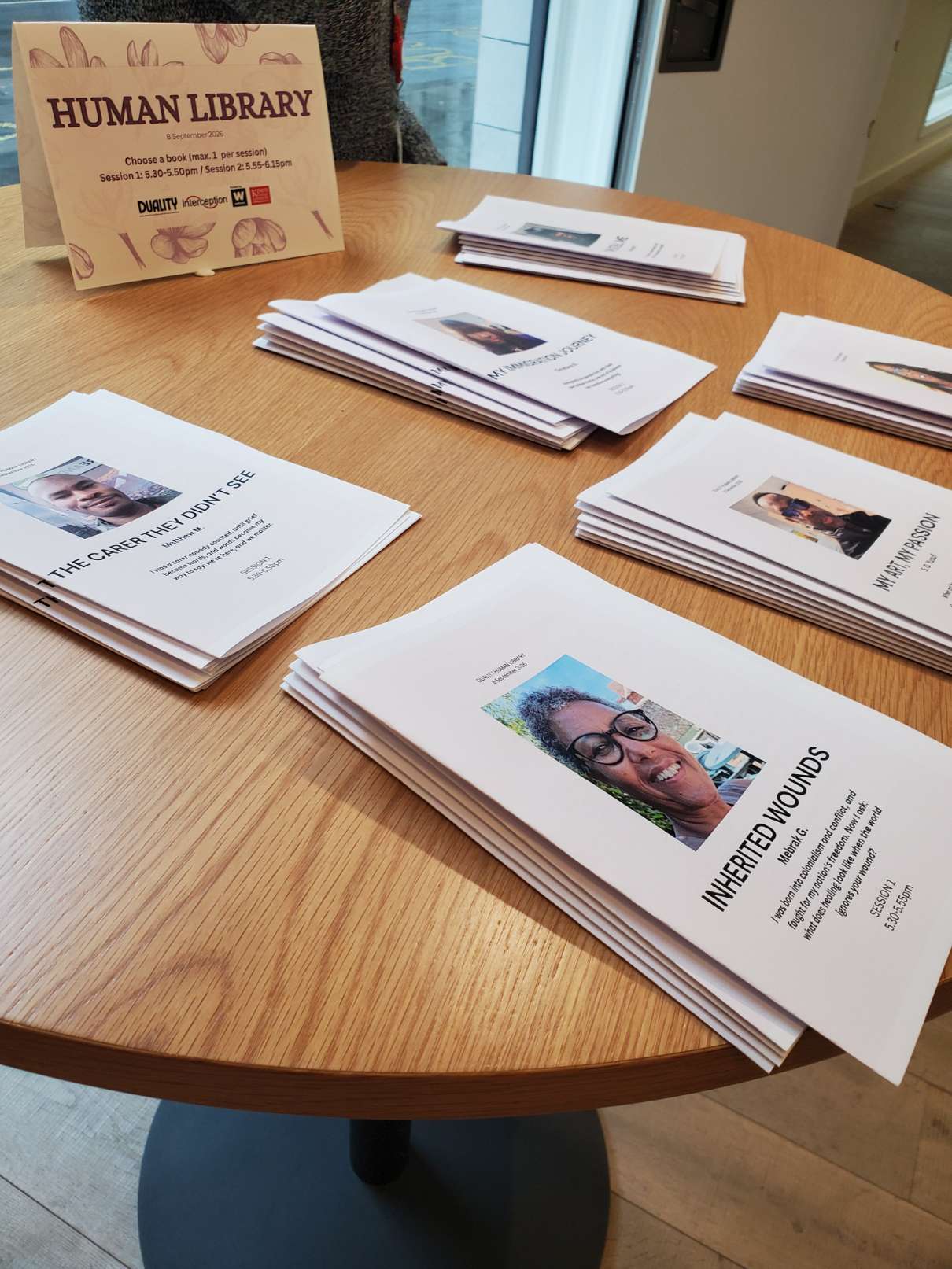
My book was called The Carer They Didn’t See.
My short description read:
“I was a carer nobody counted, until grief became words, and words became my way to say: we’re here, and we matter.”
That sentence says a great deal about why I continue campaigning around unpaid carers.
For years I supported my mother, who lived with serious mental illness. Like many unpaid carers, much of what I did happened quietly and behind closed doors.
There was no uniform.
There was no job title.
Often there wasn’t even recognition that I was a carer.
Yet the responsibility was very real.
Being “read”
Being a Living Book is quite different from giving a presentation.
When presenting at a conference, I usually have slides, a topic and a limited amount of time in which to make particular points.
The Human Library was much more personal.
Someone chooses your “book” because something about its title interests them. They sit with you, listen and can ask questions.
That creates a different kind of conversation.
It also made me think about how powerful lived experience can be when people are given the space not merely to tell their story, but to have somebody genuinely listen to it.
The organisers themselves acknowledged that hearing stories we would not normally encounter can sometimes be challenging and thanked the Living Books for making the time and space for those conversations.
For unpaid carers, I think that is particularly important.
We spend a great deal of time discussing services, policies, strategies and systems. Those things matter enormously.
But behind every carer statistic is a human story.
The photograph of an unseen carer
There was another part of the event that became especially significant for me.
I had also entered a photograph into the DUALITY community photography competition.
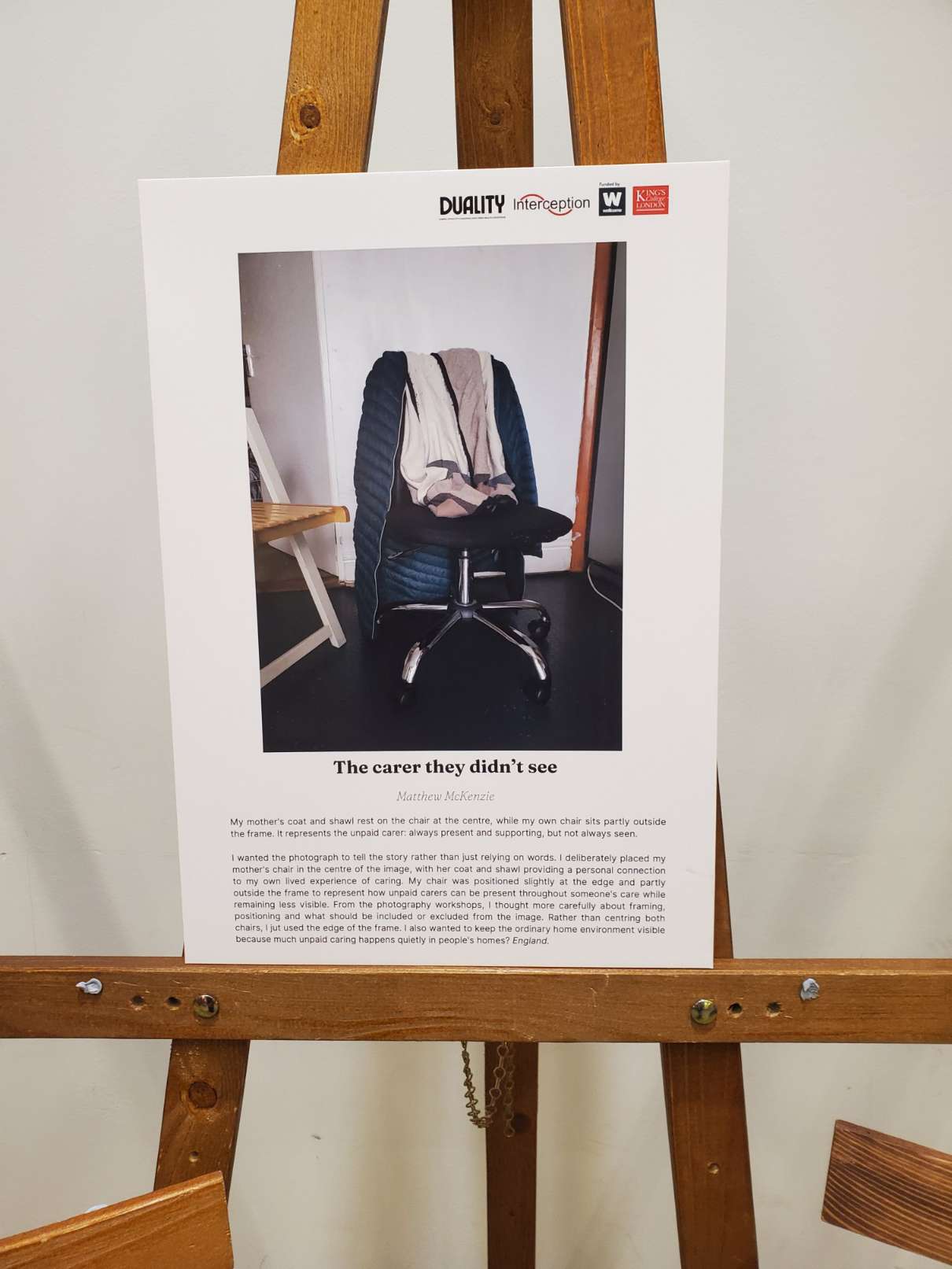
The photograph looks deceptively simple.
It shows my mother’s coat and shawl resting on a chair. My own chair sits partly outside the frame.
That positioning was deliberate.
My mother’s chair occupies the centre because she was the person receiving support. My own chair sits towards the edge because I wanted to represent something that many unpaid carers experience:
We are always there, but we are not always seen.
I also deliberately kept the ordinary home environment visible.
Caring doesn’t only happen in hospitals, clinics and professional environments.
A huge amount of caring happens quietly in people’s homes.
There may be no audience to see the difficult nights, the worry, advocacy, appointments, emotional support or constant vigilance.
But the carer is there.
When photography becomes lived experience
One thing I enjoyed about the photography project was learning that a powerful photograph doesn’t necessarily require expensive equipment or an elaborate setting.
The workshops explored techniques including framing, symbolic composition, symmetry, colour and other approaches to visual storytelling.
For me, however, the emotional meaning of the photograph mattered most.
The coat and shawl belonged to my mother.
The empty chair therefore represents much more than furniture.
It connects the photograph directly to my own experience of caring, bereavement and the work I now do to raise awareness of unpaid carers.
During the judging discussion, I was delighted to hear The Carer They Didn’t See specifically mentioned as one of the photographs demonstrating different dimensions of support.
I wasn’t expecting what happened next.
Winning the DUALITY Photography Competition
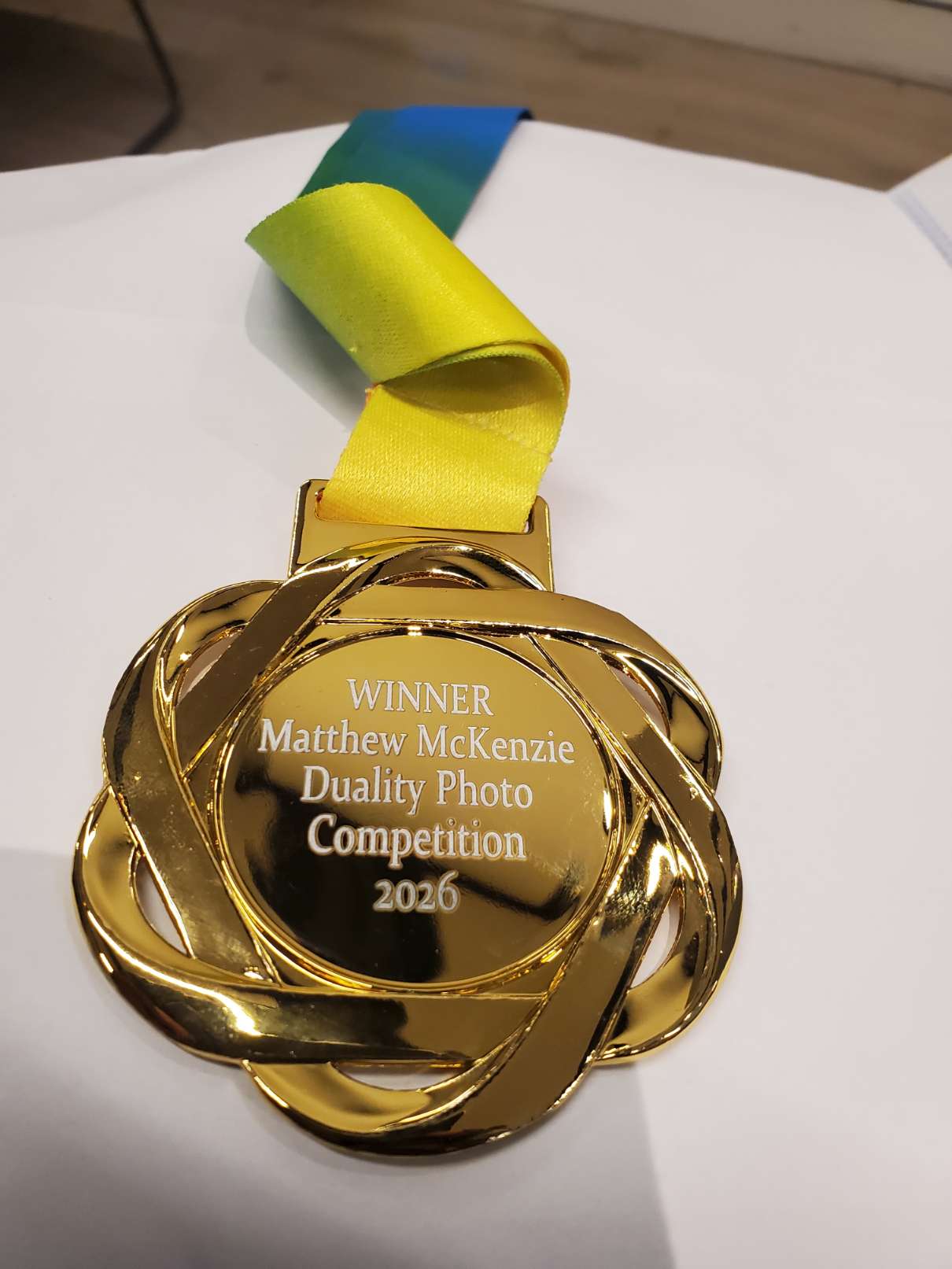
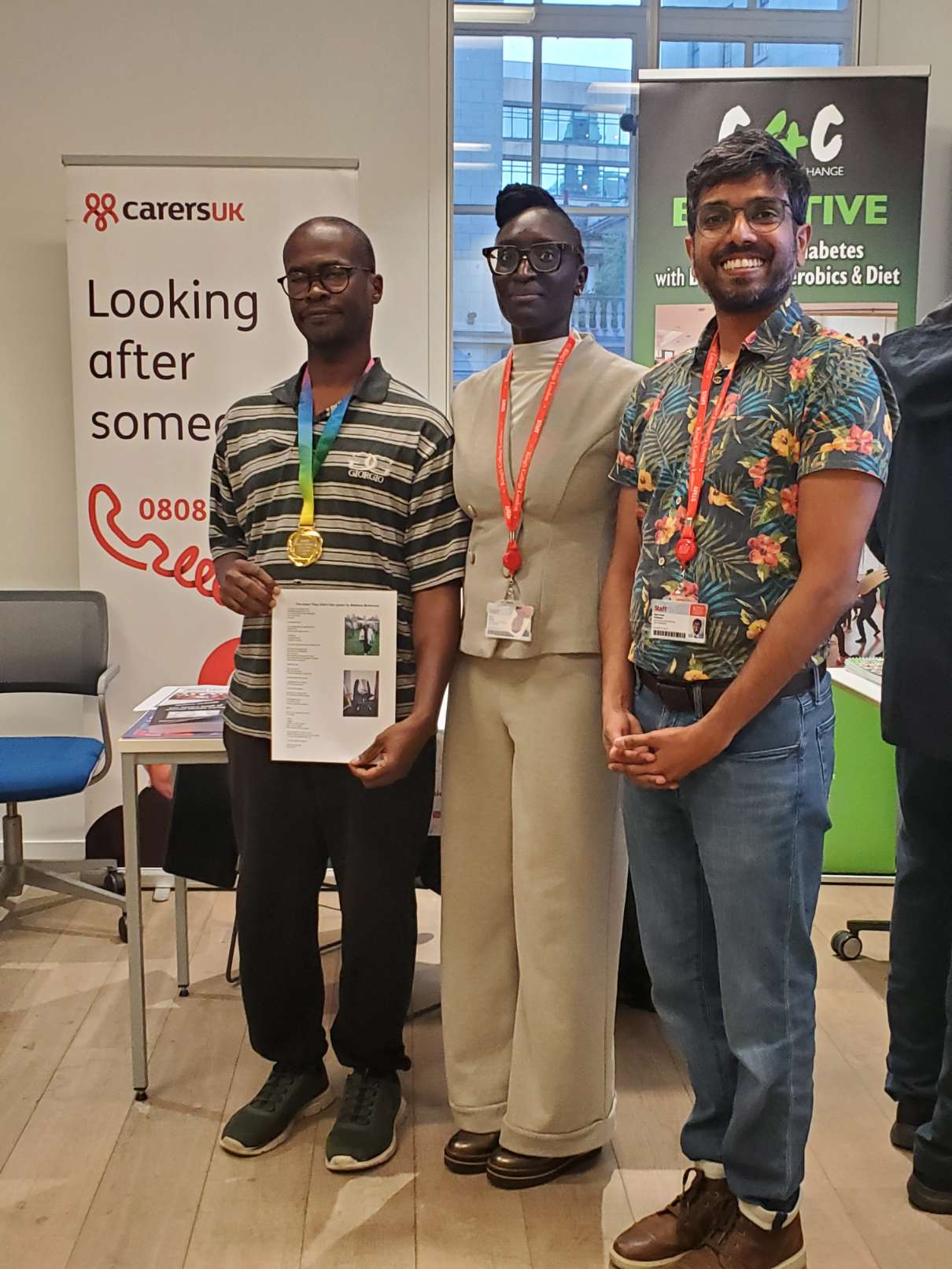
When the winners were announced, my name was called.
The Carer They Didn’t See had been selected as one of the winning entries.
I received a medal engraved:
WINNER
Matthew McKenzie
Duality Photo Competition
2026
I was very surprised.
I won a four-week personal training block with a coach at the King’s Sports and Wellness Centre in Waterloo.
For me, though, the most meaningful prize was the recognition of the story behind the photograph.
It meant that an image representing an unpaid carer’s experience had been noticed.
And perhaps there is some irony in that.
I created a photograph called The Carer They Didn’t See.
And people saw it.
Listening to other lived experiences
The evening was certainly not only about my own story.
One of the strengths of DUALITY was hearing from people with very different experiences.
There was discussion about musculoskeletal conditions, multiple long-term conditions, physical activity, persistent pain and the importance of taking a more holistic approach to people’s health.
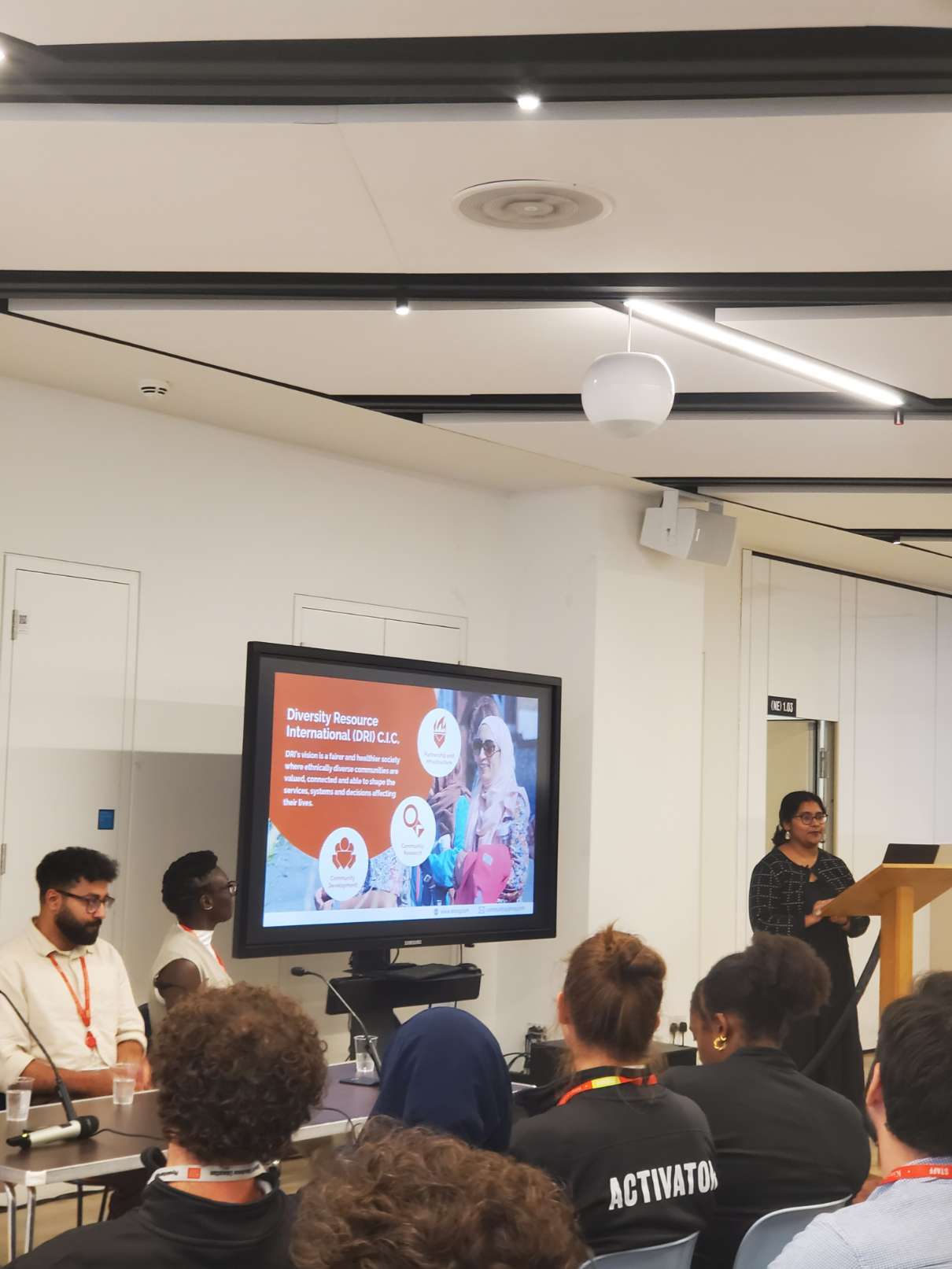
I was particularly struck by the lived-experience discussion about fibromyalgia.
One speaker described how developing chronic pain changed her life and even affected her sense of identity. She spoke about a long and frustrating journey through healthcare before receiving a diagnosis, and about sometimes feeling that her symptoms were being questioned or invalidated.
She also described how movement and supported exercise helped her reconnect with her body, understand her limits and rebuild confidence.
One comment particularly fitted the wider theme of the evening: we often cannot see what another person is experiencing.
Invisible conditions and invisible caring have something important in common.
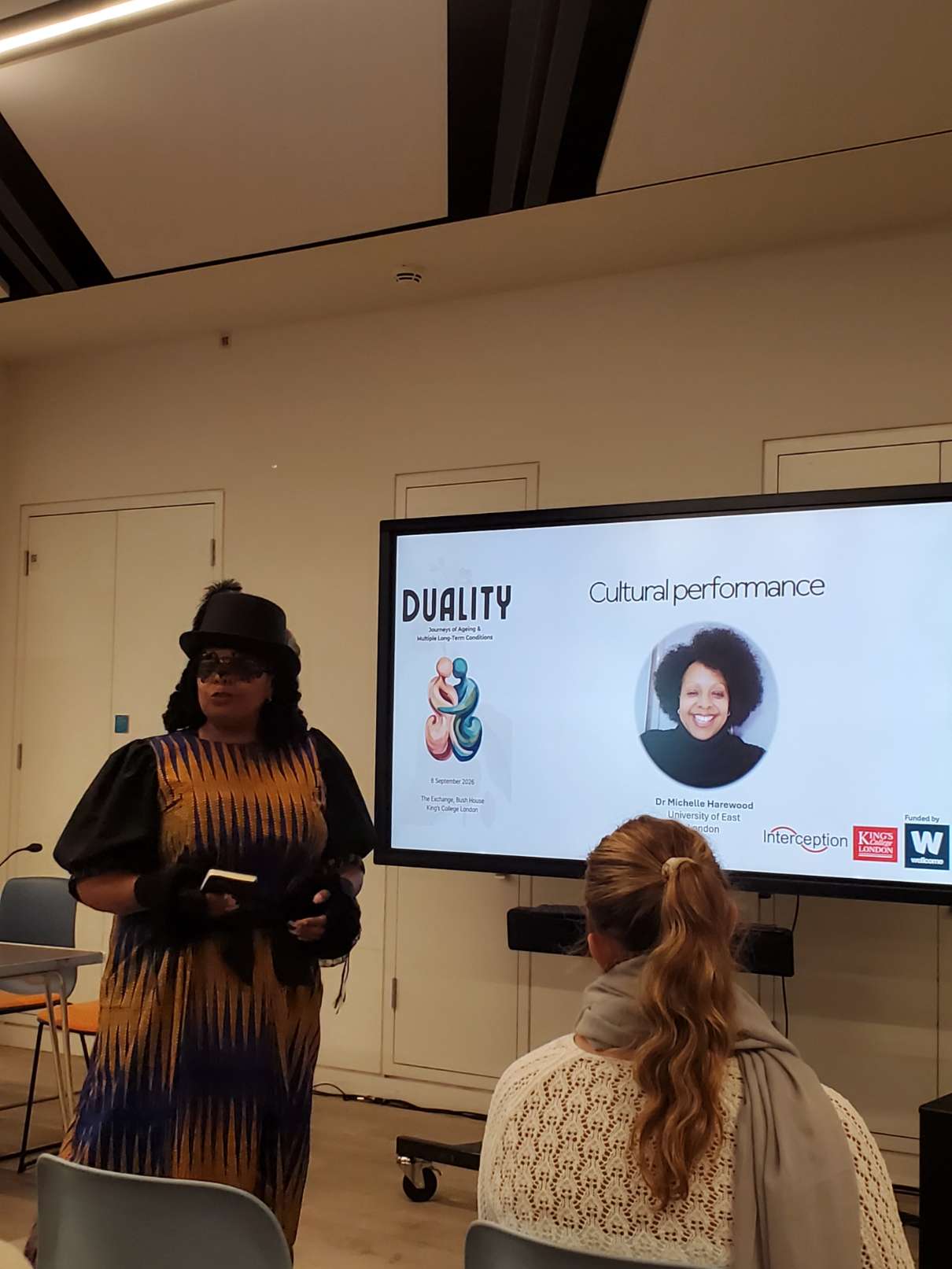
Culture, identity and memory
Another powerful part of the evening explored culture, memory and identity.
We heard personal reflections on growing up in London’s East End, experiences of racism, Caribbean heritage, family, music and the ways culture can become a source of strength and protection.
That fitted beautifully with the idea of DUALITY.
From grief into creativity
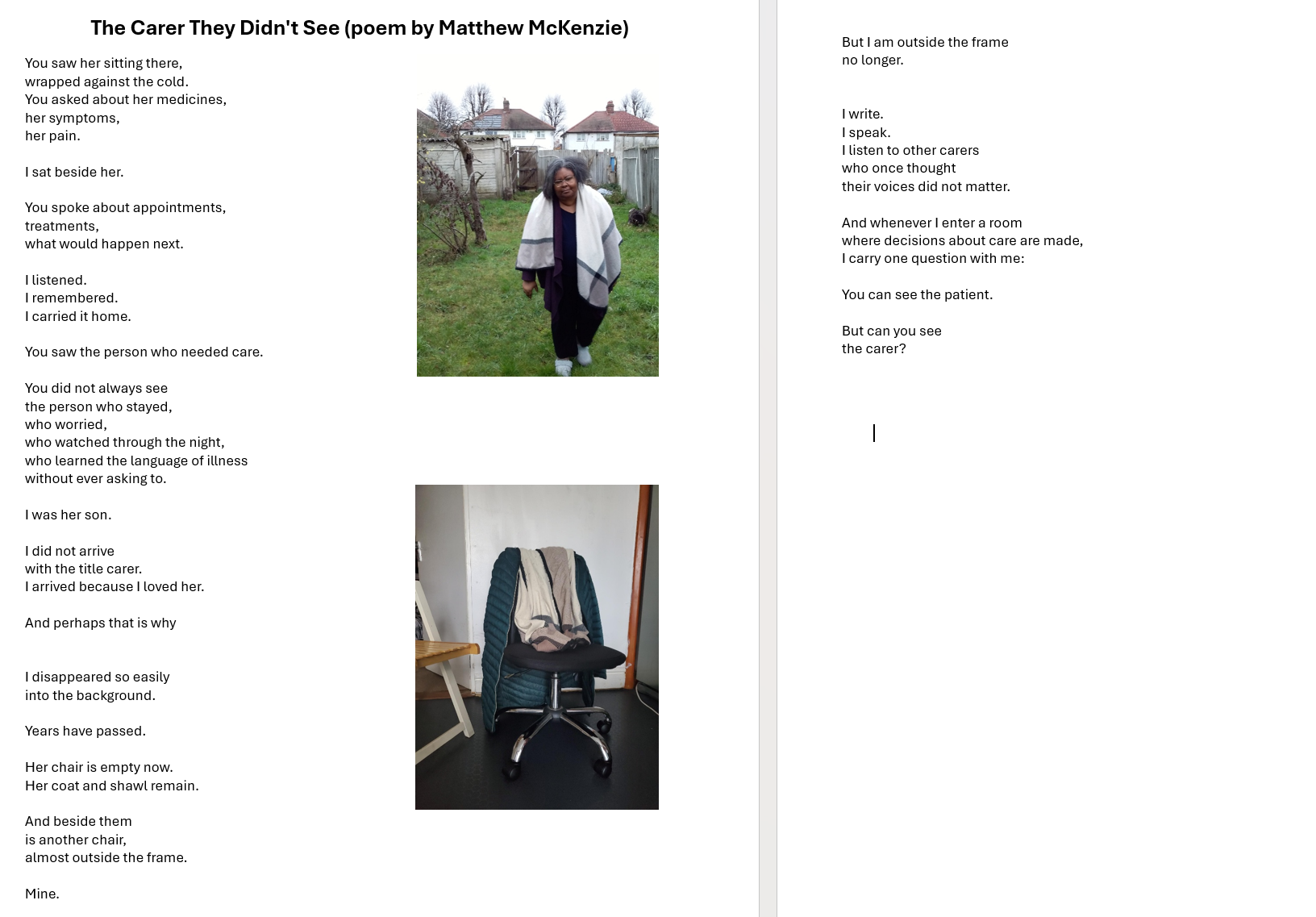
Since losing my mother, I have increasingly used writing, poetry, blogging and other creative approaches to explore my experiences of unpaid caring.
Creativity allows me to communicate things that sometimes don’t fit neatly into a presentation or policy document.
A photograph can do the same thing.
A chair.
A coat.
A shawl.
An empty space.
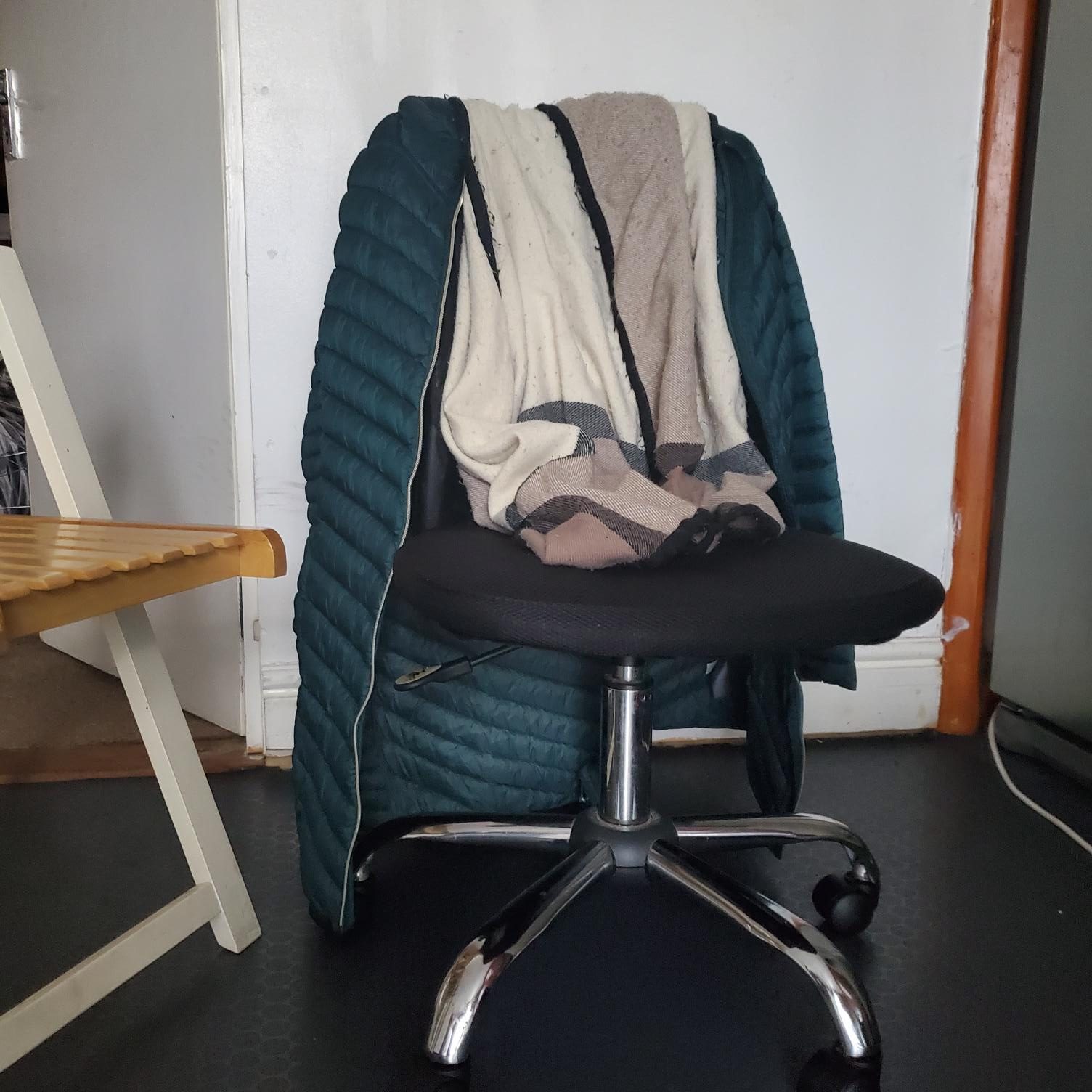
For somebody else, these may simply be everyday objects.
For me they contain memories of caring.
And when placed together within a frame, they say something about the millions of unpaid carers whose contribution can remain just outside society’s field of vision.
Recognition as a Living Book
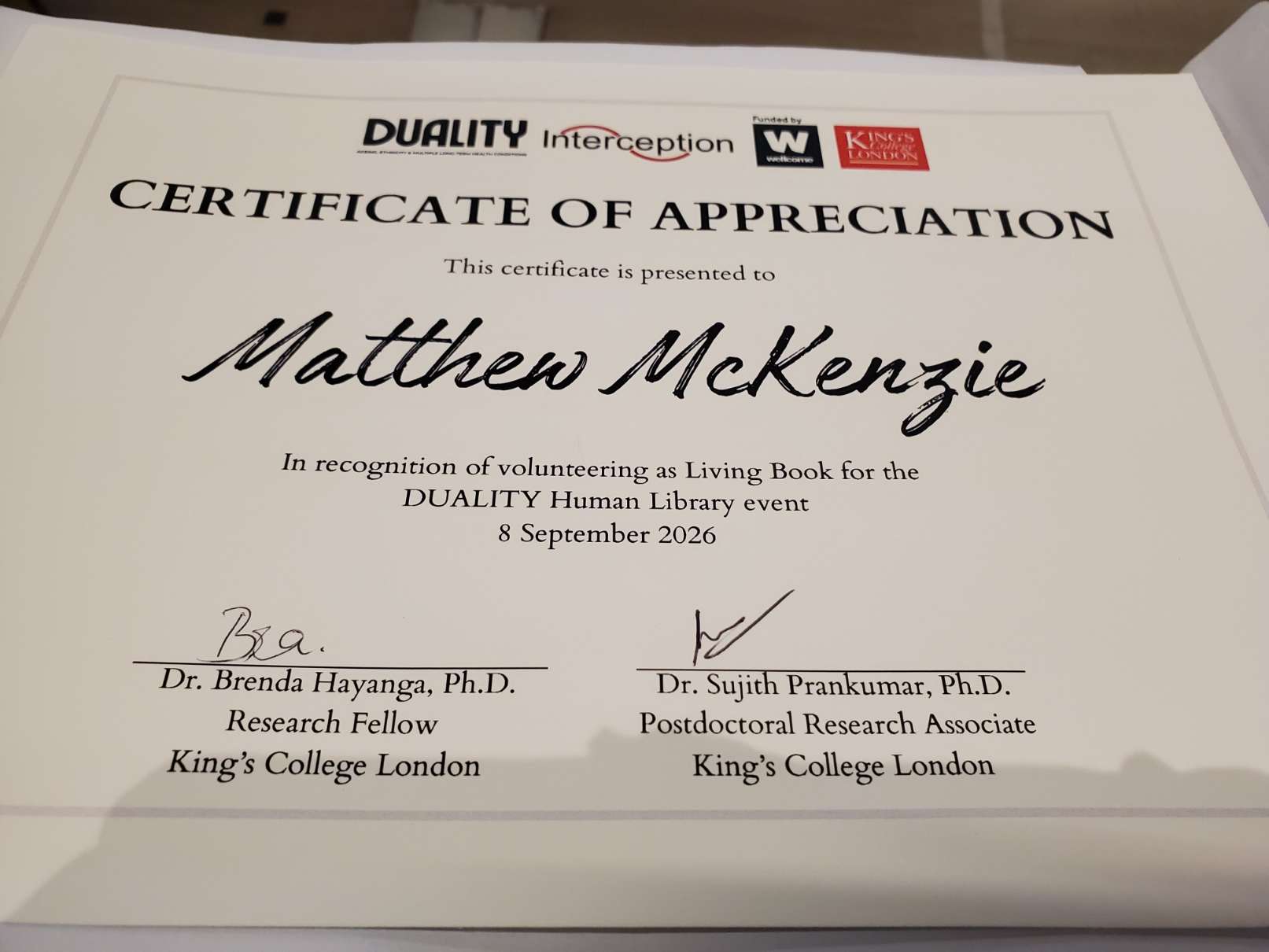
I was also very grateful to receive a Certificate of Appreciation recognising my contribution as a Living Book at the DUALITY Human Library.
That certificate and the photography medal represent two quite different parts of the same day.
One recognises telling a story.
The other recognises showing a story.
Both were ultimately about lived experience.
The carer they finally saw
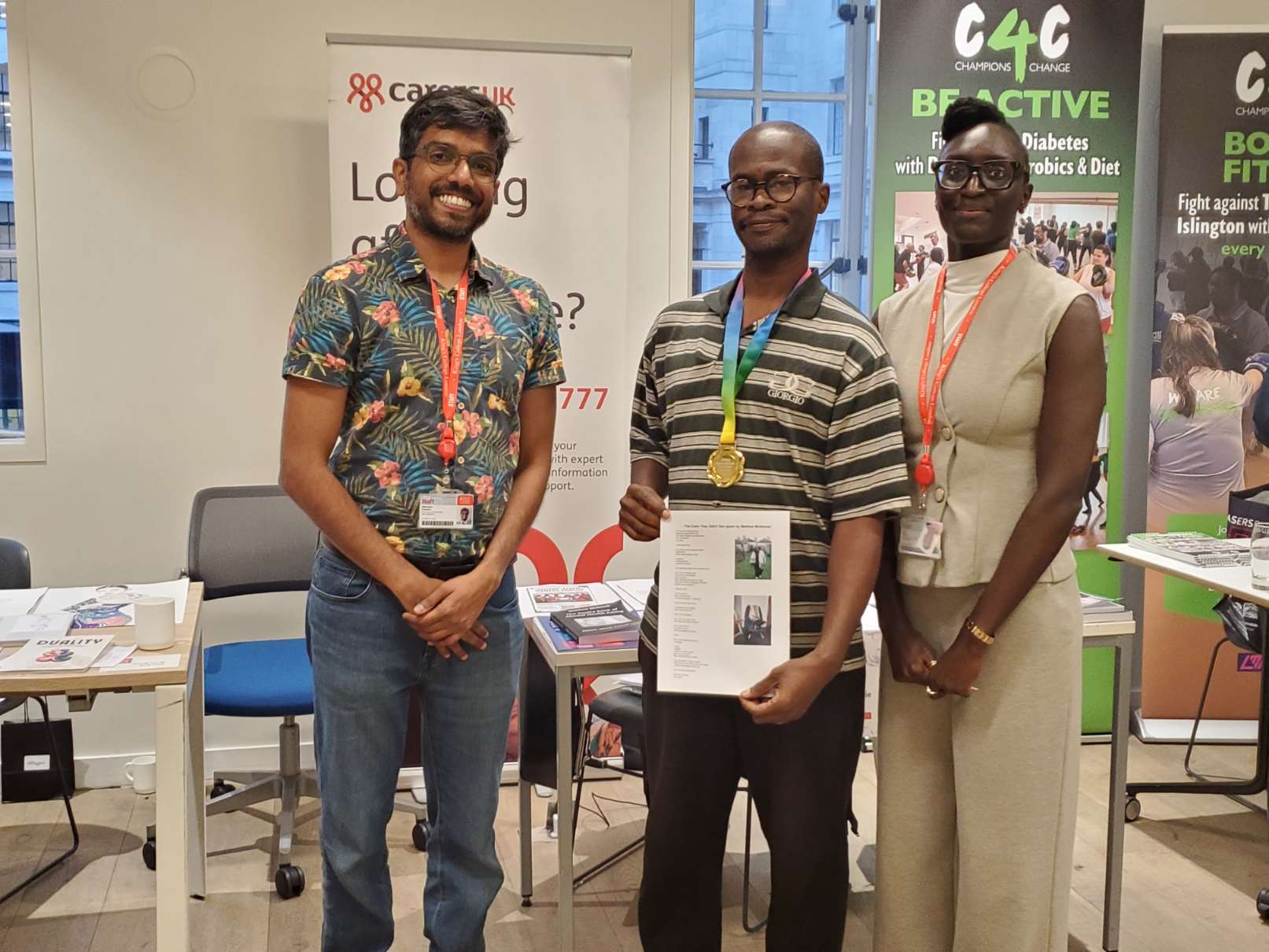
I left King’s College London thinking again about the title I had chosen:
The Carer They Didn’t See.
For many years, that description could have applied to me.
It could still apply to countless unpaid carers today.
They may be sitting beside someone in hospital.
They may be managing a crisis at home.
They may be trying to navigate mental health services.
They may be a son, daughter, parent, sibling, partner, friend or neighbour.
And sometimes they don’t even recognise themselves as carers.
Events such as DUALITY provide another way of making those experiences visible.
But people’s stories matter too.
I went to King’s College London expecting to share mine as a Human Book.
I didn’t expect to leave wearing a gold medal for a photograph inspired by that same caring journey.
Perhaps that is why the day meant so much to me.
For once, “The Carer They Didn’t See” was seen.

