Category Archives: Hospitals and Carers

Involving Carers in patient care at hospitals

Hospital Carer Discharge Meeting – November Update 2025

Chaired by: Matthew McKenzie – Lived Experience Carer

Welcome to the November 2025 update of the Hosptial Carer discharge group. The Hospital Carer Discharge Group is a collaborative network chaired by lived-experience carer Matthew McKenzie, bringing together unpaid carers, carer-centre teams, hospital staff and local authority representatives to improve how carers are identified, supported and involved throughout a patient’s hospital journey.

The group provides a space to share updates from hospitals and carers’ organisations, highlight challenges in discharge processes, strengthen links between community and acute services, and promote consistent carer-focused practices such as using the Carers Hospital Discharge Toolkit, developing standard operating procedures, and raising staff awareness.

The November meeting focused updates from the South East London Carer Standard Operating Procedure pilot, improving carer identification, strengthening links between community and hospital services, and practical challenges in engaging hospital teams.

For those who don’t know, In the context of the Hospital Carer Discharge an SOP is a step-by-step, structured process that hospital staff follow to ensure unpaid carers are identified, informed, supported and included consistently during a patient’s hospital stay and discharge.

It usually outlines:

  • How to record, communicate and follow up on carer involvement
  • Who is responsible at each stage (nurses, discharge teams, carer services)
  • What actions must be taken (e.g., asking about caring roles, sharing information, making referrals)
  • When these actions should happen (admission, treatment phase, discharge planning)

Who Attended

The session was well attended by a mix of carers, hospital representatives, and carer-centre staff, including:

Carer representatives

  • Matthew McKenzie – Chair; lived experience mental health carer; Carers UK, Carers Trust & NHS England Citizens Advisory Group volunteer.
  • Caroline – Lewisham carer, Healthwatch Lewisham member & Patient Experience Committee representative.
  • Various peer supporters, carers involved in local networks and PPGs.

Carer support organisations

  • Carers Hub Lambeth
  • Tower Hamlets Carer Centre
  • Wandsworth Carer Centre
  • North Central London Carers Support Project

Apologies

  • Sutton Carers Centre
  • Richmond Carers Centre
  • Greenwich Carers Centre
  • Harrow Carers Centre
  • Bromley Well
  • IMAGO – Lewisham carers Centre
  • Bexley Carers Support
  • Involve Kent

Hospitals & NHS staff

  • Queen Elizabeth Hospital (Lewisham & Greenwich NHS Trust)
  • Public Service Consultants (PSC)
  • Bromley, Lambeth, Lewisham, Greenwich council leads (mentioned in discussion)
  • St George’s Hospital (GESH) – references to staff

Meeting Overview

  • The growing importance of carer involvement in hospitals, especially with mental health pressures and changes to the Mental Health Act.
  • The group’s purpose: sharing updates, strengthening links between carers and hospitals, and improving the implementation of the Carers Hospital Discharge Toolkit.

Key Presentation – Update on the South East London Carer SOP Pilot

Speaker: Public Service Consultants (PSC)

The major portion of the meeting focused on the pilot testing of a new 11-step Standard Operating Procedure for identifying and supporting unpaid carers across hospitals in South East London.

🔹 Hospitals involved in the SOP pilot

  1. King’s College Hospital – Acute Medicine ward
  2. University Hospital Lewisham – Hawthorne (older patients) and Alder (specialty medicine) wards
  3. Princess Royal University Hospital (Bromley) – Frailty Unit via Transfer of Care Hub

🔹 Key outcomes

  • King’s College Hospital saw the strongest progress.
    • Nurses proactively engaged unpaid carers.
    • All leaflets and materials were distributed within weeks.
    • Carer details (with consent) were passed to Lambeth Carers Hub.
    • Nursing staff requested feedback loops to see the impact of referrals.
  • Lewisham Hospital
    • Progress slower initially; improved after site visits.
    • Ward managers highly supportive and embedding SOP practices.
    • Lewisham Council exploring funding for an in-hospital carers support team.
  • Princess Royal (Bromley)
    • SOP and leaflets now shared with the frailty unit.
    • Council to continue taking work forward.

🔹 Overall reflections

  • Hospitals still experience heavy winter pressures and staff capacity issues.
  • Engagement differs widely between NHS trusts.
  • Many ward teams had never seen the London Carers Toolkit, indicating a need for simplification.
  • Councils intend to continue cross-borough meetings after PSC’s involvement ends.

Issues & Discussion Points

1. Gaps in consistency across hospital sites

  • Queen Elizabeth Hospital (QEH) had not been part of the pilot, they have requested to be included
  • Staff expressed interest in adopting SOP materials and joining future rollout.

2. Carer diversity and training needs

Caroline highlighted the need for:

  • Training reflecting different care needs: LD, dementia, mental health, elderly carers.
  • Cultural diversity considerations in how carers interact with hospital teams.
  • Better alignment with Lewisham & Greenwich’s Compassion in Care programme.

3. Current SOP scope limitations

  • SOP starts at the ward stage, but carers need involvement pre-admission and post-discharge.
  • Best practice from NICE and the national toolkit emphasises whole-journey support.

4. Hospital culture & resistance

Carer-centre staff described feeling:

  • Like a “hindrance” in MDT or discharge meetings
  • Sometimes unwelcome or blocked from engaging on wards
  • Fighting clinical priorities vs. carer rights
  • Still needing major awareness-raising to reduce resistance

A carer noted power imbalances and the risk that carers are seen as “barriers to discharge” rather than essential partners.


Updates from Carer Centres & Hospital Teams

Carers Hub Lambeth

  • Significant increase in referrals, especially from King’s.
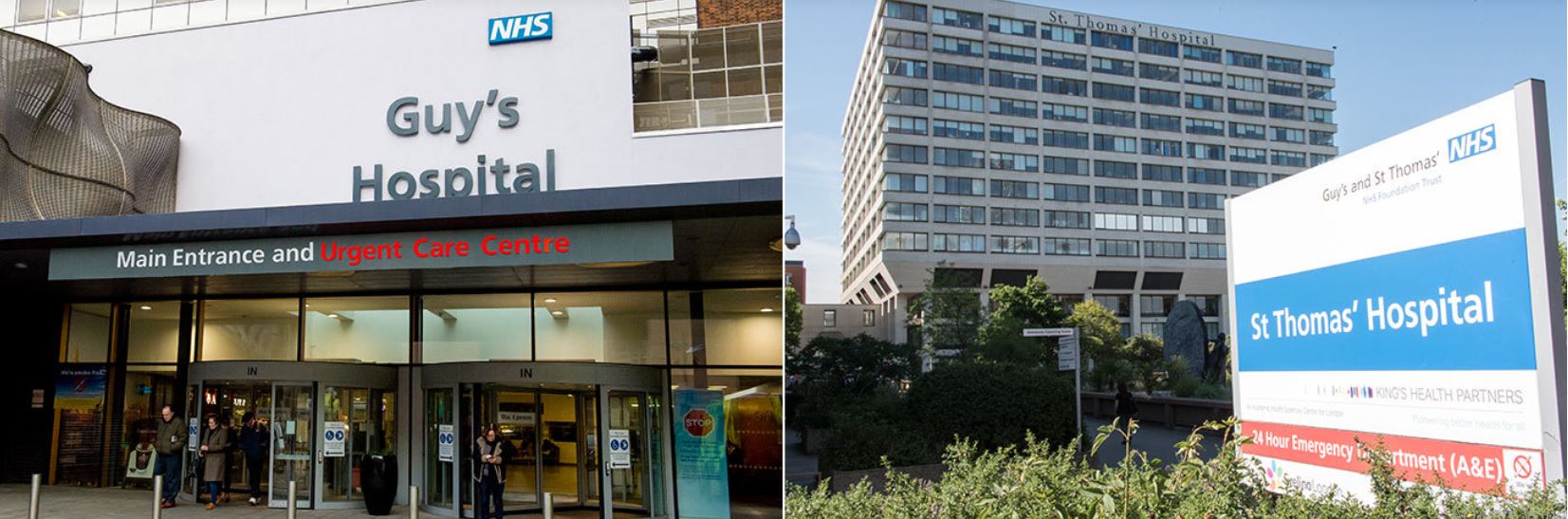
  • Engagement seems weaker at Guy’s & St Thomas’, it looks to be still pushing for a stronger carers strategy there, but hopeful the strategy should pick up.
  • Working with ward rounds and direct conversations with carers.

North Central London Carers Project

Working across 8 hospital sites, possilbly

  • Royal Free Hospital
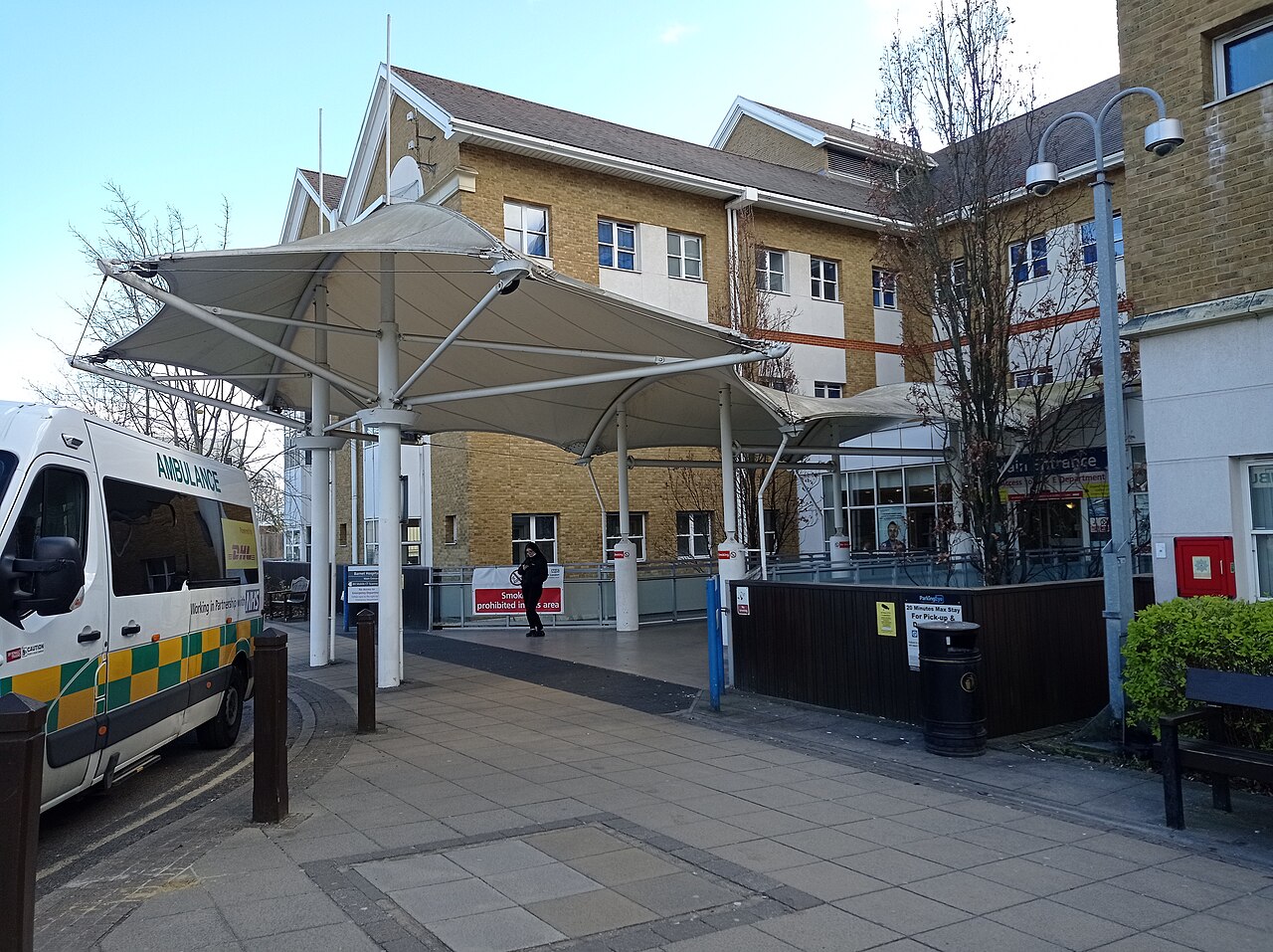
  • Barnet Hospital
  • North Middlesex Hospital
  • Chase Farm Hospital
  • The Whittington Hospital
  • University College Hospital
  • St Pancras Rehabilitation (Camden and West London)
  • Community Central London Trust 
  • North London Foundation Trust (Mental Health)

Updates include:

  • A hospital “menu” to track progress across the toolkit (training, comms, discharge planning).
  • Embedding carers into induction programmes.
  • Co-authoring discharge documentation at St Pancras Rehab Centre with dedicated “carer sections”.
  • Upcoming use of Cerner electronic records system to automatically flag carers.

Tower Hamlets Carer Centre

Carer representative based at Royal London Hospital (east London)

Challenges include:

  • Slow referrals & reliance on staff awareness
  • Some carers only identified at crisis stage
  • Need to expand the carers passport across Royal London
  • Hackney pilot ends in March concerns about future funding

Wandsworth Carer Centre / St George’s

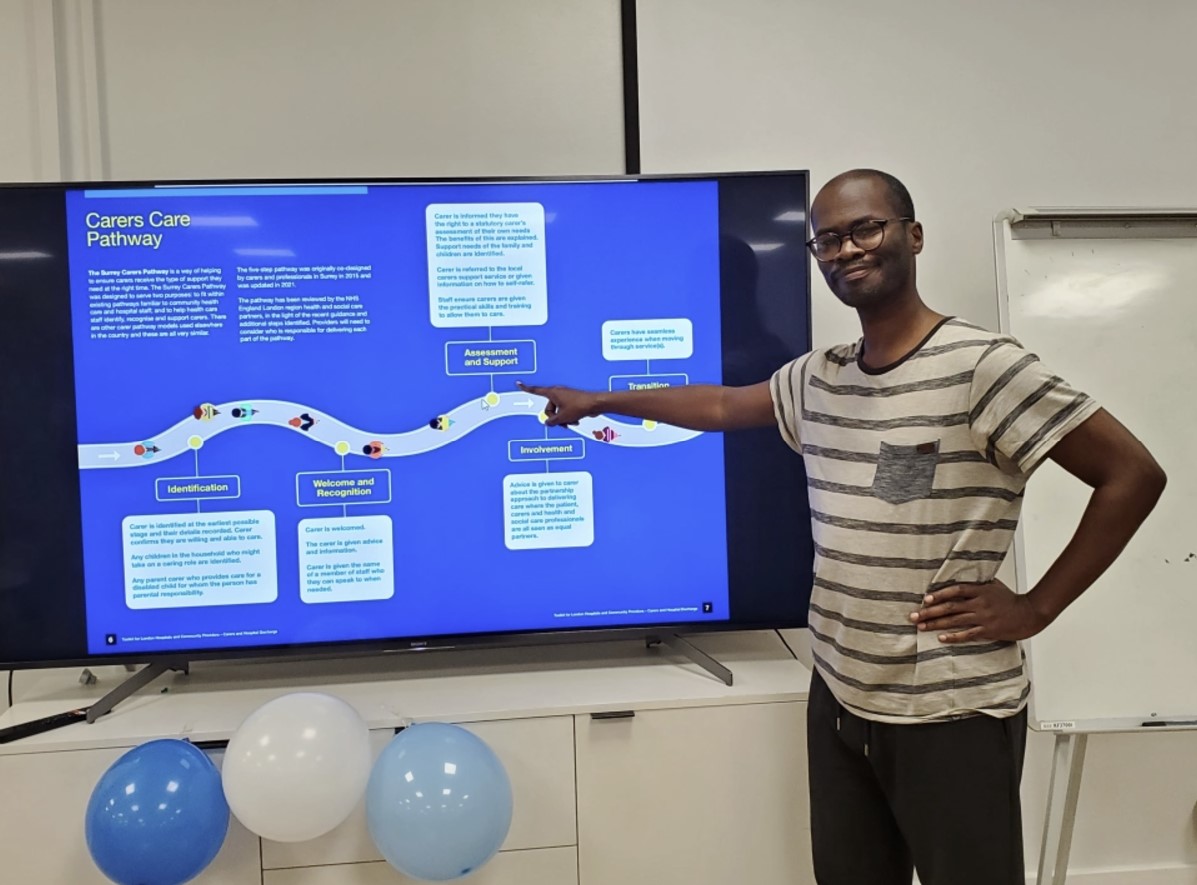
SONY DSC
  • Developing carer awareness training with Patient Experience Team
  • Growth in referrals after training sessions, though staff forget over time
  • Plan to expand ward coverage
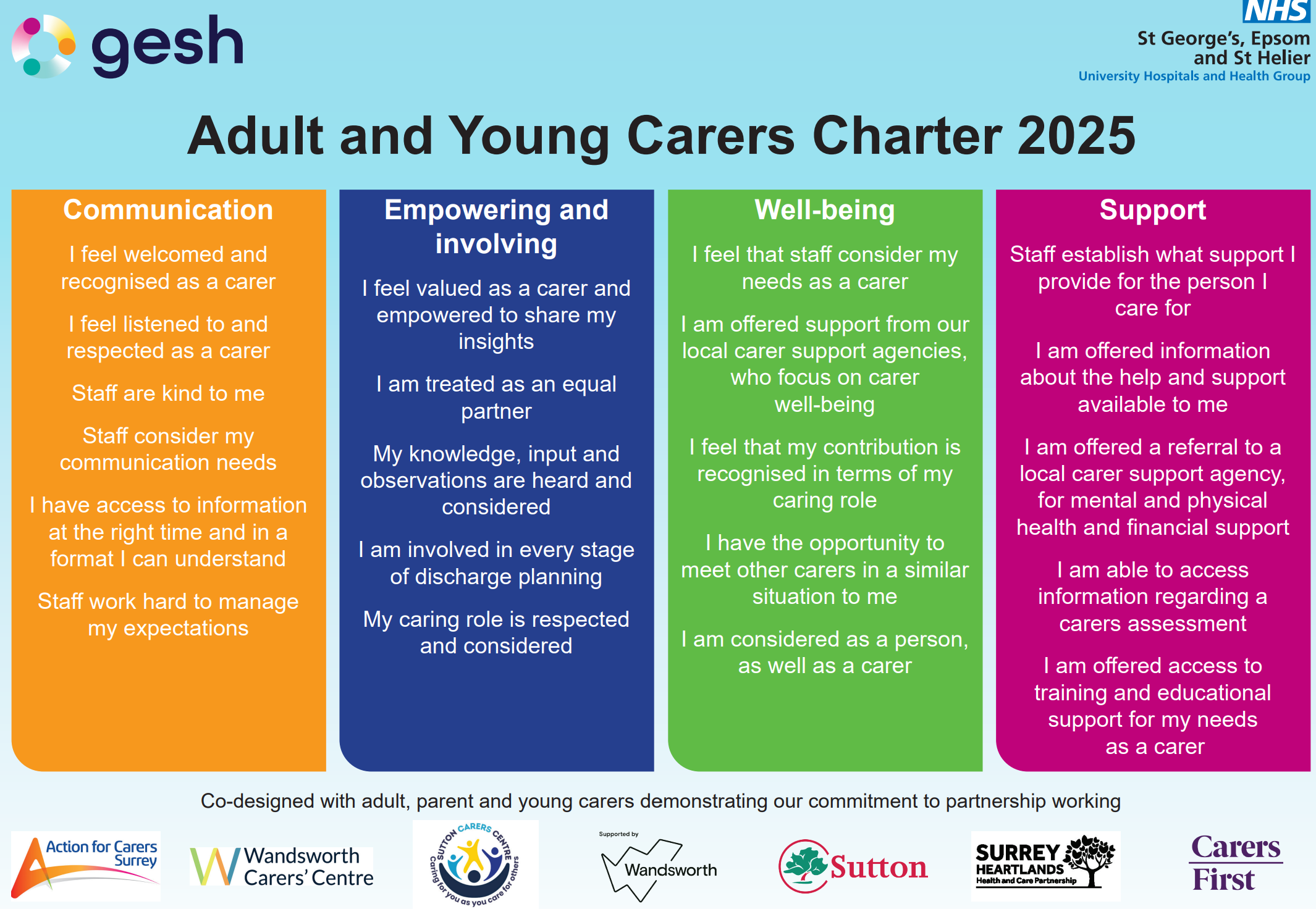
  • As chair I shared St George’s new Carers Charter as a tool for accountability

Carer-Led Developments in Primary Care

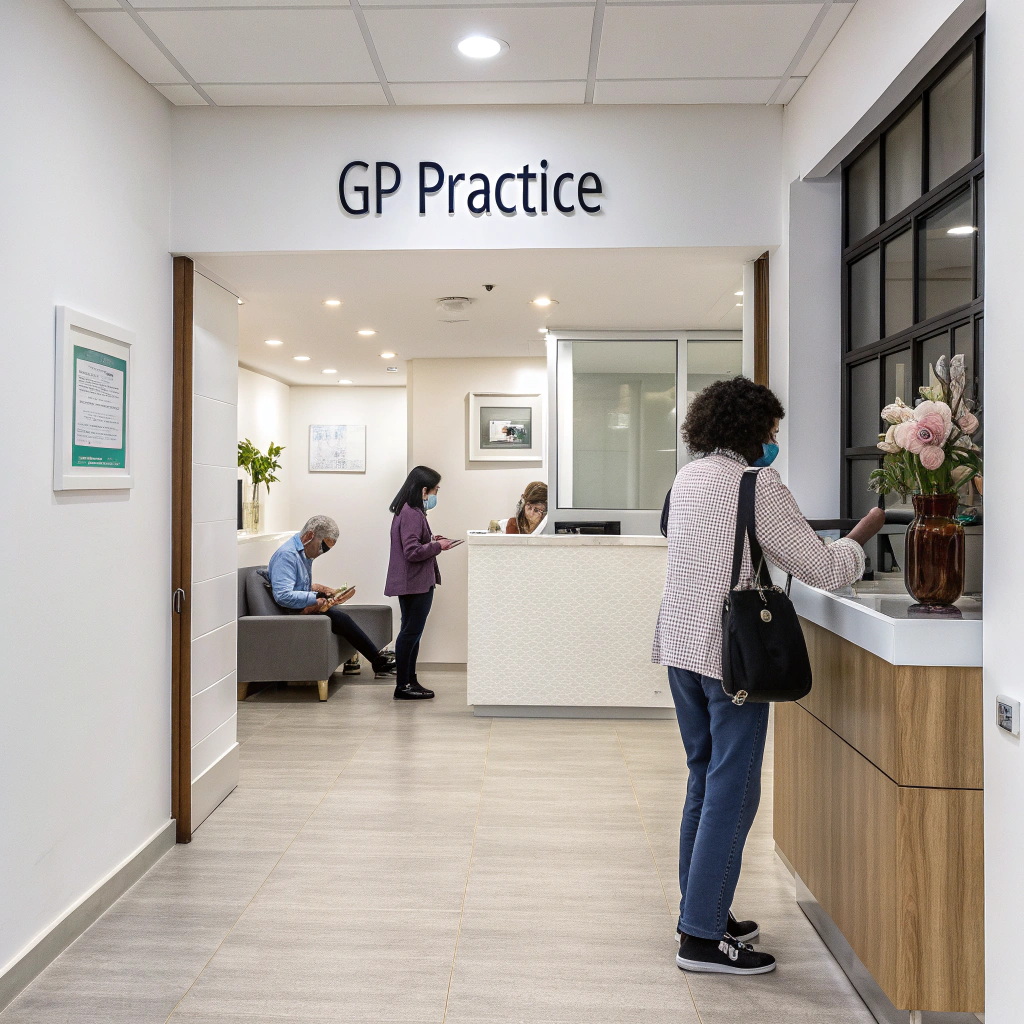
A group of Lewisham unpaid carers has begun major work with GP practices, including:

  • Creating a PCN-wide carers information pack
  • Ensuring carer champions in GP surgeries
  • Working with pharmacies to distribute information
  • Improving identification on GP systems
  • Exploring alignment with Lewisham’s new Carers Action Plan

Plans for the Future

  • More invitations to NHS carer strategy leads
  • Sharing SOP materials with non-pilot hospitals where possible.
  • Matthew to link contacts across councils and hospitals for ongoing monitoring, being the following boroughs e.g.

Lewisham

  • Assistant Director – Adult Mental Health & Wellbeing
  • Joint Commissioner – Adult Mental Health & Wellbeing

Greenwich

  • Strategic Commissioning Lead
  • Commissioning Lead for Carers

Bromley

  • Assistant Director – Commissioning
  • Commissioning Officer

Bexley

  • Service Manager – Adult Social Care

Lambeth

  • Integrated Commissioning Manager – Adults and Health

Southwark

  • Strategic Programmes Manager
  • Commissioning Manager

Medium-term aims

  • Push for in-hospital carer support teams in Lewisham & Greenwich.
  • Expand training and embed carers into staff induction.
  • Improve pre-admission and discharge-planning pathways on carer identification and involvement for familes and carers.
  • Stronger collaboration between LD nurses, dementia teams, and carers services.

Longer-term aspirations

  • Greater consistency across trusts
  • Unified carers strategy within each hospital
  • A system where carers are routinely recognised, supported, and involved in decisions

Closing Remarks

As cchair I closed the meeting by thanking attendees and acknowledging the collective effort to improve carers’ experiences across London hospitals. I reaffirmed the importance of:

  • Making carers visible
  • Ensuring rights are upheld
  • Strengthening trust–carer relationships
  • Carrying learning into the new year

The next meeting will be scheduled in January, with hopes of smoother cross-hospital collaboration in 2024.

Hospital Carers Discharge toolkit Meeting Update September 2025

By Matthew McKenzie – Carer activist

London Carer Organizations Network Update

The meeting focused on introductions and updates from various organizations supporting unpaid carers across London. Matthew McKenzie facilitated the session, introducing participants from different boroughs and organizations, including

  • NHS England
  • Healthwatch (local advisory committee involvement)
  • North Central London Carer Support Project (covering Barnet, Haringey, Camden, Enfield, and Islington)
  • The PSE (supporting South East London local authorities: Bexley, Bromley, Lambeth, Lewisham, Greenwich, and Southwark)
  • Richmond Borough Mind
  • Richmond Carers Centre
  • Kingston Carers Network
  • St George’s, Epsom and St Helier Hospital Group
  • Sutton Carers Centre
  • Carers Hub Lambeth (supporting unpaid carers, with hospital carers leads at King’s College Hospital and Guy’s & St Thomas’ Hospital)
  • Lewisham carers services (Imargo service manager)

Apologies from

Bromley Wells
Bexley Carers Support
Greenwich Carers
Ealing Carers Partnership
Tower Hamlets Carers Centre

NHS England updates including Universal Care Plan Updates

A representative from NHS England highlighted good news about the Hospital Discharge Toolkit, which had been originally developed in London by Debbie Hustings. The toolkit has already been adopted across much of southwest London with strong results. Recently, all NHS regions were asked to contribute work on hospital discharge, focusing particularly on carers’ experiences. When this went up to the Executive Quality Board at the national level, the London toolkit received recognition. The recommendation that came back was that all regions should develop something similar they could adopt London’s version directly or tailor one for their own needs. The representative stressed that this kind of recognition is significant because it helps the toolkit be taken more seriously and provides momentum for further rollout

Continue reading

Hospital Carers Discharge Meeting Update July 2025

Posted: July 2025
By: Matthew McKenzie

In July 2025, we held another meeting of the London Hospital Discharge Carers Forum, which brings together carer centres, NHS professionals, and lived experienced unpaid carers to explore how we can better support unpaid carers through the complex hospital discharge journey.

With key developments shared, questions raised, and future opportunities on the table, I’m sharing this blog to ensure everyone is informed.

A Focus on Hospital Discharge but With Carers at the Centre

The forum continues to highlight how vital carer centres are in delivering effective, compassionate discharge support. But alongside that recognition comes rising expectations: better digital access, stronger links with acute hospital teams, more formal involvement in care planning, and even new digital tools to manage carer identity and input.

Our role is growing and so is the need for collective visibility and coordinated action.


Key Themes from July’s Discussion

1. NHS England Hospital Discharge Toolkit & Care Contingency Plan
As an involved carer, I delivered the NHS England update. The main message? The Care Contingency Plan (CCP) is becoming a key focus across the system. There are planning sessions due in September, and carer centres might be asked whether they can take on CCP delivery alongside existing carers assessments.

This triggered a crucial question: Will additional funding or contractual support be offered to carer centres taking on CCPs? because we can’t afford to quietly absorb additional workload without clarity on resources or expectations.

2. Digital Tools – NHS App & Carer Self-Identification
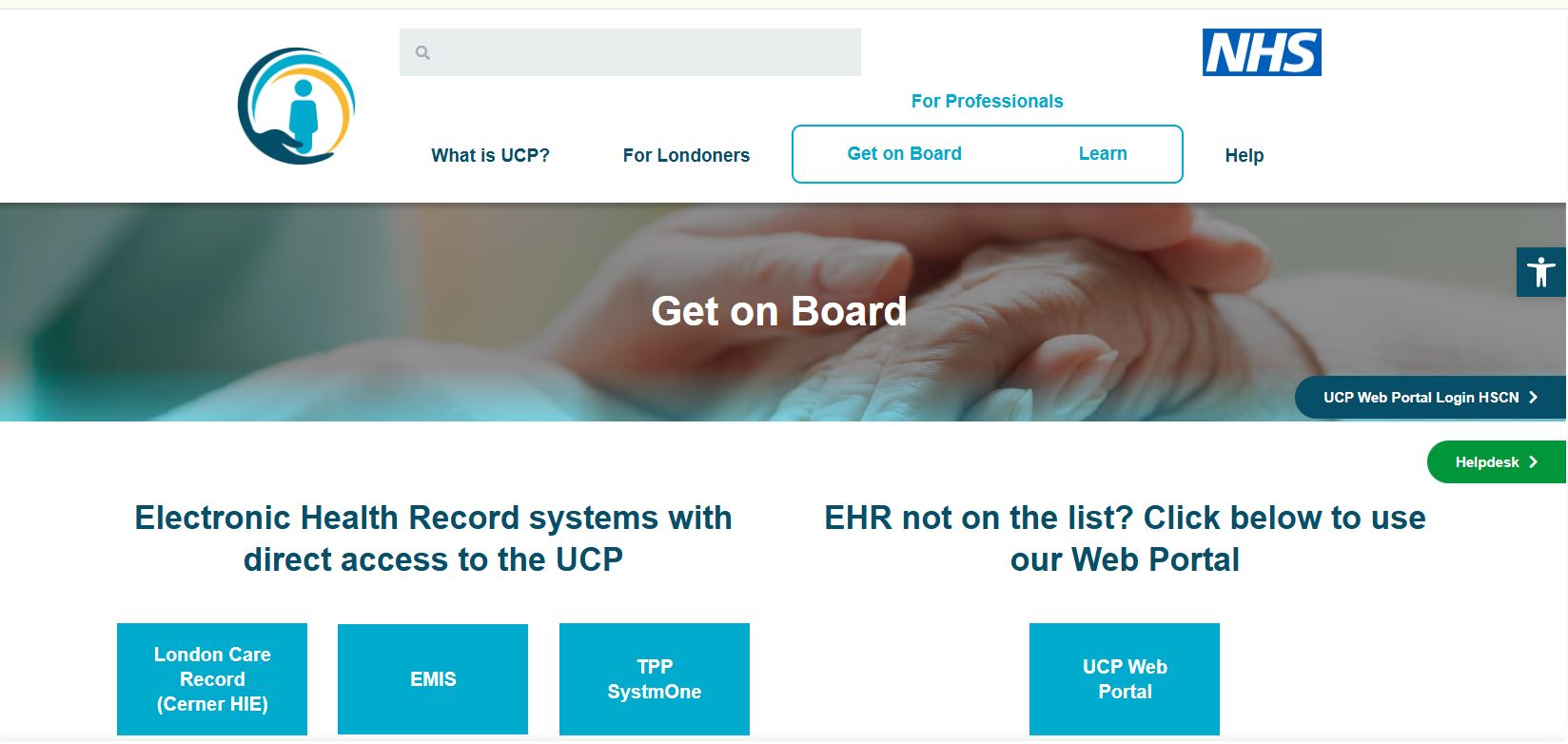
With the growing digitisation of NHS services, there are plans to enable carers to self-identify via a digital route. The Universal Care Plan (UCP) is being built into the NHS app, but there’s confusion about whether a separate “carer app” is being developed too.

We’ve asked NHS England for clarification: Will carers be expected to use one NHS app to manage both contingency plans and carer registration, or will multiple systems be introduced? The answer will have implications for how we support carers with digital skills and accessibility.

3. The Bigger Picture – NHS 10-Year Plan and Local Adaptation
We explored how the new 10-Year NHS Plan mentions carers primarily in the context of discharge, but offers little in terms of direct support or investment in carers themselves. Several carer centres raised concerns about being seen only as a means to improve discharge outcomes, rather than as partners in their own right.

That said, some centres are using the plan as an opportunity, working with local Integrated Care Boards (ICBs) to adapt and influence how the priorities are rolled out locally, including integration with neighbourhood health centres and walk-in clinics.


Peer Learning and Local Centre Updates

As always, our meeting included practical insights from carer centres embedded in local hospitals. Topics included:

  • Establishing hospital-based carer hubs and information desks.
  • Hosting monthly drop-ins for carers on specific wards (e.g. stroke and frailty).
  • Using ward rounds to identify and build relationships with staff willing to act as carer champions.
  • Overcoming challenges in gaining visibility, sustaining presence, or maintaining resource levels for in-hospital work.
  • Planning carers coffee mornings and pop-up stands to increase footfall and engagement.

For newer hospital-based carer workers, this space proved invaluable as a place to learn from colleagues, gather ideas, and avoid isolation.


Project Developments: What Centres Need to Know

Several borough-wide and London-wide initiatives are taking shape that could directly affect how carer centres operate in coming months:

  • A standard operating procedure for hospital discharge, currently being developed across South East London, is aiming to streamline how carers are engaged at discharge, with pilot sites starting this September.
  • In North Central London, work is underway on a web portal that makes it easier for hospital and emergency staff to refer carers into local support services including from the London Ambulance Service.
  • Carer Centres in several areas are starting or refreshing carer charters, carer passports, and surveys designed to codify carer involvement and measure experience across hospital pathways.
  • Carer support workers at one major South London hospital are re-establishing visibility post-staff transition. Efforts are underway to build new ward-level relationships and identify carer champions among staff. The centre is also exploring monthly carer drop-ins, asking the group for ideas on what works well and what doesn’t.
  • One East London carer centre has established a hospital-based hub on a specific ward floor, acting as a go-to space for carers needing support or information. They also run monthly drop-in sessions on elderly/frailty and stroke wards conditions where family involvement in discharge planning is often critical.

These projects are at different stages, but all point to one thing: carer centres are being asked to operate more visibly, more formally, and more digitally. It’s essential we shape this process and not just respond to it.

With NHS England’s CCP work moving fast and carer integration into digital systems ramping up, carer centres can no longer afford to remain on the sidelines.

  • We have a chance to be informed of policy changes early not after implementation.
  • Carer centres and hospitals can raise concerns about workload, training, and funding before it’s too late.
  • Newer or isolated workers benefit from collective knowledge-sharing and support.

This is not just another meeting, it’s one of the few cross-borough forums focused squarely on carer centres in the acute hospital context.


Looking Ahead: September Session

Our next meeting will be held usually the last week of September.

Let’s not let carers be an afterthought. Let’s make sure carer centres are seen, heard, and properly resourced.

Hospital carers discharge toolkit meeting update January 2025

Welcome to the brief update of my hospital carers discharge toolkit meeting. I chair this meeting every two months with support of the carer centres and some hospitals.

The London Hospital discharge toolkit aims to provide a collaborative platform where unpaid carers, hospital carer leads and carer centres can work together to:

  • Enhance support for unpaid carers of patients using hospital services.
  • Improve communication and engagement between hospital staff and unpaid carers especially during patient discharge.
  • Identify and address the needs and concerns of carers within the hospital setting.
  • Share ways to implement London Hospital discharge toolkit to ensure carers are recognized, supported, and actively involved in the care journey of their loved ones while in hospital.
Continue reading

Carers hospital discharge toolkit Meeting November 2024

Welcome back to a brief update of another group I chair with support of London Hospitals and the carer centres of London, along with carers who want the best service of those using the NHS.

The group is called the “Carers hospital discharge toolkit meeting”. This group runs every 2 months and follows off the work the previous NHS England carer lead for London developed.

The community deserves the best care possible from the NHS and that includes carers who support those they care for using the hospitals in London and beyond. This was taken up by NHS England Carer lead for London Debbie Hustings who worked very hard to produce the toolkit linked below.

London Carers Hospital Discharge toolkit

Feeling passionate on continuing the work, Carer centres and hospital representatives came together to support me in driving this brilliant toolkit. The group has been running 2 years and developing rapidly.

Here is the update for November 2024

The meeting for November focused on the development and progress of various resources aimed at supporting carers and families during hospital discharge, including a comprehensive carers’ pack, a digital resource, and a new pilot project at the Carers Hub Lambeth. The group members discussed the importance of collaboration, sustainability, and language accessibility in these resources, with plans for further development and translation. The meeting also highlighted the challenges faced in hospital discharge and capacity, and the need for more integrated work with partners and other local authorities.

Matthew Mckenzie welcomed everyone to the London Hospital Discharge Toolkit group meeting. The meeting aimed to keep the momentum going on a resource that helps hospitals engage more families and carers, especially during discharge. Matthew encouraged participants to introduce themselves and share their experiences. The attendees included representatives from Tower Hamlet Carers, Barnet Carers, Sutton Carers Centre, Lewisham & Greenwich NHS Trust, Greenwich Council, Greenwich Carers Centre, St Georges University hospital trust or GESH, Lambeth Carers Hub, Bexley Carers Centre and unpaid carers. Each participant shared their roles and experiences in their respective organizations, with a focus on hospital discharge and carer support. The conversation ended with Matthew encouraging further participation and updates on the toolkit’s progress across the London hospitals in order to work with carer centres and local authorities.

Carers Hub Pilot Project Update
Rachael discussed the progress of a new pilot project at the Carers Hub Lambeth, which involves a hospital discharge lead supporting carers and promoting carer awareness. She mentioned the introduction of an additional tier of service for registered carers and the need to join forces with other GSTT and Kings College NHS trust to support carers. Rachael also expressed interest in discussing the project developments further with Matthew and others in the New Year.

Greenwich Council then presented the Greenwich Carers Pack, a comprehensive information booklet developed in co-production with unpaid carers in Greenwich. The pack includes information about carers’ rights, assessments, and support, as well as details about local community resources. Greenwich council mentioned plans to translate the pack into Nepalese and distribute physical copies to hospitals, GP surgeries, and community centers.

Carers Pack Development and Resources
Evie who chairs Greenwich Councils Carers Partnership board then discussed the development of a carers pack, which was designed to be interactive and easy to navigate. The pack covers various resources available to carers, including local and national ones, and provides bite-sized notes for carers to jot down important information. It also includes sections on employment rights, respite, legal responsibilities, financial support, home safety, and advocacy. The pack is designed to be a one-stop resource for carers, with links to all the resources mentioned. Evie also mentioned that the design team has done an excellent job, and the pack will be further developed as it goes to double pages. Matthew expressed his appreciation for the pack and requested the link to it when he runs his carer stall at the hospitals.

Digital Resource and Carer Navigation
Greenwich Council thn discussed the development of a digital resource and physical copies for a project, with plans for posters featuring QR codes for easy access. The project was well-received, with a carer and Matthew expressing their appreciation and interest in using it for their respective areas. A carer also highlighted the importance of connection and navigation for carers, noting that many learn from other carers rather than official sources. The team agreed to continue developing the project and to share it with other local authorities.

Improving Carers’ Information Pack Development
A carer expressed concerns about the lack of connection and input from various parts of the system in the development of the carers’ information pack. She highlighted the need for a more comprehensive approach, especially considering the cross-borough nature of some carers’ support. Greenwich council representive acknowledged these concerns and explained that the pack was developed by a different team, with input from Oxleas NHS trust and other organizations. She also mentioned that they are working on a more summary version and translations. The team agreed on the need for more integrated work with partners and other local authorities.

Comprehensive Carer Handbook Development Discussed
Members continued to discuss the development of a comprehensive handbook for carers. The presenters clarified that they were not planning to create a smaller, bite-sized version of the handbook, but were open to feedback suggesting such a change. The handbook will be available in various locations, including GP practices, libraries, and community centers, and can be accessed digitally via QR codes. THey also mentioned the importance of keeping the information up to date and being mindful of sustainability policies. A hospital representative expressed interest in sharing the document with other boroughs and asked about contacts within the hospital for potential distribution of the handbook. They agreed to check with colleagues about existing contacts and welcomed any additional contacts. The group encouraged others to share relevant contacts.

Consistent Information for Carers
Greenwich Council reps emphasized the importance of having consistent information spread across South East London, particularly for carers. Greenwich Carers representative praised the new greenwich council carers resource, noting its potential to be a valuable resource for carers. She also mentioned the commitment to keeping the information up-to-date, particularly on the digital portal. Evie added that they plan to translate the pack into Nepalese and other key languages for carers in the borough, and also consider developing an easy-read version. Matthew ended the conversation by noting the ease of language changes in a digital format.

St Georges Hospital NHS Trust Progress and Future Plans
Wendy from St Georges hospital who shared her team’s achievements, including virtual training sessions, bespoke staff training, and the upcoming launch of a carers’ information section on the St. George’s website. Wendy also mentioned her goal for 2025: developing a carers’ charter and survey. The team expressed their anticipation for the upcoming carers’ forum, which Matthew will be attending.

Carer Support Challenges and Progress
Tower Hamlet Carers Centre discussed the challenges and progress of their work in Tower Hamlets at royal london hospital which one of the 5 hospitals under Barts NHS Trust.

Tower Hamlet Carers centre representative is expressed her hope for having volunteers who were carers themselves to help provide the service. She also mentioned a plan to create a co-produced pack of resources for carers, which would be based at the hospital’s front desk. She highlighted the difficulty in discharge planning due to the pressures of the hospital system, which sometimes led to carers not being fully involved. Despite these challenges, Tower Hamlets Carers centre expressed optimism about the service’s progress and future plans, including the potential addition of more carer support workers. Wendy from St Georges offer her support, which I thought was very admirable.

Barnet Carers Centre update
Matthew then handed over to Mike the CEO of Barnet Carers Centre, who presented a project aimed at directing carers to the right support organization through a portal. The portal, currently under development, would direct carers to the appropriate center based on their postcode. Mike also mentioned the project’s expansion to include mental health and allied health professionals this would be the merged Mental health trusts Camden & Islington and Barnet, Enfield & Haringey who have combined into north london mental health partnership.

A carer raised a question about identifying carers during pre-assessment, to which Wendy Doyle responded that their system includes a question about whether the patient is a carer. The possibility of discussing this further in a future meeting was left open.

This concludes the short update to continue progression of the excellent legacy Debbie husting has left for London hospitals and beyond.