Category Archives: Uncategorized

Reflections from King’s Mental Health Fair 2025 – A Carer’s Perspective

By Carer Activist – Matthew McKenzie

Today, I had the privilege of being part of King’s College Hospital NHS Foundation Trust’s Mental Health Fair, held on Thursday 2nd October, in recognition of World Mental Health Day 2025.

The event brought together a wide range of organisations and community groups working tirelessly to support the mental health and wellbeing of patients, families, and carers.

Why carers need to be at the heart of mental health conversations

As someone who has cared for a loved one experiencing mental health challenges, I know firsthand the importance of recognising and supporting carers through the groups i run.

Continue reading

National Schizophrenia Awareness Day: Support & Stigma

Understanding Schizophrenia: Breaking the Silence and Challenging Stigma

Schizophrenia remains one of the most misunderstood mental health conditions, often shrouded in myths, misconceptions, and stigma. As National Schizophrenia Awareness Day took place on July 25th, it is an opportune moment to reflect on the realities of living with schizophrenia, the challenges faced by those affected, and the crucial role of unpaid carers.

This article taken as a transcript from my video delves into the importance of awareness, the lived experiences of individuals and their families, and the collective responsibility to foster understanding and support.

The Significance of National Schizophrenia Awareness Day

National Schizophrenia Awareness Day, observed annually on July 25th in the UK, is more than just a date on the calendar. It is a day dedicated to raising awareness, challenging stigma, and building understanding around schizophrenia which is a condition that affects approximately one in every 100 people in the UK. The day is spearheaded by organizations such as Rethink Mental Illness, Change Mental Health in Scotland, Adared Recovery in Wales, and Mindwise in Northern Ireland. Together, these organizations form Mental Health UK, a collaborative effort to provide vital support and advocacy for those living with schizophrenia and their carers.

What is Schizophrenia?

Schizophrenia is a complex mental health condition characterized by a range of symptoms, including hallucinations, delusions, and disorganized thinking. However, it is essential to recognize that schizophrenia is not a one-size-fits-all diagnosis. The experience of schizophrenia exists on a spectrum, with each individual’s journey being unique. For some, symptoms may be more pronounced, while others may experience periods of stability and recovery.

Common Symptoms

  • Hallucinations: Sensing things that are not present, such as hearing voices.
  • Delusions: Strongly held false beliefs that are not based in reality.
  • Disorganized Thinking: Difficulty organizing thoughts, leading to incoherent speech or trouble concentrating.

Despite these clinical descriptions, it is crucial to remember that schizophrenia is, above all, a human experience. The condition affects not only the individual but also their families, friends, and communities.

The Human Experience: Beyond the Diagnosis

Too often, the narrative around schizophrenia is dominated by fear, misunderstanding, and negative stereotypes. Individuals living with schizophrenia frequently face stigma, isolation, and discrimination not only just from society at large, but sometimes even within the mental health system and healthcare services themselves. This stigma can be even more pronounced for those from minority groups, compounding the challenges they already face.

The Impact of Stigma

Stigma surrounding schizophrenia can have far-reaching consequences. It can:

  • Discourage individuals from seeking help or treatment.
  • Lead to social isolation and exclusion.
  • Affect employment and educational opportunities.
  • Create barriers to accessing quality healthcare.

Challenging these misconceptions requires a collective effort to educate the public, promote empathy, and highlight the real stories of those living with schizophrenia.

The Unseen Heroes: Unpaid Carers

While much attention is rightly given to those living with schizophrenia, there is another group whose contributions often go unrecognized—unpaid carers. These are the family members, close friends, partners, and loved ones who provide daily support to individuals with schizophrenia. Their role is both vital and demanding, yet their voices are frequently underrepresented in policy discussions, service planning, and awareness campaigns.

Who Are Unpaid Carers?

Unpaid carers are individuals who, without formal training or compensation, dedicate their time and energy to supporting someone with schizophrenia. This support can take many forms, including:

  • Emotional Support: Listening, comforting, and advocating for their loved one.
  • Crisis Management: Staying up late, managing emergencies, and ensuring safety.
  • Practical Assistance: Helping with daily tasks, medication management, and appointments.
  • Financial Support: Bearing the costs associated with care, often at personal expense.

The burdens carried by unpaid carers are not just emotional but can also be financial and physical. Despite their critical role, they often receive limited support and recognition.

The Lived Experience of Carers

Many carers, like the speaker’s own mother, navigate the complexities of supporting a loved one with schizophrenia with little guidance or acknowledgment. They become advocates, crisis managers, and emotional anchors, often at the expense of their own well-being. The lack of formal training and support can leave carers feeling isolated and overwhelmed.

Building a Better Future: What Needs to Change

Raising awareness about schizophrenia is not just about increasing knowledge—it is about fostering a culture of care, action, and inclusion. To truly support those affected by schizophrenia and their carers, several key areas need attention.

1. Improving Services and Support

Mental health services must be designed to listen to and address the needs of both individuals with schizophrenia and their carers. This includes:

  • Accessible Support: Ensuring timely access to mental health services and crisis intervention.
  • Carer Involvement: Actively involving carers in care planning and decision-making.
  • Tailored Resources: Providing information, training, and respite for carers.

2. Promoting Inclusive Research

Research into schizophrenia should not only focus on clinical outcomes but also incorporate the experiences of unpaid carers. Their insights are invaluable in understanding the full impact of the condition and in developing effective interventions.

  • Participatory Research: Engaging carers as partners in research projects.
  • Holistic Approaches: Studying the social, emotional, and economic effects of schizophrenia on families.

3. Educating the Public

Public education is essential to dispel myths and challenge outdated beliefs about schizophrenia. Awareness campaigns should:

  • Highlight Lived Experiences: Share real stories from individuals and carers.
  • Combat Stereotypes: Address common misconceptions and promote accurate information.
  • Encourage Empathy: Foster understanding and reduce fear and prejudice.

4. Policy and Advocacy

Policymakers must recognize the contributions of unpaid carers and ensure their needs are reflected in mental health policies. This includes:

  • Carer Rights: Protecting the rights of carers in the workplace and healthcare settings.
  • Financial Support: Providing financial assistance and benefits to carers.
  • Representation: Including carers in policy development and service evaluation.

The Power of Awareness: Moving Beyond Knowledge

Awareness is not a passive state, it is an active commitment to care, act, and include others. National Schizophrenia Awareness Day serves as a reminder that understanding schizophrenia goes beyond statistics and symptoms. It is about recognizing the humanity of those affected, valuing the contributions of carers, and working together to create a more inclusive and supportive society.

Taking Action: How You Can Help

Everyone has a role to play in challenging stigma and supporting those affected by schizophrenia. Here are some ways you can make a difference:

  • Educate Yourself: Learn about schizophrenia from reputable sources and listen to the experiences of those affected.
  • Challenge Stigma: Speak out against stereotypes and discrimination when you encounter them.
  • Support Carers: Offer practical help, emotional support, or simply a listening ear to carers in your community.
  • Advocate for Change: Support policies and organizations that promote mental health awareness and carer rights.
  • Share Awareness: Use your voice and platforms to spread awareness, especially on days like National Schizophrenia Awareness Day.

Personal Reflections: The Importance of Inclusion

As highlighted in the video, awareness is not just about knowing—it is about caring, acting, and including others. The journey of living with schizophrenia, or supporting someone who does, is often marked by resilience, compassion, and hope. By listening to and amplifying the voices of those with lived experience, we can build a more understanding and supportive world.

The Role of Community

Community support is vital for both individuals with schizophrenia and their carers. Whether through peer support groups, advocacy organizations, or informal networks, connection and solidarity can make a significant difference. Communities that prioritize mental health and inclusion are better equipped to challenge stigma and provide meaningful support.

The Value of Recognition

Recognition of the efforts and sacrifices made by unpaid carers is long overdue. Their dedication sustains individuals and families, often in the face of immense challenges. By acknowledging and supporting carers, we not only improve their well-being but also enhance the quality of care for those living with schizophrenia.

Looking Ahead: Hope and Progress

While the challenges associated with schizophrenia are significant, there is reason for hope. Advances in research, growing public awareness, and the tireless efforts of advocacy organizations are paving the way for a more inclusive and supportive future. By working together—individuals, families, communities, and policymakers—we can break the silence, challenge stigma, and ensure that no one faces schizophrenia alone.

A Call to Action

As National Schizophrenia Awareness Day approaches, let us commit to more than just awareness. Let us strive for understanding, compassion, and action. Whether you are living with schizophrenia, supporting a loved one, or simply seeking to learn more, your voice and efforts matter. Together, we can build a society that values every individual and supports every carer.

Conclusion

Schizophrenia is a complex and deeply human experience, affecting not only those diagnosed but also their families, friends, and communities. National Schizophrenia Awareness Day is a powerful reminder of the importance of awareness, inclusion, and action. By challenging stigma, supporting unpaid carers, and advocating for better services and understanding, we can create a world where everyone affected by schizophrenia is valued, supported, and empowered.

Let us use this day and every day to listen, learn, and act. Share stories, challenge myths, and offer support. In doing so, we honor the resilience of those living with schizophrenia and the dedication of their carers, building a more compassionate and inclusive future for all.

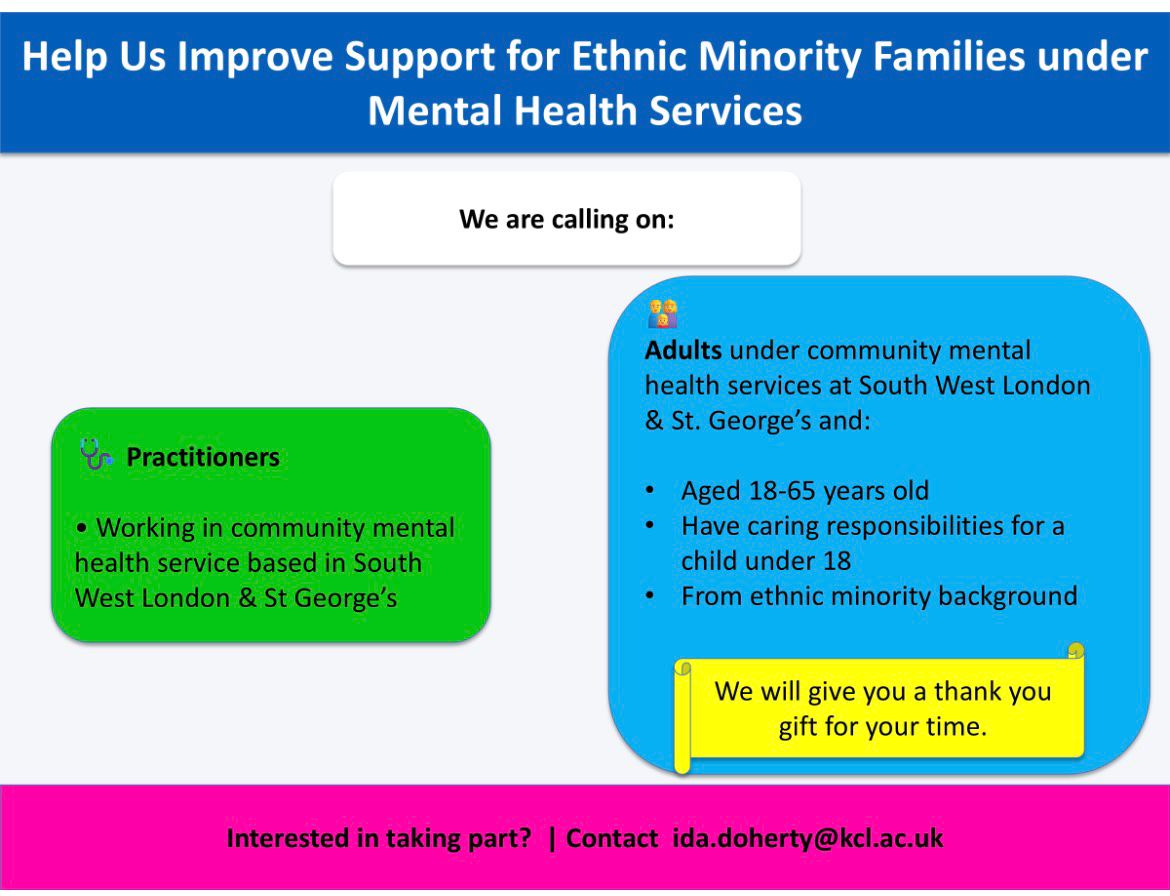
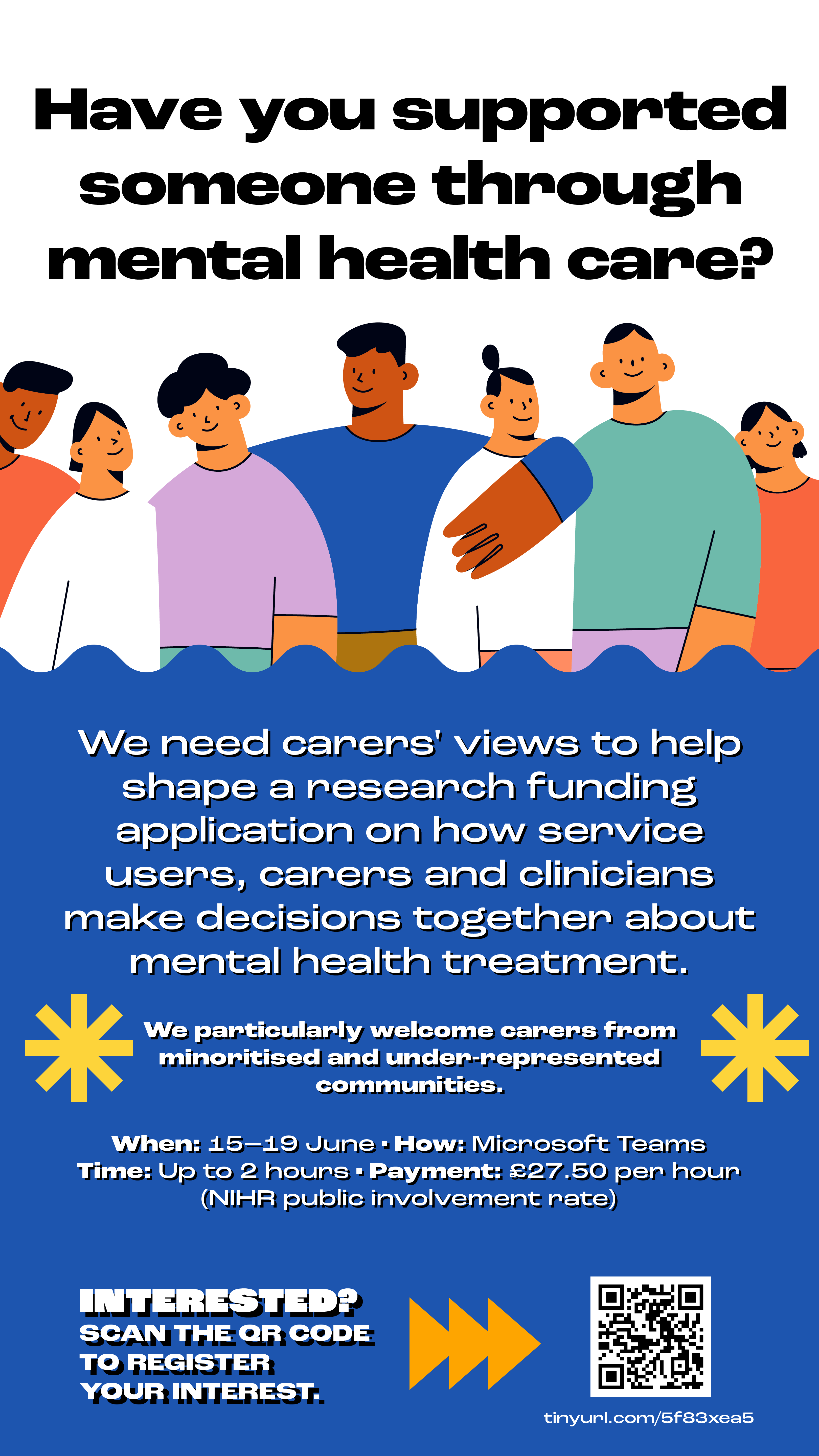
Help Shape the Future of Mental Health Care: Share Your Experience with Pharmacist Prescribers

Are you someone living with mental illness or a carer of someone who is or who’s received prescriptions from a pharmacist prescriber? If so, your voice matters.

A new research study led by The University of Manchester is seeking participants to explore how people with mental illness and their carers experience care from pharmacist prescribers in the community. Whether your contact was through your GP practice or a community mental health team, this is your chance to make a difference in the future of mental health services.

Why This Research Matters

Pharmacist prescribers play a growing role in community-based mental health services. They can diagnose conditions, prescribe medication, and adjust treatment all without the immediate involvement of a doctor. But how does this model of care feel from the patient’s or carer’s perspective? That’s exactly what this study wants to understand.

By sharing your experiences, you’ll help shape future services, highlight what’s working, and bring attention to where improvements are needed.

Who Can Participate?

You can take part if you:

  • Are 18 or older
  • Live in the UK
  • Speak fluent English
  • Have experience with a pharmacist prescriber in a general practice or community mental health team

Carers are also welcome, especially if you provide unpaid support to someone with a mental illness, including help with their medication.

Additionally, the study is interested in hearing from representatives of charities or community organisations who support these individuals.

What Is a Pharmacist Prescriber?

Not sure if you’ve been treated by one? Here’s how you can tell:

  • They diagnosed a condition you have (mental health or otherwise).
  • They wrote or changed a prescription for you without needing a doctor’s sign-off.
  • You may have met them in a GP practice or community mental health setting.

Ready to Contribute?

If you’re interested in taking part, or want to learn more, please contact:

📧 bashayr.alsaeed@postgrad.manchester.ac.uk

Your insights could help ensure that future mental health care is more responsive, respectful, and effective.

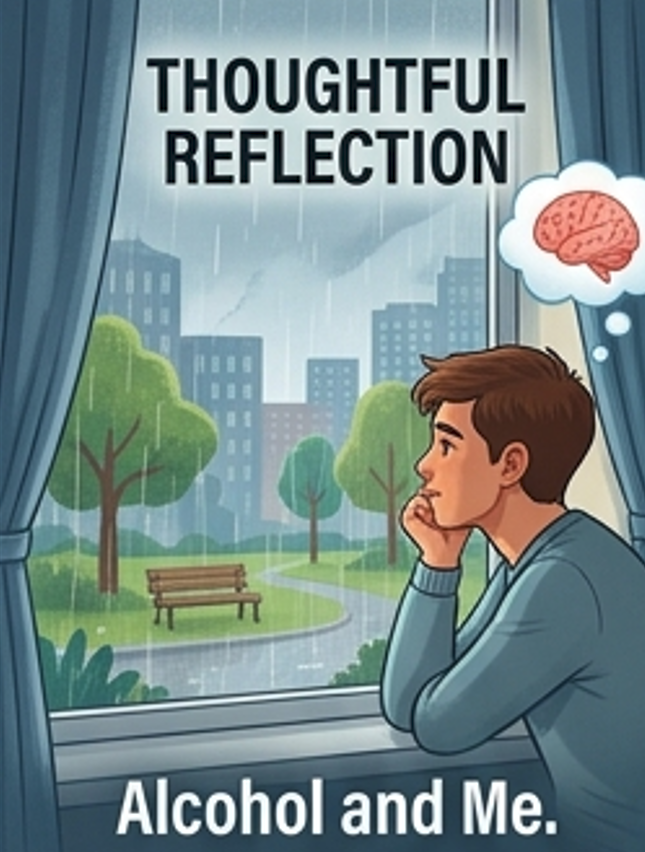
Alcohol Addiction, Work, and Hidden Carers: Start the Conversation

Understanding Alcohol Awareness Week 2025

Alcohol Awareness Week is an annual event dedicated to raising awareness about the impact of alcohol on individuals, families, workplaces, and society at large. In 2025, the event will run from the 7th to the 13th of July, spearheaded by the charity Alcohol Change UK.

To watch the video version of my blog, see below. The blog is a transcript of the video.

This year’s theme, “Alcohol and Work,” brings a crucial focus to how alcohol consumption affects not just personal health, but also professional performance, workplace relationships, and overall well-being.

The Broader Impact of Alcohol

Alcohol is often viewed through the lens of personal choice and individual health. However, its effects ripple far beyond the person consuming it. The consequences of harmful drinking habits can be seen in diminished work performance, strained relationships, compromised safety, and a decline in mental health. Behind every statistic lies a human story on one that often includes addiction, isolation, and the silent struggles of those who care for someone affected by alcohol dependency.

Alcohol and the Workplace: A Hidden Challenge

The Unseen Effects on Performance and Safety

Alcohol’s impact on the workplace is multifaceted. It can lead to decreased productivity, increased absenteeism, and even safety risks, especially in roles that require high levels of attention and responsibility. The pressure to perform, long working hours, and high-stress environments can sometimes drive individuals to use alcohol as a coping mechanism. This, in turn, can create a cycle where alcohol use further impairs work performance, leading to more stress and potentially more drinking.

The Human Stories Behind the Statistics

It’s easy to overlook the personal narratives behind the numbers. In the UK, approximately one in four people drink in ways that could be harmful to their health. For some, this escalates into dependency, isolation, and crisis. The journey into alcohol dependency is rarely straightforward or visible. It can be masked by a smile, hidden behind long hours at the office, or dismissed with a casual “I’m fine.” The reality is often much more complex and painful.

The Ripple Effect: Unpaid Carers and Their Silent Struggles

The Burden on Unpaid Carers

One of the most overlooked aspects of alcohol-related harm is its impact on unpaid carers. These are the partners, parents, siblings, friends, and even colleagues who quietly support someone struggling with alcohol dependency. Unpaid carers often juggle their own work and family responsibilities while shouldering the emotional and practical burdens of caring for someone else.

The challenges faced by unpaid carers are immense. Many carry this burden alone, with little support or recognition. They may sacrifice sleep, income, and their own mental health in the process. The emotional strain can be overwhelming, and the lack of support can lead to feelings of isolation and helplessness.

The Need for Recognition and Support

It’s time to shine a light on the pressure, pain, and silence that unpaid carers endure. Their contributions are invaluable, yet they often go unnoticed. Recognizing their struggles and providing them with the support they need is essential, not just for their well-being, but for the well-being of those they care for.

Breaking the Silence: The Power of Conversation

Starting the Conversation

One of the most effective ways to address alcohol-related harm is to start a conversation. Breaking the stigma surrounding alcohol dependency begins with open, honest dialogue. If you’re concerned about someone’s drinking habits, reaching out and expressing your concern can be a powerful first step. Sometimes, simply asking, “How are you doing?” can make a world of difference.

Sharing Resources and Support

In addition to conversation, sharing resources is crucial. Organizations like Alcohol Change UK provide valuable information, helplines, and support services for those affected by alcohol dependency. Sharing these resources, whether it’s a helpful video, a website, or a helpline number which can offer much-needed support to someone in need.

Supporting Unpaid Carers

For those who focus on supporting unpaid carers, it’s important to acknowledge their unique challenges. Offering a listening ear, practical assistance, or simply checking in can provide much-needed relief. Carers often feel invisible, so small gestures of support can have a significant impact.

Raising Awareness: Everyone Has a Role

Online, at Work, and in the Community

Raising awareness about the harms of alcohol and the support available is a collective responsibility. Whether it’s through online campaigns, workplace initiatives, or community events, every effort counts. The more we talk about these issues, the less people will suffer in silence.

Building a Culture of Care

Ultimately, the goal is to foster a culture of care, one where no one has to face addiction or the challenges of caring for someone with addiction alone. By working together, we can reduce the harm caused by alcohol, support one another, and create a more compassionate society.

Practical Steps for Getting Involved

1. Educate Yourself and Others

Understanding the facts about alcohol and its effects is the first step. Visit reputable sources like Alcohol Change UK to learn more about the risks associated with alcohol consumption, the signs of dependency, and the support available.

2. Start Conversations

Don’t be afraid to talk about alcohol and its impact. Whether it’s with friends, family, or colleagues, open dialogue can help break down stigma and encourage those struggling to seek help.

3. Share Resources

Distribute information about support services, helplines, and educational materials. The more accessible these resources are, the more likely people are to use them.

4. Support Unpaid Carers

If you know someone who is caring for a person with alcohol dependency, offer your support. This could be as simple as checking in regularly, offering to help with practical tasks, or encouraging them to seek support for themselves.

5. Advocate for Change

Encourage your workplace or community to participate in Alcohol Awareness Week. Organize events, share information, and promote policies that support those affected by alcohol-related harm.

The Importance of Compassion and Understanding

Recognizing the Human Element

Behind every case of alcohol dependency is a person with a unique story. Compassion and understanding are essential in supporting those affected. Avoid judgment and focus on offering support and encouragement.

The Role of Empathy in Recovery

Empathy can be a powerful tool in helping someone change their relationship with alcohol. Listening without judgment, offering encouragement, and being patient can make a significant difference in someone’s journey to recovery.

The Role of Workplaces in Addressing Alcohol-Related Harm

Creating Supportive Environments

Workplaces have a unique opportunity to support employees affected by alcohol-related harm. This can include providing access to counseling services, promoting work-life balance, and fostering a culture where employees feel comfortable seeking help.

Implementing Policies and Training

Employers can implement policies that address alcohol use in the workplace, provide training for managers on how to support employees, and ensure that support services are readily available.

Encouraging Peer Support

Peer support programs can be effective in helping employees feel less isolated and more supported. Encouraging open dialogue and creating safe spaces for discussion can help break down barriers to seeking help.

The Ongoing Challenge: Reducing Stigma

video from Alcohol Change UK

Why Stigma Persists

Stigma remains one of the biggest barriers to seeking help for alcohol dependency. Many people fear judgment or discrimination, which can prevent them from reaching out for support.

How to Combat Stigma

Education and awareness are key to reducing stigma. By sharing stories, promoting understanding, and challenging misconceptions, we can create a more supportive environment for those affected by alcohol-related harm.

Looking Ahead: Building a Supportive Future

The Importance of Continued Awareness

Alcohol Awareness Week is an important opportunity to shine a light on the challenges associated with alcohol use. However, the work doesn’t end when the week is over. Continued awareness, education, and support are essential in creating lasting change.

Working Together for Change

Change is possible when we work together. By supporting one another, raising awareness, and advocating for better support systems, we can reduce the harm caused by alcohol and build a more compassionate society.

Resources for Support

  • Alcohol Change UK: alcoholchange.org.uk – A leading charity providing information, support, and resources for those affected by alcohol-related harm.
  • Helplines and Support Services: Many organizations offer confidential helplines and support services for individuals and carers.
  • Workplace Support: Check with your employer about available support services, employee assistance programs, and mental health resources.

Conclusion: A Call to Action

Alcohol Awareness Week 2025 is a vital opportunity to reflect on the impact of alcohol in our lives, workplaces, and communities. By starting conversations, sharing resources, supporting unpaid carers, and raising awareness, we can make a real difference. Let’s work together to understand the harm that alcohol can cause, support one another, and build a culture of care, because no one should have to face addiction or care for someone with addiction alone.

Let’s make this Alcohol Awareness Week a turning point for greater understanding, compassion, and support.

“Caring Feels Like a Poem”: Inside Ealing Carers’ Monthly Online Poetry Workshop

“Caring feels like towels.”
“Smells like sweat.”
“Sounds like silence.”
These are not lines from a published anthology, but heartfelt expressions from unpaid carers who meet every month in a quiet online space to write, reflect, and reconnect—through poetry.

Welcome to the Ealing Carers Poetry Workshop, an online community gathering for carers, hosted on the last Friday of each month at 6 PM. It’s free, friendly, and, for many, deeply healing.

Why Poetry? Why Now?

For unpaid carers, life is often consumed by routines, responsibilities, and quiet sacrifices. There’s little time to stop and process the emotional weight of the role, let alone articulate it. That’s where poetry comes in.

Poetry doesn’t demand polished grammar or clever rhymes. It simply asks:
What do you feel?
And from that question, remarkable truths begin to emerge.

In a recent session, one carer described how “caring tastes like sweet and sour”—a vivid metaphor for the moments of tenderness mixed with exhaustion, patience, and the daily challenge of giving so much of oneself.

Another shared, “Caring feels like a balloon… slowly inflating until it might burst.”
The group nodded. They understood. No further explanation needed.

More Than Words

Each workshop is a gentle hour of guided prompts, group sharing (if you feel like it), and poetic reflection. Some come to listen. Some come to write. All leave feeling a little more grounded, and a little less alone.

Here’s what you can expect:

  • Creative prompts to help spark inspiration
  • No pressure to share if you’re not ready
  • A safe, confidential space led with empathy
  • A supportive community that “gets” the highs and lows of caring
  • Gentle encouragement to save and revisit your poetry as a personal record

One participant put it perfectly:

“You don’t have to be a poet. You just need to be willing to put words to what you feel.”

Healing Through Expression

We often talk about self-care for carers, poetry is one powerful, practical form. It’s a creative release that helps untangle emotions that don’t have easy answers. It can reflect joy, grief, humour, fatigue, hope. It can be messy. It can be raw. But above all, it’s yours.

As the facilitator beautifully says,

“Poetry holds up a mirror. What you see in it is up to you.”

For many carers, this monthly workshop has become a lifeline. A moment of peace. A reminder that their experiences matter.


If you are an unpaid carer, then Join Us – You Are Welcome

Whether you’re new to writing or simply curious, we invite you to take an hour for yourself.

🗓️ When: Last Friday of every month
🕕 Time: 6:00 PM (UK time)
🌐 Where: Online – attend from the comfort of your own home
🎟️ Reserve your free place here:
👉 Ealing Carers Poetry Workshop – Eventbrite

Grab a notebook. Pour a cup of tea. Come write with us.

Learning Disability Week 2025: See, Support, Celebrate

By Matthew McKenzie (Carer advocate)

Understanding Learning Disability Week: A Time to See, Value, and Empower

Learning Disability Week is an annual event dedicated to raising awareness, promoting understanding, and challenging the stigma surrounding learning disabilities. Each year, this important week brings together individuals, families, carers, organizations, and communities to celebrate the achievements of people with learning disabilities and to advocate for a more inclusive society. The 2025 theme, “Do You See Me?”, calls on everyone to look beyond labels and truly recognize the unique individuals behind them, as well as the invaluable contributions of those who support them.

Before continuing reading my blog, you can watch the video version below

The Importance of Learning Disability Week

I feel Learning Disability week is a time to reflect on the progress made, the challenges that remain, and the collective responsibility we all share in creating a society where everyone is seen, heard, and valued. The week is proudly led by Mencap, a national charity at the forefront of learning disability advocacy, providing resources, easy-read guides, and campaigning materials to help spread the message far and wide.

Mencap works in partnership with local authorities, NHS trusts, and other charities such as Choice Support, Kids, Brandon Trust, and KeyRing. The campaign is also championed in the media by organizations like The Big Issue and supported by community groups, carers, and arts organizations. This collaborative approach ensures that the message of inclusion and empowerment reaches as many people as possible.

The Theme: “Do You See Me?”

Looking Beyond the Label

The 2025 theme, “Do You See Me?”, is a powerful call to action. It asks us to look beyond the diagnosis or label of “learning disability” and to see the person—their talents, ambitions, and unique voice. People with learning disabilities are artists, colleagues, friends, athletes, and advocates. They are individuals with dreams, skills, and stories to share.

Too often, society focuses on what people with learning disabilities cannot do, rather than celebrating what they can achieve. This year’s theme challenges us to change that narrative. It’s about recognizing the whole person and valuing their contributions in every aspect of life.

Recognizing Unpaid Carers

Behind many individuals with learning disabilities are unpaid carers being parents, siblings, young carers, friends, and loved ones—who provide essential support, often with little recognition. These carers play a vital role in the lives of those they support, helping them to navigate daily challenges, access services, and pursue their goals. Learning Disability Week is also a time to acknowledge and celebrate the dedication and resilience of these carers.

The Aims of Learning Disability Week

Celebrating Achievements

One of the central aims of Learning Disability Week is to celebrate the achievements of people with learning disabilities. Whether it’s excelling in the arts, sports, advocacy, or everyday life, these accomplishments deserve to be recognized and applauded. By sharing success stories, we can inspire others and challenge stereotypes.

Raising Awareness of Challenges

While there is much to celebrate, it’s also important to acknowledge the challenges that people with learning disabilities face. These can include barriers to education, employment, healthcare, and social inclusion. Learning Disability Week provides a platform to highlight these issues, share lived experiences, and advocate for change.

Sharing Good Practice and Improving Services

Learning Disability Week is an opportunity to share examples of good practice and to learn from one another. By highlighting innovative approaches and successful initiatives, we can help improve services and support for people with learning disabilities. This collaborative spirit is essential for driving progress and ensuring that everyone has the opportunity to thrive.

Campaigning for Equality and Inclusion

At its core, Learning Disability Week is about campaigning for equality and inclusion. It’s about challenging discrimination, breaking down barriers, and creating a society where everyone is treated with dignity and respect. This requires ongoing advocacy, partnership working, and a commitment to listening to the voices of people with learning disabilities and their carers.

The Power of Creativity and Self-Expression

Art as a Tool for Empowerment

Art and creativity play a vital role in self-expression, particularly for individuals with learning disabilities. Through painting, music, dance, storytelling, and poetry, people can communicate their thoughts, feelings, and experiences in powerful ways. Creative activities provide a platform for individuals to tell their stories, build confidence, and connect with others.

For many, art is not just a hobby, it’s a means of empowered communication. It allows people to express themselves on their own terms, to challenge stereotypes, and to showcase their talents. Arts organizations and community groups play a crucial role in providing opportunities for creative expression and in promoting the work of artists with learning disabilities.

Poetry and Storytelling

Poetry and storytelling are particularly powerful forms of self-expression. They allow individuals to explore themes that are important to them, to share their experiences, and to connect with others on a deep and personal level. By encouraging and supporting creative expression, we can help people with learning disabilities to find their voice and to be heard.

How to Get Involved

Celebrate Achievements

Take time during Learning Disability Week to celebrate the achievements of people with learning disabilities. Share stories, highlight successes, and recognize the contributions that individuals make to their families, communities, and society as a whole.

Share Resources and Raise Awareness

Use your voice and your platform to share resources, raise awareness, and challenge stigma. Whether it’s through social media, community events, or conversations with friends and colleagues, every action counts. Mencap and other organizations provide a wealth of resources, including easy-read guides and campaign materials, to help you get started.

Support Campaigns for Better Services

Support campaigns that advocate for better healthcare, education, and social services for people with learning disabilities. Organizations like Mencap and NHS trusts are working hard to raise awareness and improve services, but they need the support of the wider community to drive change.

Donate and Volunteer

If you are able, consider donating to organizations that support people with learning disabilities and their carers. Your contribution can help fund vital services, advocacy, and creative projects. Volunteering your time and skills is another valuable way to make a difference.

Attend Events and Webinars

Many local authorities, charities, and community groups organize events and webinars during Learning Disability Week. These provide opportunities to learn more, connect with others, and get involved in the campaign. Check out local listings and online resources to find events in your area.

Continue the Conversation

Learning Disability Week may only last for seven days, but the need for awareness, advocacy, and inclusion is ongoing. Even if you discover the campaign after the official week has ended, you can still play a part in celebrating the contributions of people with learning disabilities and supporting their rights.

The Role of Community and Collaboration

Working Together for Change

Creating a more inclusive society requires collaboration. Local authorities, NHS trusts, charities, community groups, carers, and individuals all have a role to play. By working together, sharing knowledge, and supporting one another, we can drive meaningful change.

The Importance of Visibility

Visibility is key to challenging stigma and promoting inclusion. When people with learning disabilities are seen and heard when their stories are shared and their achievements celebrated it helps to break down barriers and change perceptions. The “Do You See Me?” theme is a reminder that everyone deserves to be recognized and valued.

The Ongoing Journey Toward Inclusion

Building a Society Where Everyone Belongs

Learning Disability Week is a milestone in the ongoing journey toward a more inclusive society. It’s a time to reflect on how far we’ve come, to celebrate progress, and to renew our commitment to equality and inclusion. But the work doesn’t end when the week is over. It’s up to all of us to continue advocating for change, supporting one another, and building a world where everyone belongs.

The Power of Advocacy

Advocacy is at the heart of Learning Disability Week. Whether you are a person with a learning disability, a carer, a professional, or an ally, your voice matters. By speaking out, sharing your experiences, and supporting campaigns, you can help to create a society where everyone is seen, heard, and valued.

Resources and Further Information

Where to Find Support and Get Involved

If you want to learn more about Learning Disability Week, get involved in campaigns, or access resources, there are many organizations that can help:

Here’s your version with links included for each of the main organisations — ready for web, LinkedIn, or video descriptions:

Mencap: The leading charity behind Learning Disability Week, offering resources, guides, and campaign information.

Choice Support: https://www.choicesupport.org.uk, Kids: https://www.kids.org.uk, Brandon Trust: https://www.brandontrust.org, KeyRing: https://www.keyring.org — Charities working alongside Mencap to support people with learning disabilities.

Local Authorities and NHS Trusts: Many local councils (such as Royal Borough of Greenwich, Brighton & Hove City Council) and health services (such as CLCH NHS Trust) organise events and provide support during Learning Disability Week.

Community Groups and Arts Organisations: These groups including disability arts initiatives like DaDaFest and local community networks offer opportunities for creative expression and community involvement.

Check the official websites and social media channels of these organizations for the latest information, events, and resources.

Conclusion

Learning Disability Week is a powerful reminder of the importance of seeing, valuing, and empowering people with learning disabilities. It’s a time to celebrate achievements, raise awareness of challenges, and advocate for a more inclusive society. By supporting campaigns, sharing resources, and promoting creativity and self-expression, we can all play a part in building a world where everyone is seen, heard, and valued—not just during Learning Disability Week, but every day of the year.

Let’s continue to work together, challenge stigma, and create opportunities for everyone to shine. Happy Learning Disability Week 2025!

Celebrating Carers Week 2025 with Poetry: A Unique Event by Carers, for Carers

Date: Friday, June 13, 2025
Time: 3:15 PM – 4:15 PM (GMT+1)
Location: Cygnet Churchill, 22 Barkham Terrace, London SE1 7PW
Admission: Free (Limited tickets available – reserve now!)

As part of this year’s Carers Week 2025, we’re thrilled to spotlight a truly special celebration: the Carer Poetry Performance Event & Book Launch – By Carers, For Carers. Taking place in the heart of London, this inspiring event offers a rare platform for unpaid carers to raise their voices through poetry, storytelling, and community.

Why This Event Matters

Caring can be isolating, demanding, and emotionally intense. This event flips the script by offering carers a space to express their journeys, hopes, struggles, and triumphs in their own words. It’s not just about performance it’s about connection, validation, and healing through creative expression.

You can also order copies of the book below.

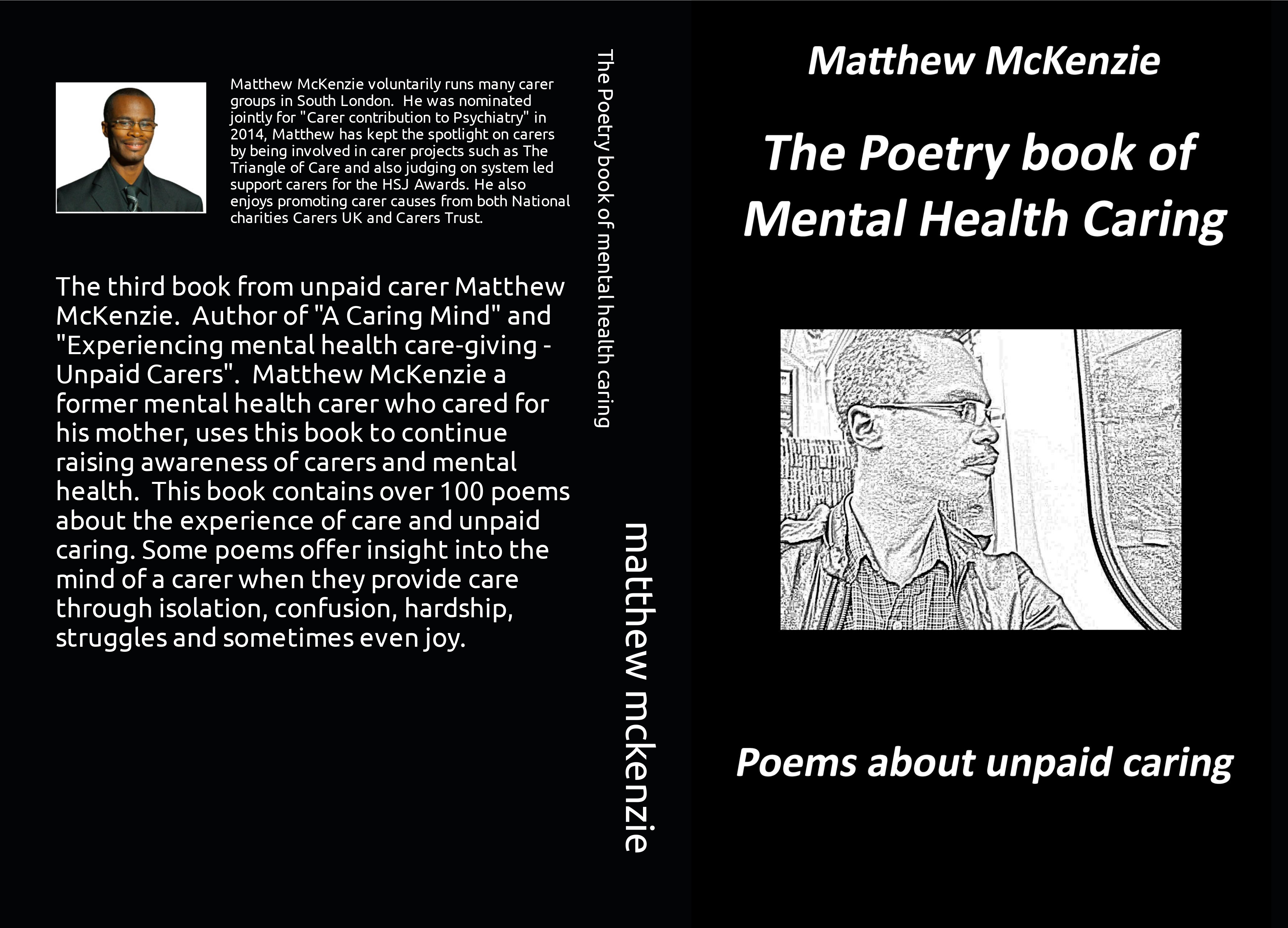
Telling your story as a mental health carer by matthew mckenzie

Whether you’re a carer yourself or an ally, this is your opportunity to witness the power of poetry and lived experience intersecting. Hear firsthand stories that move, educate, and celebrate the silent heroes among us.

A Book Launch to Remember

The event also marks the launch of a special poetry book curated from carers across the community. It’s more than just a collection of verses, it’s a tribute to resilience, empathy, and the unseen emotional labor of caring.

Hosted by Matthew McKenzie

Spearheaded by Matthew McKenzie, a dedicated carer and ambassador for Cygnet Health, this event reflects his ongoing mission to amplify the voices of carers. With over 200 events hosted, Matthew brings both expertise and passion to the stage.

Reserve Your Free Ticket

Tickets are free but extremely limited. If you want to be part of this moving and empowering experience, don’t wait. Please note the event is for unpaid carers.

Let’s come together to honor the stories behind the care. Join us for an afternoon of poetry, purpose, and community.

#CarersWeek2025 #CarerPoetry #UnpaidCarers #MentalHealthAwareness #ByCarersForCarers

Pride Month 2025: Celebrating Love, Identity & Mental Health

Join Matthew McKenzie in honoring Pride Month 2025, focusing on LGBTQ+ visibility, mental health awareness, and the ongoing fight for equality and inclusion.

To watch the video of my blog, please see the video below.

The Significance of Pride Month: More Than Just a Celebration

Every June, cities and communities across the globe come alive with vibrant colors, parades, and a sense of unity that transcends borders. Pride Month is a time to honor the LGBTQ+ community, but its significance runs much deeper than the surface-level festivities. It is a celebration of love, identity, and resilience a testament to the ongoing journey toward acceptance, equality, and human rights.

A Month of Color, Courage, and Community

Pride Month is not just about rainbow flags and lively parades. It is a period marked by courage and the collective strength of a community that has faced adversity for decades. The month serves as a reminder of the importance of unity, not just within the LGBTQ+ community, but across the world. In a time when global events can often feel divisive, Pride Month stands as a beacon of hope, encouraging people to come together in support of love and acceptance.

The Roots of Pride: From Protest to Global Movement

The origins of Pride Month are deeply rooted in resistance and the fight for equality. The Stonewall Uprising of June 1969 in New York City is widely recognized as the catalyst for the modern LGBTQ+ rights movement. What began as a protest against discrimination and police brutality has since evolved into a global movement, inspiring millions to stand up for their rights and the rights of others.

In the United Kingdom, the first Pride march took place in the early 1970s, igniting a flame that continues to burn brightly today. These early demonstrations were not just about visibility—they were about demanding recognition, respect, and the right to live authentically. Over the years, Pride has grown from a series of protests into a worldwide celebration, illuminating the stories, struggles, and triumphs of the LGBTQ+ community.

Visibility and Validation: The Lifeline of Pride

One of the most powerful aspects of Pride Month is its emphasis on visibility. For many LGBTQ+ individuals, being seen and valued for who they truly are can be a lifeline, especially in a world where discrimination and isolation are still prevalent. Visibility is not just about being present; it is about being acknowledged, respected, and celebrated.

The Ongoing Challenges: Discrimination and Mental Health

Despite the progress that has been made, LGBTQ+ individuals continue to face significant challenges. Discrimination, isolation, and mental health struggles are all too common. The importance of creating safe spaces where it is okay not to be okay—cannot be overstated. Mental health matters, and support is crucial. Whether it is reaching out to a friend, listening without judgment, or advocating for accessible mental health care, every action counts.

The Role of Community Support

Community plays a vital role in the well-being of LGBTQ+ individuals. Pride Month is a time to foster connections, offer support, and remind one another that no one is alone in their journey. It is about building a network of allies and advocates who are committed to championing inclusion and protecting one another.

Celebrating Pride: Honoring the Past, Embracing the Present

Pride Month is a celebration, but it is also a time for reflection and education. Through marches, art, poetry, storytelling, and educational initiatives, the LGBTQ+ community and its allies work to destigmatize the issues they face and foster joyful connections.

The Power of Storytelling and Art

Art and storytelling have always been at the heart of Pride celebrations. They provide a platform for individuals to share their experiences, express their identities, and connect with others. Whether through poetry, visual art, or personal narratives, these creative outlets help to humanize the struggles and triumphs of the LGBTQ+ community.

Education and Advocacy

Education is a key component of Pride Month. By raising awareness about the challenges faced by LGBTQ+ individuals and advocating for change, the community continues to push for a more inclusive and equitable society. This includes fighting for accessible mental health care, challenging discriminatory laws and practices, and promoting understanding and acceptance.

Honoring the Trailblazers: Remembering Those Who Paved the Way

As we celebrate Pride Month, it is important to honor those who came before us—the trailblazers who fought for the rights and freedoms that many enjoy today. Their courage and determination laid the foundation for the progress that has been made, and their stories continue to inspire new generations to stand up for what is right.

Uplifting Voices Still Fighting to Be Heard

While much has been achieved, the fight for equality is far from over. There are still voices within the LGBTQ+ community that struggle to be heard, particularly those from marginalized groups. Pride Month is a time to uplift these voices, to listen, and to ensure that everyone has the opportunity to thrive.

Pride as a Call to Action: Building a More Inclusive World

Pride Month is not just a celebration, it is a call to action. It is a reminder that the journey toward equality and inclusion is ongoing, and that everyone has a role to play in creating a world where no one has to hide who they are to feel safe, loved, and respected.

Championing Inclusion and Protecting One Another

Standing up for equality means more than just attending parades or waving flags. It means actively working to create inclusive environments, challenging discrimination wherever it occurs, and protecting those who are vulnerable. It is about ensuring that everyone, regardless of their sexual orientation or gender identity, has the opportunity to live authentically and without fear.

The Importance of Allyship

Allies play a crucial role in the fight for LGBTQ+ rights. By standing in solidarity with the community, allies help to amplify voices, challenge prejudice, and promote understanding. Being an ally means listening, learning, and taking action to support those who are marginalized.

Mental Health and Pride: Creating Safe Spaces

Mental health is a central theme of Pride Month, and for good reason. The LGBTQ+ community faces unique challenges that can impact mental well-being, including discrimination, rejection, and social isolation. Creating safe spaces—both physical and emotional—is essential for fostering resilience and promoting healing.

Supporting Mental Health Within the Community

Support can take many forms, from offering a listening ear to advocating for policy changes that improve access to mental health care. It is important to recognize that mental health struggles are not a sign of weakness, but a reflection of the challenges that many LGBTQ+ individuals face. By prioritizing mental health, the community can continue to build strength and resilience.

The Role of Advocacy in Mental Health

Advocacy is a powerful tool for change. By raising awareness about mental health issues within the LGBTQ+ community and pushing for better resources and support, advocates help to break down barriers and reduce stigma. This work is essential for ensuring that everyone has the opportunity to thrive.

Looking Forward: The Future of Pride

As we look to the future, the spirit of Pride remains as important as ever. The journey toward equality is ongoing, and there is still much work to be done. But with each passing year, the movement grows stronger, fueled by the courage, resilience, and love of the LGBTQ+ community and its allies.

Building a World Where Everyone Can Thrive

The ultimate goal of Pride Month is to build a world where everyone can thrive exactly as they are. This means creating environments where diversity is celebrated, inclusion is the norm, and everyone is free to live authentically. It is a vision that requires ongoing commitment, but one that is within reach if we continue to stand together.

Celebrating Loudly, Loving Proudly

This June, and every June, let us celebrate loudly and love proudly. Let us honor the past, embrace the present, and work toward a future where everyone is valued and respected. Pride Month is a time to come together, to support one another, and to continue building a world where love, acceptance, and equality are not just ideals, but realities.

Conclusion: The Enduring Power of Pride

Pride Month is a powerful reminder of what can be achieved when people come together in the name of love and equality. It is a celebration of progress, a call to action, and a testament to the enduring strength of the LGBTQ+ community. As we celebrate this month, let us remember the importance of visibility, support, and advocacy. Let us honor those who paved the way, uplift those still fighting to be heard, and continue working toward a world where everyone can thrive exactly as they are.

New Greenwich Carers Drop-In Sessions – No Referral Needed!

Are you a carer in the Woolwich area? Take a well-deserved break and connect with others at our brand-new Carers Drop-In sessions! Whether you’re looking for support, information, or simply a chance to chat with others who understand, you’re warmly welcome—no referral needed.

📍 Location: 105 Powis Street, Woolwich, SE18 6JB
📞 Contact: 0204 524 2685
📧 For enquiries: Ruth.abner@nhs.net

🗓 Upcoming Dates:

  • 17 June | 10:00–12:00
  • 25 June | 14:00–16:00
  • 16 September | 10:00–12:00
  • 24 September | 14:00–16:00

Drop by, take a moment for yourself, and let’s support each other. You’re not alone.