By Matthew McKenzie, Facilitator, National Ethnic Mental Health Carer Forum
Introduction: A Forum that Connects and Challenges
As the facilitator of the National Ethnic Mental Health Carer Forum, I never take for granted how special these sessions are. Each month, carers, professionals, and researchers from all over the UK log in to share knowledge, raise awareness, and push for change in how mental health services understand and support ethnic minority communities.
Our October 2025 session was a powerful one. Falling on the last day of Black History Month, it brought together crucial themes on race equality, co-production, research, and carer visibility.
We heard from two key areas shaping mental health equity right now:
The OSMOSIS Project, led by Dr. Jacqueline Sin and Sharon Galliford, focusing on developing social care-based support for carers of people with psychosis.
The Patient and Carer Race Equality Framework (PCREF), presented by Aboobaker Bhana, Equality and Involvement Manager for South West Yorkshire Partnership NHS Foundation Trust.
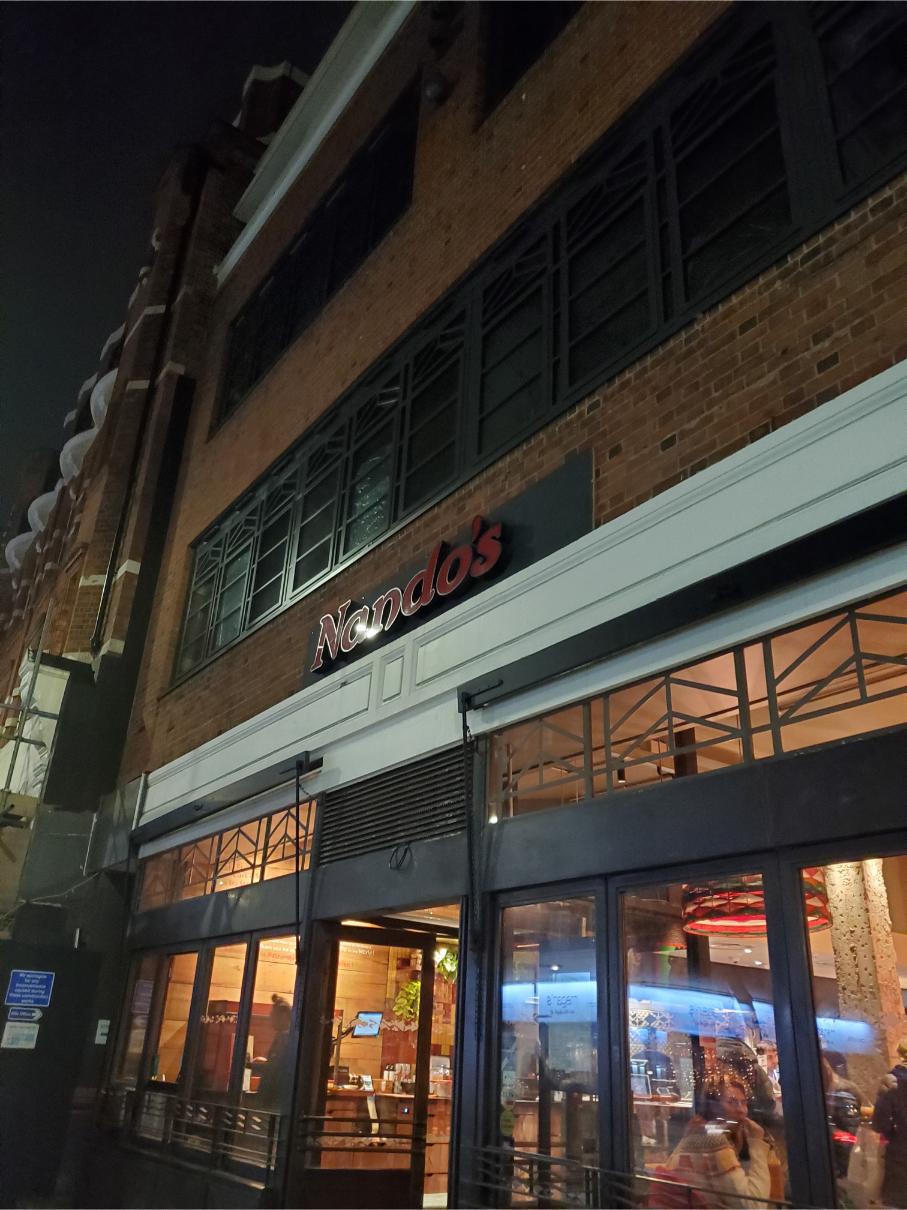
By Matthew McKenzie – Carer activist with Think Tenacity Academy CIC at Nando’s High Street Kensington (Event held during Black History Month 2025)
A Warm Welcome and a Powerful Beginning
On Tuesday 28 October 2025 at Nando’s, 229 Kensington High Street.
As soon as I entered, the scent of grilled peri-peri wings mixed with the buzz of conversation. The event Making Time for Black Mental Health was hosted by Think Tenacity Academy CIC, led by founder Bella Rareworld.
By Matthew McKenzie – Founder of A Caring Mind, unpaid carer, and advocate for ethnic minority carers
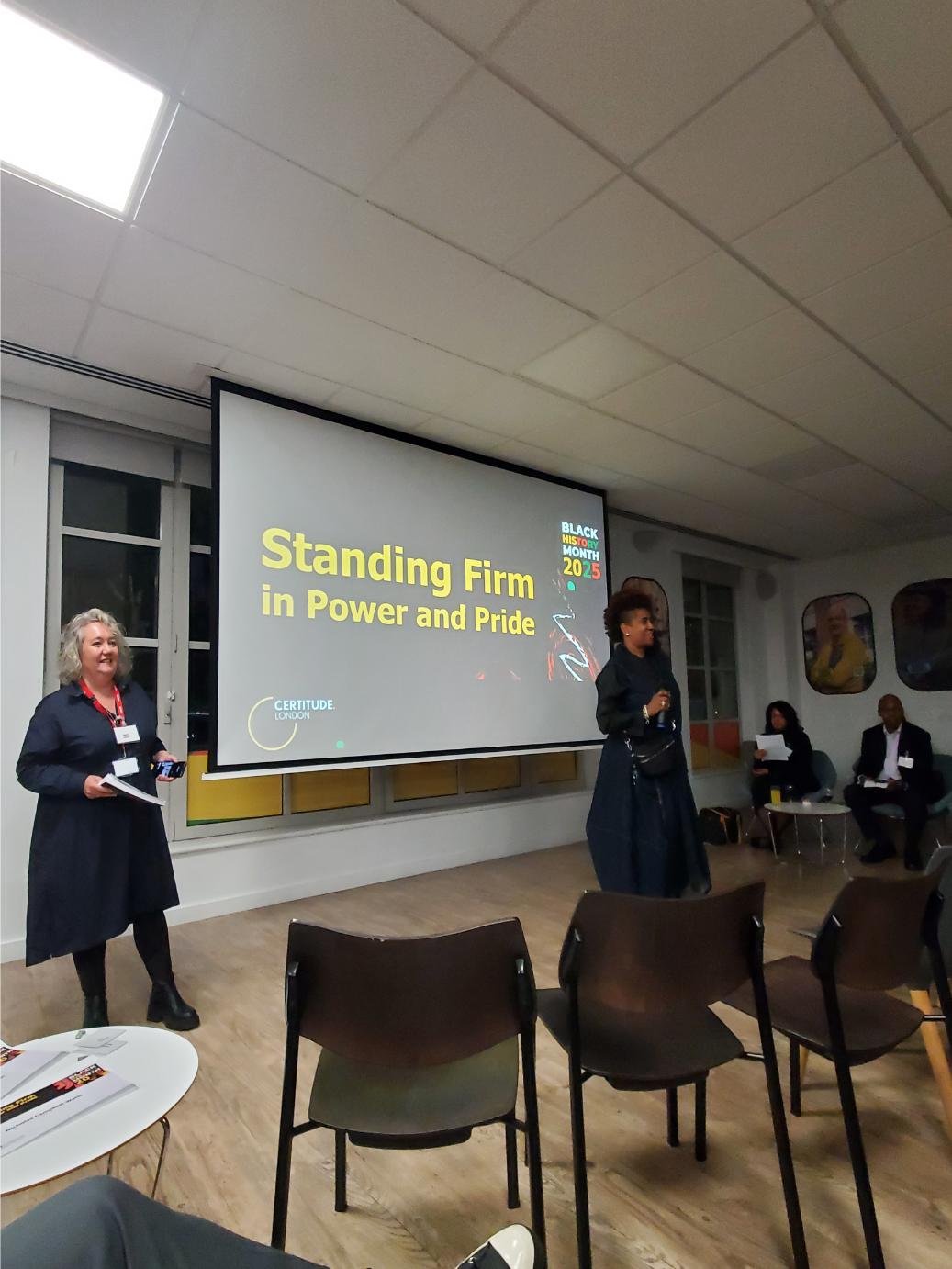
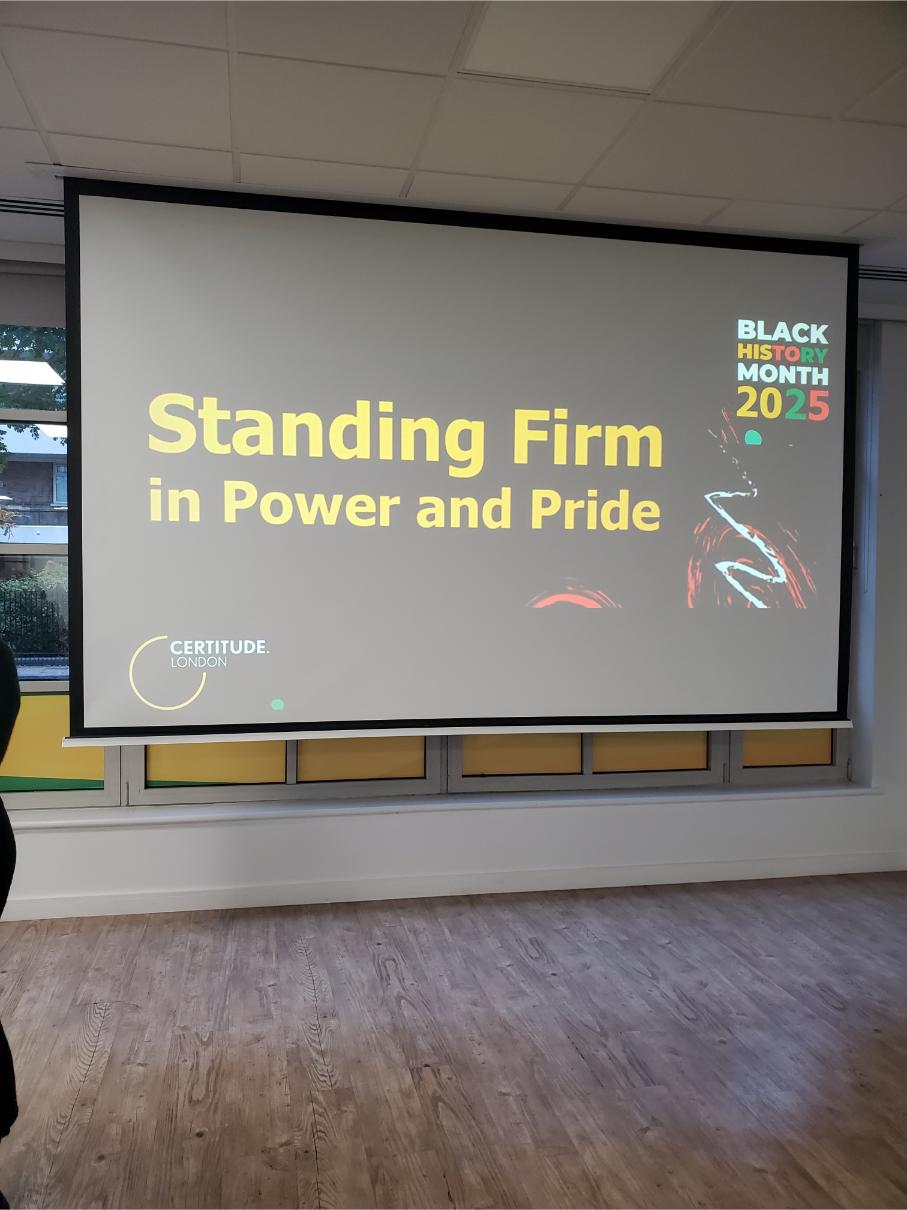
This October 2025, I had the privilege of joining Carers Support West Sussex to speak during their Black History Month celebrations under the theme “Standing Firm in Power and Pride.”
Carers Support West Sussex provides advice, emotional support, and practical help to unpaid carers across the county of West Sussex, ensuring they are recognised, valued, and empowered in their caring roles. Their work helps thousands of carers connect with the right information, resources, and community networks when it matters most.
As a Black, unpaid carer of lived experience, I spoke about Race, Inequality, and Carer Voices exploring how racism and structural inequality continue to shape the experiences of carers from ethnic minority backgrounds.
By Matthew McKenzie – Mental Health Carer Activist
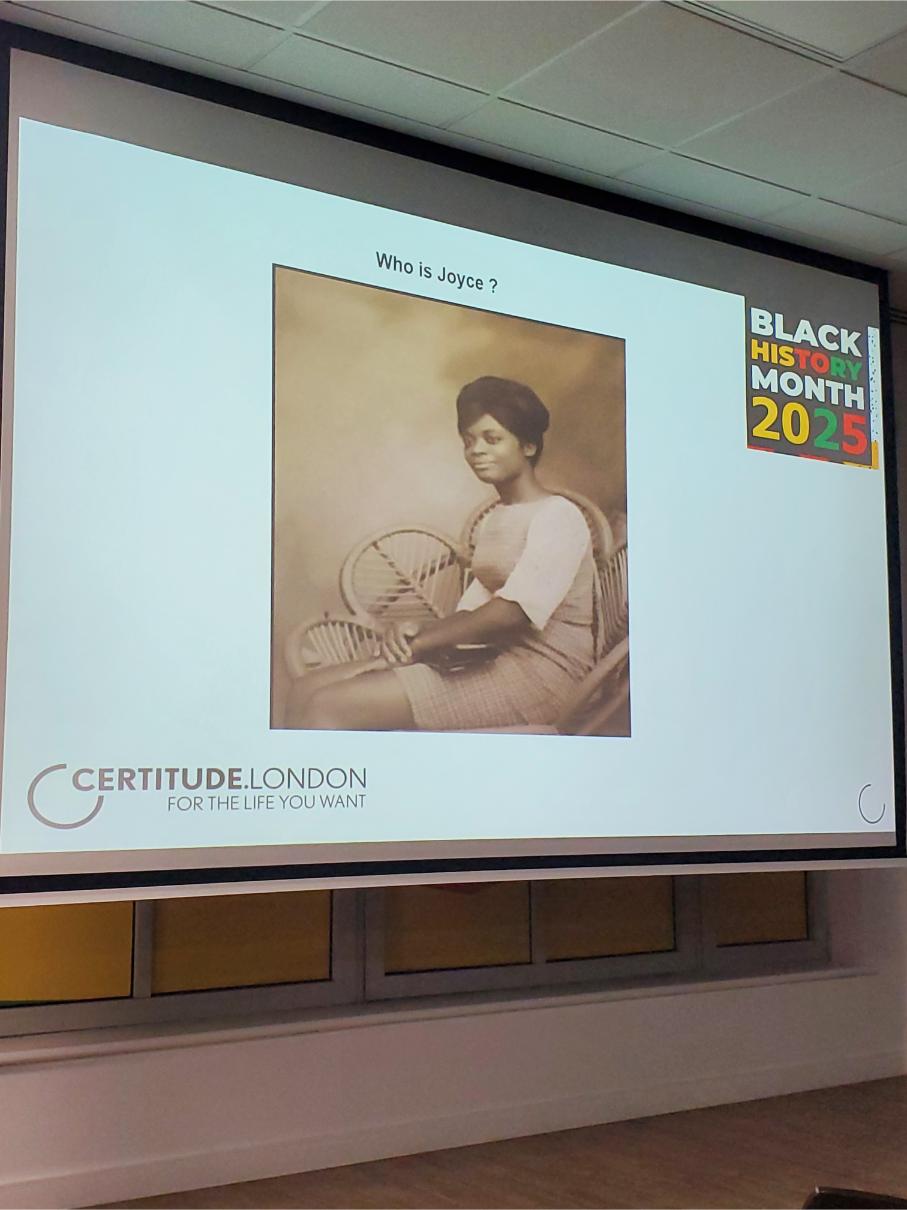
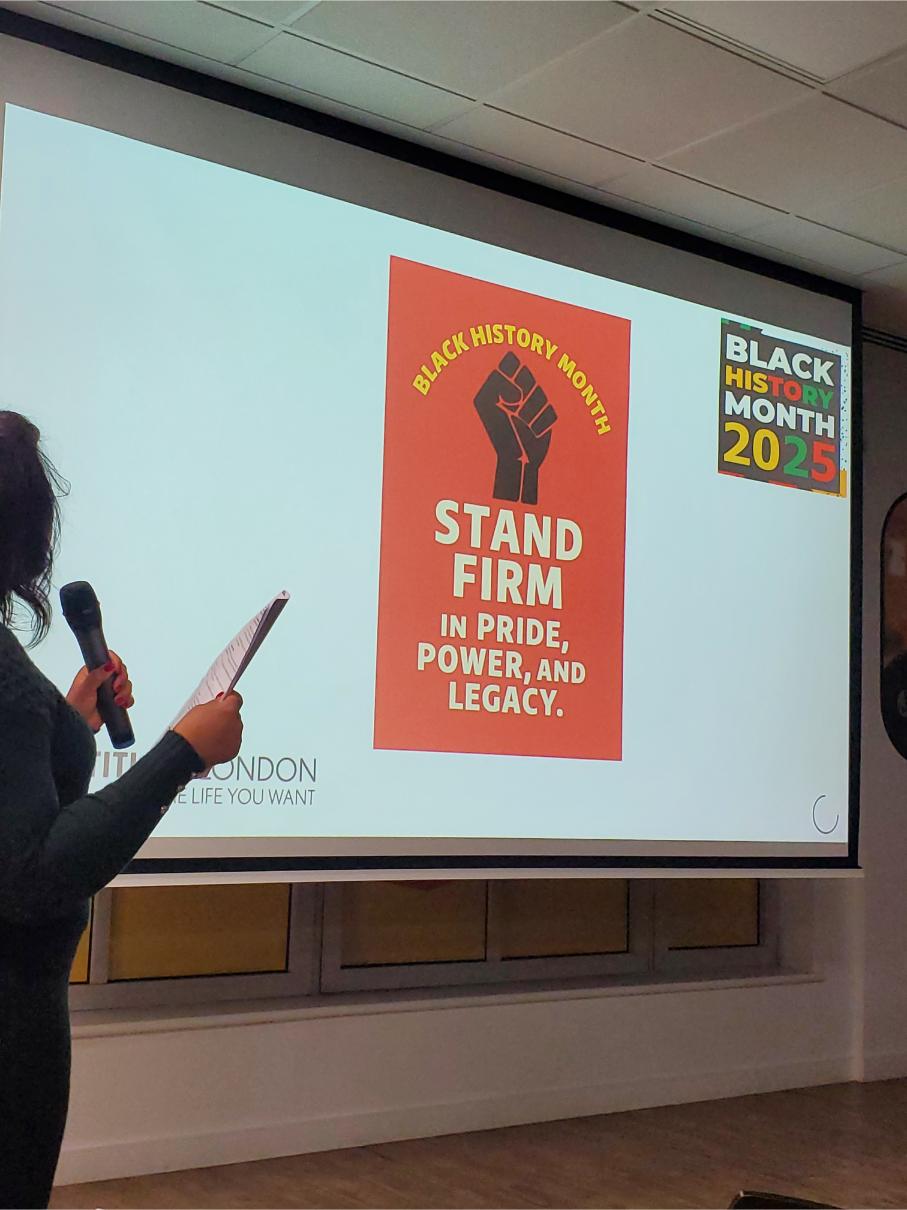
As a carer and mental health advocate, I often see how culture, identity, and lived experience shape the stories we tell and the way we support one another. Recently, I attended a remarkable Black History Month event hosted by Certitude, although I could not stay long, I left feeling inspired, proud, and deeply reflective about the intersections between culture, community, and care.
The Black History Month event was held at Bruce Kenrick House on the 16th of October 2025
About Certitude
Certitude is one of London’s leading social care providers, supporting people with learning disabilities, autism, and mental health needs to live fulfilled and independent lives. What makes Certitude special is its person-centred approach celebrating individuality, empowering self-expression, and ensuring that everyone, regardless of background, has the opportunity to thrive.
Welcome back to another blog post by carer activist Matthew McKenzie. Since I run an ethnic carer group, I wanted to promote Black History Month. Black History Month is celebrated in both America and UK, although the UK promotes Black History month in October.
There are 2 themes for Black History month one being “African Americans and the Arts”, the other being “Reclaiming Narratives”. I decided to go for the first theme, but did a mention on how the UK celebrates Black History Month.
Here are the highlights of my video.
🎨 Black History Month 2024’s theme is “African-Americans and the Arts.”
🌍 Celebrates the impact of African and Caribbean heritage in British history.
🏛️ Encourages exploration of Britain’s colonial past and migration.
🎶 Highlights the influence of black Americans on music, especially jazz.
📚 Black History Month aims to educate about interconnected histories of Britain, Africa, and the Caribbean.
🏢 Calls for action from governments and institutions to embrace diversity.
🤝 Stresses that these stories are part of everyone’s history, not just black history.
If you are interested to watch my video please via the view below.
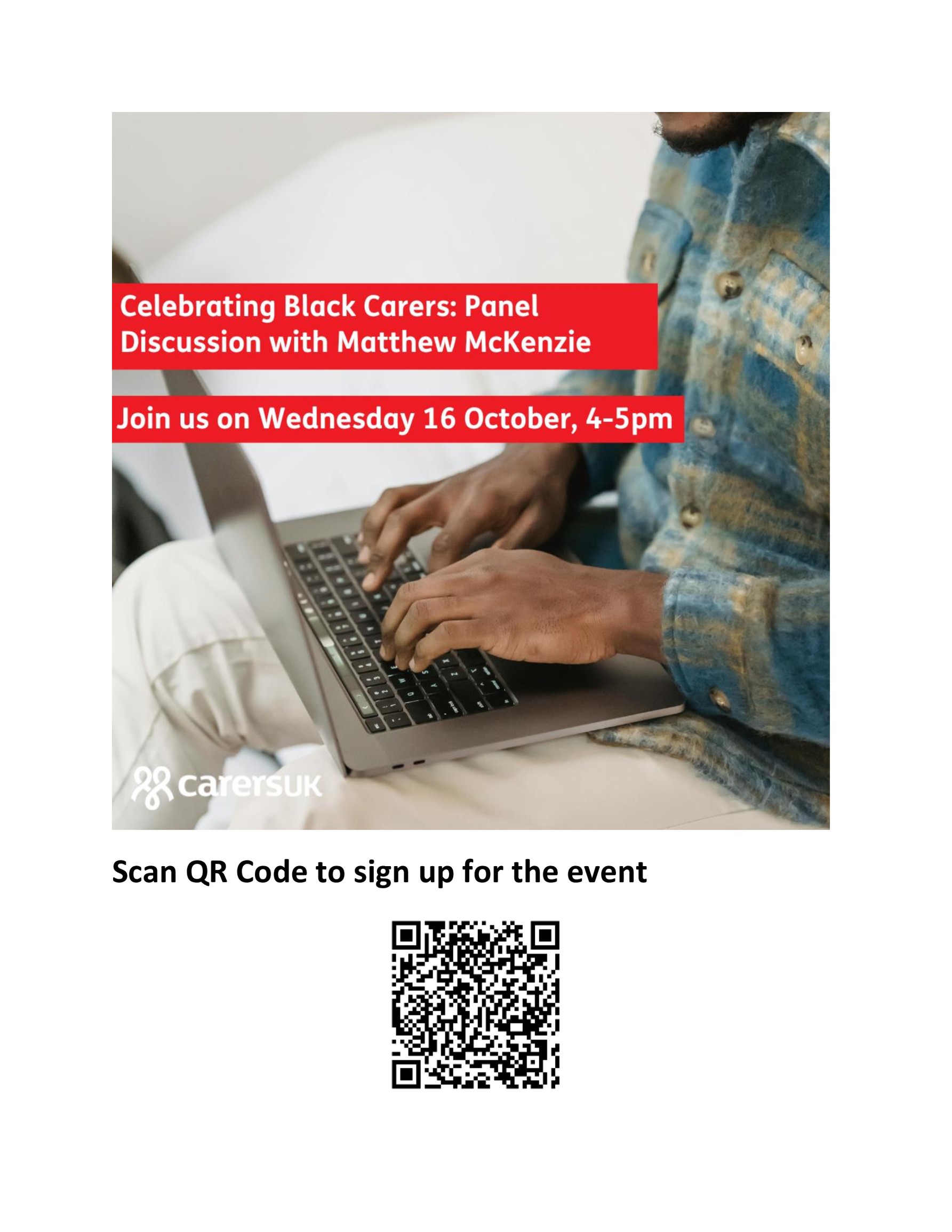
Thanks for dropping by my carer blog site. For those interested I am doing a Black History Month event with Carers UK. This will take place October 16th at 4 pm via zoom
Continuing on the Black History Month focus. I have added another post due to receiving my poem being read wonderfully by carer Annette Davis.
Recently there was a Black History Month event held over at South London & Maudsley NHS Foundation Trust. I was due to attend, but had other commitments. It was a shame, since I attended the previous Black History month event at SLaM NHS. The event included food, music, stalls and poetry.
Annette Davis a carer who I have known a very long time is the Chair of the PCREF Service Users and Carers Group at our local mental health trust.
She is very dedicated to her role and champions working together with health services. Annette has her own ethnic carer group over in Southwark and at times we do collaborate. I was astounded by Annette’s performance of my poem and had to a video of her reading my Black History month poem shown below.
Our History to Celebrate – Poem by Matthew McKenzie read by Annette Davis.
As of this blog post from Matthew McKenzie, it is Black History Month 2023. Previously I had written my thoughts about what Black History month means to me. Black history is what defines me and what makes me work so hard to promote wellbeing and promote community. I want people to connect and I value community. I have seen what happens when distrust, discrimination, stigma and blame hits community groups.
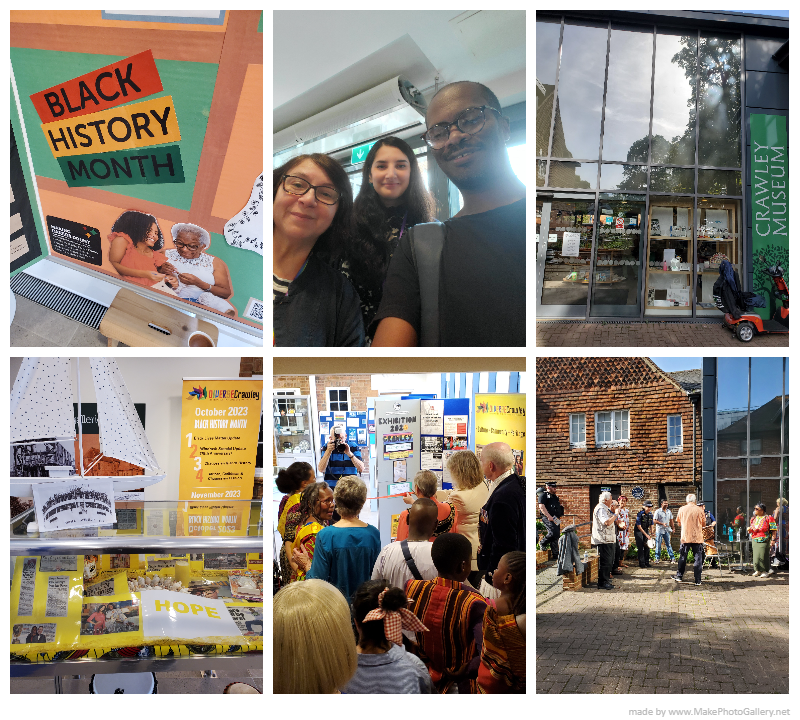
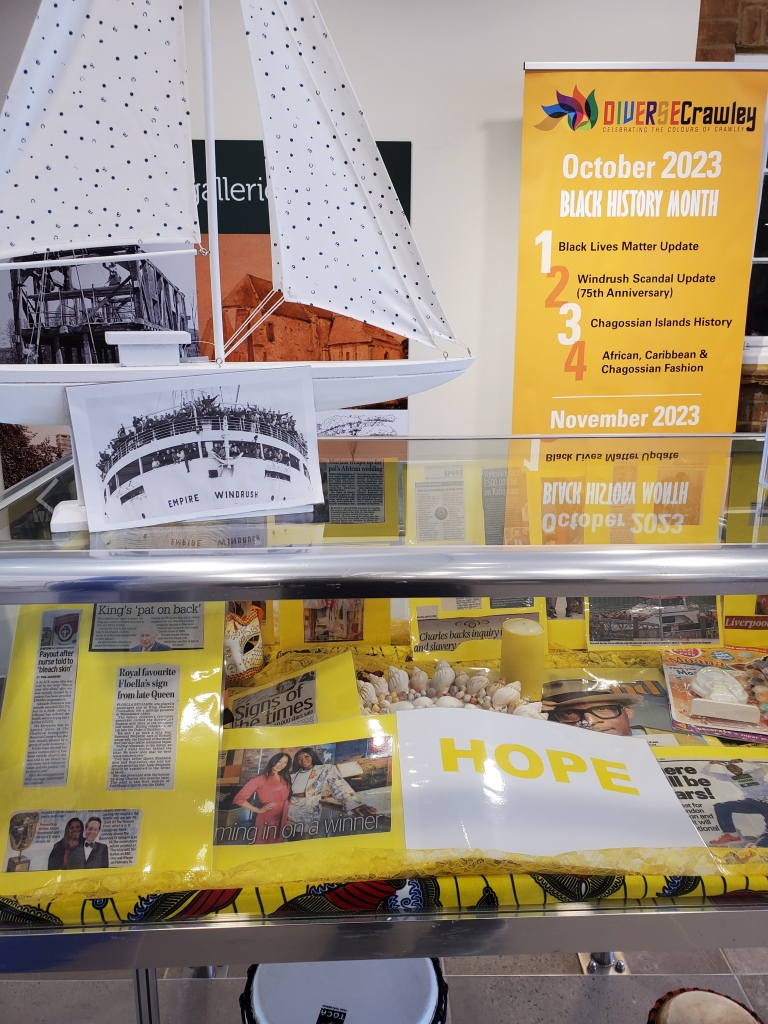
Still, sitting around writing about things is not enough. You have to get out there and support the community. You have help promote the values of what brings us together and share ideals. So for this blog, I was delighted to help support Black History Month over in West Sussex. Crawley Musuem held an Exhibition of Black history month with community group “DIVERSE Crawley”.
As a reminder, Black History month has been celebrated in the UK since 1987. The celebration presents an opportunity for everyone to reflect on the past and think about how to improve things for the future. The month-long spotlight allows discussions to go past those of racism and slavery and look more to black leaders, many of who’s legacies touch daily lives.
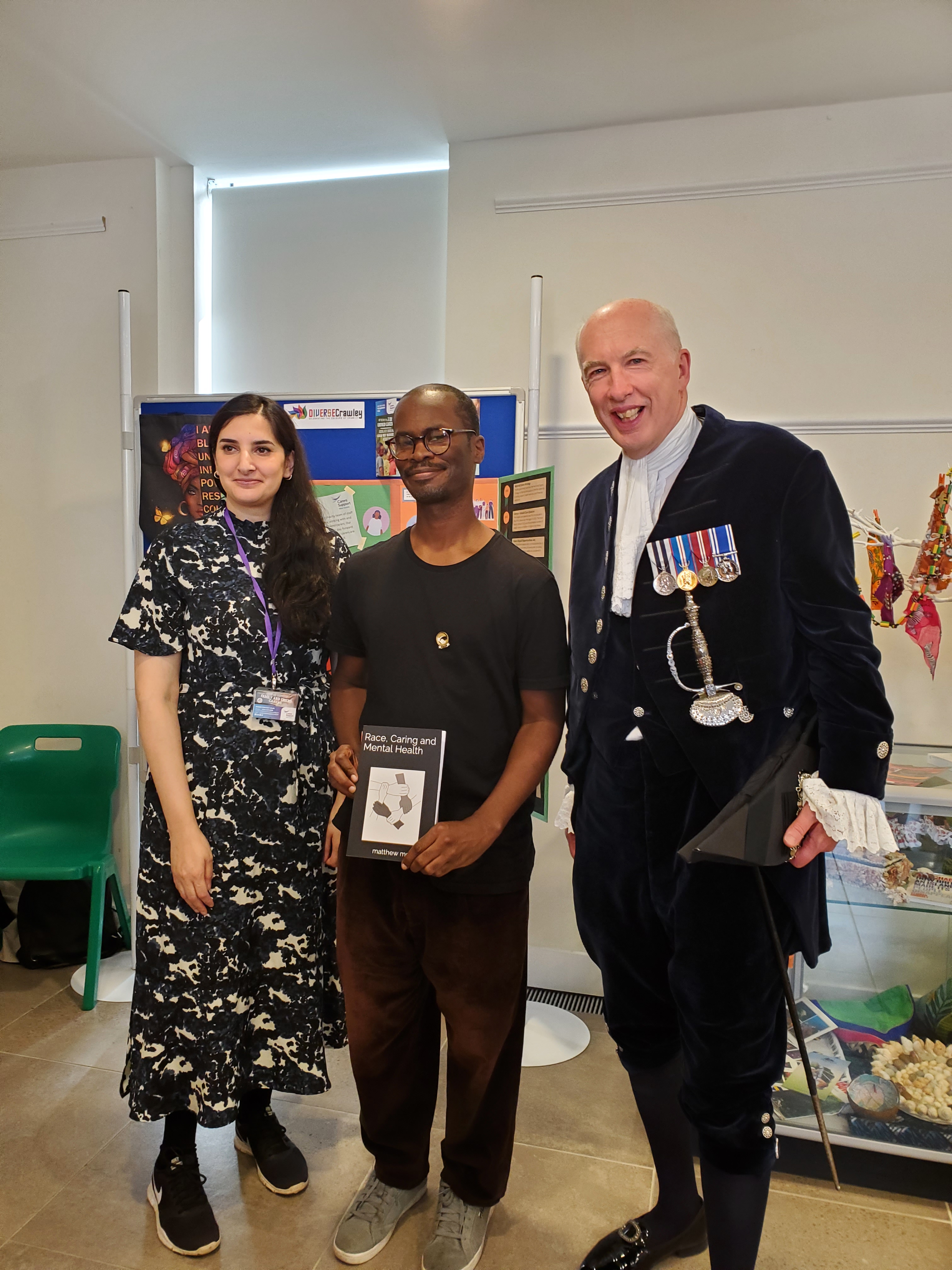
I was there supporting Carers Support West Sussex who do so much for unpaid carers. With approximately 30,000 registered carers supported by Carers West Sussex. Their charity runs Support Groups and a Carer Response Line. They also assist carers in accessing necessary equipment and funding for their well-being. Additionally, Carers Support West Sussex offers counselling, call back services, and well-being support, with teams stationed in major hospitals. As soon as I arrived Adeelah Khan who is the Carer Engagement Co-ordinator greeted me. I also met their mental health carer engagement to Sussex Partnership NHS Foundation.
The Black History month event opened with African drumming session while the host Marilyn Le Feuvre who is the DIVERSE Crawley Co-Founder and Chair, made sure attendees where welcomed and looked after.
African Druming Session to Start Black History Month Exhibition
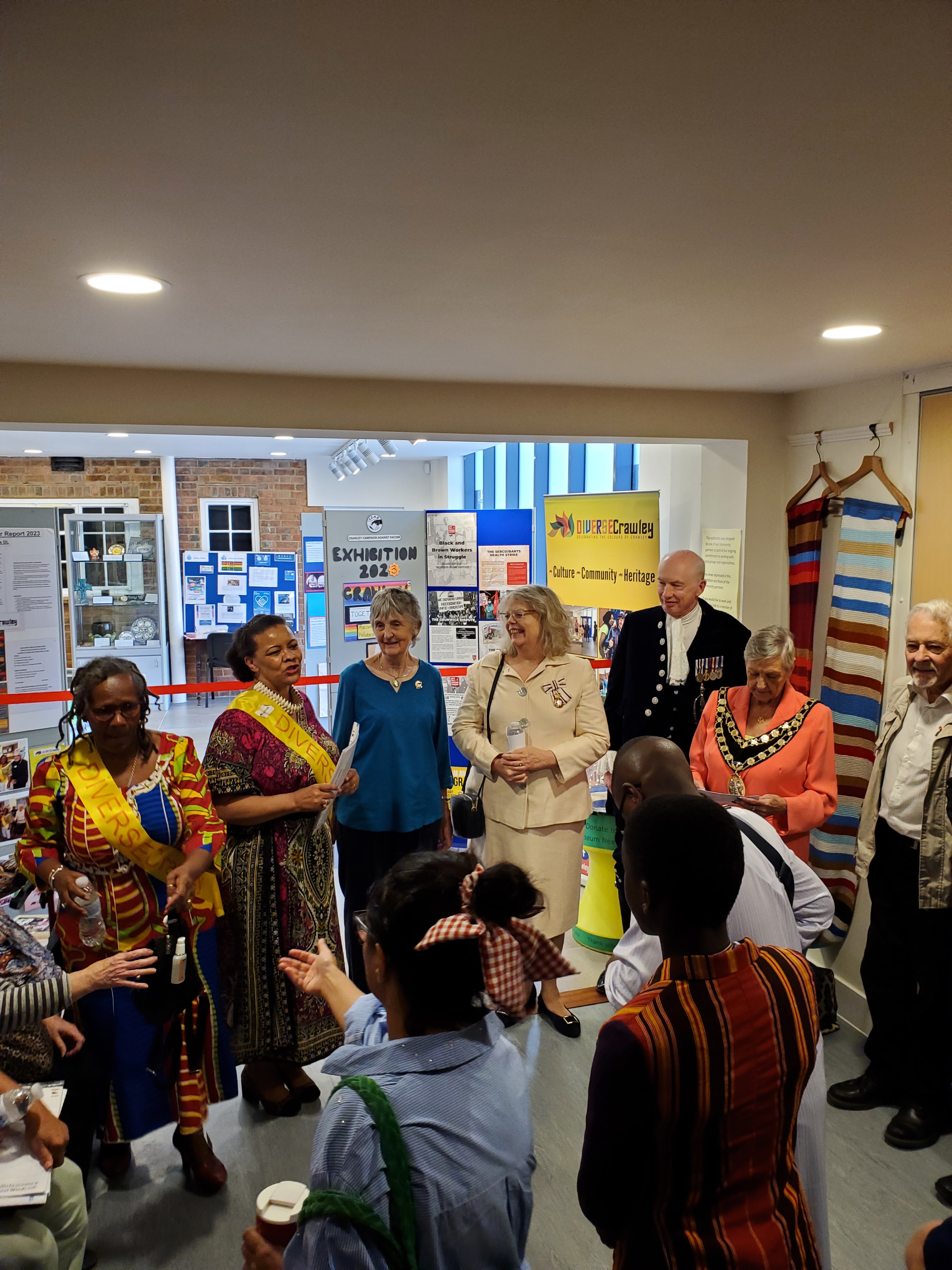
It was not long before crowds formed and the Lord Lieutenant of West Sussex Lady Emma Barnard arrived. She was also joined by High Sheriff of West Sussex – Andy Bliss and Crawley Mayor – Cllr Jilly Hart. We were then taken up to the exhibition on the first floor where we heard speeches from each of the attendees.
Their speeches struck an accord with me, I am not sure what Crawly does, but their community seems very close and connected. They all spoke about what Black History means to them and the importance of such an exhibition and event.
After the speeches it was not long before Lady Emma Barnard cut the ribbon to Launch the exibition
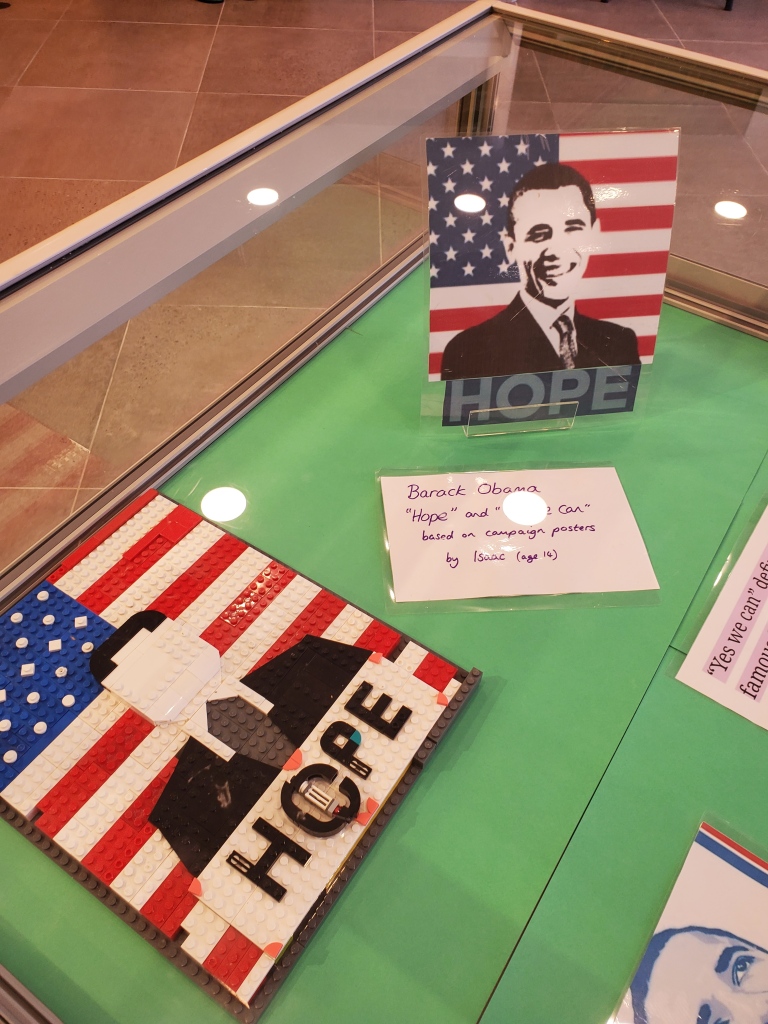
We were then given a tour of each exhibit including the impact black people have made to the NHS. The importance of Windrush and the struggles black people faced on arrival. We also heard about the positive things about Black History on what bring people together and sharing culture.
I was honoured to see my poem as part of the exhibition at the musuem and I even actually read the poem for the audience.
This was again thanks to Carers Support West Sussex who spoke about what they do for the community and how they feel unpaid carers are part of the community.
We learnt of African fashion and got to hear various African songs from the young and old. I took the time to place the audio below.
Ugandan National Anthem
Next we heard another poem about the impact of Windrush, which was wonderfully read out by Irma Stuart-Tei who is co-founder and Deputy Chair of DIVERSE Crawley.
Then we were given more details about black history including the case of Kris Karba, Stephan Lawrence and the importance of Black Lives Matter. The talk was supported by Crawley campaign against racism who spoke how together we can all contribute to tackling racism and discrimination.
There were talks about why Black women are three to four times more likely to die from pregnancy-related. The importance of diverse barbie dolls. There was so much presented, that I could not possibly cover them all. There were futher presentations downstairs followed by African and Carribean food.
All in all, I felt this day was the highlight of several weeks as I have been occupied by so many things. I was impressed on how much work and effort placed into the event. Again, I am not sure how Crawley community does it. They work together tirelessly to promote what community is all about. Please check out my video compliation of the event.
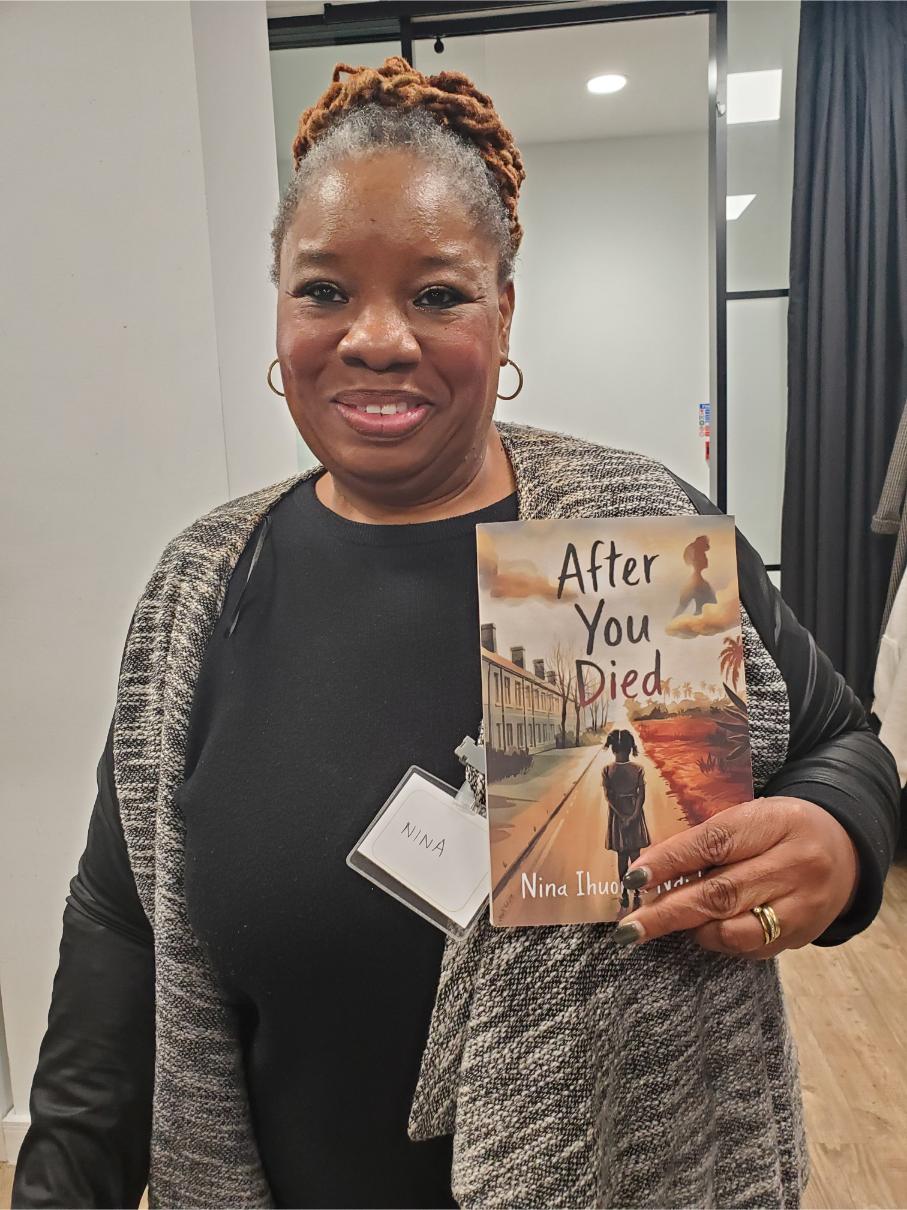
Looking forward to more things from Carers Support West Sussex and some other carer centres around the country. I also left my book with the carers centre regarding “Race, Caring and Mental Health”. The book promotes ideals of NHS England – Patient Carer Race Equality Framework.
Welcome to another blog post by Matthew McKenzie carer activist and one of the carer network ambassdors for Cygnet.
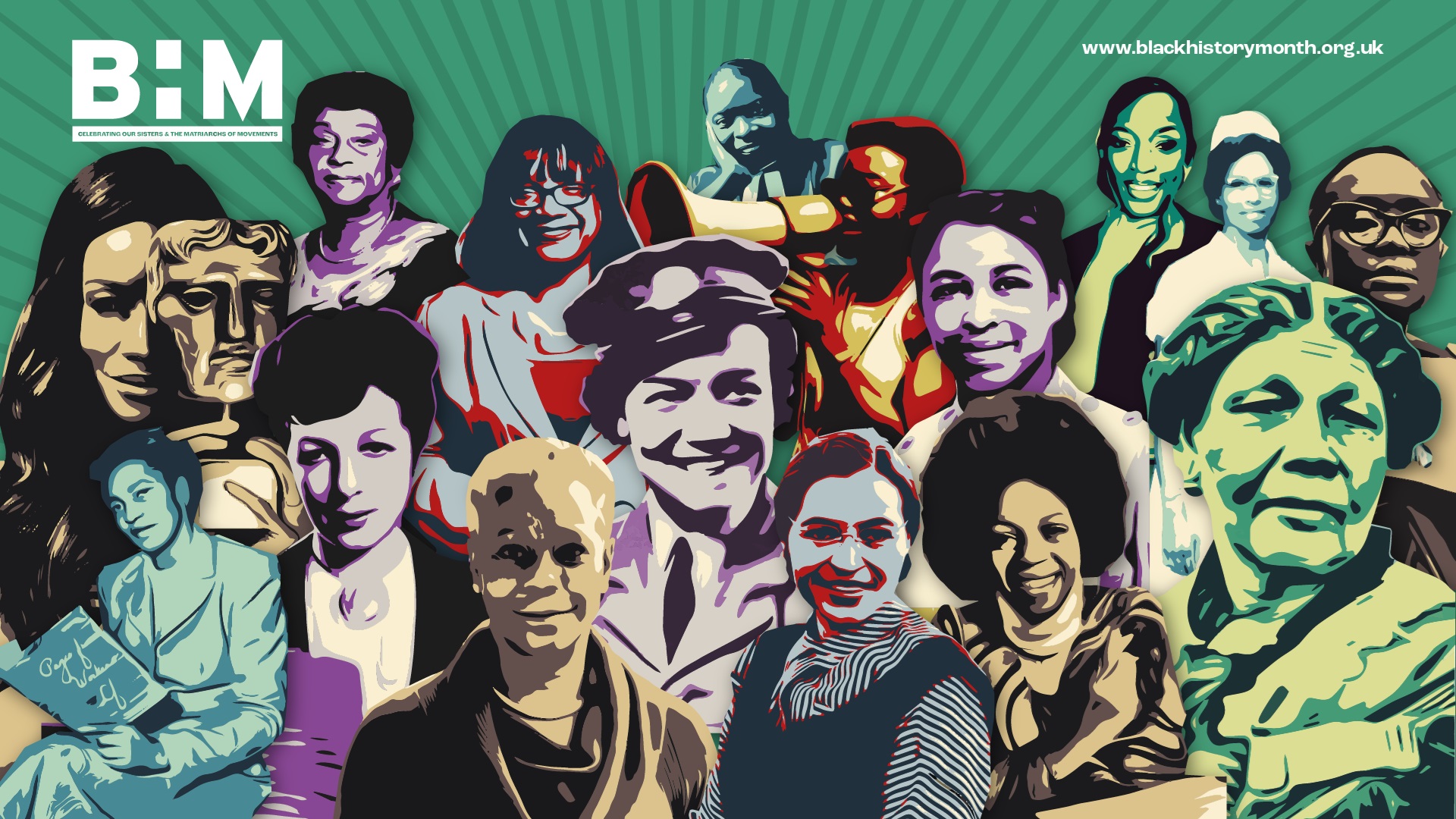
As of this month for October 2023 it is Black History month. This month is a special theme for me since the theme is ‘Saluting our Sisters’. The theme highlights the crucial role Black women have played throughout history.
There are so many famous black women throughout history
Rosa Parks – for her courageous participation in the Montgomery Bus Boycott to push forward the civil rights movement against racial segregation on public transport.
Maya Angelou – who was famous for poetry and also a civil rights activist.
Mary Seacole – Contributing to medicine and nursing where she even helped British soldiers being injured in the Crimean war while fighting discrimination.
There are of course many more famous black sisters who are far too numerous to mention, but the above have shows the importance history plays in shaping our lives.
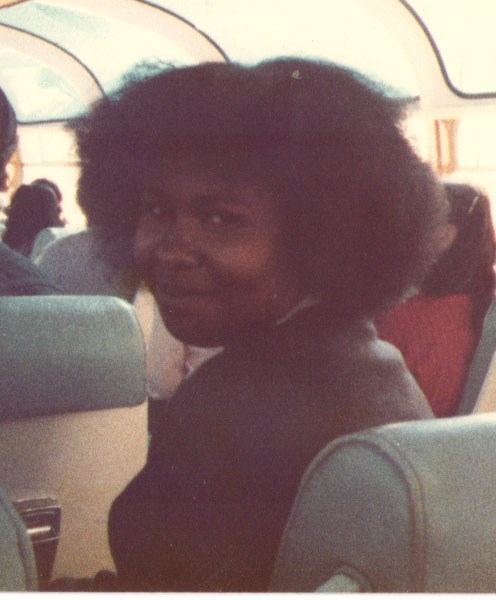
Still, I want to focus on someone very special and dear to me as she has not only shaped my life, but in a strange way inspired many others. Around 2019 during the pandemic the country was fighting an unknown and dangerous virus. That virus turned out to be COVID-19 and the outcome changed my life. My mother struggled with her mental illness in her later years, which in turn led her to also struggle with her physical health. With resources running low in the health service my mother was the unfortunate casualty of dwindling health resources during the pandemic.
Like so many other vulnerable groups. My mother did not actually die of virus, but just could not access emergency healthcare as resources were focused on covid victims.
The impact left me wondering what could I learn from my many years of caring for my mother. I had a choice either to share my story to other carers or completely move in another direction of my life. I made the former choice, because it helped me heal and also pay rememberance not only to my mother, but to myself.
So around 2020 I wrote my first book about my experiences as a mental health carer. The book was called “A caring Mind”, which was named after my blogsite which was born raising carer awareness after writing blogs for South London & Maudsley NHS trust.
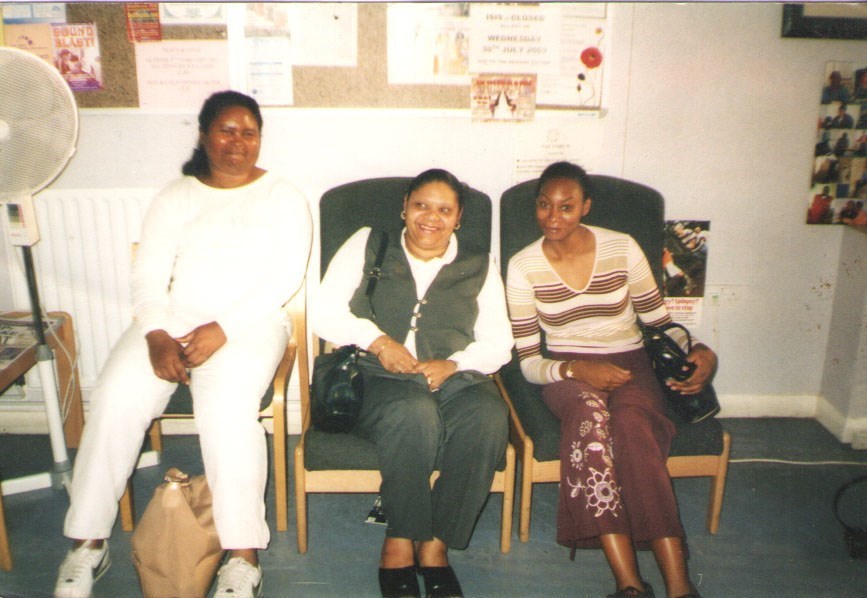
Even when caring for my mother, I was also helping to care for an old friend who also inspired me to write. However it was my mother Rosemarie McKenzie who spent so much time writing poetry. My mother also wrote stories and even managed to get a story published in a magazine while she was struggling with mental illness.
My mother enjoyed singing and used to sing at our local African/Carribean community centre (family Health ISIS) that catered for those struggling with mental illnes.
Rosemarie McKenzie to the left dressed in white
My mother inspired many other clients at the community centre to be creative with poetry, singing and writing. It did not matter the mental struggle other clients was going through at the centre. They saw my mothers, as long as they could be creative, it helped them express traumatic feelings in a positive way. This was one of my mother’s strengths. No matter how many times she was would suffer with her health, she always found strength to be more than her illness. She made me find cause in highlighting awareness for vulnerable groups. This in turn led me to continue writing and using creative ways to express my lived experience.
Of course I could never fully understand my mother’s illness and could only express my mothers creativity as a dutiful son and a mental health carer. In the end I feel we cannot always look to the famous and fortunate of our black sisters. We all contribute to history in our own way. My mother used her own creativity to tell her story and I will continue that story hoping to contribute to black history.
Welcome to another brief update of my BAME mental health carers forum for October 2021. I have not been reporting off my carer forums that much due to finishing up my latest book about mental health carer experiences.
You can by my latest book on the link below.
You can also find an overview of chapter 1 from my YouTube channel below.
I am now working on my 3rd book which will be a large number of poems also on the carer experiences. It is not set for release until 2022, although I have been reading out my poems at carer groups for preparation.
The carers forum usually runs once a month and its focus is on ethnic diverse carers who are caring for someone with a mental health issue, although the forum started in Lewisham, it has expanded with the support of mental health services of Oxleas, so it has extended to Bromley, Greenwich and Bexley.
Speakers for September 2021
George Hosking OBE CEO of Wave Trust – Wave Trust on Young black wellbeing
Dr Tim Ojo – Psychiatrist on Black History Month Reflections
Doreen McKenzie – Black History month Poetry
Emilie Wildeman – Patient Research project at Institute of Psychology, Psychiatry and Neuroscience
Lara Sengupte – Breakfast Clubs again Racism.
This particular forum focused a lot on Black History month which ran for October 2021. One of the speakers from NHS England & Improvement could not make it, but they did attend my BAME carers group for Novemeber, which I will blog about soon.
George Hosking OBE presents on his project for youth mental health
George Hosking CEO of Wave Trust spoke about his charity, which helps to prevent children suffering child abuse, neglect, and those witnessing domestic violence in their homes. Over a number of years, the charity has become very aware of the impact on mental health, which has led to people suffering childhood trauma in some kind or other. George mentioned a huge number of mental health problems can be traced back to childhood experiences in that way. George stated the charity has experts on trauma. He himself is a clinical criminologists, psychologist, and traumatic stress counselor, his charity supports organizations and individuals to learn how to support people who have suffered trauma in their lives.
George included that one of the things they do is they help set up trauma informed communities around the UK. These are communities which really try and provide the best possible support to people who have suffered some form of trauma in their lives. This includes a lot of people with with mental health issues and these communities can be of two types. They can either be created top down by working with the NHS and local authorities and police to create a rather statutory based organization, or else it can be created from the grassroots working away from individuals in the community. They have been working now for about two years with the Black and ethnic Community where the charity is based, leading to creating a trauma informed community.
George was thinking about the possibility of doing some trauma informed community work in Lewisham, due to Lewisham Council recently inviting organizations to make an application to provide emotional health and well-being training to those working with young people in leadership.
What his charity is looking for is people who will help young people to spot the signs of poor mental health, and guide those young people towards mental health support especially in the black community. WAVE charity has got a background on this because of their knowledge of trauma and mental health, that they can provide that kind of guidance and support. They have got the facilities to train people to be more adept at doing this sort of thing. Unfortunately what they don’t have is the links in Lewisham to people who are working with young people, particularly people who are working with young people with an interest in mental health. George did realize that our forum’s focus is very much on carers rather than supporting young people. He did do a Google search to look for an organizations in Lewisham with interest in mental health and thus Matthew’s forums came up.
So George contacted Matthew who kindly invited him along today just in case, someone from within carers forum is aware of or are even interested in what that charity could potentially allow involvement in.
Lara Sengupte presents on Breakfast Clubs again Racism in Lewisham
It was Lara’s turn to speak about her project and how it came about. They are currently in the pilot scheme phase. So they have been running projects since July, and the piloting finishes in December. By then they are going to be analyzing the results of the clubs. They run two breakfast clubs, one in Catford, and one in Peckham (Southwark). The goal is basically to educate young people on racism, how it shows up in society, and how to combat it. This particularly on internal racism.
Lara knows for a lot of young people of color, which relates to mental health, that can carry around a lot of negative self talk and negativity, all the negativity that we see in the media, and through like school exclusions there is a lot of racism against young people of color. The big challenge is that young people and children don’t exactly know how to process it. So that’s one thing that our clubs want to tackle. So they are running educational Saturday breakfast clubs for young people throughout autumn term. This is not just for Black History Month since they have been running them since September, and will finish them in December. Our clubs have got about 10 weeks with the kids where the purpose of the breakfast clubs is to teach young people about racism, how to challenge it in a safe space surrounded by like minded peers.
So all the kids that are signing up to the Breakfast Club all care about racism, and all care about combating it. So they can share ideas in a safe space, that perhaps in a school it would be different. The clubs don’t just cover personal racism, they also look at deep institutional racism, and internal racism that is often carried around by young people of color. This can show up as negative self talk or self destructive behavior. So the clubs give the students an understanding of the societal problems that we have in this country. The clubs also work on self confidence and leadership skills to empower the young people and children to take action where they can.
The breakfast clubs next session was in October where the clubs work with young people from around like 10 to 14, but they are also quite flexible and ages.
A while ago Dr Tim a psychiatrist wrote a piece for the Royal College of Psychiarists regarding the importance of Black History Month, which you can see below.
Dr Tim has been very busy promoting equality through the power of psychiatry and I felt it important to invite him to engage with BAME carers and even NHS staff.
Dr Tim felt it was a pleasure and a surprise for Matthew to connect. Dr Tim spoke about the piece he wrote for Black History Month in 2019. He is a psychiatrist by background of British born, But his heritage is in southwestern Nigeria and as part of the Royal college of Psychiarists celebration of Black History Month, which became something only a few years ago, he was invited to write a blog. Dr Tim is an associate Registrar for policy support the college. That means the things around the Royal College of Psychiatry led to reports and statements that they make, in addition to supporting people with mental illness, their families, and communities. This includes Improving the mental wellness of society in private colleges, professional body for all qualified psychologists.
Dr Tim felt what was the important facets for Black History Month is a special where we come to terms with the fact of needing to understand history from the perspective of recent events. This has happened after his blog has shown that reflection point where it’s absolutely necessary, where people of color and their white allies think about history from a different perspective, because for too long, it’s been written from the perspective of one vantage point, that vantage point unfortunately positions, people of color, black folk, particularly at a disadvantage in producing narratives that arent helpful, realistic, and are incomplete. So what he thought Black History Month now takes upon an additional layer of importance, because first of all, it is about a celebration, about the fact that across the world cultures, black people have come together even in the face of suffering, can celebrate on resilience and psychological robustness that is happening through the facets of our history, and throughout our communities. Dr Tim felt we can find people, individuals and communities doing great things where it reminds us that we have a history of a human or a connected global trajectories of history that we assume we have music culture, we have literature is important for all of us as human beings to function make no apologies for our issues about how do we use structural position to address questions of inequity and problems inclusivity in society. Dr Tim feels as carers we can speak to a very important aspect of the black community in terms of inadequacy of access narrative support.
Dr Tim also thinks having four electives is important to come together to illustrate actually, every month, although Black History Month appears once a year. it’s important for people to focus on sharing stories, not as a disadvantage, but through the use of positivity. Dr Tim mentioned where his blog gave a historical link between psychiatry in Nigeria, where the Western world in how we have trained psychiatrists who took it upon themselves to negate the negative picture over history in psychiatry, and came up with a very good book, which is called “black skin, white coats” by Matthew M. Heaton.
The book is a legend and looks at psychiatrist colonization, and the globalization of psychiatry, this led to an informed decision of him becoming a psychiatrist.
Dr Tim thinks it’s important also to recognize people like African Caribbean senior psychiatrists, who retired, but stood firm in the face of strong opposition to actually question what was happening, vision and mental services of color in this country. Dr Tim spoke more about Matthew M. Heaton on his work since the 60s and 70s, which was very important in shaping the new agenda around a shared understanding of how history is restricted, which is advantageous, specifically why he was talking about Black History Month being symbolic.
Doreen McKenzie poet and author on Black History Month poem.
I invited my aunt Doreen to read a poem for my carer group. She had two poems that she wanted to read to us. Doreen read the shorter one first. The poem was called “Proud to be black”
This woman is so darn proud to be back. Despite the fact that she’s very aware that her color is constantly under attack. Black is the color achievers with pride. Nothing will ever entice her, her beautiful black skin to hide.
She was born black, and will die the same color. And she knows many people whose thoughts are similar. She hears people talk about the blonde bombshell. But she repairs the curvaceous black hair.
Black skin really wrinkles with age. Therefore, the age of a black person can hardly be gauged. It is a mystery how many elderly people look so good, despite the fact that they are plagued with a magnitude of challenging evidences.
And when it comes to her hair, please don’t even bother to go there. It is so unique and versatile. That in just one day, it can be crafted into a variety of magnificent styles.
The Bible says that man is made from clay. So claiming to be made in God’s own image is nothing outrageous to say. Claim your blackness with gladness and pride. Because the beauty of blackness, one must never tried to hide.
You can check out Doreen’s book “The Purpose of My Life: Now, Then, and in the Future”
Emilie Wildeman presents on her Research project
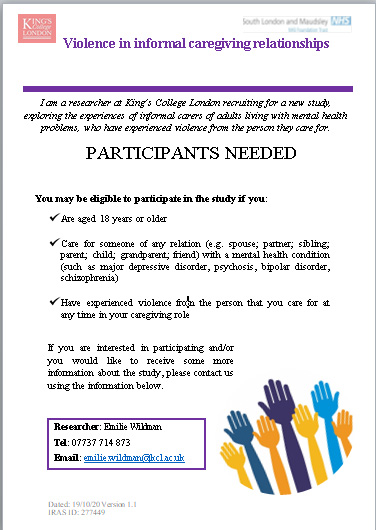
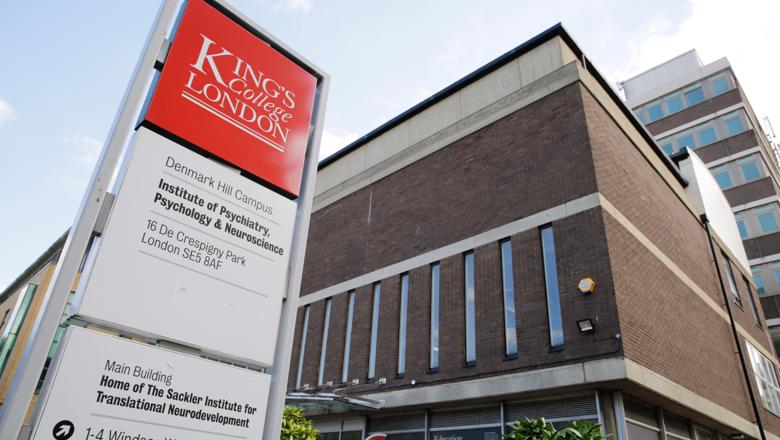
Last to present was Emilie on her research project. She usually attends my groups a couple of times over the past year. She was here today to push for recruitment and to raise a bit of awareness about her study that she is conducting as part of her PhD project. Emilie is a PhD student at King’s College London. Her research is all about informal family carers for people living with severe mental illness. Emilie gave us a bit of background to the study, in many health conditions, including mental health, we know that people living with these conditions will often live with or be supported by a close family member or friend, who mental health services refer to as informal or unpaid carers.
Emilie continued to mentioend that they also know that in some relationships, there can be difficult periods that might include sort of episodes of disagreement, and in some cases, can include active aggressive behavior from one person towards another. Her research is focused on carers of relatives living with severe mental health conditions and for her study, she is looking to speak with family carers who have experienced any type of aggressive behavior from the relative that they care for. So that could include sort of episodes of verbal disagreement and verbal conflict, conflict, verbal aggression, emotional and psychological. It could be physical, it could be some sort of destruction to a property. It’s very broad. She knows that this can be a very sensitive topic, and that there can be a lot of stigma around mental illness as well as aggressive behavior. So she really want to emphasize that this project is not about passing any judgment or making any assumptions about relationships. she is just interested in exploring carers lived experiences.
Emilie hopes that through doing this research, they can help to reduce that stigma. Participation is on carers completing an interview with herself. This is around giving carers the opportunity to voice their experiences and their opinions about what impact these experiences can have on themselves personally, on their relationship with the relative to their care and also for the family.
She is also really interested to learn about “What support families and carers have received in relation to dealing with experiences of aggression”. So that could be from personal support networks, but also professional services because she wants to identify what aspects have been helpful, but also maybe where support might be lacking.
This concludes my brief update of a special Black History Month special for October 2021.
Thanks for dropping by my website. This blog is usually aimed at unpaid carers and promoting mental health awareness. There will be times I will provide updates from the carer forums I host around South London, but due to limited resources, I just cannot always update.
Going off topic, at the time of this particular post, it is the 28th of Monday October 2019. Black History Month is soon drawing to a close, but there are still plenty of events going on around the UK. I have just participated at the St Andrews Black History conference, which was the first of its kind for the Charity. I am bound to blog a bit more about that when I get some time, however the conference opened my eyes to the challenges of BAME nurses and mental health professionals.
Still, I thought that this is not the time to focus on mental health professionals on this post, I want to jot down some thoughts about BAME unpaid carers. I know one of my forums is focuses on BAME families and carers, but to understand why I decided to set up that forum in Lewisham, it would be a good idea to carry on reading.
The struggle of BAME Carers
As an unpaid carer trying to work out my roles and duties. I felt my identity as a carer/BAME needs some highlighting. Even if it seems complex to others on being a Mental Health BAME unpaid carer. Such an identity shows the complexity and issues that I would need to face. Being an unpaid carer working towards being identified can often be a struggle, especially when caring during a crisis, but unfortunately carrying out a role and ones own identity can make matters tricky.
It is a sad fact that BAME carers tend not to engage much with services. There seems to be some form of distrust as to why their loved one is struggling with health services, especially mental health services. I see there is much change going on and for the better, I notice so many people trying very hard to change things for the better and I thank them for this, but there is still some ways to go.
The issue with BAME carers regarding mental health services is that they can be tired of the same journey. Having to challenge unconscious bias or wondering if they are being judged on their actions or on identity. Sometimes BAME families and carers feel they are being pushed into labelled boxes as engagement policies strive to identify BAME issues.
It does not help that their are also social challenges as well as health challenges within the BAME community, which can make life even harder for BAME families and carers.
If all the above was not tough enough, then BAME groups sometimes suffer from getting specific tailored support due to cultural misconceptions, language difficulties, stigma related issues and unfortunately discrimination.
So with all the above demanding change and attention, what can a BAME carer like myself do?
The power of BAME Carers
The first thing is to raise awareness of these experiences. Ever heard of the quote “A problem identified is half solved?”. Well I am not sure if the quote was said in this many, but it speaks volumes. BAME carers need to unfortunately help in raising awareness, especially of their experiences. BAME carers ought to try and network with other carers, just as some way to reduce the isolation. The more a person becomes isolated, the more they lack that vital support.
Unpaid carers often miss out on social interaction, specifically if the carer is supporting someone with serious mental health illness. It is so important carers recognise their isolation and take steps to counter the loneliness. It is ok to feel lonely, but to stay lonely is not ok.
As a carer, so much usually goes on in my mind, there probably is not a day that I do not replay my failings and difficult experiences in my head. Perhaps I am too hard on myself, but at least I am slightly aware that I need that support. If you are a BAME carer, do yourself a favour and network. Phone a friend even if it is just to be heard.
For black history month, I made it my mission to take part in events that celebrate the diversity of the community. As a BAME carer, if you can get out there and speak about your experiences, it can shed more light on the subject of identity. Sometimes it is just on learning about your past and the culture you came from, sometimes we are more than what we do.
You deserve to have your voice and relate to the community, even if its for just that month. Being part of something need not be a challenge, but unfortunately BAME carers need to find somewhere that supports their voice and urges them to be part of the health system. As with BAME carers, we should be encouraged to be aware and celebrate what makes us different and feeling no shame or stigma about it. Deep down thought as carers we are all alike as we experience the same emotion all other unpaid carers go through. Those would be the fear that illness is taking it toll, the joy that we are supporting those we care about and so on.
There is nothing wrong in being proud as a carer, its not an easy role and depending on the MH or health challenges, the struggle of caring should be counted. It is not your fault that the person has become unwell, you are trying the best you can, especially if you are a young carer.
As BAME carers, even though its great to have Black History month boost, celebrate and educate our achievements. It should also be used as a welcoming of all who want to celebrate with us. As carers our nature is to be inclusive of others and we also require others to emulate what we are trying to do, especially healthcare. As carers we wish to see inclusive healthcare celebrating diversity and being proud it if, despite the challenges being asked.
From what I have learnt from Black History month, which can help in regards to BAME carers is that we wish to avoid being forgotten. There is so much more to be learnt from Black History month, but as a carer the fear is that we could be forgotten as those we care about slip into declining health. It is an awful fearful experience to struggle alone at times and it really helps if someone out there acknowledges our struggle.
Thank you for reading and have a happy Black History Month.















 Thanks for dropping by my website. This blog is usually aimed at unpaid carers and promoting mental health awareness. There will be times I will provide updates from the carer forums I host around South London, but due to limited resources, I just cannot always update.

 A Caring Mind