By Matthew McKenzie – Mental Health Carer Activist
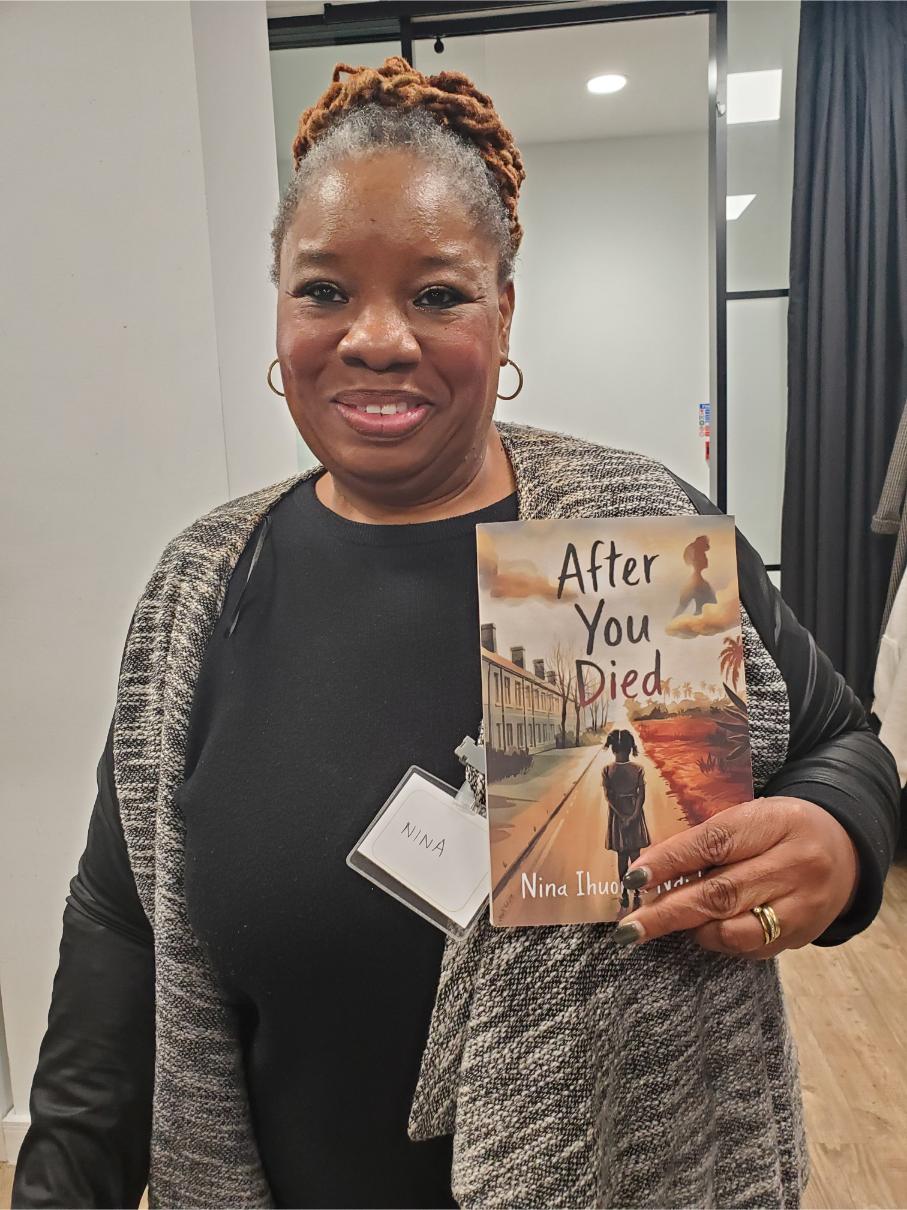
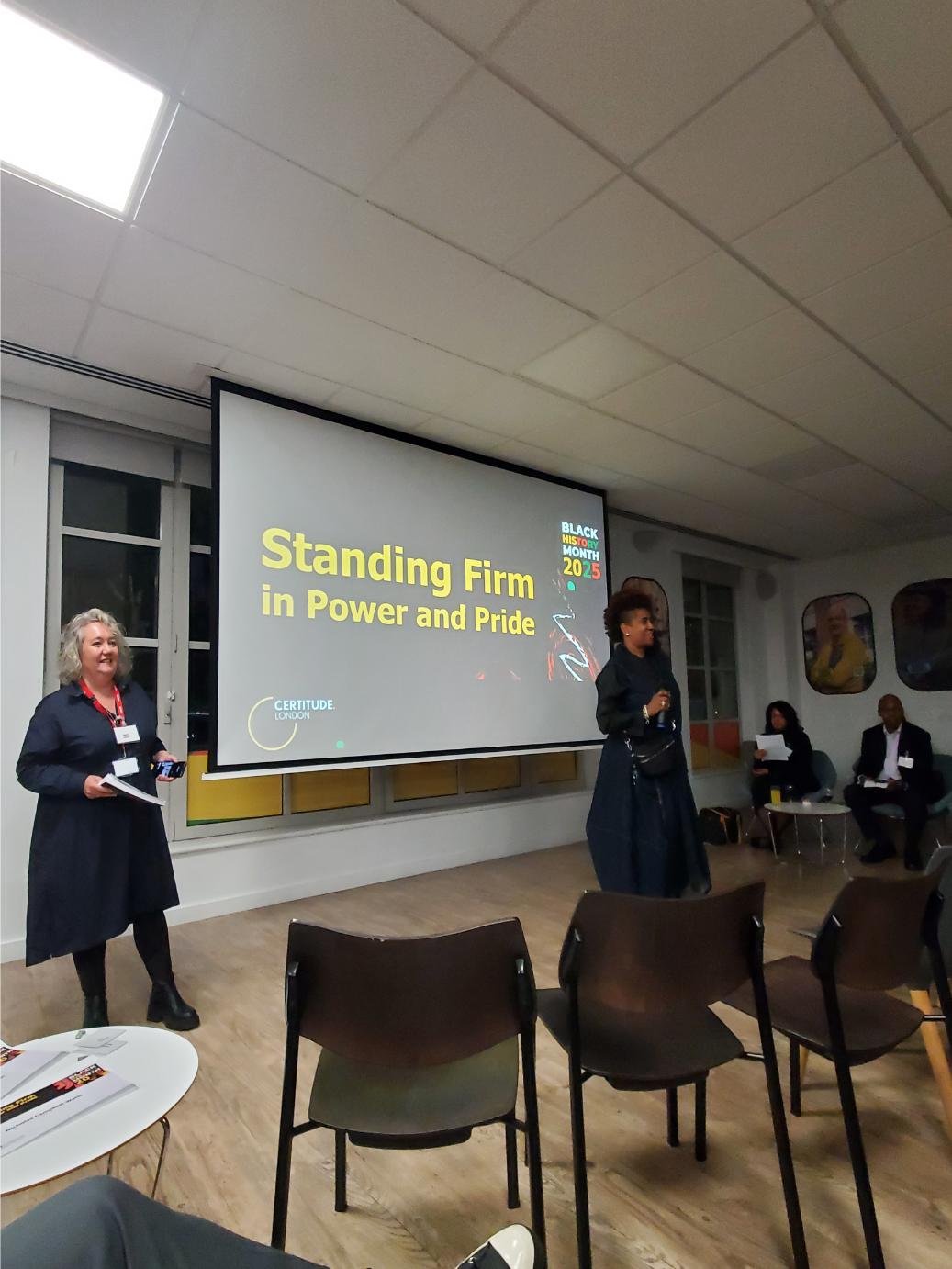
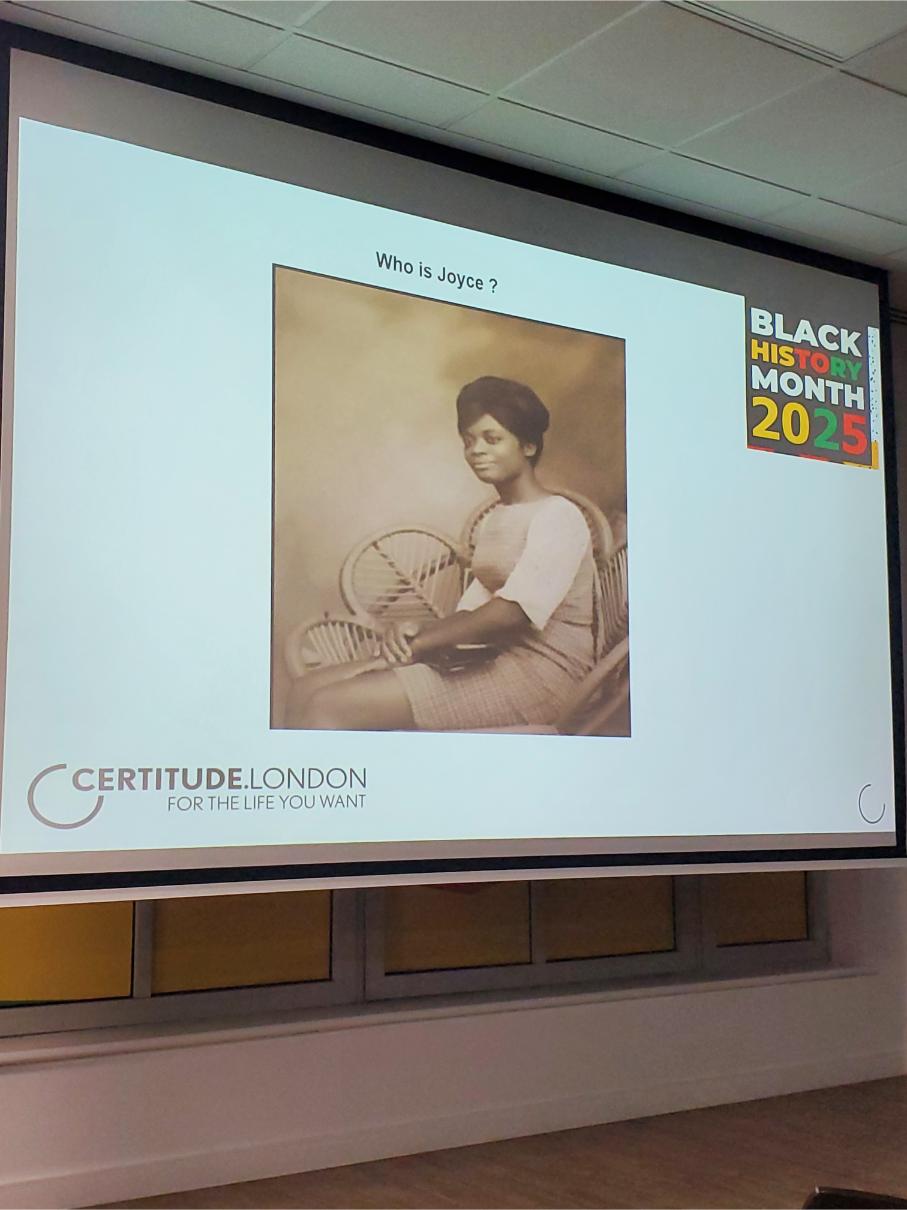
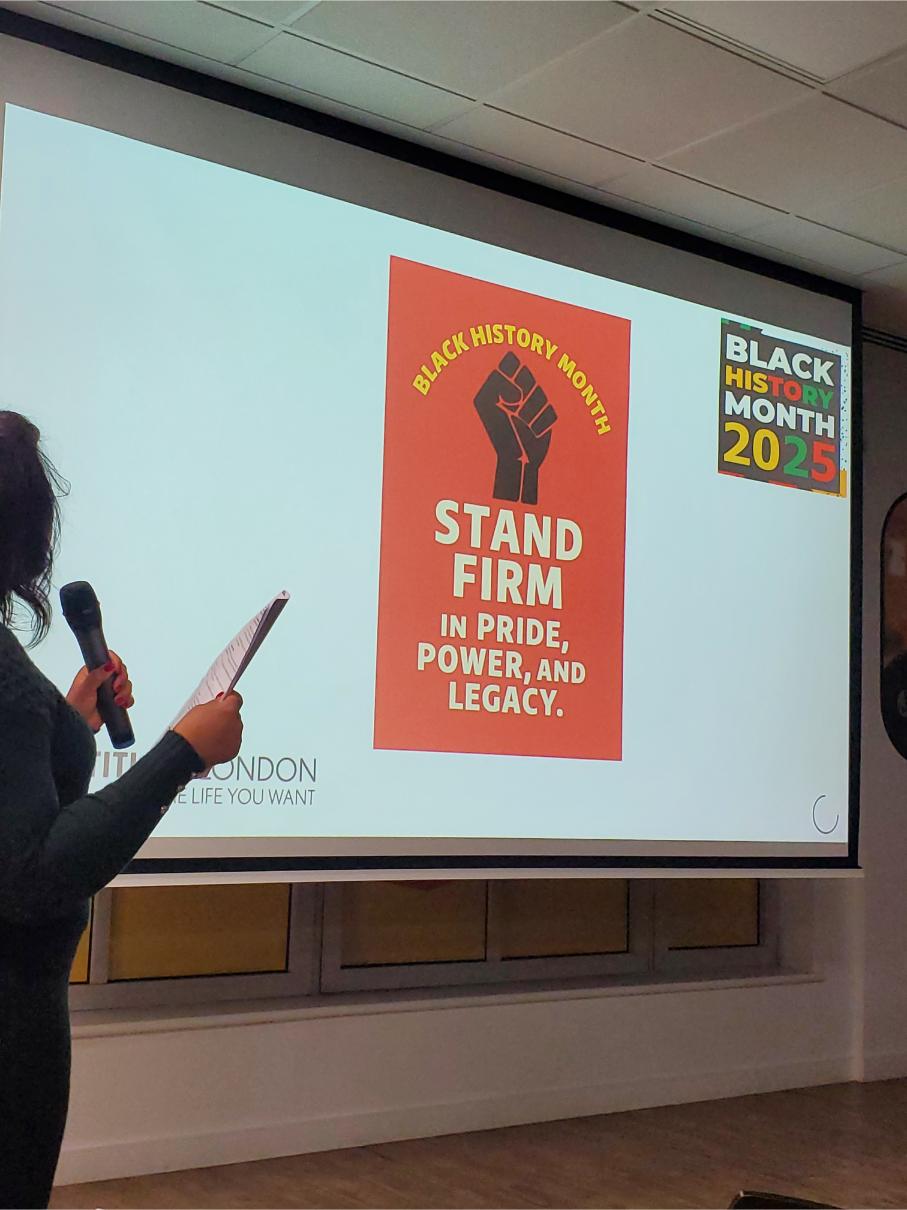
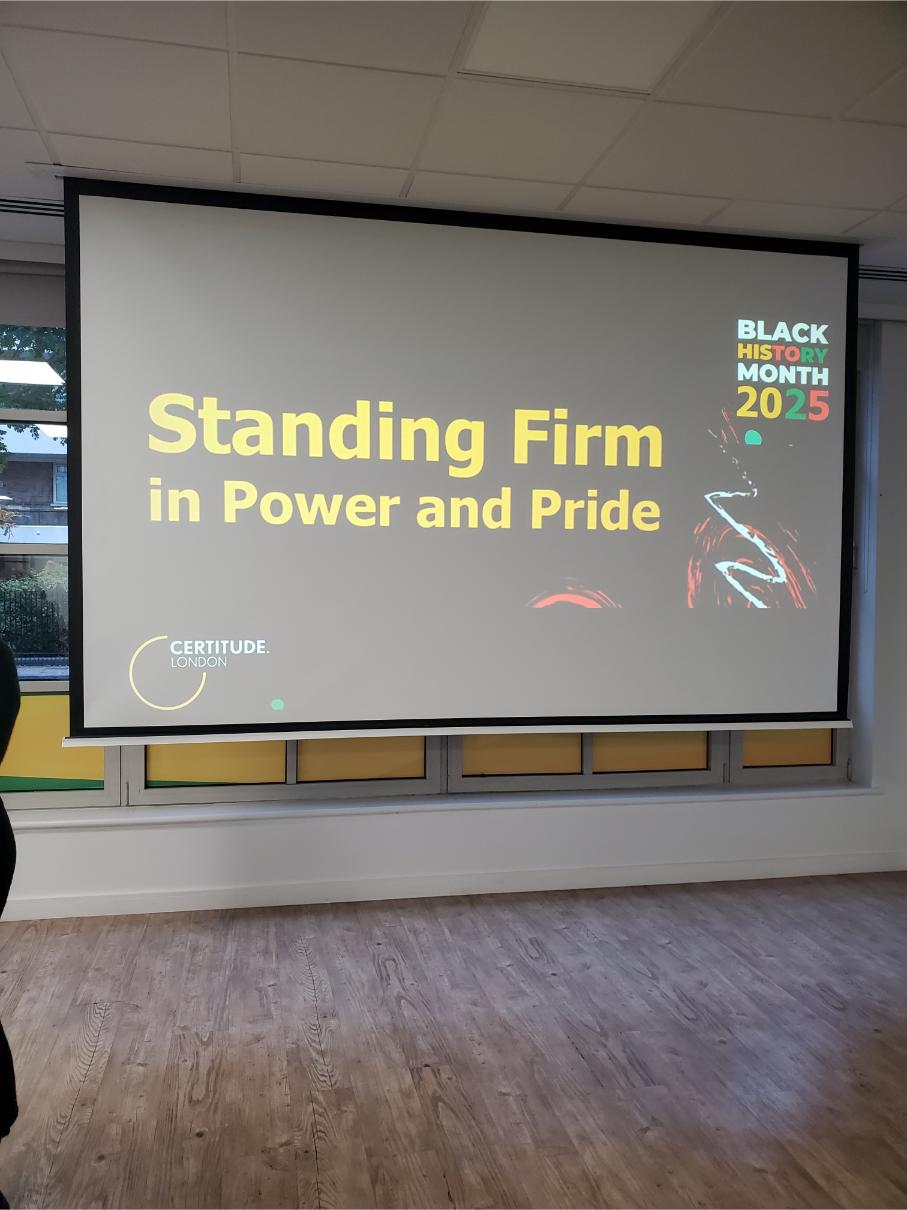
As a carer and mental health advocate, I often see how culture, identity, and lived experience shape the stories we tell and the way we support one another. Recently, I attended a remarkable Black History Month event hosted by Certitude, although I could not stay long, I left feeling inspired, proud, and deeply reflective about the intersections between culture, community, and care.
The Black History Month event was held at Bruce Kenrick House on the 16th of October 2025
About Certitude
Certitude is one of London’s leading social care providers, supporting people with learning disabilities, autism, and mental health needs to live fulfilled and independent lives. What makes Certitude special is its person-centred approach celebrating individuality, empowering self-expression, and ensuring that everyone, regardless of background, has the opportunity to thrive.
The meeting focused on introductions and updates from various organizations supporting unpaid carers across London. Matthew McKenzie facilitated the session, introducing participants from different boroughs and organizations, including
North Central London Carer Support Project (covering Barnet, Haringey, Camden, Enfield, and Islington)
The PSE (supporting South East London local authorities: Bexley, Bromley, Lambeth, Lewisham, Greenwich, and Southwark)
Richmond Borough Mind
Richmond Carers Centre
Kingston Carers Network
St George’s, Epsom and St Helier Hospital Group
Sutton Carers Centre
Carers Hub Lambeth (supporting unpaid carers, with hospital carers leads at King’s College Hospital and Guy’s & St Thomas’ Hospital)
Lewisham carers services (Imargo service manager)
Apologies from
Bromley Wells Bexley Carers Support Greenwich Carers Ealing Carers Partnership Tower Hamlets Carers Centre
NHS England updates including Universal Care Plan Updates
A representative from NHS England highlighted good news about the Hospital Discharge Toolkit, which had been originally developed in London by Debbie Hustings. The toolkit has already been adopted across much of southwest London with strong results. Recently, all NHS regions were asked to contribute work on hospital discharge, focusing particularly on carers’ experiences. When this went up to the Executive Quality Board at the national level, the London toolkit received recognition. The recommendation that came back was that all regions should develop something similar they could adopt London’s version directly or tailor one for their own needs. The representative stressed that this kind of recognition is significant because it helps the toolkit be taken more seriously and provides momentum for further rollout
Why Unpaid Carers Should Join Our Mental Health Carers Forum and Why Oxleas & Our Local Authorities Should Listen
By Matthew McKenzie
Caring for a loved one with mental health needs is a journey full of challenges, isolation, and too often lack of support. That’s why we run a dedicated Mental Health Carers Forum with Greenwich Carers Centre that brings together unpaid carers from across Greenwich and sometimes other boroughs since Oxleas covers Bromley and Bexley.
In our most recent forum, carers opened up about what it’s really like to navigate services and support their loved ones. The message was clear: unpaid carers are doing more than ever often alone and we need to work together to make sure they are not left behind.
The Power of Peer Support
One carer said:
“I’m a sandwich carer — looking after my elderly parents and my daughter with complex needs. Groups like this are a lifeline. It’s a space to share, learn, and recharge.”
For many carers, peer support is one of the few places where they are truly heard. Another participant explained:
“It helps so much to hear from others going through similar things. It’s the only way I know what services are available and what’s changing.”
Challenges That Carers Face
Through the forum, we heard repeated concerns:
Lack of joined-up care between GPs and mental health services
Delays in care planning and assessments — or carers being excluded altogether
Confusing systems — carers are often left chasing up GPs or social workers themselves
Failure to take carers’ expertise seriously in assessments and planning
Emotional strain — many carers at breaking point, needing better respite and emotional support
One mother of three autistic children shared:
“I told them my son cannot tolerate bright light that’s why the curtains were drawn. But the assessor just complained about the curtains and parking. They didn’t listen to what my son really needs.”
Presentation: Advocating for a Loved One During and After Mental Health Crisis
Matthew McKenzie delivered a detailed presentation on how unpaid carers can effectively advocate for their loved ones, particularly around mental health services.
Key points included:
Carers are not just supporters, they are also advocates for their loved ones
Building relationships with key professionals (GP, care coordinator, psychiatrist, social worker) is crucial
Carers should keep records of symptoms, interventions and communications to support advocacy
During a crisis, carers should:
Stay calm
Be factual about symptoms and risks
Be assertive (but respectful) in requests for urgent action
Request risk assessments and ask for information to be recorded
Understand confidentiality rights and use carers’ rights under the Care Act
The importance of self-care for carers, advocacy can be exhausting, and carers must seek peer support and breaks
Carers should also use the complaints process and escalate concerns when services fail
A Call to Oxleas NHS and Local Authority
We know big changes are coming, NHS England reorganisations, funding pressures, staff reductions. But one thing won’t change: the system depends on unpaid carers.
That’s why we urge Oxleas NHS Trust and the local authorities to:
✅ Regularly engage with this forum to hear carers’ voices ✅ Ensure carers are meaningfully included in care plans and reviews ✅ Offer more training and support for staff on carer involvement ✅ Improve clarity on who carers can contact in a crisis ✅ Work with us to strengthen co-production, not just in theory, but in practice
As one member put it:
“If the services won’t be there in full anymore — then carers will have to do even more. But we can’t do it if we’re broken.”
Join Us
If you’re an unpaid carer supporting someone with mental health needs, whether you’re new to caring, or have years of experience, please come along.
You’ll find a space to share, learn advocacy skills, and connect with others who truly understand. We also run a peer WhatsApp group, ask if you’d like to join.
Together we are stronger and louder. The more carers attend, the harder it is for services to ignore us.
For more info or to attend the next forum: contact
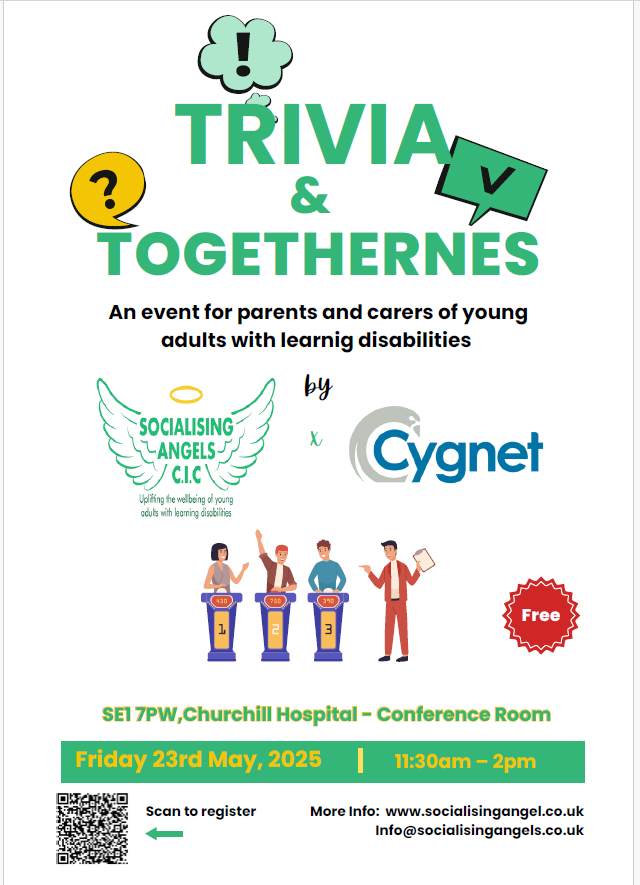
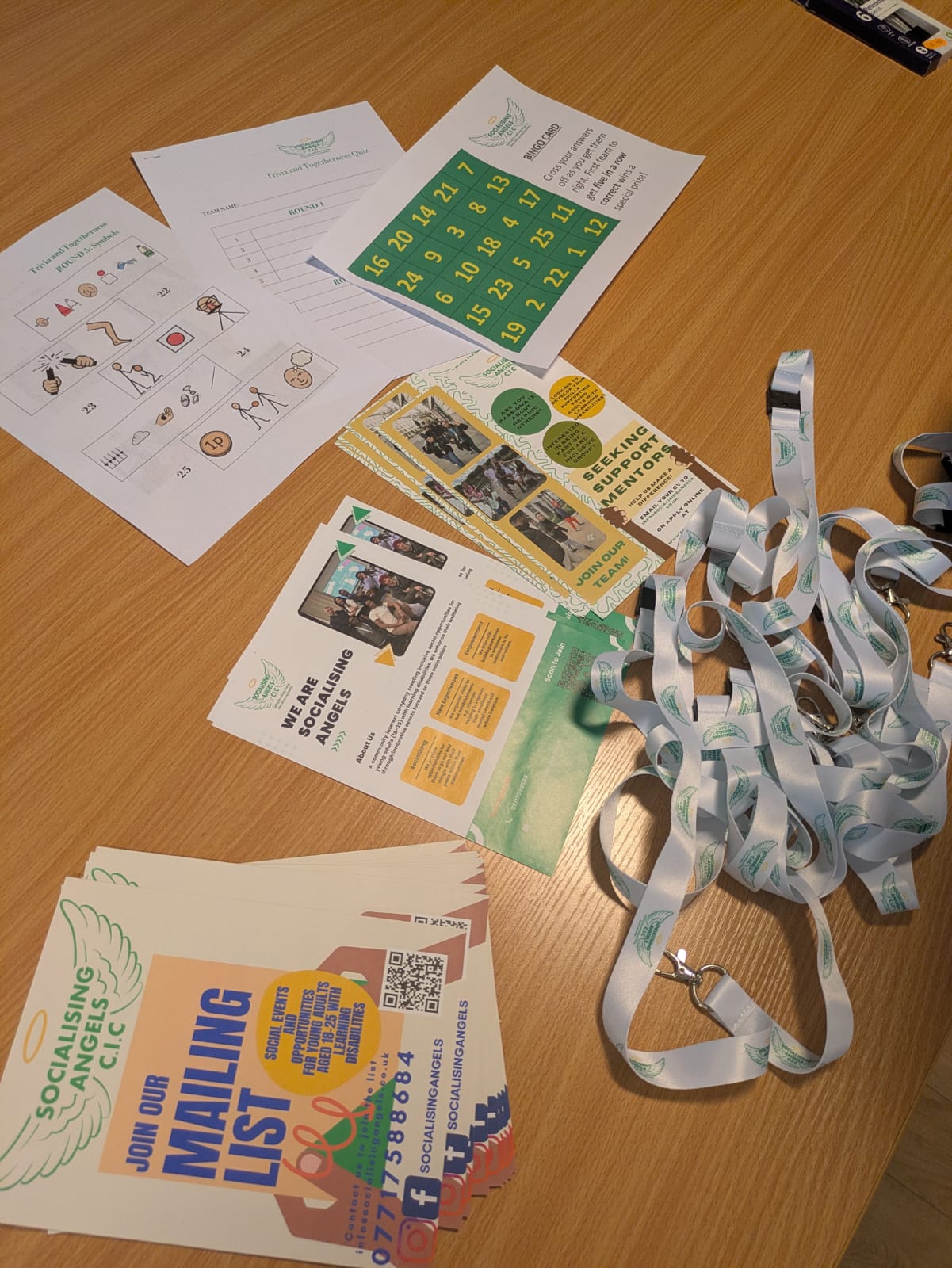
Continuing on with the Mental Health Awareness Week 2025 theme, the event was more than just another date on the calendar, it was a celebration of unity, joy, and shared purpose at the “Trivia & Togetherness” event hosted at Churchill Hospital.
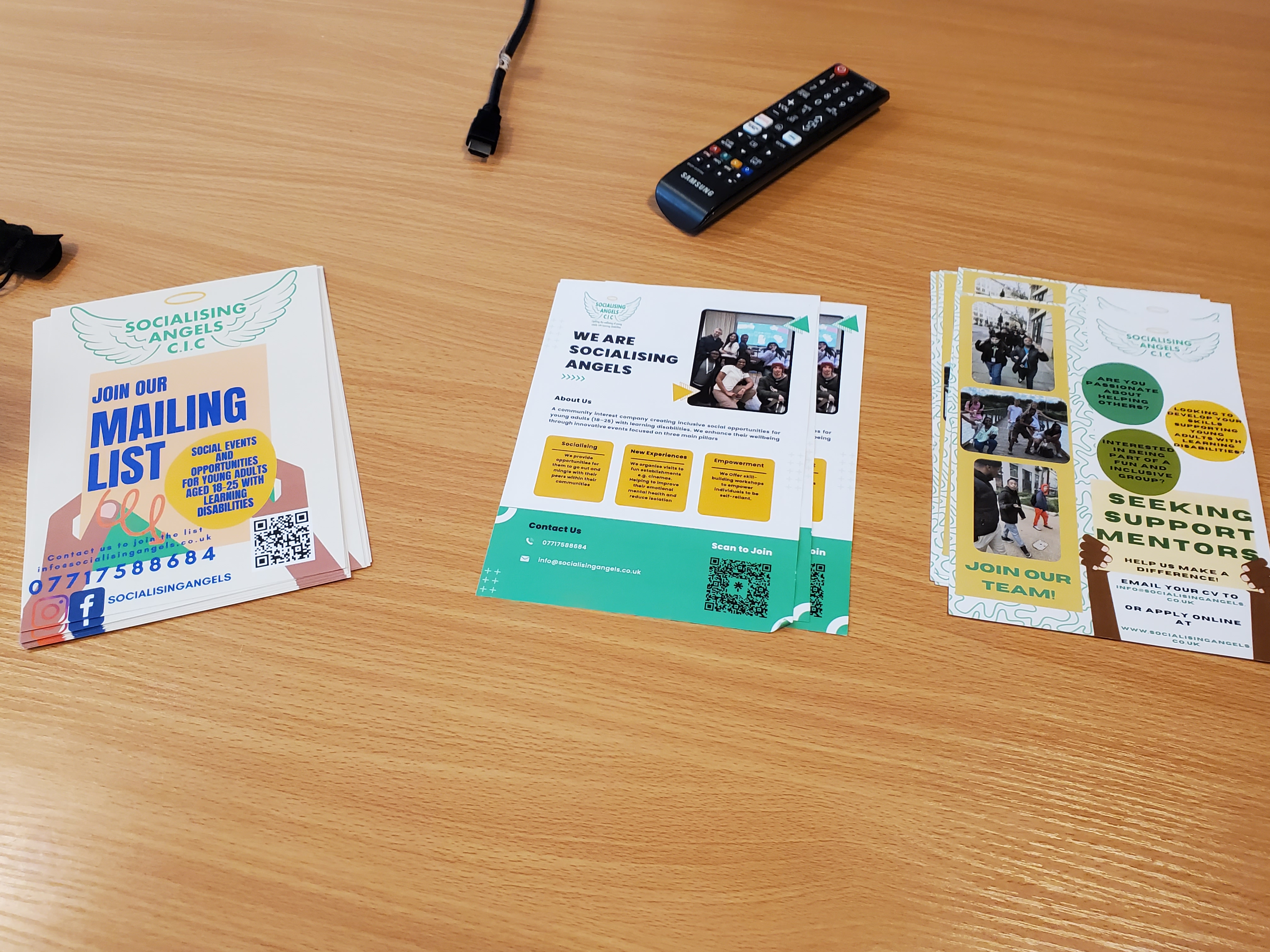
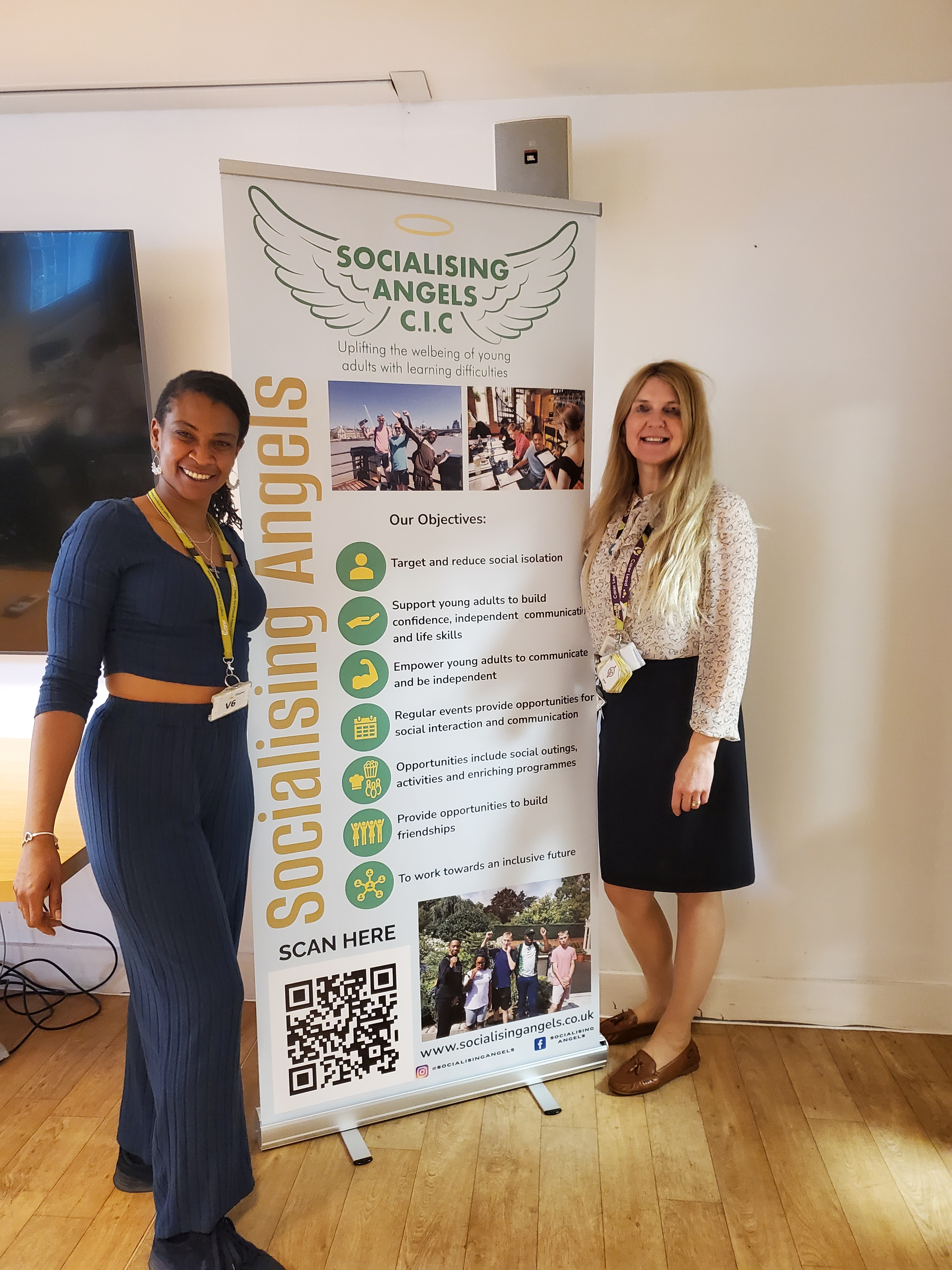
The event was organised by Socialising Angels C.I.C. in collaboration with Cygnet Health Care, this free event brought together carers, parents, and young adults with learning disabilities from across Lambeth for an uplifting day of fun, food, and fellowship.
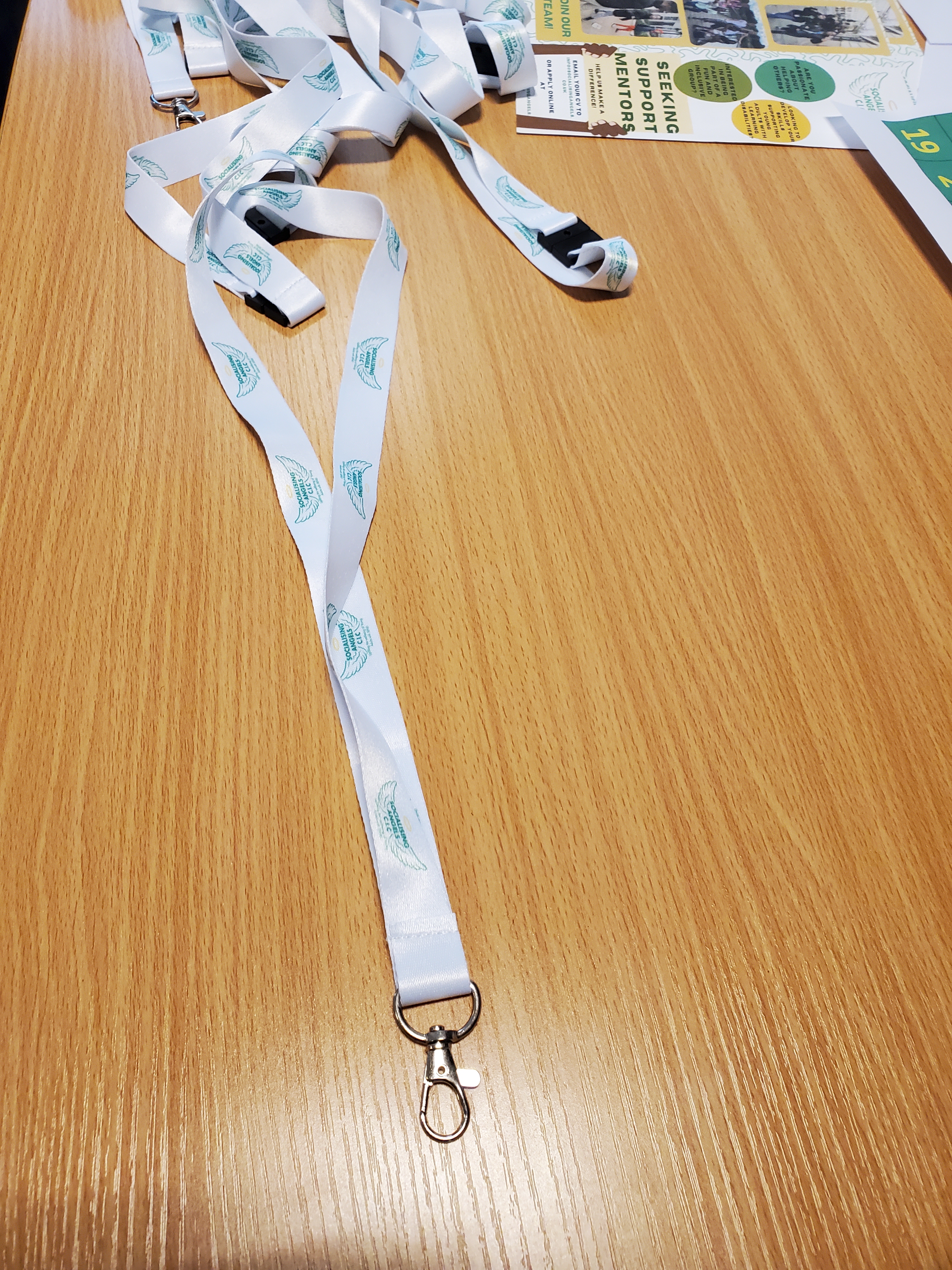
just so you know, Socialising Angels C.I.C is a community interest company based in Lambeth, London, dedicated to supporting young adults with learning disabilities. Their mission is to uplift the wellbeing of these individuals by creating inclusive opportunities that tackle social isolation and build confidence, communication, and independence.
As a Cygnet Carer Ambassador, I saw firsthand how vital inclusive events like these are, especially for the community. They give carers a platform to shine, to socialise, and to feel a deep sense of belonging.
Such events also provide carers with a supportive network and a chance to reconnect, share, and celebrate the amazing achievements of those we support. The room was alive with energy from the very beginning. On the event agenda were Trivia quizzes, bingo cards, and also conversation to connect.
It was great to see everyone participating with smiles and laughter. The games were cleverly designed not only to entertain but to encourage communication and teamwork tools.
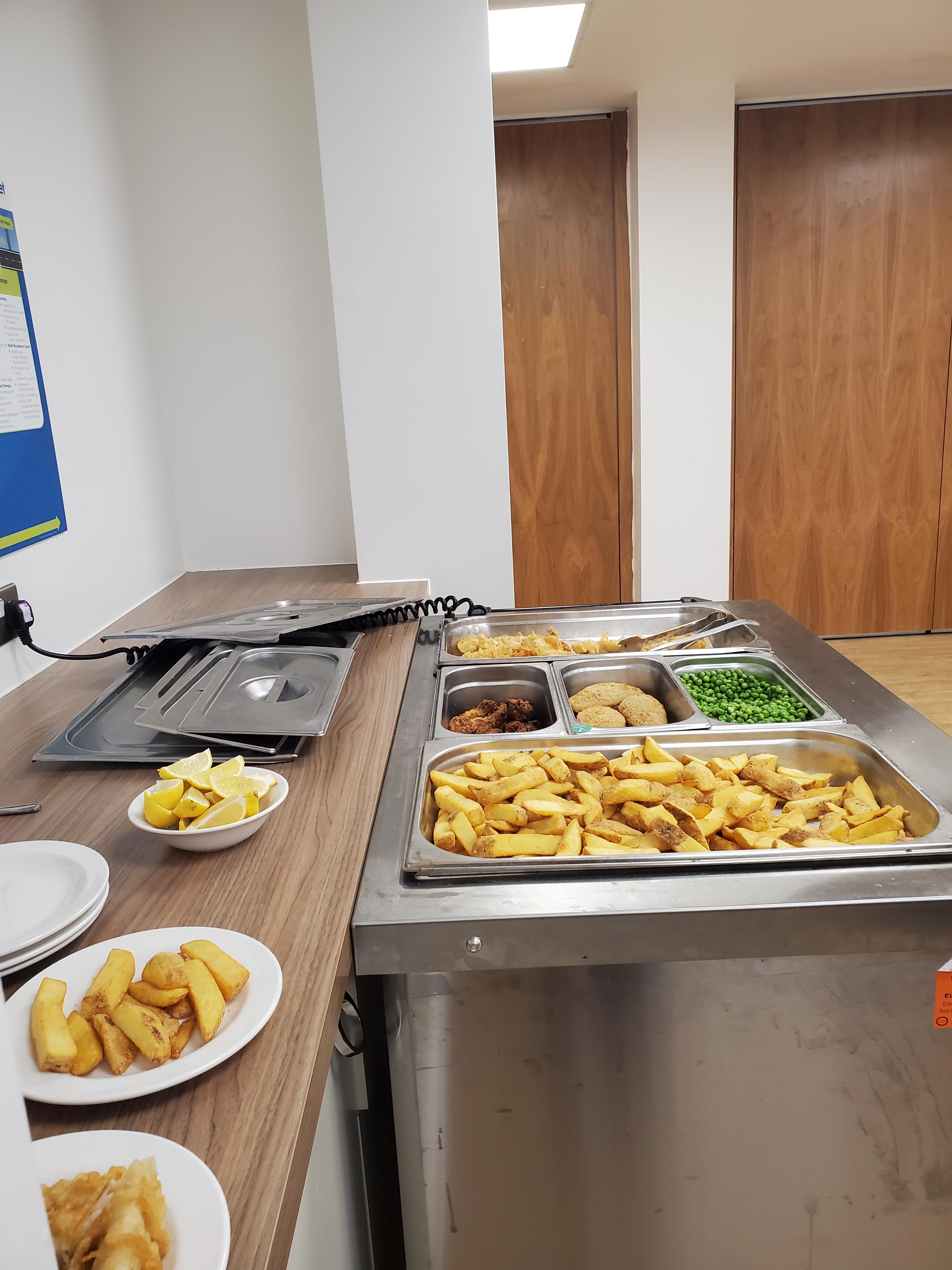
For Lunch, Cygnet provided a hearty spread of classic fish and chips with peas, lemon wedges, and desserts added that special British comfort everyone loves. It wasn’t just a meal, it was a moment to sit, reflect, and enjoy the company of friends old and new.
Events like this don’t happen by accident. It takes dedication, vision, and real investment in people. That’s where Cygnet comes in. Their support with Socialising Angels is more than sponsorship, it’s a true commitment to improving mental health and social inclusion in our community. Cygnet’s continued support helps make these spaces accessible and vibrant, giving young adults the confidence to grow, and carers the strength to keep going.
To all the volunteers, organisers, and participants thank you. Today reminded us that inclusion isn’t just a word; it’s an action. Where organisations like Socialising Angels and Cygnet help lead the way.




 A Caring Mind