The Urgent Need for Digital Skills Among Unpaid Carers
Unpaid carers who provide support to family members, friends, or neighbors with long-term health conditions are the backbone of many communities. Their work is often invisible, yet it is essential for the well-being of countless individuals. As healthcare systems rapidly digitize, the landscape of caregiving is undergoing a profound transformation. Unpaid carers now face the challenge of adapting to new technologies, digital platforms, and online resources that are becoming integral to the delivery of care.
This blog explores why technical and digital skills are no longer just optional for unpaid carers. The blog is also a transcript of matthew’s video below.
Drawing on insights from matthew’s experience as an unpaid carer & IT professional and advocate for carers, we delve into the practical reasons behind this shift, the opportunities and challenges it presents, and the future trends that will shape caregiving in the years to come.
The Changing Face of Caregiving
Digitization in Healthcare
Healthcare is moving online at an unprecedented pace. Electronic health records, telehealth platforms, wearable health devices, and digital prescriptions are becoming the norm. The reasons are clear: digitization streamlines processes, reduces costs, and enables real-time access to critical health data. For unpaid carers, this means that many aspects of their role now require interaction with digital tools.
The Role of Carer Centers
Local carer centers have traditionally been the first point of contact for those seeking support. As these centers will play a crucial role in helping carers acquire the skills needed to navigate the new landscape. Online training, virtual support groups, and digital resource libraries are just some of the ways carer centers are evolving.

Overcoming Barriers to Digital Inclusion
Challenges Faced by Carers
Not all carers are comfortable with digital environments. Some may lack the means to access technology, while others face disabilities that make using digital platforms difficult. For example, visual impairments can pose significant challenges. It’s important for carer centers and support organizations to recognize these barriers and provide alternative solutions where possible.
The NHS 10-Year Plan
Digitization is at the heart of the NHS’s long-term strategy. Unfortunately, unpaid Carers who fail to meet the demand for digital skills may find themselves excluded from essential services and support. Embracing technology is not just about keeping up, it’s about empowering carers to meet the needs of those they support with confidence and efficiency.
Conclusion
The digitization of healthcare is transforming the role of unpaid carers. Technical and digital skills are now essential for accessing resources, coordinating care, and advocating for loved ones. While the transition may be challenging, it offers opportunities for greater efficiency, independence, and empowerment.
If you are an unpaid carer, now is the time to invest in your digital skills. Seek out training, connect with support networks, and take advantage of the tools available. Your role is vital, and with technology on your side, you can continue to make a difference in the lives of those you care for.
By Matthew McKenzie – Carers UK volunteer & Ambassador
As a poet and carer of lived experienced, I always try and listen to other poets when I get the chance.
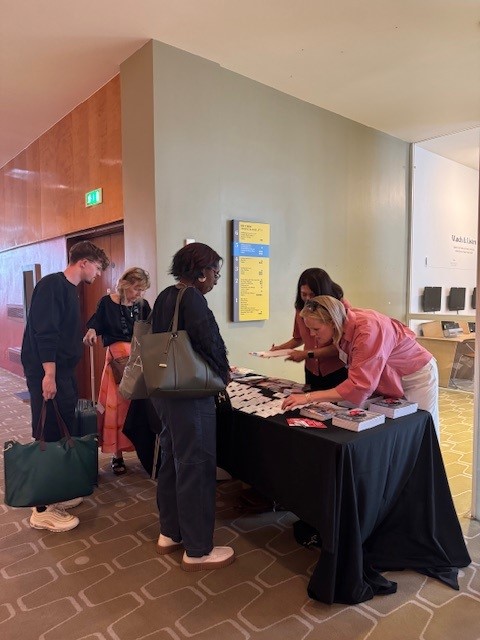
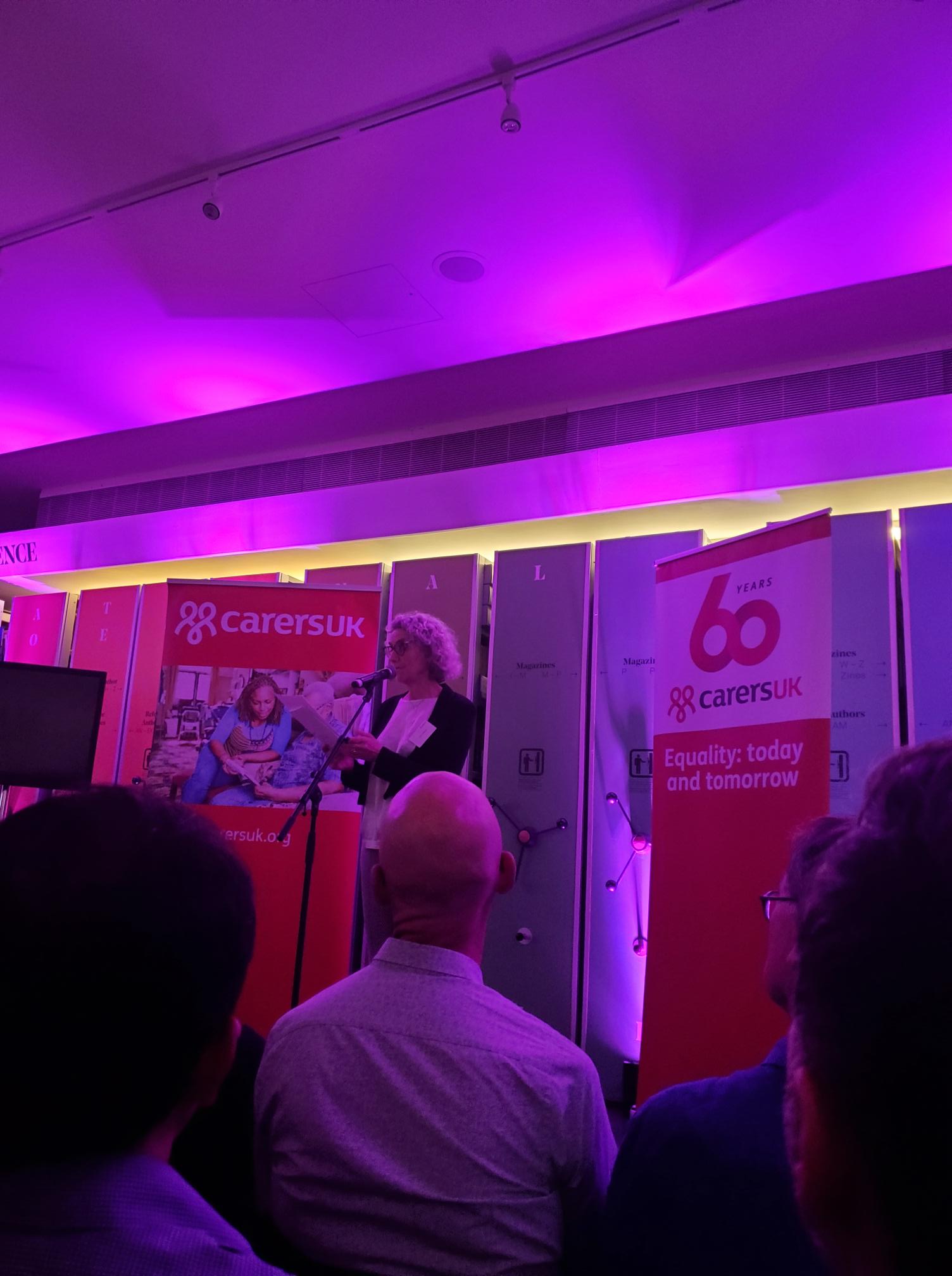
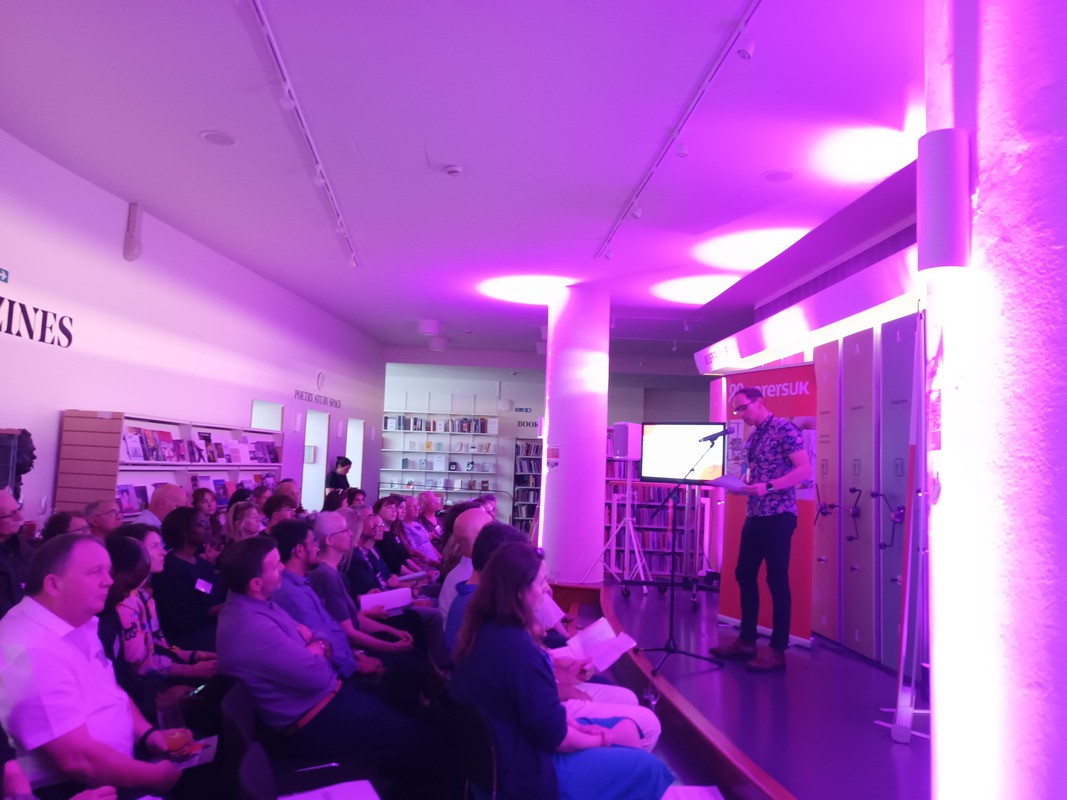
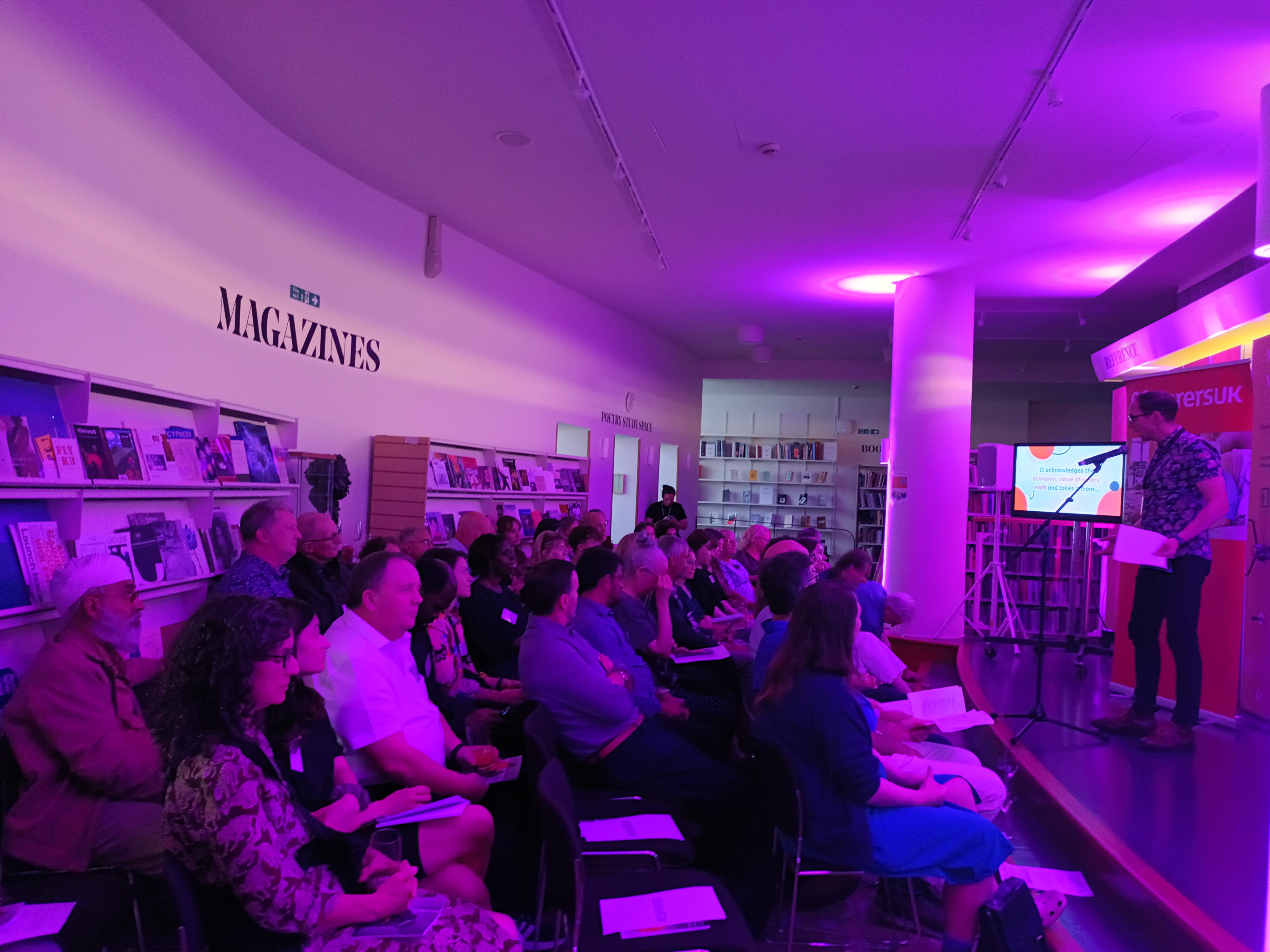
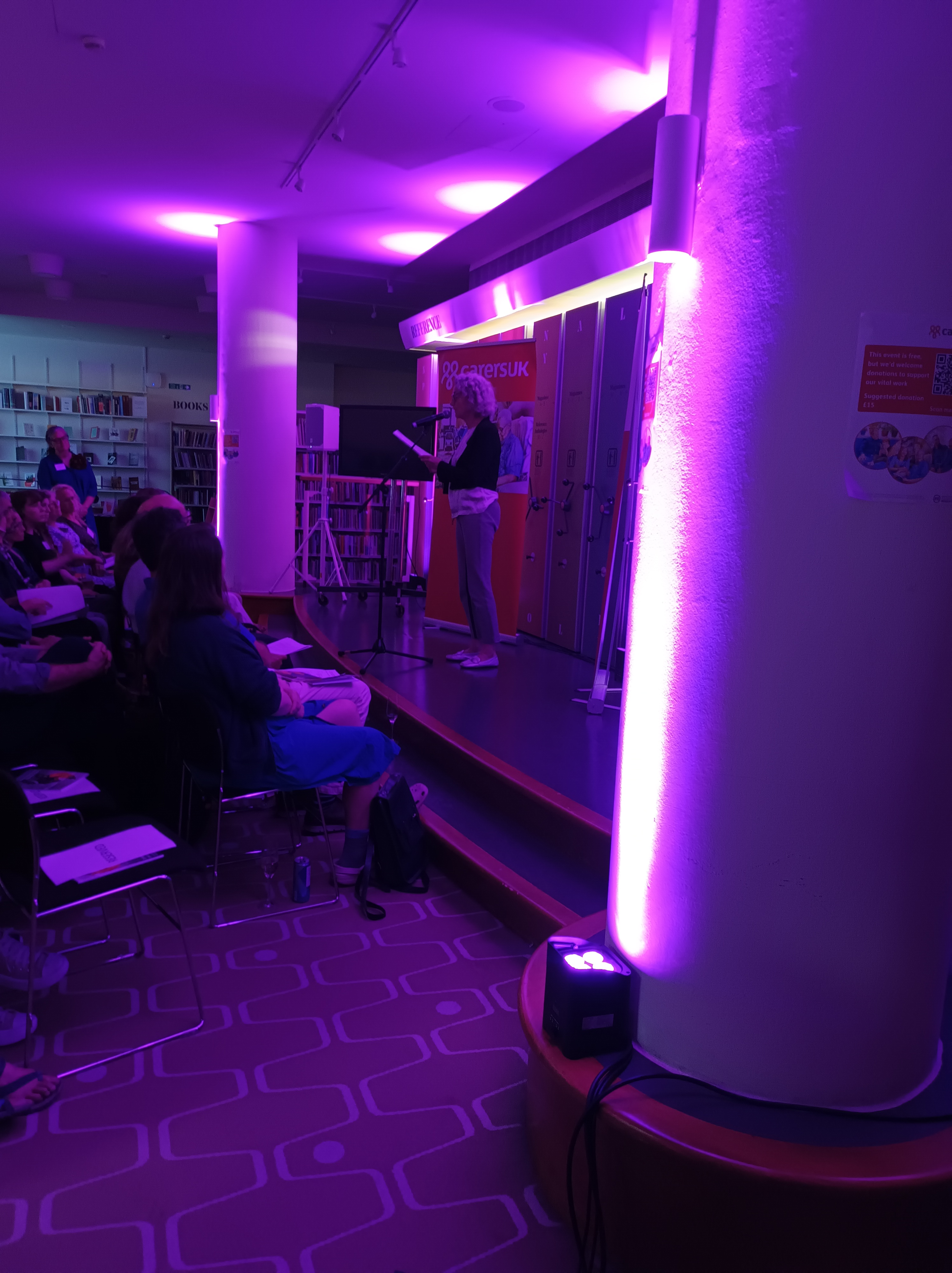
So on Tuesday 19 August 2025, I had the pleasure of attending the Carers UK Poetry Competition 2025 Celebration at the National Poetry Library, located on Level 5 of the Royal Festival Hall at London’s Southbank Centre.
Carers UK staff were welcoming guests, carers and poets who contributed to the Carers UK Poetry anthology to the event.
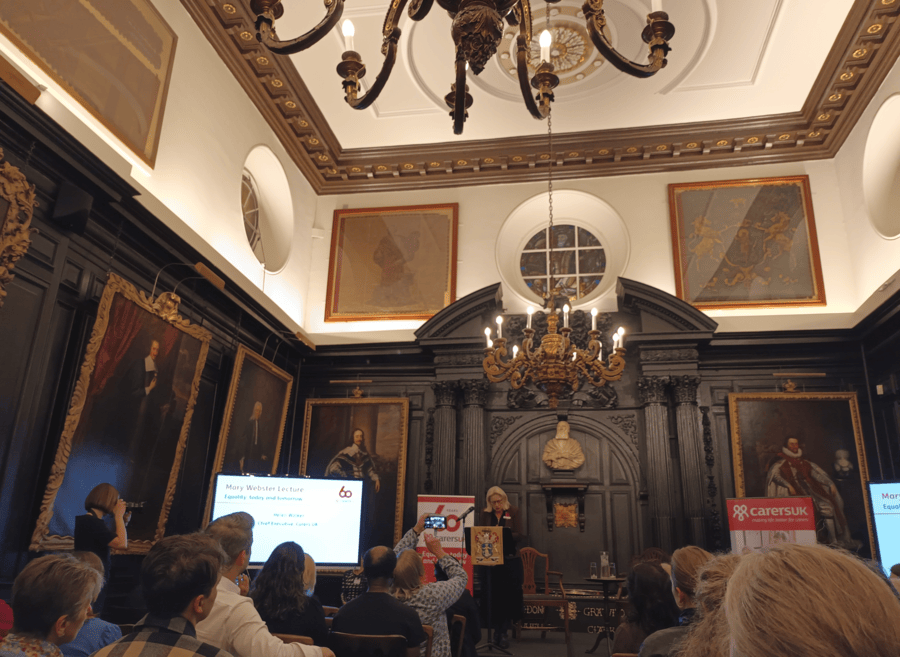
The event, hosted by Carers UK and led by Michael Shann, Head of Carer Support, which marked a very special milestone: the organisation’s 60th anniversary. It was an evening of reflection, creativity, and celebration, bringing together carers, poets, supporters, and friends to honour the voices of those who care for others.
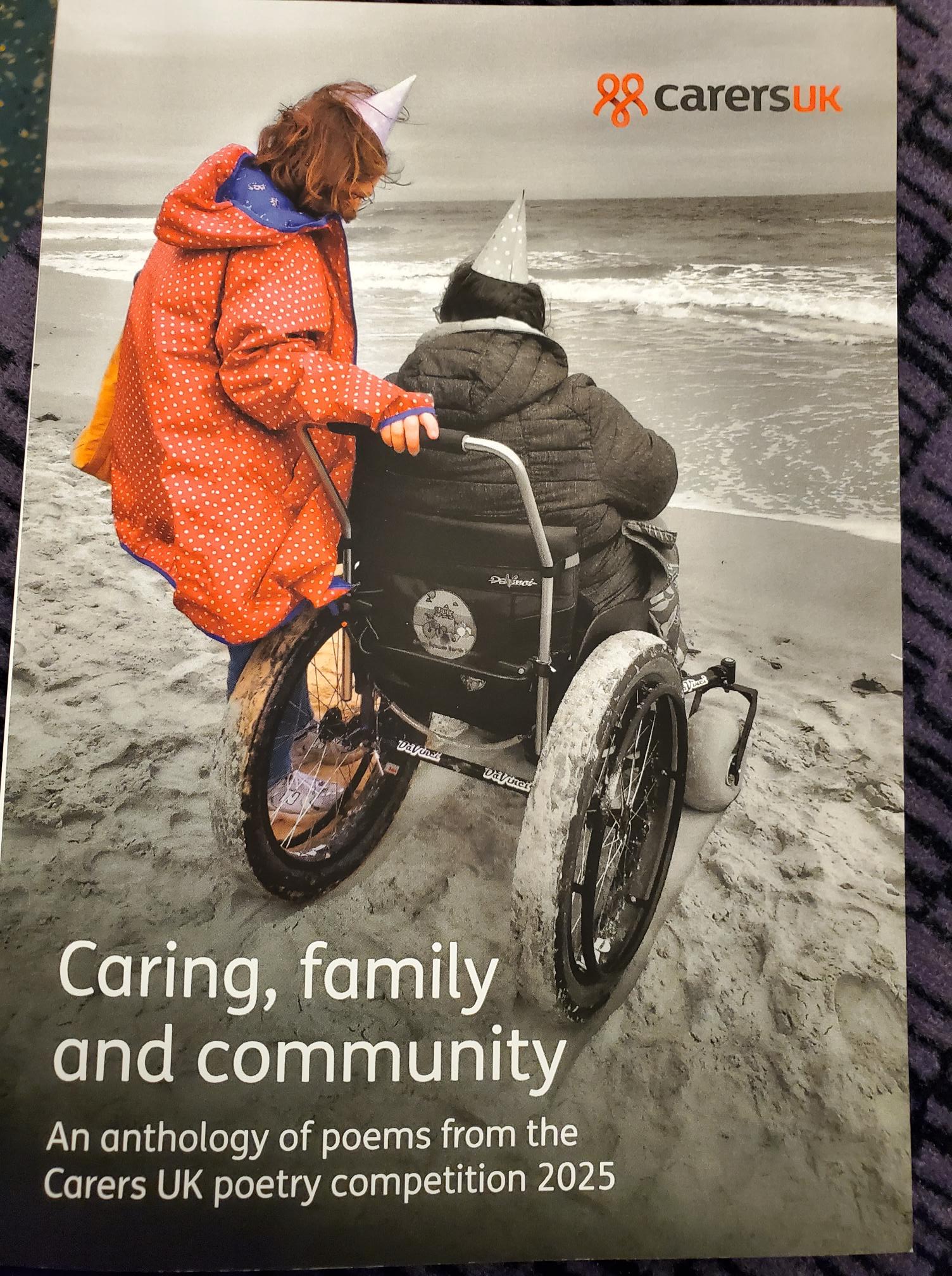
For the year 2025, the poetry competition was themed “Caring, Family and Community”, with more than 270 entries submitted from across the country. The anthology launched on the night, Caring, Family and Community, where beautiful collection of poems capturing the emotions, challenges, and deep humanity at the heart of caring.
The programme included readings of winning, highly commended, and shortlisted poems. The anthology also features a preface by Helen Walker, Chief Executive of Carers UK, and a foreword by Cheryl Moskowitz, Lead Competition Judge 2025.
The atmosphere at the National Poetry Library was warm and I was welcomed by many of the Carers UK team including Carers Scotland. Guests and poets enjoyed celebratory drinks and canapés while engaging in conversations about poetry, caring, and the power of creative expression.
The poetry book itself is thoughtfully arranged, beginning with featured poems before moving on to the winning, highly commended, and shortlisted entries, and ending with notes on the contributors. The poets performed their poems, each highlighting a different perspective on caring, family, and community, weaving together diverse voices into a powerful collective story.
One poem that particularly stood out to me was “Heart & Soul” by Alison Hull.
Heart and Soul by Alison Hull
Even though it’s new to me, I’m going to write a poem. I don’t know what to write, Or where it’s even going. But what I’m very clear of, Is you’ve taught me like no other. You make me very proud, To be your carer and your mother. We laugh at times and cry so much, And we’ve learnt a thing or two. I’ve met your needs, calmed your fears, Taken care of you. Little by little we get things done, Although it isn’t always easy. We take small steps, sometimes none, Resting up, If needs be. Your bravery inspires me, Your love for animals too. I try to understand, how life really is for you. The caring role’s a huge one, It can be isolating too. It helps to connect with others, Who know what we’re going through. So this is the end of my poem, But not of my caring role. That journey will continue, With all of my heart and soul.
When Alison recited it that evening, I felt it was clear that she spoke from the heart. Her words captured the tenderness and strength of caring. I felt the poem was well crafted.
For me personally, as a Carers UK volunteer and poet, it was inspiring to see how words can bring people together and shine a light on the experiences of carers.
Being able to attend, listen, and celebrate alongside others who share a passion for both caring and poetry was a privilege, so I was very thankful to be invited.
The Southbank Centre, with its iconic Royal Festival Hall, provided the perfect backdrop a cultural hub alive with creativity and community spirit.
Events like this remind us not only of the importance of caring, but also of the importance of telling our stories. Poetry gives voice to what can sometimes be invisible, and Carers UK continues to ensure those voices are heard.
I’d like to thank Michael Shann and the Carers UK team for organising such a meaningful evening, and for their ongoing commitment to supporting carers across the UK.
Here’s the updated section with the official website link included:
Becoming a Member of Carers UK
If you are a carer yourself, one of the most valuable steps you can take is to become a member of Carers UK. Membership is free and open to anyone caring for a family member, friend, or neighbour. By joining, you’ll gain access to:
A supportive community of carers who truly understand what you’re going through.
Regular updates, newsletters, and information on carers’ rights and support.
Invitations to events, workshops, and opportunities to share your story.
Resources and guidance to help you manage the challenges of caring.
Carers UK is not just an organisation as it’s a lifeline for many. By becoming a member, you can feel more connected, supported, and empowered in your caring role.
You can sign up easily via the Carers UK website: www.carersuk.org
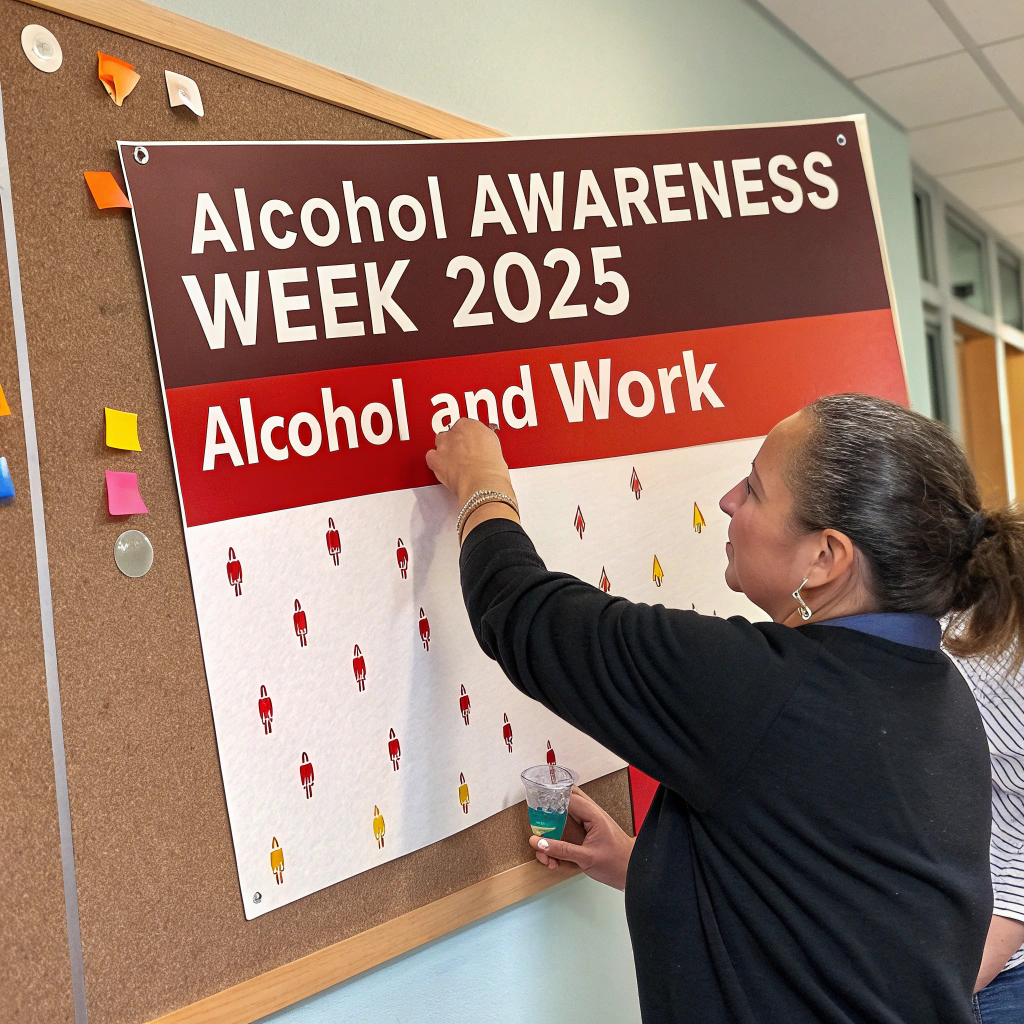
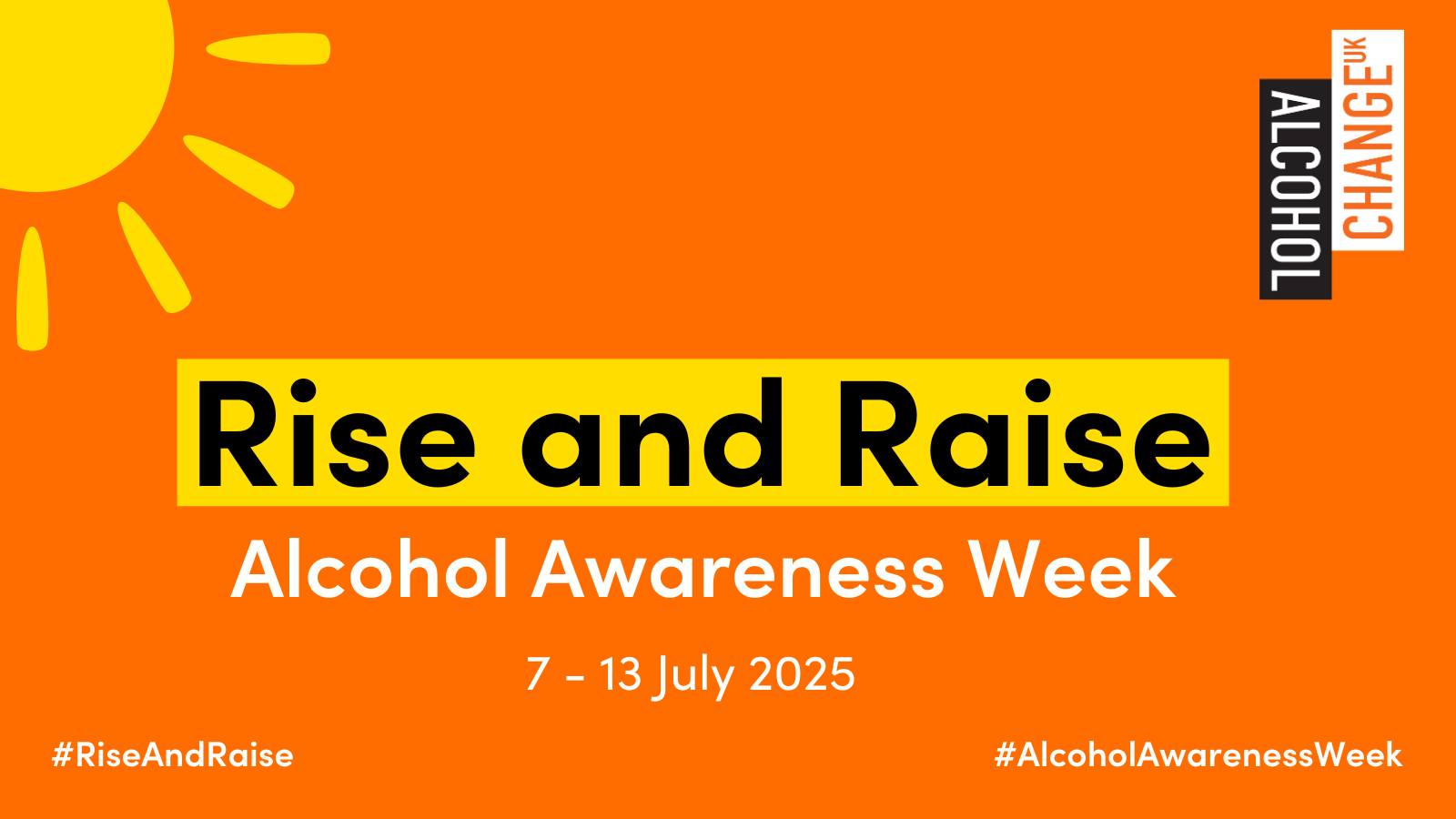
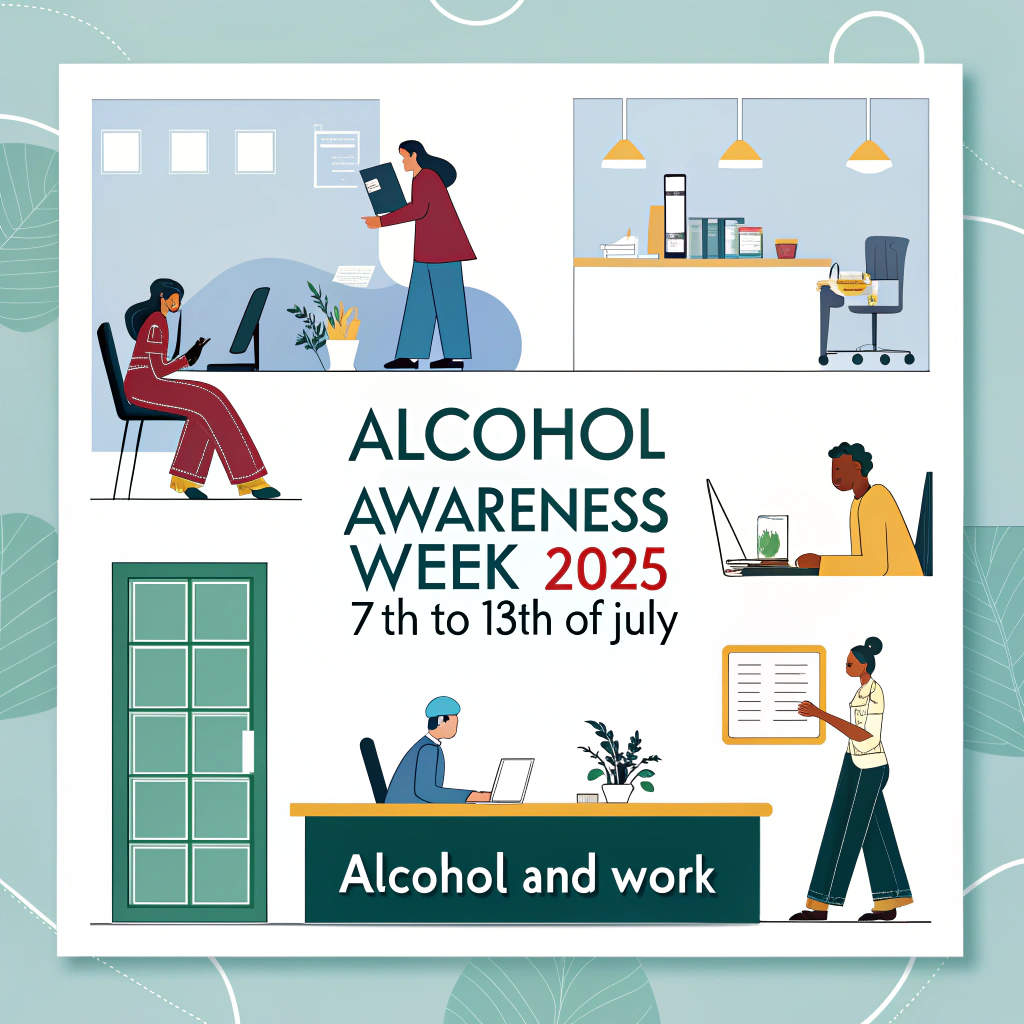
Alcohol Awareness Week is an annual event dedicated to raising awareness about the impact of alcohol on individuals, families, workplaces, and society at large. In 2025, the event will run from the 7th to the 13th of July, spearheaded by the charity Alcohol Change UK.
To watch the video version of my blog, see below. The blog is a transcript of the video.
This year’s theme, “Alcohol and Work,” brings a crucial focus to how alcohol consumption affects not just personal health, but also professional performance, workplace relationships, and overall well-being.
The Broader Impact of Alcohol
Alcohol is often viewed through the lens of personal choice and individual health. However, its effects ripple far beyond the person consuming it. The consequences of harmful drinking habits can be seen in diminished work performance, strained relationships, compromised safety, and a decline in mental health. Behind every statistic lies a human story on one that often includes addiction, isolation, and the silent struggles of those who care for someone affected by alcohol dependency.
Alcohol and the Workplace: A Hidden Challenge
The Unseen Effects on Performance and Safety
Alcohol’s impact on the workplace is multifaceted. It can lead to decreased productivity, increased absenteeism, and even safety risks, especially in roles that require high levels of attention and responsibility. The pressure to perform, long working hours, and high-stress environments can sometimes drive individuals to use alcohol as a coping mechanism. This, in turn, can create a cycle where alcohol use further impairs work performance, leading to more stress and potentially more drinking.
The Human Stories Behind the Statistics
It’s easy to overlook the personal narratives behind the numbers. In the UK, approximately one in four people drink in ways that could be harmful to their health. For some, this escalates into dependency, isolation, and crisis. The journey into alcohol dependency is rarely straightforward or visible. It can be masked by a smile, hidden behind long hours at the office, or dismissed with a casual “I’m fine.” The reality is often much more complex and painful.
The Ripple Effect: Unpaid Carers and Their Silent Struggles
The Burden on Unpaid Carers
One of the most overlooked aspects of alcohol-related harm is its impact on unpaid carers. These are the partners, parents, siblings, friends, and even colleagues who quietly support someone struggling with alcohol dependency. Unpaid carers often juggle their own work and family responsibilities while shouldering the emotional and practical burdens of caring for someone else.
The challenges faced by unpaid carers are immense. Many carry this burden alone, with little support or recognition. They may sacrifice sleep, income, and their own mental health in the process. The emotional strain can be overwhelming, and the lack of support can lead to feelings of isolation and helplessness.
The Need for Recognition and Support
It’s time to shine a light on the pressure, pain, and silence that unpaid carers endure. Their contributions are invaluable, yet they often go unnoticed. Recognizing their struggles and providing them with the support they need is essential, not just for their well-being, but for the well-being of those they care for.
Breaking the Silence: The Power of Conversation
Starting the Conversation
One of the most effective ways to address alcohol-related harm is to start a conversation. Breaking the stigma surrounding alcohol dependency begins with open, honest dialogue. If you’re concerned about someone’s drinking habits, reaching out and expressing your concern can be a powerful first step. Sometimes, simply asking, “How are you doing?” can make a world of difference.
Sharing Resources and Support
In addition to conversation, sharing resources is crucial. Organizations like Alcohol Change UK provide valuable information, helplines, and support services for those affected by alcohol dependency. Sharing these resources, whether it’s a helpful video, a website, or a helpline number which can offer much-needed support to someone in need.
Supporting Unpaid Carers
For those who focus on supporting unpaid carers, it’s important to acknowledge their unique challenges. Offering a listening ear, practical assistance, or simply checking in can provide much-needed relief. Carers often feel invisible, so small gestures of support can have a significant impact.
Raising Awareness: Everyone Has a Role
Online, at Work, and in the Community
Raising awareness about the harms of alcohol and the support available is a collective responsibility. Whether it’s through online campaigns, workplace initiatives, or community events, every effort counts. The more we talk about these issues, the less people will suffer in silence.
Building a Culture of Care
Ultimately, the goal is to foster a culture of care, one where no one has to face addiction or the challenges of caring for someone with addiction alone. By working together, we can reduce the harm caused by alcohol, support one another, and create a more compassionate society.
Practical Steps for Getting Involved
1. Educate Yourself and Others
Understanding the facts about alcohol and its effects is the first step. Visit reputable sources like Alcohol Change UK to learn more about the risks associated with alcohol consumption, the signs of dependency, and the support available.
2. Start Conversations
Don’t be afraid to talk about alcohol and its impact. Whether it’s with friends, family, or colleagues, open dialogue can help break down stigma and encourage those struggling to seek help.
3. Share Resources
Distribute information about support services, helplines, and educational materials. The more accessible these resources are, the more likely people are to use them.
4. Support Unpaid Carers
If you know someone who is caring for a person with alcohol dependency, offer your support. This could be as simple as checking in regularly, offering to help with practical tasks, or encouraging them to seek support for themselves.
5. Advocate for Change
Encourage your workplace or community to participate in Alcohol Awareness Week. Organize events, share information, and promote policies that support those affected by alcohol-related harm.
The Importance of Compassion and Understanding
Recognizing the Human Element
Behind every case of alcohol dependency is a person with a unique story. Compassion and understanding are essential in supporting those affected. Avoid judgment and focus on offering support and encouragement.
The Role of Empathy in Recovery
Empathy can be a powerful tool in helping someone change their relationship with alcohol. Listening without judgment, offering encouragement, and being patient can make a significant difference in someone’s journey to recovery.
The Role of Workplaces in Addressing Alcohol-Related Harm
Creating Supportive Environments
Workplaces have a unique opportunity to support employees affected by alcohol-related harm. This can include providing access to counseling services, promoting work-life balance, and fostering a culture where employees feel comfortable seeking help.
Implementing Policies and Training
Employers can implement policies that address alcohol use in the workplace, provide training for managers on how to support employees, and ensure that support services are readily available.
Encouraging Peer Support
Peer support programs can be effective in helping employees feel less isolated and more supported. Encouraging open dialogue and creating safe spaces for discussion can help break down barriers to seeking help.
The Ongoing Challenge: Reducing Stigma
video from Alcohol Change UK
Why Stigma Persists
Stigma remains one of the biggest barriers to seeking help for alcohol dependency. Many people fear judgment or discrimination, which can prevent them from reaching out for support.
How to Combat Stigma
Education and awareness are key to reducing stigma. By sharing stories, promoting understanding, and challenging misconceptions, we can create a more supportive environment for those affected by alcohol-related harm.
Looking Ahead: Building a Supportive Future
The Importance of Continued Awareness
Alcohol Awareness Week is an important opportunity to shine a light on the challenges associated with alcohol use. However, the work doesn’t end when the week is over. Continued awareness, education, and support are essential in creating lasting change.
Working Together for Change
Change is possible when we work together. By supporting one another, raising awareness, and advocating for better support systems, we can reduce the harm caused by alcohol and build a more compassionate society.
Resources for Support
Alcohol Change UK: alcoholchange.org.uk – A leading charity providing information, support, and resources for those affected by alcohol-related harm.
Helplines and Support Services: Many organizations offer confidential helplines and support services for individuals and carers.
Workplace Support: Check with your employer about available support services, employee assistance programs, and mental health resources.
Conclusion: A Call to Action
Alcohol Awareness Week 2025 is a vital opportunity to reflect on the impact of alcohol in our lives, workplaces, and communities. By starting conversations, sharing resources, supporting unpaid carers, and raising awareness, we can make a real difference. Let’s work together to understand the harm that alcohol can cause, support one another, and build a culture of care, because no one should have to face addiction or care for someone with addiction alone.
Let’s make this Alcohol Awareness Week a turning point for greater understanding, compassion, and support.
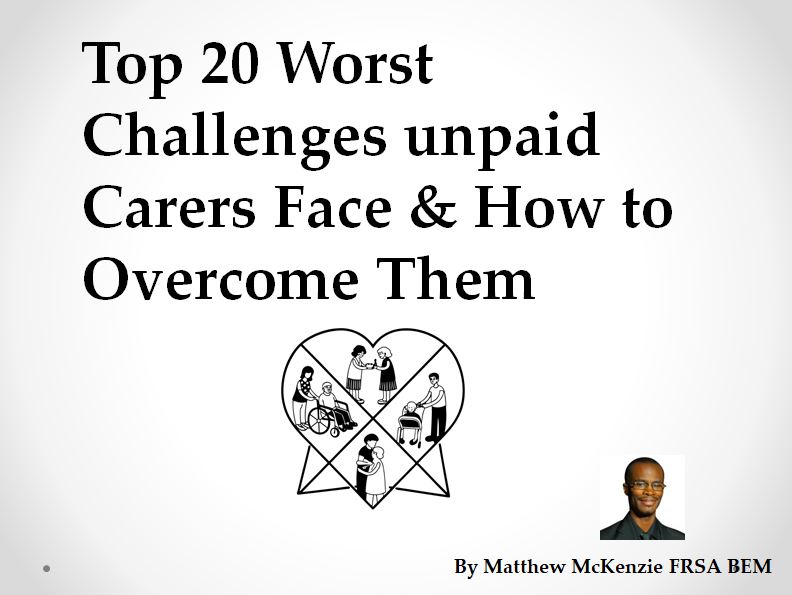
Unpaid carers are the unsung heroes of our society, providing essential support to loved ones with long-term or terminal illnesses, disabilities, or mental health conditions. Despite their vital role, they often remain invisible, unsupported, and overwhelmed by the weight of their responsibilities. As Carers Week 2025 approaches, it’s crucial to shine a light on the realities unpaid carers face and explore practical solutions to help them navigate their journey.
Drawing from lived experience and insights gathered from carer support groups, this article delves into the 20 most significant challenges unpaid carers encounter. It also offers actionable advice and resources to empower carers and those who wish to support them.
To watch the detailed video lecture, see below.
The Backbone of Society: Unpaid Carers in Context
There are an estimated 5 to 7 million unpaid carers in the UK alone, with millions more worldwide. These individuals save health and social care systems billions each year, yet their contributions are often undervalued or overlooked. The role of an unpaid carer is demanding, complex, and frequently misunderstood by those who have never walked in their shoes.
By Matthew McKenzie – Carers UK Volunteer and Ambassador
On Friday 6 June, I had the pleasure of joining Carers Uk and fellow Carers UK volunteers at a picnic in St James’s Park, London a brilliant afternoon full of connection, recognition, and shared purpose. The weather managed to hold “Thank Goodness!”
As a Carers UK volunteer and ambassador, it was great to see so many familiar faces and meet new ones, all united by a commitment to supporting unpaid carers across the UK. The picnic was a chance for us to unwind, share stories, and enjoy the beautiful surroundings of the park.
One of the highlights of the afternoon was the volunteer awards recognising the time, energy, and dedication that so many of us give. It was humbling to stand alongside other passionate volunteers and celebrate each other’s contributions.
Volunteers’ Week is a vital opportunity to shine a light on the incredible work of volunteers across the country and to say thank you for the real difference they make every day.
Later in the day, we teamed up to distribute Carers UK membership resources around the area, helping to raise awareness and connect more carers to support. You can check the link below to find resources.
I would like to extend a huge thank you to everyone who helped organise the event and to those who brought food and drink. Moments like these remind us that we’re not alone in what we do as Carers – we’re part of a caring, committed community.
On Wednesday 26th March, I had the pleasure of attending and representing Carers UK along with Greenwich Carers MH carers grouos. This was at the Greenwich Carers centre – Carers Forum – Mental Health event.
The event was held in the building and then in a beautiful garden setting surrounded by passionate individuals and organisations all focused on supporting unpaid carers. As someone who’s deeply involved in carer advocacy, this was more than just an information stall, it was a moment to connect, empower, and share resources that can make a real difference in someone’s life.
Welcome to the brief update of my hospital carers discharge toolkit meeting. I chair this meeting every two months with support of the carer centres and some hospitals.
The London Hospital discharge toolkit aims to provide a collaborative platform where unpaid carers, hospital carer leads and carer centres can work together to:
Enhance support for unpaid carers of patients using hospital services.
Improve communication and engagement between hospital staff and unpaid carers especially during patient discharge.
Identify and address the needs and concerns of carers within the hospital setting.
Share ways to implement London Hospital discharge toolkit to ensure carers are recognized, supported, and actively involved in the care journey of their loved ones while in hospital.
Welcome back to another blog post by carer activist Matthew McKenzie. Since I run an ethnic carer group, I wanted to promote Black History Month. Black History Month is celebrated in both America and UK, although the UK promotes Black History month in October.
There are 2 themes for Black History month one being “African Americans and the Arts”, the other being “Reclaiming Narratives”. I decided to go for the first theme, but did a mention on how the UK celebrates Black History Month.
Here are the highlights of my video.
🎨 Black History Month 2024’s theme is “African-Americans and the Arts.”
🌍 Celebrates the impact of African and Caribbean heritage in British history.
🏛️ Encourages exploration of Britain’s colonial past and migration.
🎶 Highlights the influence of black Americans on music, especially jazz.
📚 Black History Month aims to educate about interconnected histories of Britain, Africa, and the Caribbean.
🏢 Calls for action from governments and institutions to embrace diversity.
🤝 Stresses that these stories are part of everyone’s history, not just black history.
If you are interested to watch my video please via the view below.
Thanks for dropping by my carer blog site. For those interested I am doing a Black History Month event with Carers UK. This will take place October 16th at 4 pm via zoom
Welcome back to another blog post from carer activist Matthew McKenzie. I have just recently watched a news piece regarding Carers UK latest campaign. For those who do not know, Carers UK is one of the UK’s biggest national charities that focuses on support for carers.
You might have already seen a couple of blog posts about previous campaigns from Carers UK and other carer support charities. At the time of this post, there are around 5.7 million carers around the country caring for someone with long term illness.
Most people want to provide unpaid care, they want a better outcome for those with long term illness, but what people do not want is to provide unpaid care with little or non support.
Each year, support for carers has been reduced within the health and social care sector. Important decisions have to be made and in the end this lies with the new government. Still, it does not hurt to provide some guidance on what Carers UK have heard from carers.
There are 8 priorities which Carers UK want the government to be accountable for.
Reform and significantly increase Carer’s Allowance and other social security payments for carers.
Deliver an ambitious and fully funded National Carers Strategy.
Invest in breaks, respite services, and introduce new legislation so all carers have the right to regular and meaningful breaks.
Make the NHS the most carer-friendly health service in the world.
Introduce a right to paid Carer’s Leave for working carers.
Recognise caring as the 10th protected characteristic under the Equality Act 2010.
Invest in social care services so no one has to care alone, and so Local Authorities are able to meet their existing duties to unpaid carers.
Provide more support to help carers manage their health and wellbeing.
The letter was signed by 10,611 people who feel passionately about the plight of carers. A lot of promotion went into the importance of the letter, but you can also watch the report from London Live news which was reported by Sachelle Connor.
April is approaching fast and if you have been eating all the chocolate easter eggs, then its time to get active. Luckily Carers UK a national charity that campaigns for carer recognition is running an event where carers can get active and reduce isolation.
Join Carers UK for a gentle stroll around Some of Southwark’s historical sights. See poster below.