By Matthew McKenzie – Chair of the Greenwich Mental Health Carers Forum
Welcome to the September update of the Greenwich Mental Health Carers Forum, held on Tuesday 29 September 2026.
This month, we welcomed representatives from Greenwich Carers Centre, the Royal Borough of Greenwich, Healthwatch Greenwich and Greenwich Mental Health Hub, alongside unpaid carers.
Our discussion explored the future of carer support in Greenwich, difficulties accessing respite, support available through the Mental Health Hub, and how carers’ feedback can influence services.
For those unable to attend, here is an overview of the meeting.
Greenwich Carers Centre: opportunities to connect and receive support
Catherine Hope joined us on behalf of Greenwich Carers Centre to share its forthcoming activities.
The programme included employment and digital support, the Mindcare Memory Café, a men’s carers group, karaoke, bereavement support, and information sessions about wills and disabled persons’ trusts. A community health event was also highlighted for late October.
Alongside these events, the Centre continues to offer regular activities such as dance, art, Tai Chi, knitting and social gatherings.
These opportunities matter because caring can leave little time for friendship, enjoyment or attention to our own wellbeing. A welcoming place to meet others can make a considerable difference.
Carers interested in attending should contact Greenwich Carers Centre for the latest programme, booking arrangements and eligibility information.
Shaping the future of carer support in Greenwich
Caleb and Evie from the Royal Borough of Greenwich commissioning team updated us on work to review commissioned carer services and prepare for the next stage of the borough’s carers strategy.
The current strategy comes to an end in 2027. Commissioners have been gathering feedback through workshops, carers groups and community engagement, including sessions focused on mental health carers and culturally inclusive support.

They explained that this feedback is helping shape the requirements for future carer services. It will also inform thinking about a future strategy or charter, although the final approach has not yet been decided.
The intention is to develop proposals and return to carers groups, potentially early next year, to check whether those proposals reflect what carers have said.
I welcome that commitment to return. Carers need opportunities to see how their experiences have influenced decisions and to challenge proposals where something important has been missed.
Respite: carers need breaks that work in everyday life
Respite was one of the strongest themes raised during the meeting and across the council’s wider engagement.
Commissioners reported concerns about access, suitability, affordability and the complexity of finding the right support.
Our discussion showed why respite needs to fit the realities of caring. Some carers need a longer break, while others need smaller, regular periods of rest within their weekly routine.
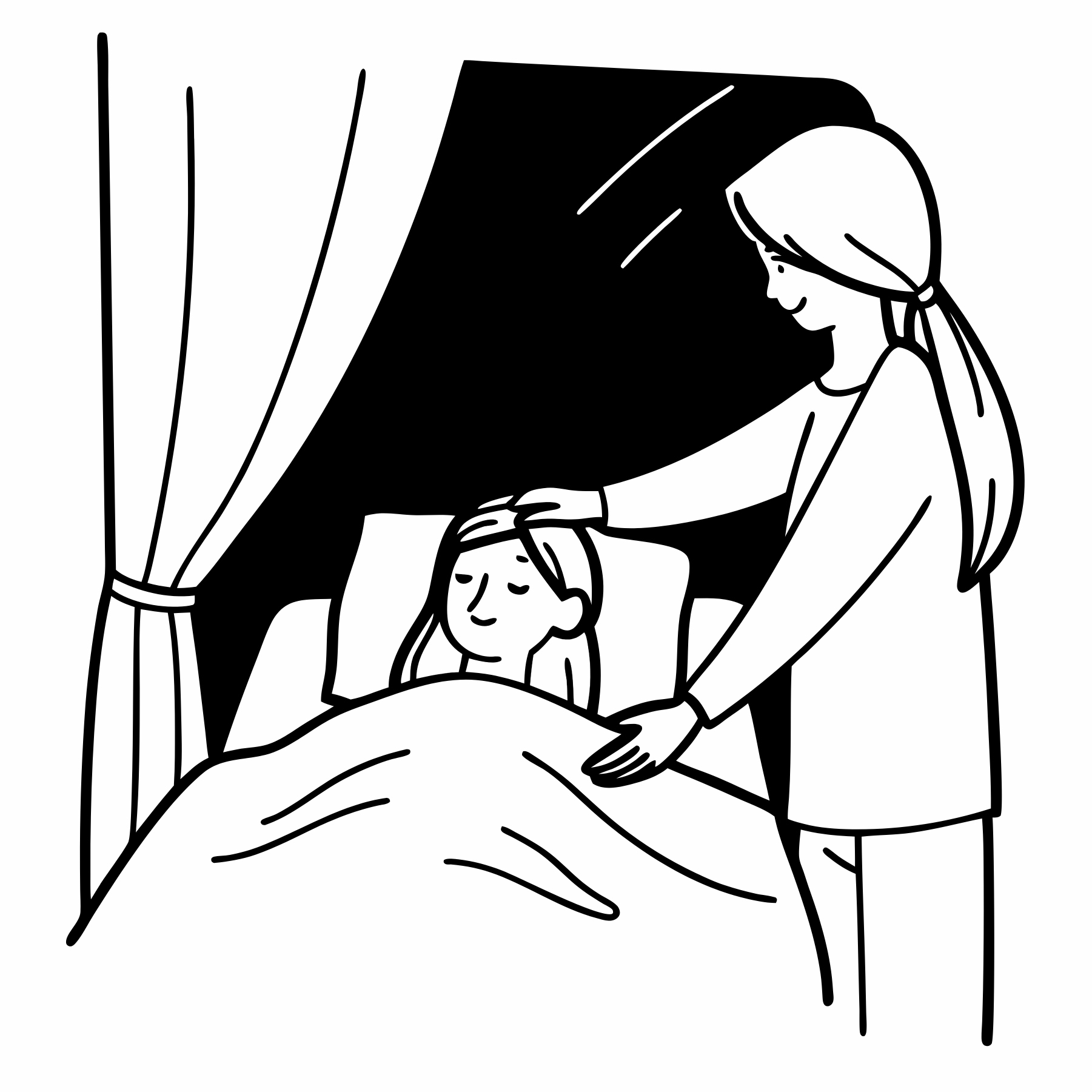
One carer described difficulties obtaining support when the person they care for lives in accommodation in another borough. Their caring responsibilities continue despite living at different addresses.
This raised an important issue: services need to understand the care someone actually provides, including practical support, emotional support and ongoing responsibility across borough boundaries.
Commissioners also described an apparent mismatch between carers reporting a strong need for breaks and some commissioned respite beds remaining unused. They are exploring why this is happening and where access arrangements may be failing.
For me, this is a clear example of why listening to carers matters. The existence of a service does not tell us whether people can use it or whether it meets their needs.
How does feedback reach people who can change services?
I asked how concerns about difficult-to-access or unsuitable services reach those responsible for making improvements.
The commissioning team explained that they have brought together feedback on respite into a report and are sharing it with colleagues responsible for different services, including learning disability, mental health and care home provision.

Other concerns, including carers’ assessments, direct payments and support for parent carers, require work across several teams.
They acknowledged that the timescale for change varies. Some improvements may be possible through changes to contracts, while others require longer-term planning.
The team also expressed an interest in publishing an account of what they have heard and what they intend to do.
That would be a useful step towards accountability. Carers should be able to follow the connection between the experiences they share, the decisions made and the improvements delivered.
Earlier identification and culturally inclusive support
Commissioners highlighted several recurring themes from their engagement:
- Inconsistent information and advice across services.
- Missed opportunities to identify carers earlier.
- Difficulty navigating health and social care.
- A need for more proactive support.
- The importance of trust and relationships.
- Barriers involving access to interpreters.
The discussion about interpreting was particularly important. Carers should be able to explain their situation, understand information and take part in decisions in a language they can use confidently.
The council’s culturally inclusive engagement has also explored systemic barriers and anti-racist approaches to commissioning.
There was positive feedback too. Commissioners reported that carers place a high value on peer support, with Greenwich Carers Centre described by some as a lifeline.
Greenwich Mental Health Hub: understanding the support available
Jackie, representing Greenwich Mental Health Hub, gave a detailed presentation about its integrated approach.

The Hub brings together Oxleas clinical services and voluntary sector partners, including South East London Mind and Bridge Support. Its aim is to offer personalised support that considers someone’s psychological, physical and social circumstances.
The presentation described support involving:
- Mental health assessment and brief interventions.
- Medication advice and support.
- Peer support and group programmes.
- Housing, benefits and employment advice.
- Social prescribing and community connections.
- Support with co-occurring mental health and alcohol difficulties.
- A dedicated carers advisor.
Jackie explained that much of the Hub’s work involves short-term support, generally around 12 weeks, with onward referral where further help is needed.
She also reported more than 7,000 referrals over the preceding year, illustrating the scale of demand.
Referral routes and carers’ concerns about deterioration
I asked what happens when a carer notices that the person they support is becoming more unwell, and how that information reaches the appropriate team.
In the discussion, Jackie described the GP referral route into the Hub. She explained that carers seeking their own support would also generally need a GP referral unless they were already receiving support through an active Hub referral.
The Hub was described as an appointment-based service rather than a walk-in service.
Jackie explained that referrals are screened regularly and urgent referrals prioritised. Screening is an initial review of the referral; it should not be confused with a confirmed appointment or treatment starting immediately.
These questions remain important for carers. When someone’s health is deteriorating, families need clear information about who to contact, how concerns are considered and what happens next.
Carers’ assessments and waiting for support
A carer raised concerns about waiting for a carers’ assessment without being given a clear timescale.
The discussion clarified that a local authority carers’ assessment and a mental health assessment through the Hub serve different purposes. One looks at the caring role and its impact; the other considers mental health support needs.
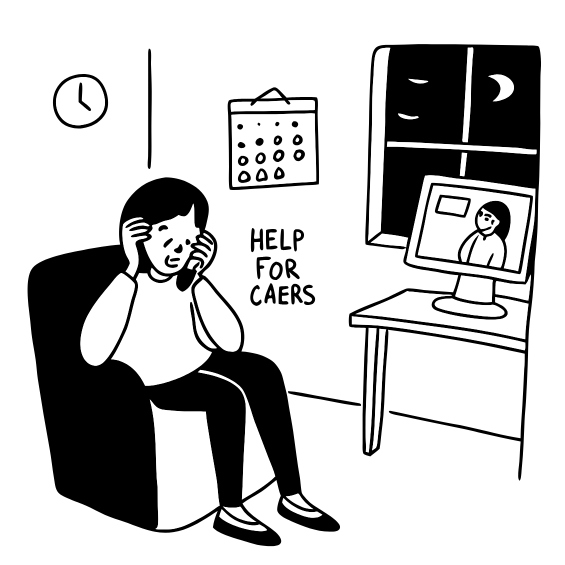
The carer was encouraged to ask the council for an expected timescale. An offer was also made to seek information about average waiting times and follow up.
The forum did not establish a confirmed waiting period. However, the discussion highlighted how uncertainty itself adds pressure when someone is already struggling.
Community organisations and mental health inequalities
Jackie also described the Hub’s grants programme supporting community organisations to provide mental health support.
She reported that ten community groups had received funding over the past year. The approach recognises that trusted local organisations can help people access support, particularly where stigma or other barriers make conventional services difficult to approach.
Further information about the grants was requested during the meeting.
Healthwatch Greenwich: another route for sharing experiences
Katie from Healthwatch Greenwich explained how residents can share experiences of health and social care, including through conversations and anonymous online feedback.
She described how information is anonymised when reported to commissioners, helping services understand what is working and where improvements are needed.
For carers who would prefer to speak privately rather than share an experience in a group, this offers another route to contribute.
Looking ahead
Thank you to all the carers and professionals who joined the September forum.
The meeting showed both the value of existing support and the difficulties carers still face. Respite, clear referral routes, timely assessments, consistent information and earlier recognition of caring responsibilities all need continued attention.
Our next Greenwich Mental Health Carers Forum is planned for November. I look forward to continuing these discussions and hearing how the feedback shared by carers is being taken forward.
You can also read the June forum update here.
Carers’ experiences need to remain central to the future of support in Greenwich.