By Matthew McKenzie, facilitator of National ethnic mental health carers forum
Welcome to my first blog for 2026.
I am working on a new poetry project linked to my forum and poetry groups. This poem turned into song is written from the perspective of an unpaid ethnic mental health carer, and explores identity, pride, self-worth, and refusing shame in systems that don’t always listen or recognise lived experience.
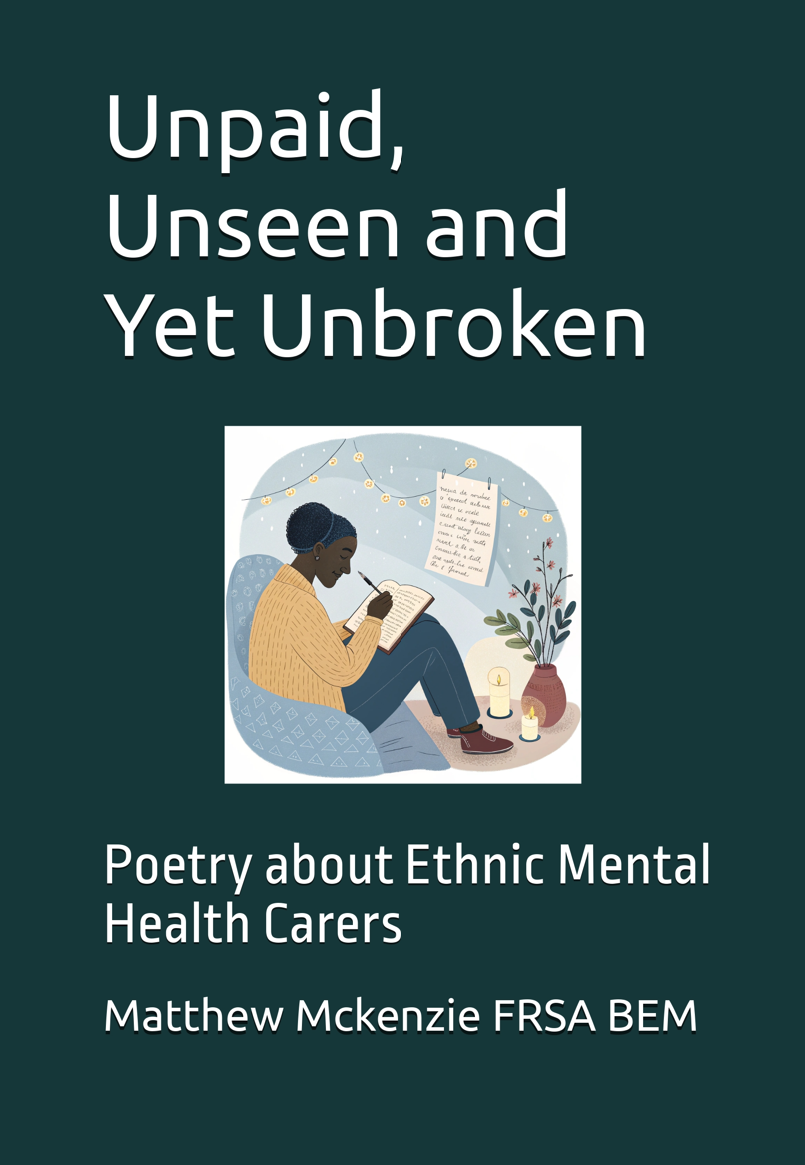
The poem is taken from my forthcoming poetry book in development, Unpaid, Unseen and Yet Unbroken (due 2026), which centres the voices of ethnic mental health carers and aligns closely with the aims of PCREF (Patient and Carer Race Equality Framework), particularly around listening, inclusion, and lived experience shaping systems.
I’m using poetry and creative formats as another way to:
amplify carer voices
explore race and care with honesty
support conversations about equity, culture, and confidence in mental health services
If this resonates with your work, community, or organisation, please feel free to share. Listening is an act of care.
By Matthew McKenzie, Facilitator, National Ethnic Mental Health Carer Forum
Introduction: A Forum that Connects and Challenges
As the facilitator of the National Ethnic Mental Health Carer Forum, I never take for granted how special these sessions are. Each month, carers, professionals, and researchers from all over the UK log in to share knowledge, raise awareness, and push for change in how mental health services understand and support ethnic minority communities.
Our October 2025 session was a powerful one. Falling on the last day of Black History Month, it brought together crucial themes on race equality, co-production, research, and carer visibility.
We heard from two key areas shaping mental health equity right now:
The OSMOSIS Project, led by Dr. Jacqueline Sin and Sharon Galliford, focusing on developing social care-based support for carers of people with psychosis.
The Patient and Carer Race Equality Framework (PCREF), presented by Aboobaker Bhana, Equality and Involvement Manager for South West Yorkshire Partnership NHS Foundation Trust.
Caring for someone with long-term mental illness is a profound act of love and responsibility, just as i cared for my mother, but it is also fraught with emotional complexities, especially within culturally tight-knit communities. The experience of unpaid carers, those who provide care without financial compensation, can be shaped by powerful cultural expectations, traditions, and social pressures. These factors often lead to hidden challenges such as guilt and shame, which can create barriers to seeking help and support.
This blog post which is a transcript of my video explores the intricate dynamics of care guilt and shame, drawing on my insights as facilitator of the National Ethnic Mental Health Care Forum.
While the focus often falls on ethnic minority carers, many of the themes discussed I feel are universal, affecting unpaid carers from all backgrounds. However By examining the cultural ideals, emotional burdens, and systemic challenges faced by carers, we can better understand how to support them and promote positive change in mental health care.
The Role of Culture in Shaping the Carer Experience
Family Duty and Community Honor
In many tight-knit communities, caring for a family member is seen as a moral duty and a source of honor. The expectation is clear: “We look after our own.” This deeply rooted tradition fosters strong family bonds and a sense of belonging. The carer’s role is often defined by values handed down through generations, reinforcing the idea that caring is not just a responsibility but an essential part of one’s identity.
However, these cultural ideals can also create significant challenges. The notion that the “perfect carer never complains or needs help” sets an unrealistic standard, making it difficult for carers to express their struggles or seek support. Weakness is discouraged, and the pressure to cope without showing strain is especially pronounced among men, who may feel compelled to “man up” and avoid displaying vulnerability.
Keeping Illness Within the Family
Another common theme is the tendency to keep issues of ill health, particularly mental illness, within the family or community. This approach is often seen as a way to protect the family’s reputation and maintain social cohesion. Religious and cultural beliefs may further reinforce the idea that problems should be addressed privately, sometimes through prayer or spiritual practices, rather than seeking external help.
While these traditions can provide comfort and a sense of solidarity, they can also lead to isolation and prevent carers from accessing the support they need. The fear of gossip, judgment, or being seen as failing in one’s duty can be overwhelming, especially when mental health is stigmatized or misunderstood within the community.
The Emotional Weight of Caring: Guilt and Shame
How Guilt Creeps In
Guilt is a pervasive emotion among carers, particularly when cultural norms dictate that they should be able to handle all challenges alone. The demands of caring often mean missing out on community events, family gatherings, or social obligations. Community leaders or members may notice these absences and interpret them as letting the community down, adding to the carer’s sense of guilt.
This guilt can manifest in several ways:
Resentment and Frustration: Carers may feel frustrated with themselves or the person they are caring for, leading to emotional strain and potential conflict.
Personal Guilt: The belief that needing a break or personal time is selfish can prevent carers from prioritizing their own well-being, even when burnout is imminent.
Fear of Judgment: In large families or communities, the expectation to manage alone can be overwhelming. Carers may worry about being judged or seen as failing in their role.
The Catch-22 of Self-Care
The need for personal time and self-care is undeniable, yet carers often feel trapped in a catch-22. Taking time for themselves is viewed as selfish, but neglecting their own needs can have detrimental effects on their mental and physical health. The pressure to uphold cultural ideals and avoid showing weakness makes it difficult to break this cycle.
In some communities, there may not even be a word for “carer”—it is simply assumed that family members will step in as needed. This lack of recognition further compounds the challenges, as carers struggle to articulate their needs or seek validation for their efforts.
The Impact of Shame and Stigma
Saving Face and Avoiding Help
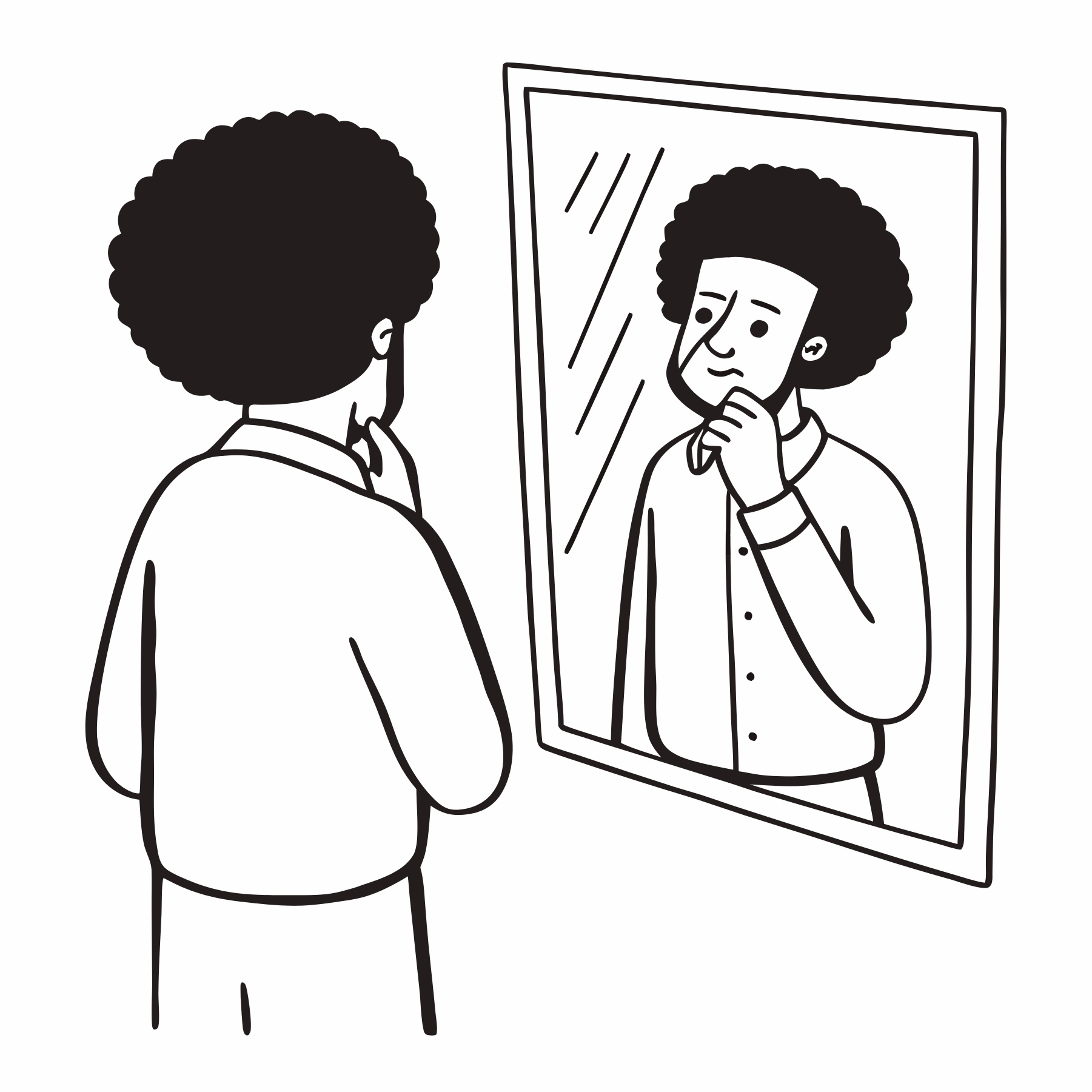
Shame is closely linked to guilt, and both emotions can prevent carers from reaching out for help. The desire to “save face” is strong in many communities, where reputation and social standing are highly valued. Admitting to struggles or accepting support may be seen as a sign of weakness or failure, leading carers to reject offers of assistance from mental health services or outreach programs.
Internalized comments such as “this is your duty,” “you must put up a front,” or “we don’t put family in care” reinforce the belief that seeking help is unacceptable. The fear of gossip and misunderstanding is real, especially in communities where mental health is poorly understood or lacks a cultural vocabulary.
Religious and Cultural Barriers
Religious identity can also play a role in shaping attitudes toward mental health and caring. In some faith-based communities, there may be little space for open discussion about mental illness, and spiritual solutions may be favored over professional support. This can create additional barriers for carers, who may feel unsupported or misunderstood by both their community and the wider mental health system.
Systemic Challenges: Inequalities in Mental Health Care
The Patient Care Race Equality Framework (PCREF)
Recognizing the unique challenges faced by minority carers, NHS England has developed the Patient Care Race Equality Framework (PCREF). These set of policies aims to tackle inequalities in mental health care, particularly for ethnic minority groups. The framework emphasizes the importance of breaking down guilt and shame, promoting better outcomes for minority communities, and ensuring that carers’ voices are central to service design and decision-making.
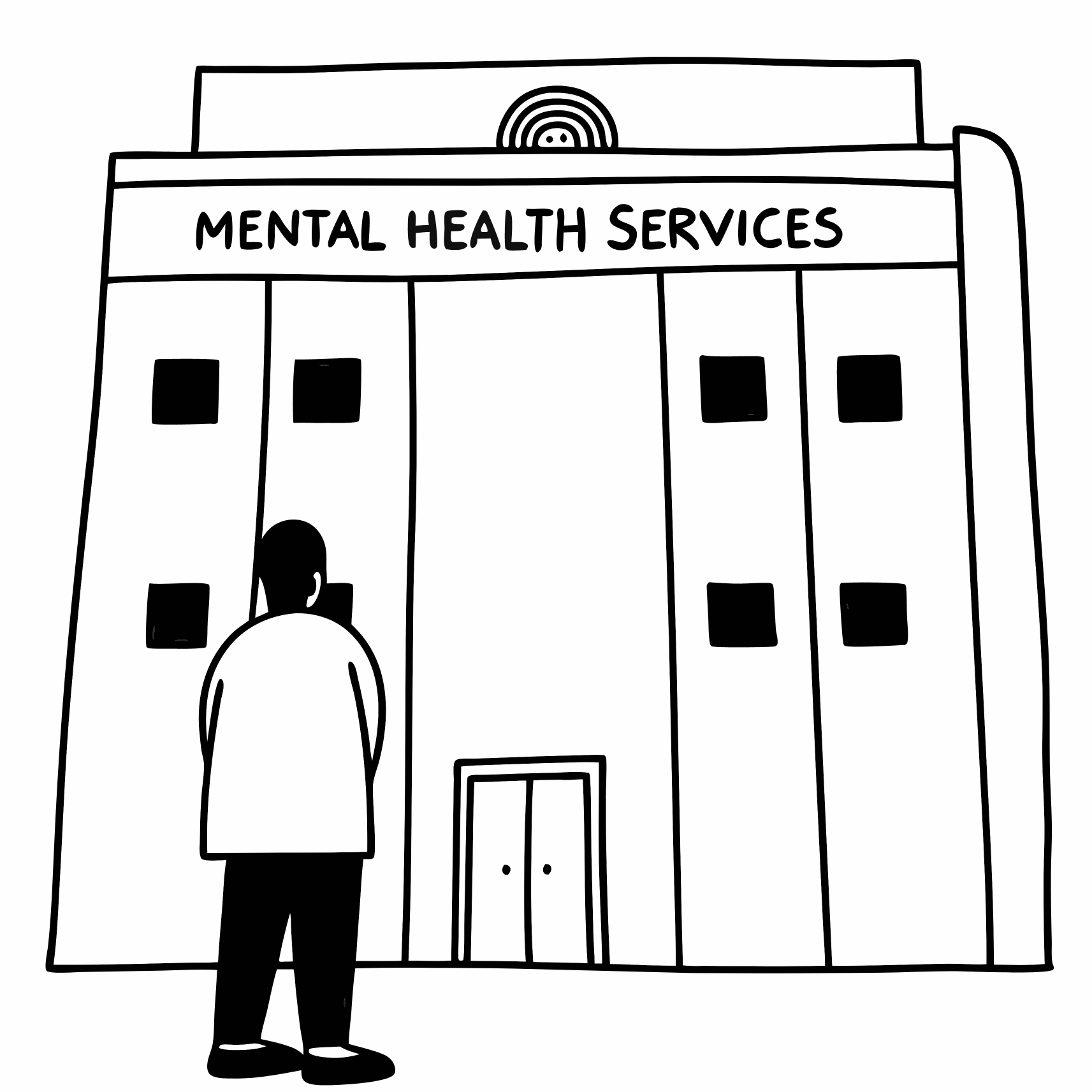
However, systemic barriers persist. Minority carers may be reluctant to engage with mental health services due to fears of poor outcomes, discrimination, or further isolation. The double tragedy is that those who need support the most are often the least likely to receive it, as both community and systemic factors conspire to keep them from seeking help.
The Importance of Carers’ Voices
A key focus of the National Ethnic Mental Health Care Forum is to ensure that carers’ voices are heard and valued. Too often, the emphasis is placed solely on patients or those with lived experience, overlooking the vital role that families and carers play. Guilt and shame can stop carers from engaging with services, making it essential for mental health systems to recognize and address cultural barriers.
Breaking the Cycle: Towards Better Support and Outcomes
Engaging with Communities
To break the cycle of guilt and shame, it is crucial to engage directly with communities. This means attending religious and cultural gatherings, listening to minority carers and patients, and understanding the specific struggles they face. Education is key!! both for carers and for mental health professionals. Training staff to appreciate community values and avoid assumptions about disengaged carers can help foster trust and collaboration.
Creating Safe, Non-Judgmental Spaces
Safe spaces where carers feel invited and heard are essential. These settings should be non-judgmental and designed to encourage open dialogue. Just like my Ethnic carer forum. Co-production, where patients and carers are involved in designing and delivering services and can help ensure that support is tailored to the needs of diverse communities.
Promoting Positive Role Models
Just as I mentioned when I spoke at the North East London NHS PCREF event, I feel that Role models play a powerful role in challenging stigma and inspiring change. Mental health trusts and systems should promote positive examples of carers who have reached out for help and benefited from support. Sharing stories and experiences can help others see that seeking help is not a weakness, but a strength.
Self-Care as Strength
Promoting self-care as a strength, rather than a weakness, is vital. Carers need to recognize that it is okay to ask for help and take time for themselves. Engaging with community leaders and faith networks can help change attitudes and reduce stigma, using trusted voices to advocate for better understanding and support.
The Path Forward: Building Inclusive Mental Health Services
Co-Production and Service Design
Including carers in service design and decision-making is essential for building inclusive mental health services. By putting carers at the center of policy and practice, systems can better address the unique challenges they face and promote positive outcomes for all.
Education and Awareness
Ongoing education and awareness-raising are critical. Carers, communities, and professionals must work together to challenge stigma, promote understanding, and create environments where everyone feels supported.
The Power of Conversation
Ultimately, breaking the cycle of care guilt and shame requires open conversation and a willingness to learn from each other. By sharing experiences, listening to diverse voices, and fostering empathy, we can build stronger, more inclusive communities and mental health systems.
Conclusion
Care guilt and shame are complex, deeply rooted issues that affect unpaid carers across culturally tight-knit communities. The emotional weight of caring, compounded by cultural expectations and systemic barriers, can lead to isolation, burnout, and reluctance to seek help. Addressing these challenges requires a multifaceted approach engaging with communities, promoting positive role models, creating safe spaces, and ensuring carers’ voices are central to service design.
By working together to challenge stigma and promote understanding, we can support carers in their vital role and build mental health services that truly meet the needs of all. The journey is ongoing, but with awareness, education, and compassion, positive change is possible.
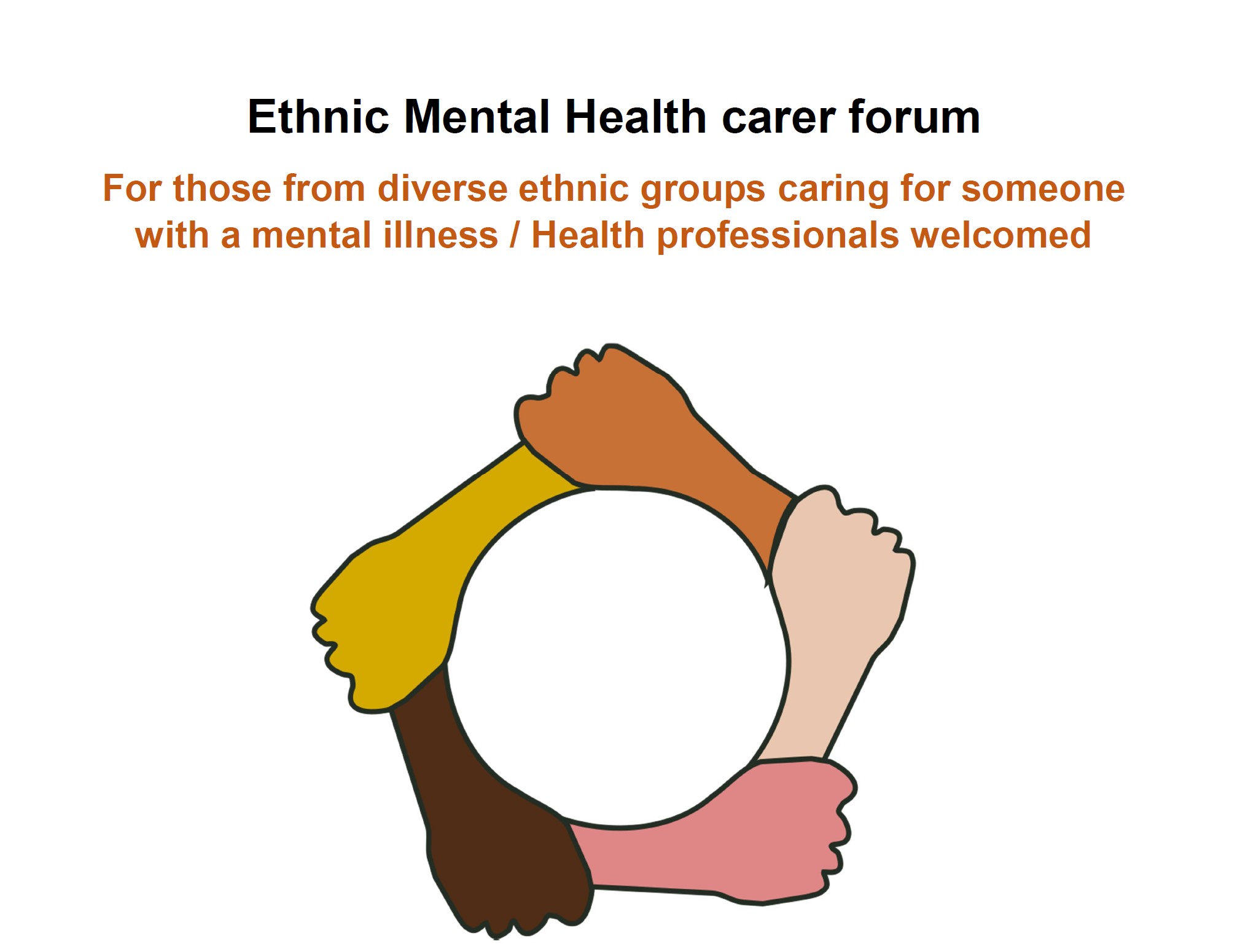
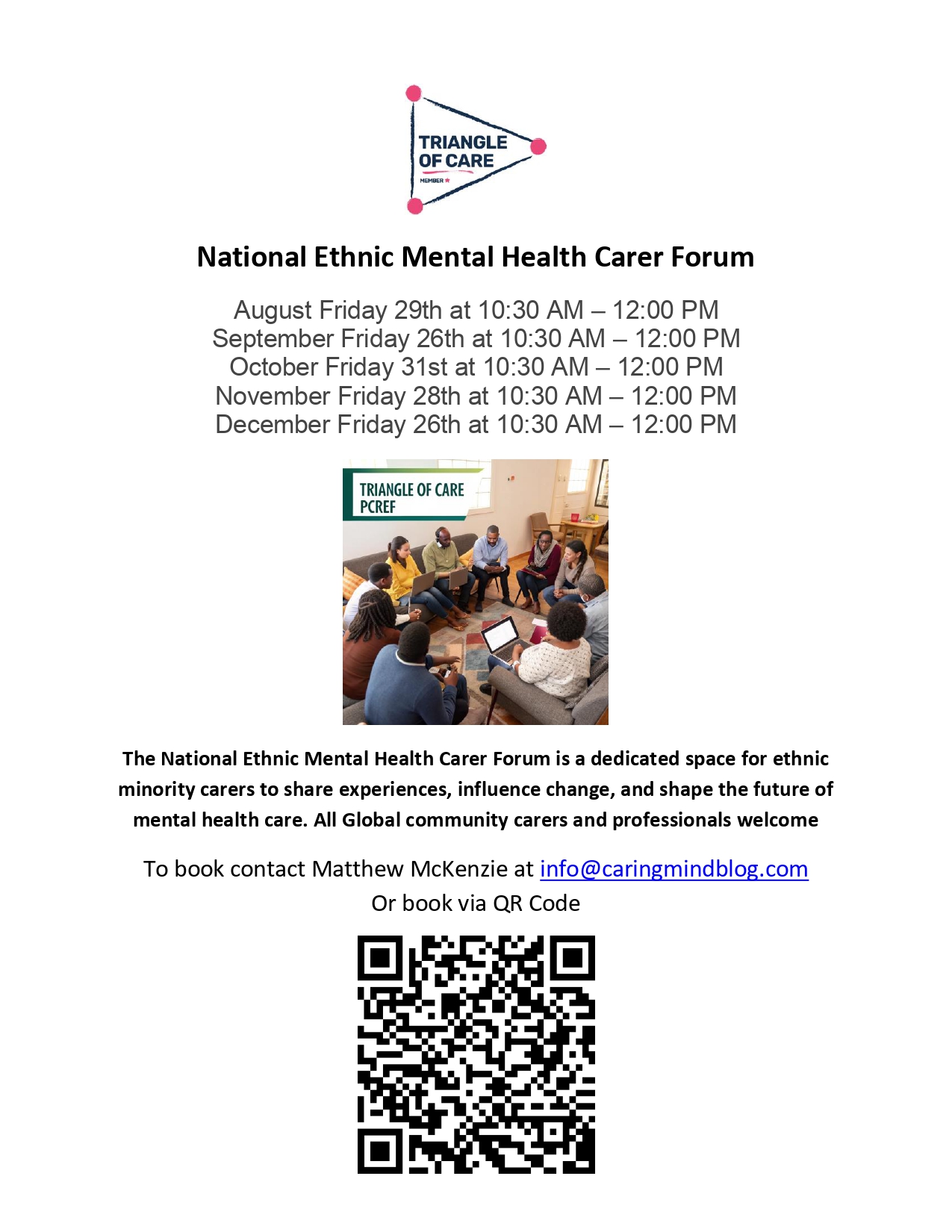
Caring for someone with mental illness? Check out our Ethnic carer forum. Dates shown below.
Understanding the Hidden Struggles of Ethnic Minority Carers Caring for a loved one with mental illness can come with challenges, but for many ethnic minority carers, the journey is made more challenging by cultural stigma, language barriers, and a deep-rooted mistrust of formal health systems.
These carers often carry immense responsibility behind closed doors, with little recognition or support. Despite their dedication, many avoid reaching out to mental health services—not because they don’t care, but because past experiences have taught them to be cautious, even fearful.
What Is Institutional Distrust and Why Does It Matter? Institutional distrust refers to the lack of confidence in systems like healthcare, social care, or government services. For ethnic minority carers, this distrust is often grounded in real experiences of discrimination, cultural insensitivity, or the fear of losing control over a loved one’s care.
When services fail to understand or respect a carer’s background, the result is silence and isolation leaving carers to cope alone, without the help they may desperately need.
A Short Video Giving Voice to Unheard Stories To shed light on this important issue, I’ve created a short video presentation: “Institutional Distrust: Why Many Ethnic Carers Avoid Formal Services”
This video draws on the voices and lived experiences of unpaid carers, especially those from ethnic minority backgrounds. It explores the emotional weight they carry, the cultural barriers they navigate, and the urgent need for services to become more inclusive, respectful, and culturally aware.
Why Sharing These Stories Matters If we truly want to support carers from all backgrounds, we must first listen and really listen to what they’re telling us. By naming institutional distrust and understanding its roots, we can begin to rebuild trust and create spaces where carers feel safe to seek help.
Please watch and share the video, and let’s continue the conversation about what real support looks like for ethnic minority carers in mental health.






 A Caring Mind