By Matthew McKenzie – Carer poet & Carer Activist
As I continue developing my poetry collection Unpaid, Unseen and Yet Unbroken: Poetry about Ethnic Mental Health Carers, I wanted to share another poem from the collection called Fear Has Roots.
The poem explores something I feel mental health services need to understand more deeply: mistrust does not always begin with the person standing in front of you.
Sometimes it has a history.
A carer may have experienced years of being dismissed, misunderstood or having their concerns minimised. They may have watched other carers from their community struggle to be heard. Experiences of discrimination can also travel through families and communities, influencing how safe people feel when approaching services.
Fear Has Roots explores what happens when those experiences begin to change the way a carer communicates.
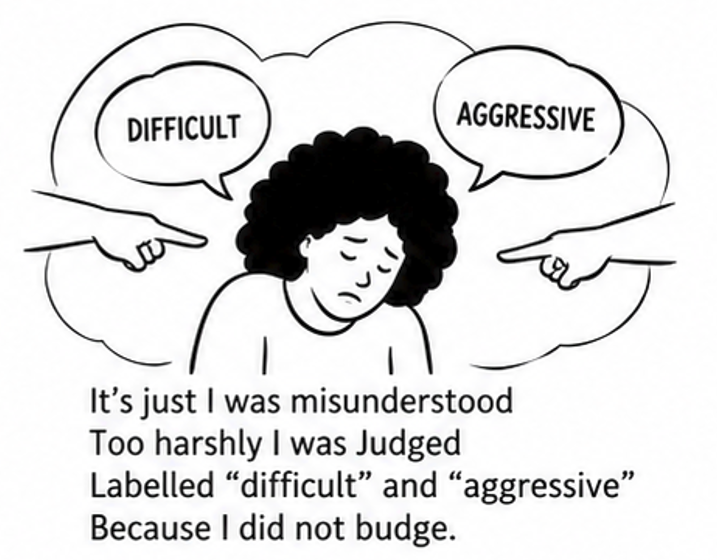
The carer starts choosing their words carefully. They worry about appearing angry. They fear being labelled “difficult” or “aggressive”. Even when trying to advocate for someone they love, they may feel that one wrong word could change how professionals see them.
One section of the poem says:
For me, this is particularly important when thinking about ethnic minority carers and the Patient and Carer Race Equality Framework (PCREF).
If services want to build trust with communities, it is not enough simply to ask why somebody mistrusts the system. We also need to ask what happened before that mistrust developed.
Listening to what sits behind the fear
The poem is not anti-professional. In fact, its opening line deliberately makes that clear:
“Fear has roots, I am not anti-professional.”
Instead, it asks professionals and services to become curious about the experiences behind a carer’s behaviour.
Repeated dismissal can wear somebody down. Discrimination can leave lasting memories. Feeling judged when advocating for a loved one can make a carer more cautious the next time they enter a meeting, ward or assessment.
This is why culturally responsive carer involvement matters.
We should not only hear what carers are saying. We should also understand the history, culture and experiences that may sit behind their words.
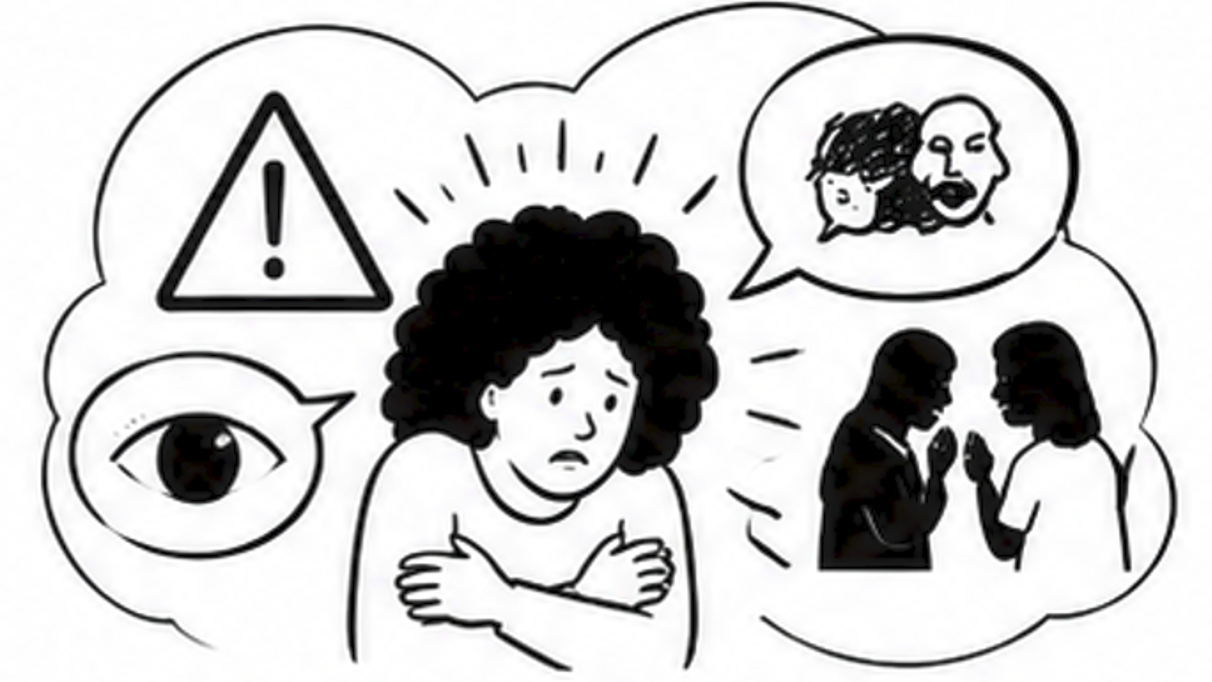
Fear has roots.
Mistrust has a history.
And perhaps listening is one of the places where rebuilding trust can begin.
Fear Has Roots is part of my developing poetry collection Unpaid, Unseen and Yet Unbroken, which explores race, culture, identity, inequality, resilience and the experiences of ethnic minority unpaid mental health carers.

