This week as of this blog post, the London Assembly published a major new report on unpaid carers: “London’s unpaid carers: Caring for the carers.”
I had the opportunity to contribute to this work as a carer and advocate, alongside others who shared their lived experience. Seeing those voices reflected in the final report is both encouraging and a reminder of how much still needs to change for unpaid carers in London.
One of the strongest messages in the report is that many unpaid carers are still not identified.
Too often, people caring for a partner, parent, or child don’t even realise they are classed as a “carer” which means they miss out on financial support, services, and basic recognition.
From my own experience, and what was shared at the Assembly, this is especially true for:
Mental health carers
Carers from ethnic minority backgrounds
Indentification of unpaid carers
If you’re not identified, I feel you don’t exist in the system.
Financial pressure is a major issue
The report possibly confirms what many carers already know:
Nearly 1 in 3 carers in London are living in poverty
Carer’s Allowance is not enough to live on
Many carers have to reduce work or leave employment entirely
There are positive recommendations here like reviewing Carer’s Allowance and reducing travel costs, but these need to turn into real change, not just policy discussions.
Support isn’t working as it should
Another issue raised in the report and something I spoke about is that support often feels like a “tick-box exercise”.
Carers go through assessments, but:
Support is limited
Funding is inconsistent
Real help (like respite care) is hard to access, especially for mental health carers, I mean what does respite actually mean for mental health unpaid carers?
Identification alone isn’t enough. I think It has to lead to meaningful, practical support.
So what needs to happen next?
The report makes some important recommendations:
Better identification of carers across London
More funding for local carer services
Changes to Carer’s Allowance
Improved workplace support
and a lot more, but you would have to go through the report.
But the key question now is: will this actually be implemented?
Carers don’t need more recognition alone we need action.
Final thoughts
Unpaid carers are holding up the health and social care system every single day.
This report is a very important step forward. But it should be the beginning of change not the end of the conversation.
If you are a carer, or know someone who is, I’d encourage you to read the report and share your experiences. The more visible carers are, the harder it is for the system to ignore us.
Caring for a child or young person can be incredibly rewarding – but it can also feel overwhelming, especially when you’re worried about their emotional wellbeing or safety. If you’re an unpaid carer in Ealing supporting a young person, you’re not alone, and there is local support available for you.
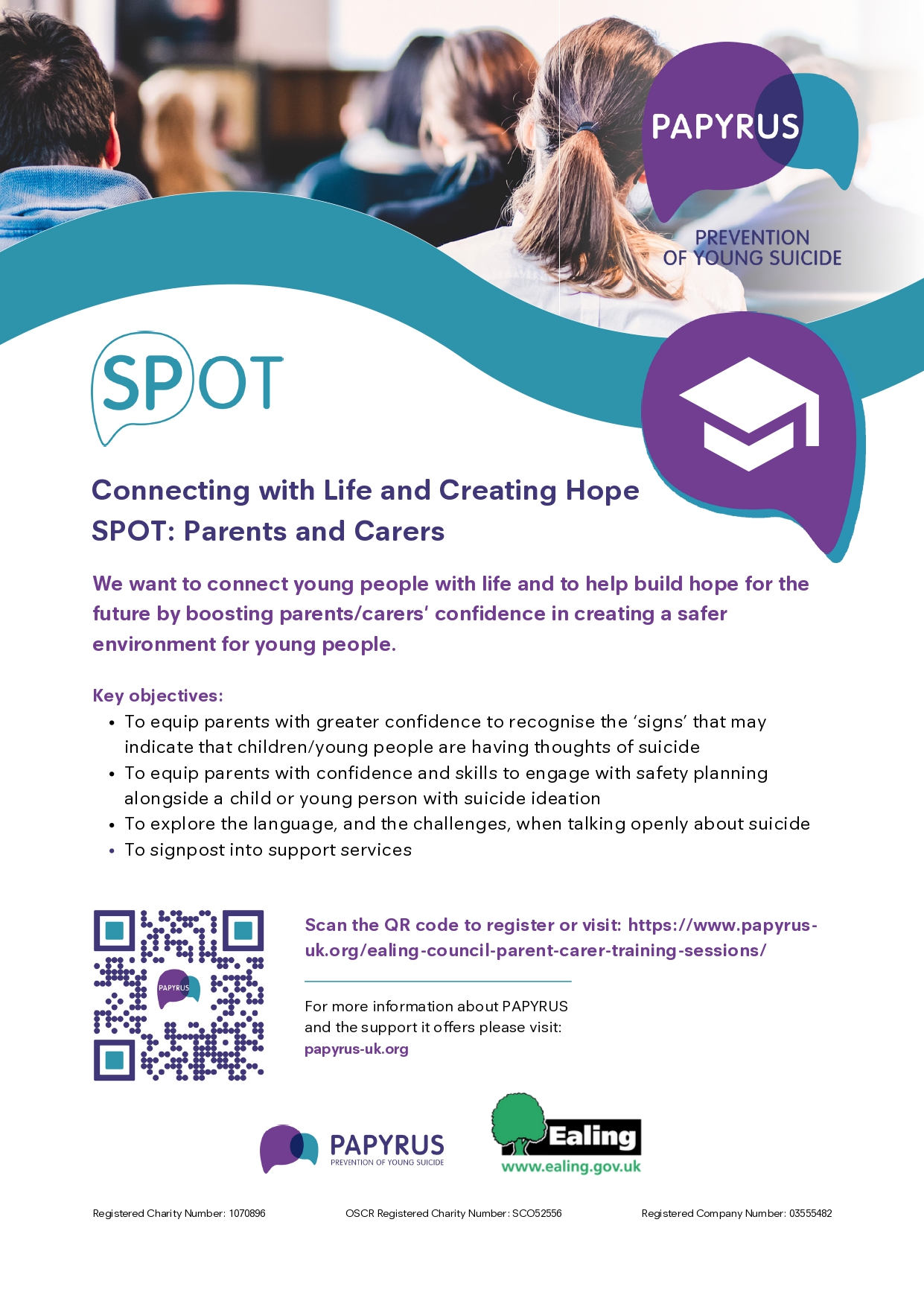
This spring, a new free online training opportunity is available for parents and unpaid carers in Ealing, designed to build confidence, understanding and hope when supporting young people who may be struggling.
Free Online Training: SPOT – Parents and Carers
PAPYRUS, the national charity for the prevention of young suicide, has been funded by Ealing Council to deliver SPOT: Parents and Carers – Connecting with Life and Creating Hope.
This training is specifically designed to support parents and unpaid carers to feel more confident in helping young people stay safe.
The sessions focus on:
Recognising signs that a child or young person may be struggling or experiencing suicidal thoughts
Developing confidence to talk openly and safely about suicide
Learning how to support safety planning alongside a young person
Understanding helpful language and common challenges in these conversations
Knowing where and how to access further support
The overall aim is to help carers feel better equipped to create safer spaces for young people and to strengthen connection, hope and understanding .
Online Training Dates
The SPOT sessions are delivered online, making them easier to attend around caring responsibilities. You can choose the date and time that works best for you:
12 March 2026 – 7:00pm to 8:30pm
18 March 2026 – 6:30pm to 8:00pm
26 March 2026 – 1:00pm to 2:30pm
The sessions are free to attend, but booking is required.
You Don’t Have to Do This Alone: Ealing Carers Partnership
Alongside training opportunities like SPOT, unpaid carers in Ealing can access ongoing help through the Ealing Carers Partnership.
The partnership brings together local organisations to support unpaid carers of all ages, including parents and carers of children and young people. Support can include:
Information and advice
Emotional support and listening spaces
Help navigating services
Peer support and carer groups
Training and workshops to build skills and confidence
If you’re caring for someone without pay, whether that’s a child, young person, partner, friend or family member – you are recognised as an unpaid carer, and you are entitled to support.
The Ealing Carers Partnership works to make sure carers are seen, heard and supported across the borough, and can help you find the right service at the right time.
Many carers tell us that one of the hardest parts of supporting a young person is not knowing what to say, or worrying about saying the “wrong” thing. Training like SPOT is not about having all the answers, it’s about building confidence, understanding and connection.
If you are supporting a young person in Ealing and would like to strengthen your confidence, we strongly encourage you to take up this opportunity and to connect with the wider support available through the Ealing Carers Partnership.
If you have questions, need help accessing support, or would like to know more about what’s available for unpaid carers locally, please reach out on the link below
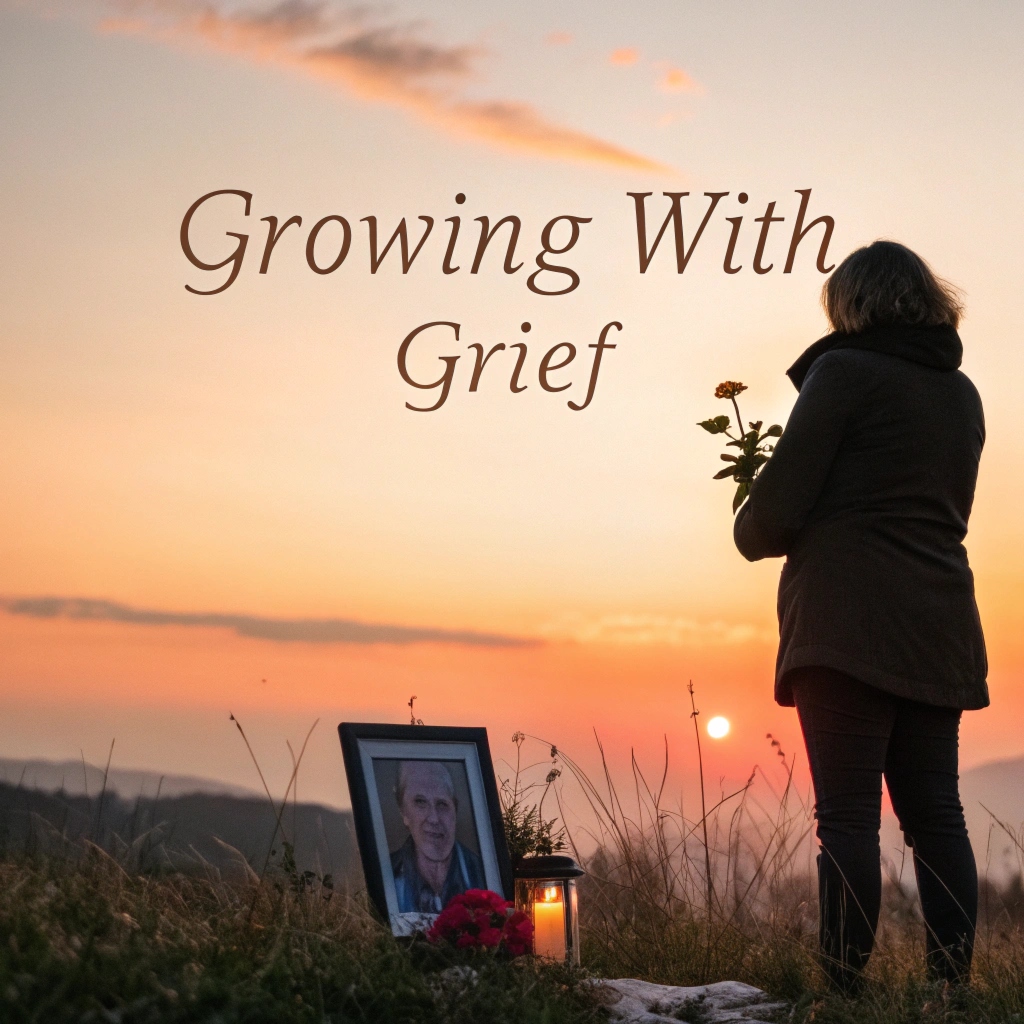
This week, we come together to recognise something deeply human, yet often hidden: grief and the people who carry it long after the world has moved on.
I’ve created a short video exploring the emotional reality of bereavement, with a special focus on unpaid carers. These are the people who quietly give their time, energy, and love to support someone through illness… and who are often left to grieve in silence when that journey ends.
My hope is that this helps spark conversations, reduce stigma, and remind anyone grieving that you are not alone.
If you or someone you know needs support, these organisations can help:
Let’s work together to make sure every bereaved person, especially unpaid carers so they is heard, supported, and understood. #GrowingWithGrief | #GriefSupport | #UnpaidCarers | #Wellbeing
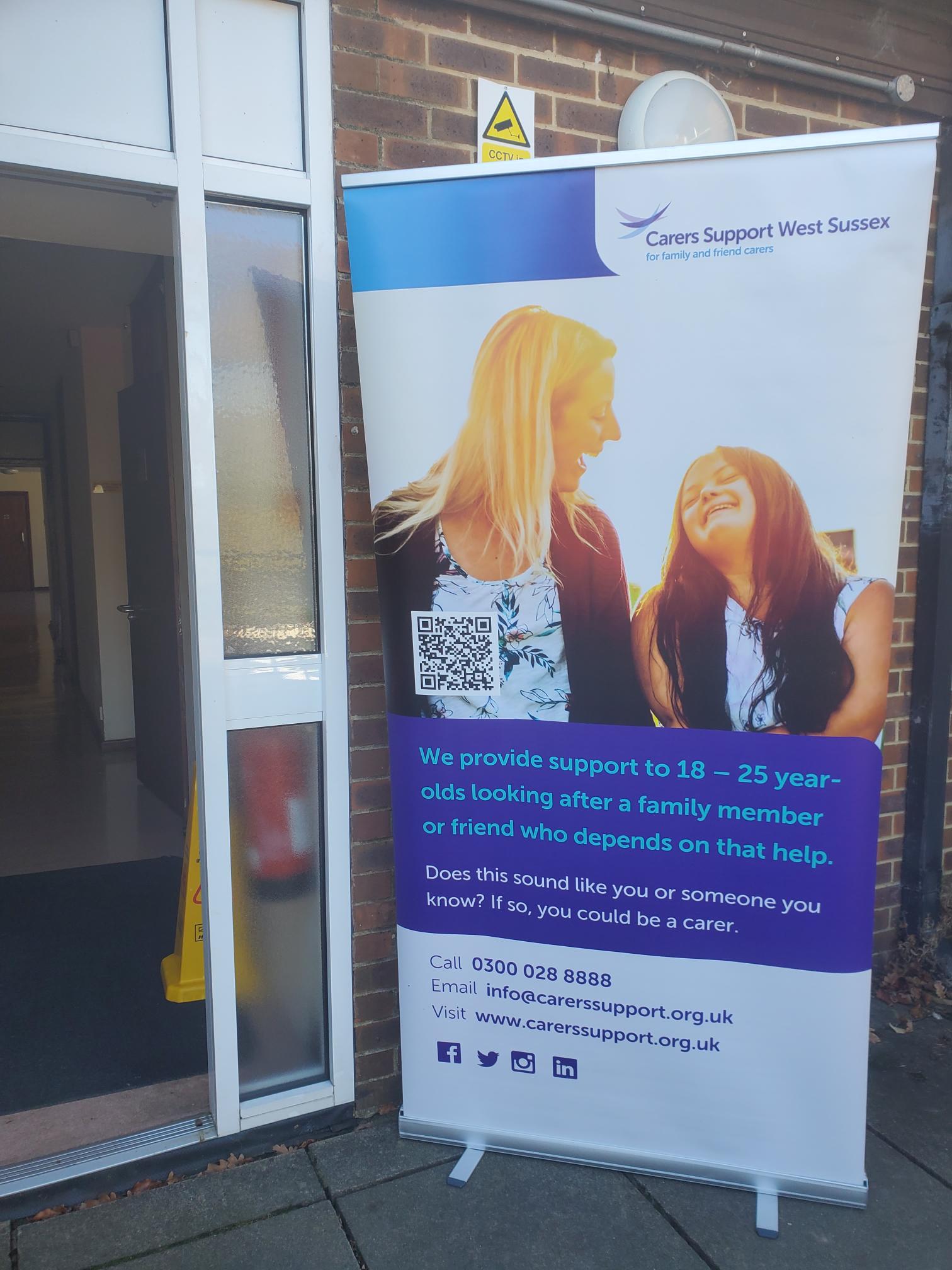
On Thursday 20th November, I had the privilege of attending and speaking at the Memory, Wellbeing and Brain Health event hosted at Broadfield Community Centre in Crawley. Organised by Carers Support West Sussex, the event formed part of Carers Rights Day, bringing together carers, professionals, community teams, and people living with dementia for a day of learning, connection, and support.
Although I couldn’t stay for the full programme due to travelling to another Carers Rights Day engagement later that afternoon, I was grateful to take part in the early sessions and witness the energy and compassion that shaped the whole day.
On this year’s Carers Rights Day 2025 (Thursday 20 November), the theme is “Know your rights, use your rights.”
If you care for someone, whether it’s a partner, parent, child or friend; you may be missing out on vital support simply because you didn’t realise you have rights as a carer.
In my new video I walk you through what those rights actually are, and how you can use them in practice.
In this video you’ll discover:
Why recognising yourself as a carer matters
Key rights every carer should know (from assessments to flexible working)
How to make use of those rights in your daily life
Where to go for help, guidance and support
Click the link, take two minutes, and empower yourself today.
If you live in the London Borough of Bromley and support someone affected by drug or alcohol misuse as a family member, carer, or friend your experiences matter.
Healthwatch Bromley is conducting important research into how local drug and alcohol services are working for residents. The project aims to understand what’s helping, what’s not, and what needs to change to make services more effective and accessible for everyone.
On World Mental Health Day 2025, learn why mental health support in crises is vital, especially for unpaid carers facing emotional challenges and exhaustion. The blog is a transcript of my video, which you can watch below.
Reflecting on World Mental Health Day: A Call to Action for Crisis Support
Every year, World Mental Health Day serves as a global reminder to pause, reflect, and recommit to caring for ourselves and each other. Observed on October 10th, this day is more than a symbolic gesture as it’s an urgent call to recognize the importance of mental health, especially in times of crisis.
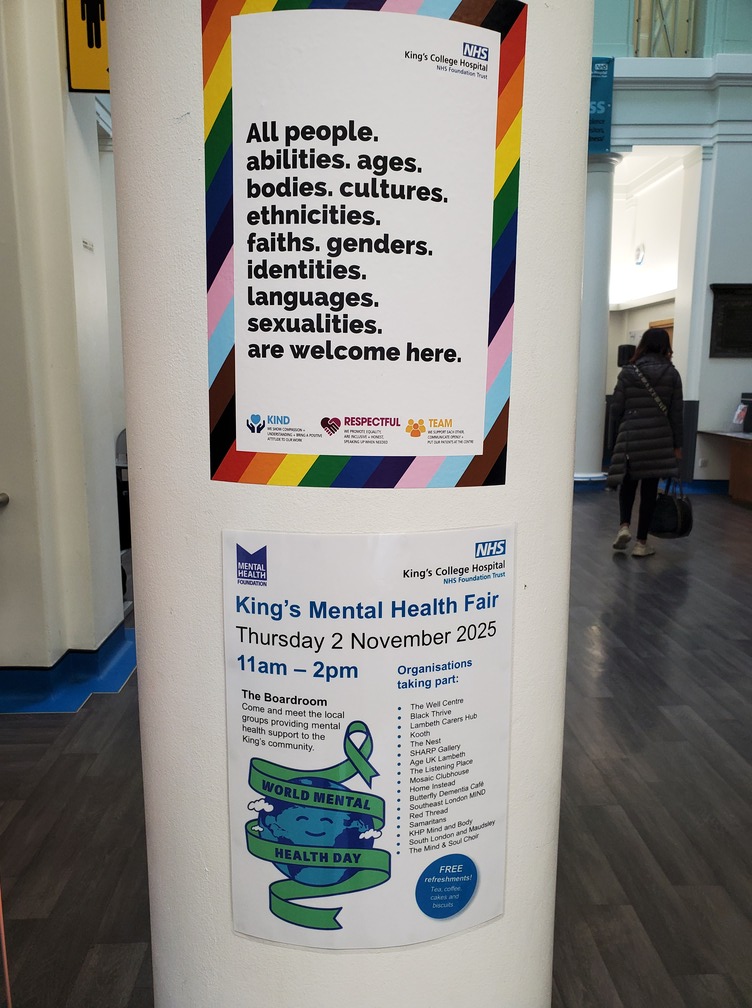
Today, I had the privilege of being part of King’s College Hospital NHS Foundation Trust’s Mental Health Fair, held on Thursday 2nd October, in recognition of World Mental Health Day 2025.
The event brought together a wide range of organisations and community groups working tirelessly to support the mental health and wellbeing of patients, families, and carers.
Why carers need to be at the heart of mental health conversations
As someone who has cared for a loved one experiencing mental health challenges, I know firsthand the importance of recognising and supporting carers through the groups i run.
Understanding Schizophrenia: Breaking the Silence and Challenging Stigma
Schizophrenia remains one of the most misunderstood mental health conditions, often shrouded in myths, misconceptions, and stigma. As National Schizophrenia Awareness Day took place on July 25th, it is an opportune moment to reflect on the realities of living with schizophrenia, the challenges faced by those affected, and the crucial role of unpaid carers.
This article taken as a transcript from my video delves into the importance of awareness, the lived experiences of individuals and their families, and the collective responsibility to foster understanding and support.
The Significance of National Schizophrenia Awareness Day
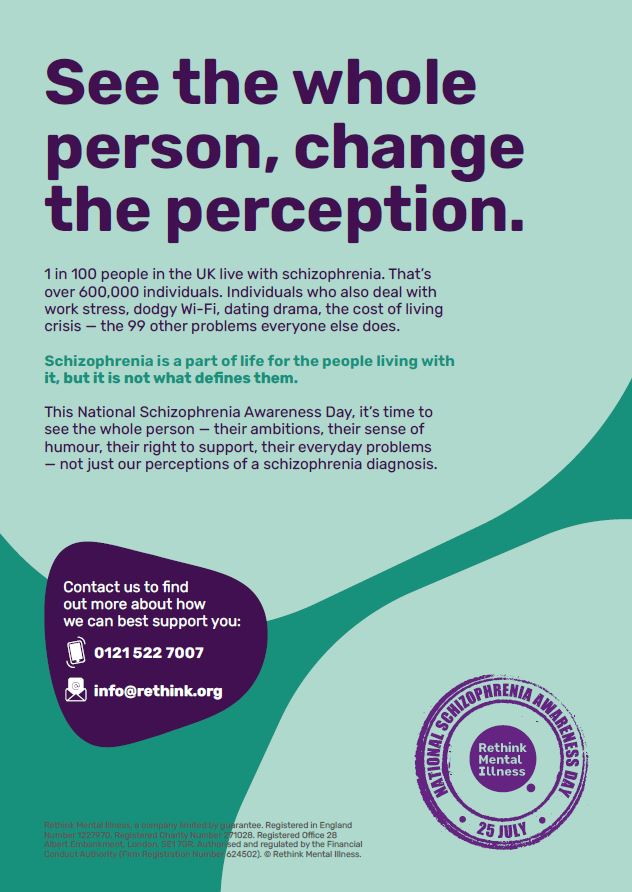
National Schizophrenia Awareness Day, observed annually on July 25th in the UK, is more than just a date on the calendar. It is a day dedicated to raising awareness, challenging stigma, and building understanding around schizophrenia which is a condition that affects approximately one in every 100 people in the UK. The day is spearheaded by organizations such as Rethink Mental Illness, Change Mental Health in Scotland, Adared Recovery in Wales, and Mindwise in Northern Ireland. Together, these organizations form Mental Health UK, a collaborative effort to provide vital support and advocacy for those living with schizophrenia and their carers.
What is Schizophrenia?
Schizophrenia is a complex mental health condition characterized by a range of symptoms, including hallucinations, delusions, and disorganized thinking. However, it is essential to recognize that schizophrenia is not a one-size-fits-all diagnosis. The experience of schizophrenia exists on a spectrum, with each individual’s journey being unique. For some, symptoms may be more pronounced, while others may experience periods of stability and recovery.
Common Symptoms
Hallucinations: Sensing things that are not present, such as hearing voices.
Delusions: Strongly held false beliefs that are not based in reality.
Disorganized Thinking: Difficulty organizing thoughts, leading to incoherent speech or trouble concentrating.
Despite these clinical descriptions, it is crucial to remember that schizophrenia is, above all, a human experience. The condition affects not only the individual but also their families, friends, and communities.
The Human Experience: Beyond the Diagnosis
Too often, the narrative around schizophrenia is dominated by fear, misunderstanding, and negative stereotypes. Individuals living with schizophrenia frequently face stigma, isolation, and discrimination not only just from society at large, but sometimes even within the mental health system and healthcare services themselves. This stigma can be even more pronounced for those from minority groups, compounding the challenges they already face.
The Impact of Stigma
Stigma surrounding schizophrenia can have far-reaching consequences. It can:
Discourage individuals from seeking help or treatment.
Lead to social isolation and exclusion.
Affect employment and educational opportunities.
Create barriers to accessing quality healthcare.
Challenging these misconceptions requires a collective effort to educate the public, promote empathy, and highlight the real stories of those living with schizophrenia.
The Unseen Heroes: Unpaid Carers
While much attention is rightly given to those living with schizophrenia, there is another group whose contributions often go unrecognized—unpaid carers. These are the family members, close friends, partners, and loved ones who provide daily support to individuals with schizophrenia. Their role is both vital and demanding, yet their voices are frequently underrepresented in policy discussions, service planning, and awareness campaigns.
Who Are Unpaid Carers?
Unpaid carers are individuals who, without formal training or compensation, dedicate their time and energy to supporting someone with schizophrenia. This support can take many forms, including:
Emotional Support: Listening, comforting, and advocating for their loved one.
Crisis Management: Staying up late, managing emergencies, and ensuring safety.
Practical Assistance: Helping with daily tasks, medication management, and appointments.
Financial Support: Bearing the costs associated with care, often at personal expense.
The burdens carried by unpaid carers are not just emotional but can also be financial and physical. Despite their critical role, they often receive limited support and recognition.
The Lived Experience of Carers
Many carers, like the speaker’s own mother, navigate the complexities of supporting a loved one with schizophrenia with little guidance or acknowledgment. They become advocates, crisis managers, and emotional anchors, often at the expense of their own well-being. The lack of formal training and support can leave carers feeling isolated and overwhelmed.
Building a Better Future: What Needs to Change
Raising awareness about schizophrenia is not just about increasing knowledge—it is about fostering a culture of care, action, and inclusion. To truly support those affected by schizophrenia and their carers, several key areas need attention.
1. Improving Services and Support
Mental health services must be designed to listen to and address the needs of both individuals with schizophrenia and their carers. This includes:
Accessible Support: Ensuring timely access to mental health services and crisis intervention.
Carer Involvement: Actively involving carers in care planning and decision-making.
Tailored Resources: Providing information, training, and respite for carers.
2. Promoting Inclusive Research
Research into schizophrenia should not only focus on clinical outcomes but also incorporate the experiences of unpaid carers. Their insights are invaluable in understanding the full impact of the condition and in developing effective interventions.
Participatory Research: Engaging carers as partners in research projects.
Holistic Approaches: Studying the social, emotional, and economic effects of schizophrenia on families.
3. Educating the Public
Public education is essential to dispel myths and challenge outdated beliefs about schizophrenia. Awareness campaigns should:
Highlight Lived Experiences: Share real stories from individuals and carers.
Combat Stereotypes: Address common misconceptions and promote accurate information.
Encourage Empathy: Foster understanding and reduce fear and prejudice.
4. Policy and Advocacy
Policymakers must recognize the contributions of unpaid carers and ensure their needs are reflected in mental health policies. This includes:
Carer Rights: Protecting the rights of carers in the workplace and healthcare settings.
Financial Support: Providing financial assistance and benefits to carers.
Representation: Including carers in policy development and service evaluation.
The Power of Awareness: Moving Beyond Knowledge
Awareness is not a passive state, it is an active commitment to care, act, and include others. National Schizophrenia Awareness Day serves as a reminder that understanding schizophrenia goes beyond statistics and symptoms. It is about recognizing the humanity of those affected, valuing the contributions of carers, and working together to create a more inclusive and supportive society.
Taking Action: How You Can Help
Everyone has a role to play in challenging stigma and supporting those affected by schizophrenia. Here are some ways you can make a difference:
Educate Yourself: Learn about schizophrenia from reputable sources and listen to the experiences of those affected.
Challenge Stigma: Speak out against stereotypes and discrimination when you encounter them.
Support Carers: Offer practical help, emotional support, or simply a listening ear to carers in your community.
Advocate for Change: Support policies and organizations that promote mental health awareness and carer rights.
Share Awareness: Use your voice and platforms to spread awareness, especially on days like National Schizophrenia Awareness Day.
Personal Reflections: The Importance of Inclusion
As highlighted in the video, awareness is not just about knowing—it is about caring, acting, and including others. The journey of living with schizophrenia, or supporting someone who does, is often marked by resilience, compassion, and hope. By listening to and amplifying the voices of those with lived experience, we can build a more understanding and supportive world.
The Role of Community
Community support is vital for both individuals with schizophrenia and their carers. Whether through peer support groups, advocacy organizations, or informal networks, connection and solidarity can make a significant difference. Communities that prioritize mental health and inclusion are better equipped to challenge stigma and provide meaningful support.
The Value of Recognition
Recognition of the efforts and sacrifices made by unpaid carers is long overdue. Their dedication sustains individuals and families, often in the face of immense challenges. By acknowledging and supporting carers, we not only improve their well-being but also enhance the quality of care for those living with schizophrenia.
Looking Ahead: Hope and Progress
While the challenges associated with schizophrenia are significant, there is reason for hope. Advances in research, growing public awareness, and the tireless efforts of advocacy organizations are paving the way for a more inclusive and supportive future. By working together—individuals, families, communities, and policymakers—we can break the silence, challenge stigma, and ensure that no one faces schizophrenia alone.
A Call to Action
As National Schizophrenia Awareness Day approaches, let us commit to more than just awareness. Let us strive for understanding, compassion, and action. Whether you are living with schizophrenia, supporting a loved one, or simply seeking to learn more, your voice and efforts matter. Together, we can build a society that values every individual and supports every carer.
Conclusion
Schizophrenia is a complex and deeply human experience, affecting not only those diagnosed but also their families, friends, and communities. National Schizophrenia Awareness Day is a powerful reminder of the importance of awareness, inclusion, and action. By challenging stigma, supporting unpaid carers, and advocating for better services and understanding, we can create a world where everyone affected by schizophrenia is valued, supported, and empowered.
Let us use this day and every day to listen, learn, and act. Share stories, challenge myths, and offer support. In doing so, we honor the resilience of those living with schizophrenia and the dedication of their carers, building a more compassionate and inclusive future for all.
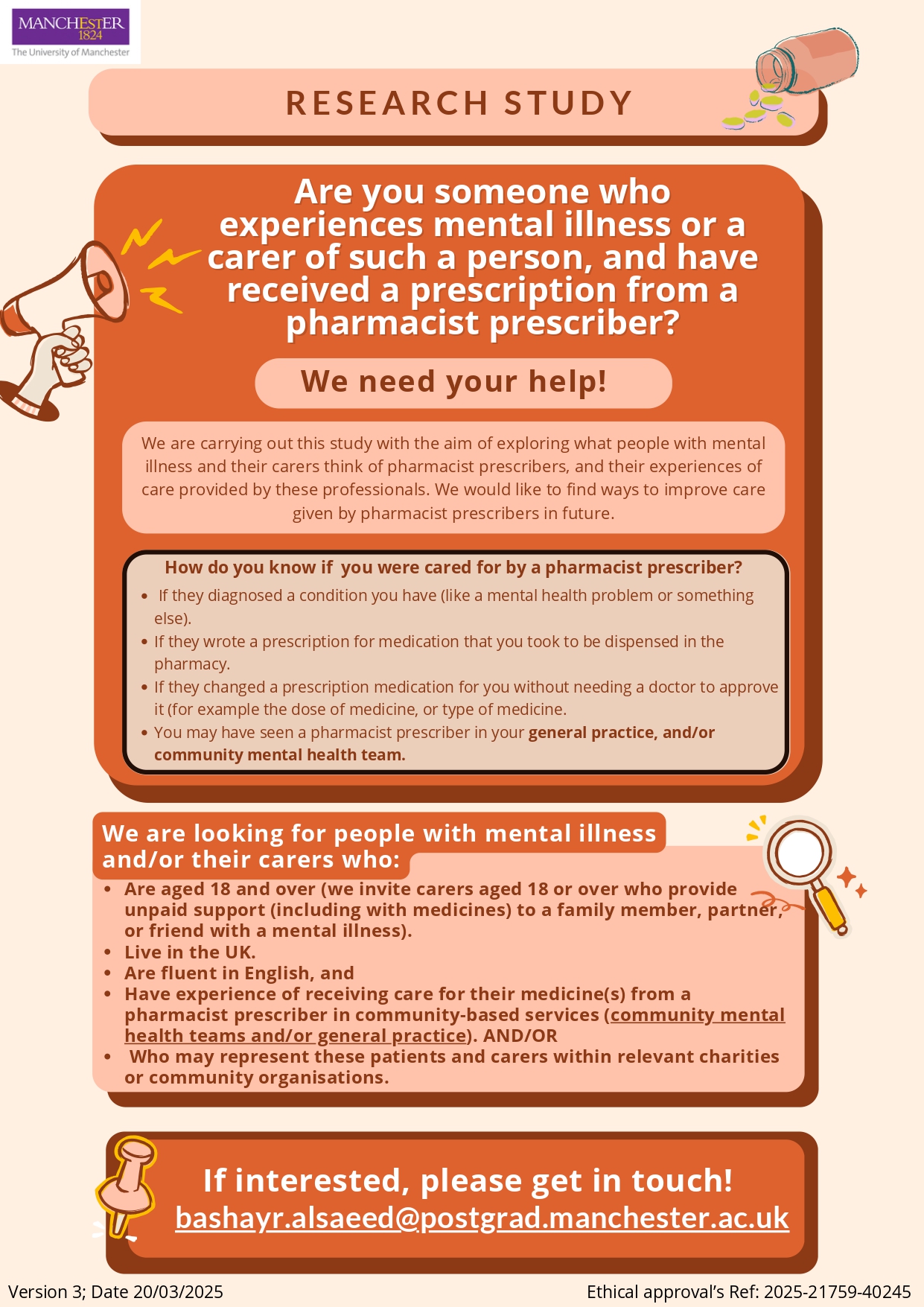
Are you someone living with mental illness or a carer of someone who is or who’s received prescriptions from a pharmacist prescriber? If so, your voice matters.
A new research study led by The University of Manchester is seeking participants to explore how people with mental illness and their carers experience care from pharmacist prescribers in the community. Whether your contact was through your GP practice or a community mental health team, this is your chance to make a difference in the future of mental health services.
Why This Research Matters
Pharmacist prescribers play a growing role in community-based mental health services. They can diagnose conditions, prescribe medication, and adjust treatment all without the immediate involvement of a doctor. But how does this model of care feel from the patient’s or carer’s perspective? That’s exactly what this study wants to understand.
By sharing your experiences, you’ll help shape future services, highlight what’s working, and bring attention to where improvements are needed.
Who Can Participate?
You can take part if you:
Are 18 or older
Live in the UK
Speak fluent English
Have experience with a pharmacist prescriber in a general practice or community mental health team
Carers are also welcome, especially if you provide unpaid support to someone with a mental illness, including help with their medication.
Additionally, the study is interested in hearing from representatives of charities or community organisations who support these individuals.
What Is a Pharmacist Prescriber?
Not sure if you’ve been treated by one? Here’s how you can tell:
They diagnosed a condition you have (mental health or otherwise).
They wrote or changed a prescription for you without needing a doctor’s sign-off.
You may have met them in a GP practice or community mental health setting.
Ready to Contribute?
If you’re interested in taking part, or want to learn more, please contact:










 A Caring Mind