Update by Matthew McKenzie – Chair of South London Mental Health Carers Forum
The South London Mental Health Carers Group met for the month of May for a wide-ranging and thoughtful discussion covering carers’ experiences, mental health support systems, involvement opportunities, and an important research presentation focused on support networks and long-term care.
The group covers areas of Lewisham, Southwark, Lambeth & Croydon, although Mental Health Carers from outside those areas are welcime to attend
The session brought together carers, advocates, involvement leads, and guest speaker Dr Anna De Simone from Queen Mary University of London. As always, the discussion highlighted both the challenges carers continue to face and the value of shared lived experience and peer support.
Opening Discussions: Challenges in Mental Health Care Systems
The meeting began with carers sharing experiences of navigating mental health services for loved ones with complex needs. There was extensive discussion around:
- difficulties accessing appropriate placements,
- safeguarding concerns,
- discharge planning,
- lack of continuity between NHS trusts and local authorities,
- and ongoing challenges around funding responsibility between different services.
A recurring issue raised was the pressure on inpatient beds and the concern that discharge decisions can sometimes feel driven more by system pressures than by clinical readiness. Carers spoke openly about the emotional impact of repeatedly having to advocate for vulnerable loved ones while navigating fragmented systems.
There was also discussion around the importance of carers being recognised and included in communication and planning processes. Participants highlighted how carers are often the people most aware of deterioration, risks, or safeguarding concerns, and how vital it is that services engage meaningfully with families and informal supporters where appropriate.
Despite frustrations, carers also acknowledged examples of good practice and supportive professionals within mental health services. Several attendees noted that they had seen gradual improvements in carer involvement and listening exercises within parts of South London and Maudsley NHS Foundation Trust (SLAM), particularly in Lambeth.
Updates on Carer Involvement and Support Activities
The group received updates from carers and representatives involved in local mental health engagement work and carers’ organisations.
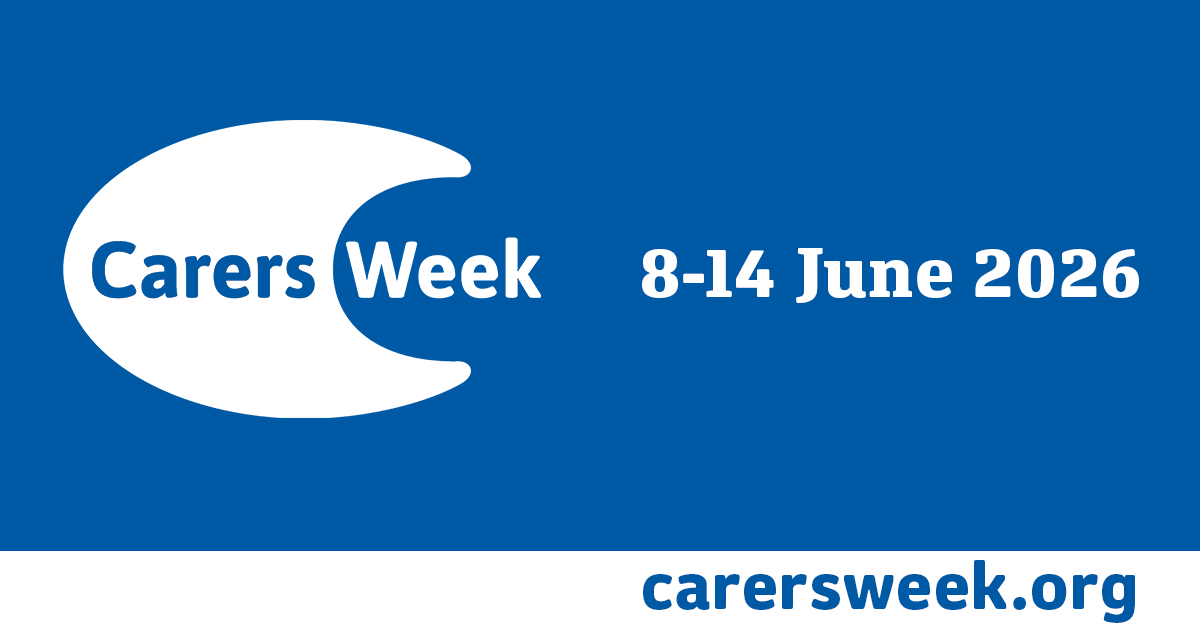
Carers Week Activities
Karen from Carers Hub Lambeth shared details of upcoming Carers Week activities, including:
- outreach events,
- wellbeing sessions,
- information stalls,
- and activities for both adult and young carers.
The events aim to provide carers with opportunities for support, networking, practical advice, and wellbeing activities.
Here is more info on Carers Week 2026
SLAM and Carer Involvement
There was also discussion around changes and developments within SLAM involvement structures, including:
- continuation of family and carers meetings,
- changes to involvement leads,
- and ongoing reviews of the involvement register.
Attendees reflected positively on the increasing recognition of carers’ voices in some forums and clinical meetings, while acknowledging that there is still much work to do to ensure consistent involvement across all boroughs and services.
Guest Presentation: Mapping Patient Support Networks
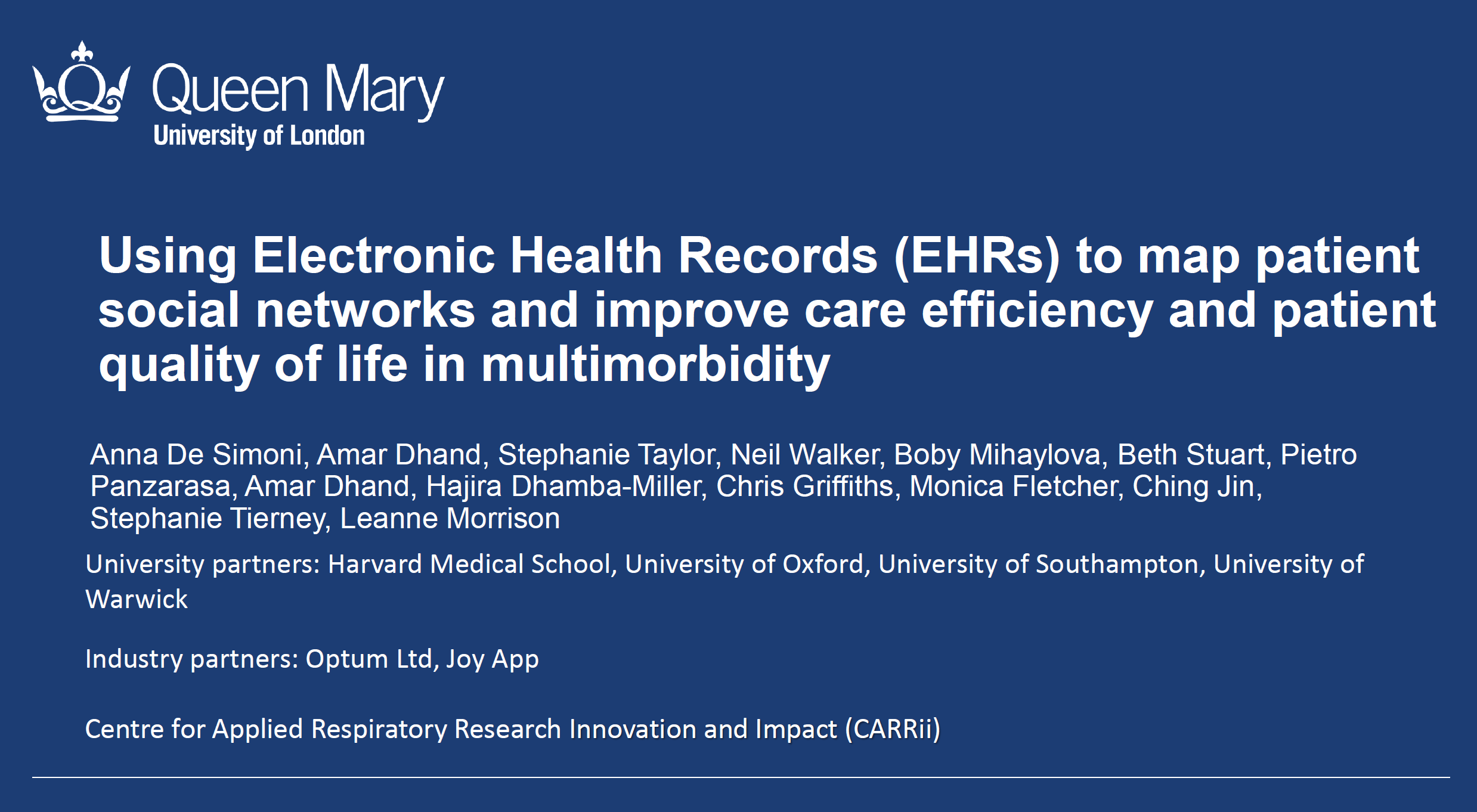
The second half of the meeting focused on a presentation from Dr Anna De Simone, GP and Associate Professor of Primary Care at Queen Mary University of London.
Anna introduced a proposed research project exploring how healthcare systems might better understand and map patients’ support networks using electronic health records and social network tools.
The research proposal focuses particularly on patients with long-term conditions such as COPD (Chronic Obstructive Pulmonary Disease), many of whom also experience multiple additional health conditions and varying levels of social isolation.
The Core Idea

Anna explained that while healthcare professionals can currently access limited information such as next of kin or household members, they often lack a fuller understanding of:
- who actually supports the patient,
- how reliable that support is,
- whether support networks are connected or fragmented,
- and how socially isolated a patient may be.
The proposed research would explore whether creating visual “maps” of support networks could help:
- improve care planning,
- reduce crises,
- improve coordination between services,
- and enhance patients’ quality of life.
The project would also examine how social prescribing, community services, online support groups, and carers fit into these wider support networks.
Carers’ Feedback on the Research Proposal
The discussion following Anna’s presentation was extremely rich and constructive, with carers offering both enthusiasm and important cautionary perspectives.
Strong Support for the Concept
Many attendees felt the project addressed an important gap in healthcare planning. Several carers spoke about how informal support networks had been essential to helping them or their loved ones survive periods of crisis.
Participants agreed that professionals often underestimate the role played by:
- friends,
- neighbours,
- online communities,
- peer groups,
- and unpaid carers.
The ability to visualise these networks was seen as potentially valuable for both professionals and patients themselves.
Importance of Non-Traditional Support Networks
A strong theme throughout the discussion was that support does not always come from family.
Some carers explained that family relationships can sometimes be unsafe or abusive, and that support may instead come from trusted friends, neighbours, carers’ groups, or online communities.
The group stressed that any future system should avoid assuming that family automatically equals safety or support.
Online Communities and Digital Support
Participants also highlighted the increasing importance of online support systems.
Several carers explained that:

- Zoom groups,
- Facebook communities,
- online peer support,
- and digital communication
can provide essential social connection, especially for disabled or isolated people.
One participant noted that online support networks had directly helped them access practical support and reduce isolation when physical mobility was limited.
At the same time, carers cautioned that not everyone has equal access to digital services. Concerns were raised about:
- digital exclusion,
- accessibility barriers,
- lack of digital skills,
- and the risk of widening inequalities.
The importance of offering both digital and non-digital forms of support was strongly emphasised.
Privacy, Consent, and Mental Health
Carers also discussed potential challenges around privacy and consent, particularly for people experiencing paranoia or severe mental illness.
Some attendees noted that patients may not always feel comfortable sharing details about their social networks, and that trust and safeguarding would need to be central to any future system.
There was discussion about the delicate balance between:
- confidentiality,
- safety,
- carer involvement,
- and patient autonomy.
Role of Social Prescribers
The group generally agreed that social prescribers could play an important role in helping patients map support networks, because they often have more time and a stronger focus on community support than standard GP appointments allow.
However, concerns were raised about long-term funding and sustainability for social prescribing services.
Looking Ahead
Anna thanked the group for their detailed feedback and explained that carers’ insights would help shape the next stage of the research proposal before submission later this year.
There was strong interest from attendees in remaining involved should the project move forward, particularly around future patient and public involvement opportunities.
The meeting once again demonstrated the depth of knowledge, experience, and expertise held by unpaid carers. The discussion reflected not only the challenges carers continue to face, but also the importance of ensuring carers are recognised as essential partners in both healthcare delivery and future research.

