Tag Archives: South London Carers

South London Mental Health carer forum update June 2026

By Matthew McKenzie – Chair of the group

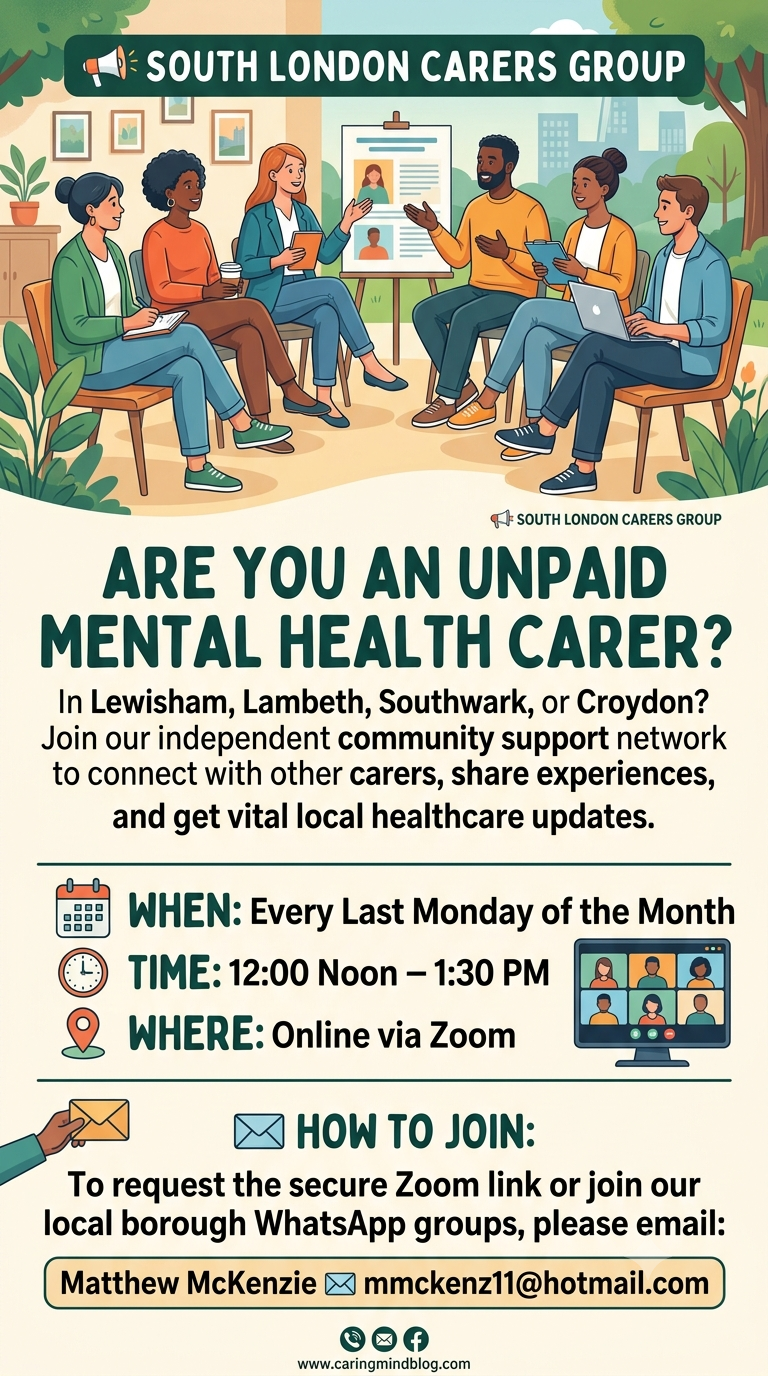
If you weren’t able to join our June South London Mental Health Carers Group meeting, here’s a summary of the main discussions and updates. As always, the meeting brought together unpaid carers from across Lambeth, Lewisham, Southwark and Croydon to share experiences, raise concerns and keep each other informed about developments affecting mental health carers.
Why these meetings matter

One of the strongest themes throughout the meeting was the importance of carers staying connected. Many carers cannot attend every committee or involvement meeting due to their caring responsibilities, work or other commitments. By sharing updates, we can help ensure everyone remains informed about changes that may affect them and the people they support.

Several carers commented that services sometimes feel like they are “reinventing the wheel”, with the same issues being raised repeatedly. While progress can be slow, continuing to speak up and share experiences remains essential.

Updates from the Maudsley Family and Carers Committee

Carers who attended the latest South London and Maudsley (SLAM) Family and Carers Committee shared several important developments.

Review of the Involvement Register

SLAM is reviewing its Involvement Register over the coming months. Working groups will look at areas including:

  • Outcomes
  • How involvement is delivered
  • Governance and policy

Carers interested in influencing how services engage with families are encouraged to consider joining the register. Participation is flexible, allowing carers to contribute when they are able.

Triangle of Care

The Triangle of Care continues to be a significant focus, particularly around how carers are identified, involved and supported during someone’s mental health care.

Discussions also covered how Trusts monitor their progress and how carers’ details are recorded to ensure families receive appropriate information and support.

Information for carers

Work is continuing to improve the information provided to carers. Rather than relying on a single handbook that can quickly become outdated, there are plans to develop more flexible information resources that can be updated more easily and provided when carers actually need them.

Mental Health Act reforms
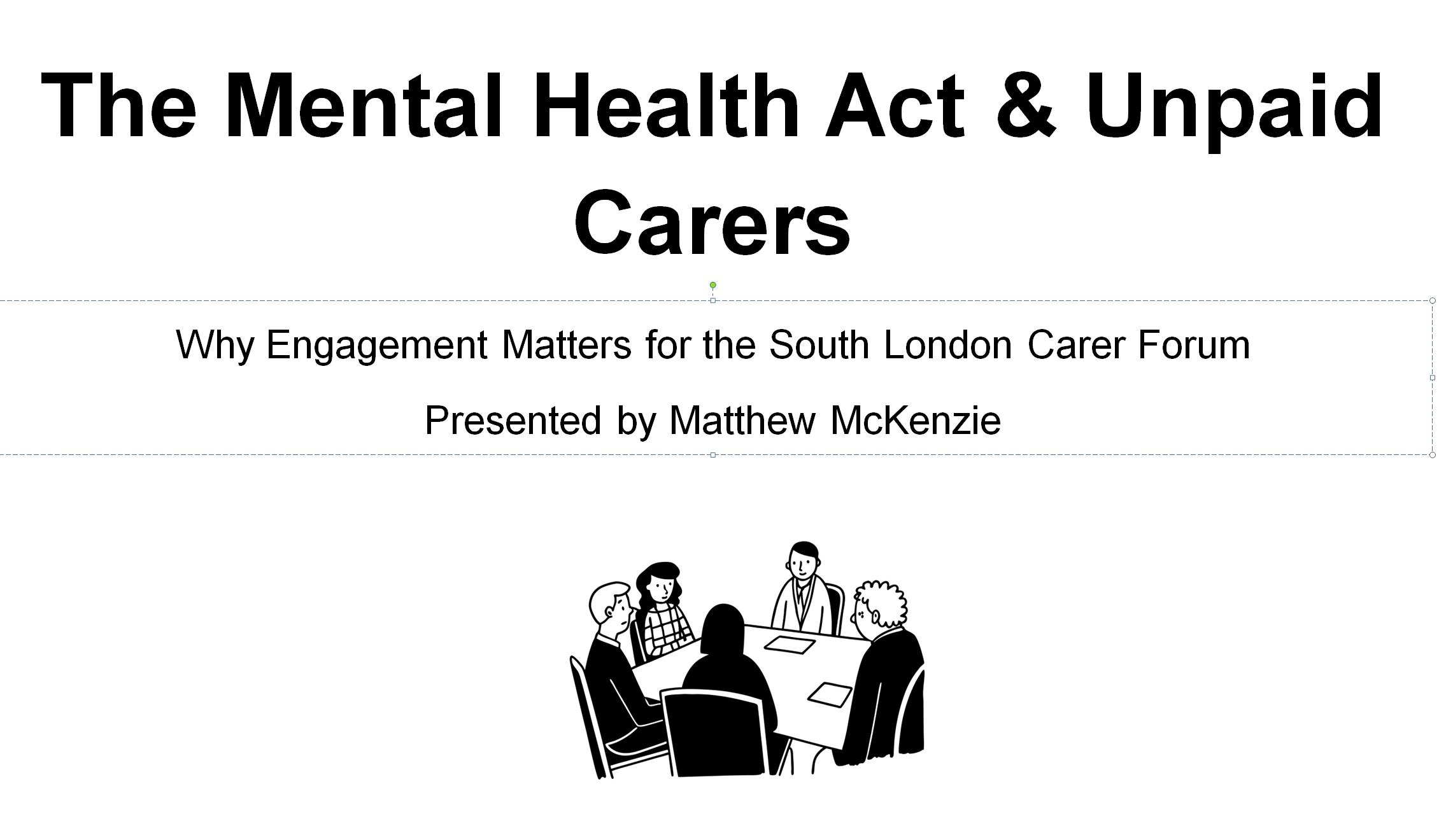
A significant part of the meeting focused on the recent changes to the Mental Health Act and what they could mean for unpaid carers.

Key topics included:

  • Greater emphasis on patient choice and involvement.
  • The introduction of the Nominated Person, replacing the traditional “Nearest Relative” in many situations.
  • The importance of Advance Choice Documents, allowing people to record their wishes while they are well.
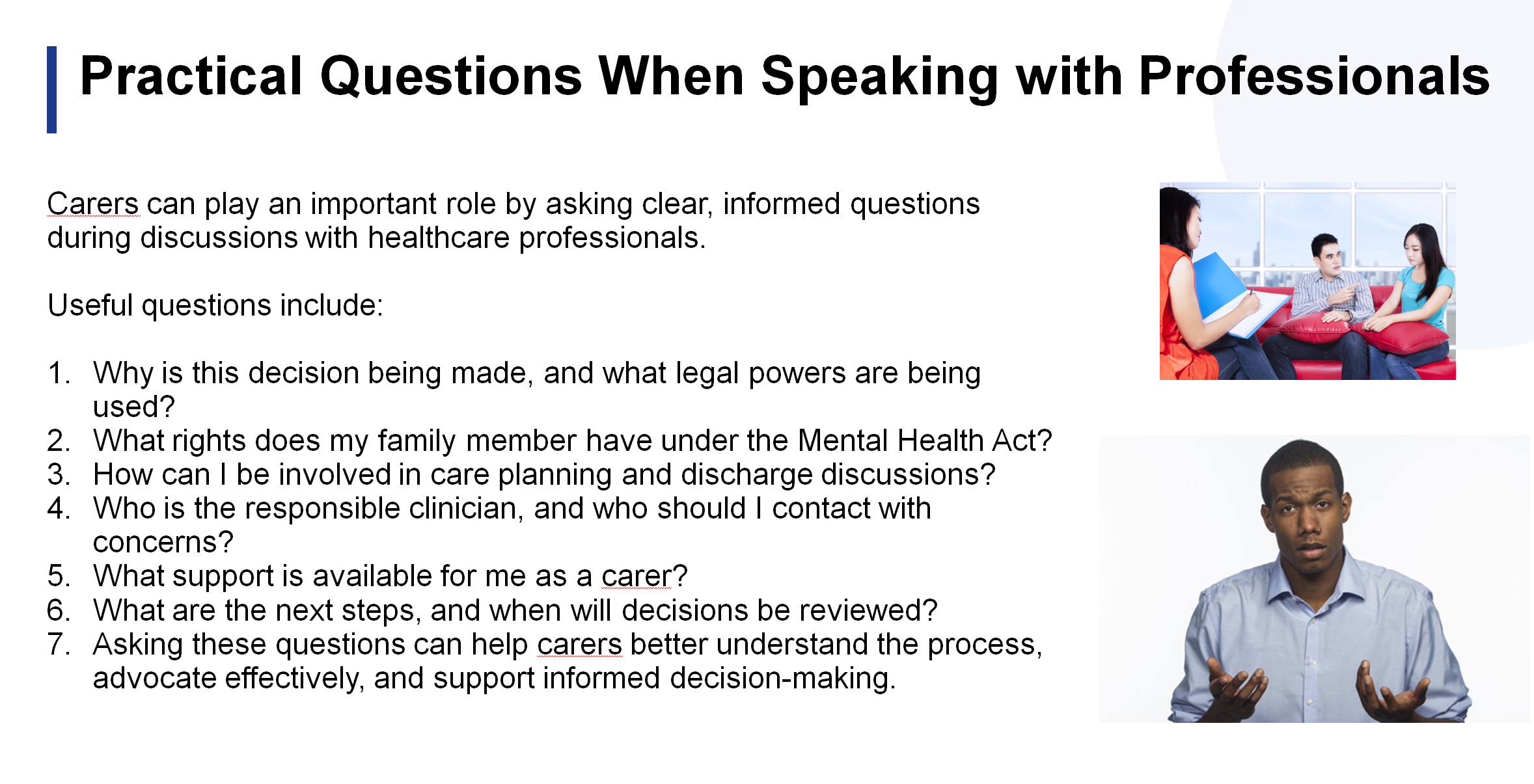
  • The need for carers to understand their legal rights and ask questions during admissions, treatment planning and discharge.

Carers discussed both the opportunities and concerns arising from these changes, particularly where someone may lose insight during periods of illness. There was broad agreement that carers need clear information about how the reforms will be implemented locally and how families will continue to be involved.
Advocacy and complaints

Members shared experiences of trying to access advocacy services and navigate complaints processes.

Concerns included:

  • Limited access to independent mental health advocacy in some boroughs.
  • Unclear complaints pathways.
  • The need for carers to be listened to, even when confidential information cannot be shared with them.
  • The importance of raising concerns through appropriate safeguarding and governance routes where necessary.

Several carers also shared positive experiences where persistence had led to improvements in care.

Local updates from across South London

One of the strengths of the South London Mental Health Carers Group is the opportunity for carers from different boroughs to share what is happening locally. While each area faces its own challenges, many of the issues raised were common across South London.

Lambeth

Carers discussed the continuing work of the Lambeth Living Well Collaborative, which brings together carers, service users, voluntary organisations and professionals to improve local mental health services. Members were reminded that carers are welcome to attend collaborative meetings and contribute to discussions about service improvements.

The conversation also recognised the wider pressures affecting carers beyond mental health services. Rising living costs, reductions in council tax support for many working-age residents receiving benefits, and the increasing financial pressures on families continue to affect carers’ wellbeing. These wider social issues inevitably have an impact on people’s ability to sustain their caring role.

Lewisham

Carers provided an update on Lewisham’s Community Mental Health Transformation programme. While work continues to redesign community services, concerns remain about what happens when someone is discharged from specialist mental health services back to primary care.

Several carers highlighted unanswered questions around:

  • How GPs will be supported to manage people with ongoing severe mental health needs.
  • What support carers can expect once specialist services are no longer involved.
  • Whether communication between secondary mental health services and GP practices is sufficiently robust.

These are important questions that carers hope local services will continue to address as transformation plans progress.

Croydon and Lewisham carer information

Members also heard that new information resources for carers are being developed in Croydon and Lewisham. Rather than relying on lengthy booklets, services are creating a series of practical information sheets covering different aspects of mental health care. This approach should allow information to be updated more regularly and provided when carers need it most.

Carers welcomed this change, noting that people often need specific information at different stages of their caring journey rather than receiving a large handbook all at once.

The important role of GP practices

An interesting discussion focused on the role of GP practices in supporting unpaid carers.

Members recognised that experiences vary considerably between surgeries. Some GP practices have developed strong support for carers, while others still have some way to go.

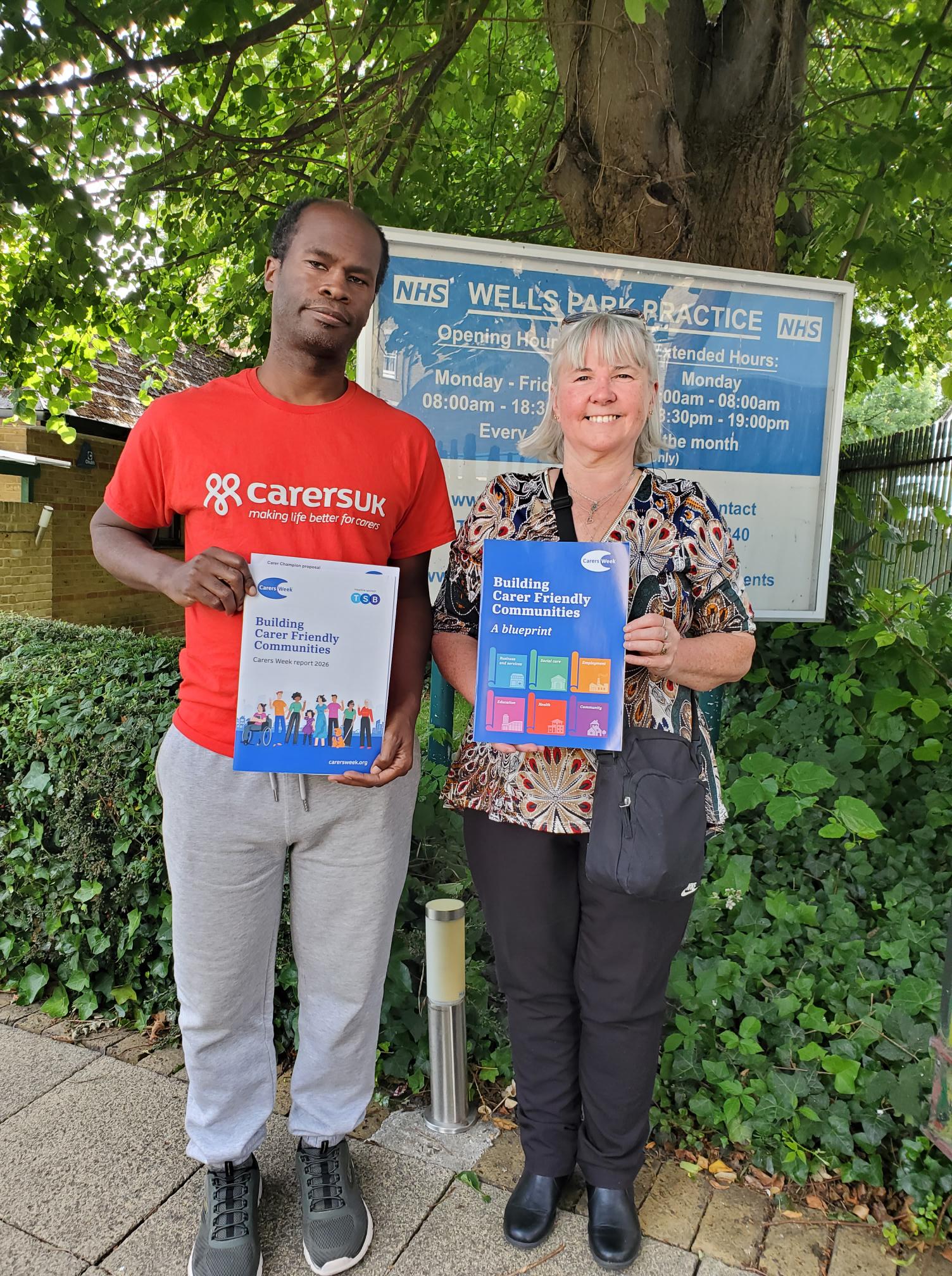
One positive example shared was Wells Park Practice, where carers have become actively involved in developing support, including helping to establish a regular carers’ coffee morning. This demonstrates what can be achieved when GP practices actively engage with carers and recognise the valuable role they play.
The meeting reinforced several practical messages for carers:

  • Make sure your GP practice knows that you are an unpaid carer and ask to be recorded on their carers register.
  • Ask what support your surgery offers to carers, including health checks, referrals or local support groups.
  • If your current practice offers limited support for carers, it may be worth exploring what neighbouring GP practices provide, particularly if they have developed a stronger carers programme.

As community mental health services increasingly work alongside primary care, ensuring that GP practices recognise and support unpaid carers is becoming more important than ever.

Learning from each other

Perhaps the most valuable part of the local updates was hearing how carers are finding solutions in different boroughs. Good practice in one area can often inspire improvements elsewhere.

Whether discussing carers’ information, community transformation, GP engagement or involvement opportunities, the message was clear: carers’ experiences are a vital source of learning, and sharing those experiences helps improve services across South London as a whole.

Looking ahead

One of the biggest messages from the meeting was that carers have valuable lived experience that services need to hear. Whether through local carers’ centres, involvement registers, Trust committees or community groups, every contribution helps shape future services.

If you are interested in becoming more involved but can only contribute occasionally, don’t let that put you off. Many opportunities allow carers to participate as much or as little as their circumstances allow.

Thank you to everyone who attended and contributed so openly. Your experiences continue to help improve understanding and influence services across South London.

We look forward to welcoming both new and returning carers to our next meeting.
Lewisham, Southwark & Lambeth carer forum update May 2026

Update by Matthew McKenzie – Chair of South London Mental Health Carers Forum

The South London Mental Health Carers Group met for the month of May for a wide-ranging and thoughtful discussion covering carers’ experiences, mental health support systems, involvement opportunities, and an important research presentation focused on support networks and long-term care.

The group covers areas of Lewisham, Southwark, Lambeth & Croydon, although Mental Health Carers from outside those areas are welcime to attend

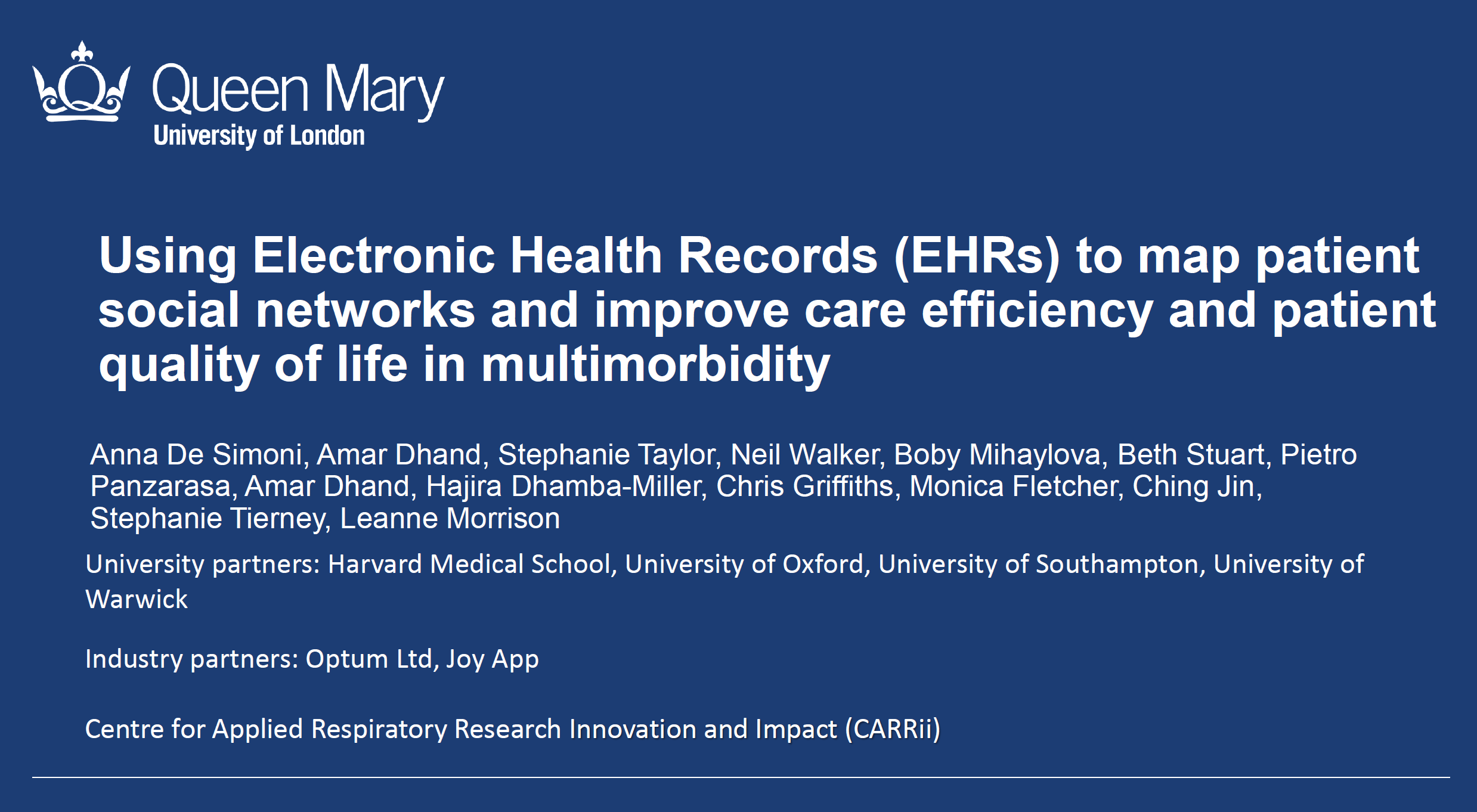
The session brought together carers, advocates, involvement leads, and guest speaker Dr Anna De Simone from Queen Mary University of London. As always, the discussion highlighted both the challenges carers continue to face and the value of shared lived experience and peer support.

Opening Discussions: Challenges in Mental Health Care Systems

The meeting began with carers sharing experiences of navigating mental health services for loved ones with complex needs. There was extensive discussion around:

  • difficulties accessing appropriate placements,
  • safeguarding concerns,
  • discharge planning,
  • lack of continuity between NHS trusts and local authorities,
  • and ongoing challenges around funding responsibility between different services.

A recurring issue raised was the pressure on inpatient beds and the concern that discharge decisions can sometimes feel driven more by system pressures than by clinical readiness. Carers spoke openly about the emotional impact of repeatedly having to advocate for vulnerable loved ones while navigating fragmented systems.

There was also discussion around the importance of carers being recognised and included in communication and planning processes. Participants highlighted how carers are often the people most aware of deterioration, risks, or safeguarding concerns, and how vital it is that services engage meaningfully with families and informal supporters where appropriate.

Despite frustrations, carers also acknowledged examples of good practice and supportive professionals within mental health services. Several attendees noted that they had seen gradual improvements in carer involvement and listening exercises within parts of South London and Maudsley NHS Foundation Trust (SLAM), particularly in Lambeth.

Updates on Carer Involvement and Support Activities

The group received updates from carers and representatives involved in local mental health engagement work and carers’ organisations.

Carers Week Activities

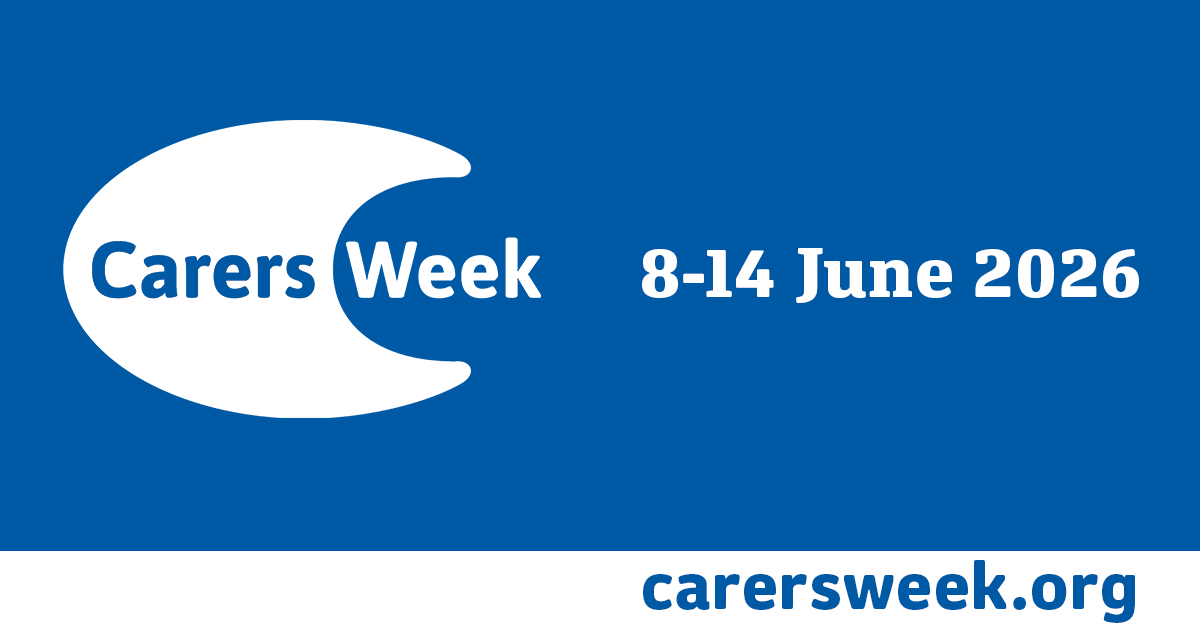
Karen from Carers Hub Lambeth shared details of upcoming Carers Week activities, including:

  • outreach events,
  • wellbeing sessions,
  • information stalls,
  • and activities for both adult and young carers.

The events aim to provide carers with opportunities for support, networking, practical advice, and wellbeing activities.

Here is more info on Carers Week 2026

https://www.carersweek.org/about-carers-week/latest-news/posts-folder/2026/january/carers-week-dates-for-2026

SLAM and Carer Involvement

There was also discussion around changes and developments within SLAM involvement structures, including:

  • continuation of family and carers meetings,
  • changes to involvement leads,
  • and ongoing reviews of the involvement register.

Attendees reflected positively on the increasing recognition of carers’ voices in some forums and clinical meetings, while acknowledging that there is still much work to do to ensure consistent involvement across all boroughs and services.

Guest Presentation: Mapping Patient Support Networks

The second half of the meeting focused on a presentation from Dr Anna De Simone, GP and Associate Professor of Primary Care at Queen Mary University of London.

Anna introduced a proposed research project exploring how healthcare systems might better understand and map patients’ support networks using electronic health records and social network tools.

The research proposal focuses particularly on patients with long-term conditions such as COPD (Chronic Obstructive Pulmonary Disease), many of whom also experience multiple additional health conditions and varying levels of social isolation.

The Core Idea

Anna explained that while healthcare professionals can currently access limited information such as next of kin or household members, they often lack a fuller understanding of:

  • who actually supports the patient,
  • how reliable that support is,
  • whether support networks are connected or fragmented,
  • and how socially isolated a patient may be.

The proposed research would explore whether creating visual “maps” of support networks could help:

  • improve care planning,
  • reduce crises,
  • improve coordination between services,
  • and enhance patients’ quality of life.

The project would also examine how social prescribing, community services, online support groups, and carers fit into these wider support networks.

Carers’ Feedback on the Research Proposal

The discussion following Anna’s presentation was extremely rich and constructive, with carers offering both enthusiasm and important cautionary perspectives.

Strong Support for the Concept

Many attendees felt the project addressed an important gap in healthcare planning. Several carers spoke about how informal support networks had been essential to helping them or their loved ones survive periods of crisis.

Participants agreed that professionals often underestimate the role played by:

  • friends,
  • neighbours,
  • online communities,
  • peer groups,
  • and unpaid carers.

The ability to visualise these networks was seen as potentially valuable for both professionals and patients themselves.

Importance of Non-Traditional Support Networks

A strong theme throughout the discussion was that support does not always come from family.

Some carers explained that family relationships can sometimes be unsafe or abusive, and that support may instead come from trusted friends, neighbours, carers’ groups, or online communities.

The group stressed that any future system should avoid assuming that family automatically equals safety or support.

Online Communities and Digital Support

Participants also highlighted the increasing importance of online support systems.

Several carers explained that:

  • Zoom groups,
  • Facebook communities,
  • online peer support,
  • and digital communication
    can provide essential social connection, especially for disabled or isolated people.

One participant noted that online support networks had directly helped them access practical support and reduce isolation when physical mobility was limited.

At the same time, carers cautioned that not everyone has equal access to digital services. Concerns were raised about:

  • digital exclusion,
  • accessibility barriers,
  • lack of digital skills,
  • and the risk of widening inequalities.

The importance of offering both digital and non-digital forms of support was strongly emphasised.

Privacy, Consent, and Mental Health

Carers also discussed potential challenges around privacy and consent, particularly for people experiencing paranoia or severe mental illness.

Some attendees noted that patients may not always feel comfortable sharing details about their social networks, and that trust and safeguarding would need to be central to any future system.

There was discussion about the delicate balance between:

  • confidentiality,
  • safety,
  • carer involvement,
  • and patient autonomy.

Role of Social Prescribers

The group generally agreed that social prescribers could play an important role in helping patients map support networks, because they often have more time and a stronger focus on community support than standard GP appointments allow.

However, concerns were raised about long-term funding and sustainability for social prescribing services.

Looking Ahead

Anna thanked the group for their detailed feedback and explained that carers’ insights would help shape the next stage of the research proposal before submission later this year.

There was strong interest from attendees in remaining involved should the project move forward, particularly around future patient and public involvement opportunities.

The meeting once again demonstrated the depth of knowledge, experience, and expertise held by unpaid carers. The discussion reflected not only the challenges carers continue to face, but also the importance of ensuring carers are recognised as essential partners in both healthcare delivery and future research.