By Matthew McKenzie facilitator of National ethnic carer forum and Chair of Triangle of Care Community Group
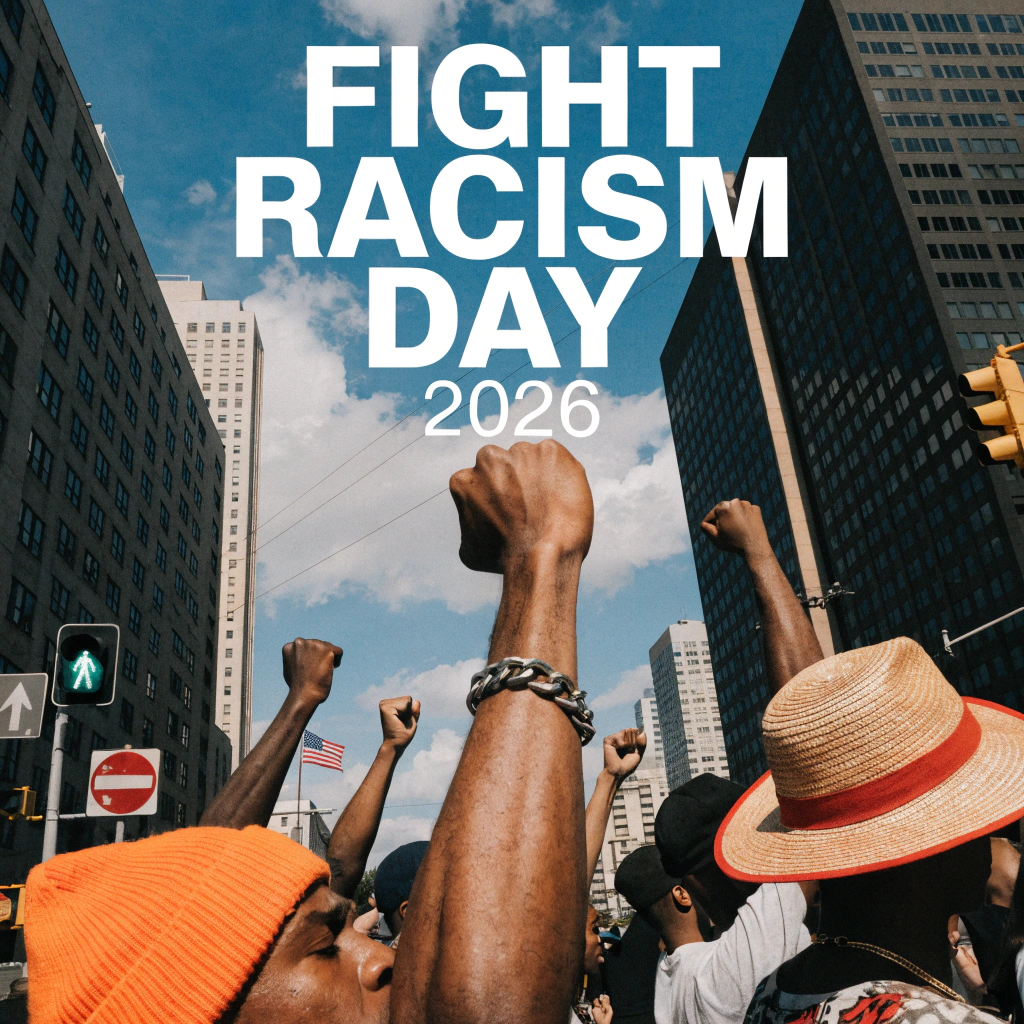
Racism is not a distant or abstract concept it is a lived reality for many individuals and families, particularly those from Black, Asian, and other minority ethnic backgrounds. Its effects are pervasive, touching every aspect of life, from education and employment to housing, healthcare, and policing.
This article is a transcript of the video below.
In the UK and beyond, the consequences of racism are especially pronounced in the realm of mental health, where both direct and indirect forms of discrimination create barriers to wellbeing and access to care.
By Matthew McKenzie – Carer activist with Think Tenacity Academy CIC at Nando’s High Street Kensington (Event held during Black History Month 2025)
A Warm Welcome and a Powerful Beginning
On Tuesday 28 October 2025 at Nando’s, 229 Kensington High Street.
As soon as I entered, the scent of grilled peri-peri wings mixed with the buzz of conversation. The event Making Time for Black Mental Health was hosted by Think Tenacity Academy CIC, led by founder Bella Rareworld.
By Matthew McKenzie – Founder of A Caring Mind, unpaid carer, and advocate for ethnic minority carers
This October 2025, I had the privilege of joining Carers Support West Sussex to speak during their Black History Month celebrations under the theme “Standing Firm in Power and Pride.”
Carers Support West Sussex provides advice, emotional support, and practical help to unpaid carers across the county of West Sussex, ensuring they are recognised, valued, and empowered in their caring roles. Their work helps thousands of carers connect with the right information, resources, and community networks when it matters most.
As a Black, unpaid carer of lived experience, I spoke about Race, Inequality, and Carer Voices exploring how racism and structural inequality continue to shape the experiences of carers from ethnic minority backgrounds.
By Matthew McKenzie – Mental Health Carer Activist
As a carer and mental health advocate, I often see how culture, identity, and lived experience shape the stories we tell and the way we support one another. Recently, I attended a remarkable Black History Month event hosted by Certitude, although I could not stay long, I left feeling inspired, proud, and deeply reflective about the intersections between culture, community, and care.
The Black History Month event was held at Bruce Kenrick House on the 16th of October 2025
About Certitude
Certitude is one of London’s leading social care providers, supporting people with learning disabilities, autism, and mental health needs to live fulfilled and independent lives. What makes Certitude special is its person-centred approach celebrating individuality, empowering self-expression, and ensuring that everyone, regardless of background, has the opportunity to thrive.
By Matthew McKenzie – Facilitator of national ethnic carer forum
Black History Month 2025 is not far behind, this blog celebrates the spirit of “Standing Firm in Power and Pride.” The video. hosted by Matthew McKenzie, founder of the National Ethnic Mental Health Carer Forum invites viewers on a reflective and inspiring journey through history, identity, and purpose.
Unpacking the Theme: Power and Pride
“Power” in Black History Month isn’t about titles, it’s about leadership that uplifts communities, resistance that shapes policy, and vision that transcends obstacles. From political trailblazers to artists and educators, Black leaders have transformed the narrative of equity.
“Pride” stands for cultural identity, heritage, and the vibrant legacy of Black excellence across generations. It pulses through art, storytelling, music, and traditions that echo forward. This month invites us to embrace that heritage without reservation or apology.
Call to Action: Watch, Reflect, and Share
We invite you to watch the video, reflect on its message, and share it widely. Encourage your community. friends, family, colleagues to stand firm in their own power and pride. Let’s amplify these voices and build bridges toward an inclusive future.
Commemorating Groundbreaking Milestones
This year holds special significance:
The 60th Anniversary of the Race Relations Act — a pivotal moment in Britain’s legislative effort to combat racial inequality.
Remembering Malcolm X — whose courage and conviction continue to inspire global movements for justice.
The 80th Anniversary of the Fifth Pan-African Congress — where visionaries like W. E. B. Du Bois, Kwame Nkrumah, and Amy Ashwood Garvey united to confront colonial oppression.
Honouring Paul Stephenson OBE — leader of the 1963 Bristol Bus Boycott.
Honouring Lord Herman Ouseley — instrumental in advancing Britain’s approach to institutional equality.
Their legacies reinforce that our present progress is rooted in collective courage and unwavering solidarity.
Why This Matters for Mental Health and Carers
At the core of the National Ethnic Mental Health Carer Forum’s mission is the recognition that cultural heritage and identity are integral to wellness and caregiving. It’s a call to action. It urges us to:
Break down barriers that impact mental health support.
Cultivate environments where cultural pride is part of healing.
Celebrate carers, families, and communities who carry resilience forward every day.
I hope the month brings us together, brings communities together to celebrate black history. Thanks for reading.
Understanding the Hidden Struggles of Ethnic Minority Carers Caring for a loved one with mental illness can come with challenges, but for many ethnic minority carers, the journey is made more challenging by cultural stigma, language barriers, and a deep-rooted mistrust of formal health systems.
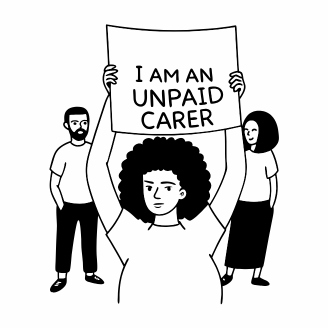
These carers often carry immense responsibility behind closed doors, with little recognition or support. Despite their dedication, many avoid reaching out to mental health services—not because they don’t care, but because past experiences have taught them to be cautious, even fearful.
What Is Institutional Distrust and Why Does It Matter? Institutional distrust refers to the lack of confidence in systems like healthcare, social care, or government services. For ethnic minority carers, this distrust is often grounded in real experiences of discrimination, cultural insensitivity, or the fear of losing control over a loved one’s care.
When services fail to understand or respect a carer’s background, the result is silence and isolation leaving carers to cope alone, without the help they may desperately need.
A Short Video Giving Voice to Unheard Stories To shed light on this important issue, I’ve created a short video presentation: “Institutional Distrust: Why Many Ethnic Carers Avoid Formal Services”
This video draws on the voices and lived experiences of unpaid carers, especially those from ethnic minority backgrounds. It explores the emotional weight they carry, the cultural barriers they navigate, and the urgent need for services to become more inclusive, respectful, and culturally aware.
Why Sharing These Stories Matters If we truly want to support carers from all backgrounds, we must first listen and really listen to what they’re telling us. By naming institutional distrust and understanding its roots, we can begin to rebuild trust and create spaces where carers feel safe to seek help.
Please watch and share the video, and let’s continue the conversation about what real support looks like for ethnic minority carers in mental health.
By Matthew McKenzie, carer activist Date: May 24, 2025
In an evening charged with truth, courage, and community spirit, Think Tenacity Academy CIC hosted one of the most impactful events of Mental Health Awareness Week 2025. Held at Think Tenacity HQ in Vauxhall and themed #BlackStorytellingCommunity, the gathering was more than a panel or workshop, it was a safe space for healing through shared experience.
The event was led by Bella Rareworld, Think Tenacity’s CEO and a mental health advocate living with bipolar disorder, the event was built on a legacy of ancestral wisdom: “Before slavery, social media, or podcasts, we passed on strength and knowledge through storytelling,” she reminded the audience. “Tonight, we reclaim that legacy not just to speak, but to heal, empower, and connect.”
Understanding the Role of Empathy in Reducing Racism
Welcome to about blog and video lecture from carer advocate Matthew McKenzie. This time I want to promote the importance of how empathy serves as a powerful tool in addressing and reducing racism within society. To watch my video lecture on reducing racism, see the video below.
When it comes to reducing Racism, it requires individuals to step into another person’s shoes, acknowledging their lived experiences and how the impact of racial discrimination affects them.
Today, on March 8, 2025, we come together to celebrate International Women’s Day under the theme: 📢 “For ALL Women and Girls: Rights. Equality. Empowerment.”
This theme serves as a powerful reminder that true equality isn’t just about acknowledging progress—it’s about taking real action to break down barriers, create opportunities, and ensure that no one is left behind.
To watch my video on Womens Rights Day 2025, click below.
On March 7, 2025, The Foundry in London became the epicenter of a powerful movement towards racial equity in healthcare.
The London Anti-Racism Collaboration for Health (LARCH), Health Innovation Network and Race Equality Foundation hosted their Annual Conference and Learning Event, bringing together thought leaders, policymakers, and community advocates dedicated to dismantling systemic racism in health and social care.
Setting the Stage: A Call for Change
The event was chaired by Dame Marie Gabriel, a pioneering advocate for equity in the NHS. Kicking off with opening remarks from Dr. Debbie Weekes-Bernard, Deputy Mayor for Communities & Social Justice, the conference established a clear message: structural racism in healthcare is a pressing issue that demands systemic solutions.