Eating Disorders Awareness Week 2026 has begun, and this year’s theme is Community a reminder that no one should face an eating disorder alone.
Eating disorders are serious mental health conditions that affect people of all ages, genders, ethnicities and body sizes. They include anorexia, bulimia, binge eating disorder (BED) and other specified feeding and eating disorders. Despite how common they are, stigma and misunderstanding still prevent many people from seeking help early.
Community plays a vital role in changing that.
In recognition of Eating Disorders Awareness Week 2026, I have shared a video raising awareness about:
You can watch the full awareness video here:
Recovery is not something most people achieve in isolation. It happens through connection through families, friends, carers, clinicians, workplaces, schools and peer networks coming together to provide support, understanding and hope.
Supporting someone with an eating disorder can be emotionally exhausting and overwhelming. Unpaid carers, parents, partners and loved ones often carry an invisible weight. This week is also about recognising their role and ensuring they, too, have access to support and community.
If you or someone you know is struggling, please remember: help is available, and recovery is possible.
This Eating Disorders Awareness Week, let’s strengthen our communities, challenge stigma, and ensure no one struggles alone.
Beat Eating Disorders UK’s leading eating disorder charity. Helpline, youthline, online support groups and carer support. 📞 Helpline: 0808 801 0677 🌐 https://www.beateatingdisorders.org.uk
BAATN (Black, African & Asian Therapy Network) Directory of qualified therapists of Black, African, Asian and Caribbean heritage. 🌐 https://www.baatn.org.uk
Muslim Youth Helpline Faith-sensitive support for young Muslims. 📞 0808 808 2008 🌐 https://www.myh.org.uk
Switchboard LGBT+ Helpline Support for LGBTQ+ individuals. 📞 0300 330 0630 🌐 https://switchboard.lgbt
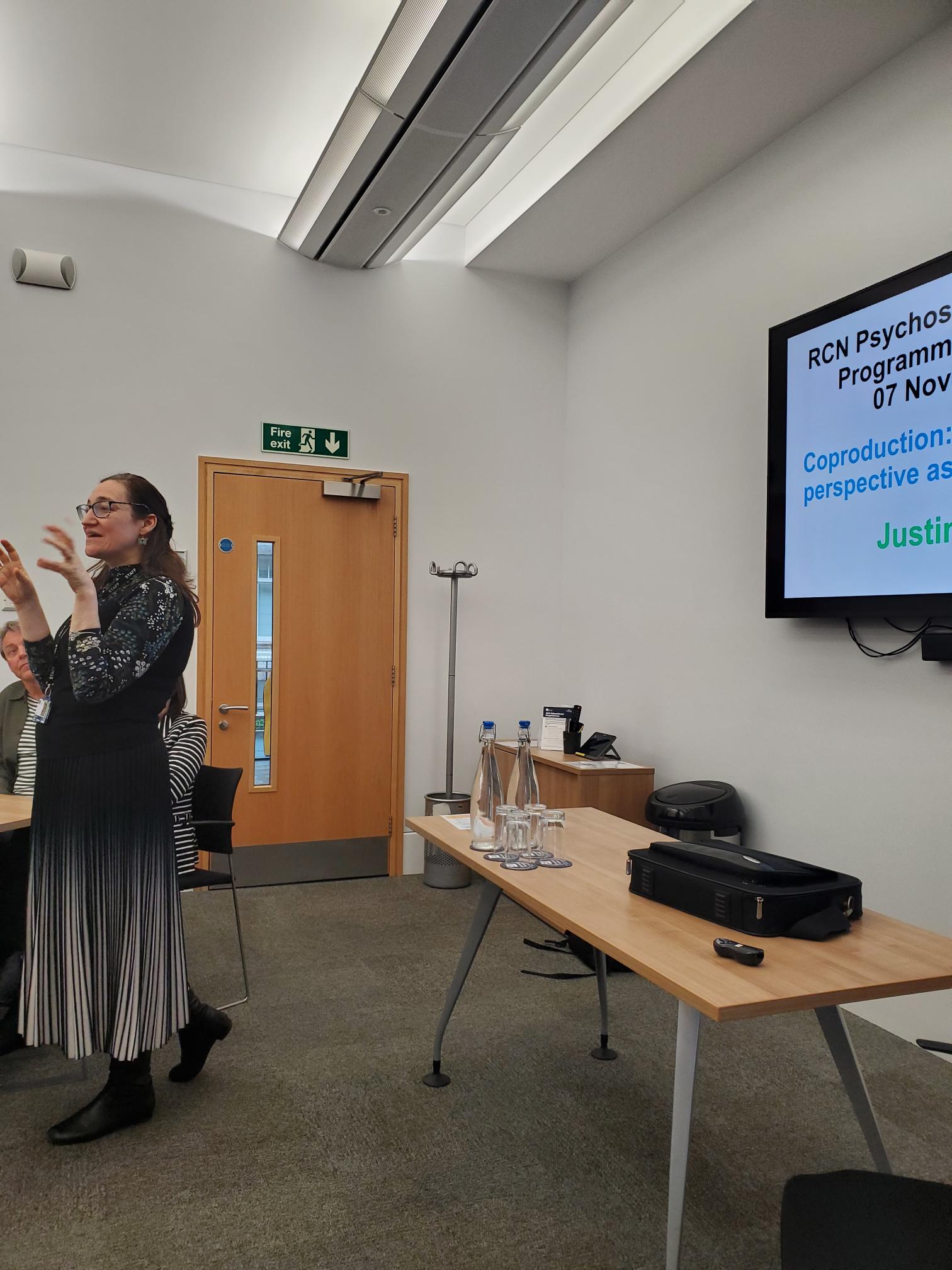
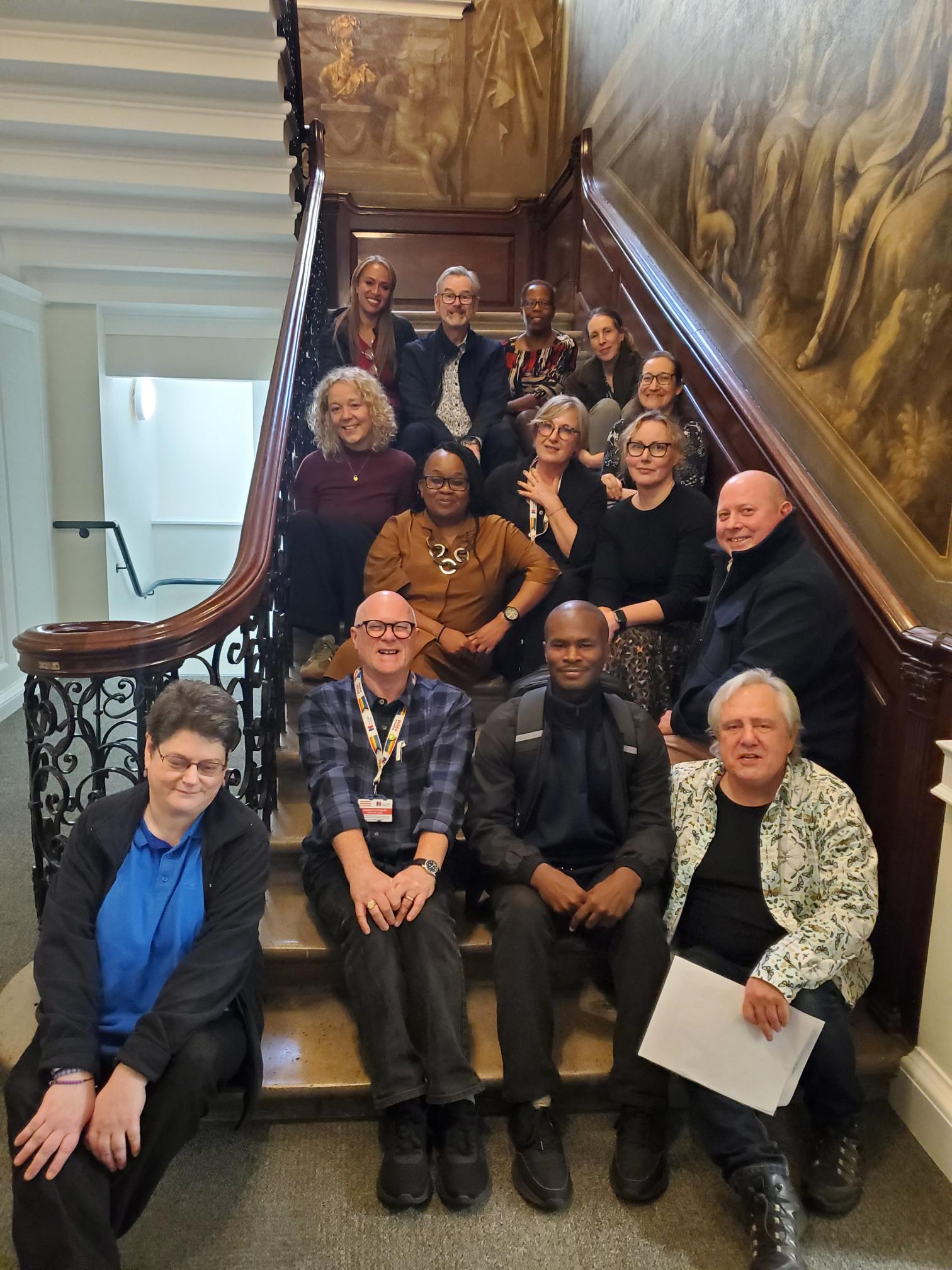
Walking into the RCN PSI Alumni Conference at Cowdray Hall on that crisp November morning, I felt a mix of pride, gratitude, and curiosity. It’s been many years since I first began speaking at RCN events like this, yet every time feels new because each gathering brings together nurses, carers, service users, and leaders who continue to shape the future of mental health care.
Before I continue to describe the event, let me sum up the Royal College of Nursing PSI programme. Basically the Psychosocial Interventions (PSI) programme is a nationally recognised training initiative designed to strengthen therapeutic skills of mental health professionals and embed recovery-focused, relationship-based care across services.
The PSI program is rooted in the principles of collaboration, reflection, co-production and empowerment, PSI equips practitioners with practical tools to support individuals experiencing mental distress, while also valuing the insight of carers and families.
I think what makes PSI stand out is its emphasis on seeing people beyond their diagnosis and fostering empathy, curiosity, and shared understanding between nurses, service users, and carers.
At the start of the conference and during it, I spoke to a few nurses over coffee, each reflecting on how PSI had shaped their practice one mental health nurse told me it had helped her “find her voice again.” For me, as a carer with lived experience, it was great to witness this sense of renewal. It reminded me why collaboration between professionals and lived experience communities is so essential.
Around 10 a.m., Catherine Gamble formally opened the event, setting a tone of gratitude and shared learning. Her introduction reminded us how much the alumni network had grown and how lived experience was now firmly part of the PSI culture.
As someone with lived experience of caring for my mum, who lived with schizophrenia, I approached the events not just as an observer but as someone deeply invested in the stories and struggles that bring us together as a triangle.
When I was invited to open the event and share my reflections as a carer, I knew I wanted to do more than talk about carers, I wanted to speak for them, and with them.
My Opening Talk – “The Nurses Who Walk With Us”
Standing at the podium, looking out at rows of passionate mental health nurses and lived experience, I began with gratitude. My words were simple but heartfelt:
“This is really about the nurses who walk with us, the ones who move beyond the labels, beyond the charts, and see the person, not the problem.”
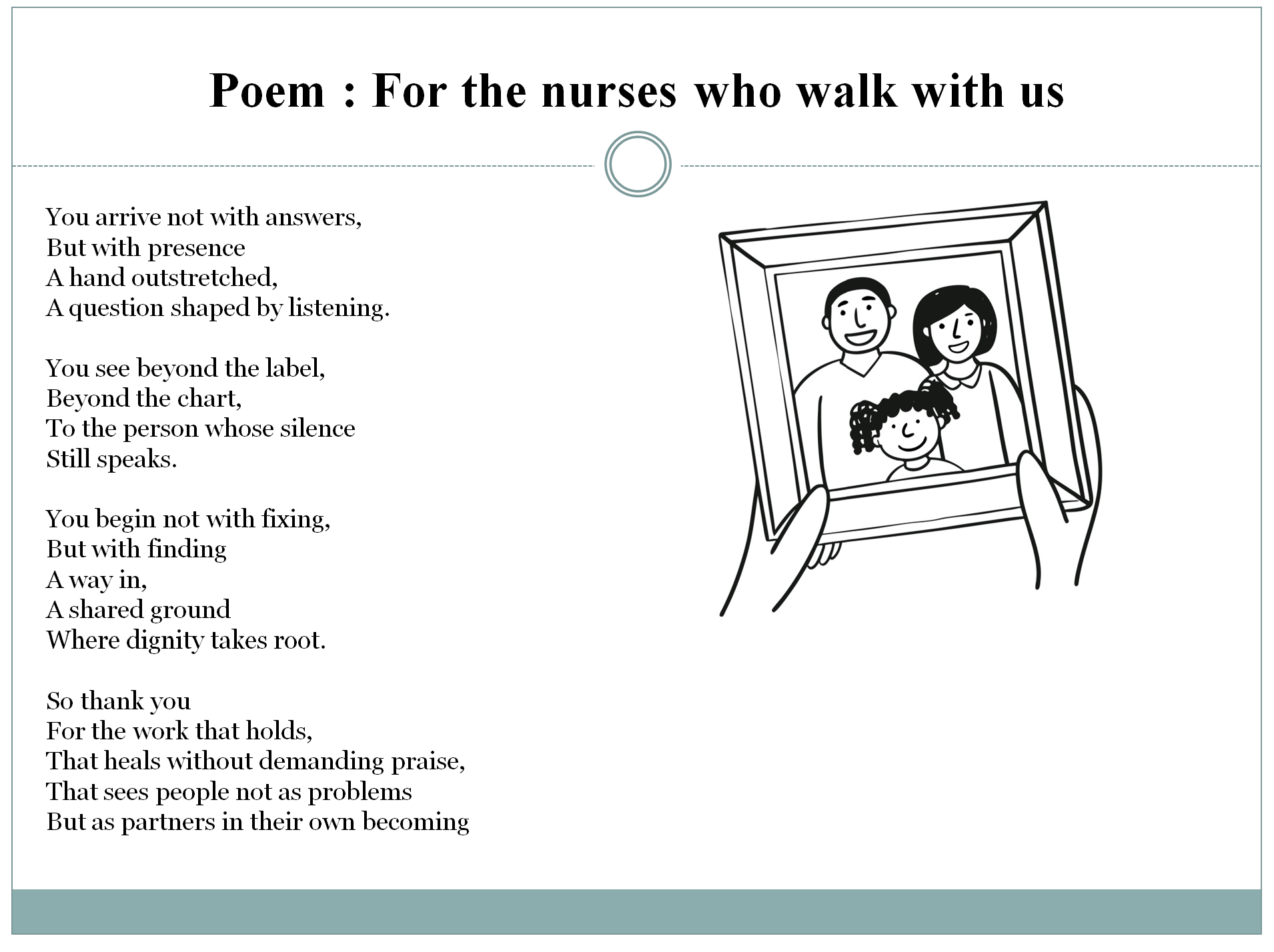
I read a poem I had written to honour the compassion and resilience of those in the room a piece I called The Nurses Who Walk With Us.
The poem spoke about presence, about listening, and about the small acts of care that ripple into great change.
After my talk, I was moved by the warmth of the response. Many came up to share how my words mirrored their experiences or reminded them of why they came into nursing. That moment of connection that shared understanding set the tone for the day.
The Locksmiths Animation and Alumni Showcase
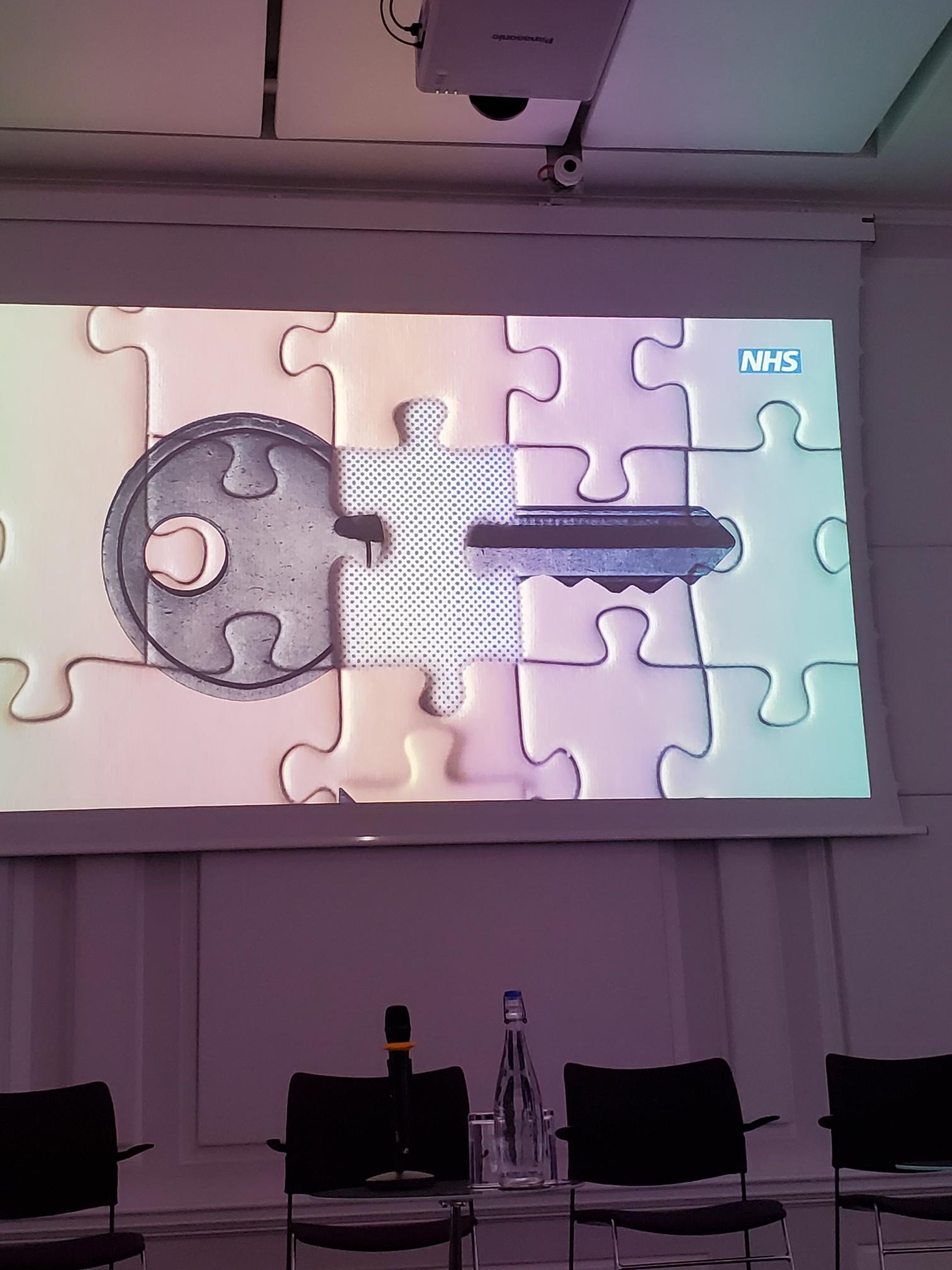
Following our opening session, Ellie Gordon and Stephen Jones launched the new animation “We Are the Locksmiths.” The film poetically portrayed mental health nurses as key-cutters shaping, adapting, and helping people find the right fit for recovery.
Watching it, I was struck by how accurately it captured the emotional labour of care, the balancing of vulnerability, patience, and professionalism
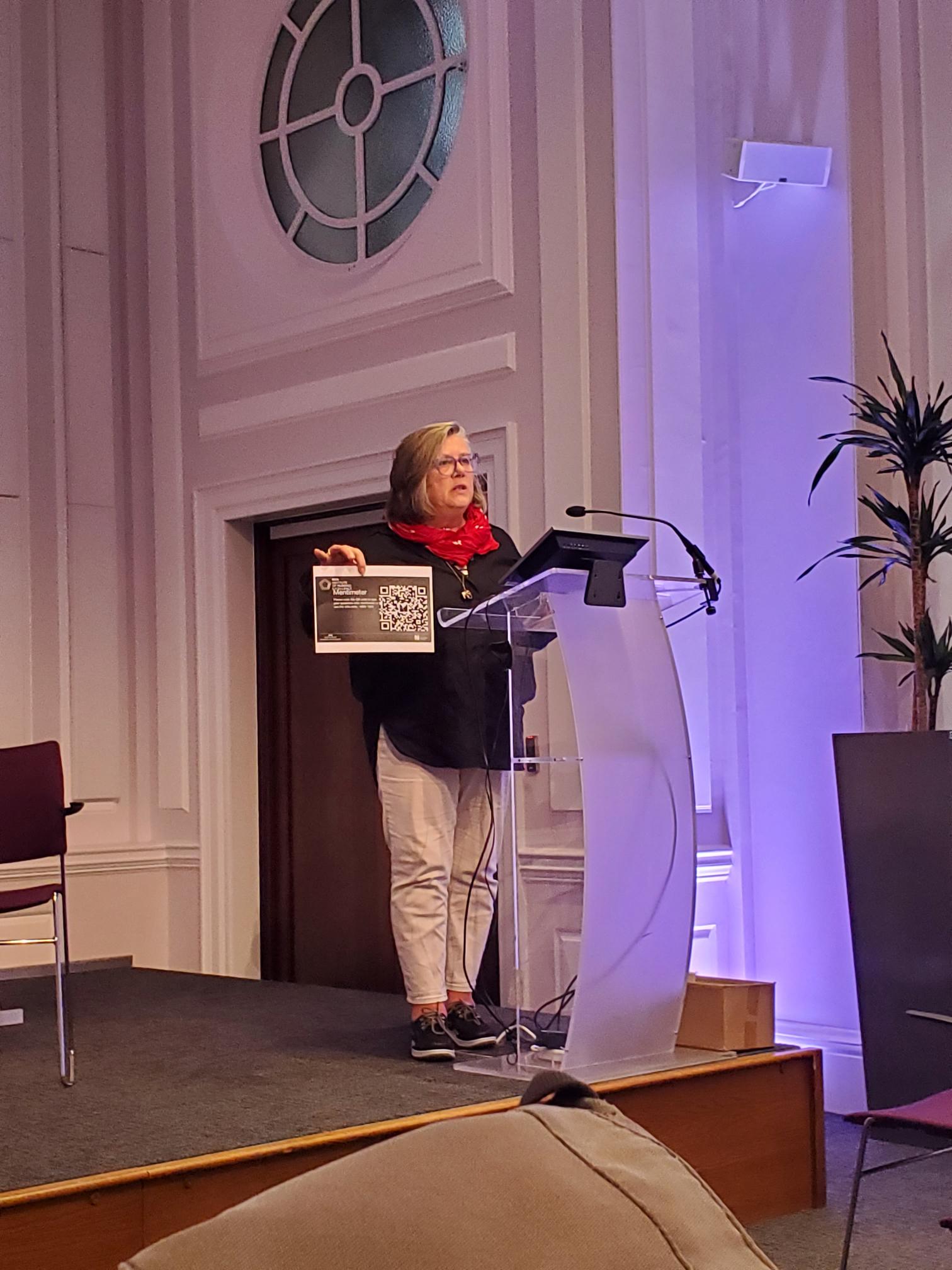
Next we had the Mentimeter session that morning, which was led by Professor Sally Hardy. She guided participants through reflective wellbeing questions using the interactive Mentimeter tool, encouraging everyone to think about how to sustain personal and professional wellbeing in mental health practice. Sally’s session wasn’t just about gathering feedback
Afterwards, the Alumni and Facilitators’ “Show and Tell Time” began. Groups from Sheffield NHS Trust, Sussex Mental Health Partnership, Lancashire Mental Health NHS trust, and Hereford NHS Trust sharing creative projects and reflections from their PSI practice. There were posters, poems, and community initiatives that had grown directly from the training. I wandered around the tables, speaking with participants who described how PSI had changed their teams. I think One mental health nurse told me, “We stopped seeing interventions as techniques and started seeing them as relationships.” It was inspiring
Workshop One – Working Together in Risk and Safety
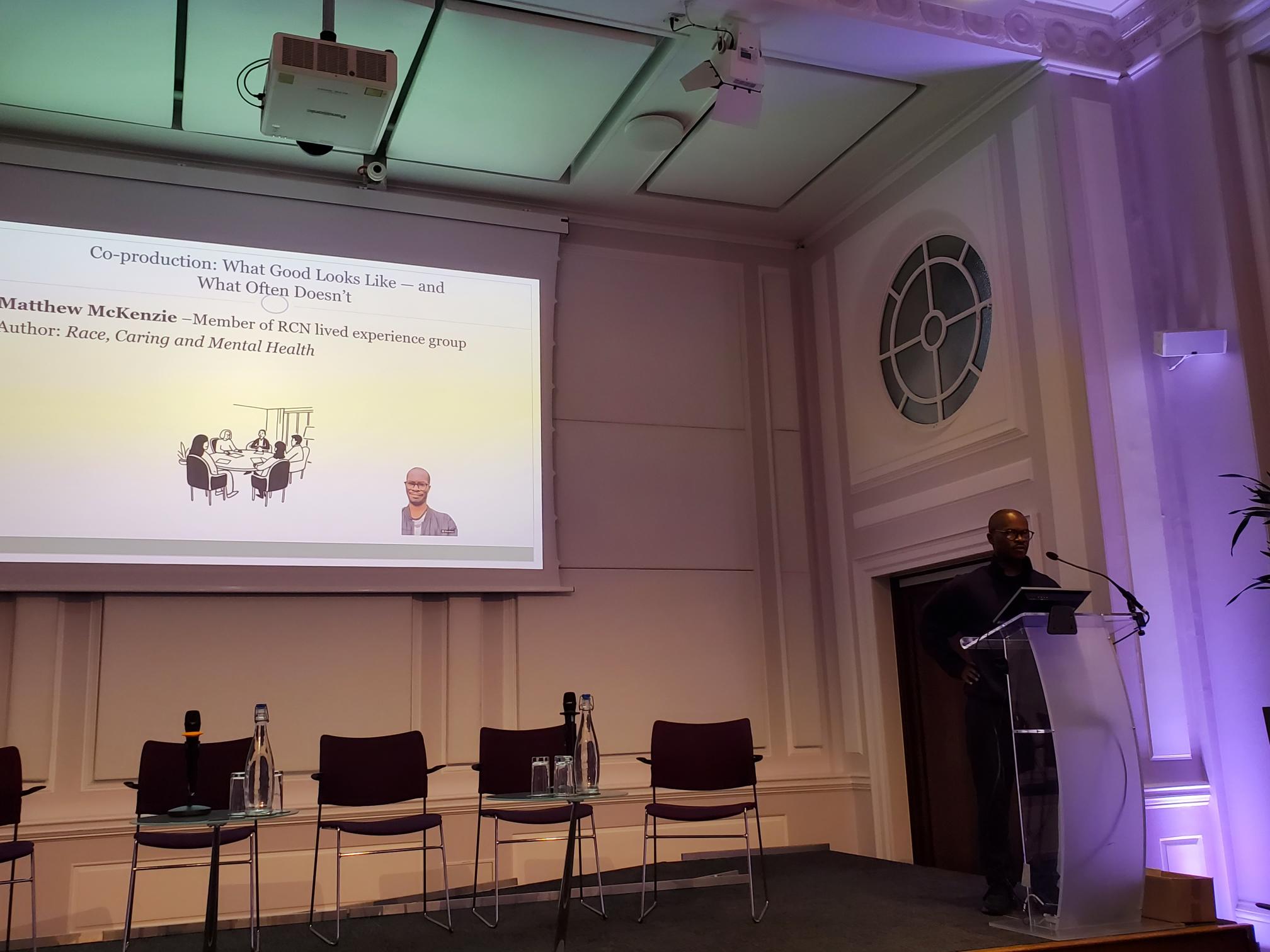
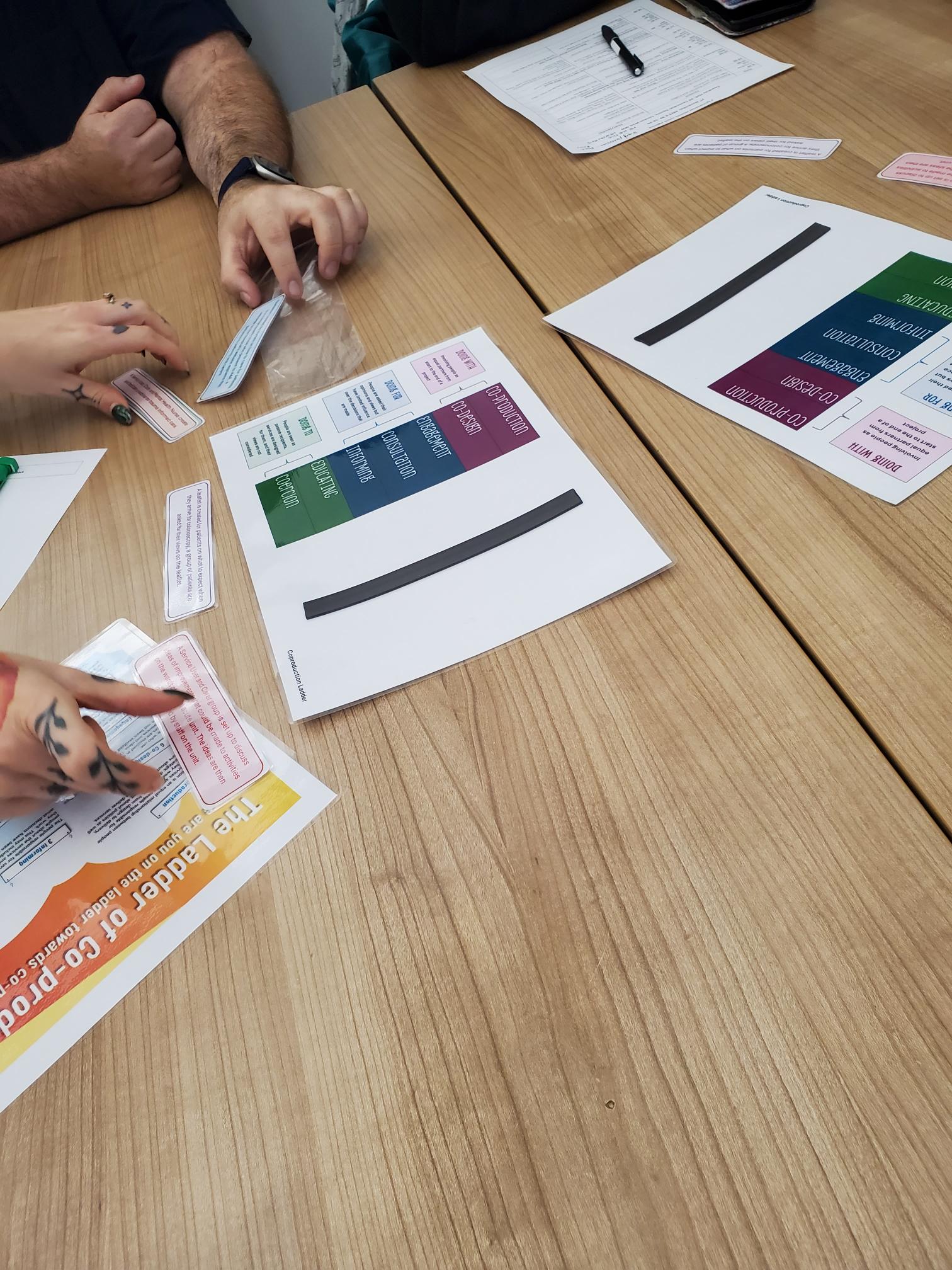
After refreshments, we broke into workshops. I joined Workshop One: Lived Experience and Co-Production – Utilising Our Expertise, led by Hannah Cadogan and colleagues. It was energising to see lived experienced and mental health nurses working side by side.
I spoke about what co-production really means from a carer’s point of view. I shared my journey as someone who has cared for a family member living with schizophrenia and another with autism, and how those experiences taught me the importance of being included as an equal partner in care.
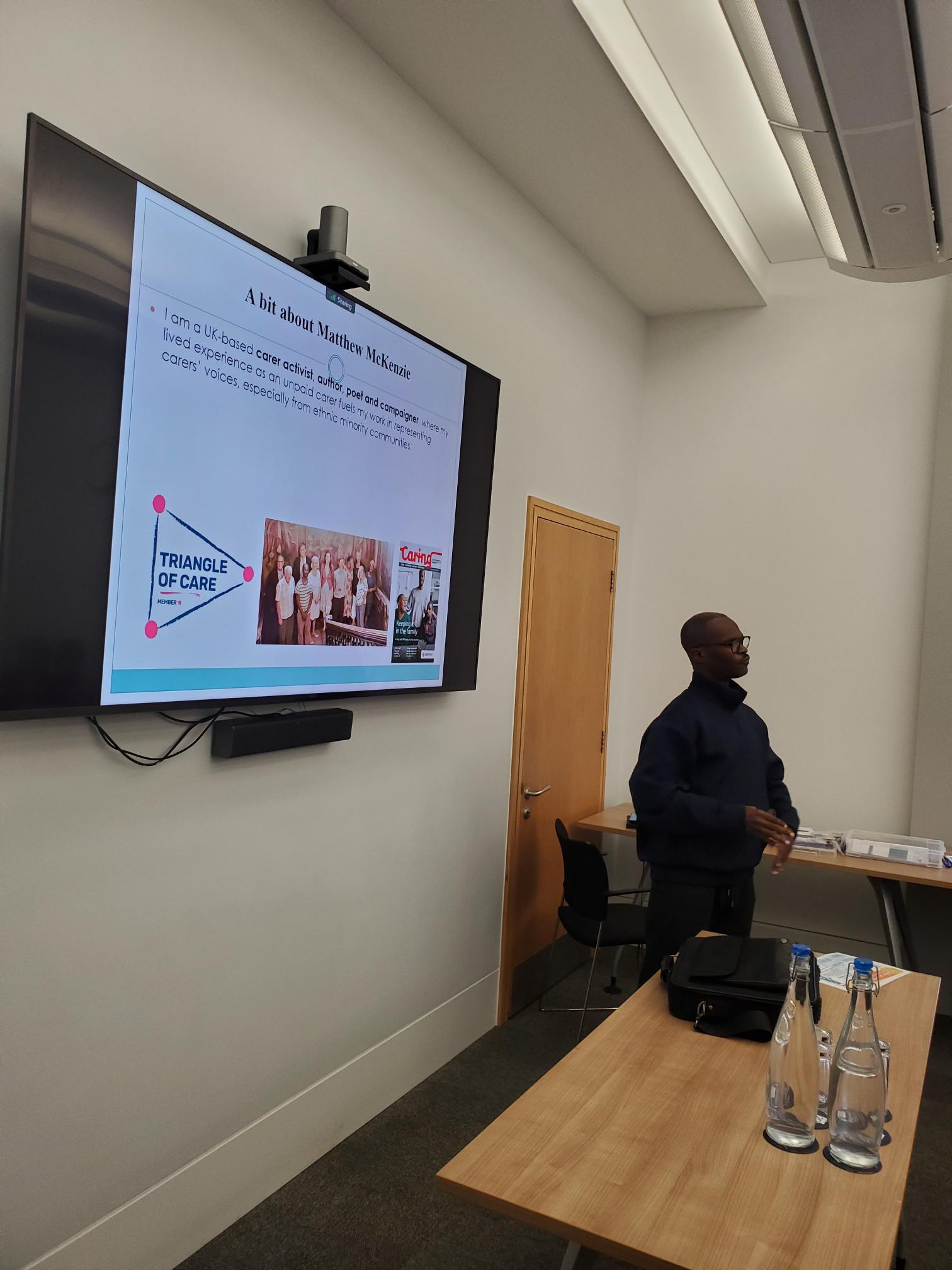
I explained that carers often hold a deep understanding of the person they support insights that can make a real difference if professionals take the time to listen and involve us from the start, not as an afterthought. Drawing on my work with Carers UK, the Carers Trust, and the Triangle of Care as many nurses from the mental health trusts were members of triangle of care programme., I spoke about how true co-production is built on trust, openness, and shared learning.
We discussed barriers time, fear, power differences but also solutions, like embedding co-production in supervision and reflective practice.
In this session, the discussion turned to how we can meaningfully involve carers and service users in planning safety not as tick-box exercises, but as genuine collaborations. I found myself reflecting on my own experiences of sitting in meetings where decisions were made about my mum rather than with us.
Hearing the nurses speak so openly about their challenges about time pressures, fear of getting it wrong, and the emotional toll of risk reminded me that we’re all human in this process. True co-production means sharing not only responsibility but also vulnerability.
One participant spoke about the importance of patience: “We’re not here to fix; we’re here to find a way in.” That line stayed with me. It echoed my own philosophy that care starts with listening, not solving.
By the end of the workshop, we agreed that co-produced safety isn’t about removing risk; it’s about building trust so we can face risk together.
Workshop Two – Co-Production and Carer Involvement
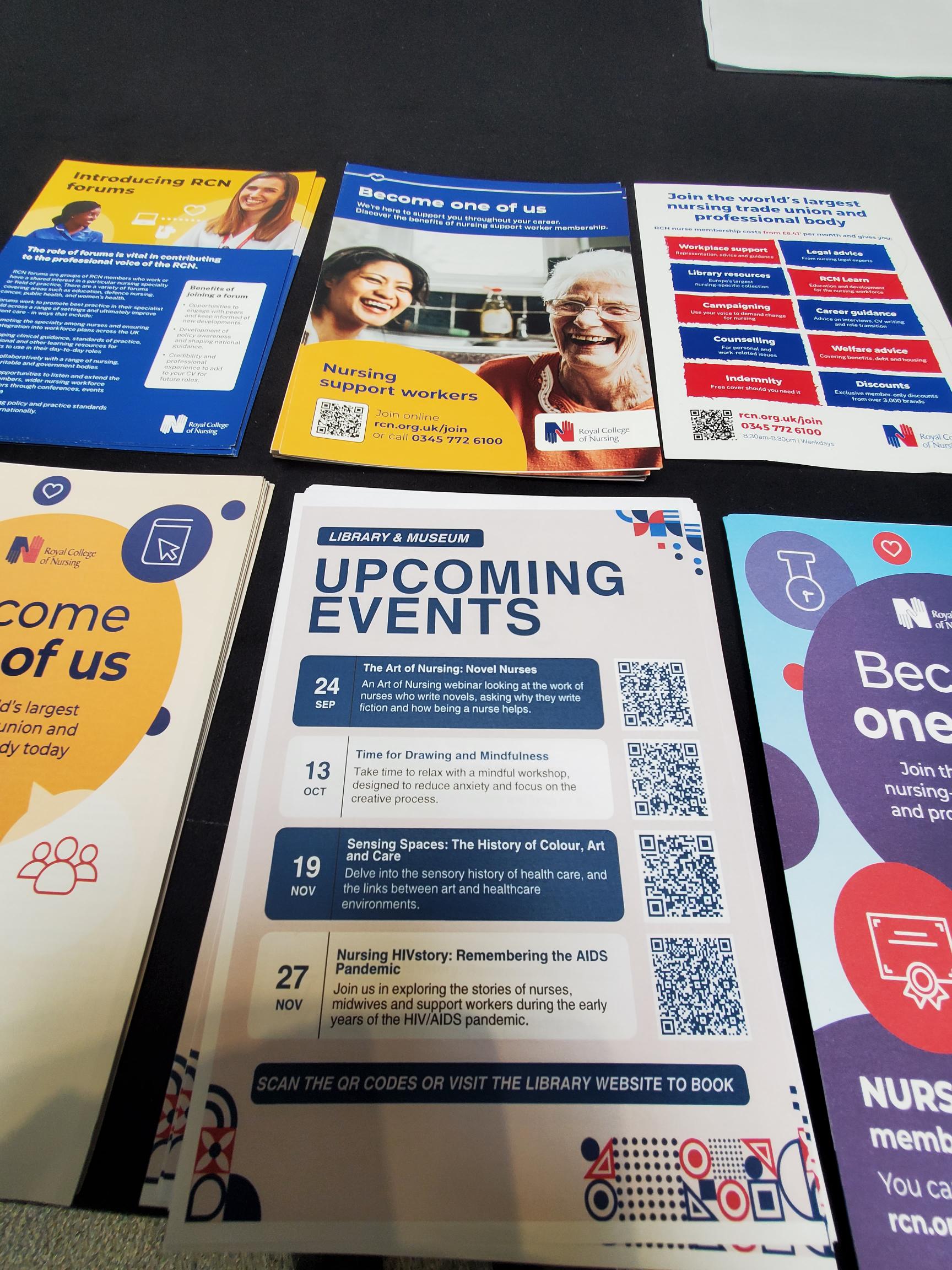
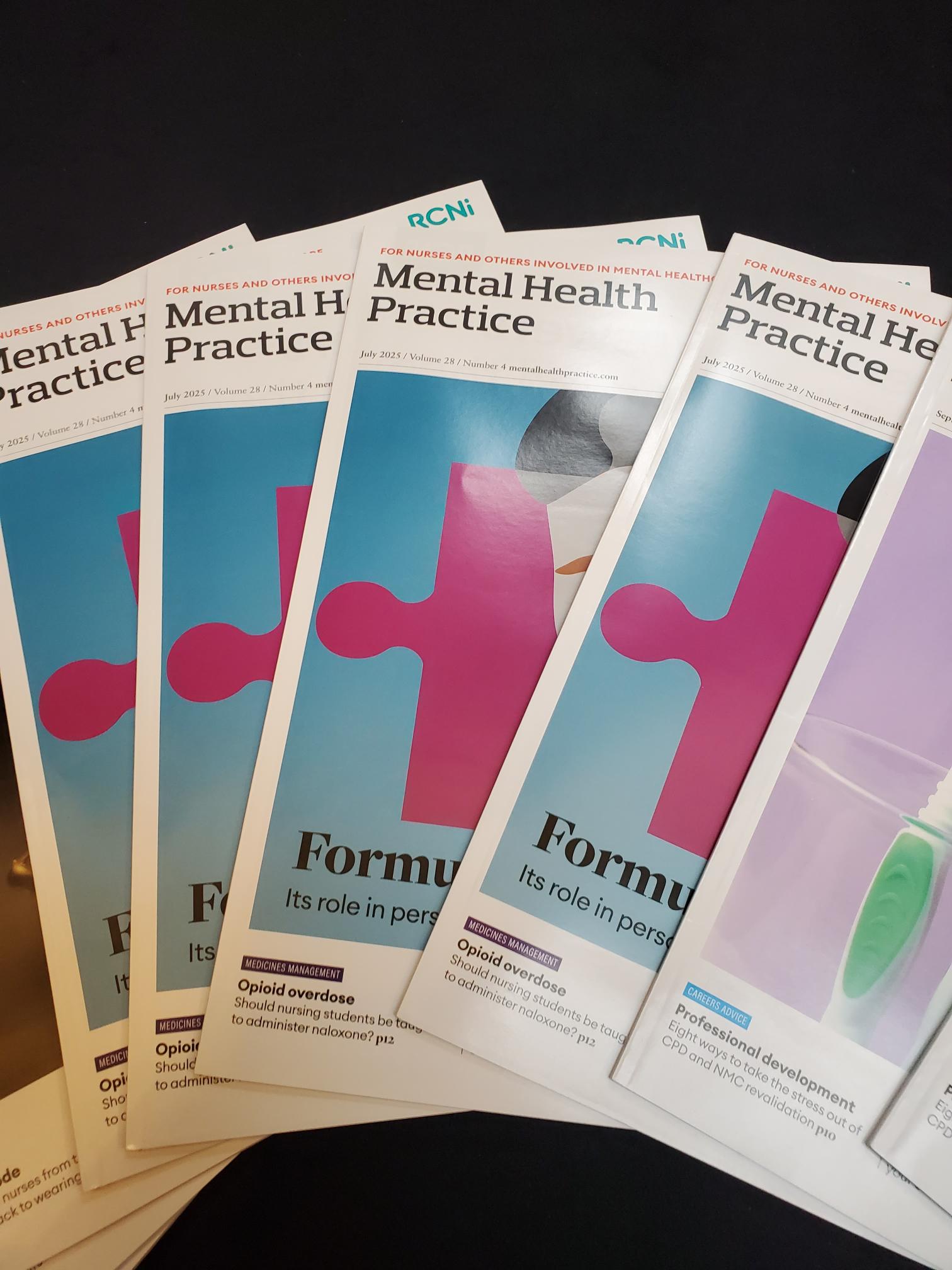
Lunch provided another opportunity for networking. The Mental Health Forum stand and MHP stall displayed resources on psychosocial practice.
I met others who had recently completed the course.
Conversations were open, curious, and full of mutual respect the kind of professional empathy that sustains hope in challenging work.
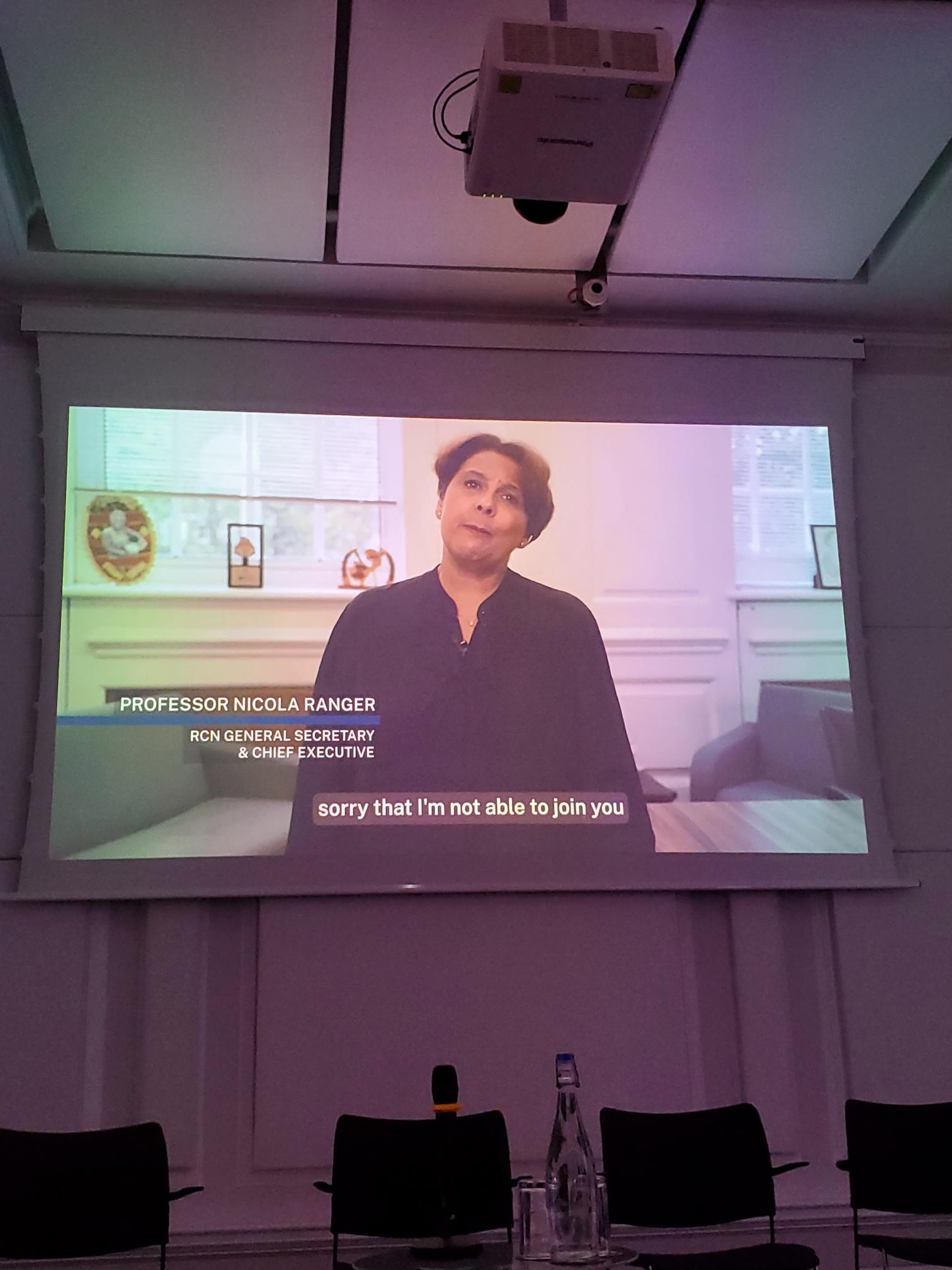
After lunch we heard from Professor Nicola Ranger, RCN General Secretary, who welcomed everyone back, commending the alumni for sustaining PSI’s legacy. Her words “you are the custodians of compassion” perfectly captured the spirit of the day.
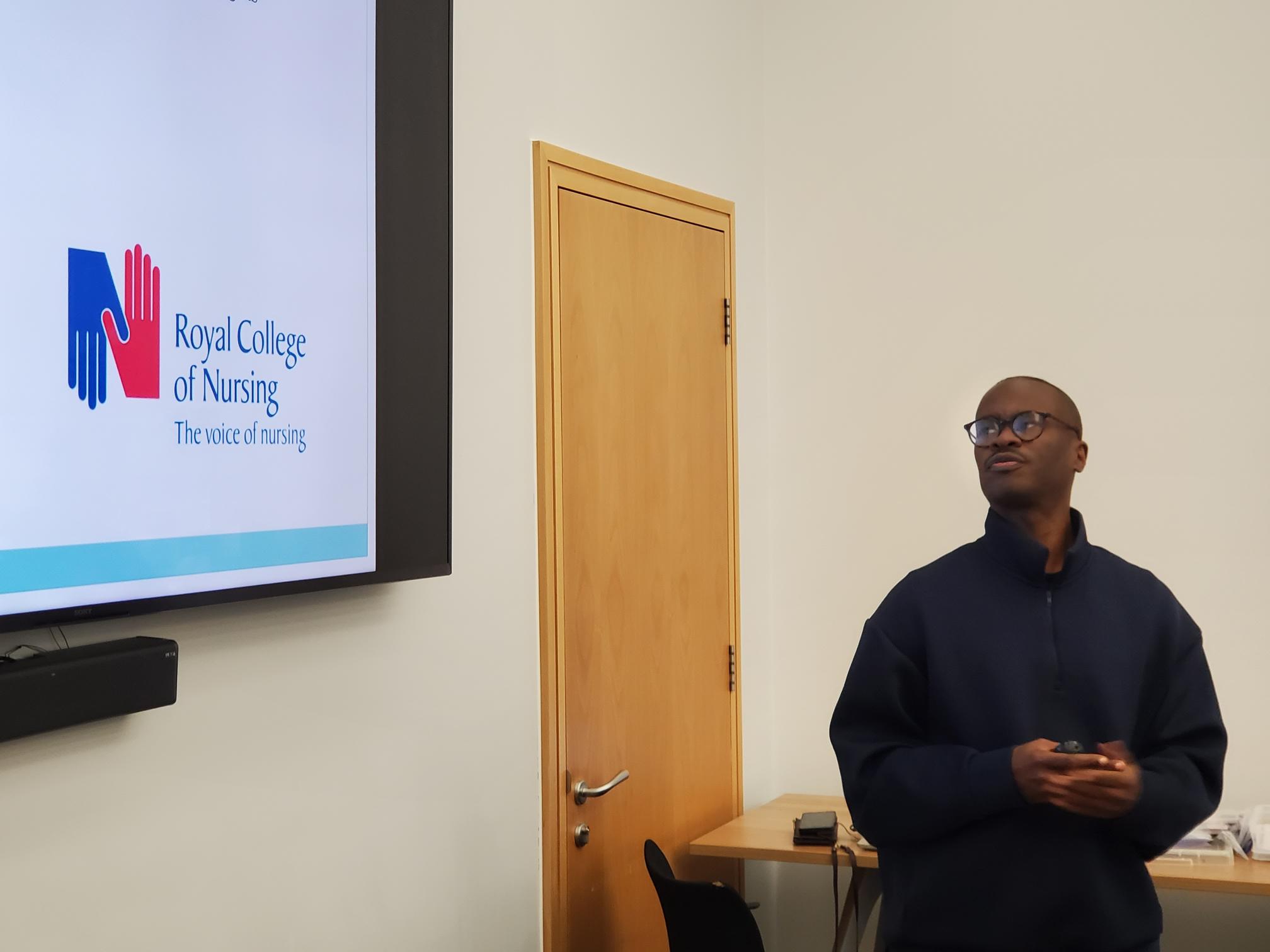
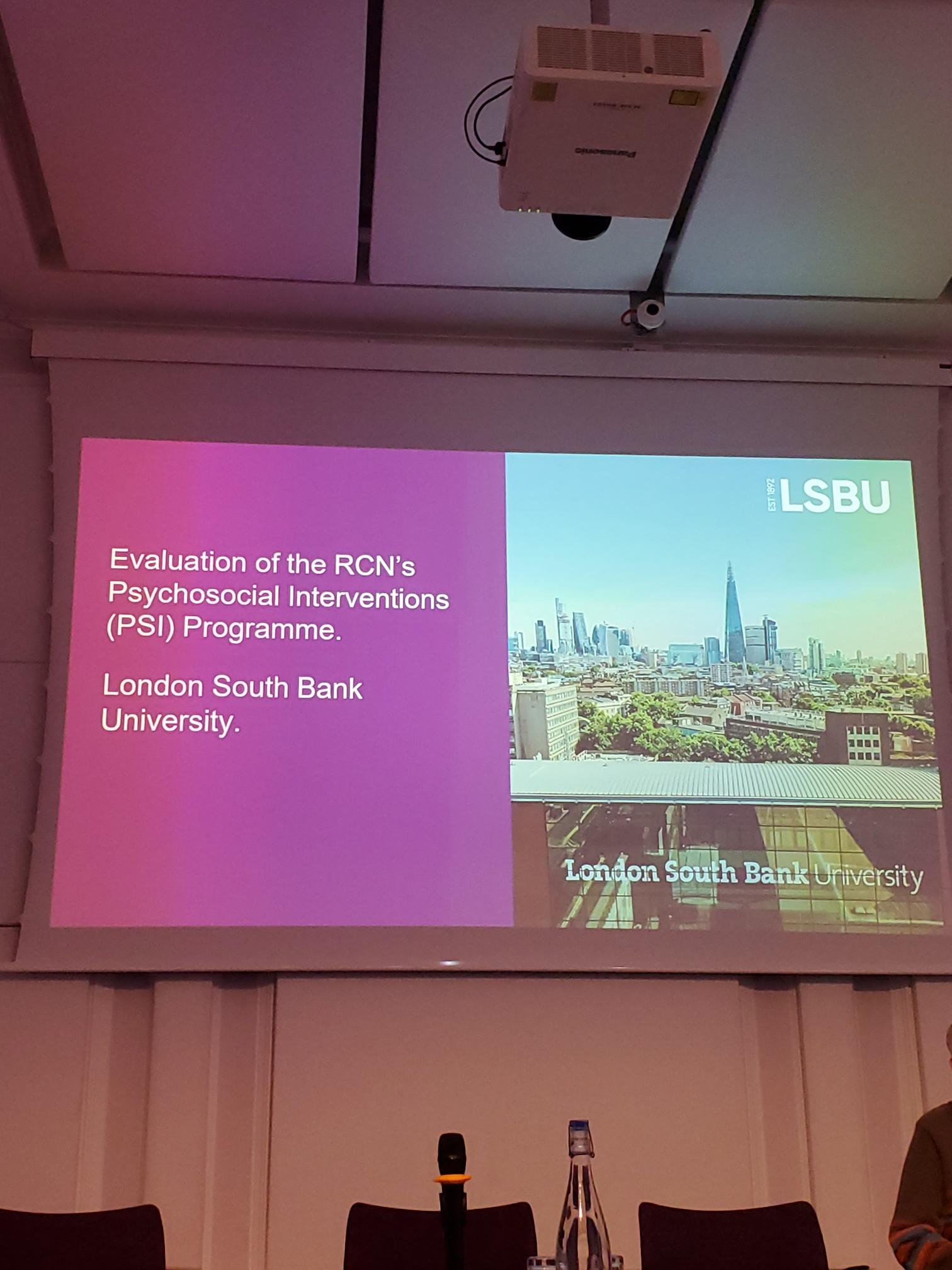
The evaluation session of the RCN PSI Alumni Conference was presented in partnership with London South Bank University (LSBU), who have been key academic collaborators in examining the outcomes and long-term impact of the Psychosocial Interventions (PSI) programme. This section was introduced by Stephen Jones, and Professor Chris Flood, a leading figure in mental health nursing and research at LSBU.
Together, they outlined how LSBU’s evaluation seeks to capture not just the quantitative outcomes of PSI such as improved confidence and competence among practitioners but also the qualitative stories of change, growth, and compassion that the alumni community embodies.
There will be several teams at LSBU, but I was impressed on the make up of the Advisory and Supervisory Team provides academic oversight and strategic direction.
Professor Patrick Callaghan, Professor of Mental Health Science at LSBU, offers extensive expertise in psychosocial interventions and nursing research leadership.
Professor Chris Flood, a leading mental health and adult nurse researcher, specialises in health economics, survey design, and qualitative inquiry.
Professor Neil Brimblecombe, Professor of Mental Health and Learning Disability, contributes his expertise in workforce development, nurse prescribing, and policy analysis linking the PSI evaluation to broader NHS workforce strategies.
Professor Eddie Chaplin, an expert in intellectual disabilities and psychosocial interventions, supports the development of inclusive frameworks for peer support, guided self-help, and service co-production.
Afternoon workshop
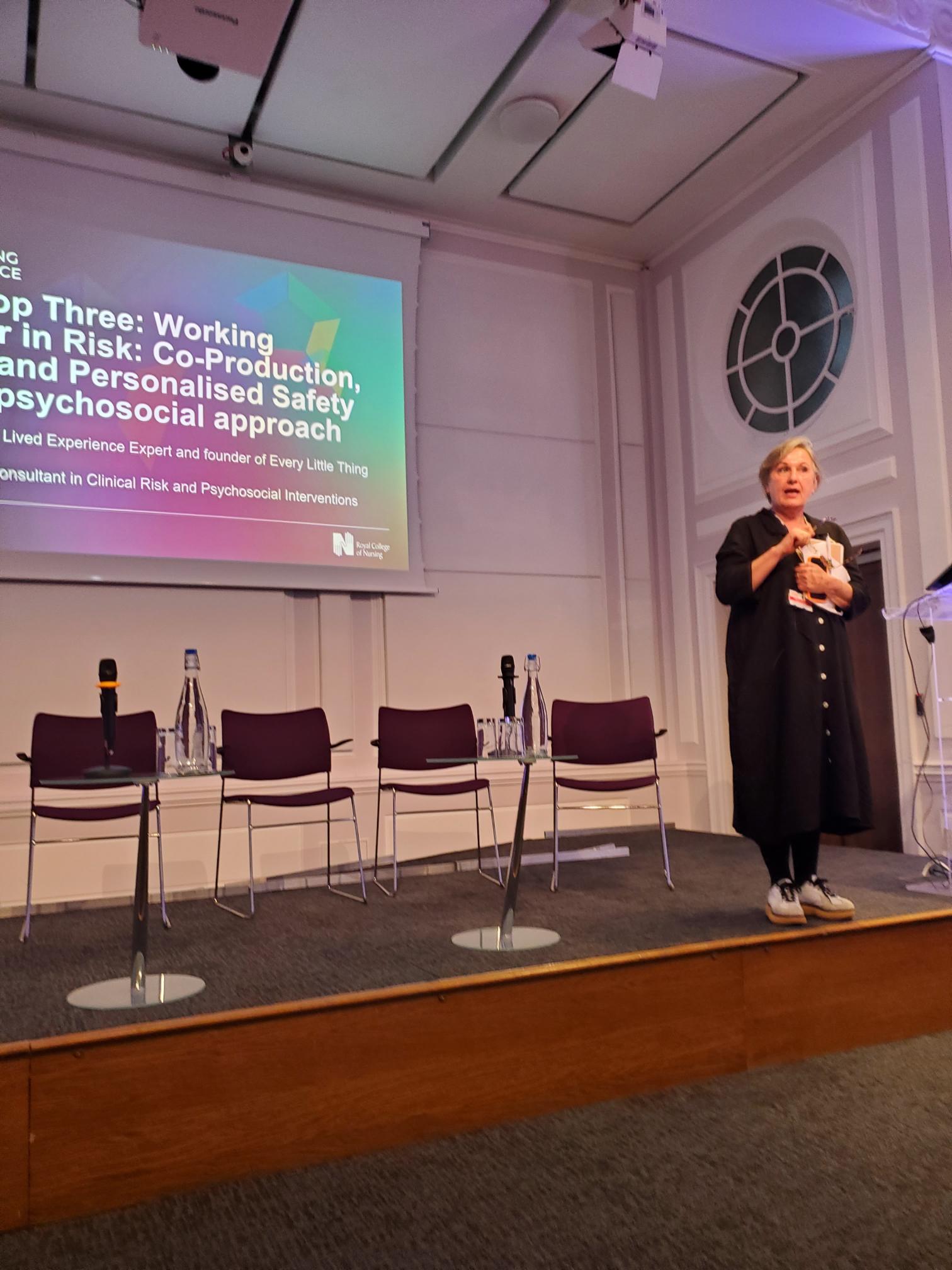
In the afternoon, I attended Workshop Three: Working Together in Risk – Co-Production, Suicide and Personalised Safety. It was deeply emotional. We discussed how carers can be crucial in early warning and safety planning, but only if professionals create safe spaces for them to speak. The workshop was presented by Berkshire Healthcare NHS Foundation Trus
During the workshop, we took part in reflective exercises that encouraged us to consider what “shared safety” truly means. We were asked to think of times when communication broke down between families, patients and professionals, and how different outcomes might have been possible if trust and collaboration had been stronger.
Celebrating Archievements
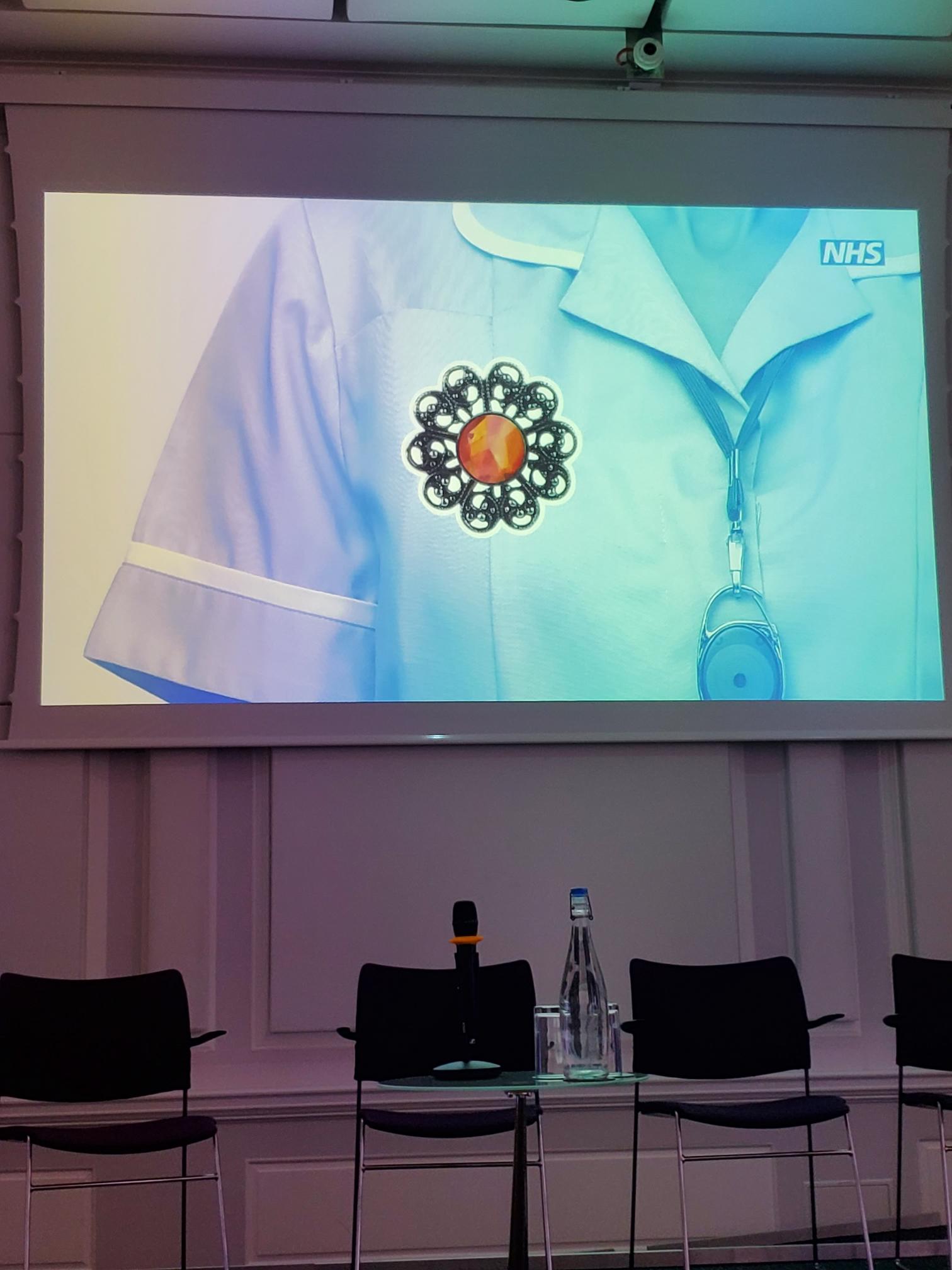
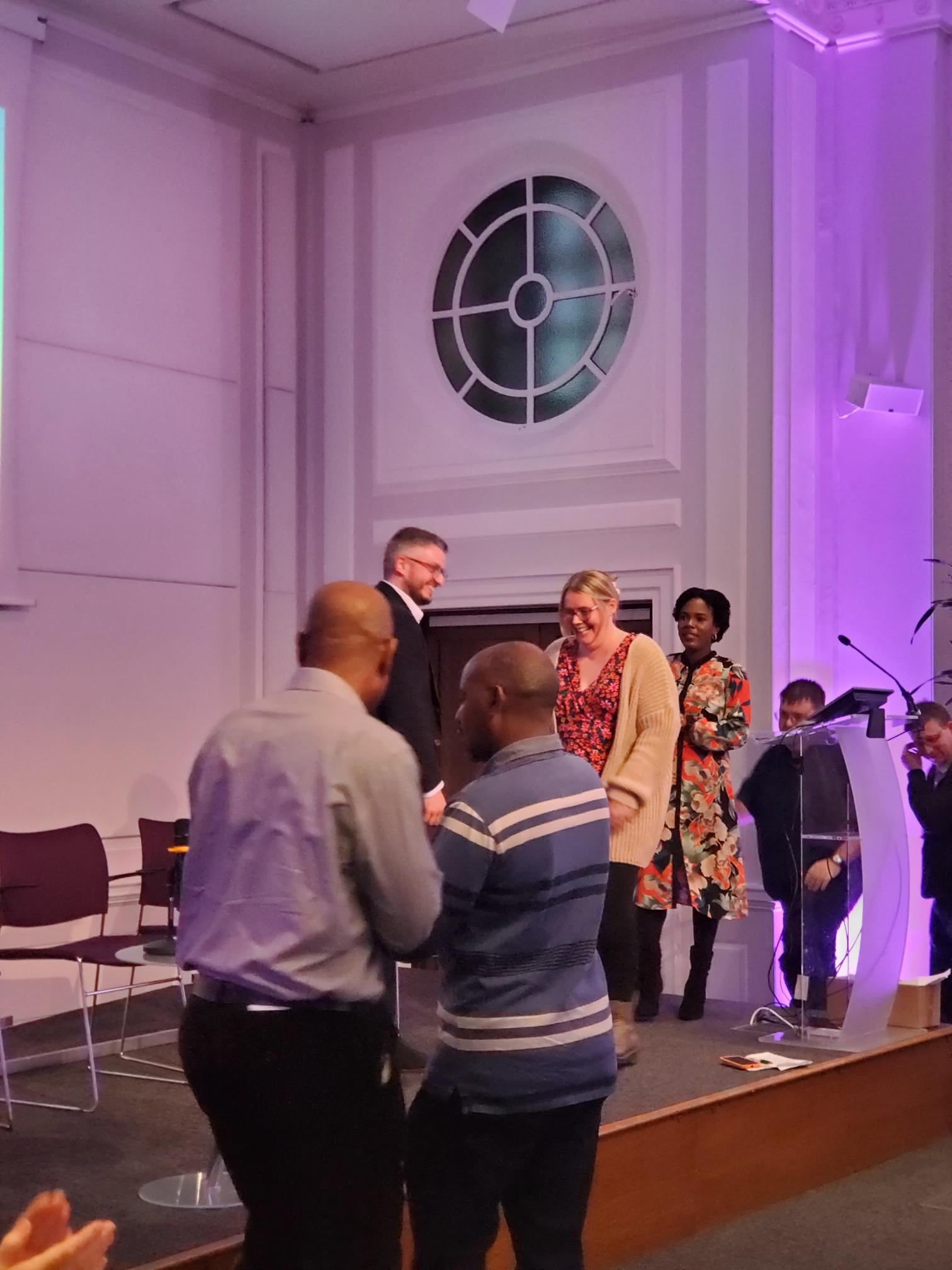
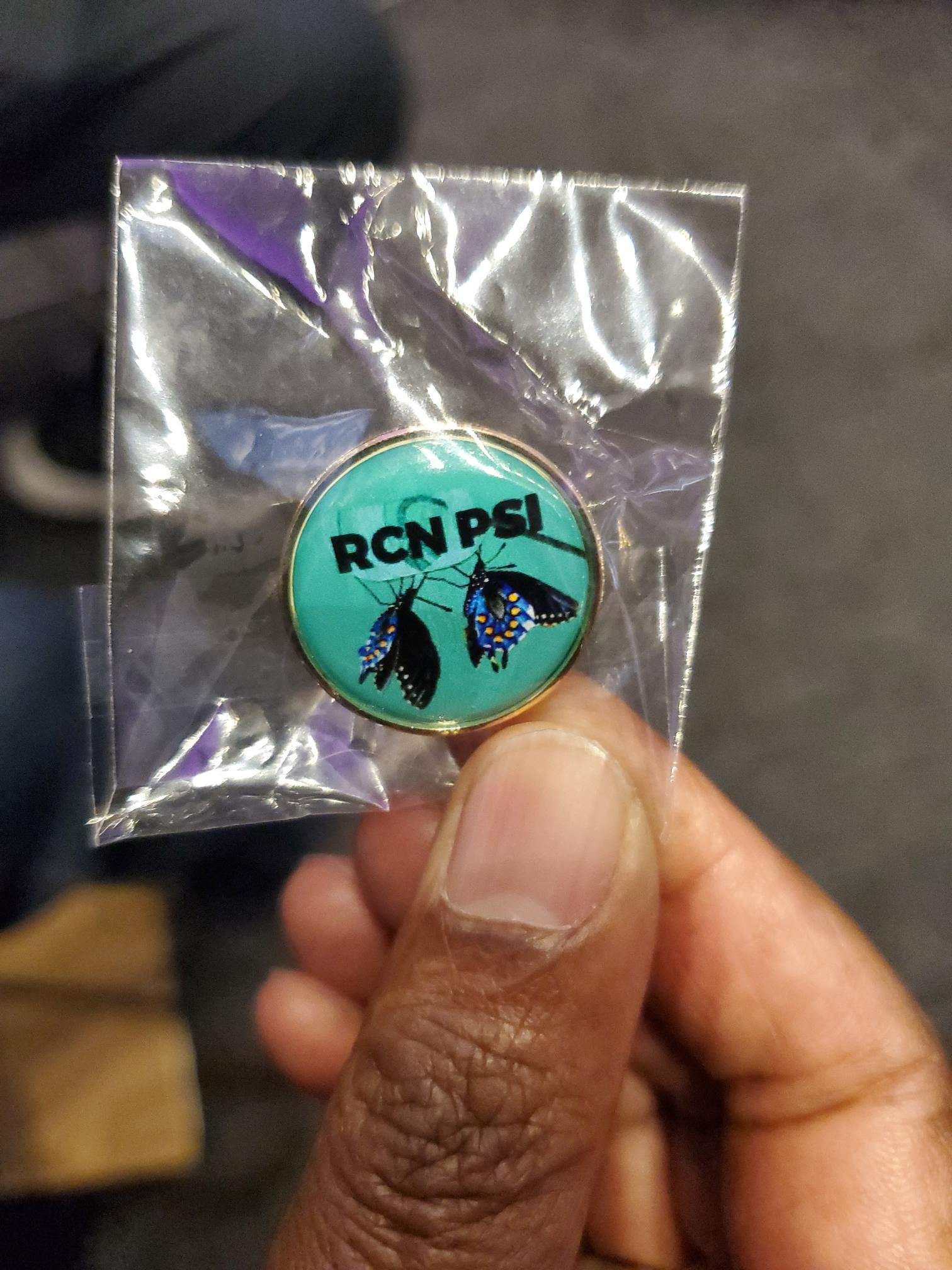
Those who finished the RCN PSI programm were presented with a RCN PSI alumni badge, which i felt was a small but powerful symbol of commitment, compassion, and continued learning. For many, receiving that badge wasn’t just about completing a programme; it represented belonging to a network that values empathy, partnership, and the courage to keep improving mental health care together.
Reflections and Looking Ahead
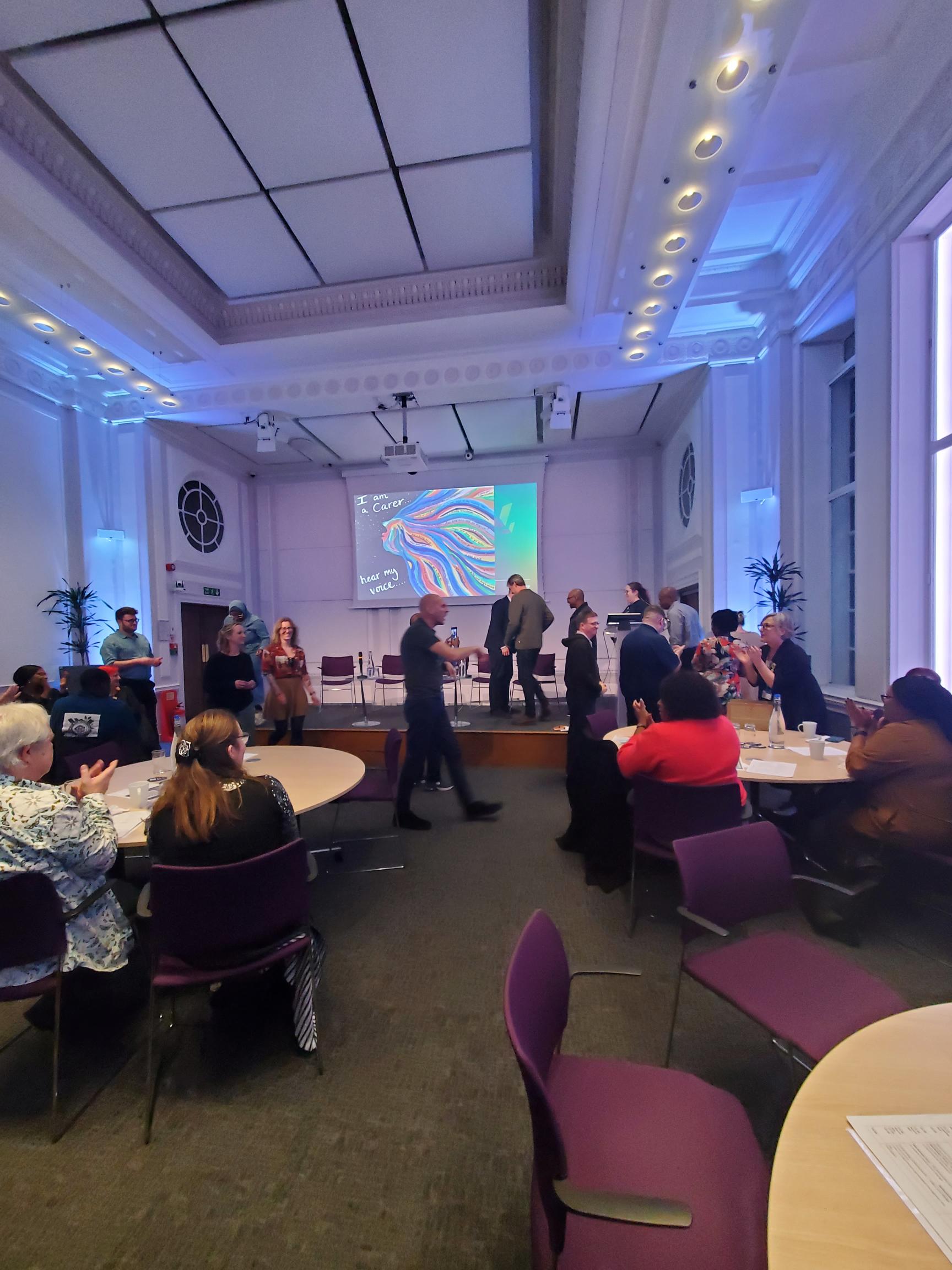
As the day drew to a close, we took a quiet moment to reflect. Conferences like this are not just about learning they are about belonging. They remind me that, while the caring role can often feel isolating, there is a wider network of understanding and solidarity.
I missed out a lot more that took place at the alumni event, but watch out for more exciting news from the RCN in future.
To find out more about the RCN PSI Progamme, click link below.
By Matthew McKenzie – Carer activist (volunteer of Carers UK)
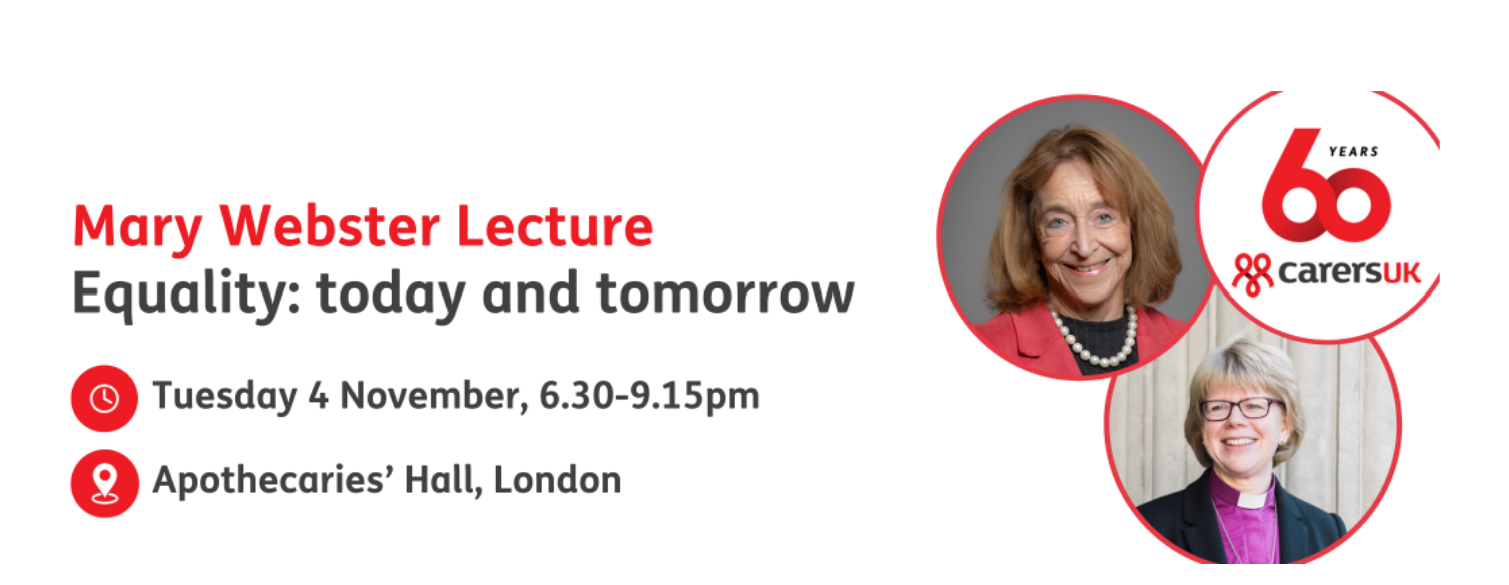
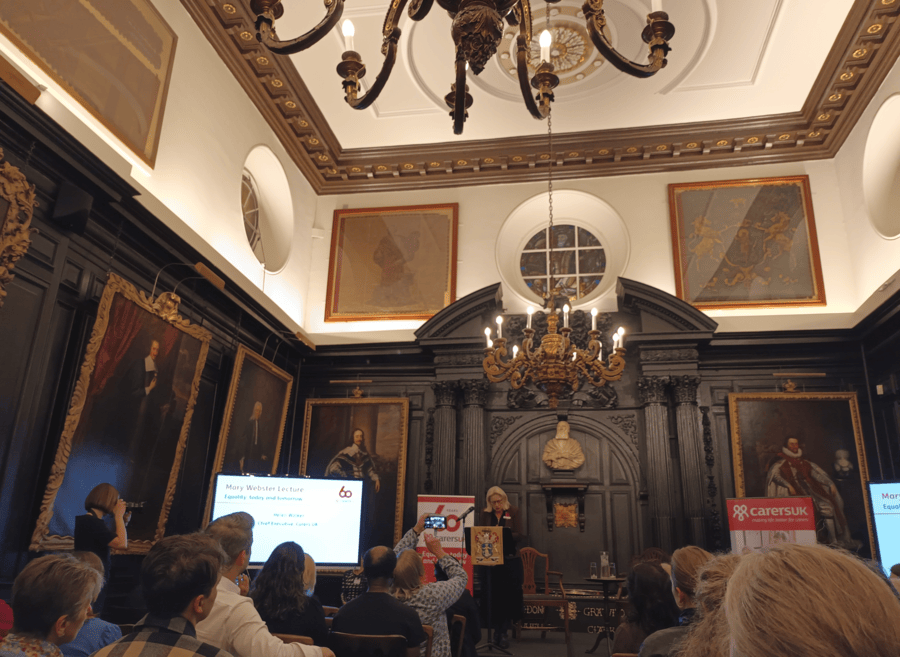
Last night I attended the Mary Webster Lecture at Apothecaries’ Hall in London, a special event marking Carers UK’s 60th anniversary. As someone who has cared for family members and now volunteers with Carers UK, it was moving to sit among other carers, professionals, and campaigners who have worked so hard for recognition and equality.
The event honoured Reverend Mary Webster, the founder of Carers UK, whose vision decades ago helped lay the foundations for unpaid carers’ rights. Today, as we still fight for equality and understanding, her legacy feels more important than ever.
Setting the Scene
Apothecaries’ Hall is a grand, historic space filled with portraits and a sense of tradition. But it also felt like the right place to discuss change how we can build a future where carers are respected and supported equally. The evening began with warm welcomes and reflections from Helen Walker, Chief Executive of Carers UK. She reminded us that while progress has been made, many unpaid carers still live in poverty, often earning less than the minimum wage for full-time dedication.
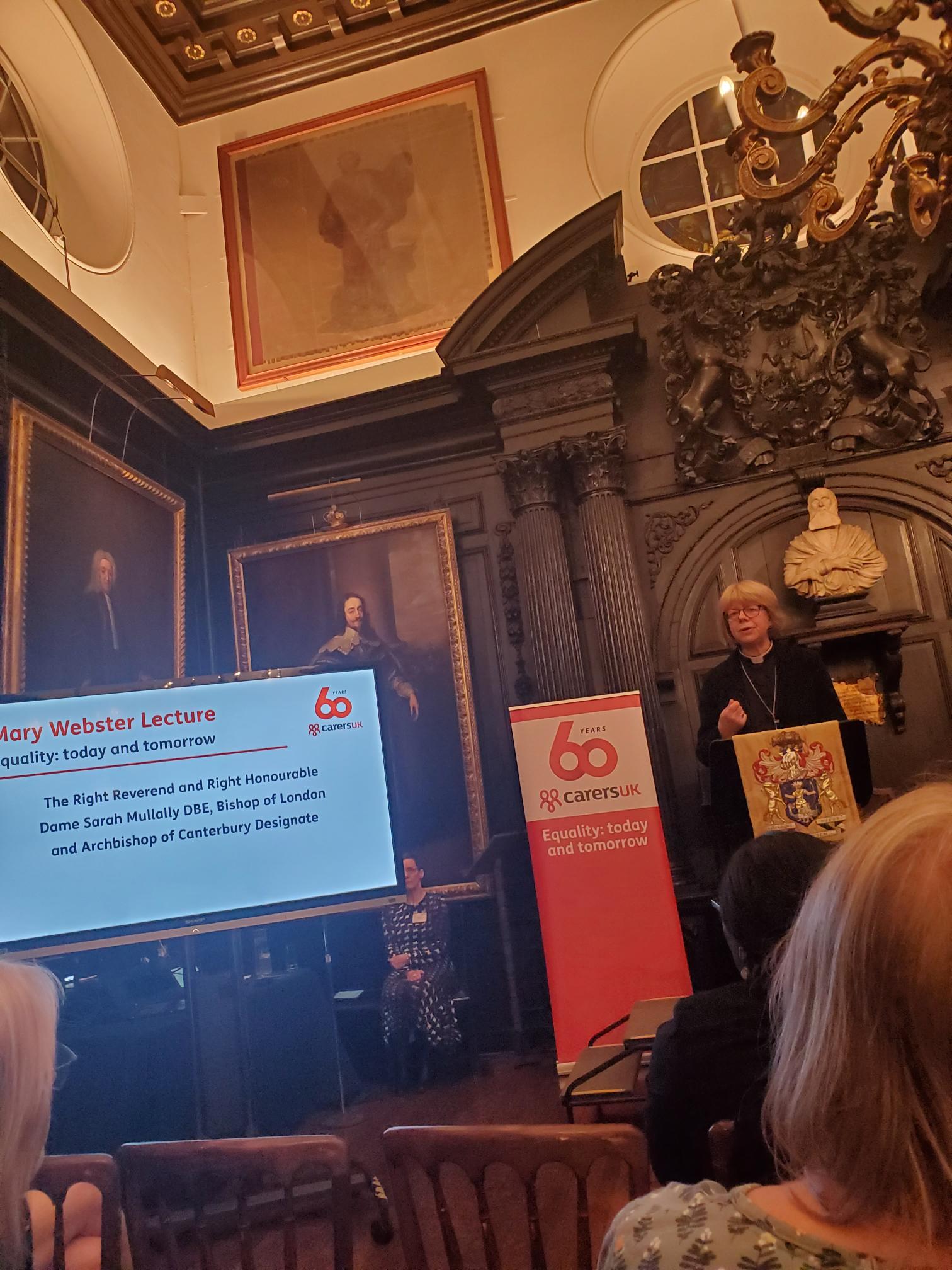
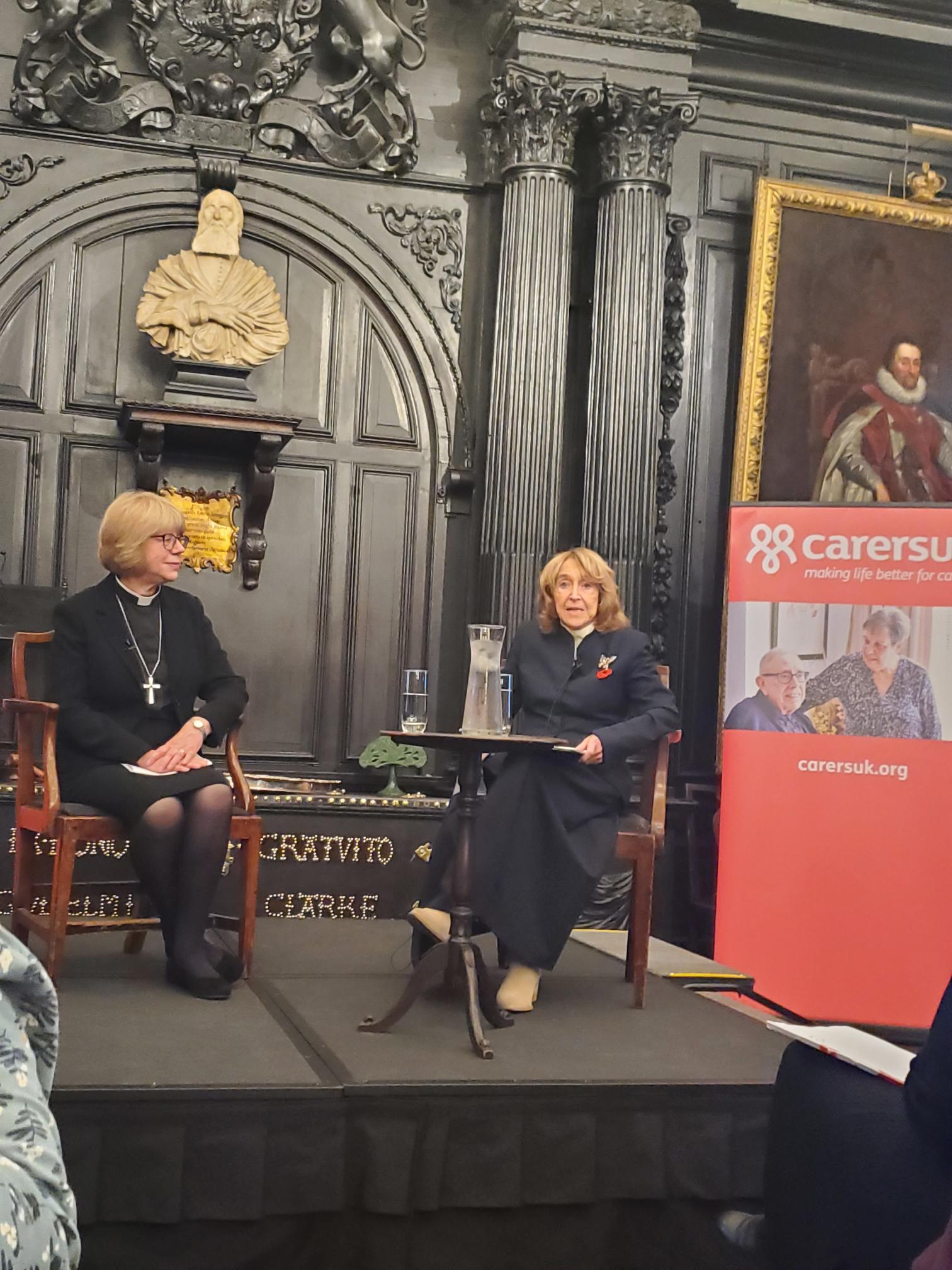
Then came the highlight of the evening a talk by The Right Reverend and Right Honourable Dame Sarah Mullally DBE, Bishop of London and recently named Archbishop of Canterbury Designate, in conversation with Baroness Jill Pitkeathley OBE, long-time carer champion and former Carers UK CEO.
Dignity in Caring
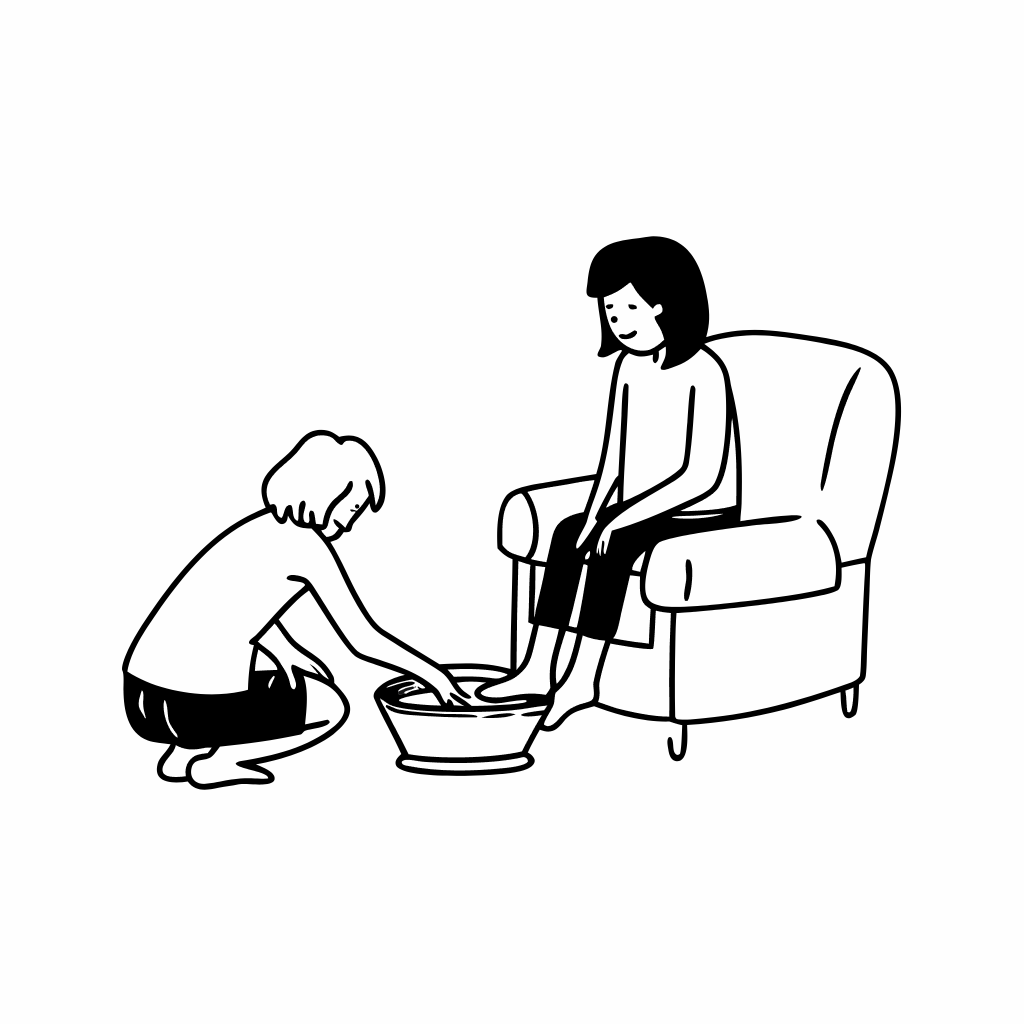
Bishop Sarah spoke with warmth and honesty about her journey from nursing to the Church. What struck me most was her story about washing her grandmother’s feet when she was a young nurse, which a simple act that carried deep dignity. She used that image to describe caring itself: often quiet, unseen, but filled with compassion and humanity.
Her message was clear that care is about dignity. Every person, regardless of ability, age, or background, has value. She reminded us that dependency isn’t weakness it’s part of being human. We all depend on others at different points in our lives.
As a Black male carer, that message really resonated. In many of our communities, caring happens quietly, often behind closed doors, without recognition or support. Bishop Sarah’s words reminded me that this invisible work deserves to be seen and respected not just by policy makers, but by society as a whole.
Lessons on Equality and Faith
Baroness Pitkeathley joined Bishop Sarah for a deep conversation about equality today and tomorrow. They reflected on how far carers’ rights have come and how far we still have to go. From health and financial struggles to workplace inequality, many of the same challenges from the 1990s remain today.
Bishop Sarah also spoke about the Church’s Reimagining Care Commission, which calls for a new “covenant of care” a moral agreement between government, communities, and families to share responsibility for those who need care. It’s not just about services, but about values: compassion, respect, and community.
Hearing that from someone soon to become the Archbishop of Canterbury gave me hope. It felt like a recognition that faith, ethics, and social justice must go hand in hand.
Voices from the Floor
The Q&A that followed was emotional and powerful. Carers from the audience spoke up about their struggles housing, mental health, disability, and the loneliness that caring can bring.
One carer shared the pain of fighting for proper housing for her disabled son; another spoke about the toll on her own health. Each voice reminded me that caring is more than statistics it’s real people doing extraordinary things every day, often without support.
My Reflection as a Black Carer Activist
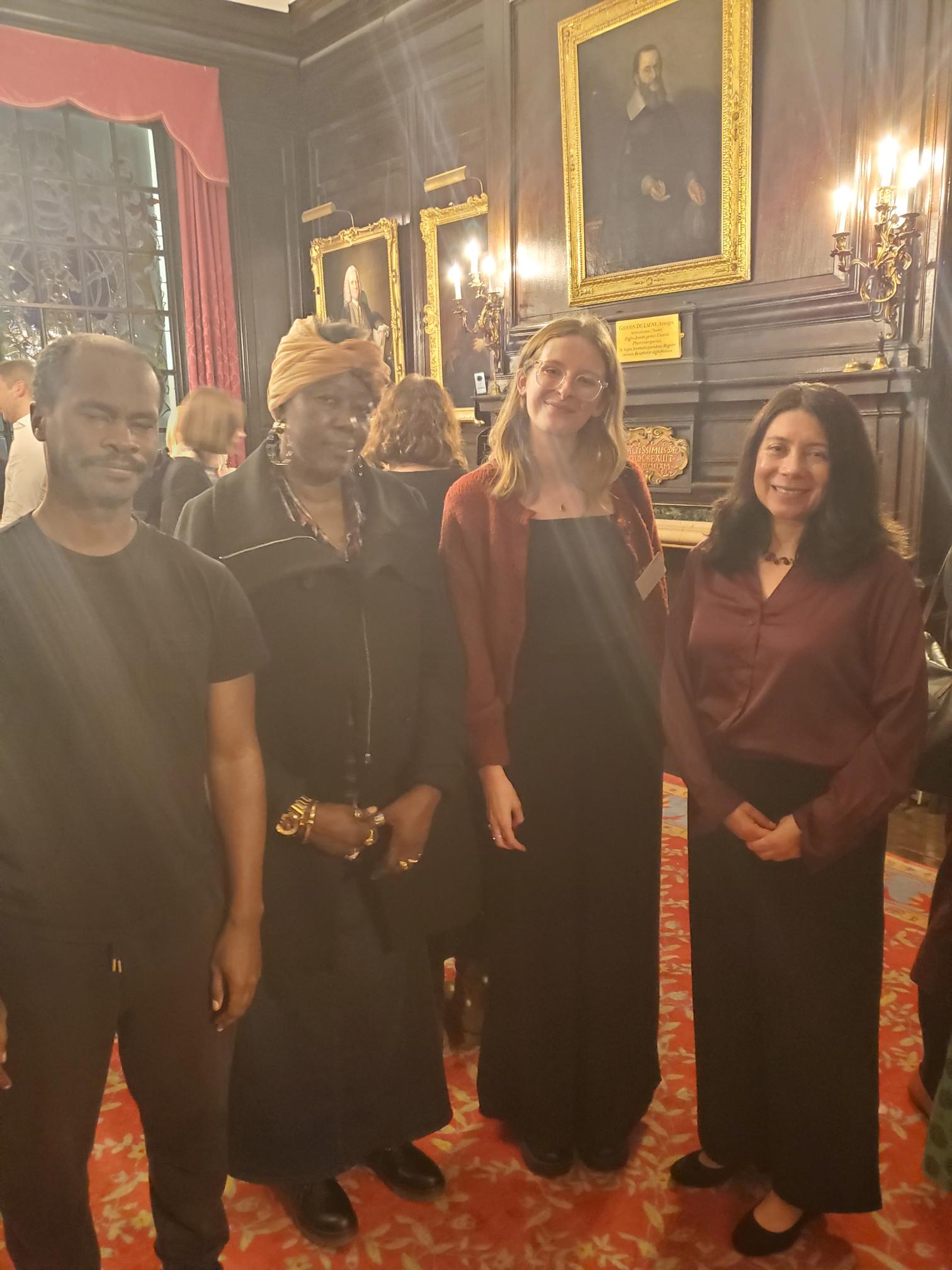
As I looked around the room, I thought of the carers in Black and ethnic minority communities who face extra barriers language, stigma, or fear of not being understood. Too often, our voices are missing from the conversation. I decided to have a chat with Dame Sarah Mullally about my thoughts, still nights like this show that inclusion is possible, and necessary.
Equality for carers means also recognising our diversity on different cultures, faiths, and family structures and ensuring that every carer can access the help they need, without judgement or struggle.
I left the event feeling encouraged but also challenged. Encouraged by the leadership and compassion of women like Bishop Sarah and Baroness Pitkeathley, who continue to champion carers’ rights. Challenged, because the journey isn’t over and each of us, whatever our background, has a role to play.
A Call for Tomorrow
Sixty years after Mary Webster founded Carers UK, unpaid carers are still holding society together.
We save the country billions, yet too many of us live in hardship. As Bishop Sarah said, we must rethink how we value care not as a cost, but as a cornerstone of our humanity.
For me, as a carer activist, that means continuing to speak up, share stories, and bring carers from all communities together. Because equality today and tomorrow starts with being seen, heard, and valued.
By Matthew McKenzie – Carers UK volunteer & Ambassador
As a poet and carer of lived experienced, I always try and listen to other poets when I get the chance.
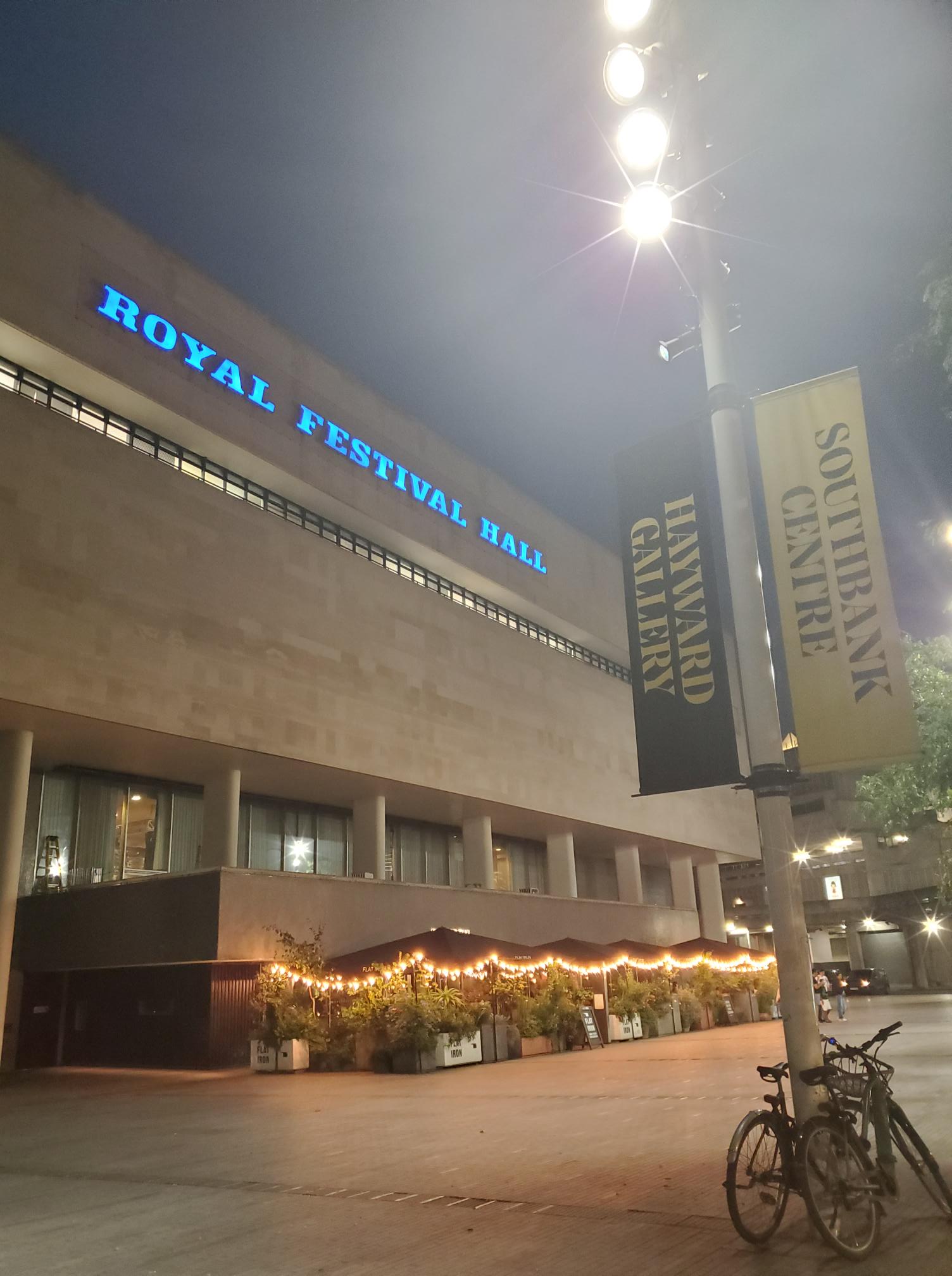
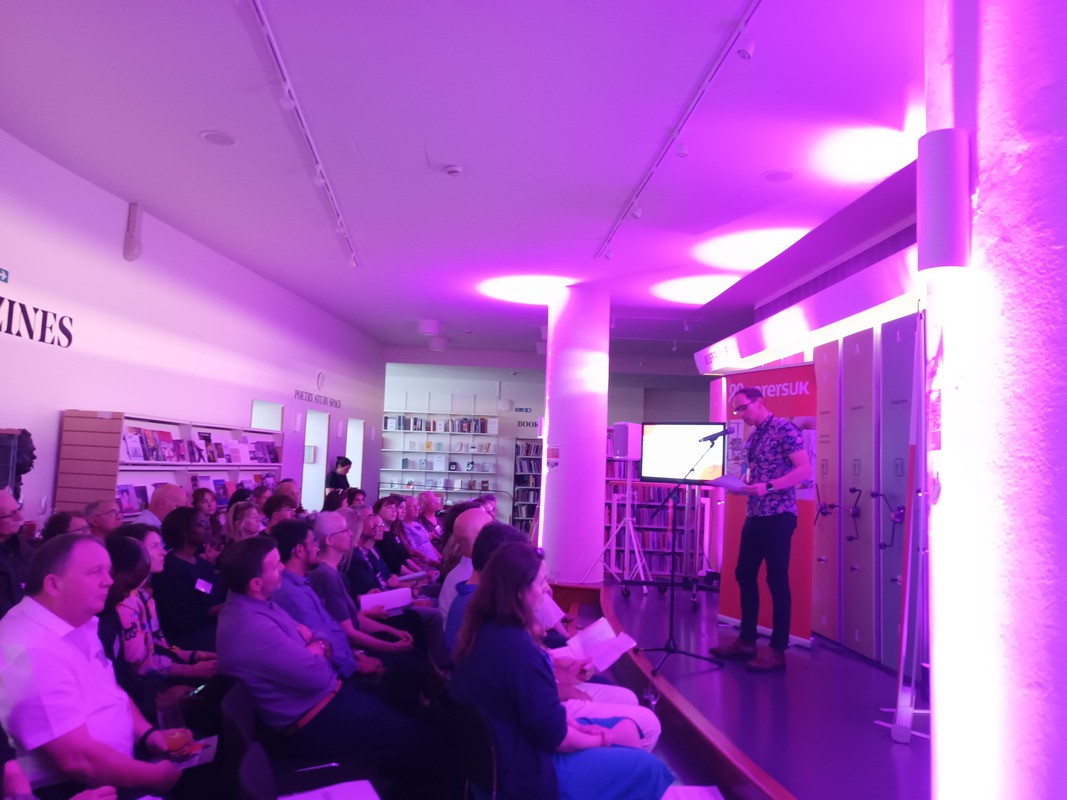
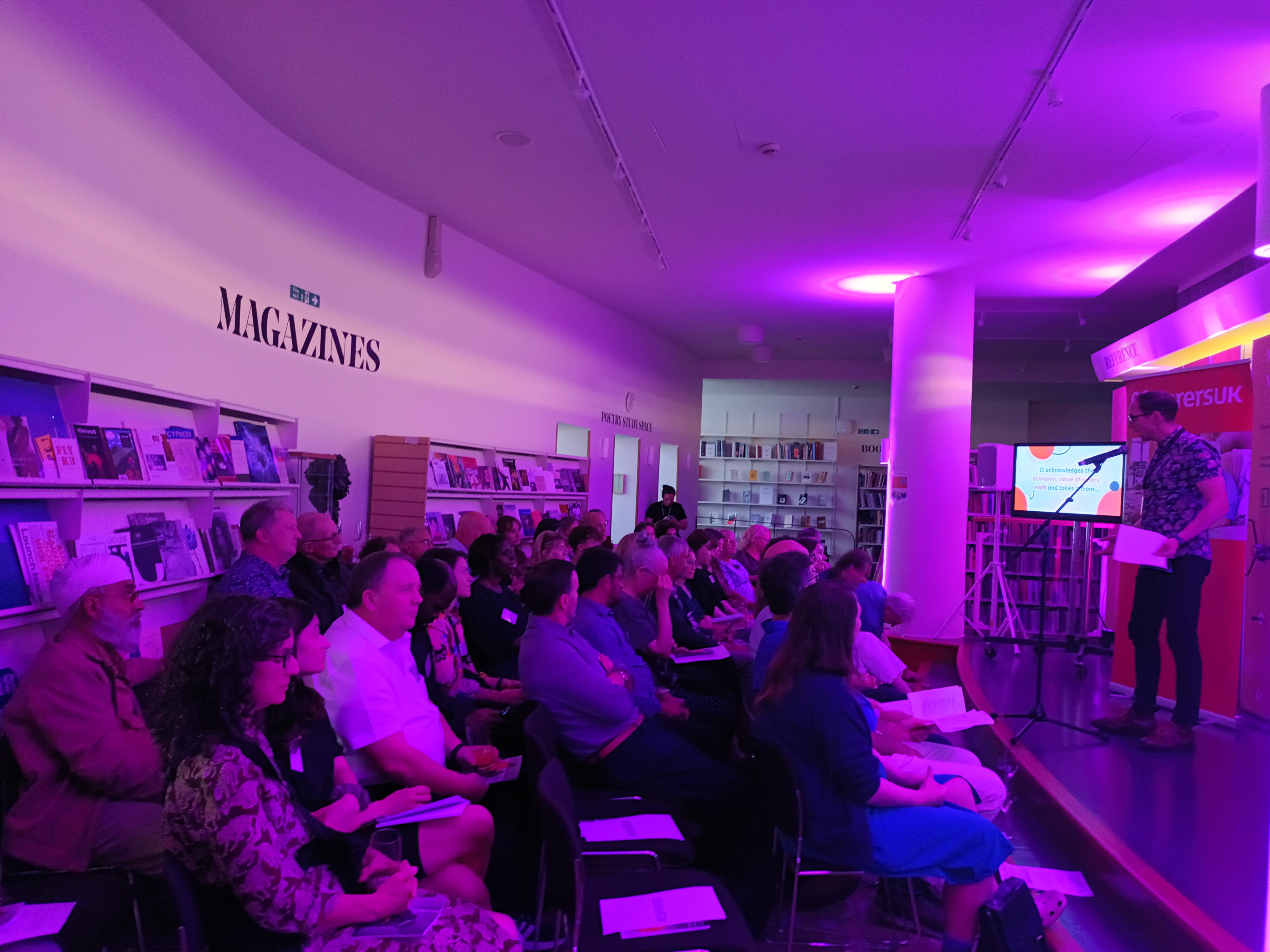
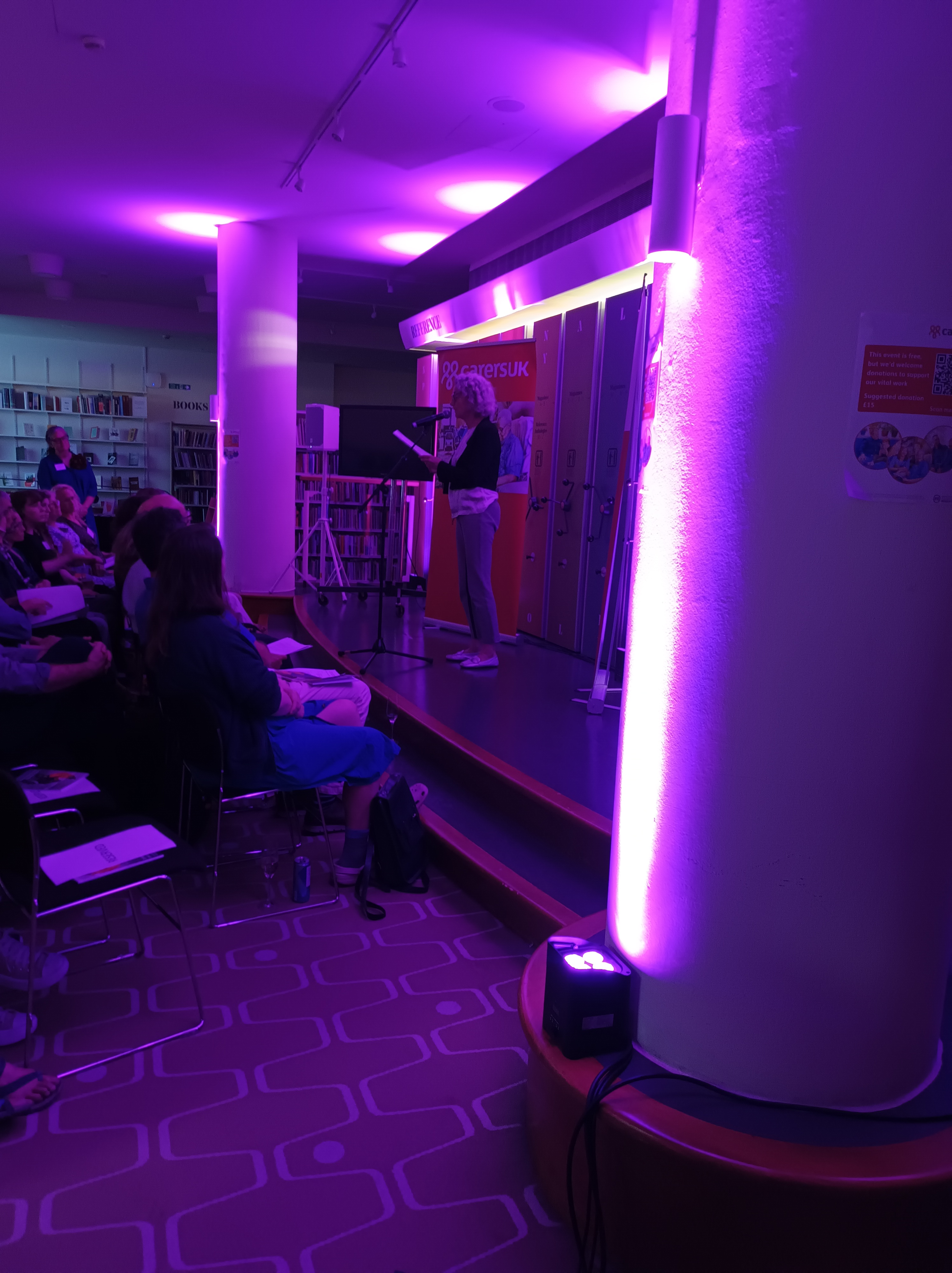
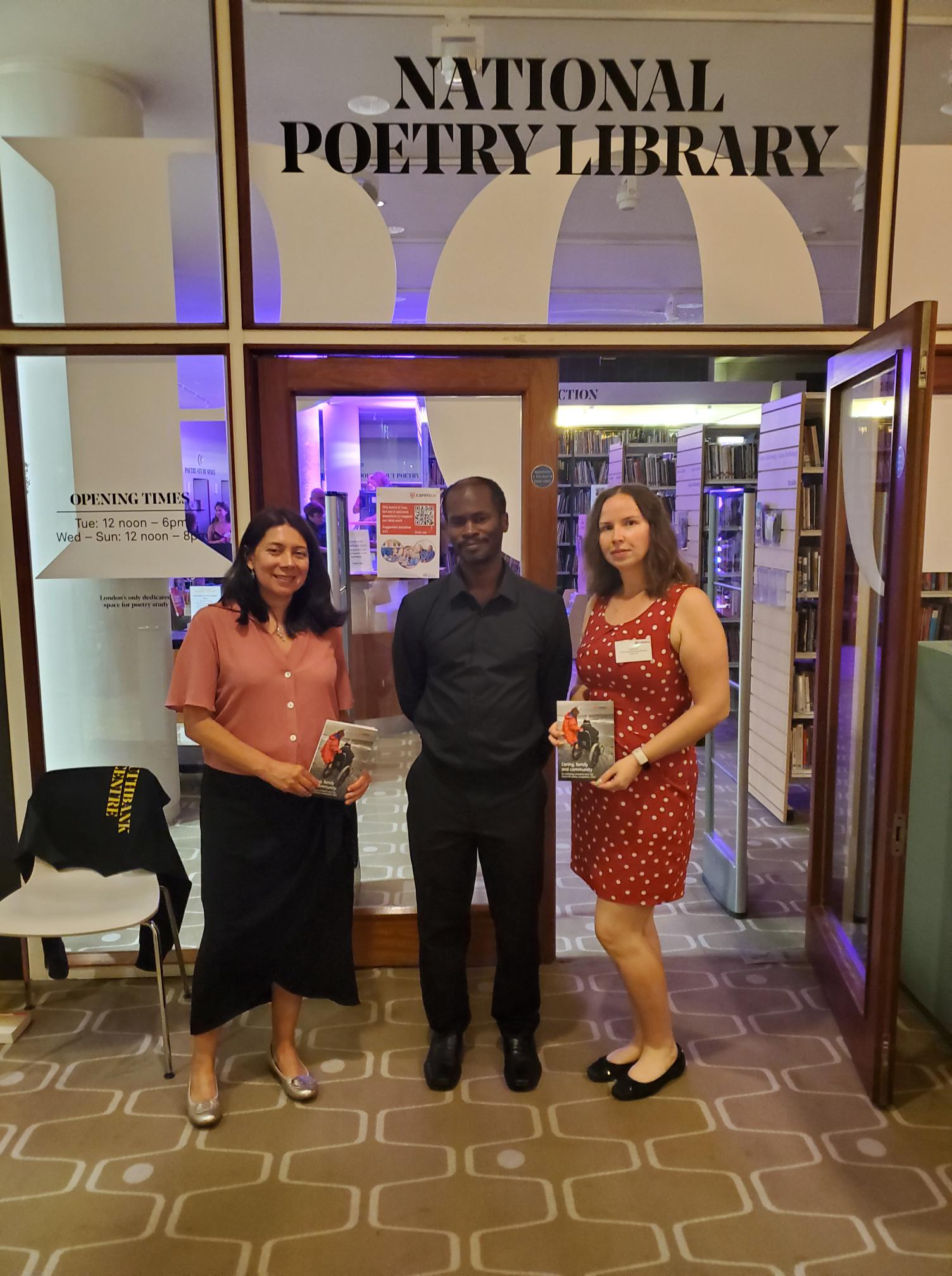
So on Tuesday 19 August 2025, I had the pleasure of attending the Carers UK Poetry Competition 2025 Celebration at the National Poetry Library, located on Level 5 of the Royal Festival Hall at London’s Southbank Centre.
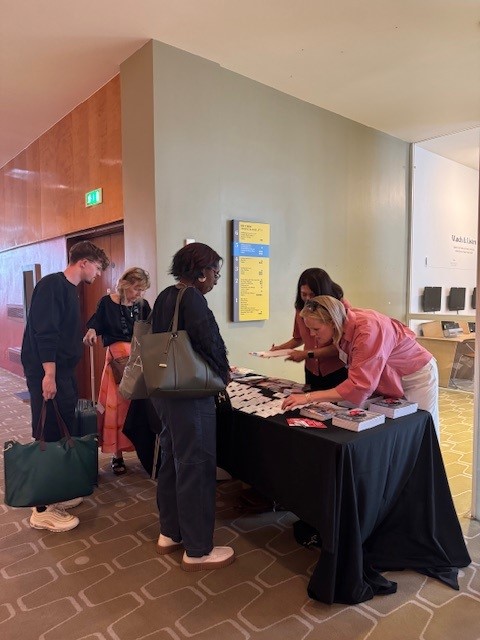
Carers UK staff were welcoming guests, carers and poets who contributed to the Carers UK Poetry anthology to the event.
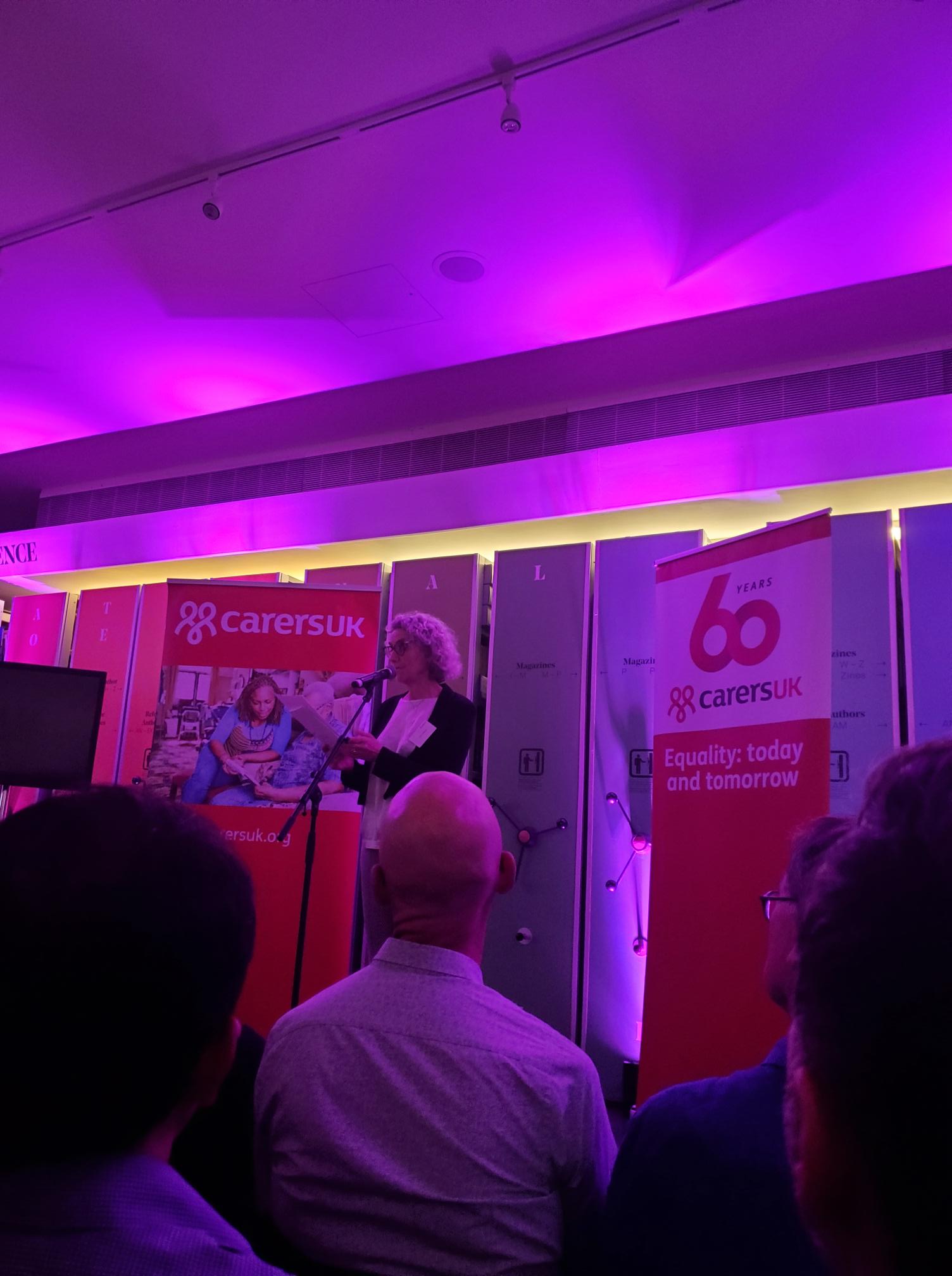
The event, hosted by Carers UK and led by Michael Shann, Head of Carer Support, which marked a very special milestone: the organisation’s 60th anniversary. It was an evening of reflection, creativity, and celebration, bringing together carers, poets, supporters, and friends to honour the voices of those who care for others.
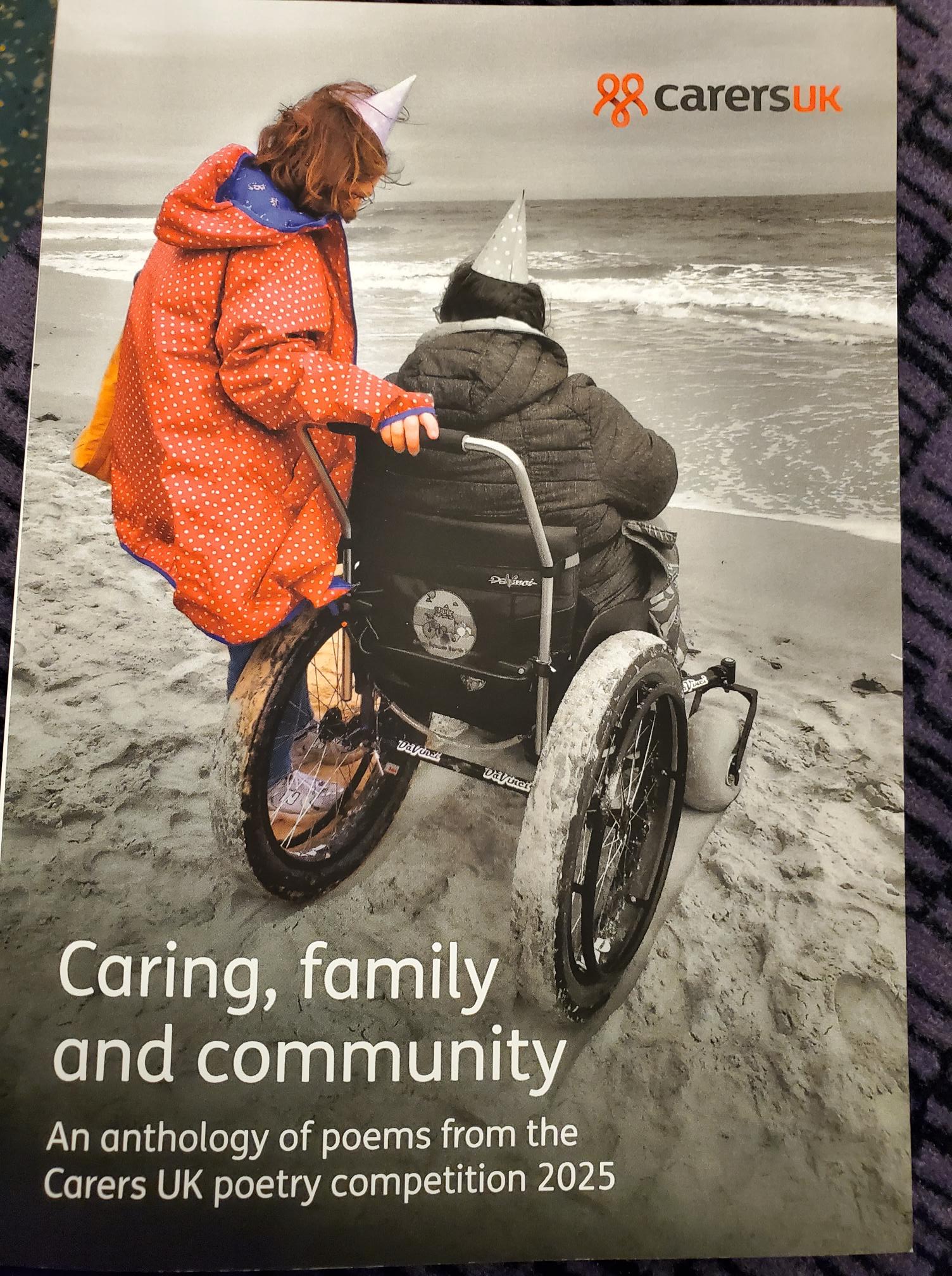
For the year 2025, the poetry competition was themed “Caring, Family and Community”, with more than 270 entries submitted from across the country. The anthology launched on the night, Caring, Family and Community, where beautiful collection of poems capturing the emotions, challenges, and deep humanity at the heart of caring.
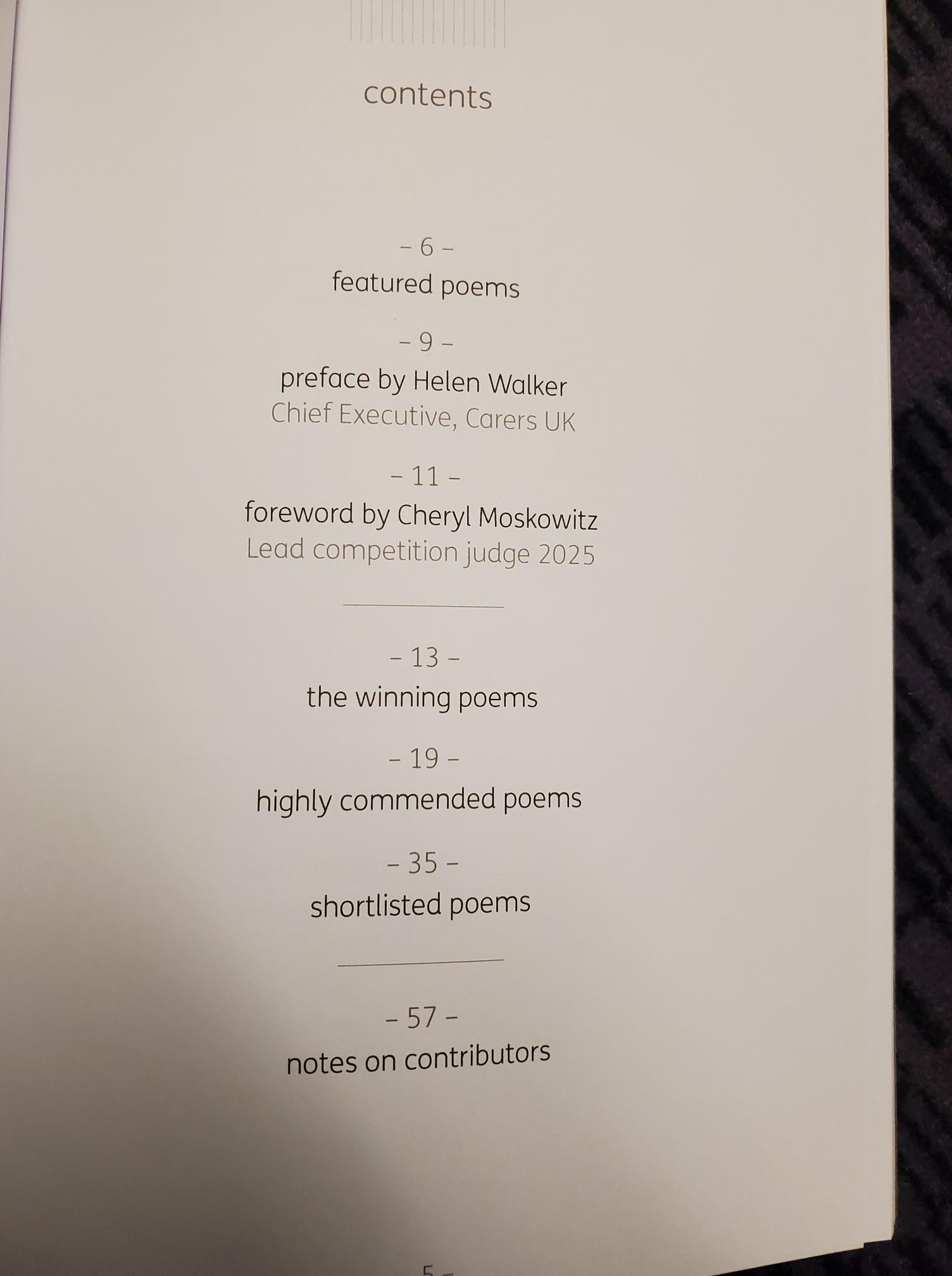
The programme included readings of winning, highly commended, and shortlisted poems. The anthology also features a preface by Helen Walker, Chief Executive of Carers UK, and a foreword by Cheryl Moskowitz, Lead Competition Judge 2025.
The atmosphere at the National Poetry Library was warm and I was welcomed by many of the Carers UK team including Carers Scotland. Guests and poets enjoyed celebratory drinks and canapés while engaging in conversations about poetry, caring, and the power of creative expression.
The poetry book itself is thoughtfully arranged, beginning with featured poems before moving on to the winning, highly commended, and shortlisted entries, and ending with notes on the contributors. The poets performed their poems, each highlighting a different perspective on caring, family, and community, weaving together diverse voices into a powerful collective story.
One poem that particularly stood out to me was “Heart & Soul” by Alison Hull.
Heart and Soul by Alison Hull
Even though it’s new to me, I’m going to write a poem. I don’t know what to write, Or where it’s even going. But what I’m very clear of, Is you’ve taught me like no other. You make me very proud, To be your carer and your mother. We laugh at times and cry so much, And we’ve learnt a thing or two. I’ve met your needs, calmed your fears, Taken care of you. Little by little we get things done, Although it isn’t always easy. We take small steps, sometimes none, Resting up, If needs be. Your bravery inspires me, Your love for animals too. I try to understand, how life really is for you. The caring role’s a huge one, It can be isolating too. It helps to connect with others, Who know what we’re going through. So this is the end of my poem, But not of my caring role. That journey will continue, With all of my heart and soul.
When Alison recited it that evening, I felt it was clear that she spoke from the heart. Her words captured the tenderness and strength of caring. I felt the poem was well crafted.
For me personally, as a Carers UK volunteer and poet, it was inspiring to see how words can bring people together and shine a light on the experiences of carers.
Being able to attend, listen, and celebrate alongside others who share a passion for both caring and poetry was a privilege, so I was very thankful to be invited.
The Southbank Centre, with its iconic Royal Festival Hall, provided the perfect backdrop a cultural hub alive with creativity and community spirit.
Events like this remind us not only of the importance of caring, but also of the importance of telling our stories. Poetry gives voice to what can sometimes be invisible, and Carers UK continues to ensure those voices are heard.
I’d like to thank Michael Shann and the Carers UK team for organising such a meaningful evening, and for their ongoing commitment to supporting carers across the UK.
Here’s the updated section with the official website link included:
Becoming a Member of Carers UK
If you are a carer yourself, one of the most valuable steps you can take is to become a member of Carers UK. Membership is free and open to anyone caring for a family member, friend, or neighbour. By joining, you’ll gain access to:
A supportive community of carers who truly understand what you’re going through.
Regular updates, newsletters, and information on carers’ rights and support.
Invitations to events, workshops, and opportunities to share your story.
Resources and guidance to help you manage the challenges of caring.
Carers UK is not just an organisation as it’s a lifeline for many. By becoming a member, you can feel more connected, supported, and empowered in your caring role.
You can sign up easily via the Carers UK website: www.carersuk.org
On May 1st, 2025, Cygnet Health Care hosted its landmark Co-Production in Commissioning Conference at the iconic Villa Park, Birmingham. More than just a professional gathering, the event was a manifesto for a more inclusive, compassionate, and equitable model of care, driven by people with lived experience, carers, clinicians, and commissioners alike.
Packed with powerful keynotes, practical models, and heartfelt stories, the day was as emotionally resonant as it was strategically focused.
Imagine carrying the weight of responsibility far beyond your years. Imagine balancing school, friendships, and your own well-being while caring for a loved one. This is the reality for thousands of young carers across the country.
What is Young Carers Action Day?
Young Carers Action Day is an annual event held in mid-March, organized and led by Carers Trust.
On February 25th, 2025, carers, professionals, and support organizations gathered at Tooley Street for a Carers event provided by Southwark Council. The event was developed by Sarah Bullman, Senior Policy and Strategy Lead for Adult Social Care over in Southwark. The event, hosted by Simon Rayner, provided an opportunity to connect, share updates, and explore ways to support carers in the community.
Key Highlights from the Event:
🔹 Carefree – Presented by Salil Meech Mazumdar, Carefree shared their work in providing much-needed short breaks and respite opportunities for unpaid carers, ensuring they have time to rest and recharge.
🔹 Southwark Carers – Sarah Bullman introduced Southwark Carers including Verinder CEO of Southwark Carers, an essential organization offering tailored advice, practical support, and advocacy for carers in the borough of Southwark.
🔹 Mobilise – A digital-first platform supporting carers, Mobilise was discussed in depth, highlighting how online peer support and coaching can help carers navigate their roles more effectively.
🔹 Imago – Known for their work in youth and adult carer services, Imago shared updates on their projects that focus on young carers, connecting them with resources and professional guidance.
🔹 Carers Hub/Centre – Southwark council focus on a new Carers Hub set for next year, where updates on focus groups and workshops on how the carers centre will be used for supporting unpaid carers.
The last section of the event was below
🔹 Voice of the Carer & Carer Empowerment – Chloe Harvey and Sarah Bullman provided updates on Southwark’s Carers Strategy, reinforcing the importance of carer voices in shaping policy.
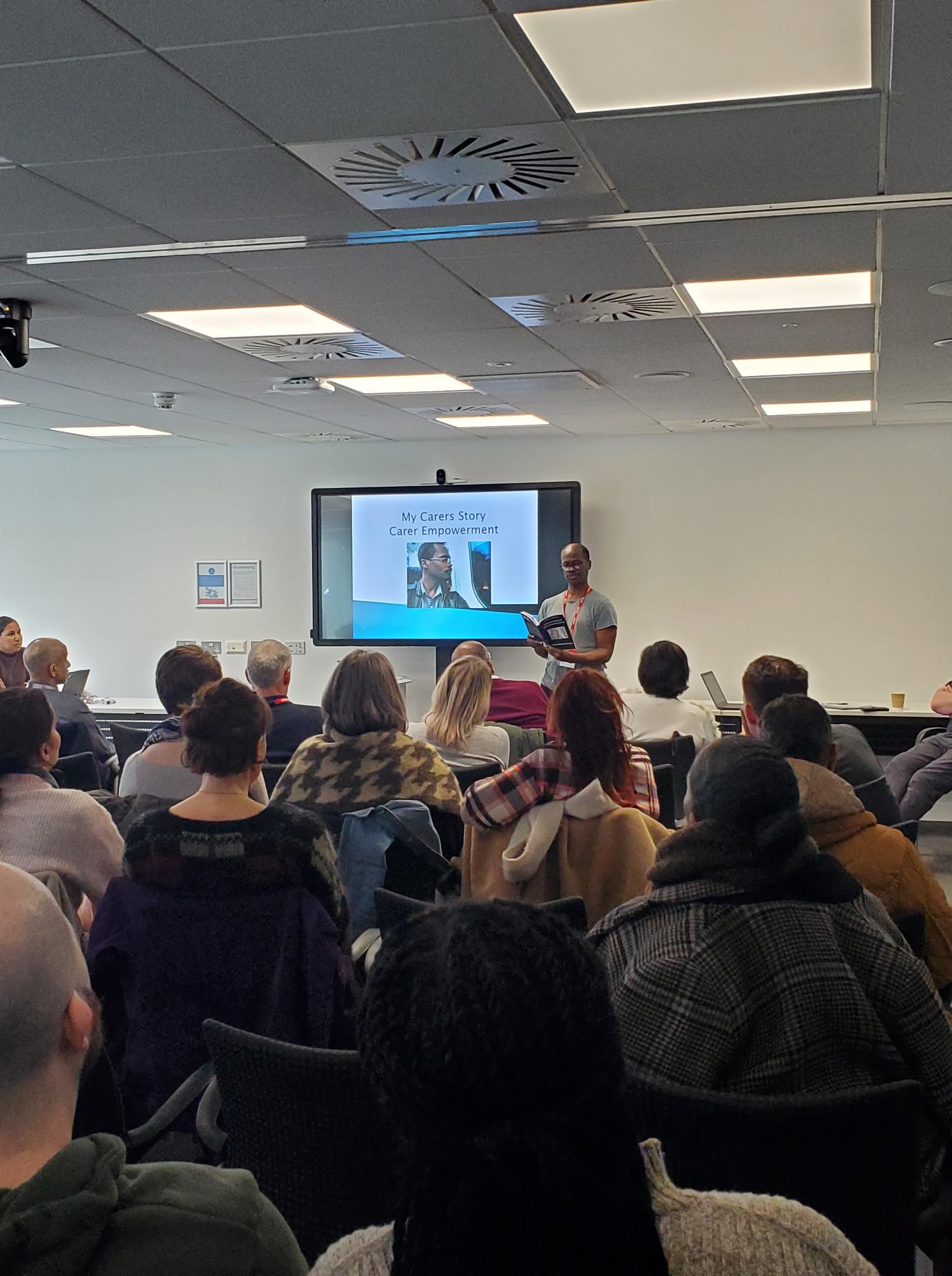
Plus Matthew McKenzie, a well-known carer advocate, spoke passionately about listening to carers, empowering them, and ensuring co-production in decision-making. He also read moving excerpts from his book, The Poetry of Mental Health Caring, which resonated deeply with attendees.
The event concluded with a networking lunch, allowing attendees to connect, share experiences, and strengthen their collective efforts in supporting carers.
This forum was a powerful reminder that carers should never feel alone—there is a strong and growing community dedicated to uplifting and advocating for them. 💙
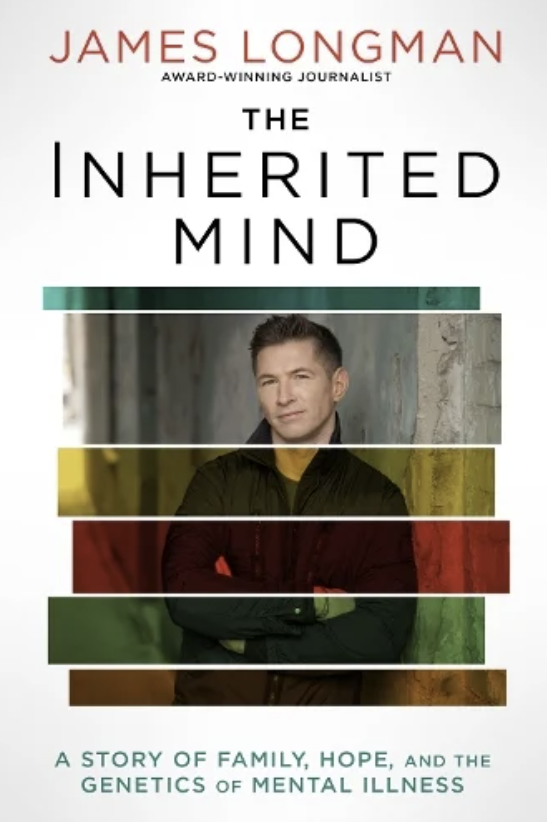
Welcome to a quick event review, which I attended on the 29th of January 2025. The event was James Longman’s book launch for The Inherited Mind was a deeply moving and insightful conversation about mental illness, personal struggle, and the power of community.
The event took place at Ladbroke Hall over in West London, where the evening included drinks and refreshments, for the much anticipated conversation with James and BBC News’ Tina Daheley.
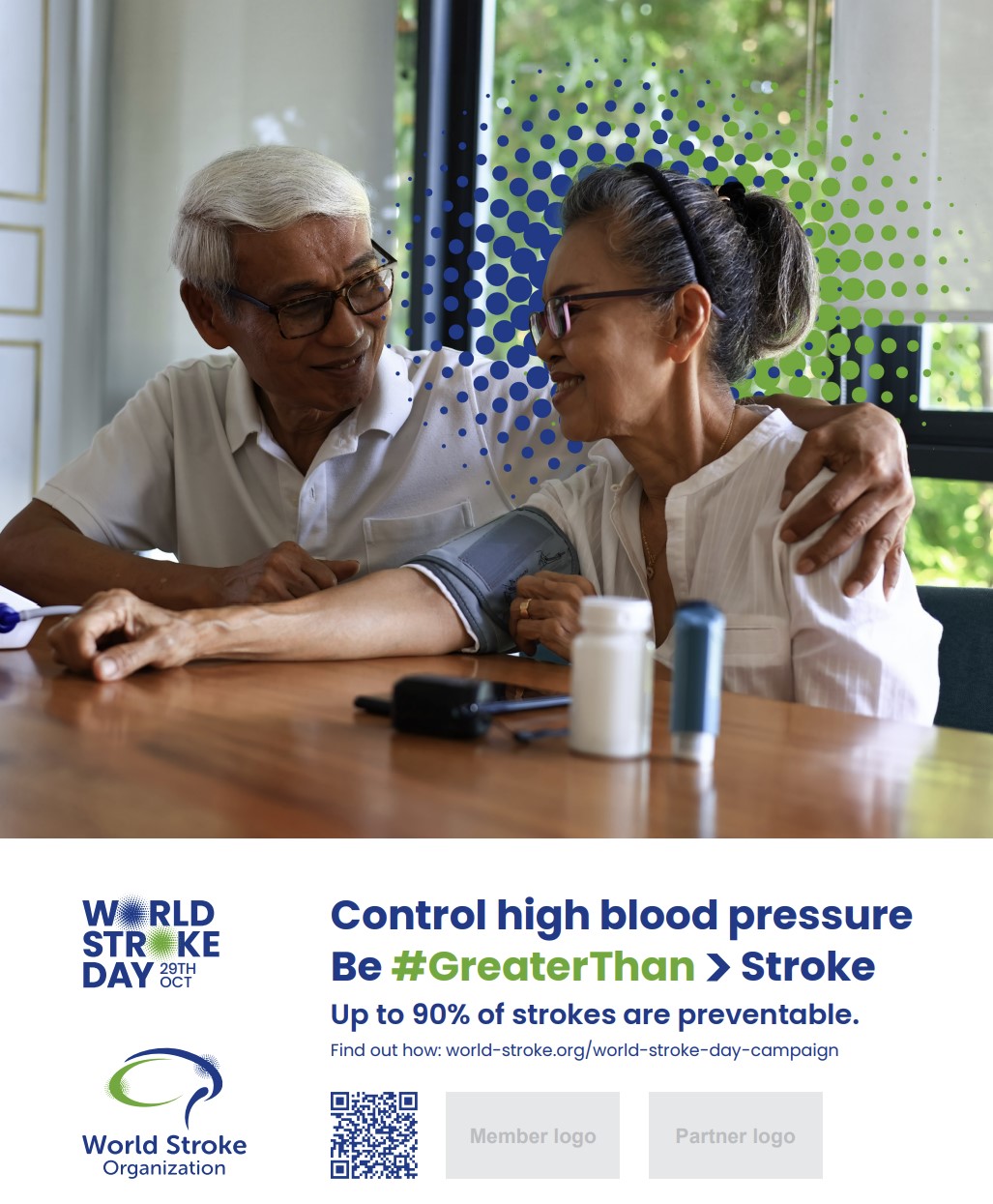
Welcome to a blog post by carer activist Matthew McKenzie on promoting World Stroke Day 2024.
If you want to see the video on World Stroke day 2024, then please click on the link below.
Here you can learn about the importance of stroke prevention, recognition, and treatment. Discover key points on awareness, prevention, support for survivors, and global cooperation. Care tips for stroke survivors included.
Raising Awareness for World Stroke Day 2024
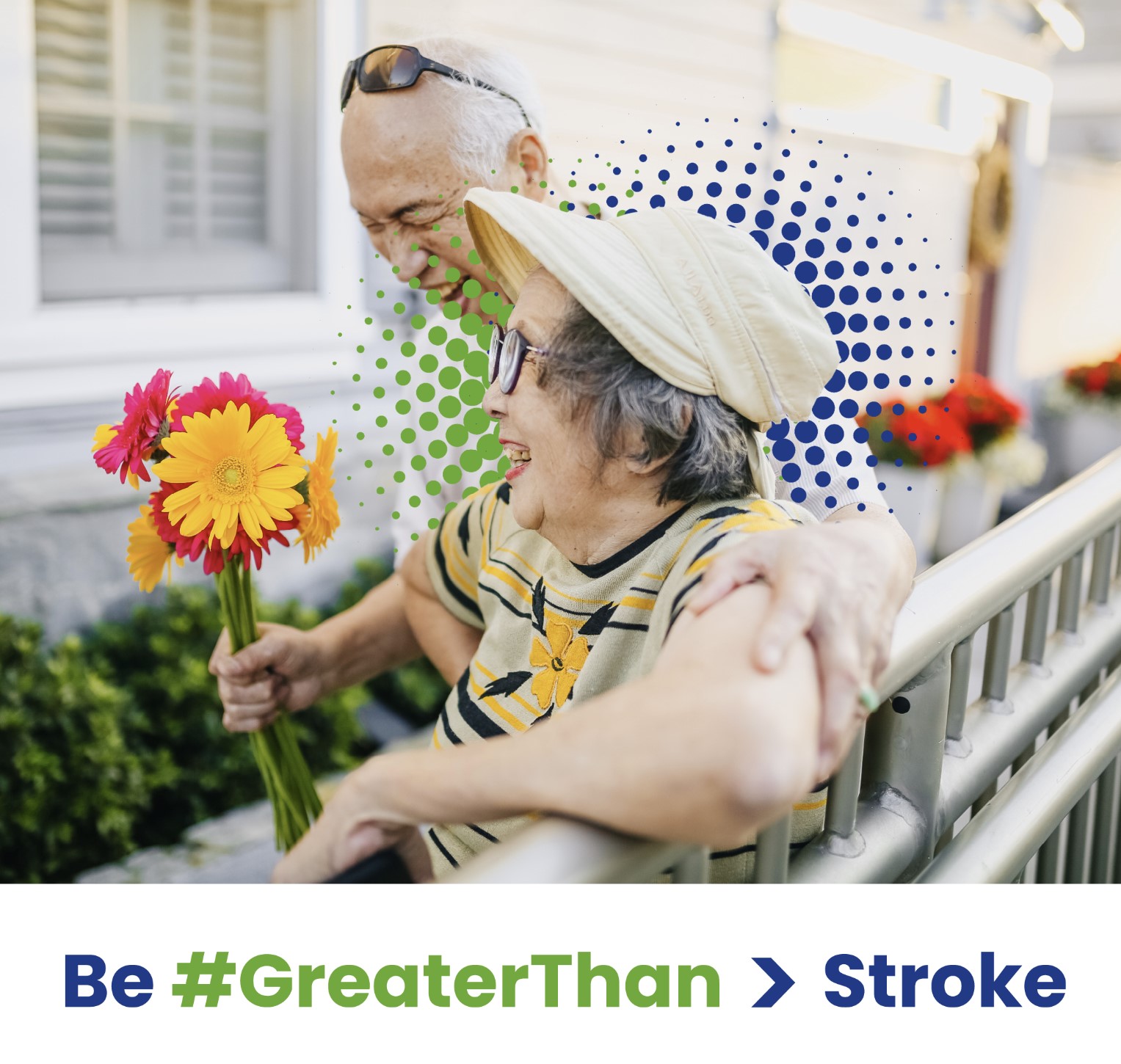
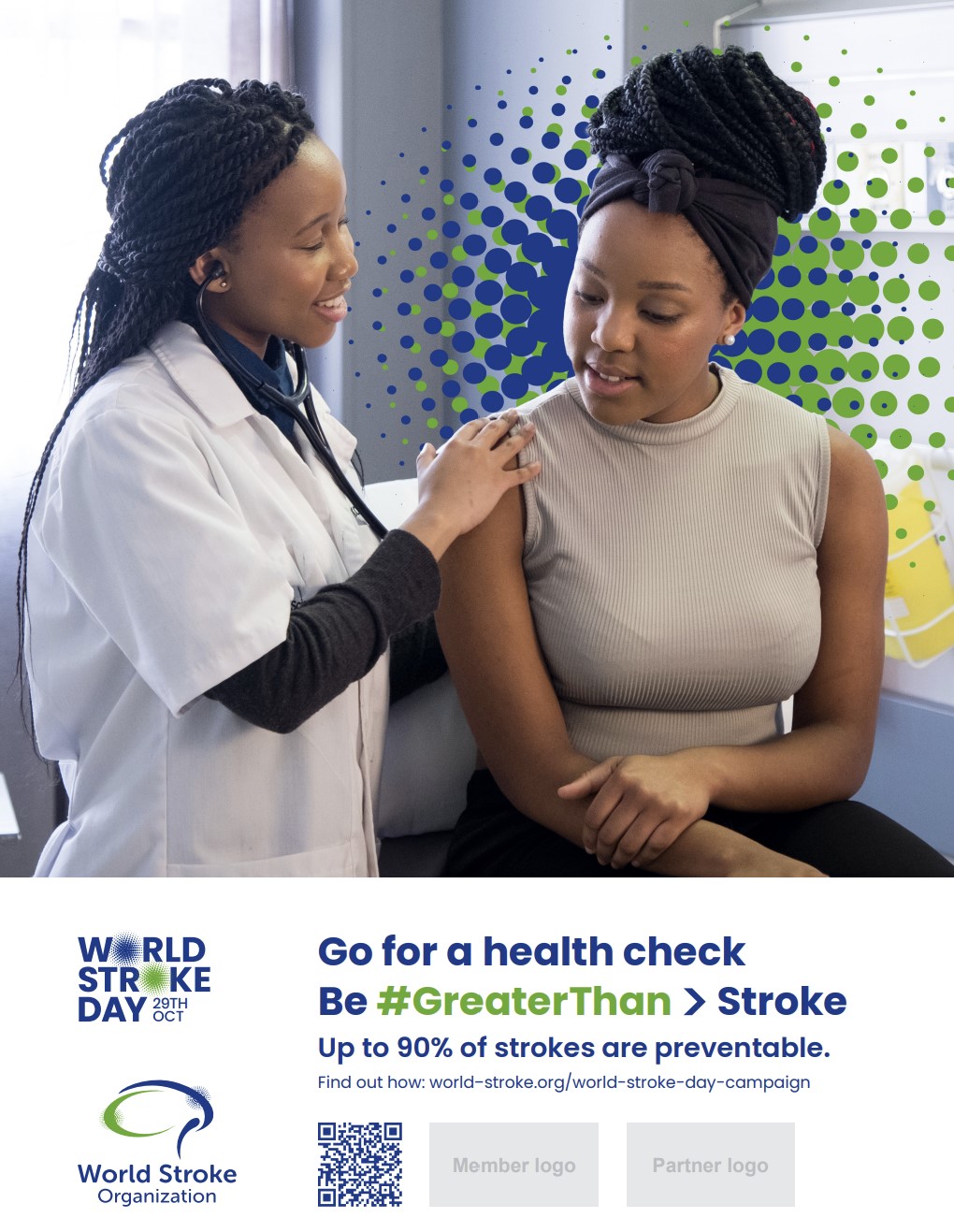
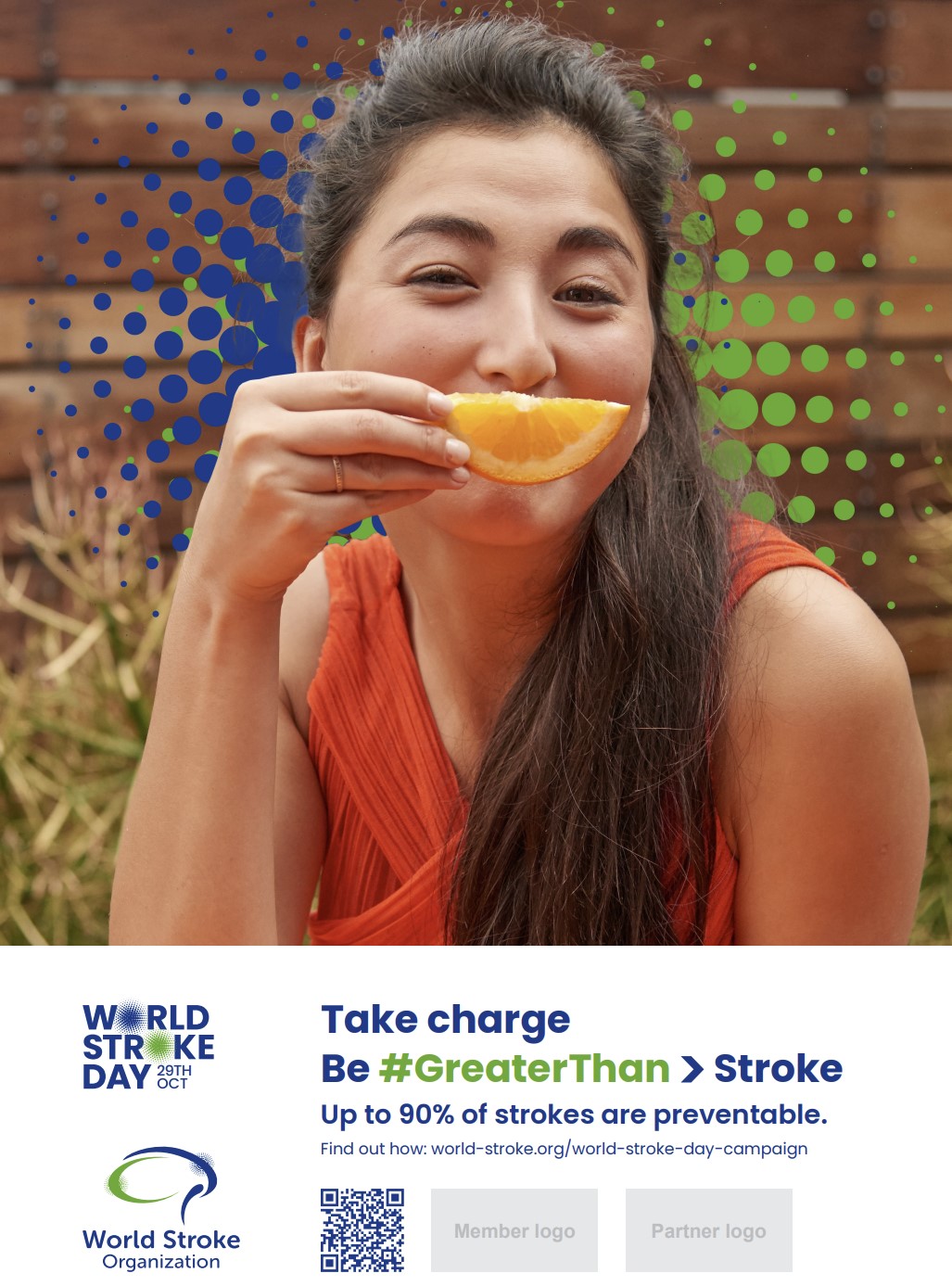
World Stroke Day 2024 is approaching, with the global health community marking October 29th on their calendars. This day is dedicated to raising awareness about stroke prevention, recognition, and treatment. The theme for this year is “#GreaterThanStroke,” emphasizing the importance of community support and encouraging active lifestyles to mitigate stroke risks. In this article, we will delve into the key aspects of this awareness campaign and provide valuable insights into stroke prevention and recovery.
Understanding the Importance of World Stroke Day
Understanding why World Stroke Day is significant is the first step in joining the movement for better stroke awareness and prevention. On this day, health organizations, caregivers, and stroke survivors come together to drive home the message that strokes can be prevented and managed effectively with the right knowledge and resources.
Raising Awareness
Raising awareness is paramount when it comes to stroke. Knowing the risk factors, recognizing the symptoms, and understanding the importance of quick medical intervention can save lives. Fast response to a stroke can significantly reduce the chances of long-term disabilities. Public education campaigns aim to arm everyone with the knowledge to act swiftly in the event of a stroke.
Stroke Prevention
Prevention is better than cure, and this holds particularly true for strokes. Making simple lifestyle changes can significantly reduce an individual’s stroke risk.
Healthy Diet
A balanced diet is crucial for stroke prevention. Consuming fruits, vegetables, whole grains, and lean proteins while reducing salt, sugar, and saturated fats can help maintain a healthy weight and lower blood pressure, which are significant risk factors for strokes.
Regular Exercise
Engaging in regular physical activity helps maintain cardiovascular health, reduces stress, and manages weight—all factors that contribute to a lower risk of stroke. Aim for at least 150 minutes of moderate-intensity exercise each week.
Quitting Smoking
Smoking is a major risk factor for strokes as it damages blood vessels and increases blood pressure. Quitting smoking can significantly reduce your risk of a stroke.
Supporting Stroke Survivors
Supporting stroke survivors is as important as prevention. Advocating for resources, rehabilitation, and caregiver support can significantly improve the quality of life for stroke survivors.
Stroke-Related Changes
Stroke survivors often face numerous physical and cognitive changes that can impact their daily lives. Understanding these changes is essential for providing meaningful care.
Physical Limitations
Physical limitations such as weakness or paralysis, speech difficulties, and cognitive challenges like memory and problem-solving issues are common among stroke survivors. Recognizing these limitations helps in creating supportive environments and activities tailored to their capabilities.
Emotional Effects
Emotional effects such as depression, anxiety, and mood swings can also be prevalent. Being aware of these psychological challenges helps in offering compassionate support and understanding.
Assisting with Daily Activities
Simple tasks can become challenging for stroke survivors. Your support in daily living activities is invaluable. Assist with tasks like dressing, bathing, and eating to help them regain independence gradually.
Encouraging Rehabilitation
Rehabilitation is key to recovery. Encouraging stroke survivors to stick to rehab routines can make a significant difference in their progress. Patience and consistent support are vital here.
Supporting Communication
Communication difficulties are common post-stroke. Helping stroke survivors express themselves and understand others better can alleviate frustrations and improve their overall well-being. Encourage the use of communication aids if necessary.
Promoting Emotional and Psychological Well-Being
Being there for stroke survivors emotionally and encouraging activities that boost their mood can greatly aid their rehabilitation. Social interactions and hobbies can enhance their quality of life.
Managing Health and Medical Care
Regular checkups and managing medications are crucial aspects of post-stroke care. Ensure that medical appointments are kept and medications are taken as prescribed to prevent secondary strokes and other health complications.
Adapting the Living Environment
Making the living environment safe and accessible is essential. This may involve installing grab bars, ramps, or rearranging furniture to facilitate easier movement and reduce fall risks.
Caring for Your Own Well-Being
As a caregiver, it is important to take care of your own well-being. Remember, you can’t pour from an empty cup. Taking time for yourself, seeking support when needed, and managing stress are crucial to sustaining your ability to provide care.
Long-Term Planning
Setting realistic goals together and celebrating every small victory is important for the long-term recovery of stroke survivors. Understand that recovery is a marathon, not a sprint. Patience and perseverance are key.
Encouraging Global Cooperation
Improving stroke prevention and care worldwide is a collective effort that requires community engagement, support from health care systems, and proactive policies from policymakers.
Engaging Communities
Communities play a significant role in raising awareness and providing support to stroke survivors. Local groups can organize events, workshops, and provide resources to educate the public about stroke risks and prevention strategies.
Health Care Systems
Health care systems must be equipped to provide timely and effective stroke care. This includes having trained personnel, appropriate infrastructure, and necessary medical supplies to treat strokes and support long-term rehabilitation.
Policy Makers
Policymakers have the power to enact changes that can improve stroke care and prevention. Advocating for policies that promote healthy lifestyles, fund stroke research, and support stroke care facilities can create significant positive impacts.
Conclusion
World Stroke Day 2024 is more than just a date on the calendar. It is a call to action, urging us all to contribute to reducing the global burden of stroke. By raising awareness, adopting healthier lifestyles, supporting stroke survivors, and fostering global cooperation, we can truly make this year’s theme “#GreaterThanStroke” a reality. Your support and actions play a crucial role in helping stroke survivors reclaim as much independence and joy as possible. Let’s come together to make a difference and ensure that stroke prevention and care continue to improve worldwide.
Welcome back to another blog post by carer activist Matthew McKenzie. I raise awareness of unpaid carers, mental health and cancer caregivers.
As of 27th of October. It is World Occupational Therapy Day. You can watch my video on promoting the awareness day below.
Celebrating World Occupational Therapy Day 2024: Promoting Independence and Building Resilient Communities
Introduction
The global community comes together to celebrate World Occupational Therapy (OT) Day. This annual event is not just a date on the calendar; it is an opportunity to shine a spotlight on the incredible contributions of occupational therapists (OTs) worldwide. The theme for 2024, “Occupational Therapy for All,” emphasizes the role of OTs in enhancing personal autonomy and fostering community well-being.
The Significance of Occupational Therapy
Occupational Therapy Goals
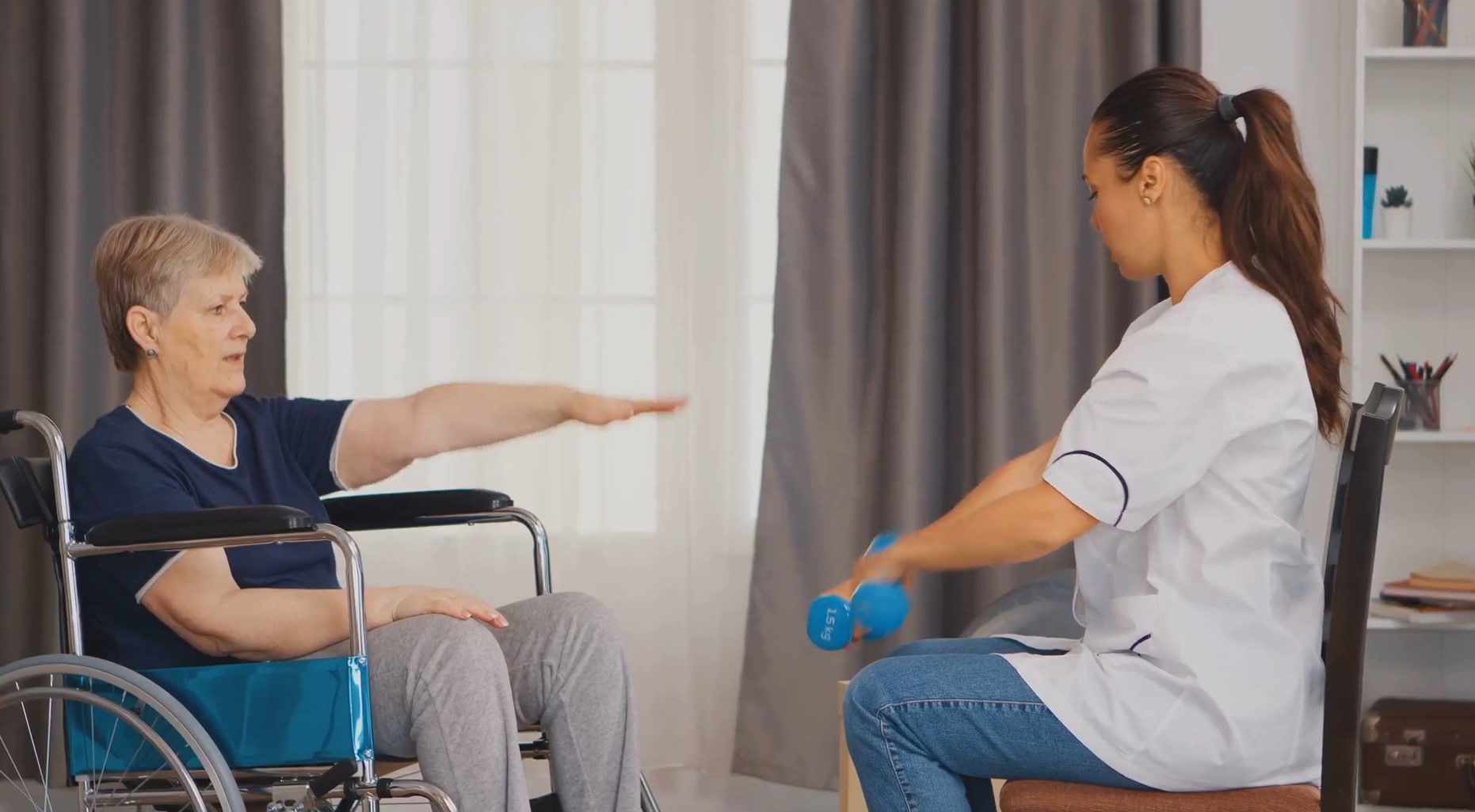
Occupational therapy is a holistic practice that focuses on helping individuals achieve their daily goals and maintain independence. Whether it’s enabling an elderly person to continue living safely at home, assisting a child with developmental challenges, or supporting someone with disabilities, OTs play a pivotal role in promoting well-being and independence.
The services provided by occupational therapists are essential for a wide range of people, including:
The Elderly: Older adults often face physical, cognitive, and emotional challenges that can impede their ability to perform daily activities. OTs help them adapt their environments and tasks to maintain independence.
Children with Developmental Needs: For children with conditions like autism or cerebral palsy, OTs assist in developing crucial skills needed for school and everyday life.
Individuals with Disabilities: People facing physical or cognitive impairments receive tailored strategies from OTs to navigate their lives more effectively.
Mental Health and Occupational Therapy
Emotional and Social Support
Mental health advocacy is a significant aspect of occupational therapy. OTs assist clients in developing coping strategies, enhancing social skills, and managing emotional regulation. Through tailored interventions, they help individuals overcome barriers that affect their mental health and overall quality of life.
Community-Based Rehabilitation (CBR)
Local Outreach
One of the most impactful areas of occupational therapy is Community-Based Rehabilitation (CBR). Many OTs work within local communities, especially in low-resource areas, to provide critical services. These professionals address the unique needs of their communities, offering support that might otherwise be unavailable.
Celebrating World OT Day
Global Events and Activities
World OT Day is marked by a variety of events, workshops, and online activities around the globe. These celebrations provide an excellent opportunity for therapists, students, and healthcare providers to engage with the profession and learn more about its significant impact.
Public Awareness Campaigns
Public awareness campaigns are a vital component of the celebration. Various organizations launch initiatives to explain what occupational therapy is and how it benefits individuals facing physical, cognitive, or emotional challenges. These campaigns often feature:
Seminars and Webinars: These events offer OTs a chance to enhance their skills and share best practices.
Workshops: Hands-on workshops provide practical experience and learning opportunities for both current and future occupational therapists.
Engaging the Community
Social Media Campaigns
Social media plays a crucial role in spreading awareness about World OT Day. Hashtags like #WorldOTDay2024 and #OccupationalTherapyForAll encourage professionals, clients, and advocates to share stories and insights about the impact of occupational therapy. These online movements help build a global community united by a common goal – to promote and celebrate occupational therapy.
The Role of the World Federation of Occupational Therapists (WFOT)
Global Advocacy and Resources
The World Federation of Occupational Therapists (WFOT) serves as the global voice for the profession. The WFOT provides resources, toolkits, and guidelines to help practitioners worldwide celebrate World OT Day effectively. Through their efforts, the WFOT ensures that the message of occupational therapy reaches a broad audience, fostering a deeper understanding and appreciation of the field.
Conclusion
World Occupational Therapy Day 2024 is all about celebrating the transformative impact of occupational therapy. From promoting personal independence to building resilient communities, OTs make a significant difference in the lives of individuals and the broader society. As we mark this special day, let’s recognize and appreciate the vital contributions of occupational therapists and continue to advocate for the important work they do. Don’t forget to share your OT stories with the hashtag #WorldOTDay2024.





 A Caring Mind