Tag Archives: carer engagement

NHS Digital Revolution: Empowering Unpaid Carers

The Digital Revolution in the NHS: Why Unpaid Carers Must Be at the Heart of Change

From Matthew McKenzie – Carer activist

Below is a transcript of my video
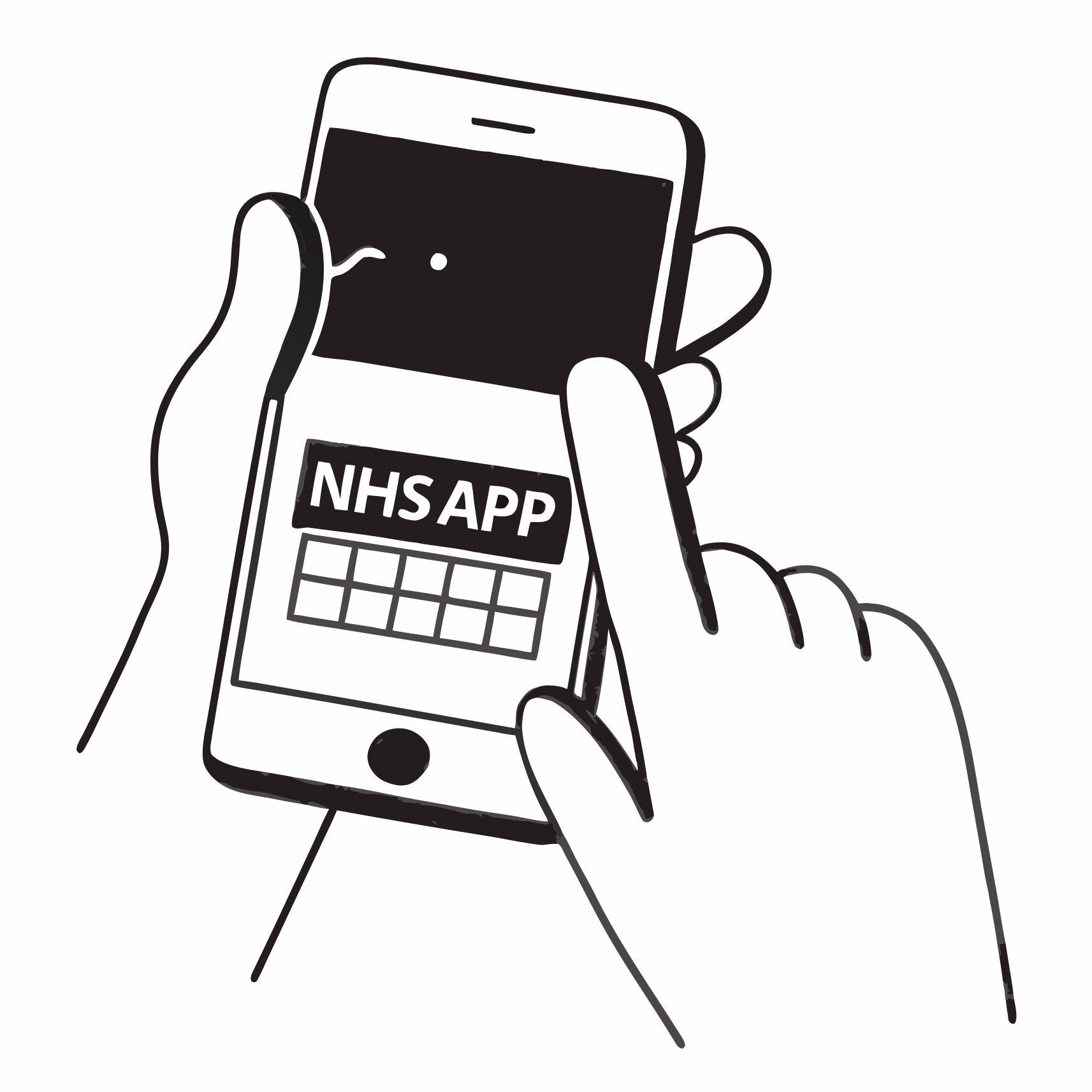
The National Health Service (NHS) in the UK is undergoing a profound transformation, one that is being described as a technological revolution. With the launch of the NHS 10-year plan, the focus is shifting towards digitization, artificial intelligence, and centralized health information. While these changes promise to streamline care and improve outcomes, there is a critical group whose needs and voices must not be overlooked: unpaid carers.

Unpaid carers which I feel are often family members or close friends often play a vital role in supporting those with long-term health conditions, including mental illness and cancer. Their contributions are immense, yet they are frequently left on the sidelines when it comes to digital innovation in healthcare. This article explores why unpaid carers must be central to the NHS’s digital future, the challenges they face, and the steps needed to ensure they are empowered, included, and supported.

Understanding the Role of Unpaid Carers
The Backbone of Community Care

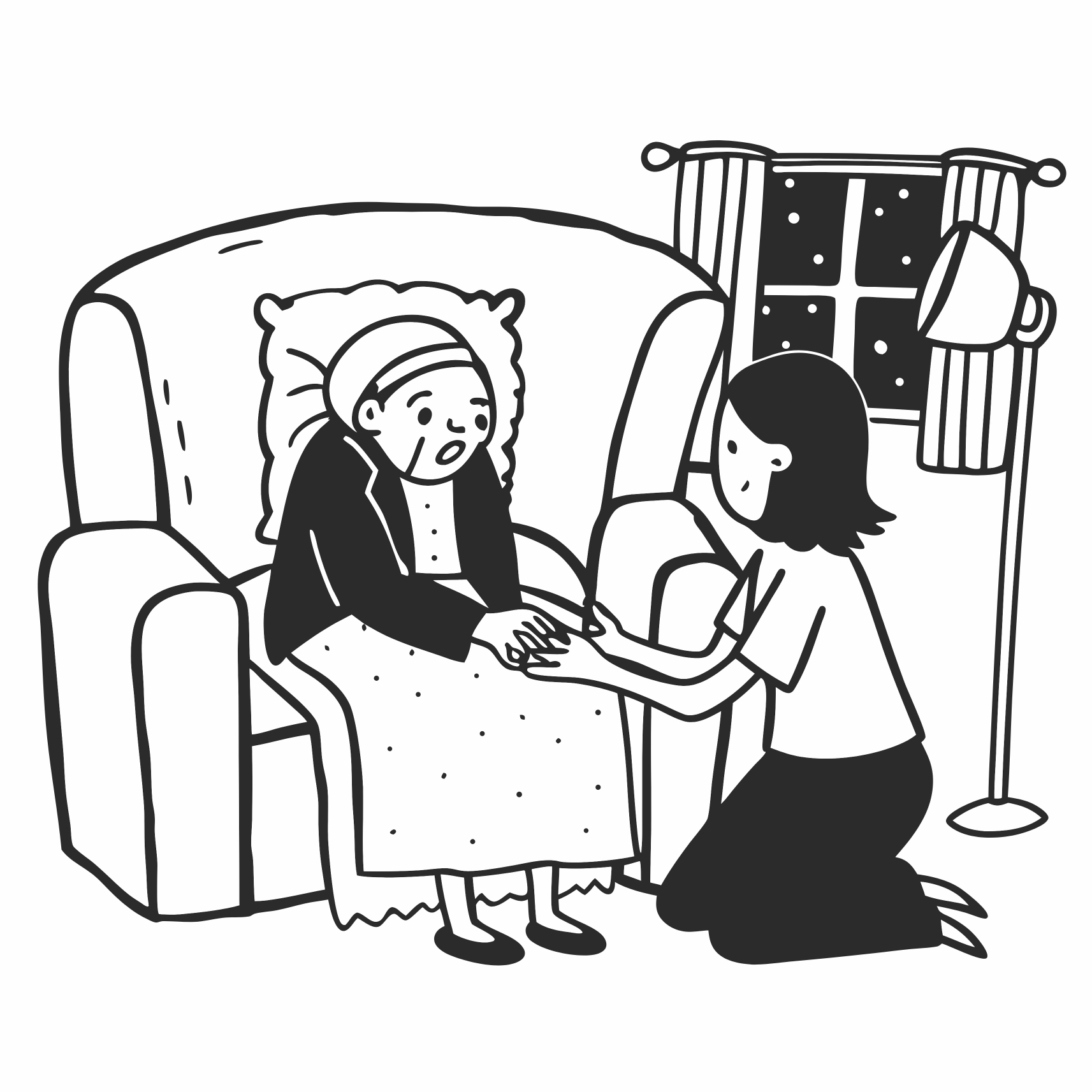
Unpaid carers are the unsung heroes of the healthcare system. They manage medications, coordinate appointments, provide emotional support, and often handle emergencies. Their work extends far beyond what is visible to the public or even to healthcare professionals. When patients leave hospitals or clinics, it is usually unpaid carers who take on the responsibility of ongoing care at home.

The Double Burden

Caring for someone with long-term illness can be demanding, both physically and emotionally. Many carers juggle multiple roles, often putting their own needs last. The demands of caring can make it difficult to keep up with new technologies or to seek out digital tools that could make their role easier. This invisibility and self-sacrifice can lead to carers being left behind as the NHS moves forward with its digital agenda.

The NHS 10-Year Plan and the Digital Revolution

What’s Changing in the NHS?

The NHS 10-year plan marks a significant shift towards digital healthcare. Key elements include:

  • Expansion of the NHS App: The NHS app is being developed to allow for easier booking of appointments, prescription management, and access to centralized health information.
  • Integration of Artificial Intelligence: AI will be used to process the growing volume of health data, supporting healthcare workers in making faster, smarter decisions.
  • Digital Health Records: Patient records will be digitized and made accessible across services, ensuring continuity of care and reducing the need for patients and carers to repeat their stories to every professional.

The Promise of Technology
Digitization offers many potential benefits for carers. With the right support, technology can:

  • Reduce waiting times and streamline appointment bookings.
  • Provide real-time access to health information and test results.
  • Eliminate the need to repeatedly explain a patient’s history to different professionals.
  • Help carers stay organized and informed, improving the quality of care they provide.

The Risks of Exclusion

Barriers to Digital Inclusion

Despite the promise of technology, there are significant barriers that can prevent unpaid carers from benefiting:

  • Digital Literacy: Not all carers are comfortable with technology, and some may lack the skills or confidence to use digital tools effectively.
  • Access to Devices: Smartphones and other devices capable of running advanced health apps can be expensive, putting them out of reach for many carers who may already be financially stretched.
  • Design Oversights: Many digital health tools are not designed with carers in mind, focusing instead on patients or healthcare professionals.
  • Time Constraints: The demands of caring leave little time for carers to research or learn about new digital resources.

The Danger of Being Left Behind

If unpaid carers are not included in the digital transformation, there is a real risk that they will be excluded from important aspects of care planning and decision-making. This could lead to poorer outcomes for both carers and those they support, and ultimately place greater strain on the NHS as a whole.


Making Digital Healthcare Work for Carers

The Need for Training and Support

To ensure carers can benefit from digital innovations, targeted training and support are essential. This could include:

  • Workshops and Training Sessions: Carer centers and NHS trusts can offer training on how to use digital tools, such as the NHS app.
  • Recovery Colleges: In the mental health sector, recovery colleges can help upskill carers in using technology to support their loved ones.
  • Accessible Design: Digital tools should be designed with carers in mind, ensuring they are intuitive and easy to use.

Inclusion in Care Records and Decision-Making

Carers must be recognized and included in digital care records, with appropriate safeguards for confidentiality. This would allow them to:

  • Be easily identified and referred to support services.
  • Access relevant health information to better support the person they care for.
  • Participate in care planning and decision-making processes.

Co-Designing Digital Tools

Carers should have a say in the design and rollout of digital health tools. Their lived experience provides invaluable insights into what works and what doesn’t. Involving carers from the outset can ensure that digital innovations truly meet their needs.

Practical Steps for Carers

Engaging with the NHS App

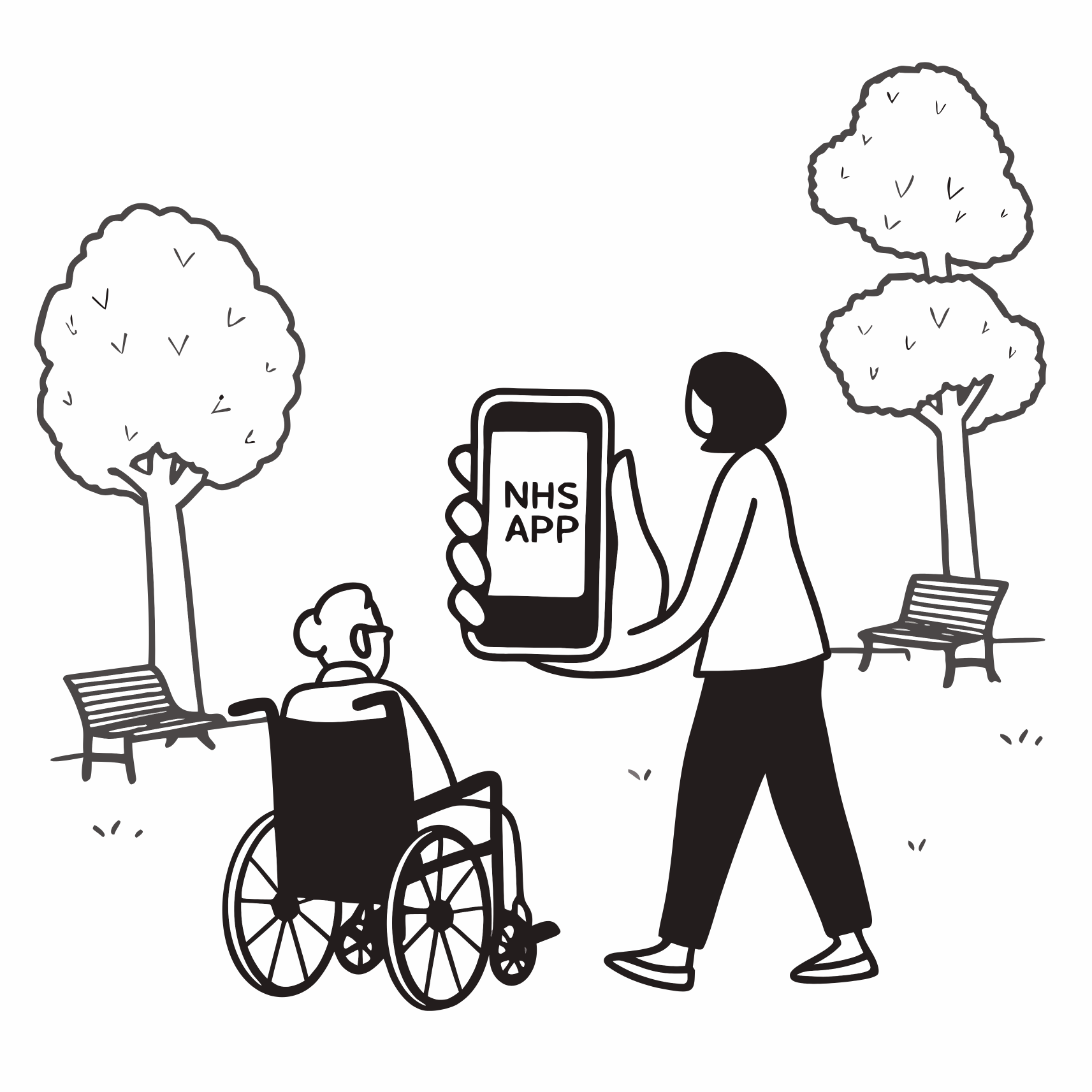
Carers should be encouraged to explore the NHS app and see how it can support them in their role. This might include:

  • Booking appointments for the person they care for.
  • Managing prescriptions and medication reminders.
  • Accessing up-to-date health information and test results.

Seeking Support and Sharing Feedback

Carers should not hesitate to ask their GP, pharmacist, or local carer organizations about digital options and support. Providing feedback on what works and what doesn’t is crucial for improving digital services.

Building a Community of Support

Carer groups and forums can play a vital role in sharing experiences, tips, and support related to digital healthcare. By working together, carers can help each other navigate the digital landscape and advocate for their needs.

The NHS’s Responsibility: Including Carers in the Digital Future
Recognizing Carers as Partners, Not Visitors

Unpaid carers are not just visitors in the healthcare system as they are integral to its functioning. Their inclusion in the digital revolution is not optional; it is essential for the sustainability of the NHS.

Reducing Pressure on the System

By supporting carers with digital tools and resources, the NHS can help them provide better care, reducing the pressure on hospitals and social care services. Excluding carers would only shift the burden back onto the NHS, undermining the goals of the 10-year plan.

Building Digital Solutions with People at the Center

Technology alone cannot solve the challenges of healthcare. Digital solutions must be built with the people who use them patients, carers, and professionals at the center. This means ongoing dialogue, co-design, and a commitment to accessibility and inclusion.

Looking Ahead: Embracing Change Together
The Constant of Change

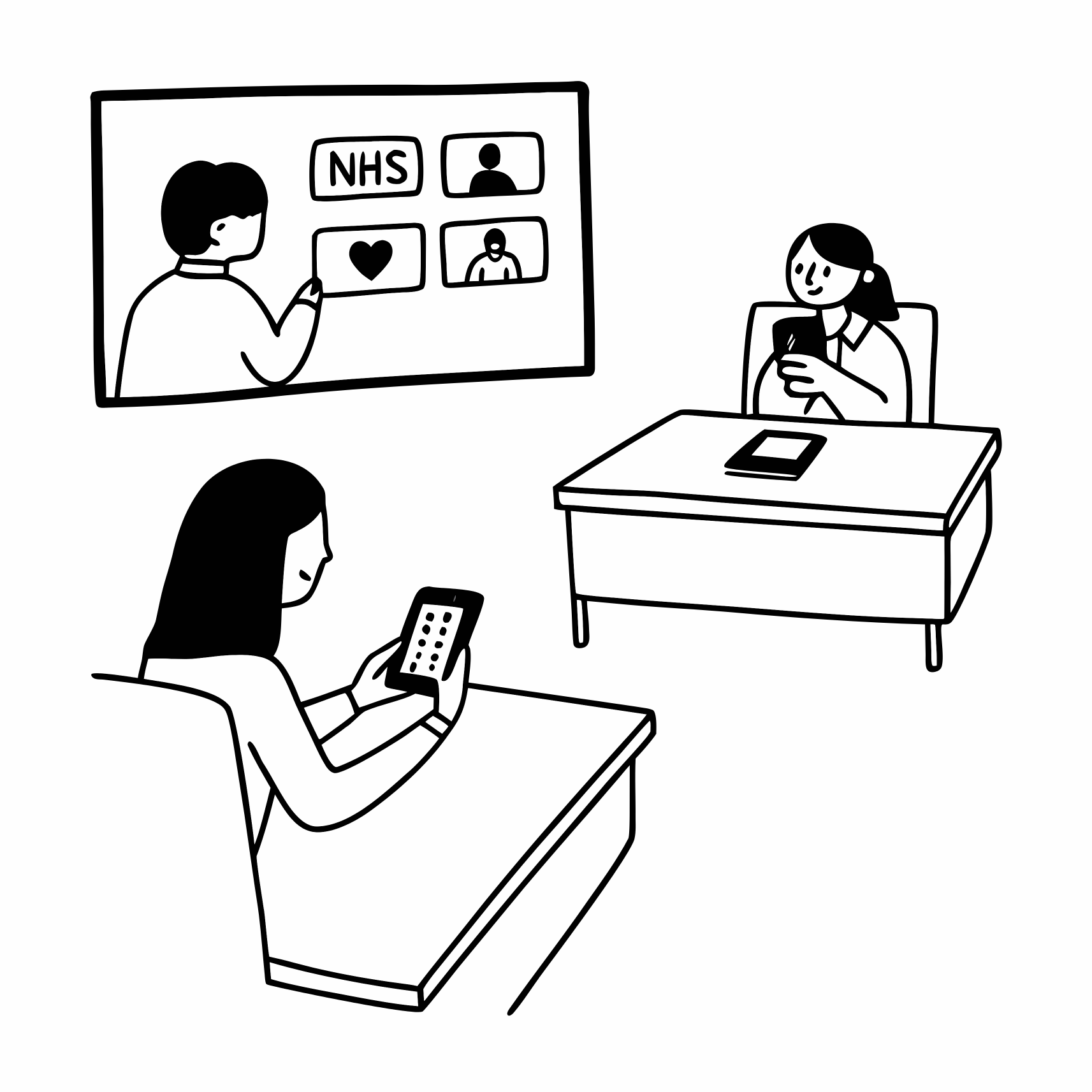
Technology is always evolving, bringing both challenges and opportunities. For carers, staying informed and engaged with digital developments is key to ensuring they are not left behind.

Shaping the Future

Carers have a unique opportunity to shape the future of healthcare. By participating in the digital revolution, sharing their experiences, and advocating for their needs, they can help create a system that works for everyone.

A Call to Action

Whether you are a carer, a healthcare professional, or someone interested in the future of the NHS, now is the time to act. Embrace digital tools, seek out training and support, and make your voice heard. Together, we can ensure that the NHS’s digital future is inclusive, effective, and centered on the needs of those who care.

Conclusion

The NHS’s digital revolution holds great promise, but its success depends on the inclusion of unpaid carers. By recognizing their vital role, addressing barriers to digital access, and involving them in the design and implementation of new tools, we can build a healthcare system that is truly fit for the future. Unpaid carers are not just supporting the system they are shaping it. Their voices, experiences, and needs must be at the heart of the NHS’s digital journey.

National Triangle of Care Community meeting – March 2025

By Triangle of Care community chair Matthew McKenzie FRSA BEM

For the month of March, unpaid carers, NHS professionals, and key stakeholders came together for another Triangle of Care National Community Meeting, which is a powerful space of collaboration, reflection, and shared purpose. Chaired by Matthew, the meeting spotlighted significant developments in carer engagement, mental health service standards, and equity frameworks across the NHS.

Continue reading →

National Triangle of Care community meeting – January 2025

Welcome back to a brief update of the National Triangle of Care Commnity Group. A meeting organised by myself as a carer of lived experience to give a chance for mental health carers to find out developments on Triangle of Care. The online group is attended by unpaid mental health carers, Carers Trust triangle of Care leads and NHS carer representatives and mental health staff.

Agenda of Meeting

The meeting focused on discussing the Triangle of Care program, gathering feedback from carers, and addressing challenges in mental health care. Attendees shared experiences and insights on carer involvement, communication issues, and the need for improved support systems. Key topics included progress updates on the Triangle of Care implementation, the importance of carer perspectives in healthcare decision-making, and strategies to enhance carer engagement and representation across diverse groups.


Continue reading →

Empowering Caregivers: Engaging with Integrated Care Systems

Another blog post by carer activist Matthew Mckenzie on how caregivers can engage with Integrated Care Systems to ensure their voices are heard and needs are met. A way to discover the power of feedback in improving local Health Services.

To watch the video version of my blog, click below

Integrated Care Systems (ICS) have been shaping the landscape of healthcare in the UK for several years now. These ICSs are designed to ensure that health services meet the unique needs of local communities, ICSs are evolving frameworks within the National Health Service (NHS). They aim to promote a more collaborative approach to healthcare by engaging with everyone involved in the health service delivery—including professionals, patients, and carers….yes, thats right! Unpaid carers, but how can unpaid carers get their voice heard?

Well if you are caring for someone unpaid with a long term illness, then understanding how these systems work is crucial for anyone reliant on or working within the NHS. This article delves into what ICSs are, their importance, and how carers can make their voices heard within these systems.

What is an Integrated Care System?

As noted in my video. An Integrated Care System (ICS) is essentially a model used within the UK’s NHS to better structure how health services are commissioned and provided. Before ICSs were implemented, health services were commissioned in a somewhat isolated manner, which often didn’t fully account for the comprehensive needs of the community. There were other reasons for the change to ICS, but that would be for another blog post.

The Need for Engagement

At the heart of an ICS is the concept of engagement. For an ICS to be effective, it must listen to the very people who use and provide the health services. This involves unpaid or informal carers, patients, and other healthcare providers all collaborating to ensure that the healthcare services are as effective and efficient as possible

The Role of Commissioning

Commissioning still plays a central role within ICSs. Commissioners work to ensure that the right health services are provided, but their decisions must be informed by feedback from carers as well. This is where the role of carers becomes critical. By participating in the engagement process, carers can help shape the nature and delivery of healthcare services to better meet their needs as well as those of the patients. Carers should have a seat at the table.

Local Healthwatch

One of the most effective ways to engage with an ICS is through your local Healthwatch. Healthwatch organizations are pivotal stakeholders within ICSs. They gather insights from patients, carers, and the general public to inform health service delivery.

  • Find Your Local Healthwatch: Simply type “Healthwatch” and your local area (e.g., Healthwatch Kent, Healthwatch Lambeth) into a search engine. This will provide you with details on meetings, agendas, and how to participate.
  • Attend Meetings: When possible, attend local Healthwatch meetings to stay informed and voice your concerns.
  • Provide Feedback: Whether through surveys, forums, or direct communication, your feedback is invaluable.

Speaking Up

Even if you can’t make it to meetings, there are other ways to ensure your carer voice is heard. It could be as simple as sending an email or filling out a survey provided by your local Healthwatch.

  • Importance of Feedback: Your insights are gold in terms of showing what works and what doesn’t within the current healthcare framework. Sharing your story—whether it’s good, bad, or ugly—can spotlight gaps and prompt necessary changes.

Advocating for Transparency

As mentioned in my video, one crucial area carers should focus on is advocating for transparency in the ICS decision-making process. Are carers and caregivers’ experiences included when tailoring health services?

  • Be Specific: When you provide feedback or attend meetings, be specific about what issues need addressing. Whether it’s concerning mental health services or care for chronic conditions, specificity helps stakeholders understand and prioritize your needs.
  • Persistent Engagement: Continuously engage with the system. Don’t just provide feedback once and assume your role is done. Keep track of the outcomes and ask for updates.

Building Alliances

Another vital strategy for making an impact in an ICS is building alliances. Networking with other carers, healthcare providers, and advocacy groups can amplify your voice.

Learn From Others

Engage with other carers and learn from their experiences. Information sharing can be incredibly powerful.

  • Caregiver Forums: Joining caregiver forums can be a great way to share information and strategies. These platforms often have tips on how to engage effectively with healthcare providers.
  • Collaborative Effort: Remember, you don’t have to do it all alone. Partnering with others in similar situations can be a massive force for change.

Continuous Learning

Attending meetings and reading through reports can seem daunting, but they offer a wealth of information. One thing noted about ICSs is the amount of reports. Those reports should be held to account regarding jargon, although being relistic, there is no quick escape from Jargon.

  • Stay Informed: Regularly check for any updates or meetings concerning your ICS.
  • Form Networks: Building a network of support can be incredibly beneficial. It not only alleviates the feeling of isolation but also helps in sharing the workload of participation.

The Importance of Carer Input

ICSs are designed to be collaborative, ensuring that health services are well-rounded and holistic. However, this is only possible if carers, who are often the hidden backbone of healthcare provision, speak up and engage.

Carers As a Link

Carers are the crucial link between the healthcare system and the person being cared for. Without their input, ICSs may second guess the needs of the community, leading to services that do not fully meet those needs.

Avoiding Isolation

One of the worst outcomes for any carer is isolation. Engaging with ICSs not only helps improve healthcare services but also connects carers with a supportive network of individuals who hopefully can understand their struggles.

The Bigger Picture

Beyond the immediate benefits, carer input helps create a more responsive and effective healthcare system. This leads to better outcomes for everyone involved, from the patients to the healthcare providers. Caring for someone should not always remain an isolating experience. As a carer use your experiences to ask for better support from the healthcare system.

In Summary

Integrated Care Systems represent a significant step towards more inclusive and comprehensive healthcare in the UK. They aim to mesh the various elements of health service provision into a coherent whole that genuinely meets the needs of the community. Carers have an indispensable role in making this vision a reality.

By engaging with local Healthwatch, providing persistent and specific feedback, advocating for transparency, building alliances, and staying continuously informed, carers can significantly influence the effectiveness of these healthcare systems. Remember, as a carer, your insights are invaluable.

So, don’t be silent. Speak up, engage, and help improve local health services today. Together, we can achieve more adaptive and efficient healthcare systems that better serve everyone.