Tag Archives: carers rights day

Reflections on the West Sussex Community Brain Health & Carers Rights Day Event

By Matthew McKenzie – Carer & Carer Activist

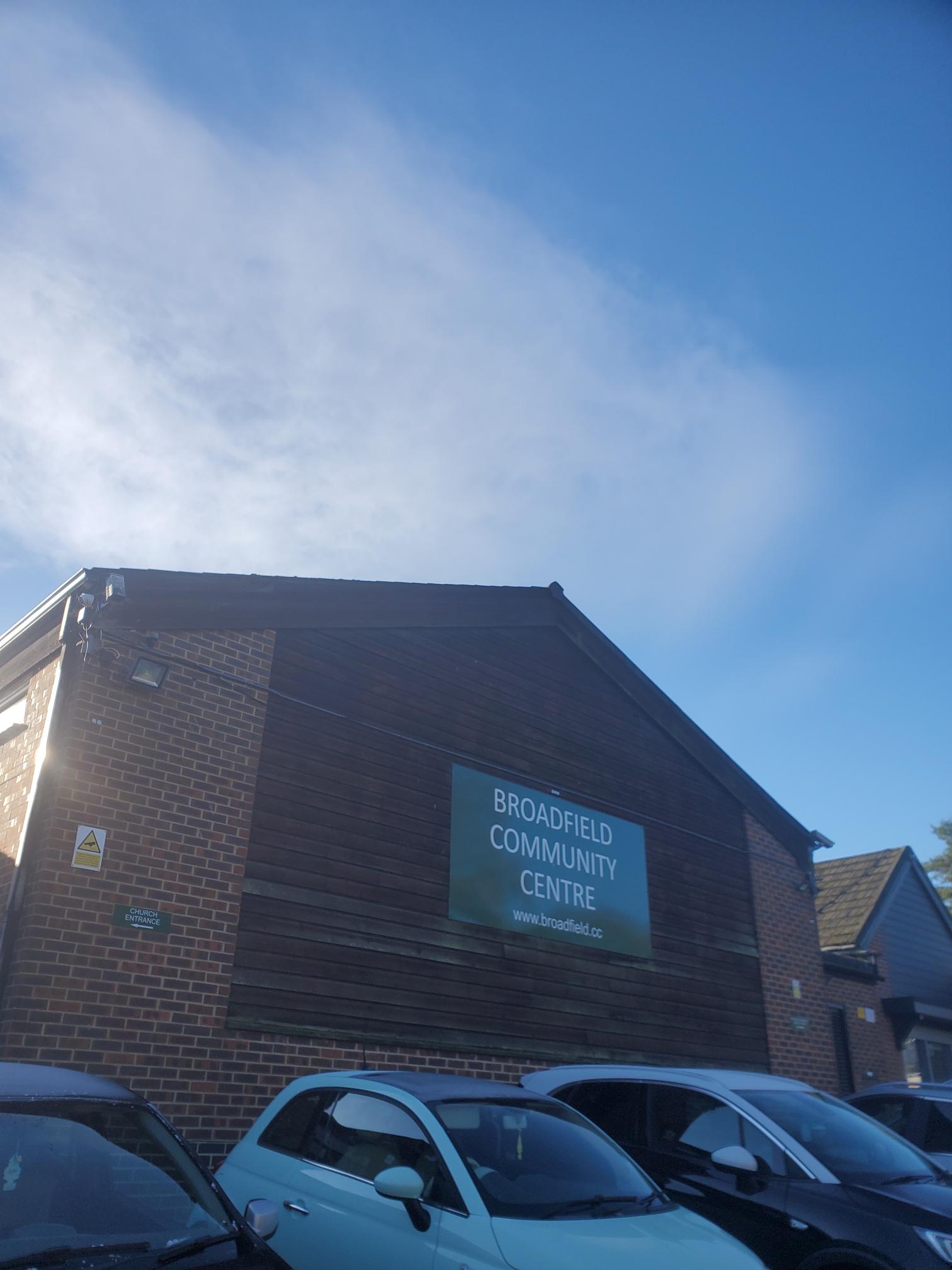
On Thursday 20th November, I had the privilege of attending and speaking at the Memory, Wellbeing and Brain Health event hosted at Broadfield Community Centre in Crawley. Organised by Carers Support West Sussex, the event formed part of Carers Rights Day, bringing together carers, professionals, community teams, and people living with dementia for a day of learning, connection, and support.

Although I couldn’t stay for the full programme due to travelling to another Carers Rights Day engagement later that afternoon, I was grateful to take part in the early sessions and witness the energy and compassion that shaped the whole day.

Continue reading

Carers Rights Day 2025 – “Know Your Rights, Use Your Rights”

By Matthew McKenzie – Volunteer of Carers UK

On this year’s Carers Rights Day 2025 (Thursday 20 November), the theme is “Know your rights, use your rights.”

If you care for someone, whether it’s a partner, parent, child or friend; you may be missing out on vital support simply because you didn’t realise you have rights as a carer.

In my new video I walk you through what those rights actually are, and how you can use them in practice.

In this video you’ll discover:

  • Why recognising yourself as a carer matters
  • Key rights every carer should know (from assessments to flexible working)
  • How to make use of those rights in your daily life
  • Where to go for help, guidance and support

Click the link, take two minutes, and empower yourself today.

Hospital Carers Discharge toolkit Meeting Update September 2025

By Matthew McKenzie – Carer activist

London Carer Organizations Network Update

The meeting focused on introductions and updates from various organizations supporting unpaid carers across London. Matthew McKenzie facilitated the session, introducing participants from different boroughs and organizations, including

  • NHS England
  • Healthwatch (local advisory committee involvement)
  • North Central London Carer Support Project (covering Barnet, Haringey, Camden, Enfield, and Islington)
  • The PSE (supporting South East London local authorities: Bexley, Bromley, Lambeth, Lewisham, Greenwich, and Southwark)
  • Richmond Borough Mind
  • Richmond Carers Centre
  • Kingston Carers Network
  • St George’s, Epsom and St Helier Hospital Group
  • Sutton Carers Centre
  • Carers Hub Lambeth (supporting unpaid carers, with hospital carers leads at King’s College Hospital and Guy’s & St Thomas’ Hospital)
  • Lewisham carers services (Imargo service manager)

Apologies from

Bromley Wells
Bexley Carers Support
Greenwich Carers
Ealing Carers Partnership
Tower Hamlets Carers Centre

NHS England updates including Universal Care Plan Updates

A representative from NHS England highlighted good news about the Hospital Discharge Toolkit, which had been originally developed in London by Debbie Hustings. The toolkit has already been adopted across much of southwest London with strong results. Recently, all NHS regions were asked to contribute work on hospital discharge, focusing particularly on carers’ experiences. When this went up to the Executive Quality Board at the national level, the London toolkit received recognition. The recommendation that came back was that all regions should develop something similar they could adopt London’s version directly or tailor one for their own needs. The representative stressed that this kind of recognition is significant because it helps the toolkit be taken more seriously and provides momentum for further rollout

Continue reading

Empowering Unpaid Carers: Carers Rights Day 2024

Here is another blog for to raise awareness of Carers Rights Day 2024 – Recognising your rights as a carer.

This blog is written by Carers UK volunteer Matthew McKenzie who runs many carer groups and is also a poet and author.

I have also created a video to help raise awareness of Carers Rights day.

Exploring the Importance of Carers Rights Day 2024

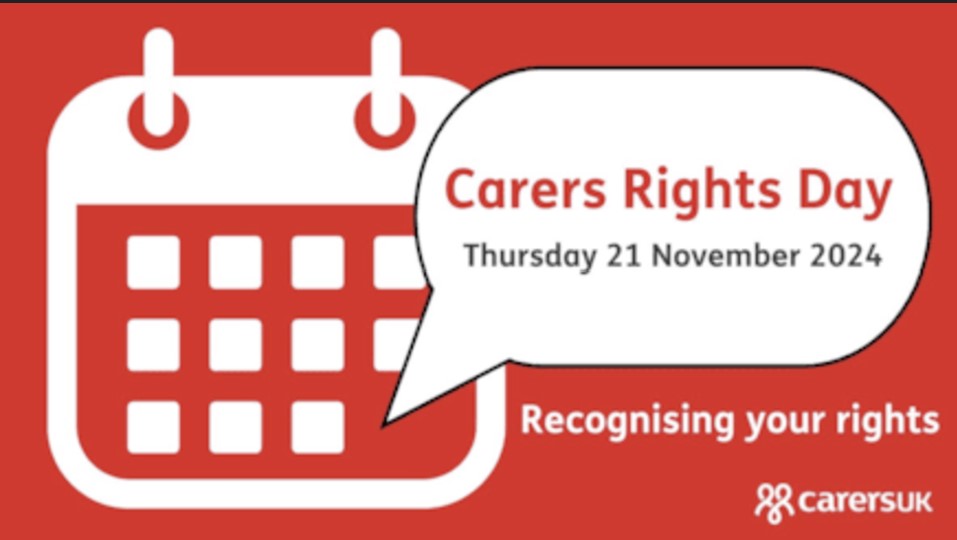
Carers Rights Day 2024, a significant annual event in the UK, is organized by Carers UK, a leading charity dedicated to supporting unpaid carers across the country. This day focuses on raising awareness about the legal rights, support, and resources available to unpaid carers and ensuring they can access the help they need. Traditionally held in late November, this year, Carers Rights Day will occur on Thursday, 21st November, under the theme “Recognizing Your Rights as a Carer”.

The Role of Unpaid Carers in Society

Unpaid carers play an essential role in society by providing invaluable support to family members, friends, or neighbors who cannot manage daily activities due to illness, disability, mental health issues, or old age. Despite their crucial contributions, unpaid carers often face significant challenges, including financial strain, emotional stress, and lack of recognition. Carers Rights Day is vital in shedding light on these challenges and educating both the public and carers about their rights and the available support systems.

Objectives of Carers Rights Day

Raising Awareness

One of the primary objectives of Carers Rights Day is to raise awareness about carers’ rights. This involves highlighting the critical role that unpaid carers play in society and the unique challenges they encounter. Awareness campaigns are designed to educate carers about their legal rights, encompassing financial, practical, and emotional support they are entitled to receive.

Educating Carers and the Public

Carers Rights Day aims to educate not only carers themselves but also the broader public. By informing carers about their entitlements and the support available to them, the day helps empower them to advocate for their rights and the rights of those they care for. The day is also geared towards educating society about the crucial work done by unpaid carers and the need to support them better.

Empowering Unpaid Carers

Empowering unpaid carers is another critical objective of Carers Rights Day. This is achieved by providing vital information on various entitlements, such as benefits, workplace rights, and access to health and social care services. By understanding their entitlements, carers can feel more confident in seeking the support they need and advocating for themselves and those they care for.

Access to Benefits and Support Services

Carers are often unaware of the full range of benefits and support services available to them. On Carers Rights Day, information sessions and workshops are held to educate carers about these resources. This could include details on financial aid, respite care options, and mental health support, all of which are crucial in ensuring carers can continue to provide high-quality care without sacrificing their well-being.

Influencing Policy Change

Carers Rights Day also aims to influence policy changes that will improve the lives of unpaid carers. By encouraging conversations about necessary policy adjustments, the event aims to engage organizations, policymakers, and communities in recognizing and supporting unpaid carers. This advocacy is crucial for driving systemic changes that can lead to better support and recognition for carers nationwide.

Engaging Policy Makers and Organizations

The day provides an opportunity to engage with policymakers and organizations, urging them to consider the unique needs of carers when designing and implementing policies. By involving these stakeholders, Carers Rights Day can foster a more inclusive and supportive environment for unpaid carers, encouraging initiatives that can significantly improve their quality of life.

Activities and Events on Carers Rights Day

Information Sessions and Workshops

Throughout the country, various activities and events will be held to raise awareness about the rights of unpaid carers. These may include information sessions and workshops hosted by local authorities, NHS health organizations, and charities. These sessions aim to educate carers and the public about the support available and how to access it.

Local Authorities and Health Organizations

Local authorities and NHS health organizations play a pivotal role during Carers Rights Day by hosting events that educate carers about their rights and available resources. These organizations can provide insights into local support services, advice on navigating the healthcare system, and information on how carers can claim their entitlements.

Support Clinics and Drop-In Sessions

Support clinics and drop-in sessions are organized to provide carers with the opportunity to ask questions and seek advice from professionals. These sessions offer a personal touch, addressing individual concerns and guiding carers on how to manage their unique situations.

Personalized Support and Advice

Personalized support is essential for carers dealing with specific challenges. Drop-in sessions aim to offer tailored advice, covering various issues such as managing stress, accessing financial support, and understanding workplace rights. These sessions provide a crucial support network, enabling carers to feel less isolated and more confident in their roles.

Campaigns and Advocacy

Carers Rights Day also features numerous campaigns, both online and offline, to amplify the voices of unpaid carers. Advocacy efforts aim to raise public awareness and generate broader support for carers’ rights.

Online and Offline Campaigns

Campaigns conducted both online and offline help spread the message about the importance of supporting unpaid carers. Social media campaigns, public service announcements, and community outreach programs all contribute to raising awareness and encouraging societal support for carers.

Events Hosted by Care Centers and Charities

Care centers and charities often host events to commemorate Carers Rights Day, further raising awareness about the essential role of unpaid carers and the challenges they face. These events can include workshops, information sessions, and community gatherings aimed at providing support and resources to carers.

Collaboration with Carer Centers

Collaboration with care centers ensures that carers are connected to essential services and support networks. Events hosted by these centers typically focus on providing practical advice, emotional support, and opportunities for carers to connect with others in similar situations.

Conclusion

Carers Rights Day 2024 stands as a crucial event dedicated to recognizing, supporting, and empowering unpaid carers. By raising awareness, providing essential information, and advocating for policy changes, Carers Rights Day aims to improve the lives of carers across the UK. Whether through information sessions, support clinics, or advocacy campaigns, the day offers various ways for carers to access the resources and support they need to continue their vital work. As a society, understanding the importance of unpaid carers and the challenges they face is paramount in ensuring they receive the recognition and support they deserve.

Carers Rights Day 2023 – The importance of learning your rights

Welcome to a carer awareness blog from carer activist, author and poet Matthew McKenzie. The writing of this blog is on the 23rd of November, which means it is Carers Rights day 2023. This day is so important to carers because it is a chance for them to understand their rights if caring for someone unpaid.

Carer rights are important for many reasons, but if you are a carer providing care for someone going through mental or physical health needs. Why is it important to learn about your carer rights?

  • Learning about your rights make the journey easier

The theme of Carers rights day 2023 is Your rights: today, tomorrow and in the future

The title says it all. The point of learning about your rights is to learn what can make your journey easier as a carer. Lets be honest, caring is a valuble thing, a noble duty that one can pick up and be there for others. The sad thing is this journey will be a path where there are hills and mountains to climb.

This journey will have the carer coming to splits in the road, where if they take the wrong path or wrong decision it will affect them for the rest of their lives. So learning the signs, notices and signals on this journey can make the travel much easier.

These signs could be

Being identified as a carer
Being valued for what you do
Being listened to and having your concerns recorded
Being offered information and advice about your caring role
Access to a carers assessment
Access to an advocate or access to a support group.

Here is a carer rights day awareness video that I have made. You can view below.

One of the best things a carer can experience is to be identified. When I mean identified, it would be identified from health and social care services. It means that if you get into trouble, then extra support kicks in earlier. Still, as a carer do not expect this to happen all the time. Carers have to know their rights and step forward to say to services “I am a carer”.

It is a shame that carers have to do this. It is a shame that sometimes services need to be reminded of their duty identify carers. So this is one of the many reasons to have a carers rights day.

  • Learning about your rights improves services

Everyone learns from each others journeys. It is the way of the world. If a carer has the most difficult path to travel then those who provide services will want to make improvements. Most people do not want carers to face challenges that are so difficult that it would put them off providing unpaid care. The way things stand now is that health and social care services will become more reliant on those caring in the community. The population is getting older and we are all living longer. So society now needs to understand the importance of providing unpaid care, because we now cannot expect services to always be there.

This means carers need to know their rights so they can feedback to services on what works for them. If carers sit there and cope then service providers will second guess what they think will work. This is unacceptable and this means little in co-production and design of health services.

  • Learning about your rights gives you power

Knowledge is a powerful thing. Information is not enough and we must put information into practice. This information can be powerful if applied at the correct time. It is no good being told your rights and not learning from about those rights.

Knowing where you stand can give you confidence in dealing with services. You know what to expect and if you do not get that quality service then you can remind services of your rights.

  • Final word

I do not expect Carers Rights day to magically solve the situations carers experience from their journeys. Health and social care services can forget to support carers. Such services might focus all their efforts on the patient and forget the carer. We can also note that people might not even notice they are providing care and will all to often ignore their rights.

This is why Carers Rights day occurs every year. It is an important day to remind ourselves that we all need to be aware of our rights because it make the journey easier for us all.

Happy Carers Rights day 2023

Carers Rights day 2020

Matthew Mckenzie on Carers Rights

Welcome to my blog site that focuses on mental health carers. What I mean by that is the site raises awareness of carers who are caring for someone suffering mental ill health.

For Carers Rights day 2020. I decided to do a blog post to keep that awareness going. The first website I visited was CarersUK website on Carers Rights day. What I found was really interesting.

Did you know that research released for Carers Rights Day 2020 reveals unpaid carers save UK state £530 million every day of the pandemic?

If you want to see the video version of this blog post then see the video below.

Carers rights day video by Matthew Mckenzie

Although this blog post is a little late for carers rights day, I felt that the event was just too important to miss and I wanted to have my say for carers rights day 2020.

If you already know me, then you know that I am a strong advocator for carers rights.

If you do not know me, then let me introduce myself. My name is Matthew Mckenzie from the borough of Lewisham and I have a blogsite, video channel, carers newsletter, podcasts and now event a book.

I also have a strong social media presence where I advertise my carer’s groups, which has been going many years now. The things that have inspired me to do all the above has been down to caring for my mother who suffered mental illness close to 18 years, but during that time I have worked hard to engage with carers and mental health systems.

Back to carer’s rights day 2020. It is one of the special events that focuses on carers doing the hard work of caring for a loved one either in the family, as a friend or neighbour.

The theme for carers rights day is “Know your rights“. On carer’s rights day, I did a talk at my local carers centre regarding carer’s rights.

Below is a list carers should take note of when pursuing their carer’s rights. If you want to know more in-depth details about Carers Rights, then please watch my video.

Ability to access and improve care for the ‘cared for’ in day-to-day life
Domestic, family, and personal relationships
Carer recognition/support in work, education, training or recreation
Personal dignity (including treatment of the carer with respect)
Physical and mental health & emotional well-being
Protection from abuse & neglect
Social & economic well-being
Suitability of living accommodation
The individual’s contribution to society.

Carers Rights Day 2019 – Your Rights as an unpaid Carer.

Giving helpWelcome again to another blog for unpaid carers, like myself. My name is Matthew Mckenzie, an unpaid mental health carer in South London. As you are aware at the time of this blog post. It is Carers Rights Day 2019, which gives a chance for unpaid carers to know their rights and helps many organisations promote the cause of unpaid carers.

Each year Carers UK holds Carers Rights Day to bring organisations across the UK together to help carers in their local community know their rights.

However I want to place my thoughts on Carers rights in the UK and why it is important Carers know their rights. This blog post is aimed at unpaid carers who are under a constant battle to be recognised.
Facebook I'm supporting CRD

Your right to be heard

First and foremost, if you are new to the caring world, the very first thing you should be aware of is your voice. If you have to take the ‘cared for’ to hospital to the GP or are chasing up on the person you care for’s health, as a carer you have a right to be heard. Unfortunately it is not as easy as it sounds. Many unpaid carers struggle to engage with dragon GP receptionists (not all of them are bad) or are put off by health professionals too busy to hear unpaid carers.

Even if you as a carer are not querying about your ‘loved one’, it might be due to speaking out on what you are going through as a carer. If the carer’s voice is not heard, then you cannot begin the journey to find out more about your rights. Do not be silent as a carer, it is your right to speak out and speak up. Use your voice and request engagement, empowerment and involvement.

Embed from Getty Images

Your right to view information

Not as easy as it seems. You as a carer should exercise your right to view information, whether the information is about the ‘cared for’ or about yourself. There will be times confidentiality will block you from viewing information, but that should not always be used as an excuse. I always go by the rule in ‘The more people involved in someone’s care, the better the outcomes’. If you as a carer feel you are being pushed out of you role, then the risk is the ‘cared for’ might not get the support they need. What is worse is unpaid carers feel they are struggling in their relationship to the ‘cared for’, because the health/social services have a strangle hold on the ‘cared for’s information.

Another reason for carers to query about information is to carry out their role as a carer, if you do not know what you are caring for, e.g. information about the ‘cared for’s symptoms, then how can you cope as their carer? Yes, it is some important that service users have their own empowerment, but to think they do not need any support on their recovery journey could be naive and a risk to the cared for’s health.

Embed from Getty Images

As a carer pluck up the courage to ask for information, if it is explained why you cannot have it, then the services should give justifiable cause, they cannot request that they should not talk to you or ignore you.

Your right to be involved as a carer

This is different in being involved in services, I will come to explain that in a moment. As a carer, there is a risk that health and social care settings can hold meetings or make decisions that can impact on your caring role. As a carer there is a risk that you are pushed out of your role because someone has not taken the time to ask for your input. You as a carer have the right to be involved in the ‘cared for’s health.

If someone you love falls unwell, you have a right to ask what support they will get and have your views recorded. You as a carer do not want for someone to become unwell and have no plan in place for them or yourself. No one has the right to not involve you unless there are specific reasons why you should not be involved, which can be rare. There will always be old and outdated attitudes as why unpaid carers or families should not be involved, but the reasons are usually because relationships have deteriorated, especially in a mental health setting. These issues can and should be resolved.

Embed from Getty Images

If an unpaid carer feels left out then they make walk away or give up caring, which can put the ‘cared for’ health at greater risk in future.

Your right to be Identified

What is worse than failing to being involved in someone’s care? It is not being identified. As mentioned before at the start of this blog post, thousands of unpaid carers are new to the caring role. It is up the health and social care to identify them. Even numbers alone are not always an accurate reflection of the carer’s experience as those who make decisions only see the numbers, but not view the experience of the carers role.

As a carer you will need to push to be identified at the GP via the surgery’s carers register, on hospital patient systems and at social care settings. If you are not identified as a carer then you will miss out on your rights and support under the Care Act 2014. Those who identify carers will speak to them in a whole different manner on how they will speak to the patient.

Embed from Getty Images

If there was a big problem within the NHS, it is identifying unpaid carers, both young and old. Perhaps it could be a culture problem, or lack of carer leads and carer champions, I do not know as yet, but as we are all living longer it means the community has an even greater part to play in order to take the strain off the NHS, failure to do this will cripple the health service.

Your right to a carers assessment

As a carer, once you are identified then it should lead to a carer’s assessment. A carer’s assessment should not be used to scrutinize your role as a carer, but find out ways where you need support. It should not be an excuse to say your caring role is too hard and that you need to get on with your life, do not be put off. Demand that carer’s assessment because it can help plan for emergencies in not just for the patient, but especially for yourself. Take note there are many different kind of carer’s assessment and it does not help that some carer’s assessments are not ‘Care Act 2014’ compliant. What is worse is that carer’s assessment can be used as a tick box exercise where the assessor will quickly mark off carer queries and you won’t hear from them again.

Embed from Getty Images

Many unpaid carers refuse the carer’s assessment because it does not lead to anything and is not relationship forming. Still, it is important you get an assessment so information is recorded about your circumstances.

Your right to employment as a carer

Carers also have the right to take unpaid time off work for dependents in an emergency. Returning to work after being a carer may have an impact on any entitlements and benefits you receive as a carer, but because you are caring for someone does not mean that work should force you to put the ‘cared for’s health at risk. It must take a very hard employer to stop an unpaid carer from rushing to the hospital if the ‘cared for’s health declines, but this does not mean it doesn’t happen.

Your right to complain.

No one likes to be complained about, sometime’s carers do not want to make a fuss at all, it perhaps is in their nature as the role of the carer is to put the ‘cared for’s health first and themselves last. Still, mistakes and misunderstandings do happen. As a carer it is your right to complain. It is also important to complain effectively, there are ways of complain and there are ways to do all that wrong.

There are reasons where a family or carer become angry and aggressive if they feel action is not being taken regarding someone’s health, probably because the carer has been let down time and time again. Eventually the carer may risk developing mental ill health if they are battling a system that is designed to grind them down. As a carer check on Carer’s UK or Carers Trust website or ask if there is a complaint form at your health or social service in regards to an issue.

Embed from Getty Images

It is your right to complain, but please note some complaints can take ages to resolve.

Your right to some financial support.

Unpaid carers are usually caring for free, some people might even think that you should care for free anyway, but this view is incorrect, we all want to love who we hold close at no cost, but when someone’s health declines then we need that financial support to help us through a situation. If one person is caring for someone who is critically unwell, they cannot possibly work at the same time. If there is little or no financial support then expect the unpaid carer and cared for to be looking for their local food bank.

Your right to counselling and therapy.

There is this old view that unpaid carers have no idea on mental ill health, but this view is outdated as unpaid carers experience stress, depression, anxiety and god knows what else. Of course it will not be at the high level’s experienced of the ‘cared for’, but if ignored then you can bet the unpaid carer will be the next patient. Due to poor health pathways (e.g. access to health services), unpaid carers will have little to no support on accessing counselling or therapy.

If you as a carer find yourself going under strain, request support quickly. It is not worth risking your own wellbeing because you are doing what comes naturally in a civilized community ‘caring for one another’.

Your right to network with other carers.

Some people usually ask why I have set up and run 4 carer engagement forums a month voluntary. There are hundreds of reasons I can give, but the number one reason is carers should not be isolated. Unpaid carers need to know what is being developed for them and that they are not alone in their plight to be recognised or hold to account health and social services. Yes, I know NHS Trusts have governors who hold them to account, but then who holds the governors to account? Yes, you have guessed it, that would be the public, patients and unpaid carers. If carers in the community do not come together then it is harder to network and find out what an earth is happening to families and carers, it is harder to find out who is making the decisions and why.

Embed from Getty Images

It is your right as a carer to ask about carer support, engagement and strategy forums in your area and if one does not exist then push for support to set one up. If they refuse then set one up anyway, even if it is at your local pub, which will eventually lead to a strong army of unpaid carers.

  • Weak brought together makes strong!

Your right to hear about your carers rights.

You might think Carers Rights Day would cover all of this, but you would be surprised. The whole point of Carers Rights Day is because there is a lack of awareness of carers rights. Trust me on this, time and time again it is harder to find at a local level your rights as a carer. Why?

Because people do not want the risk of unpaid carers exercising their rights and complaining, but it may not always lead to carers complaining, it might lead to unpaid carers becoming empowered in their role. As a carer you should ask what are your rights? Push for courses at a recovery college about carers rights. Do not be put off and referred to the local carer’s centre, because health and social care should also seek to empower unpaid carers as well.

Your right to be involved in services at ALL levels.

Being involved in health and social care is completely different to being involved in your ‘cared for’s health. I am involved at my local mental health trust at a very high level. Come to think of it, I am involved in NHS England, The Royal College of Nursing, CCG’s and many other mental health trusts. As a carer I use my experience to train nurses, engage with other carers, engage with health commissioner and even visit mental health wards.

Involvement is a tricky issue because unpaid carers do not really have the time, in fact most unpaid carers would like to put energy into planning their future, they are well aware that they cannot be an unpaid carer forever, which is why Carers Trust is tripping over themselves to run a project on getting unpaid carers back into employment and skills support.

Still in the meantime unpaid carers should be involved in health service design, promotion and even delivery via Co-production, which in itself is a whole complex ball game. Unpaid carers should be encouraged to sign up to an NHS trust involvement registry and peer support should be given. We cannot have an NHS system doing things to and for carers without carer input.

Your right to a health check up.

I should have put this further up the list, do to the time of this blog post I had my check up, but unfortunately not as a carer, it was a health check up every 5 years or so. This could be improved upon because unpaid carers are at risk of developing illness due to their role. There used to be a government initiative for carer check-ups, but due to the austerity drive (which has lasted for years) almost so much has been cut, no matter how commissioners play it, there are lack of GP surgeries, lack of tailored health systems and a lack of health staff.

Embed from Getty Images

As a carer, you should have the right to have a check up on your health. Do not neglect yourself, if your health fails then there is a risk that you cannot care for the person you support.

Your right for care planning for yourself.

There was and probably still is a drive at my local Mental Health trust for emergency care planning. This is because not all unpaid carers are alike. Older aged carers worry they will outlive the ‘cared for’ and wish for someone in plan. Still, carers of all ages want someone in place in case something happen to them. Think of it as some form of insurance. I have taken input from members of one of my carer forums and found through my Triangle of Care contacts a good example of carer planning for the future from Birmingham & Soulhil NHS Trust.

https://www.bsmhft.nhs.uk/service-user-and-carer/carers-families-and-friends/planning-for-the-future-and-emergency-planning/

PDF Pack below.

https://www.bsmhft.nhs.uk/EasySiteWeb/GatewayLink.aspx?alId=72346

Your right for education and skills training.

Unfortunately it is really difficult for unpaid carers to get access to education or training, because they will need this for the future or even now to get some financial support. Not all carers want handouts from the government, unpaid carers want to feel empowered and find work their own way, but without skills or training then it is impossible.

Your right to be referred.

Last but not least, as a carer you should be referred for extra support. BUT NOT constantly referred on and on and on in a never ending circle, I would laugh if such a situation was not so tragic.

Most unpaid carers are are referred to their local carers centre, but due to lack of staff and lack of resources, the carers centre can struggle, so unpaid carers should be referred to other means of support.

Conclusion

I got up around 3 in the morning to right this because I feel strongly unpaid carers have a mountain to climb due to knowing their carer’s rights. The ones I have listed are only a small part of what a carer’s right constitutes. If you are an unpaid carer, please exercise your carer’s rights and let other unpaid carers know their rights.

You deserve it.
Carers Rights Day 2018

smallerBefore you read this blog considered this, if you are an unpaid carer think of all the outcomes that you have experienced so far. Think of all the hardships that you and the person you care for has gone through.
Carers rights day

Every year organisations that deal with unpaid carers and support those using the health services come together and try to raise awareness of unpaid carers. CarersUK promote the awareness day and theme this year is “caring for the future”.

carers-rights-day

Just so you know I will introduce the few terms in this blog. When I talk about an unpaid carer, I am not talking about a care worker.

Continue reading

Carers rights day 2016

carers-rights-day

Welcome to another blog post by Matthew Mckenzie, a carer over in the south of London. Around late November 2016, I did a video to help promote “Carers Rights day”.  I have also been meaning to write up about the video in my blogsite, but never had gotten around to it. I must admit that I have been rather busy, mainly raising awareness of carers.

Continue reading

Carers Rights Day 2015

Hello again and welcome to another blog post from Mental Health Carer Matthew Mckenzie. As of this blog post, today is Carers Rights day 2015. The theme for carers rights day 2015 is “Looking after someone”.

However what is Carers Rights day all about?

Basically a carer is someone who is looking after someone and I mean not a professional paid carer, but those who are unpaid and are not always receiving the support that can be so desperately needed.

Continue reading