By Matthew McKenzie – Carer activist, poet and author
Welcome to a brief update of my ethnic mental health carer group, held monthly.
The meeting began with introductions and technical discussions on connecting to zoom, followed by presentations on research related to mental health care and carer support, particularly focusing on minority communities and paranoia. The group discussed various initiatives including a community intervention study, a carer experience questionnaire, and progress updates on Patient Carer Race Equality Framework reporting across different NHS regions. The conversation ended with discussions on challenges faced by minority carers, including access to mental health services and the need for better support systems, with calls for national collaboration and improved respite services.
Summary
Carer Support Network Expansion Discussion
The meeting began with Matthew introducing the session and addressing technical issues faced by some participants, including a participants video problems, which were resolved. Matthew explained his recent laptop issues and mentioned his involvement with Carers Trust regarding Triangle of Care. The group discussed the expansion of their focus with minority carers and the importance of connecting and networking across the UK. Juliana, a researcher, provided an overview of her work, and participants introduced themselves, sharing their roles and experiences related to mental health care and carer support. The conversation ended with a brief overview of upcoming presentations and discussions.
Here is a brief update of the Triangle of Care Community group for the month of May 2025. The Triangle of Care Community group is a collaborative forum that champions the voices of unpaid carers in mental health services. The group works in partnership with service users, carers, and professionals to embed the principles of the Triangle of Care, promoting shared decision-making, improved communication, and recognition of carers as equal partners in care.
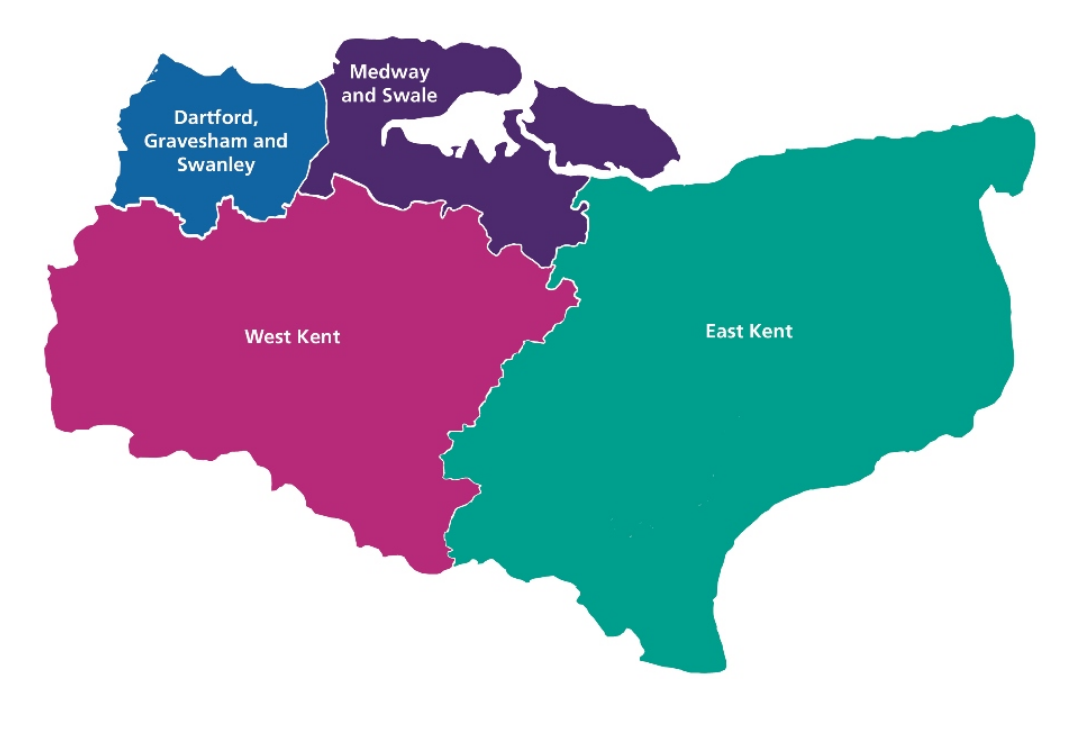
Our most recent meeting brought together carers, NHS professionals, researchers, and advocates from across the UK, including representatives from Kent, Bristol, Lewisham, East Sussex, and Hertfordshire. The atmosphere was one of mutual respect, knowledge-sharing, and a shared drive to improve the experience of care for carers and their loved ones.
The meeting covered updates on Triangle of Care developments, including recent accreditations and ongoing pilots to adapt the model for various healthcare and social settings. Presentations were given on research studies related to mental health care, including pharmacist prescribers’ roles and experiences of underserved older male carers. The group also discussed campaigns for increased research funding in serious mental illnesses and initiatives to support carers, such as Carers Roadshows.
Triangle of Care Expansion Updates
Mary Patel one of the Triangle of Care leads, provided an update on Triangle of Care developments and accreditations. Several healthcare providers have recently gained Star awards. There are ongoing pilots to adapt Triangle of Care for social care settings and to incorporate criteria for better support of racially marginalized carers. Mary announced that the Triangle of Care community group will be formally brought on board with Carers Trust, with Matthew as the inaugural chair for a 2-year term. They are looking to bring on co-chairs to support Matthew in his role.
Triangle of Care Implementation Updates
The group discusses recent achievements in implementing the Triangle of Care model across various healthcare organizations. Gabrielle Richards who leads on carers at South London & Maudsley reported that her trust successfully completed their Star 2 accreditation assessment for community services.
Matthew McKenzie shared a video poem he created about the Triangle of Care as it was shown during the peer review at South London & Maudsley.
Kelvin thanked Gabrielle for her contributions as she prepares to leave her role. Louise from Kent and Medway NHS Trust reported they maintained their second star accreditation and have implemented new processes to ensure carer considerations are included in policy development.
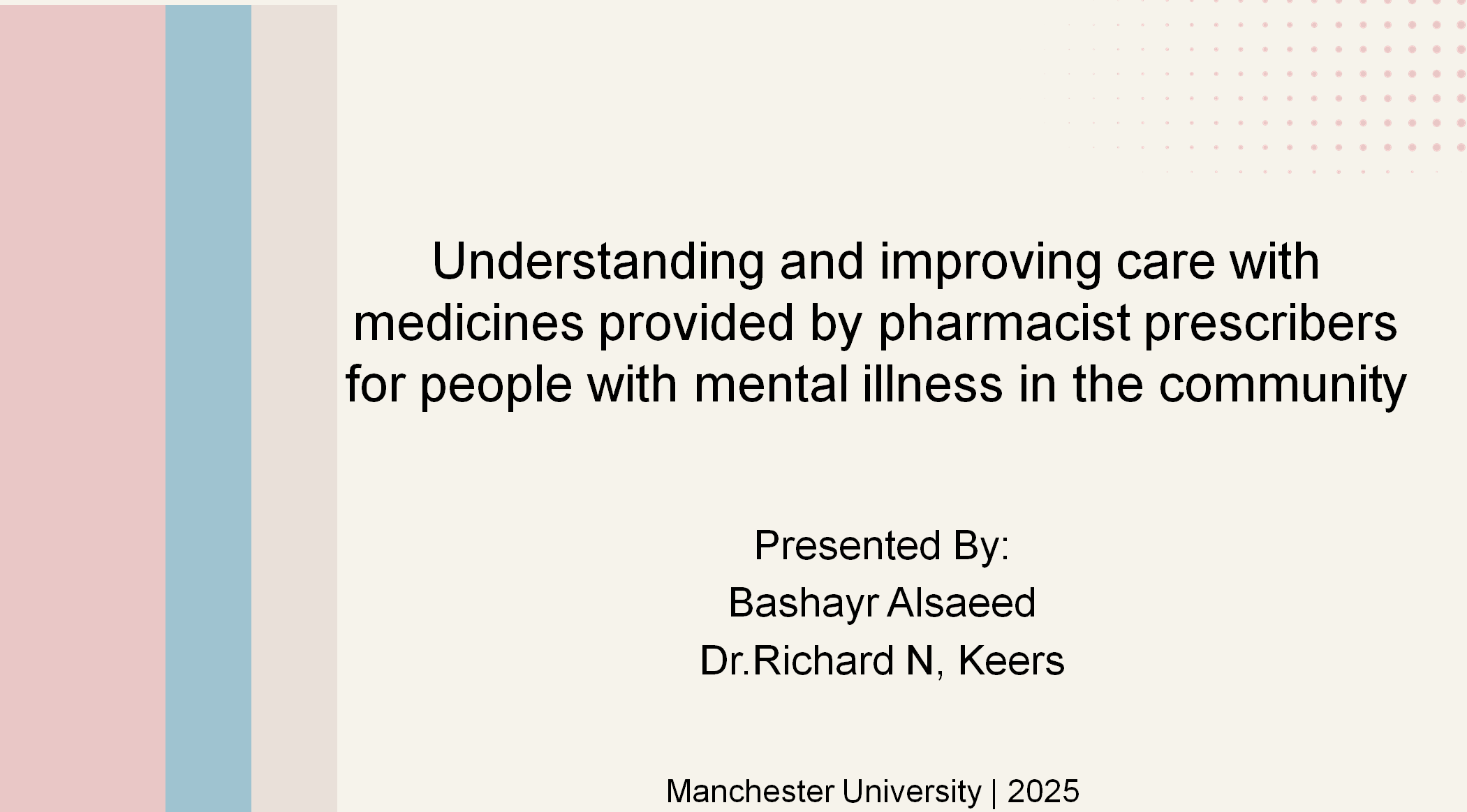
Richard introduced Bashir Al Saeed, a PhD student from the University of Manchester, to present their research study on the experiences of people with mental illness and their carers when receiving care from pharmacist prescribers in the community.
Bashir explains that the study aims to understand and improve care provided by pharmacist prescribers for people with mental illnesses in community-based settings. Participants will be asked to take part in a one-hour interview and will receive £30 as compensation.
The study is seeking individuals aged 18 or older with mental illnesses or their unpaid carers who have received care from pharmacist prescribers in the UK. A discussion follows about the inclusion criteria, particularly regarding the requirement for fluency in English, with concerns raised about potential issues against non-English speakers
Mental Health Research Campaign Initiative
The group discussed a campaign for better research into long-term serious mental illness in working-age people. Irene explained that they have been working on this campaign for a year, collaborating with experts from Oxford and the Welcome Trust.
The campaign aims to gather signatures and includes a short video. Irene emphasizes the importance of this initiative, as many in their group have loved ones who have been ill since their teens and are now in their thirties and forties.
You can find out more about the campaign from the link below.
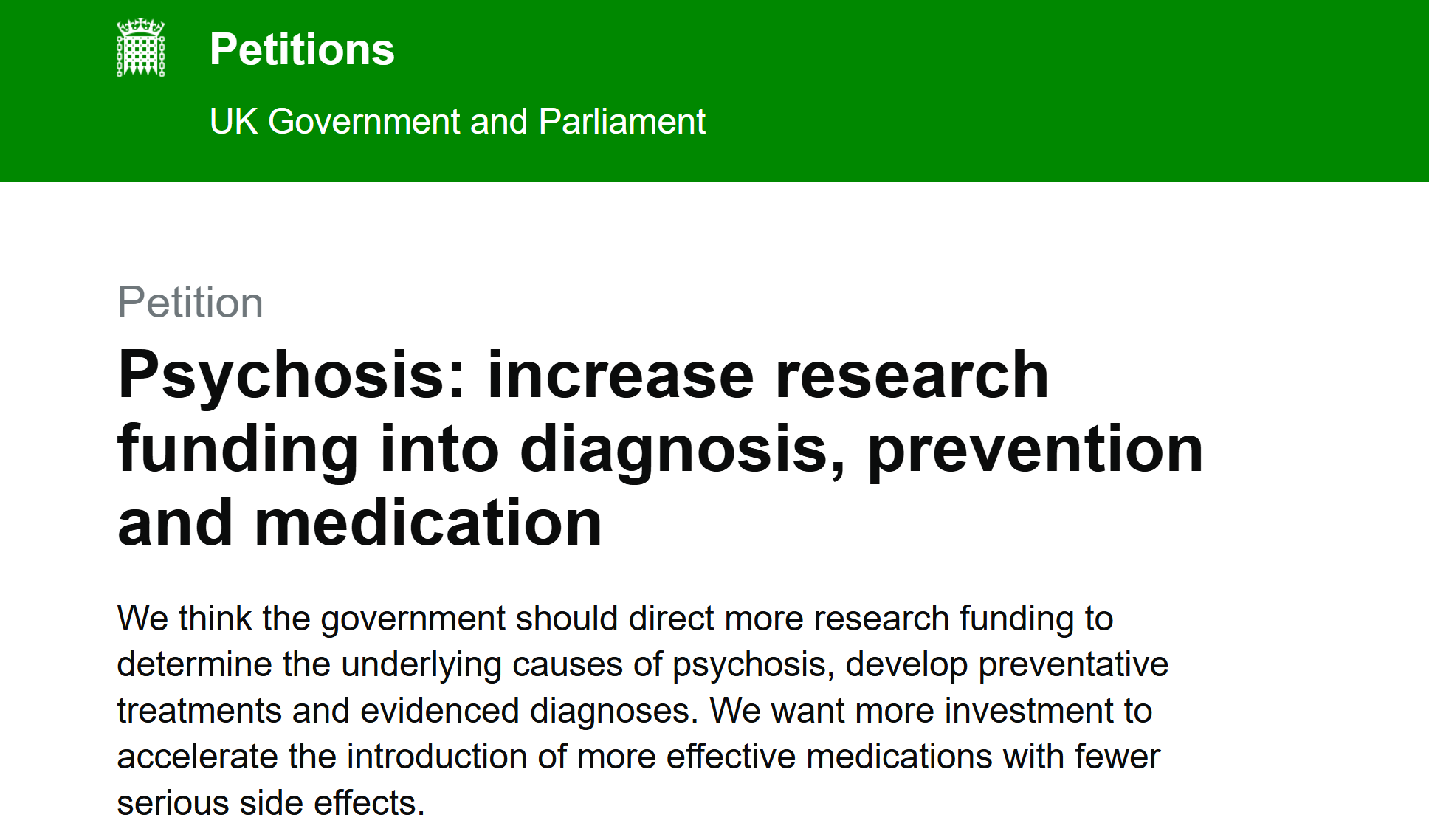
The discussion focuses on a petition to increase government funding for research into psychosis, including its diagnosis, prevention, and treatment. Irene passionately advocates for more effective medications with fewer side effects, emphasizing the need for better understanding of the underlying causes of psychosis. A carer shared personal experiences of her son’s struggles with mental illness and medication side effects. The group discusses the importance of signing and sharing the petition to gain government support for accelerated research in this area.
Pharmacist Prescribing for Mental Health
The discussion focuses on pharmacists prescribing for mental health conditions. Richard explains that some pharmacists, especially those with specialized training, are caring for people with mental illnesses in various settings. However, the extent of their involvement in prescribing and monitoring is still unclear. A carer expressed concern about pharmacists prescribing for severe conditions like bipolar disorder without extensive training. The group discusses the need for proper qualifications and access to medical records. Richard emphasizes that the study aims to understand and improve the care provided by pharmacist prescribers in community services.
Carers Roadshows: Community Support Network
Trevor a carer involved at Notts NHS described his Carers Roadshows, which he has been organizing since 2013. These free events bring together various organizations dealing with health, mental health, and social care to provide information and support to carers and patients.
Trevor emphasizes the importance of communication in triangular care and sees the roadshows as an effective, sustainable tool for fostering connections between different organizations and the community. He expresses his ambition to expand the roadshows across the country, particularly in London boroughs, and offers to help others create their own roadshows using his four-step guide.
Older Male Carers Advisory Group
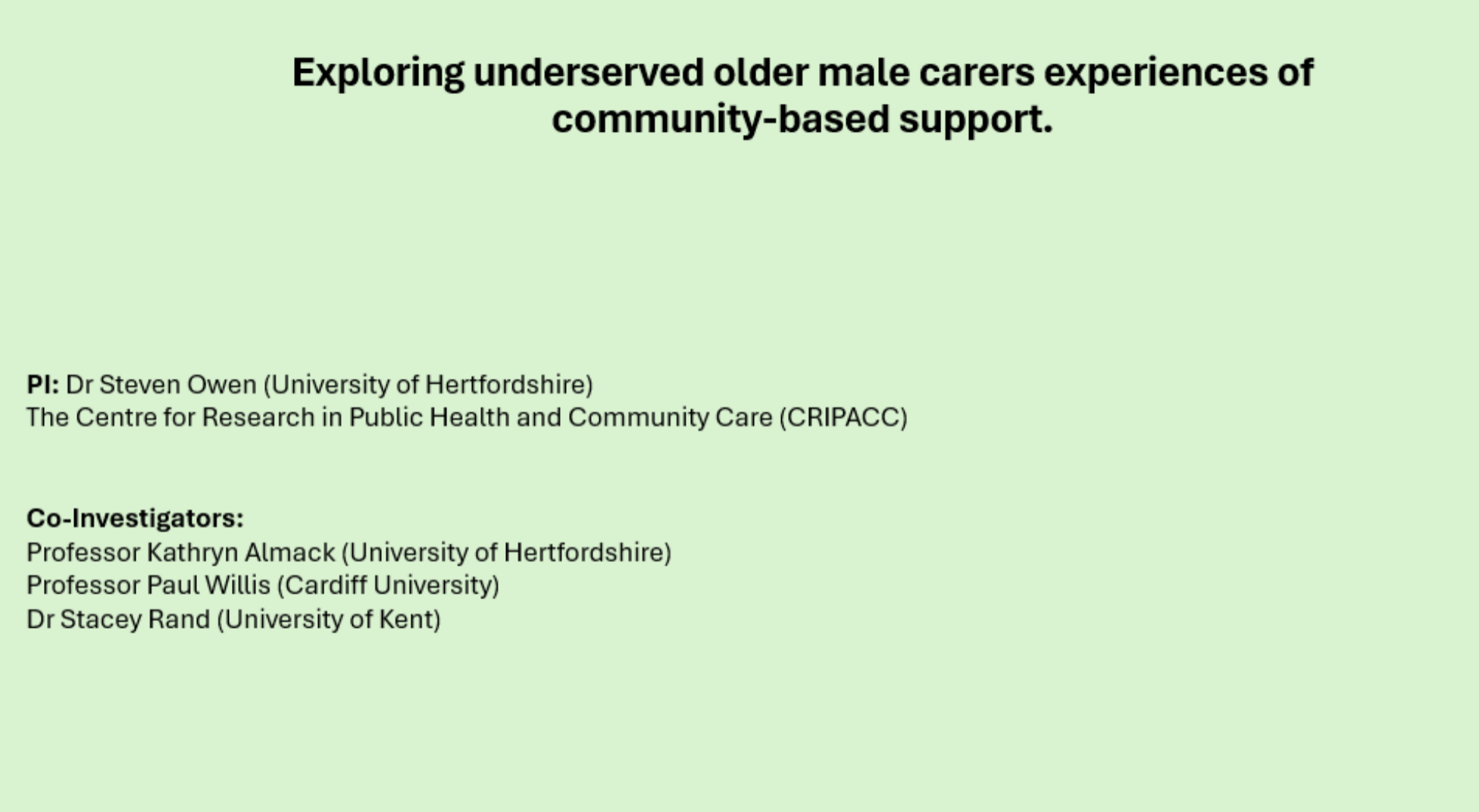
Steve Owen from the University of Hertfordshire presents his research project on exploring the experiences of underserved older male carers. The project aims to set up an advisory group of 7-10 older men, particularly from minority ethnic groups, same-sex relationships, and rural/coastal areas, to meet from June to December 2025.
The research group will discuss the benefits and challenges of caring, gender dynamics, and access to support. The project’s goals are to develop a grant proposal for further research and improve advisory group guidelines. Steve is still recruiting participants and welcomes help in sharing information about the project.
Final Reflections
The session highlighted both the progress and the gaps still faced by carers, particularly around communication, access to services, and recognition. The Triangle of Care model continues to be a vital tool in bridging these gaps, but it is the commitment of carers and professionals alike that drives real change.
“Thank you for another great meeting Matthew and everyone.” – Linda Thomas “These meetings have been such a resource for us all.” – Gabrielle Richards “Powerful video, powerful voices. Thank you everyone.” – Claire Wood
I’m proud to be involved and help lead as triangle of care community as Chair and look forward to building our impact together. If you’re interested in co-chairing or getting more involved, please reach out let’s continue to shape mental health care that values and includes carers at every level.
Welcome back to a brief update of the National Triangle of Care Commnity Group. A meeting organised by myself as a carer of lived experience to give a chance for mental health carers to find out developments on Triangle of Care. The online group is attended by unpaid mental health carers, Carers Trust triangle of Care leads and NHS carer representatives and mental health staff.
Agenda of Meeting
The meeting focused on discussing the Triangle of Care program, gathering feedback from carers, and addressing challenges in mental health care. Attendees shared experiences and insights on carer involvement, communication issues, and the need for improved support systems. Key topics included progress updates on the Triangle of Care implementation, the importance of carer perspectives in healthcare decision-making, and strategies to enhance carer engagement and representation across diverse groups.
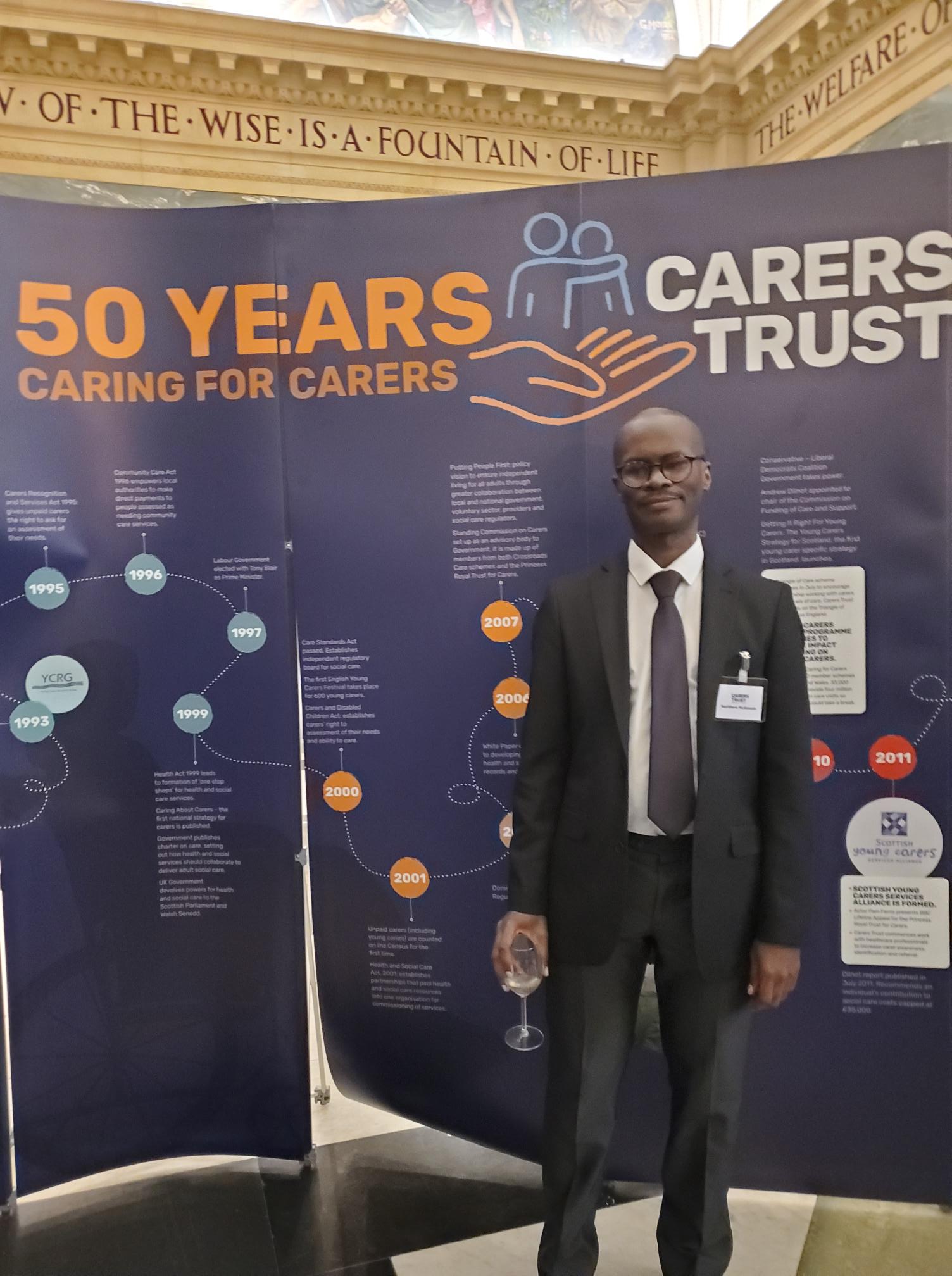
Welcome back to another blog post by carer activist, author and poet Matthew McKenzie. I just thought to do a quick blog about an exciting and important event I attended last night.
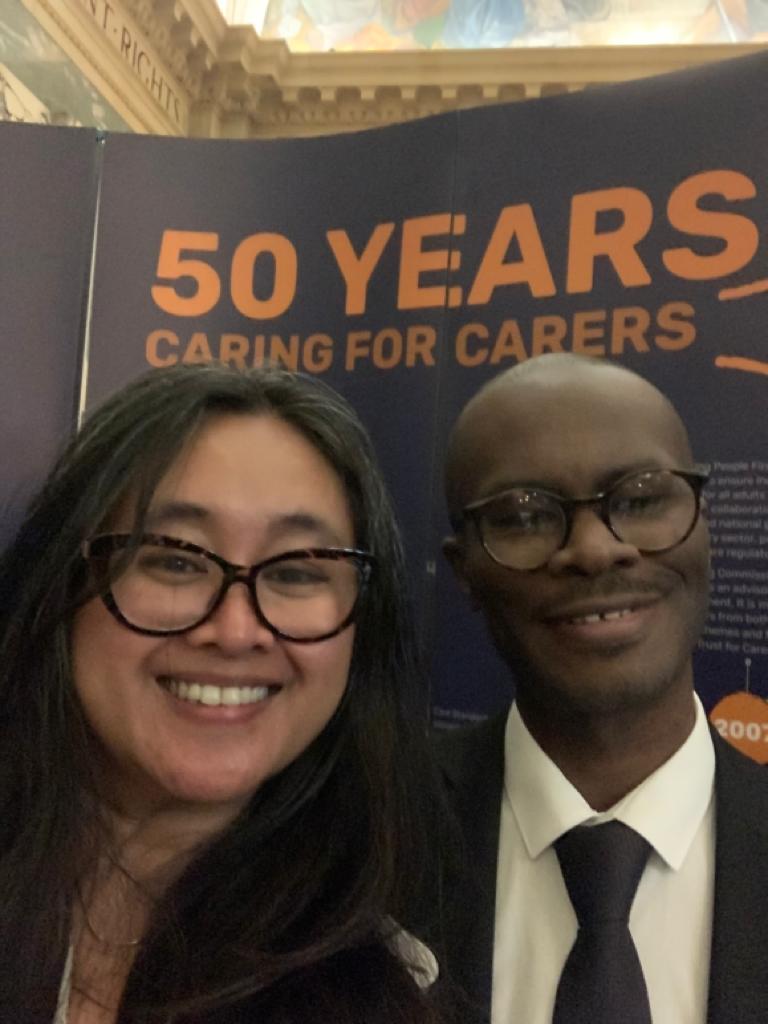
Carers Trust a national charity to promotes and supports unpaid carers have reached an important milestone. It was their 50th Anniversary and to celebrate that milestone, the charity held their event over at the Old Bailey.
I have never been to such a pretigous building before and I am still wondering how on earth Carers Trust managed to hold their event there. The event was a drinks reception along with important speeches as to why Carers Trust fights so hard for carers. Do you remember the TV soap drama Crossroads? If you do, then you might remember a particular 1973 Crossroads theme regarding someone caring after a car crash. This led to viewers sending mail about their thoughts and experiences, which in turn led to a national drive on support for unpaid carers.
You can watch a short video below showing the history of Carers Trust
The beginnings of Carers Trust was explained in detail by Angela Rippon CBE who was a guest at the drinks reception. Her lived experience, knowledge and drive to battle for unpaid carers was an inspiration.
The event was hosted by Sheriff Alastair King who opened the event. We also had speeches from chair of Carers Trust John McLean OBE and CEO of Carers Trust Kirsty McHugh. I admit I have never met Kirsty before, but she has lots of energy and dashes around very fast.
At the event I was introduced to those who also championed the role of unpaid carers. Rohati Chapman Exec Director at Carers trust was an excellent host and made me feel welcomed.
The speech by young carer, Aditya Akella was exceptional as he mentioned the themes that are important to young carers. A lot of the themes I often present regarding talks I do about my books. The most important is carers do their role out of Love including other things.
As I wandered around the drink’s reception, I could not help be taken in by the hall. The old Bailey is majestic and historical. The importance of justice, fighting for others and of motto’s etched on the walls require some serious investigation. There is a lot about the place I still do not understand, but reflecting back, the building holds a significant reason as to why people fight so hard for what is important to the community. I am not a barrister, Laywer or Judge, I am just a simple carer activist, but deep down I feel the Old Bailey actually wanted the event to be held there. This goes double to those who take the time to fight for the vulnerable.
I am aware that as a majority we still strive to do what is right, but because some roles are done for free, there are people who feel there is not much value in such roles. A just and civil society should try to value those sacrifices, because in the end it is what sustains the community.
All in all, I enjoyed the drinks reception and I wish Carers Trust success in the future.
Welcome back to another Blog post from Matthew Mckenzie, unpaid carer over in South London, author, activist on my projects called a caring mind.
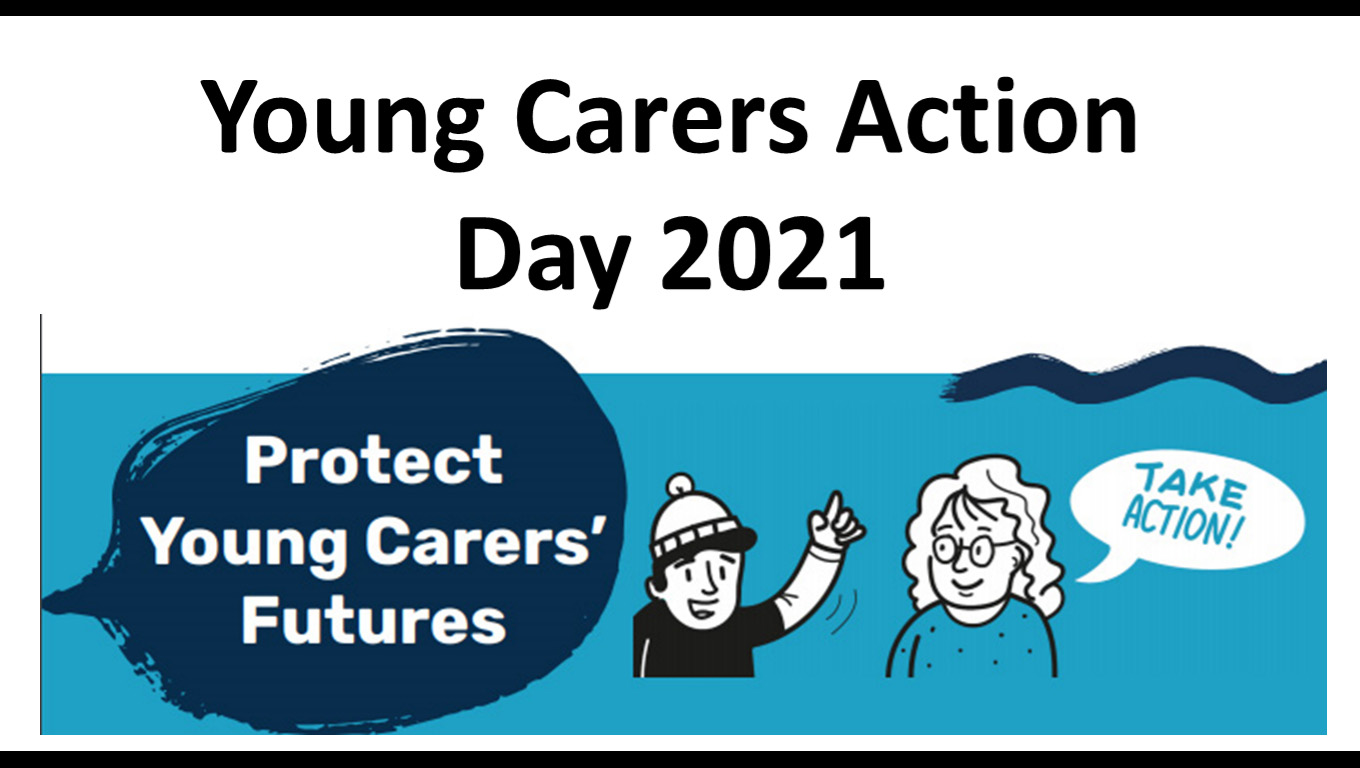
This Blog post supports the national carer charity – Carers Trust – Young Carers action day for March 16th 2021, but why is it so important young carers get such recognition or even an event to highlight their caring role?
Basically, Young Carers Action Day is an annual event led by Carers Trust. It raises awareness and calls for action to increase support for young people with caring responsibilities.
To see the video of this blog see below.
For 2021, Young Carers Action day will be about Protecting Young Carers’ Futures and making sure that all young and young adult carers get the support they need to go after their dreams.
As a young carer myself…all those years ago, I never gave it a second thought what future I could possibly have, I just kept doing what I was doing, providing care and support. Now with the strain on how schools, health and social care services, it is now even more important to raise that awareness for young carers and also get young carers involved to tell their story and give them the chance and confidence to campaign on what they want for the future.
When young carers think about their future, they think about developing their skills, about what they want to do in their career, their dreams and aspirations. Caring for those you love or support is an honorable role, but it should not define our future and should not hold people back.
With support from schools, carer centres and those who can help make change. Young carers are encouraged to campaign, make a statement and help raise awareness about young carers, especially in schools. Not everyone in schools or colleges can identify or are even aware of young people who provide unpaid care. We have young carers helping or spending large amounts of time looking after someone, which could be helping to keep that person clean, cooking food and cleaning, advocating and being there for that person. All this takes time and energy and we should recognize the added strain facing young carers…..it should be about action and keeping that awareness going.
Carers trust a national charity focusing on making a better future for carers young and old have a wealth of resources for those especially young carers wanting to campaign.
These being
Creating a Young Carer Skills Journal
Campaign Packs with logos
Young Carers Action Day posters
and even just to find out more information about Young carers action day.
Welcome to another blog post by Matthew Mckenzie a carer for someone surviving mental health problems. I thought I would write this blog post on mental health carers who can sometimes be ignored by the system designed to recognize and support them.
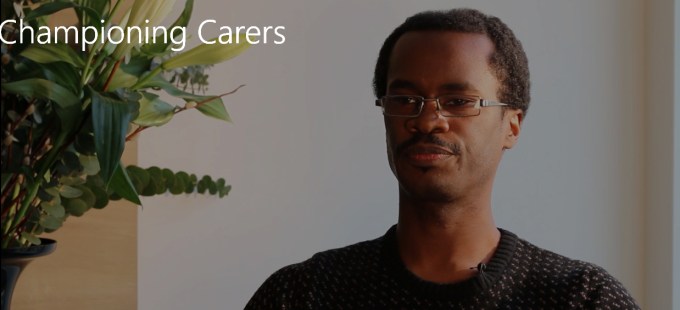
Welcome to another blog from mental health carer Matthew Mckenzie. I have been meaning to do this blog at lot earlier, but unfortunately I have been fairly busy. Since being a carer for over 15 years and perhaps longer regarding my other loved ones. I have tried to make a commitment to engage with other carers and carer charities and organisations.
It just so happens that I was in luck because I managed to attend the Carers Trust Triangle of Care Conference, which took place on the 28th of April 2016. If you are a carer and have not heard about Carers Trust, let me briefly explain what they do?





 Welcome to another blog from mental health carer Matthew Mckenzie. I have been meaning to do this blog at lot earlier, but unfortunately I have been fairly busy. Since being a carer for over 15 years and perhaps longer regarding my other loved ones. I have tried to make a commitment to engage with other carers and carer charities and organisations.
