Tag Archives: carers advocacy

Carols, Community and the Quiet Strength of Carers – Reflections from the Carers UK Christmas Service 2025

By Matthew McKenzie

On 4th December 2025, I had the privilege of attending the Service of Christmas Carols and Readings for Carers UK (for their 60th anniversary) at The King’s Chapel of the Savoy.
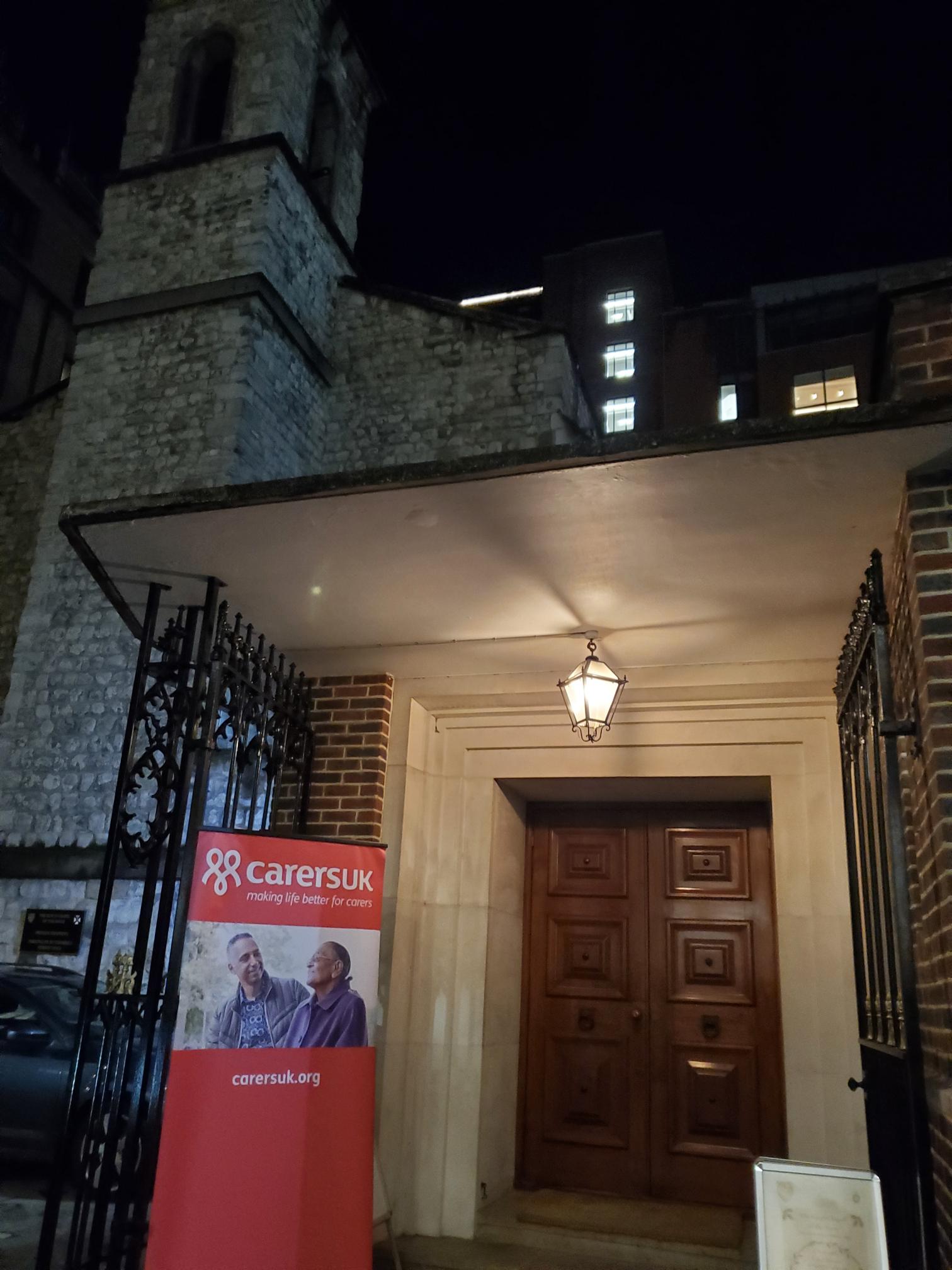
As many will know, Carers UK is a national charity that offers advice, information, and advocacy for unpaid carers, people who look after a family member or friend due to illness, disability, mental health challenges or frailty.

Their work is vital and ranges from campaigning for carers’ rights, to shaping policy, to providing emotional and practical support.

As someone who has spent years amplifying carers’ voices, and as someone who has been a carer myself, I always find moments like this grounding. They remind me that carers are so often hidden and deserve spaces of recognition, reflection, and community.

I couldnt capture the whole event, so a lot of it is from memory,

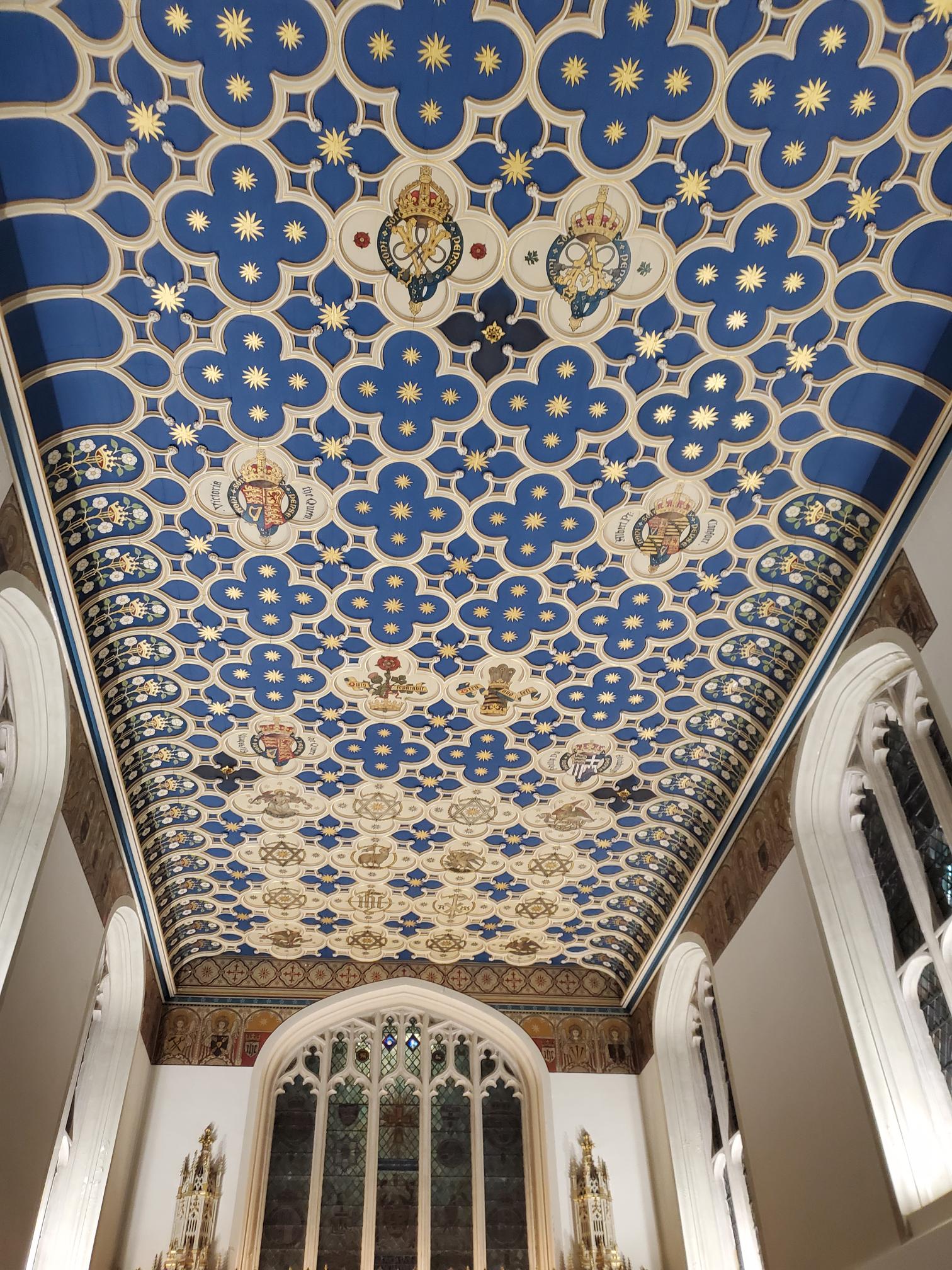
The King’s Chapel of the Savoy, with its royal heritage and intimate atmosphere, felt like the perfect place for such a service. The carved wood, the vivid ceiling, the echo of voices old and new it all contributed to an environment where carers could feel honoured rather than overlooked.
A Service That Told carer Stories

The order of service blended scripture, poetry, classic carols, and carers’ own words. Each part spoke to a different dimension of caring, love, sacrifice, resilience, loss, hope.

Here is a clear, concise list of the Carers UK Christmas Carol Service Order, based on the programme you shared.


Some of the order of Service – Carers UK Christmas Carols and Readings

  1. Carol – Once in Royal David’s City
  2. Welcome & The Bidding Prayer by The Revd Canon Thomas Woodhouse MA
  3. Welcome on Behalf of Carers UK by Helen Walker, Chief Executive
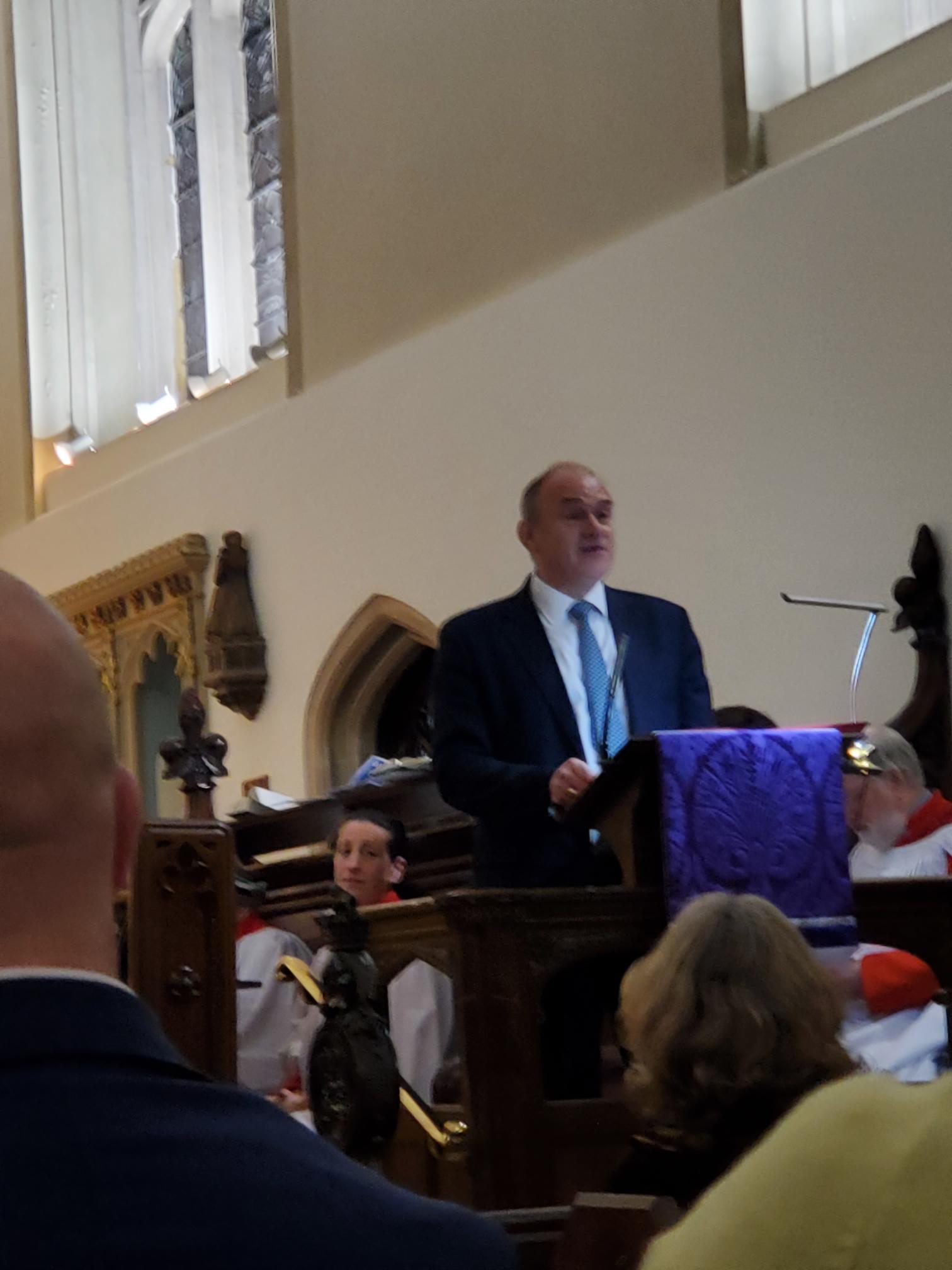
  4. Gospel According to Luke, Chapter 2, Verses 8–20 Reader: Rt Hon Sir Ed Davey MP
  5. Reading – Gospel According to Luke, Chapter 2, Verses 1–7, Reader: The Rt Rev Rob Wickham
  6. Reading – Extract from A Christmas Carol, Reader: Jaycee La Bouche, a carer
  7. The Blessing by The Revd Canon Thomas Woodhouse MA

Below are some reflections on the elements that struck me the most, based on the transcript provided.
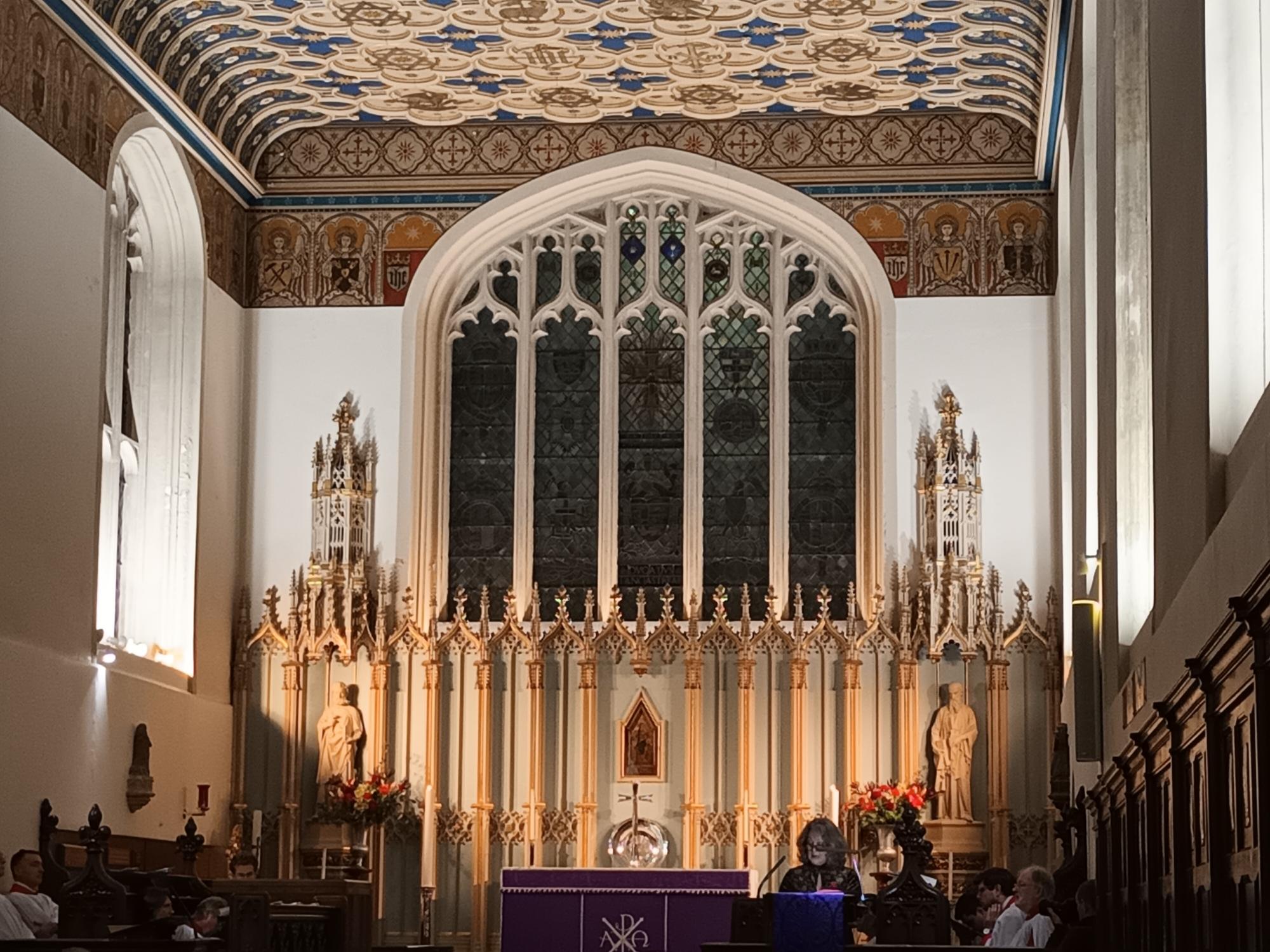
I started noting down things when hearing the classic Clement Clarke Moore poem brought a sense of nostalgia and gentleness. For many carers, Christmas isn’t always restful, it can be emotionally heavy or practically demanding. Yet this reading reminded me of the grounding power of tradition.
There was also a Carer’s Poem – “I Carried Him” (Martin Seare), which was read by Tiggy Walker. The poem captured something familiar to many carers, which is the sense of being the energy source behind someone else’s survival. The feeling of being nurse, advocate, motivator, protector, and emotional anchor, all at once.

Jaycee’s reading from A Christmas Carol brought a heartfelt authenticity to the service, grounding Dickens’ message of compassion in real lived experience. Hearing a carer deliver those words reminded me how powerfully stories of renewal that echo the emotional journeys many carers navigate every day.
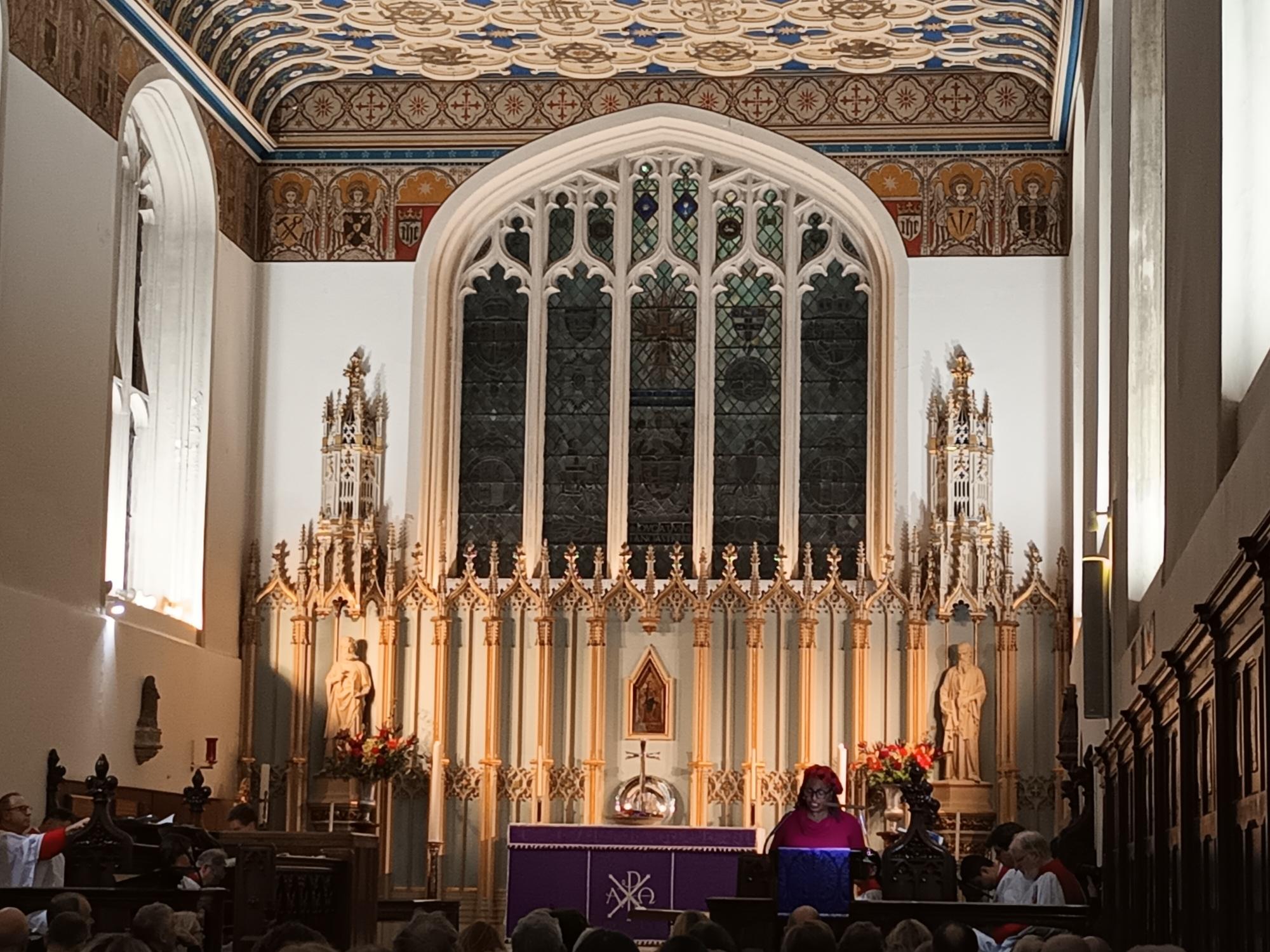
We also heard an extract from A Christmas Carol, where hearing Dickens’ words about Scrooge’s transformation felt fitting. Carers often live in a world full of systems that need to “wake up” to their realities, these systems overdue for compassion and change.

There was another Carer’s Poem – “Hands That Once Held Me” (Aaliyah O’Neill), which was read by Pippa Haywood. This poem honoured the emotional labour that accompanies caring, the grief, the patience, the love that persists through fading timelines and shifting identities.
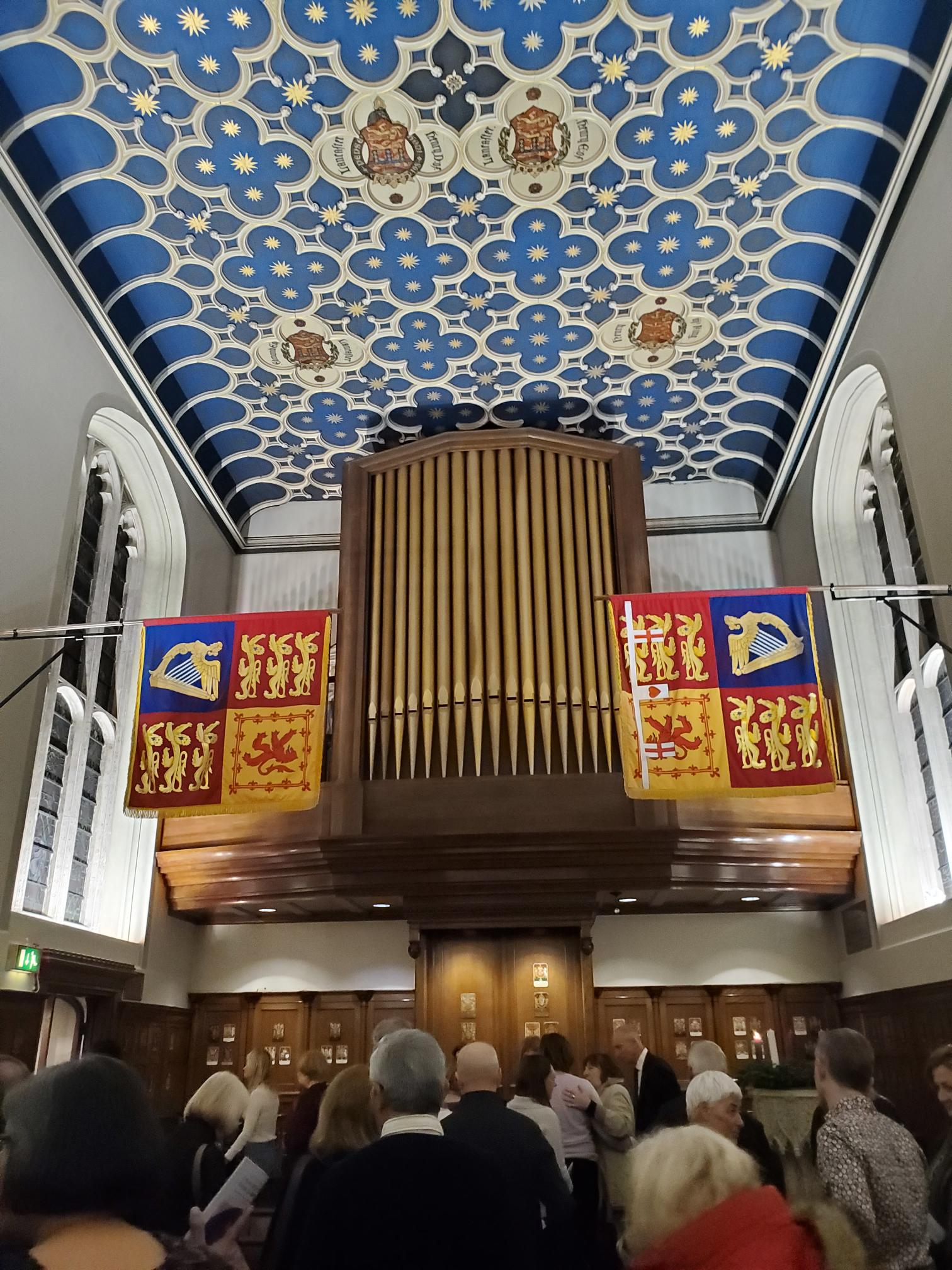
Walking around after the service, we were provided with wine and mince pies (I could only handle one glass of mine), but ate a lot of mince pies. I also noticed on a nearby table, beautifully wrapped with red ribbon, were copies of books written by individuals deeply connected to the world of caring.

Tiggy Walker’s Both Sides Now offered a tender, candid exploration of love, loss, and the emotional realities of caring, while Why I Care highlighted personal reflections on the value and challenges of supporting others by Sir Ed Davy. Seeing these books at the event felt fitting, they extended the service’s message by giving carers stories they could see themselves in, learn from, and feel strengthened by.

Carols – Collective Voice, Collective Strength

Carols like “Once in Royal David’s City,” “O Little Town of Bethlehem,” “In the Bleak Midwinter,” “O Come All Ye Faithful,” and “Hark the Herald Angels Sing” took on added meaning.

Singing these in chapel reminded me that carers often feel alone, but they are part of a much larger story. Carols have always been about shared experience, hope, and unity. That unity was felt strongly throughout the chapel.
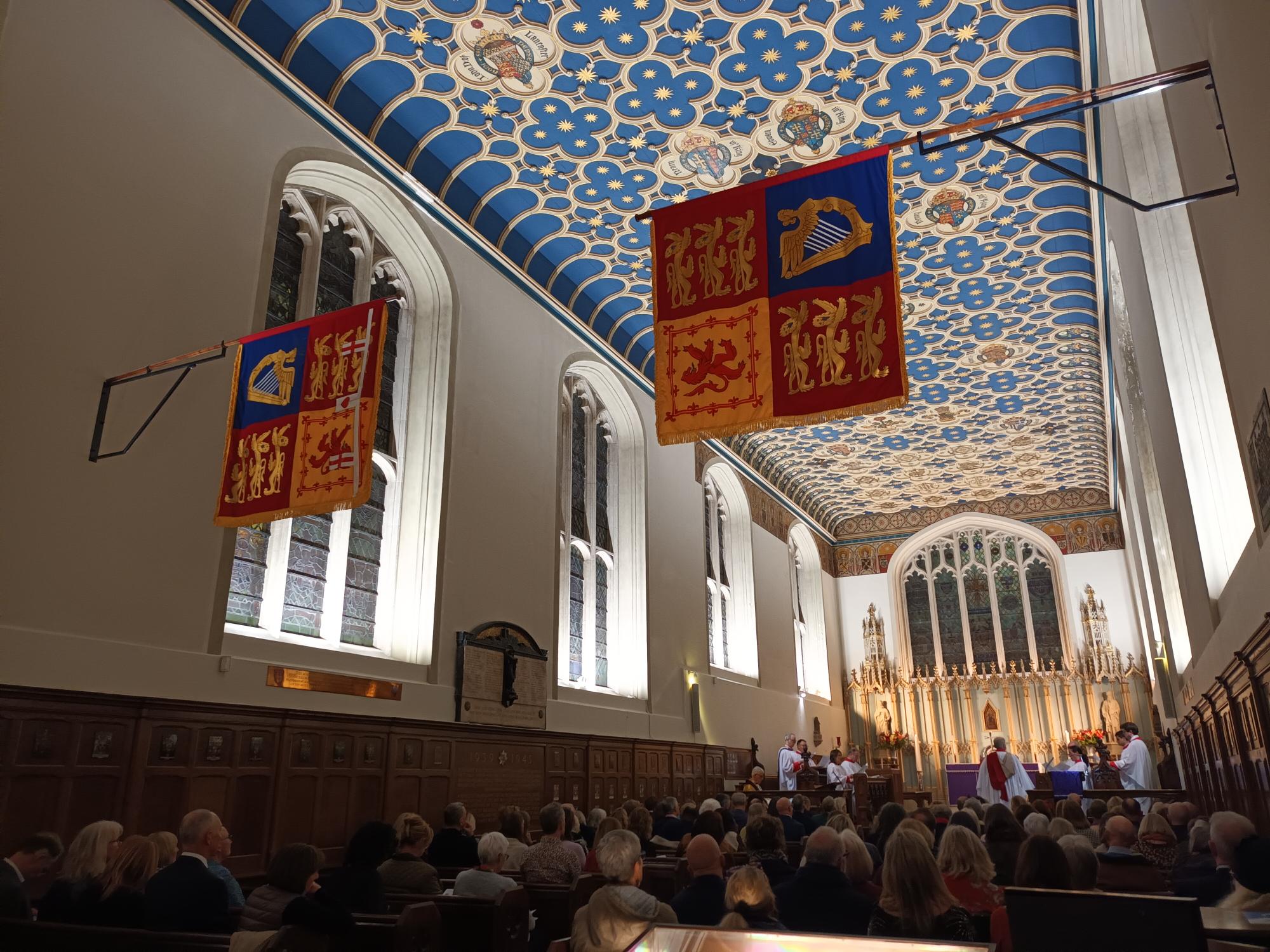
A Blessing for Carers

Towards the end, The Revd Canon Thomas Woodhouse offered prayers acknowledging:

  • those who care
  • those who are cared for
  • those who grieve
  • those who find joy in service
  • those who struggle silently

What the Service Meant to Me as a Carer

I left the event feeling the followng:

Being Seen

Carers rarely hear their stories reflected back to them with such respect. This service did that.

Connected

Being surrounded by fellow carers, supporters, faith leaders, and advocates reminded me that we are not navigating these challenges alone.
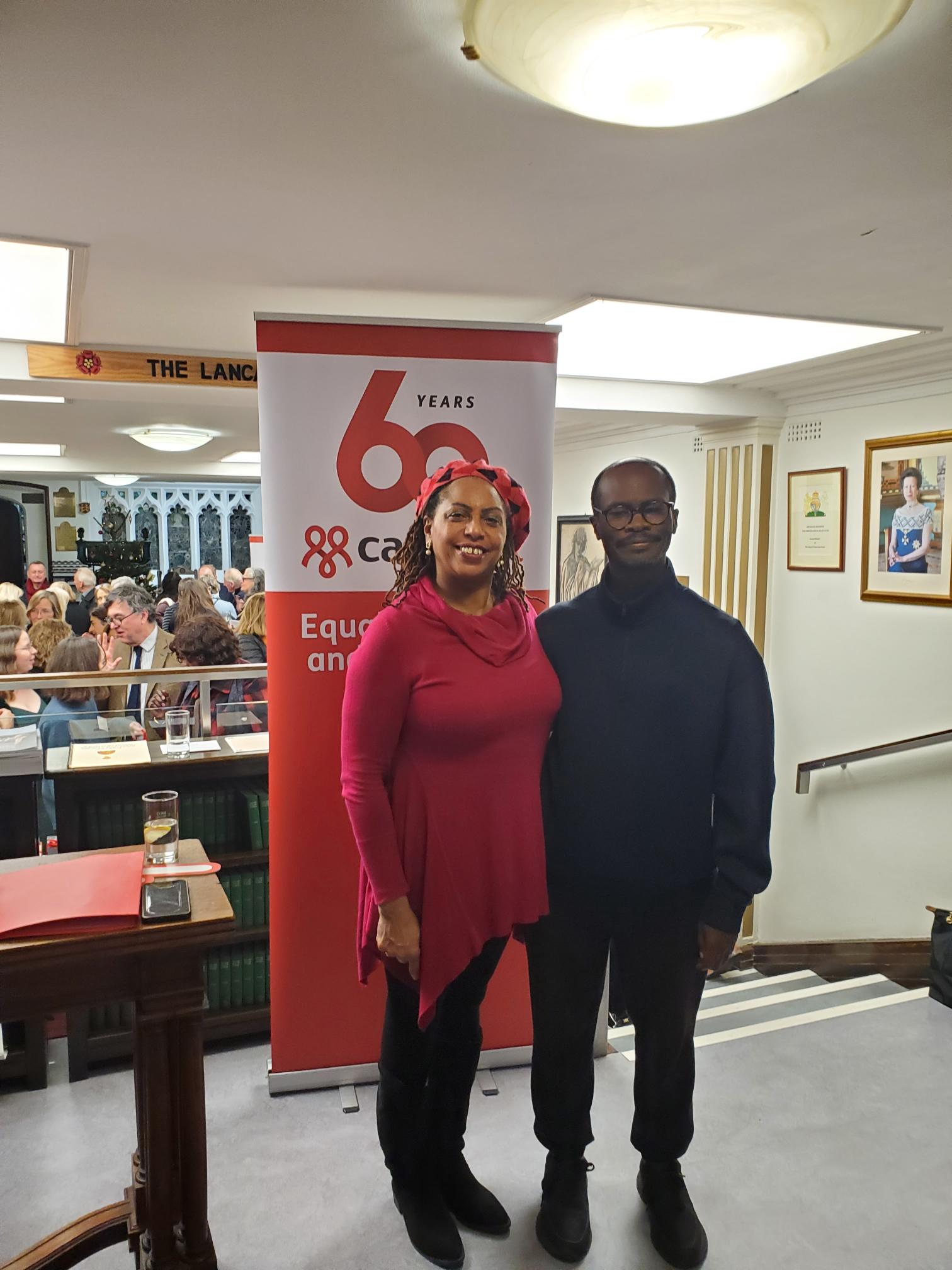
Renewed

Christmas can be difficult for many carers, i am running a few carer groups to reduce isolation, but this service offered a moment to pause, reflect, and recharge spiritually and emotionally.

Motivated

Each poem and reading reinforced why I continue to campaign and raise awareness: because carers’ lives, struggles, and contributions must be brought into public consciousness.

Final Thoughts

The Carers UK Christmas Service wasn’t just a festive gathering, it was a space that lifted the voices and experiences of carers into the light.

Carers UK continues to be a champion for those who give so much of themselves. And events like this remind us that recognition, community, and hope are powerful gifts.

I left the chapel gratefull for the stories shared, for the solidarity felt, and for the reminder that carers are, and always have been, at the heart of what makes our communities truly compassionate.
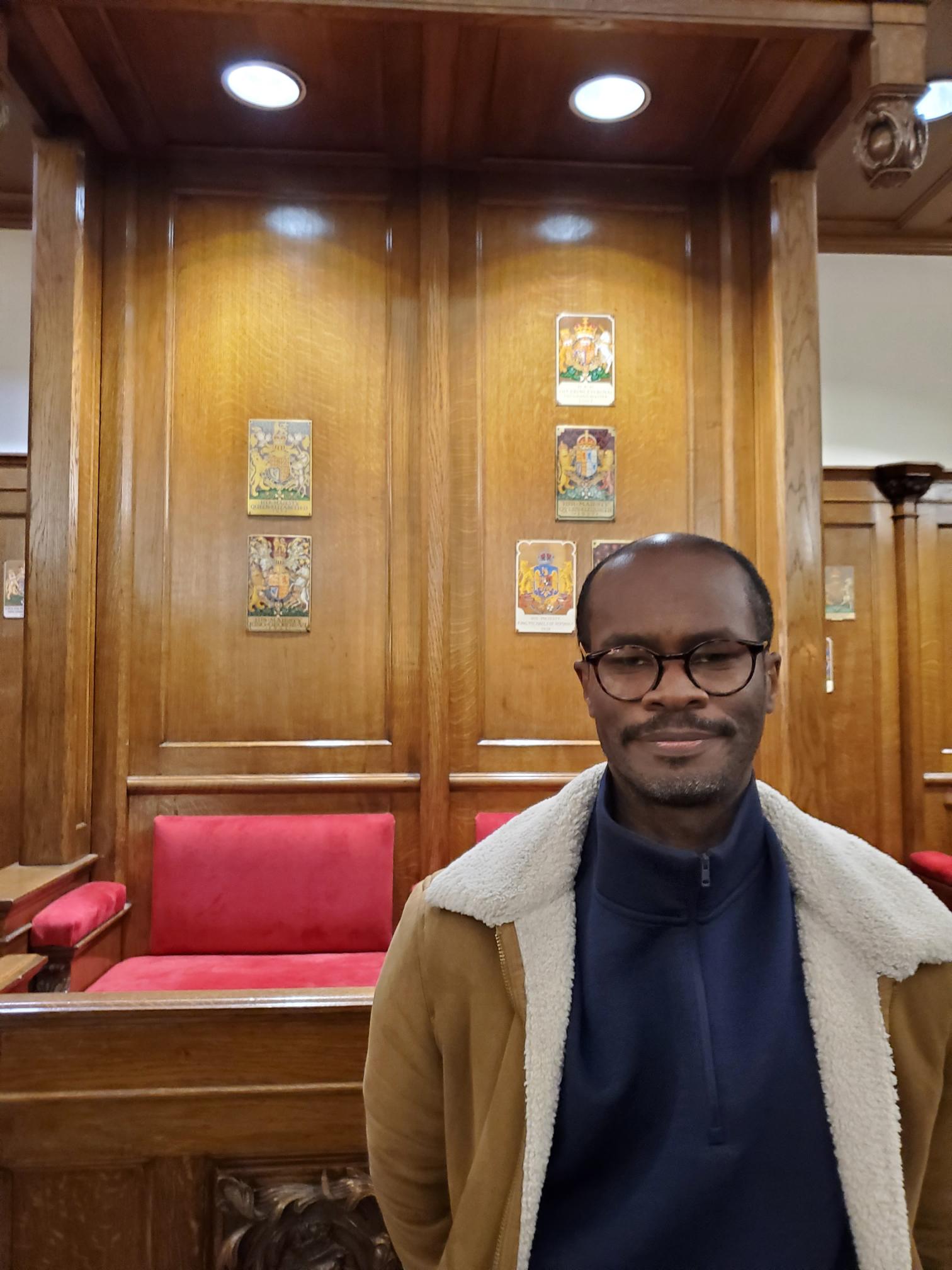
BONUS : A small tour of the chapel.

History in the Woodwork: Discovering the Stories Behind the Savoy Chapel’s Symbols

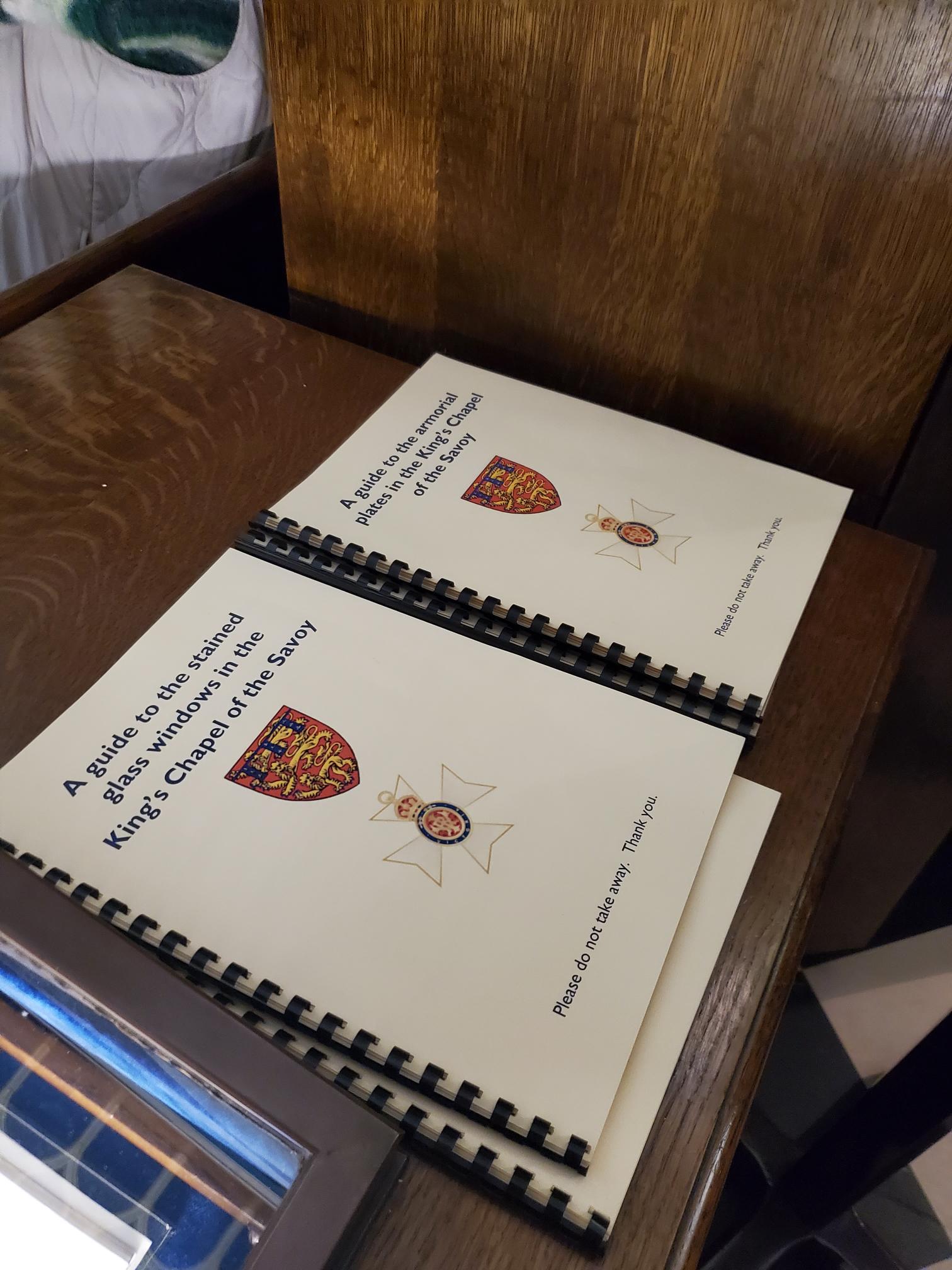
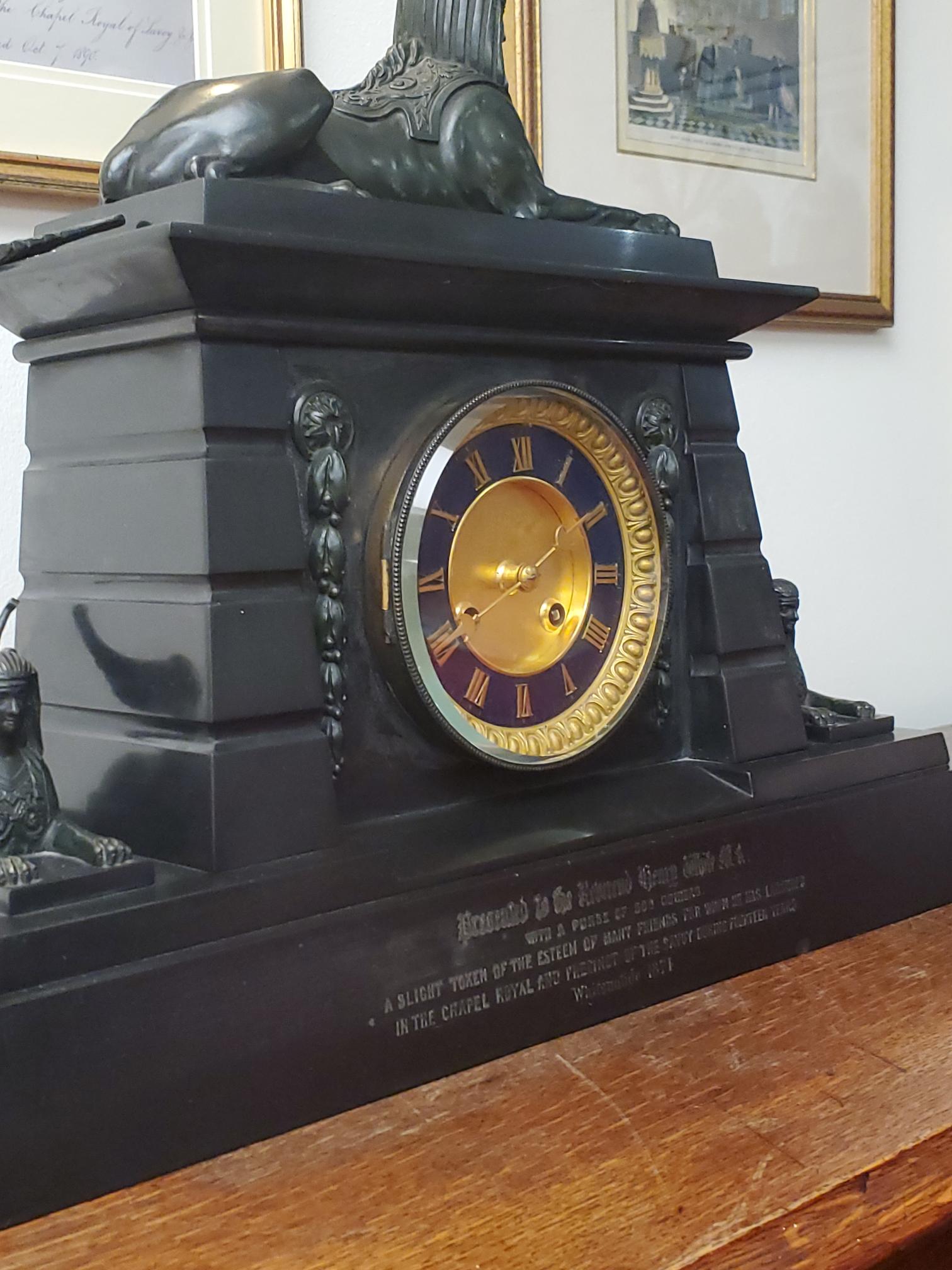
One unexpected part of attending the Carers UK Christmas Service at The King’s Chapel of the Savoy was the opportunity to explore some of the chapel’s remarkable historical artefacts. As a carer and someone who works in carer advocacy, I often reflect on continuity on how the past shapes the present. Walking around the chapel, I realised the walls were not just decorative; they were storytellers.

These objects and emblems remind us that the Savoy Chapel is a living part of royal, national, and personal history. And in many ways, the quiet endurance reflected in these items echoes the resilience of carers across the country.


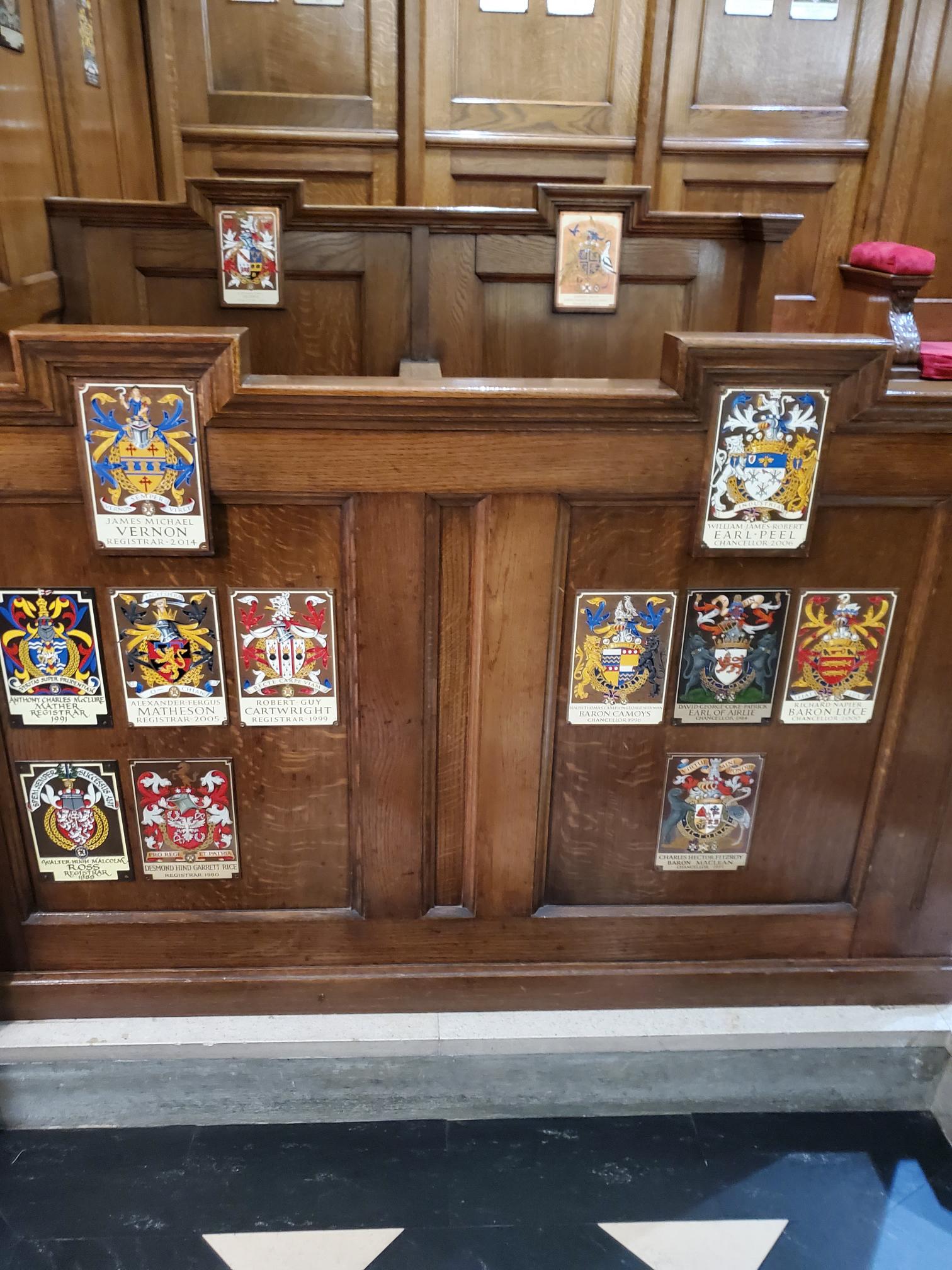
1. The Heraldic Plaques on the Chapel Walls

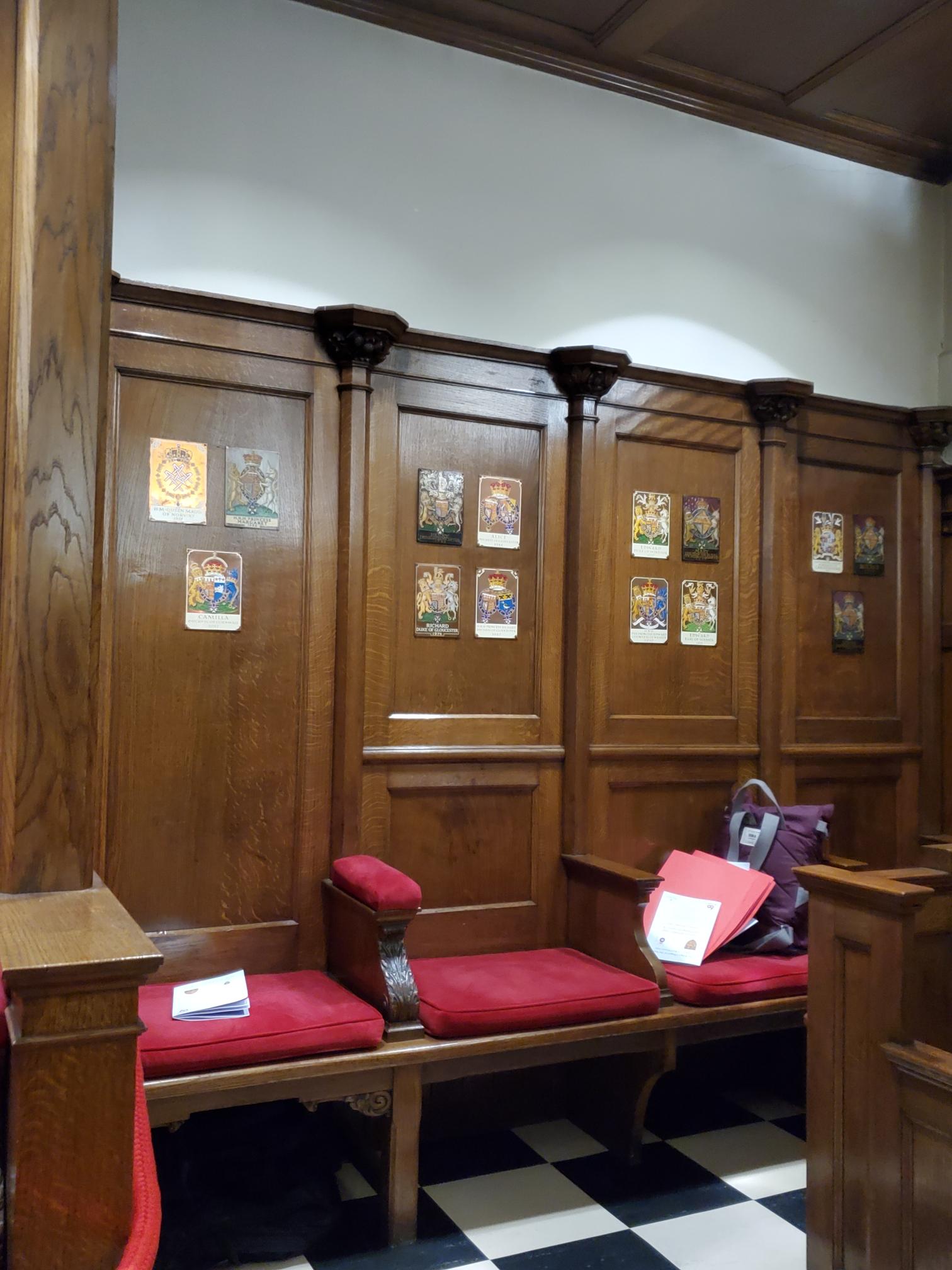
Along the wooden panelled walls were beautifully detailed heraldic plaques, each representing past members or senior figures associated with the Royal Victorian Order or individuals linked to the chapel’s long history of royal service.
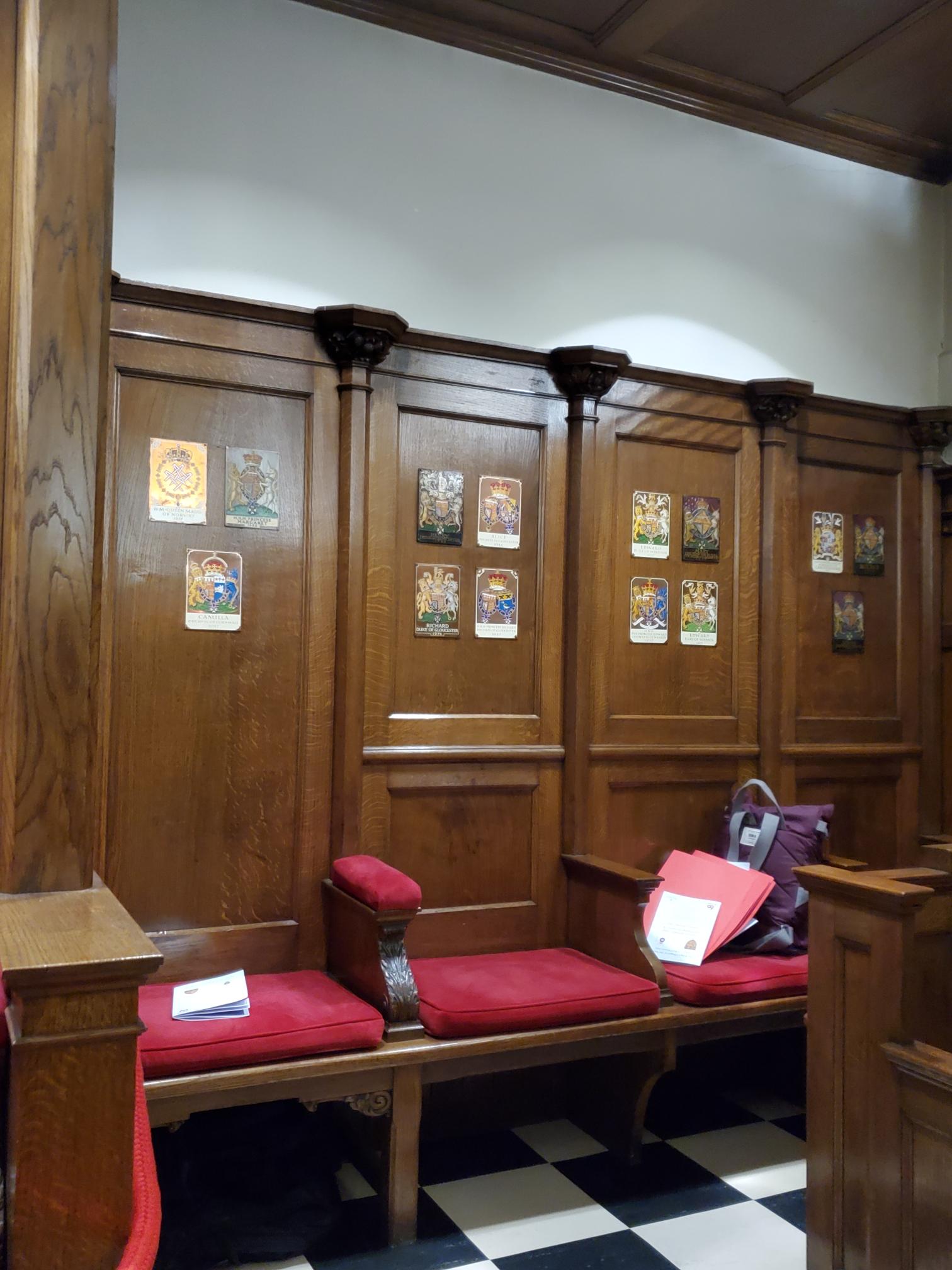
The Royal Victorian Order was established in 1896 by Queen Victoria as a way of personally recognising service to the monarch. That personal element, service based on loyalty, commitment, and relationship. That i felt especially meaningful as someone attending the Carers UK event.

Each plaque typically includes:

  • A coat of arms, with symbols representing the individual’s heritage, achievements, or values.
  • A Latin motto, often referencing duty, honour, or faith.
  • A record of rank or title, showing how the person was tied to the Crown or Order.

Standing before these plaques, I was reminded that service, whether to the Crown or to a loved one is always part of a bigger human story.


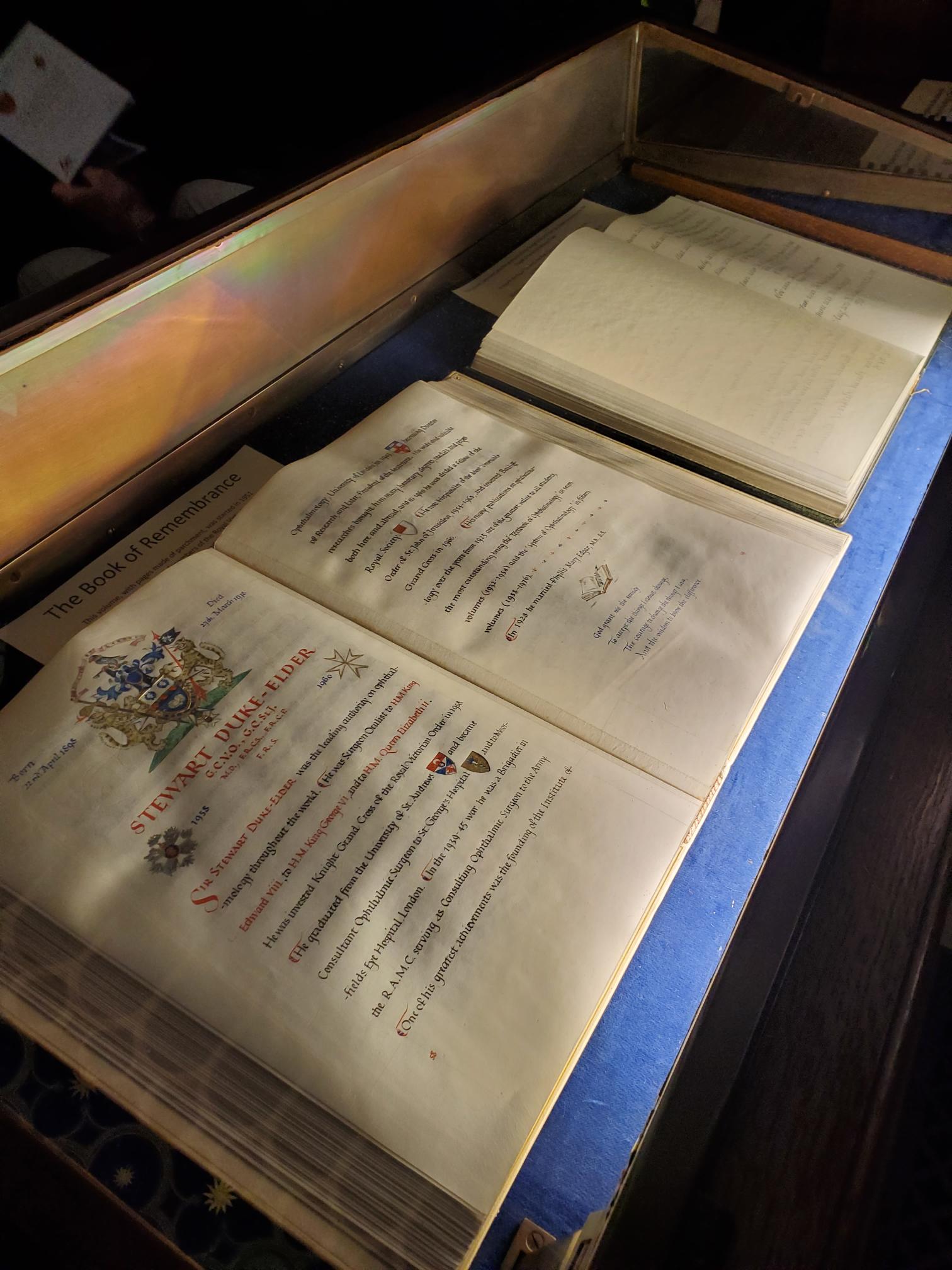
2. The Book of Remembrance
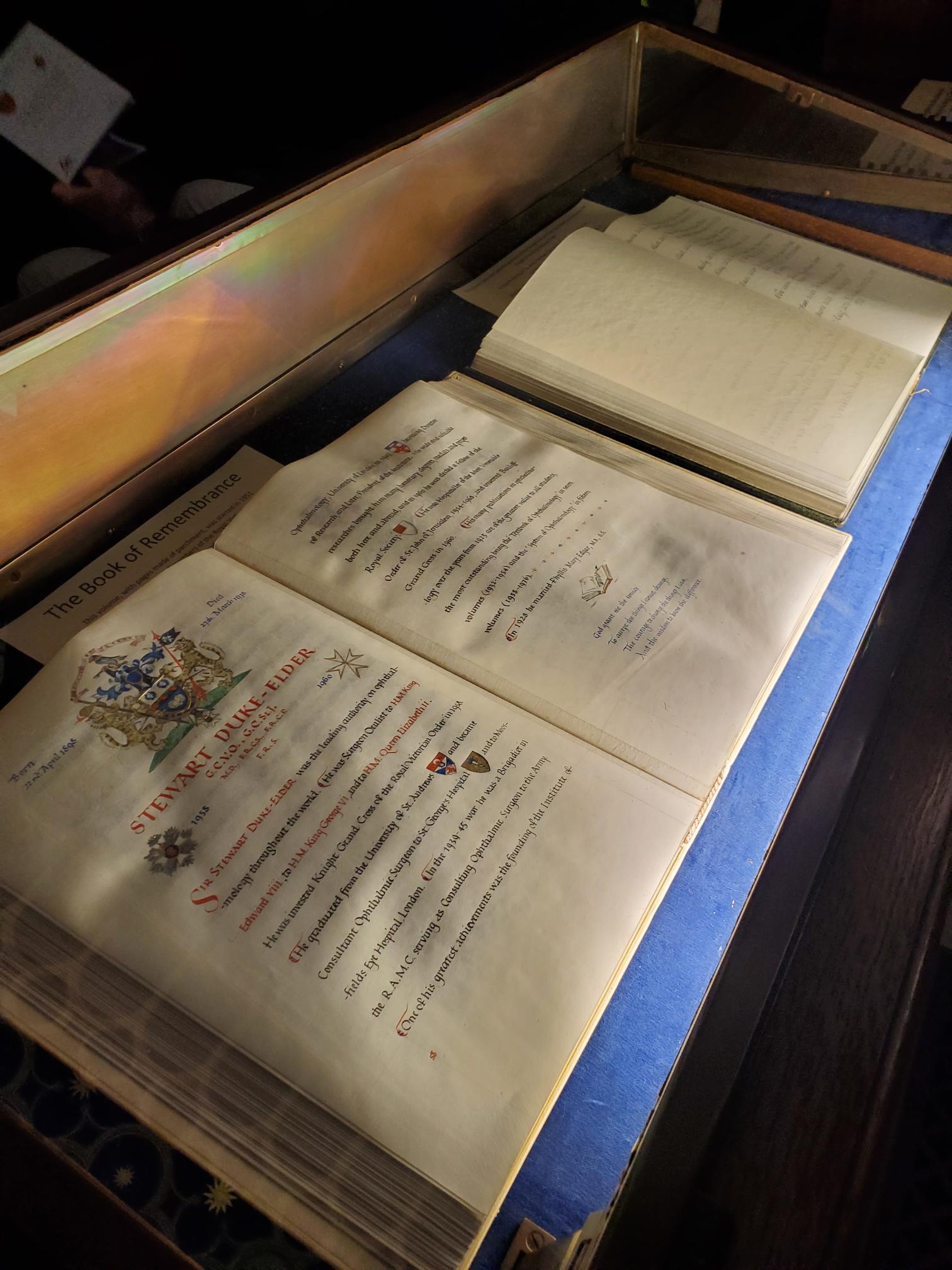
Displayed under protective glass, the Book of Remembrance is one of the most moving artefacts in the Savoy Chapel. It is handwritten and illuminated in a traditional style, much like medieval manuscripts.

The book honours individuals connected to the chapel, recording their names, contributions, and sometimes short dedications. Every entry is crafted with care, respecting the memory of those who served their communities or the Royal Household.


3. The Stalls with Coats of Arms of Officers and Servants of the Order
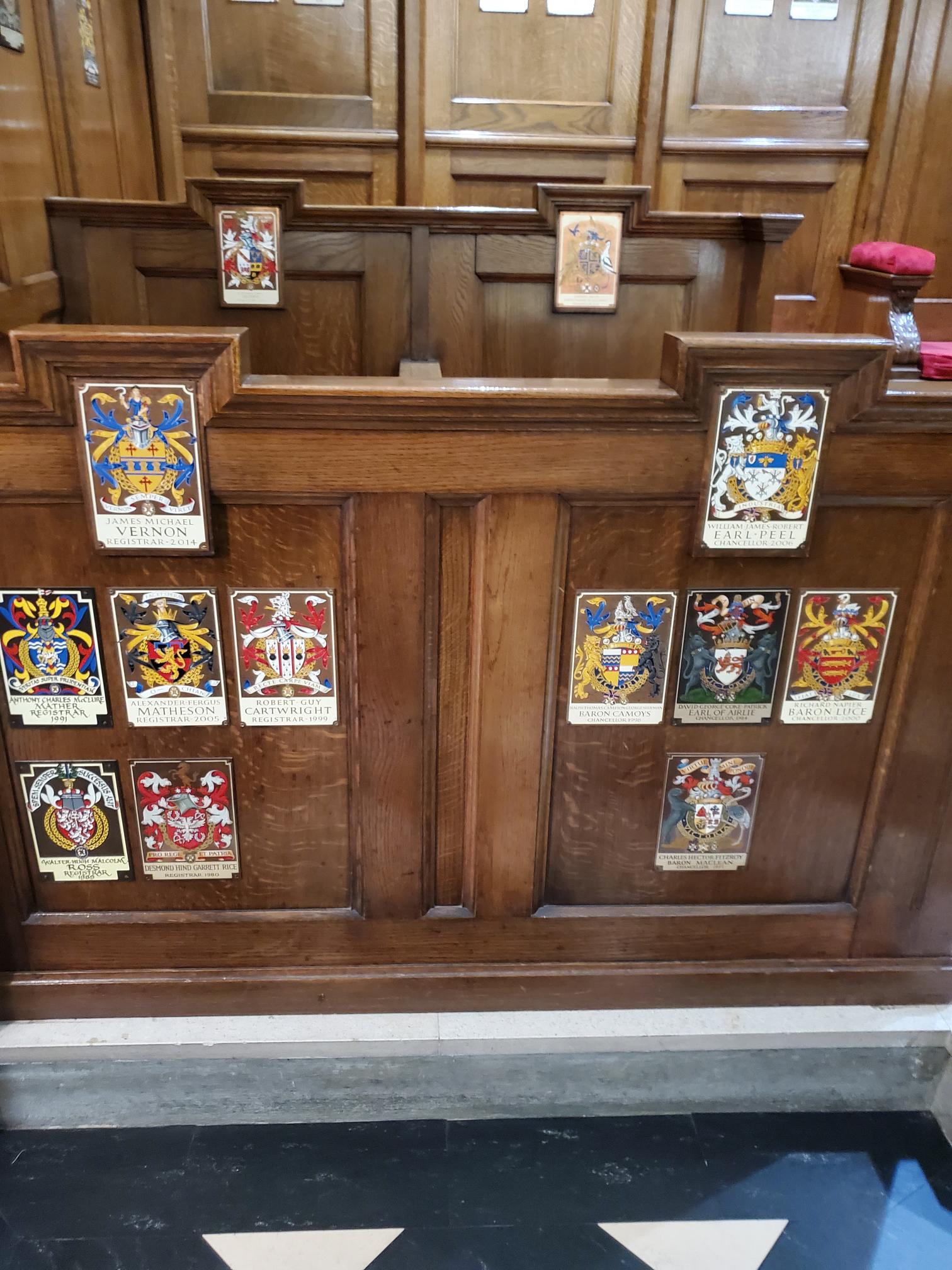
In the choir stalls, more coats of arms decorate the woodwork. These represent officers, registrars, chaplains, and others who have served the Royal Victorian Order over the decades.

Each shield is different, but together they form a visual tapestry of dedication. They signal continuity across generations much like how caring roles pass through families, communities, and time.

You can almost imagine the individuals who once occupied these seats, each carrying out their duties with diligence. Their heraldry remains here as a testament to lives spent in service.


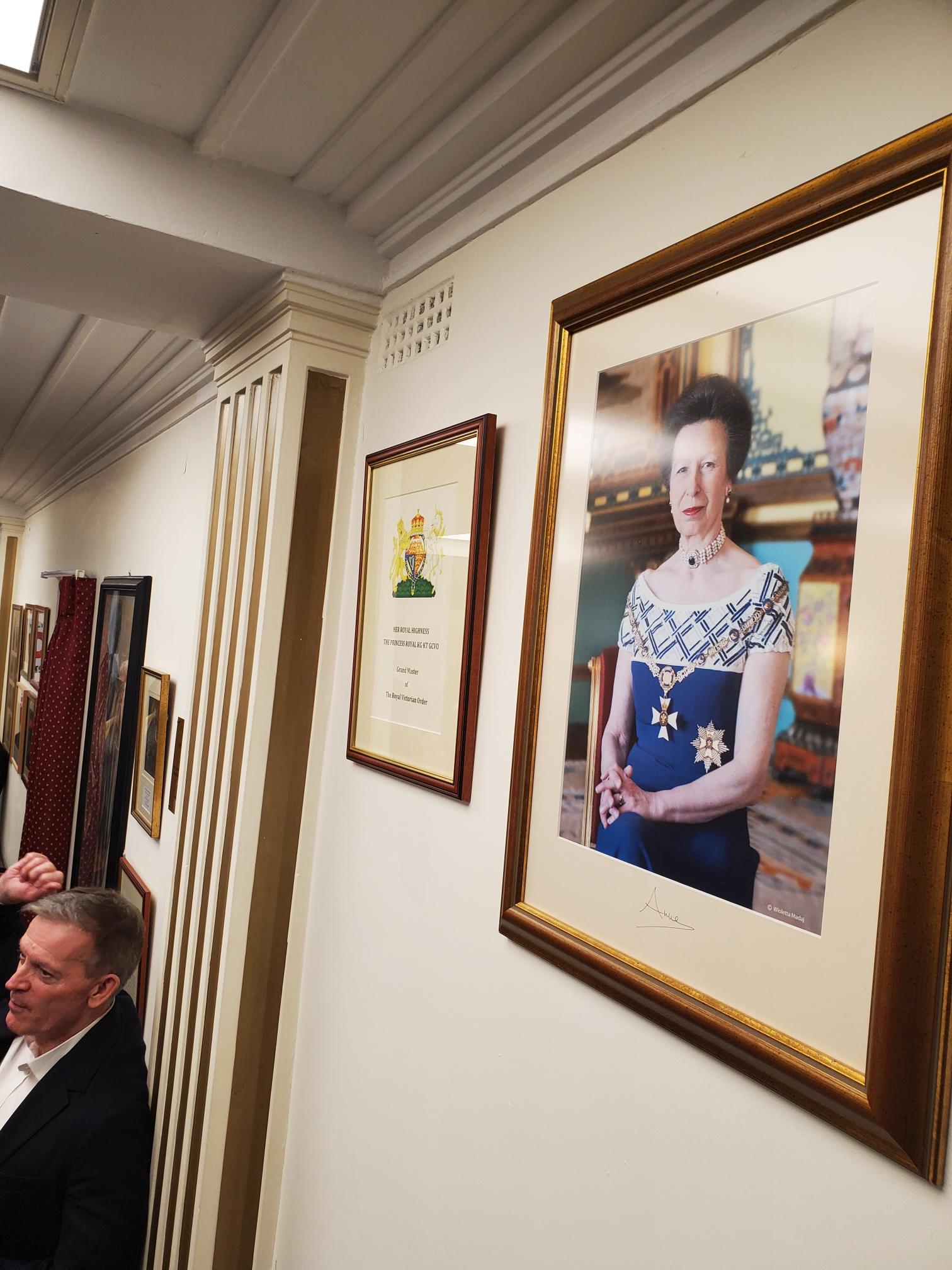
4. The Mantle and Insignia of a Knight Grand Cross of the Royal Victorian Order
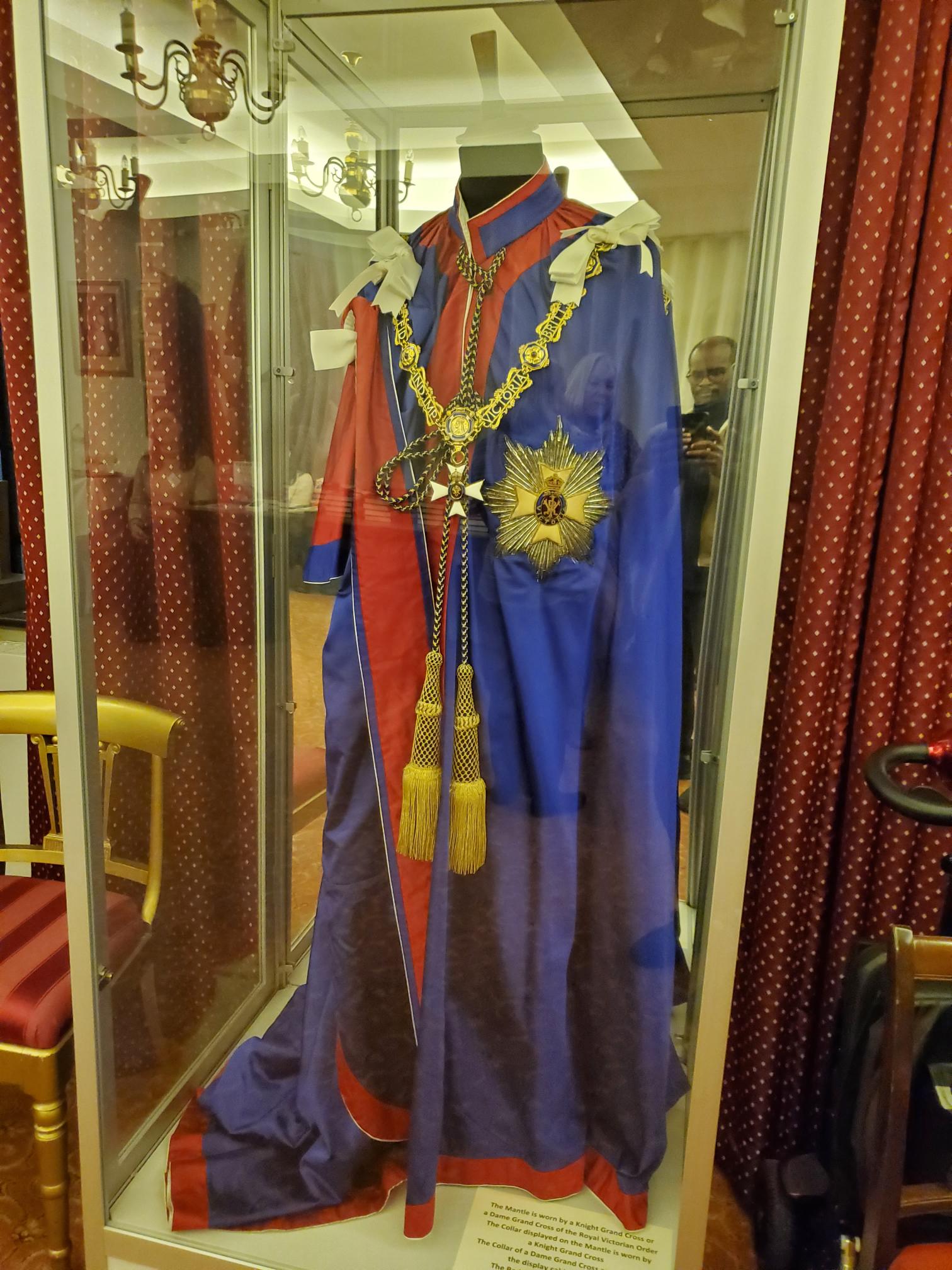
One of the most striking displays was the ceremonial mantle worn by a Knight Grand Cross of the Royal Victorian Order (GCVO). The deep blue and crimson robe, gold tassels, and the star emblem reflect the highest grade of this honour.

The mantle’s presence is not merely decorative:

  • The GCVO is awarded personally by the monarch, not via government recommendation.
  • It recognises exceptional service to the Crown.
  • The Star, Badge, and Collar each represent centuries-old tradition.

5. The Royal Victorian Order and Medal Display
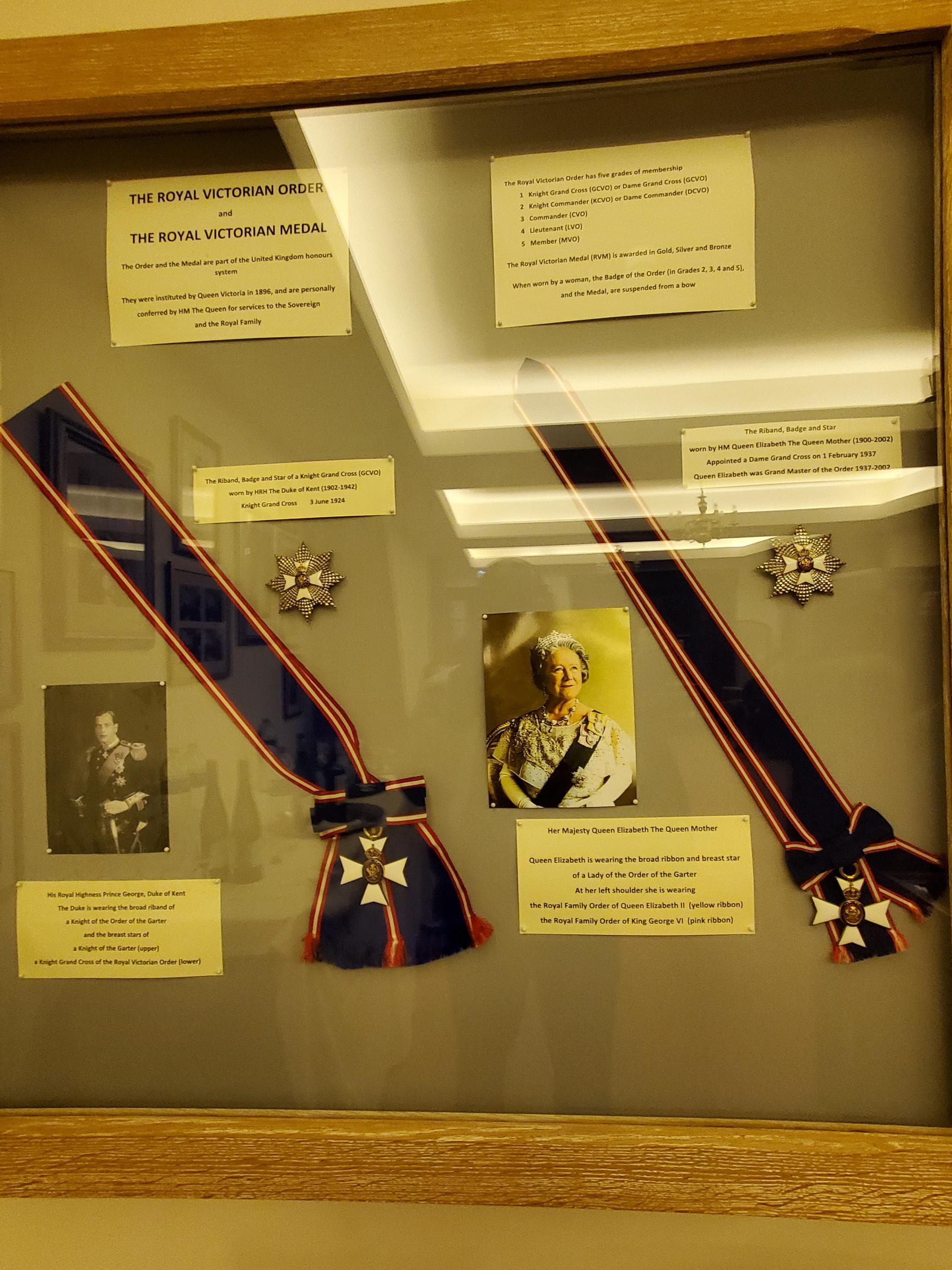
This framed display explains the different grades of the Royal Victorian Order (RVO) and shows examples of the insignia, including:

  • Knight/Dame Grand Cross (GCVO)
  • Knight/Dame Commander (KCVO/DCVO)
  • Commander (CVO)
  • Lieutenant (LVO)
  • Member (MVO)
  • Royal Victorian Medal (RVM) in Gold, Silver, and Bronze

The RVM is unique because it honours personal service by staff who support the Royal Household directly, often throughout a lifetime. The photos in the display include historical figures wearing the ribbons and badges, underscoring the order’s strong ties to loyalty and lifelong commitment.


Why These Artefacts Mattered at a Carers Event

These historical items weren’t just museum pieces; they told a story of service, loyalty, remembrance, and quiet strength. I think in that sense, they perfectly framed the Carers UK Christmas Service.
Carers Rights Day 2025 – “Know Your Rights, Use Your Rights”

By Matthew McKenzie – Volunteer of Carers UK

On this year’s Carers Rights Day 2025 (Thursday 20 November), the theme is “Know your rights, use your rights.”

If you care for someone, whether it’s a partner, parent, child or friend; you may be missing out on vital support simply because you didn’t realise you have rights as a carer.

In my new video I walk you through what those rights actually are, and how you can use them in practice.

In this video you’ll discover:

  • Why recognising yourself as a carer matters
  • Key rights every carer should know (from assessments to flexible working)
  • How to make use of those rights in your daily life
  • Where to go for help, guidance and support

Click the link, take two minutes, and empower yourself today.

Equality: Today and Tomorrow — Reflections from the Mary Webster Lecture

By Matthew McKenzie – Carer activist (volunteer of Carers UK)

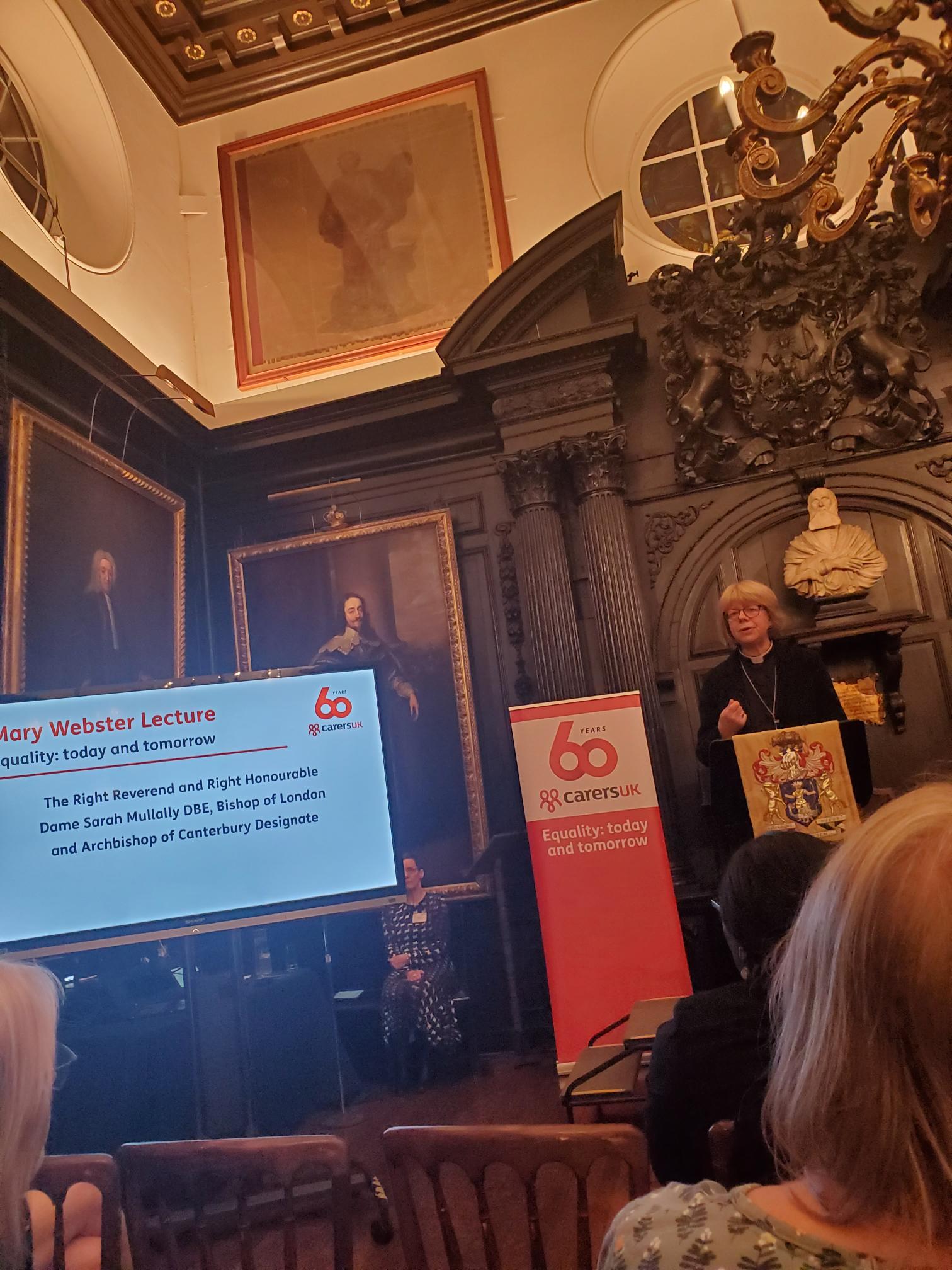
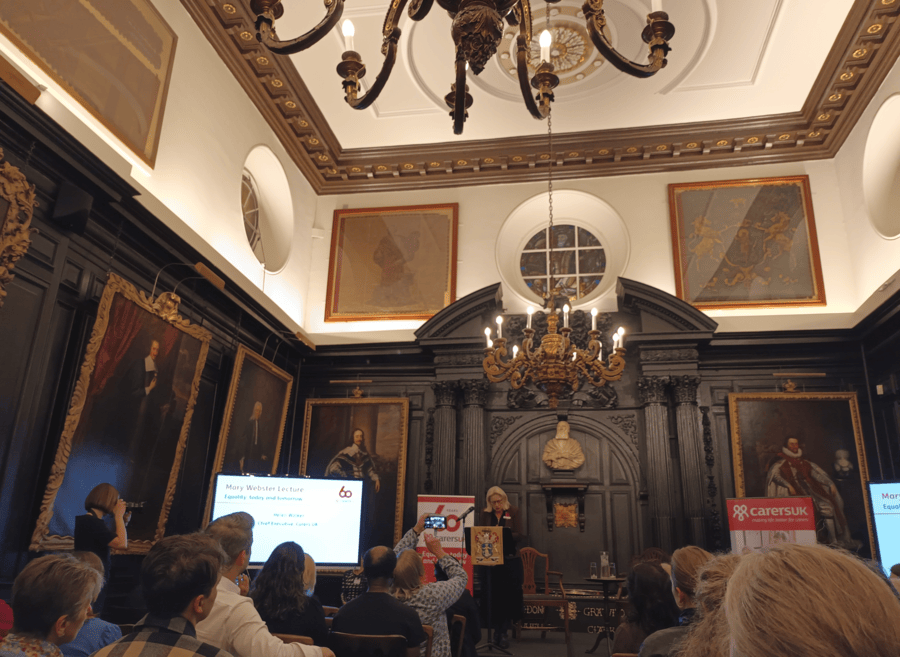
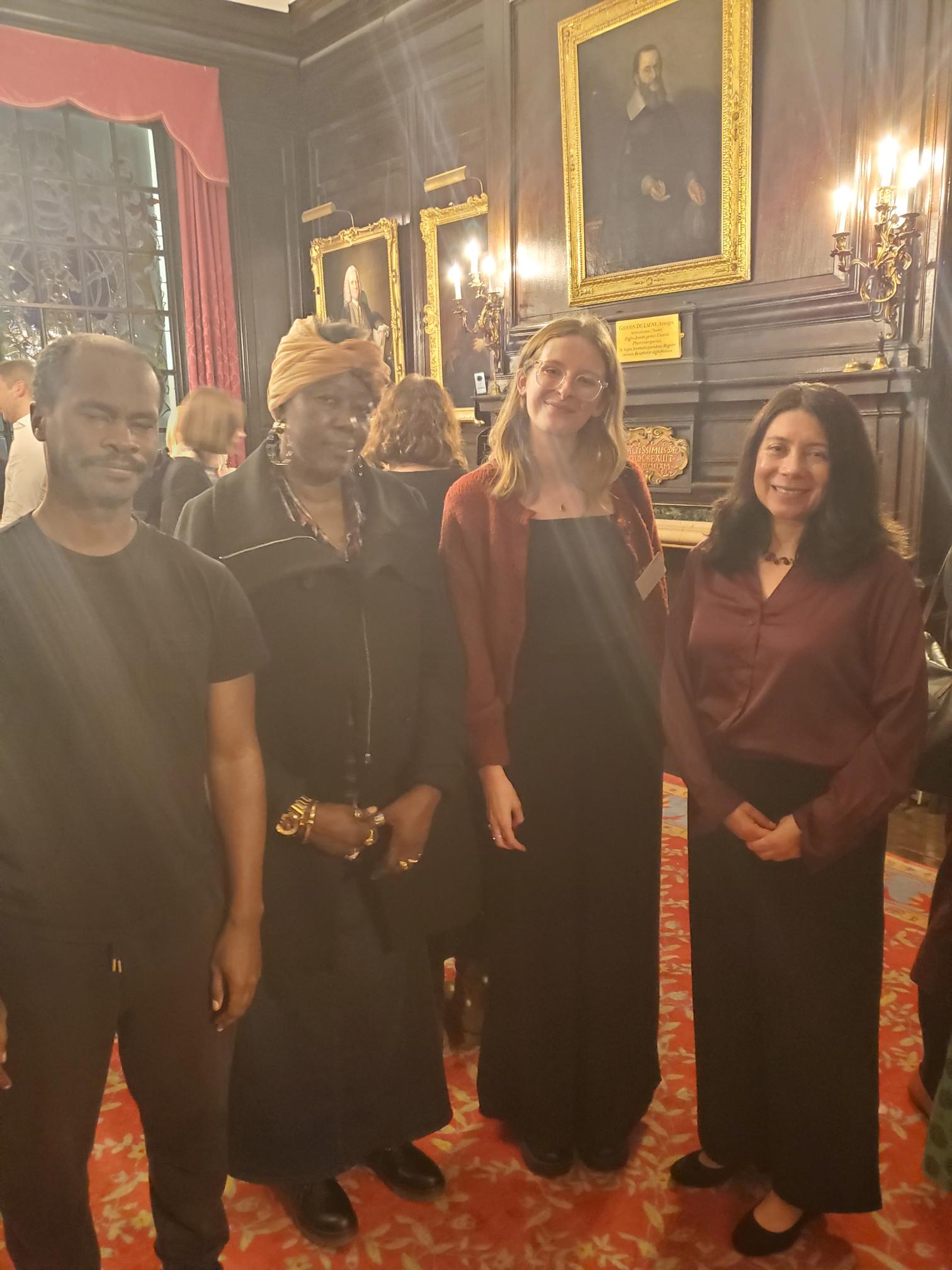
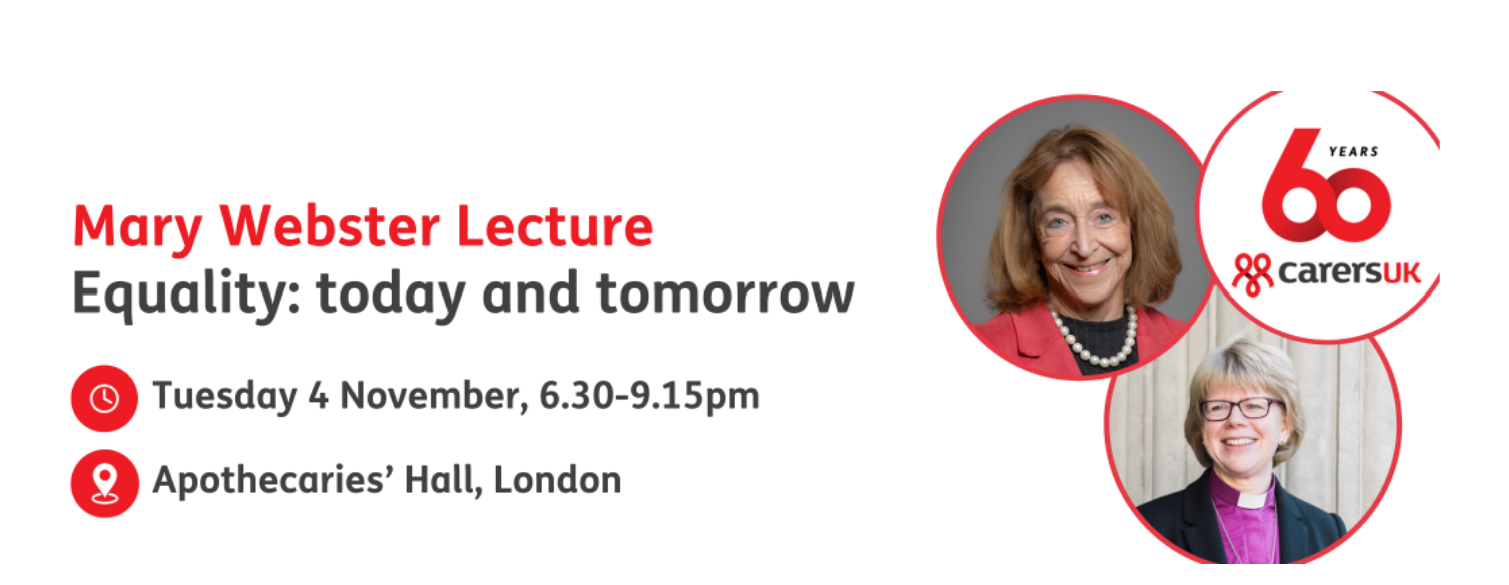
Last night I attended the Mary Webster Lecture at Apothecaries’ Hall in London, a special event marking Carers UK’s 60th anniversary. As someone who has cared for family members and now volunteers with Carers UK, it was moving to sit among other carers, professionals, and campaigners who have worked so hard for recognition and equality.

The event honoured Reverend Mary Webster, the founder of Carers UK, whose vision decades ago helped lay the foundations for unpaid carers’ rights. Today, as we still fight for equality and understanding, her legacy feels more important than ever.

Setting the Scene

Apothecaries’ Hall is a grand, historic space filled with portraits and a sense of tradition. But it also felt like the right place to discuss change how we can build a future where carers are respected and supported equally. The evening began with warm welcomes and reflections from Helen Walker, Chief Executive of Carers UK. She reminded us that while progress has been made, many unpaid carers still live in poverty, often earning less than the minimum wage for full-time dedication.

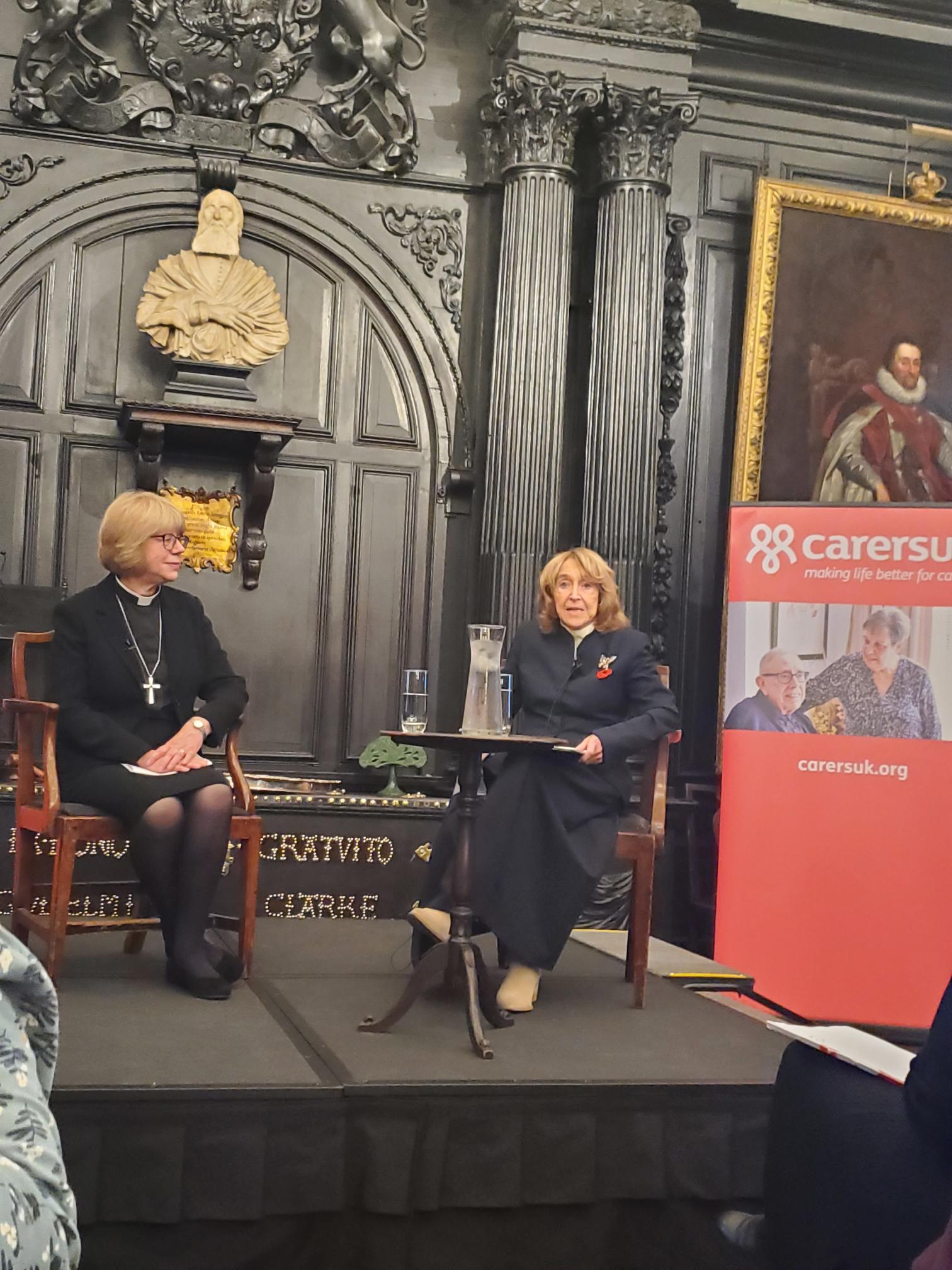
Then came the highlight of the evening a talk by The Right Reverend and Right Honourable Dame Sarah Mullally DBE, Bishop of London and recently named Archbishop of Canterbury Designate, in conversation with Baroness Jill Pitkeathley OBE, long-time carer champion and former Carers UK CEO.

Dignity in Caring

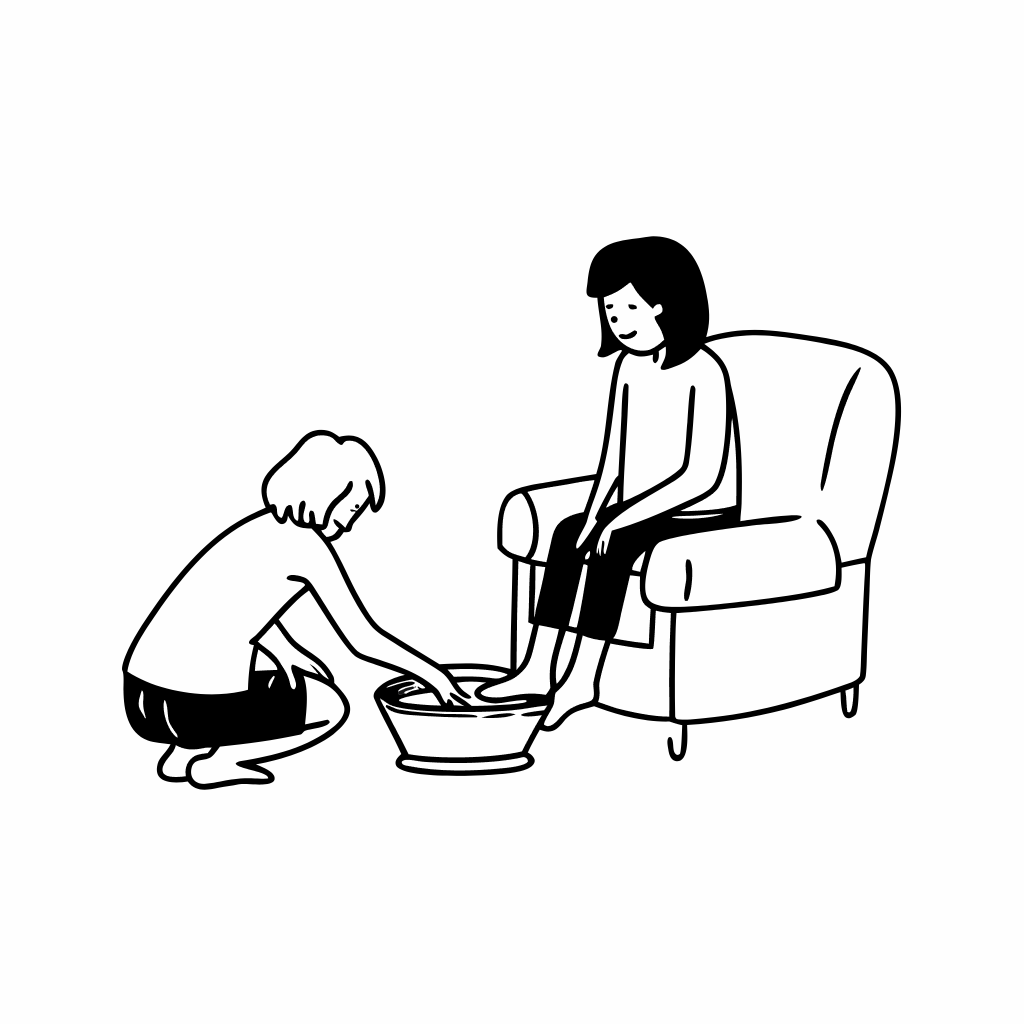
Bishop Sarah spoke with warmth and honesty about her journey from nursing to the Church. What struck me most was her story about washing her grandmother’s feet when she was a young nurse, which a simple act that carried deep dignity. She used that image to describe caring itself: often quiet, unseen, but filled with compassion and humanity.

Her message was clear that care is about dignity. Every person, regardless of ability, age, or background, has value. She reminded us that dependency isn’t weakness it’s part of being human. We all depend on others at different points in our lives.

As a Black male carer, that message really resonated. In many of our communities, caring happens quietly, often behind closed doors, without recognition or support. Bishop Sarah’s words reminded me that this invisible work deserves to be seen and respected not just by policy makers, but by society as a whole.

Lessons on Equality and Faith

Baroness Pitkeathley joined Bishop Sarah for a deep conversation about equality today and tomorrow. They reflected on how far carers’ rights have come and how far we still have to go. From health and financial struggles to workplace inequality, many of the same challenges from the 1990s remain today.

Bishop Sarah also spoke about the Church’s Reimagining Care Commission, which calls for a new “covenant of care” a moral agreement between government, communities, and families to share responsibility for those who need care. It’s not just about services, but about values: compassion, respect, and community.

Hearing that from someone soon to become the Archbishop of Canterbury gave me hope. It felt like a recognition that faith, ethics, and social justice must go hand in hand.

Voices from the Floor

The Q&A that followed was emotional and powerful. Carers from the audience spoke up about their struggles housing, mental health, disability, and the loneliness that caring can bring.

One carer shared the pain of fighting for proper housing for her disabled son; another spoke about the toll on her own health. Each voice reminded me that caring is more than statistics it’s real people doing extraordinary things every day, often without support.

My Reflection as a Black Carer Activist

As I looked around the room, I thought of the carers in Black and ethnic minority communities who face extra barriers language, stigma, or fear of not being understood. Too often, our voices are missing from the conversation. I decided to have a chat with Dame Sarah Mullally about my thoughts, still nights like this show that inclusion is possible, and necessary.

Equality for carers means also recognising our diversity on different cultures, faiths, and family structures and ensuring that every carer can access the help they need, without judgement or struggle.

I left the event feeling encouraged but also challenged. Encouraged by the leadership and compassion of women like Bishop Sarah and Baroness Pitkeathley, who continue to champion carers’ rights. Challenged, because the journey isn’t over and each of us, whatever our background, has a role to play.

A Call for Tomorrow

Sixty years after Mary Webster founded Carers UK, unpaid carers are still holding society together.

We save the country billions, yet too many of us live in hardship. As Bishop Sarah said, we must rethink how we value care not as a cost, but as a cornerstone of our humanity.

For me, as a carer activist, that means continuing to speak up, share stories, and bring carers from all communities together. Because equality today and tomorrow starts with being seen, heard, and valued.


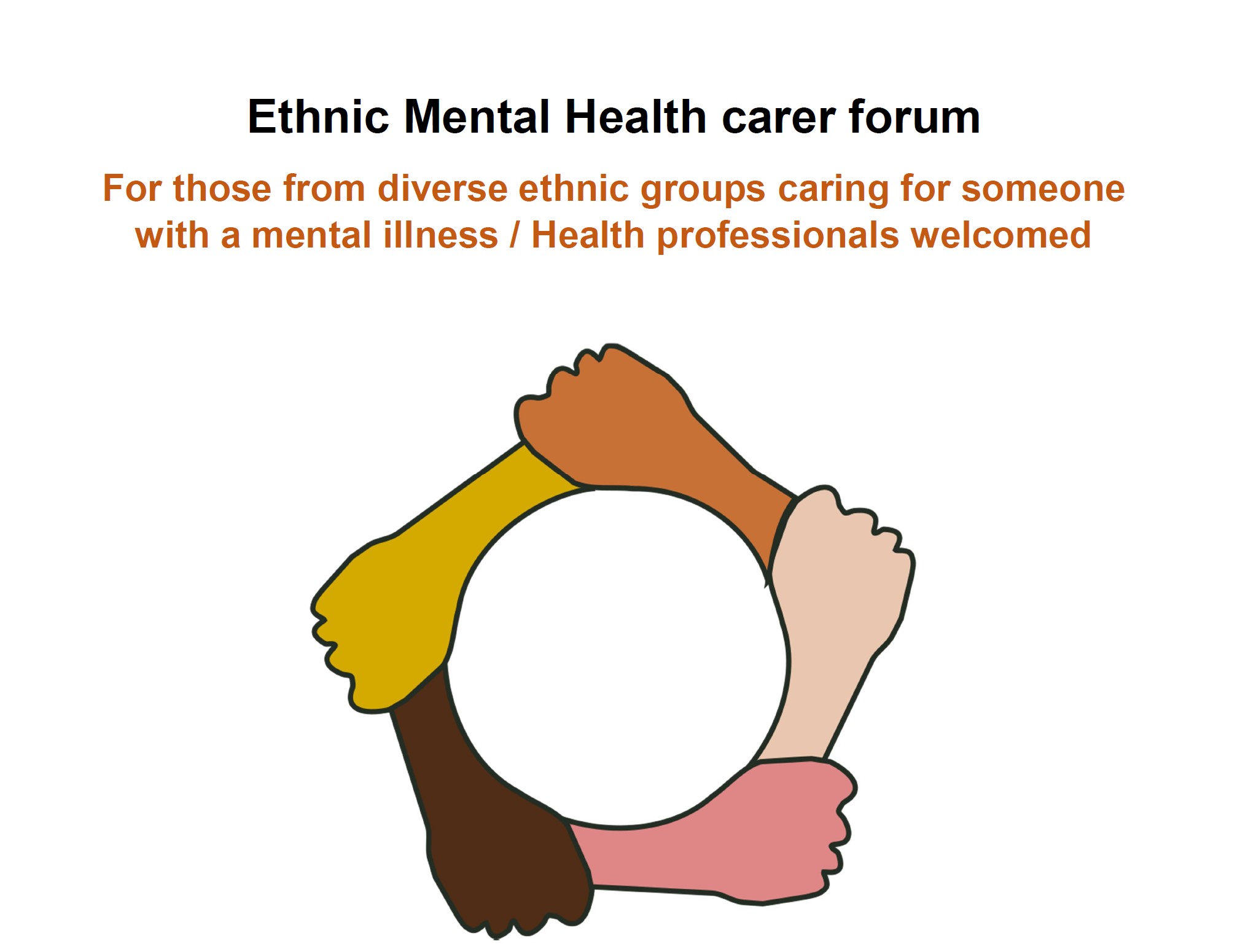
Ethnic mental health Carer Forum : October Update 2025

By Matthew McKenzie, Facilitator, National Ethnic Mental Health Carer Forum

Introduction: A Forum that Connects and Challenges

As the facilitator of the National Ethnic Mental Health Carer Forum, I never take for granted how special these sessions are. Each month, carers, professionals, and researchers from all over the UK log in to share knowledge, raise awareness, and push for change in how mental health services understand and support ethnic minority communities.

Our October 2025 session was a powerful one. Falling on the last day of Black History Month, it brought together crucial themes on race equality, co-production, research, and carer visibility.

We heard from two key areas shaping mental health equity right now:

  • The OSMOSIS Project, led by Dr. Jacqueline Sin and Sharon Galliford, focusing on developing social care-based support for carers of people with psychosis.
  • The Patient and Carer Race Equality Framework (PCREF), presented by Aboobaker Bhana, Equality and Involvement Manager for South West Yorkshire Partnership NHS Foundation Trust.
Continue reading

Lewisham, Southwark & Lambeth carer forum update September 2025

By Matthew McKenzie – Carer activist and facilitator of the group

The group is a community of carers in Lambeth, Southwark and Lewisham that exists to provide support, advocacy, and connection for people looking after loved ones living with mental illness. It brings together unpaid carers of all ages and backgrounds to share experiences, learn from one another, and build confidence in dealing with health and social care professionals. A core part of its mission is reducing isolation by creating a safe space where carers can speak openly, develop skills, and access practical resources like advocacy services.

The meeting began with introductions and updates from various participants, including myselff where I discussed work with London Hospitals and the NHS app, while other carers introduced themselves to the group. In attendance was Tama from PohWer presented information about carer complaints and support services across different regions, including discussions about the potential impact of Healthwatch’s dissolution on patient and carer support services.

Continue reading

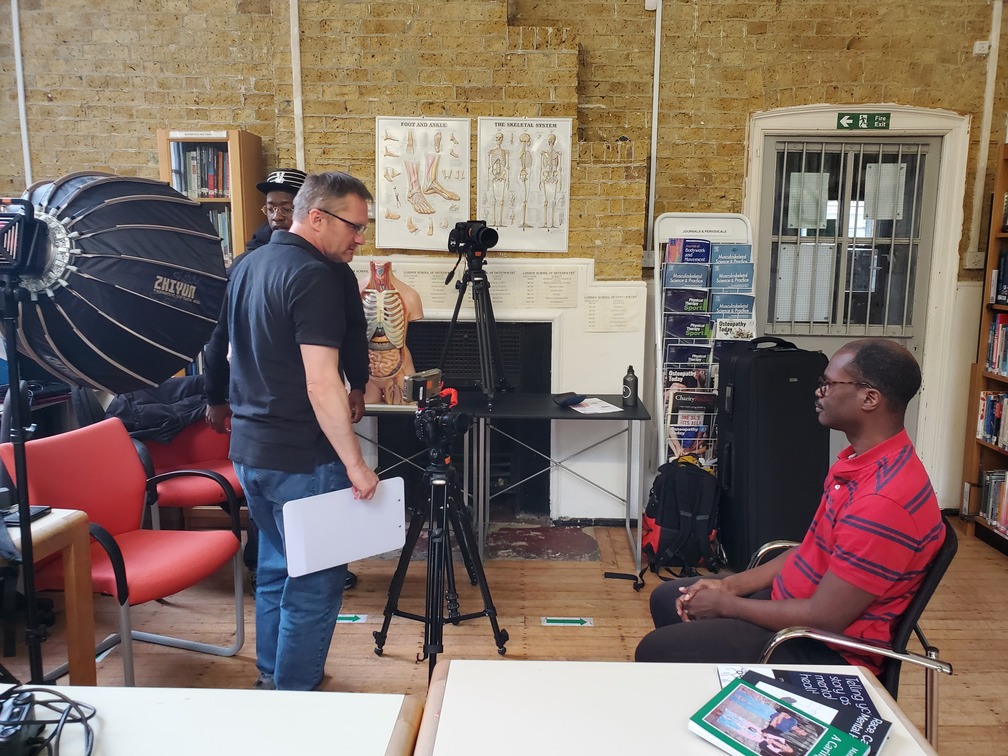
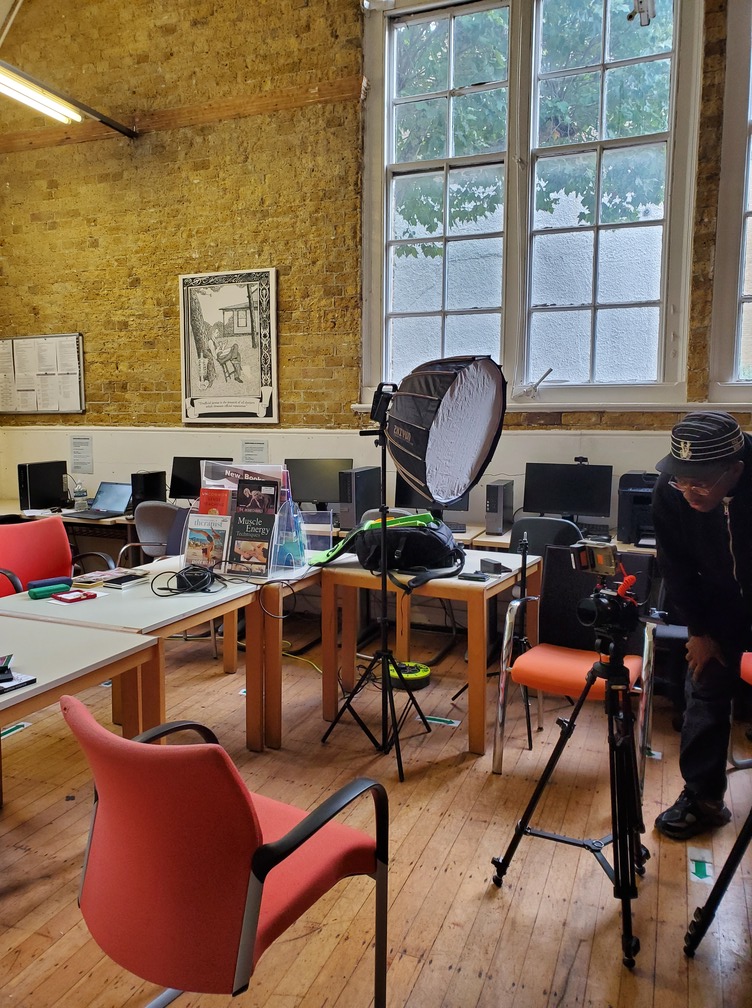
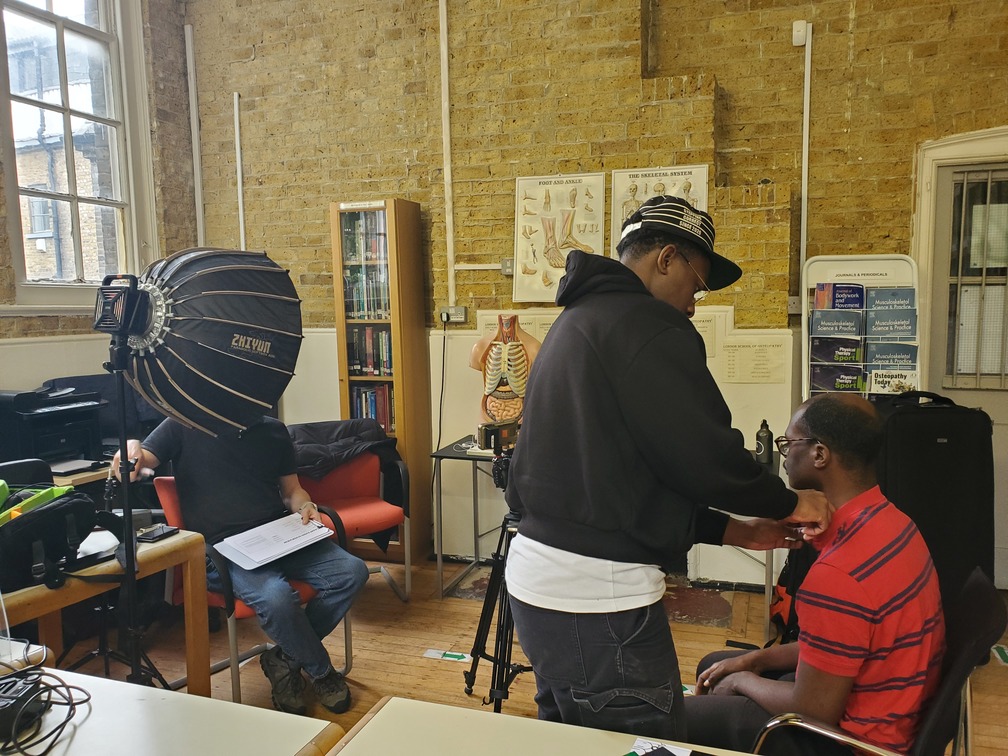
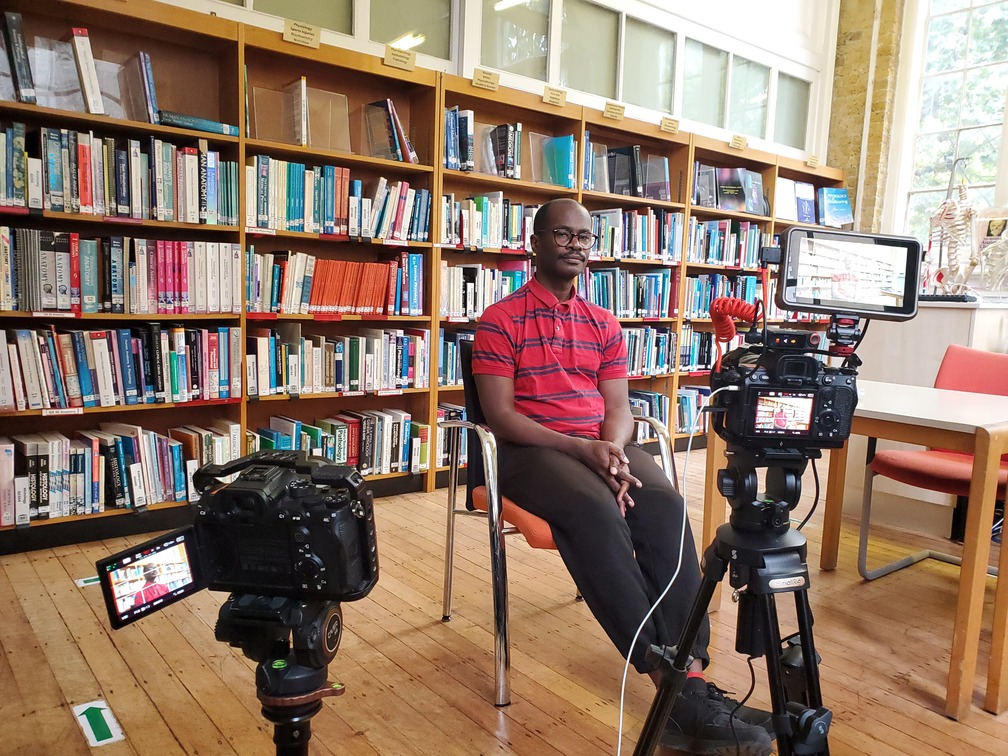
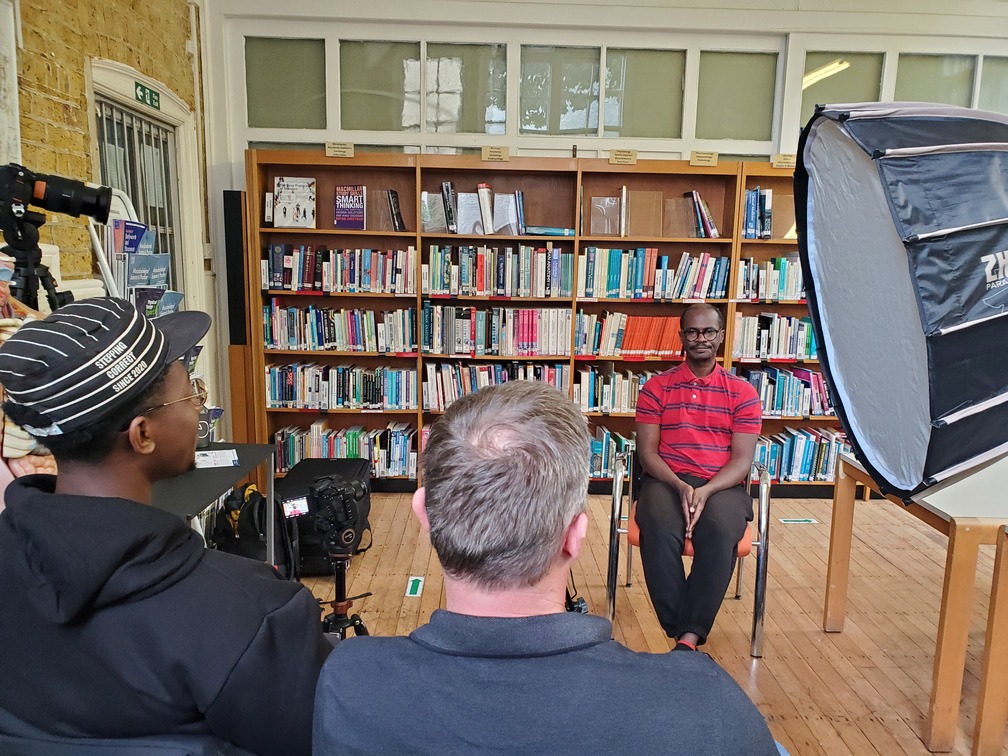
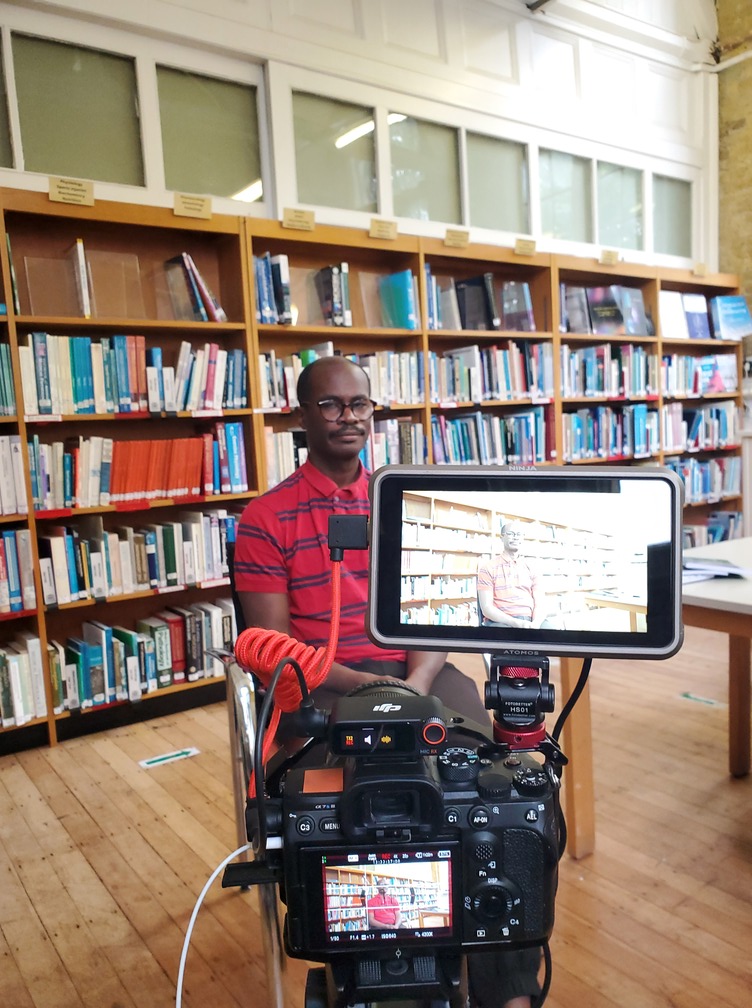
Filming My Story as a Carer with Specsavers Carers Hub

Today I had the opportunity to be interviewed for the Specsavers Carers Hub, a platform that shares real stories, advice, and support for those who dedicate their lives to caring. It was a chance to reflect not only on my role as a carer but also on the deeper themes of healing, connection, and creativity that shape my journey.

Telling My Story

As someone with lived experience of caring for my mother and brothers, I know first-hand how demanding and emotional the role of an unpaid carer can be. I shared their story through my words and memories.

Speaking on camera about my caring role reminded me why visibility matters. Carers often go unseen, yet carer voices hold the power to inspire change, raise awareness, and remind others that they are not alone.

The Importance of Self-Healing

One of the most important parts of my journey has been recognising the need for self-care and self-healing. Carers often put the needs of others before their own, but to continue supporting loved ones, we must nurture our own wellbeing. Whether through reflection, community, or creative outlets, finding ways to heal is not selfish.

Connecting with Carers

During the interview, I spoke about the importance of connection. Meeting other carers, whether through groups, campaigns from Carers UK, or online spaces, brings a sense of solidarity. I wont say much about the interview, you will need to watch the video when it is released.

The Power of Poetry and Words

For me, poetry has always been a form of healing. Writing and performing allows me to give shape to emotions that are often hard to express. In the beginning of my caring journey, words were painful, but after a while words can be medicine they can validate, soothe, and inspire both writer and listener.

A Special Thanks to Specsavers

I couldn’t end without mentioning the role my Specsavers glasses played in my journey. Whether it’s writing late into the night, reading the works that inspire me, or standing up to perform poetry, my glasses have been an essential tool.

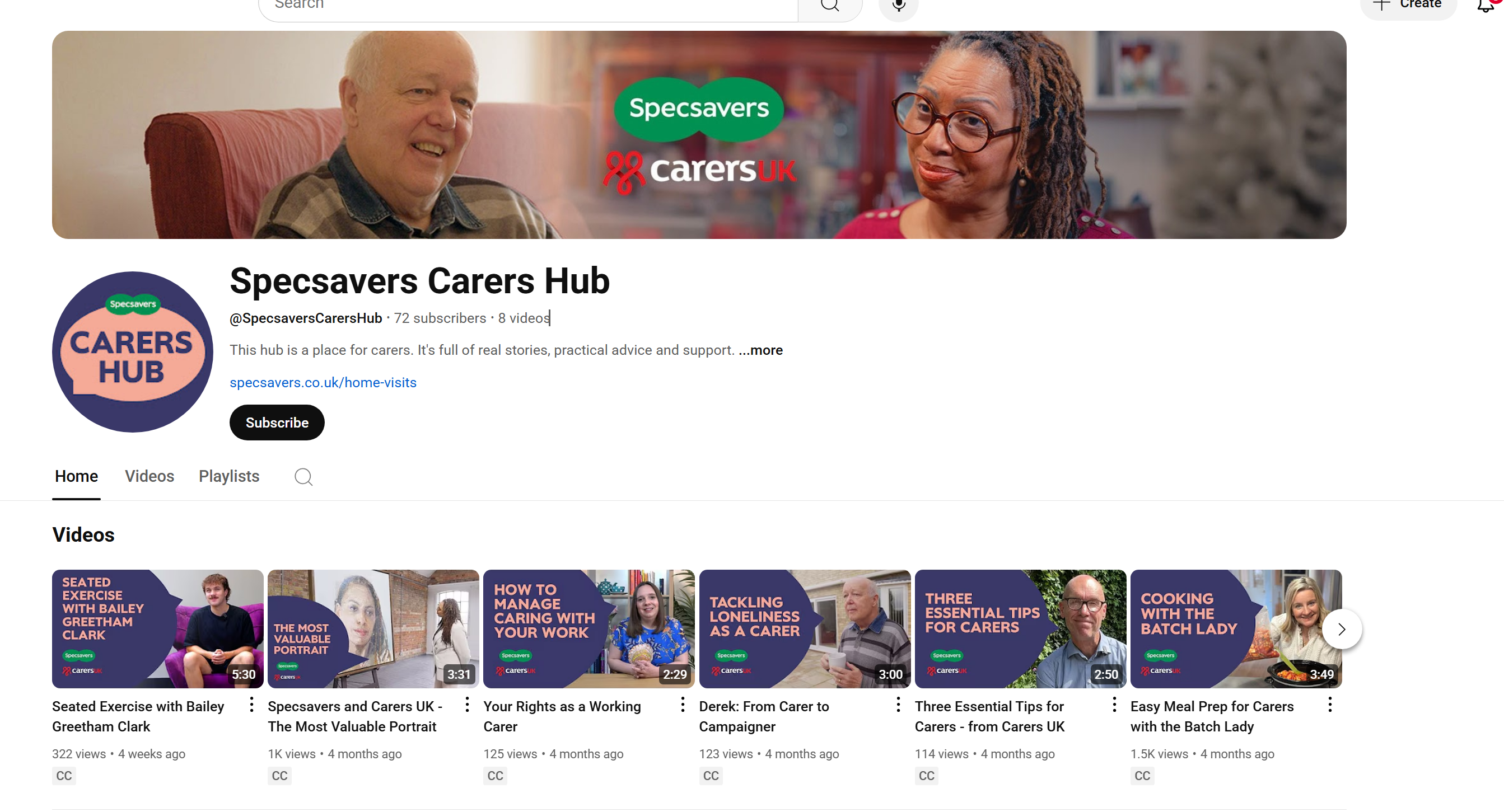
To check out previous carer stories, please viset the Specsavers Carers Hub below.

https://www.youtube.com/@SpecsaversCarersHub

Keep an eye out for the latest set of videos from Specsavers Carers hub