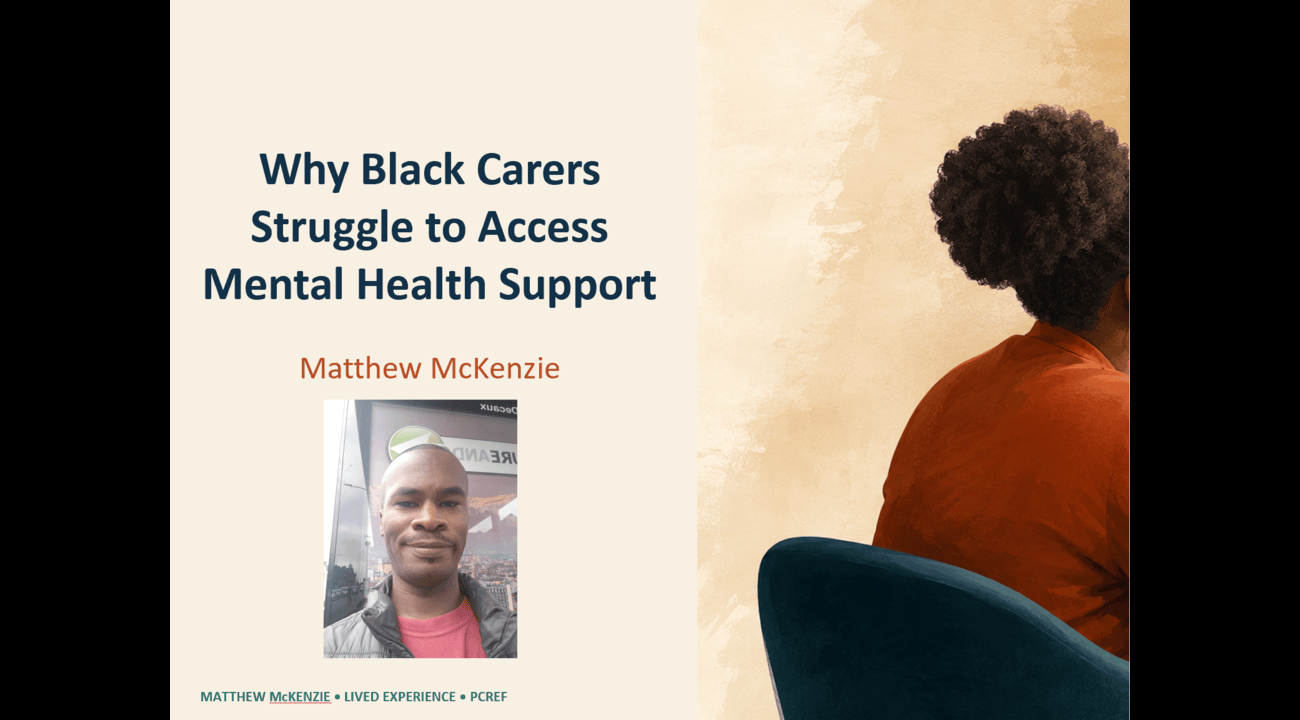
By Matthew McKenzie – facilitator of carer groups
Dr Eiluned Pearce, a trainee clinical psychologist and researcher at the University of Oxford, is seeking help recruiting participants for an important study about unpaid carers’ wellbeing.
The study will explore whether attending social and community groups, including carer support groups, clubs and other group activities is associated with improved wellbeing among people supporting someone with a severe mental illness.

This is particularly relevant to what I promote at my site because many unpaid carers rely on peer groups and carer forums for understanding, information and a sense of connection. However, you do not need to attend any kind of group to participate. The researchers need to hear from carers who attend groups and those who do not.
Who can take part?
You may be eligible if you:
- Are aged 18 or over
- Live in the United Kingdom
- Speak English fluently
- Provide unpaid emotional or practical support to someone aged 16 or over
- Support someone experiencing psychosis, bipolar disorder, an eating disorder, or complex emotional needs/personality disorder
- Do not personally experience a severe mental illness
You do not have to describe yourself as a “carer” or “caregiver”. You might consider yourself a relative, partner, parent, sibling or friend who provides essential support.
What does participation involve?
Participants will complete an anonymous online survey lasting approximately 40 minutes. You can take breaks and return to it using the same internet browser, provided it is completed within one week of starting.
Questions will cover your wellbeing and mental health, the support you provide, its impact on you, any groups you attend and some information about your background.
Individual responses will not be shared outside the research team, and IP addresses will not be recorded.
Take part in the study
To read more about the research and access the survey, visit:
https://tinyurl.com/CaregiverSMIWellbeingOrgs
The study has been approved by the University of Oxford Central University Research Ethics Committee (reference: MS IDREC 2204969).
For questions about the research, please contact:
Dr Eiluned Pearce
Email: eiluned.pearce@psy.ox.ac.uk
Telephone: 07775 229377
Dr Lorna Hogg
Email: lorna.hogg@hmc.ox.ac.uk
Dr Shama El-Salahi
Email: Shama.ElSalahi@oxfordhealth.nhs.uk
Research into carers’ wellbeing remains limited, and it is important that the experiences of people supporting someone with a severe mental illness are properly heard and understood.