The Importance of Ethnic Minority Mental Health Carer Voices: Empowering Unpaid Carers from the Global Majority by Matthew McKenzie
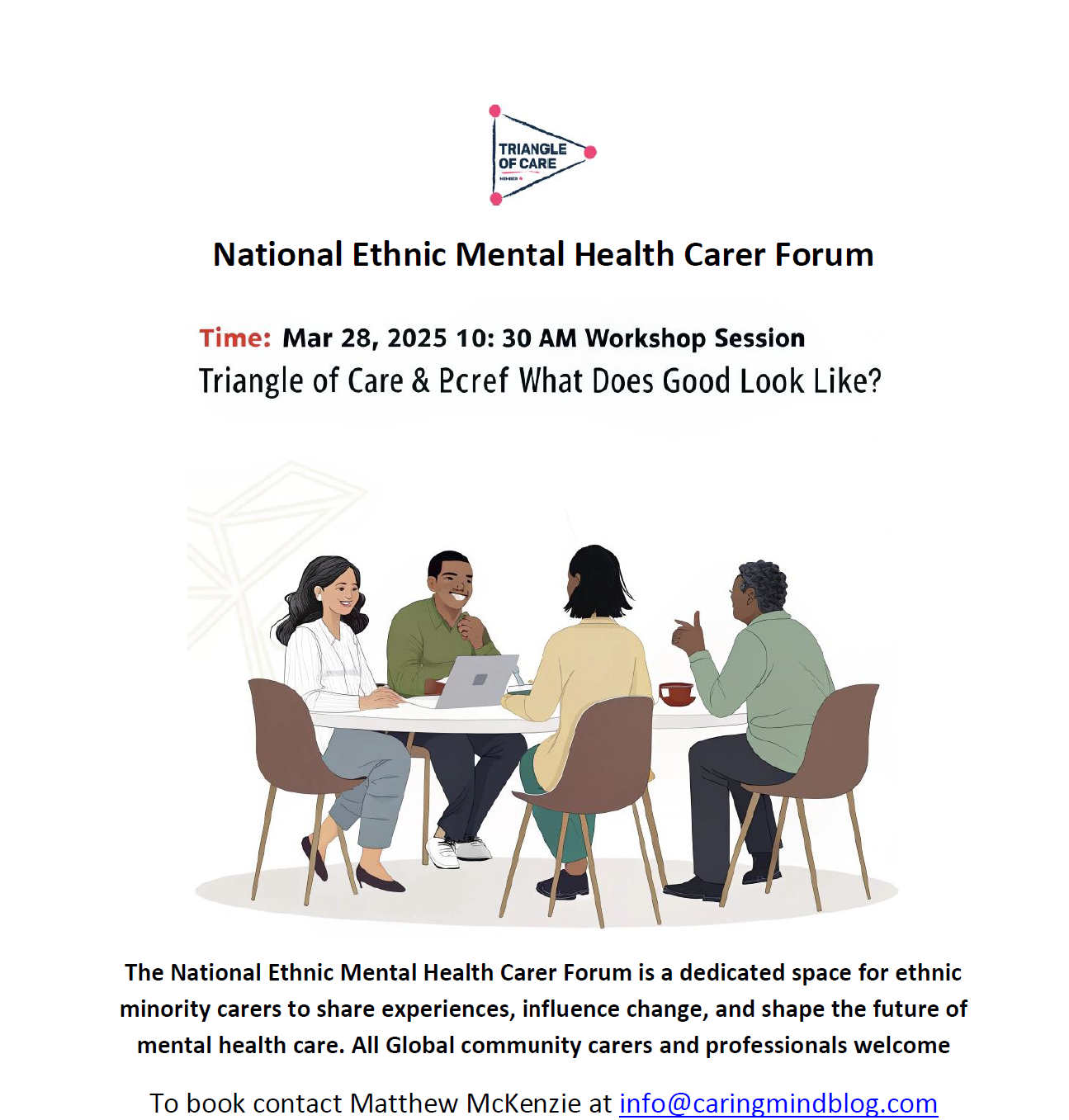
In today’s world, the voices of ethnic minority carers in mental health services must be heard and valued. The National Ethnic Mental Health Carers Forum meeting, held on March 28, 2025, underscored the vital role that co-production and lived experience play in shaping better services for those who care for loved ones with mental health needs.
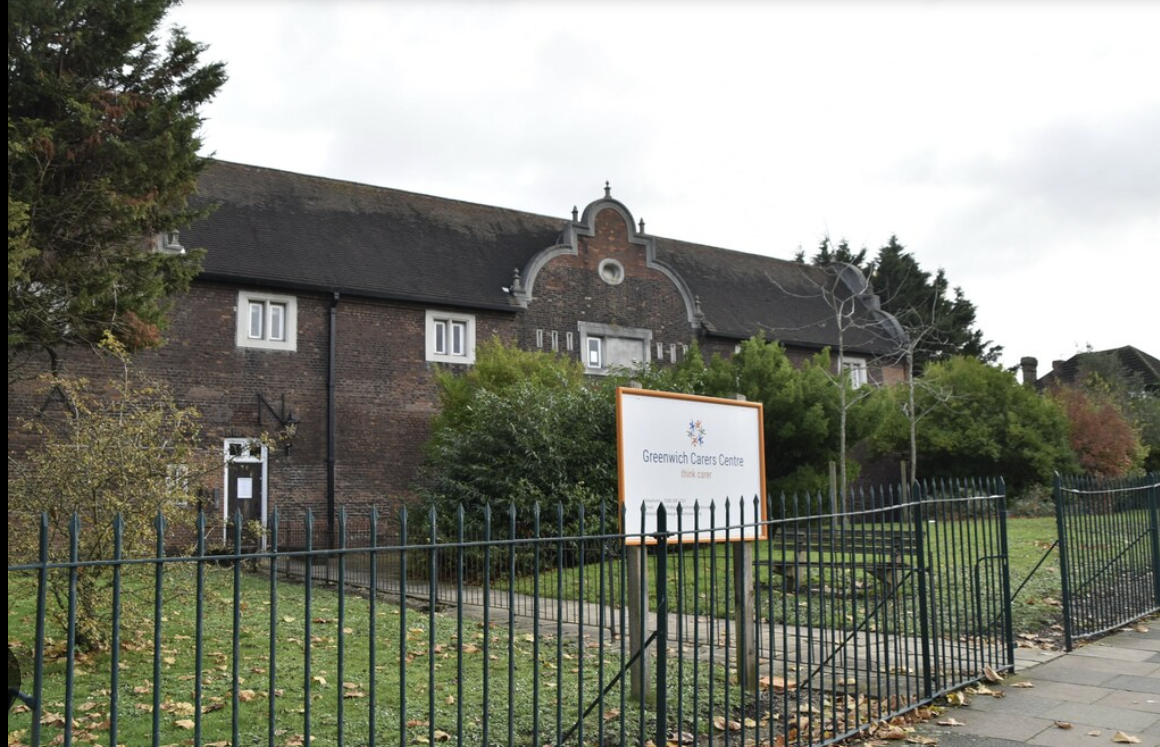
On Wednesday 26th March, I had the pleasure of attending and representing Carers UK along with Greenwich Carers MH carers grouos. This was at the Greenwich Carers centre – Carers Forum – Mental Health event.
The event was held in the building and then in a beautiful garden setting surrounded by passionate individuals and organisations all focused on supporting unpaid carers. As someone who’s deeply involved in carer advocacy, this was more than just an information stall, it was a moment to connect, empower, and share resources that can make a real difference in someone’s life.
By Triangle of Care community chair Matthew McKenzie FRSA BEM
For the month of March, unpaid carers, NHS professionals, and key stakeholders came together for another Triangle of Care National Community Meeting, which is a powerful space of collaboration, reflection, and shared purpose. Chaired by Matthew, the meeting spotlighted significant developments in carer engagement, mental health service standards, and equity frameworks across the NHS.
Hello everyone, it’s Matthew McKenzie here with another lecture aimed at unpaid carers. As you can see from the title, I’m in carer activist mode, which is basically what I am. And when I say carer, I’m talking about unpaid carers, those that care for someone living with a long-term illness. In this lecture, we will focus on effective ways for carers to lobby the government and create change.
To see the video lecture, see below.
Why Lobby Now?
Urgent Issues
You might be thinking, why am I making this sort of video now? The NHS is due to undergo significant changes, which will cause a lot of problems and challenges, especially for carers.
Caring for someone with a mental illness is an emotional, often isolating experience. Unpaid carers—whether they are family members, friends, or loved ones—carry immense responsibility, yet their voices can feel unheard, especially within the healthcare system.
One of my poem’s “On Being Heard” taken from my book The Poetry Book of Mental Health Caring, captures this struggle with raw honesty.
Here is another blog post aimed at those caring for a loved one living with mental illness. If you want to see the video lecture of “Advocacy & Mental Health Care Top Questions Every Carer Should Ask”. Click on the video below.
Caring for someone with a long-term mental illness is both a noble and challenging task. In today’s society, unpaid carers, often family members or close friends, play a crucial role in supporting individuals with mental health needs. Despite their importance, unpaid carers frequently navigate a complex and overwhelming landscape of rights, services, and support systems.
On February 25th, 2025, carers, professionals, and support organizations gathered at Tooley Street for a Carers event provided by Southwark Council. The event was developed by Sarah Bullman, Senior Policy and Strategy Lead for Adult Social Care over in Southwark. The event, hosted by Simon Rayner, provided an opportunity to connect, share updates, and explore ways to support carers in the community.
Key Highlights from the Event:
🔹 Carefree – Presented by Salil Meech Mazumdar, Carefree shared their work in providing much-needed short breaks and respite opportunities for unpaid carers, ensuring they have time to rest and recharge.
🔹 Southwark Carers – Sarah Bullman introduced Southwark Carers including Verinder CEO of Southwark Carers, an essential organization offering tailored advice, practical support, and advocacy for carers in the borough of Southwark.
🔹 Mobilise – A digital-first platform supporting carers, Mobilise was discussed in depth, highlighting how online peer support and coaching can help carers navigate their roles more effectively.
🔹 Imago – Known for their work in youth and adult carer services, Imago shared updates on their projects that focus on young carers, connecting them with resources and professional guidance.
🔹 Carers Hub/Centre – Southwark council focus on a new Carers Hub set for next year, where updates on focus groups and workshops on how the carers centre will be used for supporting unpaid carers.
The last section of the event was below
🔹 Voice of the Carer & Carer Empowerment – Chloe Harvey and Sarah Bullman provided updates on Southwark’s Carers Strategy, reinforcing the importance of carer voices in shaping policy.
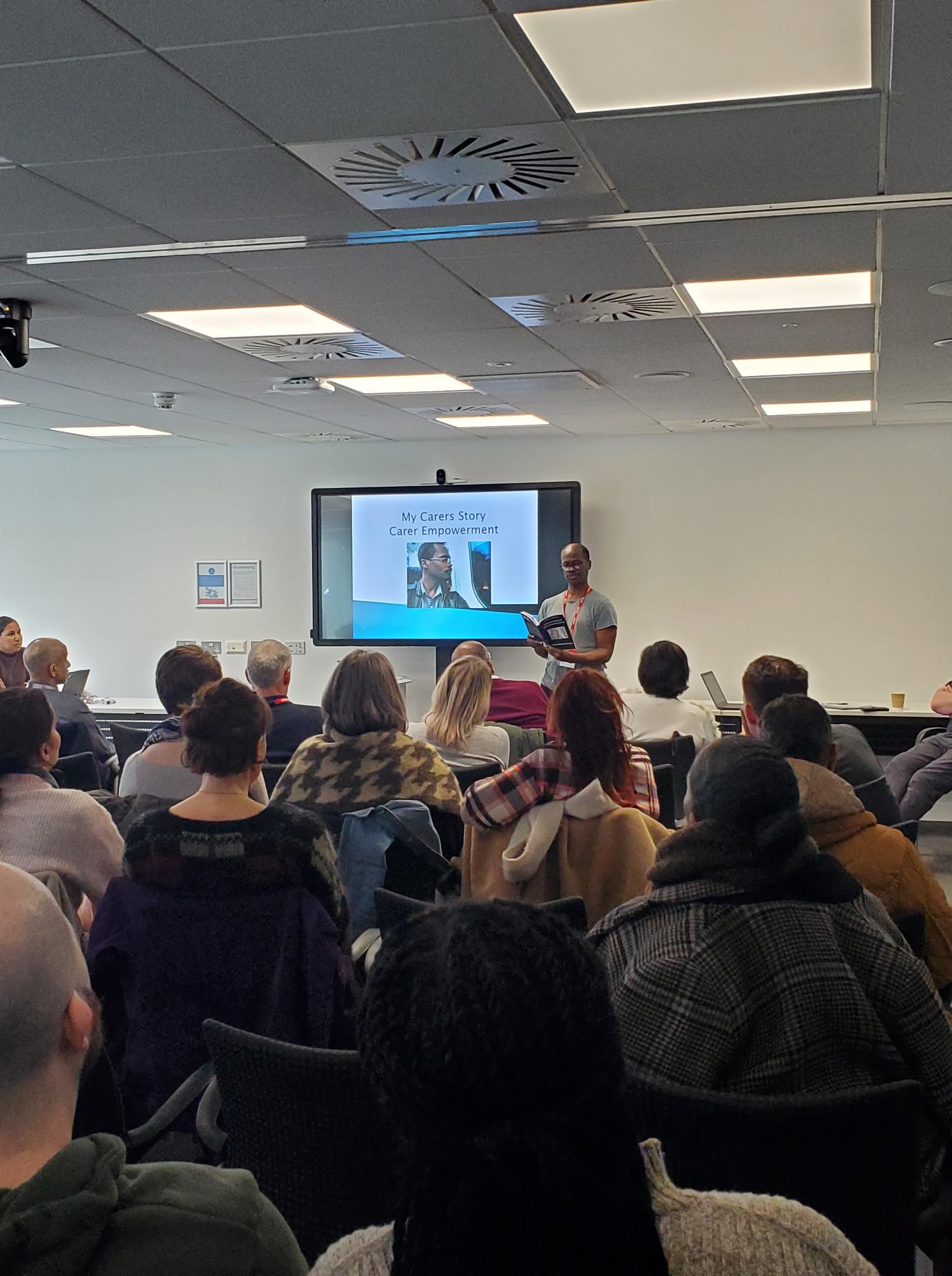
Plus Matthew McKenzie, a well-known carer advocate, spoke passionately about listening to carers, empowering them, and ensuring co-production in decision-making. He also read moving excerpts from his book, The Poetry of Mental Health Caring, which resonated deeply with attendees.
The event concluded with a networking lunch, allowing attendees to connect, share experiences, and strengthen their collective efforts in supporting carers.
This forum was a powerful reminder that carers should never feel alone—there is a strong and growing community dedicated to uplifting and advocating for them. 💙
Unpaid carers play an essential role in our healthcare system, especially for those dealing with mental ill health or long-term cancer care. Matthew McKenzie’s lecture brings much-needed attention to the critical role unpaid carers play and offers insights for both healthcare professionals and family members on how to better support these individuals. Let’s delve into key aspects highlighted in the lecture aimed at care awareness and support.
To watch a more indepth version please see the video below.
The Importance of Acknowledging and Valuing Carers
Unpaid carers are often the closest relatives or friends of the patient and have substantial insights about the patient’s history, symptoms, and what has worked best in their care journey.
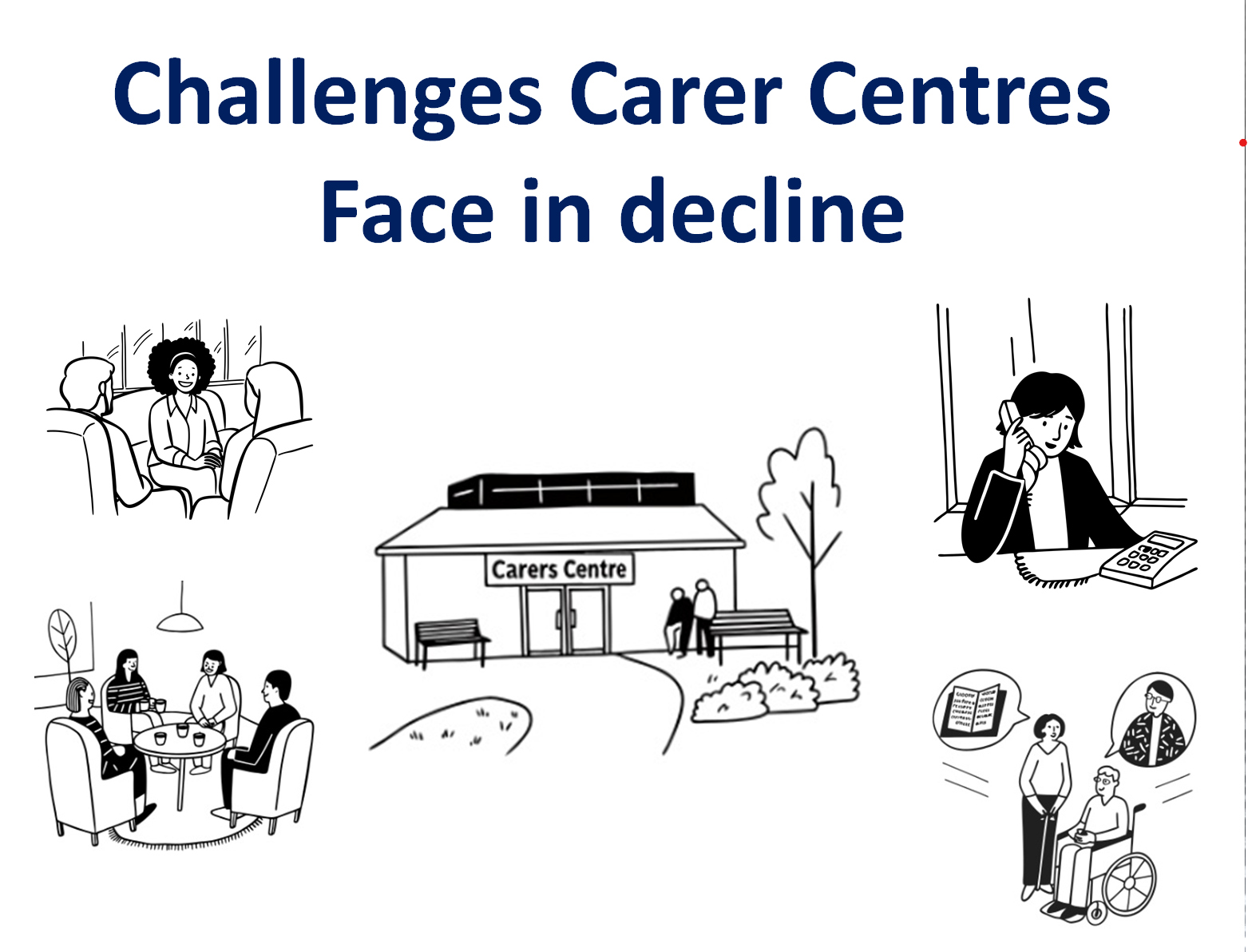
Understanding Unpaid Carers and the Vital Role of Carer Centers
This blog is by carer activist Matthew McKenzie. In the UK, millions of people, often unnoticed and unappreciated, dedicate their lives to caring for family members with long-term physical or mental health conditions. These unpaid carers are the backbone of the caregiving system, yet they face numerous challenges daily. Here, we delve into the crucial role of carer centers, the obstacles they encounter, and potential solutions to sustain and enhance their vital services.
Why Unpaid Carers Should Connect with Other Carers
Unpaid carers play an essential role in society, often providing support to loved ones with long-term illnesses, both physical and mental. However, the journey of caregiving can be challenging and isolating, making it crucial for carers to connect with others in similar roles. Establishing these connections can provide numerous benefits, including emotional support, practical advice, and a sense of community. In this blog by Matthew McKenzie, we will explore the reasons why unpaid carers should connect with other carers, structured around several key areas: emotional support, reducing isolation, accessing resources, practical advice, and mutual support for self-care.
If you want to watch the 20 minute in depth lecture, the click the video below.
 A Caring Mind