IT Officer for London School of Osteopathy and a Carer representative for Maudsley. As you can see, I have many interests shown off my blog. I hope to keep it updated with posts and more things to come soon.
By Matthew McKenzie, Carer poet and author supporting caring communities
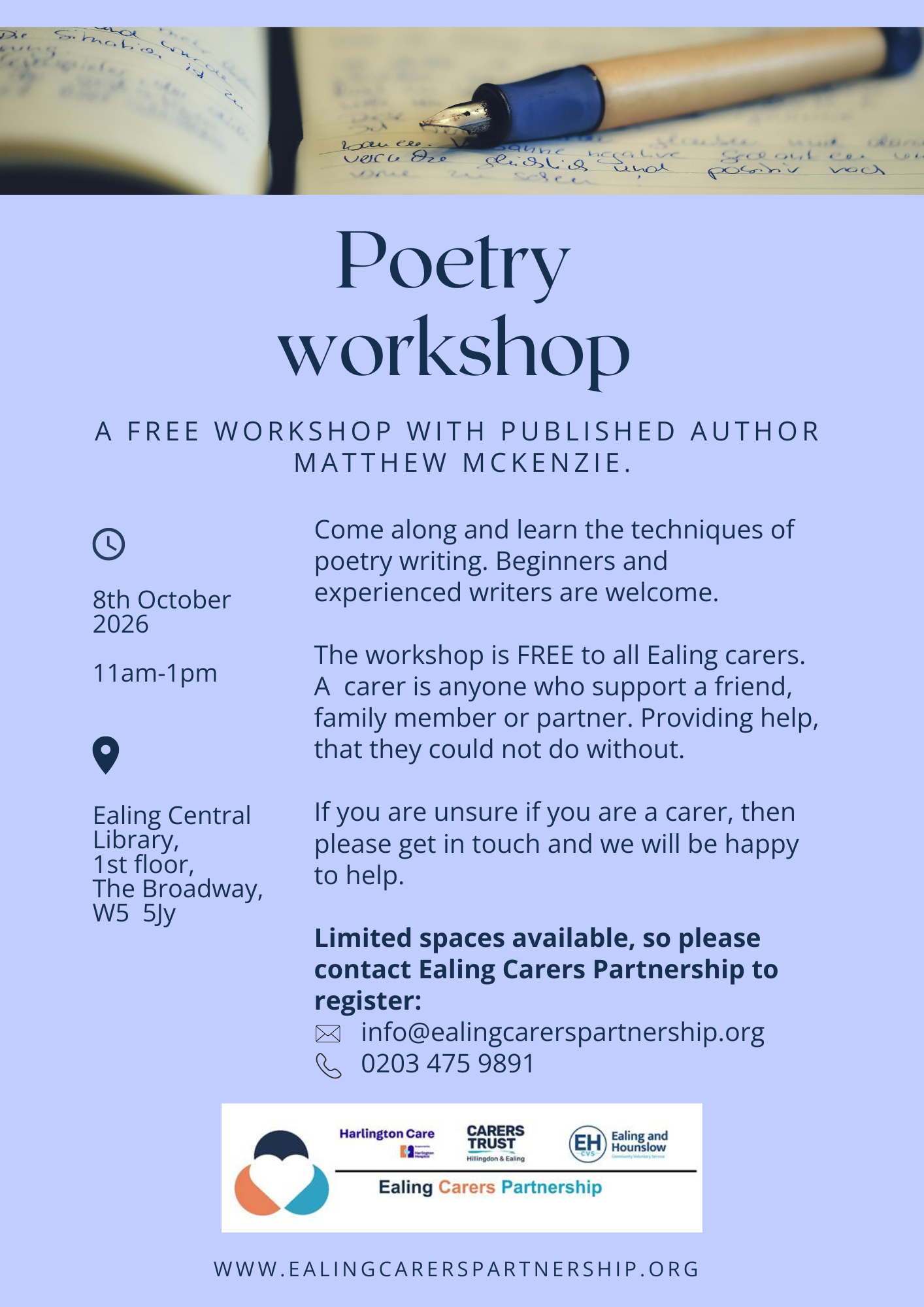
On Thursday 8 October 2026, I returned to Ealing Central Library to lead a poetry workshop for unpaid carers with Ealing Carers Partnership. We explored the library, wrote poems and experimented with performance, making time for conversation and laughter along the way.
As a carer myself, I know how easily our own interests can slip into the background. This session gave participants space to express themselves and hear one another, without needing previous poetry experience.
By Matthew McKenzie BEM, FRSA – Carer Activist, Unpaid Carer and Triangle of Care Community Chair
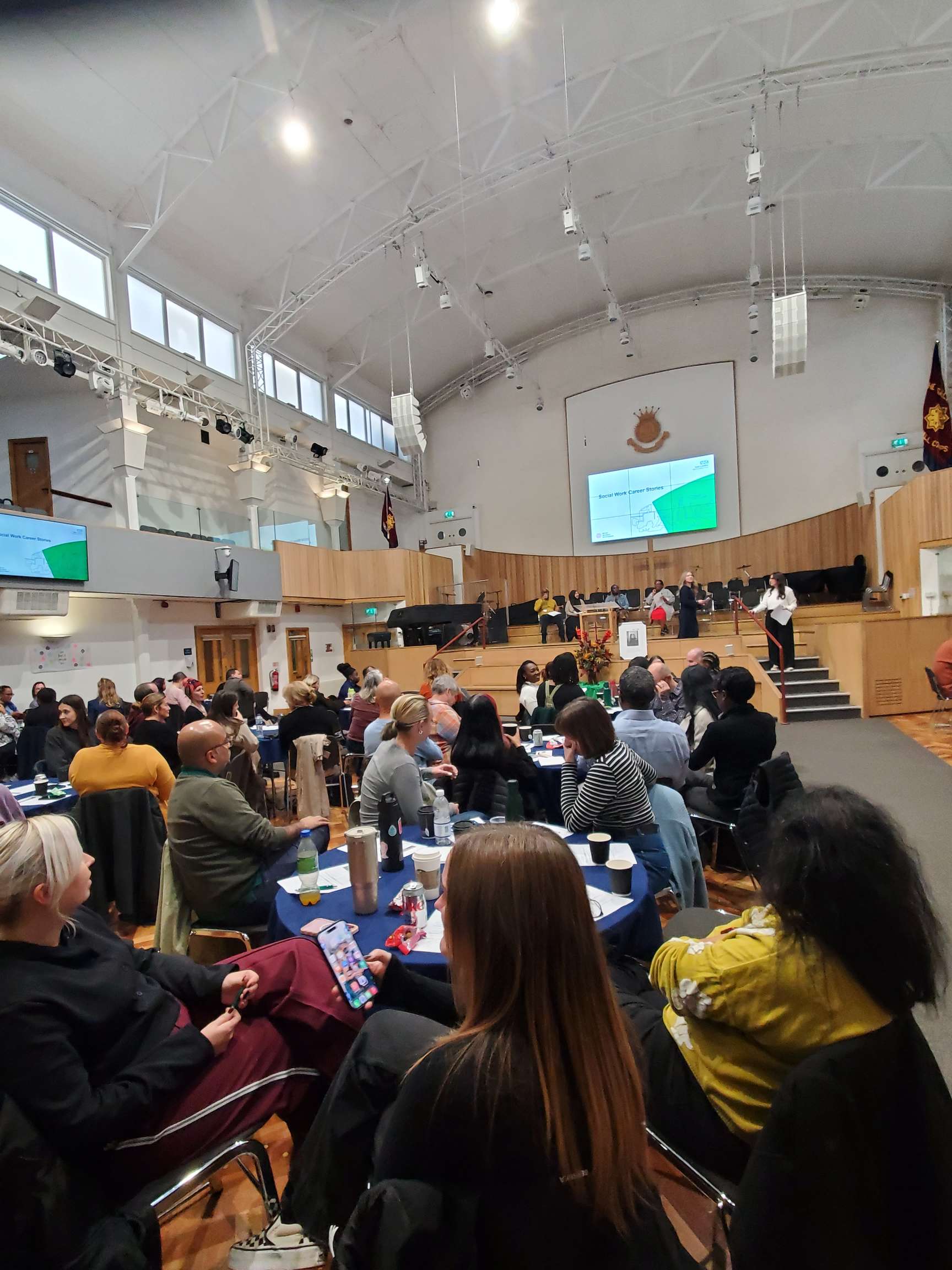
On Thursday 8 October 2026, I was delighted to attend, present and support the East London NHS Foundation Trust (ELFT) Annual Social Work Conference, held at Regent Hall, Salvation Army, Oxford Street, London.
It was an opportunity to celebrate the important work of social workers, hear their professional journeys and share my own experiences as an unpaid mental health carer.
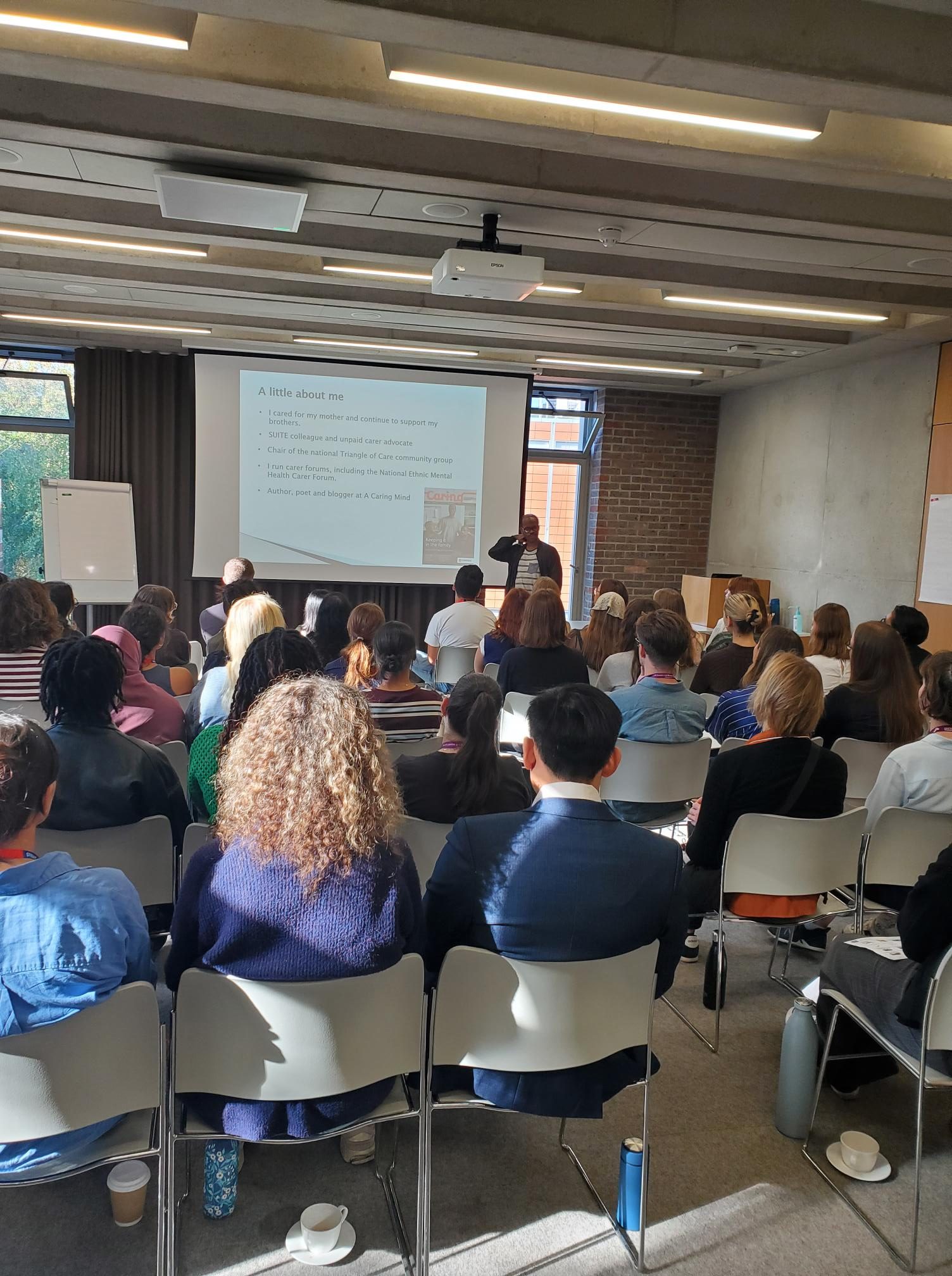
On Monday 5 October 2026 at the ORTUS, I shared my carer story at South London and Maudsley NHS Foundation Trust’s staff induction. I attended as a carer member of SUITE — Service User and Carer Involvement in Training and Education, managed by Angela Mitchell. The presentation was warmly received, and I was particularly pleased that my poetry video connected with staff.
I spoke about caring for my mother, who lived with schizophrenia, and my continuing role supporting my brothers. I reflected on the uncertainty of becoming a carer, the responsibilities that followed, and the difference it made when someone listened, explained things and recognised my own support needs. My message to staff was simple: carers bring knowledge, relationships and experience that deserve to be heard.
Matthew McKenzie — Carers UK ambassador, author and poet
October is a time to celebrate Black history, culture and achievements, and to reflect on the people whose contributions have shaped Britain. As an unpaid carer and carer activist, I also see Black History Month as an opportunity to recognise the care taking place within our families and communities.
My new video, “Black History Month 2026: Honouring Our Communities and Unpaid Carers,” explores these connections, from celebrating Black British achievements to recognising carers whose work often receives little attention.
Recognising the care within our communities
Althouth History is shaped by more than famous names. It is also shaped by people who support relatives, neighbours and friends through illness, disability, mental health difficulties and older age.
By Matthew McKenzie, Cygnet PCREF Carer Lead and Carer Ambassador
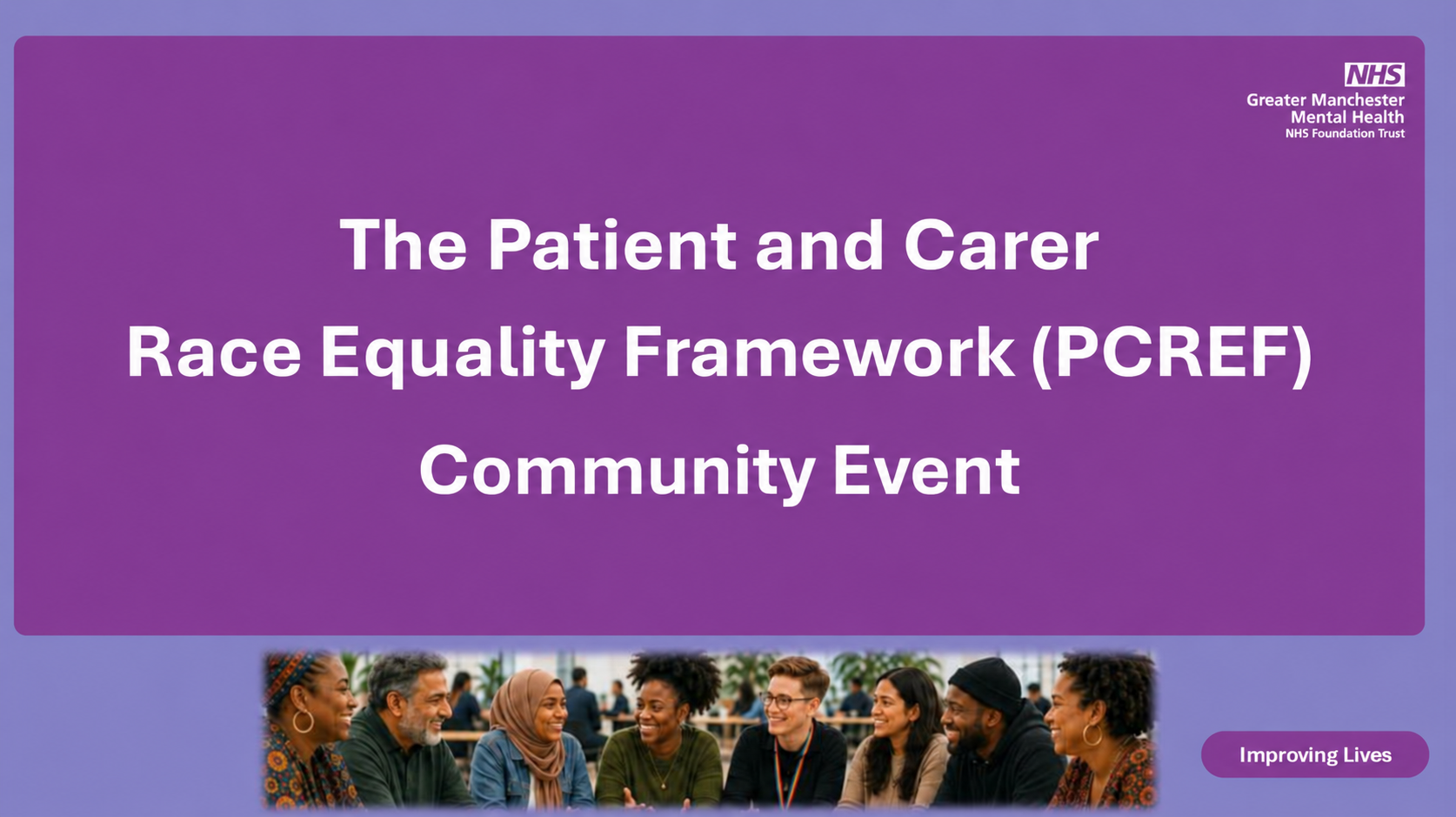
On 1 October 2026, I attended Greater Manchester Mental Health NHS Foundation Trust’s Patient and Carer Race Equality Framework (PCREF) Community Event at St Thomas Centre in Manchester.
I attended in my role as Cygnet’s PCREF Carer Lead and Carer Ambassador, sharing Cygnet carer information alongside wider resources on the Triangle of Care and carer voices. I wanted to build relationships, learn from the discussions and keep the experiences of unpaid carers visible within conversations about racial inequality in mental health care, although at times i will support events as Triangle of Care ambassador.
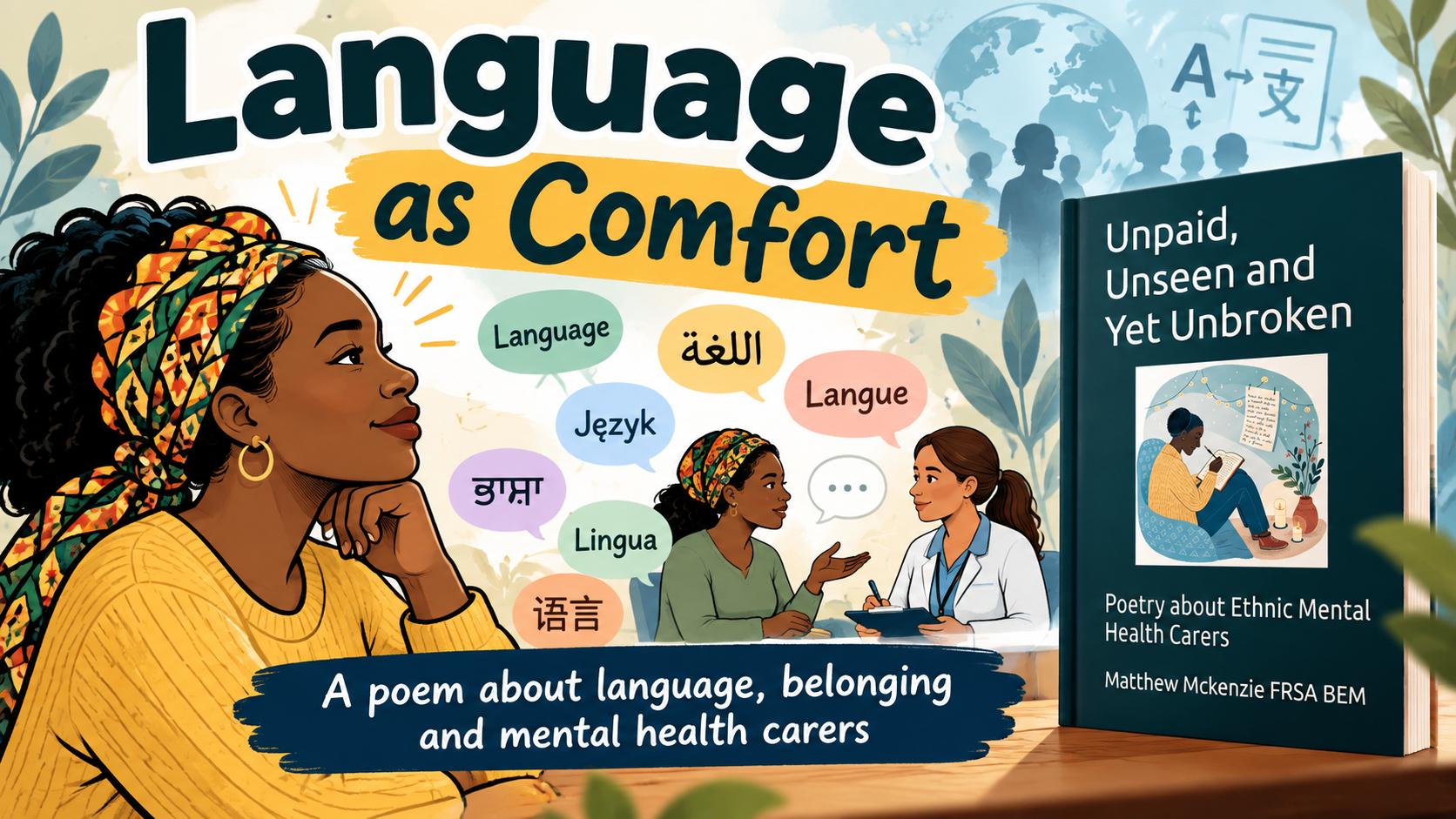
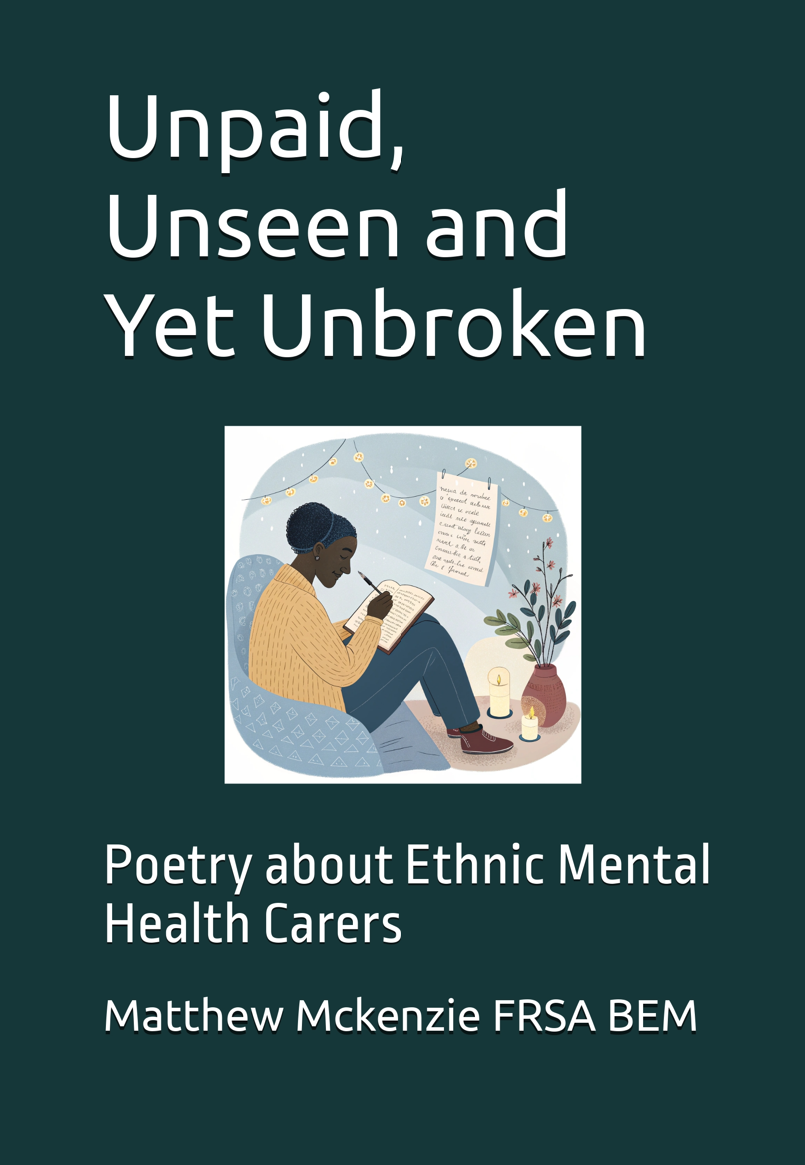
As I continue developing my poetry collection Unpaid, Unseen and Yet Unbroken: Poetry about Ethnic Mental Health Carers, I wanted to share another poem from the collection called Language as Comfort.
This is Poem 30 and explores something that can easily be overlooked when we talk about involvement in mental health services: the comfort and belonging that can come from being able to communicate in your own language.
Watch the poem below.
For many ethnic minority carers, language is about much more than translating individual words. Our mother tongue can be connected to family, culture, identity, memory and a feeling of safety.
When language becomes part of carer inclusion
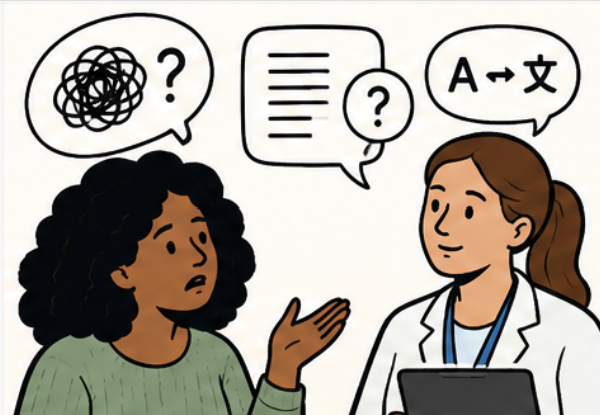
Language barriers can affect how confidently carers participate in assessments, consultations and discussions about the person they support.
This is why one part of the poem asks services to record a carer’s language needs:
A carer should not have to start again at every appointment, repeatedly explaining how they need information to be communicated.
This connects strongly with the Patient and Carer Race Equality Framework (PCREF). If we want meaningful involvement from diverse communities, we need to think about whether our usual ways of communicating actually enable people to participate.
The poem ends with the idea of language helping someone to “break free from this cage”.
For me, that is the central message of Language as Comfort. Being understood can create confidence. Being able to communicate can create involvement. And recognising someone’s language can help create a sense of belonging.
Language should not be another barrier between carers and mental health services.
It can instead become part of the bridge.
Poem 30 from the developing collection Unpaid, Unseen and Yet Unbroken: Poetry about Ethnic Mental Health Carers.
By Matthew McKenzie – Chair of the Greenwich Mental Health Carers Forum
Welcome to the September update of the Greenwich Mental Health Carers Forum, held on Tuesday 29 September 2026.
This month, we welcomed representatives from Greenwich Carers Centre, the Royal Borough of Greenwich, Healthwatch Greenwich and Greenwich Mental Health Hub, alongside unpaid carers.
Our discussion explored the future of carer support in Greenwich, difficulties accessing respite, support available through the Mental Health Hub, and how carers’ feedback can influence services.
By Matthew McKenzie – Facilitator of Cancer Caregiver group
Welcome to the October update from my National Cancer Caregiver Forum, reflecting on our meeting held on 30 September.
I chair this forum to help bring greater attention to the experiences of people supporting someone living with cancer. Cancer care can involve a whirlwind of appointments, investigations, treatment decisions and changes at home. Behind all of this, family members, partners and friends often provide considerable practical and emotional support.
By Matthew McKenzie BEM FRSA, Chair of the Carers Hospital Discharge Group
Thanks to Carer Centre representatives, Hospital reps and Local authorites who joined our September Hospital Carer Discharge Meeting. The group brings together unpaid carers, NHS staff, councils and carers organisations to share practical work and improve how carers are recognised and involved when someone leaves hospital.
Our guest speaker was Melanie Crew, Research and Policy Manager at Carers UK. Her presentation gave us a national picture of carers’ experiences, followed by a discussion that brought the issue back to what happens on wards and in local communities.
As I continue developing my poetry collection Unpaid, Unseen and Yet Unbroken: Poetry about Ethnic Mental Health Carers, I wanted to share another poem from the collection called Fear Has Roots.
The poem explores something I feel mental health services need to understand more deeply: mistrust does not always begin with the person standing in front of you.
Sometimes it has a history.
A carer may have experienced years of being dismissed, misunderstood or having their concerns minimised. They may have watched other carers from their community struggle to be heard. Experiences of discrimination can also travel through families and communities, influencing how safe people feel when approaching services.