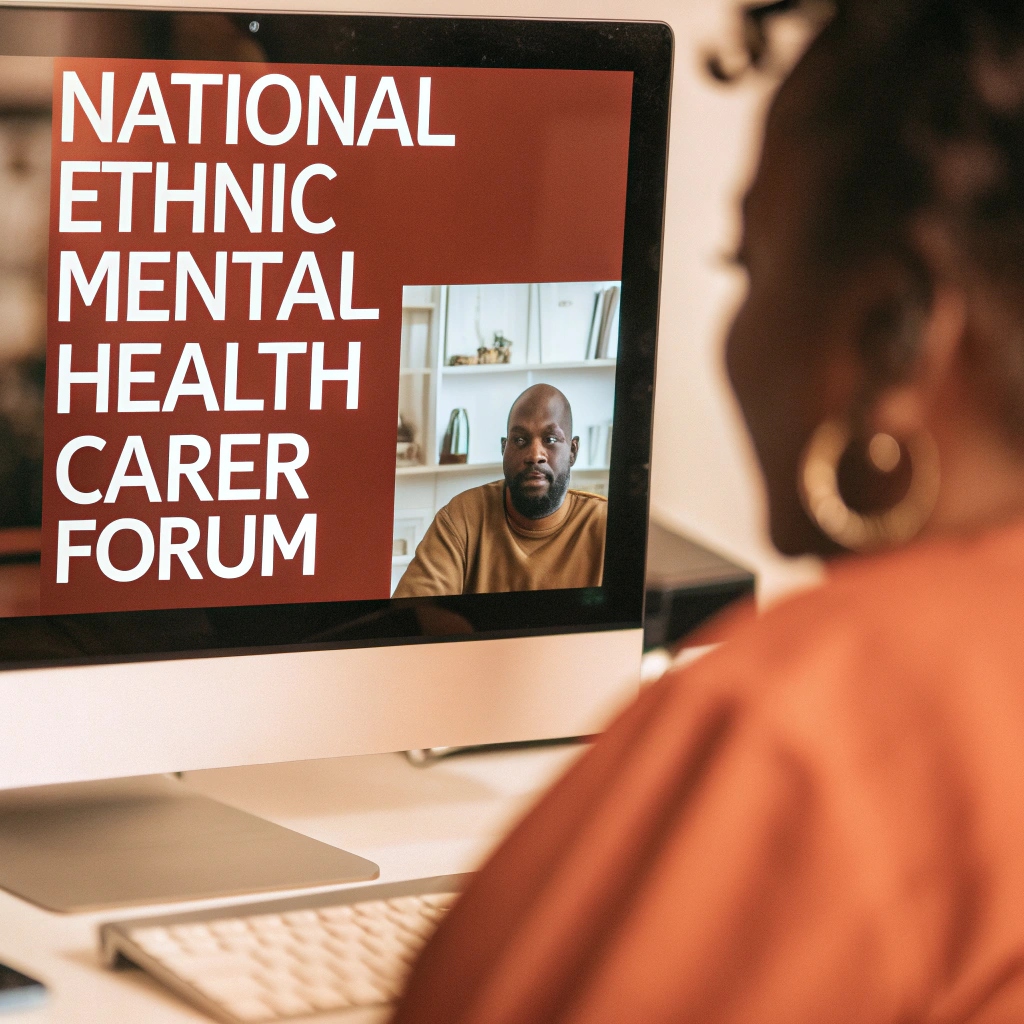
Category Archives: Ethnic Mental Health Carers Forum

National Ethnic mental health Carer Forum : November Update 2025

Chaired by Matthew McKenzie, Lived-Experience Carer

The latest meeting of the National Ethnic Mental Health Carer Forum brought together unpaid minority carers, community partners and four NHS mental Trusts (Avon & Whiltshire were kind enough to be included to update) to explore progress toward the Patient & Carer Race Equality Framework (PCREF), share challenges, and elevate lived-experience voices. As always, I ensured the space remained honest, fast-paced and rooted in what truly matters to ethnic minority carers: being heard, understood and included.

My latest blog for the November forum captures key highlights from each Trust, along with questions raised by attendees, reflecting the critical concerns and lived realities that continue to shape PCREF work across the country.


1. Avon & Wiltshire Mental Health Partnership Trust (AWP)

Focus: Triangle of Care, PCREF oversight, carer champion roles.

Avon & Wiltshire outlined how their PCREF programme is being driven through a clear governance structure, including a central Oversight Group and locality-based meetings. These layers ensure that learning from communities and staff filters upward and influences whole-trust priorities. Their collaboration with Nilaari (I think that is what their called), a long-standing community organisation supporting racially marginalised groups, has been key in grounding their PCREF work in authentic community voice.

A central pillar of their presentation was the strengthening of the Triangle of Care and carer-related PCREF oversight. They recognised that carer involvement cannot rely on goodwill or isolated champions; it requires structurally defined roles, written responsibilities, and consistent organisational expectations. The Trust is working on ensuring that every team and ward embeds a carer champion, whose purpose is not to “do everything for carers”, but to support cultural change within the workforce so that carers are recognised as equal partners.

They emphasised the importance of building staff capacity in cultural humility and safe conversations about race. AWP acknowledged that staff often feel unprepared to discuss ethnicity, discrimination or identity with carers. To address this, the Trust has created psychologically safe internal spaces, particularly for racially marginalised staff—to process experiences and explore how structural and interpersonal inequalities impact both staff wellbeing and patient care. This cultural environment is foundational to PCREF implementation because it shapes how confidently staff engage with diverse carers.

Key Points:

  • Carer champions must support, not replace, teams in working with carers.
  • Emphasis on psychological safety for racially marginalised staff and carers.
  • Encouraging honest conversations around race, trauma, and culture across staff teams.

Questions raised by attendees:

  1. How do you embed cultural awareness within staff teams, not just for carers?
    – Concern that staff dynamics and cultural differences must be addressed to create consistent culturally responsive care.
  2. How do staff and leaders hold ‘difficult conversations’ about race and safety?
    – Attendees wanted clarity on how psychological safety is practiced and how managers are supported.

🌟 2. Birmingham & Solihull Mental Health NHS FT

(Children & Young People’s Division – “Co-STARS” programme)

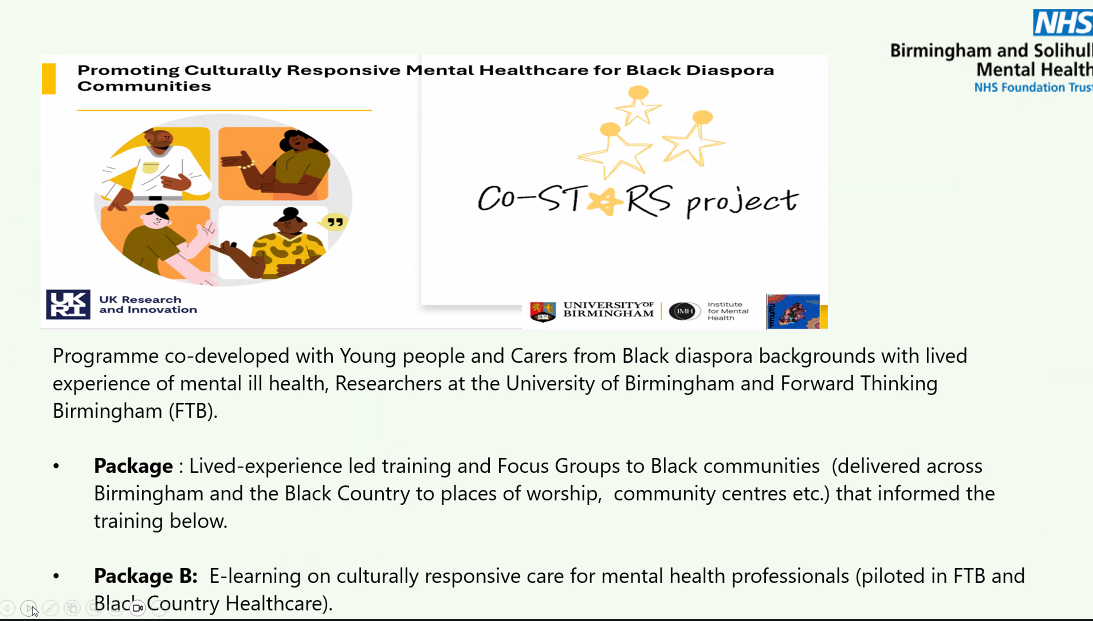
Birmingham & Solihull (CYP) presented one of the most detailed and emotionally grounded PCREF programmes, shaped heavily by lived-experience research with Black diaspora families. Their PCREF priorities, knowing our communities, transforming with communities, and delivering care that works reflect a commitment to embedding cultural responsiveness at every step. Their partnership with the University of Birmingham and Forward Thinking Birmingham has produced the Co-STARS project, a blend of lived-experience-led community work and staff training modules.

A major part of their PCREF advancement comes from working intensively with families to capture how racialised parents feel when using services. The Trust shared powerful testimonies from Black carers who described needing to “emotionally self-regulate” in meetings to avoid being labelled angry, unstable or cold. Parents also highlighted the emotional labour of protecting their children from stereotypes such as the “angry Black boy”, as well as fears of being adultified or dismissed. These insights have directly reshaped responses from clinical teams and informed the development of carers’ passports and safe spaces.

Birmingham & Solihull also emphasised building structures to ensure that their care pathways become culturally competent and adaptive. They are embedding PCREF champions across all clinical pathways, from eating disorders to psychosis and autism, ensuring diversity and inclusion principles shape every aspect of assessment, treatment and review. The Trust is also developing e-learning on culturally responsive practice, and expanding identity-specific support spaces (e.g., Black Carers Groups and new plans for Asian carers’ spaces). This multi-layered approach reflects a commitment to PCREF that is both structural and deeply relational.

Key Points:

  • Embedding culturally competent conversations within CYP teams.
  • Developing a Black Carers Group and safe spaces for racialised parent groups.
  • New e-learning on culturally responsive practice (from Co-STARS package).
  • Use of carer passports to ensure carers feel like equal partners.
  • Strong focus on how ethnic minority parents feel judged or misread by services (e.g., “angry Black woman,” “cold mother”) – themes drawn directly from carer focus groups.
  • Recognising adultification, stereotyping, and the emotional labour families perform.

Questions raised by attendees:

  1. What about older adult Black communities?
    – Carers questioned how older Black adults, shaped by decades of racism, would be included in PCREF work.
  2. Are you working with the police on cultural awareness?
    – Concerns around disproportionate use of Section 136 and stereotypes (e.g., assuming someone is “aggressive” because they speak loudly or gesture).
  3. How will parent–carer voices shape service pathways and outcomes across all diagnoses (e.g., autism, psychosis)?

3. Sussex Partnership NHS Foundation Trust

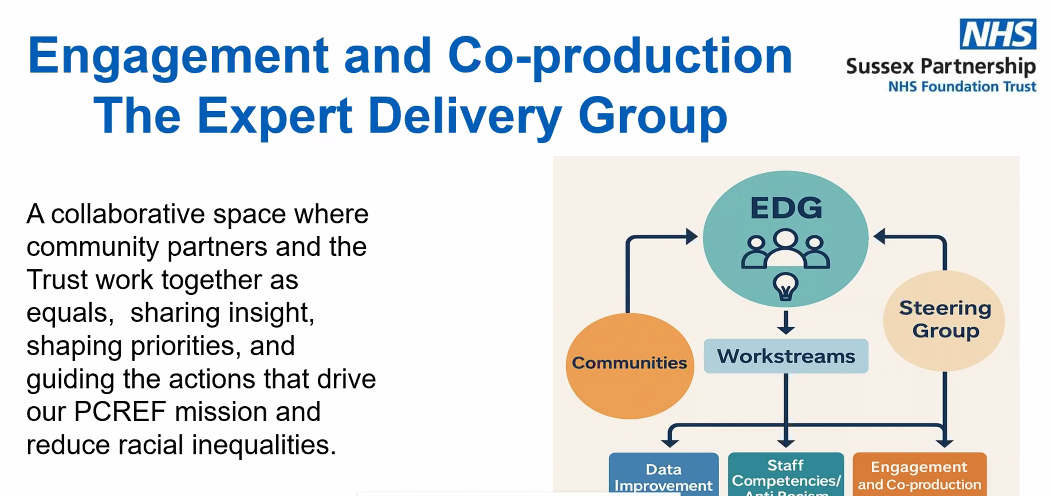
Sussex Partnership presented PCREF as a three-pillared programme: data, co-production & engagement, and workforce development. Their first priority is improving ethnicity and protected characteristics data, which they acknowledged has historically been inconsistent. Sussex is launching a behavioural-change campaign that involves interviewing service users from minority backgrounds about why they may decline to share ethnicity, alongside staff interviews to understand documentation issues. Their goal is a transparent baseline from which meaningful PCREF action can be driven.

The Trust also described significant investment in a new data infrastructure via Power BI dashboards. These tools will pull together real-time information on areas such as restraint, Section 132 rights, and involuntary detention by ethnicity. The Trust stressed that PCREF cannot function without high-quality data because inequalities must be clearly visible and accessible to teams at every level—from ward managers to executive boards. Their future ambition is to enable quicker identification of disparities and faster interventions that prevent harm.

Sussex’s strongest focus was on building genuine co-production through their Expert Delivery Group (EDG). Unlike past approaches where community partners were only consulted, the EDG is designed as a collaborative decision-making space. Sussex acknowledged up front that phase 1 of PCREF planning did not fully embody equal partnership, and committed to ensuring that phase 2 will be co-produced from the ground up. The EDG will define what co-production means, co-design PCREF implementation plans, and shape updates that reflect community priorities, trust recovery, and anti-racist aspirations.

Key Points:

  • A behavioural-change campaign to improve ethnicity data recording (currently 65% compliance).
  • Development of Power BI dashboards for rapid inequality analysis.
  • Defining anti-racist and cultural competency skills for staff, tied to new EDI training.
  • Creation of the Expert Delivery Group (EDG) as a collaborative community–trust space.

Questions raised by attendees:

  1. Is this “real” co-production or consultation?
    – Attendees challenged Sussex on whether the initial plan was created with the community or presented to them.
  2. How will service users and carers hold equal power within co-production?
  3. How will your anti-racism ambitions be demonstrated externally to communities?
    – Attendees expressed concerns that staff training alone does not reassure communities.
  4. How will carers’ needs be embedded in PCREF (Triangle of Care)?

🌟 4. Kent & Medway Mental Health NHS Trust

Presenter: Kamellia (with contribution from Harriet – Lived Experience)

Kent & Medway showcased a comprehensive and governance-driven PCREF structure supported by their Equity for All Assurance Group. The Trust has embedded health inequalities into its broader strategy and is working to ensure that PCREF, protected characteristics data and health equity are woven into everyday practice. With the Trust’s newly updated name and identity, PCREF sits at the centre of a renewed commitment to equitable access, outcomes and patient experience across Kent and Medway.

Their PCREF progress includes delivering cultural competence training to 259 senior leaders, a significant investment in shifting leadership behaviour and expectations. They have also identified major data disparities in areas such as complaints, where ethnicity recording is only around 30%. To address this, they are rolling out the About Me form across their clinical system (Rio), which streamlines demographic and protected characteristics documentation for both carers and patients. This step is being supported by staff training designed to build confidence in discussing sensitive identity-related topics.

Kent & Medway also highlighted the expansion of their new Involvement & Engagement Team, which links directly with communities across East, West and North Kent. They are testing a Health Inequalities Toolkit, improving carer experience data collection, and creating new Family, Friends & Carers forms that capture protected characteristics, communication needs, and whether a carers pack was offered. The Trust’s approach is detailed, structural and long-term, aiming to embed PCREF as part of “business as usual” rather than a separate initiative.

Key Points:

  • 259 senior leaders trained in cultural competence.
  • New About Me demographic/protected characteristics form launching trust-wide.
  • Major data gaps identified (e.g., only 30% ethnicity data for complaints).
  • New Involvement & Engagement Team connecting with community groups.
  • Testing the Health Inequalities Toolkit .
  • New Family, Friends & Carers Information Form including carer-pack tracking.

Questions raised by attendees:

  1. Do you provide information in languages other than English?
    – Carers stressed that if translations don’t exist, PCREF is inaccessible from the start.
  2. How will carers be supported to attend meetings given their unpredictable caring responsibilities?
  3. How will you gather demographic data for carers when many do not have Rio records?
  4. How will minority groups be reached in areas where the Trust’s population is overwhelmingly White British?

5. Carer Support Organisation (Kent & Medway Carers Support)

Presenter: Donna Green (involve Kent)

Key Points:

  • They run trust-wide carer experience groups and targeted workshops.
  • Emphasised difficulty for carers to attend meetings due to constant demands.
  • Highlighted the need for multiple approaches, including creative well-being sessions.

Closing Reflections from the Forum

I wrapped up the session acknowledging:

  • The strong desire across Trusts to improve PCREF delivery.
  • The pressure to progress quickly without losing sight of lived experience leadership.
  • The need to bring CQC into future meetings for transparency around expectations.
  • The importance of ethnic minority carers having a forum that values honesty over polished presentations.

Final Thoughts

This month’s forum demonstrated that while progress continues nationally, there remain shared challenges across NHS Mental HealthTrusts:

  • Recording ethnicity and protected characteristics meaningfully
  • Embedding anti-racism beyond training modules
  • Meeting the needs of Black, Asian and other racialised carers
  • Co-production that is real, not rhetorical
  • Involving carers whose time and emotional capacity are already stretched
  • Ensuring safety, trust and humanity in every interaction.

Above all, the session showed that ethnic minority carers are not passive observers they’re leading, questioning, shaping and insisting on accountability at every step.


Ethnic mental health Carer Forum : October Update 2025

By Matthew McKenzie, Facilitator, National Ethnic Mental Health Carer Forum

Introduction: A Forum that Connects and Challenges

As the facilitator of the National Ethnic Mental Health Carer Forum, I never take for granted how special these sessions are. Each month, carers, professionals, and researchers from all over the UK log in to share knowledge, raise awareness, and push for change in how mental health services understand and support ethnic minority communities.

Our October 2025 session was a powerful one. Falling on the last day of Black History Month, it brought together crucial themes on race equality, co-production, research, and carer visibility.

We heard from two key areas shaping mental health equity right now:

  • The OSMOSIS Project, led by Dr. Jacqueline Sin and Sharon Galliford, focusing on developing social care-based support for carers of people with psychosis.
  • The Patient and Carer Race Equality Framework (PCREF), presented by Aboobaker Bhana, Equality and Involvement Manager for South West Yorkshire Partnership NHS Foundation Trust.
Continue reading

Ethnic mental health Carer Forum Update September 2025

By Matthew McKenzie – Facilitator of National ethnic mental health carer forum & Triangle of Care – Community group

The National Ethnic mental health Carers Forum (chaired by myself) met for September bringing together various stakeholders, including carers, healthcare professionals, and community representatives, to address issues related to race, equity, and care services. Key discussions included technical setups, addressing ongoing challenges in healthcare for marginalized communities, and emphasizing the importance of incorporating diverse perspectives in developing solutions for better patient experiences.

The importance of data collection, representation, and systemic change catalyzed by community engagement were recurring themes. Presenters highlighted various initiatives, including the Patient Carers Race Equality Framework (PCREF), aimed at improving services for ethnic minority populations. Questions from attendees focused on ensuring inclusivity and effective communication within the healthcare framework.

Improving Ethnic Minority Healthcare Access

The meeting introduced participants to the Patient Carer Race Equality Framework (PCREF) initiative, focusing on improving outcomes for patients and carers from ethnic minority backgrounds.

Wayne Farah, an associate at the Institute of Race Relations, presented resources available to support understanding and addressing racism in healthcare, including statistics, healthcare access issues, and practical resources for carers.

Wayne Farrar opened his talk by drawing on both professional expertise and personal experience. He explained the history of the IRR, its focus on amplifying marginalised voices, and the resources it provides such as IRR News and the Calendar of Racism and Resistance. His main theme was the persistence of institutional racism in the NHS and wider systems, which he linked to the legacy of “race science.” He argued that current approaches, like dashboards, metrics, and inquiries, often mask the real problem by treating health inequalities as technical or biological issues rather than outcomes of racism and discrimination.

Wayne used examples such as the Windrush scandal to show how bureaucracy allows injustice to persist, describing this as the “banality of evil.” He also shared personal stories about advocating for his wife in the healthcare system, emphasising that carers need to be strong and assertive because no one cares more about their loved ones than they do. He concluded with reflections on resilience, including how he has reframed being stereotyped as an “angry Black man” into a form of empowerment to push harder for change.

The discussion that followed showed how deeply Wayne’s talk resonated. Carers praised the presentation’s directness and asked if Wayne had worked with PCREF (Patient Carer Race Equality Framework). Wayne said he had some involvement through the NHS Confederation and noted that PCREF could more strongly address issues like “racecraft.” Len raised a challenge about Wayne’s framing of race as a social construct, pointing out that racism feels very real to victims. Wayne clarified that he meant race has no biological basis in medicine, but racism is a social process with very real consequences. Another carer shared her experience of being stereotyped by NHS staff about her risk of diabetes despite not following the assumed “Asian diet,” saying Wayne’s points about race-based assumptions resonated strongly with her. Another carer also reflected on how stereotyping affects healthcare, while other participants spoke of how powerful and validating Wayne’s talk had been.

Overall, Wayne’s session combined history, critique of systemic racism, and practical advice for carers. The Q&A highlighted both curiosity about frameworks like PCREF and the need to address the tension between race as a social construct and racism as lived reality. Many participants expressed gratitude, saying the presentation was direct, powerful, and reflected their own experiences of stereotyping and inequality in healthcare.

Carer Questions:
A carer challenged Wayne’s statement that race is a social construct, saying that while it may not be biological, racism is very real for victims and has a lived history.

  • Wayne’s Response: He clarified that he meant race has no biological or scientific basis in medicine or anthropology, but racism is very real as a social process. He emphasised that health disparities (like hypertension in Black communities or diabetes in South Asians) are not caused by race itself, but by racism, discrimination, and lack of access to appropriate services. He wanted participants to be cautious when institutions frame disparities as inherent to race rather than outcomes of racism.

Matthew’s Question (Forum Lead):
I asked what role the Royal College of Psychiatry should play in countering race science, given its influence over professionals and carers.

  • Wayne’s Response: He said that was the aim of PCREF, but royal colleges were historically rooted in race science, which is why good intentions are not enough. He criticised the frequent use of “inquiries” into deaths of Black men in mental health care as ways of delaying real change. He argued that systemic neglect persists, and professional bodies must take responsibility rather than congratulate themselves for minor improvements.

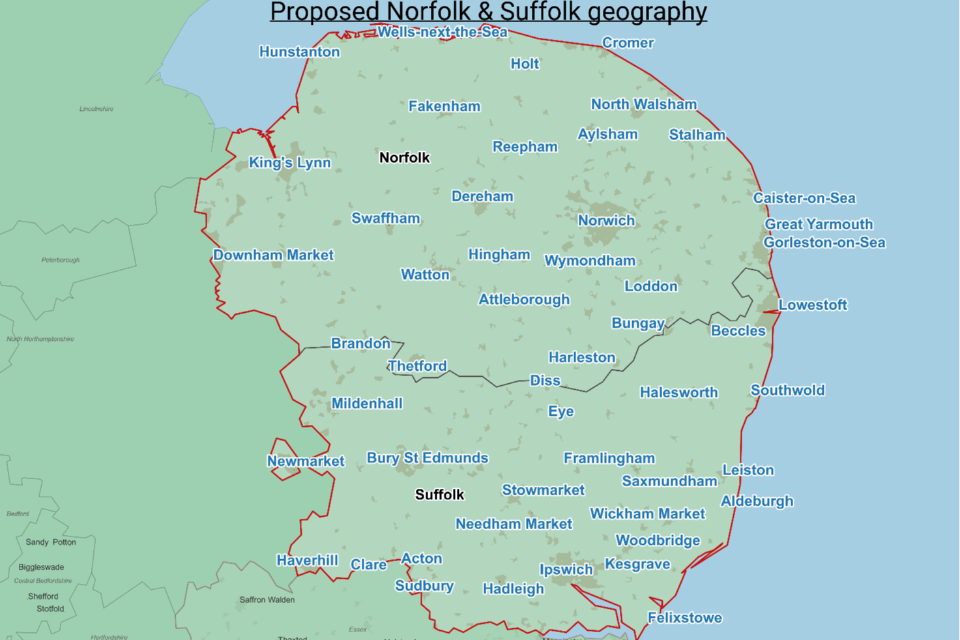
Addressing Racism in Healthcare Systems – Norfolk and Suffolk NHS Foundation Trust

As usual Mental Health trust representatives including involved carers update the national ethnic carer forum on developments.

Cath explained that race equity is now a strategic priority for NSFT, which serves a largely rural and non-ethnically diverse population where explicit racism is still present in communities and services. Under the leadership of their Chief Executive, the trust has set out a clear strategy built on improving health, care, culture, and value. To deliver this, NSFT has launched 12 large-scale change programmes, one of which previously focused broadly on inclusion but has now been reframed specifically around race equity. Importantly, this work is being split equally between workforce development and PCREF, so that both staff experiences and service-user outcomes are addressed.

She acknowledged that NSFT is still behind other trusts in terms of PCREF implementation. Their original PCREF plan, approved in spring, has already been recognised as inadequate and is now under review. Cath noted that this review will lead to a more outcomes-focused approach rather than process-driven work. A dedicated health equity and PCREF team is also being created as part of the trust’s corporate redesign, reflecting a recognition that they lacked capacity and expertise in this area. The revised plan is due to go through governance for approval in November.

Annie, speaking as a carer representative, highlighted how important it is to be “at the table rather than on the menu.” She acknowledged she can be seen as “aggressive” or “demanding,” but stressed that Cath had helped give her the confidence to challenge constructively at board level. Annie linked IRR advice about building relationships with senior managers to her own experience, saying that having a place at decision-making tables empowers carers to make sure the realities faced by ethnic communities are heard. She also reflected on her personal motivation: as the mother of a mixed-heritage son, she feels a responsibility to speak up on what ethnic families experience in practice.

PCREF Implementation and Progress Update – north london nhs foundation trust

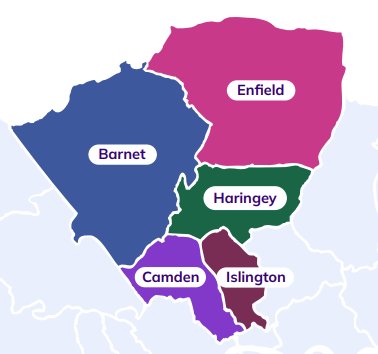
The next NHS trust to present to my forum was North London NHS FT, which covers 5 London boroughs due to the merger of 2 large NHS mental health trusts.

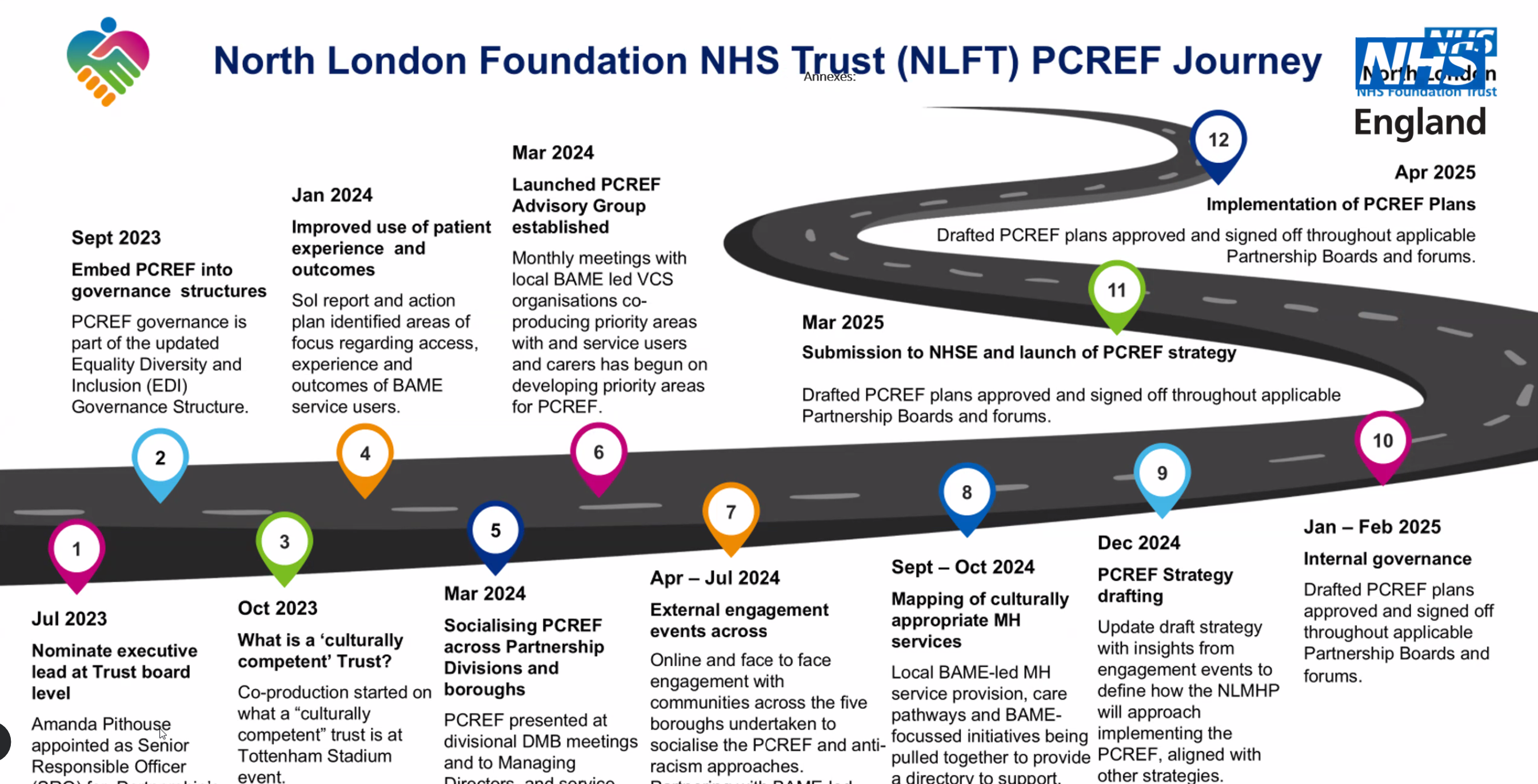
Samina Arfan, Associate Director for Equality, Diversity and Inclusion at North London Foundation Trust (NLFT), explained that her trust was created from the merger of Camden & Islington and Barnet, Enfield & Haringey trusts. Unlike some early PCREF pilot sites, NLFT only began its PCREF journey in late 2023. The first step was setting up governance structures, securing an executive lead at board level, and creating an EDI programme board. Alongside her colleague, Jordel Akinola, she led engagement events in local boroughs to ensure strong co-production with communities. These early steps gave the trust a foundation to begin shaping its PCREF plan

A major priority has been addressing inequalities in mental health detention and restraint practices. Samina shared data showing Black communities are disproportionately detained under section 2 of the Mental Health Act, while Asian people are underrepresented. Restrictive practice data revealed that Black men were more likely to experience prone restraint, which prompted a quality improvement project across wards. This included improving the accuracy of ethnicity recording, since too many patient records lacked this information. Workforce diversity was highlighted as well—NLFT has a diverse staff, but the data still shows ethnic disparities in care outcomes, making it vital to view restraint and detention through a racism lens

She also described broader initiatives: building a PCREF dashboard to apply a race lens to existing NHS targets; launching co-production projects with children and young people, including multi-faith engagement in mosques, synagogues, and youth boards; and expanding the role of peer workers, nearly half of whom are from ethnic minority backgrounds. However, she admitted feedback systems like the Friends and Family Test are not capturing enough voices from diverse communities, so peer workers and advisory groups are essential in bridging that gap

Samina emphasised the role of the PCREF advisory group, which brings together service users, carers, voluntary sector organisations, and staff to scrutinise trust data and guide projects. She stressed transparency by involving the people actually delivering the work, holding them accountable, and ensuring that community voices influence outcomes. She also acknowledged challenges: national NHS changes and funding cuts risk diluting PCREF work, so she is advocating for a North London PCREF collaborative to align efforts across local mental health providers and share learning. Finally, she noted that patients and carers with long-term involvement must be given a stronger seat at the table, as their lived experience is crucial for shaping change.

After Samina’s presentation, a carer spoke about her frustration at struggling to access clear information on the trust’s anti-racist strategy. She explained that despite being part of the Haringey Service User and Carer Forum for many years and emailing various staff, she had received little response. The carer felt this was a missed opportunity, as service-user and carer forums could be powerful spaces for embedding anti-racist approaches. She emphasised that these groups already hear many concerns from families and communities, so they should be central to shaping change, especially given the NHS’s recent shift towards more community-based mental health services

Samina acknowledged th carer’s concerns and agreed that stronger links to service-user and carer forums across the five boroughs were vital. She said the challenge since her colleague left was not a lack of will but a drop in capacity, as her EDI team had been reduced in size. To address this, she planned to personally attend service-user forums (even if only once a quarter) to ensure communication wasn’t lost and updates reached carers directly. She stressed it was about embedding the work into the system, not leaving it solely to her or the EDI team. Samina invited the carer to connect with her offline, exchange emails, and join the PCREF advisory group, ensuring carers and service users from each borough had representation. She also underlined that community connections must feed upwards into trust decision-making, rather than being siloed

Advancing Carer Equality Initiatives – Triangle of Care & PCREF, Carers UK Black History month

I closed the session by giving a short update on my wider work around carers and PCREF. I explained that I chair the Triangular Care Community Group, which meets every two months and focuses strongly on carers’ mental health. This group is working on how Triangular Care Standards can be linked with PCREF implementation, making sure that carers, especially from minority backgrounds are properly included in the conversation. I also mentioned that Carers Trust is circulating a draft for feedback, and encouraged participants to get involved and share their views within the next week

I also highlighted my role as an volunteer & ambassador with Carers UK, where I help on raising the profile of unpaid carers. I flagged upcoming events, including a Black History Month event on 13th October, organised by Carers UK, where I will be speaking at.

If you are a carer or minority carer, please book for the online share & learn session below.

Carers UK – Black History month event booking form

I encouraged attendees to use such opportunities to ask “the magic questions” about how influencial organisations will keep its focus and inclusion on minority carers

I then reminded everyone that collaboration across groups whether through PCREF forums, Carers Trust, or Carers UK, that it is vital to strengthening the voice of carers and ensuring equality.

I confirmed that the next forum meeting would be on 31st October and encouraged participants to spread the word so more carers, minority or otherwise, could join in the conversation.

Summary of the Ethnic Carers Forum Meeting – September

Multi-Angle Analysis

The meeting illustrated the deep-seated complexities of race and healthcare, revealing how institutional frameworks and practices intersect to affect service delivery and patient care. By advocating for the inclusion of diverse perspectives and leveraging collected data, participants aim to challenge systemic barriers that contribute to inequitable health outcomes. The call for community engagement underlined the need for actionable collaborations that transcend traditional healthcare models.

Technical Terminology

  • PCREF (Patient Carer Race Equality Framework): A strategic framework aimed at addressing health disparities experienced by marginalized racial and ethnic groups.
  • Race Science: Historical studies that claimed race was a biological determinant influencing health outcomes, which is now widely discredited.
  • Weathering: A term that describes the cumulative impact of social, economic, and environmental stressors on health outcomes over time.

Key Insights

  • The forum highlighted that systemic racism impacts health behaviors and access to resources, necessitating a reevaluation of how healthcare frameworks can better address the roots of health disparities.
  • There remains a critical gap in understanding the complexity of health outcomes related to racial and ethnic backgrounds, underscoring the need for comprehensive retraining of health professionals regarding these issues.
  • Actionable strategies for engagement with marginalized communities must be prioritized, as this will enhance the contextual understanding of healthcare needs.
  • Collaboration between organizations, local communities, and health professionals is essential for effective reform in healthcare delivery systems.
  • Continuous dialogue and reflective practice can lead to transformative outcomes within healthcare services.

FAQ

1. Why is the discussion surrounding race so critical in healthcare contexts?
It is essential to address the impact that systemic racism has on health outcomes, access to care, and the overall well-being of marginalized communities. Understanding this context helps healthcare systems provide more equitable and effective care.

2. What is the significance of the Patient Carers Race Equality Framework (PCREF)?
The PCREF serves as a guiding structure to ensure that care systems consider the specific needs of ethnic minorities, aiming to reduce health disparities and improve outcomes through focused strategies and policy implementations.

3. How can community engagement improve healthcare services?
Engaging with communities allows healthcare providers to gain invaluable insights into the unique challenges they face, leading to tailored interventions that address these barriers effectively.

4. What steps can healthcare professionals take to address institutional racism?
Healthcare professionals should actively engage in ongoing training regarding cultural competency, advocate for equitable policies, and ensure that their practices do not perpetuate discrimination.

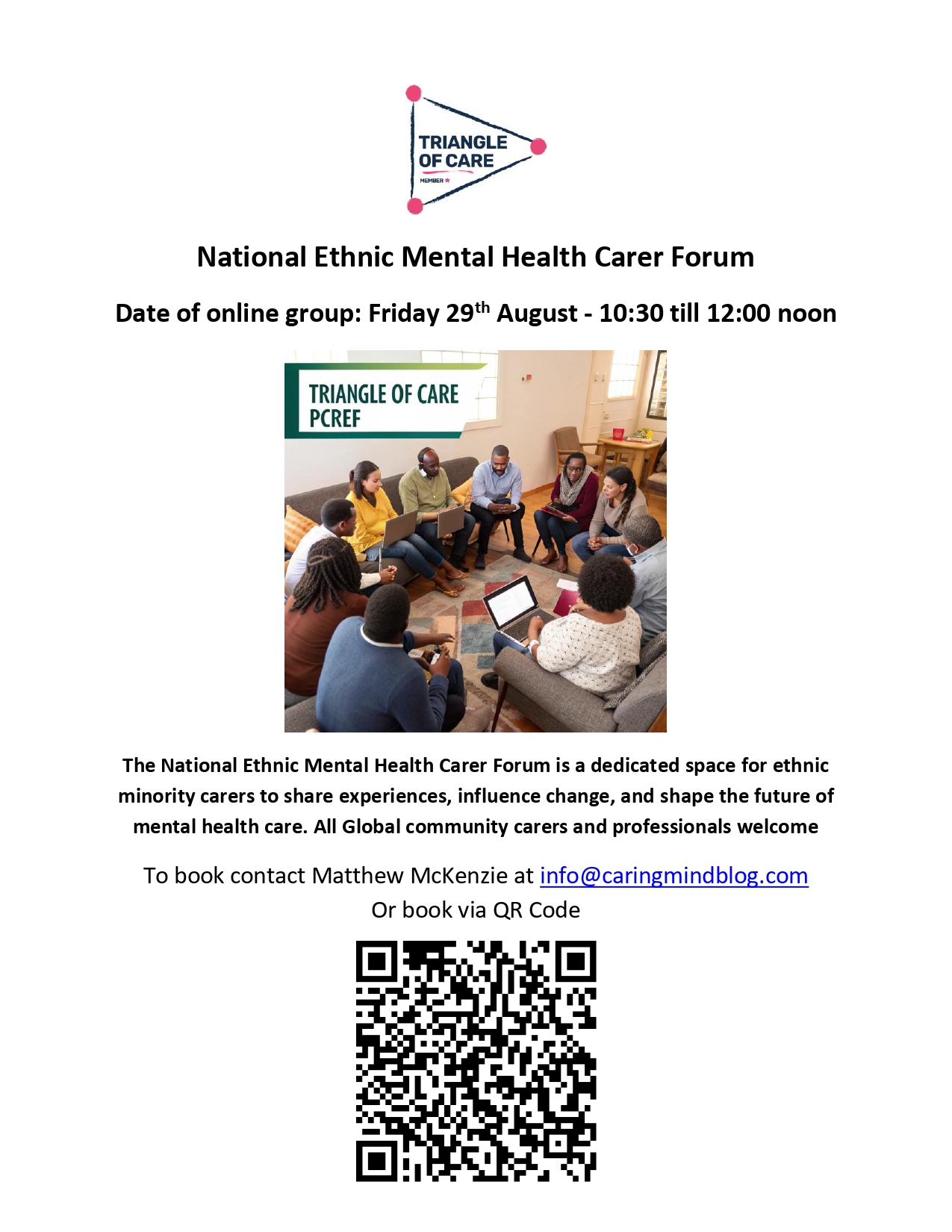
Power, Pride, Progress: A Celebration of Black History Month 2025

By Matthew McKenzie – Facilitator of national ethnic carer forum

Black History Month 2025 is not far behind, this blog celebrates the spirit of “Standing Firm in Power and Pride.” The video. hosted by Matthew McKenzie, founder of the National Ethnic Mental Health Carer Forum invites viewers on a reflective and inspiring journey through history, identity, and purpose.

Unpacking the Theme: Power and Pride

“Power” in Black History Month isn’t about titles, it’s about leadership that uplifts communities, resistance that shapes policy, and vision that transcends obstacles. From political trailblazers to artists and educators, Black leaders have transformed the narrative of equity.

“Pride” stands for cultural identity, heritage, and the vibrant legacy of Black excellence across generations. It pulses through art, storytelling, music, and traditions that echo forward. This month invites us to embrace that heritage without reservation or apology.

Call to Action: Watch, Reflect, and Share

We invite you to watch the video, reflect on its message, and share it widely. Encourage your community. friends, family, colleagues to stand firm in their own power and pride. Let’s amplify these voices and build bridges toward an inclusive future.

Commemorating Groundbreaking Milestones

This year holds special significance:

  • The 60th Anniversary of the Race Relations Act — a pivotal moment in Britain’s legislative effort to combat racial inequality.
  • Remembering Malcolm X — whose courage and conviction continue to inspire global movements for justice.
  • The 80th Anniversary of the Fifth Pan-African Congress — where visionaries like W. E. B. Du Bois, Kwame Nkrumah, and Amy Ashwood Garvey united to confront colonial oppression.
  • Honouring Paul Stephenson OBE — leader of the 1963 Bristol Bus Boycott.
  • Honouring Lord Herman Ouseley — instrumental in advancing Britain’s approach to institutional equality.

Their legacies reinforce that our present progress is rooted in collective courage and unwavering solidarity.

Why This Matters for Mental Health and Carers

At the core of the National Ethnic Mental Health Carer Forum’s mission is the recognition that cultural heritage and identity are integral to wellness and caregiving. It’s a call to action. It urges us to:

  • Break down barriers that impact mental health support.
  • Cultivate environments where cultural pride is part of healing.
  • Celebrate carers, families, and communities who carry resilience forward every day.

I hope the month brings us together, brings communities together to celebrate black history. Thanks for reading.

Ethnic mental health Carer Forum Update August 2025

by Matthew McKenzie – National Ethnic Mental Health Carer Forum Chair

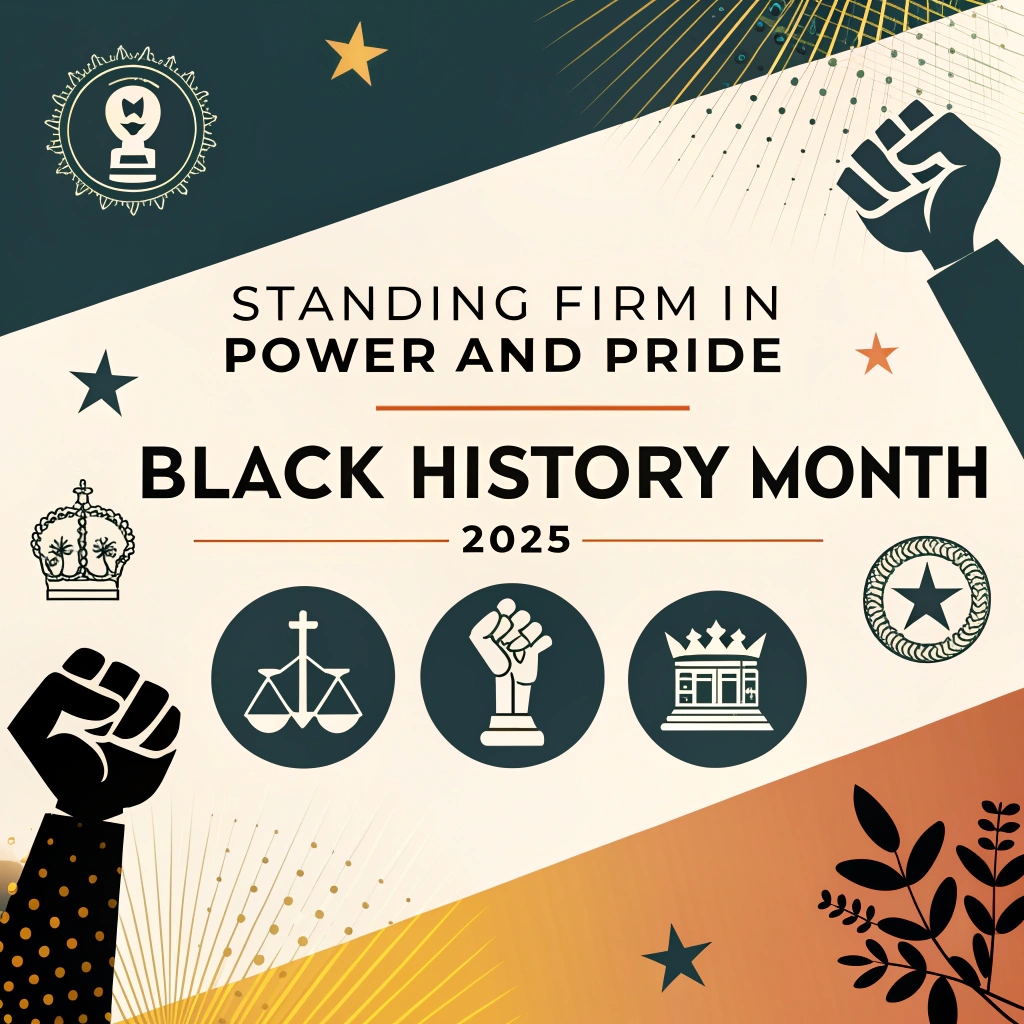
In August, the online National Ethnic Mental Health Carer Forum came together once again to confront difficult but necessary conversations about systemic racism, discrimination, and the experiences of ethnic minority carers within health and social care. The forum, hosted by Matthew McKenzie, provided a platform for carers, professionals, and researchers to share insights, frustrations, and plans for change.


Focus on Racism and Discrimination

This month’s forum was unflinching in its focus: racism in health and mental health systems. Attendees shared powerful testimonies of racial abuse and discrimination, highlighting how these experiences undermine trust in services and affect both carers and those they support. There was a clear call for honesty – participants stressed the importance of naming racism directly, rather than disguising it behind euphemisms.

The group also discussed the overrepresentation of Black and brown people in prisons, the lack of tailored initiatives for older Black carers, and the persistent inequalities faced by ethnic minority families trying to navigate mental health and social care support.


Research and Evidence from Carers Trust

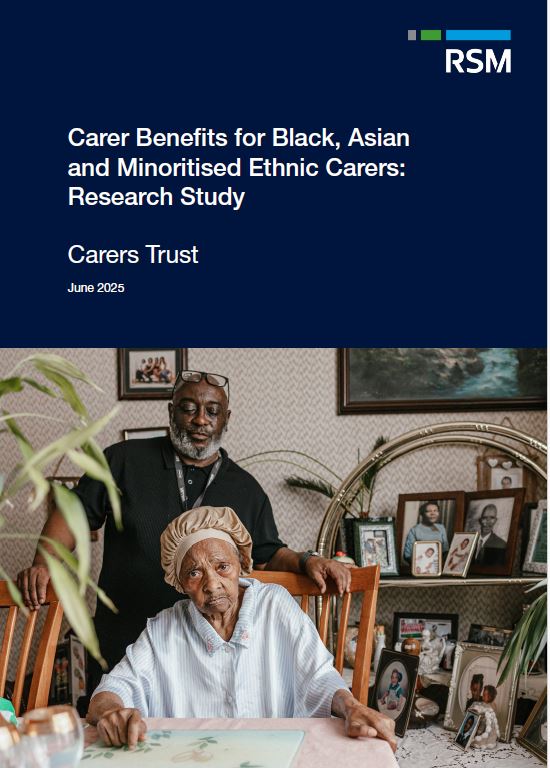
A key presentation came from Andrew of Carers Trust, who shared research into the barriers faced by Black, Asian, and minoritised ethnic carers. The findings highlighted widespread issues: discrimination, language barriers, lack of cultural competence, and difficulties in accessing benefits. Andrew emphasised the need for culturally inclusive services and stronger outreach strategies, while acknowledging feedback from the forum that research and advocacy must be explicit about racism rather than avoiding the term.

Andrew expanded on the importance of equity in benefit advice, pointing out that many carers miss out on their entitlements because information is inaccessible, overly complex, or not communicated in culturally relevant ways. He called for dedicated advice services that are not only multilingual but also sensitive to carers who may not self-identify as such.

He also spoke about the impact of social isolation on carers from ethnic minority backgrounds, who often have fewer support networks and face stigma within their own communities. Addressing this requires building trust with local organisations and ensuring carer support is visible in spaces where communities already gather, such as faith centres or community hubs.

Finally, Andrew outlined the Carers Trust’s national strategy, which involves working more closely with local carer organisations, producing research that amplifies marginalised voices, and lobbying for systemic reforms. He highlighted how this forum’s feedback directly shapes their advocacy, showing a real commitment to partnership.
Questions raised during Carers Trust’s presentation:

  1. How can Carers Trust ensure its research explicitly names racism rather than using softer language?
  2. What specific support can be offered to carers who do not self-identify as carers and miss out on benefits?
  3. How can Carers Trust improve its complaints handling processes, particularly for carers facing racism and discrimination?
  4. What role can MPs and lobbying groups play in supporting Carers Trust’s advocacy for ethnic minority carers?
  5. How will Carers Trust ensure its multilingual materials are distributed widely enough to reach isolated communities?

Hampshire & Isle of Wight NHS Anti-Racism Initiatives

Usually NHS Mental Health trust representatives update on anti-racism initiatives at the forum. This time Hampshire and Isle of Wight engaged with minority carers.

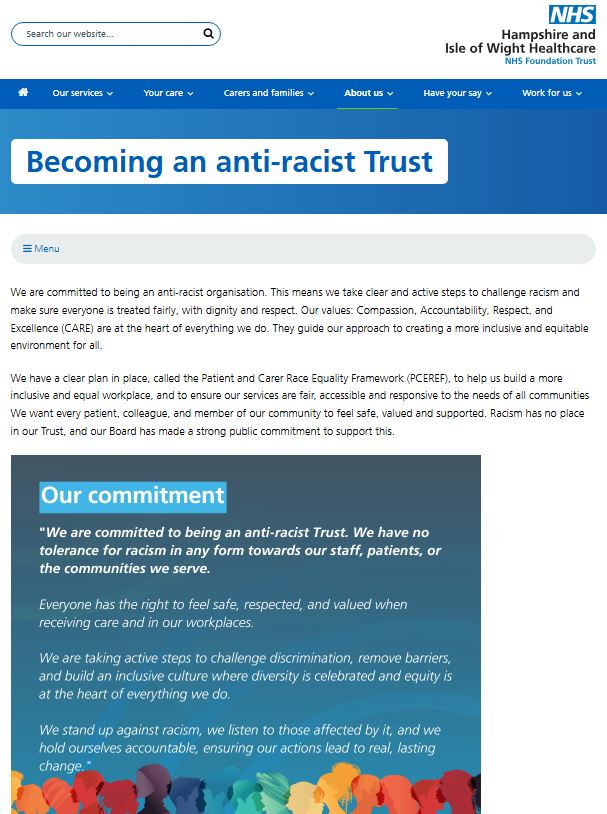
Elton who is the Diversity and Inclusion Partner from Hampshire and Isle of Wight NHS Trust provided an update on their anti-racist programmes, including the rollout of the Patient and Carer Race Equality Framework (PCREF). The trust has begun implementing cultural competence training, engaging with local communities, and embedding anti-racism into its wider mental health services. While early in its journey, the trust is already seeing changes in communication and engagement across different wards and services.

Elton shared that the trust is actively developing training modules on implicit bias, with the aim of reaching every staff member across its services. This training is intended not as a one-off exercise but as part of a sustained culture change programme. Early feedback from staff has been encouraging, with more frontline workers recognising how unconscious bias can influence treatment decisions.

He also described the trust’s efforts to engage directly with service users and carers, ensuring that their lived experiences feed into decision-making. Listening events, surveys, and advisory panels are being used to capture diverse perspectives, with a particular focus on groups who historically felt excluded from consultation.

In addition, Elton emphasised the need for transparency and accountability. The trust will publish regular updates on its PCREF action plan, allowing communities and stakeholders to scrutinise progress. He acknowledged that this is just the beginning, but stressed that embedding anti-racism into healthcare systems requires openness, humility, and sustained commitment.

Participants raised questions about how these initiatives address specific groups, such as older Black carers and prisoners’ families, as well as concerns about public misconceptions of anti-racism work. Elton acknowledged these challenges and committed to following up with colleagues on gaps raised during the discussion.

Questions raised during NHS Trust’s presentation:

  1. How will PCREF specifically address the needs of older Black adults who often feel invisible in services?
  2. What is being done to support the mental health of prisoners (e.g. Albany and Parkhurst prisons) and their families within this anti-racist framework?
  3. How will the trust prevent the public misconception that PCREF “excludes” white people?
  4. What mechanisms are in place to ensure transparency and accountability in publishing progress updates?
  5. How will the trust measure the long-term impact of cultural competence and implicit bias training?

Academic Research Contributions

The forum also heard from Shylet, a PhD researcher from University of Glasgow, who is focusing on learning disabilities. She presented her work on the lived experiences of Black African families caring for adults with learning disabilities, and invited participants to take part in interviews. Their contributions highlighted the importance of academic research in documenting and amplifying carers’ lived realities.

For more details you can contact her at S.Musabayana.1@research.gla.ac.uk


Carers’ Experiences of Benefits and Support

Another important theme was the financial challenges facing carers. The group discussed the complexity of benefits like Carer’s Allowance and how misinformation or fear of losing other entitlements often deters carers from claiming support. A carer expressed reluctance to claim due to concerns about how it might affect their relative’s benefits, while another highlighted the importance of valuing one’s own contribution and recognising caring work. There was frustration with bureaucratic systems that seem designed to exclude, particularly when layered with the additional barriers of language, culture, and discrimination.

Carers also highlighted the immense value of unpaid care, with estimates placing its worth at over £180 billion per year if it were to be paid for by the NHS. This figure underscored the urgent need for better recognition and support of carers’ contributions.


Strengthening Complaints and Accountability

There was a debate around how carers can raise complaints when faced with racism or poor treatment. Many participants expressed a lack of trust in formal systems like the CQC or Ombudsman, feeling that complaints disappear into bureaucracy without change. Suggestions included working with MPs, lobbying groups, or the media to ensure voices are heard.


Final Reflections

The August forum showed once again how necessary it is to hold these difficult conversations. Carers spoke bravely about racism and exclusion, professionals shared updates on anti-racist strategies, and researchers sought to bring lived experience into policy. Yet the message was clear: systemic change requires more than frameworks and research reports. It requires honesty, collaboration, and persistence.

As host, I was encouraged by the passion and determination in the room. The forum continues to grow as a national voice for ethnic minority carers, and our commitment to addressing racism head-on remains at the heart of this work.

Understanding Care Guilt and Shame in Culturally Tight-Knit Communities

By Matthew McKenzie

Caring for someone with long-term mental illness is a profound act of love and responsibility, just as i cared for my mother, but it is also fraught with emotional complexities, especially within culturally tight-knit communities. The experience of unpaid carers, those who provide care without financial compensation, can be shaped by powerful cultural expectations, traditions, and social pressures. These factors often lead to hidden challenges such as guilt and shame, which can create barriers to seeking help and support.

This blog post which is a transcript of my video explores the intricate dynamics of care guilt and shame, drawing on my insights as facilitator of the National Ethnic Mental Health Care Forum.

While the focus often falls on ethnic minority carers, many of the themes discussed I feel are universal, affecting unpaid carers from all backgrounds. However By examining the cultural ideals, emotional burdens, and systemic challenges faced by carers, we can better understand how to support them and promote positive change in mental health care.


The Role of Culture in Shaping the Carer Experience

Family Duty and Community Honor

In many tight-knit communities, caring for a family member is seen as a moral duty and a source of honor. The expectation is clear: “We look after our own.” This deeply rooted tradition fosters strong family bonds and a sense of belonging. The carer’s role is often defined by values handed down through generations, reinforcing the idea that caring is not just a responsibility but an essential part of one’s identity.

However, these cultural ideals can also create significant challenges. The notion that the “perfect carer never complains or needs help” sets an unrealistic standard, making it difficult for carers to express their struggles or seek support. Weakness is discouraged, and the pressure to cope without showing strain is especially pronounced among men, who may feel compelled to “man up” and avoid displaying vulnerability.

Keeping Illness Within the Family

Another common theme is the tendency to keep issues of ill health, particularly mental illness, within the family or community. This approach is often seen as a way to protect the family’s reputation and maintain social cohesion. Religious and cultural beliefs may further reinforce the idea that problems should be addressed privately, sometimes through prayer or spiritual practices, rather than seeking external help.

While these traditions can provide comfort and a sense of solidarity, they can also lead to isolation and prevent carers from accessing the support they need. The fear of gossip, judgment, or being seen as failing in one’s duty can be overwhelming, especially when mental health is stigmatized or misunderstood within the community.


The Emotional Weight of Caring: Guilt and Shame

How Guilt Creeps In

Guilt is a pervasive emotion among carers, particularly when cultural norms dictate that they should be able to handle all challenges alone. The demands of caring often mean missing out on community events, family gatherings, or social obligations. Community leaders or members may notice these absences and interpret them as letting the community down, adding to the carer’s sense of guilt.

This guilt can manifest in several ways:

  • Resentment and Frustration: Carers may feel frustrated with themselves or the person they are caring for, leading to emotional strain and potential conflict.
  • Personal Guilt: The belief that needing a break or personal time is selfish can prevent carers from prioritizing their own well-being, even when burnout is imminent.
  • Fear of Judgment: In large families or communities, the expectation to manage alone can be overwhelming. Carers may worry about being judged or seen as failing in their role.

The Catch-22 of Self-Care

The need for personal time and self-care is undeniable, yet carers often feel trapped in a catch-22. Taking time for themselves is viewed as selfish, but neglecting their own needs can have detrimental effects on their mental and physical health. The pressure to uphold cultural ideals and avoid showing weakness makes it difficult to break this cycle.

In some communities, there may not even be a word for “carer”—it is simply assumed that family members will step in as needed. This lack of recognition further compounds the challenges, as carers struggle to articulate their needs or seek validation for their efforts.

The Impact of Shame and Stigma

Saving Face and Avoiding Help

Shame is closely linked to guilt, and both emotions can prevent carers from reaching out for help. The desire to “save face” is strong in many communities, where reputation and social standing are highly valued. Admitting to struggles or accepting support may be seen as a sign of weakness or failure, leading carers to reject offers of assistance from mental health services or outreach programs.
Internalized comments such as “this is your duty,” “you must put up a front,” or “we don’t put family in care” reinforce the belief that seeking help is unacceptable. The fear of gossip and misunderstanding is real, especially in communities where mental health is poorly understood or lacks a cultural vocabulary.

Religious and Cultural Barriers

Religious identity can also play a role in shaping attitudes toward mental health and caring. In some faith-based communities, there may be little space for open discussion about mental illness, and spiritual solutions may be favored over professional support. This can create additional barriers for carers, who may feel unsupported or misunderstood by both their community and the wider mental health system.


Systemic Challenges: Inequalities in Mental Health Care

The Patient Care Race Equality Framework (PCREF)

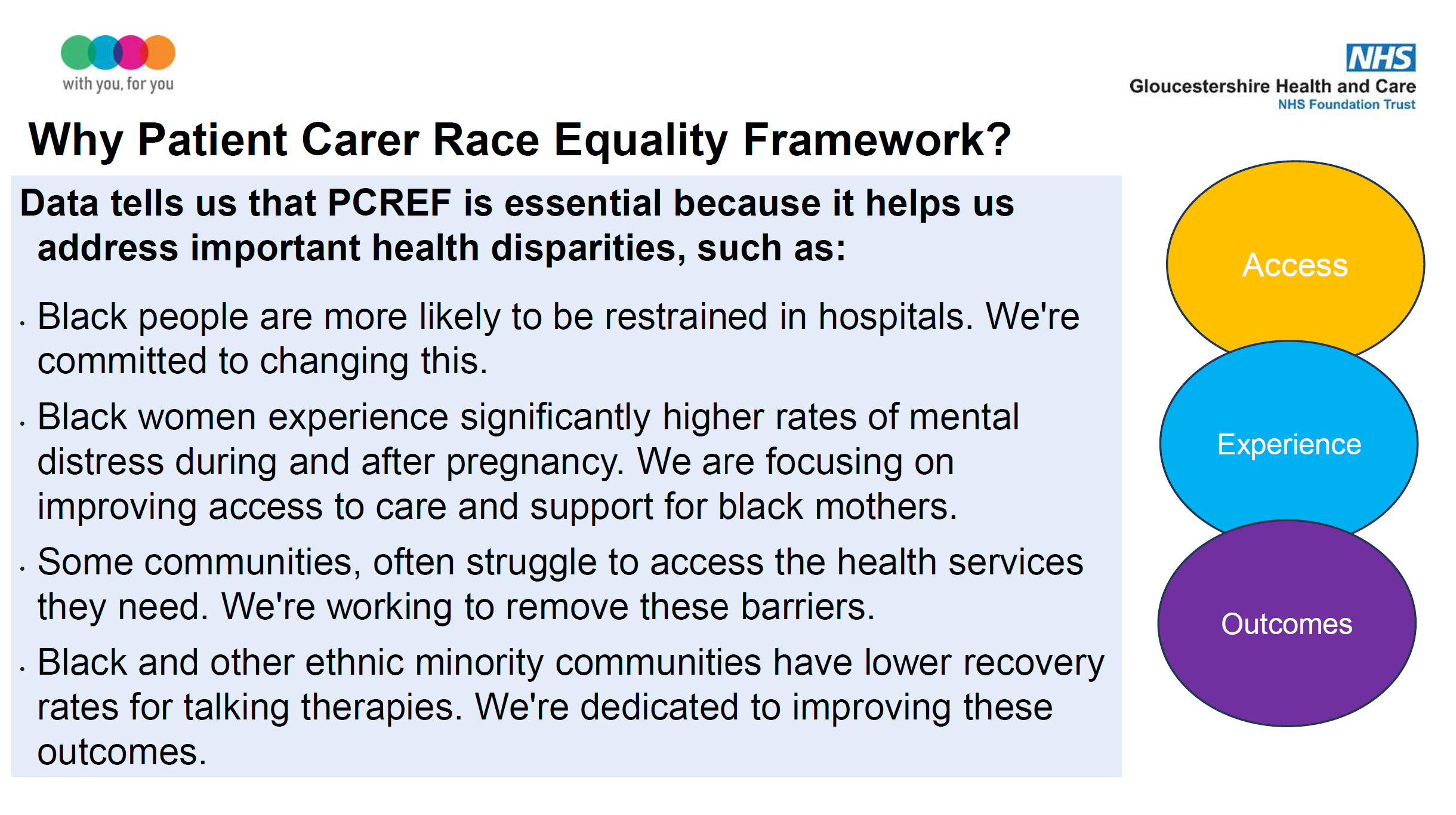
Recognizing the unique challenges faced by minority carers, NHS England has developed the Patient Care Race Equality Framework (PCREF). These set of policies aims to tackle inequalities in mental health care, particularly for ethnic minority groups. The framework emphasizes the importance of breaking down guilt and shame, promoting better outcomes for minority communities, and ensuring that carers’ voices are central to service design and decision-making.
However, systemic barriers persist. Minority carers may be reluctant to engage with mental health services due to fears of poor outcomes, discrimination, or further isolation. The double tragedy is that those who need support the most are often the least likely to receive it, as both community and systemic factors conspire to keep them from seeking help.

The Importance of Carers’ Voices

A key focus of the National Ethnic Mental Health Care Forum is to ensure that carers’ voices are heard and valued. Too often, the emphasis is placed solely on patients or those with lived experience, overlooking the vital role that families and carers play. Guilt and shame can stop carers from engaging with services, making it essential for mental health systems to recognize and address cultural barriers.

Breaking the Cycle: Towards Better Support and Outcomes

Engaging with Communities

To break the cycle of guilt and shame, it is crucial to engage directly with communities. This means attending religious and cultural gatherings, listening to minority carers and patients, and understanding the specific struggles they face. Education is key!! both for carers and for mental health professionals. Training staff to appreciate community values and avoid assumptions about disengaged carers can help foster trust and collaboration.

Creating Safe, Non-Judgmental Spaces

Safe spaces where carers feel invited and heard are essential. These settings should be non-judgmental and designed to encourage open dialogue. Just like my Ethnic carer forum. Co-production, where patients and carers are involved in designing and delivering services and can help ensure that support is tailored to the needs of diverse communities.

Promoting Positive Role Models

Just as I mentioned when I spoke at the North East London NHS PCREF event, I feel that Role models play a powerful role in challenging stigma and inspiring change. Mental health trusts and systems should promote positive examples of carers who have reached out for help and benefited from support. Sharing stories and experiences can help others see that seeking help is not a weakness, but a strength.

Self-Care as Strength

Promoting self-care as a strength, rather than a weakness, is vital. Carers need to recognize that it is okay to ask for help and take time for themselves. Engaging with community leaders and faith networks can help change attitudes and reduce stigma, using trusted voices to advocate for better understanding and support.

The Path Forward: Building Inclusive Mental Health Services

Co-Production and Service Design

Including carers in service design and decision-making is essential for building inclusive mental health services. By putting carers at the center of policy and practice, systems can better address the unique challenges they face and promote positive outcomes for all.

Education and Awareness

Ongoing education and awareness-raising are critical. Carers, communities, and professionals must work together to challenge stigma, promote understanding, and create environments where everyone feels supported.

The Power of Conversation

Ultimately, breaking the cycle of care guilt and shame requires open conversation and a willingness to learn from each other. By sharing experiences, listening to diverse voices, and fostering empathy, we can build stronger, more inclusive communities and mental health systems.


Conclusion

Care guilt and shame are complex, deeply rooted issues that affect unpaid carers across culturally tight-knit communities. The emotional weight of caring, compounded by cultural expectations and systemic barriers, can lead to isolation, burnout, and reluctance to seek help. Addressing these challenges requires a multifaceted approach engaging with communities, promoting positive role models, creating safe spaces, and ensuring carers’ voices are central to service design.

By working together to challenge stigma and promote understanding, we can support carers in their vital role and build mental health services that truly meet the needs of all. The journey is ongoing, but with awareness, education, and compassion, positive change is possible.

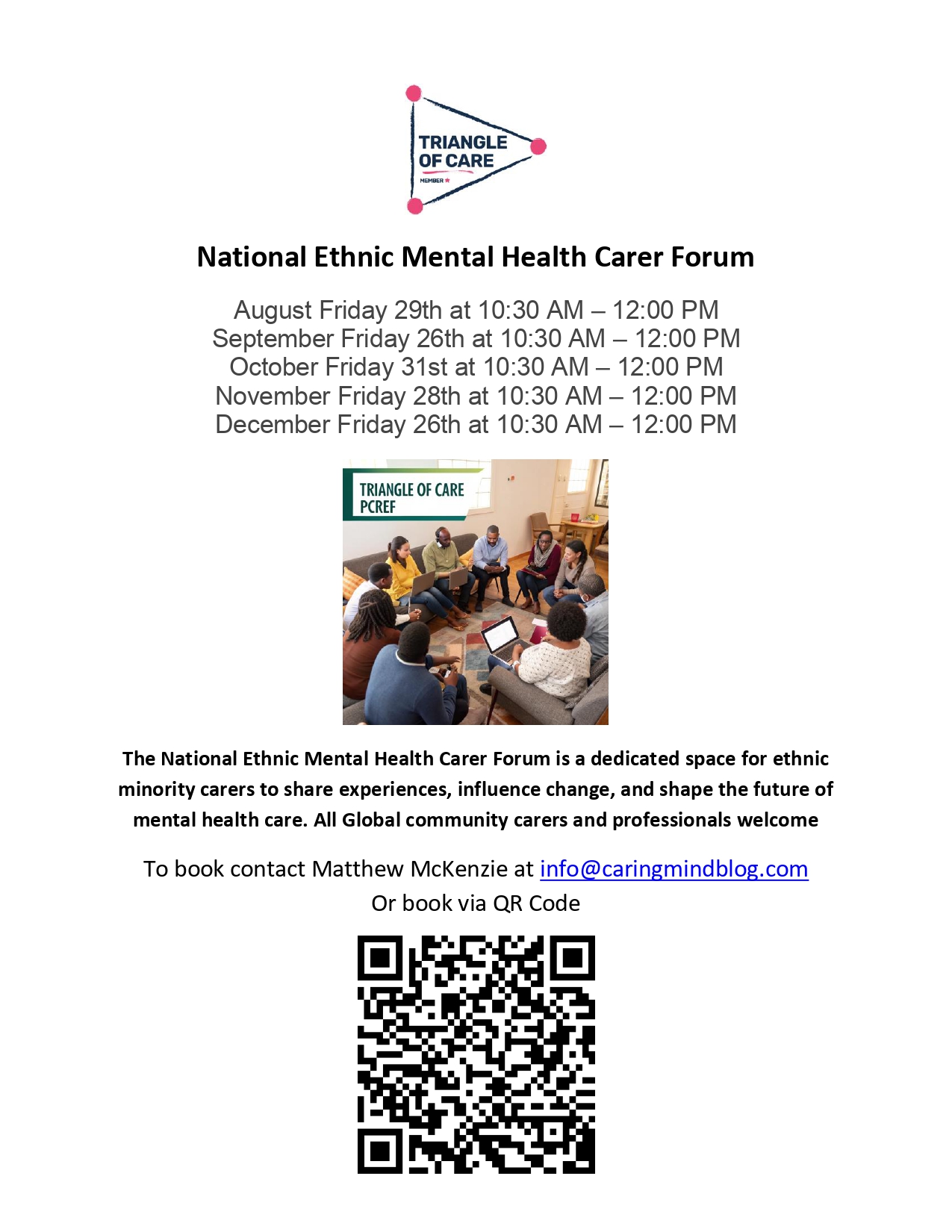
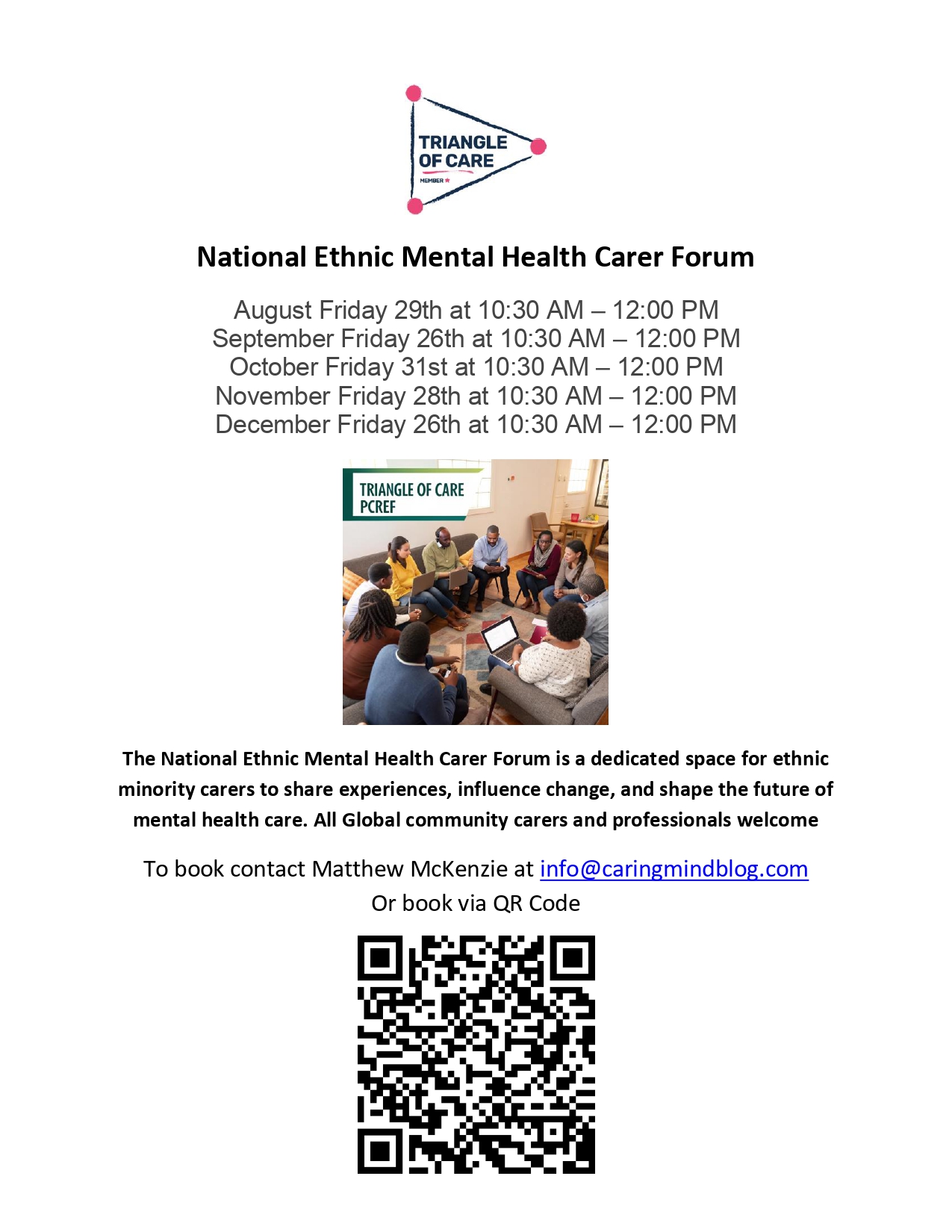
Caring for someone with mental illness? Check out our Ethnic carer forum. Dates shown below.

Ethnic mental health Carer Forum Update July 2025


Author: Matthew McKenzie

Building Stronger Voices: A Powerful July Gathering of the National Ethnic Mental Health Carer Forum

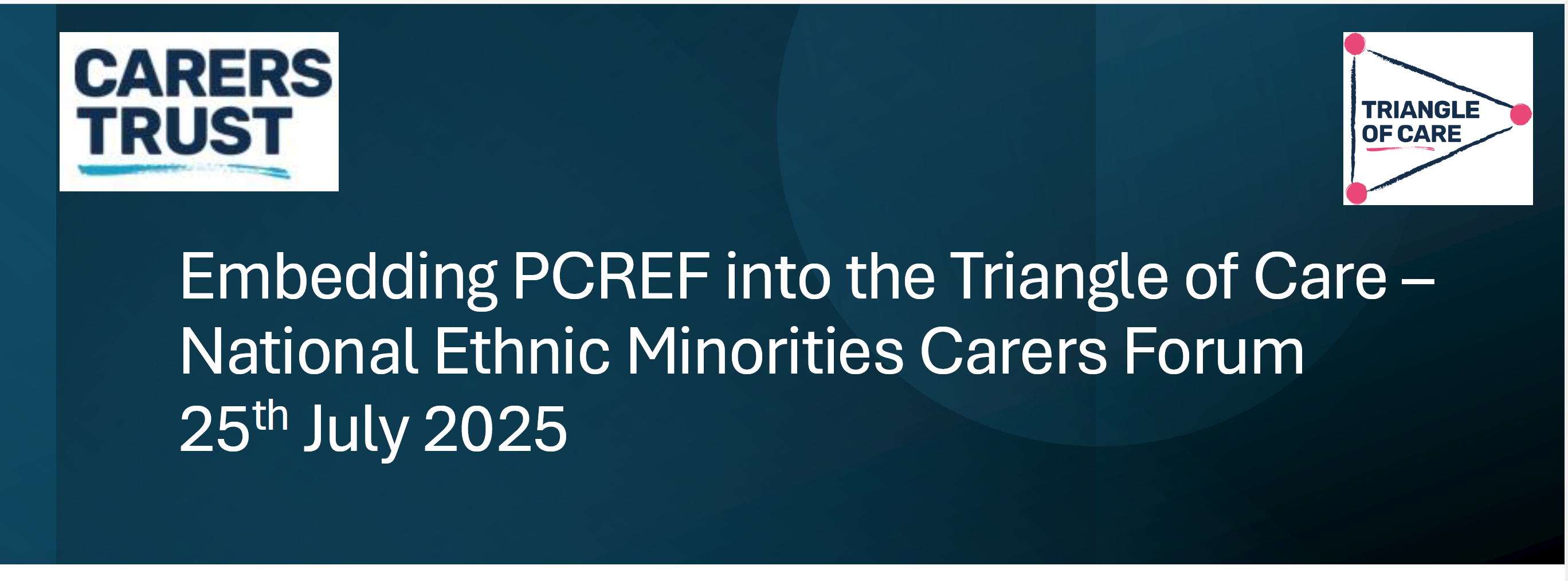
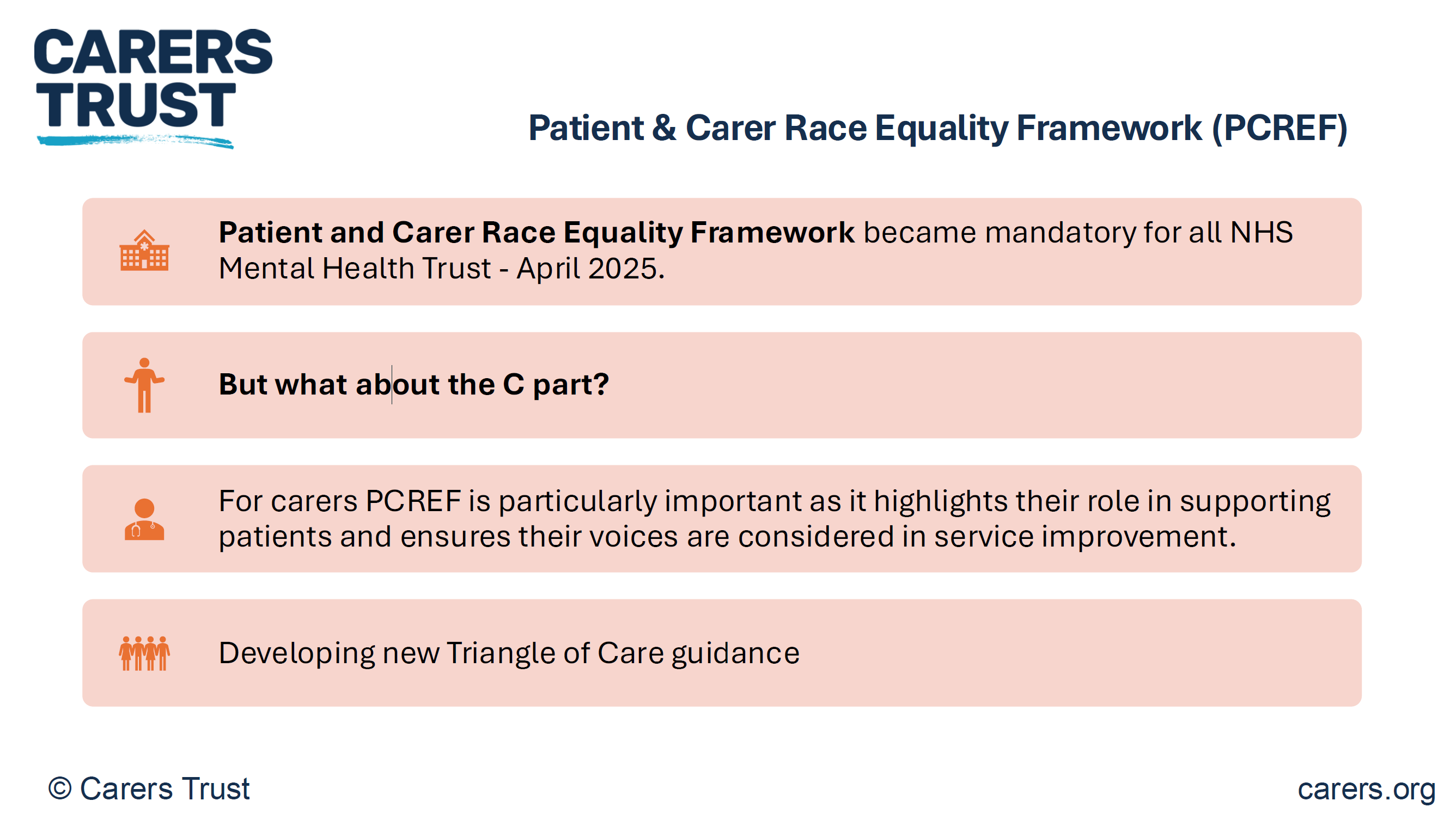
On Friday, July 25th, the National Ethnic Mental Health Carer Forum held another online session, continuing our work in empowering diverse carers and influencing meaningful change across mental health services. With participation from community champions, NHS professionals, experienced unpaid minority carers. The discussion was on the Triangle of Care (ToC) and PCREF (Patient Carer Race Equality Framework) stakeholders.

This forum exists to elevate the voices of ethnically diverse carers, bringing their lived experiences to the forefront of service transformation. Whether it’s holding systems to account or shaping policy guidance, this space remains vital in creating inclusive, anti-racist care across the UK.

Highlights from July’s Forum

🔵 Debbie Hustings’ Presentation on Triangle of Care & PCREF Integration
Debbie, a long-standing Triangle of Care Programme Lead and carer herself, gave an in-depth presentation on reviewing the Triangle of Care through a PCREF (Patient and Carer Race Equality Framework) lens. Her talk provided an honest look at institutional challenges and offered solutions for embedding racial equity into carer support standards. A key takeaway was how crucial lived experience is in driving real policy change not just warm words. She emphasized the importance of re-examining existing standards through a racial equity lens, stating that “beyond warm words,” carers need frameworks that are operational, measurable, and locally adaptable.

🟣 Powerful Feedback from Carers
Contributors shared difficult yet necessary truths. Carers spoke about the lack of involvement in care planning, systemic racism, the need for meaningful co-production (not “faux-production”), and experiences of isolation when navigating majority environments. One carer reflected, “In 28 years of caring for my son, I have never been involved in his care planning.”

Several carers shared their painful, sometimes shocking, experiences navigating mental health services, especially in areas with limited diversity. One participant remarked, “Even after decades of caring, I’ve never been included in a care plan.” Others spoke of staff who misunderstood or dismissed cultural nuances, the misuse of confidentiality rules to exclude carers, and the silencing of Black and Asian voices. Concerns were also raised about immigration-related fears, lack of access for non-English speakers, and a troubling rise in racism in predominantly white areas. These reflections painted a vivid picture of systemic inequality but also made clear the power of collective advocacywhen carers come together, change begins.

These testimonies highlighted how far we still need to go.

🟡 Inclusive Language & Representation
There was a passionate discussion around terminology whether to use “global majority” or “ethnically and racially diverse.” While some feared backlash from certain communities, the group leaned toward inclusivity and accountability over appeasement. This sensitivity around language underlines the forum’s thoughtful and intersectional approach.

🟢 The Work Ahead
Debbie shared the next steps in developing Standard 2 of the Triangle of Care through the PCREF lens: staff training. The goal? Mandatory, culturally safe, anti-racist care awareness education co-produced with carers from diverse backgrounds. By April 2026, the guidance will be finalized, field-tested, and launched nationally.


A Forum of Global Carers, Local Action

This month’s session proved again that our forum is more than discussion as it’s a driving force for equity. Participants from Southampton, Lewisham, Pennine, Norfolk, Leicester, South West London, Kent & Medway and beyond all shared insights into their local efforts, including cultural awareness training, community storytelling projects, and carer-led involvement initiatives.

One key message? Change is possible when carers are part of the conversation—not as guests, but as co-leaders.


Want to Get Involved?

The forum is open to carers and professionals across the UK and beyond. We meet monthly online, and everyone is welcome to join, contribute, or simply listen.

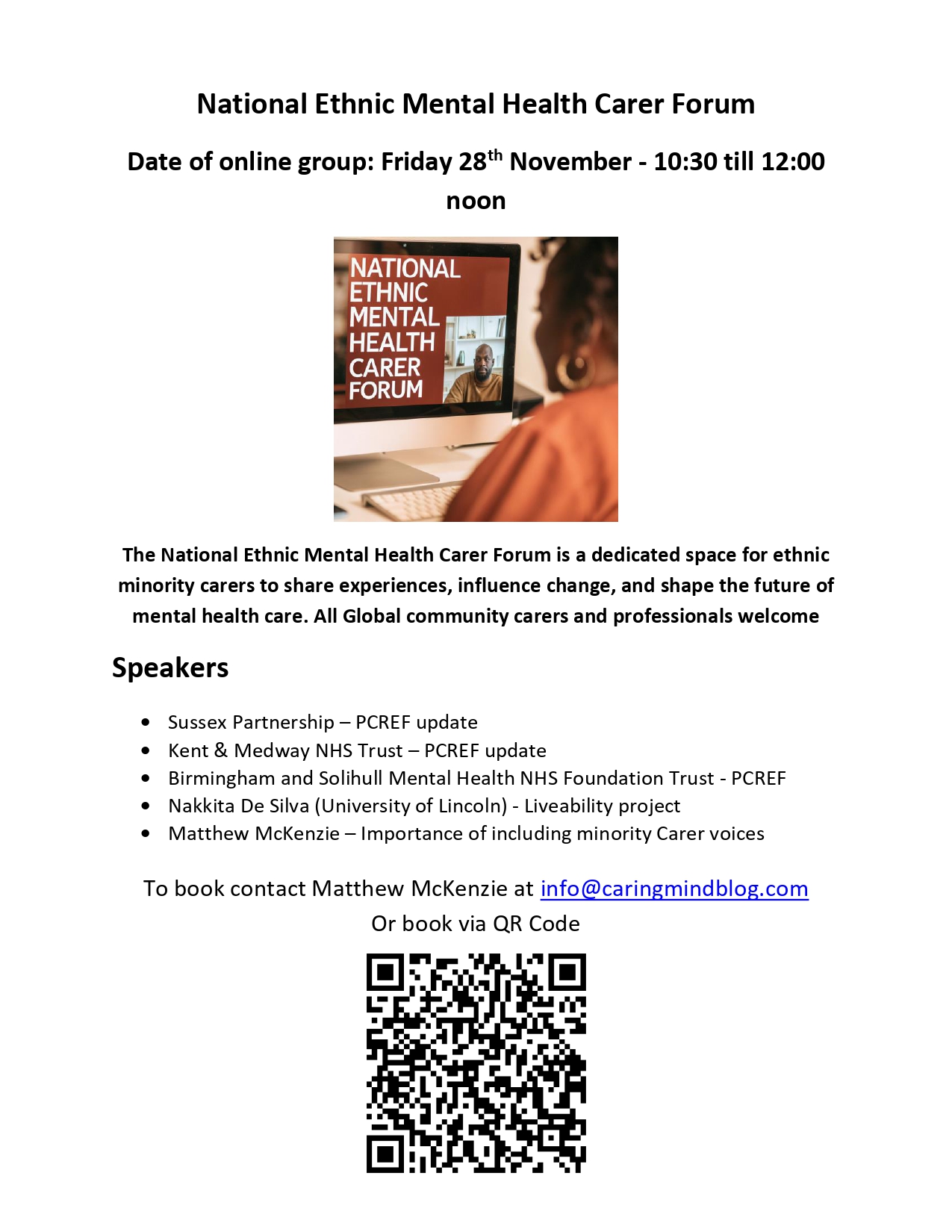
For bookings or questions, contact me at info@caringmindblog.com
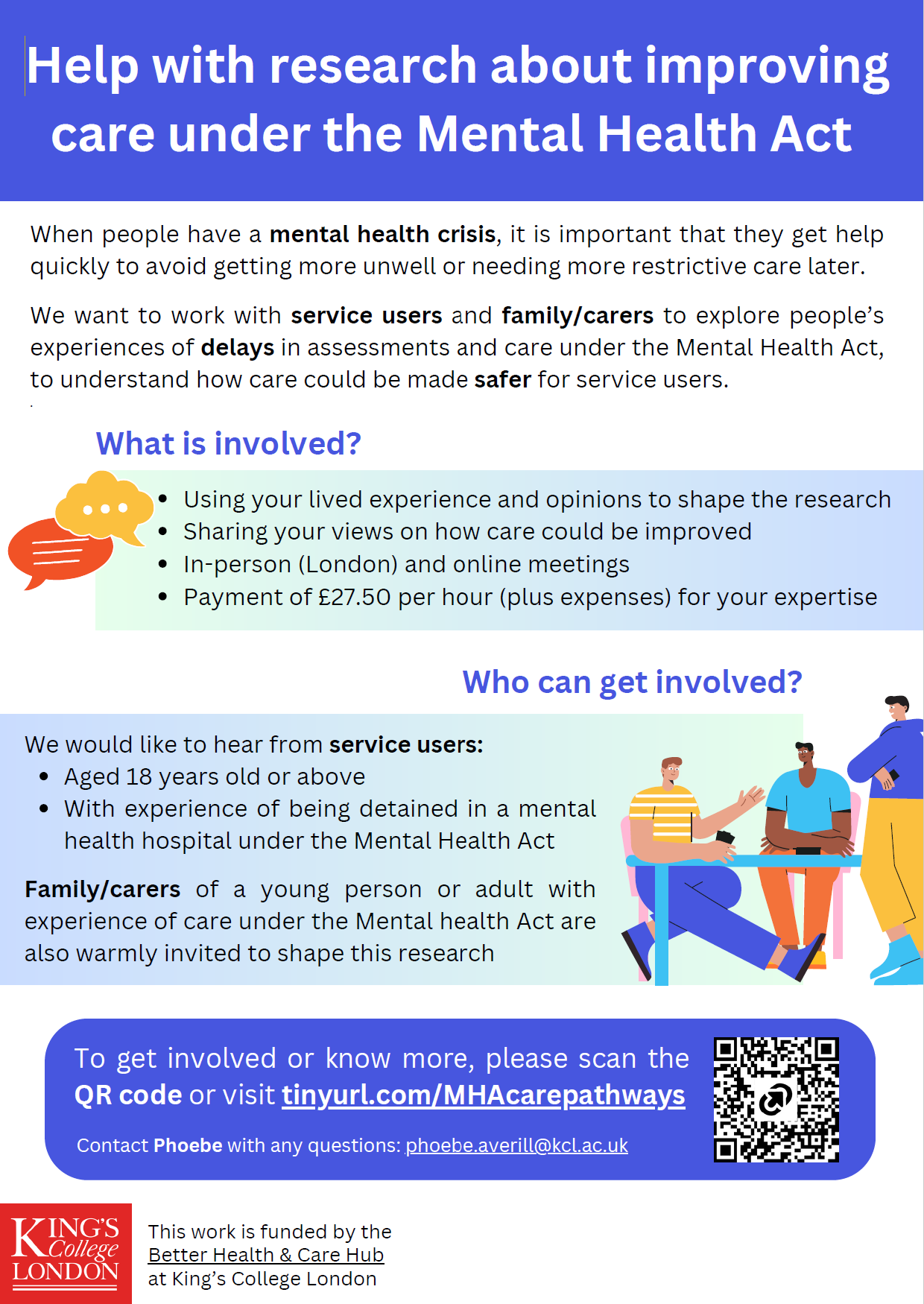
📱 Or download and scan the QR code in the flyer above

Together, minority mental health carers can shape a mental health system that sees, hears, and supports all carers—ethnically, culturally, and fully.

Next National MH carer forum in August 29th 10:30 am
Matthew McKenzie
Founder – Caring Mind Blog
Facilitator – National Ethnic Mental Health Carer Forum


Ethnic mental health Carer Forum Update June 2025

By Matthew McKenzie – Carer activist, poet and author

Welcome to a brief update of my ethnic mental health carer group, held monthly.

The meeting began with introductions and technical discussions on connecting to zoom, followed by presentations on research related to mental health care and carer support, particularly focusing on minority communities and paranoia. The group discussed various initiatives including a community intervention study, a carer experience questionnaire, and progress updates on Patient Carer Race Equality Framework reporting across different NHS regions. The conversation ended with discussions on challenges faced by minority carers, including access to mental health services and the need for better support systems, with calls for national collaboration and improved respite services.

Summary

Carer Support Network Expansion Discussion

The meeting began with Matthew introducing the session and addressing technical issues faced by some participants, including a participants video problems, which were resolved. Matthew explained his recent laptop issues and mentioned his involvement with Carers Trust regarding Triangle of Care. The group discussed the expansion of their focus with minority carers and the importance of connecting and networking across the UK. Juliana, a researcher, provided an overview of her work, and participants introduced themselves, sharing their roles and experiences related to mental health care and carer support. The conversation ended with a brief overview of upcoming presentations and discussions.

Continue reading

Ethnic mental health Carer Forum Update May 2025

Quick update on ethnic mental health carer group

The meeting focused on carer involvement and representation across different regions, with participants discussing their roles in supporting carers and addressing discrimination. The main focus for this meeting was on “What does good look like?” when it comes to Triangle of Care and PCREF.

The group explored the Triangle of Care initiative and its five key elements, including discussions about medication-related challenges and the need for better communication between healthcare providers and carers. The conversation ended with conversations about improving carer support systems, including the importance of advocacy, training, and creating safe spaces for carers to share concerns confidentially.

Continue reading

Ethnic mental health Carer Forum Update March 2025

The Importance of Ethnic Minority Mental Health Carer Voices: Empowering Unpaid Carers from the Global Majority by Matthew McKenzie

In today’s world, the voices of ethnic minority carers in mental health services must be heard and valued. The National Ethnic Mental Health Carers Forum meeting, held on March 28, 2025, underscored the vital role that co-production and lived experience play in shaping better services for those who care for loved ones with mental health needs.

Continue reading