Caring for a loved one with a mental illness is a demanding, often under-recognized role. Many unpaid carers find themselves thrust into complex scenarios, navigating mental health crises, advocating for proper support, balancing their own wellbeing, and, too often, facing these challenges in isolation. While every carer’s journey is unique, a core set of resources can make a dramatic difference between feeling overwhelmed and finding sustainable ways to cope and thrive.
This article and video unpacks those essential resources through the lens of an experienced carer activist and carer, offering both a practical hierarchy of importance and actionable insights. Using a “tier list” as a framework, we’ll explore which resources are most urgent and why, how they fit together, and tips for navigating the labyrinth of mental health care.
To watch which resources are essential for mental health carers, watch the video below.
The Tiered Approach: Prioritizing Carers’ Needs
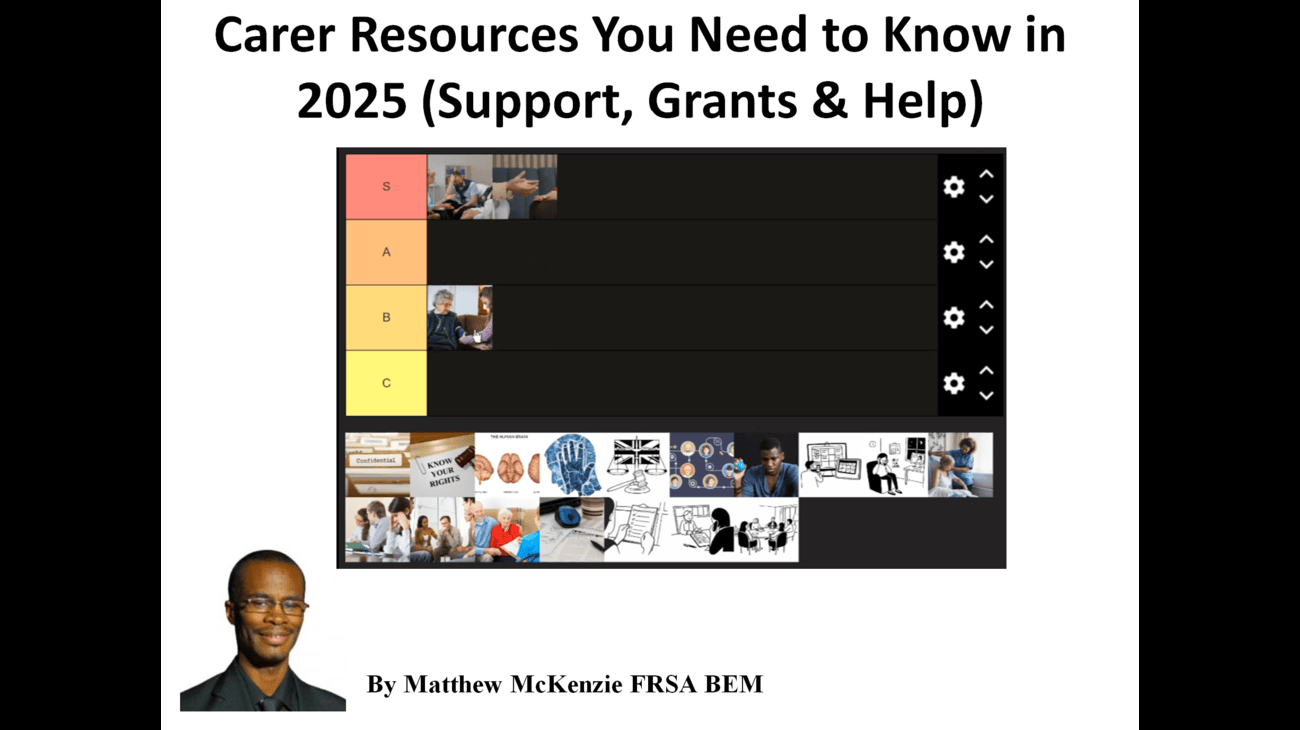
Resources for mental health carers can be overwhelming in scope from legal advice and crisis hotlines to financial support and practical training. To create clarity, resources are placed into four tiers:
S Tier (Essential): Survival-level supports; absolutely critical for continued caring and crisis management.
A Tier (Sustaining): Highly valuable resources that keep your caring role tenable in the long run.
B Tier (Enhancing): Important support systems that reduce daily strain and improve quality of life but aren’t as immediately pressing.
C Tier (Auxiliary): Long-term stability and planning; often overlooked but still necessary.
Let’s break down what falls into each tier and how you can access and leverage these resources effectively.
Carers: Unsung Heroes, Essential Supports
Mental health carers are the invisible backbone of the support system—shouldering enormous responsibility, often without recognition or adequate support. By focusing on these critical resources and prioritizing self-care as well as advocacy, carers can find greater resilience, confidence, and sustainability.
Remember, you are not alone. Whether you access support online, through local groups, or formal agencies, reach out, ask questions, and don’t accept “no” as the final answer when it comes to your rights and wellbeing. With the right resources and support system, caring for a loved one with mental illness can be not just a challenge to survive—but a journey where you both can thrive.
By Matthew McKenzie – Carer activist and facilitator of the group
The group is a community of carers in Lambeth, Southwark and Lewisham that exists to provide support, advocacy, and connection for people looking after loved ones living with mental illness. It brings together unpaid carers of all ages and backgrounds to share experiences, learn from one another, and build confidence in dealing with health and social care professionals. A core part of its mission is reducing isolation by creating a safe space where carers can speak openly, develop skills, and access practical resources like advocacy services.
The meeting began with introductions and updates from various participants, including myselff where I discussed work with London Hospitals and the NHS app, while other carers introduced themselves to the group. In attendance was Tama from PohWer presented information about carer complaints and support services across different regions, including discussions about the potential impact of Healthwatch’s dissolution on patient and carer support services.
Welcome to a brief update of my Hospital Carers Discharge group. The Carers Hospital Discharge Toolkit Working Group is a collaborative initiative dedicated to improving the hospital discharge experience for carers and their loved ones. Chaired by myself a carer with lived experience, the group brings together a diverse mix of voices, including fellow carers, representatives from local carer centres, and, at times, hospital public and patient involvement (PPI) leads or staff. This inclusive approach ensures that the toolkit remains grounded in real-world experiences while benefiting from professional insight and support.
The meeting began with introductions from various participants who shared their roles related to carer support and hospital engagement, including updates on the Universal Care Plan and NHS 10-year plan from NHS England. We also had a presentation on the new project to support carers across North Central London, covering five boroughs and 11 hospital sites, which will help identify and support carers through various initiatives and resources.
The group discussed upcoming events for Carers Week 2025, new carers charter development at one of London’s largest NHS trusts, and various support programs, while addressing challenges and opportunities for improving carer support across different organizations and locations.
Carer Support and Hospital Engagement
The meeting began with introductions from various participants, who shared their roles and affiliations related to carer support and hospital engagement. Matthew highlighted his involvement in various mental health hospital trusts and carer engagement initiatives, while Eleanor discussed her new role as project manager for the North Central London Carers Support Project, which covers five boroughs. Ros from NHS England provided an update on the Universal Care Plan for carers, noting that more updates are needed. The conversation ended with plans for Eleanor to present later, focusing on developments in carer support across the region.
Universal Care Plan Implementation Update
As mentiioned earlier, there was a discussion the Universal Care Plan, which launched in January and will soon allow unpaid carers to initiate their own plans through the NHS app, expected by late summer or early autumn.
It was noted that while some organizations like hospitals and local authorities are familiar with the plan, there are knowledge gaps in the community and voluntary sectors. It was noted that the Urgent Care Plan team are addressing technical questions about IT systems and interfaces, and they are working towards a coordinated London approach. Also highlighted was the need for more training and support in having conversations with carers about the importance of being identified and registered in the system.
NHS 10-Year Plan Updates
There was also updates on the NHS 10-year plan, expected to be published in July, which will emphasize patient experience and care. An update on the integration of carers’ work streams between NHS England and the Department of Health and Social Care, with a likely focus on working-age carers. It was also mentioned on the uploading a video recording of the UCP Carer Contingency Plan launch to NHS Future, which participants could access by requesting to join.
Universal Care Plan Resources
The group discussed the Universal Care Plan (UCP) and its resources for carers, with an offer to connect with the UCP team in South West London.
Matthew shared a website link for UCP One London, which provides information and updates on carer technology initiatives.
The group also discussed plans for Carers Week next month and a new mental health resource for hospitals, though it was noted that details about the latter were still pending.
Carer Support Project Launch
Eleanor presented a new project to support carers across North Central London, covering five boroughs and 11 hospital sites. She explained how the project will identify carers through self-referral or hospital staff identification, using a website with translation tools and referral forms that can be submitted by carers.
Eleanor also discussed plans for carer awareness training and the distribution of informational materials in hospitals to help identify and support carers. Harrow Carers centre raised questions about how hospitals can alert staff to carers involved with patients and how to better identify carers, to which Eleanor responded with plans for training and collaboration with other initiatives like the Universal Care Plan.
Carer Strategy and Resources Discussion
Eleanor discussed her previous work with Guys and St Thomas’s, noting that she had been involved in creating a carer strategy. She offered to provide the email address of a former colleague for more accurate information. The group also discussed a returning from home resources project led by Guys in southeast London, which the CEO of Bexley Carers Centre planned to present at the next meeting.
Carer Support Program Updates
The meeting discussed a carer support program that targets all carers, including young carers, with no specific threshold or type of carer required. Eleanor explained that local carers organizations would decide how to support identified carers, and hospital staff would have a centralized referral system. Matthew McKenzie provided an update on Carers Week events, highlighting various topics and resources available.
I have placed the link below from the NHS England site.
Tower Hamlet Carers Centre shared developments at the Royal London Hospital, including the addition of two carer support workers, a new base on the 13th floor, and efforts to raise awareness among staff and carers.
Carer Support Events and Initiatives
Tower Hamlets Carer centre discussed upcoming events to promote carer support, including a community day on June 11th.
Plus an information stall at the Royal Hospital on June 13th.
Tower Hamlets Carer Centre mentioned plans to start a coffee morning at the hospital’s 13th floor carers hub. Harrow Carers shared that the carers support lead stopped in April due to funding issues, but the NHS trust is now considering joining the Triangle of Care scheme. He requested help finding a suitable presenter for an upcoming meeting with high-level trust members. Matthew offered to connect the centre with Triangle of care leads, who might be able to help with the presentation.
Carers Week Planning and Support
The team discussed upcoming events for Carers Week 2025, including a joint event with the local authority and a new event in the north of the borough in partnership with Greenwich carers. St Georges hospital NHS trust (GESH) shared the development of a new carers charter based on feedback from listening events, which will be shared with various groups and staff to demonstrate commitment to carers’ needs.
SONY DSC
Bexley Carers mentioned the availability of the Household Support Fund for carers facing cost of living issues, with grants of up to £150 available through local authorities.
Hi everyone, it’s Matthew McKenzie here, and as you know, my focus is usually on raising awareness about unpaid carers, those who care for someone living with long-term ill health, whether it be mental health or physical health. Today, we’re shifting our attention slightly to discuss strategies for dealing with depression. This issue doesn’t just affect the individuals you’re caring for; it can also impact unpaid carers themselves. I’ve been through it, and it’s something that creeps up on you unexpectedly. Even while doing your best in your caregiving role, external factors and the nature of who you’re caring for can significantly affect your mental well-being.
To watch the video, please see below.
Strategies for Combating Depression
Let’s dive into these 20 or so strategies that carers, or anyone for that matter, can use to deal with depression.
On Wednesday 26th March, I had the pleasure of attending and representing Carers UK along with Greenwich Carers MH carers grouos. This was at the Greenwich Carers centre – Carers Forum – Mental Health event.
The event was held in the building and then in a beautiful garden setting surrounded by passionate individuals and organisations all focused on supporting unpaid carers. As someone who’s deeply involved in carer advocacy, this was more than just an information stall, it was a moment to connect, empower, and share resources that can make a real difference in someone’s life.
Understanding Unpaid Carers and the Vital Role of Carer Centers
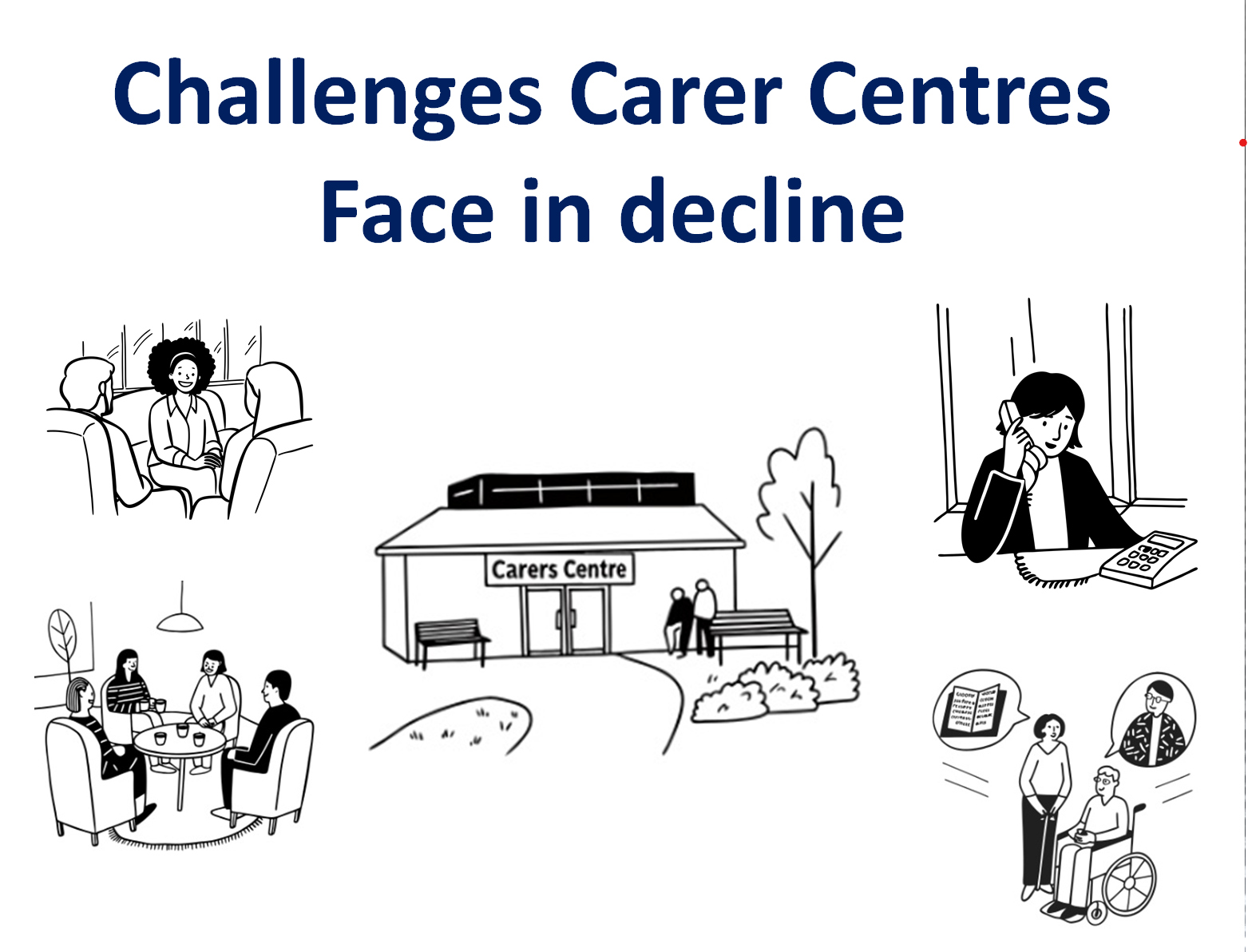
This blog is by carer activist Matthew McKenzie. In the UK, millions of people, often unnoticed and unappreciated, dedicate their lives to caring for family members with long-term physical or mental health conditions. These unpaid carers are the backbone of the caregiving system, yet they face numerous challenges daily. Here, we delve into the crucial role of carer centers, the obstacles they encounter, and potential solutions to sustain and enhance their vital services.












 A Caring Mind