By Matthew McKenzie – Carer, Campaigner, Author and Speaker
5 June 2026 – Supporting Kent County Council’s Carer Awareness Campaign
Although not officially part of Carers Week, my activities with Kent County Council formed an important part of my ongoing commitment to raising awareness of unpaid carers. I supported the county’s long-term carer awareness campaign by taking part in filming designed to help train council staff to better recognise and support carers.
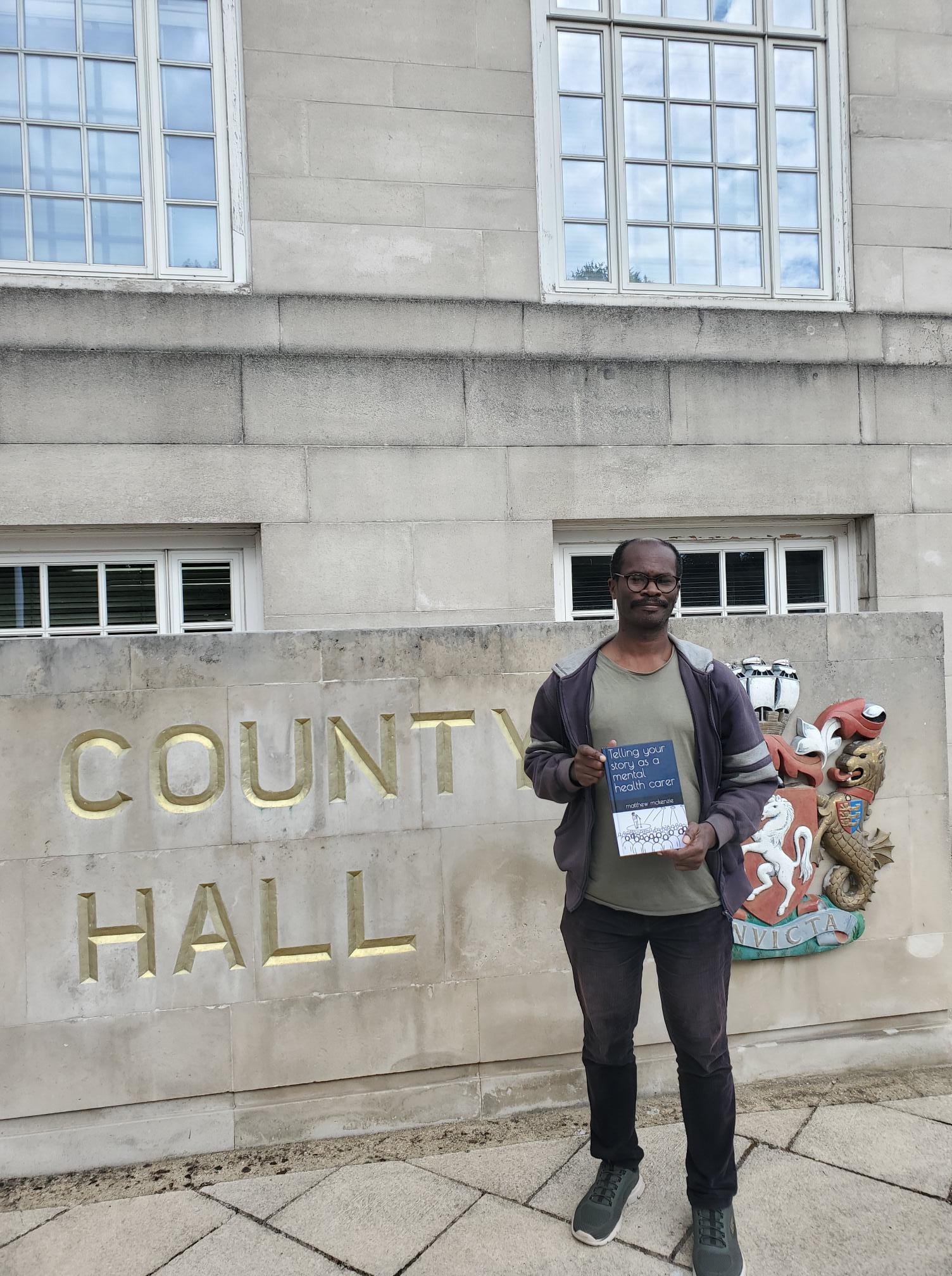
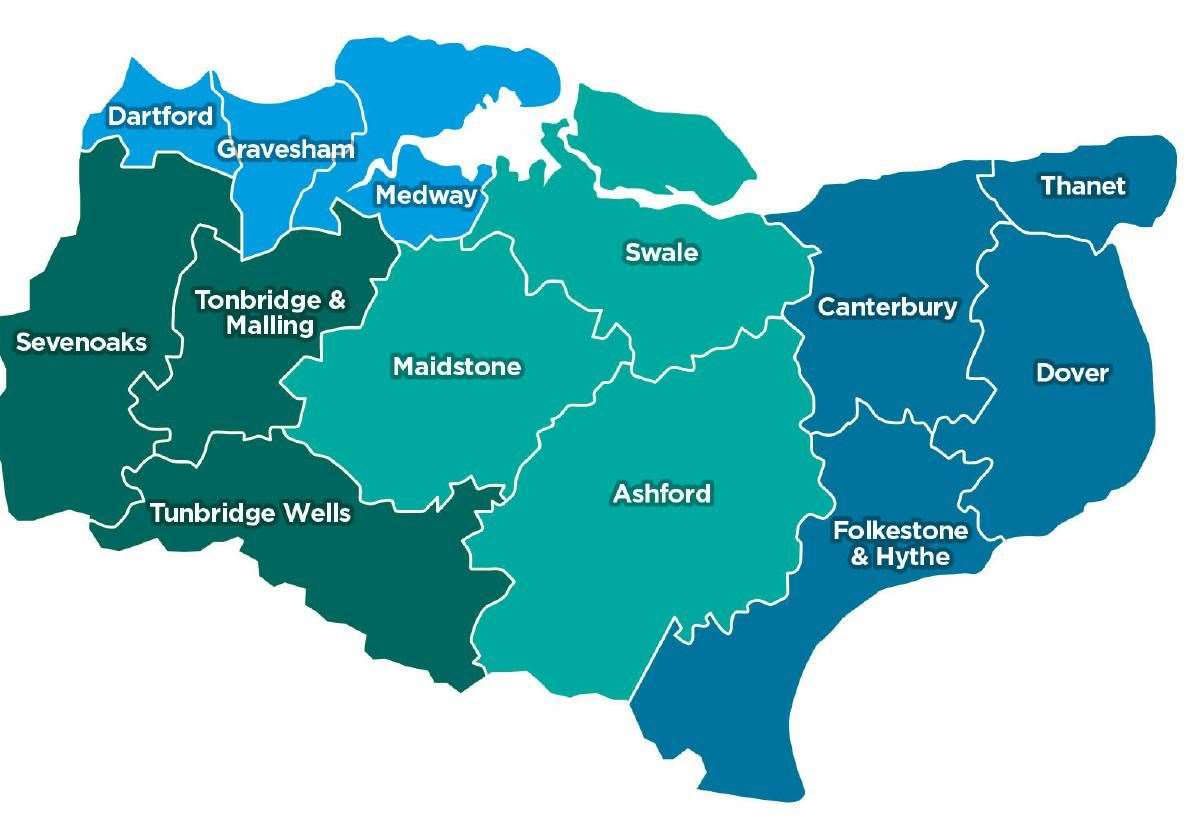
I also discussed future opportunities to speak at Kent County Council carer groups and continued promoting my own support groups across the county. It was encouraging to see local government investing in carer awareness and recognising the importance of ensuring carers are identified, valued and supported within their communities.
9 June 2026 – Developed Video promotion for Carers Week 2026
I did my bit to raise awareness of Carers Week 2026 via a video I developed, which you can see below.
8 June 2026 – Carers Week Stall at St George’s University Hospital
Carers Week officially began with a rewarding day at St George’s University Hospital, where I hosted a Carers UK information stall. The event provided an opportunity to engage directly with unpaid carers, patients, hospital staff and visitors, sharing information about the support available to carers both locally and nationally.
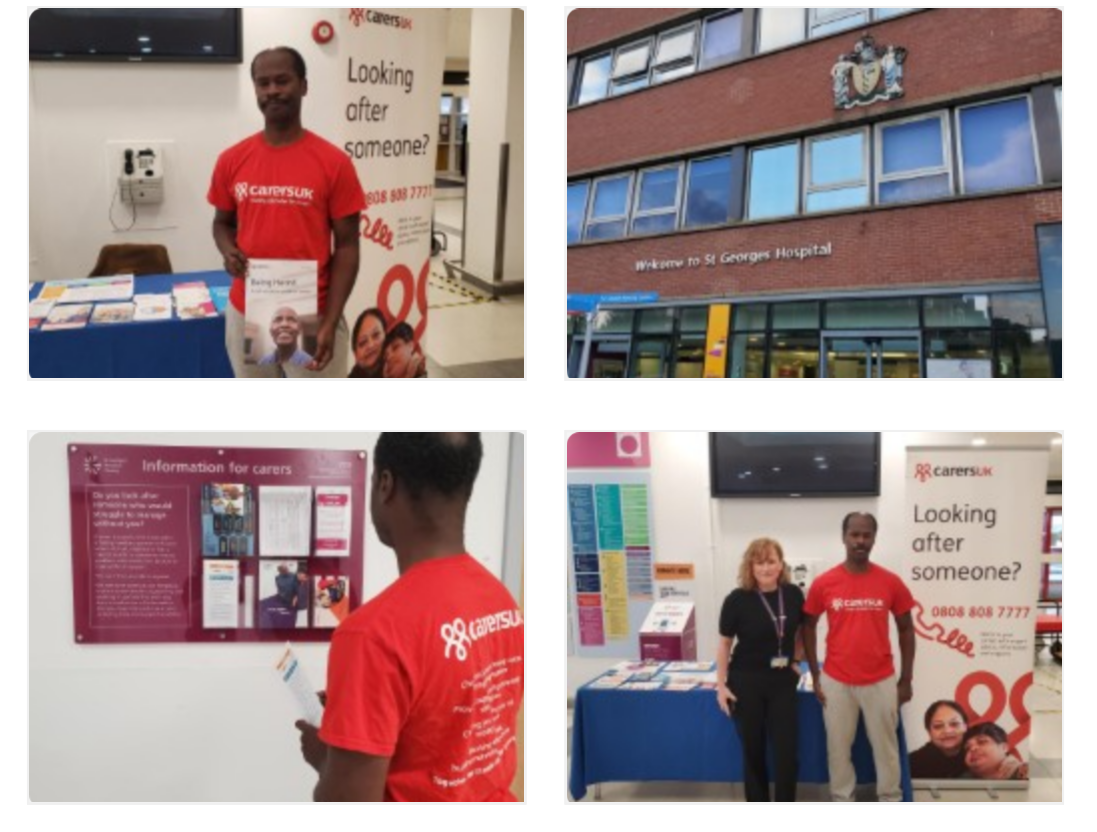
I was particularly pleased to see the hospital’s dedicated carers information board, which demonstrated a clear commitment to recognising and supporting unpaid carers. Throughout the day, I spoke with many people who were caring for family members and helped raise awareness of carers’ rights, available services and the importance of seeking support. It was a positive start to Carers Week and highlighted the vital role healthcare settings can play in identifying and supporting carers.
10 June 2026 – Ealing Carers Week Celebration at Perceval House
On 10 June, I attended the Carers Week Celebration 2026 at Perceval House in Ealing, organised by Ealing Carers Partnership, Ealing Carers Hub and Ealing Council. As someone who supports both of my elderly parents, I understand first-hand the rewards and challenges of caring. During the event, I had the privilege of hosting a Carers UK information stall while also attending as a carer, poet and author.
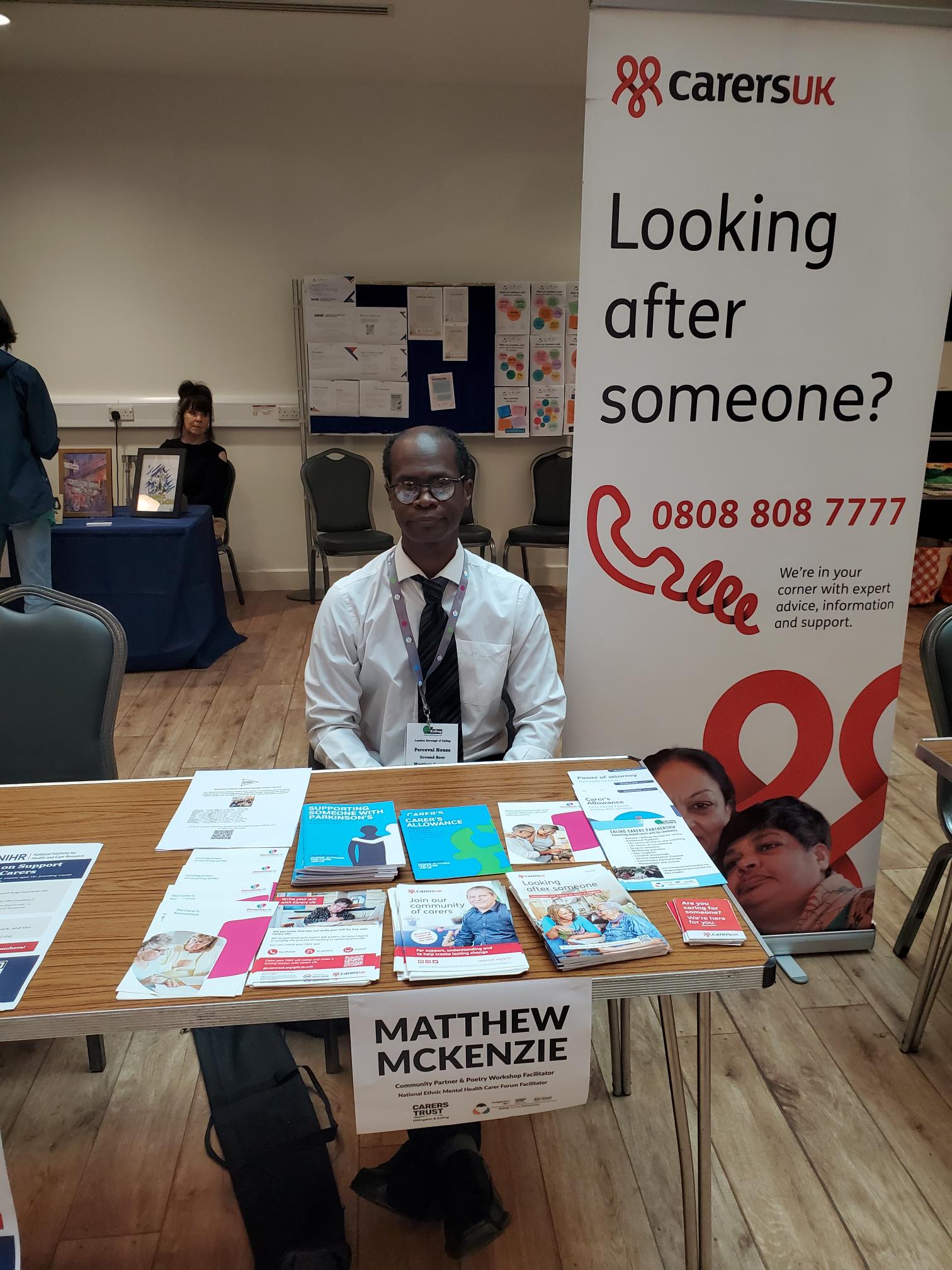
The day brought together carers, charities, community organisations, health professionals and council representatives in a welcoming and supportive environment.
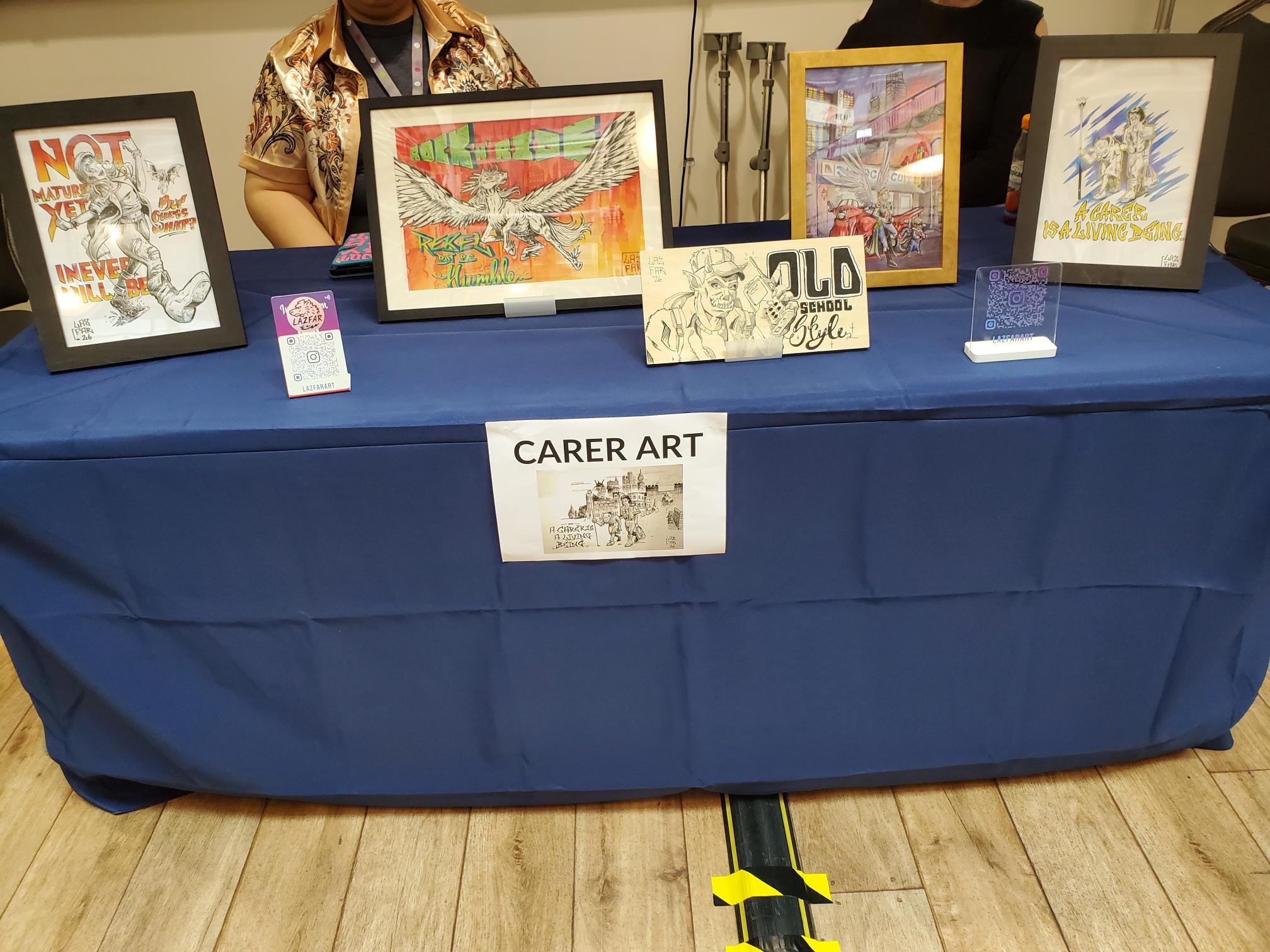
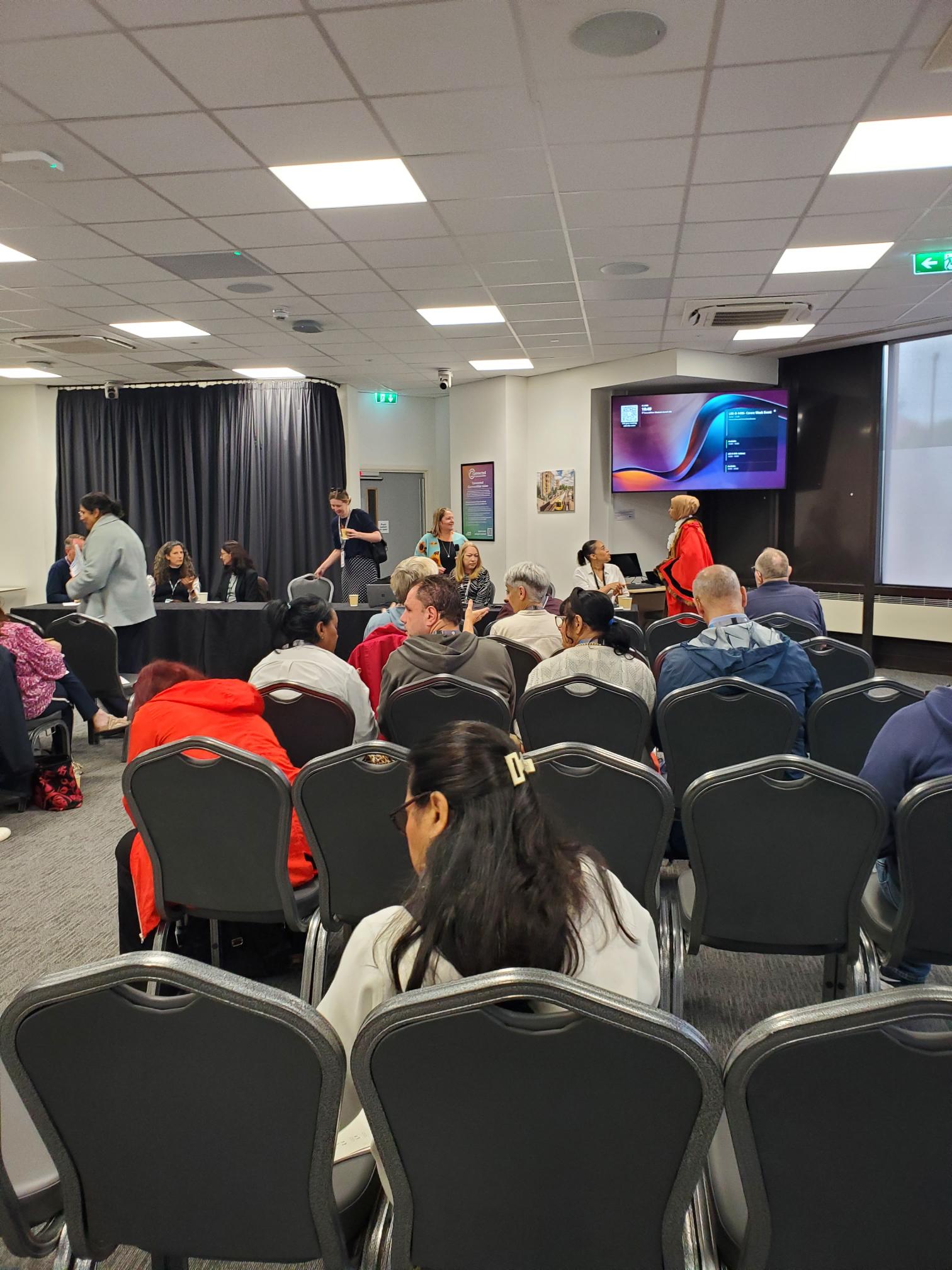
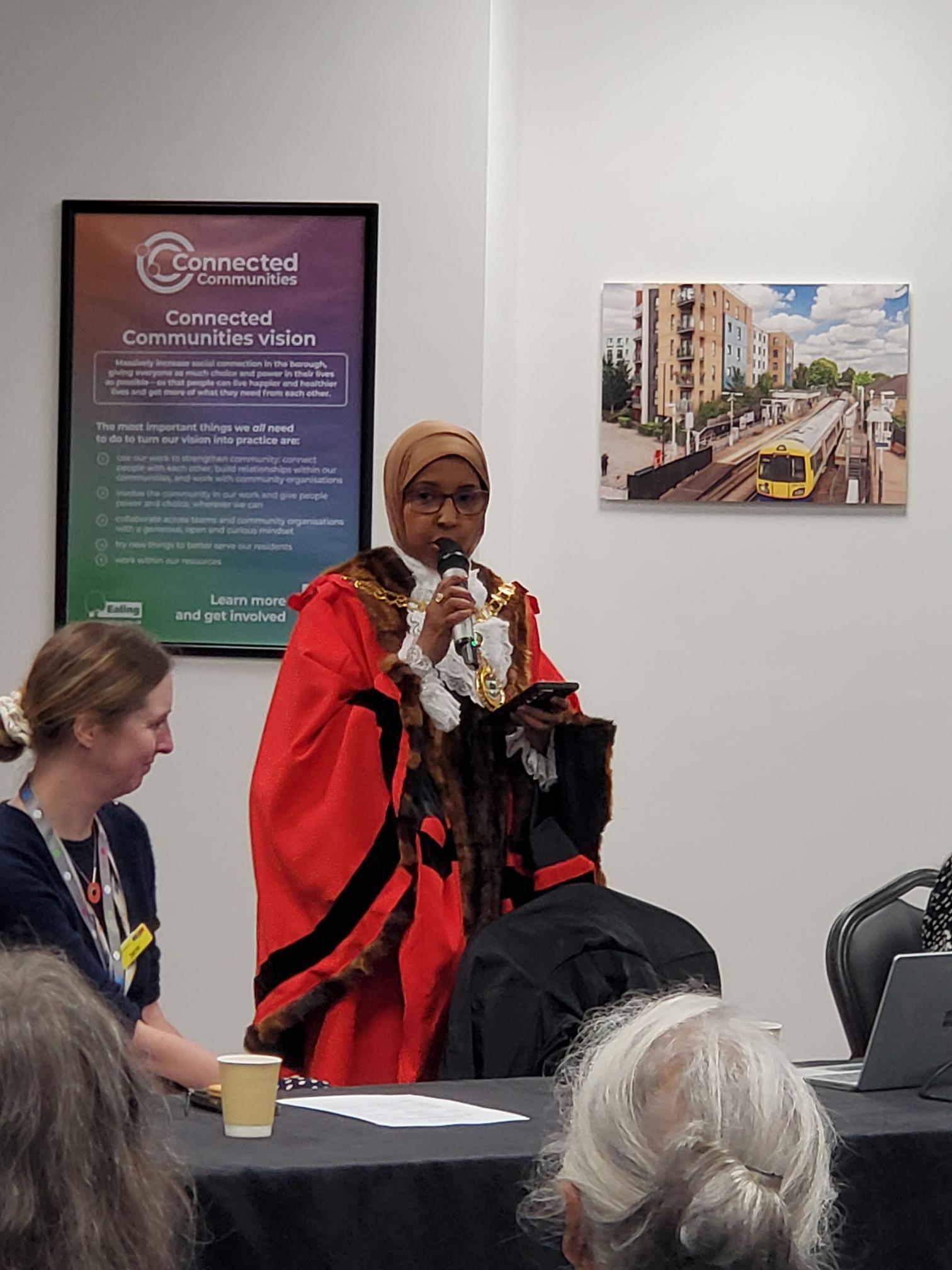
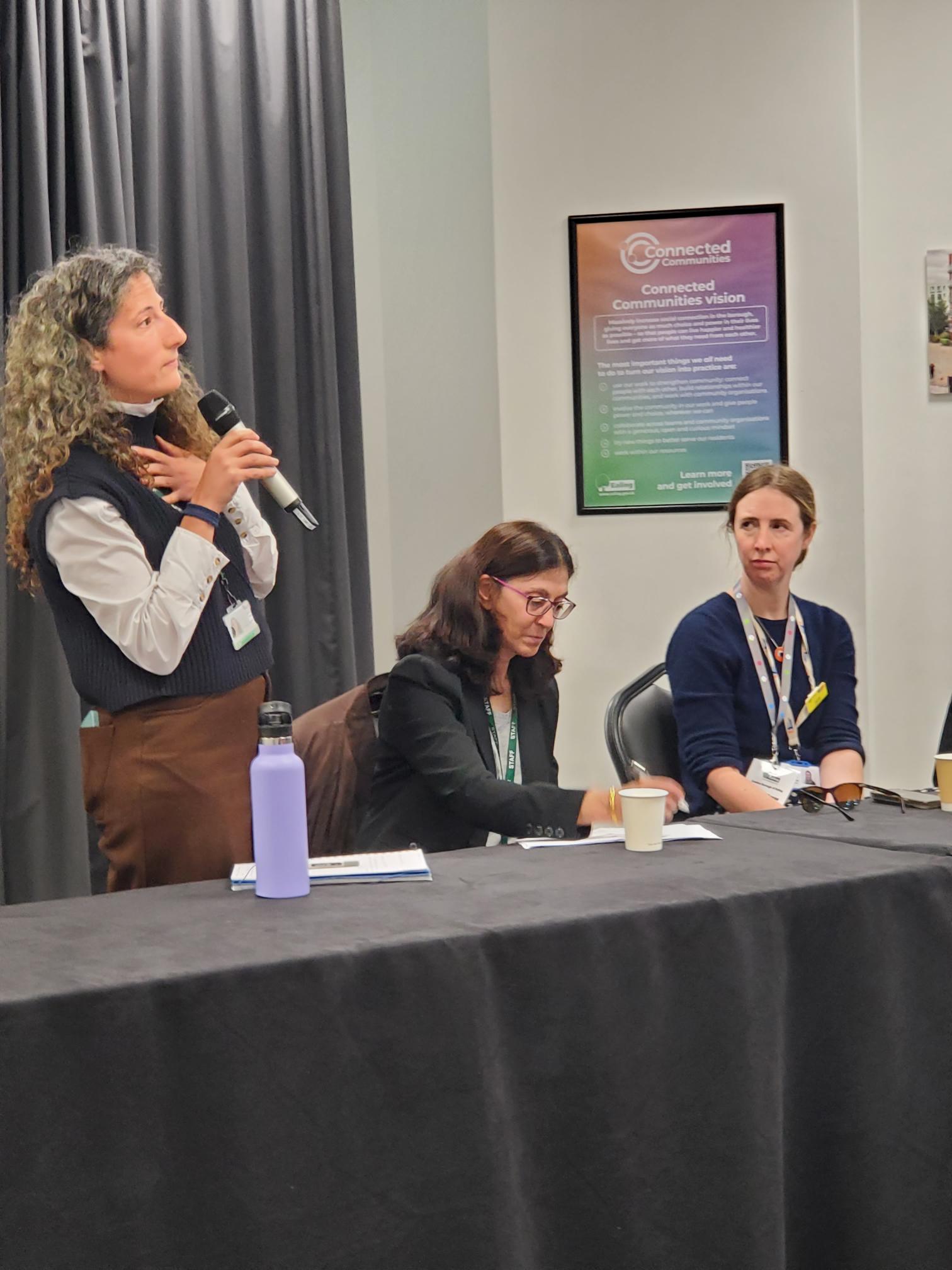
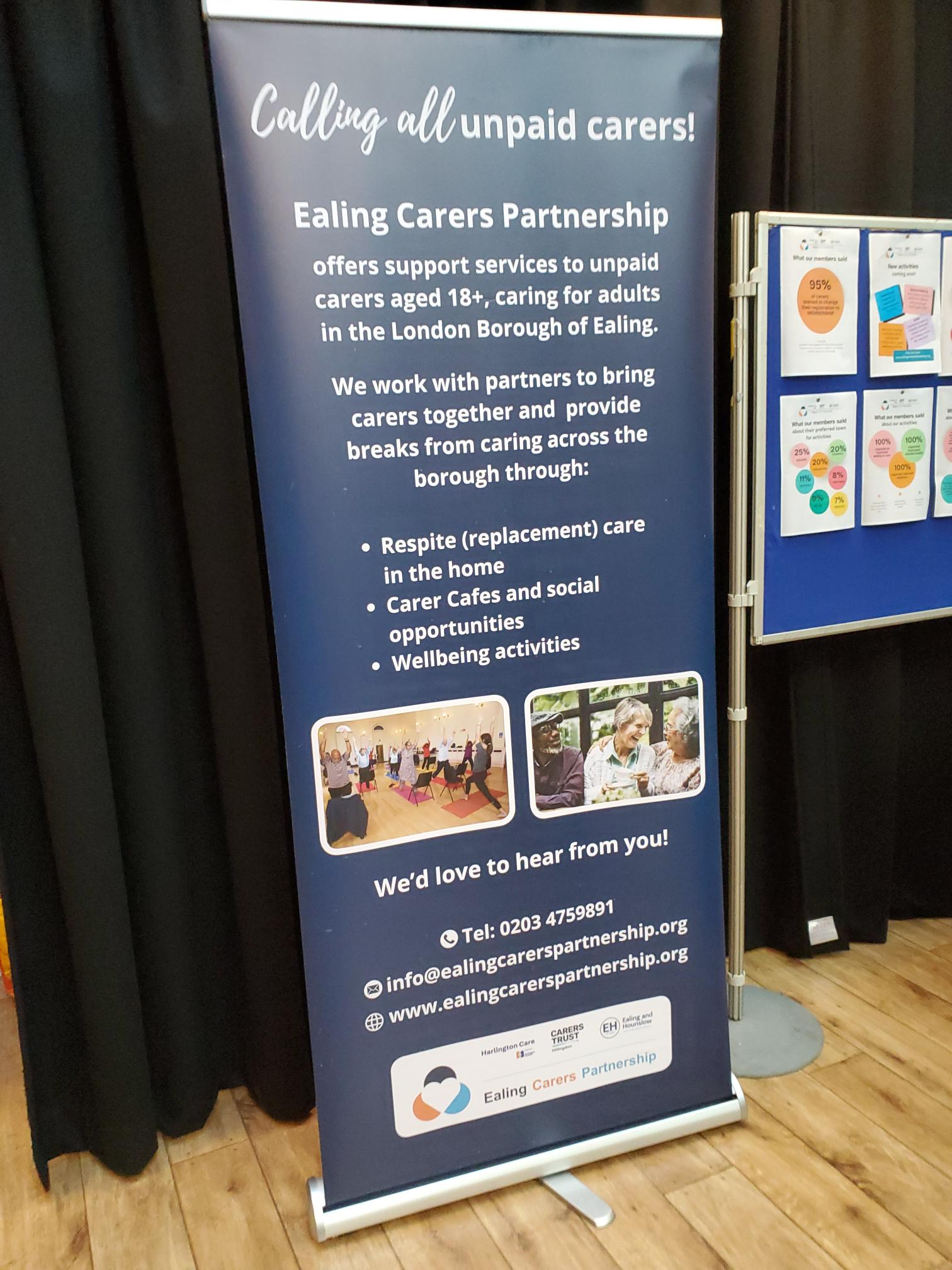
Carers had access to information, advice and wellbeing activities, including complimentary refreshments, free manicures provided by Uxbridge College students, artwork exhibitions and opportunities to connect with others who understand the caring journey. The event served as a powerful reminder that carers matter, their voices are important and they should never feel alone.
You can find out more about the event below from Ealing Local Community news
10 June 2026 – Carers Week Parliamentary Drop-In Event, Westminster
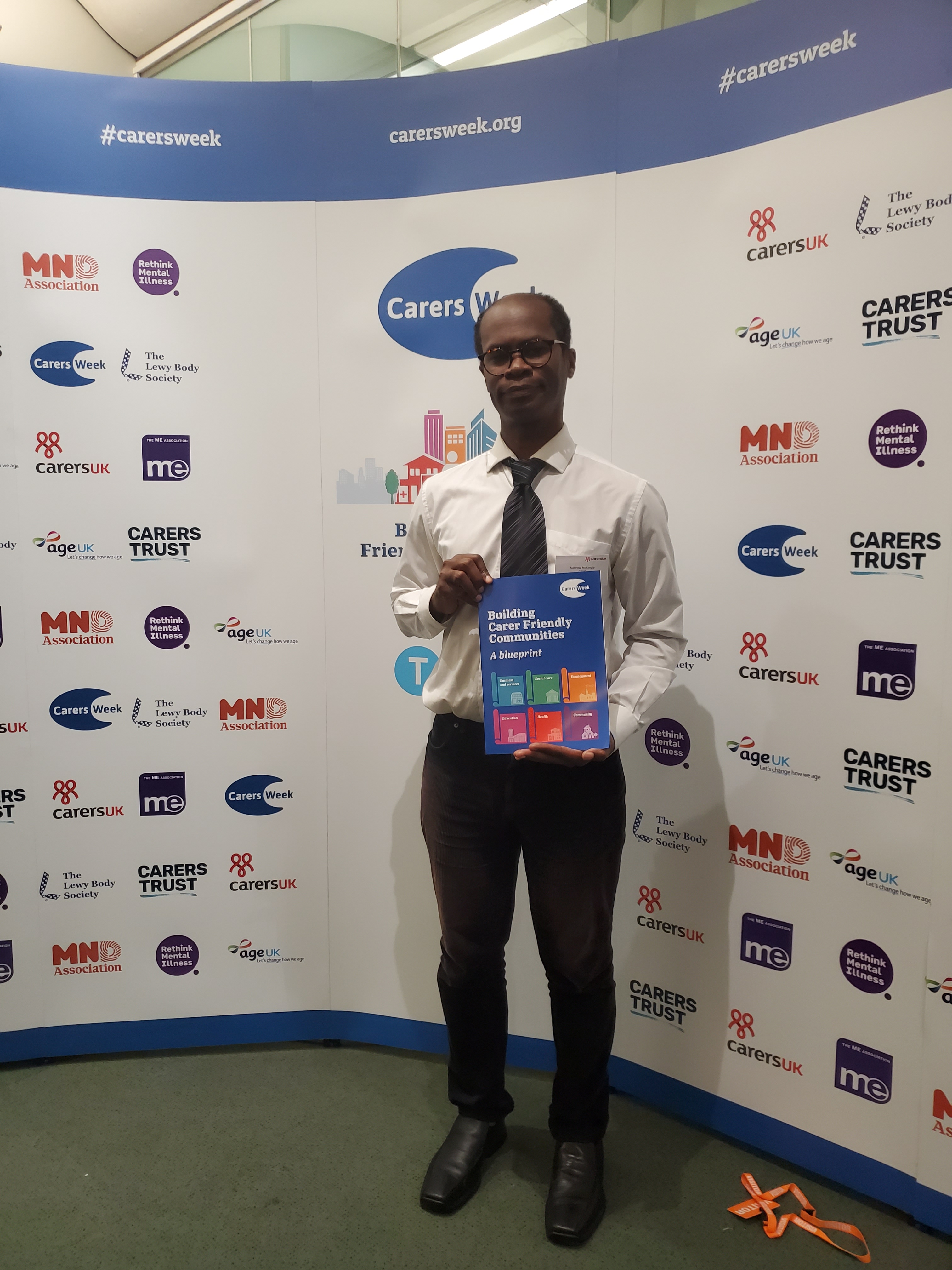
Later that day, I attended the Carers Week Parliamentary Drop-In Event at Portcullis House, Westminster. The event brought together unpaid carers, carers’ organisations, MPs and Peers to discuss the realities of caring and the support carers need.
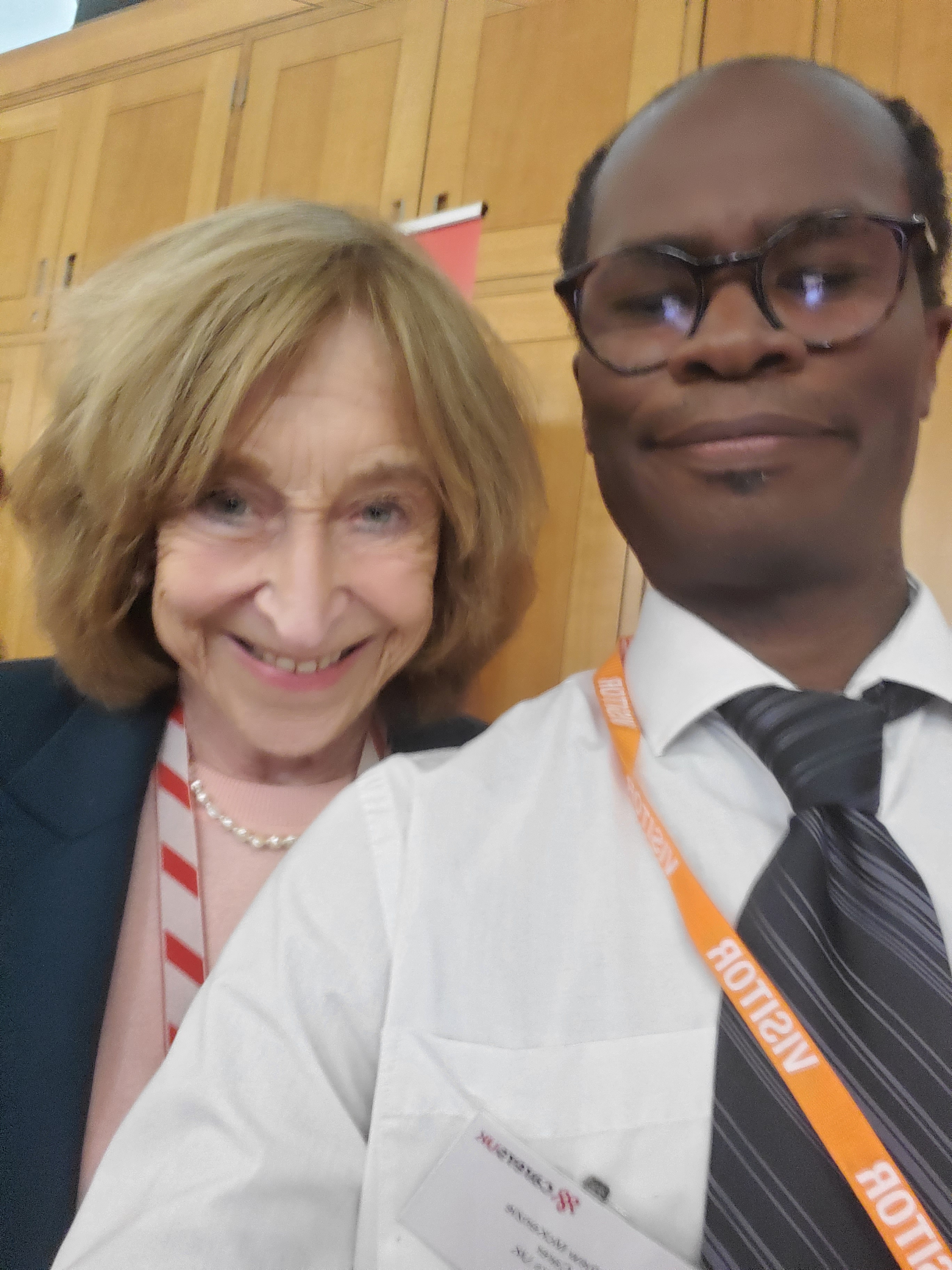
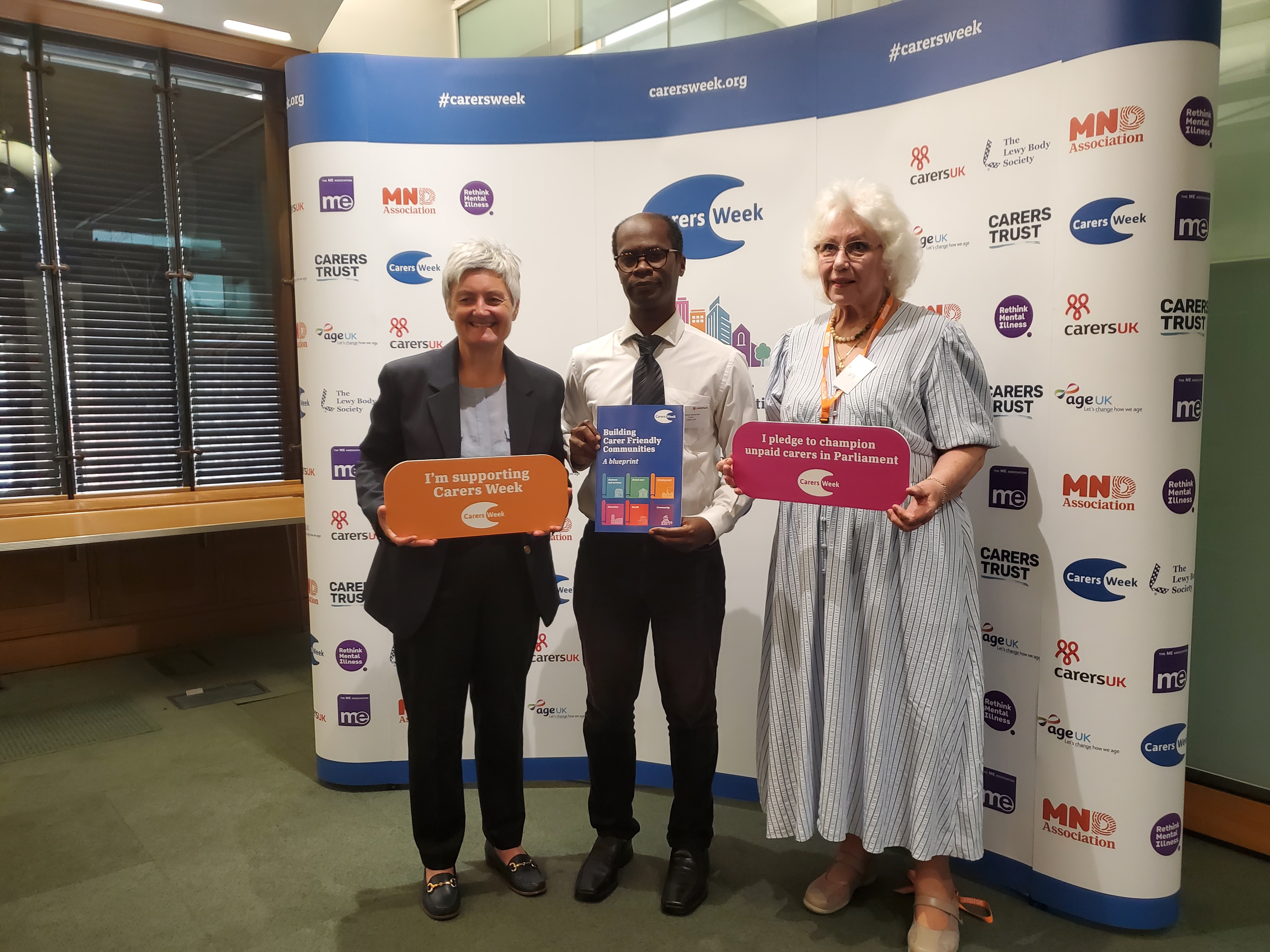
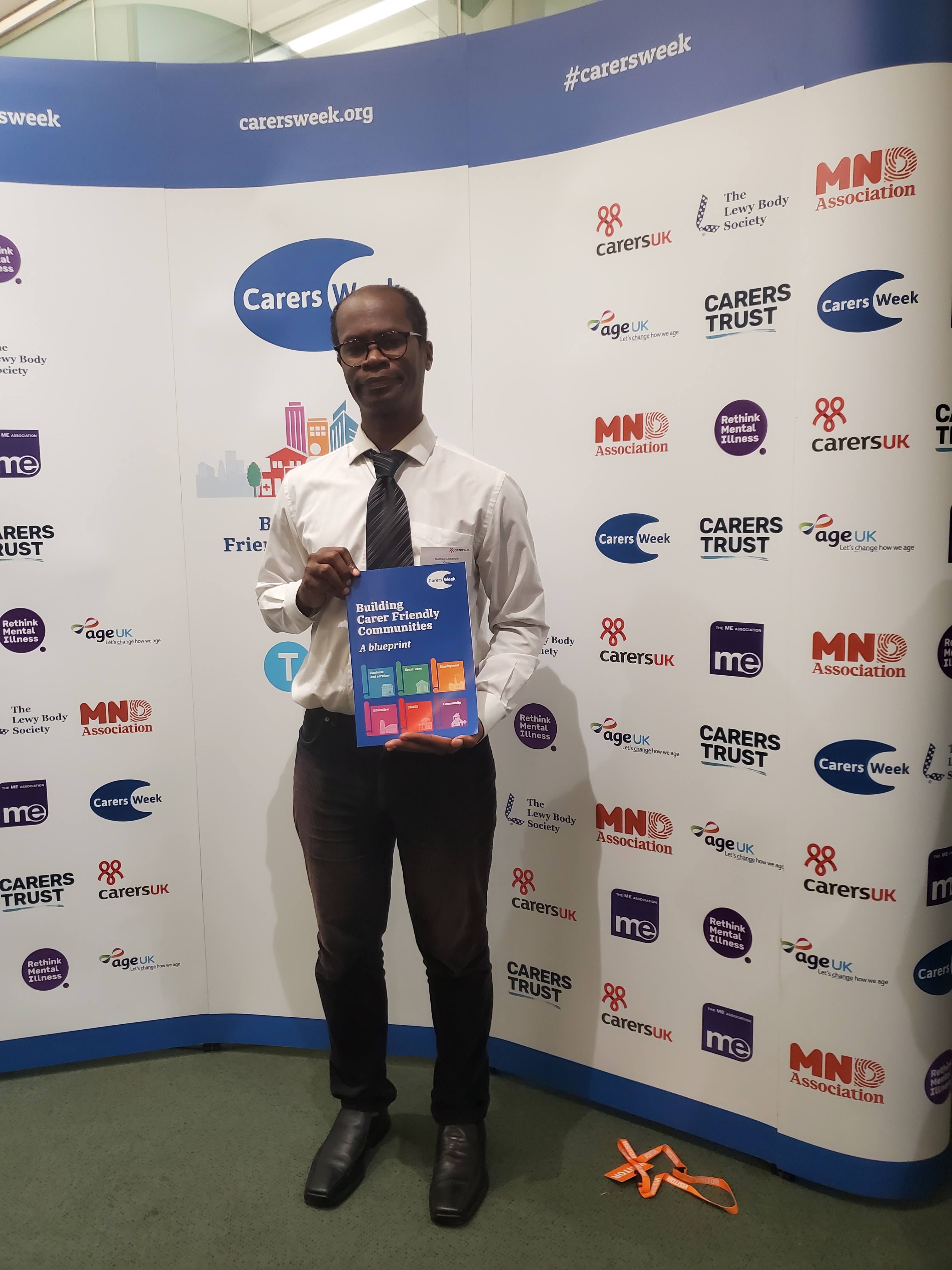
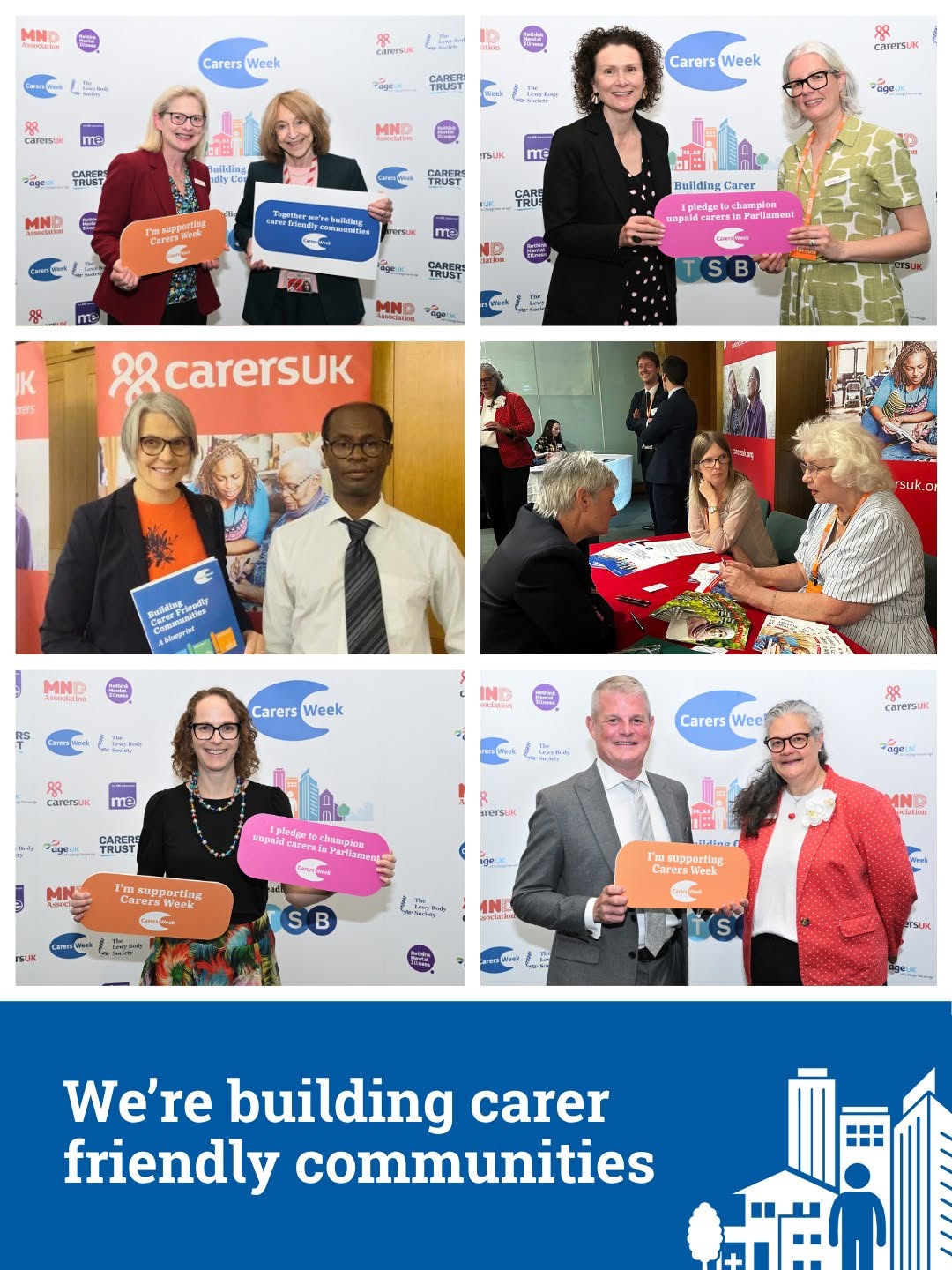
Designed as a speed-networking event, it offered an important platform for carers to share their experiences directly with policymakers and raise awareness of both the immense contribution carers make and the challenges they face. It was encouraging to see parliamentarians engaging with carers and supporter organisations, demonstrating a growing recognition of the need for stronger policies and greater support for unpaid carers across the country.
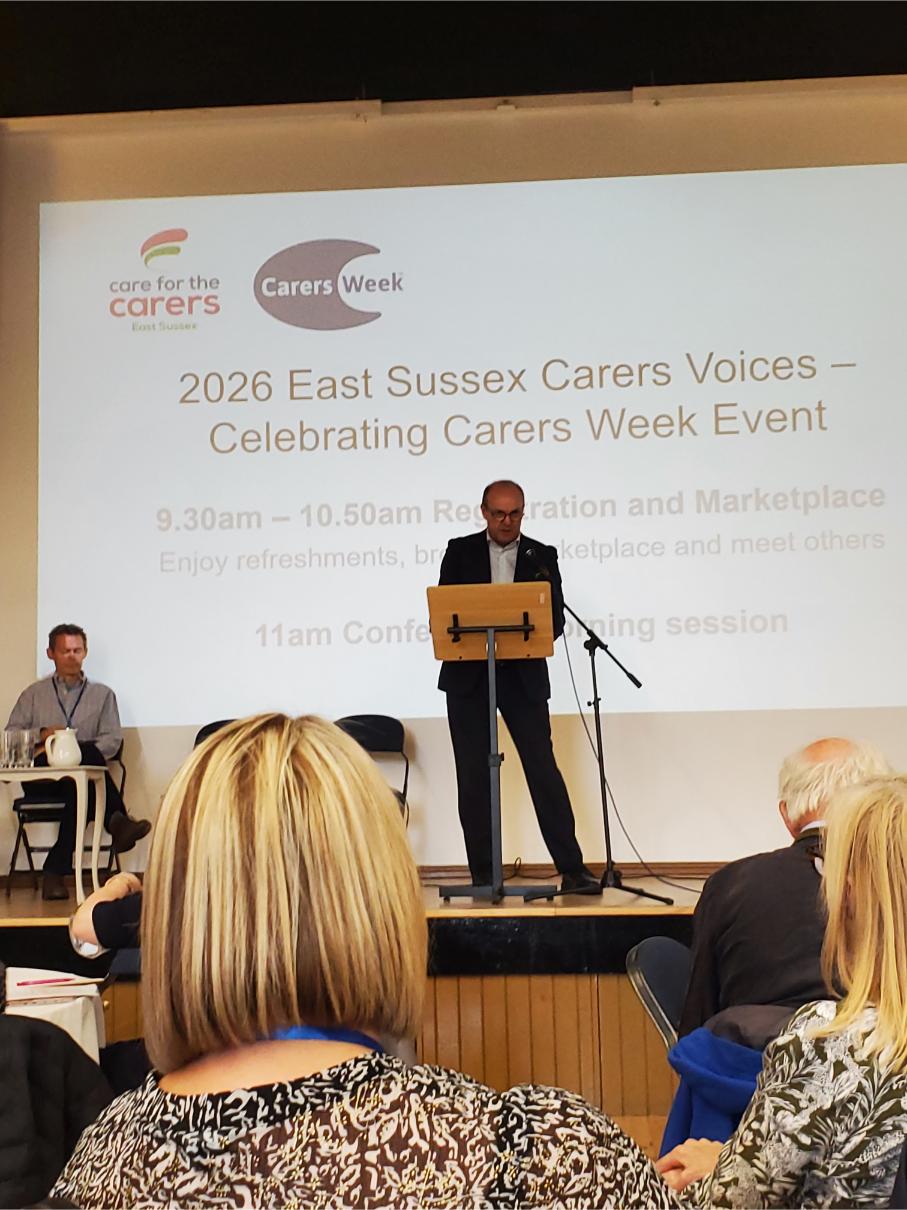
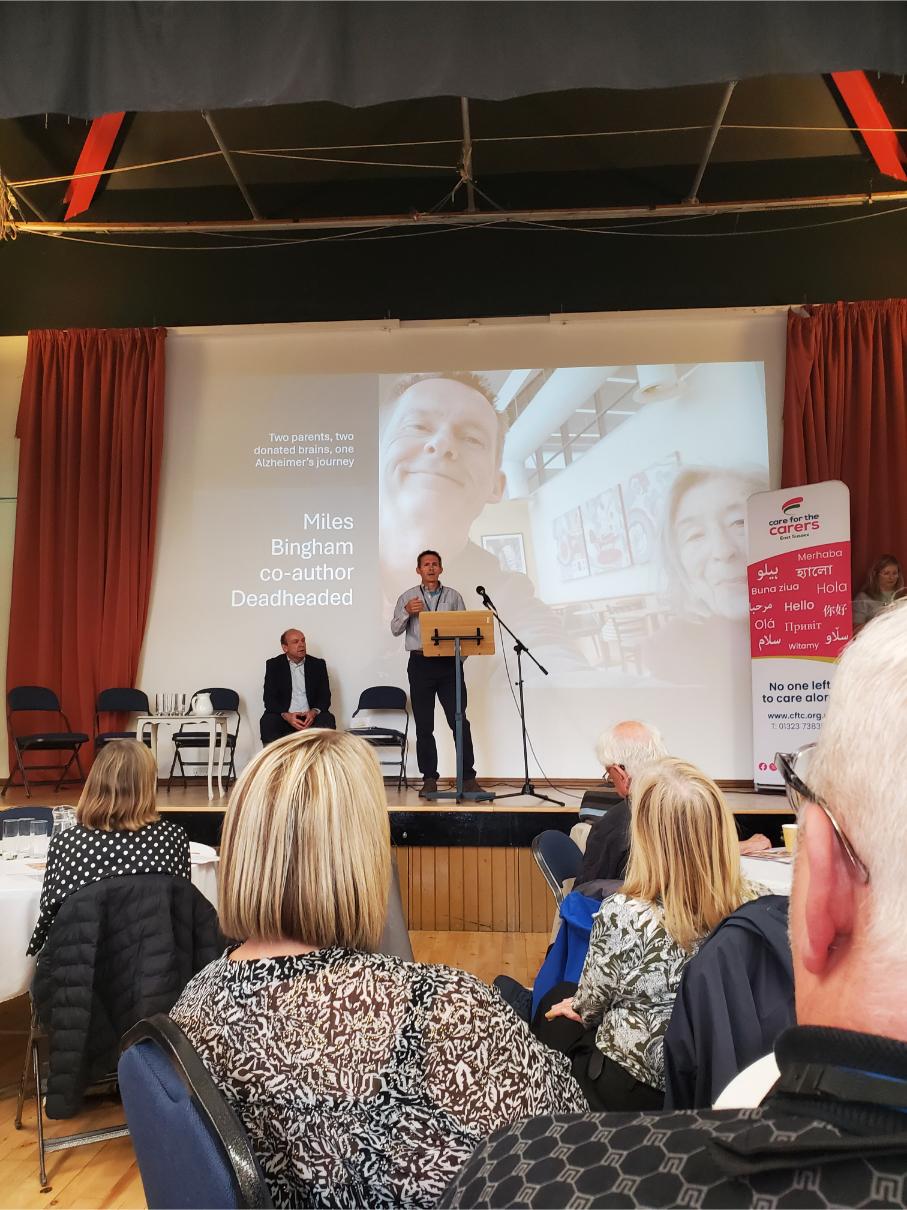
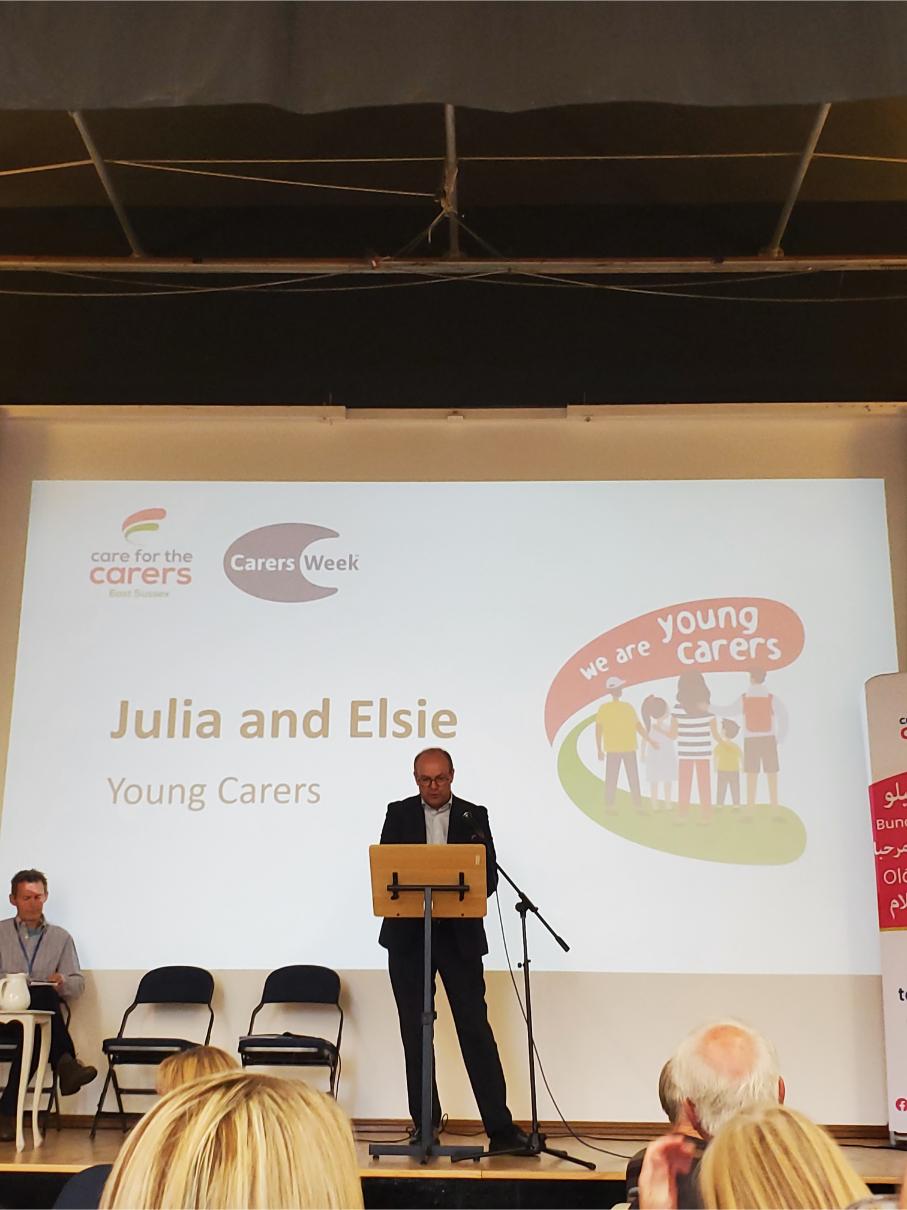
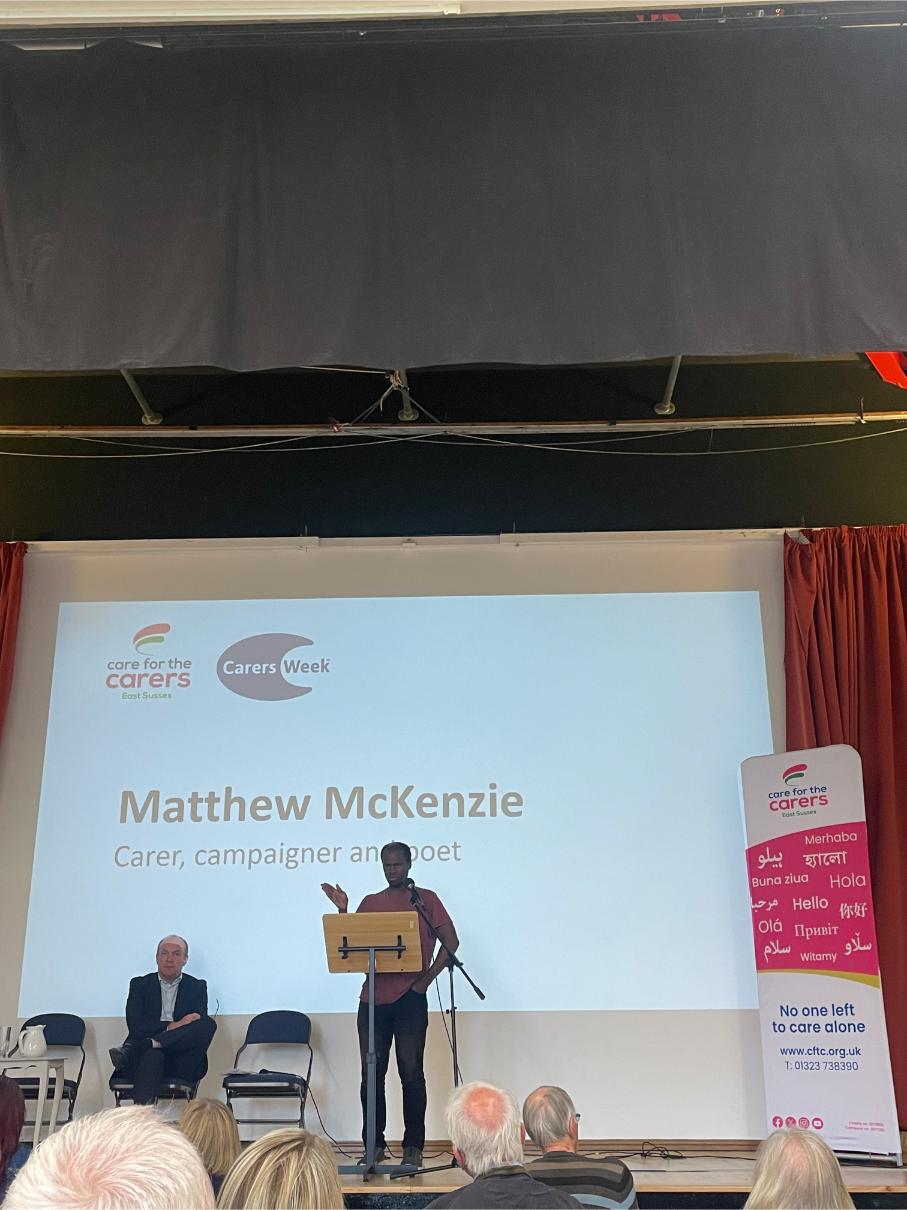
11 June 2026 – East Sussex Carers Voices Event, East Dean Village Hall
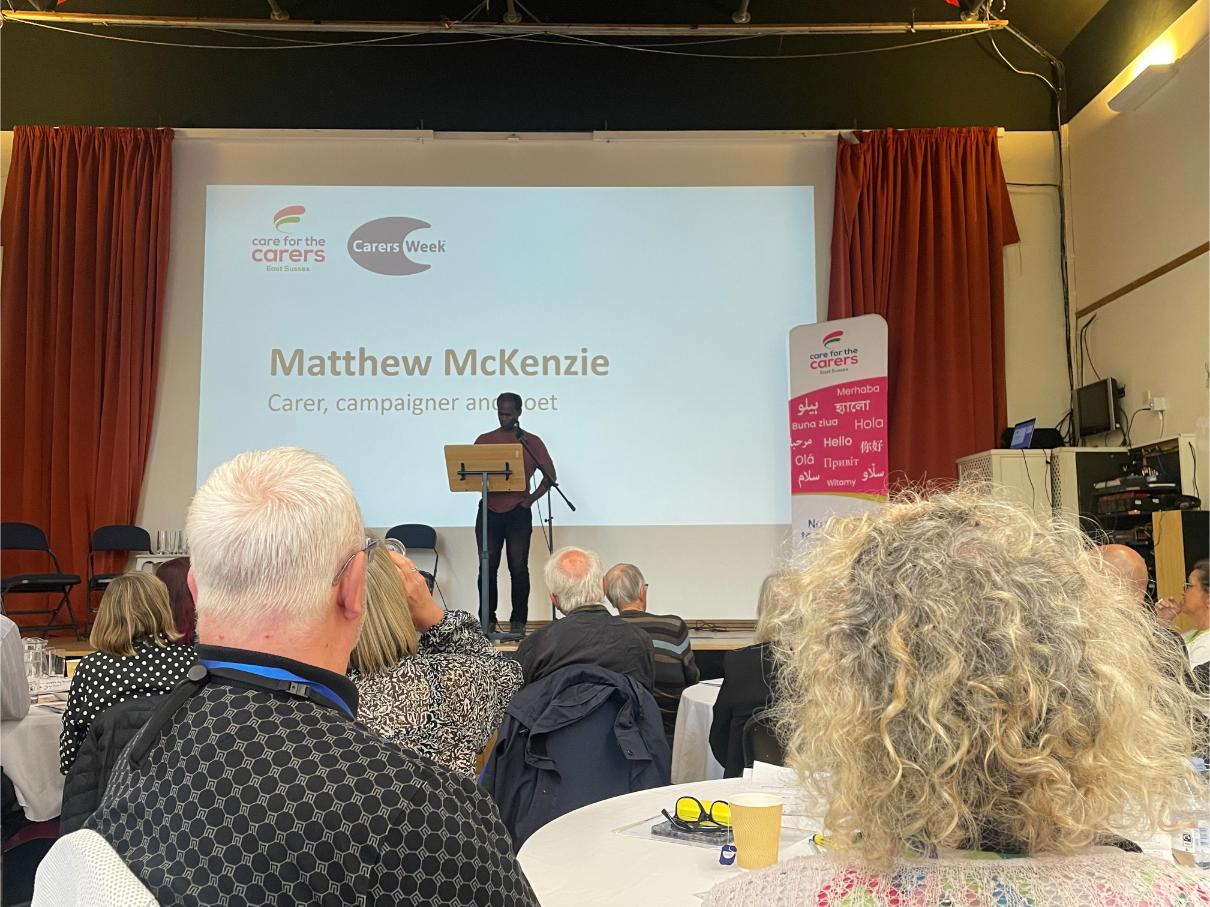
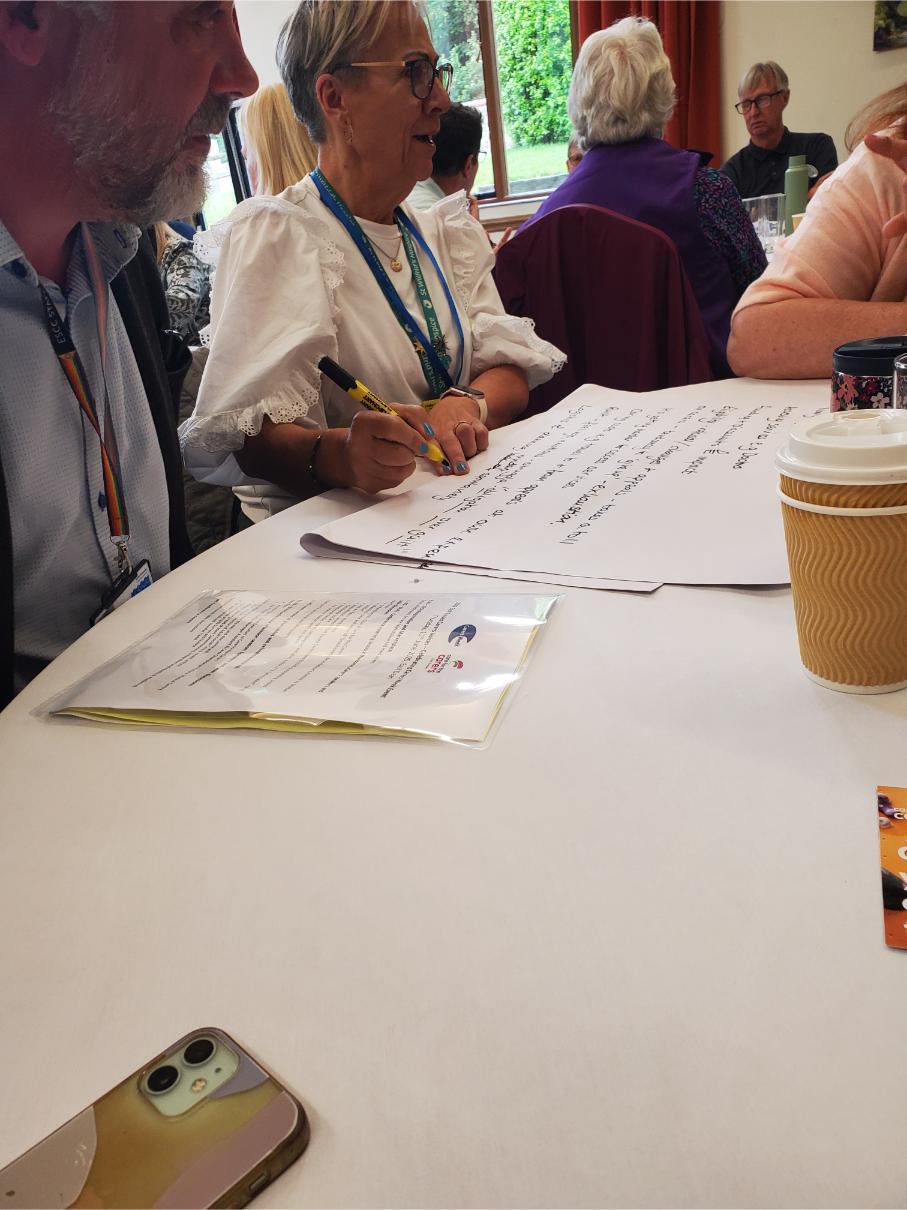
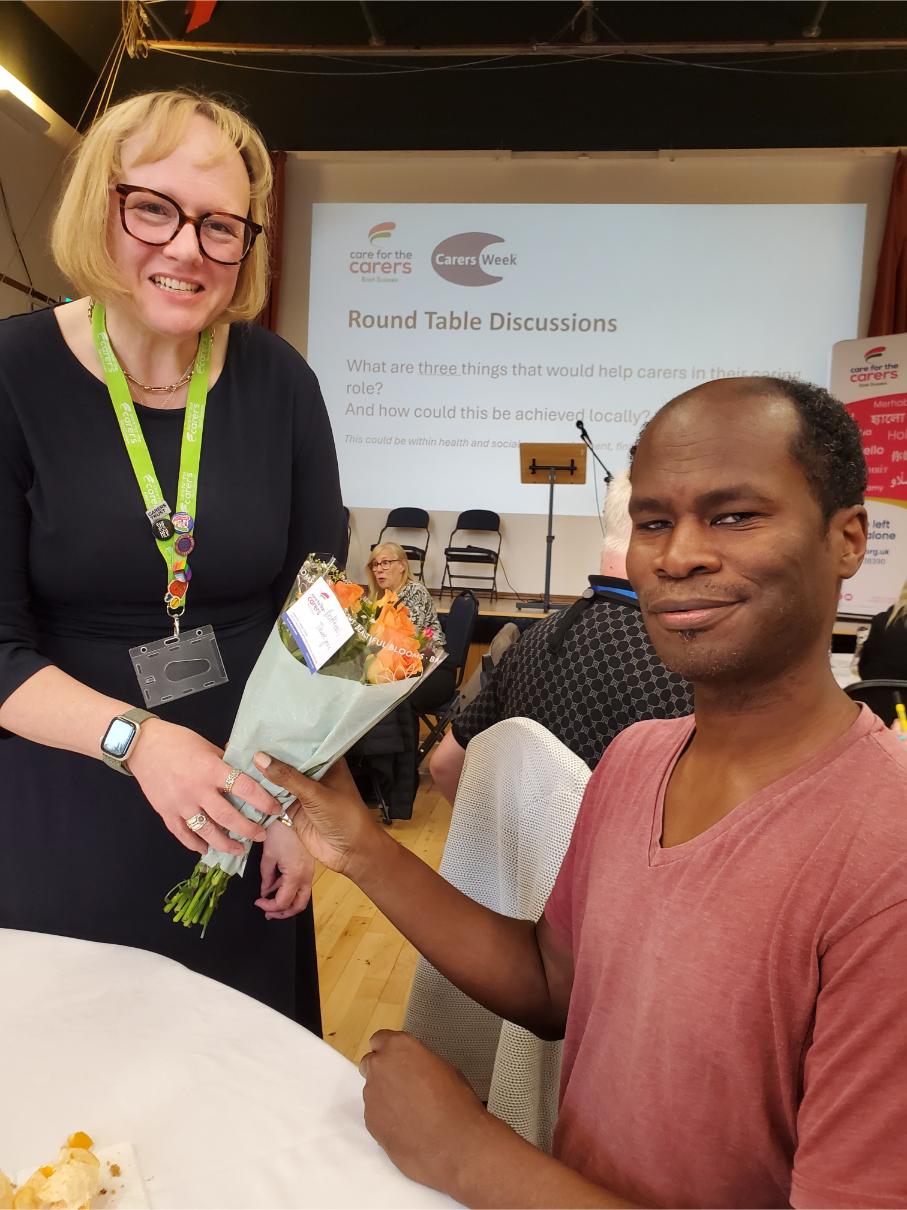
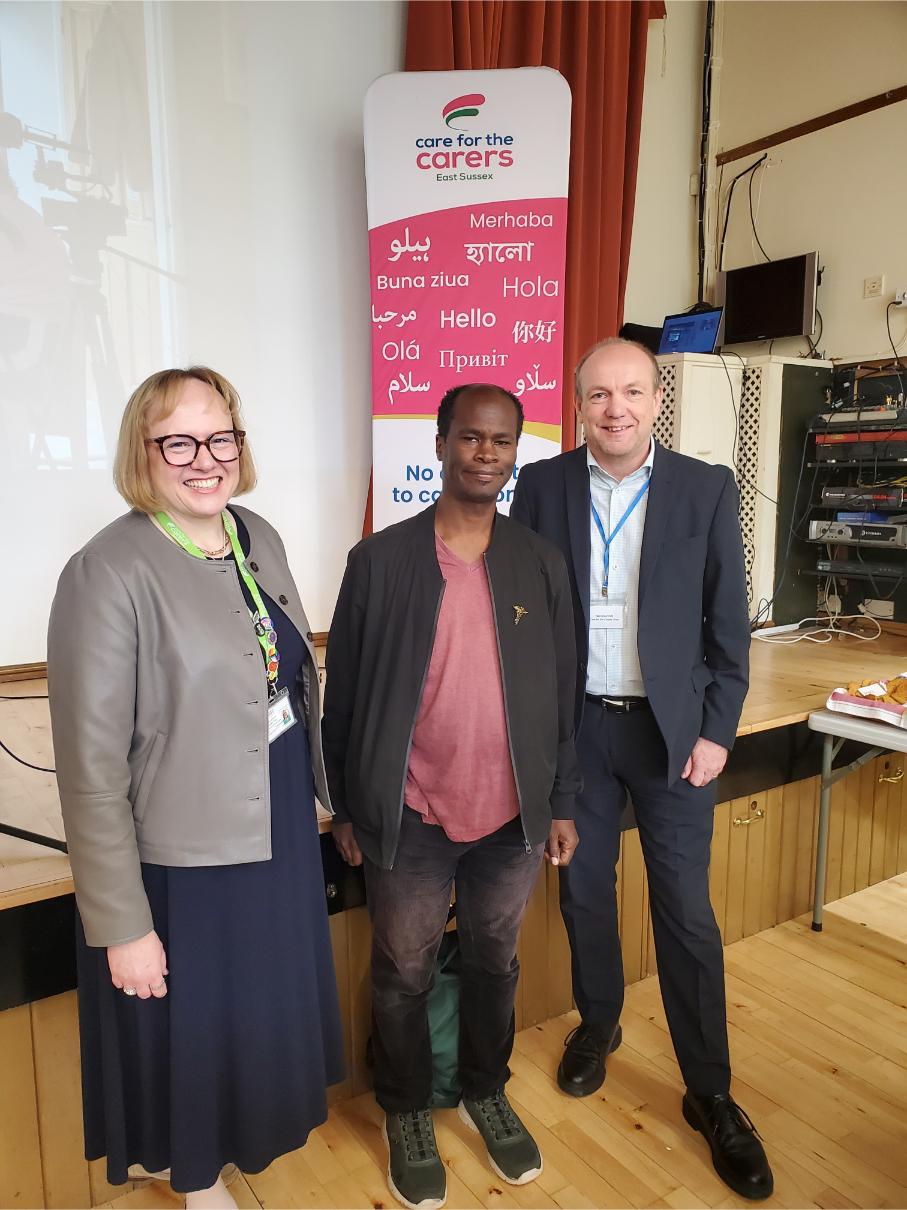
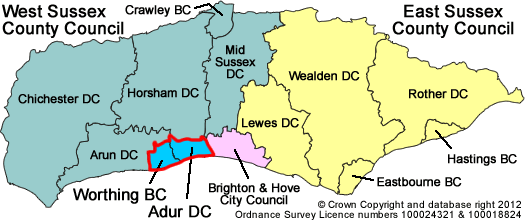
As part of Carers Week, I travelled to East Dean in East Sussex to speak at the East Sussex Carers Voices – Celebrating Carers Week Event, organised by Care for the Carers. The event brought together unpaid carers, NHS representatives, local authority leaders, health professionals, carers’ organisations and community groups to discuss how support for carers can be improved.
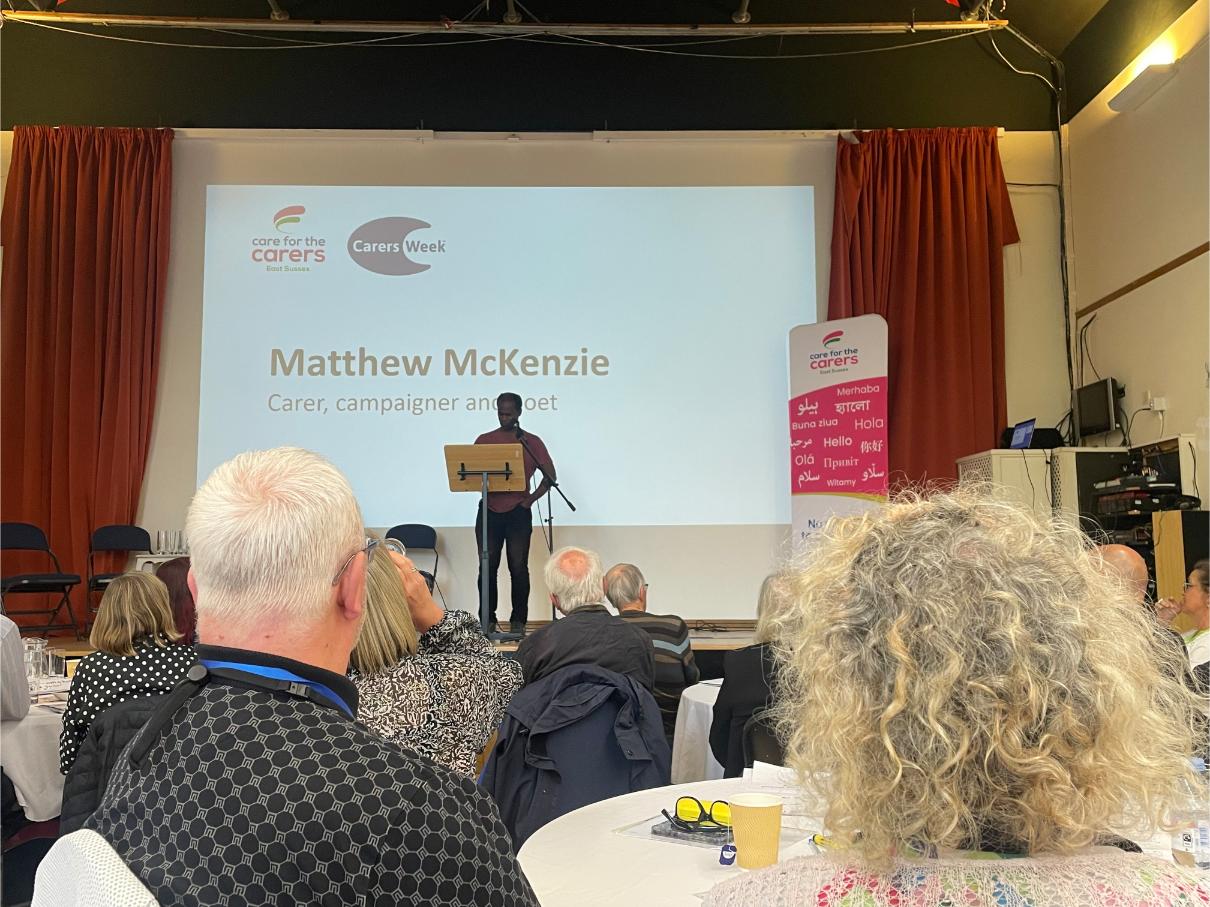
Hosted by Dr Neil Churchill, Chair of Care for the Carers along with Jennifer Twist CEO of Care For The Carers, the day focused on listening to carers’ experiences and ensuring their voices were heard by decision-makers.
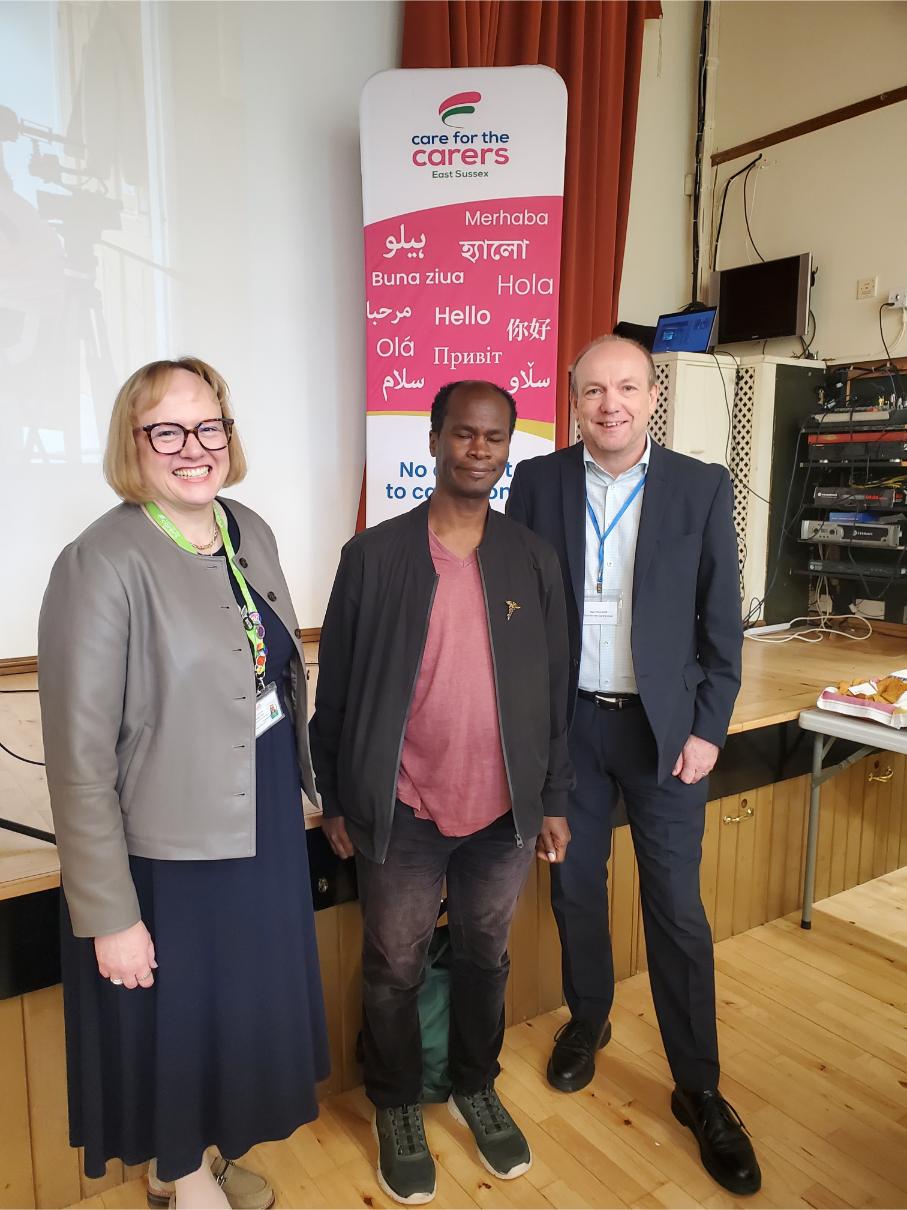
I was honoured to contribute to these discussions and to share insights from my own caring journey. The event demonstrated the value of bringing carers and professionals together to shape services and create positive change for unpaid carers across East Sussex.
12 June 2026 – Speaking at the Cygnet National Carers Event
On 12 June, I had the privilege of speaking at the Cygnet National Carers Event in London as Cygnet’s PCREF Carer Lead, Carer Network Ambassador and carer author. The event brought together carers, healthcare professionals and sector leaders to celebrate carers and discuss the support they need. I shared my experiences as a lifelong carer and highlighted the importance of recognising carers as equal partners in care.
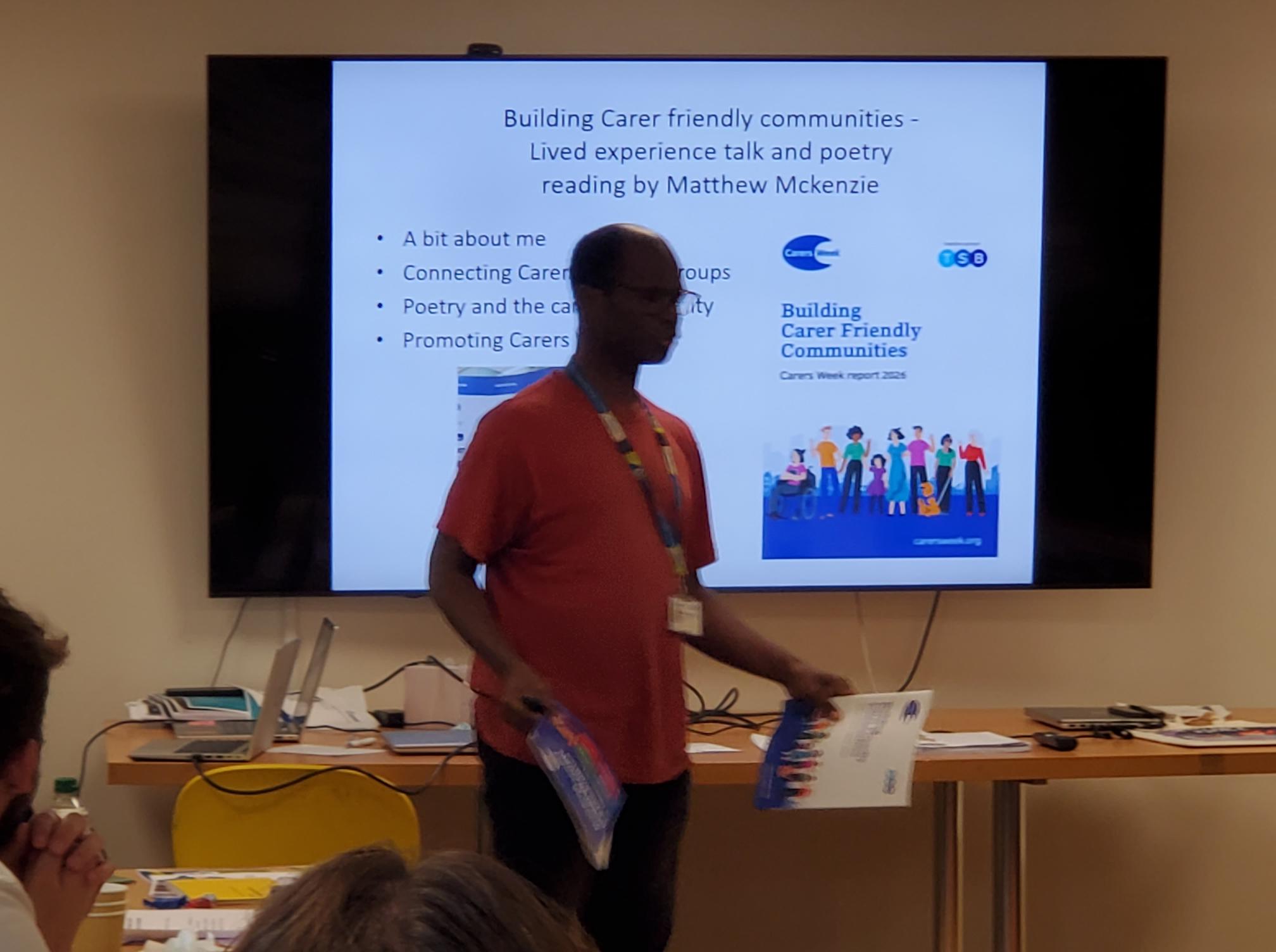
It was inspiring to hear from a diverse range of speakers, including experts by experience, researchers, advocates and service leaders, all united by a shared commitment to improving outcomes for carers. The event reinforced the importance of lived experience in shaping services and ensuring carers’ voices remain central to policy and practice.
13 June 2026 – Carers Community and Support Day at Wells Park Practice
I concluded Carers Week 2026 by hosting a carers information stall alongside Wendy (who is also a devoted carer campaigner at our Lewisham group) at Wells Park Practice during their Carers Community and Support Day.
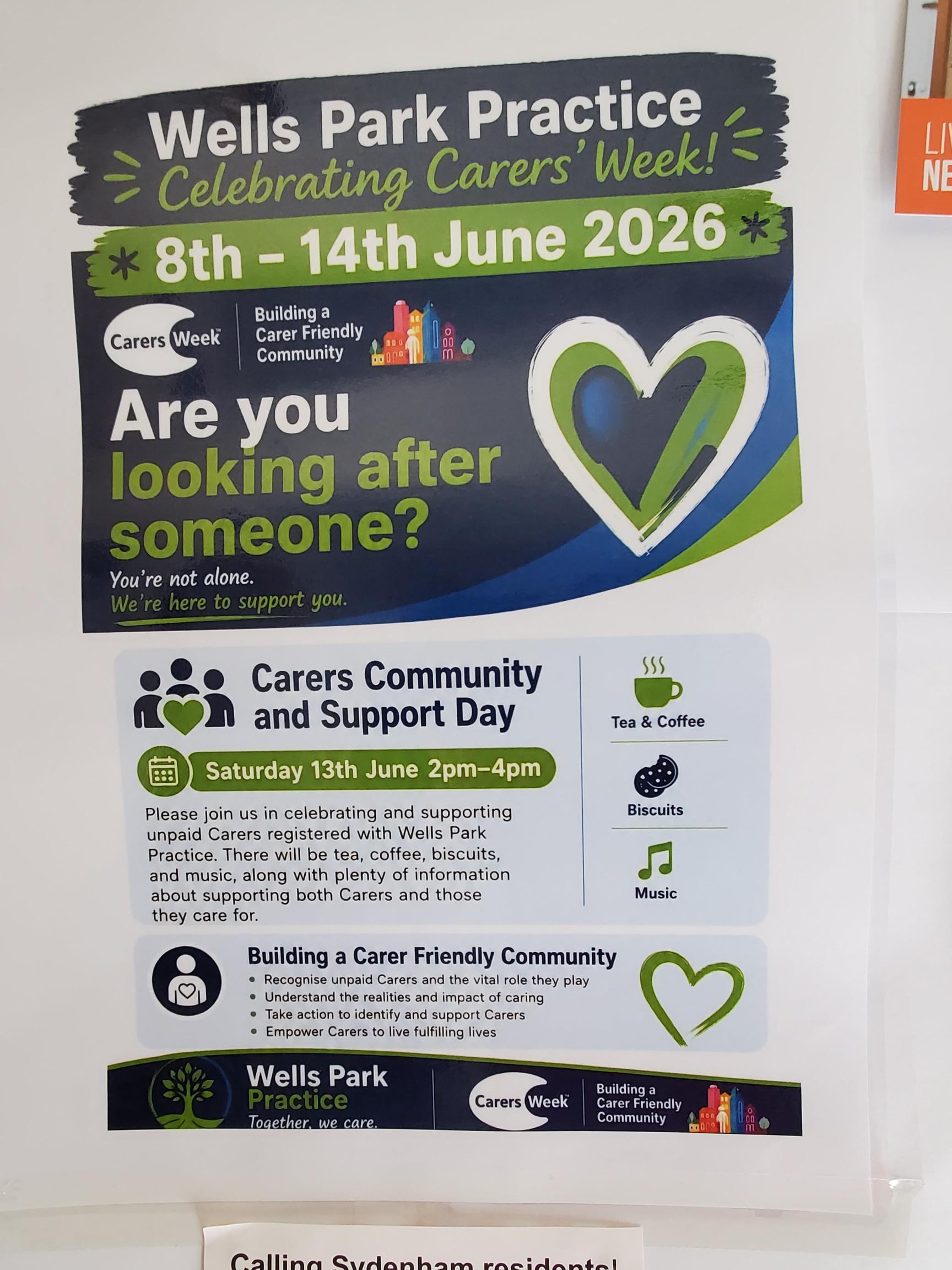
The event celebrated carers within the local community and provided an opportunity for unpaid carers to access information, advice and support in a relaxed and welcoming environment.
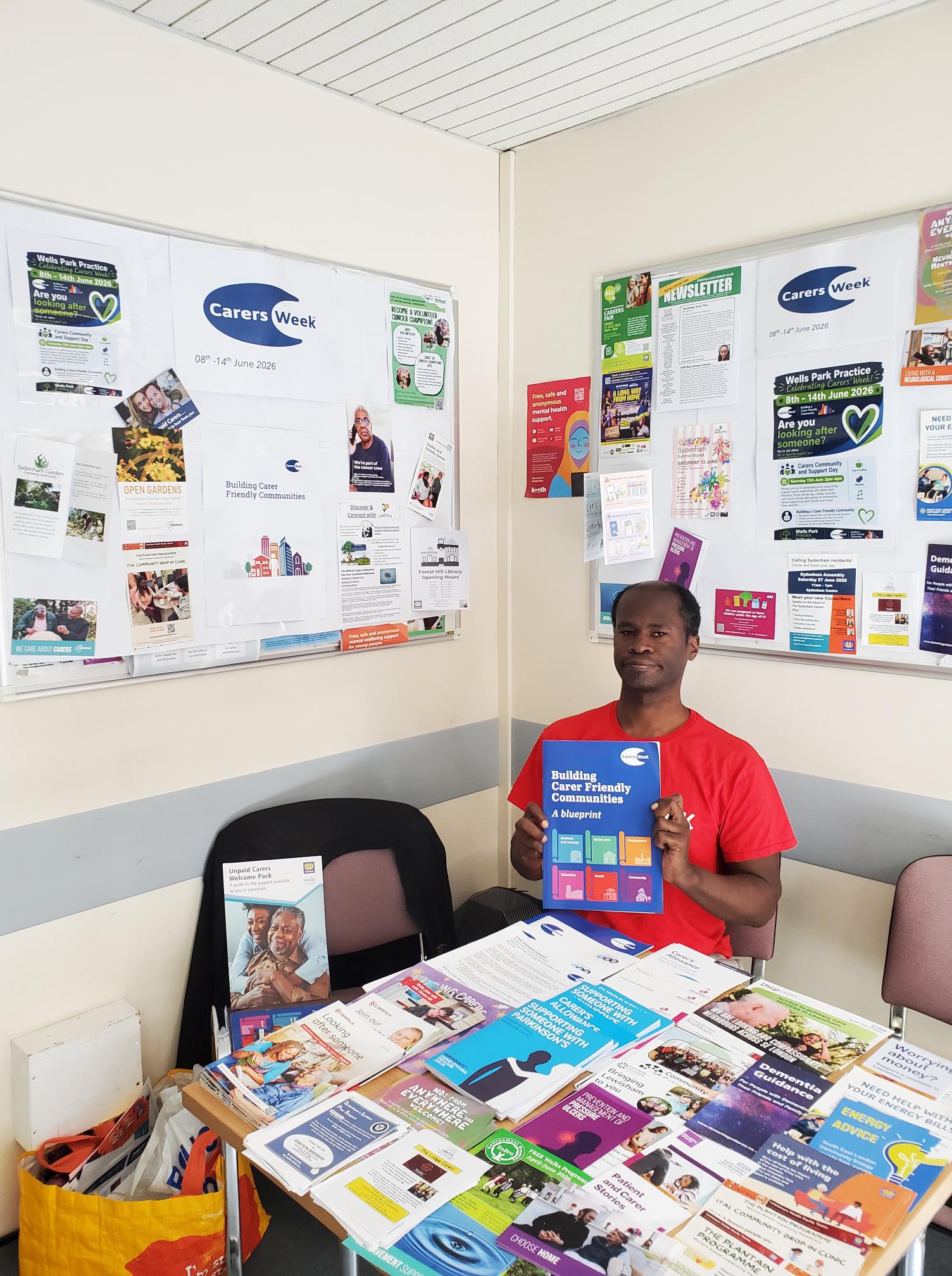
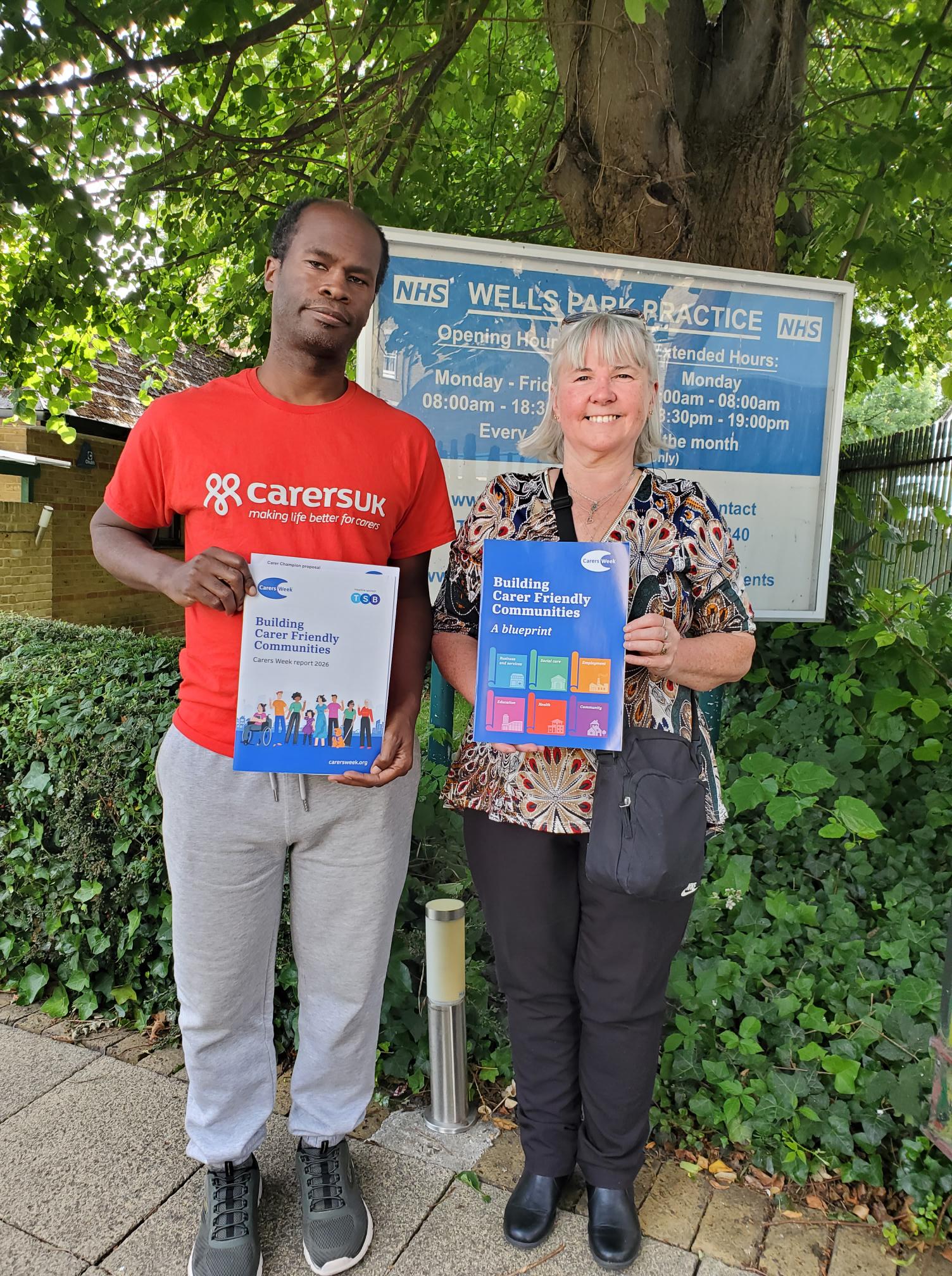
Throughout the afternoon, I spoke with carers about the challenges they face and the services available to help them. The event also highlighted the importance of building a carer-friendly community by recognising carers, understanding the realities of caring and empowering carers to live fulfilling lives. It was a fitting way to end a busy and rewarding week dedicated to championing carers and raising awareness of their invaluable contribution to society.
Reflection
Carers Week 2026 was an incredibly busy and meaningful week, providing opportunities to raise awareness, influence decision-makers, support carers directly and celebrate the extraordinary contribution that unpaid carers make every day.
From hospitals and GP surgeries to Parliament, local authorities and national conferences, the message remained the same: carers are essential, carers deserve recognition and carers must be supported. I am proud to have contributed to so many events throughout the week and remain committed to ensuring that carers’ voices continue to be heard long after Carers Week has ended.
CarersWeek2026, #CarersWeek, #UnpaidCarers, #CarerAwareness, #SupportCarers, #CarersMatter, #NHS, #MentalHealth, #HealthAndSocialCare