Tag Archives: mental health awareness

Reflections from the Royal College of Nursing PSI Alumni Conference 2025 – A Carer’s Perspective

Arriving and Opening Reflections

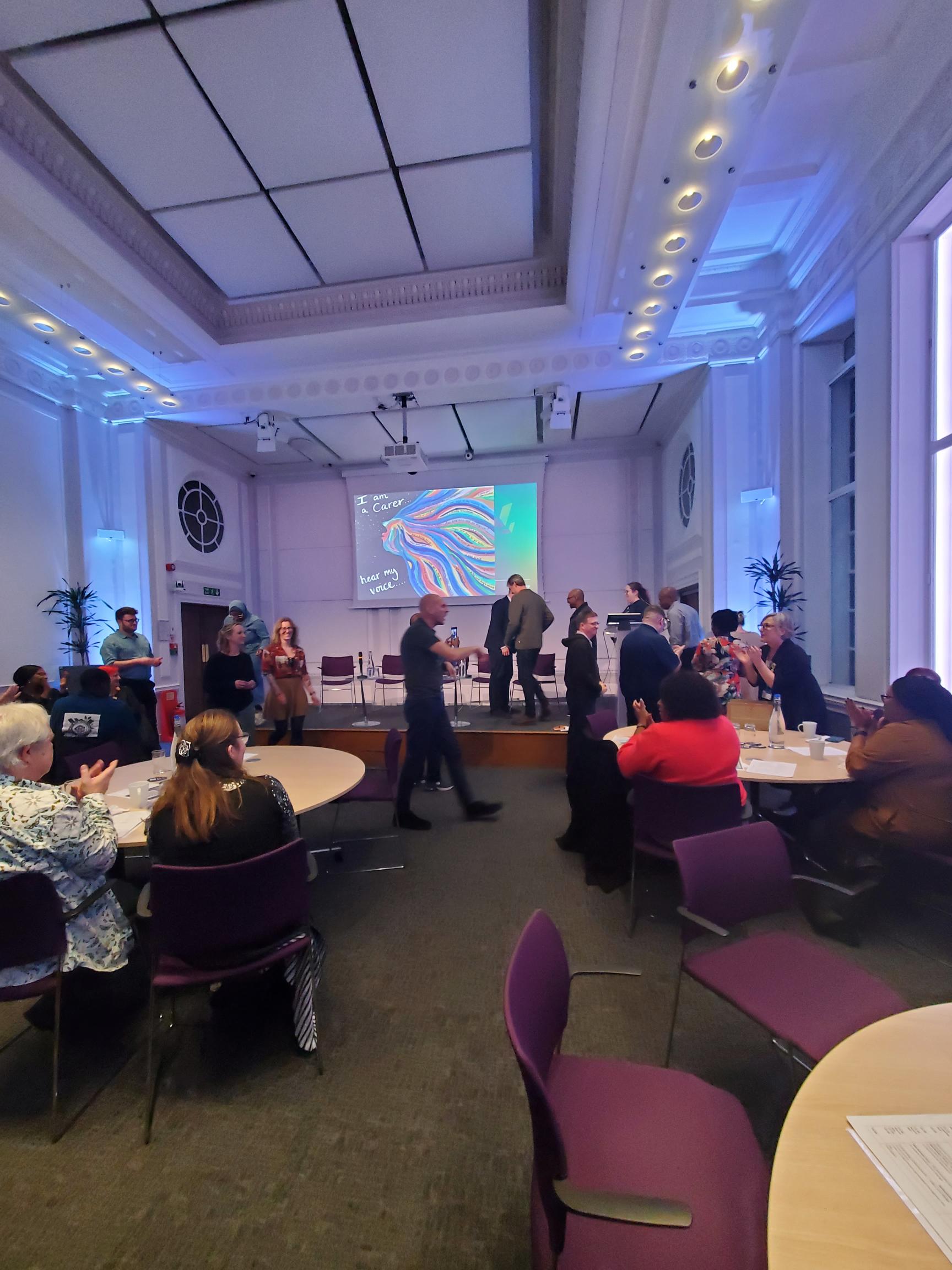
Walking into the RCN PSI Alumni Conference at Cowdray Hall on that crisp November morning, I felt a mix of pride, gratitude, and curiosity. It’s been many years since I first began speaking at RCN events like this, yet every time feels new because each gathering brings together nurses, carers, service users, and leaders who continue to shape the future of mental health care.

Before I continue to describe the event, let me sum up the Royal College of Nursing PSI programme. Basically the Psychosocial Interventions (PSI) programme is a nationally recognised training initiative designed to strengthen therapeutic skills of mental health professionals and embed recovery-focused, relationship-based care across services.

The PSI program is rooted in the principles of collaboration, reflection, co-production and empowerment, PSI equips practitioners with practical tools to support individuals experiencing mental distress, while also valuing the insight of carers and families.

I think what makes PSI stand out is its emphasis on seeing people beyond their diagnosis and fostering empathy, curiosity, and shared understanding between nurses, service users, and carers.

At the start of the conference and during it, I spoke to a few nurses over coffee, each reflecting on how PSI had shaped their practice one mental health nurse told me it had helped her “find her voice again.” For me, as a carer with lived experience, it was great to witness this sense of renewal. It reminded me why collaboration between professionals and lived experience communities is so essential.

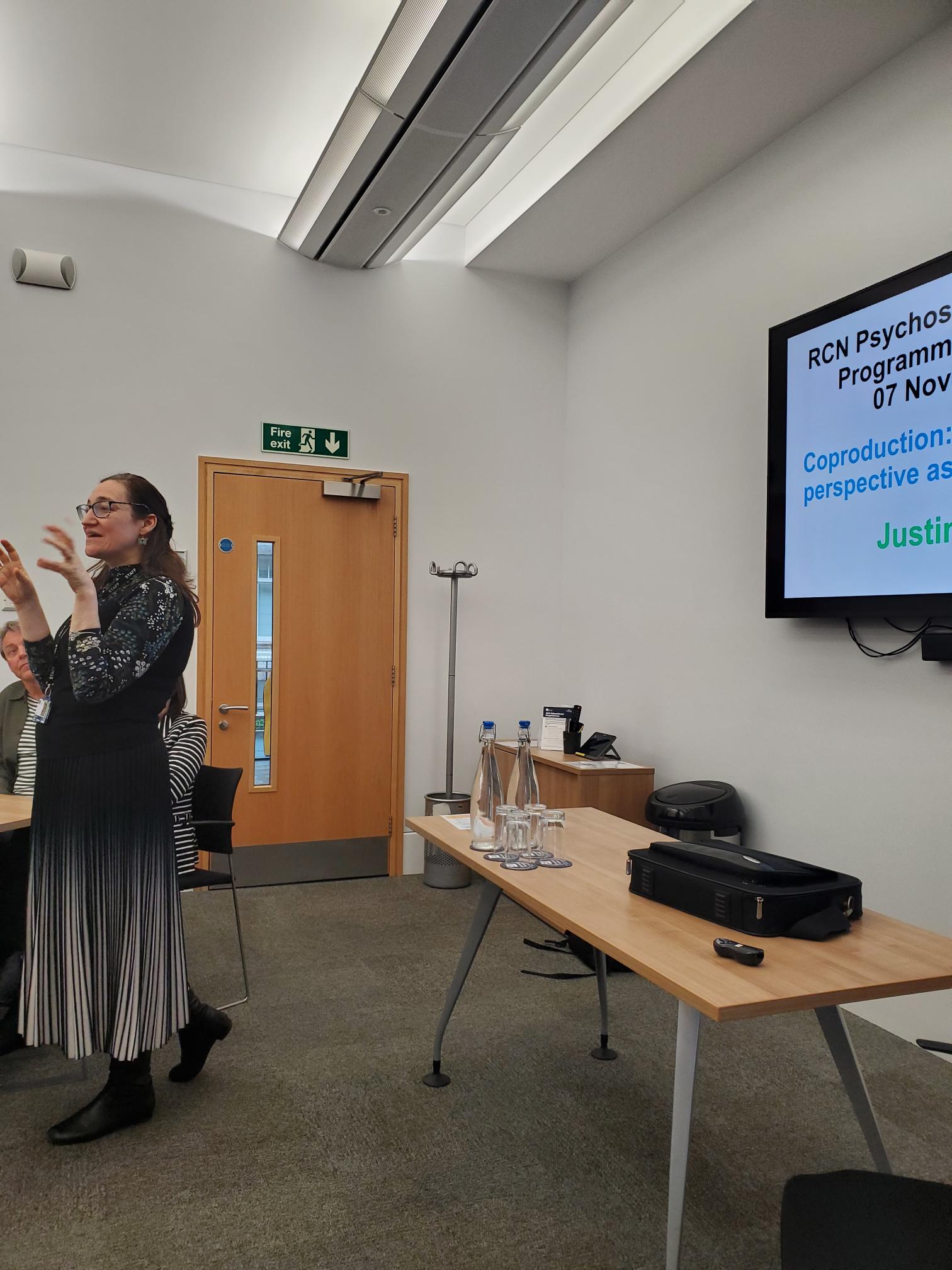
Around 10 a.m., Catherine Gamble formally opened the event, setting a tone of gratitude and shared learning. Her introduction reminded us how much the alumni network had grown and how lived experience was now firmly part of the PSI culture.

As someone with lived experience of caring for my mum, who lived with schizophrenia, I approached the events not just as an observer but as someone deeply invested in the stories and struggles that bring us together as a triangle.

When I was invited to open the event and share my reflections as a carer, I knew I wanted to do more than talk about carers, I wanted to speak for them, and with them.


My Opening Talk – “The Nurses Who Walk With Us”

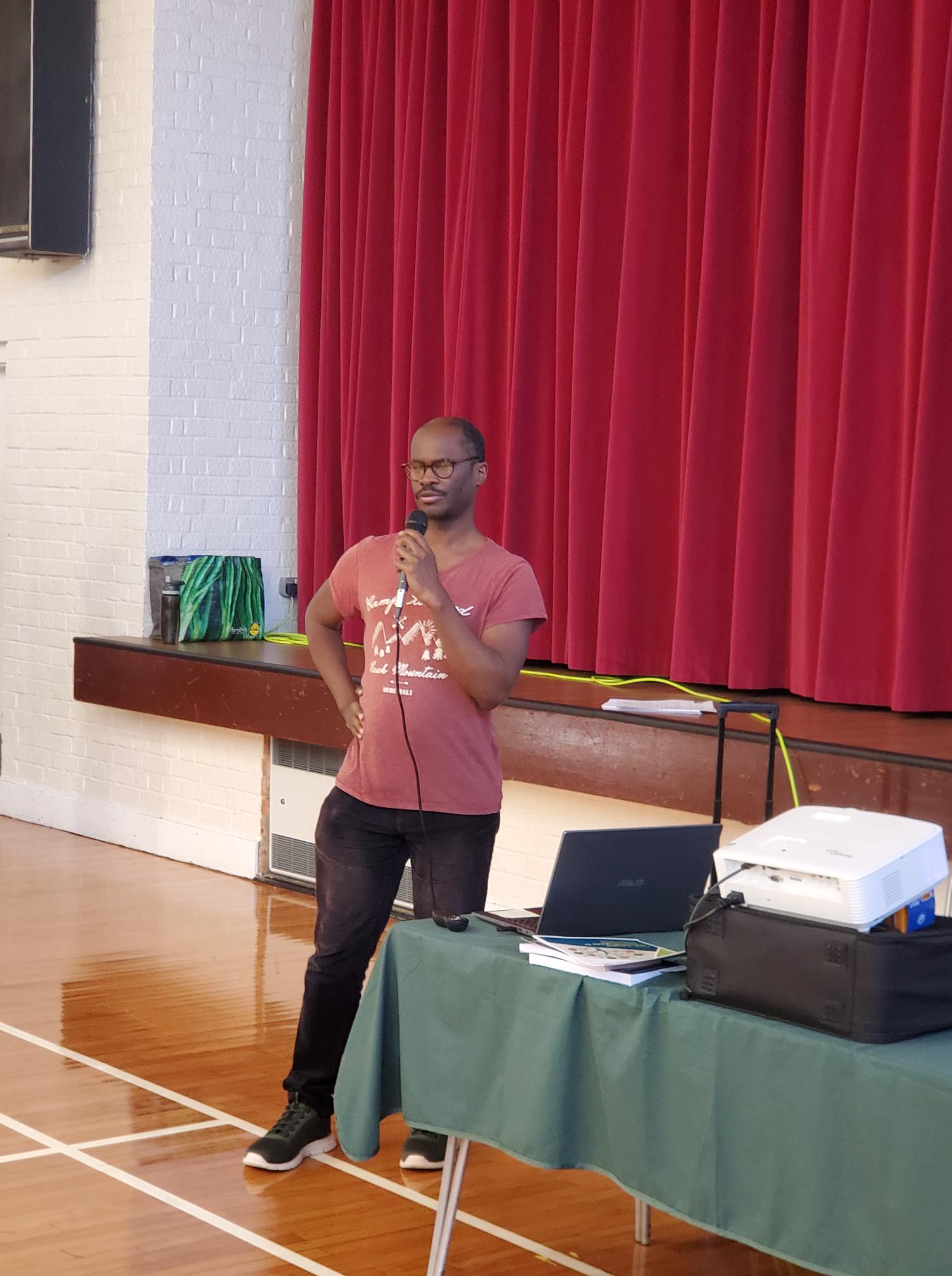
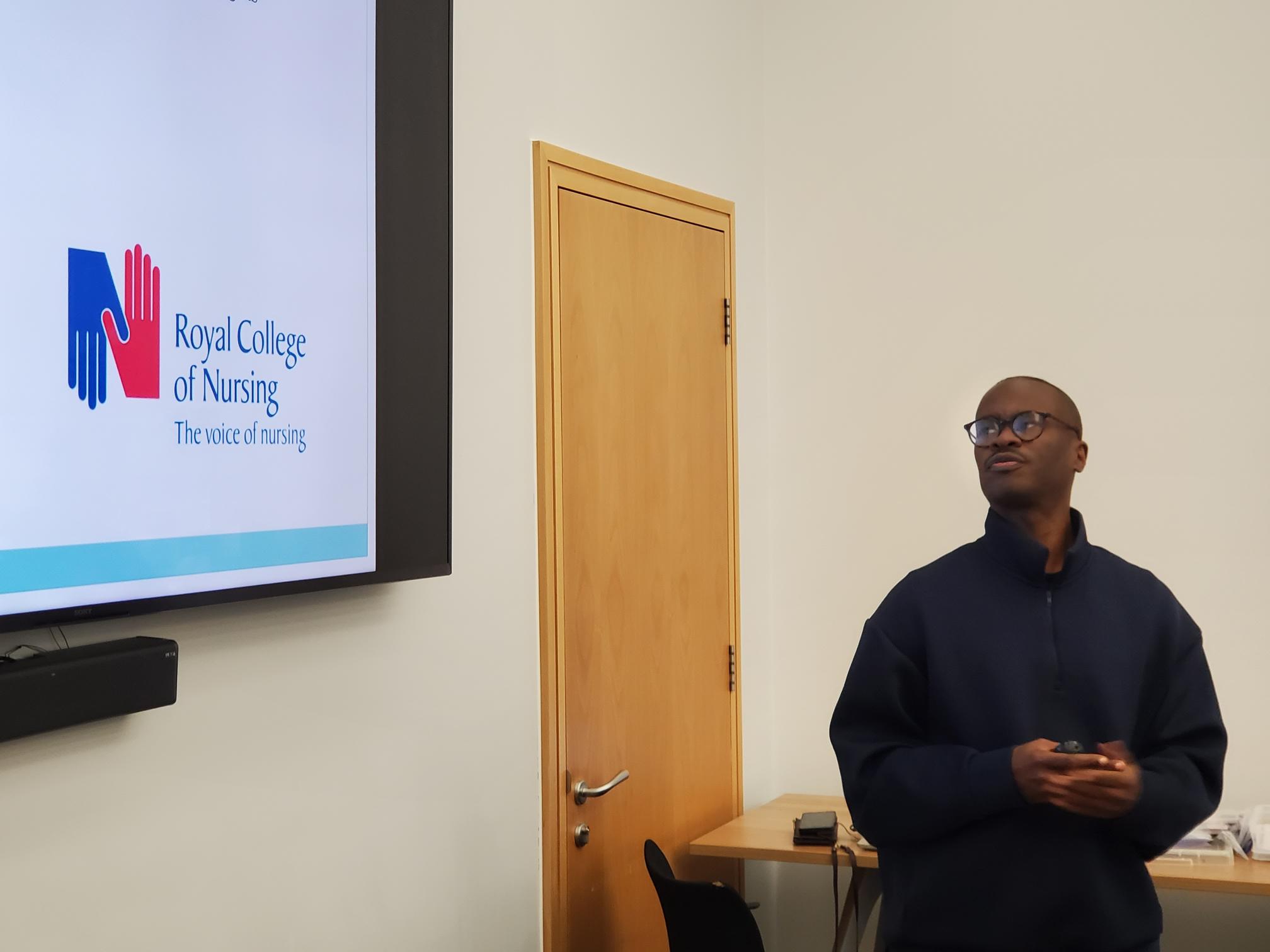
Standing at the podium, looking out at rows of passionate mental health nurses and lived experience, I began with gratitude. My words were simple but heartfelt:

“This is really about the nurses who walk with us, the ones who move beyond the labels, beyond the charts, and see the person, not the problem.”

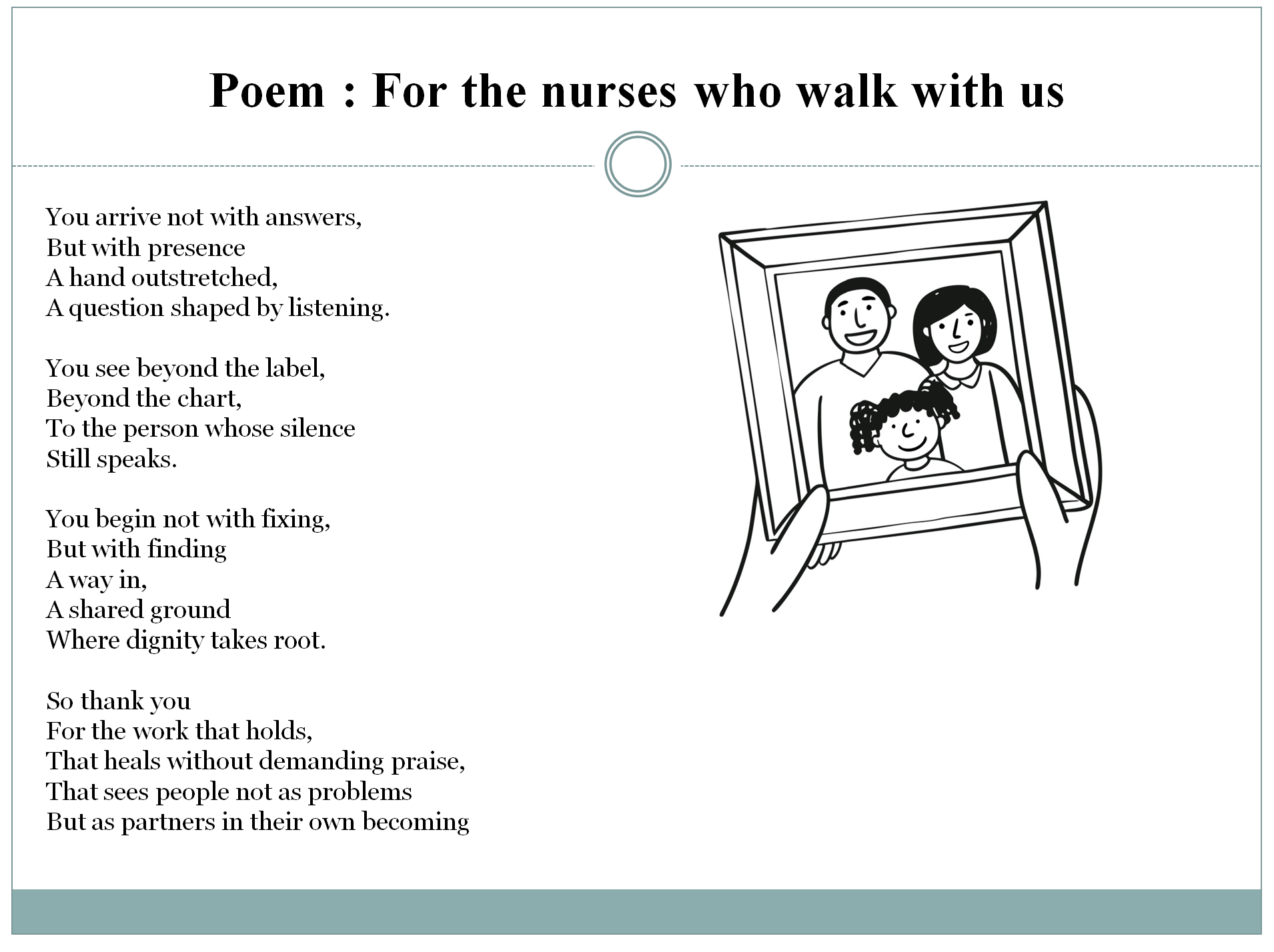
I read a poem I had written to honour the compassion and resilience of those in the room a piece I called The Nurses Who Walk With Us.

The poem spoke about presence, about listening, and about the small acts of care that ripple into great change.

After my talk, I was moved by the warmth of the response. Many came up to share how my words mirrored their experiences or reminded them of why they came into nursing. That moment of connection that shared understanding set the tone for the day.


The Locksmiths Animation and Alumni Showcase

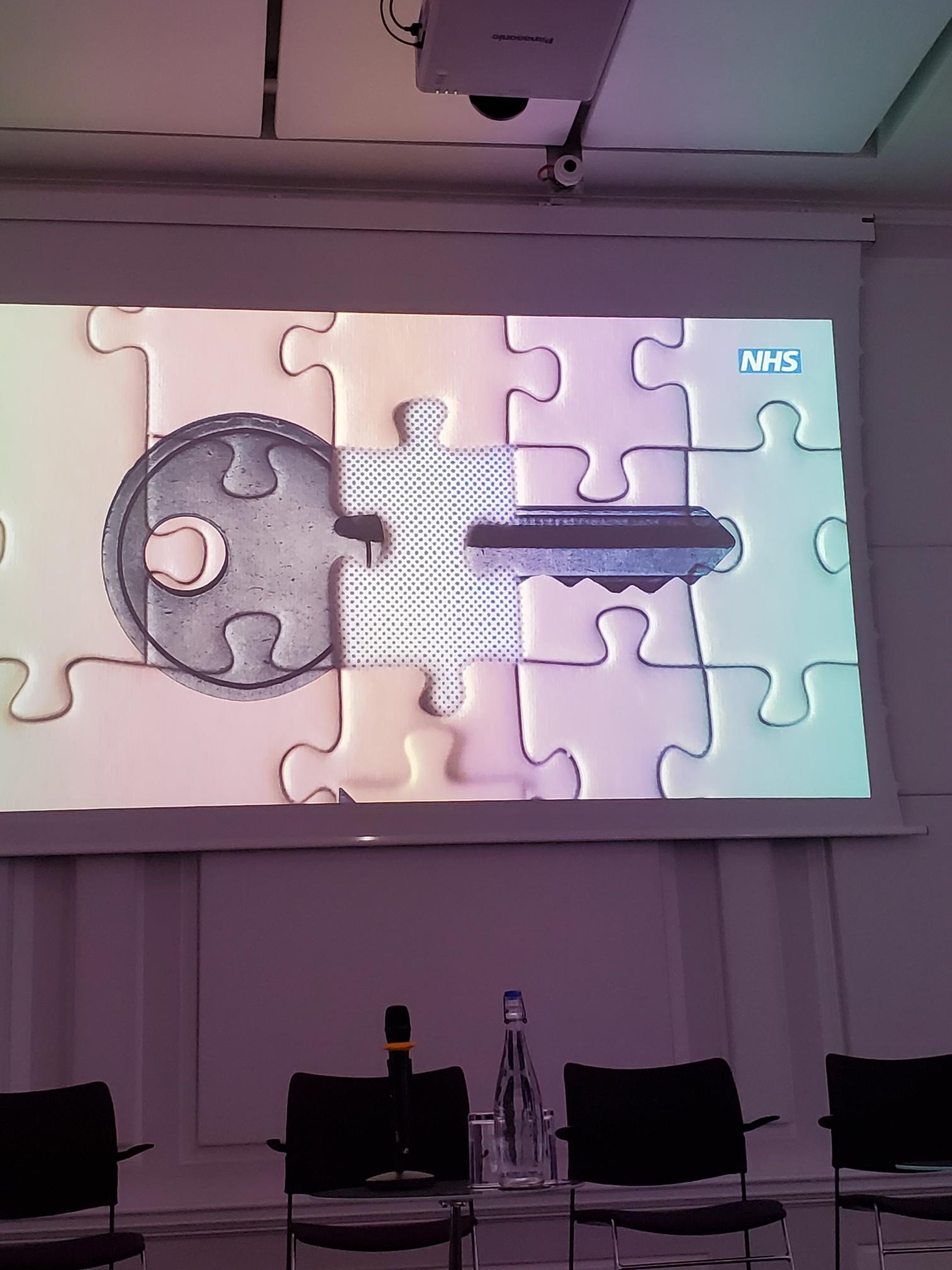
Following our opening session, Ellie Gordon and Stephen Jones launched the new animation “We Are the Locksmiths.” The film poetically portrayed mental health nurses as key-cutters shaping, adapting, and helping people find the right fit for recovery.

Watching it, I was struck by how accurately it captured the emotional labour of care, the balancing of vulnerability, patience, and professionalism

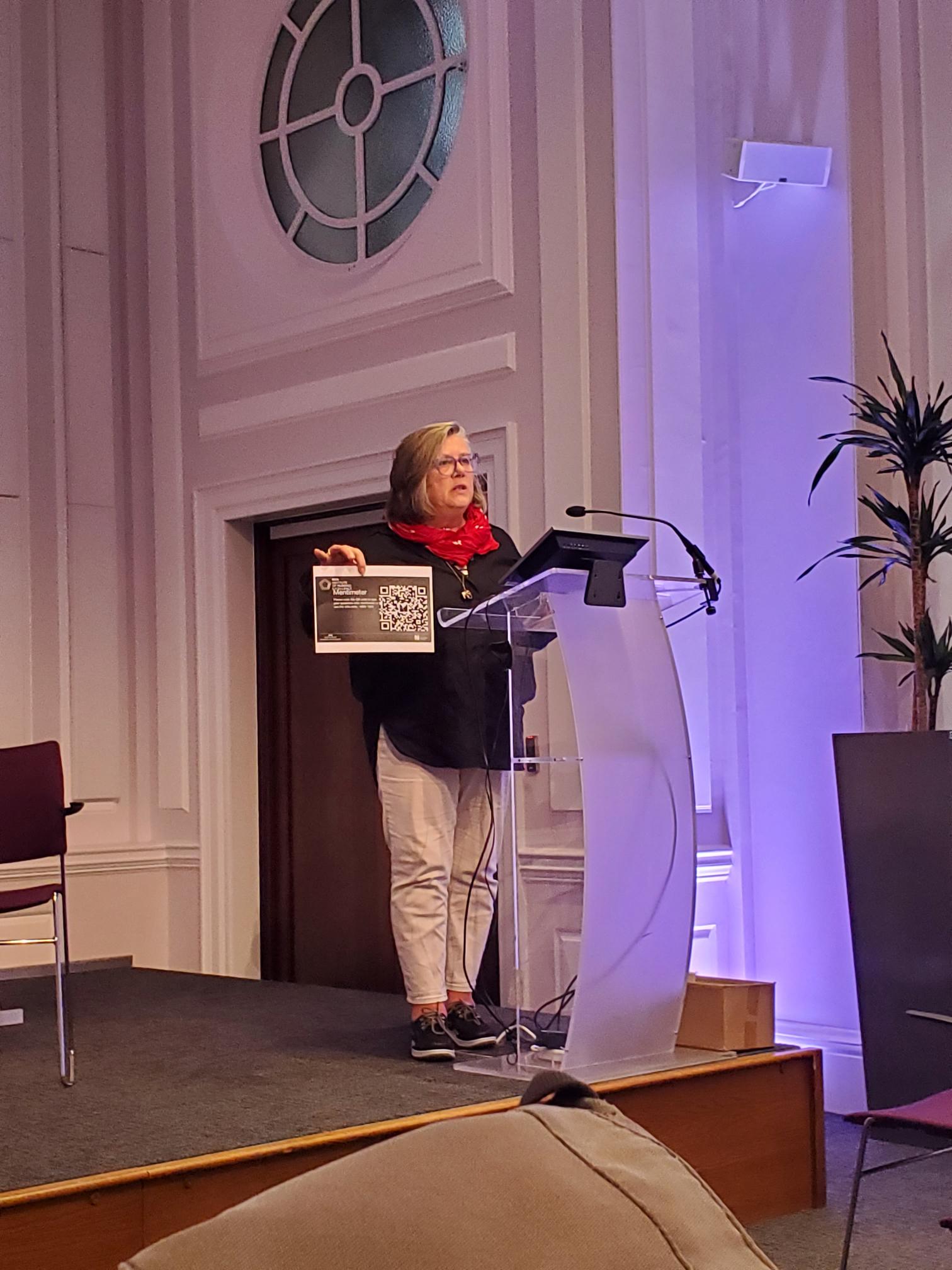
Next we had the Mentimeter session that morning, which was led by Professor Sally Hardy. She guided participants through reflective wellbeing questions using the interactive Mentimeter tool, encouraging everyone to think about how to sustain personal and professional wellbeing in mental health practice. Sally’s session wasn’t just about gathering feedback

Afterwards, the Alumni and Facilitators’ “Show and Tell Time” began. Groups from Sheffield NHS Trust, Sussex Mental Health Partnership, Lancashire Mental Health NHS trust, and Hereford NHS Trust sharing creative projects and reflections from their PSI practice. There were posters, poems, and community initiatives that had grown directly from the training. I wandered around the tables, speaking with participants who described how PSI had changed their teams. I think One mental health nurse told me, “We stopped seeing interventions as techniques and started seeing them as relationships.” It was inspiring


Workshop One – Working Together in Risk and Safety

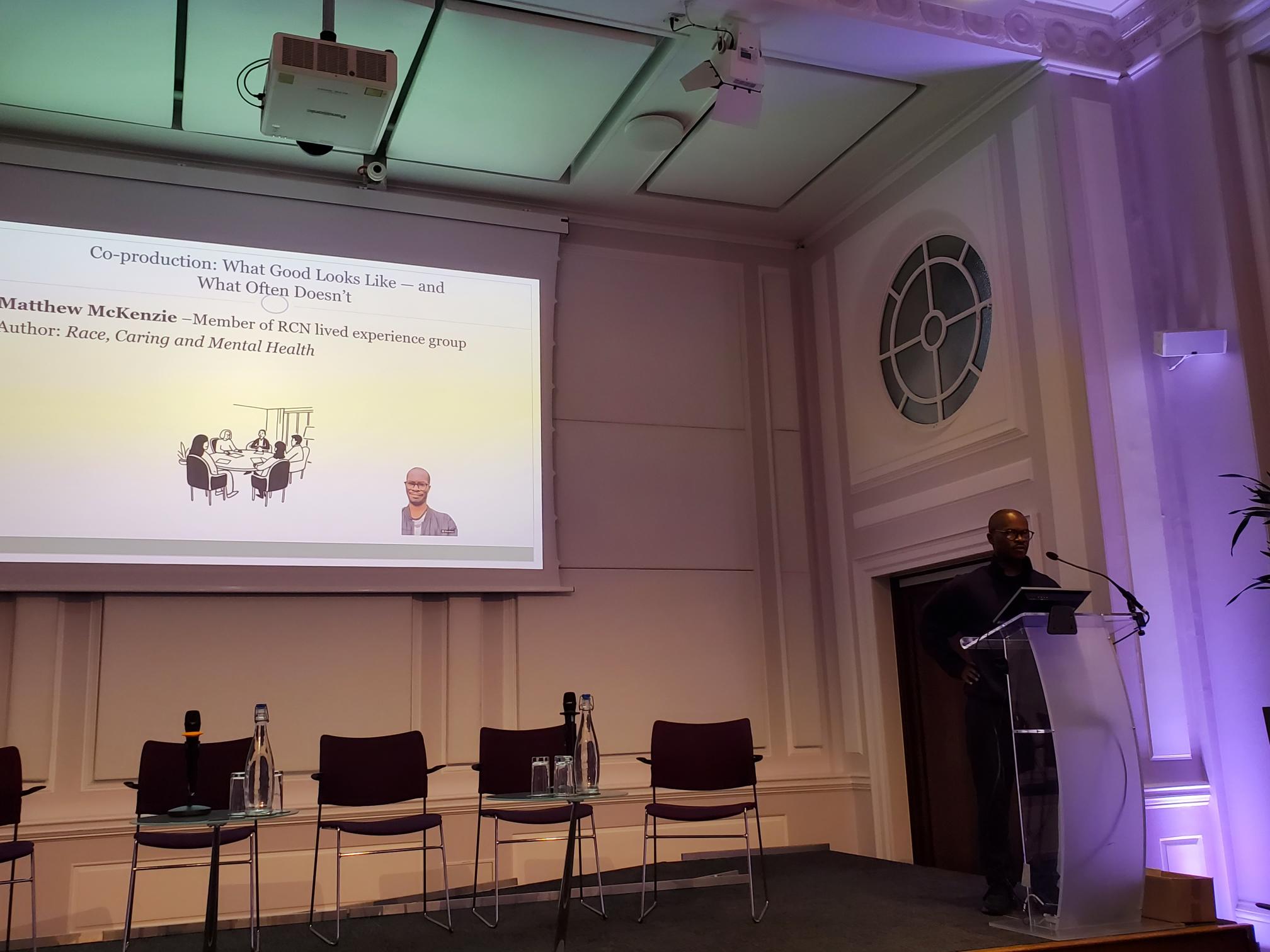
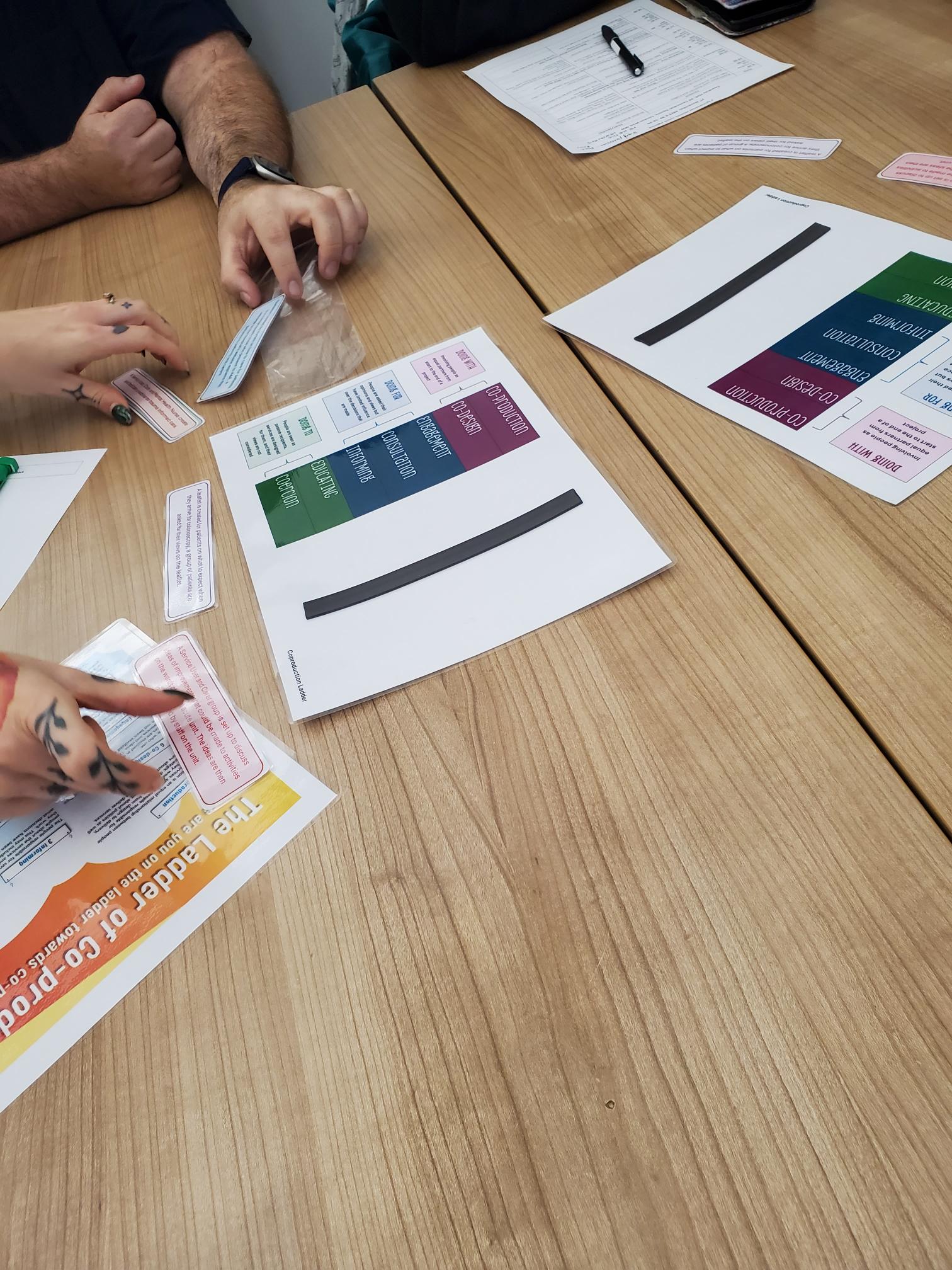
After refreshments, we broke into workshops. I joined Workshop One: Lived Experience and Co-Production – Utilising Our Expertise, led by Hannah Cadogan and colleagues. It was energising to see lived experienced and mental health nurses working side by side.

I spoke about what co-production really means from a carer’s point of view. I shared my journey as someone who has cared for a family member living with schizophrenia and another with autism, and how those experiences taught me the importance of being included as an equal partner in care.

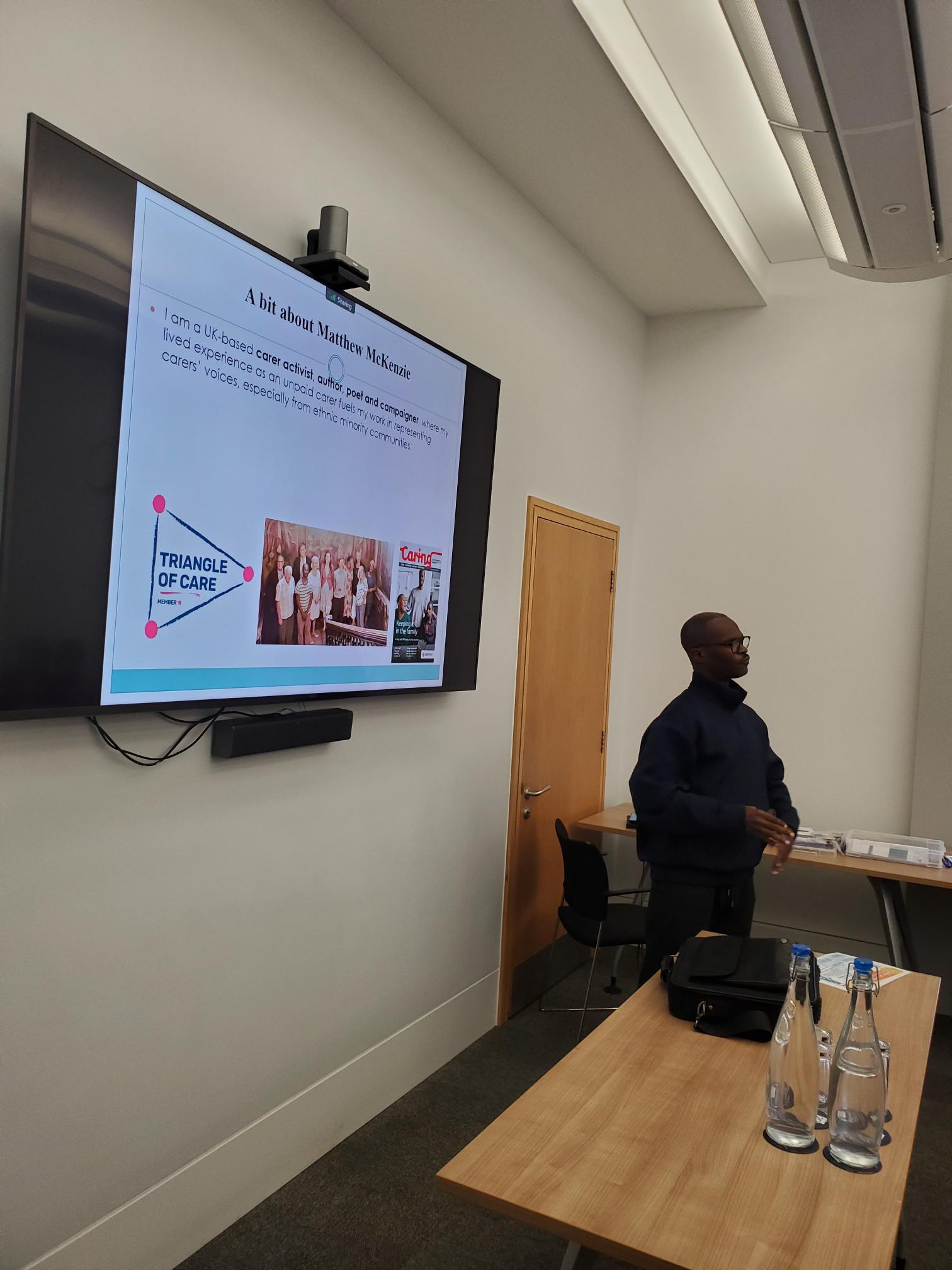
I explained that carers often hold a deep understanding of the person they support insights that can make a real difference if professionals take the time to listen and involve us from the start, not as an afterthought. Drawing on my work with Carers UK, the Carers Trust, and the Triangle of Care as many nurses from the mental health trusts were members of triangle of care programme., I spoke about how true co-production is built on trust, openness, and shared learning.

We discussed barriers time, fear, power differences but also solutions, like embedding co-production in supervision and reflective practice.

In this session, the discussion turned to how we can meaningfully involve carers and service users in planning safety not as tick-box exercises, but as genuine collaborations. I found myself reflecting on my own experiences of sitting in meetings where decisions were made about my mum rather than with us.

Hearing the nurses speak so openly about their challenges about time pressures, fear of getting it wrong, and the emotional toll of risk reminded me that we’re all human in this process. True co-production means sharing not only responsibility but also vulnerability.

One participant spoke about the importance of patience: “We’re not here to fix; we’re here to find a way in.” That line stayed with me. It echoed my own philosophy that care starts with listening, not solving.

By the end of the workshop, we agreed that co-produced safety isn’t about removing risk; it’s about building trust so we can face risk together.


Workshop Two – Co-Production and Carer Involvement

Lunch provided another opportunity for networking. The Mental Health Forum stand and MHP stall displayed resources on psychosocial practice.

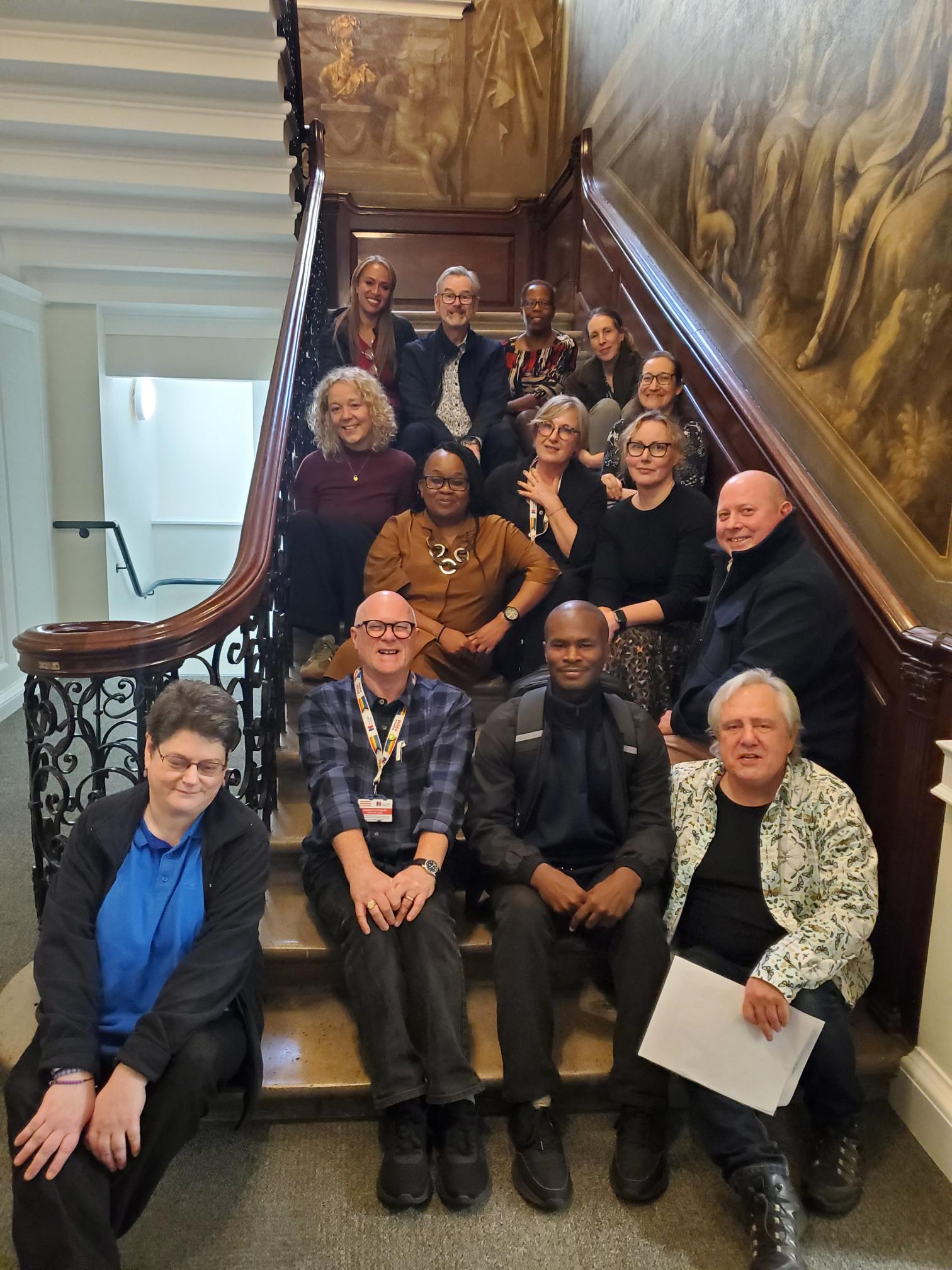
I met others who had recently completed the course.

Conversations were open, curious, and full of mutual respect the kind of professional empathy that sustains hope in challenging work.

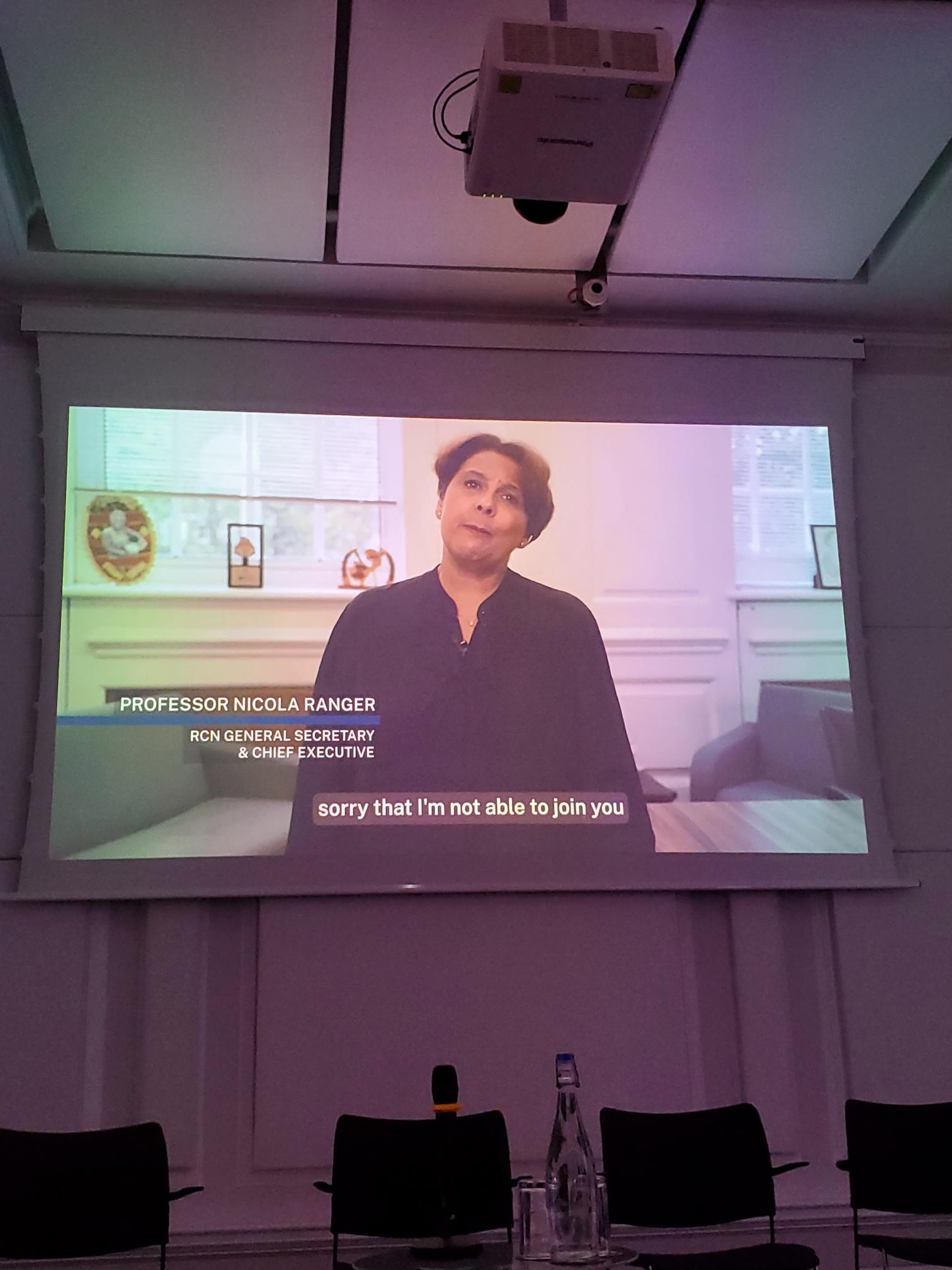
After lunch we heard from Professor Nicola Ranger, RCN General Secretary, who welcomed everyone back, commending the alumni for sustaining PSI’s legacy. Her words “you are the custodians of compassion” perfectly captured the spirit of the day.


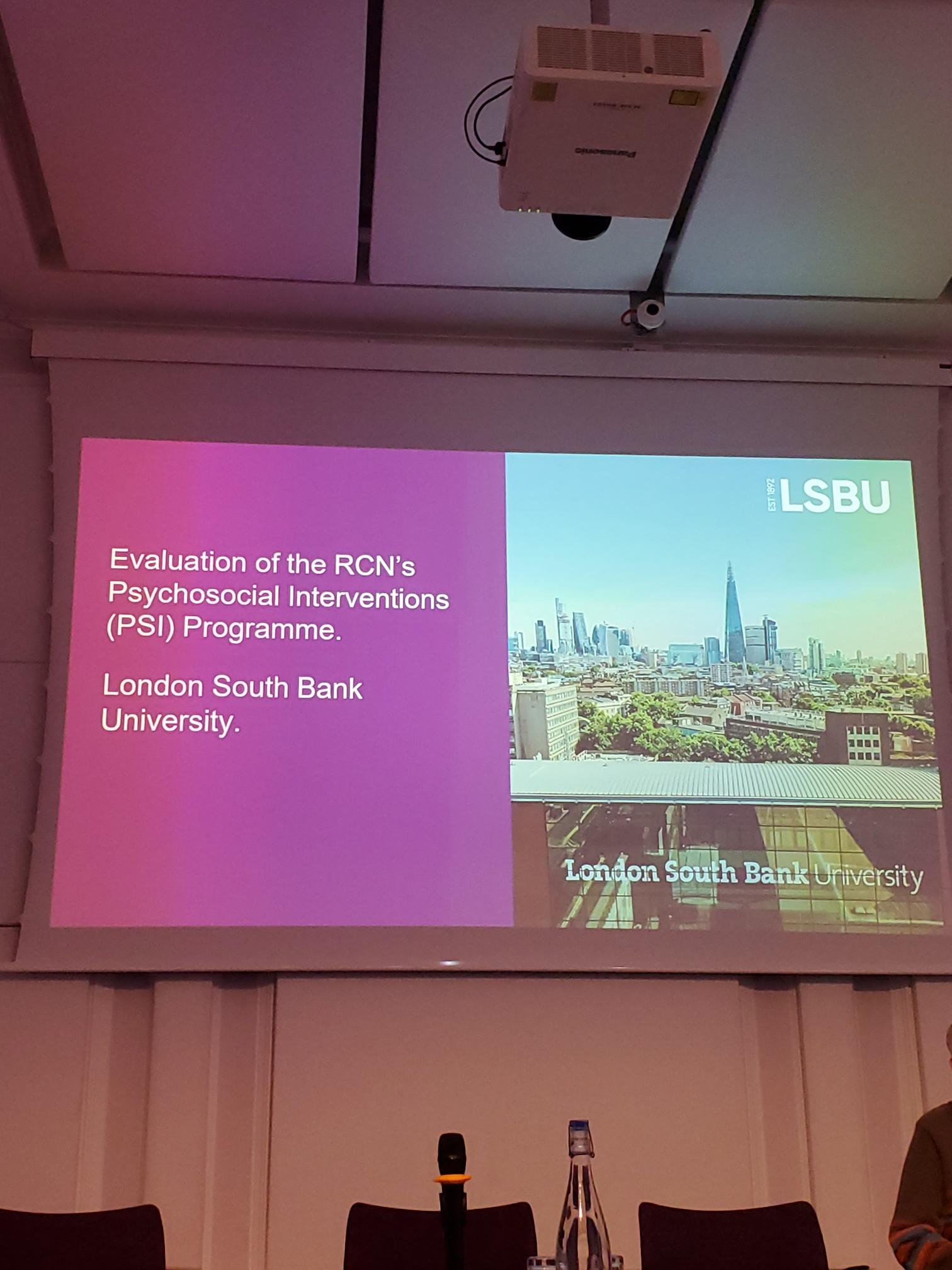
The evaluation session of the RCN PSI Alumni Conference was presented in partnership with London South Bank University (LSBU), who have been key academic collaborators in examining the outcomes and long-term impact of the Psychosocial Interventions (PSI) programme. This section was introduced by Stephen Jones, and Professor Chris Flood, a leading figure in mental health nursing and research at LSBU.

Together, they outlined how LSBU’s evaluation seeks to capture not just the quantitative outcomes of PSI such as improved confidence and competence among practitioners but also the qualitative stories of change, growth, and compassion that the alumni community embodies.

There will be several teams at LSBU, but I was impressed on the make up of the Advisory and Supervisory Team provides academic oversight and strategic direction.

  • Professor Patrick Callaghan, Professor of Mental Health Science at LSBU, offers extensive expertise in psychosocial interventions and nursing research leadership.
  • Professor Chris Flood, a leading mental health and adult nurse researcher, specialises in health economics, survey design, and qualitative inquiry.
  • Professor Neil Brimblecombe, Professor of Mental Health and Learning Disability, contributes his expertise in workforce development, nurse prescribing, and policy analysis linking the PSI evaluation to broader NHS workforce strategies.
  • Professor Eddie Chaplin, an expert in intellectual disabilities and psychosocial interventions, supports the development of inclusive frameworks for peer support, guided self-help, and service co-production.

Afternoon workshop

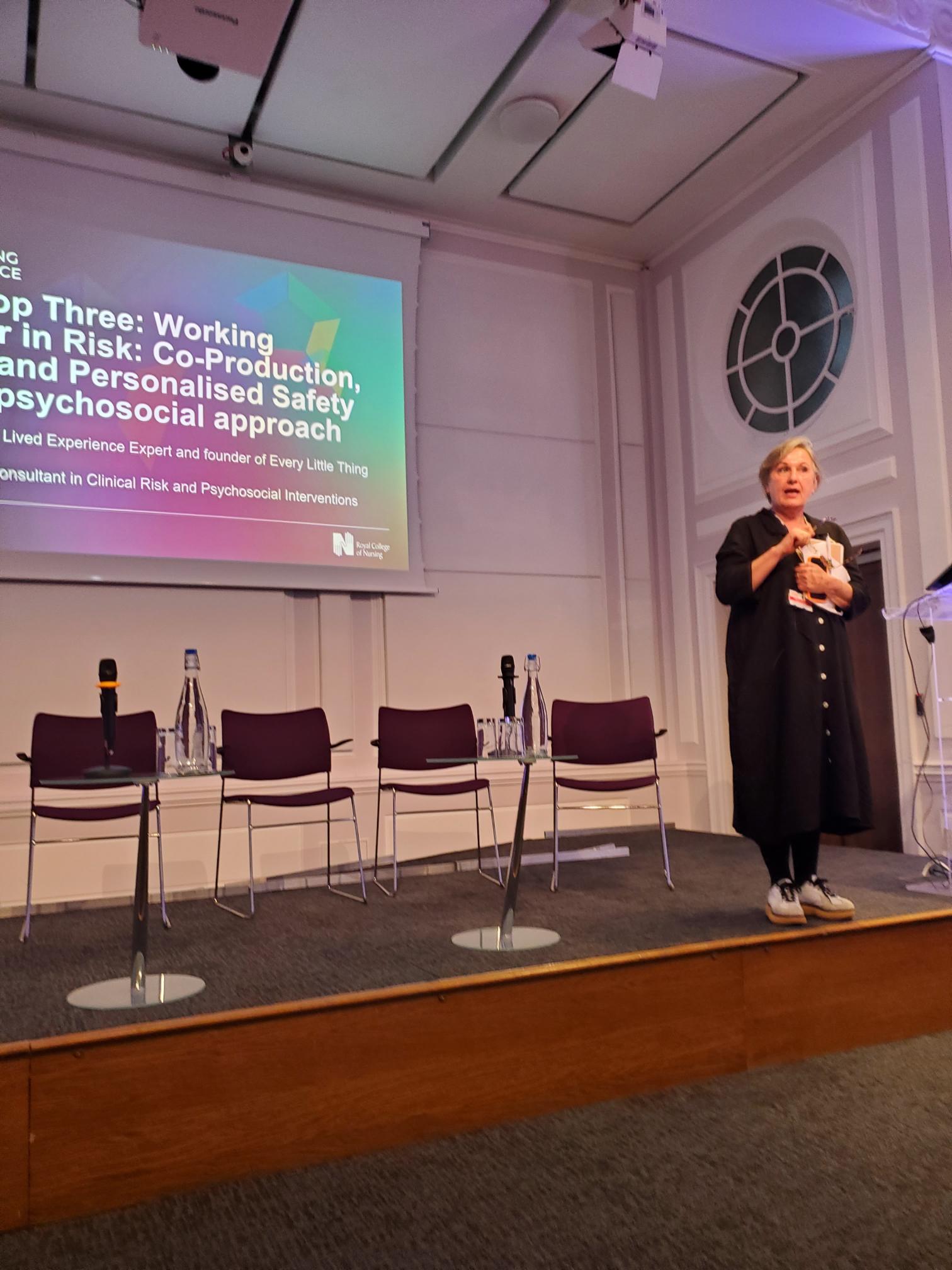
In the afternoon, I attended Workshop Three: Working Together in Risk – Co-Production, Suicide and Personalised Safety. It was deeply emotional. We discussed how carers can be crucial in early warning and safety planning, but only if professionals create safe spaces for them to speak. The workshop was presented by Berkshire Healthcare NHS Foundation Trus

During the workshop, we took part in reflective exercises that encouraged us to consider what “shared safety” truly means. We were asked to think of times when communication broke down between families, patients and professionals, and how different outcomes might have been possible if trust and collaboration had been stronger.

Celebrating Archievements

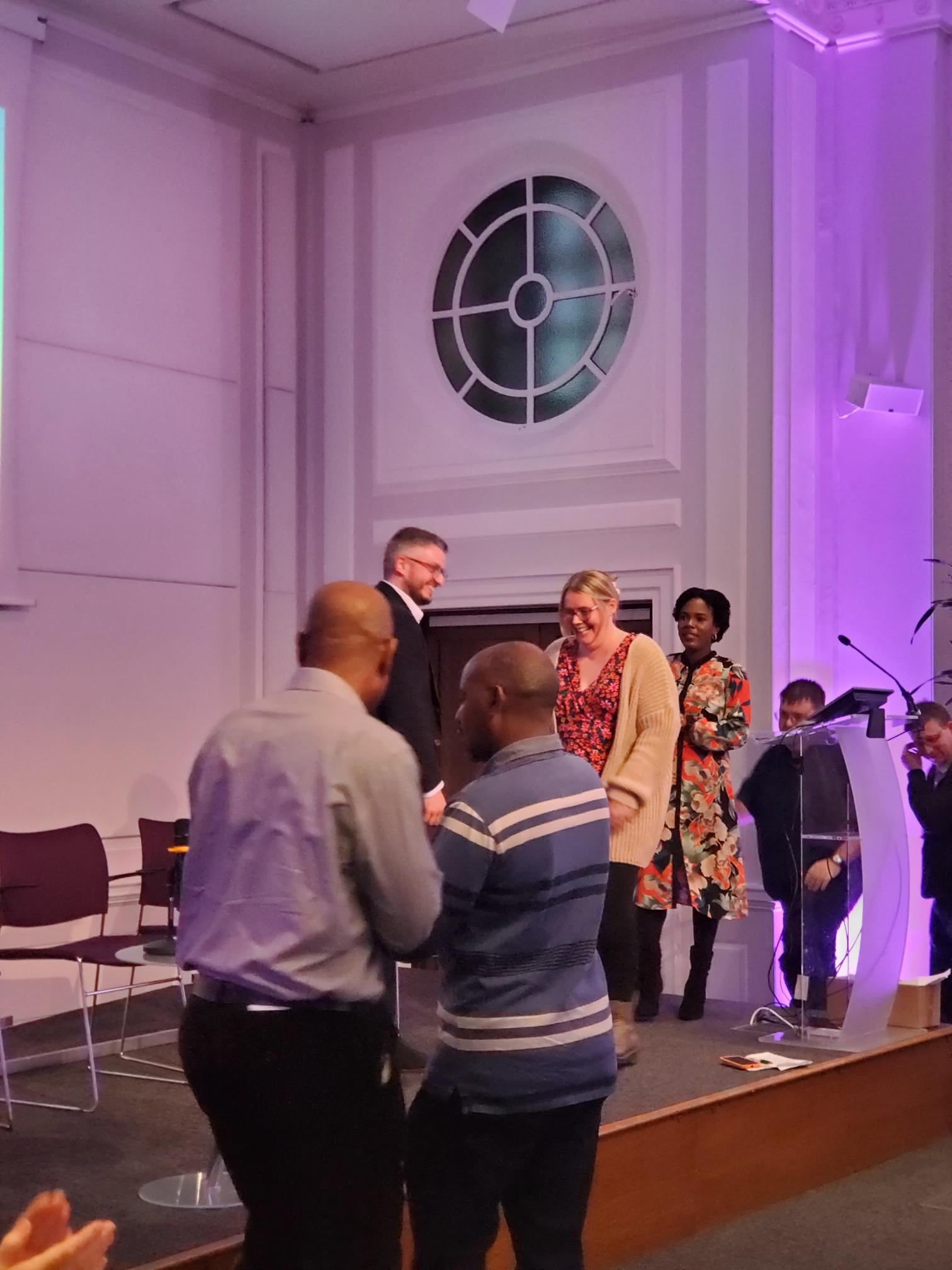
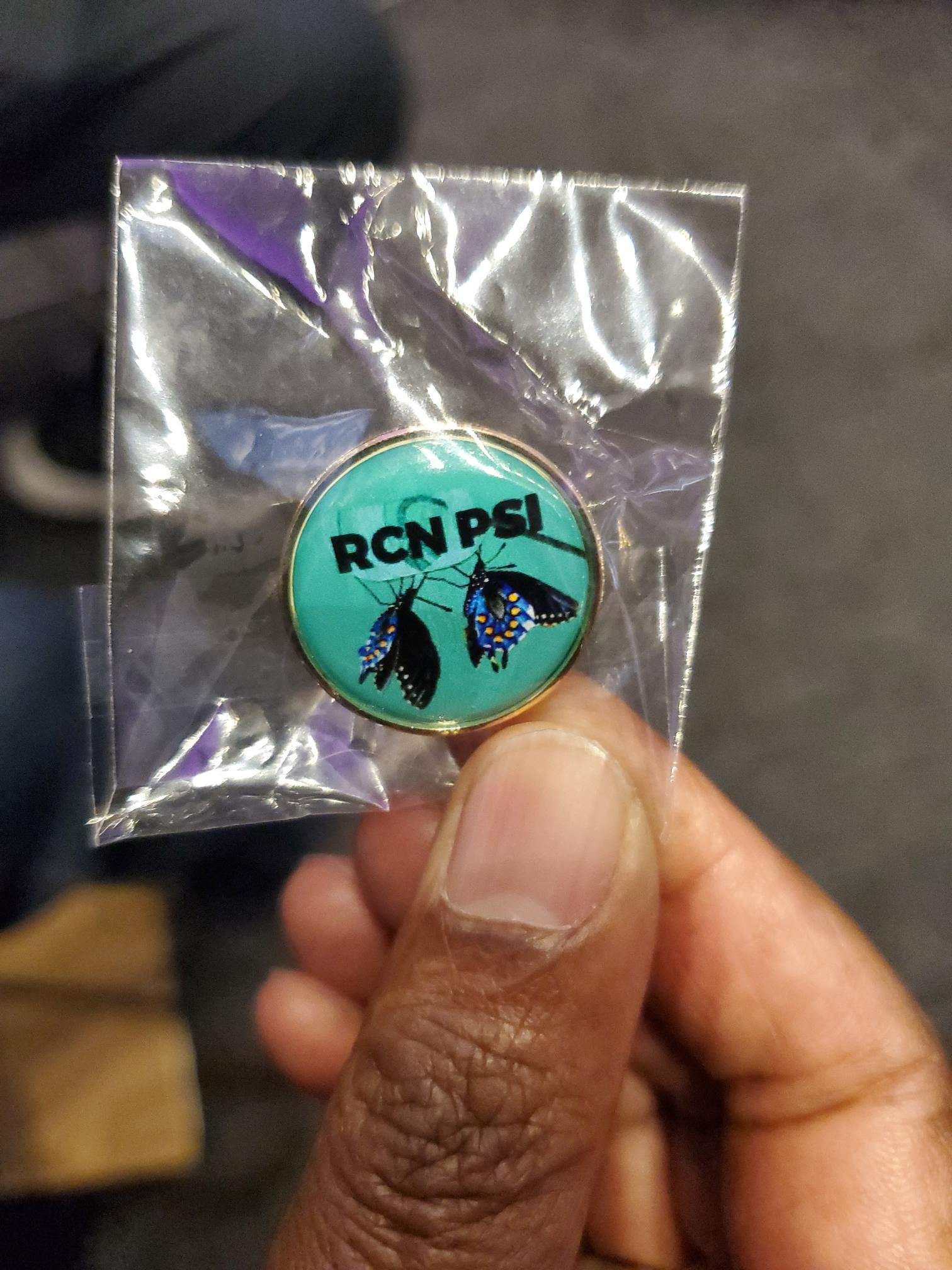
Those who finished the RCN PSI programm were presented with a RCN PSI alumni badge, which i felt was a small but powerful symbol of commitment, compassion, and continued learning. For many, receiving that badge wasn’t just about completing a programme; it represented belonging to a network that values empathy, partnership, and the courage to keep improving mental health care together.

Reflections and Looking Ahead

As the day drew to a close, we took a quiet moment to reflect. Conferences like this are not just about learning they are about belonging. They remind me that, while the caring role can often feel isolating, there is a wider network of understanding and solidarity.

I missed out a lot more that took place at the alumni event, but watch out for more exciting news from the RCN in future.

To find out more about the RCN PSI Progamme, click link below.

https://www.rcn.org.uk/Professional-Development/Educational-programmes-and-services/Psychosocial-Intervention-Programme

How Racism Affects Black and Minority Communities and Why Mental Health Services Must Help Lead Change

By Matthew McKenzie facilitator of National ethnic carer forum and Chair of Triangle of Care Community Group

Racism is not a distant or abstract concept it is a lived reality for many individuals and families, particularly those from Black, Asian, and other minority ethnic backgrounds. Its effects are pervasive, touching every aspect of life, from education and employment to housing, healthcare, and policing.

This article is a transcript of the video below.

In the UK and beyond, the consequences of racism are especially pronounced in the realm of mental health, where both direct and indirect forms of discrimination create barriers to wellbeing and access to care.

Continue reading

Making Time for Black Mental Health: A Black Male Carer’s Reflection

By Matthew McKenzie – Carer activist with Think Tenacity Academy CIC at Nando’s High Street Kensington
(Event held during Black History Month 2025)

A Warm Welcome and a Powerful Beginning

On Tuesday 28 October 2025 at Nando’s, 229 Kensington High Street.


As soon as I entered, the scent of grilled peri-peri wings mixed with the buzz of conversation. The event Making Time for Black Mental Health was hosted by Think Tenacity Academy CIC, led by founder Bella Rareworld.

Continue reading

Black History Month: Standing Firm in Power and Pride

By Matthew McKenzie – Founder of A Caring Mind, unpaid carer, and advocate for ethnic minority carers

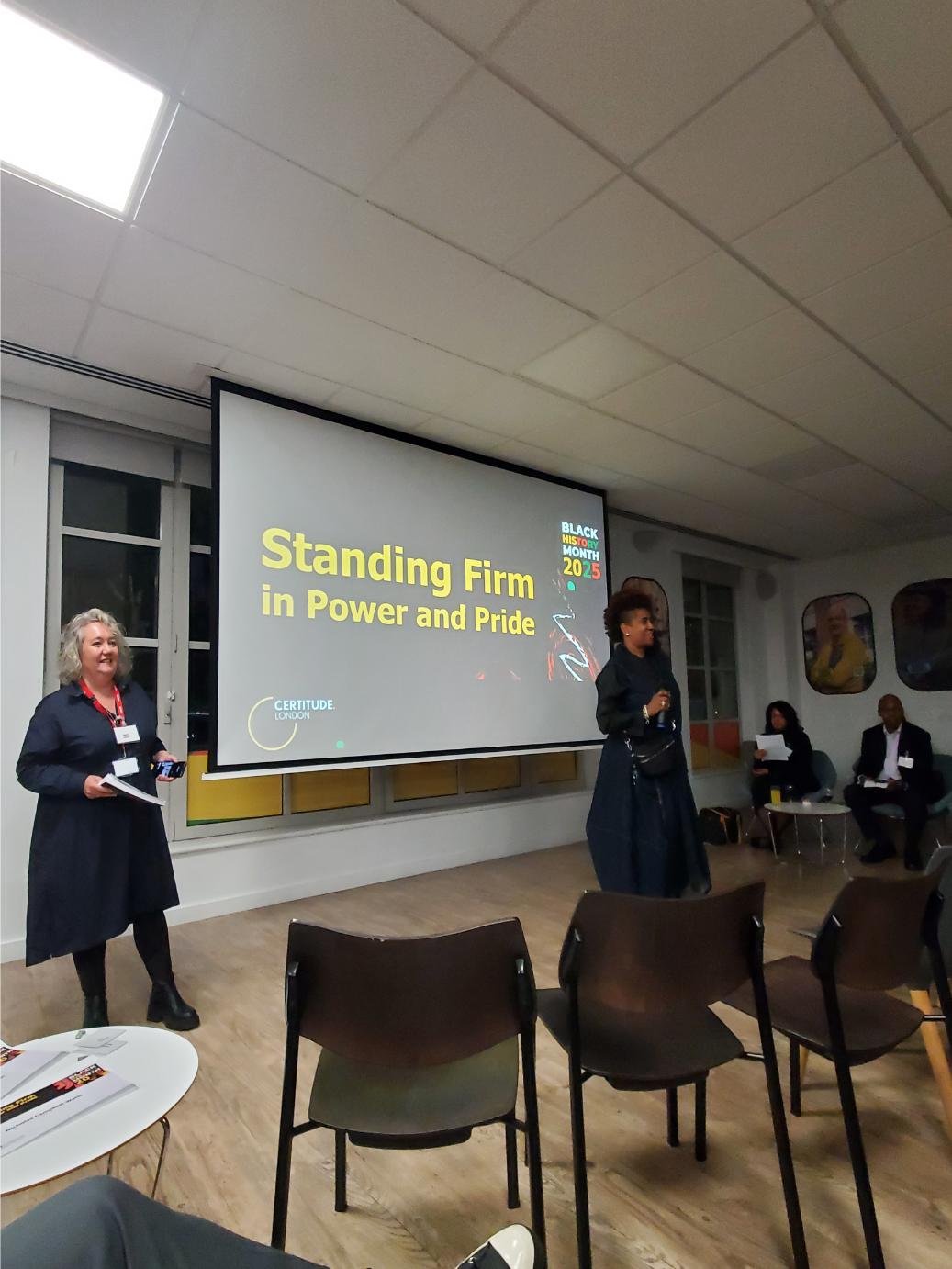
This October 2025, I had the privilege of joining Carers Support West Sussex to speak during their Black History Month celebrations under the theme “Standing Firm in Power and Pride.”

Carers Support West Sussex provides advice, emotional support, and practical help to unpaid carers across the county of West Sussex, ensuring they are recognised, valued, and empowered in their caring roles. Their work helps thousands of carers connect with the right information, resources, and community networks when it matters most.

As a Black, unpaid carer of lived experience, I spoke about Race, Inequality, and Carer Voices exploring how racism and structural inequality continue to shape the experiences of carers from ethnic minority backgrounds.

Continue reading

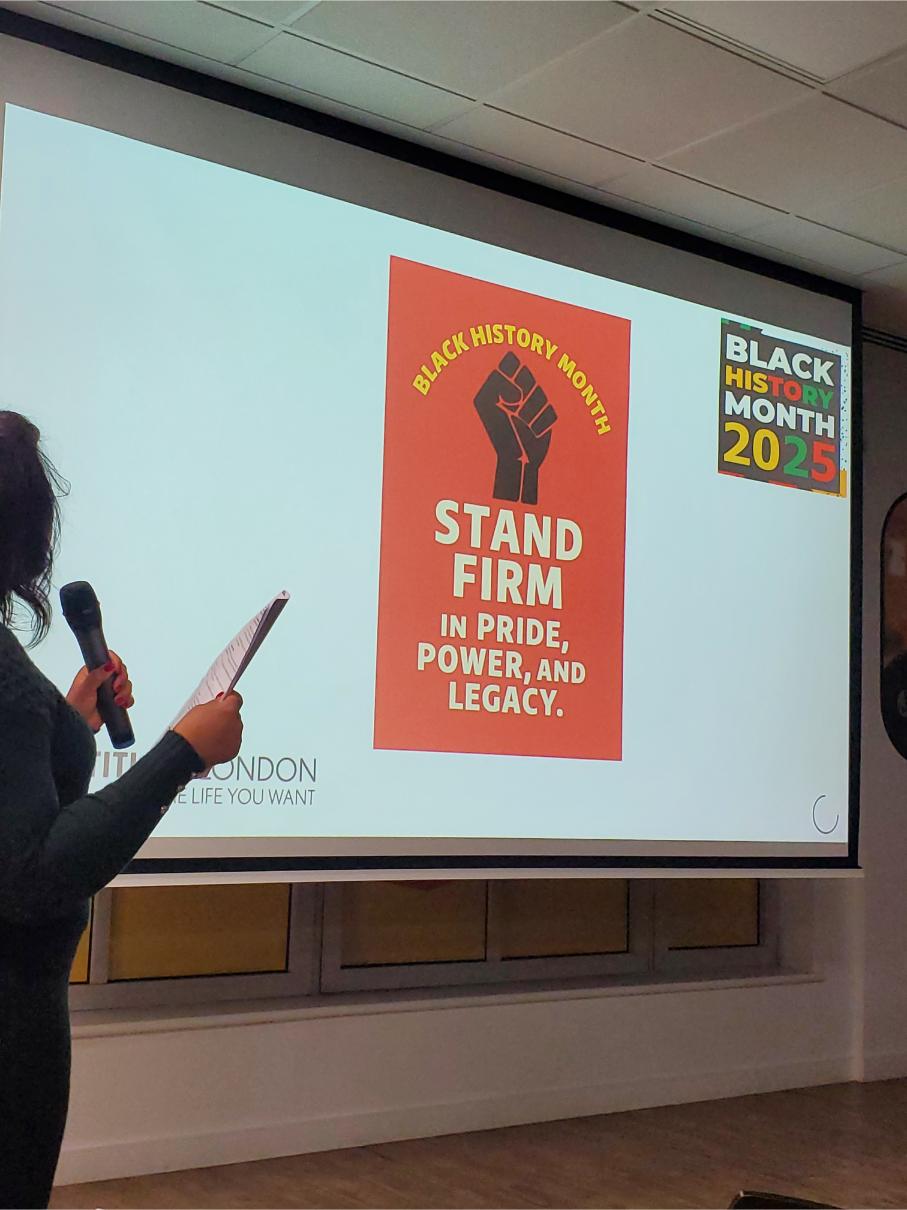
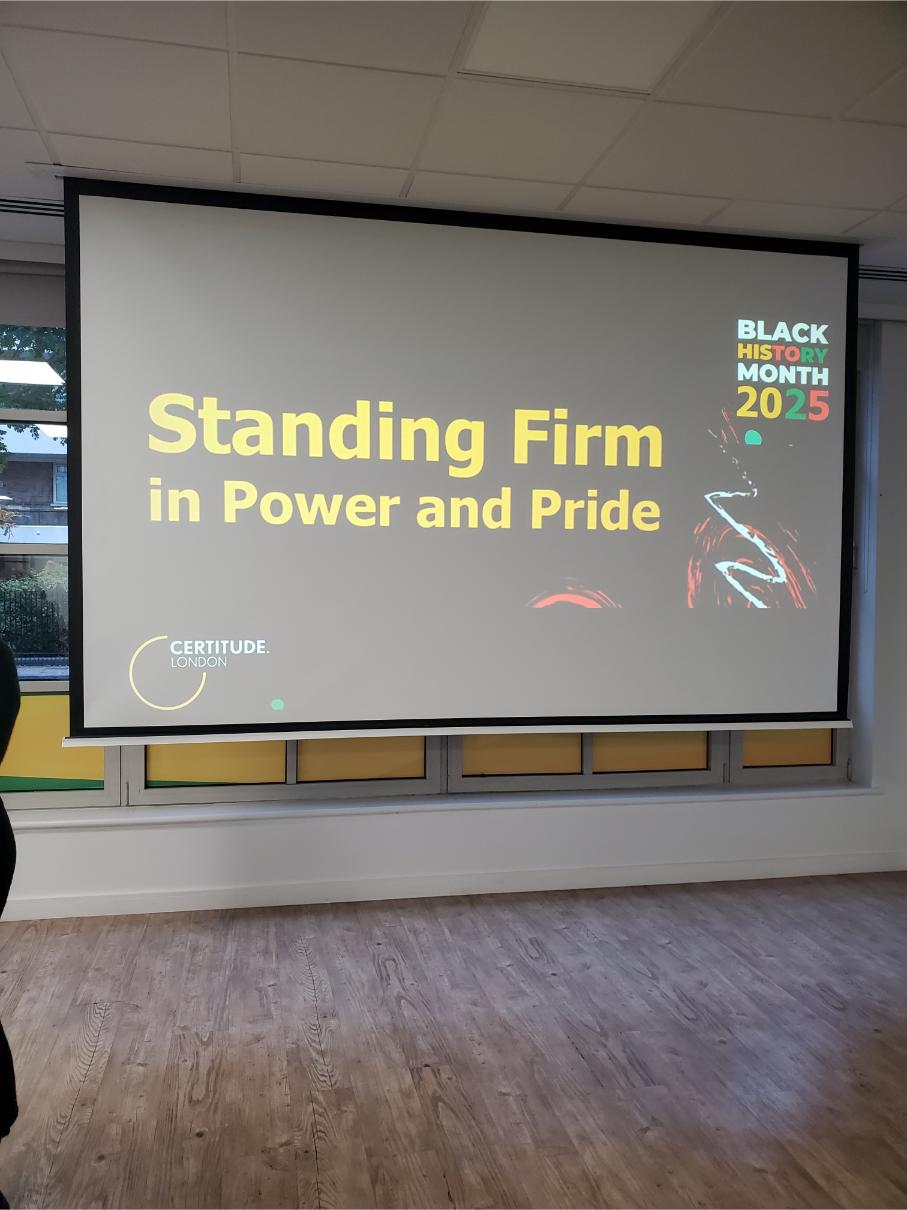
Standing Firm in Power and Pride — A Certitude Black History Month 2025 Celebration

By Matthew McKenzie – Mental Health Carer Activist

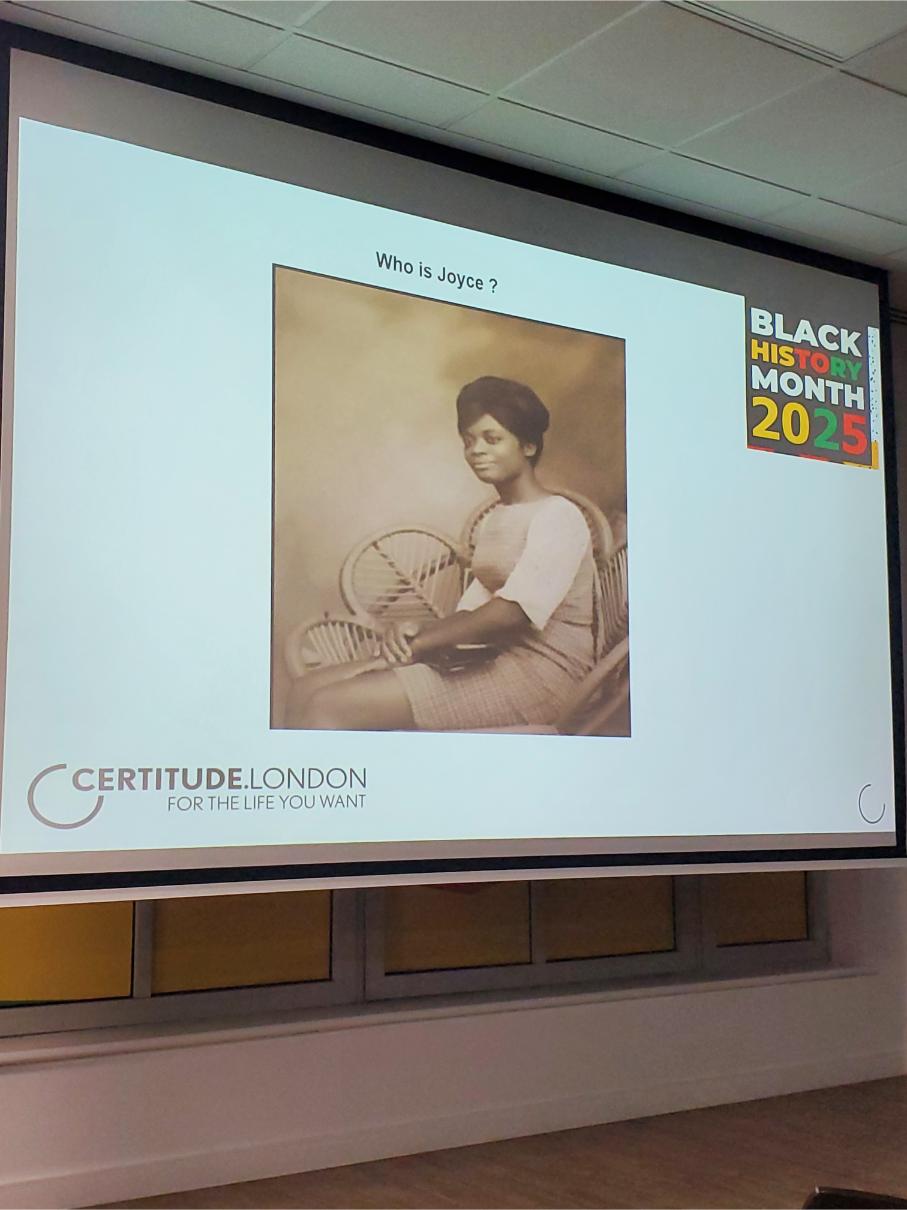
As a carer and mental health advocate, I often see how culture, identity, and lived experience shape the stories we tell and the way we support one another. Recently, I attended a remarkable Black History Month event hosted by Certitude, although I could not stay long, I left feeling inspired, proud, and deeply reflective about the intersections between culture, community, and care.

The Black History Month event was held at Bruce Kenrick House on the 16th of October 2025

About Certitude

Certitude is one of London’s leading social care providers, supporting people with learning disabilities, autism, and mental health needs to live fulfilled and independent lives. What makes Certitude special is its person-centred approach celebrating individuality, empowering self-expression, and ensuring that everyone, regardless of background, has the opportunity to thrive.

Continue reading

Calling All Carers: Get Involved with the OSMOSIS Research Project

Blog by Matthew McKenzie – Carer activist

As someone who’s been advocating for carers for years through A Caring Mind, I know how important it is that carers’ experiences influence the way support systems are built. The OSMOSIS project offers a real chance to help improve understanding and services for those of us supporting loved ones with severe mental health conditions.

If you are caring for someone living with psychosis, schizophrenia, or bipolar disorder, here’s an opportunity to make your voice heard.

Continue reading

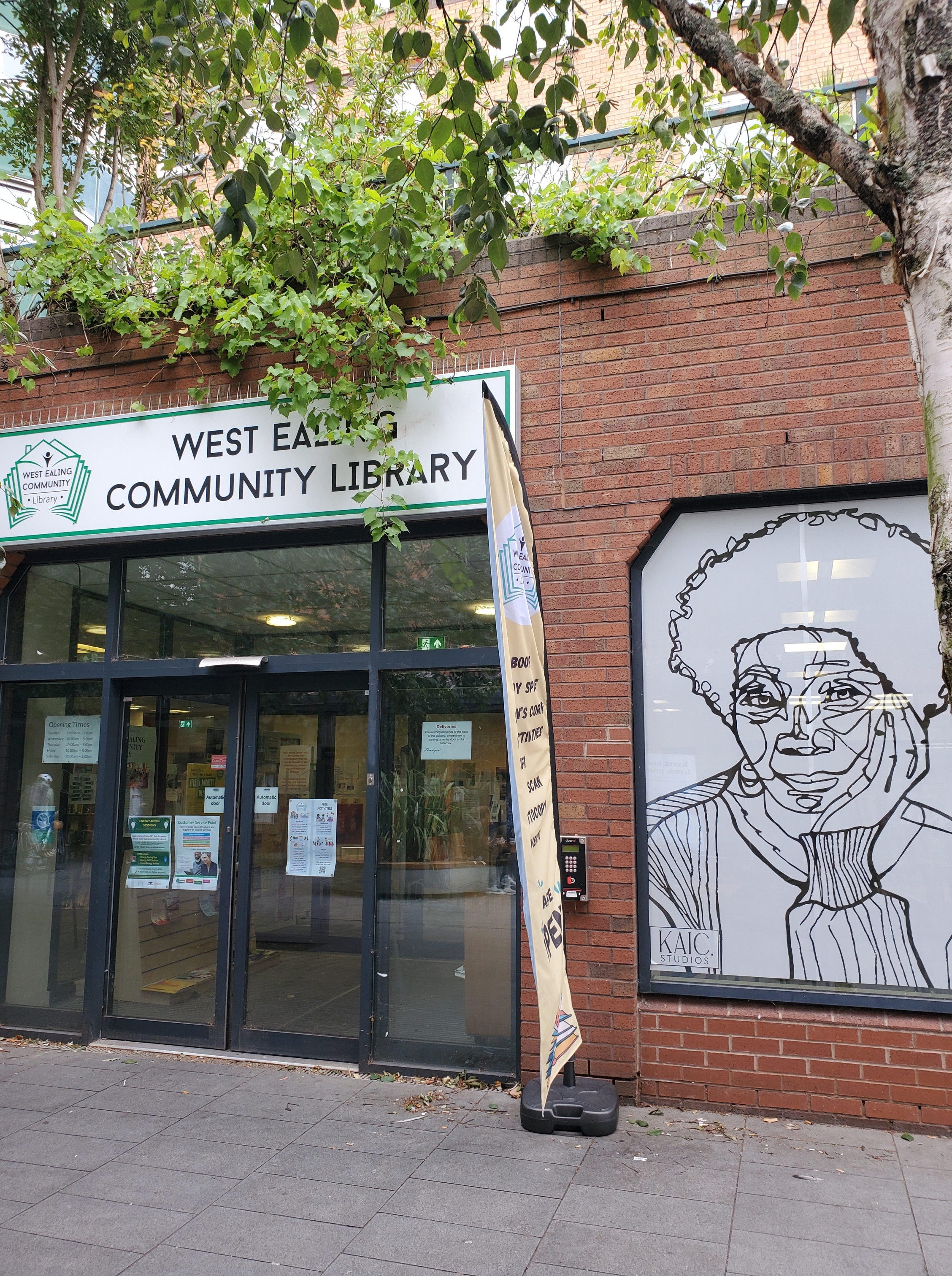
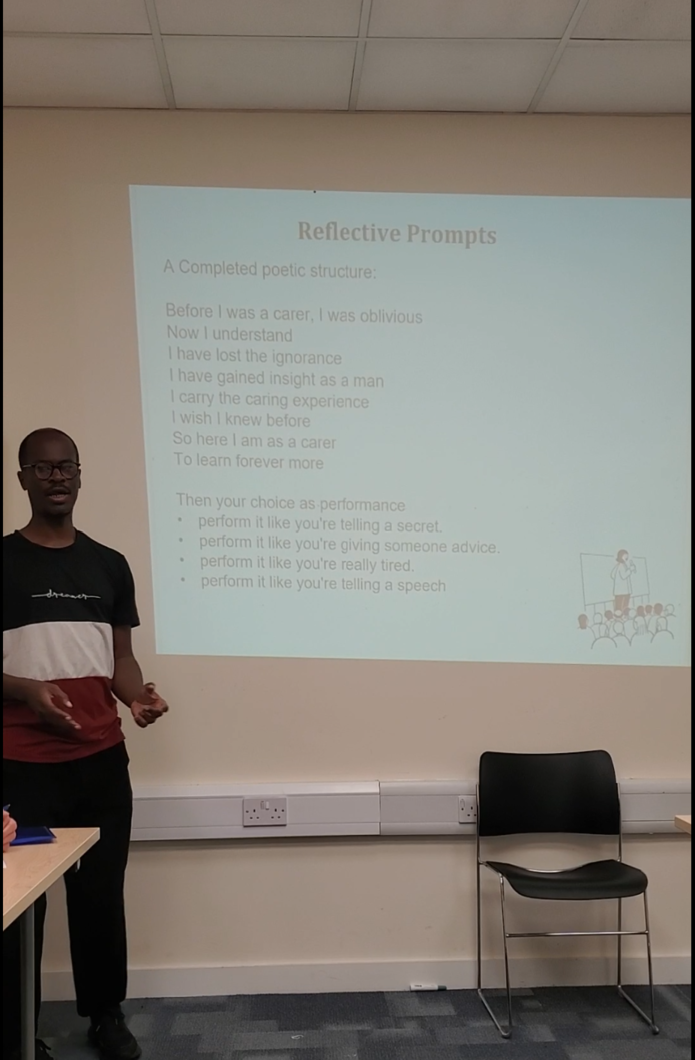
Healing Through Words: Poetry Workshop at West Ealing Library – 18th September

By Matthew McKenzie – Carer poet and Carer activist

On the 18th of September, West Ealing Library once again became a hub of creativity, reflection, and connection as carers gathered for our second poetry workshop. Guided by carer activist and writer Matthew McKenzie, the session offered not just writing prompts, but a safe and supportive space to explore the healing power of words.

Poetry as Expression and Healing

The morning began with Matthew sharing his personal journey from caring for his mother living with schizophrenia, to writing books on mental health and carer experiences, and now using poetry as a tool for both advocacy and self-expression.

For many carers, life can feel isolating, exhausting, and invisible to wider society. Poetry offered participants a way to give voice to those emotions. As I reminded carers, “Poetry gives shape to what’s hard to say” — even if it’s just a few lines scribbled on paper, those words can carry truth, comfort, and even influence change.

Continue reading

Understanding Care Guilt and Shame in Culturally Tight-Knit Communities

By Matthew McKenzie

Caring for someone with long-term mental illness is a profound act of love and responsibility, just as i cared for my mother, but it is also fraught with emotional complexities, especially within culturally tight-knit communities. The experience of unpaid carers, those who provide care without financial compensation, can be shaped by powerful cultural expectations, traditions, and social pressures. These factors often lead to hidden challenges such as guilt and shame, which can create barriers to seeking help and support.

This blog post which is a transcript of my video explores the intricate dynamics of care guilt and shame, drawing on my insights as facilitator of the National Ethnic Mental Health Care Forum.

While the focus often falls on ethnic minority carers, many of the themes discussed I feel are universal, affecting unpaid carers from all backgrounds. However By examining the cultural ideals, emotional burdens, and systemic challenges faced by carers, we can better understand how to support them and promote positive change in mental health care.


The Role of Culture in Shaping the Carer Experience

Family Duty and Community Honor

In many tight-knit communities, caring for a family member is seen as a moral duty and a source of honor. The expectation is clear: “We look after our own.” This deeply rooted tradition fosters strong family bonds and a sense of belonging. The carer’s role is often defined by values handed down through generations, reinforcing the idea that caring is not just a responsibility but an essential part of one’s identity.

However, these cultural ideals can also create significant challenges. The notion that the “perfect carer never complains or needs help” sets an unrealistic standard, making it difficult for carers to express their struggles or seek support. Weakness is discouraged, and the pressure to cope without showing strain is especially pronounced among men, who may feel compelled to “man up” and avoid displaying vulnerability.

Keeping Illness Within the Family

Another common theme is the tendency to keep issues of ill health, particularly mental illness, within the family or community. This approach is often seen as a way to protect the family’s reputation and maintain social cohesion. Religious and cultural beliefs may further reinforce the idea that problems should be addressed privately, sometimes through prayer or spiritual practices, rather than seeking external help.

While these traditions can provide comfort and a sense of solidarity, they can also lead to isolation and prevent carers from accessing the support they need. The fear of gossip, judgment, or being seen as failing in one’s duty can be overwhelming, especially when mental health is stigmatized or misunderstood within the community.


The Emotional Weight of Caring: Guilt and Shame

How Guilt Creeps In

Guilt is a pervasive emotion among carers, particularly when cultural norms dictate that they should be able to handle all challenges alone. The demands of caring often mean missing out on community events, family gatherings, or social obligations. Community leaders or members may notice these absences and interpret them as letting the community down, adding to the carer’s sense of guilt.

This guilt can manifest in several ways:

  • Resentment and Frustration: Carers may feel frustrated with themselves or the person they are caring for, leading to emotional strain and potential conflict.
  • Personal Guilt: The belief that needing a break or personal time is selfish can prevent carers from prioritizing their own well-being, even when burnout is imminent.
  • Fear of Judgment: In large families or communities, the expectation to manage alone can be overwhelming. Carers may worry about being judged or seen as failing in their role.

The Catch-22 of Self-Care

The need for personal time and self-care is undeniable, yet carers often feel trapped in a catch-22. Taking time for themselves is viewed as selfish, but neglecting their own needs can have detrimental effects on their mental and physical health. The pressure to uphold cultural ideals and avoid showing weakness makes it difficult to break this cycle.

In some communities, there may not even be a word for “carer”—it is simply assumed that family members will step in as needed. This lack of recognition further compounds the challenges, as carers struggle to articulate their needs or seek validation for their efforts.

The Impact of Shame and Stigma

Saving Face and Avoiding Help

Shame is closely linked to guilt, and both emotions can prevent carers from reaching out for help. The desire to “save face” is strong in many communities, where reputation and social standing are highly valued. Admitting to struggles or accepting support may be seen as a sign of weakness or failure, leading carers to reject offers of assistance from mental health services or outreach programs.

Internalized comments such as “this is your duty,” “you must put up a front,” or “we don’t put family in care” reinforce the belief that seeking help is unacceptable. The fear of gossip and misunderstanding is real, especially in communities where mental health is poorly understood or lacks a cultural vocabulary.

Religious and Cultural Barriers

Religious identity can also play a role in shaping attitudes toward mental health and caring. In some faith-based communities, there may be little space for open discussion about mental illness, and spiritual solutions may be favored over professional support. This can create additional barriers for carers, who may feel unsupported or misunderstood by both their community and the wider mental health system.


Systemic Challenges: Inequalities in Mental Health Care

The Patient Care Race Equality Framework (PCREF)

Recognizing the unique challenges faced by minority carers, NHS England has developed the Patient Care Race Equality Framework (PCREF). These set of policies aims to tackle inequalities in mental health care, particularly for ethnic minority groups. The framework emphasizes the importance of breaking down guilt and shame, promoting better outcomes for minority communities, and ensuring that carers’ voices are central to service design and decision-making.

However, systemic barriers persist. Minority carers may be reluctant to engage with mental health services due to fears of poor outcomes, discrimination, or further isolation. The double tragedy is that those who need support the most are often the least likely to receive it, as both community and systemic factors conspire to keep them from seeking help.

The Importance of Carers’ Voices

A key focus of the National Ethnic Mental Health Care Forum is to ensure that carers’ voices are heard and valued. Too often, the emphasis is placed solely on patients or those with lived experience, overlooking the vital role that families and carers play. Guilt and shame can stop carers from engaging with services, making it essential for mental health systems to recognize and address cultural barriers.

Breaking the Cycle: Towards Better Support and Outcomes

Engaging with Communities

To break the cycle of guilt and shame, it is crucial to engage directly with communities. This means attending religious and cultural gatherings, listening to minority carers and patients, and understanding the specific struggles they face. Education is key!! both for carers and for mental health professionals. Training staff to appreciate community values and avoid assumptions about disengaged carers can help foster trust and collaboration.

Creating Safe, Non-Judgmental Spaces

Safe spaces where carers feel invited and heard are essential. These settings should be non-judgmental and designed to encourage open dialogue. Just like my Ethnic carer forum. Co-production, where patients and carers are involved in designing and delivering services and can help ensure that support is tailored to the needs of diverse communities.

Promoting Positive Role Models

Just as I mentioned when I spoke at the North East London NHS PCREF event, I feel that Role models play a powerful role in challenging stigma and inspiring change. Mental health trusts and systems should promote positive examples of carers who have reached out for help and benefited from support. Sharing stories and experiences can help others see that seeking help is not a weakness, but a strength.

Self-Care as Strength

Promoting self-care as a strength, rather than a weakness, is vital. Carers need to recognize that it is okay to ask for help and take time for themselves. Engaging with community leaders and faith networks can help change attitudes and reduce stigma, using trusted voices to advocate for better understanding and support.

The Path Forward: Building Inclusive Mental Health Services

Co-Production and Service Design

Including carers in service design and decision-making is essential for building inclusive mental health services. By putting carers at the center of policy and practice, systems can better address the unique challenges they face and promote positive outcomes for all.

Education and Awareness

Ongoing education and awareness-raising are critical. Carers, communities, and professionals must work together to challenge stigma, promote understanding, and create environments where everyone feels supported.

The Power of Conversation

Ultimately, breaking the cycle of care guilt and shame requires open conversation and a willingness to learn from each other. By sharing experiences, listening to diverse voices, and fostering empathy, we can build stronger, more inclusive communities and mental health systems.


Conclusion

Care guilt and shame are complex, deeply rooted issues that affect unpaid carers across culturally tight-knit communities. The emotional weight of caring, compounded by cultural expectations and systemic barriers, can lead to isolation, burnout, and reluctance to seek help. Addressing these challenges requires a multifaceted approach engaging with communities, promoting positive role models, creating safe spaces, and ensuring carers’ voices are central to service design.

By working together to challenge stigma and promote understanding, we can support carers in their vital role and build mental health services that truly meet the needs of all. The journey is ongoing, but with awareness, education, and compassion, positive change is possible.

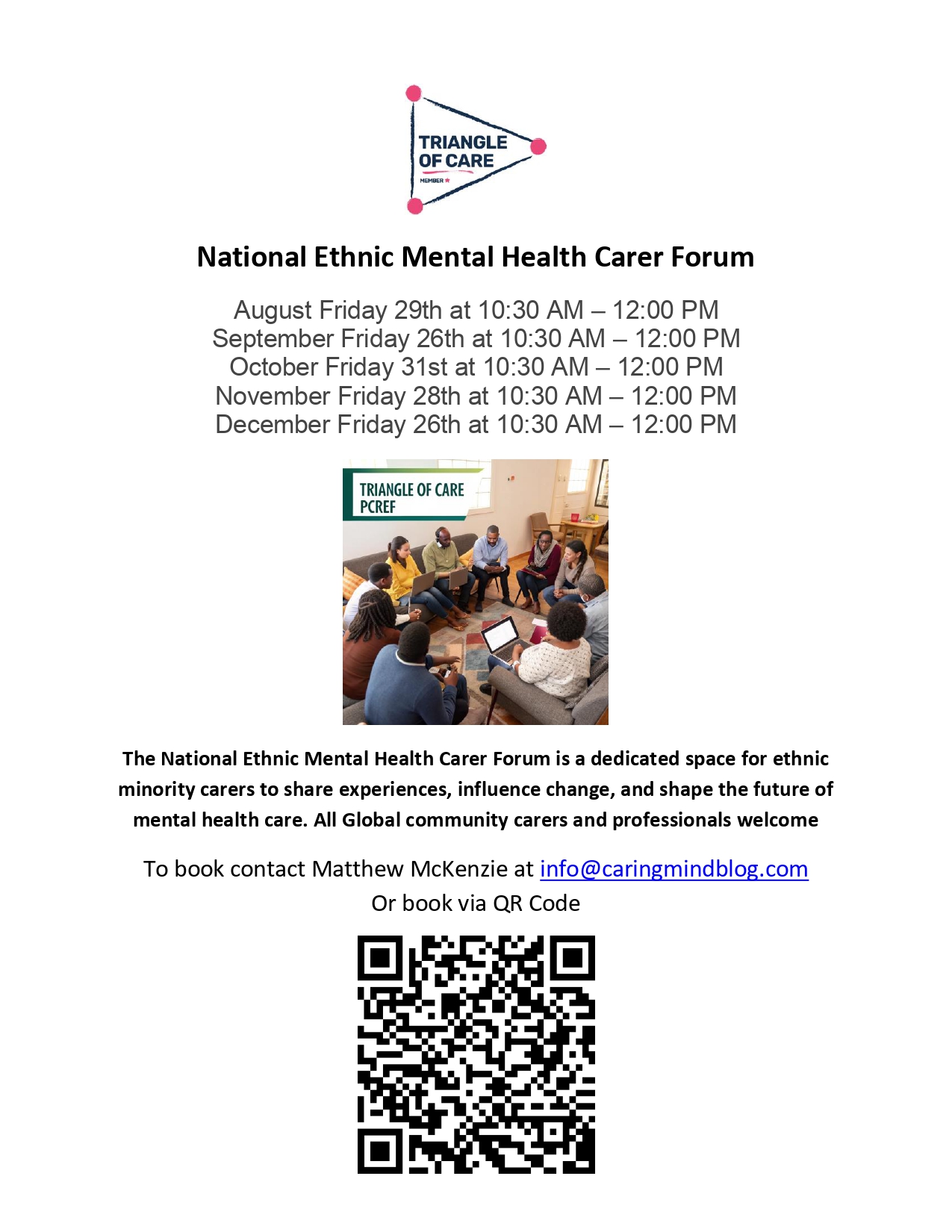
Caring for someone with mental illness? Check out our Ethnic carer forum. Dates shown below.

Voices of Mental Health Carers: Poetry & Stories

The Power of Poetry and Storytelling in the Lives of Carers

Caring for a loved one with mental health challenges or chronic illness is a journey marked by both hardship and hope. Too often, the voices of carers those who provide unpaid, tireless support are overlooked in the broader conversation about health and wellbeing. Yet, as this moving gathering of carers and poets reveals, storytelling and poetry can be transformative tools for connection, healing, and advocacy. So it was an honour to host our first poetry event at Cygnet Churchill for the 13th of June during Carers Week 2025

This Blog explores the themes, experiences, and creative expressions shared by carers, drawing from a vibrant community event centered on poetry, storytelling, and the lived realities of those who care. Through their words, we gain insight into the emotional landscape of caring, the challenges faced, and the resilience that emerges when stories are shared.

To watch the performance, please view the video below.

Giving Carers a Voice: The Motivation Behind the Book

The host of the event was myself (Matthew McKenzie), as a prolific author and advocate, where I have dedicated my eighth book to amplifying the voices of mental health carers. For me, books are more than just a means of communication they are a way to reach people who might otherwise remain unheard.

Continue reading

Black Storytelling, Real Healing: Inside Think Tenacity’s Mental Health Awareness Week Event

By Matthew McKenzie, carer activist
Date: May 24, 2025

In an evening charged with truth, courage, and community spirit, Think Tenacity Academy CIC hosted one of the most impactful events of Mental Health Awareness Week 2025. Held at Think Tenacity HQ in Vauxhall and themed #BlackStorytellingCommunity, the gathering was more than a panel or workshop, it was a safe space for healing through shared experience.

The event was led by Bella Rareworld, Think Tenacity’s CEO and a mental health advocate living with bipolar disorder, the event was built on a legacy of ancestral wisdom: “Before slavery, social media, or podcasts, we passed on strength and knowledge through storytelling,” she reminded the audience. “Tonight, we reclaim that legacy not just to speak, but to heal, empower, and connect.”

Continue reading