Tag Archives: carer rights

Equality: Today and Tomorrow — Reflections from the Mary Webster Lecture

By Matthew McKenzie – Carer activist (volunteer of Carers UK)

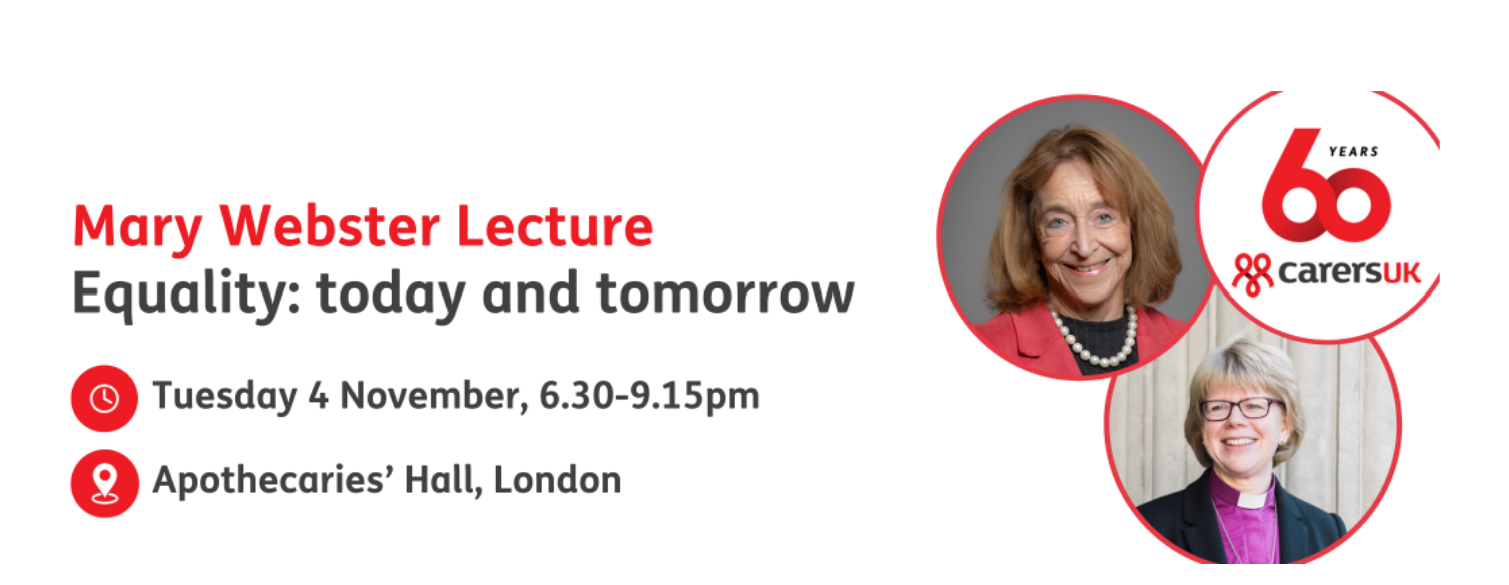
Last night I attended the Mary Webster Lecture at Apothecaries’ Hall in London, a special event marking Carers UK’s 60th anniversary. As someone who has cared for family members and now volunteers with Carers UK, it was moving to sit among other carers, professionals, and campaigners who have worked so hard for recognition and equality.

The event honoured Reverend Mary Webster, the founder of Carers UK, whose vision decades ago helped lay the foundations for unpaid carers’ rights. Today, as we still fight for equality and understanding, her legacy feels more important than ever.
Setting the Scene

Apothecaries’ Hall is a grand, historic space filled with portraits and a sense of tradition. But it also felt like the right place to discuss change how we can build a future where carers are respected and supported equally. The evening began with warm welcomes and reflections from Helen Walker, Chief Executive of Carers UK. She reminded us that while progress has been made, many unpaid carers still live in poverty, often earning less than the minimum wage for full-time dedication.

Then came the highlight of the evening a talk by The Right Reverend and Right Honourable Dame Sarah Mullally DBE, Bishop of London and recently named Archbishop of Canterbury Designate, in conversation with Baroness Jill Pitkeathley OBE, long-time carer champion and former Carers UK CEO.

Dignity in Caring

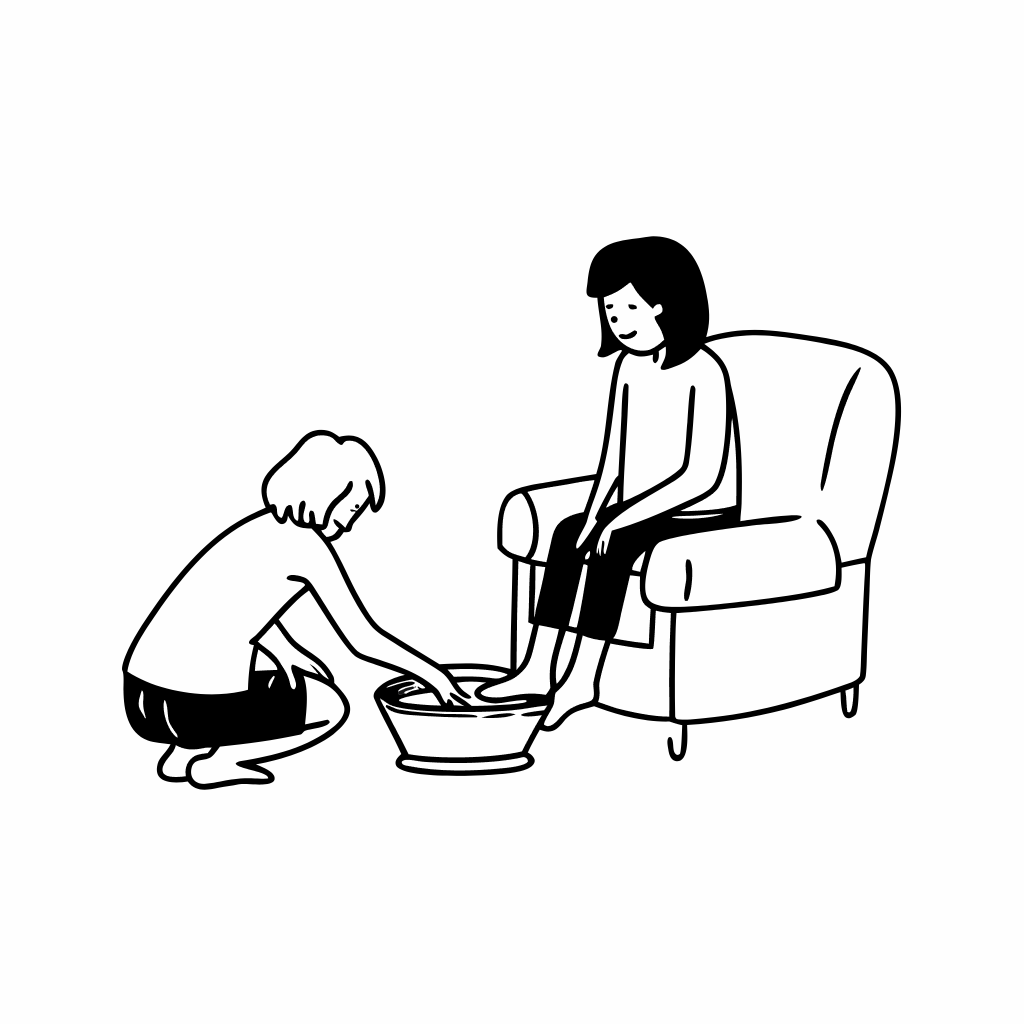
Bishop Sarah spoke with warmth and honesty about her journey from nursing to the Church. What struck me most was her story about washing her grandmother’s feet when she was a young nurse, which a simple act that carried deep dignity. She used that image to describe caring itself: often quiet, unseen, but filled with compassion and humanity.
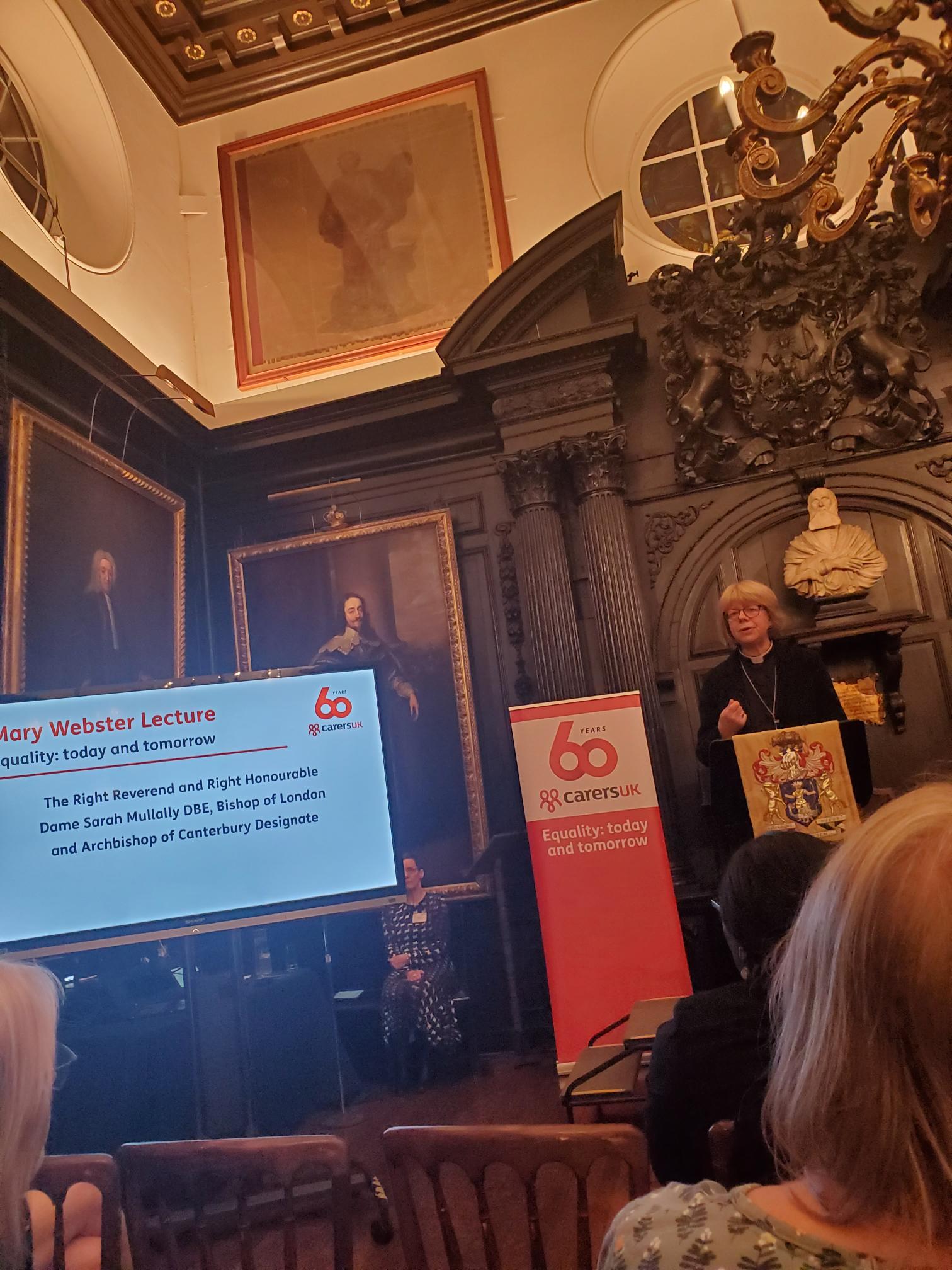
Her message was clear that care is about dignity. Every person, regardless of ability, age, or background, has value. She reminded us that dependency isn’t weakness it’s part of being human. We all depend on others at different points in our lives.

As a Black male carer, that message really resonated. In many of our communities, caring happens quietly, often behind closed doors, without recognition or support. Bishop Sarah’s words reminded me that this invisible work deserves to be seen and respected not just by policy makers, but by society as a whole.

Lessons on Equality and Faith

Baroness Pitkeathley joined Bishop Sarah for a deep conversation about equality today and tomorrow. They reflected on how far carers’ rights have come and how far we still have to go. From health and financial struggles to workplace inequality, many of the same challenges from the 1990s remain today.
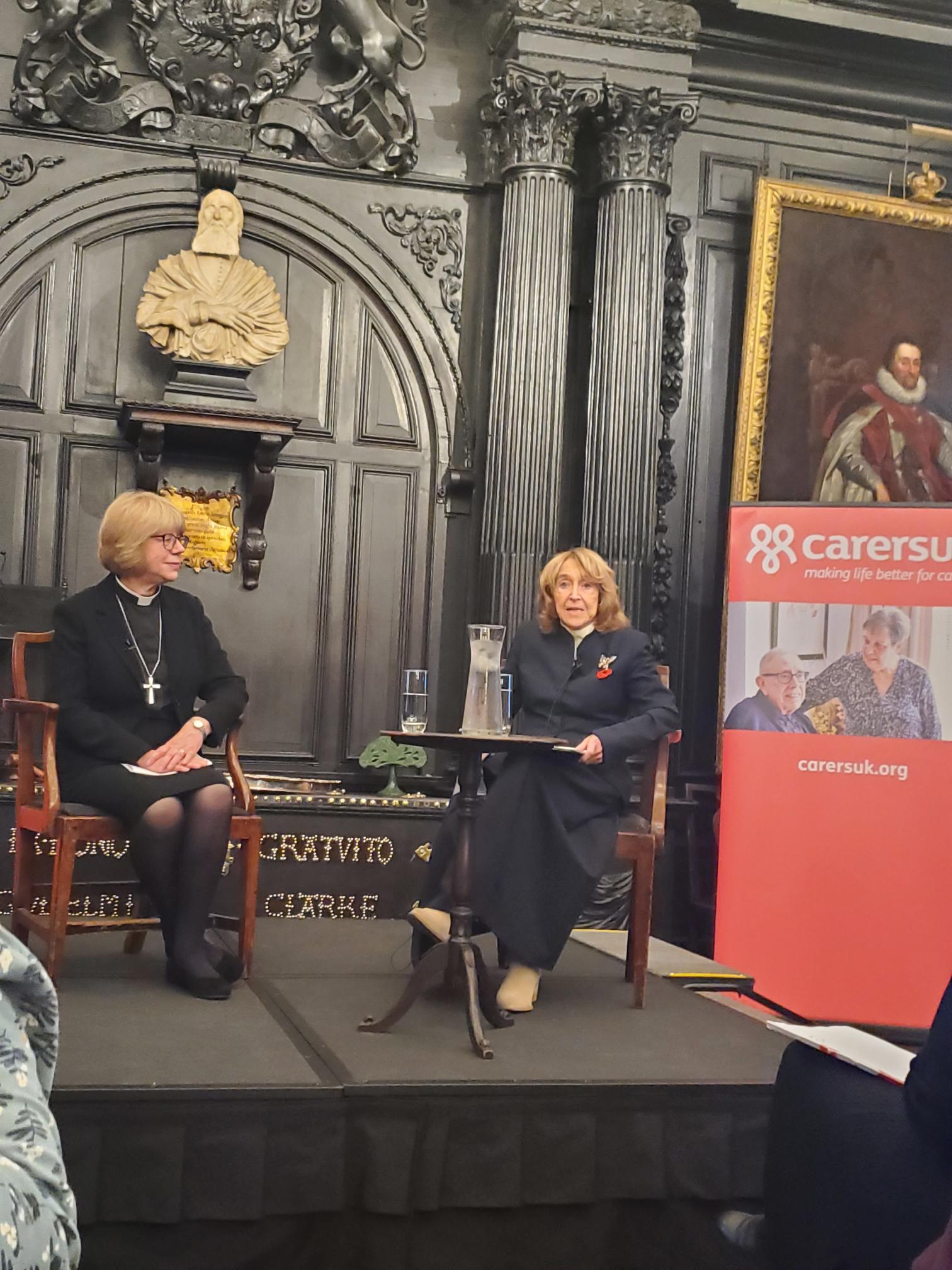
Bishop Sarah also spoke about the Church’s Reimagining Care Commission, which calls for a new “covenant of care” a moral agreement between government, communities, and families to share responsibility for those who need care. It’s not just about services, but about values: compassion, respect, and community.

Hearing that from someone soon to become the Archbishop of Canterbury gave me hope. It felt like a recognition that faith, ethics, and social justice must go hand in hand.

Voices from the Floor

The Q&A that followed was emotional and powerful. Carers from the audience spoke up about their struggles housing, mental health, disability, and the loneliness that caring can bring.
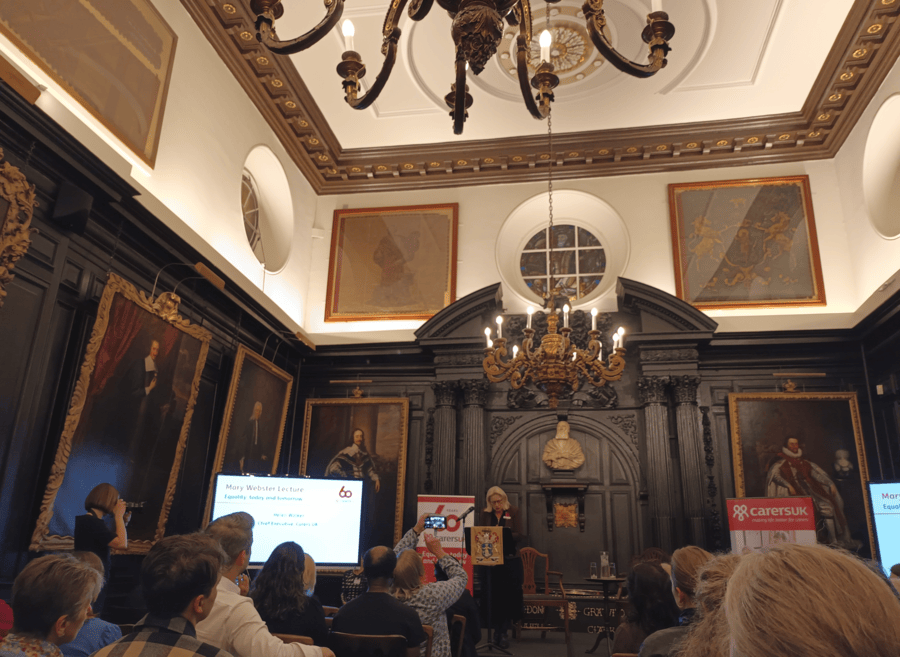
One carer shared the pain of fighting for proper housing for her disabled son; another spoke about the toll on her own health. Each voice reminded me that caring is more than statistics it’s real people doing extraordinary things every day, often without support.

My Reflection as a Black Carer Activist

As I looked around the room, I thought of the carers in Black and ethnic minority communities who face extra barriers language, stigma, or fear of not being understood. Too often, our voices are missing from the conversation. I decided to have a chat with Dame Sarah Mullally about my thoughts, still nights like this show that inclusion is possible, and necessary.

Equality for carers means also recognising our diversity on different cultures, faiths, and family structures and ensuring that every carer can access the help they need, without judgement or struggle.
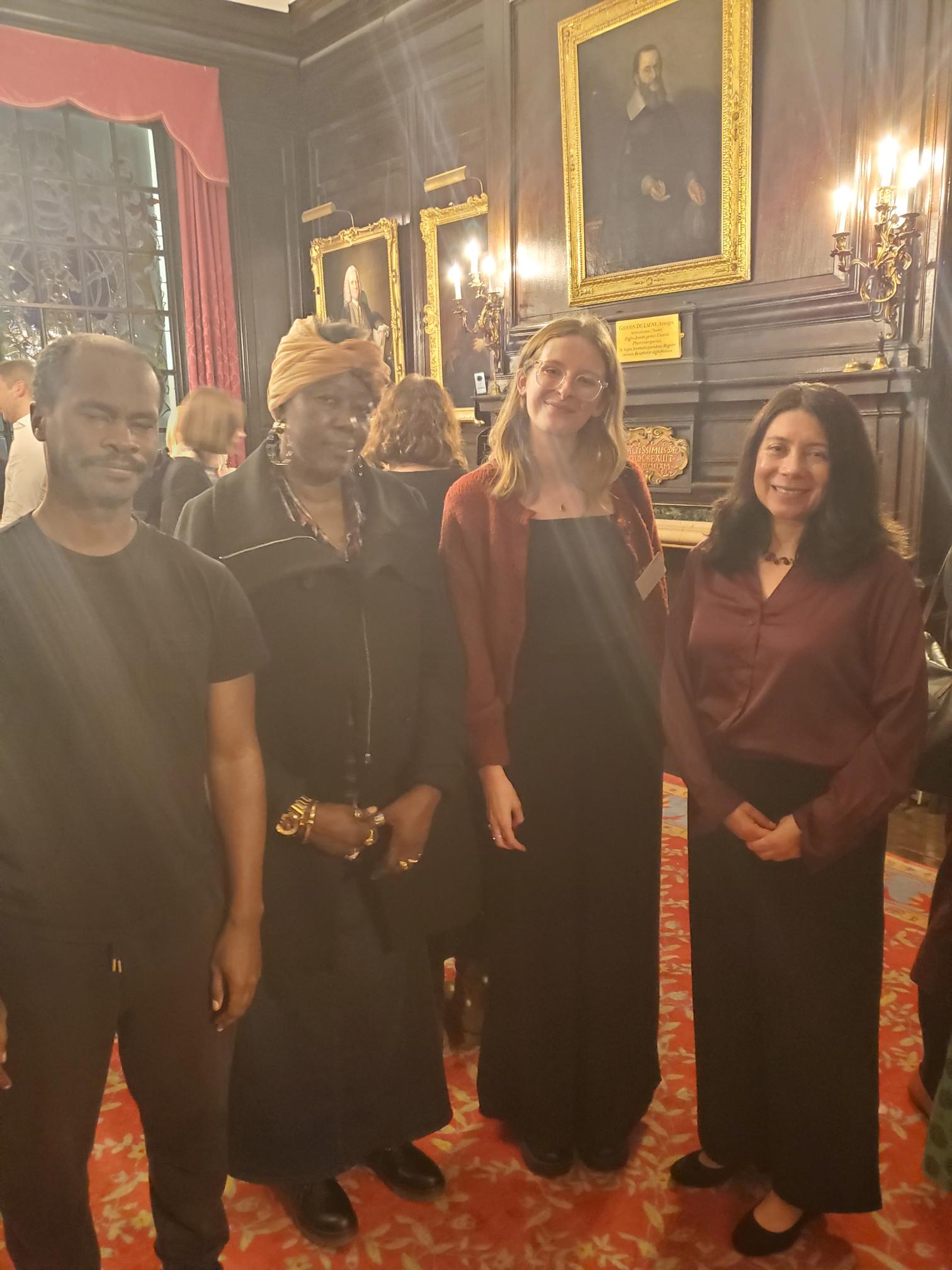
I left the event feeling encouraged but also challenged. Encouraged by the leadership and compassion of women like Bishop Sarah and Baroness Pitkeathley, who continue to champion carers’ rights. Challenged, because the journey isn’t over and each of us, whatever our background, has a role to play.

A Call for Tomorrow

Sixty years after Mary Webster founded Carers UK, unpaid carers are still holding society together.
We save the country billions, yet too many of us live in hardship. As Bishop Sarah said, we must rethink how we value care not as a cost, but as a cornerstone of our humanity.

For me, as a carer activist, that means continuing to speak up, share stories, and bring carers from all communities together. Because equality today and tomorrow starts with being seen, heard, and valued.

Why Cancer Carers Must also be at the Heart of the NHS 10-Year Plan

By Matthew McKenzie

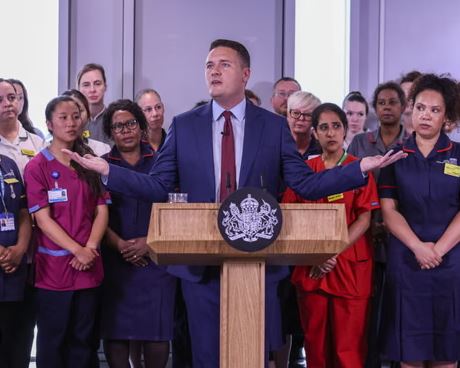
As the NHS looks to the future with its ambitious 10-Year Plan, one critical group continues to be overlooked cancer carers, although I am not forgetting Mental Health carers. These are the unpaid family members, friends, and loved ones who provide essential care and emotional support to people living with cancer.

While the plan addresses key priorities like digitalization and community-based health reform, it fails to fully recognize the vital role of caregivers in our healthcare ecosystem.

The blog is a transcript of my video, which you can watch below.

Reform Through Inclusion

The NHS 10-Year Plan aims to reshape health services by emphasizing digital tools, preventive care, and stronger local networks.

These initiatives are undoubtedly important. But without recognizing and integrating the contributions of cancer caregivers, the plan risks missing a vital component of patient care.

The Invisible Workforce

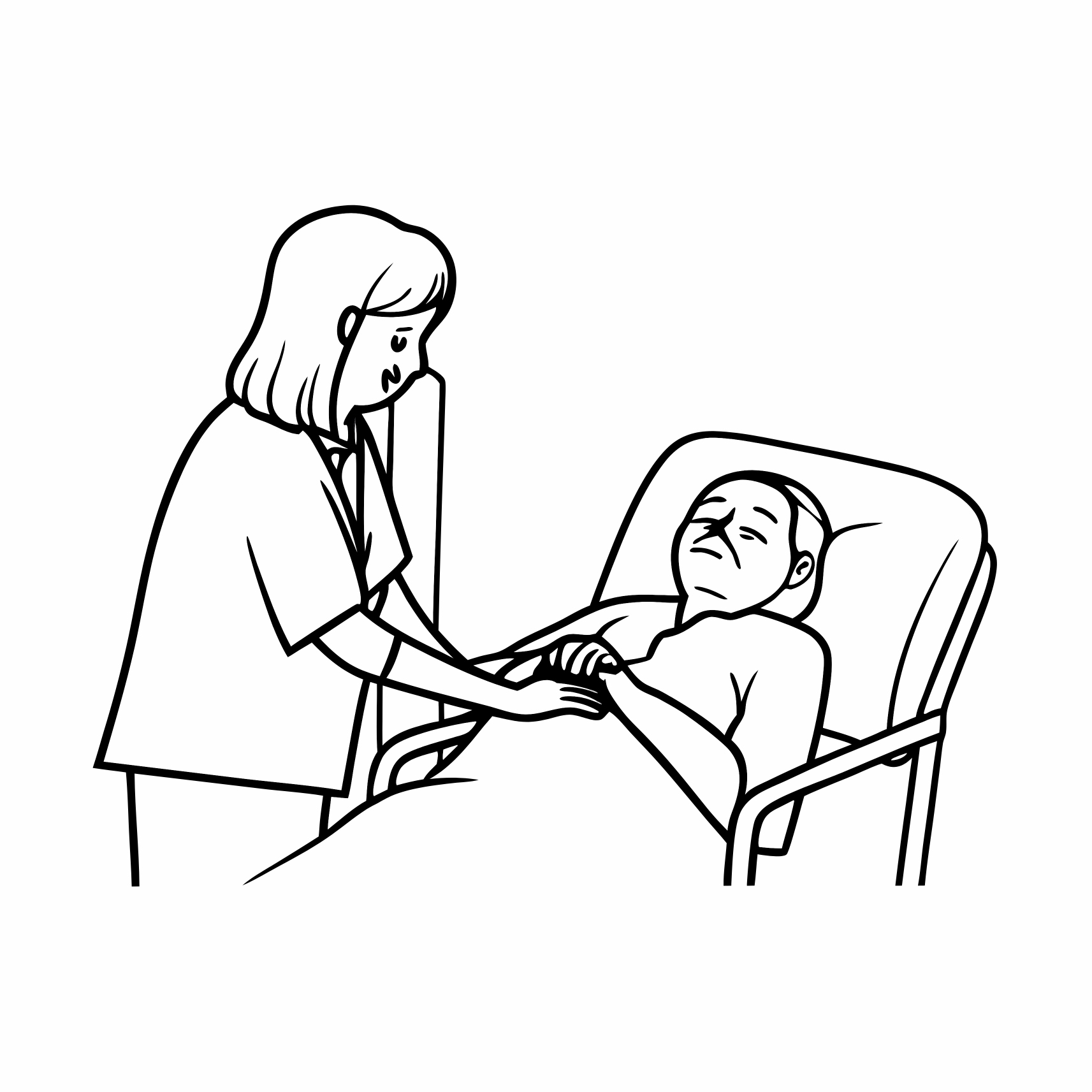
Caregivers are often the unsung heroes of cancer care. They manage appointments, administer medications, provide emotional support, and serve as advocates all while coping with their own mental and physical toll.

Challenges Faced by Cancer Carers:

  • Mental Health Impacts: The stress, anxiety, and emotional burden can be overwhelming.
  • Decision Fatigue: Carers are often thrust into complex medical decision-making without adequate support or guidance.
  • Lack of Recognition: Despite their contributions, caregivers are rarely acknowledged as part of the healthcare team.

A Call for Systemic Change

The inclusion of carers in healthcare reform isn’t just an ethical necessity it’s a strategic imperative. By empowering carers, we enhance patient outcomes, reduce strain on NHS services, and promote more holistic care.

Recommendations for Inclusion:

  • Training for Carers: Equip caregivers with tools to better navigate health systems and support patient needs.
  • Support Services: Invest in respite care, mental health support, and caregiver-specific community services.
  • Recognition in Policy: Classify caregivers as essential stakeholders in healthcare planning and delivery.

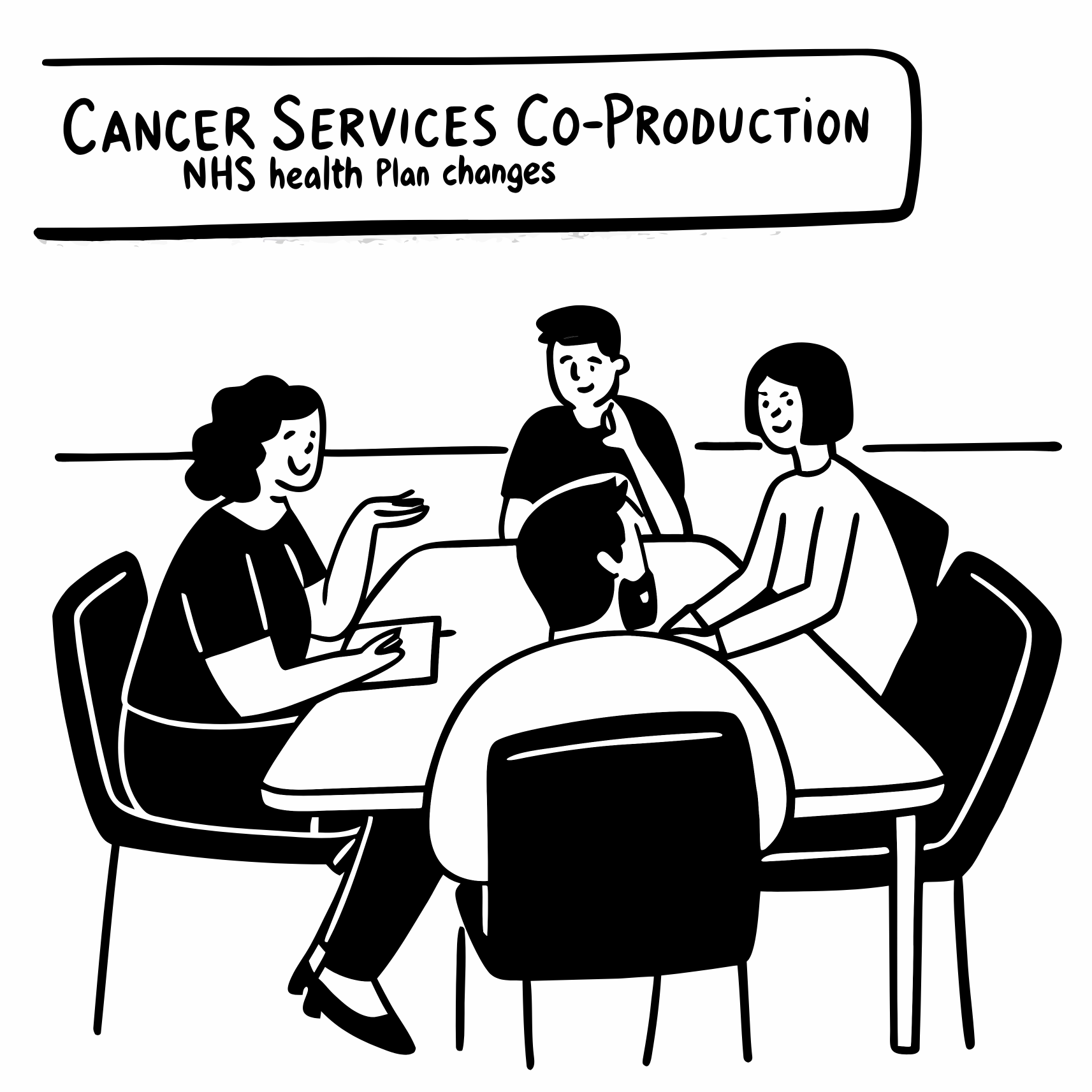
Co-Production: Designing Services With Carers

One of the most powerful messages from the discussion is the importance of co-production. That means actively involving carers in designing and shaping NHS services not just consulting them after the fact.

Co-Production Actions:

  • Involve Carers in Service Design: Make caregiver feedback a routine part of NHS planning.
  • Policy Advocacy: Push for legal and procedural reforms that recognize the role of carers from day one.

The Road Ahead

Cancer caregivers are not just a support system they are key partners in the healthcare journey. If the NHS truly seeks to build a more inclusive, responsive, and sustainable health system, caregivers must be central to its 10-Year Plan.

Let’s stop treating caregivers as an afterthought. Let’s make them co-creators of the future of care.

Support Sites for Cancer Carers

1. Carers UK

Provides advice, online forums, factsheets, and rights information for unpaid carers across the UK.
https://www.carersuk.org

2. Carers Trust

Supports a network of local carer organisations across the UK. Offers practical help, grants, and local service finders.
https://www.carers.org

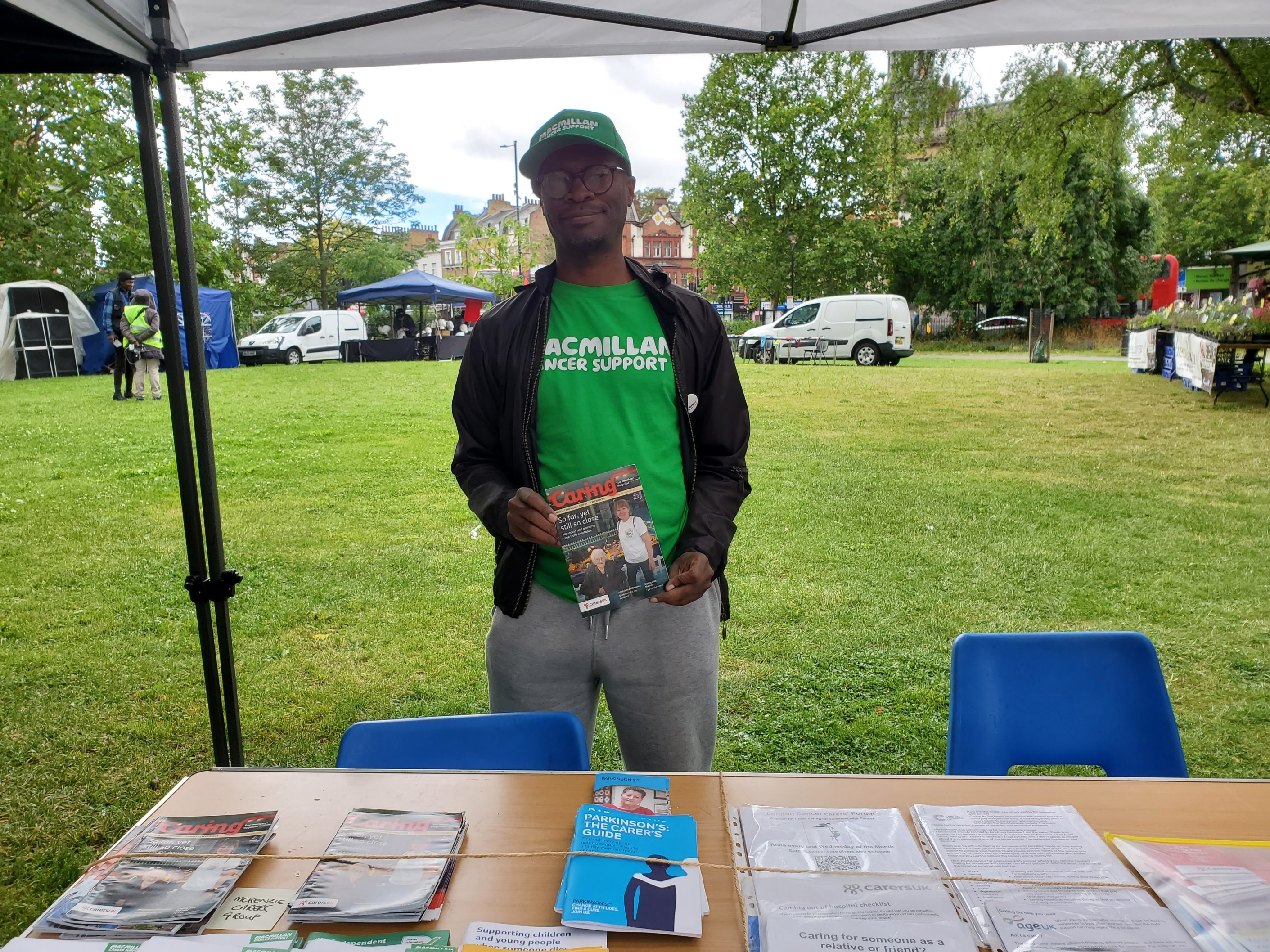
3. Macmillan Cancer Support

Offers emotional, practical, and financial support for people affected by cancer—including dedicated resources for carers.
https://www.macmillan.org.uk/information-and-support/supporting-someone-with-cancer

4. NHS – Cancer Care and Support

Official NHS guidance on cancer, treatments, living with cancer, and how carers can support loved ones.
https://www.nhs.uk/conditions/cancer/

5. Maggie’s Centres

A network of cancer support centres offering free emotional, psychological, and practical support to anyone affected by cancer—including carers.
https://www.maggies.org

6. Marie Curie – Caring for Someone with Cancer

Offers support to those caring for someone at the end of life or with a terminal cancer diagnosis, including bereavement help.
https://www.mariecurie.org.uk/help/support/caring

Carers Week 2025: Supporting Unpaid Mental Health Carers

Help raise awareness for unpaid mental health carers during Carers Week 2025. Learn how to support and recognize their vital, often unseen role in society. To watch the video of this blog, click the video below

Recognizing the Unseen: The Vital Role of Unpaid Carers in Mental Health

Every year, Carers Week serves as a powerful reminder of the millions of individuals who dedicate their lives to supporting loved ones with health challenges often without recognition, compensation, or adequate support.

Continue reading

Supporting Unpaid Carers: Greenwich Carers Forum – Mental Health Event

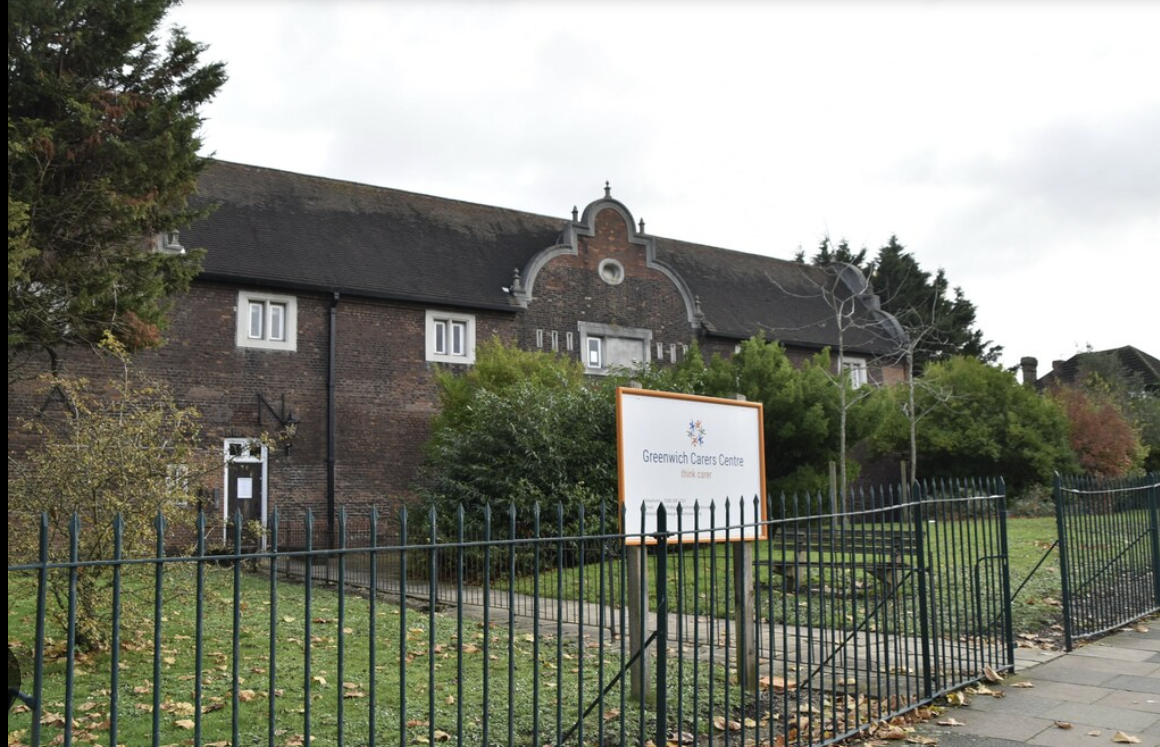
On Wednesday 26th March, I had the pleasure of attending and representing Carers UK along with Greenwich Carers MH carers grouos. This was at the Greenwich Carers centre – Carers Forum – Mental Health event.

The event was held in the building and then in a beautiful garden setting surrounded by passionate individuals and organisations all focused on supporting unpaid carers. As someone who’s deeply involved in carer advocacy, this was more than just an information stall, it was a moment to connect, empower, and share resources that can make a real difference in someone’s life.

Continue reading

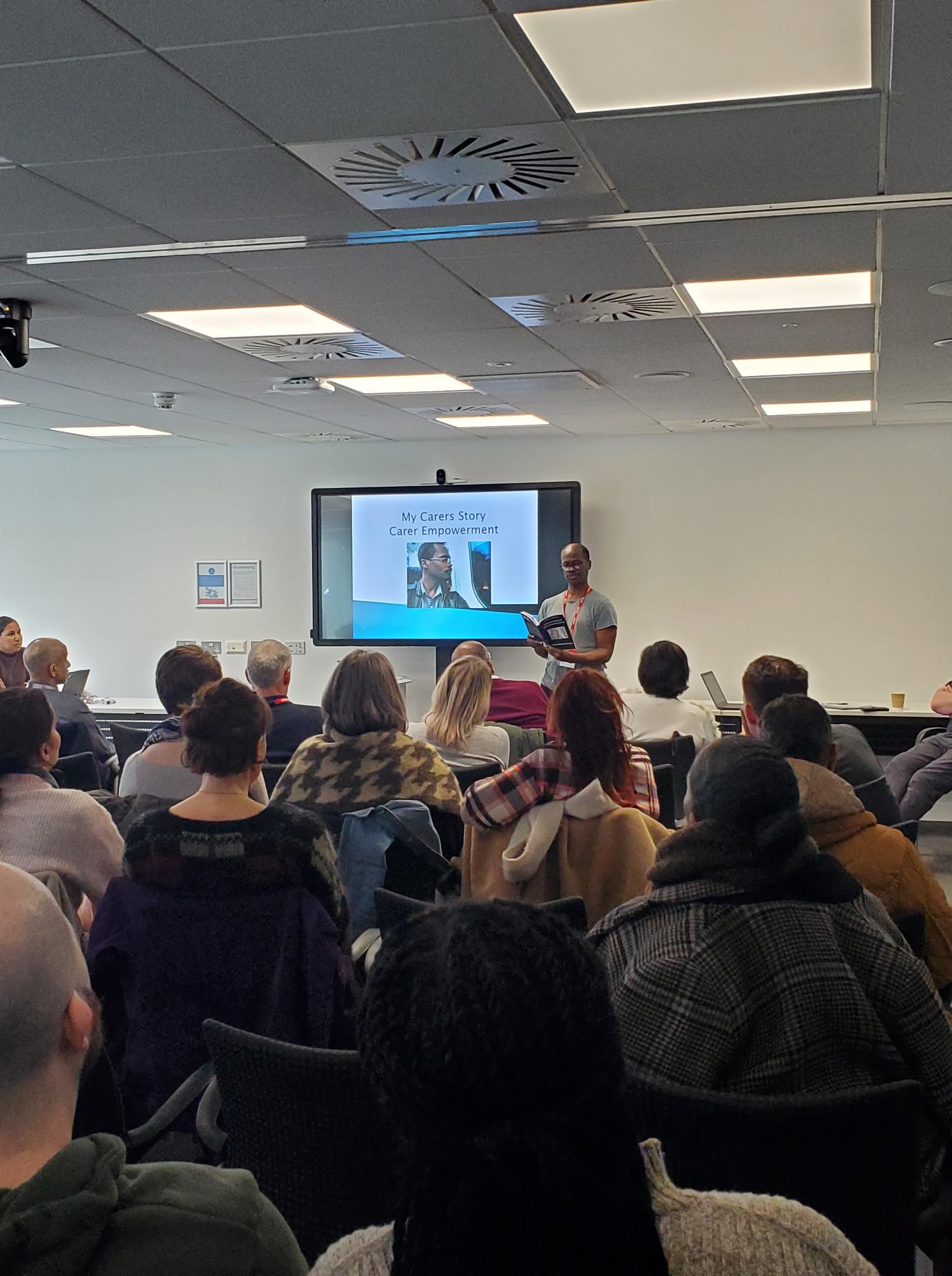
Social workers & Managers Away Day event – Unpaid carers in Southwark

On February 25th, 2025, carers, professionals, and support organizations gathered at Tooley Street for a Carers event provided by Southwark Council. The event was developed by Sarah Bullman, Senior Policy and Strategy Lead for Adult Social Care over in Southwark. The event, hosted by Simon Rayner, provided an opportunity to connect, share updates, and explore ways to support carers in the community.

Key Highlights from the Event:

🔹 Carefree – Presented by Salil Meech Mazumdar, Carefree shared their work in providing much-needed short breaks and respite opportunities for unpaid carers, ensuring they have time to rest and recharge.

🔹 Southwark CarersSarah Bullman introduced Southwark Carers including Verinder CEO of Southwark Carers, an essential organization offering tailored advice, practical support, and advocacy for carers in the borough of Southwark.

🔹 Mobilise – A digital-first platform supporting carers, Mobilise was discussed in depth, highlighting how online peer support and coaching can help carers navigate their roles more effectively.

🔹 Imago – Known for their work in youth and adult carer services, Imago shared updates on their projects that focus on young carers, connecting them with resources and professional guidance.

🔹 Carers Hub/Centre – Southwark council focus on a new Carers Hub set for next year, where updates on focus groups and workshops on how the carers centre will be used for supporting unpaid carers.

The last section of the event was below

🔹 Voice of the Carer & Carer EmpowermentChloe Harvey and Sarah Bullman provided updates on Southwark’s Carers Strategy, reinforcing the importance of carer voices in shaping policy.

Plus Matthew McKenzie, a well-known carer advocate, spoke passionately about listening to carers, empowering them, and ensuring co-production in decision-making. He also read moving excerpts from his book, The Poetry of Mental Health Caring, which resonated deeply with attendees.

The event concluded with a networking lunch, allowing attendees to connect, share experiences, and strengthen their collective efforts in supporting carers.

This forum was a powerful reminder that carers should never feel alone—there is a strong and growing community dedicated to uplifting and advocating for them. 💙

How NHS Professionals Can Show Compassion and Value Unpaid Carers

Unpaid carers play an essential role in our healthcare system, especially for those dealing with mental ill health or long-term cancer care. Matthew McKenzie’s lecture brings much-needed attention to the critical role unpaid carers play and offers insights for both healthcare professionals and family members on how to better support these individuals. Let’s delve into key aspects highlighted in the lecture aimed at care awareness and support.

To watch a more indepth version please see the video below.


The Importance of Acknowledging and Valuing Carers

Unpaid carers are often the closest relatives or friends of the patient and have substantial insights about the patient’s history, symptoms, and what has worked best in their care journey.

Continue reading

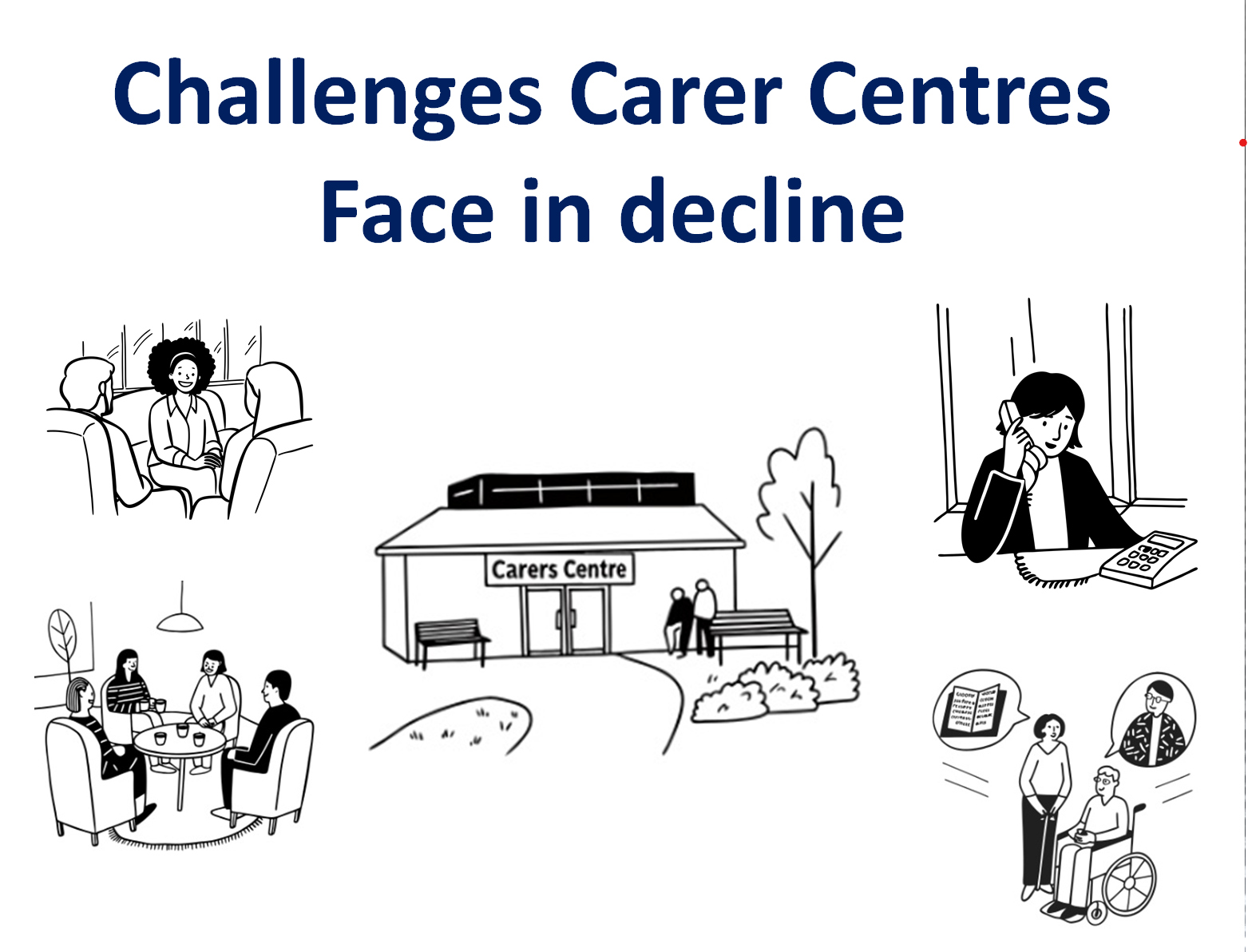
Challenges Carer Centres face

Understanding Unpaid Carers and the Vital Role of Carer Centers

This blog is by carer activist Matthew McKenzie. In the UK, millions of people, often unnoticed and unappreciated, dedicate their lives to caring for family members with long-term physical or mental health conditions. These unpaid carers are the backbone of the caregiving system, yet they face numerous challenges daily. Here, we delve into the crucial role of carer centers, the obstacles they encounter, and potential solutions to sustain and enhance their vital services.

What is a Carer Center?

Continue reading