Tag Archives: carers rights

Unpaid Carers: Understanding Rights and Advocacy for Mental Health Support

Introduction to Unpaid Carers and Their Rights

Here is another blog post aimed at those caring for a loved one living with mental illness. If you want to see the video lecture of “Advocacy & Mental Health Care Top Questions Every Carer Should Ask”. Click on the video below.

Caring for someone with a long-term mental illness is both a noble and challenging task. In today’s society, unpaid carers, often family members or close friends, play a crucial role in supporting individuals with mental health needs. Despite their importance, unpaid carers frequently navigate a complex and overwhelming landscape of rights, services, and support systems.

Continue reading

The Complex Landscape of Carer Assessments: Challenges and Solutions

Hey there! Another blog post from Matthew McKenzie carer activist and author of “Experiences of Mental Health unpaid caring”. This post will look at the problem of carer assessments and trust me, there are many.

If you want to watch the more detailed video (26 mins). Please click below.

The Complex Landscape of Carer Assessments: Challenges and Solutions

Caring for someone with long-term ill health presents a unique set of challenges. One crucial element in ensuring caregivers receive the support they need is the carer assessment. However, the current system of carer assessments is fraught with problems. In this article, we will delve into the multifaceted issues surrounding carer assessments and explore potential solutions to make the process more effective and compassionate.

What is a Carer Assessment?

A carer assessment is designed to identify the needs of those who are providing unpaid care for someone with long-term health issues. Carers are entitled to these assessments, which should help identify their needs and the kind of support they require. However, even with the concept in place, many caregivers remain unaware of their rights or find the process of obtaining an assessment challenging.

The Problems with Carer Assessments

Lack of Awareness and Accessibility

One of the primary issues is the lack of awareness among caregivers about their rights to an assessment. Many carers do not identify themselves as such and, consequently, do not pursue the assessment they are entitled to. This gap in awareness leads to unmet needs, whether for respite care, accessing support information, or funding specific equipment to aid in their caregiving duties.

Inconsistencies in the availability and clarity of information further exacerbate the problem. The accessibility of carer assessments varies significantly across different regions, with some local authorities setting high barriers to entry. This lack of uniformity leaves many carers without the support they need.

Focus on the Person Being Cared For

Carer assessments often prioritize the needs of the person receiving care over those of the carer. This patient-centric approach, while essential, can sideline the carer’s physical, emotional, and financial well-being. In many cases, assessors might be inadequately trained, leading to an incomplete understanding of the carer’s experiences and roles. This can result in inefficient support and a lack of appreciation for the carer’s everyday challenges.

Inconsistent Implementation

The quality and scope of carer assessments can vary significantly depending on the region. While some areas manage to provide thorough and beneficial assessments, others offer superficial or rushed evaluations. This disparity is often due to the resources and training available in different regions, leading to unequal support for carers across the UK.

Inadequate Training

A significant issue lies in the training of those performing the assessments. Without adequate training, assessors may lack a comprehensive understanding of unpaid care’s emotional, financial, and health complexities. This inadequacy can lead to inappropriate recommendations or missed support opportunities for carers, especially for those from minority groups or different cultural backgrounds.

The Emotional and Practical Challenges

Feeling Judged

The process of undergoing a carer assessment can feel intrusive and judgmental. Carers may hesitate to be honest about their struggles due to fear of being labeled as unable to cope, which could lead to unwanted interventions. This fear is particularly pronounced among young carers, who may worry about the possibility of family separation if their caregiving situation is deemed inadequate.

Time-Consuming Process

Setting aside the time and energy required for a carer assessment can add to the strain carers already feel. The process is often not user-friendly, and without adequate preparation or advocacy, carers might find it difficult to articulate their needs fully. This situation can lead to rushed or incomplete assessments, making the entire exercise feel futile.

Limited Scope and Follow-Up

Many carer assessments focus on immediate needs, neglecting long-term planning and sustainable support. This short-term focus means that carers might have to repeatedly push for assessments as circumstances change, which is both exhausting and demoralizing. Moreover, there is often an inadequate follow-up after the initial assessment, leaving carers in the same position as before, with no tangible support or improvement in their situation.

Potential Solutions

Raising Awareness

One of the first steps to improving carer assessments is raising awareness about carers’ rights and the availability of assessments. Information campaigns and outreach programs can help inform carers about the support they are entitled to, encouraging them to seek out assessments.

Streamlining the Process

Simplifying the process of accessing carer assessments is crucial. This streamlining can be achieved by standardizing forms and procedures, making the process less time-consuming and more accessible. Clear information about who is responsible for conducting the assessments and how to request one should be readily available.

Improved Training

Investing in comprehensive training for assessors is vital. Training should cover the complexities of unpaid care, including the emotional, financial, and health aspects. It is also essential to ensure that assessors understand and can address the specific needs of diverse carer groups, such as young carers and those from minority communities.

Consistent Standards

Implementing national guidelines to ensure consistency and fairness in carer assessments across different regions is another necessary step. A standardized approach would help eliminate the postcode lottery effect, ensuring that all carers receive the same level of quality and support, regardless of where they live.

Focus on Action and Long-Term Support

Carer assessments should lead to tangible support and actionable steps. Regular follow-ups and adjustments to care plans as circumstances change are essential to provide continuous support. This approach would help carers feel that the assessment process is meaningful and beneficial, rather than a bureaucratic tick-box exercise.

Conclusion

Carer assessments are a crucial tool in supporting those who provide unpaid care for individuals with long-term health issues. However, the current system faces significant challenges that need to be addressed. By raising awareness, streamlining the process, improving training, implementing consistent standards, and focusing on actionable support, we can create a more effective and compassionate system that truly meets the needs of carers.

By addressing these issues, we can ensure that carers receive the support they need to continue their essential work without feeling overwhelmed, judged, or unsupported. Improving carer assessments is not just about meeting immediate needs but also about providing long-term, sustainable support that acknowledges and values the critical role carers play in our society.

Empowering Unpaid Carers: Why it is important carers Understand and Advocate for Carers’ Rights

Welcome to another blog post by Carer activist and author Matthew McKenzie, volunteer of Carers UK.

In this blog post you can learn why unpaid carers lack essential rights and how understanding and advocating for these rights can empower carers to improve their quality of life and protect those they care for. Discover the importance of lobbying, engaging with media, and participating in awareness campaigns to drive policy changes for unpaid carers.

To watch the indepth video lecture (44 minutes). Click to view the video below.

For this blog post, Matthew delves into the often-overlooked world of unpaid carers and explore why it’s crucial for them to understand their rights and well-being. As we approach Carers Rights Day 2024, it is a pertinent time to highlight the challenges faced by the millions of unpaid carers in the UK and other parts of the world. These individuals provide care for relatives, friends, or neighbors with long-term illnesses, and their role is indispensable yet challenging due to a lack of adequate rights and support.

The unpaid Carers’ Challenge

Financial Hardship

One of the most glaring issues for unpaid carers is financial support, or rather, the lack thereof. Unpaid carers, by definition, do not receive payment for their services, leading to significant financial strain. While some financial support is available through carers’ allowances, these are often insufficient and heavily scrutinized. Many carers find themselves embroiled in legal issues when claiming these benefits, exacerbating their financial insecurity.

Employment Rights and Flexibility

Despite the introduction of the Carers Leave Act 2024, which grants some rights to flexible working, much needs to be done. Employment protection and flexibility for carers are limited, with many facing harassment or pay cuts due to their caregiving responsibilities. The need for robust employment policies that safeguard carers’ rights is evident.

Lack of Respite Care

Respite care is crucial to prevent carer burnout, yet it has become increasingly scarce due to funding cuts. The high cost of respite care means that many carers, especially those not working, cannot afford it. Without adequate respite care, carers risk their mental and physical health deteriorating.

Health Care Access

The current healthcare system is predominantly patient-centered, often neglecting the health needs of carers. Unpaid carers face challenges in accessing healthcare for themselves, including regular check-ups and mental health support. Despite some protective measures, such as flu and COVID-19 vaccinations for carers, comprehensive health care access remains limited.

Social Inclusion and Isolation

Caring responsibilities often result in social isolation and exclusion from community activities, negatively impacting carers’ mental well-being. Though technology can offer some relief through virtual connectivity, it is not a panacea, particularly for those unable to afford it.

Legal Recognition and Support

The fact that caregiving is unpaid means that it often goes unrecognized legally. Services and the community may take carers for granted, providing little to no support and failing to inform them of their rights. Early intervention and legal recognition are crucial in ensuring carers receive the support they need.

Educational and Personal Development

Caring responsibilities can severely disrupt education for young carers and hinder personal development for adult carers. The lack of time and resources makes it difficult for carers to pursue educational or career opportunities, stalling their future prospects.

Mental Health Support

Mental health support for carers is critically inadequate, with many carers unaware of available resources or how to access them. Isolation, lack of social inclusion, and insufficient health care severely impact carers’ mental well-being.

Rights Carers Currently Have

Carers’ Assessment

Carers have the right to a carers’ assessment, which helps document their situation and needs. Although essential, many carers report that these assessments often result in little to no tangible support, making the process seem futile.

Carers’ Allowance

While carers’ allowance exists, it is fraught with issues, including restrictive eligibility criteria and the risk of punitive action against claimants. The allowance, as it stands, is minimal and controversial, insufficient to alleviate financial strain.

Rights to Flexible Working

The Carers Leave Act 2024 provides the right to flexible working, though it is limited and not uniformly enforced across the country. Advocacy for increased hours and broader implementation is necessary for meaningful support.

Rights to Respite Care

Carers have the right to respite care, though it is increasingly difficult to access due to high costs and stringent criteria. Ensuring carers can take breaks from their roles is vital to prevent burnout.

Protection from Discrimination

Carers are protected from discrimination, though many are unaware of this right. Discrimination in caregiving roles is vast and complex, and the lack of HR resources for carers makes it challenging to identify and address such issues.

Right to Information and Support Services

Carers have the right to information and support services, though access is limited by the inadequacy of trained staff and the lack of comprehensive dissemination of information.

Rights to Health and Well-being Support

Carers have the right to support for their own health and well-being, including check-ups and mental health services. However, these services are not readily accessible, and many carers are unaware of their rights to such support.

Educational Support for Young Carers

Young carers have the right to educational support, though accessing it remains a challenge. Ensuring that young carers can pursue their education without undue disruption is crucial for their development.

The Importance of Understanding Carers’ Rights

Understanding their rights can empower carers to advocate for themselves and the people they care for. Knowledge of their rights can improve their quality of life by ensuring they receive proper treatment, support services, and protection from discrimination. It enables carers to make informed decisions and seek legal advice when necessary.

Legal Protections and Support

Legal protections rooted in human rights principles, such as financial support and workplace regulations, are essential. Carers who understand these protections are better equipped to access available resources and advocate for their needs.

Reducing Social Isolation

Human rights principles emphasize social participation and inclusion, which are often limited for carers due to their responsibilities. Understanding these rights can help carers advocate for policies and support systems that promote inclusion and reduce social isolation.

Advocacy for Systematic Change

Aligning with human rights principles can help carers join larger advocacy movements, strengthening calls for systematic change. It can include campaigning for social safety nets, legal protections, and mental health support.

Lobbying for Carers’ Rights

Joining or Supporting Carer Organizations

Organizations like Carers UK and Carers Trust offer valuable resources and advocacy channels. They provide templates for contacting MPs and collect data through surveys to lobby for carers’ rights effectively.

Contacting Government Representatives

Carers can reach out to MPs and government officials to discuss the challenges they face and advocate for their rights. Being proactive is essential in ensuring carers’ issues are recognized and addressed.

Engaging with Media

Media engagement can amplify carers’ voices and raise public awareness about their rights and challenges. Participating in interviews, writing articles, and using social media platforms can draw attention to carers’ issues.

Participating in National Awareness Events

Events like Carers Week and Carers Rights Day offer opportunities to advocate for carers’ rights and raise awareness. Engaging in these events helps build a history of advocacy and increases focus on carers’ rights.

Utilizing Social Media

Social media platforms like Twitter, Facebook, and Instagram are powerful tools for raising awareness and advocating for carers’ rights. Sharing stories and engaging with advocacy organizations can help amplify carers’ voices.

Collecting and Sharing Testimonials

Sharing personal stories and experiences can highlight the wide range of issues faced by carers, making advocacy efforts more impactful. Initiatives like podcasts and video interviews can provide platforms for carers to share their stories.

Petitioning for Policy Changes

Petitioning for policy changes is a crucial step in advocating for carers’ rights. Signing petitions from organizations like Carers UK and Carers Trust helps build support for policy changes that benefit carers.

Conclusion

Empowering carers through knowledge of their rights is essential for their well-being and the well-being of those they care for. By advocating for their rights and participating in larger movements, carers can contribute to systematic changes that provide better support and recognition of their invaluable roles. As we approach Carers Rights Day 2024, let us remember the importance of supporting unpaid carers and ensuring their rights are respected and upheld.

Defending your Carer’s Rights: Strategies when Mental Health Professionals push back

Welcome to a carers rights blog post from carer activist Matthew McKenzie author of several books including “A Caring Mind”. Matthew is also a Volunteer at Carers UK and a network partner and volunteer at Carers Trust.

Here is another informative post by Matthew to help carers navigate the mental health system. If you are caring for someone with mental ill health, you can use some steps from my blog post.

You can also watch the more detailed video below.

In this post you can learn how unpaid carers can defend their rights against mental health professionals who push back, dismiss concerns, and lack transparency. Empower yourself with actionable steps and advocacy resources.

Defending Carer’s Rights in Mental Health

Caring for a loved one with mental health issues can be a challenging and emotionally draining journey. Matthew McKenzie shares insights and actionable advice on how carers can defend their rights when dealing with mental health professionals. This article delves into the key points from his lecture on the intricacies of navigating the mental health care system and offers practical steps to ensure carers’ concerns are heard and addressed.

Understanding the Challenges Carers Face

Before we look into the rights of unpaid carers, we need to know in what ways mental health professionals can push back. Some reasons why mental health professionals can tackle carer views can be valid at times, but there are situations where they are clearly excluding the family or carer.

Carers often face significant obstacles when interacting with mental health professionals. These challenges can range from being dismissed or ignored to encountering a lack of transparency and poor communication. Here are some common issues carers might experience:

  • Dismissal of Concerns: Carers’ observations are often brushed aside as bias or over-involvement.
  • Assumption of Professional Superiority: Professionals might dismiss carer’s input, thinking they know best due to their training and expertise.
  • Lack of Transparency: Poor communication and hiding crucial information from carers can hinder care planning.
  • Prioritizing Confidentiality Over Inclusion: Strict adherence to patient confidentiality can exclude carers from care planning and updates.
  • Not Valuing Carer’s Input: Professionals might disregard carers’ insights on day-to-day issues and practical support needs.
  • Ignoring Carer’s Well-being: Carers’ emotional and physical well-being can often be overlooked.
  • Disregarding Safety Concerns: Safety concerns raised by carers can sometimes be downplayed or ignored.
  • Failure to Adapt Treatment: Not incorporating feedback from carers to adjust treatment approaches can be detrimental.

Documenting Interactions and Concerns

One of the most effective ways carers can defend their rights is by documenting all interactions and concerns.

Keeping a Record

Maintaining a journal that records interactions with mental health professionals is crucial. This journal should include:

  • Dates and Times: Log the exact dates and times of meetings and interactions.
  • Names of Staff: Record the names of all staff members involved.
  • Details of Conversations: Summarize the key points and outcomes of each interaction.
  • Specific Concerns: Document specific concerns or incidents that illustrate the issues at hand.

This record can serve as a valuable reference if a formal complaint needs to be made in the future.

Requesting Formal Meetings

When issues arise, it is within a carer’s rights to request a formal meeting with the mental health team. This meeting should ideally include the care coordinator, social worker, or psychiatrist.

Structuring the Meeting

  • Prepare Ahead: List your concerns beforehand.
  • Bring Support: If you feel intimidated, bring a trusted friend, family member, or advocate.
  • Set Outcomes: Establish clear outcomes for the meeting to ensure your concerns are addressed.

Seeking Help from Advocates

If you find the mental health team is still unresponsive, seeking help from patient advocates can be a game-changer.

Role of Advocates

  • Express Concerns: Advocates help in clearly communicating your concerns.
  • Attend Meetings: They can attend meetings with you to ensure your voice is heard.
  • Local and National Support: Look for local mental health charities like Mind, Rethink Mental Illness, and others that offer advocacy services.

Filing a Formal Complaint

When documenting interactions and meeting requests do not yield results, it might be time to escalate the issue by filing a formal complaint.

Process for Filing a Complaint

  • Submit through Trust Website: Each mental health trust has a complaints department, usually accessible via email.
  • Keep a Paper Trail: Ensure all correspondences are kept, and consider requesting read receipts for emails.

Connecting with Carer Support Groups

Engaging with carer support groups can provide resources, guidance, and emotional support.

Benefits of Support Groups

  • Shared Experiences: Learn strategies from other carers who have faced similar challenges.
  • Resource Sharing: Support groups can provide valuable insights and tools for navigating difficult situations.

Providing Feedback to Regulatory Bodies

If persistent issues arise, providing feedback to organizations like the Care Quality Commission (CQC) or Healthwatch can prompt action.

Role of Regulatory Bodies

  • Investigate Feedback: These bodies investigate and record feedback on health and social care services.
  • Prompting Action: Consistent feedback from multiple carers can flag systemic issues.

Educating Yourself on Carer’s Rights

Knowledge of carer’s rights is crucial in advocating effectively.

Key Areas to Understand

  • Mental Health Act: Familiarize yourself with the provisions of the Mental Health Act.
  • Carer’s Charter: Check if your mental health trust has a Carer’s Charter outlining expectations and rights.
  • Carer’s Assessments: Request a carer’s assessment from the local authority to secure additional support.

Staying Calm and being Persistent

Maintaining a calm demeanor while being persistent is vital.

Approach to Communication

  • Respectful Tone: Present concerns calmly to encourage professionals to listen.
  • Persistence: Continuously advocate for your loved one’s needs. Keep highlighting urgent issues until they are resolved.

Conclusion

Defending carer’s rights requires knowledge, documentation, and persistence. By understanding common challenges, keeping thorough records, seeking help from advocates, and knowing your rights, you can ensure your voice is heard. Remember, staying calm and persistent will aid in navigating the complexities of the mental health care system.

Always be informed and proactive in defending your rights and the rights of your loved one. Join support groups, educate yourself on relevant laws, and do not hesitate to escalate issues when necessary. Your efforts are crucial in securing the best possible care for those you support.

Escalating complaints as an unpaid carer

Welcome back to another blog post by carer activist Matthew McKenzie. I usually blog to help to educate unpaid carers on navigating health systems and strengthening their carer identity.

Today we are looking at why and how carers can escalate complaints if disatisfied about responses from health or social care services.

I have also done a video if you wish to see examples of complaints and escalations. (23 Minutes). Please click on the video below to watch.

As an unpaid carer you can learn how to navigate escalating complaints in unpaid care, from informal concerns to legal action and media attention. Empower yourself to advocate for quality care and address systemic failures effectively.

Introduction

Navigating the complexities of healthcare systems can be challenging, especially for unpaid carers who dedicate themselves to looking after a loved one struggling with long-term mental or physical health issues.

Often, situations may arise where the care being provided falls short of acceptable standards, compelling carers to lodge complaints. Unfortunately, not all carers are well-informed about how to escalate these complaints effectively. This blog provides a comprehensive guide to unpaid carers on escalating complaints in various stages, from initial informal resolutions to severe legal actions.

Understanding the Importance of Complaints

Before delving into the stages of complaint escalation, it’s crucial to understand why raising concerns and complaints is so important. Complaints serve multiple purposes—they highlight deficiencies in the system, enforce accountability, and, most importantly, ensure that the care recipient gets the best possible treatment. Carers must recognize that it’s their right to complain if the services provided do not meet acceptable standards.

Initial Steps for Complaints

Informal Concerns and Basic Level

The first step in resolving any issue should ideally be informal, characterized by direct and immediate communication with the professional involved. This could be a social worker, care coordinator, or any key member of the mental health team.

Preparing for the Meeting

Preparation is key to a successful resolution. Carers should come equipped with detailed notes, including dates and instances of lapses or failures. Bringing along the service user’s care plan can lend weight to the complaint and provide a concrete reference for the discussion. This method is most effective for minor issues such as delays in communication or minor discrepancies in the care plan.

Escalating to Written Complaints

Intermediate Level

If informal attempts do not yield satisfactory results, the next step is to submit a formal written complaint. This involves documenting all concerns, efforts made to resolve them, and any pertinent evidence.

You can also contact your local Healthwatch to feedback on services or get advice on the best way to complain.

Writing the Complaint

When writing the formal complaint, ensure to:

  • Detail your concerns comprehensively
  • Include records of prior communication attempts and failures
  • Provide specific dates and names of the individuals involved
  • Clearly state your desired outcome

Timeframes for Resolutions

Generally, service providers are required to acknowledge receipt of the complaint and provide a timeline for investigation, usually ranging from 20 to 40 working days, depending on the complexity of the issue.

Seeking Mediation and Further Assistance

Escalation to PALS or Advocacy Services

If the issue remains unresolved, carers can seek help from PALS (Patient Advice and Liaison Service) or advocacy services. These intermediate-level services can provide guidance, represent the complainant, and even escalate the complaint within the service provider’s framework.

Contacting PALS or Advocacy Services

PALS offers confidential advice and can work as intermediaries between the carer and the care team, helping to navigate the complaints process effectively. Advocacy services can assist in drafting the complaint and ensuring that all necessary documentation is in order.

Formal Regulatory Bodies

Advanced Level

In cases of unresolved issues, escalating the complaint to regulatory bodies like the Health Service Ombudsman or Care Quality Commission (CQC) becomes necessary.

The Role of Regulatory Bodies

These bodies can investigate the case further, ensuring that the complaint is handled fairly. The CQC, although not handling individual complaints, can trigger inspections if there are significant failings in service provision.

When to Use Regulatory Bodies

This step is most appropriate for serious concerns such as poor care quality, negligence, or unsafe practices. Carers should be aware that investigations by these bodies can take considerable time.

Legal Action

Severe Level

When harm, serious malpractice, or gross negligence is involved, seeking legal advice may be the next appropriate step. This involves consulting a solicitor specializing in healthcare or mental health law.

Preparing for Legal Action

Selecting the right solicitor involves thorough research. Often, mental health law solicitors have extensive experience dealing with such cases and can offer valuable advice on the viability of pursuing legal action

When to Consider Legal Action

Legal action is usually reserved for extreme cases involving significant harm or death of the service user due to negligence or severe violations of rights. Legal channels can offer compensation and bring justice, albeit at a financial and emotional cost.

Public Campaigns and Media Attention

Escalation to Media and Public Campaigns

As a last resort, if internal and formal channels fail, bringing the issue to the public through media or social campaigns might be necessary. This becomes relevant when the issue represents a systematic failure affecting multiple service users or carers.

Steps to Engage Media or Public Campaigns

Carers can contact press organizations, social media channels, mental health advocates, or relevant charities, such as Mind or Rethink Mental Illness, to amplify their concerns.

The Role of MPs and Other Influential Bodies

Sometimes reaching out to local Members of Parliament (MPs) can also lend significant weight to a complaint, ensuring that it gets the attention it deserves. MPs can raise systemic issues within parliamentary forums, adding another layer of accountability for the service providers.

Summary

Navigating the complaint process within healthcare systems is a multi-tiered approach, designed to ensure that carers’ voices are heard at different levels of severity. Starting from informal resolutions, progressing to written complaints, and escalating to regulatory bodies or legal action, the system provides various stages for addressing concerns. If all else fails, public campaigns and media attention can serve as powerful tools to bring systemic issues to the forefront. Understanding these steps empowers carers to advocate effectively for their loved ones, ensuring that they receive the care and support they rightfully deserve.

By following this structured approach, unpaid carers can raise concerns at appropriate levels, ultimately ensuring that their voices are heard and acted upon, bringing about meaningful change in the system.

Remember complaining about a service is never that easy, full of stress and worries, but if we do not complain then how can health and social care services improve?

It is your right to complain as a carer if you are unhappy with results. Use it!!

Empowering Carers Through Advocacy: Navigating Mental Health Systems

Welcome back to another blog post from Carer activist Matthew McKenzie, author and poet. This time we look at the role of Advocacy and its importance to unpaid carers who care for someone with mental illness. Below is an indepth video about the importance of advoacy (31 minutes), although the video touches on carer advocacy for all carer types.

Introduction

In today’s demanding world, unpaid carers, those who look after family members or close friends, play an indispensable role. Often, they do so without formal recognition or support. Yet, their impact, especially in mental health settings, is profound. Advocacy services can provide essential support to these carers, allowing them to navigate complex health systems, access necessary resources, and ensure their voices are heard in decision-making processes. In this article, we delve into the world of carers’ advocacy, exploring its significance, the challenges faced by carers, and the key components of effective advocacy support

The Role of Advocacy in Supporting Carers

Understanding Advocacy

Advocacy, in the context of caring for a loved one, involves providing carers with the knowledge, tools, and support to make informed decisions. This is crucial, given that unpaid carers are typically not trained professionals but individuals thrust into the role out of necessity or love. Advocacy helps these carers understand their rights, the services available to them, and how to communicate effectively with health professionals.

Financial Support and Legal Entitlements

Carers often struggle to understand the financial support available to them. Advocacy services play a key role in educating carers about their rights, entitlements, and the legal frameworks that protect them. For instance, the Care Act 2014 in the UK provides certain protections and rights for carers. However, many carers are unaware of the specifics of this and other relevant legislation. Advocacy services can bridge this knowledge gap, ensuring carers are fully informed about the financial benefits and support services they can access.

Empowerment Through Information

Empowering carers is a primary goal of advocacy services. By providing carers with comprehensive information about their rights and the support services available, advocacy services enable carers to make better decisions for themselves and their loved ones. This empowerment is not just about providing information but also about ensuring carers feel heard and respected in their roles.

Challenges Carers Face

Navigating Confidentiality Issues

One of the significant challenges carers face in mental health settings is confidentiality. Health professionals are often bound by strict confidentiality rules, which can sometimes exclude carers from vital information about their loved ones’ treatment and care plans. Advocacy services can assist carers in understanding these confidentiality rules and finding ways to navigate them. For instance, they can mediate between carers and health professionals to ensure that carers are included in discussions and decisions to the extent possible within legal boundaries.

Communication Breakdowns

Effective communication between carers and health professionals is essential for optimal care. However, jargon and a lack of empathy can often hinder this communication. Advocacy services can help facilitate better communication by acting as intermediaries, translating complex medical terminology, and ensuring that carers’ concerns are heard and addressed.

Crisis Situations and Disputes

Crisis situations and disputes are unfortunately common in mental health care settings. Carers may find themselves in challenging situations where they need immediate support and advice. Advocacy services can guide carers through these crises, offering practical steps and necessary contacts to navigate the system effectively. They can also provide support during disputes, helping to mediate and find mutually beneficial solutions.

How Advocacy Services Empower Carers

Involvement in Care Planning

Carers often feel excluded from the care planning process, particularly in mental health settings. Advocacy services work to ensure that carers are actively involved in care planning discussions, especially during critical times such as discharge from a mental health ward. By preparing carers for meetings and helping them understand what to expect, advocacy services can ensure that carers are well-equipped to participate meaningfully in these discussions.

Building Self-Advocacy Skills

One of the long-term goals of advocacy services is to build carers’ self-advocacy skills. By providing training and resources, advocacy services can equip carers with the tools they need to advocate for themselves and their loved ones effectively. This includes understanding their legal rights, effective communication strategies, and how to navigate complex systems.

Accessing and Utilizing Advocacy Services

Different Types of Advocates

Not all advocates are the same. There are various types of advocates who specialize in different areas. For example, an Independent Mental Health Advocate (IMHA) or an Approved Mental Health Professional (AMHP) might focus on issues specific to mental health settings, such as patients’ rights under mental health legislation. Other advocates might specialize in financial benefits or navigating the broader health and social care system. Understanding the different types of advocates can help carers access the right support for their specific needs.

Support in Crisis

Timing is crucial when accessing advocacy support. Ideally, carers should seek out advocacy services before a crisis hits. However, advocacy services are also there to provide support during crises, offering practical advice and guiding carers through challenging situations. This support can include helping carers understand their rights, providing contact information for relevant services, and assisting in mediating disputes.

Ensuring Continuous Support

Advocacy is not a one-time intervention but an ongoing process. Carers should continually be informed and supported as they navigate their caring roles. Continuous support ensures that carers are always equipped to handle new challenges and changes in their loved ones’ care needs.

Effective Communication in Mental Health Care

Establishing Clear Channels of Communication

Advocacy services help create open and clear channels of communication between carers and health professionals. This involves ensuring that information flows effectively and that carers understand what is being communicated. Advocates can help by breaking down complex information and making sure carers have all the necessary details to make informed decisions.

Promoting Active Listening

Active listening is a crucial skill for both carers and health professionals. Advocacy services promote active listening by encouraging health professionals to genuinely engage with carers, understanding their concerns, and addressing them empathetically. This two-way communication helps build a more collaborative approach to care.

Providing Resources and Tools

Advocacy services offer various resources and tools to improve communication. This might include guidelines for carers on how to communicate effectively, tools for documenting and organizing information, and strategies for conflict resolution. These resources empower carers to take a more active role in communication and decision-making processes.

Addressing Communication Barriers

Identifying and overcoming communication barriers is another critical role of advocacy services. By recognizing potential obstacles to effective communication, such as jargon, time constraints, and power dynamics, advocates can help carers navigate these challenges. This ensures that carers’ voices are heard and that they can advocate effectively for their loved ones.

Legal Rights and Recognition

Educating Carers on Their Rights

Carers have specific legal rights and entitlements that protect their roles. Advocacy services educate carers about these rights, ensuring they are aware of their legal protections and how to access them. This education includes understanding relevant legislation, such as the Care Act, and how it applies to their situations.

Ensuring Recognition by Health Professionals

Carers’ contributions should be recognized and respected by health professionals. Advocacy services work to ensure that health professionals acknowledge the vital role carers play and involve them in discussions and decisions. This respect and recognition help build a more inclusive and supportive care environment.

Mediating in Disputes

When disputes arise between carers and health professionals, advocacy services can play a crucial mediating role. By facilitating discussions and ensuring that both sides are heard, advocates help to resolve conflicts and find solutions that benefit both the carer and their loved one.

Conclusion

Advocacy services are an essential support system for unpaid carers, particularly in mental health settings. By providing information, fostering effective communication, and ensuring that carers’ voices are heard and respected, advocacy services empower carers to navigate complex systems and make informed decisions.

The ultimate goal of advocacy is to build a more inclusive and supportive care environment, where carers are recognized for their critical role and are equipped with the tools they need to advocate effectively for themselves and their loved ones. Without access to advocacy services, carers are at risk of being lost in the complexities of the mental health system, which can have detrimental effects on both their well-being and that of their loved ones. As we move forward, it is vital to ensure that advocacy services are available and accessible to all carers, providing them with the much-needed support and recognition they deserve.

What are carers rights?

Another carer awareness and carers rights blog post from Matthew McKenzie. When caring for someone with long term illness. It is very important to be aware of your carers rights.

We all have them, but unfortunately most of us are not aware and might not be told about those rights. We are too busy worrying about the health of our loved one or close relative.

As of 2024 21st of november. It will be Carers Rights day and although I will do my best to raise awareness of this important day for carers and organisations that support carers. I thought to make a blog and video now.

It is all too easy to fall into the role of unpaid caregiver and not reach out for any support. This is important to recognise. As carers, we also need some support in our caring role.

Remember to feedback on my video and good luck recognising your carers rights.

New online Carers rights course by Matthew McKenzie

Hello Fellow carers. I have now practically finished developing my online course for those caring for someone.

This course can be accessed via the courses section off my website.

The third course is on Carer’s Rights, which is such an important topic to millions of unpaid carers out there.

The online course covers the following with over 4 HOURS of content!!!

  • Your rights as a carer
  • Human rights
  • What things carers usually complain about
  • How to complain as a carer
  • Whose is responsible for carer’s rights
  • Support from employers when caring
  • Carer wellbeing under carer’s rights
  • List of different acts and laws
  • Complaint escalation ladder
  • Carer’s Assessment
  • Tackling confidentiality.

If you are a caring for somebody and do not know what your rights are, then this is the course for you. Only £2!! Or just email me

Watch out for more online courses, which I will be developing very soon.

Carers Rights Day 2021

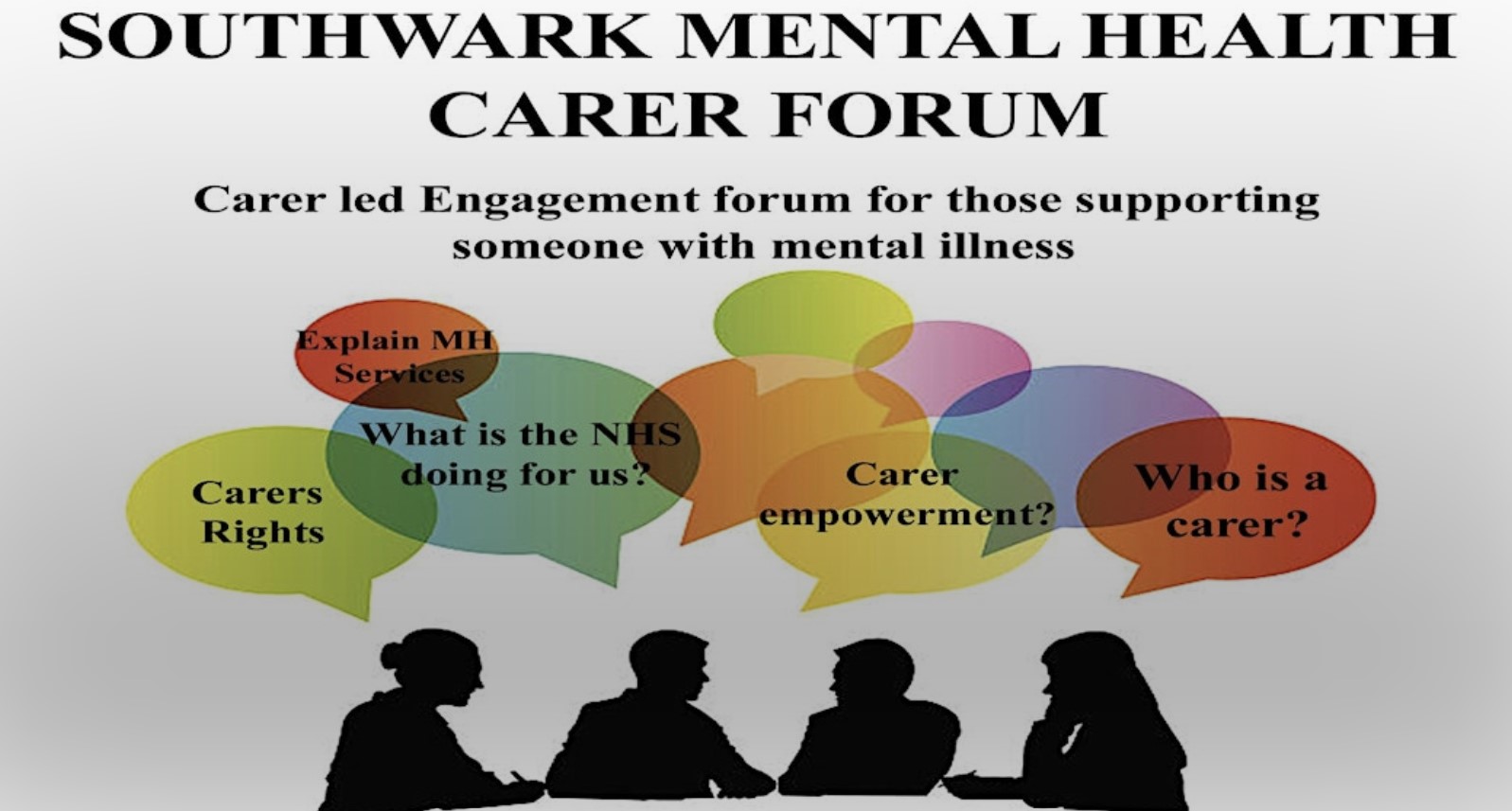
Welcome to another blog by former mental health carer Matthew Mckenzie. I run many carer forums and support groups for half of London aimed at those caring for someone suffering mental ill health.

I am also an author of the books A Caring Mind and my newly released book “Experiencing mental health caregiving – unpaid carers”. I do not often do videos that much, because I am so busy writing something, but did you know Novemember the 25th is Carers rights day?

For the video version of this blog, please watch below.

Well before I talk more about that, lets understand what a carer is first. When I say carer, I often mean unpaid carers and of course caring for someone you love and are connected to should be the pinnicle of what makes a caring community, but with caring comes added strain and stress, especially with the pressures on health and social care.

So with those added pressures, it is important unpaid carers know their rights. This is just one of the reasons unpaid carers and those that work with them should pay attention to Carers Rights day 2021.

The whole idea of carer’s rights day is

  • Making carers aware of their rights
  • Letting carers know where to get help and support
  • Raising awareness of the needs of carers

So under the carers rights act 2014.

Carers have the rights to

  • A choice as to how your personal budget is managed.
  • A personal budget to meet any ‘eligible needs’
  • Be helped to develop a carer’s support plan Have an assessment of your own needs as a carer (either jointly with the person you care for or separately)
  • Have your say if you are no longer prepared to care, or are not prepared to do an element of caring
  • Have your views taken into consideration by health and social care services when supporting or treating the person you care for
  • Specific advice and information for carers that you can understand

Of course There is no legal obligation to be a carer as unpaid Carers have the right to choose to provide care.

However it is also important that most people are compelled to care because of experiences with a health & social care system under strain. So if you are an unpaid carer and even if you miss out on carers rights day, then please check out the links below my video.

Its never to late to know your carers rights

Lewisham Mental Health Carers forum February 2021

Here is the update for the February Lewisham Mental Health Carer forum. The forum is aimed at those who care for someone with a mental illness. Most who attend are unpaid family carers. For this forum we were joined by the CQC inspector for GP surguries and Professor Luke Clements from Leeds University who is an expert on carer’s rights.

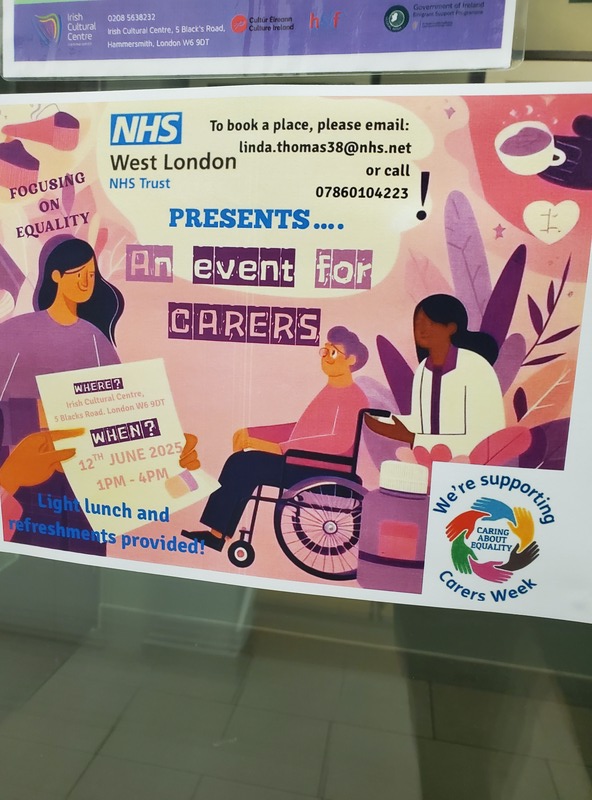
As for the members of the forum, carer members were from South West London, Lewisham and Greenwich where I often host other carer forums or support groups. We were even joined by West London NHS trust staff who were interested in how a carer led forum runs, plus also SLaM early intevention staff.

Continue reading