Tag Archives: carers rights

Lewisham, Southwark & Lambeth carer forum update August 2025

The meeting facilitated by Matthew McKenzie began with introductions from participants and updates on various carer support initiatives, including forum mergers and NHS plan changes.

Local council strategies and initiatives were discussed across different boroughs, with particular focus on Lambeth and Southwark’s carer support plans and the development of a carer’s forum in Lewisham. The group explored challenges faced by carers, including access to primary care and the need for better coordination, while discussing recent conferences and upcoming events aimed at supporting and advocating for carers’ rights.

Lewisham Carers Strategy and Service Updates

Lewisham is currently refreshing its Carers Strategy to strengthen support for unpaid carers and improve access to local services. The focus is on ensuring carers are included in decision-making through co-production and collaboration with the council, health providers, and community organisations. A major priority is improving well-being services, providing better information, and ensuring carers know their rights under the Carers Leave Act.

As part of wider NHS reforms, Lewisham is moving towards a neighbourhood-based care model designed to bring services closer to local communities. While this aims to make access more seamless, carers raised concerns about inconsistent GP access, gaps in communication, and challenges navigating between boroughs when supporting loved ones. The forum highlighted the importance of better coordination between primary care, hospital discharge planning, and mental health services to ensure carers are recognised and supported.

Lambeth Carers Strategy Refresh

Lambeth is currently refreshing its Carers Strategy with the aim of improving services, increasing visibility, and ensuring carers have a stronger voice in decision-making. The updated strategy focuses on key priorities such as well-being, access to assessments, respite options, and workforce training for those supporting unpaid carers.

There was a particular focus on improving support for mental health carers in Lambeth. The Carers Hub Lambeth team continues to facilitate peer support groups and collaborates closely with the South London and Maudsley NHS Foundation Trust to ensure carers are recognised as partners in care planning. Initiatives like Triangle of Care are gaining momentum, emphasising better communication between professionals and families while creating pathways for carers to get involved in shaping local mental health services.

Carers Hub Lambeth also celebrated the growing range of community-based activities available for carers and families in Lambeth. Over the summer, there have been several events designed to support young carers, including trips, tours, and group workshops aimed at helping them connect with others and access emotional support. These initiatives are part of Lambeth’s broader goal to make sure younger carers, who are often overlooked, receive the help they need both at home and within education.

One of the key upcoming events for Lambeth carers is the Lambeth Carers Strategy Event taking place on 25th September 2025 at 336 Brixton Road. The session will bring together carers, professionals, and decision-makers to review plans, share ideas, and set priorities for the future. Carers are strongly encouraged to attend to ensure their voices are heard and to take part in shaping the borough’s action plans moving forward.

Southwark Council Carers Support and Strategy Group

Matthew fed back on how Southwark Council continues to strengthen its approach to supporting unpaid carers, with a growing emphasis on improving access to information, assessments, and respite services.

The Unpaid Carers Strategy Refresh is a project running from August 2025 to April 2026, led by Southwark Council in collaboration with Adult Social Care, the NHS, local voluntary groups, and unpaid carers themselves. The plan focuses on improving support for carers by updating evidence on local needs, strengthening engagement with seldom-heard groups, and mapping gaps in current services.

Key priorities include better access to respite care, enhanced referral pathways, stronger partnerships with health services, and improved inclusion of young carers, carers with disabilities, and LGBTQ+ carers. The initial phase, from August to October, involves reviewing existing strategies, mapping current services, gathering insights through focus groups and surveys, and benchmarking against national policies and neighbouring boroughs.

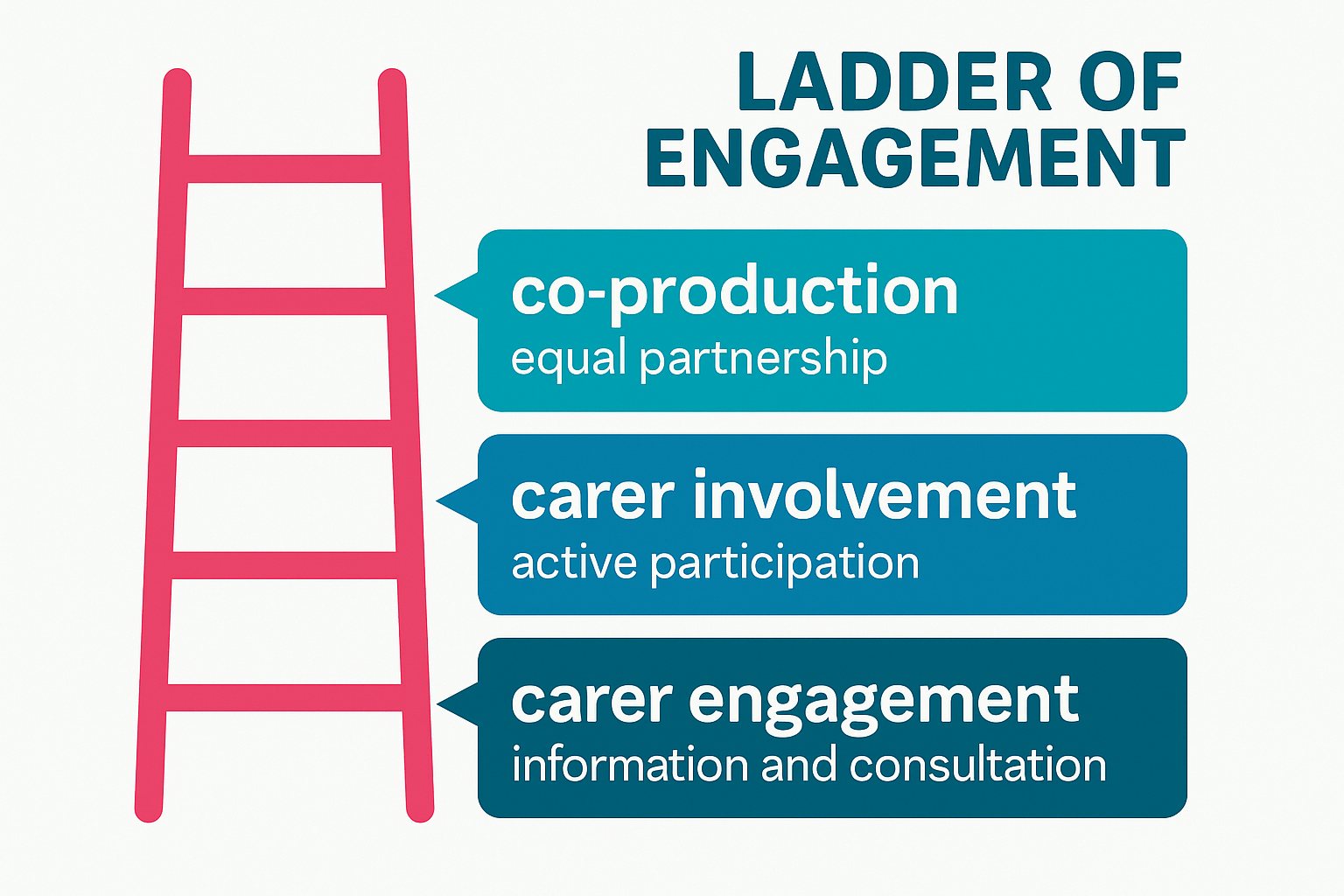
The forum highlighted the importance of co-production, ensuring that carers are actively involved in shaping local strategies and service priorities.

Update on Key Themes from the final NHS England Carers Conference

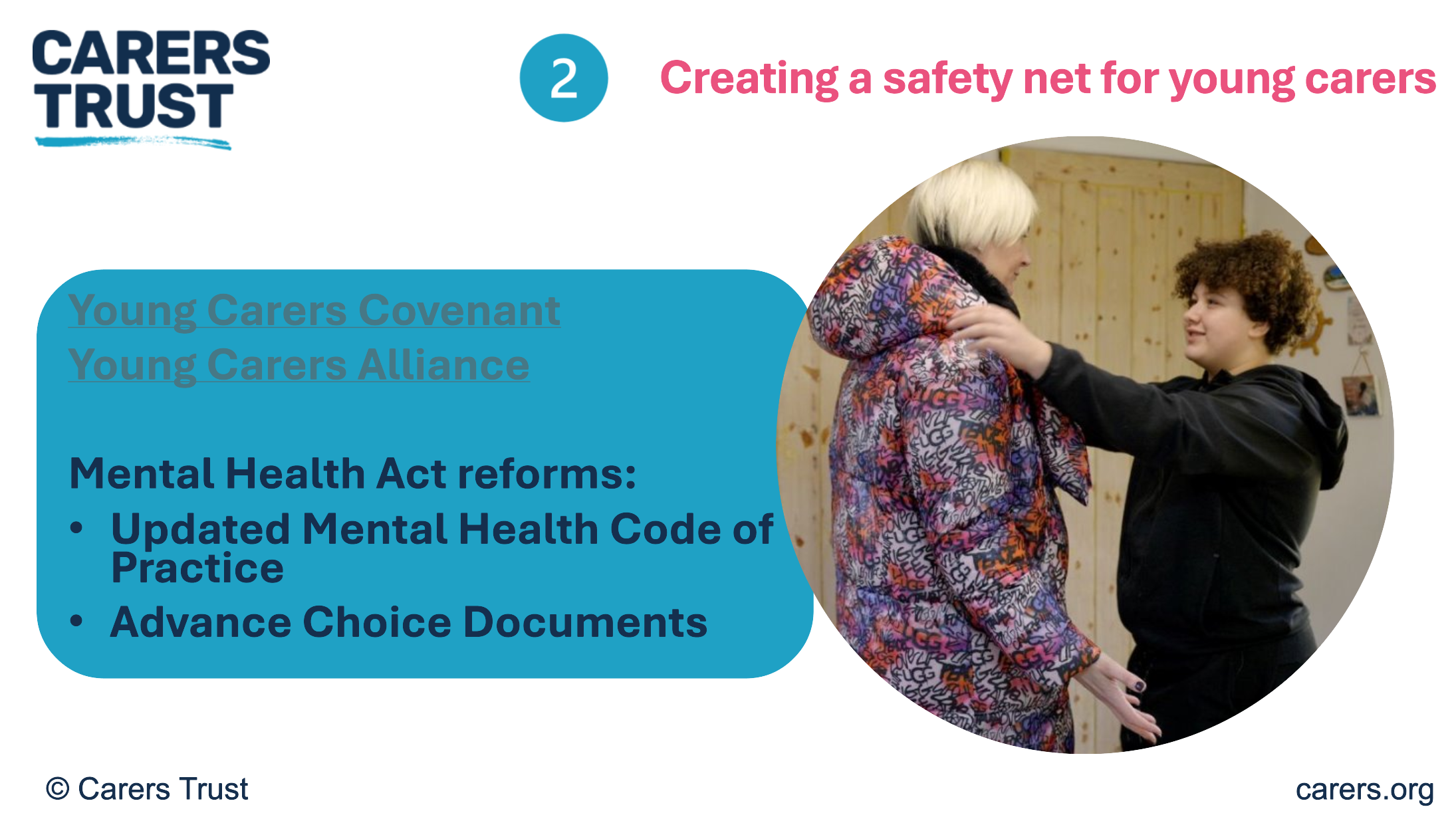
Matthew highlighted that the 2025 NHS England carers conference placed a strong emphasis on recognising unpaid carers as essential partners in delivering effective healthcare. The NHS stressed its commitment to involving carers in shaping services and policies, ensuring their voices are reflected at every stage of decision-making. There was a clear acknowledgement that without unpaid carers, many health and social care systems would face significant pressure.

You can watch the conference below.

A major focus was on the NHS’s shift towards neighbourhood-based care models designed to bring services closer to communities. Matthew explained that this change aims to improve coordination between GPs, hospitals, and mental health services, but he also highlighted concerns raised about fragmented communication and the risk of carers being left out of local planning. Carers at the conference called for better access to information and more joined-up pathways across boroughs.

The conference also featured interactive workshops and discussion groups focused on co-production, digital innovations, and addressing inequalities among carers. Specific sessions explored improving support for young carers, carers from minority backgrounds, and those supporting loved ones with mental health needs. The event closed with a call to action for stronger collaboration between carers, NHS teams, local authorities, and community organisations. Attendees were encouraged to get involved in upcoming forums and engagement opportunities to help shape future services and ensure carers’ voices are at the heart of decision-making.

Matthew shared updates on national policy developments discussed at the conference, including the Carers Leave Act and commitments to expanding access to respite, assessments, and flexible working rights. There was also a discussion about new digital tools and support platforms designed to make it easier for carers to connect with professionals and access resources. However, many attendees expressed concerns that these initiatives need proper funding and training to work effectively in practice.

Lewisham, Southwark & Lambeth Mental Health carer forum – July 2025 update

By Matthew McKenzie

LLS Carers Forum – July Update: Voices, Concerns & Community Strength

Welcome to the July update for the Lewisham, Lambeth, and Southwark Mental Health Carers Forum. This month’s meeting, chaired by Matthew McKenzie, provided space for powerful updates, critical reflections, and a sobering insight into national developments affecting carer support.

🔸 Growing the Carers Voice

Our forum continues to evolve, bringing together unpaid carers from across boroughs. It remains a space for empowerment, where carers can speak openly, challenge services, and influence support structures. Several attendees introduced themselves and reflected on their caring roles, often crossing borough boundaries and facing ongoing questions about their own place in the system.

🔸 Spotlight: Healthwatch Update

One of the major concerns raised was the planned abolition of Healthwatch England and its local branches, which is a development that has deeply unsettled many in our community.

Anna from Healthwatch Lambeth joined us (on her day off—thank you, Anne!) to explain what’s happening:

  • Healthwatch functions—listening to service users, signposting, and enter-and-view visits, which are set to be absorbed by local authorities and ICBs.
  • As a statutory body, Healthwatch cannot be dissolved without legislation, so operations continue for now.
  • Carers voiced serious concerns over the loss of Healthwatch’s independence and trust, especially as a safe channel for feedback.

Anne reminded us: Healthwatch is still active and listening. A final report on black men’s experiences in Lambeth mental health services is due by mid-August.

🔸 Key Questions Raised

  • How will services preserve independent feedback mechanisms once Healthwatch is gone?
  • What accountability structures will replace them?
  • What are the implications of the broader wave of health service body consolidations?

🔸 Updates from the Ground

We also heard from other carer members:

  • A carer from Lewisham shared feedback she submitted to the Lewisham Unpaid Carers Forum regarding carer engagement, with little response so far unfortunately highlighting an all-too-common issue.
  • Other Carers reflected on Lambeth’s carer engagement structures, noting some decline in carer-led decision-making over the years.
  • Another Carer emphasized the importance of real, consistent carer champions within NHS teams particularly in mental health crisis services.

🔸 Carers Forum Reflections

Matthew provided a helpful comparison between Lewisham and Lambeth carer engagement models. While Lewisham has a formal Unpaid Carers Forum, its independence is limited. Lambeth’s model leans more on the collaborative network and carer support groups. Both boroughs face challenges in consistency, clarity, and co-production.

A concern raised repeatedly: carer champions are often named but rarely visible and sometimes, not even known by their own teams.

📅 Next Forum: August 25 or 26

Due to the bank holiday, the next forum will likely be held on August 26. We’ll aim to have a guest speaker and will explore new ways for carers to hold services to account especially in light of the potential Healthwatch closure.


If you’d like to contribute to future discussions or attend the next forum, please reach out. This is your space.

📣 Let’s continue to speak up, stand together, and push for better mental health support for all carers.

Lewisham, Southwark & Lambeth Mental Health carer forum – June 2025 update

About the Forum:
The Lewisham, Lambeth & Southwark Carers Forum is a collaborative online space that brings together unpaid carers, carer leads, mental health professionals, and support organizations to share experiences, raise concerns, and influence change. Focused primarily on mental health caregiving, the forum serves as a platform for peer support, policy updates, training insights, and service development. Led by carer advocate Matthew McKenzie, the group fosters empowerment through regular discussions, creative expression, and co-produced solutions, ensuring carers’ voices are heard across local systems and beyond.

Carers Week Collaboration Discussion

The meeting began with introductions from Matthew McKenzie, who leads a merged online carers group, and other participants including Yvonne, a carers navigator at Southwark Carers, and Margaret, a carer representative with the Royal College of Psychiatrists. The group discussed Carers Week activities and their various roles in supporting carers across different organizations. Karen Hooper, connected with the Lambeth Living Well Collaborative, while Lee Roach, the carers lead for South London & Maudsley in Lambeth, shared his involvement with the Trustwide Family and Carers Committee.

Continue reading

Greenwich Mental Health carers forum update June 2025

Why Unpaid Carers Should Join Our Mental Health Carers Forum and Why Oxleas & Our Local Authorities Should Listen

By Matthew McKenzie

Caring for a loved one with mental health needs is a journey full of challenges, isolation, and too often lack of support. That’s why we run a dedicated Mental Health Carers Forum with Greenwich Carers Centre that brings together unpaid carers from across Greenwich and sometimes other boroughs since Oxleas covers Bromley and Bexley.

In our most recent forum, carers opened up about what it’s really like to navigate services and support their loved ones. The message was clear: unpaid carers are doing more than ever often alone and we need to work together to make sure they are not left behind.

The Power of Peer Support

One carer said:

“I’m a sandwich carer — looking after my elderly parents and my daughter with complex needs. Groups like this are a lifeline. It’s a space to share, learn, and recharge.”

For many carers, peer support is one of the few places where they are truly heard. Another participant explained:

“It helps so much to hear from others going through similar things. It’s the only way I know what services are available and what’s changing.”

Challenges That Carers Face

Through the forum, we heard repeated concerns:

  • Lack of joined-up care between GPs and mental health services
  • Delays in care planning and assessments — or carers being excluded altogether
  • Confusing systems — carers are often left chasing up GPs or social workers themselves
  • Failure to take carers’ expertise seriously in assessments and planning
  • Emotional strain — many carers at breaking point, needing better respite and emotional support

One mother of three autistic children shared:

“I told them my son cannot tolerate bright light that’s why the curtains were drawn. But the assessor just complained about the curtains and parking. They didn’t listen to what my son really needs.”

Presentation: Advocating for a Loved One During and After Mental Health Crisis

Matthew McKenzie delivered a detailed presentation on how unpaid carers can effectively advocate for their loved ones, particularly around mental health services.

Key points included:

  • Carers are not just supporters, they are also advocates for their loved ones
  • Building relationships with key professionals (GP, care coordinator, psychiatrist, social worker) is crucial
  • Carers should keep records of symptoms, interventions and communications to support advocacy
  • During a crisis, carers should:
    • Stay calm
    • Be factual about symptoms and risks
    • Be assertive (but respectful) in requests for urgent action
    • Request risk assessments and ask for information to be recorded
    • Understand confidentiality rights and use carers’ rights under the Care Act
  • The importance of self-care for carers, advocacy can be exhausting, and carers must seek peer support and breaks
  • Carers should also use the complaints process and escalate concerns when services fail

A Call to Oxleas NHS and Local Authority

We know big changes are coming, NHS England reorganisations, funding pressures, staff reductions. But one thing won’t change: the system depends on unpaid carers.

That’s why we urge Oxleas NHS Trust and the local authorities to:

✅ Regularly engage with this forum to hear carers’ voices
✅ Ensure carers are meaningfully included in care plans and reviews
✅ Offer more training and support for staff on carer involvement
✅ Improve clarity on who carers can contact in a crisis
✅ Work with us to strengthen co-production, not just in theory, but in practice

As one member put it:

“If the services won’t be there in full anymore — then carers will have to do even more. But we can’t do it if we’re broken.”

Join Us

If you’re an unpaid carer supporting someone with mental health needs, whether you’re new to caring, or have years of experience, please come along.

You’ll find a space to share, learn advocacy skills, and connect with others who truly understand. We also run a peer WhatsApp group, ask if you’d like to join.

Together we are stronger and louder. The more carers attend, the harder it is for services to ignore us.

For more info or to attend the next forum: contact

info@greenwichcarers.org
0300 300 2233

Cygnet National Carers Event – Carers Week 2025

By Matthew McKenzie, Carer Ambassador, Cygnet Health Care

On Friday 13th June 2025, I had the privilege of attending and speaking at Cygnet Health Care’s National Carers Event, hosted at Cygnet Churchill in Lambeth, London. The event brought together carers, staff, professionals, and advocates to reflect on the vital role of unpaid carers who step up daily out of love, resilience, and responsibility, often with little recognition.

Carers Week is always a powerful reminder that caring touches us all – and Cygnet’s event this year was especially moving and informative. It offered a platform for carers to share their lived experience, influence policy, and strengthen our collective voice.

Agenda Highlights

The day opened with a warm welcome from Laura Sheridan & Shane Mills, setting the tone for a day grounded in empathy and collaboration. We heard from a range of speakers including:

  • Susan Hartnell-Beavis, sharing practical tools for supporting carers.
  • Kate Mercer and Carly Ellicott, who both championed carer involvement in care planning and research.
  • John Bangs OBE, who brought a national perspective on carer rights and policy.
  • Dr Angela Misra, who tackled the health implications of caregiving.
  • Julian de Takats and Matthew McKenzie (myself), focusing on empowering carers’ voices.
  • We also had insights from Dr Henk Swanepoel & Sophie Borg, who presented on collaborative approaches with carers in mental health services.
Continue reading

West London NHS Carers Event at the Irish Cultural Centre — A Community United

Written by: Matthew McKenzie – WLHT co-facilitator of ethnic carer group and Triangle of Care Community Chair

The Irish Cultural Centre in Hammersmith was filled with warmth and purpose on June 12th, as carers, professionals, and community leaders came together for the West London NHS Trust’s Carers Event in support of Carers Week 2025.

As Chair of the Triangle of Care Community and an involved carer for West London NHS Trust, I was interested in the carers conversations, and sense of solidarity among all those present.

Continue reading

How Unpaid Carers Can Lobby the Government for Change | Advocacy Tips & Strategies

Introduction

Hello everyone, it’s Matthew McKenzie here with another lecture aimed at unpaid carers. As you can see from the title, I’m in carer activist mode, which is basically what I am. And when I say carer, I’m talking about unpaid carers, those that care for someone living with a long-term illness. In this lecture, we will focus on effective ways for carers to lobby the government and create change.

To see the video lecture, see below.

Why Lobby Now?

Urgent Issues

You might be thinking, why am I making this sort of video now? The NHS is due to undergo significant changes, which will cause a lot of problems and challenges, especially for carers.

Continue reading

Holding Your NHS Mental Health Trust Accountable A Guide for Carers

Understanding the Role of Carers in Mental Health

As you might know, unpaid carers play a vital yet often overlooked role in supporting individuals with mental health needs. Their contributions provide essential support and advocacy, yet they frequently encounter significant challenges due to limited training, insufficient resources, and time constraints. This blog and video explores key strategies for holding mental health trusts accountable while empowering carers to influence and improve mental health services. The blog is aimed at carers who are involved at their local mental health NHS trust. This means that they help shape services.

The Importance of Holding Mental Health Trusts Accountable

Ensuring accountability within mental health trusts is crucial. Carers have the right to expect high-quality, effective care for their loved ones. By holding such NHS trusts to these standards, both patients and carers benefit. Accountability encompasses various aspects, including access to timely and appropriate care, the quality of treatment plans, and the consistency of care. Without these measures in place, there is a risk of declining service quality, ultimately affecting the well-being of both carers and patients. Holding Mental Health NHS trusts to account is never an easy thing, you will have to learn from carer peers and to be honest, all you have is your carer lived experience to feedback your view of services.

If you want to watch the in-depth video of this lecture, please see below.

The Role of Carers in Mental Health

Carers offer valuable insights into the needs of those they support. Their experiences are instrumental in shaping effective mental health services.

Continue reading

Unpaid Carers: Understanding Rights and Advocacy for Mental Health Support

Introduction to Unpaid Carers and Their Rights

Here is another blog post aimed at those caring for a loved one living with mental illness. If you want to see the video lecture of “Advocacy & Mental Health Care Top Questions Every Carer Should Ask”. Click on the video below.

Caring for someone with a long-term mental illness is both a noble and challenging task. In today’s society, unpaid carers, often family members or close friends, play a crucial role in supporting individuals with mental health needs. Despite their importance, unpaid carers frequently navigate a complex and overwhelming landscape of rights, services, and support systems.

Continue reading

The Complex Landscape of Carer Assessments: Challenges and Solutions

Hey there! Another blog post from Matthew McKenzie carer activist and author of “Experiences of Mental Health unpaid caring”. This post will look at the problem of carer assessments and trust me, there are many.

If you want to watch the more detailed video (26 mins). Please click below.

The Complex Landscape of Carer Assessments: Challenges and Solutions

Caring for someone with long-term ill health presents a unique set of challenges. One crucial element in ensuring caregivers receive the support they need is the carer assessment. However, the current system of carer assessments is fraught with problems. In this article, we will delve into the multifaceted issues surrounding carer assessments and explore potential solutions to make the process more effective and compassionate.

What is a Carer Assessment?

A carer assessment is designed to identify the needs of those who are providing unpaid care for someone with long-term health issues. Carers are entitled to these assessments, which should help identify their needs and the kind of support they require. However, even with the concept in place, many caregivers remain unaware of their rights or find the process of obtaining an assessment challenging.

The Problems with Carer Assessments

Lack of Awareness and Accessibility

One of the primary issues is the lack of awareness among caregivers about their rights to an assessment. Many carers do not identify themselves as such and, consequently, do not pursue the assessment they are entitled to. This gap in awareness leads to unmet needs, whether for respite care, accessing support information, or funding specific equipment to aid in their caregiving duties.


Inconsistencies in the availability and clarity of information further exacerbate the problem. The accessibility of carer assessments varies significantly across different regions, with some local authorities setting high barriers to entry. This lack of uniformity leaves many carers without the support they need.

Focus on the Person Being Cared For

Carer assessments often prioritize the needs of the person receiving care over those of the carer. This patient-centric approach, while essential, can sideline the carer’s physical, emotional, and financial well-being. In many cases, assessors might be inadequately trained, leading to an incomplete understanding of the carer’s experiences and roles. This can result in inefficient support and a lack of appreciation for the carer’s everyday challenges.

Inconsistent Implementation

The quality and scope of carer assessments can vary significantly depending on the region. While some areas manage to provide thorough and beneficial assessments, others offer superficial or rushed evaluations. This disparity is often due to the resources and training available in different regions, leading to unequal support for carers across the UK.

Inadequate Training

A significant issue lies in the training of those performing the assessments. Without adequate training, assessors may lack a comprehensive understanding of unpaid care’s emotional, financial, and health complexities. This inadequacy can lead to inappropriate recommendations or missed support opportunities for carers, especially for those from minority groups or different cultural backgrounds.

The Emotional and Practical Challenges

Feeling Judged

The process of undergoing a carer assessment can feel intrusive and judgmental. Carers may hesitate to be honest about their struggles due to fear of being labeled as unable to cope, which could lead to unwanted interventions. This fear is particularly pronounced among young carers, who may worry about the possibility of family separation if their caregiving situation is deemed inadequate.

Time-Consuming Process

Setting aside the time and energy required for a carer assessment can add to the strain carers already feel. The process is often not user-friendly, and without adequate preparation or advocacy, carers might find it difficult to articulate their needs fully. This situation can lead to rushed or incomplete assessments, making the entire exercise feel futile.

Limited Scope and Follow-Up

Many carer assessments focus on immediate needs, neglecting long-term planning and sustainable support. This short-term focus means that carers might have to repeatedly push for assessments as circumstances change, which is both exhausting and demoralizing. Moreover, there is often an inadequate follow-up after the initial assessment, leaving carers in the same position as before, with no tangible support or improvement in their situation.

Potential Solutions

Raising Awareness

One of the first steps to improving carer assessments is raising awareness about carers’ rights and the availability of assessments. Information campaigns and outreach programs can help inform carers about the support they are entitled to, encouraging them to seek out assessments.

Streamlining the Process

Simplifying the process of accessing carer assessments is crucial. This streamlining can be achieved by standardizing forms and procedures, making the process less time-consuming and more accessible. Clear information about who is responsible for conducting the assessments and how to request one should be readily available.

Improved Training

Investing in comprehensive training for assessors is vital. Training should cover the complexities of unpaid care, including the emotional, financial, and health aspects. It is also essential to ensure that assessors understand and can address the specific needs of diverse carer groups, such as young carers and those from minority communities.

Consistent Standards

Implementing national guidelines to ensure consistency and fairness in carer assessments across different regions is another necessary step. A standardized approach would help eliminate the postcode lottery effect, ensuring that all carers receive the same level of quality and support, regardless of where they live.

Focus on Action and Long-Term Support

Carer assessments should lead to tangible support and actionable steps. Regular follow-ups and adjustments to care plans as circumstances change are essential to provide continuous support. This approach would help carers feel that the assessment process is meaningful and beneficial, rather than a bureaucratic tick-box exercise.

Conclusion

Carer assessments are a crucial tool in supporting those who provide unpaid care for individuals with long-term health issues. However, the current system faces significant challenges that need to be addressed. By raising awareness, streamlining the process, improving training, implementing consistent standards, and focusing on actionable support, we can create a more effective and compassionate system that truly meets the needs of carers.

By addressing these issues, we can ensure that carers receive the support they need to continue their essential work without feeling overwhelmed, judged, or unsupported. Improving carer assessments is not just about meeting immediate needs but also about providing long-term, sustainable support that acknowledges and values the critical role carers play in our society.