LLS Carers Forum – July Update: Voices, Concerns & Community Strength
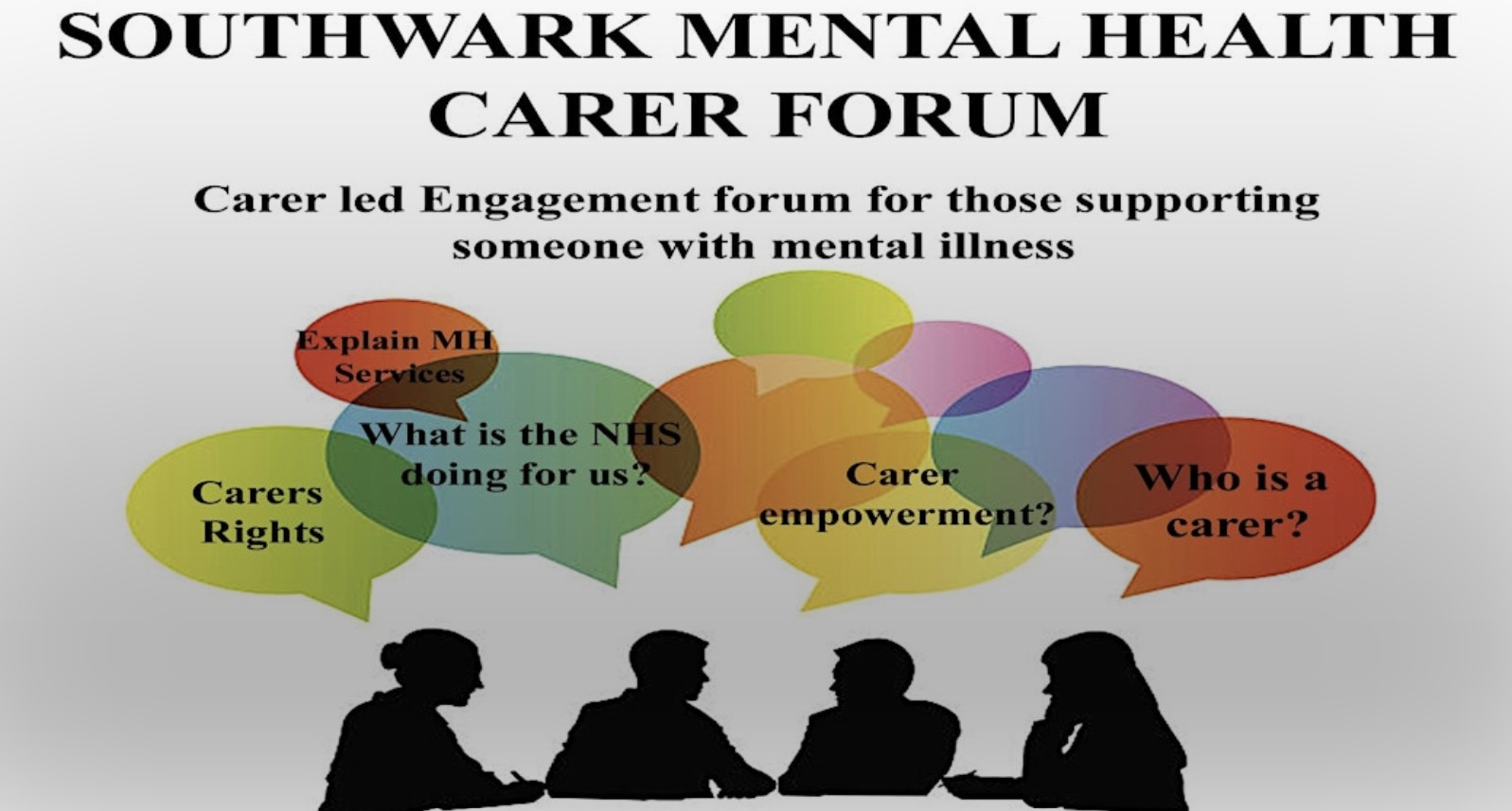
Welcome to the July update for the Lewisham, Lambeth, and Southwark Mental Health Carers Forum. This month’s meeting, chaired by Matthew McKenzie, provided space for powerful updates, critical reflections, and a sobering insight into national developments affecting carer support.
🔸 Growing the Carers Voice
Our forum continues to evolve, bringing together unpaid carers from across boroughs. It remains a space for empowerment, where carers can speak openly, challenge services, and influence support structures. Several attendees introduced themselves and reflected on their caring roles, often crossing borough boundaries and facing ongoing questions about their own place in the system.
🔸 Spotlight: Healthwatch Update
One of the major concerns raised was the planned abolition of Healthwatch England and its local branches, which is a development that has deeply unsettled many in our community.
Anna from Healthwatch Lambeth joined us (on her day off—thank you, Anne!) to explain what’s happening:
Healthwatch functions—listening to service users, signposting, and enter-and-view visits, which are set to be absorbed by local authorities and ICBs.
As a statutory body, Healthwatch cannot be dissolved without legislation, so operations continue for now.
Carers voiced serious concerns over the loss of Healthwatch’s independence and trust, especially as a safe channel for feedback.
Anne reminded us: Healthwatch is still active and listening. A final report on black men’s experiences in Lambeth mental health services is due by mid-August.
🔸 Key Questions Raised
How will services preserve independent feedback mechanisms once Healthwatch is gone?
What accountability structures will replace them?
What are the implications of the broader wave of health service body consolidations?
🔸 Updates from the Ground
We also heard from other carer members:
A carer from Lewisham shared feedback she submitted to the Lewisham Unpaid Carers Forum regarding carer engagement, with little response so far unfortunately highlighting an all-too-common issue.
Other Carers reflected on Lambeth’s carer engagement structures, noting some decline in carer-led decision-making over the years.
Another Carer emphasized the importance of real, consistent carer champions within NHS teams particularly in mental health crisis services.
🔸 Carers Forum Reflections
Matthew provided a helpful comparison between Lewisham and Lambeth carer engagement models. While Lewisham has a formal Unpaid Carers Forum, its independence is limited. Lambeth’s model leans more on the collaborative network and carer support groups. Both boroughs face challenges in consistency, clarity, and co-production.
A concern raised repeatedly: carer champions are often named but rarely visible and sometimes, not even known by their own teams.
📅 Next Forum: August 25 or 26
Due to the bank holiday, the next forum will likely be held on August 26. We’ll aim to have a guest speaker and will explore new ways for carers to hold services to account especially in light of the potential Healthwatch closure.
If you’d like to contribute to future discussions or attend the next forum, please reach out. This is your space.
📣 Let’s continue to speak up, stand together, and push for better mental health support for all carers.
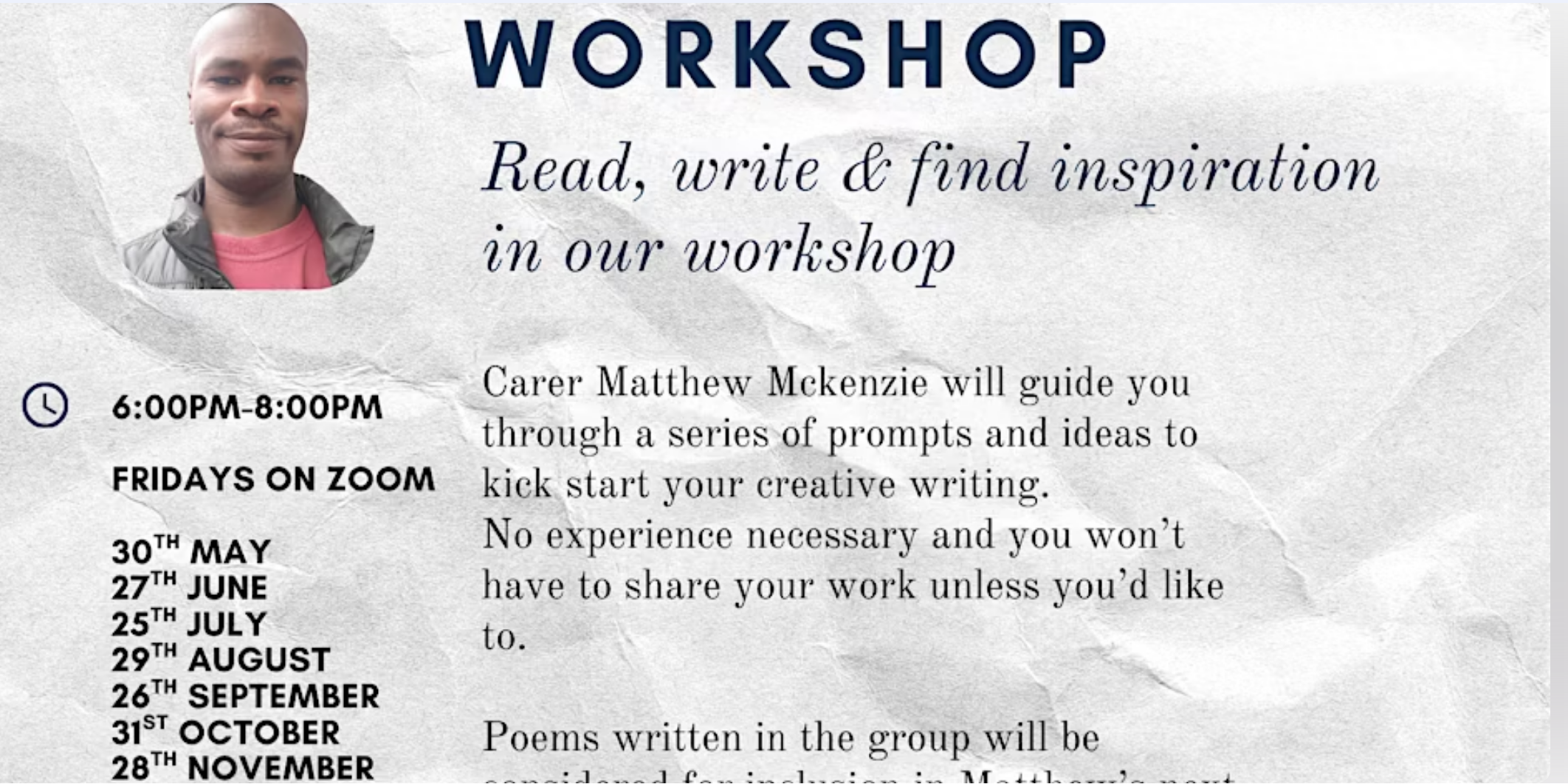
“Caring feels like towels.” “Smells like sweat.” “Sounds like silence.” These are not lines from a published anthology, but heartfelt expressions from unpaid carers who meet every month in a quiet online space to write, reflect, and reconnect—through poetry.
Welcome to the Ealing Carers Poetry Workshop, an online community gathering for carers, hosted on the last Friday of each month at 6 PM. It’s free, friendly, and, for many, deeply healing.
Why Poetry? Why Now?
For unpaid carers, life is often consumed by routines, responsibilities, and quiet sacrifices. There’s little time to stop and process the emotional weight of the role, let alone articulate it. That’s where poetry comes in.
Poetry doesn’t demand polished grammar or clever rhymes. It simply asks: What do you feel? And from that question, remarkable truths begin to emerge.
In a recent session, one carer described how “caring tastes like sweet and sour”—a vivid metaphor for the moments of tenderness mixed with exhaustion, patience, and the daily challenge of giving so much of oneself.
Another shared, “Caring feels like a balloon… slowly inflating until it might burst.” The group nodded. They understood. No further explanation needed.
More Than Words
Each workshop is a gentle hour of guided prompts, group sharing (if you feel like it), and poetic reflection. Some come to listen. Some come to write. All leave feeling a little more grounded, and a little less alone.
Here’s what you can expect:
Creative prompts to help spark inspiration
No pressure to share if you’re not ready
A safe, confidential space led with empathy
A supportive community that “gets” the highs and lows of caring
Gentle encouragement to save and revisit your poetry as a personal record
One participant put it perfectly:
“You don’t have to be a poet. You just need to be willing to put words to what you feel.”
Healing Through Expression
We often talk about self-care for carers, poetry is one powerful, practical form. It’s a creative release that helps untangle emotions that don’t have easy answers. It can reflect joy, grief, humour, fatigue, hope. It can be messy. It can be raw. But above all, it’s yours.
As the facilitator beautifully says,
“Poetry holds up a mirror. What you see in it is up to you.”
For many carers, this monthly workshop has become a lifeline. A moment of peace. A reminder that their experiences matter.
If you are an unpaid carer, then Join Us – You Are Welcome
Whether you’re new to writing or simply curious, we invite you to take an hour for yourself.
🗓️ When: Last Friday of every month 🕕 Time: 6:00 PM (UK time) 🌐 Where: Online – attend from the comfort of your own home 🎟️ Reserve your free place here: 👉 Ealing Carers Poetry Workshop – Eventbrite
Grab a notebook. Pour a cup of tea. Come write with us.
Why Unpaid Carers Should Join Our Mental Health Carers Forum and Why Oxleas & Our Local Authorities Should Listen
By Matthew McKenzie
Caring for a loved one with mental health needs is a journey full of challenges, isolation, and too often lack of support. That’s why we run a dedicated Mental Health Carers Forum with Greenwich Carers Centre that brings together unpaid carers from across Greenwich and sometimes other boroughs since Oxleas covers Bromley and Bexley.
In our most recent forum, carers opened up about what it’s really like to navigate services and support their loved ones. The message was clear: unpaid carers are doing more than ever often alone and we need to work together to make sure they are not left behind.
The Power of Peer Support
One carer said:
“I’m a sandwich carer — looking after my elderly parents and my daughter with complex needs. Groups like this are a lifeline. It’s a space to share, learn, and recharge.”
For many carers, peer support is one of the few places where they are truly heard. Another participant explained:
“It helps so much to hear from others going through similar things. It’s the only way I know what services are available and what’s changing.”
Challenges That Carers Face
Through the forum, we heard repeated concerns:
Lack of joined-up care between GPs and mental health services
Delays in care planning and assessments — or carers being excluded altogether
Confusing systems — carers are often left chasing up GPs or social workers themselves
Failure to take carers’ expertise seriously in assessments and planning
Emotional strain — many carers at breaking point, needing better respite and emotional support
One mother of three autistic children shared:
“I told them my son cannot tolerate bright light that’s why the curtains were drawn. But the assessor just complained about the curtains and parking. They didn’t listen to what my son really needs.”
Presentation: Advocating for a Loved One During and After Mental Health Crisis
Matthew McKenzie delivered a detailed presentation on how unpaid carers can effectively advocate for their loved ones, particularly around mental health services.
Key points included:
Carers are not just supporters, they are also advocates for their loved ones
Building relationships with key professionals (GP, care coordinator, psychiatrist, social worker) is crucial
Carers should keep records of symptoms, interventions and communications to support advocacy
During a crisis, carers should:
Stay calm
Be factual about symptoms and risks
Be assertive (but respectful) in requests for urgent action
Request risk assessments and ask for information to be recorded
Understand confidentiality rights and use carers’ rights under the Care Act
The importance of self-care for carers, advocacy can be exhausting, and carers must seek peer support and breaks
Carers should also use the complaints process and escalate concerns when services fail
A Call to Oxleas NHS and Local Authority
We know big changes are coming, NHS England reorganisations, funding pressures, staff reductions. But one thing won’t change: the system depends on unpaid carers.
That’s why we urge Oxleas NHS Trust and the local authorities to:
✅ Regularly engage with this forum to hear carers’ voices ✅ Ensure carers are meaningfully included in care plans and reviews ✅ Offer more training and support for staff on carer involvement ✅ Improve clarity on who carers can contact in a crisis ✅ Work with us to strengthen co-production, not just in theory, but in practice
As one member put it:
“If the services won’t be there in full anymore — then carers will have to do even more. But we can’t do it if we’re broken.”
Join Us
If you’re an unpaid carer supporting someone with mental health needs, whether you’re new to caring, or have years of experience, please come along.
You’ll find a space to share, learn advocacy skills, and connect with others who truly understand. We also run a peer WhatsApp group, ask if you’d like to join.
Together we are stronger and louder. The more carers attend, the harder it is for services to ignore us.
For more info or to attend the next forum: contact
Understanding Learning Disability Week: A Time to See, Value, and Empower
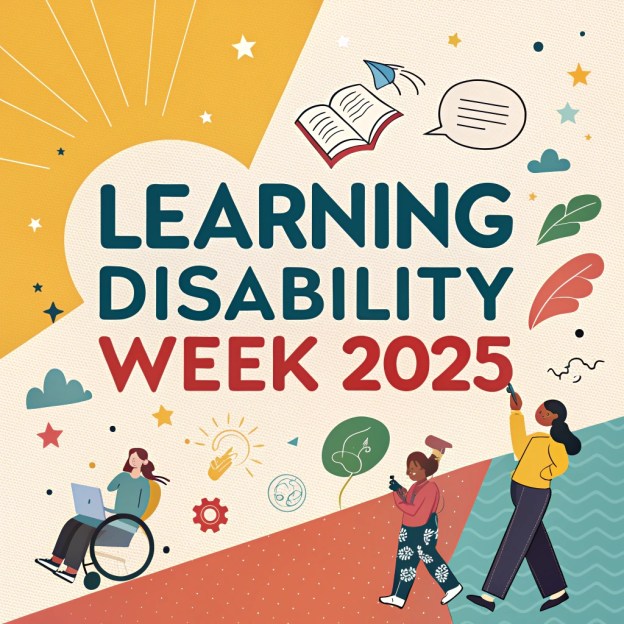
Learning Disability Week is an annual event dedicated to raising awareness, promoting understanding, and challenging the stigma surrounding learning disabilities. Each year, this important week brings together individuals, families, carers, organizations, and communities to celebrate the achievements of people with learning disabilities and to advocate for a more inclusive society. The 2025 theme, “Do You See Me?”, calls on everyone to look beyond labels and truly recognize the unique individuals behind them, as well as the invaluable contributions of those who support them.
Before continuing reading my blog, you can watch the video version below
The Importance of Learning Disability Week
I feel Learning Disability week is a time to reflect on the progress made, the challenges that remain, and the collective responsibility we all share in creating a society where everyone is seen, heard, and valued. The week is proudly led by Mencap, a national charity at the forefront of learning disability advocacy, providing resources, easy-read guides, and campaigning materials to help spread the message far and wide.
Mencap works in partnership with local authorities, NHS trusts, and other charities such as Choice Support, Kids, Brandon Trust, and KeyRing. The campaign is also championed in the media by organizations like The Big Issue and supported by community groups, carers, and arts organizations. This collaborative approach ensures that the message of inclusion and empowerment reaches as many people as possible.
The Theme: “Do You See Me?”
Looking Beyond the Label
The 2025 theme, “Do You See Me?”, is a powerful call to action. It asks us to look beyond the diagnosis or label of “learning disability” and to see the person—their talents, ambitions, and unique voice. People with learning disabilities are artists, colleagues, friends, athletes, and advocates. They are individuals with dreams, skills, and stories to share.
Too often, society focuses on what people with learning disabilities cannot do, rather than celebrating what they can achieve. This year’s theme challenges us to change that narrative. It’s about recognizing the whole person and valuing their contributions in every aspect of life.
Recognizing Unpaid Carers
Behind many individuals with learning disabilities are unpaid carers being parents, siblings, young carers, friends, and loved ones—who provide essential support, often with little recognition. These carers play a vital role in the lives of those they support, helping them to navigate daily challenges, access services, and pursue their goals. Learning Disability Week is also a time to acknowledge and celebrate the dedication and resilience of these carers.
The Aims of Learning Disability Week
Celebrating Achievements
One of the central aims of Learning Disability Week is to celebrate the achievements of people with learning disabilities. Whether it’s excelling in the arts, sports, advocacy, or everyday life, these accomplishments deserve to be recognized and applauded. By sharing success stories, we can inspire others and challenge stereotypes.
Raising Awareness of Challenges
While there is much to celebrate, it’s also important to acknowledge the challenges that people with learning disabilities face. These can include barriers to education, employment, healthcare, and social inclusion. Learning Disability Week provides a platform to highlight these issues, share lived experiences, and advocate for change.
Sharing Good Practice and Improving Services
Learning Disability Week is an opportunity to share examples of good practice and to learn from one another. By highlighting innovative approaches and successful initiatives, we can help improve services and support for people with learning disabilities. This collaborative spirit is essential for driving progress and ensuring that everyone has the opportunity to thrive.
Campaigning for Equality and Inclusion
At its core, Learning Disability Week is about campaigning for equality and inclusion. It’s about challenging discrimination, breaking down barriers, and creating a society where everyone is treated with dignity and respect. This requires ongoing advocacy, partnership working, and a commitment to listening to the voices of people with learning disabilities and their carers.
The Power of Creativity and Self-Expression
Art as a Tool for Empowerment
Art and creativity play a vital role in self-expression, particularly for individuals with learning disabilities. Through painting, music, dance, storytelling, and poetry, people can communicate their thoughts, feelings, and experiences in powerful ways. Creative activities provide a platform for individuals to tell their stories, build confidence, and connect with others.
For many, art is not just a hobby, it’s a means of empowered communication. It allows people to express themselves on their own terms, to challenge stereotypes, and to showcase their talents. Arts organizations and community groups play a crucial role in providing opportunities for creative expression and in promoting the work of artists with learning disabilities.
Poetry and Storytelling
Poetry and storytelling are particularly powerful forms of self-expression. They allow individuals to explore themes that are important to them, to share their experiences, and to connect with others on a deep and personal level. By encouraging and supporting creative expression, we can help people with learning disabilities to find their voice and to be heard.
How to Get Involved
Celebrate Achievements
Take time during Learning Disability Week to celebrate the achievements of people with learning disabilities. Share stories, highlight successes, and recognize the contributions that individuals make to their families, communities, and society as a whole.
Share Resources and Raise Awareness
Use your voice and your platform to share resources, raise awareness, and challenge stigma. Whether it’s through social media, community events, or conversations with friends and colleagues, every action counts. Mencap and other organizations provide a wealth of resources, including easy-read guides and campaign materials, to help you get started.
Support Campaigns for Better Services
Support campaigns that advocate for better healthcare, education, and social services for people with learning disabilities. Organizations like Mencap and NHS trusts are working hard to raise awareness and improve services, but they need the support of the wider community to drive change.
Donate and Volunteer
If you are able, consider donating to organizations that support people with learning disabilities and their carers. Your contribution can help fund vital services, advocacy, and creative projects. Volunteering your time and skills is another valuable way to make a difference.
Attend Events and Webinars
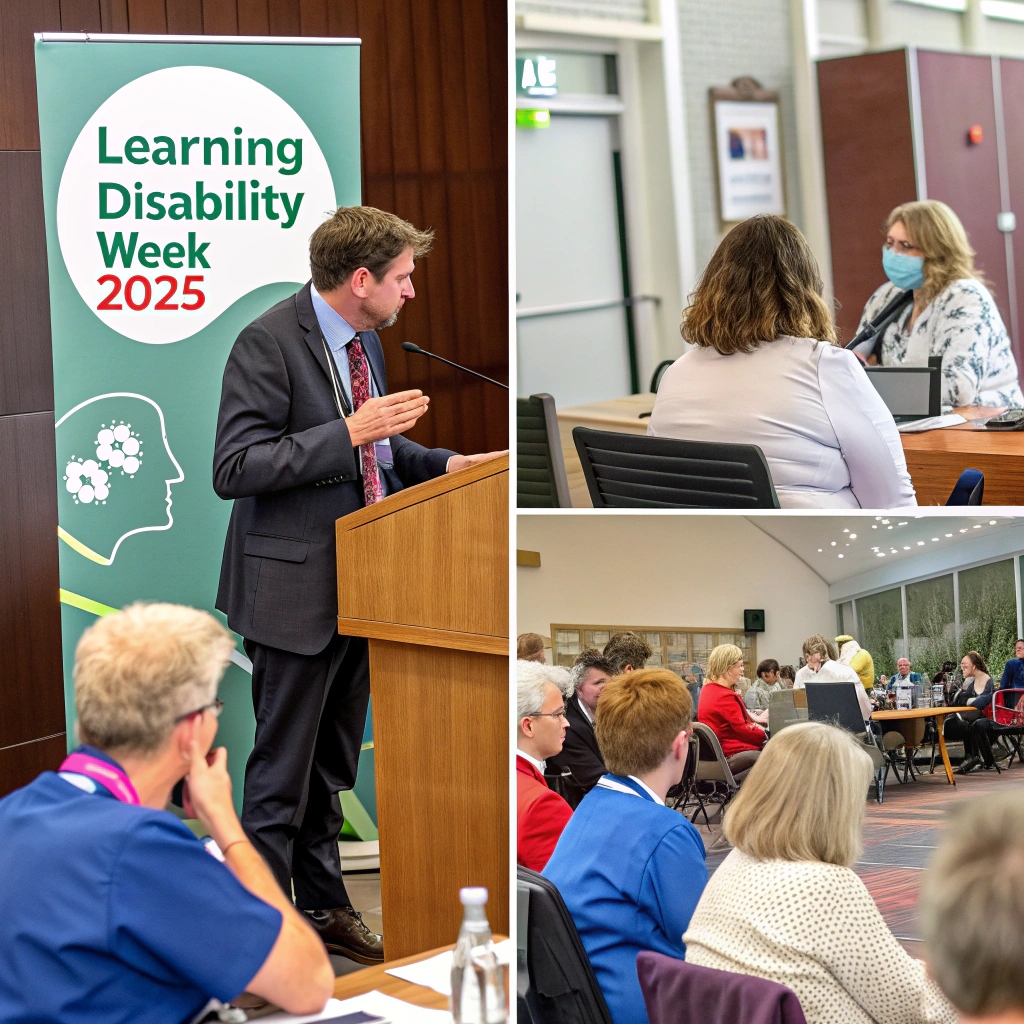
Many local authorities, charities, and community groups organize events and webinars during Learning Disability Week. These provide opportunities to learn more, connect with others, and get involved in the campaign. Check out local listings and online resources to find events in your area.
Continue the Conversation
Learning Disability Week may only last for seven days, but the need for awareness, advocacy, and inclusion is ongoing. Even if you discover the campaign after the official week has ended, you can still play a part in celebrating the contributions of people with learning disabilities and supporting their rights.
The Role of Community and Collaboration
Working Together for Change
Creating a more inclusive society requires collaboration. Local authorities, NHS trusts, charities, community groups, carers, and individuals all have a role to play. By working together, sharing knowledge, and supporting one another, we can drive meaningful change.
The Importance of Visibility
Visibility is key to challenging stigma and promoting inclusion. When people with learning disabilities are seen and heard when their stories are shared and their achievements celebrated it helps to break down barriers and change perceptions. The “Do You See Me?” theme is a reminder that everyone deserves to be recognized and valued.
The Ongoing Journey Toward Inclusion
Building a Society Where Everyone Belongs
Learning Disability Week is a milestone in the ongoing journey toward a more inclusive society. It’s a time to reflect on how far we’ve come, to celebrate progress, and to renew our commitment to equality and inclusion. But the work doesn’t end when the week is over. It’s up to all of us to continue advocating for change, supporting one another, and building a world where everyone belongs.
The Power of Advocacy
Advocacy is at the heart of Learning Disability Week. Whether you are a person with a learning disability, a carer, a professional, or an ally, your voice matters. By speaking out, sharing your experiences, and supporting campaigns, you can help to create a society where everyone is seen, heard, and valued.
Resources and Further Information
Where to Find Support and Get Involved
If you want to learn more about Learning Disability Week, get involved in campaigns, or access resources, there are many organizations that can help:
Here’s your version with links included for each of the main organisations — ready for web, LinkedIn, or video descriptions:
Community Groups and Arts Organisations: These groups including disability arts initiatives like DaDaFest and local community networks offer opportunities for creative expression and community involvement.
Check the official websites and social media channels of these organizations for the latest information, events, and resources.
Conclusion
Learning Disability Week is a powerful reminder of the importance of seeing, valuing, and empowering people with learning disabilities. It’s a time to celebrate achievements, raise awareness of challenges, and advocate for a more inclusive society. By supporting campaigns, sharing resources, and promoting creativity and self-expression, we can all play a part in building a world where everyone is seen, heard, and valued—not just during Learning Disability Week, but every day of the year.
Let’s continue to work together, challenge stigma, and create opportunities for everyone to shine. Happy Learning Disability Week 2025!
Written by: Matthew McKenzie – WLHT co-facilitator of ethnic carer group and Triangle of Care Community Chair
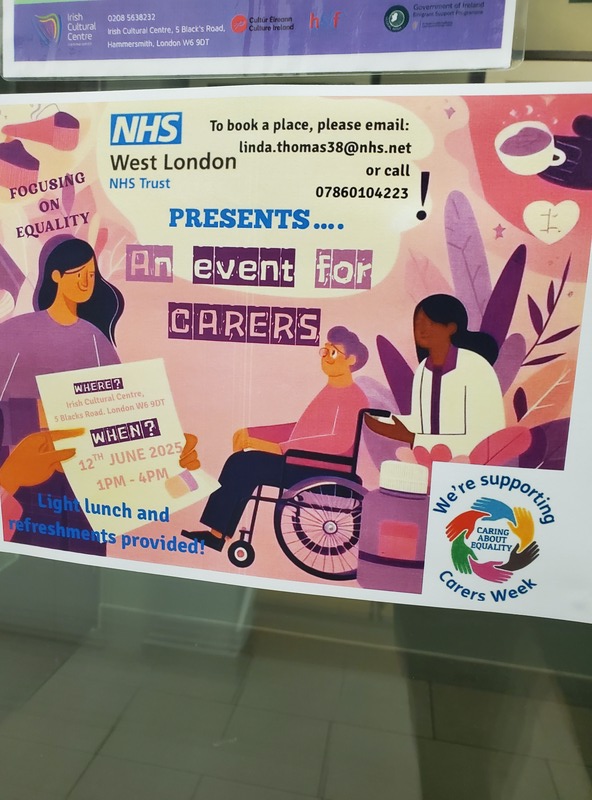
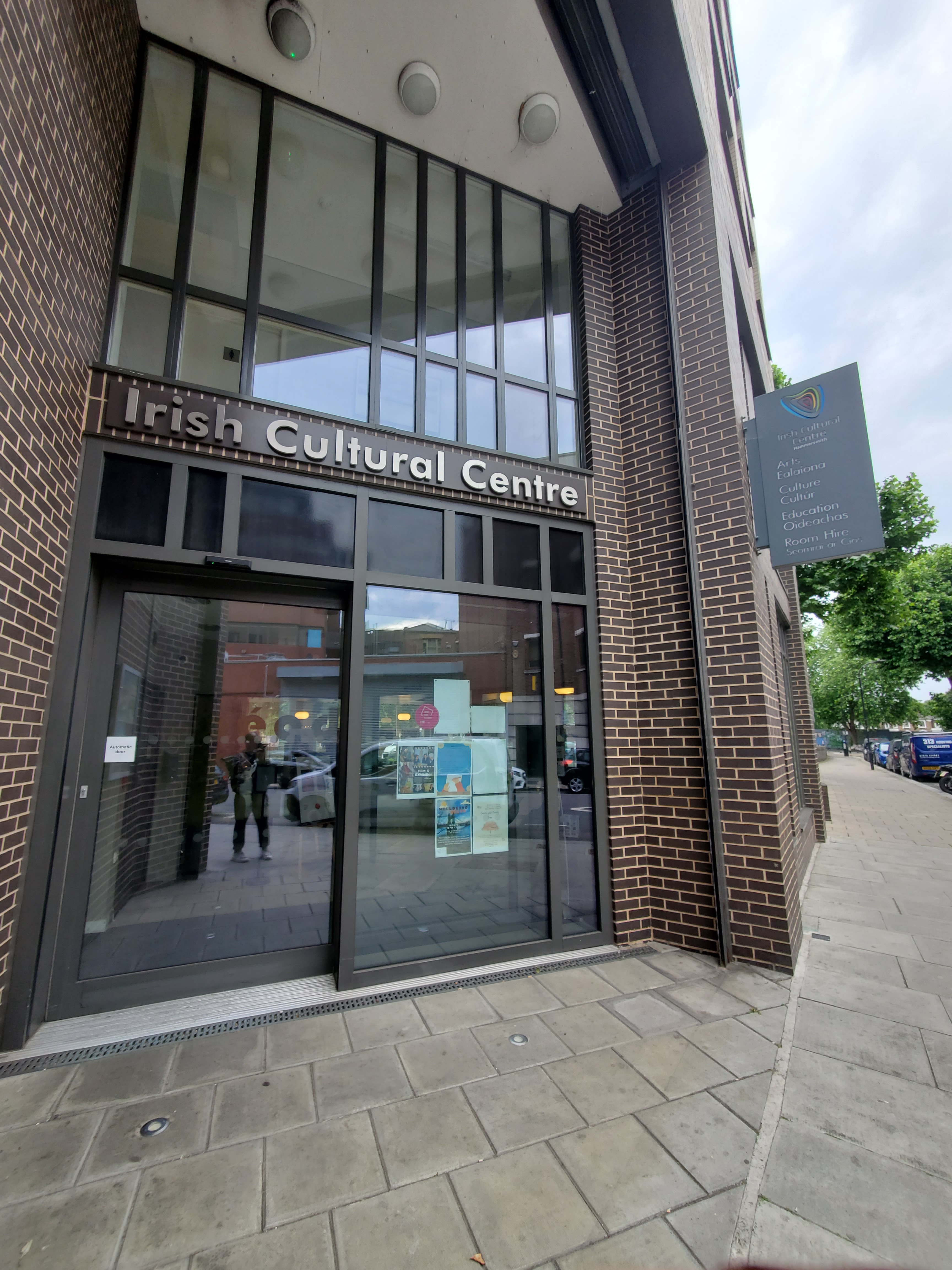
The Irish Cultural Centre in Hammersmith was filled with warmth and purpose on June 12th, as carers, professionals, and community leaders came together for the West London NHS Trust’s Carers Event in support of Carers Week 2025.
As Chair of the Triangle of Care Community and an involved carer for West London NHS Trust, I was interested in the carers conversations, and sense of solidarity among all those present.
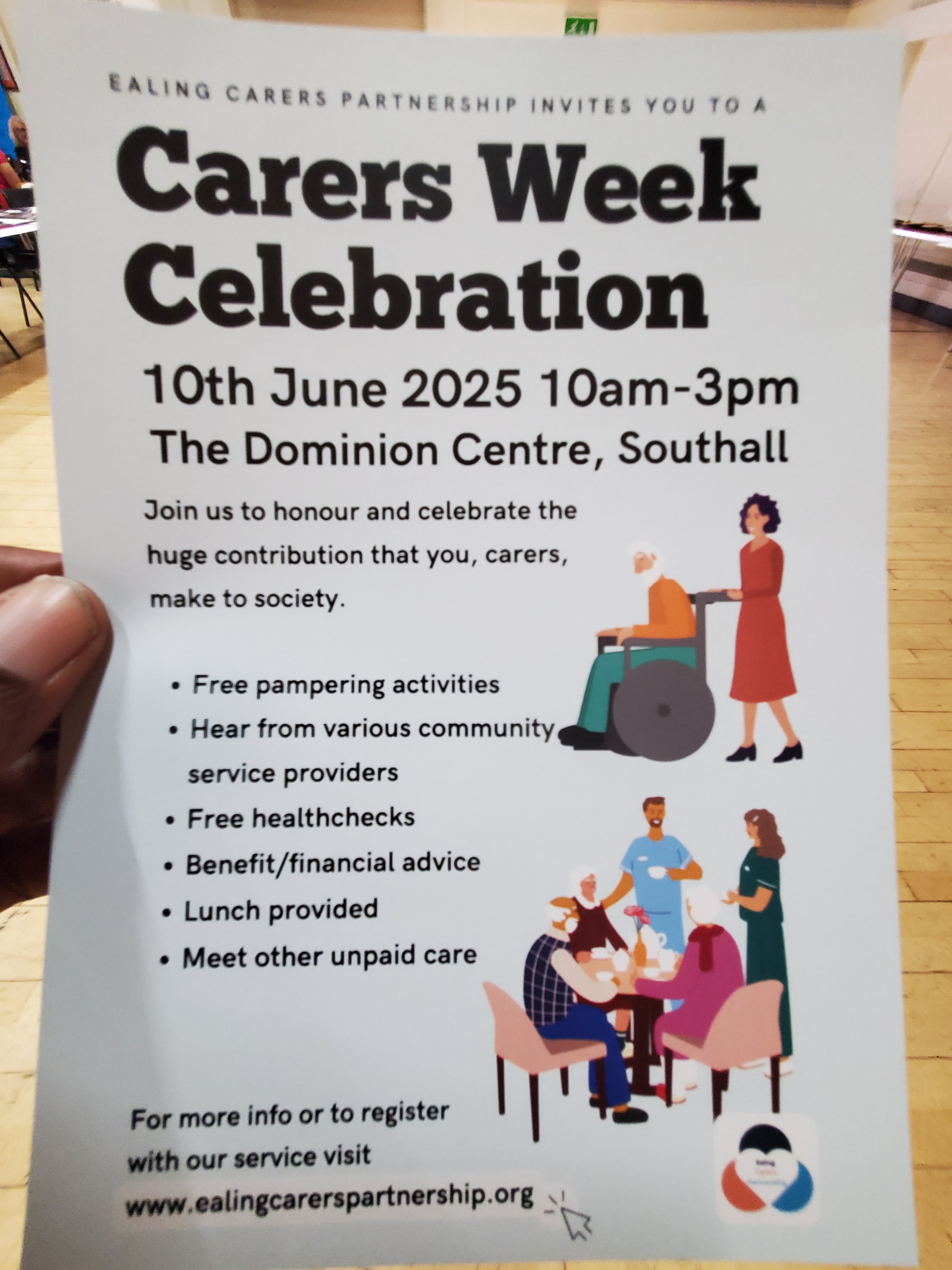
On Tuesday, 10th June 2025, the Dominion Centre in Southall hosted a vibrant and deeply informative Carers Week Celebration.
Organised by the Ealing Carers Partnership and supported by various local organisations, the event honoured unpaid carers with a day of connection, education, and appreciation.
Carers Week 2025: Caring About Equality
This year’s theme, Caring About Equality, highlighted the challenges faced by unpaid carers, particularly those from marginalised communities and called for fair access to services, recognition, and support.
The event was a powerful reminder that equality means meeting people where they are and valuing every carer’s contribution.
By Matthew McKenzie – Carers UK Volunteer and Ambassador
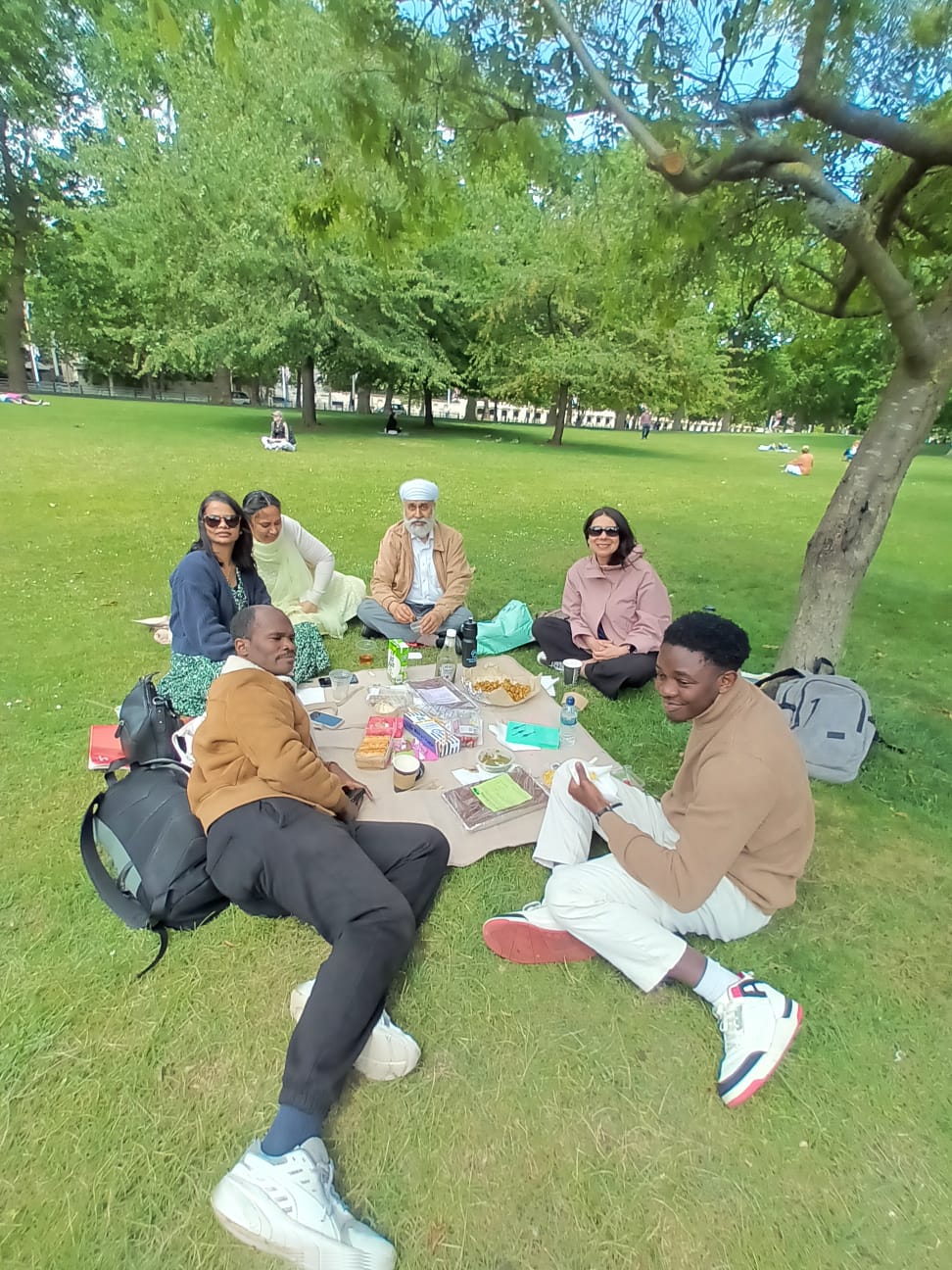
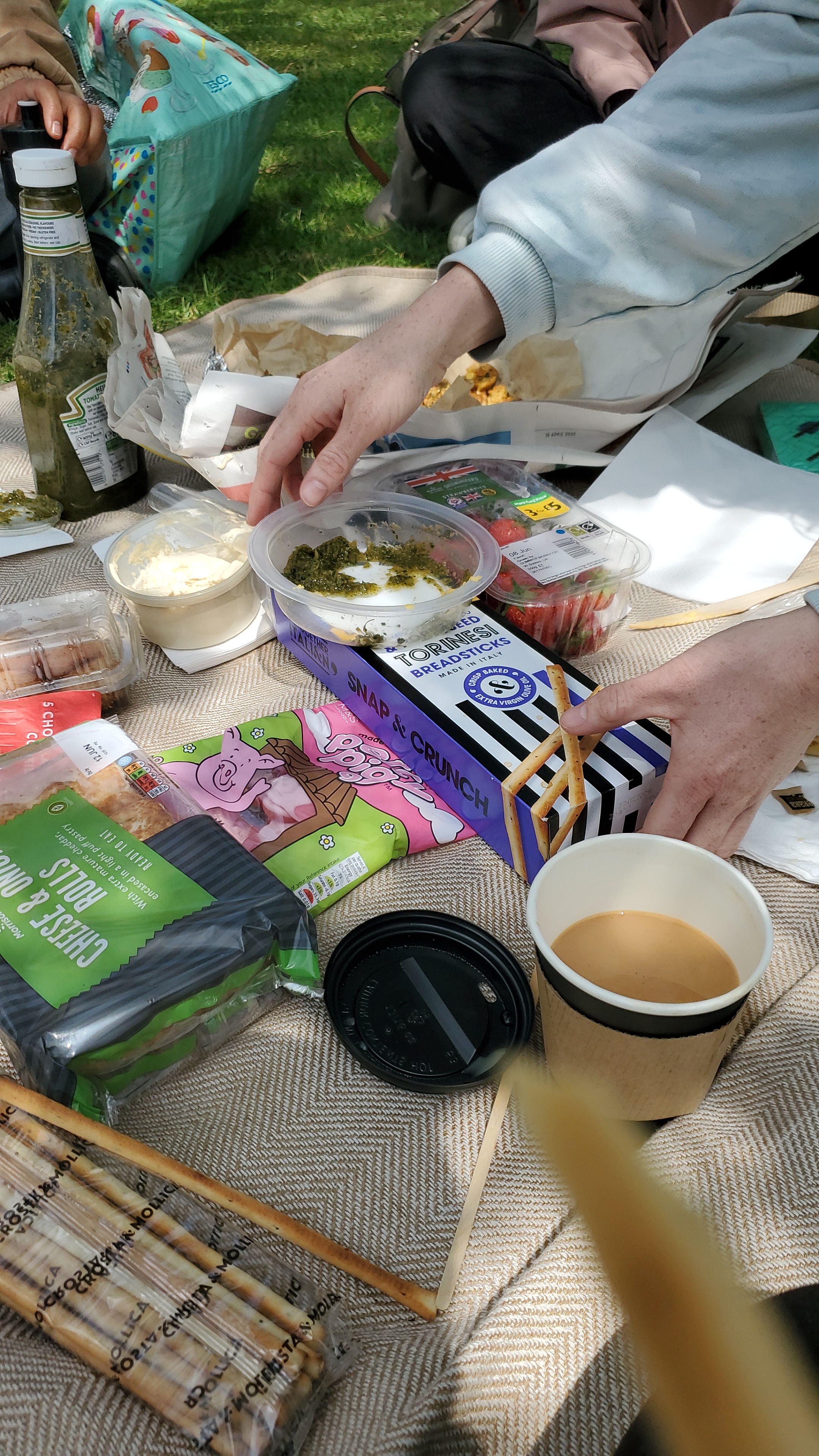
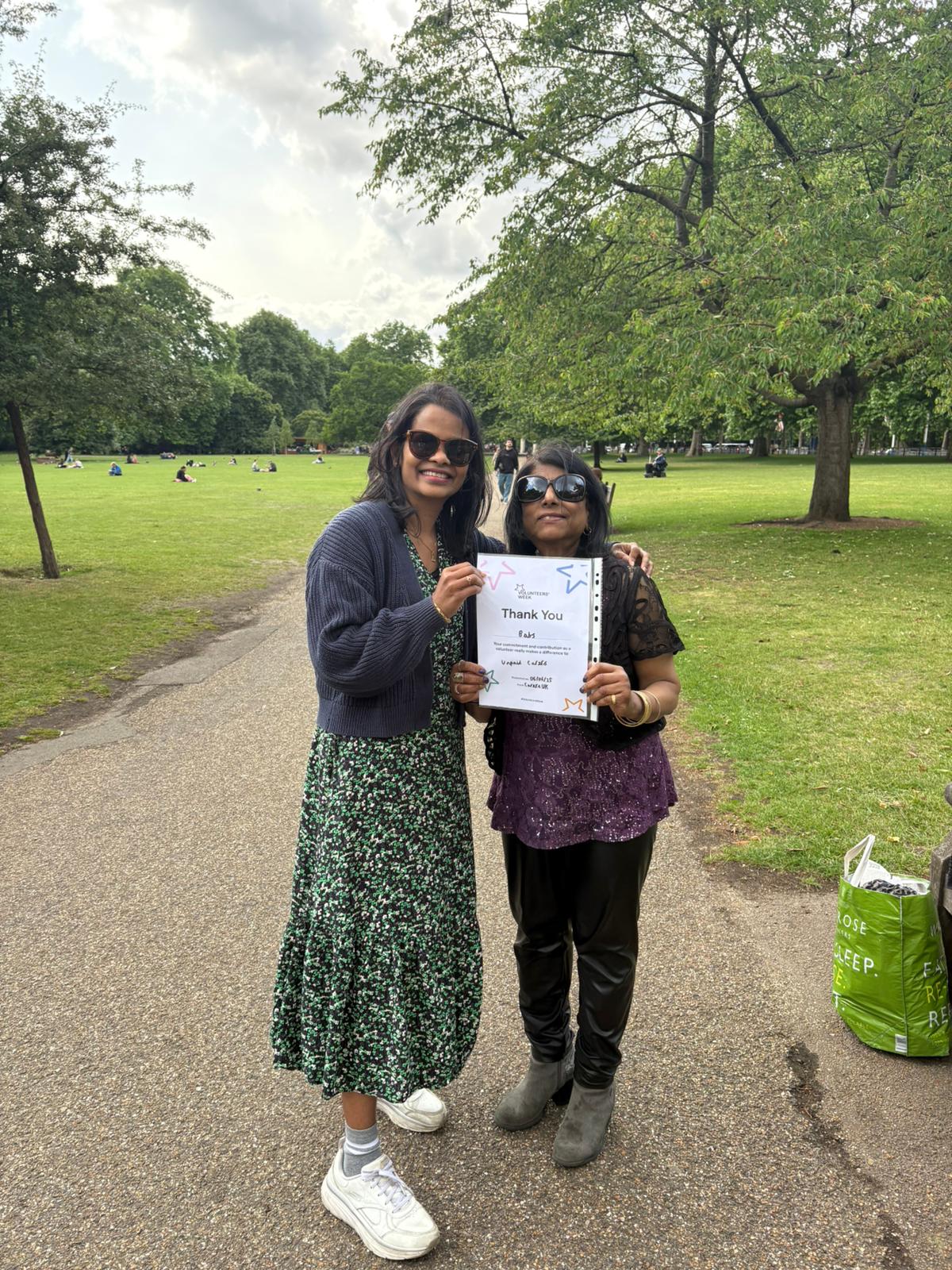
On Friday 6 June, I had the pleasure of joining Carers Uk and fellow Carers UK volunteers at a picnic in St James’s Park, London a brilliant afternoon full of connection, recognition, and shared purpose. The weather managed to hold “Thank Goodness!”
As a Carers UK volunteer and ambassador, it was great to see so many familiar faces and meet new ones, all united by a commitment to supporting unpaid carers across the UK. The picnic was a chance for us to unwind, share stories, and enjoy the beautiful surroundings of the park.
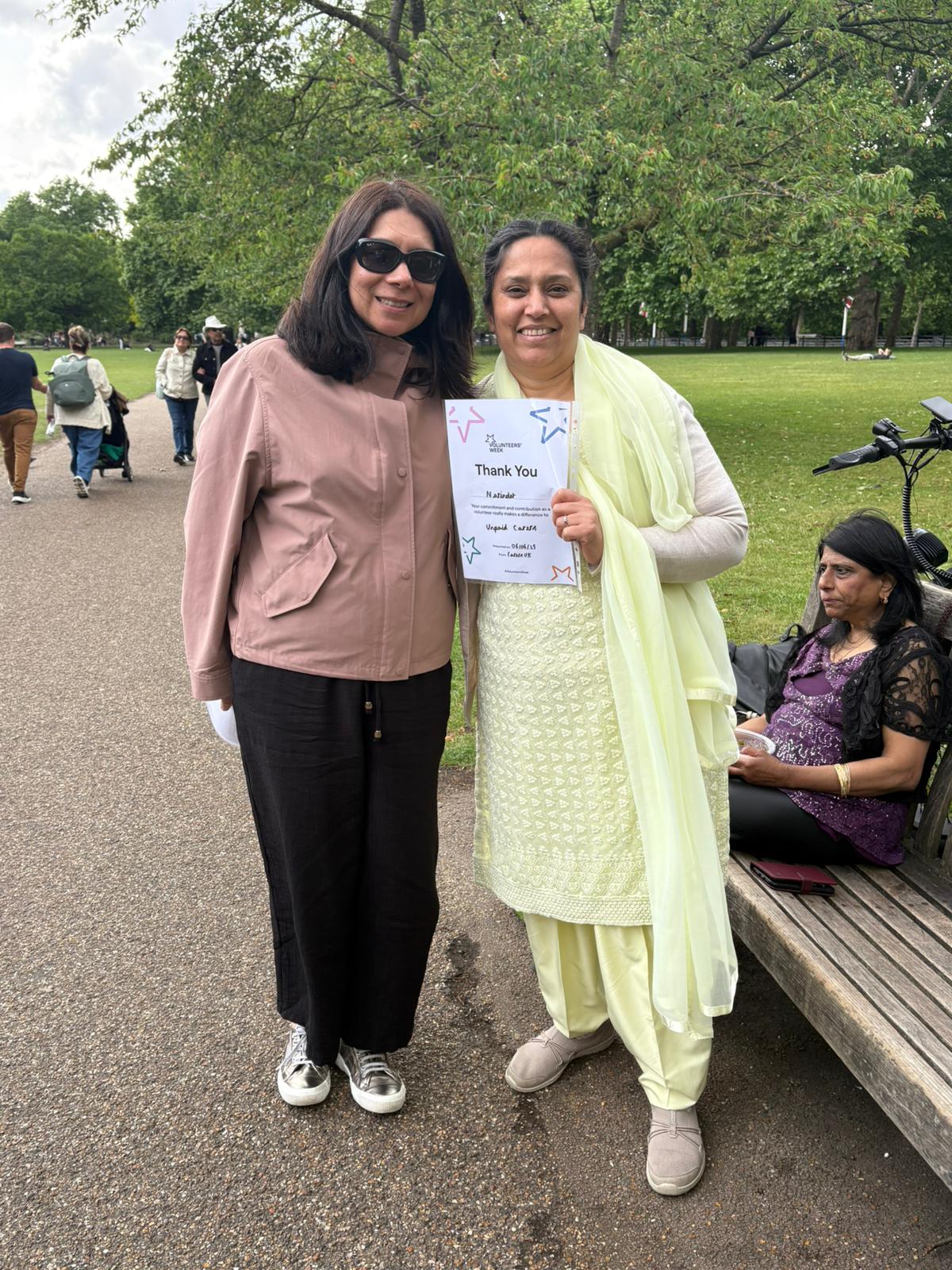
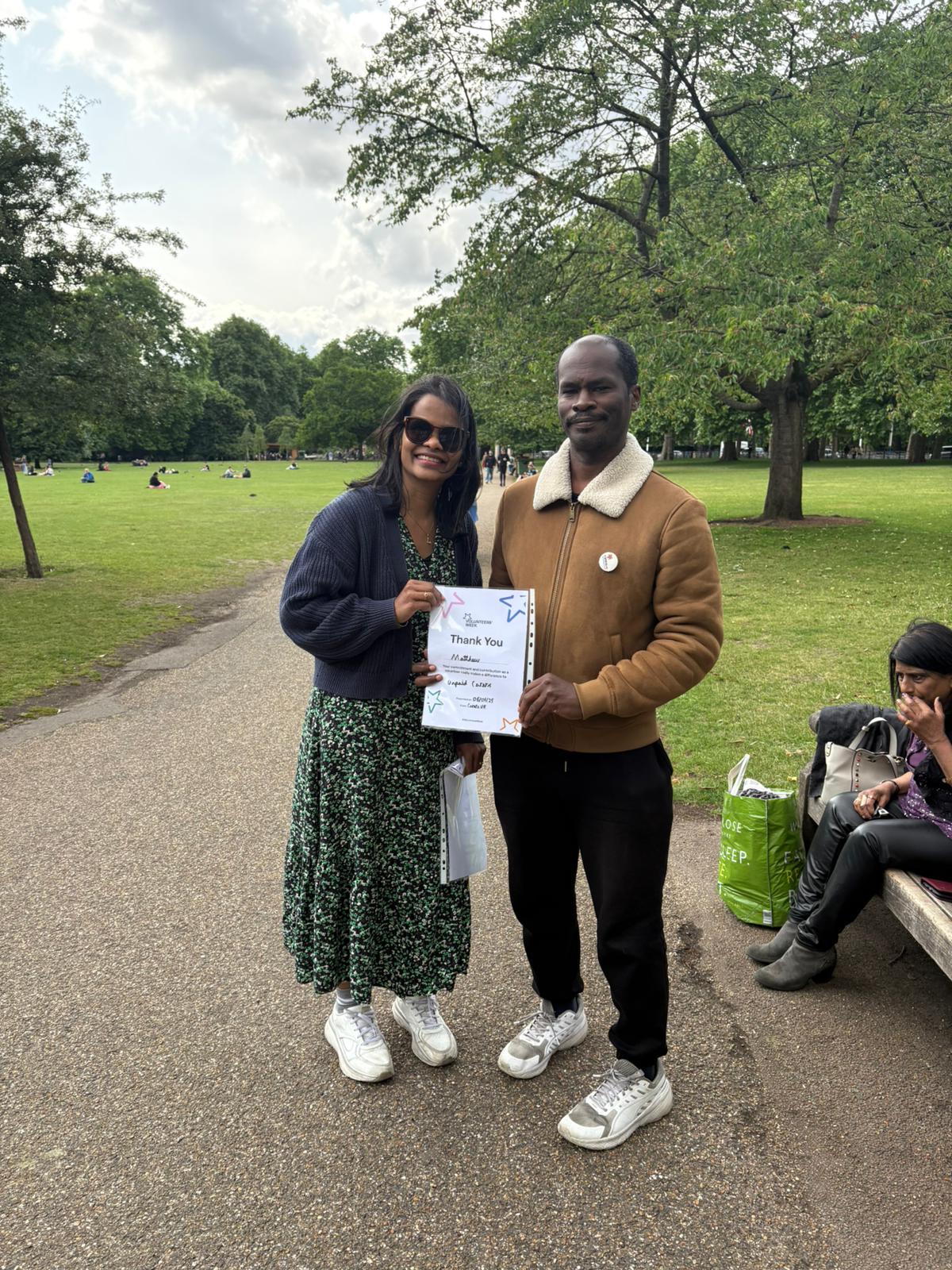
One of the highlights of the afternoon was the volunteer awards recognising the time, energy, and dedication that so many of us give. It was humbling to stand alongside other passionate volunteers and celebrate each other’s contributions.
Volunteers’ Week is a vital opportunity to shine a light on the incredible work of volunteers across the country and to say thank you for the real difference they make every day.
Later in the day, we teamed up to distribute Carers UK membership resources around the area, helping to raise awareness and connect more carers to support. You can check the link below to find resources.
I would like to extend a huge thank you to everyone who helped organise the event and to those who brought food and drink. Moments like these remind us that we’re not alone in what we do as Carers – we’re part of a caring, committed community.
The Importance of Ethnic Minority Mental Health Carer Voices: Empowering Unpaid Carers from the Global Majority by Matthew McKenzie
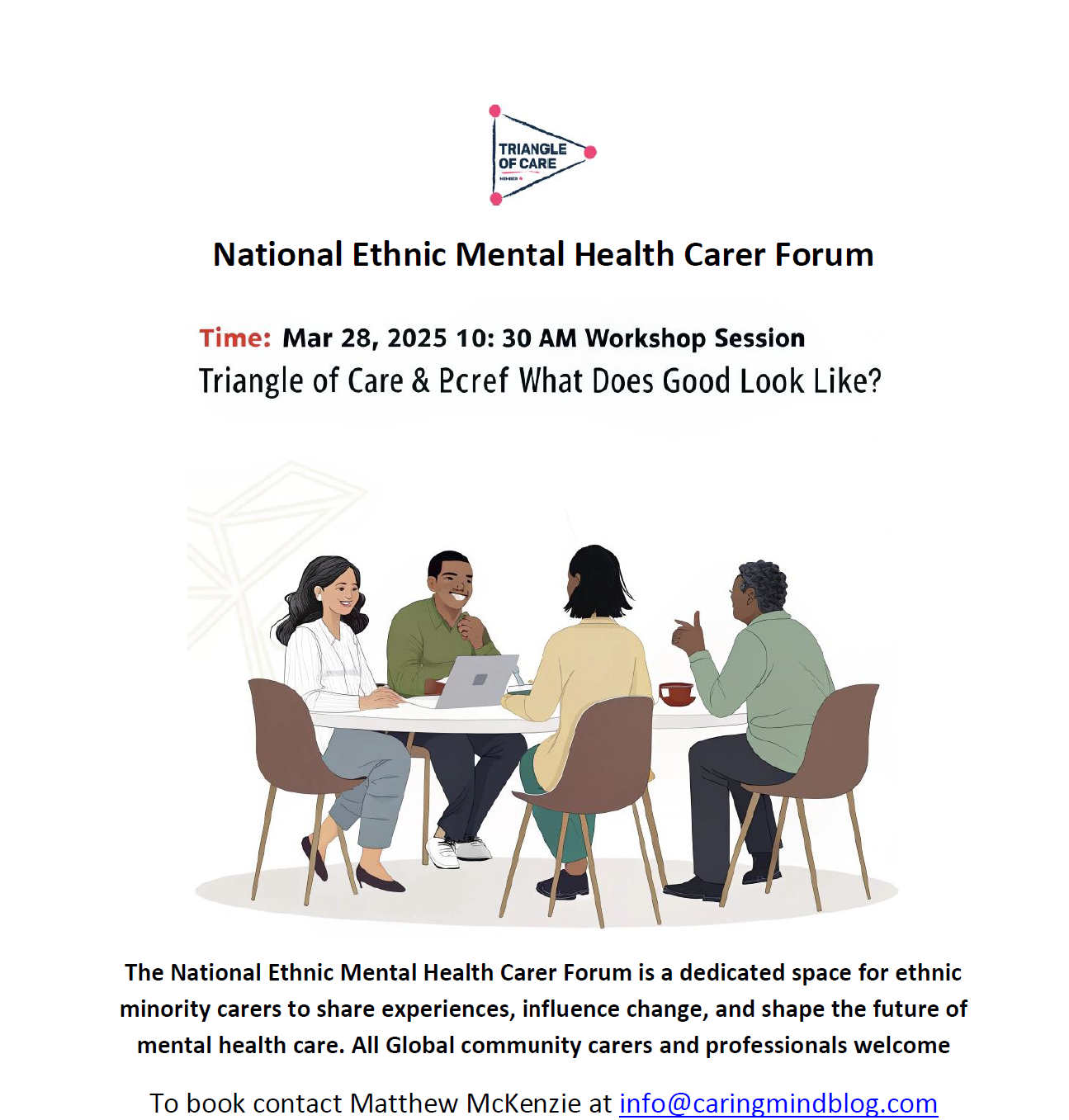
In today’s world, the voices of ethnic minority carers in mental health services must be heard and valued. The National Ethnic Mental Health Carers Forum meeting, held on March 28, 2025, underscored the vital role that co-production and lived experience play in shaping better services for those who care for loved ones with mental health needs.
Celebrating Mental Health Carers: Building Stronger Connections in Southwest London
By Matthew McKenzie | April 2025
Mental health carers play a vital, often unseen role in supporting loved ones through some of life’s most difficult challenges. At the SW London Mental Health Carer’s Group, we’re creating a space where carers can connect, learn, and feel empowered.
The forum is faciliated by Matthew McKenzie and Ava, although members of the group are encouraged to facilitate to develop carer empowerment.
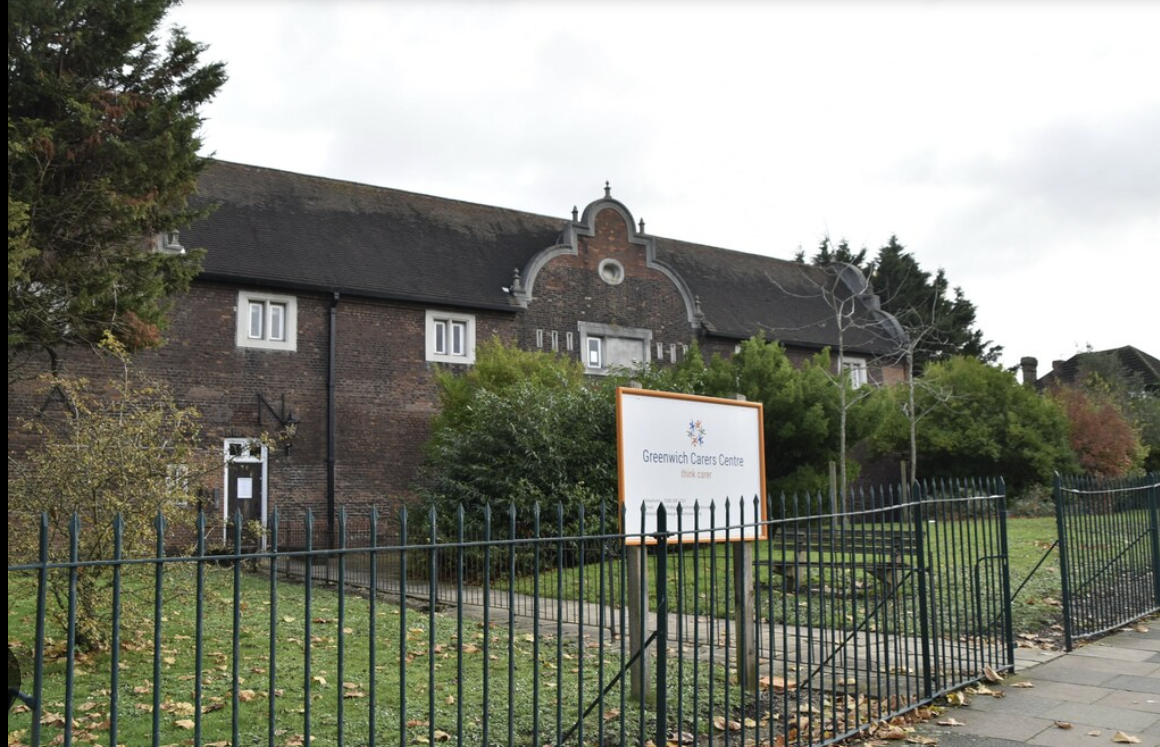
On Wednesday 26th March, I had the pleasure of attending and representing Carers UK along with Greenwich Carers MH carers grouos. This was at the Greenwich Carers centre – Carers Forum – Mental Health event.
The event was held in the building and then in a beautiful garden setting surrounded by passionate individuals and organisations all focused on supporting unpaid carers. As someone who’s deeply involved in carer advocacy, this was more than just an information stall, it was a moment to connect, empower, and share resources that can make a real difference in someone’s life.









 A Caring Mind