Written by: Matthew McKenzie – WLHT co-facilitator of ethnic carer group and Triangle of Care Community Chair
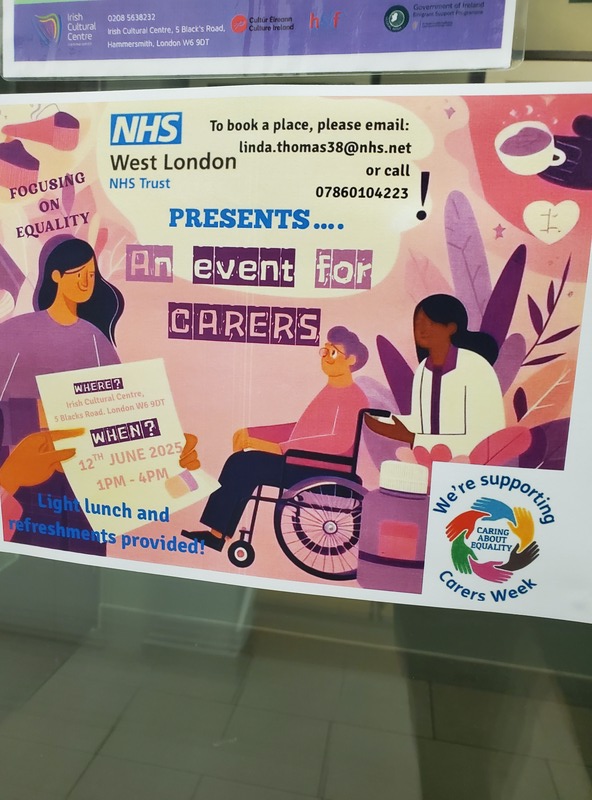
The Irish Cultural Centre in Hammersmith was filled with warmth and purpose on June 12th, as carers, professionals, and community leaders came together for the West London NHS Trust’s Carers Event in support of Carers Week 2025.
As Chair of the Triangle of Care Community and an involved carer for West London NHS Trust, I was interested in the carers conversations, and sense of solidarity among all those present.
Date: Friday, June 13, 2025 Time: 3:15 PM – 4:15 PM (GMT+1) Location: Cygnet Churchill, 22 Barkham Terrace, London SE1 7PW Admission: Free (Limited tickets available – reserve now!)
As part of this year’s Carers Week 2025, we’re thrilled to spotlight a truly special celebration: the Carer Poetry Performance Event & Book Launch – By Carers, For Carers. Taking place in the heart of London, this inspiring event offers a rare platform for unpaid carers to raise their voices through poetry, storytelling, and community.
Why This Event Matters
Caring can be isolating, demanding, and emotionally intense. This event flips the script by offering carers a space to express their journeys, hopes, struggles, and triumphs in their own words. It’s not just about performance it’s about connection, validation, and healing through creative expression.
Whether you’re a carer yourself or an ally, this is your opportunity to witness the power of poetry and lived experience intersecting. Hear firsthand stories that move, educate, and celebrate the silent heroes among us.
A Book Launch to Remember
The event also marks the launch of a special poetry book curated from carers across the community. It’s more than just a collection of verses, it’s a tribute to resilience, empathy, and the unseen emotional labor of caring.
Hosted by Matthew McKenzie
Spearheaded by Matthew McKenzie, a dedicated carer and ambassador for Cygnet Health, this event reflects his ongoing mission to amplify the voices of carers. With over 200 events hosted, Matthew brings both expertise and passion to the stage.
Reserve Your Free Ticket
Tickets are free but extremely limited. If you want to be part of this moving and empowering experience, don’t wait. Please note the event is for unpaid carers.
Let’s come together to honor the stories behind the care. Join us for an afternoon of poetry, purpose, and community.
Here is a brief update of the Triangle of Care Community group for the month of May 2025. The Triangle of Care Community group is a collaborative forum that champions the voices of unpaid carers in mental health services. The group works in partnership with service users, carers, and professionals to embed the principles of the Triangle of Care, promoting shared decision-making, improved communication, and recognition of carers as equal partners in care.
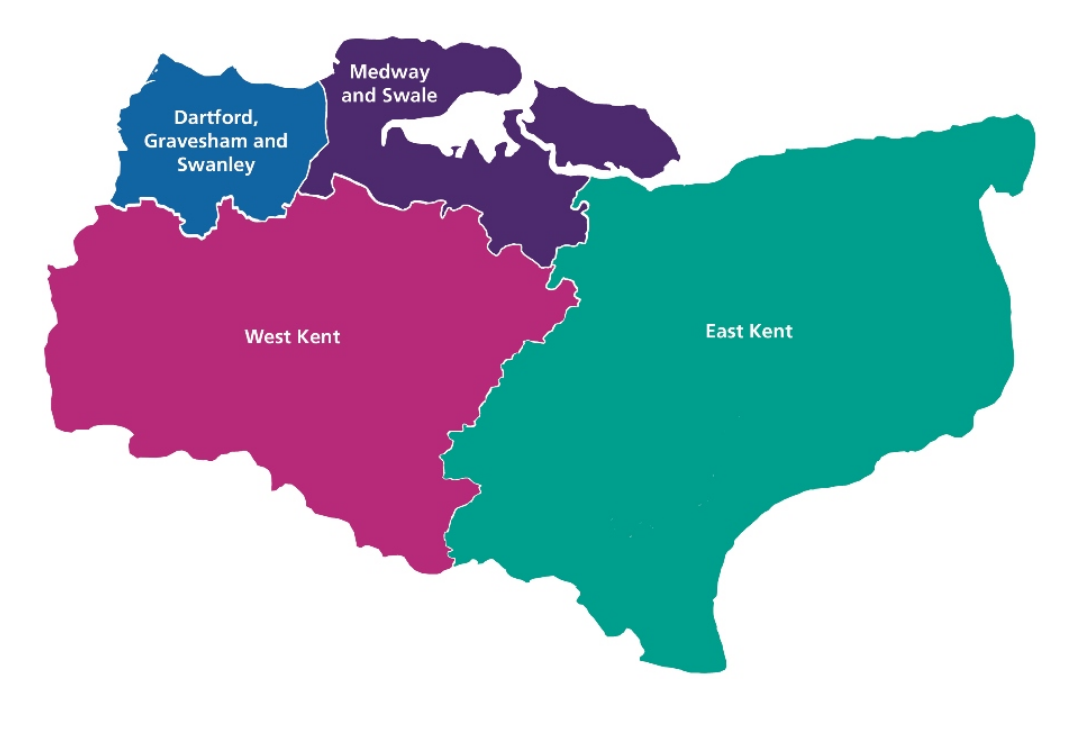
Our most recent meeting brought together carers, NHS professionals, researchers, and advocates from across the UK, including representatives from Kent, Bristol, Lewisham, East Sussex, and Hertfordshire. The atmosphere was one of mutual respect, knowledge-sharing, and a shared drive to improve the experience of care for carers and their loved ones.
The meeting covered updates on Triangle of Care developments, including recent accreditations and ongoing pilots to adapt the model for various healthcare and social settings. Presentations were given on research studies related to mental health care, including pharmacist prescribers’ roles and experiences of underserved older male carers. The group also discussed campaigns for increased research funding in serious mental illnesses and initiatives to support carers, such as Carers Roadshows.
Triangle of Care Expansion Updates
Mary Patel one of the Triangle of Care leads, provided an update on Triangle of Care developments and accreditations. Several healthcare providers have recently gained Star awards. There are ongoing pilots to adapt Triangle of Care for social care settings and to incorporate criteria for better support of racially marginalized carers. Mary announced that the Triangle of Care community group will be formally brought on board with Carers Trust, with Matthew as the inaugural chair for a 2-year term. They are looking to bring on co-chairs to support Matthew in his role.
Triangle of Care Implementation Updates
The group discusses recent achievements in implementing the Triangle of Care model across various healthcare organizations. Gabrielle Richards who leads on carers at South London & Maudsley reported that her trust successfully completed their Star 2 accreditation assessment for community services.
Matthew McKenzie shared a video poem he created about the Triangle of Care as it was shown during the peer review at South London & Maudsley.
Kelvin thanked Gabrielle for her contributions as she prepares to leave her role. Louise from Kent and Medway NHS Trust reported they maintained their second star accreditation and have implemented new processes to ensure carer considerations are included in policy development.
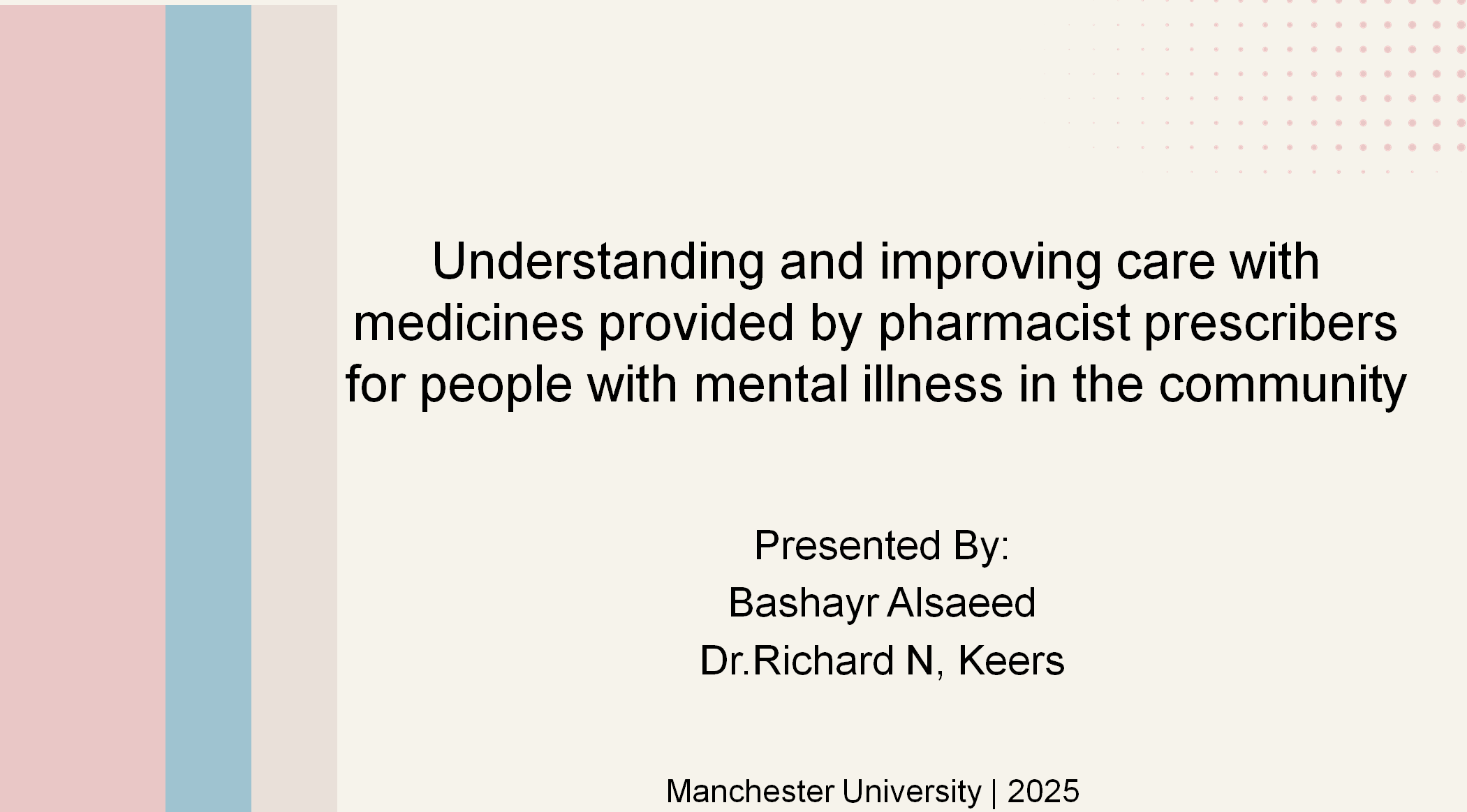
Richard introduced Bashir Al Saeed, a PhD student from the University of Manchester, to present their research study on the experiences of people with mental illness and their carers when receiving care from pharmacist prescribers in the community.
Bashir explains that the study aims to understand and improve care provided by pharmacist prescribers for people with mental illnesses in community-based settings. Participants will be asked to take part in a one-hour interview and will receive £30 as compensation.
The study is seeking individuals aged 18 or older with mental illnesses or their unpaid carers who have received care from pharmacist prescribers in the UK. A discussion follows about the inclusion criteria, particularly regarding the requirement for fluency in English, with concerns raised about potential issues against non-English speakers
Mental Health Research Campaign Initiative
The group discussed a campaign for better research into long-term serious mental illness in working-age people. Irene explained that they have been working on this campaign for a year, collaborating with experts from Oxford and the Welcome Trust.
The campaign aims to gather signatures and includes a short video. Irene emphasizes the importance of this initiative, as many in their group have loved ones who have been ill since their teens and are now in their thirties and forties.
You can find out more about the campaign from the link below.
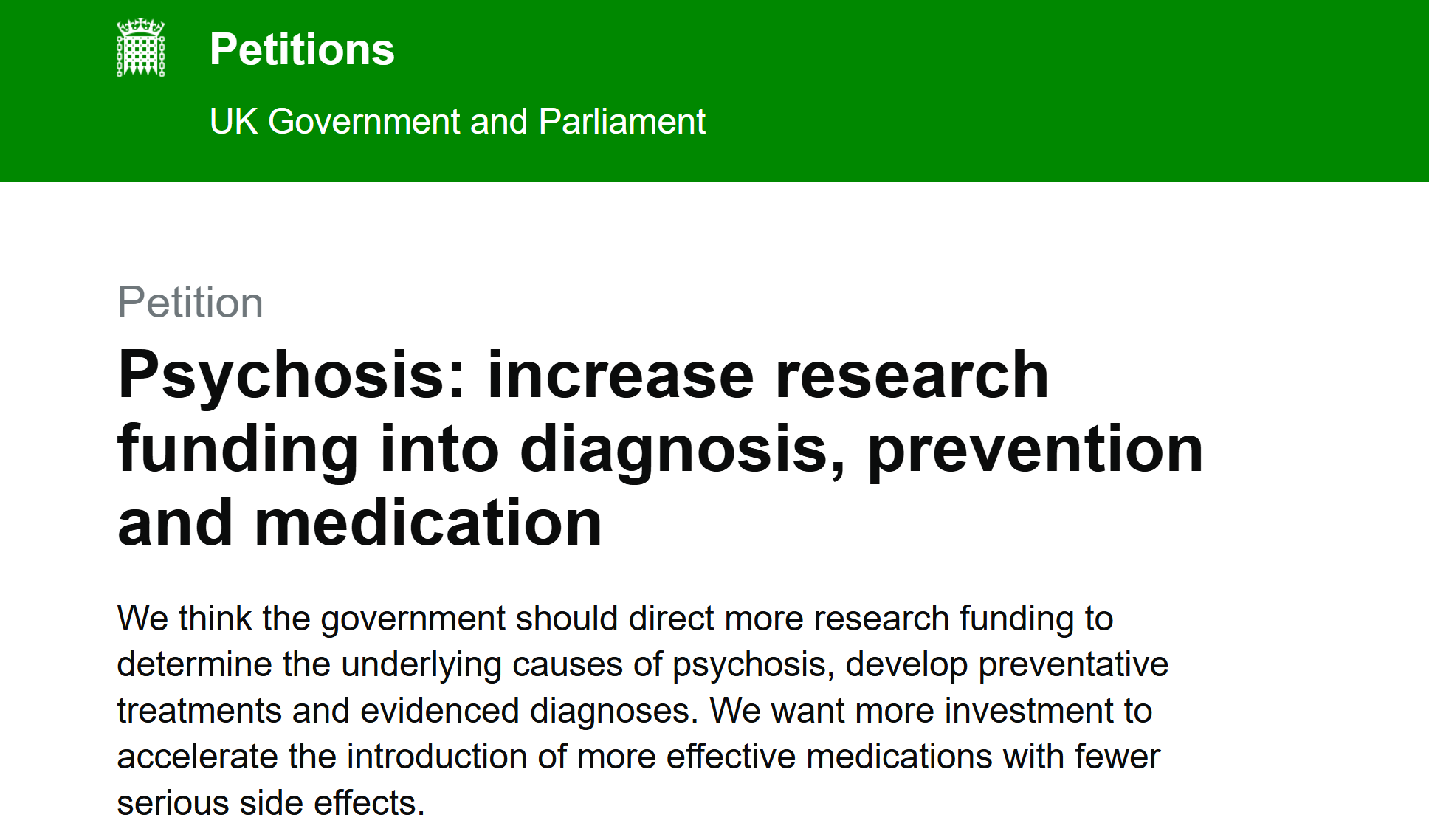
The discussion focuses on a petition to increase government funding for research into psychosis, including its diagnosis, prevention, and treatment. Irene passionately advocates for more effective medications with fewer side effects, emphasizing the need for better understanding of the underlying causes of psychosis. A carer shared personal experiences of her son’s struggles with mental illness and medication side effects. The group discusses the importance of signing and sharing the petition to gain government support for accelerated research in this area.
Pharmacist Prescribing for Mental Health
The discussion focuses on pharmacists prescribing for mental health conditions. Richard explains that some pharmacists, especially those with specialized training, are caring for people with mental illnesses in various settings. However, the extent of their involvement in prescribing and monitoring is still unclear. A carer expressed concern about pharmacists prescribing for severe conditions like bipolar disorder without extensive training. The group discusses the need for proper qualifications and access to medical records. Richard emphasizes that the study aims to understand and improve the care provided by pharmacist prescribers in community services.
Carers Roadshows: Community Support Network
Trevor a carer involved at Notts NHS described his Carers Roadshows, which he has been organizing since 2013. These free events bring together various organizations dealing with health, mental health, and social care to provide information and support to carers and patients.
Trevor emphasizes the importance of communication in triangular care and sees the roadshows as an effective, sustainable tool for fostering connections between different organizations and the community. He expresses his ambition to expand the roadshows across the country, particularly in London boroughs, and offers to help others create their own roadshows using his four-step guide.
Older Male Carers Advisory Group
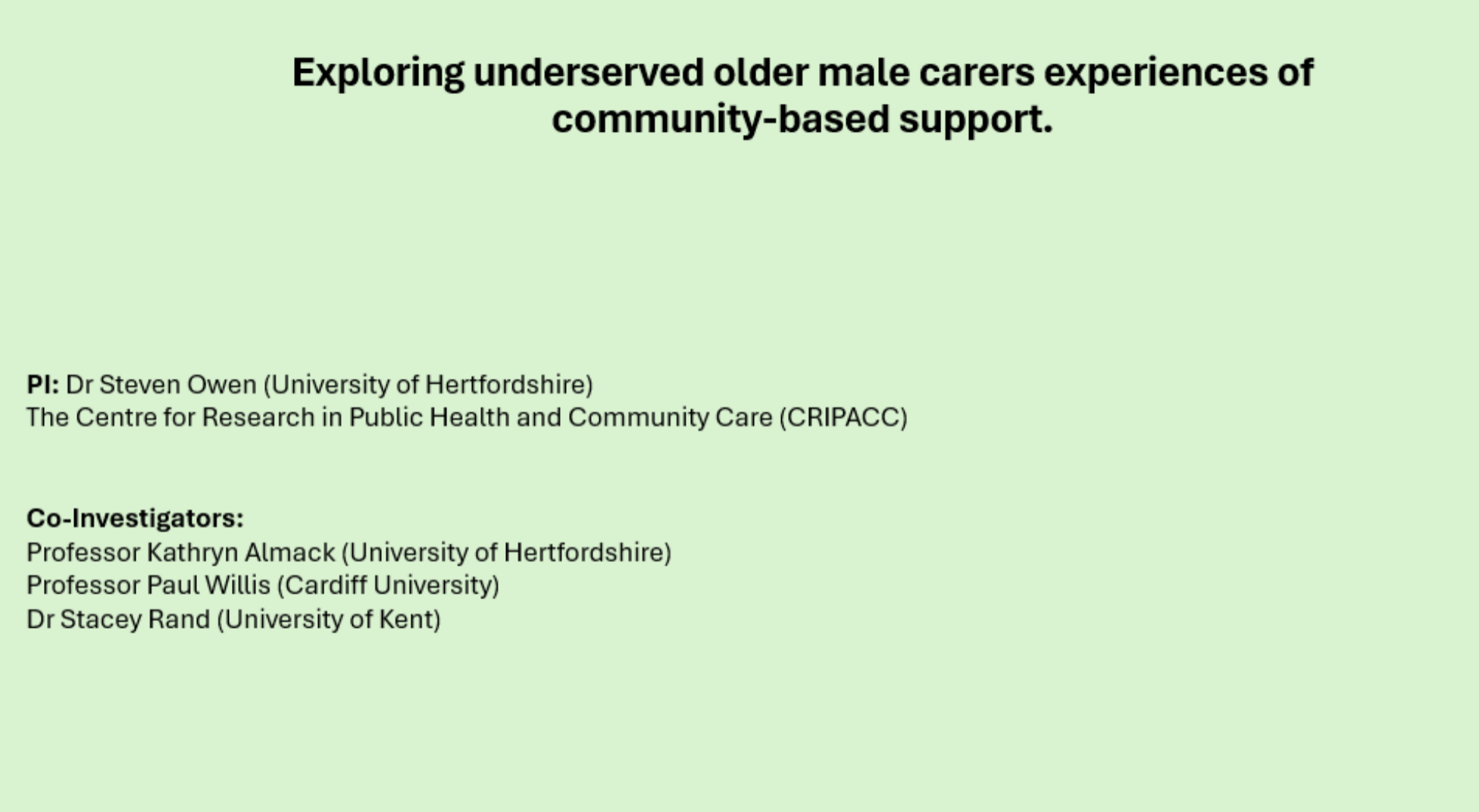
Steve Owen from the University of Hertfordshire presents his research project on exploring the experiences of underserved older male carers. The project aims to set up an advisory group of 7-10 older men, particularly from minority ethnic groups, same-sex relationships, and rural/coastal areas, to meet from June to December 2025.
The research group will discuss the benefits and challenges of caring, gender dynamics, and access to support. The project’s goals are to develop a grant proposal for further research and improve advisory group guidelines. Steve is still recruiting participants and welcomes help in sharing information about the project.
Final Reflections
The session highlighted both the progress and the gaps still faced by carers, particularly around communication, access to services, and recognition. The Triangle of Care model continues to be a vital tool in bridging these gaps, but it is the commitment of carers and professionals alike that drives real change.
“Thank you for another great meeting Matthew and everyone.” – Linda Thomas “These meetings have been such a resource for us all.” – Gabrielle Richards “Powerful video, powerful voices. Thank you everyone.” – Claire Wood
I’m proud to be involved and help lead as triangle of care community as Chair and look forward to building our impact together. If you’re interested in co-chairing or getting more involved, please reach out let’s continue to shape mental health care that values and includes carers at every level.
The Power of Community in Mental Health: Reflections on Mental Health Awareness Week 2025
By Matthew McKenzie
Mental health is a universal concern, touching every life in profound and personal ways. As we mark Mental Health Awareness Week 2025, the spotlight turns to a theme that is both timeless and urgently relevant: community. In a world where isolation and disconnection are increasingly common, the bonds we share with others, whether family, friends, neighbors, or online networks it can be the difference between despair and hope, between struggle and resilience.
You can watch the awareness video below.
This article explores the vital role of community in mental health, the challenges many face in accessing supportive spaces, and the collective actions we can take to ensure no mind is left behind.
Understanding Mental Health Awareness Week 2025
A Tradition of Advocacy and Reflection
For over two decades, Mental Health Awareness Week has been a cornerstone of advocacy in the UK, led by organizations like the Mental Health Foundation. Each year, this week serves as a time for reflection, education, and action, encouraging individuals and communities to prioritize mental well-being.
Understanding Over-Involvement as a Mental Health Carer
Welcome to another lecture taken off my YouTube channel. If you want to watch the lecture please see the video below.
Caring for a loved one with long-term mental ill health is a profound act of compassion, resilience, and often necessity. For countless unpaid carers, the daily reality involves advocating, supporting, and filling in the ever-widening gaps left by under-resourced mental health systems. But amid this dedication, a challenging reality emerges: what happens when you become “too involved” as a mental health carer?
Navigating the boundary between healthy support and over-involvement is fraught with emotional, social, and systemic complexities. For many carers, especially those without significant backup or support from services, over-involvement isn’t a deliberate choice. Rather, it’s a reaction to anxiety, lack of resources, unavailable respite, or a deep sense of responsibility, factors often compounded by the failures of the very systems meant to help.
This article explores the nuanced challenges of over-involvement, the psychological and social fallout for carers, the systemic pitfalls that fuel this cycle, and constructive pathways forward.
What Does It Mean to Be “Too Involved”?
Over-involvement as a mental health carer doesn’t refer to love or dedication, but to a state where healthy boundaries are blurred. It can look like:
Constantly monitoring or managing every decision or behavior: Driven by anxiety, the carer feels compelled to oversee every aspect of their loved one’s life.
Neglecting one’s own needs and identity: Support shifts from helping to living solely for the cared-for person, with carers sidelining their own health and well-being.
Becoming the sole or primary source of support with little to no backup: In the absence of adequate services, carers take on overwhelming responsibility.
Feeling unable to step away—even when necessary: Carers may feel there’s simply no option to rest, leading to chronic exhaustion.
While not every carer will experience all of these, most will likely encounter at least some, especially during crises or prolonged periods of under-resourcing.
The Emotional and Social Toll of Over-Involvement
Burnout and Fatigue
The most immediate impact of over-involvement is caregiver burnout. Continual vigilance, lack of sleep, and emotional strain take a heavy toll. Fatigue accumulates until carers can no longer function effectively, putting their own mental health at risk.
Guilt, Anxiety, and Isolation
Carers often wrestle with overwhelming guilt—fearful of not doing enough, or of something going wrong in their absence. Anxiety about possible crises or relapses becomes a constant presence. Over time, this anxiety, coupled with a lack of support, leads to profound isolation: friends, hobbies, and social ties erode under the relentless demands of caring.
Loss of Identity
Many carers experience a blurring, or even a loss, of their personal identity. They become “the carer,” subsuming roles as a partner, parent, sibling, or friend. The world shrinks to the immediate needs of the cared-for person, often at the expense of the carer’s own aspirations and selfhood.
Depression and Hopelessness
Without respite or validation, carers can slip into depression. Hopelessness stems from the sense that there is no help available and nobody understands the unrelenting emotional labor.
Neglect of Personal Health and Finances
Skipping one’s own medical appointments, neglecting health, and losing the ability to work full or even part-time are all too common. The financial strain can be devastating, adding yet another layer of stress.
Social Withdrawal and Relationship Strain
Over-involvement is a key driver of relationship breakdowns—not just with friends and work, but with the cared-for person. Overreliance on the carer can breed resentment on both sides, fueling conflicts, codependency, and, on the part of the cared-for person, a diminished sense of autonomy and independence.
Systemic Failures: Why Carers Become Over-Involved
Underfunded and Overstretched Services
The reality for many mental health carers is that the system simply doesn’t provide for the needs of those with mental health conditions—let alone their carers. Cuts to services, lack of staff, and waiting lists mean that carers are left to fill the gaps. They become, by necessity, the constant support, regardless of personal capacity.
Lack of Communication and Training
Poor communication from health or social services leaves carers in the dark. With no clear guidance or explanation of the cared-for person’s needs, diagnosis, or care plan, carers are left to guess, manage, and advocate alone. Often, vital training around role limitations or healthy boundaries is missing entirely.
Delayed or Insufficient Care Provision
When care is delayed or inadequate, carers are expected to step up, often without assessment or recognition. Insufficient professional support forces carers to take on roles they may not feel prepared for.
Weak Support and Community Networks
With respite care and carer centers decreasing in number and capacity, finding relief or support is increasingly difficult. Carers are isolated, unable to share experiences, access information, or receive the validation needed to carry on effectively.
The Double-Edged Sword of Professional Involvement
When Professionals Flag “Over-Involvement”
Health professionals may at times flag a carer as being “too involved” and, in some cases, limit or block their involvement in treatment or information sharing. While, in theory, this is a safeguard to protect the autonomy and recovery of the person with mental health needs, in practice it often plays out as a means of gatekeeping, especially in overburdened services.
Confidentiality laws may be invoked, sometimes rightly, sometimes in a blanket manner—leaving carers excluded from vital care discussions. “Gatekeeping” behaviors can include:
Restricting carers from meetings, updates, or ward visits
Using complex jargon to confuse or minimize a carer’s role
Citing a carer’s emotional state as evidence they may be a hindrance, thereby weaponizing carer fatigue
The Controversy: Persistence vs. Over-Involvement
A difficult question arises: when does persistence and advocacy for a loved one become “over-involvement”? Too often, carers asking difficult questions or pushing for better care are labeled obstructive or overbearing, sometimes as a way for professionals to deflect accountability for insufficient services or to reduce pressure on their own overstretched roles.
Yet, the very qualities needed in good carers—advocacy, persistence, commitment to high standards of care—may be used against them. Without structure, dialogue, and mutual respect, the risk is that carers are shut out, leaving both carer and cared-for at greater risk.
The Vicious Cycle: Carer Fatigue as a Reason for Exclusion
Systemic failure has a way of compounding itself. Carers are forced to step in because services are lacking. This necessary over-involvement leads to fatigue, stress, and sometimes mistakes or emotional responses. Professionals then point to this fatigue as a reason to exclude the carer or question their suitability—without offering alternatives or meaningful support. The end result: everyone loses, most of all the person in crisis.
Best Practices: Constructive Solutions and Support Strategies
Respite and Connection: The Need for Rest and Support Networks
Respite care, though increasingly scarce—is essential. Time off to rest, reset, and re-engage with passions outside the caring role is not a luxury but a lifeline.
Equally vital are carer support groups and centers, whether formal (hospital, community organizations) or informal (peer-organized). These provide:
Connection and reduced isolation
Information about navigating the mental health system
Validation and shared experience
Opportunities to strengthen one’s own identity
Many carers find that meeting others, even infrequently, offers practical ideas and emotional relief.
Learning to Set Healthy Boundaries
Establishing boundaries is crucial, but incredibly hard—especially when no backup options exist. Carers benefit greatly from structured education about:
The scope and limits of their role
When to step back, and how to do so without guilt
How to communicate their boundaries to professionals and family
Such education is often, unfortunately, lacking. Professional services have a duty to provide training and guidance, both for the carer’s health and for the relationship with the cared-for person.
Professional Education and Constructive Inclusion
Mental health professionals need ongoing training—not just on mental health conditions, but on carer engagement and support. Constructive inclusion means:
Sharing appropriate (non-confidential) information with carers
Involving carers in care planning and discussions
Recognizing their unique insights, without over-relying on them
Actively supporting carers to take breaks or step back as needed
Shared Responsibility, Not Transferred Responsibility
Mental health systems must prioritize shared responsibility. Carers should neither be left to do everything (“just get on with it”) nor shut out completely. Effective service provision means:
Joint care planning that integrates professionals, patients, and carers
Policies that match available resources—rather than just shifting risk onto families
Building a culture of respect and inclusion, not suspicion or blame
Carers’ Right to Step Back
Carers should feel empowered to step back from their role, even temporarily, without fear of catastrophe or overwhelming guilt. This is only possible in systems that provide meaningful support and backup—not merely moral encouragement.
Final Reflections: Moving Forward with Awareness and Compassion
The challenges of over-involvement as a mental health carer are not a sign of personal failure. More often, they reflect the shortcomings of a fragmented, under-resourced system that expects too much while providing too little.
No approach will be perfect. Sometimes, even with the best intentions, carers will cross the line into over-involvement. What’s essential is recognizing these moments not as failures, but as signals to seek connection, education, respite, or professional guidance.
For professionals, the task is to move beyond gatekeeping and work with carers as partners, acknowledging both their knowledge and their limits. For families, building peer support networks and for carers individually, permission to step back—are keys to sustainability.
Ultimately, meaningful mental health care must be rooted in shared responsibility, communal support, and flexible, compassionate boundaries. Only then can carers continue to support their loved ones not just out of necessity, but out of a place of balance, health, and hope.
Resources for Mental Health Carers
Carers UK: Offers a wide range of advice and community forums for carers.
Mind: Provides specific support on mental health caring, advocacy, and rights.
Rethink Mental Illness: Campaigning and advice for families and carers.
Local Carer Centers: Contact your local authority or NHS Trust for groups and training.
Peer Support Networks: Consider informal groups or online forums for shared experience and validation.
If you are a carer, professional, or someone with lived experience: remember, caring is both a gift and a challenge. Prioritize your own well-being as part of the journey. The health of the whole community depends on supporting you too.
On May 1st, 2025, Cygnet Health Care hosted its landmark Co-Production in Commissioning Conference at the iconic Villa Park, Birmingham. More than just a professional gathering, the event was a manifesto for a more inclusive, compassionate, and equitable model of care, driven by people with lived experience, carers, clinicians, and commissioners alike.
Packed with powerful keynotes, practical models, and heartfelt stories, the day was as emotionally resonant as it was strategically focused.
The Importance of Ethnic Minority Mental Health Carer Voices: Empowering Unpaid Carers from the Global Majority by Matthew McKenzie
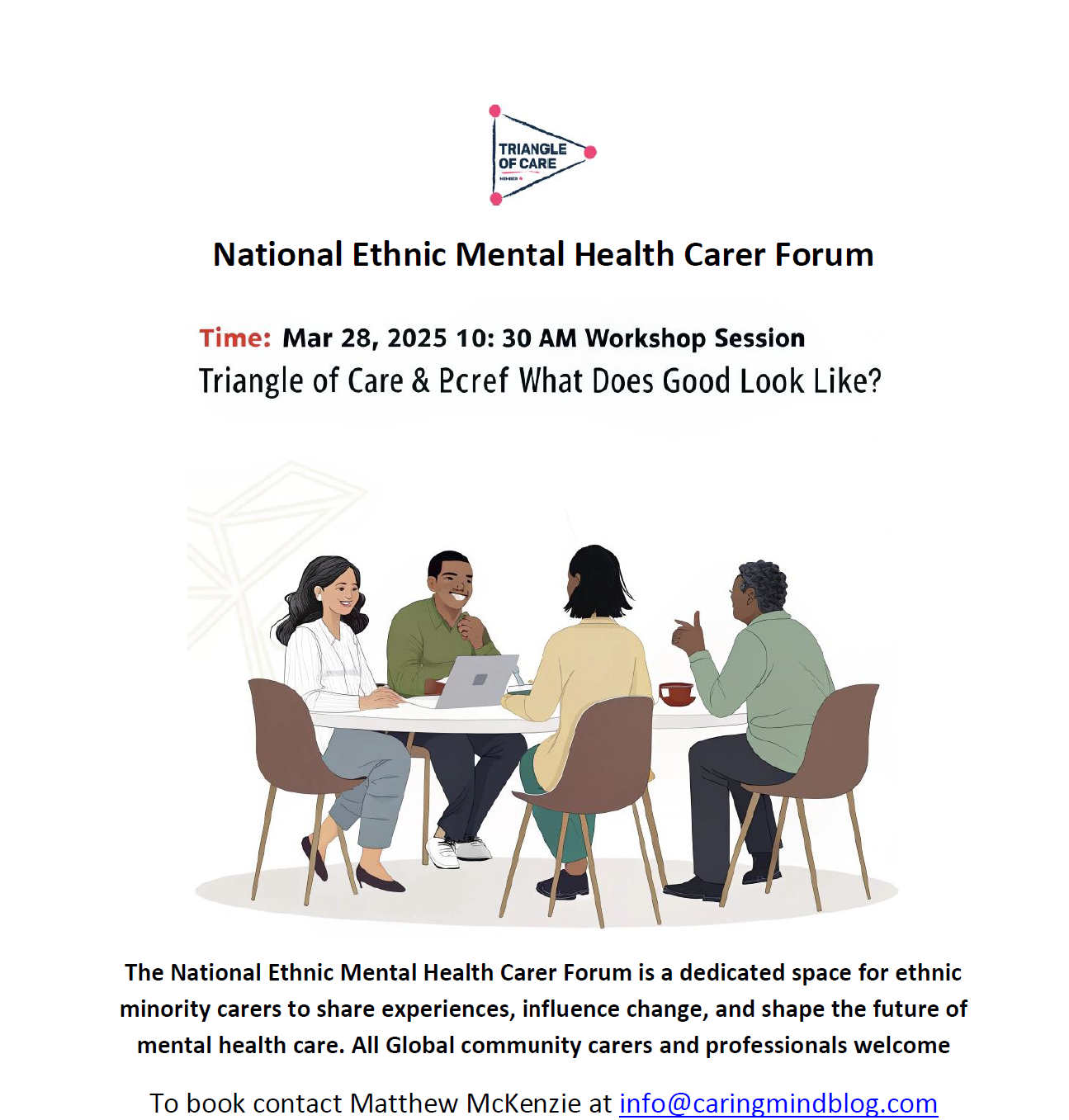
In today’s world, the voices of ethnic minority carers in mental health services must be heard and valued. The National Ethnic Mental Health Carers Forum meeting, held on March 28, 2025, underscored the vital role that co-production and lived experience play in shaping better services for those who care for loved ones with mental health needs.
Celebrating Mental Health Carers: Building Stronger Connections in Southwest London
By Matthew McKenzie | April 2025
Mental health carers play a vital, often unseen role in supporting loved ones through some of life’s most difficult challenges. At the SW London Mental Health Carer’s Group, we’re creating a space where carers can connect, learn, and feel empowered.
The forum is faciliated by Matthew McKenzie and Ava, although members of the group are encouraged to facilitate to develop carer empowerment.
On Wednesday 26th March, I had the pleasure of attending and representing Carers UK along with Greenwich Carers MH carers grouos. This was at the Greenwich Carers centre – Carers Forum – Mental Health event.
The event was held in the building and then in a beautiful garden setting surrounded by passionate individuals and organisations all focused on supporting unpaid carers. As someone who’s deeply involved in carer advocacy, this was more than just an information stall, it was a moment to connect, empower, and share resources that can make a real difference in someone’s life.
As you might know, unpaid carers play a vital yet often overlooked role in supporting individuals with mental health needs. Their contributions provide essential support and advocacy, yet they frequently encounter significant challenges due to limited training, insufficient resources, and time constraints. This blog and video explores key strategies for holding mental health trusts accountable while empowering carers to influence and improve mental health services. The blog is aimed at carers who are involved at their local mental health NHS trust. This means that they help shape services.
The Importance of Holding Mental Health Trusts Accountable
Ensuring accountability within mental health trusts is crucial. Carers have the right to expect high-quality, effective care for their loved ones. By holding such NHS trusts to these standards, both patients and carers benefit. Accountability encompasses various aspects, including access to timely and appropriate care, the quality of treatment plans, and the consistency of care. Without these measures in place, there is a risk of declining service quality, ultimately affecting the well-being of both carers and patients. Holding Mental Health NHS trusts to account is never an easy thing, you will have to learn from carer peers and to be honest, all you have is your carer lived experience to feedback your view of services.
If you want to watch the in-depth video of this lecture, please see below.
The Role of Carers in Mental Health
Carers offer valuable insights into the needs of those they support. Their experiences are instrumental in shaping effective mental health services.
















 A Caring Mind