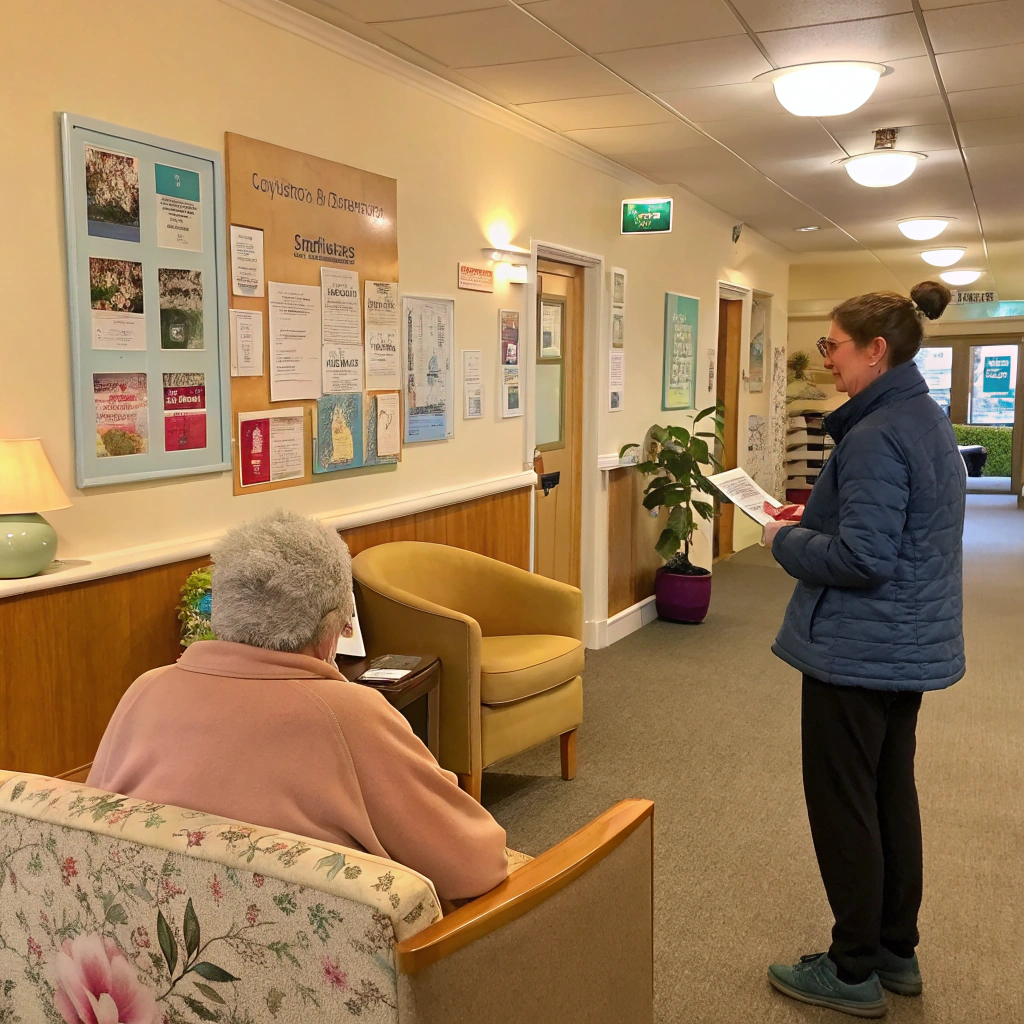
On a brisk November afternoon, unpaid mental health carers across Greenwich gathered once again, not just to share experiences, but to seek answers, influence services, and strengthen community. Facilitated by long-time carer advocate Matthew McKenzie, the forum brought together carers, relatives, professionals, and two guest speakers from Oxleas NHS Foundation Trust.
As I explained when opening the meeting, the purpose of the forum is twofold connection and influence:
November’s session featured two speakers:
✅ Speaker 1 — Lorraine Regan
Director for Community Mental Health, Learning Disabilities & Autism, Oxleas NHS Foundation Trust
✅ Speaker 2 — Janice Williamson
Carer Involvement Lead, Oxleas NHS Foundation Trust
Both provided insight into service pressures, carer involvement, policy development, training, assessments, and support improvements happening across the trust.
Speaker Introduction — Lorraine Regan
Lorraine opened by introducing her background and role:
By Matthew McKenzie – Mental Health Carer Activist
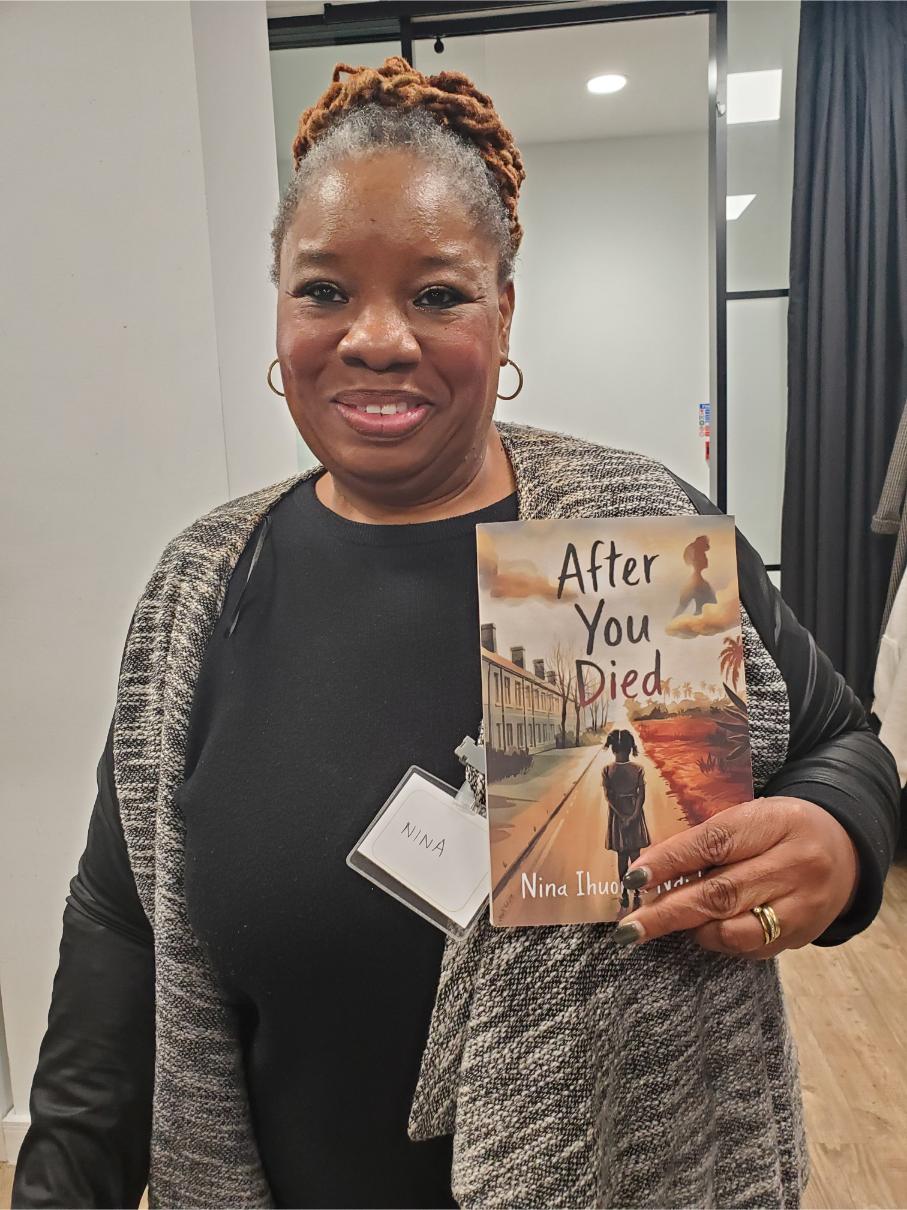
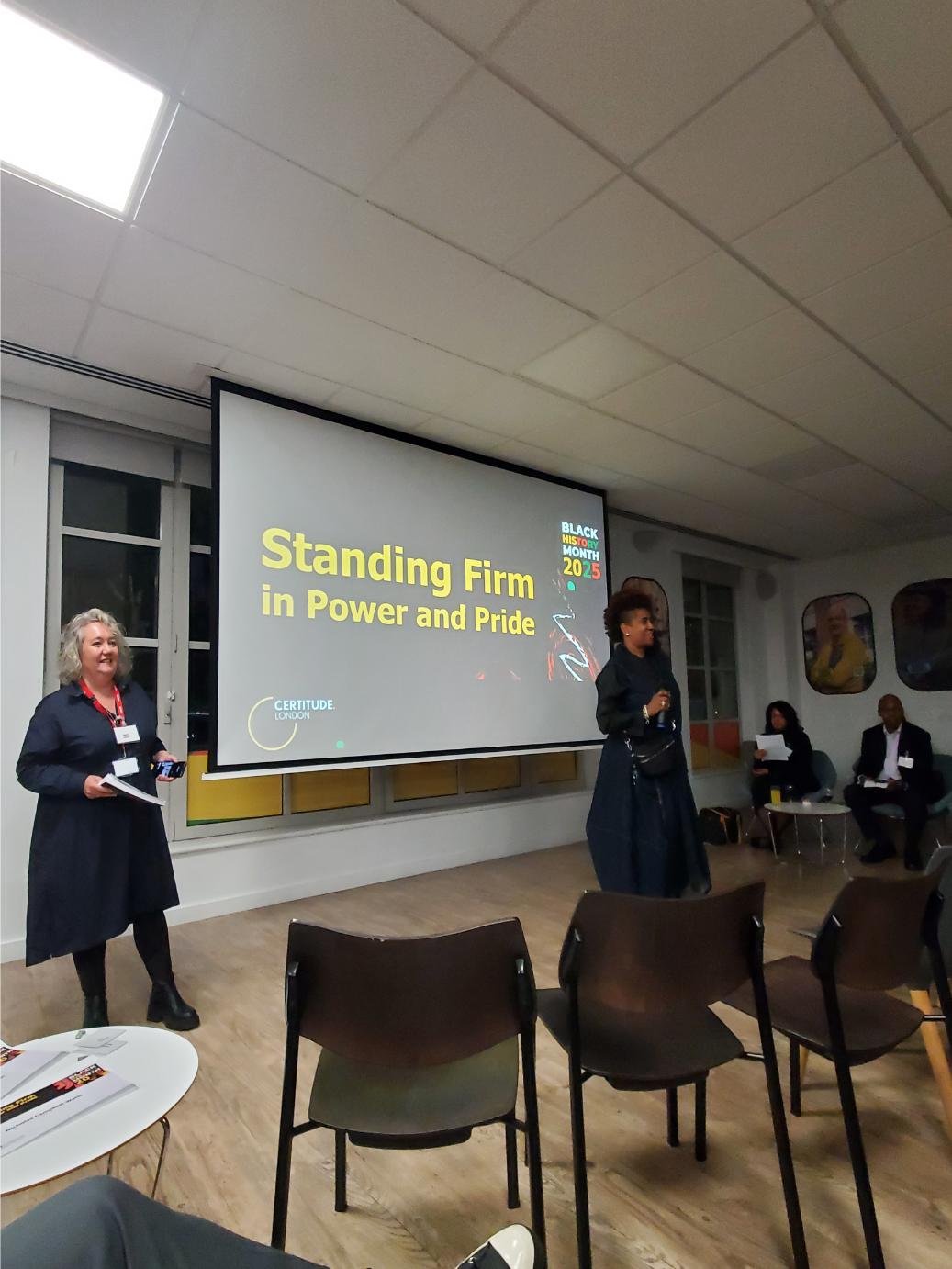
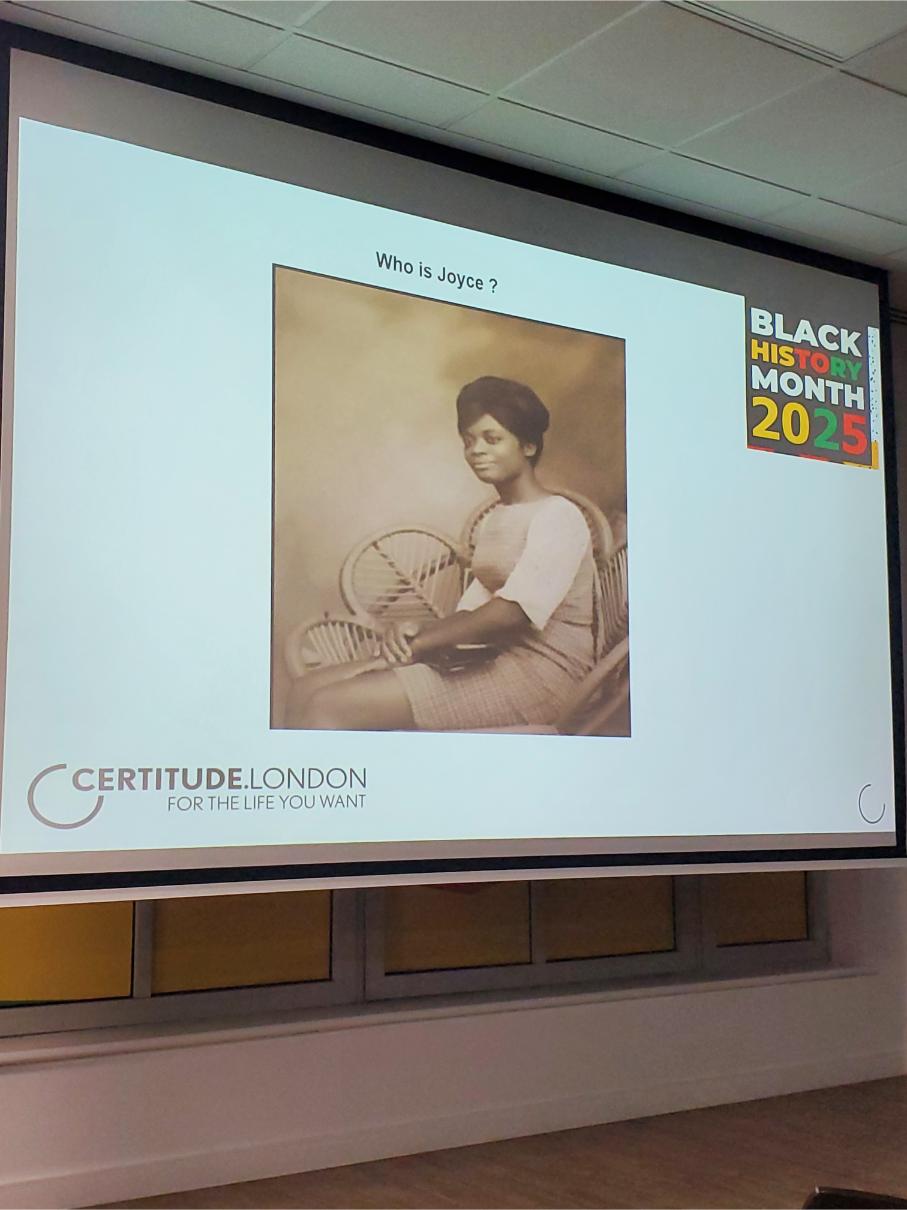
As a carer and mental health advocate, I often see how culture, identity, and lived experience shape the stories we tell and the way we support one another. Recently, I attended a remarkable Black History Month event hosted by Certitude, although I could not stay long, I left feeling inspired, proud, and deeply reflective about the intersections between culture, community, and care.
The Black History Month event was held at Bruce Kenrick House on the 16th of October 2025
About Certitude
Certitude is one of London’s leading social care providers, supporting people with learning disabilities, autism, and mental health needs to live fulfilled and independent lives. What makes Certitude special is its person-centred approach celebrating individuality, empowering self-expression, and ensuring that everyone, regardless of background, has the opportunity to thrive.
Community is a word we hear often, but its true meaning and significance can sometimes be overlooked. At its core, a community is a network, a web of relationships built on shared identity, common themes, and mutual trust. Communities are formed when people come together, united by a sense of belonging and shared responsibility. This sense of belonging is not just about being part of a group; it’s about feeling valued, having a purpose, and working towards common ideals.
This blog is a transcript of the video below.
Communities exist in many forms. The most immediate and intimate is the family, where the seeds of unpaid caring are often sown.
In July 2025, we held another meeting of the London Hospital Discharge Carers Forum, which brings together carer centres, NHS professionals, and lived experienced unpaid carers to explore how we can better support unpaid carers through the complex hospital discharge journey.
With key developments shared, questions raised, and future opportunities on the table, I’m sharing this blog to ensure everyone is informed.
A Focus on Hospital Discharge but With Carers at the Centre
The forum continues to highlight how vital carer centres are in delivering effective, compassionate discharge support. But alongside that recognition comes rising expectations: better digital access, stronger links with acute hospital teams, more formal involvement in care planning, and even new digital tools to manage carer identity and input.
Our role is growing and so is the need for collective visibility and coordinated action.
Key Themes from July’s Discussion
1. NHS England Hospital Discharge Toolkit & Care Contingency Plan As an involved carer, I delivered the NHS England update. The main message? The Care Contingency Plan (CCP) is becoming a key focus across the system. There are planning sessions due in September, and carer centres might be asked whether they can take on CCP delivery alongside existing carers assessments.
This triggered a crucial question: Will additional funding or contractual support be offered to carer centres taking on CCPs? because we can’t afford to quietly absorb additional workload without clarity on resources or expectations.
2. Digital Tools – NHS App & Carer Self-Identification With the growing digitisation of NHS services, there are plans to enable carers to self-identify via a digital route. The Universal Care Plan (UCP) is being built into the NHS app, but there’s confusion about whether a separate “carer app” is being developed too.
We’ve asked NHS England for clarification: Will carers be expected to use one NHS app to manage both contingency plans and carer registration, or will multiple systems be introduced? The answer will have implications for how we support carers with digital skills and accessibility.
3. The Bigger Picture – NHS 10-Year Plan and Local Adaptation We explored how the new 10-Year NHS Plan mentions carers primarily in the context of discharge, but offers little in terms of direct support or investment in carers themselves. Several carer centres raised concerns about being seen only as a means to improve discharge outcomes, rather than as partners in their own right.
That said, some centres are using the plan as an opportunity, working with local Integrated Care Boards (ICBs) to adapt and influence how the priorities are rolled out locally, including integration with neighbourhood health centres and walk-in clinics.
Peer Learning and Local Centre Updates
As always, our meeting included practical insights from carer centres embedded in local hospitals. Topics included:
Establishing hospital-based carer hubs and information desks.
Hosting monthly drop-ins for carers on specific wards (e.g. stroke and frailty).
Using ward rounds to identify and build relationships with staff willing to act as carer champions.
Overcoming challenges in gaining visibility, sustaining presence, or maintaining resource levels for in-hospital work.
Planning carers coffee mornings and pop-up stands to increase footfall and engagement.
For newer hospital-based carer workers, this space proved invaluable as a place to learn from colleagues, gather ideas, and avoid isolation.
Project Developments: What Centres Need to Know
Several borough-wide and London-wide initiatives are taking shape that could directly affect how carer centres operate in coming months:
A standard operating procedure for hospital discharge, currently being developed across South East London, is aiming to streamline how carers are engaged at discharge, with pilot sites starting this September.
In North Central London, work is underway on a web portal that makes it easier for hospital and emergency staff to refer carers into local support services including from the London Ambulance Service.
Carer Centres in several areas are starting or refreshing carer charters, carer passports, and surveys designed to codify carer involvement and measure experience across hospital pathways.
Carer support workers at one major South London hospital are re-establishing visibility post-staff transition. Efforts are underway to build new ward-level relationships and identify carer champions among staff. The centre is also exploring monthly carer drop-ins, asking the group for ideas on what works well and what doesn’t.
One East London carer centre has established a hospital-based hub on a specific ward floor, acting as a go-to space for carers needing support or information. They also run monthly drop-in sessions on elderly/frailty and stroke wards conditions where family involvement in discharge planning is often critical.
These projects are at different stages, but all point to one thing: carer centres are being asked to operate more visibly, more formally, and more digitally. It’s essential we shape this process and not just respond to it.
With NHS England’s CCP work moving fast and carer integration into digital systems ramping up, carer centres can no longer afford to remain on the sidelines.
We have a chance to be informed of policy changes early not after implementation.
Carer centres and hospitals can raise concerns about workload, training, and funding before it’s too late.
Newer or isolated workers benefit from collective knowledge-sharing and support.
This is not just another meeting, it’s one of the few cross-borough forums focused squarely on carer centres in the acute hospital context.
Looking Ahead: September Session
Our next meeting will be held usually the last week of September.
Let’s not let carers be an afterthought. Let’s make sure carer centres are seen, heard, and properly resourced.
Why Unpaid Carers Should Join Our Mental Health Carers Forum and Why Oxleas & Our Local Authorities Should Listen
By Matthew McKenzie
Caring for a loved one with mental health needs is a journey full of challenges, isolation, and too often lack of support. That’s why we run a dedicated Mental Health Carers Forum with Greenwich Carers Centre that brings together unpaid carers from across Greenwich and sometimes other boroughs since Oxleas covers Bromley and Bexley.
In our most recent forum, carers opened up about what it’s really like to navigate services and support their loved ones. The message was clear: unpaid carers are doing more than ever often alone and we need to work together to make sure they are not left behind.
The Power of Peer Support
One carer said:
“I’m a sandwich carer — looking after my elderly parents and my daughter with complex needs. Groups like this are a lifeline. It’s a space to share, learn, and recharge.”
For many carers, peer support is one of the few places where they are truly heard. Another participant explained:
“It helps so much to hear from others going through similar things. It’s the only way I know what services are available and what’s changing.”
Challenges That Carers Face
Through the forum, we heard repeated concerns:
Lack of joined-up care between GPs and mental health services
Delays in care planning and assessments — or carers being excluded altogether
Confusing systems — carers are often left chasing up GPs or social workers themselves
Failure to take carers’ expertise seriously in assessments and planning
Emotional strain — many carers at breaking point, needing better respite and emotional support
One mother of three autistic children shared:
“I told them my son cannot tolerate bright light that’s why the curtains were drawn. But the assessor just complained about the curtains and parking. They didn’t listen to what my son really needs.”
Presentation: Advocating for a Loved One During and After Mental Health Crisis
Matthew McKenzie delivered a detailed presentation on how unpaid carers can effectively advocate for their loved ones, particularly around mental health services.
Key points included:
Carers are not just supporters, they are also advocates for their loved ones
Building relationships with key professionals (GP, care coordinator, psychiatrist, social worker) is crucial
Carers should keep records of symptoms, interventions and communications to support advocacy
During a crisis, carers should:
Stay calm
Be factual about symptoms and risks
Be assertive (but respectful) in requests for urgent action
Request risk assessments and ask for information to be recorded
Understand confidentiality rights and use carers’ rights under the Care Act
The importance of self-care for carers, advocacy can be exhausting, and carers must seek peer support and breaks
Carers should also use the complaints process and escalate concerns when services fail
A Call to Oxleas NHS and Local Authority
We know big changes are coming, NHS England reorganisations, funding pressures, staff reductions. But one thing won’t change: the system depends on unpaid carers.
That’s why we urge Oxleas NHS Trust and the local authorities to:
✅ Regularly engage with this forum to hear carers’ voices ✅ Ensure carers are meaningfully included in care plans and reviews ✅ Offer more training and support for staff on carer involvement ✅ Improve clarity on who carers can contact in a crisis ✅ Work with us to strengthen co-production, not just in theory, but in practice
As one member put it:
“If the services won’t be there in full anymore — then carers will have to do even more. But we can’t do it if we’re broken.”
Join Us
If you’re an unpaid carer supporting someone with mental health needs, whether you’re new to caring, or have years of experience, please come along.
You’ll find a space to share, learn advocacy skills, and connect with others who truly understand. We also run a peer WhatsApp group, ask if you’d like to join.
Together we are stronger and louder. The more carers attend, the harder it is for services to ignore us.
For more info or to attend the next forum: contact
On May 1st, 2025, Cygnet Health Care hosted its landmark Co-Production in Commissioning Conference at the iconic Villa Park, Birmingham. More than just a professional gathering, the event was a manifesto for a more inclusive, compassionate, and equitable model of care, driven by people with lived experience, carers, clinicians, and commissioners alike.
Packed with powerful keynotes, practical models, and heartfelt stories, the day was as emotionally resonant as it was strategically focused.
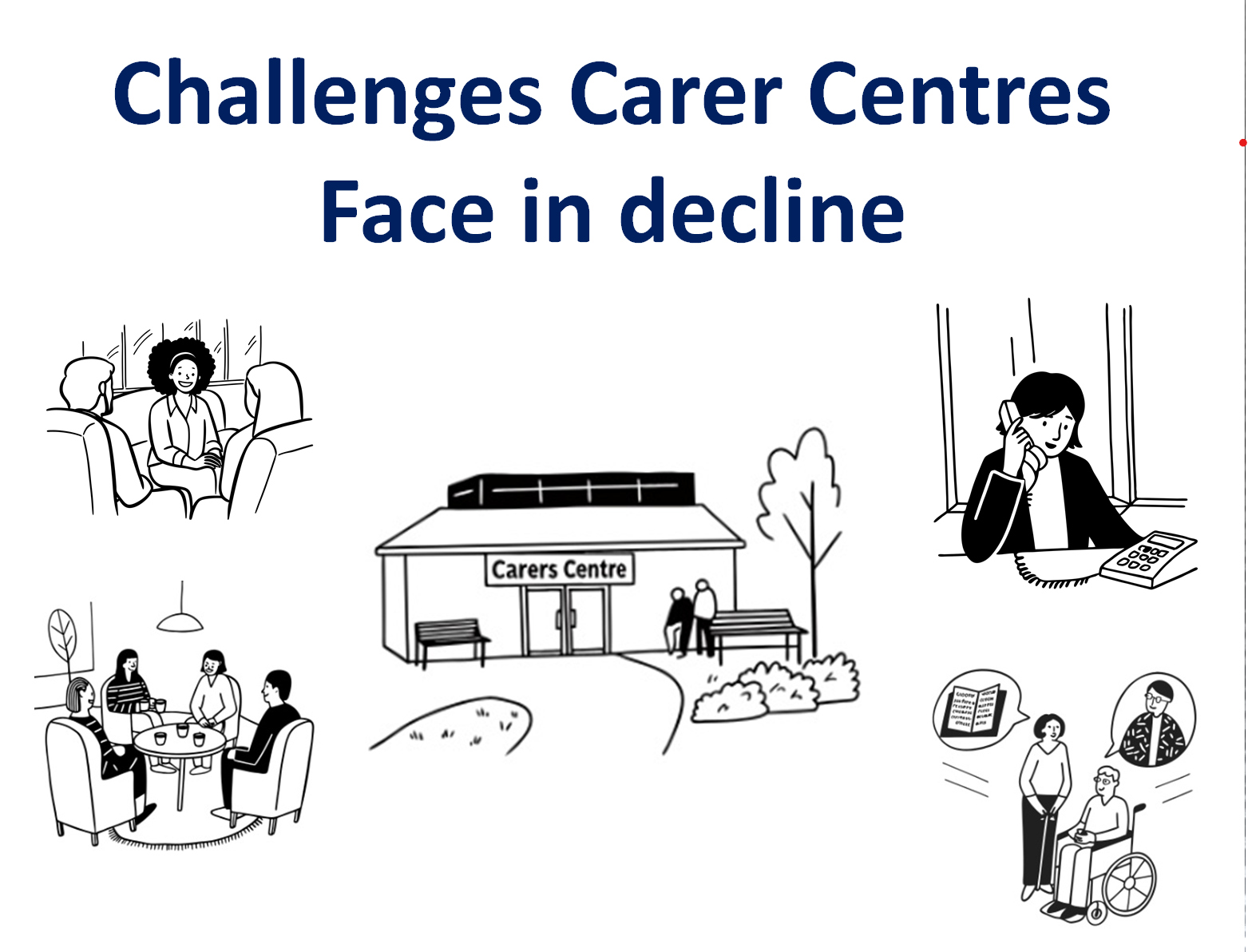
Understanding Unpaid Carers and the Vital Role of Carer Centers
This blog is by carer activist Matthew McKenzie. In the UK, millions of people, often unnoticed and unappreciated, dedicate their lives to caring for family members with long-term physical or mental health conditions. These unpaid carers are the backbone of the caregiving system, yet they face numerous challenges daily. Here, we delve into the crucial role of carer centers, the obstacles they encounter, and potential solutions to sustain and enhance their vital services.
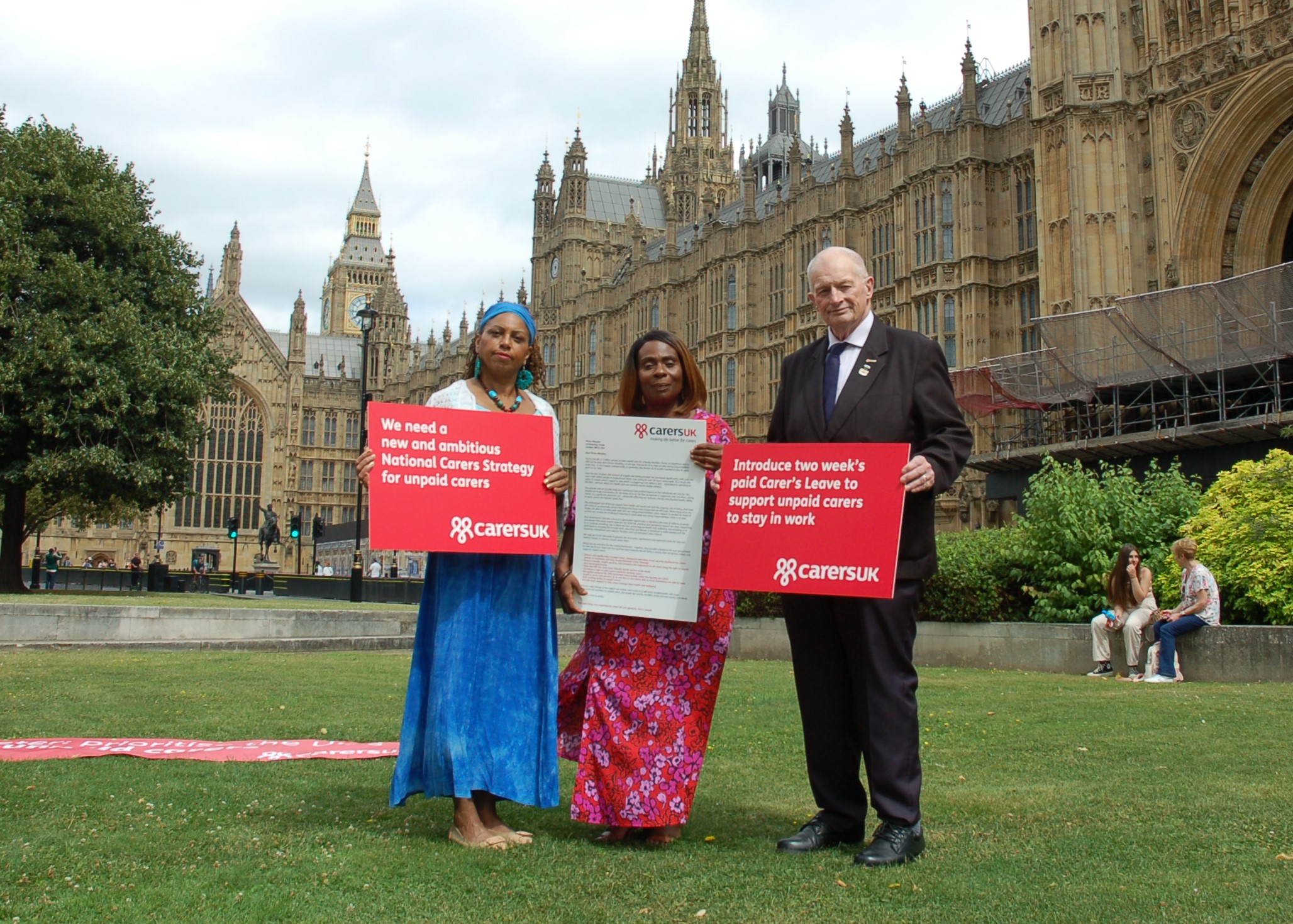
Welcome back to another blog post from carer activist Matthew McKenzie. I have just recently watched a news piece regarding Carers UK latest campaign. For those who do not know, Carers UK is one of the UK’s biggest national charities that focuses on support for carers.
You might have already seen a couple of blog posts about previous campaigns from Carers UK and other carer support charities. At the time of this post, there are around 5.7 million carers around the country caring for someone with long term illness.
Most people want to provide unpaid care, they want a better outcome for those with long term illness, but what people do not want is to provide unpaid care with little or non support.
Each year, support for carers has been reduced within the health and social care sector. Important decisions have to be made and in the end this lies with the new government. Still, it does not hurt to provide some guidance on what Carers UK have heard from carers.
There are 8 priorities which Carers UK want the government to be accountable for.
Reform and significantly increase Carer’s Allowance and other social security payments for carers.
Deliver an ambitious and fully funded National Carers Strategy.
Invest in breaks, respite services, and introduce new legislation so all carers have the right to regular and meaningful breaks.
Make the NHS the most carer-friendly health service in the world.
Introduce a right to paid Carer’s Leave for working carers.
Recognise caring as the 10th protected characteristic under the Equality Act 2010.
Invest in social care services so no one has to care alone, and so Local Authorities are able to meet their existing duties to unpaid carers.
Provide more support to help carers manage their health and wellbeing.
The letter was signed by 10,611 people who feel passionately about the plight of carers. A lot of promotion went into the importance of the letter, but you can also watch the report from London Live news which was reported by Sachelle Connor.
Welcome to a blog site of former carer Matthew McKenzie from South London. I used to care for my mother who passed away this year. For close to 18 years I have been supporting her and my brothers who both have autism, but for my mother she had a difficult time with mental health. There was only so much I could do and a lot of support depended on health and social care services that were already struggling.
Welcome back to another blog by Matthew Mckenzie, carer, carer rep and Governor for South London and Maudsley. I am also a member of the Lewisham Mental Health Connection and carer rep for Experts by Experience. I am a member of some other organisations and NHS Trusts, but one organisation that helps raise awareness and involvement for Health in the community is Healthwatch.
So on the 19th of March, I headed over to the London Borough of Southwark to attend the Healthwatch Southwark Event. This event took place at Walworth Methodist Church and started around 4:00 pm. Before I continue, what is Healthwatch all about?